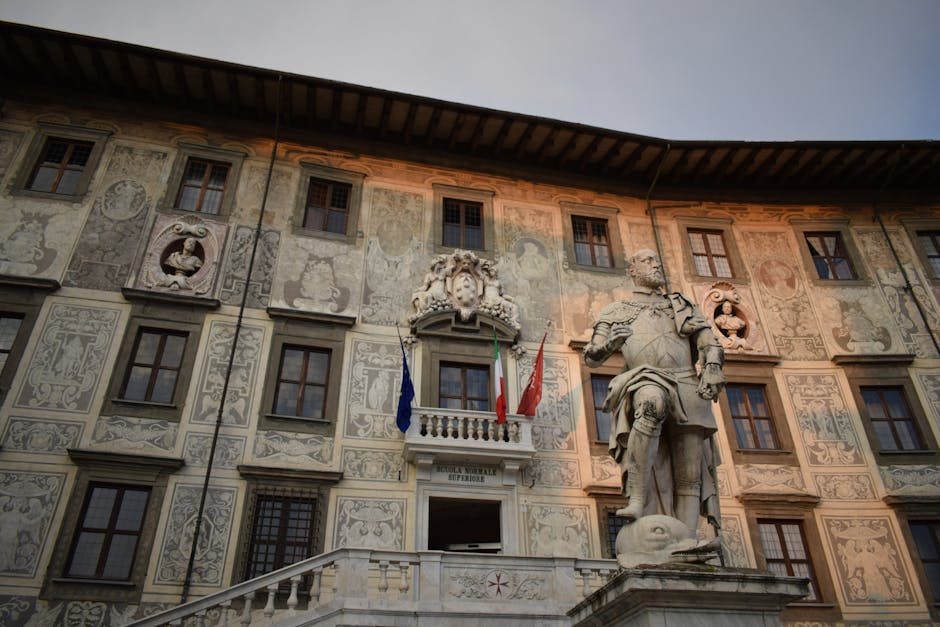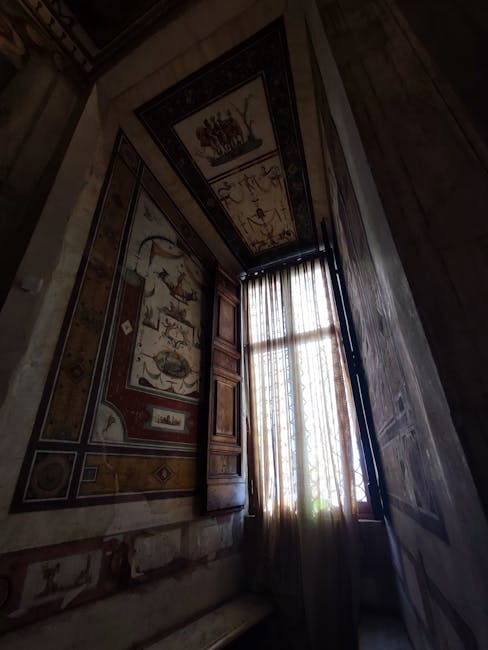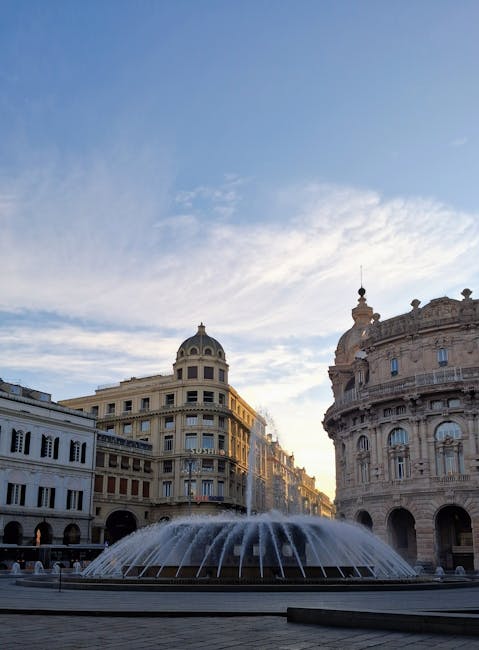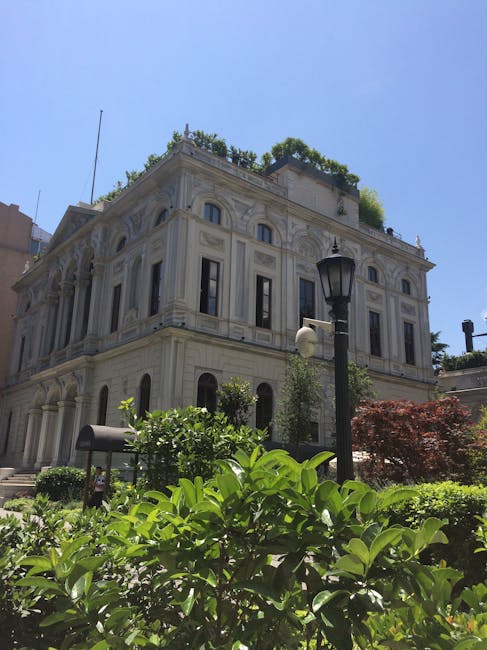
Catégorie : Museums, exhibitions and galleries

Places to explore art, history, science and culture—from temporary exhibitions to permanent collections and contemporary galleries.

  • Explore Photography in Genoa: Galleries, Festivals & Where to Shoot

    Explore Photography in Genoa: Galleries, Festivals & Where to Shoot

    Introduction: A Photographic Dive into Genoa

    Genoa, the Italian “Superba,” is a city of striking contrasts — medieval alleys, baroque façades, a bustling port, green hills and a shifting Mediterranean light that can turn any corner into a powerful image. For photographers, whether hobbyists or pros, Genoa is fertile ground: authentic urban textures, reflections on the water of the Porto Antico, faces and gestures in the neighborhood markets, and exhibition spaces where contemporary photography reveals itself in many forms. This guide helps you navigate Genoa’s photographic scene: specialist galleries, museums staging major shows, seasonal festivals, archives and offbeat venues worth the detour.

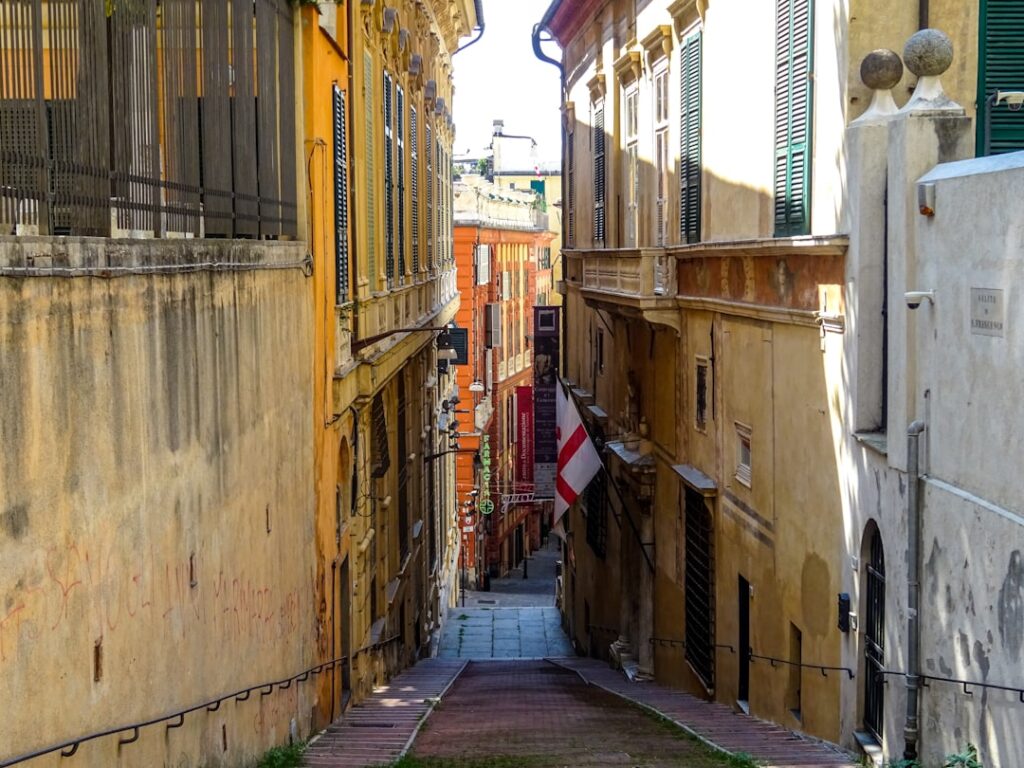
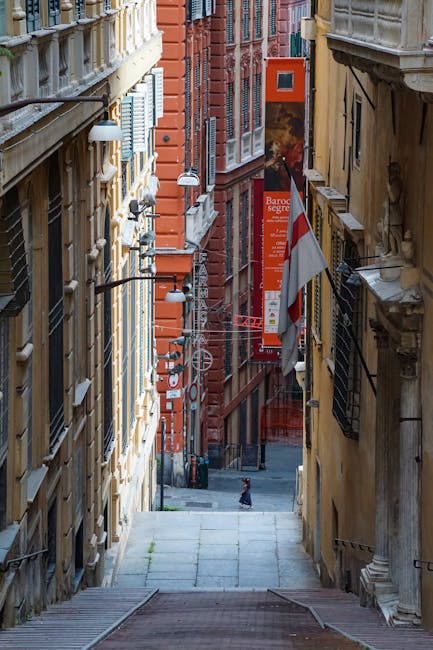
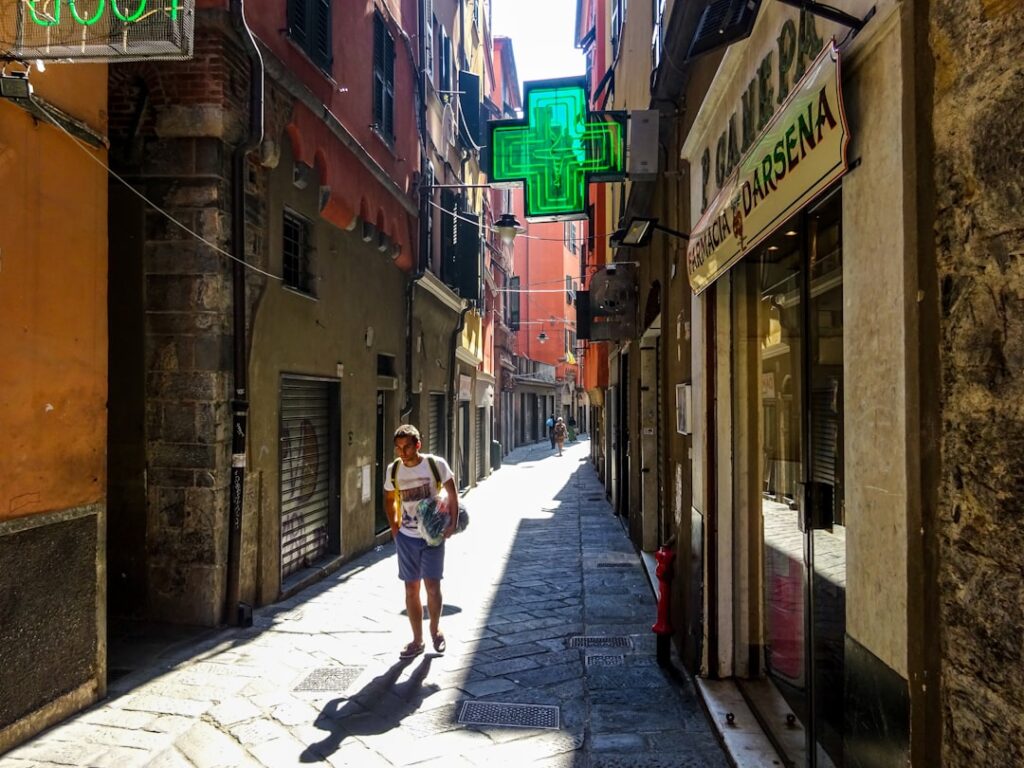
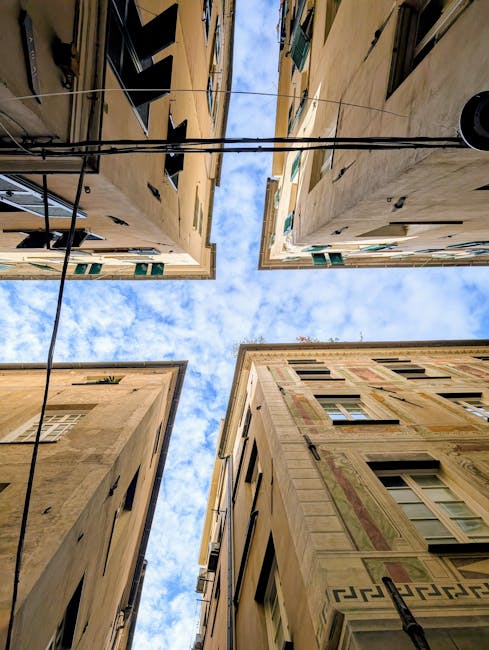
    Beyond the snapshots posted online, Genoa rewards a patient gaze. The caruggi (narrow lanes) of the historic center hold improbable compositions where shutters, wires and peeling walls become elements of a frame. Light — often harsh in summer but soft in late afternoon and at sunset — sculpts the façades of the palazzi on Strada Nuova. Street photographers will find unique subjects at the Ponte Reale market or along the quays of the Porto Antico, while lovers of architectural photography will be captivated by the interiors and façades of the Palazzi dei Rolli, a UNESCO World Heritage site.

    On the institutional side, Genoa is more than just a pretty backdrop: the city hosts dynamic exhibition spaces where contemporary photography meets modern art and themed shows. From the Palazzo Ducale, which stages international exhibitions and festivals, to smaller municipal museums and cultural centers, the programming is diverse — from historical retrospectives to experimental projects and documentary series. This guide lists addresses, opening hours, prices and practical tips to make the most of your photography visits: when to come to avoid crowds, what gear to favor for interiors or the waterfront, how to request permission for a shoot, and where to develop or rent equipment if needed.

    Finally, Genoa hosts photography festivals and one-off events: documentary photo festivals, outdoor exhibitions, night routes and artist residencies. These occasions are perfect for seeing full series, meeting photographers, curators and technicians, and — for traveling visitors — taking part in workshops or guided tours. Below you’ll find a step-by-step tour from major institutions to small independent galleries, plus practical advice to capture the spirit of Genoa with your camera. Pack light, charge your batteries and follow the roll of film: Genoa awaits with its lights, shadows and stories to tell.
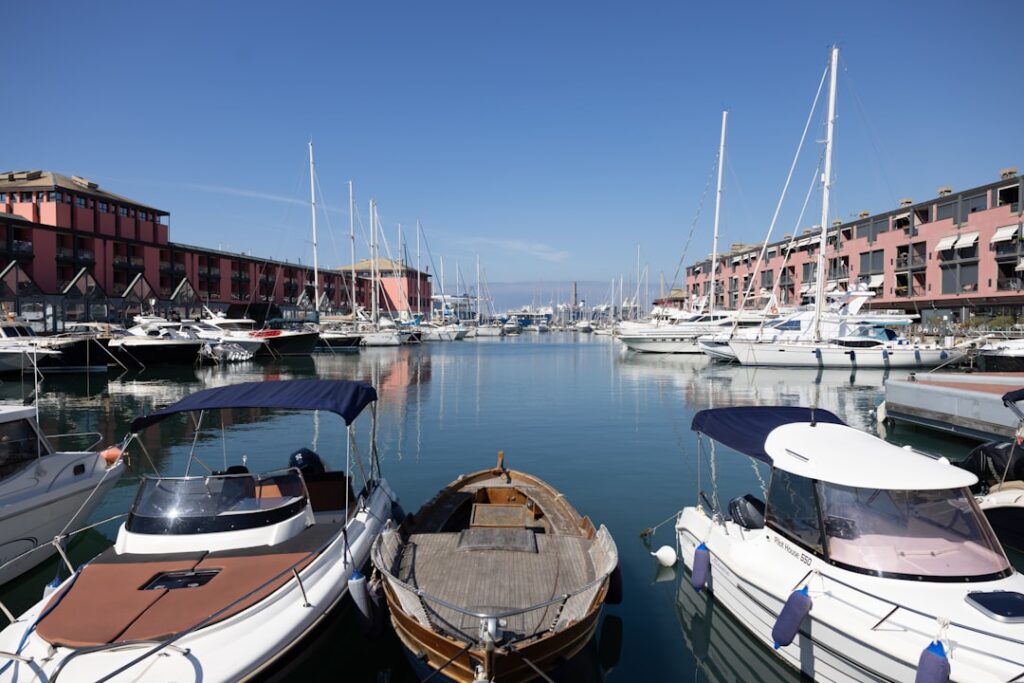
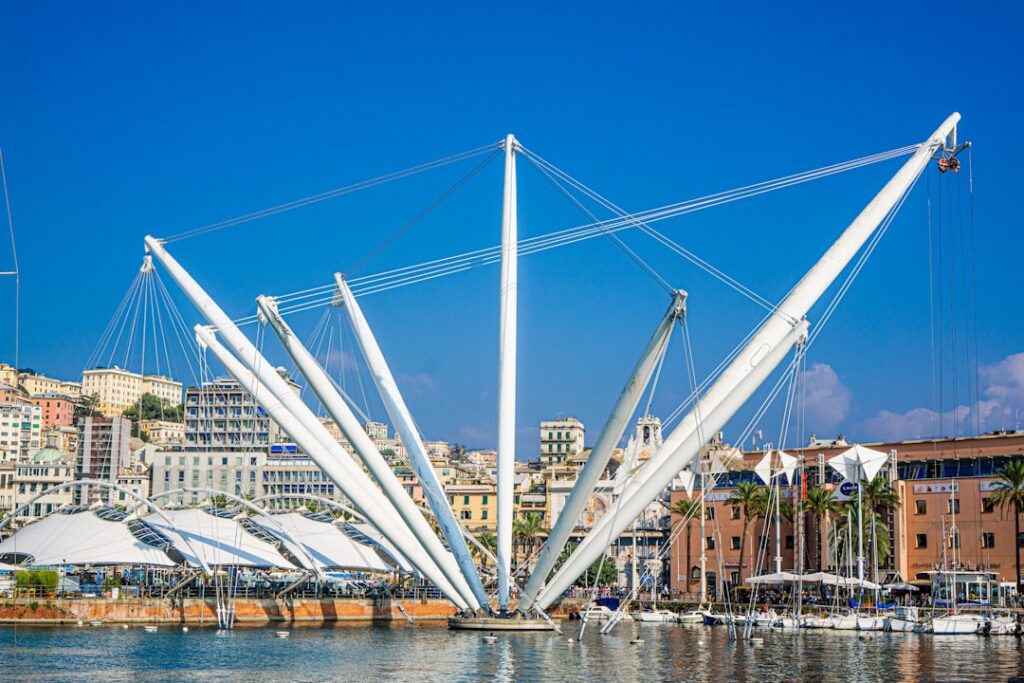
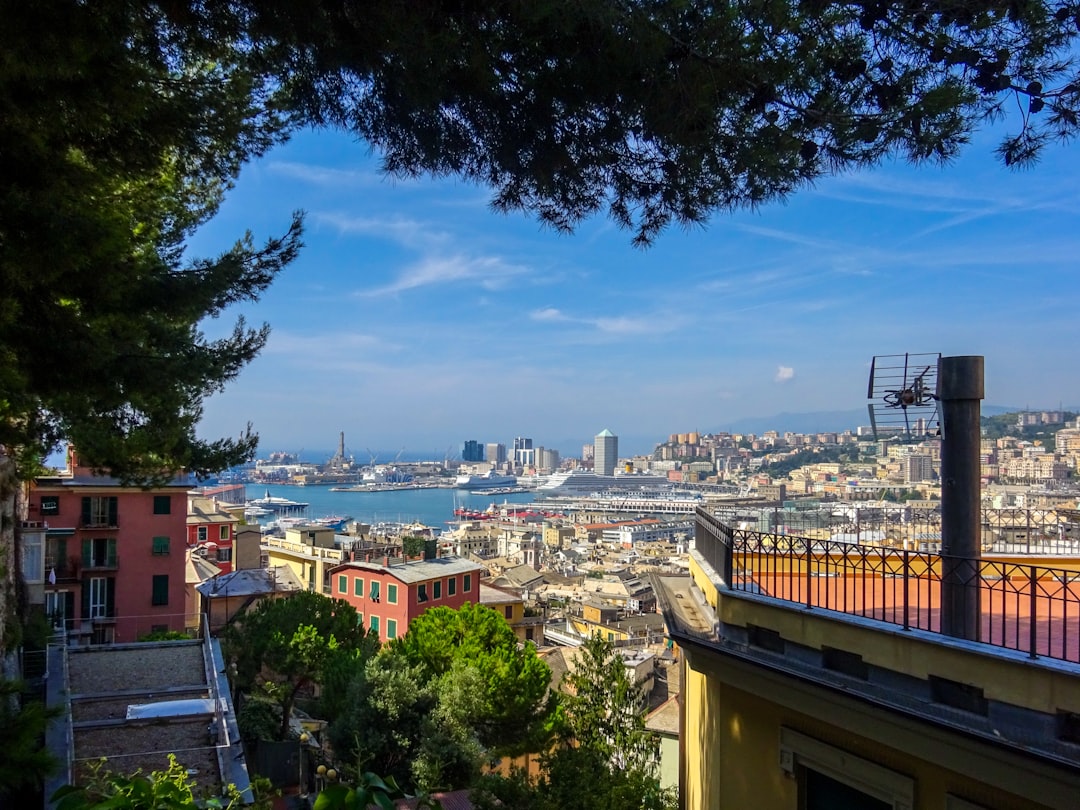
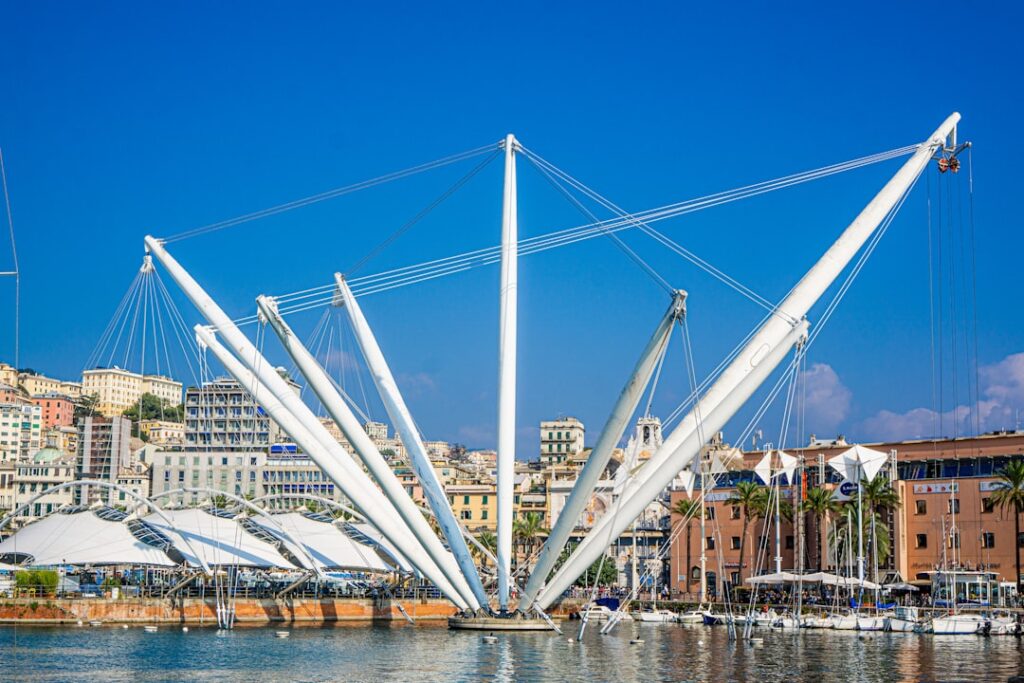
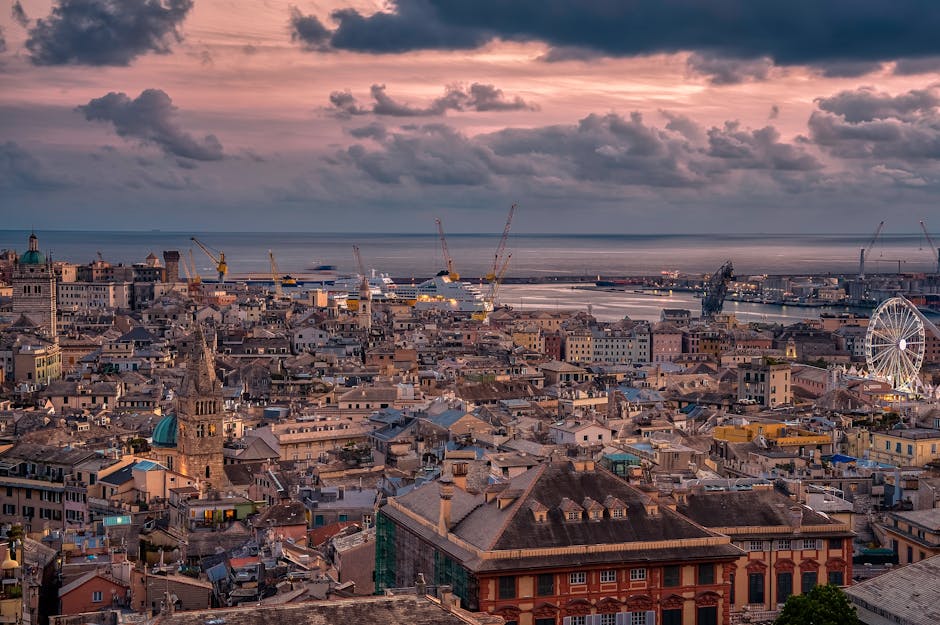
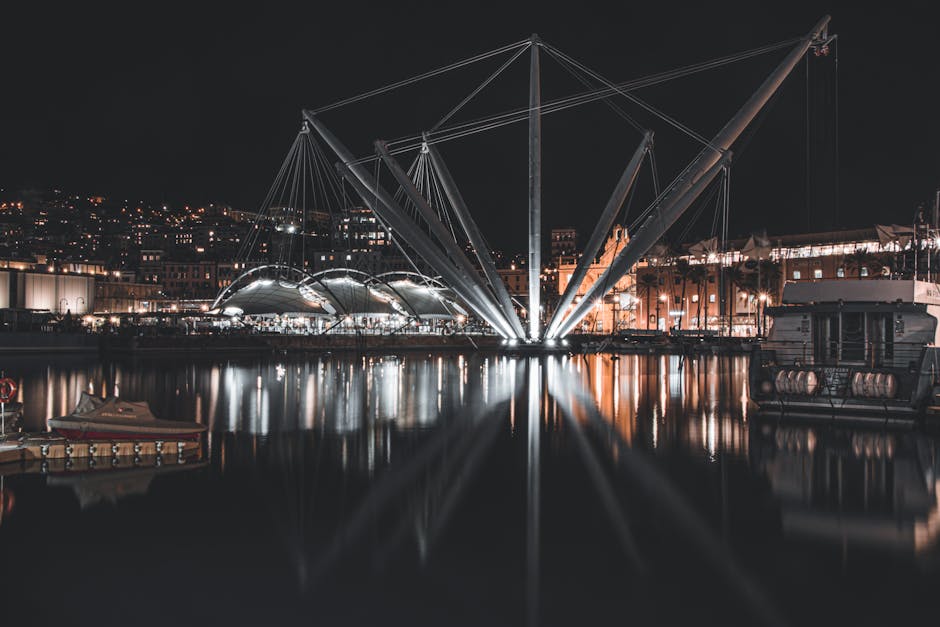
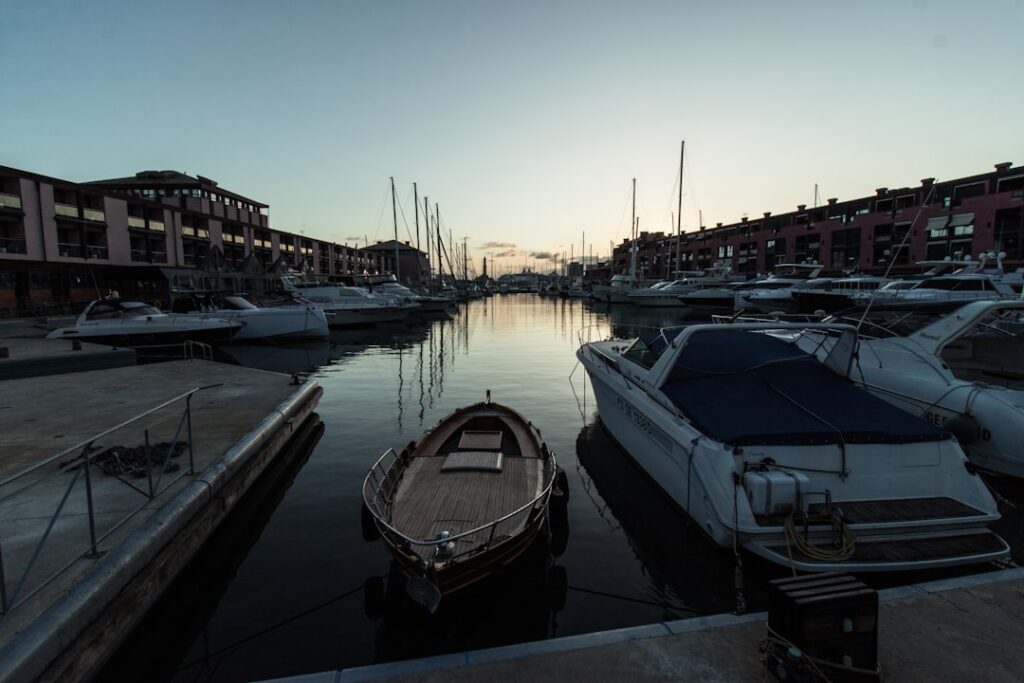
    Porto Antico, Genoa at golden hour

    Palazzo Ducale and Major Photography Exhibitions

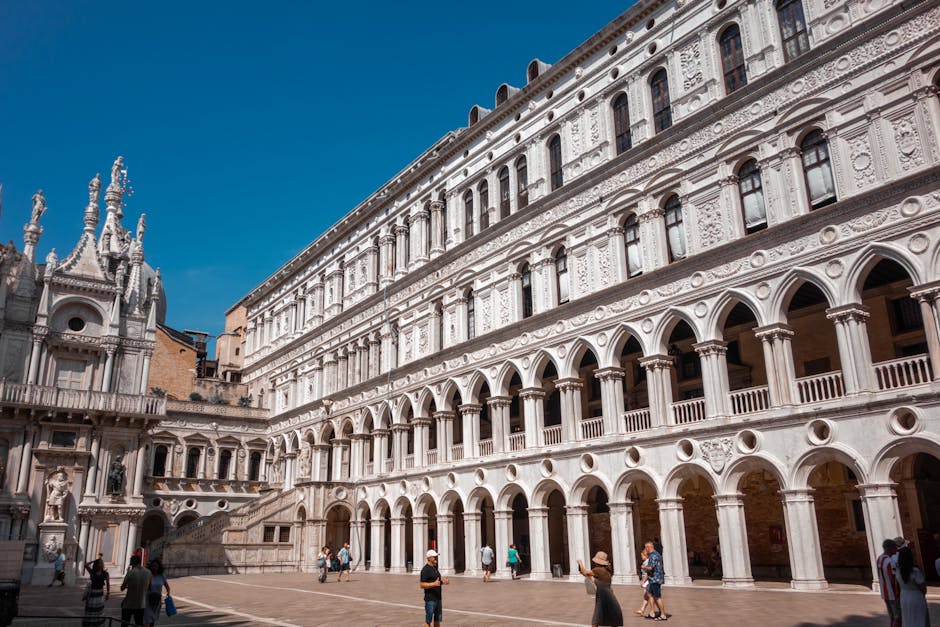
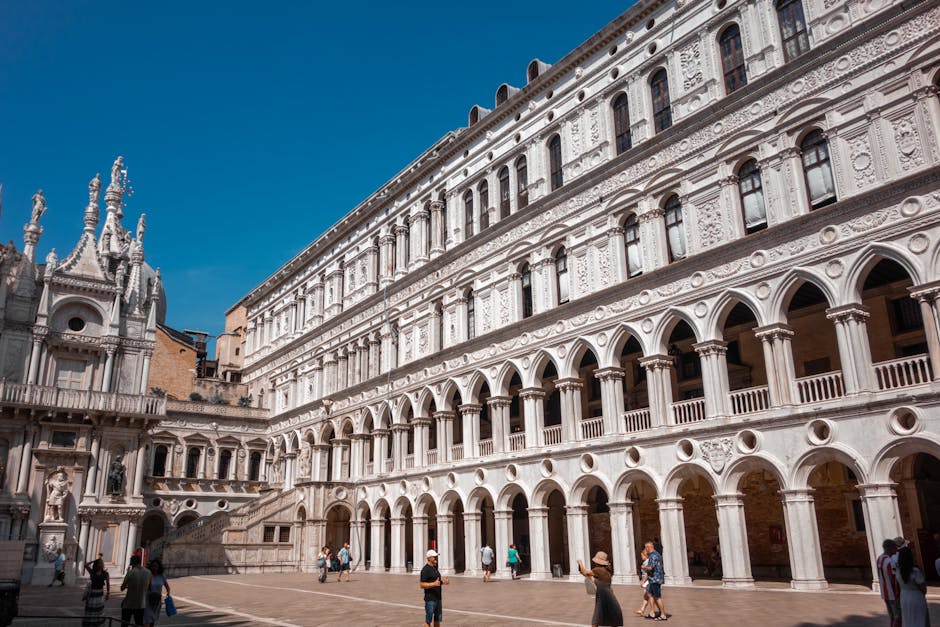
    The Palazzo Ducale di Genova (Piazza Giacomo Matteotti, 9, 16123 Genova) is one of the city’s main cultural hubs. Once the Doges’ palace, it has been transformed into an exhibition center and regularly hosts international photography shows, festivals and author talks. Architecturally, its vast rooms, courtyards and staircases create ideal staging for interior and exhibition photography. Palazzo Ducale is often at the heart of Genoa’s major photographic events, serving as a platform for monographs, retrospectives and contemporary thematic exhibitions.

    Opening hours and prices: the palace typically opens from 10:00 to 19:00 (closing times may vary with events). Admission for a main exhibition: around €8–€15 full price, with reduced tickets usually €1–€5 for students and seniors; combo tickets and multi-exhibition passes may be available during festivals. Temporary shows can have special hours (evening openings, late nights). It’s recommended to check the official Palazzo Ducale website before you go to confirm programming and to book online in high season.

    Immersive description and practical tips: when you arrive, take a moment to study the imposing façade and the wide Piazza Matteotti — perfect for wide-angle shots at golden hour. Inside, favor a versatile lens (24–70mm) to capture both print details and the atmosphere of large rooms. Contemporary shows often use directional lighting; bring a small notebook or your phone to note artist and series names you want to explore further. Photography inside can be restricted at times: look for signage and ask staff whether non-flash photography is permitted. At openings, take advantage of conversations with curators and photographers — they’re often the best source of insight on techniques and artistic intent.
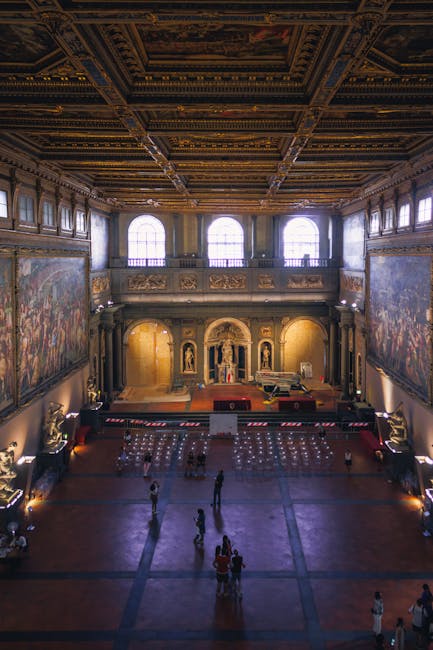
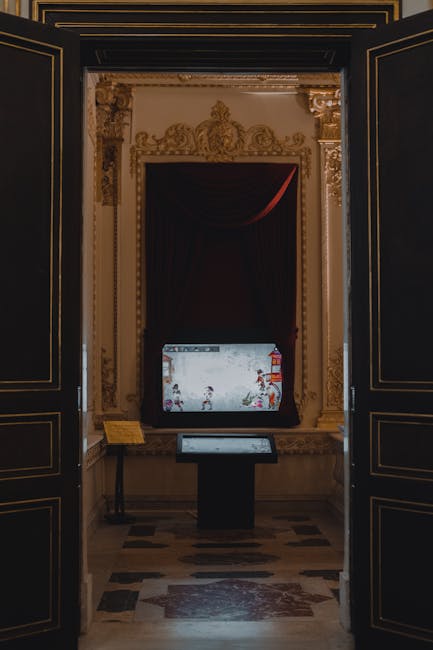
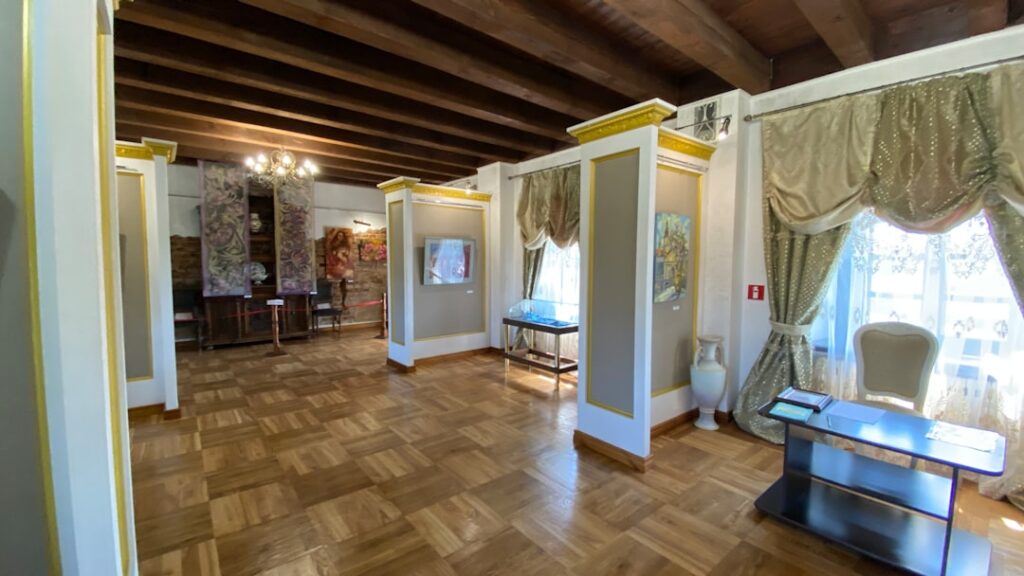
    Interior exhibition hall at Palazzo Ducale, evening

    Villa Croce Museo d’Arte Contemporanea and Contemporary Photography

    Villa Croce Museo d’Arte Contemporanea (Corso Dogali, 18, 16135 Genova) is a municipal museum focused on contemporary art that regularly hosts photographic projects, multimedia installations and solo exhibitions. Housed in a neoclassical villa overlooking the sea, Villa Croce combines museum offerings with exceptional panoramic vantage points, giving visitors both exhibition content and views over the Gulf of Genoa from its gardens and terraces.

    Opening hours and prices: Villa Croce is usually open Tuesday to Sunday, 10:00–18:00, and closed on Mondays. Admission: around €6 full price, €3 reduced (students, seniors), with occasional free entries for youth or special events. Guided tours, workshops and literary or musical events are frequently scheduled — check ahead to reserve a spot, as some require a fee.

    Immersive description and practical tips: the natural light pouring through Villa Croce’s large windows is excellent for capturing works with a warm, contrasty look. For photographers, the interior/exterior combination lets you switch between close-ups of prints and sweeping views of the city. Bring a compact tripod if you plan low-light shots, but verify museum policy (tripods are often prohibited without permission). The gardens provide frames with the blue sea as a backdrop — ideal at sunrise and sunset for silhouettes and backlit shots. The museum is well connected by public transport and sometimes has a small bookshop carrying exhibition catalogs and limited-edition photo books by exhibiting artists.
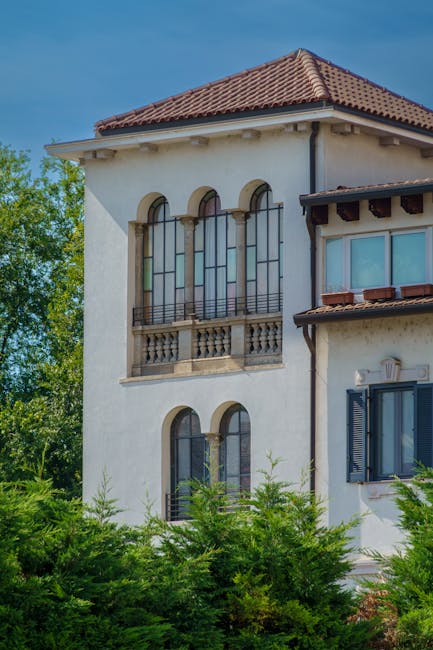
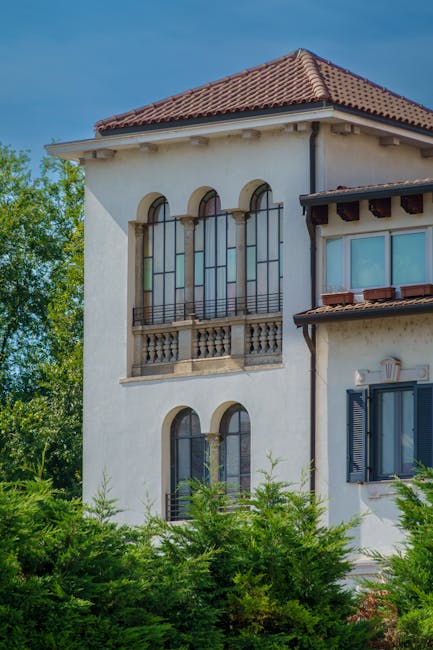
    Villa Croce exterior with sea view

    Palazzi dei Rolli and the Strada Nuova Museums: Heritage and Photography

    Strada Nuova, home to the civic museums of the Palazzi dei Rolli, is a jewel box of baroque palaces where heritage and architectural photography find exceptional ground for experimentation. Two must-see spots: Palazzo Rosso and Palazzo Bianco, located at Via Garibaldi 18 and Via Garibaldi 10, 16124 Genova. These museums house art collections but also host photographic exhibitions — sometimes projects that link painting and photography or installations that probe the museum space itself.

    Opening hours and prices: the Strada Nuova Museums (Palazzo Rosso, Palazzo Bianco, and Palazzo Tursi) are generally open from 9:00 to 19:00. Combined civic museum ticket: about €10 full price, €5 reduced. Hours may vary by season and public holidays; always check online. Visitors with a Genoa Pass or certain tourist cards may get free or reduced entry.

    Immersive description and practical tips: the richly decorated façades along Via Garibaldi set the visual stage before you enter. Inside, architectural photography often requires careful exposure control to manage mixed lighting (side windows plus artwork lighting). A quality wide-angle lens (16–35mm) helps capture grand salons and monumental staircases, while a fast 50mm is great for ornament details. The museums sometimes offer themed tours on the palaces’ history and collections — very useful for contextualizing photographic series inspired by the place. Also respect the rules: non-flash photos are usually tolerated for private use; any commercial shooting requires prior authorization from the Civic Museums.
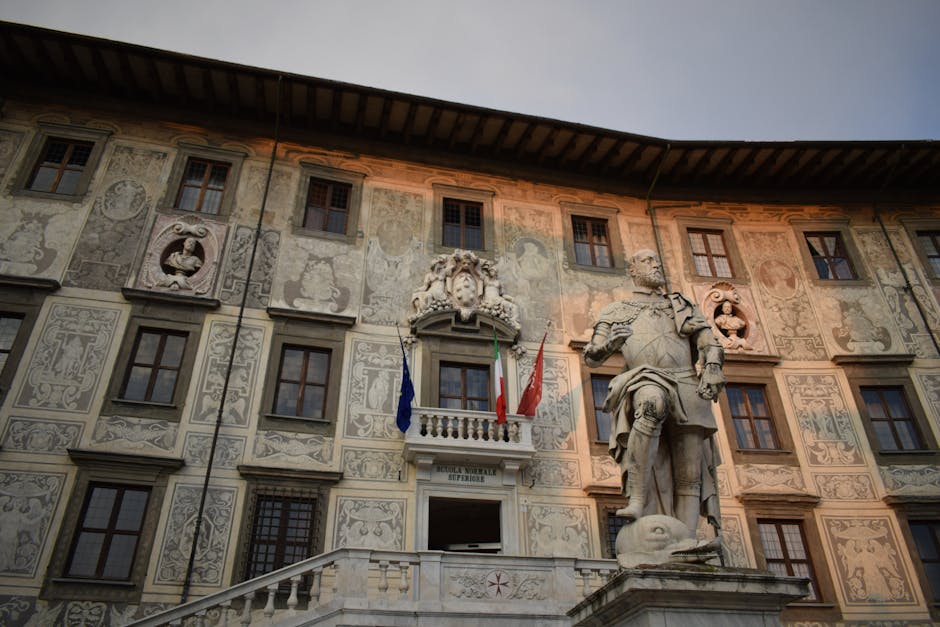
    Via Garibaldi palaces, ornate façades

    Independent Galleries, Archives and Alternative Spaces

    Beyond the major museums, Genoa has a lively network of independent galleries and archives that play a key role in documentary and experimental photography. Look out for spaces like FABBRICA (a multidisciplinary visual arts space), temporary exhibition spaces in the Carignano neighborhood, and small galleries and national contemporary art venues (check local listings). Many emerging projects take place in cultural cafés, specialist bookshops and community centers where you’ll find series by young local photographers.

    Opening hours and prices: independent galleries often have variable hours — some open only in the afternoons (14:00–19:00) and at evening openings; entry is usually free or by a small contribution (€0–€5). Municipal photographic archives may require bookings to consult collections and charge reproduction fees (typically €5–€20 depending on intended use).

    Immersive description and practical tips: these alternative venues are ideal for discovering unpublished work and making contacts. Bring business cards or a digital portfolio and be ready to talk with artists and curators. For documentary photographers, access to archives can reveal historical series about the port, migration and industrial life — invaluable resources for comparative projects. Also look for local photo markets and specialist bookshops (for example around the Porto Antico): that’s often where you’ll find zines and handmade publications you won’t see anywhere else.

    Photography Festivals, Events and Workshops

    Genoa hosts several annual events and festivals where photography takes center stage, from outdoor exhibitions to documentary festivals and professional meetups. Key happenings include temporary shows at Palazzo Ducale, photographic trails in the Porto Antico, and local festivals emphasizing reportage, social photography and portraiture. These events draw international visitors and offer workshops, panel talks and screenings devoted to the medium.

    Opening hours and prices: festival calendars vary (spring/summer and autumn are peak periods). Many offer free-access elements (outdoor exhibitions, installations) and paid tickets for conferences, masterclasses and workshops (fees range from €10 to €80 depending on duration and speaker profile). For intensive masterclasses, book weeks in advance as spaces fill quickly.

    Immersive description and practical tips: attending a festival is a unique way to sharpen your eye and expand your network. Wear comfortable shoes and carry a light bag: city routes often involve walking and multimodal transport. Bring two batteries and an extra memory card — festivals generate lots of shooting. For outdoor workshops, check insurance and local permissions if you’ll be photographing identifiable people (models, private properties). And consult day-by-day programs to spot evening openings, which are great for informal encounters with artists and curators over a glass.
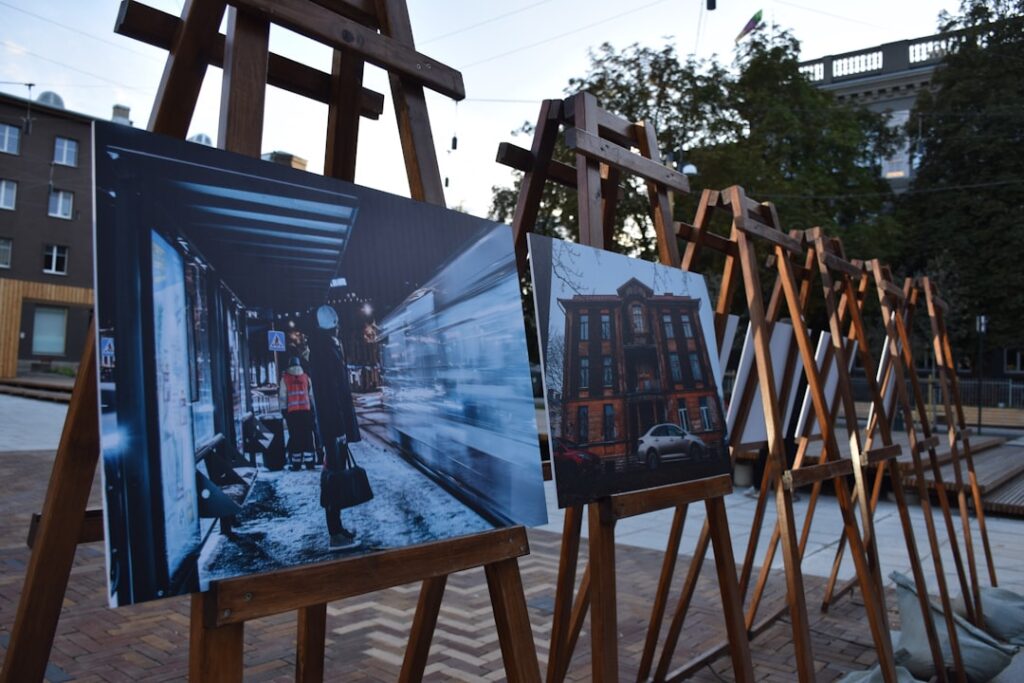
    Outdoor photo festival exhibition at dusk

    Practical Tips for Photographing Genoa: Logistics and Field Advice

    Getting around: Genoa is very walkable in the historic center but is also well served by buses (AMT Genova), elevators and funiculars that reach the hilltop neighborhoods (e.g. Funicolare Zecca-Righi). To reach key cultural spots — Palazzo Ducale (Piazza Giacomo Matteotti), Villa Croce (Corso Dogali, 18) and Via Garibaldi (Palazzo Rosso / Bianco) — plan routes from Genova Piazza Principe or Genova Brignole stations depending on your accommodation.

    Recommended gear: for city work, bring a lightweight, versatile camera body, a 24–70mm for general use, a 16–35mm for architecture, a fast 50mm for portraits and details, and a light 70–200mm zoom if you like compressing perspectives from terraces. A compact tripod can be useful for night scenes and low-light interiors, but always check museum rules. Carry spare batteries, memory cards and a weatherproof cover — coastal weather can change quickly.

    Safety and respect: Genoa is generally safe for daytime photography, but like any large port city be mindful in busier nighttime areas and keep gear secured in a crossbody bag. Respect privacy: ask permission for portraits and commercial shoots, especially in markets and places of worship. For professional shoots on heritage sites (palaces, museums), contact museum services for permits and, if needed, quotes for commercial usage.

    Timing and impressions: the best light for photographing Genoa is during the morning and evening golden hours: the harbor and coastline pick up warm tones while the alleys deliver strong contrasts. Weekday mornings are perfect to avoid crowds in the historic center. If you’re visiting a festival or major exhibition, leave a morning for a thorough visit and use the afternoon to scout workshops or meetings. Above all, give yourself time to wander: Genoa rewards slow photography.
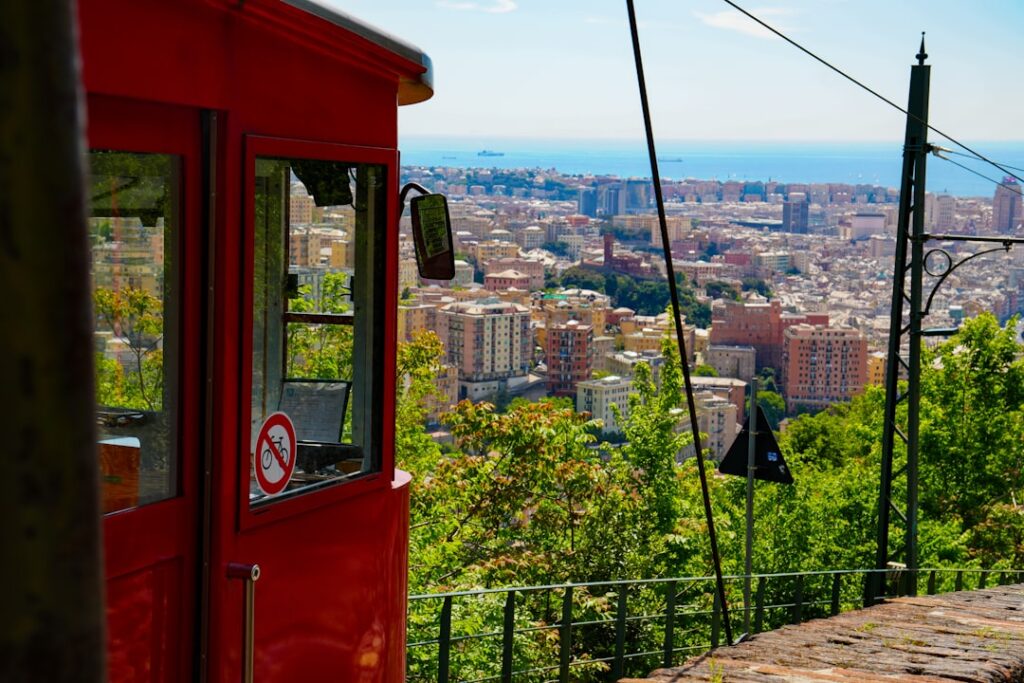
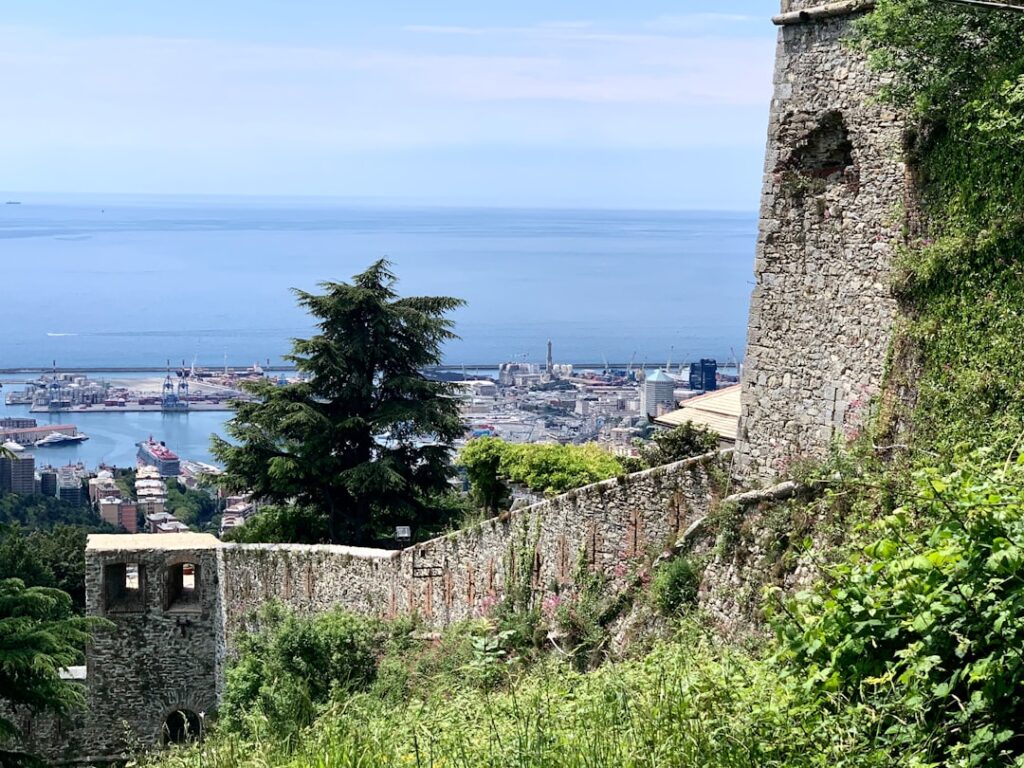
    Panoramic view from Genoa funicular

    Conclusion: Taking Genoa Home in Your Photography

    Exploring photography in Genoa means engaging with a city layered in histories: merchant ports, aristocratic palaces, working-class neighborhoods, hills and sea. Every visitor can create a personal visual narrative by mixing big institutional shows with discoveries in small independent galleries. Institutions like Palazzo Ducale and Villa Croce present landmark exhibitions and author talks, while the Palazzi dei Rolli and Strada Nuova let you explore architectural archetypes and experiment with heritage photography. Festivals and workshops are prime moments to deepen your skills, broaden your contacts and immerse yourself in contemporary practices.

    Practically, prepare your trip by checking opening hours and entry fees for the places you want to visit — exhibition calendars and festival programs change often. Book ahead for workshops and openings, pack gear that suits a variety of settings (from wide-angle for palaces to portrait lenses for markets), and always follow local rules on shooting and image use. Visit the local bookshops and photo shops to enrich your photo library and pick up local editions or unique zines.

    Lastly, let Genoa’s light touch you: it shapes wall textures, reveals the strata of its neighborhoods and elevates portraits. Whether you’re drawn to documentary, portraiture, architecture or contemporary art, Genoa offers a palette that rewards patience, curiosity and openness. Return often: the city shifts with the seasons, exhibitions rotate, and every alley or belvedere can produce the shot you didn’t know you were after. Bring home your best images — and the small stories heard at openings, workshops or cafés — for they’re part of what makes photography in Genoa so precious.
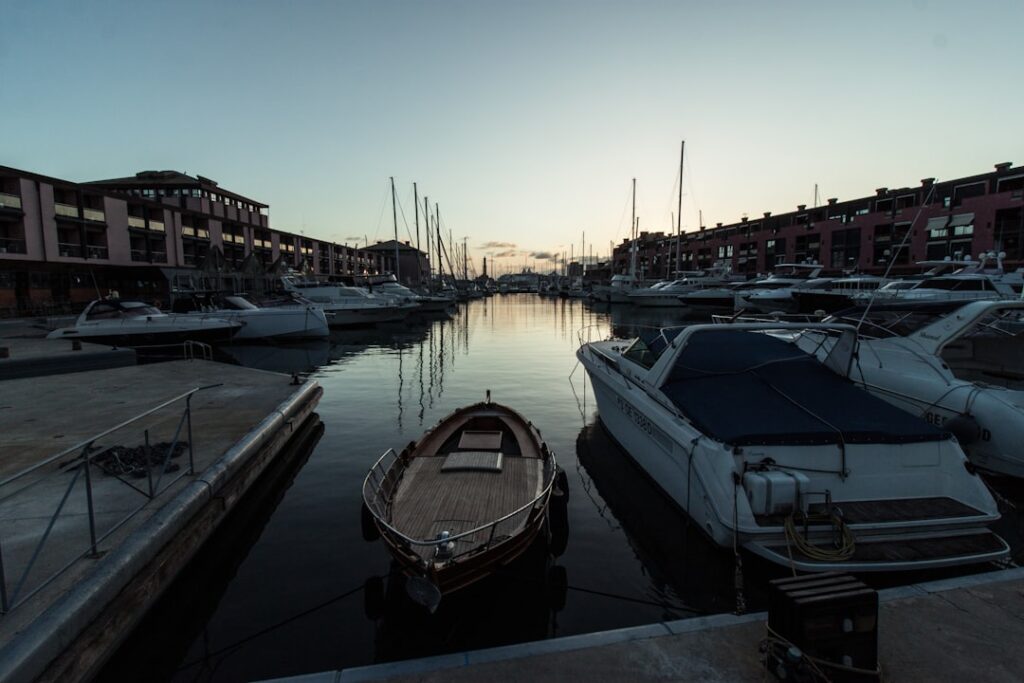
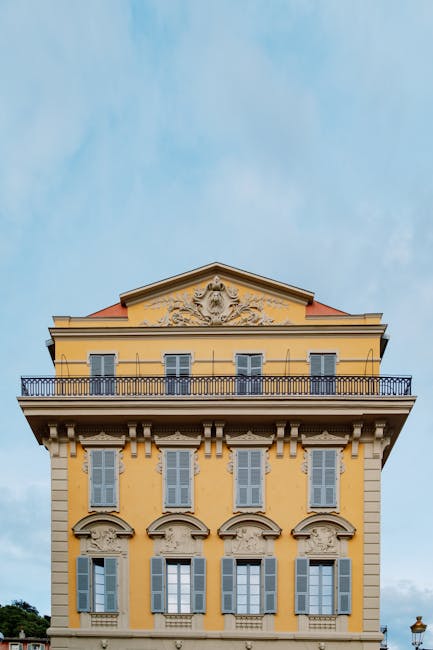
    Long exposure of Genoa harbour at sunset

  • Genoa Classic: Palaces, Museums and Must‑See Collections

    Genoa Classic: Palaces, Museums and Must‑See Collections

    Introduction

    Genoa, the historic capital of Liguria, is a city you first discover through its façades, narrow stairways and maritime vistas. But behind the compact silhouette of the old town lie treasures that tell the story of the Republic of Genoa’s golden age: sumptuous palaces, museums brimming with collections and rare cabinets of curiosity that have survived the centuries. “Genoa Classic” evokes the places where the merchant aristocracy displayed their prestige: palazzi decorated by leading artists, family galleries turned public museums, and scientific collections tied to the port and the far‑flung horizons of Genoese sailors.

    In this guide we take an in‑depth tour of the must‑see sites for anyone who wants to understand classic Genoa — from the Strada Nuova (today Via Garibaldi), lined with the famous Palazzi dei Rolli, to the maritime and natural history museums that tell the city’s intimate story with the sea and exploration. You’ll find exact addresses, opening hours, typical prices in euros, immersive descriptions for each site and practical local tips (best times to visit, combined tickets, transport access, etc.).

    Genoa’s richness also comes from the way it blends private art and public heritage: many aristocratic palaces have been transformed into museums — Palazzo Rosso, Palazzo Bianco, Palazzo Doria Tursi, Palazzo Reale — offering routes that mix paintings, period furnishings, decorative collections and archives. The maritime and natural history museums complete the picture with technical contexts, ship models and exotic specimens that recall the sea routes once sailed by Genoese mariners.

    This guide is aimed at the curious visitor who wants more than a quick itinerary: it offers detailed descriptions to help you imagine the spaces, practical details (prices in euros, estimated visit duration, crowd‑avoidance tips) and tricks to optimize your stay (combined ticket options, best entry times, nearby places to eat). Be ready to walk — Genoa rewards those who explore on foot, with its sloping lanes and narrow « caruggi » — and to be surprised by hidden courtyards, tucked‑away frescoes and port views. We’ll start among the palaces, then explore the museums and exceptional collections that make Genoa a must for art and history lovers.

    The Palazzi dei Rolli and Via Garibaldi: Genoa’s Aristocratic Drawing Room

    Via Garibaldi, once called Strada Nuova, is the monumental avenue of baroque and 18th‑century Genoa. A UNESCO World Heritage site, it groups together a string of private palaces — the « Palazzi dei Rolli » — which, under an official system, were used to host distinguished guests of the Republic. These palaces are more than grand façades: they are theatre‑like displays, with inner courtyards, double‑spiral staircases, paneled salons, illusionistic frescoes and collections of art accumulated across generations.

    Among the best known are:

    • Palazzo Rosso (Musei di Strada Nuova) — Via Garibaldi, 18, 16124 Genova. Hours: generally 10:00–18:00 (often closed on Mondays, check the official website). Combined Musèi di Strada Nuova ticket: around €10 for a single entry (combined ticket for Palazzo Rosso, Palazzo Bianco and Doria Tursi often around €15–18). Palazzo Rosso houses a collection of Italian and Flemish paintings and a re‑furnished aristocratic apartment. The salons are flooded with light from large windows overlooking Via Garibaldi.
    • Palazzo Bianco (Musei di Strada Nuova) — Via Garibaldi, 9, 16124 Genova. Hours: 10:00–18:00 (often closed on Monday or Tuesday depending on the season). Price: included in the Musèi di Strada Nuova combined ticket. This palace displays a fine series of paintings from the Genoese, Lombard and Spanish schools, with masterpieces by Van Dyck and local painters.
    • Palazzo Doria Tursi (Musei di Strada Nuova / Museo di Palazzo Doria Tursi) — Via Garibaldi, 9, 16124 Genova. Hours: 10:00–18:00. Price: included in the combined ticket. The palace contains state rooms, historic musical instruments and the municipal collection that tells the civic life of Genoa.

    Visiting Via Garibaldi also means taking the time to look up: ornate balconies, grotesque masks, painted panels and monumental doorways reveal the symbolic power of these homes. Crossing each palace is like stepping into a different world — a private merchant’s oratory, a patrician ballroom, a library filled with family archives. The museum displays emphasise enfilades and perspective views, and audioguides in several languages are often available to deepen the stories of each family.

    Practical tips: arrive early in the morning to avoid the peak of guided tours and to enjoy softer light in the rooms. Wear comfortable shoes: old floorboards and steps can be uneven. If you have a Genova Card (city tourist card), check for possible discounts: it often includes free or reduced entry to several Strada Nuova museums. Finally, pair the visit with a coffee at one of the historic cafés nearby, for instance around Piazza Fontane Marose, to soak up the central atmosphere.

    Palazzo Ducale and Piazza De Ferrari: Contemporary Art and Major Exhibitions

    The Palazzo Ducale sits at the political and ceremonial heart of Genoa, on Piazza De Ferrari, 16123 Genova. Its official address is Piazza Matteotti / Piazza De Ferrari (access points vary depending on exhibitions and events). Hours: typically 10:00–19:00 for exhibitions (hours vary with events; weekly closures may occur on Monday or Tuesday). Price: temporary exhibition entry fees vary widely — from €5 for small shows up to €12–15 for international exhibitions. Access to the palace’s public spaces (courtyards, auditorium) is often free.

    Palazzo Ducale is not just a historic building: it’s a lively cultural centre hosting contemporary art shows, conferences, festivals and public events. The building’s architecture, with its large halls and vaults, provides a spectacular setting for contemporary installations, creating an exciting dialogue between past and present. Temporary exhibitions are frequently high calibre, with loans from Italian and international institutions.

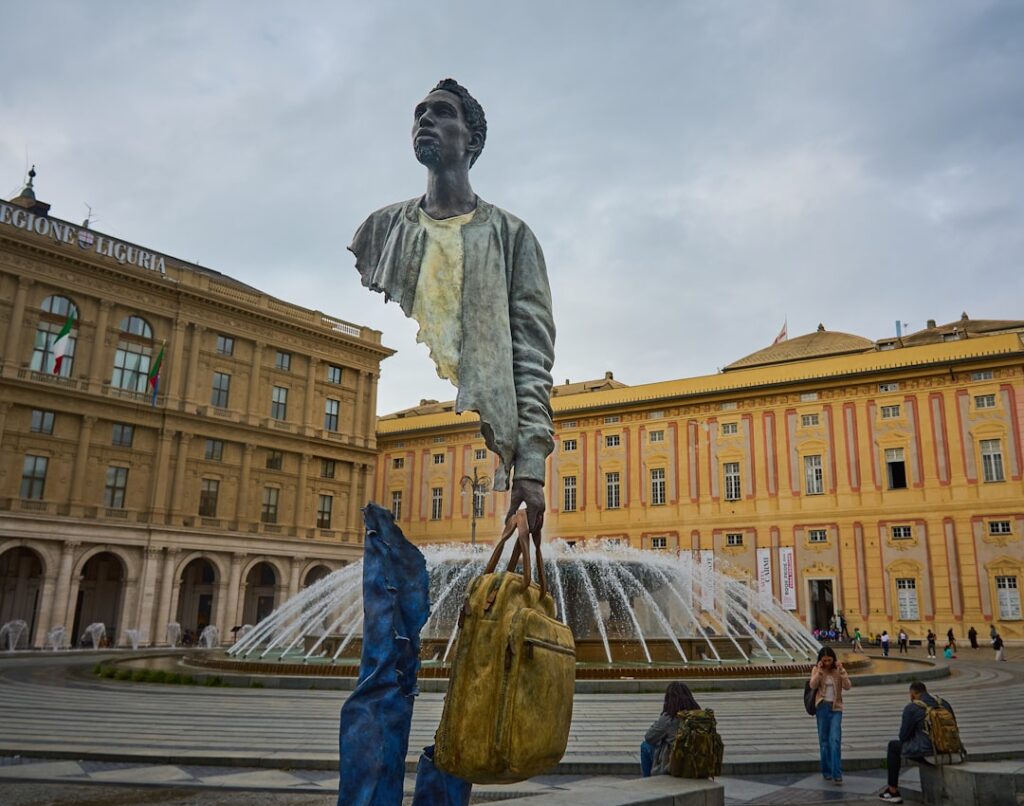
    Piazza De Ferrari is the nerve centre of modern Genoa: the central fountain, surrounded by Haussmannian‑style buildings and the Teatro Carlo Felice, is a popular meeting spot for locals and visitors. From the square you can easily reach shopping streets, cafés and links to the port. The contrast between Palazzo Ducale’s classical façade and the contemporary lines of its exhibitions creates a unique atmosphere, perfect for photos and cultural strolls.

    Practical tips: check the official site before you go to book tickets — many exhibitions offer timed entry slots to avoid queues. If you visit in the late afternoon, enjoy the golden light on the square for a photo break; in summer the square often hosts evening events. Nearby, the Museo d’Arte Orientale (MAO) and the Decorative Arts Museum are within walking distance, allowing you to combine several visits in a single day. If you’re short on time, note that major exhibitions generally require at least 1h30–2h to be properly appreciated.

    Palace‑museums and Interior Collections: Palazzo Reale, Palazzo Spinola and the House of Christopher Columbus

    Genoa offers several palace‑museums where you can feel the intimacy of aristocratic life, with reconstructed apartments, collections of furniture, tapestries, clocks and cabinets of curiosities. These sites provide a complementary reading to the picture galleries of Strada Nuova.

    Palazzo Reale — Via Balbi, 10, 16126 Genova. Hours: usually 9:30–19:00 (closures vary; check the official website). Price: about €8 for entry (discounts for students and seniors). The Royal Palace displays lavish apartments, stuccoed salons, Italianate gardens and a significant painting collection (including works by Van Dyck and Luca Cambiaso). Visiting the gardens overlooking the city is particularly pleasant in late afternoon when the light softens façades and the surrounding hill views.

    Palazzo Spinola di Pellicceria — Piazza di Pellicceria, 5R, 16123 Genova. Hours: generally 10:00–18:00 (check specific closing days). Price: single entry around €6–7. Palazzo Spinola preserves art objects, paintings and remarkable interior decoration. The overall effect is that of a journey into aristocratic daily life: family portraits, wood panelling, porcelain and musical instruments arranged through a series of salons.

    Casa di Cristoforo Colombo — Porto Antico, Piazza Caricamento, 16126 Genova. Hours: variable, often 9:00–19:00 in the tourist season. Price: free self‑access is sometimes included in museum routes or offered at a reduced rate (around €3–5 for temporary exhibitions). The House of Columbus stages the navigator’s memory with archival documents, replicas and historical contexts that place Christopher Columbus in Genoa’s urban fabric.

    These palaces tend to offer a more intimate visit than the larger galleries: lighting, room scale and presence of original furnishings create an immersive atmosphere. Audio guides and explanatory panels help explain social uses of the rooms — reception halls, studies, family oratories. Attentive visitors will notice details: crafted door handles, carved woodwork, damask patterns on textiles and heraldic signs on vestibule benches.

    Practical tips: pair a visit to Palazzo Reale with a walk along Via Balbi and a stop at the University Library (if open to the public) for an overview of documentary collections. At Palazzo Spinola, take time to study the staircases and skylights — they are often as remarkable as the salons. Finally, favour combined tickets when available (e.g. palace + local museum passes) to save on cumulative admission costs and to plan your day efficiently on foot.

    Maritime and Natural History Museums: Galata Museo del Mare and Museo di Storia Naturale Giacomo Doria

    Genoa’s maritime identity is powerfully told in its specialised museums. Two institutions stand out for the quality of their collections and immersive displays: the Galata Museo del Mare, dedicated to naval history and voyages, and the Museo di Storia Naturale Giacomo Doria, which showcases specimens, dioramas and objects linked to natural history and expeditions.

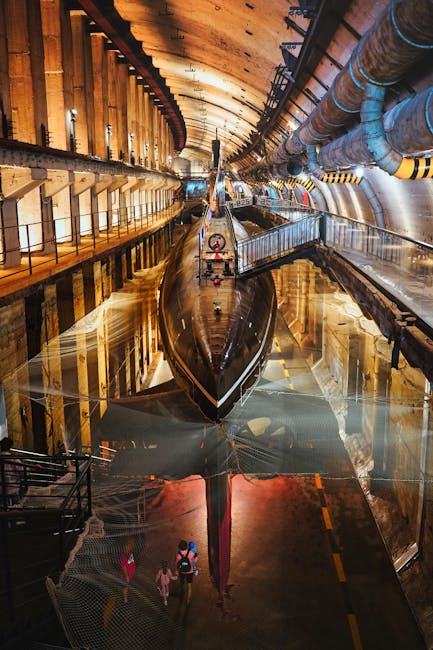
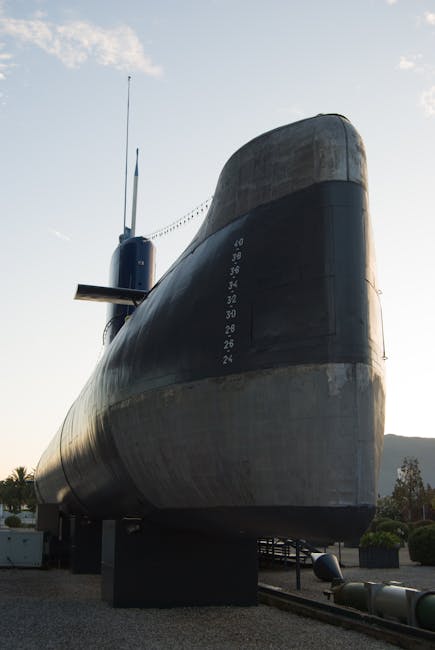
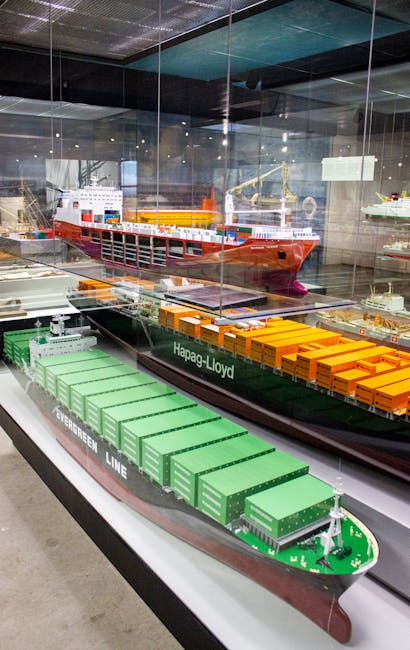
    Galata Museo del Mare — Calata de Mari, 1, 16126 Genova. Hours: 10:00–19:00 (last admission usually one hour before closing). Price: full ticket around €12–15 (reductions for children and seniors). The museum is housed in the old port arsenal and offers extensive museography: ship models, simulators, exhibitions on shipbuilding, reconstructions of ship interiors and an exhibited submarine (the Galata sometimes offers separate access to the Nazario Sauro submarine as a distinct attraction). It is one of the largest maritime museums in the Mediterranean and provides a comprehensive account of sea routes, navigation techniques and Genoese emigration.

    Museo di Storia Naturale Giacomo Doria — Corso Dogali, 14, 16136 Genova. Hours: often 9:00–18:00 (closed some days; check the official website). Price: about €6–8 for entry. Founded in the 19th century, the museum presents zoological, paleontological and ethnographic collections, skeletons and preparations, as well as displays dedicated to Mediterranean flora and fauna. Temporary exhibitions often address contemporary themes (climate change, marine biodiversity) and the museum organises children’s workshops and scientific talks.

    These museums are especially suitable for families and science enthusiasts: tactile models, multilingual explanatory panels and interactive stations make visits lively. Galata, for example, runs shipbuilding workshops, screenings and educational programmes for schools. The Natural History Museum frequently offers themed shows that connect historical collections with current issues.

    Practical tips: buy tickets online to guarantee entry to Galata, especially in summer and at weekends. If you plan to visit the submarine, check combined ticket options (museum + submarine) and be aware of access restrictions (confined spaces). For the Natural History Museum, allow 1–2 hours depending on your interest level; audio guides and English panels assist the visit. Both museums are close to Porto Antico — take the opportunity for a walk along the waterfront after your visit.

    Practical Tips for Visiting Classic Genoa

    Preparing to visit classic Genoa takes a few simple precautions: the city is hilly, museum hours vary, and some sites require advance booking. Here are practical tips to get the most from your stay:

    • Tickets and passes: look into the Musèi di Strada Nuova combined ticket (Palazzo Rosso, Palazzo Bianco, Palazzo Doria Tursi); the Genova Card can offer discounts and priority access to several museums. For Palazzo Ducale and Galata Museo del Mare, book online for major exhibitions or during high season.
    • Opening hours: many museums open between 9:00 and 10:00 and close between 17:00 and 19:00; several sites close one day a week (often Monday). Always check current hours on official websites before you go.
    • Transport: Genoa’s historic centre is best explored on foot but expect slopes and stairs. The bus network and funiculars (for example the Funicolare Zecca‑Righi for panoramic views) make hill access easier. Taxis and trams complete public transport options; buy bus/tram tickets in advance at tobacconists (tabacchi) or via the AMT app.
    • Best times: early morning to enjoy museums with fewer people, or late afternoon for gardens and viewpoints. Temporary exhibitions draw larger crowds at weekends; in low season (November–March) queues are generally shorter.
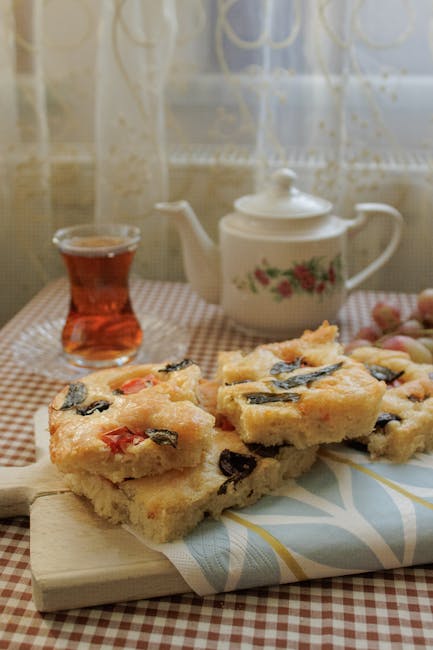
    • Food: try Genoese focaccia (focaccia genovese) and the local pesto (pesto alla genovese); many small restaurants around Piazza De Ferrari and Porto Antico serve traditional dishes. For a historic coffee, look for cafés on Via XX Settembre and around the square.
    • Accessibility: some old palaces have difficult access (narrow staircases) — check accessibility for visitors with reduced mobility and whether lifts or alternative routes are available.

    Conclusion

    Classic Genoa is an invitation to slow down and pay attention: the city’s palaces and museums reveal their treasures to those who take the time to enter, listen and observe. From Via Garibaldi to the salons of Palazzo Reale, through the major exhibitions at Palazzo Ducale and the maritime and natural history museums, every visit shows a different face of the city — its commercial power, its taste for display, its intimate relationship with the sea and its scientific legacy. The addresses and practical information provided here will help you plan your itinerary and avoid the pitfalls of rushed tourism.

    To get the most from your stay, combine morning visits to the palaces with afternoons at Galata or the Natural History Museum, and finish your days with a stroll along Porto Antico or a relaxing moment on Piazza De Ferrari. Consider combined tickets and online reservations, wear comfortable shoes and let yourself be surprised by small discoveries — a hidden fresco, a silent inner courtyard, a precious item in a modest display case.

    Finally, keep in mind that the prices listed (Palaces & Museums: Palazzo Rosso/Bianco/Doria Tursi ~€15–18, Palazzo Reale ~€8, Palazzo Ducale exhibitions €5–15, Galata Museo del Mare ~€12–15, Museo di Storia Naturale ~€6–8) can change: always check official websites before you travel. With a little planning, Genoa will offer a coherent and emotionally rich itinerary: a city where history can be touched, felt and savoured through its palaces, collections and ever‑present sea.

  • Genoa’s Temporary Exhibitions You Can’t Miss This Season

    Genoa’s Temporary Exhibitions You Can’t Miss This Season

    Introduction: Why is Genoa buzzing with temporary exhibitions this season?

    Genoa is no longer just the port city of narrow alleys, fiercely debated pesto and a harbor full of history: this season it has asserted itself as a lively cultural stage thanks to a series of temporary exhibitions that spark the imagination, draw the curious and give new meaning to historic sites. From the Renaissance palaces along Strada Nuova to fortresses repurposed as museums and large contemporary spaces reinvented for the occasion, each show offers a distinctive — often immersive — experience tied to the city’s maritime, cosmopolitan soul.

    These temporary exhibitions follow two main threads: highlighting Genoa’s rich tangible heritage and a modern push to open the artistic conversation to topical issues — migration, maritime exchanges, the relationship between art and technology, colonial memory and local revivals. The venues themselves become protagonists: the Palazzo Ducale, the Galata Museo del Mare, Castello d’Albertis, the Strada Nuova museums and the Palazzo Reale host curators, local and international artists, and collections lent by European institutions. The result is a city you explore not only by its monuments but through its temporary shows, where a sightseeing stroll turns into a curated route.

    Beyond cultural interest, these events have a real economic impact: they boost cafés, independent bookshops, guides and artisans. Around every corner visitors find food offerings — from traditional focaccias to inventive culinary interpretations — and shops selling limited editions linked to the exhibitions. Temporary shows are also a chance to meet people: conferences, themed guided tours, kids’ workshops and evening events extend discovery beyond standard opening hours.

    In this article we map out the must-see temporary exhibitions of the season in Genoa. For each venue you’ll find the exact address, opening hours, admission price, an immersive description of the show, and practical tips — how to get there, what to book and useful habits to make the most of your visit. Whether you’re in town for the weekend or are a curious local, this guide will help you plan a rich, smooth route through a city that this season speaks loudly of art and history.

    Genoa streets and harbor illustration

    Palazzo Ducale: « Port Memories » — an exhibition between archives and contemporary art

    Address: Piazza Matteotti 9, 16123 Genova

    Opening hours: Daily from 10:00 to 19:00 (last entry 18:30). Occasionally closed on public holidays — check the official site before visiting.

    Price: Temporary exhibition ticket: €12 (full price). Reduced: €8 (students, 65+). Combined entry with the palace for some shows: €18.

    The Palazzo Ducale, the historic heart of Genoa’s cultural life, is presenting « Port Memories » this season — a show that creates a dialogue between the municipal archives and contemporary works. Right from the entrance visitors walk through a sound installation: recordings of sailors’ voices, the clatter of cargo and fragments of letters sent by the city across the Mediterranean. These sounds intertwine with archival photographs showing Genoa during its industrial boom: crowded quays, steamships and repair yards.

    Visually, the exhibition mixes photographic works, sculptures made from objects found in ship holds and video pieces tracing the contemporary routes of migrants and port workers. A whole room is dedicated to mapping: historic maps layered with interactive digital maps that reveal past and present trade flows. The route prioritizes human stories: portraits of people with the same names, family stories lived around the port and testimonies from artists who transform found materials into poetic objects.

    Practical tips: arrive early to avoid crowds, especially on weekends. Book online if you plan to join a themed guided tour (about 90 minutes). The Palazzo offers a French audio guide on request — useful if you want a deeper dive into the archives. Most spaces are wheelchair accessible, but some historic rooms may have steps; check at the ticket desk.

    • Getting there: A 5-minute walk from Darsena metro station (line M1) and served by several municipal bus lines.
    • Shop: The palace bookshop carries the exhibition catalogue, limited reproductions and publications on port history.
    • Food break: The palace café serves light brunches and Ligurian specialties — perfect after your visit.

     Click here to book a guided tour of the historic center
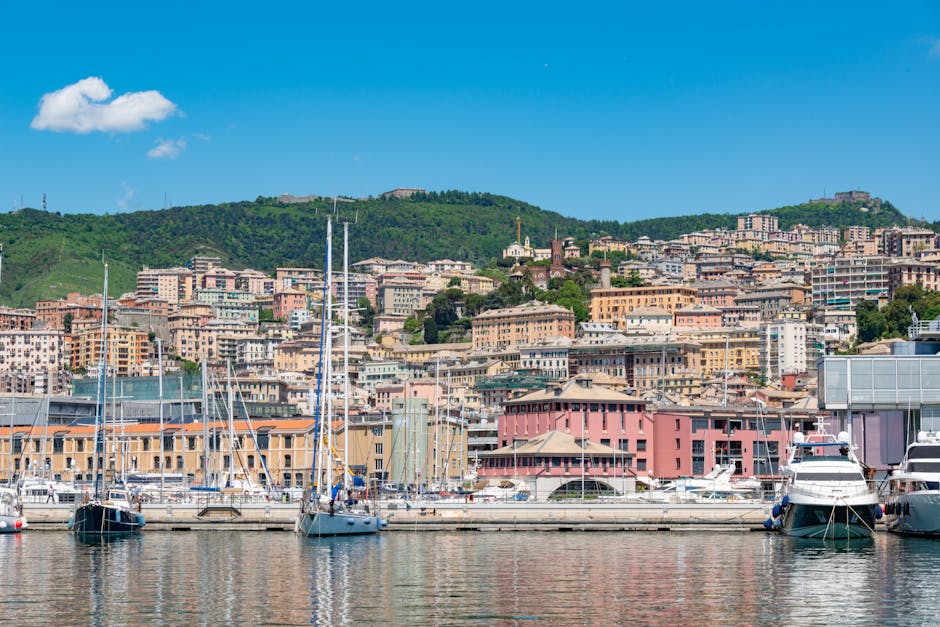
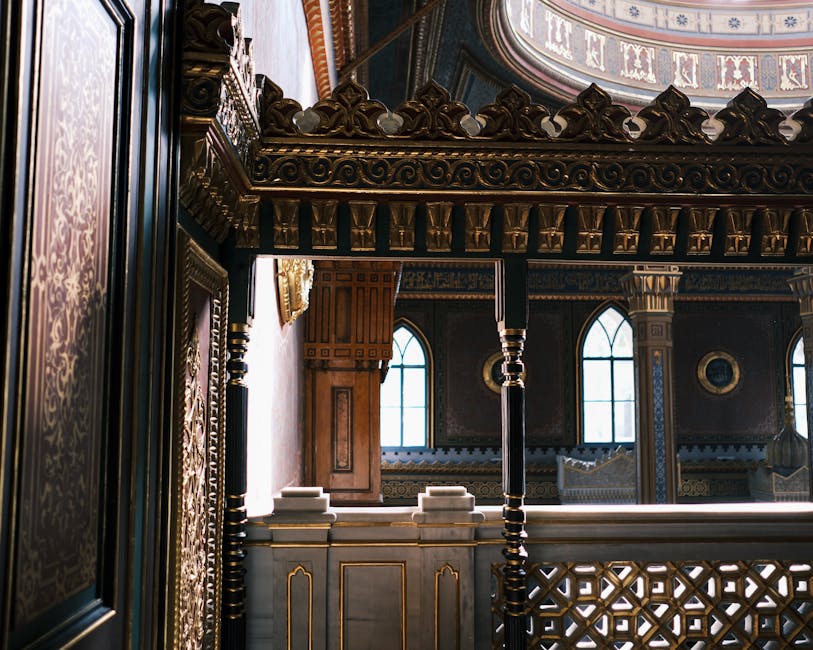
    Port of Genoa view

    Galata Museo del Mare: « Journeys and Passengers » — sea tales and immersive installations

    Address: Calata De Mari 1, 16126 Genova

    Opening hours: Open daily from 9:30 to 19:00. Last entry 18:00. Some temporary exhibitions may have extended hours on Friday evenings.

    Price: Temporary exhibition ticket: €14 (adult). Reduced: €9 (youth 6–18, seniors). Family and combined tickets available — check the official site for offers.

    The Galata Museo del Mare, the largest maritime museum in the Mediterranean, is hosting « Journeys and Passengers » this season, a show that highlights individual stories of those who crossed the sea. The route begins with a reconstruction of a 19th-century passenger ship cabin, lit as if by candlelight (a simulation) to recreate the atmosphere of emigration voyages. Open suitcases, letters and personal items add to the sense of intimacy.

    One standout is an immersive room where 360° projections plunge visitors into a crossing: shifting landscapes, changing weather, deck scenes and snippets of conversation. This setup, paired with spatialized sound, gives a real sense of navigation. The exhibition then juxtaposes contemporary installations that question modern mobility — climate-driven migration, current trade routes and stories of smugglers. Touchscreens let you explore passenger databases, making the visit interactive and searchable.

    For families, Galata runs children’s workshops (model-building, illustrated storytelling) and playful trails available at reception. The museum is partially accessible for visitors with reduced mobility; large areas have modern elevators, but some reconstructions may restrict access.

    • Getting there: Located in Porto Antico, near the Genoa Aquarium. Walkable from Brignole station (20–25 minutes) or Principe station (15–20 minutes).
    • Tip: Combine the visit with the Aquarium (combined tickets often available) and allow 2–3 hours to fully enjoy the experience.
    • Food: Museum café with a terrace overlooking the harbor — ideal for a break with a sea view.

     Click here to buy a combined ticket for the Aquarium and Galata

    Historic ship interior exhibit

    Castello d’Albertis – Museo delle Culture del Mondo: « Traveler Objects » and Gothic panoramas

    Address: Corso Dogali 18, 16136 Genova

    Opening hours: Open Tuesday to Sunday, 10:00–18:00. Closed Mondays. Some evening exhibitions may be scheduled in summer.

    Price: Temporary exhibition ticket: €10. Reduced: €6 (students and seniors). Combined tickets for permanent and temporary collections available.

    Perched on a hill overlooking the city, Castello d’Albertis is a romantic setting that houses the Museo delle Culture del Mondo. The temporary exhibition « Traveler Objects » explores exchange routes between Italy and the wider world by presenting ethnographic artifacts, field photographs and contemporary installations. The scenography often places objects in contextual settings: items displayed in clean vitrines but also accompanied by audio narratives from their collectors and originating communities.

    The route includes vantage points: the castle terrace provides panoramic views over the Gulf of Genoa — a privileged spot to understand the relationship between the objects and their maritime origins. The visit encourages slow looking and attention to detail: engravings, textiles, navigation instruments and ritual sculptures. Some contemporary invited artists present works that critically engage with the historical collections, questioning cultural ownership, restitution and heritage.

    Practical tips: bring comfortable shoes if you want to explore the park and viewpoints around the castle. Car access can be limited; use city buses (lines 35 and 36 depending on the stop) or a taxi from the center. From May to September the venue hosts sunset readings and intimate concerts on the terrace — a lovely way to combine art and the view.

    • Accessibility: The castle has historic areas that are difficult to access, but the museum has installed elevators and ramps in the exhibition zones.
    • Services: Museum shop with reproductions and handcrafted items selected by the curators.
    • Nearby: A 10-minute bus ride from the historic center; combine the visit with a walk through the Castelletto quarter for breathtaking vistas.

     Click here to book the panoramic visit with funicular

    Castello d'Albertis hillside panoramic view

    Musei di Strada Nuova (Palazzo Rosso, Palazzo Bianco, Palazzo Doria Tursi): cross-programming at the heart of a World Heritage site

    Addresses:

    • Palazzo Rosso — Via Garibaldi 18, 16124 Genova
    • Palazzo Bianco — Via Garibaldi 11, 16124 Genova
    • Palazzo Doria Tursi — Via Giuseppe Garibaldi 9, 16124 Genova

    Opening hours: Open daily from 9:30 to 19:00 (last entry 18:00). Closed Mondays. Some museums may have varying hours for temporary exhibitions — check online.

    Price: Single ticket for the three palaces: €12 (full price). Reduced: €8 (students, seniors). Free entry for under-18s in some cases — check ahead.

    Strada Nuova, a UNESCO World Heritage site, is a corridor of sumptuous palaces where temporary exhibitions converse with period interiors. This season a cross-programming schedule pairs old paintings, contemporary conservation work and sound installations. At Palazzo Rosso, the show highlights a collection of portraits of Genoese families, curated to place these images within Mediterranean trade networks. The labels are rich in context: provenance, patrons and conservation anecdotes.

    At Palazzo Bianco there’s a spotlight on a group of contemporary European artists taking over the palatial rooms. The contrast between baroque frames and contemporary works creates a stimulating dialogue: raw materials, video projections and site-specific interventions question permanence and memory. Palazzo Doria Tursi offers an exhibition focused on music and court life, with instruments, handwritten scores and interactive sound devices that let you listen to reconstructed 18th-century salon performances.

    Practical tips: allow at least three hours for a complete visit to all three palaces. These spaces attract many visitors — aim for early morning or late afternoon for more comfort. Combined tickets and multilingual audio guides are available; audioguides often include extra content on conservation and restoration techniques. Photography inside is sometimes permitted without flash — always ask staff.

    • Getting there: Easily walkable from Piazza De Ferrari. Limited parking: use peripheral public car parks or public transport.
    • Themed tours: Book a guided tour focused on Strada Nuova’s history to understand the urban planning and the role of Genoese families.
    • Cultural shopping: Specialized art history bookshops and publications on the palaces are available in the shared shop.

     Click here to book a guided tour of the Rolli Palaces

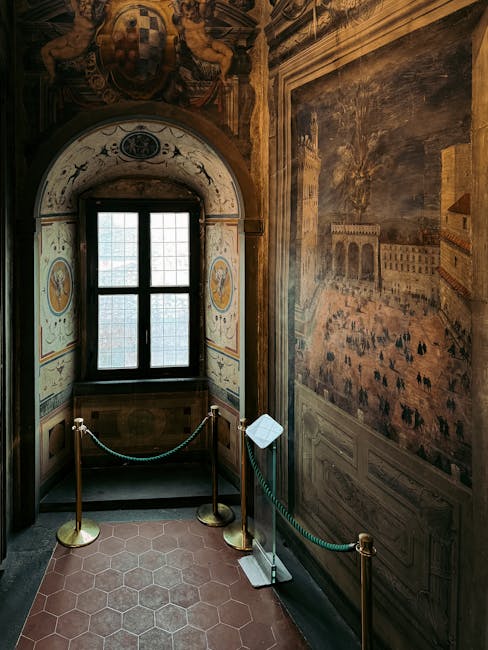
    Palazzo Rosso gallery interior

    Palazzo Reale: « Images of Power » — staging history through design

    Address: Via Balbi 10, 16126 Genova

    Opening hours: Open Tuesday to Sunday from 9:30 to 18:00. Closed Mondays. Some temporary exhibitions offer late openings on Fridays.

    Price: Temporary exhibition ticket: €10–15 depending on the cycle. Reduced: €7–10 (youths, seniors). Family packages available.

    The Palazzo Reale, the former residence of the Doria family, hosts a temporary exhibition called « Images of Power, » which probes representations of authority through paintings, tapestries and decorative arts. The scenography highlights restored ceilings and frescoes: refined lighting schemes enhance the gilding and let visitors appreciate the virtuosity of decorative artists. Display cases show everyday items from Genoese court life — tea services, silverware and costumes — placed alongside works depicting scenes of diplomacy and ceremony.

    One particularly noteworthy feature is access to digitized archival documents: diplomatic letters, inventories of goods and artists’ contracts. Visitors can consult these files at interactive terminals that trace the history of the patrons. This digital inclusion adds depth to the museum narrative and allows a critical approach to the concept of “power” and its iconography.

    Practical tips: combine the palace visit with a stroll through the nearby university quarter, which has budget-friendly student cafés. Group sizes are limited for guided tours — book in advance if you’re coming with a group. If you’re into photography, request permissions for professional use — some rooms are strictly protected.

     Click here to book a guided tour of the Palazzo Reale

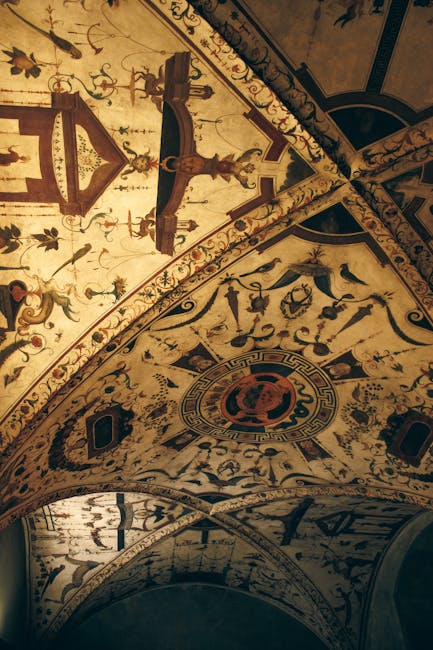
    Palazzo Reale frescoed interior

    Practical tips to enjoy temporary exhibitions in Genoa

    Plan your visits: Genoa is a city made for walking, but its hills demand some effort. Cluster exhibitions geographically (e.g. Strada Nuova + Palazzo Ducale, then Porto Antico + Galata) to minimize travel. Check each museum’s official site: hours and prices can vary with events. Buying tickets online is often recommended — not only to secure a timeslot, but also to access discounts and included audio guides.

    Transport and mobility: favor public transport (buses, metro, funiculars) and walking. The Genova City Pass or combined tickets for certain cultural circuits can be economical if you plan to visit several museums. Taxis and ride-hailing services are handy for uphill trips to Castello d’Albertis or the Castelletto viewpoints. Cyclists will find a few lanes and bike parking, but the city’s topography remains challenging.

    Tickets and discounts: look into reduced fares for students, seniors and families. Many venues offer free or pay-what-you-want days — often at the start of the month or during the « Notte dei Musei ». Check whether your European student or senior card is accepted as proof.

    Language and guided tours: while many museums provide information in English, Italian predominates. Audio guides and information sheets in French exist but are limited; if you don’t speak Italian, choose exhibitions labeled as multilingual or book a guided tour in French.

    Food and breaks: after a visit, enjoy local specialties: Genoese focaccia, farinata and trofie with pesto. Porto Antico and the historic center are full of small trattorie and enoteche. For a quick snack: Pasticceria Mangini (a typical local pastry shop) and the focaccia kiosks by the sea are ideal choices.

    Respect and conservation: follow photography rules (some rooms ban flash), don’t touch the works and observe safety instructions. Temporary exhibitions can include fragile pieces; conservation relies on public vigilance and cooperation.

     Click here to buy a Genova City Pass 24/48/72 hours

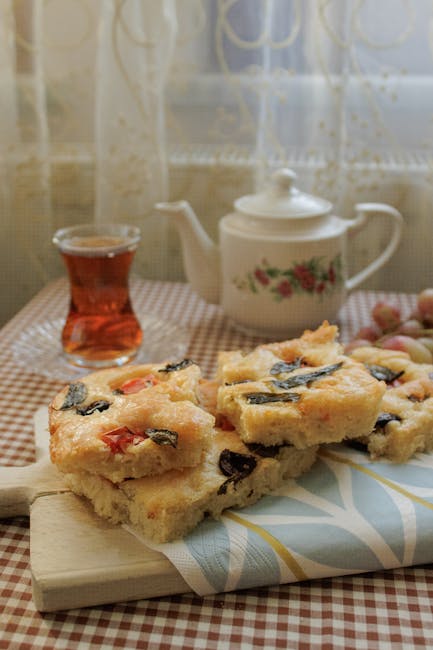
    Local Ligurian focaccia

    Conclusion: A season of exhibitions reshaping Genoa

    This season Genoa shows how a city can reinvent itself without denying its past. The temporary exhibitions we’ve covered — from Palazzo Ducale to Galata Museo del Mare, from Castello d’Albertis to the Strada Nuova palaces and Palazzo Reale — offer multiple ways to understand the city: historically, maritime, socially and artistically. Each one stages a dialogue between object, place and visitor. They invite cross-reading: the history of sea routes, community life, power dynamics and contemporary debates about heritage and representation.

    More than passive viewing, these shows create routes, run workshops and encourage encounters. Immersive setups, archive terminals and contemporary works placed in historic settings make visits both educational and emotional. Visitors don’t just leave informed — they feel the continuity of a port city, its openness and modern shifts.

    For the curious traveler the advice is simple: plan, book and leave time to wander. Genoa reveals itself at the pace of exhibitions and pauses — a slice of focaccia on a street corner, a sunset terrace, a specialty bookshop discovered after a visit. These temporary exhibitions are far more than fleeting cultural events: season after season they become milestones that change how Genoa is seen and experienced.

    Finally, remember that the best way to appreciate the program is to experience it locally: join a guided tour, ask curators questions at public events and let yourself be surprised by routes recommended by locals. Genoa this season is an invitation to explore, think and feel — a city that speaks and, if you listen, will tell you a thousand voyages and as many stories.

  • Free Museums and Budget-Friendly Cultural Tips in Genoa

    Free Museums and Budget-Friendly Cultural Tips in Genoa

    Introduction: Genoa — a city for all eyes and every budget

    Genoa (Genova) surprises with its mix of historical grandeur and lively everyday life — a port metropolis where Baroque palaces rub shoulders with narrow medieval alleyways (the « caruggi ») and the sea is never far away. For travelers watching their budget — or anyone seeking authentic experiences without spending a lot — Genoa offers a surprising range of free or very low-cost cultural options: historic churches you can enter without a ticket, municipal museums or exhibitions free on certain days, outdoor events, community-led walking tours and money-saving tips for major attractions. This detailed guide focuses on free museums, special free-admission days, hacks for discounts and other cultural tips that let you experience Genoa fully without breaking the bank.

    This article aims to be practical and immersive: exact addresses, typical opening hours, prices (when there is an admission fee), sensory descriptions and local recommendations to get the most out of each visit. The idea isn’t just to list spots but to describe how it feels to step into a hall, wander a cloister, admire a façade or enjoy a free view of the harbor. You’ll learn which institutions regularly open their doors for free (including national days like « Domenica al Museo »), which religious sites you can visit without paying, and how to spot temporary shows, concerts and neighborhood activities at no cost.

    Finally, I’ll share concrete tips for getting around (public transport and walking), ways to avoid queues, and recommendations for small shops and cafés to recharge between cultural stops. Whether you’re a student traveling light, a family looking for low-cost outings, a curious local or a long-stay tourist, this guide will help you make the most of Genoa without culture becoming a budget burden.

    Port of Genoa at sunset

    Museums and cultural spots with free (or permanently open) access in Genoa

    Genoa has a nice feature: several cultural sites are permanently free or offer public spaces you can visit without a ticket. First off, many historic churches allow free access to the nave and main chapels — although access to certain treasures, attached museums or the cathedral treasury may require a fee. Here’s a selection of places you can enter without a ticket, with addresses, usual hours and tips for a great visit.

    Cattedrale di San Lorenzo (Cathedral of Saint Lawrence)

    Address: Piazza San Lorenzo, 16123 Genova GE.
    Opening hours: generally open 8:30–12:30 and 15:00–19:00 (hours may change for religious services).
    Price: Access to the nave: free. Access to the Museo del Tesoro (if available): variable fee, often €3–6 (check on site).
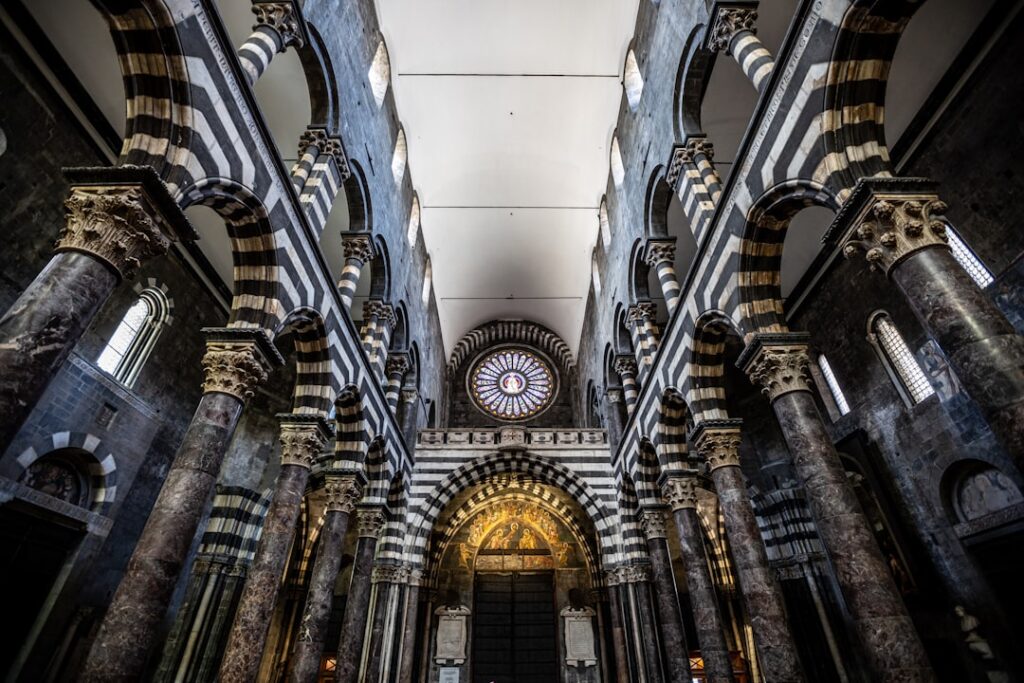
    Genoa’s cathedral is a must-see: its black-and-white striped façade and soaring vaulted interior command respect. Entering for free lets you enjoy the way light plays over frescoes and the floor, hear the hush broken by the voices of tourists and worshippers, and study Gothic details up close. Practical tip: visit in the morning to avoid Masses and get side-lighting ideal for photos.

    Black-and-white striped façade of Genoa Cathedral

    Basilica della Santissima Annunziata del Vastato

    Address: Via San Lorenzo da Ponte Reale, 16123 Genova GE (near Piazza De Ferrari).
    Opening hours: typically 9:00–12:00 and 16:00–19:00; closed during certain celebrations.
    Price: Access to the basilica: free (guided interior visits or museum sections may be charged).
    This Baroque basilica is a jewel of paintings and stucco work, its decoration reflecting major 17th-century religious commissions. Even without paying, you can admire Gregorio de Ferrari’s frescoes and the quality of the ornamentation. Tip: walk down the nave to discover secondary altars — often quieter and full of detail.

    Interior of a Baroque basilica with frescoes

    Palazzo Ducale – public spaces

    Address: Piazza Matteotti, 9, 16123 Genova GE.
    Opening hours: generally 10:00–19:00 (exhibition hours may vary; closed certain Tuesdays depending on programming).
    Price: large parts of Palazzo Ducale are open to the public for free (temporary exhibitions: variable, often €6–12).
    Palazzo Ducale is Genoa’s civic heart: its grand courtyard and many reception rooms are open to visitors, and numerous cultural events (literary talks, conferences, outdoor installations) are free. Tip: check the program on site or online; there are often free evening events in summer (concerts, screenings and readings).

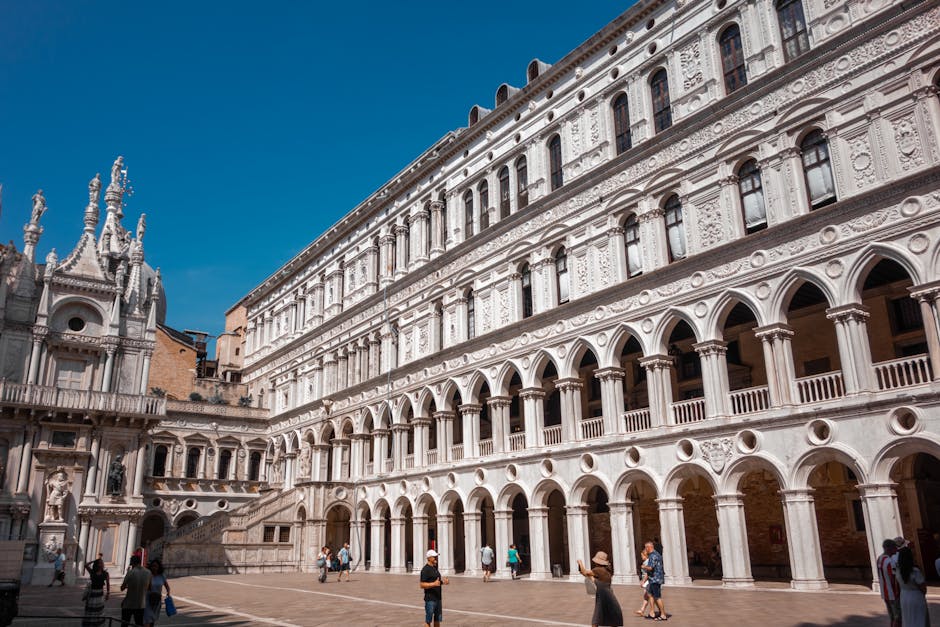
    Palazzo Ducale courtyard

    Villa Durazzo Pallavicini – park and public gardens

    Address: Via Pallavicini, 13, 16129 Genova (Pegli district).
    Opening hours: park freely accessible during daytime; access to the historic gardens follows specific opening hours (generally 9:00–18:00 depending on season).
    Price: entrance to the park itself is free; visits to the historic garden and special events may be charged depending on programming (check ahead).
    The gardens of Villa Pallavicini offer a romantic English-style walk with perspective tricks, statues and sea viewpoints. Even without paying for some areas, strolling the adjacent public spaces is very pleasant. Local tip: come at sunset for soft light and views over the gulf.

    Villa Pallavicini gardens with sea views

    Mercato Orientale and popular culture

    Address: Via XX Settembre, 16121 Genova GE.
    Opening hours: market generally open 7:00–14:00 (some stalls stay open into the afternoon).
    Price: entrance to the market is free; product prices vary (a coffee can cost €1–2, antipasti €3–6).
    A museum isn’t always a building: Mercato Orientale is a living museum of gastronomy and local trade. Wandering the stalls, smelling the herbs, tasting an affordable focaccia or farinata and admiring the market’s interior architecture are cultural experiences that are free or very cheap. Tip: ask vendors for recommendations and try a small tasting on the spot for an authentic discovery.

     Click here to book a food tour with a local

    Free days, passes and discounts: how to enjoy paid museums for less

    Even when permanent collections charge admission, there are times and tools to lower the bill or get free entry. In Italy, national initiatives like « Domenica al Museo » (the first Sunday of the month, subject to national and local calendars) often grant free entry to some state-run museums; in Genoa, several national and civic museums take part occasionally. Here’s an overview of strategies to know, with addresses and useful hours to plan your visits.

    Domenica al Museo and national museums

    Domenica al Museo is an initiative that generally offers free entry to museums and sites managed by the state on the first Sunday of each month. In Genoa, this can include sites under the Ministry of Culture. However, participation varies by institution and programming (temporary exhibitions can remain ticketed). Practical tip: check the list of participating museums on the Ministero della Cultura website or call the museum the week before.

    • Palazzo Reale (via Balbi, 10, 16126 Genova GE): usual hours 9:00–19:00; regular admission around €8–12; check Domenica al Museo participation.
    • Galata Museo del Mare (calata del Porto, 15, 16126 Genova GE): hours 9:30–19:00; full price roughly €11–15; special days or passes may offer discounts.

    Tip: arrive early on the first Sunday of the month — visitor flows are heavy, and an early start lets you see free areas before the crowds.

     Click here to book a guided tour of the Palazzi and Palazzo Reale

     Click here to buy your ticket for the maritime museum and the submarine

    Visitors queueing outside a museum in the morning

    Genoa Pass and tourist cards

    The Genova Pass (or local tourist cards) often bundles access to multiple museums and attractions (sometimes including transport) for a limited time (24–72 hours). Prices vary but can offer substantial savings if you plan to visit several paid sites. Example structure:

    • 24-hour pass: around €20–30 (depending on offer) — access to 2–4 museums + transport.
    • 48–72 hour pass: €30–50 — wider access and sometimes skip-the-line perks.

    Check the official Genova Turismo site or tourist offices at Piazza De Ferrari for up-to-date prices and available combinations. Tip: do the math — if you only plan to visit one or two major sites, a pass might not be worth it.

    Tourist information office at Piazza De Ferrari

    Student, senior and family discounts

    Many museums apply discounts: students (with a valid student card), young people, seniors and families. Some institutions offer « family » tickets or group rates. Always carry an ID or an international student card (ISIC) — it can significantly lower the admission price.

    • Always ask about reduced fares at the ticket desk — sometimes the info isn’t clearly posted.
    • For families, look for « family » days where children’s activities accompany the visit at reduced rates, sometimes free for kids.

    Student showing ID at a museum ticket desk

    Other nearly-free cultural tips: concerts, festivals, walks and street art

    Beyond museums and heritage sites, Genoa is full of opportunities to soak up culture for free. In summer the city comes alive with outdoor concerts, free screenings, street festivals and literary events. Even off-season, libraries, cultural centers and local associations run free lectures, readings and contemporary art shows. Here are concrete ideas and addresses to enjoy the city’s cultural life without spending much.

    Open-air stages and free concerts

    In summer, the terraces and spaces of Porto Antico (Porto Antico di Genova, Molo Vecchio) often host free concerts, street performances and screenings. Main address: Porto Antico, 16128 Genova GE. Events are scheduled regularly; access to the esplanade is free and sometimes evening concerts are free too. Tip: follow the programs of Fondazione Teatro della Tosse and the Comune di Genova to spot free events.

    Open-air concert at Porto Antico in the evening

    Street art and themed walks

    Wandering Boccadasse, the old port or the caruggi of the historic center is like visiting an outdoor gallery: painted façades, small installations and modern frescoes appear as you follow the alleys. A few recommended routes:
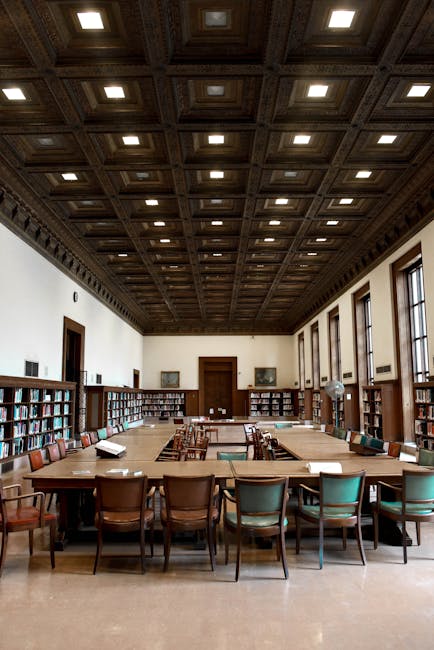
    • Seafront promenade (Corso Italia, 16146 Genova): sea views, sculptures and a seaside vibe.
    • Castelletto area (via Balbi, via Cairoli): city panoramas and the Spianata di Castelletto viewpoint (Via Balbi).

    Practical tip: download an offline map and mark the main murals; sometimes street-art circuits are offered by local associations for free or on a donation basis.

    Panoramic viewpoint at Castelletto

    Libraries, cultural centers and public readings

    Municipal libraries like Biblioteca Berio (Corso Dogali, 18/7, 16129 Genova) not only lend books for free but also host lectures, exhibitions and children’s events that are often free of charge. University cultural centers (Università degli Studi di Genova) organize open lectures and screenings. Tip: check university and library event calendars to take advantage of free lecture series and roundtables.

    Library reading room

    Local practical tips to make the most of free cultural visits

    To get the most from Genoa’s free museums and cultural offers, a few simple habits save time, money and stress. Here are precise, verifiable tips based on visitors’ and locals’ experience.

    • Check opening hours in advance: in Italy, hours can change for religious celebrations, holidays or temporary exhibitions. Call or consult the official website before you go.
    • Arrive early: for free days (Domenica al Museo or special dates), being among the first reduces waiting and lets you see parts of exhibitions that may remain ticketed.
    • Transport: the Amt bus network and the metro link main points; a single bus ticket costs about €1.50 (check current rates) and is valid for 60–90 minutes depending on the ticket. Buying multi-ride packs or day passes can pay off if you make many trips.
    • Watch service times: to visit churches (free), avoid major Masses (Sunday morning) if you want quiet. Likewise, some port areas may be reserved for private events.
    • Dress respectfully: for places of worship, plan clothes that cover shoulders and knees to avoid having to borrow a shawl at the entrance.
    • Photography: most public spaces can be photographed without flash; some museum rooms restrict photos — always follow signage.
    • Language: many institutions offer audioguides or leaflets in English; for free visits, volunteer-led guided tours often offer great value (often donation-based).

    Local bus in Genoa

    Conclusion: explore Genoa affordably — rich and authentic experiences

    Genoa proves that a major European city’s cultural wealth isn’t reserved for deep pockets. Between historic churches open for free, public spaces at landmarks like Palazzo Ducale, lively markets such as Mercato Orientale, free gardens and viewpoints, and occasional initiatives (Domenica al Museo, summer concerts, public readings), there are plenty of ways to immerse yourself in Genoese history, art and daily life without spending much. Paid museums remain worthwhile — and smart use of passes, discounts and free days makes them more accessible.

    For planning outings, remember these principles: always check hours and participation in free days, favor early-morning visits to avoid crowds, and use local resources (tourist offices, libraries, universities) to find free events. Don’t forget that the best of Genoese culture is often lived in the streets: wandering the caruggi, lingering before a Baroque façade, listening to an organ in a basilica or sharing a focaccia at Mercato Orientale are memorable moments that usually cost only time and curiosity.

    Finally, tailor your itinerary to your pace: for one day, combine a morning visit to a free church, a market lunch on a budget, and an afternoon walk to the Castelletto viewpoint or Porto Antico to catch an outdoor exhibit or concert. If you’re staying longer, look into tourist passes or local subscriptions that can lower the cost of major museums. Genoa rewards the patient observer: often it’s by stopping at an old door, listening to the waves by the harbor, or stepping into a quiet cloister that you discover the city’s most authentic — and economical — cultural riches.

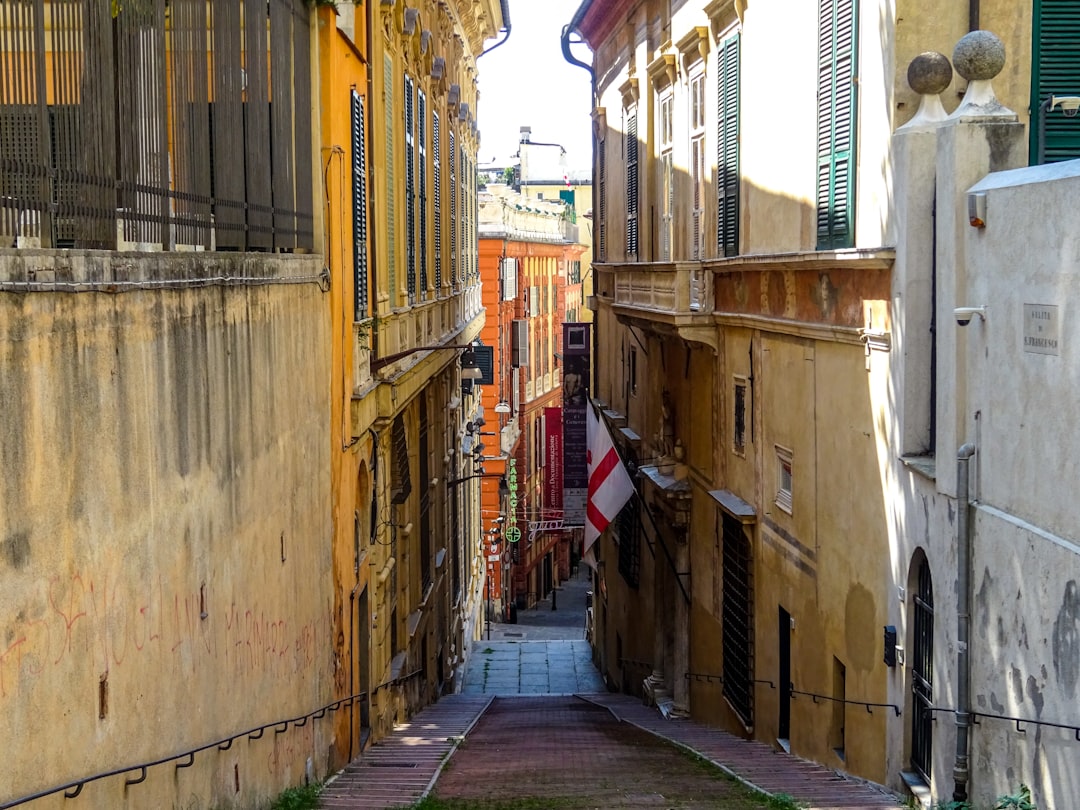
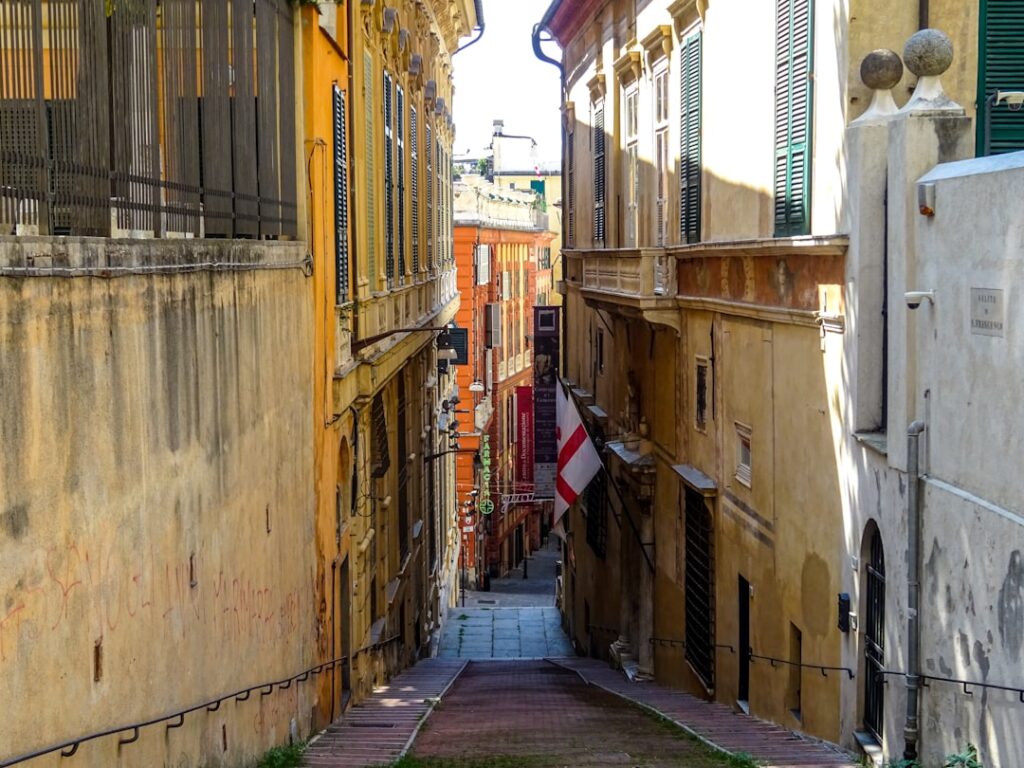
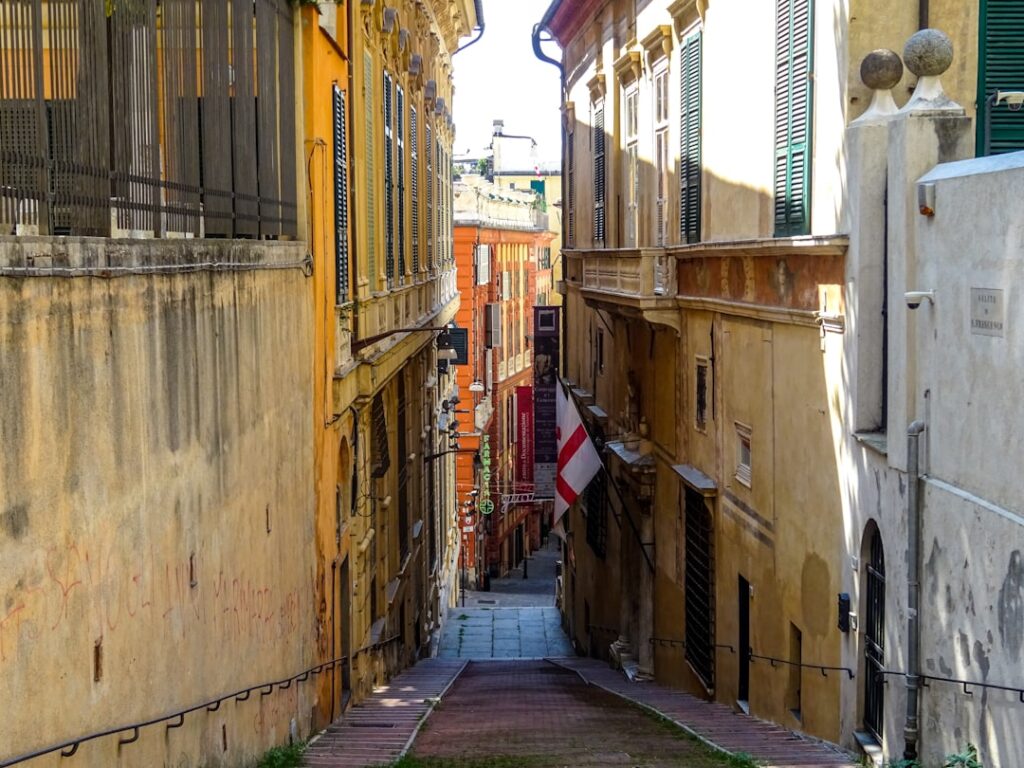
    Genoa old town alley
    Local focaccia vendor

  • Genoa Urban Art Trail: Galleries, Murals & Hidden Spots

    Genoa Urban Art Trail: Galleries, Murals & Hidden Spots

    Introduction: Diving into Genoa’s Urban Art Gallery Trail

    Genoa (Genova), a historic port and crossroads of Mediterranean cultures, is a fascinating playground for fans of urban art and contemporary galleries. Far from being just medieval alleyways and Renaissance palaces, the city has a vibrant art scene that mixes institutional shows, independent spaces and large-scale street works embedded in the urban fabric. This route is designed for curious travelers who want to dive into current visual trends as well as for street photographers hunting fresh angles between colorful façades and intimate museums.

    Exploring urban art in Genoa means embracing contrasts: you’ll move from grand exhibition halls to converted studios, from walls painted by local collectives to interventions by international street artists. This guide proposes a logical loop you can do on foot and by public transport, linking galleries and must-see street art spots with full addresses, indicative prices, opening hours, immersive descriptions and practical tips — from the best time to photograph a mural to a typical sandwich option to enjoy between visits.

    You’ll get a balanced route covering five types of stops: “classic” contemporary museums and galleries, new independent spaces programming temporary shows and artist residencies, neighborhoods famous for painted walls, a few emblematic outdoor works, and logistical advice (transport, safety, recommended photo gear). The goal: turn a half-day or a full day in Genoa into a rich, structured artistic immersion while leaving room for spontaneous discovery. Each stop includes access directions, suggested visit length and local anecdotes to bring the itinerary to life.

    Along the way you’ll encounter renowned institutions like the Museo d’Arte Contemporanea Villa Croce, multi-purpose cultural sites such as the Palazzo Ducale, smaller but essential venues for the local scene, and concentrated street art routes in the Prè district, Vico, Via del Campo and along the waterfront. Practical details (prices in euros, opening times) let you plan your day without surprises; immersive descriptions help you picture the atmosphere — sunlight filtering through arcades, the smell of coffee in a square, the damp sheen on a mural after a shower.

    Finally, the route takes seasonality into account (some temporary shows open only in summer) and suggests variants for families, photographers and street food lovers. Whether you come to photograph large murals, chat with gallery owners or simply wander the caruggi in search of an artistic crush, this guide will walk you step by step through Genoa’s urban art galleries.

    Exterior view of Villa Croce museum on a sunny day

    1) Villa Croce – Museo d’Arte Contemporanea: views, collections and temporary shows

    The Museo d’Arte Contemporanea Villa Croce is an ideal starting point to understand Genoa’s contemporary scene. Address: Villa Croce, Via Jacopo Ruffini 3, 16125 Genova. Housed in a Belle Époque villa overlooking the Gulf of Genoa, it combines bright exhibition spaces and gardens with spectacular sea views — a striking contrast between the intimate and the monumental. Temporary shows often highlight contemporary Italian and international artists, with a focus on current visual practices (painting, video, installations).

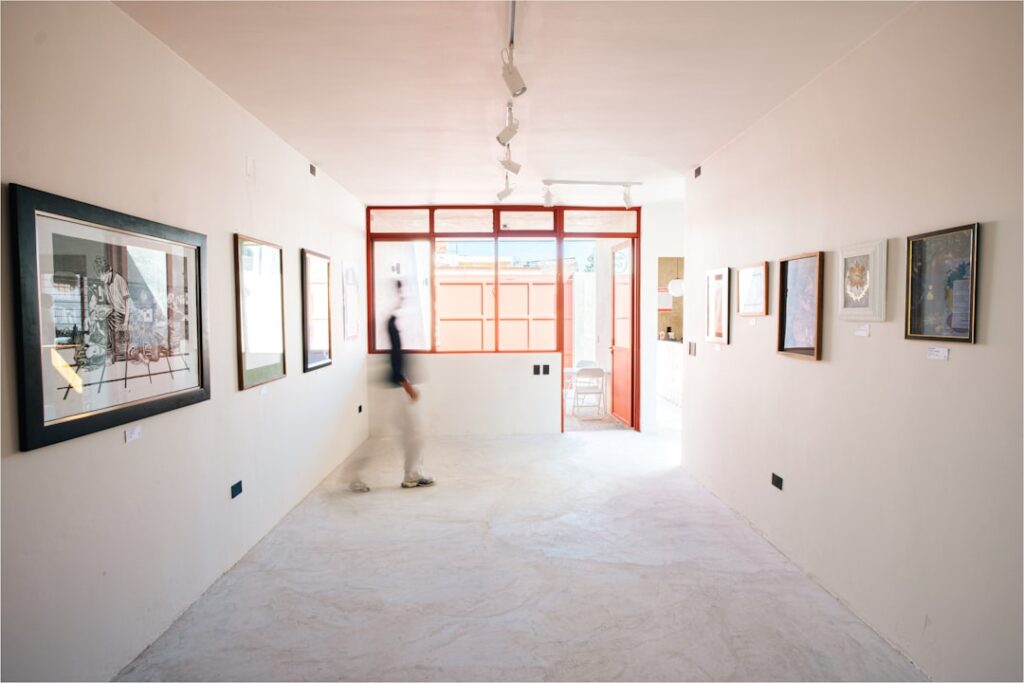
    Interior exhibition at Villa Croce with contemporary artworks

    Opening hours: generally Tuesday to Sunday 10:00 – 18:00; closed Monday (check the official website before visiting). Prices: standard ticket around €6.00 (reduced €4.00 for students/young people, free on some Sundays or for special events). Recommended visit length: 1.5 to 2 hours. Inside, don’t miss the upper terrace for photographic views — evening light is especially good for dramatic shots of the docks and hills.

    Practical tips: arrive late morning to enjoy zenithal light indoors, or late afternoon for a stroll in the gardens at sunset. Access: AMT bus lines 20 or 600 from Piazza De Ferrari; limited street parking nearby. Cafeteria sometimes available on site; otherwise head to Corso Firenze about a 5-minute walk for a coffee. Temporary exhibitions are often accompanied by catalogs and curator talks: check the program before you go.

    2) Palazzo Ducale – Fondazione per la Cultura: exhibitions, events and ties to street art

    Palazzo Ducale, located at Piazza Matteotti 9, 16123 Genova, is the city’s cultural heart. Though a historic palace, it hosts a busy contemporary program: temporary exhibitions by contemporary artists, street art festivals, screenings and workshops. The palace and its courtyards sometimes serve as a backdrop for ephemeral urban installations that converse with the medieval architecture.

    Courtyard inside Palazzo Ducale blending historical architecture and modern displays

    Opening hours: generally open daily except some holidays, 10:00 – 19:00 for exhibitions; times may vary for evening events. Prices: temporary shows €8.00 to €12.00 depending on the exhibition (reduced rates often around €6.00). Recommended visit length: 1 to 2 hours if you only do the exhibitions; more if you attend an event or festival.

    Immersive description: stepping into Palazzo Ducale is like moving through a time corridor between heritage frescoes and contemporary creations that sometimes engage in provocative dialogue. The building frequently organizes themed routes linking indoor exhibitions to outdoor interventions — painted walls, sound performances, projection mapping on the façade at night. Street art enthusiasts should watch for announcements from local festivals and residencies that occasionally transform nearby squares and alleyways.

    Practical tips: buy tickets online to skip queues for major exhibitions; check the Palazzo Ducale website for current programming. From here it’s easy to walk to the historic center’s caruggi, where many street murals cluster — perfect for combining gallery visits with urban exploration without transfers. The palace bookshops often stock limited editions and dossiers on contemporary art in Genoa.

    3) Prè district and Via del Campo: painted walls, artist studios and independent galleries

    The historic Prè district (around Via del Campo, Via Prè and Via San Lorenzo) is one of the birthplaces of Genoa’s urban art scene. Here, building façades tell stories — figurative murals, portraits of locals, political pieces and experimental collages form a rooted visual patchwork. The route typically starts at Via del Campo (near the famous bookshop-museum dedicated to Fabrizio De André) and winds toward Vico dei Sguazzi and Piazza delle Erbe.

    Narrow street in San Lorenzo, Genoa, with tall buildings and murals

    Addresses and landmarks: Via del Campo (caruggi center), Vico Dritto (walls and small interventions), Piazza delle Erbe (mural-filled squares). These spots are outdoors and free to visit. Recommended time: 1.5 to 2 hours to stroll, photograph and explore open studios.

    Immersive description: wandering Prè means feeling the uneven cobblestones underfoot, hearing distant tram bells, passing local markets and stumbling upon a huge saturated mural around a corner. Works sometimes cover entire building heights, integrating windows and balconies into the composition. Artist studios and small independent galleries like “Studio 79” (location varies, often in Via Prè) open their doors for vernissages, offering direct exchanges with creators.

    Practical tips: favor early hours for photos with fewer passersby, and sunset for warm tones. Be respectful of residents: some murals belong to private condominium walls. For a bite: try a local focaccia from a bakery on Via Prè after your walk. Avoid leaving valuables unattended in these narrow lanes.

     Click here to book a photo tour of the secret spots

    Mural-lined narrow alley on Via del Campo

    4) Castello d’Albertis – Museum of World Cultures: collections, views and cultural dialogue

    Castello D’Albertis – Museo delle Culture del Mondo is located at Corso Dogali 18, 16136 Genova. Although focused on world cultures, the castle-museum is a key point for understanding the global influences that feed the local art scene, including urban art. The permanent collection mixes ethnographic objects, exotic artifacts and temporary exhibitions that may include contemporary installations inspired by non-Western worlds.

    Castello d'Albertis with its crenellated façade and views over Genoa

    Opening hours: generally open daily except Tuesday, 10:00 – 18:00; times may vary by season. Prices: standard entry around €8.00 (reduced €5.00 for students/young people). Recommended visit length: 1.5 hours. The site also offers a remarkable panoramic terrace over the port and lighthouse, a prime spot for wide shots of the waterfront and the murals that line the quay.

    Immersive description: the visit combines the picturesque of an Italian-style castle and the strangeness of collections brought back from expeditions; outdoors, the park and views provide unexpected backdrops for contemporary installations, often put up during artist residencies. Museum mediators sometimes organize themed routes linking collection objects to street art aesthetics — useful for grasping intercultural resonances in contemporary urban art.

    Practical tips: reachable by bus (line 37) from the center; wear comfortable shoes for the climb up to the castle. Few cafés on site: bring a water bottle on hot summer days. Families will enjoy educational activities offered on some weekends.

    5) Street art route from Porto Antico to the Molo: modern murals and large-scale works

    The waterfront, from Porto Antico to the Molo Vecchio, has become an open-air gallery where contemporary artists reinvent the relationship between sea, city and visual production. Start near the Aquarium of Genoa (Piazza De Ferrari nearby area) then follow the promenade to the Molo Vecchio and the Galata Museo del Mare. The route reveals large murals on containers, warehouse façades and temporary installations in summer.

    Two stylized figures painted on a narrow alley wall near the waterfront

    Addresses and landmarks: Porto Antico area (coastline adjacent to the Galata Museo del Mare, Calata Cantone 1). These outdoor zones are free. Recommended visit length: 1 to 2 hours depending on photo stops and breaks.

    Immersive description: walking by the water with painted shipping containers, the cry of seagulls and colorful graffiti punctuating the scene creates a multisensory experience. Morning light on the sea makes pigments glow like a living painting; during summer festivals the area hosts live performances and artists painting in real time, turning the promenade into a continuous show.

    Practical tips: bring sunscreen and a hat in summer — exposure is direct. Temporary workshops may be posted on Porto Antico noticeboards; check the port’s cultural calendar. For a meal, many seafood restaurants line the promenade, but for a local vibe choose a Genoese focaccia eaten on a bench facing the harbor.

     Click here to book your ticket for the Genoa Aquarium

     Click here to book a combined Aquarium & Galata ticket

    Porto Antico waterfront with colorful murals and the harbor

    6) Small independent galleries and studios: alternative programming and artist encounters

    Beyond the big institutions, Genoa’s artistic vitality is visible in its small galleries and studios. Places to spot include Spazio29 (Via delle Grazie area), ExVoto Gallery (Via San Luca area) and open studios in Via Prè (addresses vary with residencies). These spaces host young artists, ephemeral exhibitions and performances. They often open for evening vernissages — a great chance to meet creators and gallery owners directly.

    Interior of an independent gallery with experimental artworks and visitors

    Opening hours: variable — most open Thursday/Friday evenings for openings; daytime visits usually by appointment. Prices: often free entry; some events may ask for a small contribution (€3.00 to €10.00) to cover the vernissage. Recommended visit length: 45 minutes to 1 hour per gallery.

    Immersive description: entering an independent gallery feels like stepping into an artistic lab: white walls, experimental works, the scent of coffee and animated conversations. Shows here are often riskier and less calibrated than in museums, making these venues perfect for discovering emerging talent or finding unique art pieces to take home.

    Practical tips: follow local Instagram pages and neighborhood posters to know about openings. Gallery owners welcome curious visitors: ask questions, arrange private visits or workshops. If you buy a work, request a certificate of authenticity and shipping options if you can’t take it with you.

    Conclusion: Planning your urban art day in Genoa — final tips and variations

    To make the most of this Genoa urban art gallery route, plan according to the time you have: a half-day is best spent on Villa Croce and the Porto Antico, while a full day can include Palazzo Ducale, the Prè district and one or two small independent galleries. Public transport (AMT buses and funiculars) serves the main hills efficiently; many stops are more enjoyable on foot, since urban art lives in the street and is best discovered by wandering.

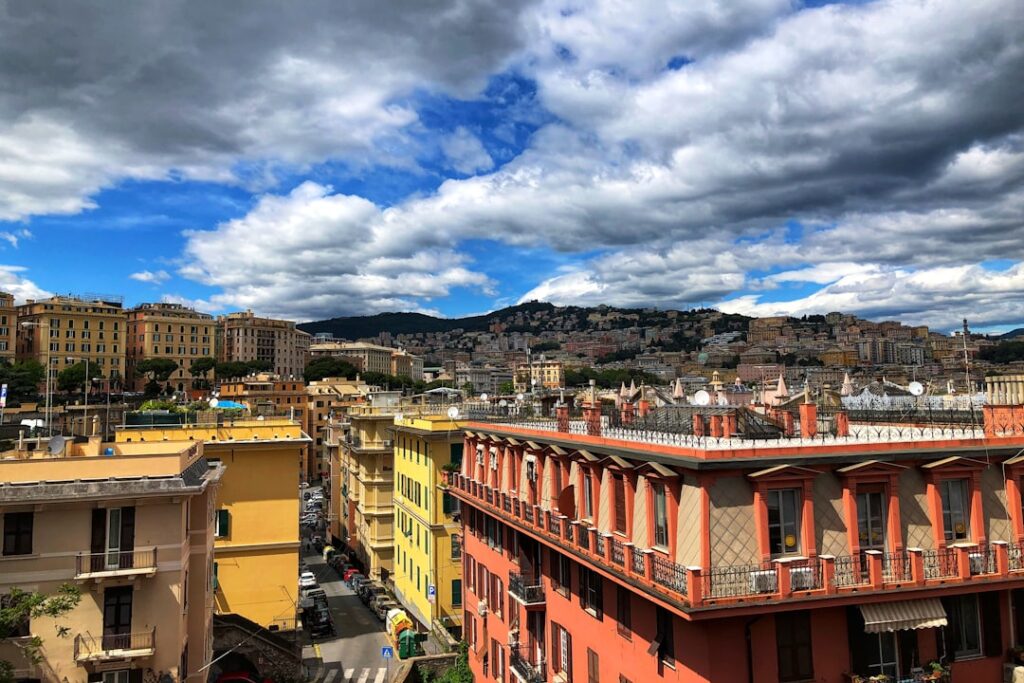
    Colorful alleyway in Genoa perfect for strolling and photography

    Budget: expect around €20 to €30 per person for a day including two paid museums, a coffee break and a small gallery purchase. Students and young people should check for reduced rates and free entry days. Gear: comfortable shoes, extra battery for camera/smartphone, spare memory card and a small water bottle. For photography: a compact tripod is useful for dimly lit interiors; polarizing filters help reduce reflections on glossy surfaces.

    Safety and respect: Genoa is generally safe, but like any urban center keep an eye on your belongings in touristy lanes. Respect street works: don’t stick stickers or alter a mural without permission. And if the opportunity arises, talk to local artists — Genoa’s art community is welcoming and often delighted to share projects, inspirations and secret addresses.

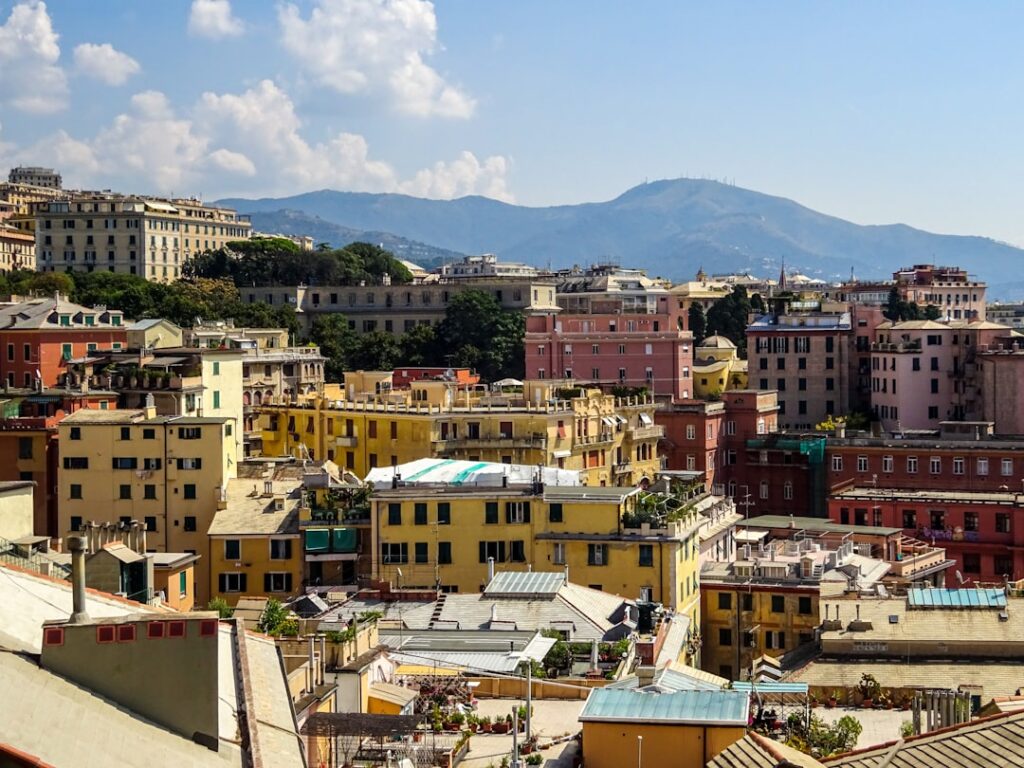
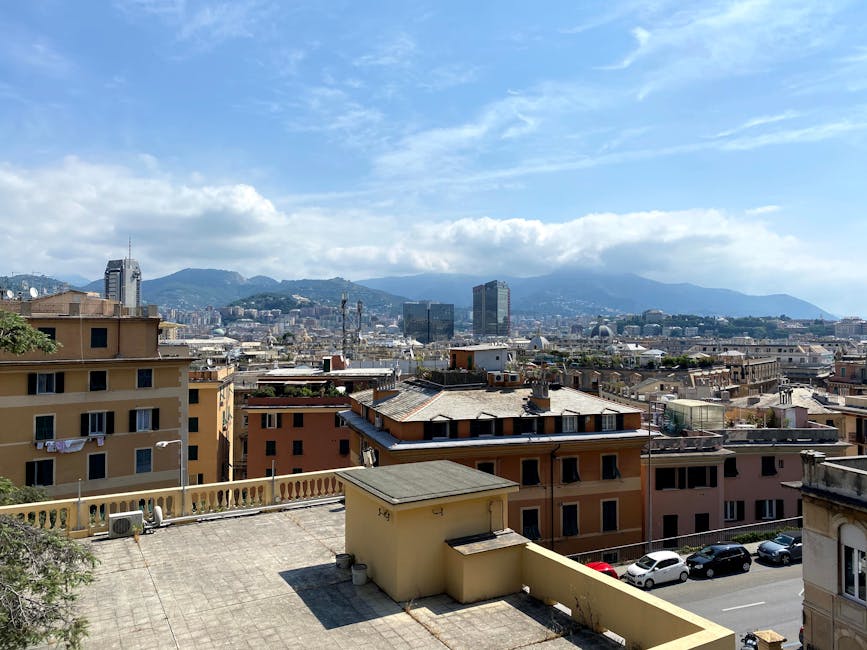
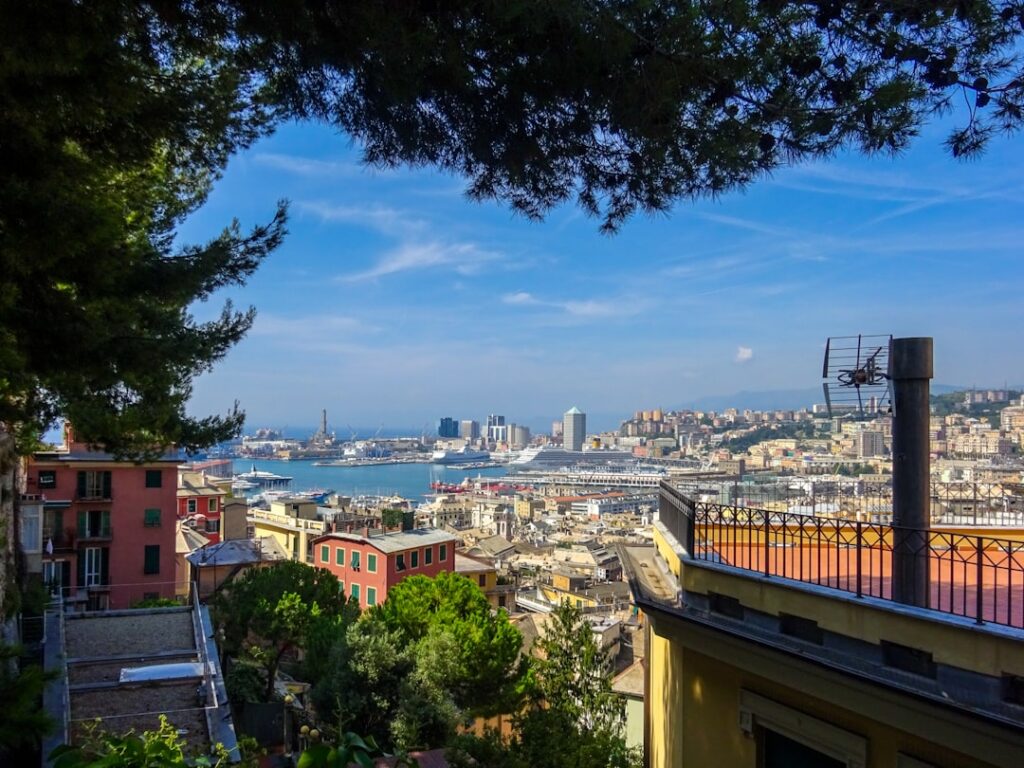
    Rooftop view over Genoa with the city and harbor in the distance

    Variants: if traveling with family, favor museums with children’s activities (check family programs at Villa Croce and Castello d’Albertis). Photographers should plan shoots at sunrise and sunset to play with shadows in the caruggi. Street food lovers will be satisfied between stops: focaccia al formaggio, seasonal panini and local pastries are perfect picks.

    In short, Genoa offers a rich mix of heritage institutions and contemporary urban expressions — a combination that makes every walk unpredictable and exciting. Whether it’s a huge mural on a port wall, a conceptual installation in a historic hall or a tucked-away studio in the caruggi, the city reveals itself as an open-air gallery ready to be explored with curiosity and respect.

    Alley mural in Genoa showcasing bold colors and urban creativity

  • Genoa in a Weekend: Top Exhibitions, Museums and a Seaside Aperitivo

    Genoa in a Weekend: Top Exhibitions, Museums and a Seaside Aperitivo

    Introduction

    Genoa (Genova in Italian) is a port city that surprises with the density and quality of its cultural heritage. Between Renaissance palaces, maritime museums, contemporary exhibitions and lively seaside neighborhoods, a weekend here unfolds like a sensory stroll where every street corner tells a story. This guide is designed for a 48–72 hour stay: it suggests an itinerary mixing a major temporary exhibition or event at the Palazzo Ducale, a museum deep-dive at the Galata Museo del Mare or the Acquario di Genova, a tour of the Strada Nuova palaces (home to Palazzo Rosso, Palazzo Bianco and Palazzo Doria Tursi), and, to close the day, an aperitivo on the seafront at sunset with a slice of focaccia in one hand and a spritz in the other.

    Beyond the headline attractions, Genoa reveals itself in the details: polychrome façades, carved doorways, lavish interiors, and of course the flavors — the famous focaccia Genovese, pesto pasta, and freshly grilled seafood. The historic center, one of the largest in Europe, is a maze of narrow lanes (the « caruggi ») where you’ll pass artisan workshops, small grocers and cozy cafés. That intimate, everyday character makes museum visits a natural complement to wandering: after a morning at an exhibition, losing yourself in the alleys helps bridge high culture and daily life.

    This piece not only lays out a detailed route (addresses, opening hours, indicative prices), it also offers practical tips: how to save time with combined tickets, the best times to avoid crowds, where to sip the best aperitivo by the sea, and which temporary shows are worth seeing each season. Practical details (hours and prices) reflect the most recent public information, but do double-check before you travel — temporary exhibits change often, and museums sometimes run evening openings or exceptional closures.

    Whether you’re into maritime history, Renaissance art, or simply after an authentic seafront aperitivo, this cultural weekend in Genoa aims to balance intellectual discovery and sensory pleasures. Below you’ll find sections on the major exhibitions and museums, suggested routes, the best spots for a coastal aperitivo and logistical tips to make the most of your stay.

    Visiting the Palazzo Ducale and the temporary exhibitions

    The Palazzo Ducale (Piazza Matteotti, 9, 16123 Genova GE) is both a civic symbol and a lively cultural hub. Once the seat of the Republic of Genoa’s government, it now hosts large-scale temporary exhibitions, film festivals and conferences. The interior architecture (grand halls, sweeping staircases) provides a spectacular setting for varied shows: contemporary photography, multimedia installations, classical European painting, or historical themes tied to the Mediterranean.

    Opening hours: typically open Tuesday to Sunday from 10:00 to 19:00 (closed Monday), though hours can be extended for events and evening openings. Price: a temporary exhibition ticket usually costs around €10–15; combined tickets (exhibition + Museo del Risorgimento or other partners) range around €16–20. Free admission is sometimes available for under-18s and on select Sundays — check the Palazzo Ducale website for current promotions.

    Immersive description: enter through the grand façade facing Piazza De Ferrari and climb the wide staircase. Some rooms still retain period decorations that contrast beautifully with contemporary exhibition layouts. Labels are generally bilingual (Italian/English), and staff often provide audio guides or themed guided tours (booking recommended). Temporary shows attract a mixed crowd: tourists, art students, families and curious locals. When a major exhibition is on, the ticket office fills up quickly, especially at weekends.

    Practical tips: buy tickets online to avoid queues; aim for a morning visit or late afternoon for a quieter experience; combine your visit with a stroll around Piazza De Ferrari and a coffee at Caffè degli Specchi to soak up the atmosphere. Palazzo Ducale also runs workshops for kids and public talks — if you’re traveling with a group, ask about guided tours in English or other languages.

    Historic interior of Palazzo Ducale

    Galata Museo del Mare: dive into Genoa’s maritime world

    The Galata Museo del Mare is Italy’s largest maritime museum and sits on the historic quay (Calata De Mari, 1, 16126 Genova GE). It’s the ideal place to understand Genoa’s seafaring soul: permanent displays on the history of navigation, ship models, interactive routes that show life at sea, and an immersive reconstruction of a galleon. The museum also houses a historic submarine open to visitors (the Nazario Sauro, when on display) and exhibits focused on migration and Mediterranean maritime routes.

    Opening hours: generally open daily from 10:00 to 18:00 (last entry often at 17:00). Price: adult ticket around €14; reduced €9–10 (students, seniors); children 6–12 about €7; free for under-6s. Combined Galata + Aquarium tickets are frequently offered at a reduced rate (around €26–30 depending on season).

    Immersive description: start with the historical route on the ground floor, where panels and projections trace Genoa’s maritime rise from the 15th to the 18th century. Move up to the interactive rooms: navigation simulators, recreated cabins, and period navigation instruments. The highlight is visiting the upper deck and, when available, the submarine — a mixture of thrills, mild claustrophobia and a real sense of sailors’ daily life. The museum is especially well suited to families and naval history buffs.

    Practical tips: allow 2–3 hours to experience everything unrushed. Buy a combined ticket if you plan to visit the Aquarium the same day. In summer the harbor attracts many visitors — arrive at opening time to beat the crowds. Photographers should favor morning light on the Calata De Mari and the nearby historic lighthouse view.

     Click here to book your combined ticket for the Aquarium, Galata and the submarine

    Exhibition space at Galata Museo del Mare

    Acquario di Genova and the Porto Antico: marine spectacle and seaside stroll

    The Acquario di Genova is a must for travelers of all ages and sits within the larger Porto Antico complex (Ponte Spinola, 16128 Genova GE). Designed by Renzo Piano for the 1992 Expo, it features themed tanks — Mediterranean, tropical zones, coral reefs — and iconic species like sharks, penguins, turtles and colorful tropical fish. The aquarium also runs educational programs and conservation awareness initiatives.

    Opening hours: usually open daily from 09:00 to 19:00 (times vary by season; may close at 19:30 in high season). Price: adult ticket around €29 (standard); reduced €24 (seniors, students); children 3–12 about €19; free for under-3s; family rates and combined tickets available. Online booking is strongly recommended, especially in summer.

    Immersive description: the visit often starts at a large panoramic tank where visitors watch sharks and rays glide around them. The sets, sound design and lighting create an almost theatrical atmosphere. Each themed zone is arranged to tell a story: human impact on the oceans, biodiversity and conservation efforts. Aquarists and detailed scientific panels will appeal to marine enthusiasts.

    Practical tips: pair the aquarium with a walk around Porto Antico: the Bigo (panoramic elevator), the ascensore panoramico and the Biosfera (tropical greenhouse) are worth visiting. After the aquarium, head to the Porto Antico terrace for a coffee overlooking the boats. In the evening the waterfront comes alive with concerts and food markets — a great prelude to an aperitivo before heading to Boccadasse or Corso Italia.

     Click here to buy your ticket for the Aquarium of Genoa

    View inside the Aquarium of Genoa

    The palaces of Strada Nuova: Palazzo Rosso, Palazzo Bianco and Palazzo Reale

    Strada Nuova (Via Garibaldi) is a major draw for art and architecture lovers. Three principal palaces form an exceptional museum ensemble: Palazzo Rosso (Via Garibaldi, 18, 16124 Genova GE), Palazzo Bianco (Via Garibaldi, 18, 16124 Genova GE — numbering sometimes groups the museums on the same street) and Palazzo Doria Tursi (Via Garibaldi, 9, 16124 Genova GE), part of the civic museums and home to a room dedicated to Giuseppe Verdi in some sections. Nearby, the Palazzo Reale (Via Balbi, 10, 16126 Genova GE) completes the offer with lavishly decorated historic apartments.

    Opening hours: generally the Musei di Strada Nuova (Palazzo Rosso, Palazzo Bianco, Palazzo Doria Tursi) are open Tuesday to Sunday from 09:00 to 19:00 (last entry at 18:30); Palazzo Reale is often open Tuesday to Sunday 09:00–19:00. Price: combined ticket for the Musei di Strada Nuova around €12–16; single-entry tickets €7–10; Palazzo Reale roughly €8–12. Reductions for students and seniors; occasional free access for young people.

    Immersive description: visiting Strada Nuova is best done on foot, starting early to enjoy the rooms without crowds. The palaces present varied collections — Italian and Flemish paintings, furniture, tapestries and decorated salons — that reflect the central role Genoese aristocratic families played from the 15th to the 18th centuries. The staircases, balconies and inner gardens of Palazzo Reale astonish with their ornamentation and views over the city.

    Practical tips: allow 3–4 hours if you plan to see two palaces; opt for a combined ticket to save money. Audio guides are often available in several languages. Between visits, stop at Panificio Mario (several locations around the center) for a shared focaccia — the perfect fuel for the rest of your day. Also consider climbing nearby viewpoints for a panoramic take on Genoa and its port.

     Click here to book a guided tour of the Palazzi dei Rolli

    Via Garibaldi palaces on Strada Nuova

    Seaside aperitivo: Boccadasse, Corso Italia and Porto Antico

    Aperitivo time in Genoa is sacred: it’s when the city slows down and people share drinks and snacks facing the sea. Three spots stand out for a memorable apéro: Boccadasse (a historic fishing neighborhood reachable from Corso Italia), Corso Italia (a long seaside promenade), and the Porto Antico near the Aquarium. Boccadasse, with its little bay and colorful houses, is the most picturesque; Corso Italia offers a longer, livelier walk; Porto Antico blends proximity to attractions with a selection of bars and restaurants.

    Addresses and suggestions: for a traditional aperitivo, try Le Rune Bistrot (Via Sestri Ponente area; check the exact address locally) or the bars along Ponte Spinola in Porto Antico. In Boccadasse, try Bar Mangini (Piazza Nettuno area) — perfect for a spritz with a slice of focaccia. On Corso Italia, the Chiringuito and seasonal kiosks serve cocktails and seafood platters.

    Hours and prices: aperitivo time is usually between 18:00 and 21:00. Prices: spritz around €6–9; a glass of wine €4–8; a mixed platter (charcuterie, cheeses, focaccia) between €10 and €18 depending on the venue. Expect slightly higher prices in Boccadasse due to its tourist charm.

    Practical tips: arrive just before sunset (roughly 19:30–20:30 depending on season) to secure a terrace seat; check the weather — wind can make the coast chilly at dusk; to find somewhere quieter, avoid weekend evenings in high season. Bring cash: some small neighborhood bars prefer notes. And don’t forget the focaccia Genovese — it pairs perfectly with a drink and is sold at nearly every bakery along the waterfront.

    Colorful bay of Boccadasse at dusk

    Practical tips for organizing a successful weekend

    Planning a cultural weekend in Genoa takes a bit of organization to maximize time without sacrificing relaxation. Here are concrete, local and logistical tips to help you get the most out of your trip.

    • Where to stay: choose central accommodation in the Centro Storico or near Piazza De Ferrari to be within walking distance of the main museums. Recommended hotels include Hotel Bristol Palace (Piazza della Vittoria 6) and NH Collection Genova Marina (Ponte dei Mille 1) for those wanting to be close to the port.
    • Getting around: the center is best explored on foot. To reach farther spots (Boccadasse, Nervi), use the ACT buses (single ticket ~€1.50). The Zecca-Righi funicular offers a panoramic climb to the hills (single fare €1.50–2).
    • Tickets and reservations: book the Acquario di Genova and the Galata in advance to skip queues. For Palazzo Ducale exhibitions, check for evening openings and exceptional closures. Regional museum cards (Genova Card) can be good value if you plan to visit several sites.
    • Opening hours: most museums open between 09:00 and 10:00 and close between 17:00 and 19:00. Schedule museum visits in the morning and leave afternoons for wandering, shopping and aperitivo.
    • Language: Italian is the local language, but museum staff often speak English; bring a guide or translation app if you’d like deeper information in another language.
    • Food: try focaccia Genovese, pesto alla Genovese, pansotti and seafood. For a quick lunch, small trattorie and « tripperie » in the center serve generous portions at reasonable prices.
    • Safety and good practices: as in any major tourist city, watch out for pickpockets in busy areas (train station, Porto Antico). Keep passports and phones in zipped pockets and avoid leaving valuables on tables while you sit outside.

     Click here to buy a 24/48/72-hour City Pass for Genoa

     Click here to join a food tour with a local

    Narrow alley in Genoa’s historic center

    Sample itinerary for a weekend (48–72 hours)

    Here’s a suggested plan to get the most out of two to three days in Genoa. Times are indicative and can be adjusted to suit your pace.

    Day 1 — Morning: start on Strada Nuova and visit Palazzo Rosso and Palazzo Bianco (09:00–13:00). Quick lunch in the caruggi with a focaccia (12:30–13:30). Afternoon: walk to the Palazzo Ducale and see the temporary exhibition (14:30–17:30). Evening: aperitivo at Porto Antico and dinner in the harbor area (19:00–21:30).

    Day 2 — Morning: Galata Museo del Mare (10:00–13:00), followed by lunch in the port. Afternoon: Acquario di Genova and a visit to the Biosfera or a ride on the Bigo for views (14:30–17:30). Evening: head to Boccadasse for a seaside aperitivo and a fresh seafood dinner (19:30–22:00).

    Day 3 (optional) — Morning: Palazzo Reale and its gardens (09:30–12:00). Afternoon: stroll along Corso Italia, hit the beach or visit the Castello d’Albertis – Museo delle Culture del Mondo (Corso Dogali, 18) for panoramic port views and ethnographic collections (time permitting).

    Timing tips: adapt visits to the weather; in summer prioritize early mornings for museums to avoid heat and crowds. Book dinners in advance, particularly in Boccadasse where terrace seating is limited.

    Panorama of Porto Antico and Genoa harbor

    Conclusion

    A cultural weekend in Genoa offers a rare balance of deep history, lively museums and relaxing moments by the sea. Between the exhibitions at the Palazzo Ducale, the interactive maritime immersion at the Galata Museo del Mare, the underwater magic of the Acquario di Genova and the elegance of the palaces on Strada Nuova, you’ll have a rich and varied palette of experiences. Each visit brings a different perspective: political and civic history at Palazzo Ducale, the port’s soul at Galata, biodiversity and conservation at the Aquarium, and aristocratic splendor along Via Garibaldi.

    The practical recommendations above will help you build a smooth itinerary: book online to skip lines, use combined tickets to manage your budget, pick the best times to enjoy sites, and of course make time for that iconic seaside aperitivo. Whether you’re traveling solo, as a couple, with family or a small group, Genoa adapts well: museums, exhibitions, strolls and seascapes can be woven together comfortably over 48 or 72 hours.

    Before you go, double-check official opening times and admission fees for the museums mentioned: Palazzo Ducale (Piazza Matteotti, 9), Galata Museo del Mare (Calata De Mari, 1), Acquario di Genova (Ponte Spinola), Palazzo Rosso and Palazzo Bianco (Via Garibaldi), Palazzo Reale (Via Balbi, 10). The prices given are typical ranges (€10–30 depending on site and ticket type), but special offers or seasonal discounts may apply. Finally, leave space for the unexpected: a lane that tempts you to stop, a craft shop, a viewpoint with an unexpected sunset. Genoa isn’t just a city to see — it’s a city to feel — and your cultural weekend will be all the better if you balance curiosity, slowness and sensory enjoyment.

  • Genoa’s Maritime Heritage Museums — A Deep Dive into the City’s Seafaring Past

    Genoa’s Maritime Heritage Museums — A Deep Dive into the City’s Seafaring Past

    Introduction: Genoa’s maritime heritage museums — a deep dive into the city’s seafaring past

    Genoa, the historic capital of Mediterranean merchant shipping and one of Europe’s most influential maritime republics, tells its story above all through the sea. Strolling its narrow streets, following the old harbor and pacing the quays is like reading centuries of trade, conquest, shipbuilding and migration. To truly grasp that ancestral bond between the city and the sea, nothing beats a visit to Genoa’s maritime heritage museums sprinkled across the cultural map: public institutions, museum ships, aquariums and private collections all relay sailors’ lives, shipbuilding techniques, trade routes and the sometimes tragic epics tied to the sea.

    In this introduction we’ll set the scene: Genoa’s maritime museums aren’t just boxes of artifacts. They’re immersive spaces where you can step aboard a galleon replica, walk through a submarine’s holds, observe Mediterranean marine biodiversity or leaf through merchants’ logbooks from the 15th century. They connect local history to world history: Genoese naval power, the scramble for trans-Mediterranean trade, the slave trade, cartography and colonial expansion all leave tangible, educational traces here.

    Beyond their historical role, these museums act as places of memory for sailors’ families, emigrant communities and sea enthusiasts. They’re also a fertile ground for curious visitors: finely crafted ship models, navigation instruments (astrolabes, sextants), galley plans, marine paintings and photographic archives. Visits often reveal unexpected objects: shipboard cooking gear, uniforms, port rituals, and even fragments collected during underwater explorations.

    This article guides you through the main places dedicated to Genoa’s maritime heritage—where to go, opening hours, costs and how to get the most out of each visit. Each section gives a detailed description, exact addresses, typical opening hours, ticket prices and local tips: take the bus or a boat, avoid rush hours, choose a guided tour to better understand the museum staging, and wear comfortable shoes for boarding historic vessels. Whether you’re a curious traveler, an informal researcher, a family with kids or a sailing buff, these sites will feed your curiosity and your camera.

    Around town, the proximity of attractions makes walking routes easy: Porto Antico concentrates several highlights while villas and neighborhoods like Pegli or the historic center hide lesser-known treasures. Finally, keep in mind that hours and prices can change with the season or temporary exhibitions: check the museum’s official website before you go, but the information below gives a reliable, immediate framework to prepare your immersion in Genoa’s maritime world.

    Galata Museo del Mare: Italy’s largest maritime museum

    The Galata Museo del Mare is the hub of Genoa’s maritime memory and one of Italy’s most important maritime museums. Address: Calata de’ Tiratori d’Italia, 9, 16128 Genova GE. Housed in the old port arsenal, it offers a chronological and thematic route taking visitors from medieval galleys to modern freighters, covering navigation techniques, exploration narratives and migrations. The museum stands out for its immersive staging: scale models, multimedia screens, reconstructions, and notably the opportunity to visit the submarine Nazario Sauro berthed next to the museum (access subject to conditions).

    Historic museum interior

    Typical opening hours: Tuesday to Sunday, 10:00 – 18:00; closed Monday (check public holidays and seasonal extensions). Indicative prices: full ticket around €12.00; reduced around €8.00 (students, seniors, groups); combined ticket with the submarine and temporary exhibitions varies (often €15–18). Audio guides in French are sometimes available for the permanent exhibitions.

    What makes Galata particularly interesting is the variety of educational formats (models, objects, videos), the reconstruction of a ship’s hold and the spotlight on Mediterranean trade routes. Allow at least 2 hours for a full visit, 3 hours if you include the submarine and temporary exhibitions. To photograph models and ship prows, try to arrive at opening time to enjoy morning light and fewer visitors.

    Practical tips: buy tickets online to skip the queue (especially in summer), wear comfortable shoes if you plan to board the submarine, and bring a windbreaker — the quays can be breezy. Parking: several Porto Antico car parks nearby; public transport: accessible from Brignole station by bus or from Principe/Righi station by tram plus a short walk.

     Click here to book your Galata Museo del Mare and submarine visit

    Acquario di Genova: marine biodiversity and spectacular staging in Porto Antico

    The Acquario di Genova, located in the heart of Porto Antico, is closely tied to the city’s maritime heritage because it showcases the fauna and flora of the sea that shaped Genoa. Address: Ponte Spinola, 5, 16128 Genova GE. Italy’s largest aquarium and one of Europe’s best-known, it features themed tanks, glass underwater tunnels, touch pools and iconic species like sharks, rays, jellyfish and a wide range of Mediterranean and tropical fish.

    Aquarium tanks and underwater tunnel

    Typical opening hours: daily 9:00 – 19:00 in high season (reduced hours off-season; last entry usually one hour before closing). Indicative prices: adult full ticket around €27.00; reduced (6–12 years) around €19.00; very young children often free or heavily discounted; family rates and combined tickets available. Online reservations recommended; time slots may be enforced.

    The visit is immersive and family-friendly: a narrative path through marine life, conservation explanations and rescue programs, plus educational workshops. Expect 2 to 3 hours to see the main tanks at a relaxed pace. The site is stroller-accessible and has elevators, but some areas can be dim or humid — bring a light jacket.

    Practical tips: arrive early or late in the afternoon to avoid peak times, and check the workshop schedule if you’re traveling with children. Porto Antico is easily walkable from the old town (10–20 minutes) or reachable by bus/tram from the stations. Several restaurants and viewpoints near the aquarium offer great photo angles, especially at sunset.

     Click here to buy your entrance ticket for the Genoa Aquarium

    Palazzo Reale – Museo di Palazzo Reale: the shores of art and memory

    The Palazzo Reale (Museo di Palazzo Reale) is a palace-museum that, while mainly dedicated to art and Genoese aristocratic life, houses collections and rooms that reflect the close ties between the city’s commercial elite and maritime activity. Address: Via Balbi, 10, 16126 Genova GE. The opulent apartments, decorated salons and art collections illustrate the splendor of the families who financed fleets and established trade routes across the Mediterranean.

    Palazzo Reale façade

    Typical opening hours: usually 9:30 – 19:00, closed some days (check the official website). Indicative prices: full ticket around €10.00; reduced around €6.00–8.00; combined tickets with civic museums sometimes available. The palace offers thematic guided tours, often in Italian but sometimes in English or French depending on the season.

    A visit to Palazzo Reale complements strictly maritime visits: here you see how maritime commerce funded art and architecture, and how Genoese homes displayed their power. Cabinets of curiosities and objects brought back from voyages provide a cultural angle on maritime history.

    Practical tips: combine Palazzo Reale with a walk along Via Garibaldi (Strada Nuova) and neighboring palaces (Galleria Nazionale di Palazzo Spinola). Buy a combined civic museums pass if you plan several visits in the area to save on tickets and avoid multiple queues.

     Click here to book a guided tour of the Palazzi dei Rolli and Palazzo Reale

    Museo Navale di Pegli and other small maritime institutions

    On the outskirts and in port neighborhoods, several small local institutions and museums complete the national narrative. Among them, the Museo Navale di Pegli (neighborhood naval museum) tells the local maritime story, the coast’s shipyards and fishing traditions. Address (approximate): Pegli, Lungomare Augusto, 16158 Genova Pegli — check the exact address and hours on the local site before you go. These neighborhood museums are often more intimate, with local objects, fisherboat models, photographic archives and emigration stories.

    Pegli waterfront

    Hours and prices: often reduced hours (e.g. Wednesday to Sunday 10:00–17:00) and modest entry fees (€3.00–€8.00), depending on season and volunteer management. These spaces sometimes offer volunteer guides who share family stories and vanished technical know-how.

    What makes these places appealing is their human scale and local storytelling. You’ll find oral testimonies, traditional fishing gear and Italian-language panels explaining fishing routes, memorable storms and culinary traditions tied to the sea.

    Practical tips: contact the neighborhood town hall (Municipio VII Ponente for Pegli) or local tourist offices to confirm opening times; combine the visit with a walk on the Pegli Lungomare and a stop at a seafood trattoria to taste Ligurian cuisine.

    Genoa old port view
    Submarine deck
    Small naval museum exhibits
    Interactive maritime museum display

    Conclusion: planning your deep dive into Genoa’s maritime history

    Visiting Genoa’s maritime heritage museums is both a material and sensory plunge into the identity of a city shaped by the sea. Between the Galata Museo del Mare, the Acquario di Genova, historic palaces like Palazzo Reale and small neighborhood museums, the itinerary offers a palette of experiences: technological immersion, scientific observation, artistic contemplation and human encounters. To prepare your route well, plan according to your interests—naval technology, biodiversity, social history or art—and always double-check official hours and ticket prices on museum websites before you go.

    Allow enough time: 2 to 3 hours for Galata, the same for the aquarium if you want to enjoy it fully; 1 to 2 hours for Palazzo Reale and an hour or two for each small neighborhood museum. Buy tickets online when possible, opt for combined tickets if you plan multiple sites, and consider audio guides or guided tours to deepen specific themes. Porto Antico is the practical starting point: it concentrates the major attractions and simplifies logistics. For outlying museums like those in Pegli, prefer public transport or a tram/bus to arrive stress-free.

     Click here to buy a combined Aquarium, Galata and submarine ticket

    Finally, respect seasonality: summer brings more events but also larger crowds; the off-season can offer quieter visits and better prices. Take time to savor Genoese seafood in an osteria after your museum stops — a concrete, tasty way to round out your immersion in Genoa’s history. Museums are starting points: between archives, ships, aquariums and palaces, they map routes that enrich your walk through the city and deepen the understanding of a place that for centuries has lived and breathed with the sea.

  • Hidden Gems of Genoa: Tiny Private Exhibitions You Shouldn’t Miss

    Hidden Gems of Genoa: Tiny Private Exhibitions You Shouldn’t Miss

    Introduction: Genoa beyond the harbors — hunting down hidden treasures

    Genoa is more than a bustling port city with steep alleyways and the grand palaces along the famed Via Garibaldi. Beyond the major tourist sites and state museums lies a world of small private exhibitions, modern cabinets of curiosities, family-run galleries and themed collections that reveal an intimate, often overlooked side of the Ligurian city. These places — sometimes tucked in inner courtyards, old palazzi or converted shops — offer highly personalized experiences: appointment-only visits, pop-up shows off the beaten track, works by local artists rarely shown elsewhere, and historic objects presented with a personal narrative. For the curious traveler, they form a parallel itinerary — a sensory dive into a city that likes to keep some secrets.

    Exploring these hidden treasures means slowing down, stepping off the main routes and talking to the stewards, owners and curators. Visits are often punctuated with family anecdotes, original documents pulled from private archives, or a shared coffee in a small formal salon. These encounters turn a visit into a meeting: with the story of a merchant family turned patron, with the trajectory of a Genovese artist still little known abroad, or with the material memory of forgotten trades (silk weaving, shipbuilding, historic navigation). In Genoa, the line between museum and home, gallery and studio can be porous. Attentive visitors will find exhibitions where every object — a painted stretcher, an astrolabe, a fan, a tapestry — tells a local, personal story.

    This article offers a practical, immersive route through a curated selection of small private exhibitions spread across the historic center and surrounding hills. You’ll find exact addresses and useful opening times, plus tips to make the most of your visits, typical price ranges, how to book appointments and local etiquette. The aim: to step off the beaten path without wasting time, prioritizing quality encounters and meaningful discoveries. Whether you love art, maritime history, contemporary design or you’re a photographer searching for new perspectives, Genoa’s micro-museums and private shows can unexpectedly enrich your stay.

    Get ready to push through hidden gates, climb spiral staircases that open onto decorated interiors, and meet curators who’ve dedicated their lives to preserving and sharing unique collections. Genoa’s small private exhibitions are waiting to be uncovered — and sometimes the discovery is as rewarding as the objects themselves. In the sections that follow you’ll find five detailed thematic routes, including full names, precise addresses, indicative prices in euros, opening hours, immersive descriptions and practical local tips. Happy exploring — and don’t forget your camera.

    Palaces and private homes turned into small exhibitions

    Genoa is famous for its 17th- and 18th-century palazzi, and some of these now host small private exhibitions or family collections that can be seen by appointment. These venues often retain original layouts and furnishings, offering an immersive experience where the city’s history can be read in wood paneling, tapestries and painted ceilings. Among the more accessible are the Palazzo Spinola di Pellicceria (Musei di Strada Nuova) at Via Garibaldi 18, often partly accessible through private exhibitions organized by local foundations: check opening times and special events before you go. Slightly more discreet, the Palazzo Doria Tursi at Via San Lorenzo 12 occasionally hosts small private shows in annex rooms run by conservation associations. These spaces aren’t always signposted outside; it’s recommended to call or email to book.

     Click here to book your guided visit to the Palazzi dei Rolli

    Interior of a historic Genoese palazzo with frescoed ceiling and period furnishings

    Another interesting example is the Casa Museo Amodio, a private residence turned house-museum located at Vico dei Castagna 3 (near the old port). The owners open the house for themed exhibitions (historic textiles, musical instruments) and run guided visits limited to small groups. Typical prices for these private visits range between €10 and €18 per person, depending on the length and access to historic rooms. Times are often flexible: visits may be available in the morning (10:00–12:30) or late afternoon (15:00–18:00) by appointment.

    Practical tips: for these private palazzi, favor booking by phone or email (many organizers prefer direct contact). Wear comfortable shoes — the staircases are often original and narrow. Observe the photo rules: some rooms require a separate photography fee (generally €3–€5). And when inner gardens are open, take the chance to enjoy them — they offer exceptional views over Genoa’s rooftops and a peaceful break from the harbor bustle.

    Private art galleries and artist studios to discover

    Genoa’s independent art scene expresses itself through small galleries and studios open to the public, often tucked down side streets and in neighborhoods like Carignano, Castelletto and the historic center. These spaces typically show local contemporary artists, emerging photographers and experimental curatorial projects that don’t appear in larger institutions. Notable spots include the Galleria Il Punto at Via Giulia 23R — an intimate gallery presenting paintings, prints and installations on a quarterly cycle. The Studio d’Arte Marco Rossi, at Via San Lorenzo 45, occasionally opens for private openings and offers visits by appointment.

     Click here to book a photographic tour of secret corners

    Daylit artist studio with paintings leaning against the wall and art supplies

    Entry fees to these galleries are often nominal: many are free during openings, or ask for a voluntary contribution between €0 and €5. Studios frequently run masterclasses and practical sessions (painting, printmaking, photography) with prices ranging from €25 to €70 depending on length and materials provided. Opening hours can be limited (for example Wednesday–Saturday 14:00–19:00), so it’s common to call ahead to confirm.

    Immersive description: stepping into a private Genoese gallery often feels like entering a multifunctional space — a coffee corner, an art library and the exhibition room all combined. Local curators love to create meetings between collectors and artists; be ready for stimulating conversations and the possibility of buying original works at reasonable prices (small paintings: €150–€600, limited photography editions: €100–€400). If you’re a collector, don’t hesitate to show interest — many artists are open to discussing bespoke commissions.

    Practical tips: follow local galleries on Instagram and Facebook to catch openings and pop-up shows. Book workshops at least a week in advance, especially in high season (May–September). And always ask if the gallery accepts card payments — some small operations prefer cash.

    Themed collections and cabinets of curiosities — micro-museums with a focus

    Genoa’s themed micro-museums are Aladdin’s caves for enthusiasts: collections of navigation instruments, naturalist cabinets of curiosities, silk and fashion archives, or small museums dedicated to private maritime heritage. A striking example is the Museo del Mare Privato – Collezione Marittima Battista (address: Via dei Cantieri 4): this private collection assembled by a family of seafarers includes ship models, antique sea charts and navigation instruments. Entry is by appointment; the fee is typically €12 for adults, €8 for students, and guided tours in English/Italian are available on request (45–60 minutes).

     Click here to buy your tickets for the Galata Maritime Museum

    Vintage ship models displayed on shelves in a private maritime collection

    Another notable micro-museum is the Collezione Tessile Famiglia Bianchi (address: Via dei Tessitori 7), specializing in textiles and historic weaving techniques from the Ligurian region. The visit includes a demonstration of historic looms and a selection of technical sheets conserved in the family archive. Indicative prices: €10 for a short tour (30 minutes), €18 for a longer visit including the demonstration (60–75 minutes). Usual opening hours are Tuesday–Saturday 10:00–13:00 and 15:00–18:00, but evening visits can be arranged for groups.

    The experience in these cabinets is deeply immersive: expect to handle objects or replicas under the curator’s supervision and to hear family or trade stories that bring each artifact to life. For photographers, these venues offer rich subjects — textures, patinas and technical details. Respect is essential: some pieces are fragile and strict conservation rules apply (no flash, minimum distance, wearing gloves).

    Practical tips: arrive with specific questions — curators love sharing their research and appreciate engaged visitors. If you’re traveling in a group, request a guided tour in English or French; some places charge a language supplement (usually €20–€40 for the guide). Also check whether publications or reproductions are for sale — these micro-museums often sell rare catalogs and limited prints, perfect as unique souvenirs.

    Private guided tours, tailor-made routes and hands-on workshops

    Genoa’s small private exhibitions are often accessed through private guided tours or themed circuits organized by independent guides and cultural associations. These services allow you to visit little-known or unmarked spaces, combining several micro-sites into a half-day excursion. One typical package — the “Hidden Genoa Private Tour” offered by local guides — includes a visit to an artist’s studio (Via San Luca 10), a cabinet of curiosities (Via dei Cantieri 4) and a private gallery (Via Giulia 23R). Indicative prices: €120 for an English-speaking guide for 2 hours (group up to 4 people), €180 for 3 hours.

     Click here to book a private tour with a regional guide

    A guide leading a small group through a narrow sunlit alley in Genoa

    Hands-on workshops: several micro-museums and studios offer workshops — hand bookbinding at the Laboratorio Rilegatoria Genovese (Via dei Librai 2), traditional mosaic at Atelier Mosaici Colombo (Via Salvago 11), or an etching session at Studio Calcografia Alessi (Via delle Grazie 6). Prices vary: mosaic workshop €45 (3 hours, materials included), bookbinding €35 (2 hours). These classes are perfect for taking home a handmade piece of Genoa and gaining insight into local craft techniques.

    Booking and customization: for the best experience, book at least 72 hours in advance, particularly in high season. Private guides can tailor the route to your interests (art, maritime history, craft) and arrange meetings with owners or artists. For special requests (rare language tours, access to private archives, included snacks or traditional drinks), plan for an extra organization fee (additional €20–€50).

    Practical advice: confirm the meeting point and exact duration. Guides may require a deposit (usually 20%). Also have a backup plan in case of unexpected closures — many small venues close for local holidays (especially in August). Tell the guide about any mobility restrictions: some spots have steps, uneven floors and limited accessibility for people with reduced mobility.

    Practical tips for hunting hidden treasures and a suggested route

    Preparing to track down Genoa’s small private exhibitions requires a mixed approach: digital planning plus on-the-ground flexibility. Here are practical recommendations drawn from travelers’ experiences and local curators.

    • Booking: Call or email at least 48–72 hours ahead. Small organizers often manage schedules manually.
    • Hours: Many venues open in the morning (10:00–13:00) and late afternoon (15:00–18:00). In summer, check for siesta closures (13:00–15:00) and annual shutdowns in August.
    • Fees: Bring cash: some micro-museums and workshops only accept cash. Expect entrance fees between €5 and €20; for private guided tours budget €80–€200 depending on length and language.
    • Transport: The historic center is largely pedestrian — walk when you can. For hilltop sites (Castelletto, Carignano), consider the funicular or a taxi.
    • Accessibility: Many small venues aren’t wheelchair accessible. Always ask about access details before booking.
    • Languages: Guides can arrange tours in English, French or Spanish on request; however, Italian tours are often the most lively if you know a few words of the language.
    • Photography: Ask permission before photographing; some places charge a photography fee (€3–€10).

     Click here to buy a City Pass to visit Genoa

    Sunlit alley in Genoa’s old town with stone buildings and hanging laundry

    Suggested half-day route: start with a morning visit to a palace-collection along Via Garibaldi (09:30–11:00), follow with coffee and a private gallery in Carignano (11:15–12:00), then join a short workshop (12:30–14:30) or a themed micro-collection. Finish the afternoon with a cabinet of curiosities or an artisan demo, followed by an aperitivo in a courtyard. This compact circuit blends architecture, art and local craftsmanship without rushing.

    A cozy courtyard where people enjoy an aperitivo among historical buildings

    Final tips: subscribe to local newsletters and follow cultural associations on social media (often the first place ephemeral exhibitions are announced). Respect conservation rules and the quiet of these venues. And leave room for the unexpected: some of the most memorable discoveries happen without a booking, when you turn a corner and spot a discreet plaque announcing a private exhibition.

    Conclusion: the art of intimate discovery in Genoa

    Genoa reveals itself to those who take the time to listen to its confidences. Small private exhibitions — sprinkled across palaces, studios and cabinets — form a discreet network where every visit is a meeting: with a family, an artist, a curator or a craft passed down through generations. These places offer a personal, local reading of history and creativity, away from crowds and standard routes. They let you grasp the city’s texture: the link between sea and economy, the importance of Mediterranean exchanges, and contemporary creativity rooted in age-old know-how.

    Practically speaking, exploring these treasures requires some flexibility and preparation: book ahead, adapt to irregular hours, prefer cash payments and accept that visits are often in small groups. The reward matches the effort: untold stories, unique objects, craft demonstrations and, often, the chance to speak directly with the people who care for these collections. For photographers, collectors or cultural travelers, these experiences yield rare images and authentic purchases — catalogs, limited reproductions or even original works by local artists.

    Finally, remember that these micro-venues are fragile and precious. By supporting small private exhibitions — through your visit, purchases or recommendations — you help preserve an often underfunded tangible and intangible heritage. In Genoa, every visit matters: it keeps stories alive, sustains traditions and enriches the city’s living memory. When you leave these spaces, take a moment to wander the nearby lanes, taste a local focaccia and mull over what you’ve seen. Genoa’s hidden gems do more than display objects: they open conversations. Be curious, be respectful, and let yourself be surprised.

  • Genoa’s Art Scene: Contemporary Galleries You Can’t Miss

    Genoa’s Art Scene: Contemporary Galleries You Can’t Miss

    Introduction: Genoa — an artistic hub on the Ligurian coast

    Genoa isn’t just an old port, a maze of medieval alleyways, or a gateway to the Mediterranean — it’s also a city where contemporary art threads its way between Renaissance palaces and sea-facing facades. As you wander the carruggi — those narrow, lively lanes — you’ll notice how baroque heritage and historic collections sit side by side with contemporary art spaces, artist residencies, private galleries and pop-up shows that probe the questions of our time.

    This guide offers a practical, up-to-date map of contemporary galleries in Genoa that are truly worth visiting. You’ll find addresses, opening hours, ticket info, immersive descriptions and local tips to help you get the most from each stop. Whether you’re a collector, an art aficionado, a curious traveler or simply enjoying a cultural stroll, the goal is to turn a visit into an experience: to feel the texture of gallery walls, catch that specific Genoese light pouring through windows, or hear the distant murmur of the sea when an installation evokes the coast. You’ll also find suggested walking routes to link several venues, tips for avoiding the busiest times, and tasty local suggestions for cafés or osterie near the galleries to round out your day.

    Genoa’s contemporary scene is diverse: it includes municipal institutions hosting major temporary shows in historic settings, private museums engaged in artistic research, and small independent galleries where emerging artists get noticed. Each venue has a distinct atmosphere — sometimes solemn, sometimes experimental — and offers different sensory experiences. In this article we describe several emblematic places in detail, giving practical information (exact addresses, hours, prices), immersive descriptions of exhibitions and installations, and concrete advice on how to optimize your visits: the best day to go, how long to plan, how to pair a museum visit with a seaside walk, and where to grab a good coffee without losing the rhythm of your cultural itinerary.

    One important note before you start: exhibition schedules change frequently, especially in a dynamic contemporary scene like Genoa’s. Always check official websites or call ahead to confirm current shows, opening hours and any exceptional closures. Now come with us as we explore the contemporary galleries you shouldn’t miss in the city: from major institutions to hidden gems and themed routes — get ready to experience Genoa through the lens of both past and present.

    <img width="1024" height="683" src="https://ue.is/wp-content/uploads/sites/43/2026/04/villa-croce-museum-exterior-sunset-sea-view-1024×683.jpg" class="aligncenter" alt="Villa Croce exterior at sunset with sea view » loading= »lazy » />

    Villa Croce – Museo d’Arte Contemporanea di Genova: a villa, views and the avant-garde

    Address: Villa Croce – Museo d’Arte Contemporanea di Genova, Via San Fruttuoso 35, 16147 Genova GE

    Opening hours: Tuesday to Sunday 10:00–18:00 (closed Monday). Check the website for evening openings and events.

    Admission: Full price €8, reduced €5 (students, seniors), free entry on certain Sundays each month (varies).

    Housed in a Belle Époque villa overlooking the sea, Villa Croce is one of the must-see contemporary art addresses in Genoa. The house-museum, set in a park with gulf views, combines elegant architectural heritage with a decidedly contemporary program: solo shows by Italian and international artists, site-specific projects and performances. It’s a place to breathe after the bustle of the city, inviting slow wandering between high-ceilinged rooms where large installations converse with the changing light coming off the gulf.

    Visits often begin with the garden and the lookout point; from there the sea forms a natural backdrop for works dealing with landscape, identity and memory. Inside, expect thoughtful hangings, often accompanied by catalogues and critical texts available in the shop. Educators and mediators sometimes run themed guided tours and workshops for adults and children — check the activity calendar for details.

    Practical tips: arrive in the morning on a sunny day to enjoy the gardens and the best light on the works. If you come in summer, plan a break at the café (when available) or at one of the nearby terraces. Villa Croce is accessible by city bus (ATC lines serving San Fruttuoso); parking nearby is limited. Most spaces are accessible to visitors with reduced mobility thanks to ramps and an elevator — contact reception to arrange assisted access.

     Click here to book a guided walking tour of Genoa

    Interior view of Villa Croce museum space

    Palazzo Ducale — Contemporary exhibitions in the historic heart

    Address: Palazzo Ducale di Genova, Piazza Giacomo Matteotti 9, 16123 Genova GE

    Opening hours: Generally open daily 10:00–19:00, hours vary depending on exhibitions. There may be closures on certain holidays — check online.

    Admission: Temporary exhibitions have variable pricing (typically €6–€12 for major shows). Entry to the complex and special events may be free or ticketed depending on the program.

    Palazzo Ducale, the sprawling palace at the center of town, is a major cultural platform that regularly hosts large-scale contemporary exhibitions, biennials, and international curatorial projects. The palace’s grand volumes and ornate rooms create an exciting contrast: contemporary installations engage in a dialogue with solemn architecture, producing powerful visual and spatial experiences. The palace also functions as a cultural events hub, with conferences, screenings and artist residencies.

    When a contemporary show is on, expect ambitious scenography: immersive video installations in tall rooms, monumental sculptures in the courtyards, and sound walks that reconfigure the palace’s echoes. Temporary exhibitions are often complemented by a rich parallel program (artist talks, workshops, publications) that turns a visit into an intensive cultural immersion.

    Practical tips: pair a Palazzo Ducale visit with a stroll along Via Garibaldi and the palazzi dei Rolli (a UNESCO World Heritage site) for a day that mixes old masters and contemporary works. The palace often offers combined tickets or discounts for young people and families — look out for “day pass” options. To avoid crowds, favor weekday mornings or arrive about 30 minutes before closing to catch softer light in the galleries.

     Click here to discover the palazzi Rolli with an expert guide

    Courtyard of Palazzo Ducale

    Independent galleries and collectives: hidden gems across the neighborhoods

    Beyond the institutions, Genoa is full of small private galleries, experimental spaces and artist collectives worth seeking out. Often tucked away in the caruggi, in Boccadasse or along the Porto Antico, these venues showcase youthful creativity, experimental design and contemporary photography. Expect intimate exhibitions, convivial openings and the chance for direct encounters with artists.

    Look out for avant-garde galleries that open their doors in the evenings for vernissages — prime moments to chat with artists and potentially buy works directly. Many of these spaces operate on flexible hours (closed Monday or open by appointment), so call ahead before you go. Addresses tend to cluster within walking distance of the historic center, making it easy to create a custom route punctuated by stops in small osterie or artisan cafés.

    Typical setups: a medium-sized gallery will have 2–3 white rooms alternating paintings, installations and photography; a collective, sometimes housed in a converted studio, will show experimental projects and host performances; a pop-up micro-gallery, often in a temporary shop on a lively square, offers short, surprising shows. Prices vary widely: prints and small photographs can start at €50–€150, original works by young artists typically range €300–€2,000, and major pieces or limited editions can begin around €3,000 depending on the artist’s reputation.

    Practical tips: plan your visits around vernissages (usually Thursday or Friday evenings) to enjoy a festive vibe and direct dialogue with local players. If you’re planning a purchase, always request a certificate of authenticity and check shipping arrangements if you’re traveling light. Photographers and traveling artists should inquire about short residencies and shared studios — some collectives offer short-term residencies and international exchanges.

    Narrow gallery interior with white walls and contemporary works

    Routes, accommodation and practical tips for a smooth immersion

    Planning a day (or a weekend) focused on contemporary art in Genoa takes a bit of planning to make the most of the city’s offerings. Below are suggested routes and practical tips to streamline your experience.

    Suggested one-day itinerary: start early at Villa Croce (Via San Fruttuoso 35) to enjoy the morning cool and sea views, then head down toward Porto Antico for a quick lunch at the market or on the waterfront. In the afternoon, make your way to the historic center and Palazzo Ducale (Piazza Giacomo Matteotti 9) for a major exhibition, followed by two or three independent galleries in the caruggi (check opening hours and availability). In the evening, take part in a vernissage or enjoy an aperitivo at a local osteria. For a two-day stay, add a visit to the palazzi of Strada Nuova (Via Garibaldi) and a themed guided tour on architecture and contemporary art.

    Where to stay: favor the historic center (Villetta or Molo districts) for easy walking access to the main galleries and the port. For a quieter option with sea views, choose a hotel or B&B in Boccadasse or along Corso Italia. Budget travelers can opt for small pensions tucked into the center’s lanes — often near independent galleries.

    Transport and getting around: most galleries in the center are walkable. Urban buses (AMT Genova) serve the key points — buy tickets at tobacco shops or via the official app. To reach Villa Croce, take the bus or a short taxi from the center. The regional train network links Genoa with other Ligurian towns if you want to extend your route along the coast.

    Budget and tickets: set aside a daily budget for museums and galleries (around €10–€25 per day for two to three visits), plus extra for ticketed events. Don’t forget food costs — a casual lunch typically runs €12–€20, while a sit-down dinner in an osteria can reach €30–€45 per person depending on the venue.

    Final local tips: always check official sites for temporary exhibitions; bring a notebook and a camera (some shows forbid photos — respect the rules); and talk to mediators and gallerists — their tips about emerging artists and secret spots are often the best. Most importantly, take your time: contemporary art in Genoa is best savored slowly, between history and the sea.

     Click here to book your ticket to the Genoa Aquarium

    Port promenade in Genoa in the afternoon

    Conclusion: Take Genoa with you — experiences, souvenirs and what’s next

    Visiting Genoa’s contemporary galleries means engaging in a constant conversation between memory and novelty. Institutions like Villa Croce and Palazzo Ducale provide structured programs and large-scale exhibitions, while independent galleries and collectives offer direct encounters, unexpected discoveries and sometimes the chance to speak with artists. This coexistence creates a rich dynamic: you can move from an immersive, monumental installation to an intimate photograph or an experimental sculpture in a matter of streets.

    For the traveler, Genoa delivers a full cultural experience: contemporary museums sit within a historic urban fabric that amplifies the impact of artworks. Walks between palaces, ports and gardens become aesthetic journeys in themselves, where light, materials and the salty scent of the sea shape how you perceive exhibitions. Keep contact details — gallery cards, brochures and mediator addresses — as keys to continuing your discoveries after you leave. If a work moves you, ask about purchase options, editions or prints: many galleries facilitate international shipping and provide the necessary export documentation.

    Finally, remember that the art scene changes fast. Returning to Genoa a few months later can bring surprises: new temporary shows, artist residencies and experimental rooms rotate frequently, fueling a sense of constant renewal. Whether you’re a collector, a curious visitor or simply after a different kind of cultural walk, Genoa offers a dense, contrasting artistic playground. Take your time, jot down impressions, talk to the local players, and let the city reveal its contemporary gems — you’ll leave with striking images, sensory memories and perhaps even a work you’ll cherish for years.

    Sunset view over Genoa rooftops with dramatic light

  • Genoa in 24 Hours: A One-Day Route to the City’s Must-See Museums

    Genoa in 24 Hours: A One-Day Route to the City’s Must-See Museums

    Introduction

    Genoa, a bustling port city with a deep maritime legacy, is a treasure trove of history, art and science. With a well-planned day you can visit some of the city’s most iconic museums, grasp its central role in Mediterranean history, and soak up the unique atmosphere of the historic center and the old harbor (Porto Antico). This 24-hour itinerary is designed for curious travelers on a tight schedule: it mixes the big hits (art museums and historic palaces) with immersive experiences (the maritime museum and the aquarium), and includes practical details — exact addresses, opening hours, ticket prices, tips to save time and local insider advice.
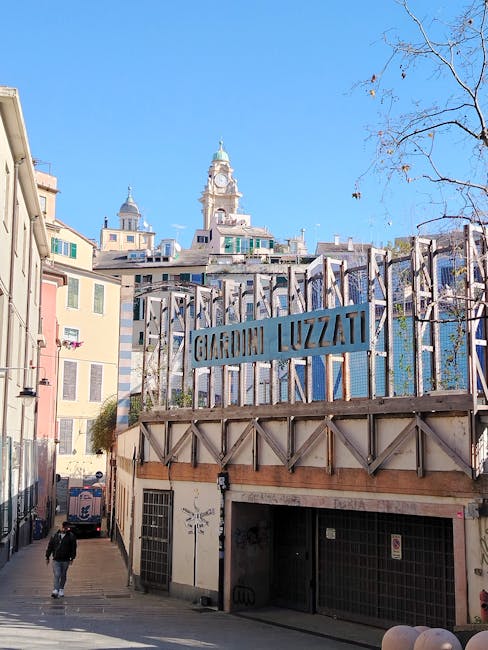
    The day usually starts in the heart of Porto Antico, a revitalized area redesigned by Renzo Piano that brings together major attractions and makes a convenient walking starting point through the medieval lanes. The idea is to alternate longer and shorter visits, account for walking or bus transfer times, and pre-purchase certain tickets to skip lines at popular sites like the Acquario di Genova. The suggested route follows a logical geographic and temporal order: aquarium and maritime museum in the morning when the light on the water is at its best, art museums and historic palaces in the afternoon, then a quieter visit late in the day to a more intimate museum or a historic garden.

    Beyond schedules and prices, one goal of this route is to convey the soul of Genoa: its frescoed palaces, baroque facades, colonnades, as well as the scientific and maritime collections that tell how the Republic of Genoa sailed and traded through the centuries. You’ll find immersive descriptions of each place, practical tips to save time (online bookings, best times to visit, where to eat nearby), and precise information for every stop: exact addresses, prices in euros and typical opening hours (do check official websites for updates).

    Ready for an intense, memorable day exploring Genoa’s must-see museums? Put on comfortable shoes, bring a water bottle and let yourself be led through artistic treasures, maritime stories and natural history collections that make the city culturally rich. This itinerary is flexible: it works for families, solo travelers and history buffs. The practical suggestions scattered throughout will help you tailor the day to your pace and interests.

    Morning at Porto Antico: Acquario di Genova and Galata Museo del Mare

    Start your day at Porto Antico to enjoy the morning energy along the waterfront. The Acquario di Genova is the district’s modern jewel and one of Italy’s top attractions. It sits right next to the port, making it easy to reach if you’re staying in the historic center.

    Acquario di Genova

    Address: Ponte Spinola, 5, 16128 Genova GE, Italy.
    Opening hours: typically 09:00–19:00 (hours vary by season; may stay open until 20:00 in summer).
    Price: adult ~€34.00. Reduced (children 3–12, seniors) ~€24.00. Family tickets and skip-the-line passes available (check the official site for offers and discounts).
    Description: The aquarium immerses you in a variety of marine ecosystems: Mediterranean tanks, tropical tanks, the shark tunnel, a touch pool and displays on marine biodiversity. The facilities are modern and family-friendly. The jellyfish exhibits and the underwater tunnel are particularly photogenic and captivate both kids and adults. Allow 1.5–2 hours for a relaxed visit.

     Click here to book your ticket for the Genoa Aquarium

    Jellyfish exhibit at the Aquarium of Genoa

    Practical tips: buy tickets online to avoid queues, arrive right at opening for photos without crowds, and check the feeding times or educational events posted at the entrance. For transport, use the Porto Antico parking or take local buses (stop « Galata – Mura » serves nearby lines).

    Galata Museo del Mare

    Address: Calata De Mari, 1, 16126 Genova GE, Italy.
    Opening hours: typically 09:30–19:00 (last admission one hour before closing).
    Price: adult ~€12.00. Reduced ~€9.00. Combined tickets with other attractions are sometimes available (check the official site).

    Description: The Galata Museo del Mare is the largest maritime museum in Italy. It traces three thousand years of naval history with interactive displays: ship models, navigation instruments, immersive rooms and the chance to board the submarine Nazario Sauro (temporary exhibits and guided tours may include access inside the sub). The hands-on, educational approach is ideal for understanding Genoa’s importance as a maritime power. Plan 1.5–2 hours to tour the museum and explore the submarine if included.

     Click here to book a combined ticket for the aquarium, Galata and the submarine

    Interior ship exhibit at Galata Museo del Mare

    Practical tips: pair the Galata with the aquarium for a maritime-themed morning. Buy a skip-the-line ticket for Galata during high season. There are cafes and kiosks at Porto Antico for a coffee break between visits. Wear comfortable shoes: the museum spans several levels and includes reconstructed decks.

    Afternoon for art: Strada Nuova – Palazzo Rosso and Palazzo Bianco

    After lunch, head to the famous Rolli palaces on Strada Nuova (Via Garibaldi), a UNESCO World Heritage site. These 16th- and 17th-century palaces now house some of Genoa’s major art museums.

    Palazzo Rosso

    Address: Via Garibaldi, 18, 16124 Genova GE, Italy.
    Opening hours: typically 10:00–19:00 (may be closed on Mondays; check before you go).
    Price: combined ticket with Palazzo Bianco and Palazzo Doria-Tursi ~€12.00–€15.00. Individual tickets available (~€8.00–€10.00 depending on season).

    Description: Palazzo Rosso displays paintings from the Genoese and Italian schools, period furniture and portraits. Highlights include works by Rubens, Van Dyck and local artists such as Bernardo Strozzi. Restored salons, wood paneling and wall decorations offer a glimpse into 17th-century aristocratic life. The visit is immersive: you move from grand reception rooms to private apartments, painting a picture of patrician family life in Genoa.

    Exterior view of Palazzo Rosso on Via Garibaldi

    Practical tips: combine Palazzo Rosso and Palazzo Bianco for a fuller view of the Via Garibaldi collections. Check for audio guides in English or guided tours to better understand the works. Staircases can be narrow — bring a folding stroller if you’re visiting with a young child.

    Palazzo Bianco

    Address: Via Garibaldi, 9, 16124 Genova GE, Italy.
    Opening hours: typically 10:00–19:00, closed on some public holidays.
    Price: often included in the Via Garibaldi combined ticket (~€12.00–€15.00).

    Description: Opposite Palazzo Rosso, Palazzo Bianco houses important Renaissance and Baroque works, plus Spanish and Flemish paintings. The curatorial design is thoughtful and the themed routes highlight cultural exchanges between Genoa and other maritime powers. Lighting and room layout encourage calm appreciation of masterpieces. Allow 1–1.5 hours if you’re an art lover.

    Gallery interior of Palazzo Bianco

    Practical tips: if you appreciate architecture, take time to study the façades along Via Garibaldi and the palaces’ inner courtyards. Several cafes and gelaterias nearby are perfect for a snack break before resuming your visit. Combined tickets are cost-effective and convenient.

    Late afternoon: Asian art, Palazzo Reale and a panoramic pause

    For the late afternoon, choose a quieter museum or a royal palace before finishing the day with a panoramic moment. These spots offer variety and complement the morning and afternoon visits nicely.

    Museo d’Arte Orientale « Edoardo Chiossone »

    Address: Corso Dogali, 18, 16136 Genova GE, Italy (located in the gardens of Villa del Principe — check access depending on exhibitions).
    Opening hours: typically 09:30–17:30 (closed some days; check the official site).
    Price: adult ~€6.00. Reduced ~€4.00.

    Description: The Chiossone museum holds a remarkable collection of Asian art (mainly Japanese and Chinese), assembled in the late 19th century by diplomat Edoardo Chiossone. The collection includes prints, ceramics, weapons and ritual objects. The atmosphere is quiet and perfect for discovering another culture in the heart of an Italian city. It’s a calming cultural break after the grand European palaces.

    Interior carriage display at Palazzo Reale

    Practical tips: ideal for fans of Asian art or anyone seeking a quieter visit. Rooms are small — book a time slot if you’re in a group.

    Palazzo Reale (Museo di Palazzo Reale)

    Address: Via Balbi, 10, 16126 Genova GE, Italy.
    Opening hours: typically 09:00–19:00 (closing times may vary on Mondays).
    Price: adult ~€10.00. Reduced ~€7.00.

    Description: Palazzo Reale is a lavish residence that showcases the decorative tastes of Genoa’s noble families: richly decorated salons, frescoes, period furniture and gardens with city views. The royal apartments are staged to convey 19th-century elegance. From the terraces and palace windows you get fine views over Genoa’s rooftops and the harbor.

    Grand staircase and frescoes inside Palazzo Reale

    Practical tips: climb up to the terrace if it’s open — the sunset from here can be spectacular. Take time to admire the gardens and, if you’re tired, enjoy an espresso at the palace café before heading off. Check temporary exhibitions which may add depth to your visit.

    Evening and alternatives: Museo Civico di Storia Naturale & night walks

    If you still have energy after the palaces, round out the day with the Museo Civico di Storia Naturale « Giacomo Doria » or a stroll through the historic center to experience Genoa at night.

    Museo Civico di Storia Naturale « Giacomo Doria »

    Address: Corso Dogali, 20, 16136 Genova GE, Italy.
    Opening hours: typically 09:00–17:30 (check exact hours; some sections may close earlier).
    Price: adult ~€6.00. Reduced ~€4.00.

    Description: Founded in the 19th century, the natural history museum houses zoological, paleontological and botanical collections. Rooms dedicated to vertebrates, insects and fossils tell the story of Mediterranean and global biodiversity. Large display cases and impressive skeletons are favorites with families and natural history enthusiasts.

    Skeleton exhibit at Giacomo Doria Natural History Museum

    Practical tips: this museum is a great option if you’re traveling with kids or prefer a less formal visit at the end of the day. Audio guides and panels are well designed, but remember to prioritize children’s comfort — there are seating areas to rest.

    Night walk: After the museums, wander the twisting lanes of the historic center (Centro Storico), take in Via San Lorenzo and the illuminated Cathedral of San Lorenzo, or return to Porto Antico for a final view of the reflecting water and the waterfront restaurants. Trattorie and osterie serve local specialties like pesto alla genovese, farinata and artisanal panettone (seasonal).
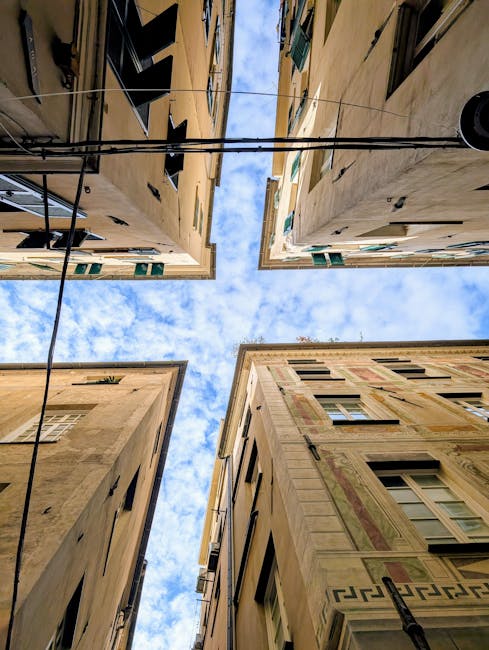
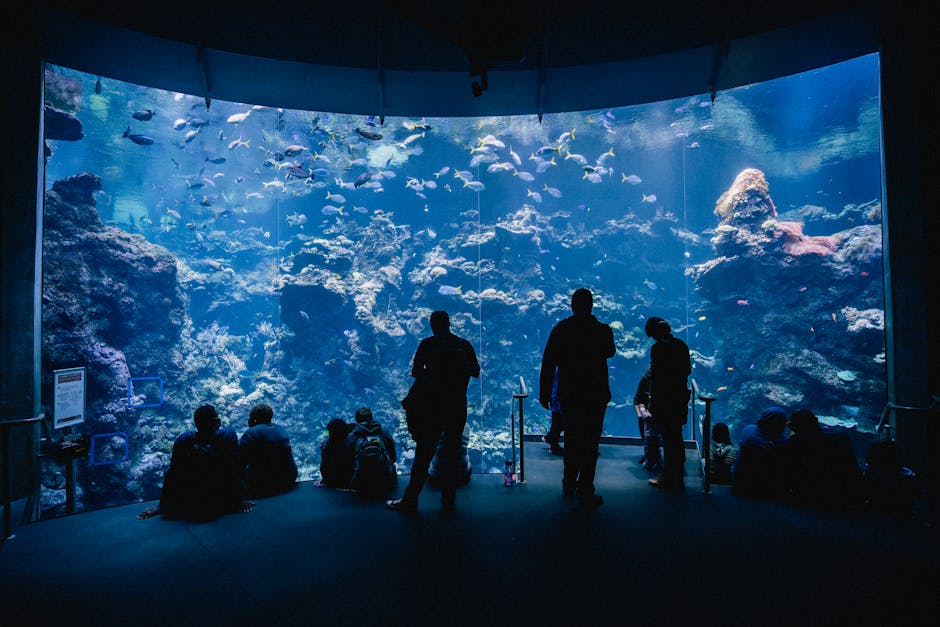
    Narrow historic street in Genoa lit up at night

    General practical tips to make the most of your day

    Planning: to fit this program into 24 hours, start early (or prep the night before if you prefer an early departure), buy tickets online where possible and choose central accommodation to cut travel time. Walking is the best way to explore Genoa; many streets between palaces and museums are pedestrian-friendly. Expect 15–20 minutes of transit between major areas (Porto Antico ↔ Via Garibaldi ↔ Via Balbi).
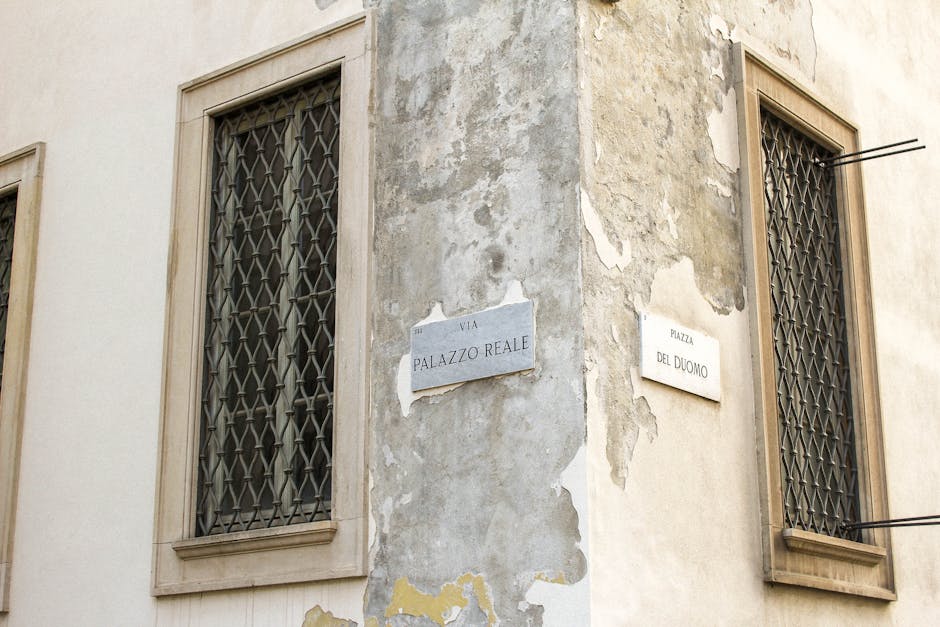
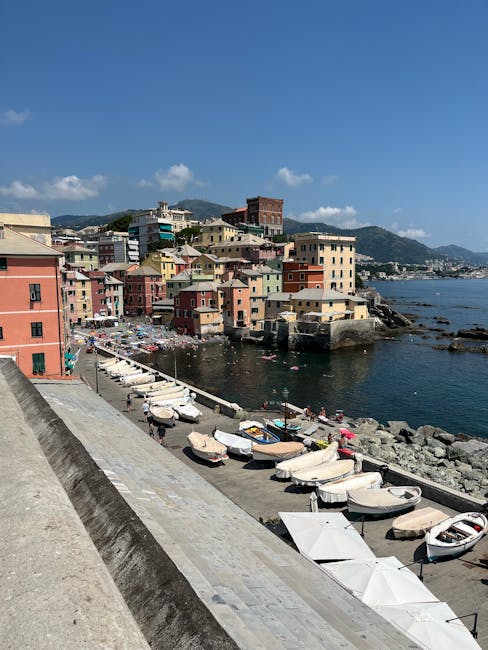
    • Tickets and bookings: prioritize skip-the-line tickets for the Acquario di Genova and, in high season, for the Galata Museo del Mare.
    • Transport: the AMT network (buses and metro) connects the main points of interest. The « Brignole » and « Piazza Principe » stops are the main hubs if you arrive by train.
    • Food: grab a quick lunch at Porto Antico if you’re short on time (food trucks and small trattorie), or enjoy a relaxed meal in an osteria near Via Garibaldi to taste local specialties.
    • Language: signs are usually in Italian and English; staff at major institutions often speak English, but a friendly « buongiorno » and « grazie » will get you far.
    • Safety and comfort: avoid bulky bags and check museum baggage rules (some venues don’t allow large backpacks). Wear comfortable shoes: Genoa is hilly and cobbled in places.

    Porto Antico waterfront in Genoa

    Conclusion

    A museum-packed day in Genoa is not only doable but deeply rewarding: from the Acquario di Genova and the Galata Museo del Mare, which tell the city’s age-old relationship with the sea, to the sumptuous palaces of Via Garibaldi (Palazzo Rosso and Palazzo Bianco), and the intimate charm of the Museo d’Arte Orientale « Edoardo Chiossone » and the grandeur of Palazzo Reale, each stop reveals a different facet of Genoese identity. The Museo Civico di Storia Naturale « Giacomo Doria » adds a scientific angle that rounds out the cultural route.

    Smart planning — buying tickets online for busy sites, starting early, grouping visits by proximity and scheduling food breaks — will help you enjoy the experience without rushing. Genoa is a city of contrasts: narrow medieval alleys linked to opulent palaces and a modern port. Its compact museum network lets you touch multiple eras and disciplines in a short time, offering a full immersion in history, art and science.

    Remember this itinerary is adjustable to your interests: art lovers, naval history fans, families or urban explorers can deepen or shorten any visit. Check museum websites for up-to-date hours and prices (they can change with seasons or temporary exhibitions). Whatever route you pick, 24 hours in Genoa will leave you with vivid images: baroque façades, richly decorated rooms, tanks filled with exotic species and panoramic views over a port that shaped a maritime republic’s destiny. Enjoy your trip and happy exploring of Genoa’s must-see museums!

    Panoramic rooftop view over Genoa at sunset
    Genoa street food scene
    Boats and sunset reflections in Genoa harbor
    Morning ticket line outside a museum