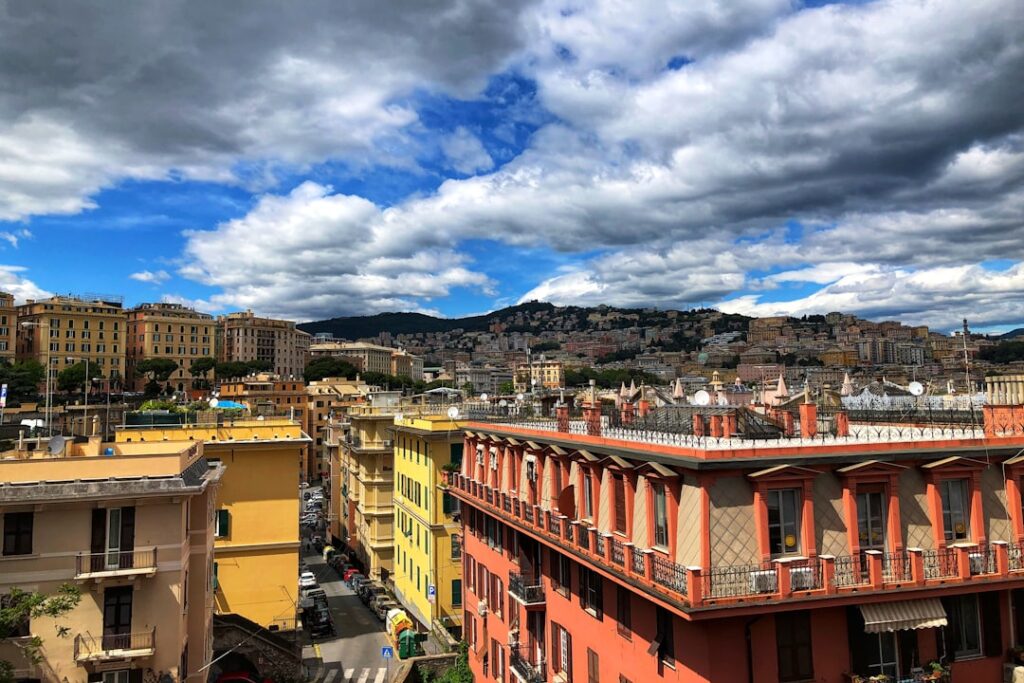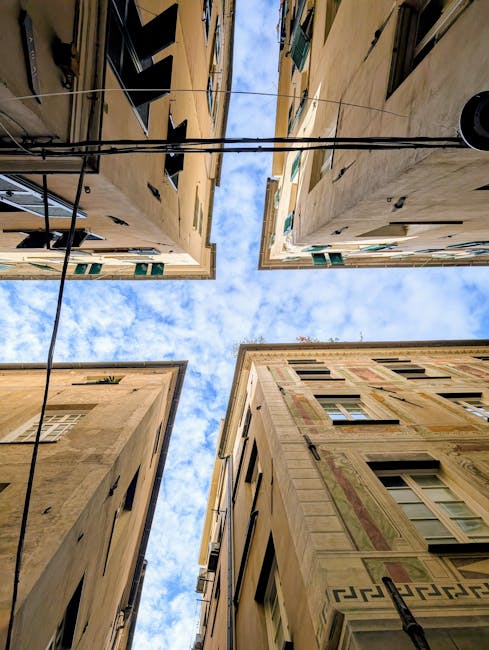






Introduction: Genoa — an artistic hub on the Ligurian coast
Genoa isn’t just an old port, a maze of medieval alleyways, or a gateway to the Mediterranean — it’s also a city where contemporary art threads its way between Renaissance palaces and sea-facing facades. As you wander the carruggi — those narrow, lively lanes — you’ll notice how baroque heritage and historic collections sit side by side with contemporary art spaces, artist residencies, private galleries and pop-up shows that probe the questions of our time.
This guide offers a practical, up-to-date map of contemporary galleries in Genoa that are truly worth visiting. You’ll find addresses, opening hours, ticket info, immersive descriptions and local tips to help you get the most from each stop. Whether you’re a collector, an art aficionado, a curious traveler or simply enjoying a cultural stroll, the goal is to turn a visit into an experience: to feel the texture of gallery walls, catch that specific Genoese light pouring through windows, or hear the distant murmur of the sea when an installation evokes the coast. You’ll also find suggested walking routes to link several venues, tips for avoiding the busiest times, and tasty local suggestions for cafés or osterie near the galleries to round out your day.
Genoa’s contemporary scene is diverse: it includes municipal institutions hosting major temporary shows in historic settings, private museums engaged in artistic research, and small independent galleries where emerging artists get noticed. Each venue has a distinct atmosphere — sometimes solemn, sometimes experimental — and offers different sensory experiences. In this article we describe several emblematic places in detail, giving practical information (exact addresses, hours, prices), immersive descriptions of exhibitions and installations, and concrete advice on how to optimize your visits: the best day to go, how long to plan, how to pair a museum visit with a seaside walk, and where to grab a good coffee without losing the rhythm of your cultural itinerary.
One important note before you start: exhibition schedules change frequently, especially in a dynamic contemporary scene like Genoa’s. Always check official websites or call ahead to confirm current shows, opening hours and any exceptional closures. Now come with us as we explore the contemporary galleries you shouldn’t miss in the city: from major institutions to hidden gems and themed routes — get ready to experience Genoa through the lens of both past and present.
<img width="1024" height="683" src="https://ue.is/wp-content/uploads/sites/43/2026/04/villa-croce-museum-exterior-sunset-sea-view-1024×683.jpg" class="aligncenter" alt="Villa Croce exterior at sunset with sea view » loading= »lazy » />
Villa Croce – Museo d’Arte Contemporanea di Genova: a villa, views and the avant-garde
Address: Villa Croce – Museo d’Arte Contemporanea di Genova, Via San Fruttuoso 35, 16147 Genova GE
Opening hours: Tuesday to Sunday 10:00–18:00 (closed Monday). Check the website for evening openings and events.
Admission: Full price €8, reduced €5 (students, seniors), free entry on certain Sundays each month (varies).
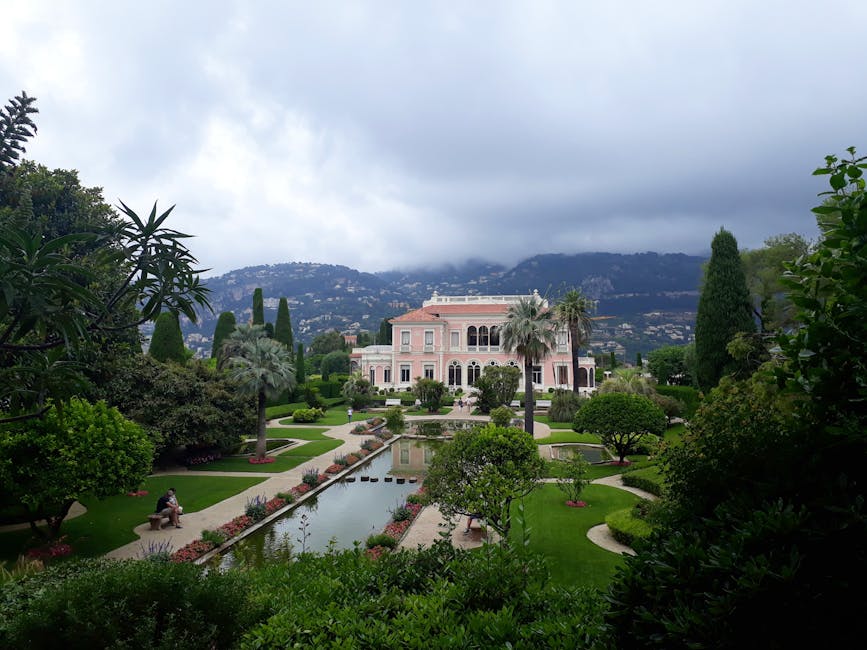
Housed in a Belle Époque villa overlooking the sea, Villa Croce is one of the must-see contemporary art addresses in Genoa. The house-museum, set in a park with gulf views, combines elegant architectural heritage with a decidedly contemporary program: solo shows by Italian and international artists, site-specific projects and performances. It’s a place to breathe after the bustle of the city, inviting slow wandering between high-ceilinged rooms where large installations converse with the changing light coming off the gulf.
Visits often begin with the garden and the lookout point; from there the sea forms a natural backdrop for works dealing with landscape, identity and memory. Inside, expect thoughtful hangings, often accompanied by catalogues and critical texts available in the shop. Educators and mediators sometimes run themed guided tours and workshops for adults and children — check the activity calendar for details.
Practical tips: arrive in the morning on a sunny day to enjoy the gardens and the best light on the works. If you come in summer, plan a break at the café (when available) or at one of the nearby terraces. Villa Croce is accessible by city bus (ATC lines serving San Fruttuoso); parking nearby is limited. Most spaces are accessible to visitors with reduced mobility thanks to ramps and an elevator — contact reception to arrange assisted access.
 Click here to book a guided walking tour of Genoa
Palazzo Ducale — Contemporary exhibitions in the historic heart
Address: Palazzo Ducale di Genova, Piazza Giacomo Matteotti 9, 16123 Genova GE
Opening hours: Generally open daily 10:00–19:00, hours vary depending on exhibitions. There may be closures on certain holidays — check online.
Admission: Temporary exhibitions have variable pricing (typically €6–€12 for major shows). Entry to the complex and special events may be free or ticketed depending on the program.
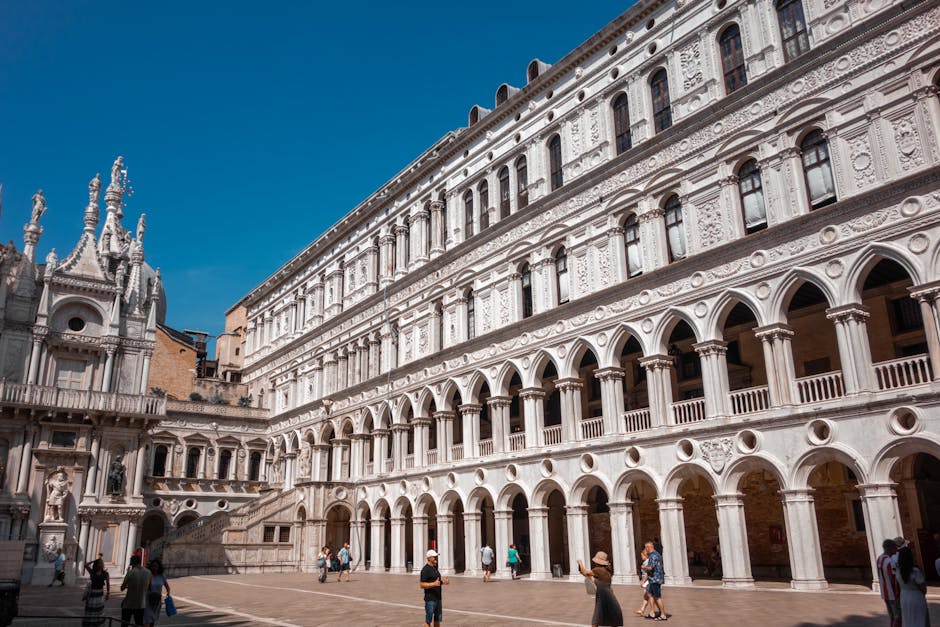
Palazzo Ducale, the sprawling palace at the center of town, is a major cultural platform that regularly hosts large-scale contemporary exhibitions, biennials, and international curatorial projects. The palace’s grand volumes and ornate rooms create an exciting contrast: contemporary installations engage in a dialogue with solemn architecture, producing powerful visual and spatial experiences. The palace also functions as a cultural events hub, with conferences, screenings and artist residencies.
When a contemporary show is on, expect ambitious scenography: immersive video installations in tall rooms, monumental sculptures in the courtyards, and sound walks that reconfigure the palace’s echoes. Temporary exhibitions are often complemented by a rich parallel program (artist talks, workshops, publications) that turns a visit into an intensive cultural immersion.
Practical tips: pair a Palazzo Ducale visit with a stroll along Via Garibaldi and the palazzi dei Rolli (a UNESCO World Heritage site) for a day that mixes old masters and contemporary works. The palace often offers combined tickets or discounts for young people and families — look out for “day pass” options. To avoid crowds, favor weekday mornings or arrive about 30 minutes before closing to catch softer light in the galleries.
Click here to discover the palazzi Rolli with an expert guide
Independent galleries and collectives: hidden gems across the neighborhoods
Beyond the institutions, Genoa is full of small private galleries, experimental spaces and artist collectives worth seeking out. Often tucked away in the caruggi, in Boccadasse or along the Porto Antico, these venues showcase youthful creativity, experimental design and contemporary photography. Expect intimate exhibitions, convivial openings and the chance for direct encounters with artists.
Look out for avant-garde galleries that open their doors in the evenings for vernissages — prime moments to chat with artists and potentially buy works directly. Many of these spaces operate on flexible hours (closed Monday or open by appointment), so call ahead before you go. Addresses tend to cluster within walking distance of the historic center, making it easy to create a custom route punctuated by stops in small osterie or artisan cafés.
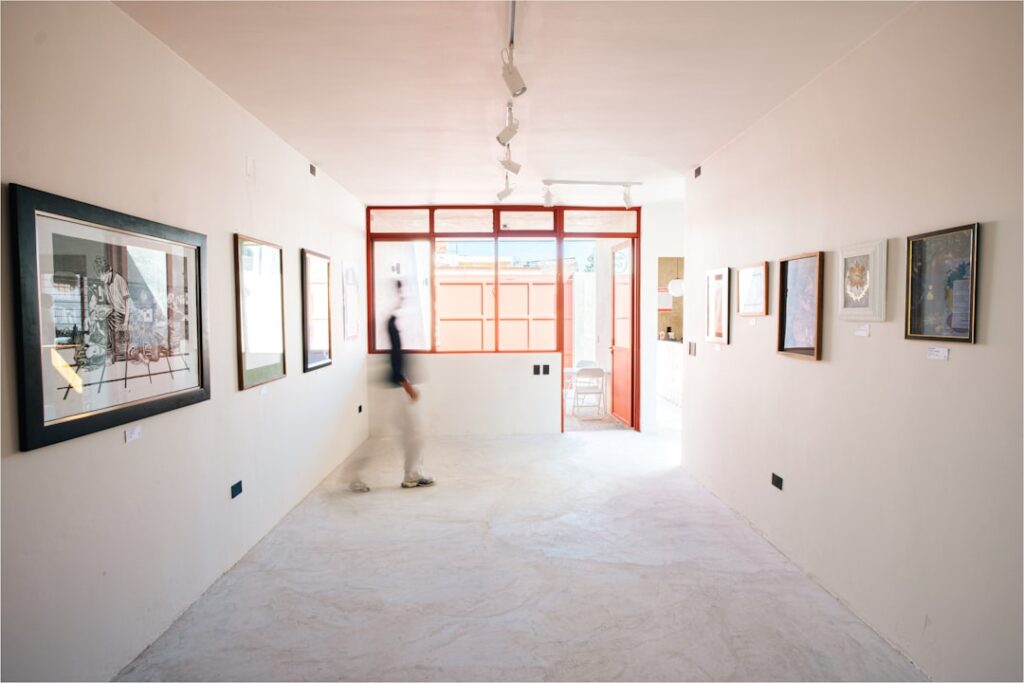
Typical setups: a medium-sized gallery will have 2–3 white rooms alternating paintings, installations and photography; a collective, sometimes housed in a converted studio, will show experimental projects and host performances; a pop-up micro-gallery, often in a temporary shop on a lively square, offers short, surprising shows. Prices vary widely: prints and small photographs can start at €50–€150, original works by young artists typically range €300–€2,000, and major pieces or limited editions can begin around €3,000 depending on the artist’s reputation.
Practical tips: plan your visits around vernissages (usually Thursday or Friday evenings) to enjoy a festive vibe and direct dialogue with local players. If you’re planning a purchase, always request a certificate of authenticity and check shipping arrangements if you’re traveling light. Photographers and traveling artists should inquire about short residencies and shared studios — some collectives offer short-term residencies and international exchanges.
Routes, accommodation and practical tips for a smooth immersion
Planning a day (or a weekend) focused on contemporary art in Genoa takes a bit of planning to make the most of the city’s offerings. Below are suggested routes and practical tips to streamline your experience.
Suggested one-day itinerary: start early at Villa Croce (Via San Fruttuoso 35) to enjoy the morning cool and sea views, then head down toward Porto Antico for a quick lunch at the market or on the waterfront. In the afternoon, make your way to the historic center and Palazzo Ducale (Piazza Giacomo Matteotti 9) for a major exhibition, followed by two or three independent galleries in the caruggi (check opening hours and availability). In the evening, take part in a vernissage or enjoy an aperitivo at a local osteria. For a two-day stay, add a visit to the palazzi of Strada Nuova (Via Garibaldi) and a themed guided tour on architecture and contemporary art.
Where to stay: favor the historic center (Villetta or Molo districts) for easy walking access to the main galleries and the port. For a quieter option with sea views, choose a hotel or B&B in Boccadasse or along Corso Italia. Budget travelers can opt for small pensions tucked into the center’s lanes — often near independent galleries.
Transport and getting around: most galleries in the center are walkable. Urban buses (AMT Genova) serve the key points — buy tickets at tobacco shops or via the official app. To reach Villa Croce, take the bus or a short taxi from the center. The regional train network links Genoa with other Ligurian towns if you want to extend your route along the coast.
Budget and tickets: set aside a daily budget for museums and galleries (around €10–€25 per day for two to three visits), plus extra for ticketed events. Don’t forget food costs — a casual lunch typically runs €12–€20, while a sit-down dinner in an osteria can reach €30–€45 per person depending on the venue.
Final local tips: always check official sites for temporary exhibitions; bring a notebook and a camera (some shows forbid photos — respect the rules); and talk to mediators and gallerists — their tips about emerging artists and secret spots are often the best. Most importantly, take your time: contemporary art in Genoa is best savored slowly, between history and the sea.
Click here to book your ticket to the Genoa Aquarium
Conclusion: Take Genoa with you — experiences, souvenirs and what’s next
Visiting Genoa’s contemporary galleries means engaging in a constant conversation between memory and novelty. Institutions like Villa Croce and Palazzo Ducale provide structured programs and large-scale exhibitions, while independent galleries and collectives offer direct encounters, unexpected discoveries and sometimes the chance to speak with artists. This coexistence creates a rich dynamic: you can move from an immersive, monumental installation to an intimate photograph or an experimental sculpture in a matter of streets.
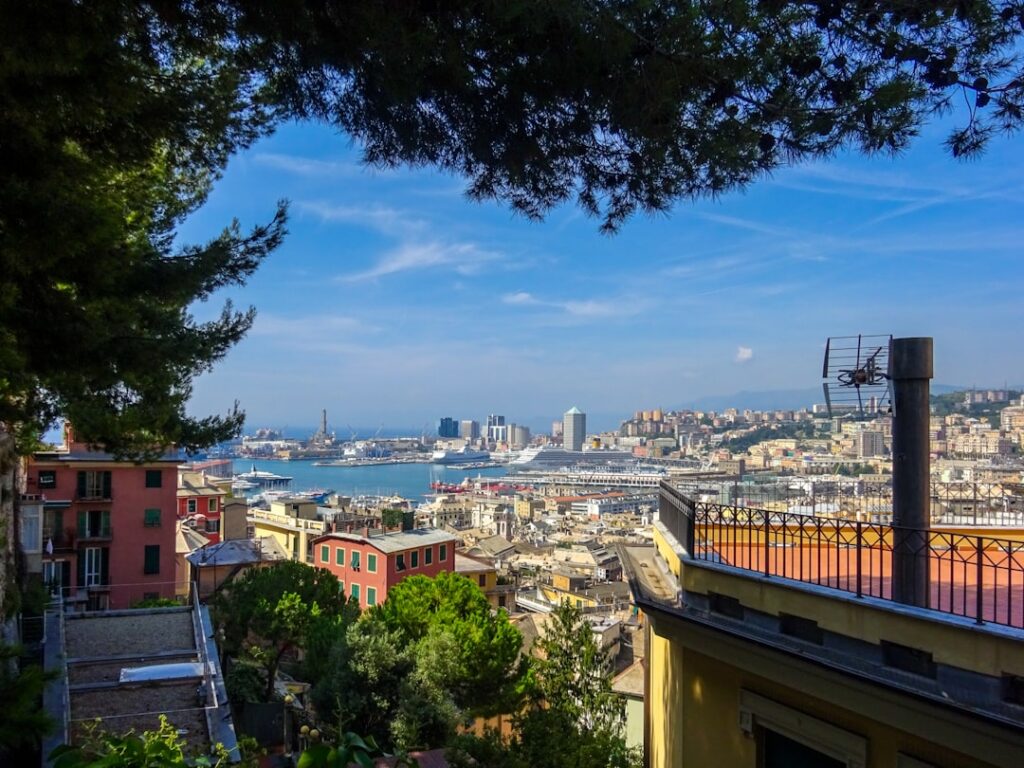
For the traveler, Genoa delivers a full cultural experience: contemporary museums sit within a historic urban fabric that amplifies the impact of artworks. Walks between palaces, ports and gardens become aesthetic journeys in themselves, where light, materials and the salty scent of the sea shape how you perceive exhibitions. Keep contact details — gallery cards, brochures and mediator addresses — as keys to continuing your discoveries after you leave. If a work moves you, ask about purchase options, editions or prints: many galleries facilitate international shipping and provide the necessary export documentation.
Finally, remember that the art scene changes fast. Returning to Genoa a few months later can bring surprises: new temporary shows, artist residencies and experimental rooms rotate frequently, fueling a sense of constant renewal. Whether you’re a collector, a curious visitor or simply after a different kind of cultural walk, Genoa offers a dense, contrasting artistic playground. Take your time, jot down impressions, talk to the local players, and let the city reveal its contemporary gems — you’ll leave with striking images, sensory memories and perhaps even a work you’ll cherish for years.