





Introduction — Palazzi dei Rolli: A Royal Route for History Lovers
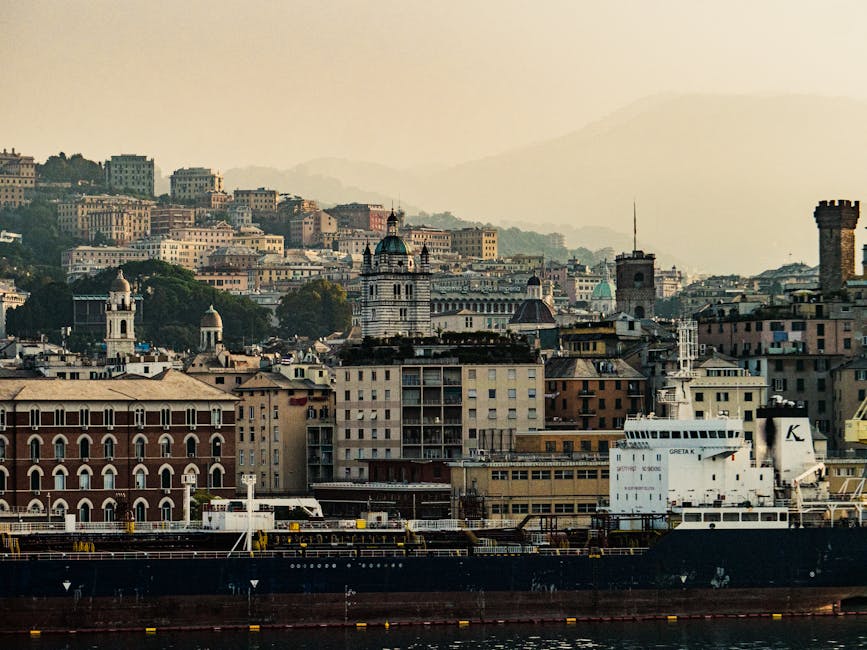
Genoa, a Mediterranean port with a rich commercial and artistic past, holds one of the most fascinating concentrations of urban Baroque palaces in Europe: the Palazzi dei Rolli. Listed as a UNESCO World Heritage Site in 2006, these palaces were once part of a unique system of « rolli » — public lists of private residences designated to host official guests of the Republic of Genoa. Today they form a monumental ensemble mainly stretched along the grand Via Garibaldi (formerly Strada Nuova) and in the nearby streets, offering visitors a journey into the opulence, architecture, and aristocratic life from the 16th to the 18th century.
This royal route, designed for history buffs, blends cultural visits, clear architectural landmarks, exact addresses, prices in euros and practical opening times to help you plan a full day — or several days — focused on the Palazzi dei Rolli. Whether you love Baroque art, historic interiors, secret gardens or are simply curious about urban history, this guide will help you arrange a logical progression to make the most of walking distances and your visiting time.
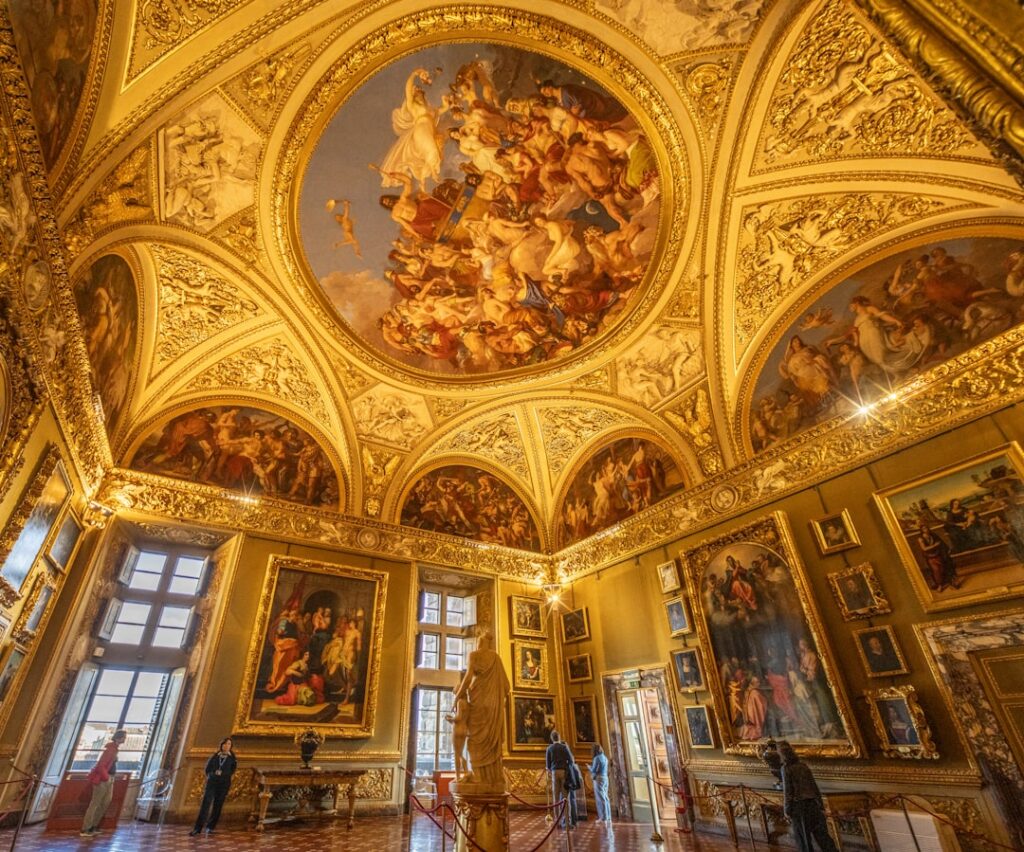
Marble facades, grand staircases, painted ceiling decorations and art collections tell not only the stories of the patrician families who commissioned these palaces, but also the tale of a maritime republic that made its mark through trade and patronage. This guide goes beyond basic facts: it offers immersive descriptions of each palace’s atmosphere, local tips (best visiting times, ticketing options, how to avoid queues), and suggestions for pairing visits with the city’s culinary pleasures.
Below you’ll find a detailed itinerary split into steps — morning and afternoon — with exact addresses and typical opening hours (always double-check before you go, as times may vary by season and for events). The prices quoted are standard public rates (in euros), and I’ll note where combined tickets offer reduced admission to multiple sites. To spark your visual imagination, I’ve included image markers that point to particularly photogenic views or details of the palaces and their urban settings.
History and context of the Palazzi dei Rolli: understanding the system and the architecture
The Rolli system is one of the unique administrative and social features of the Republic of Genoa. From the 16th century onward, the republic had no official state guesthouse to host ambassadors and foreign dignitaries. Instead, it compiled lists (rolli) of private residences owned by Genoese nobility — the most prestigious and lavish homes — categorized by size and representativeness. When an official guest had to be received, the household that would host them was chosen by lot from these lists. This system reflected the competitive display of wealth and status among families, which in turn produced a highly refined urban environment, notably along Strada Nuova (now Via Garibaldi).
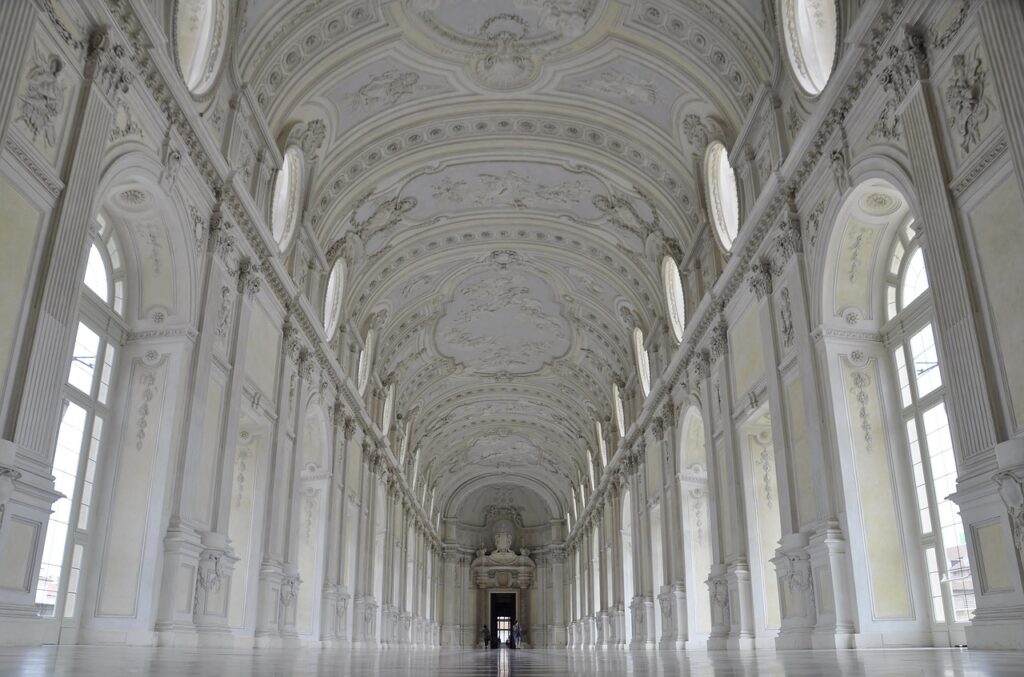
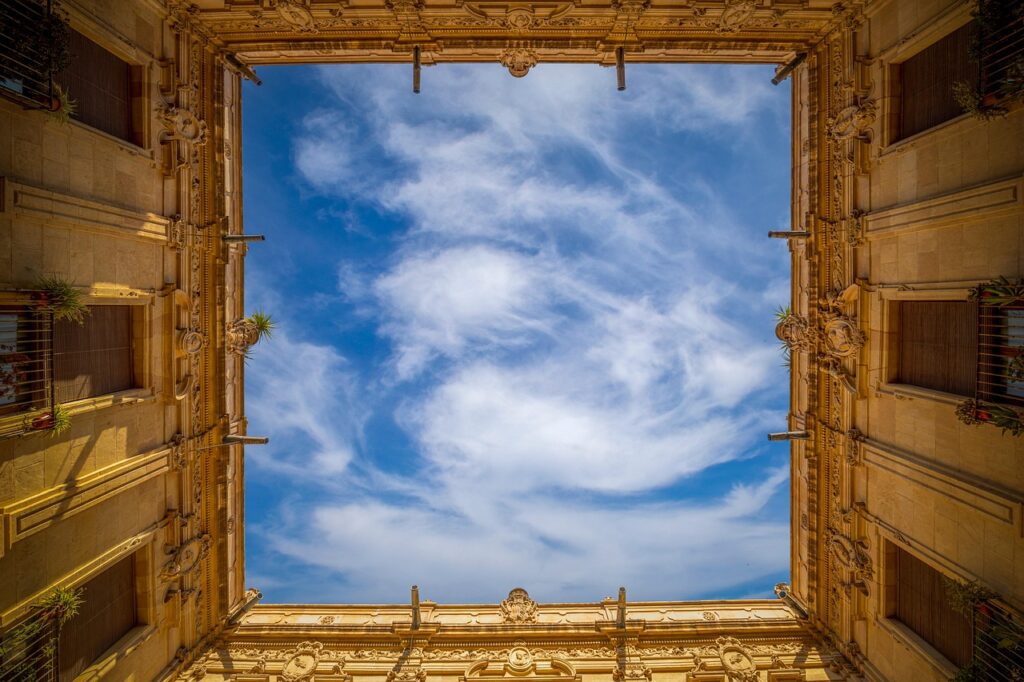
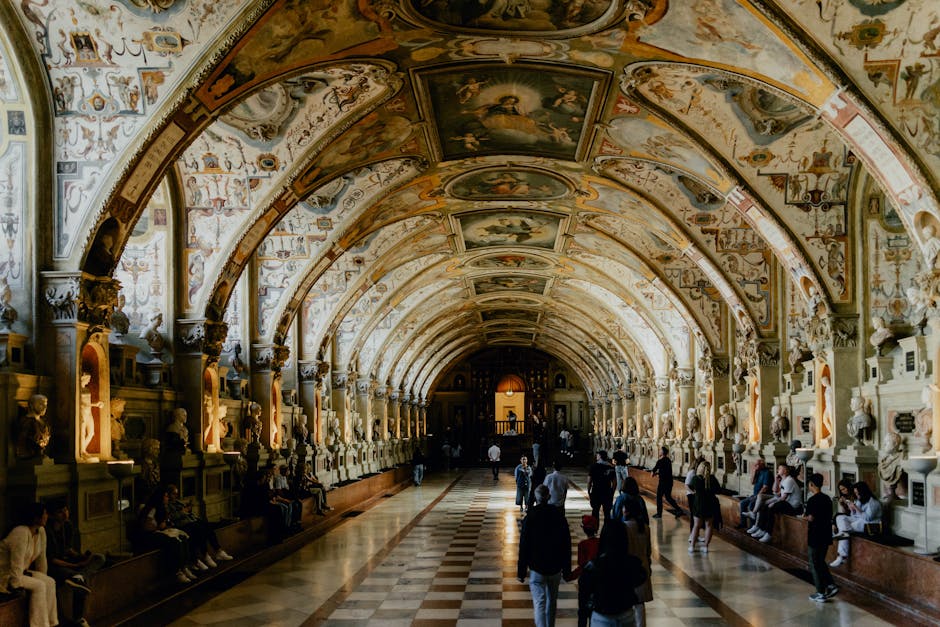
The palaces’ architecture showcases stylistic development over several centuries: restrained Renaissance-inspired facades, inner courtyards with arcades, monumental honor staircases, elaborate Baroque fresco cycles, woodwork, polychrome marbles, stuccoes and terraced gardens. The master builders and artists involved were often internationally renowned — sculptors, painters and architects blending local influences with Tuscan, Roman and even Spanish models. The outcome is a typology of urban palaces adapted to a dense public and ceremonial life: the entrance, the vestibule and the grand staircase symbolically lead up to the state rooms, where official receptions and political conversations took place.
Among the most visited palaces today are:
– Palazzo Rosso (Musei di Strada Nuova) — Via Garibaldi, 18, 16124 Genova: famous for its painting collections and glowing interiors.
– Palazzo Bianco — Via Garibaldi, 9, 16124 Genova: an art museum with works from the Renaissance to the Baroque.
– Palazzo Doria Tursi (Palazzo Tursi) — Via Giuseppe Garibaldi, 9, 16124 Genova: home of the civic museum and municipal collections.
– Palazzo Reale — Via Balbi, 10, 16126 Genova: a former royal palace with gardens and sumptuous apartments.
– Palazzo Spinola di Pellicceria — Via Garibaldi, 12, 16124 Genova: notable examples of interior decoration.
These addresses make logical starting points to understand the rolli system and their urban distribution.
The palazzi are not just museums; some still serve municipal or private functions, and others host concerts, temporary exhibitions and conferences. Visiting routes should therefore be planned with variable opening times and closure days in mind (Monday is often a closure day for many museums). In addition, the city frequently offers a combined ticket, « Musei di Strada Nuova, » which bundles access to Palazzo Rosso, Palazzo Bianco and Palazzo Doria Tursi at a reduced rate compared to separate tickets — often the most economical option for art lovers.
Recommended route — Morning: Via Garibaldi and the main palaces (3 to 4 hours)
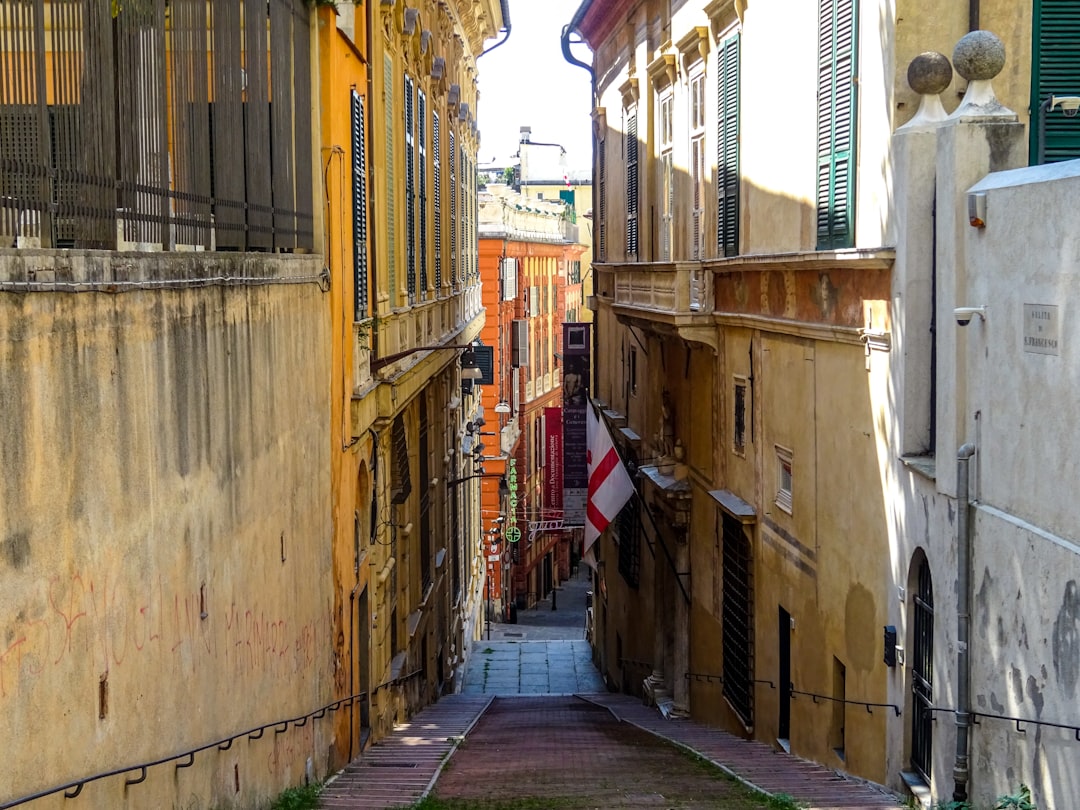
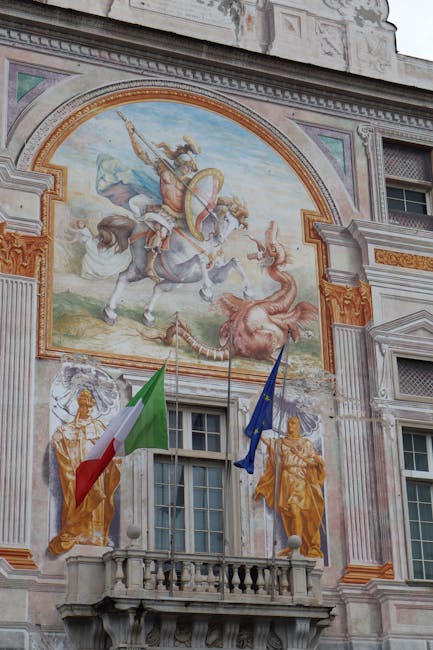
Start your morning along Via Giuseppe Garibaldi (Via Garibaldi), the historic heart of the Palazzi dei Rolli. The street, about 250 meters long, is lined with an unrivaled concentration of palaces and is the most practical route for a compact, coherent immersion.
Step 1 — Palazzo Doria Tursi (Palazzo Tursi): Via Giuseppe Garibaldi, 9, 16124 Genova.
– Opening times: usually open Tuesday to Sunday from 09:30 to 19:00 (closed Monday).
– Price: single entry about €6.00 (full price). Discounts for students and seniors; free entry on certain local public holidays.
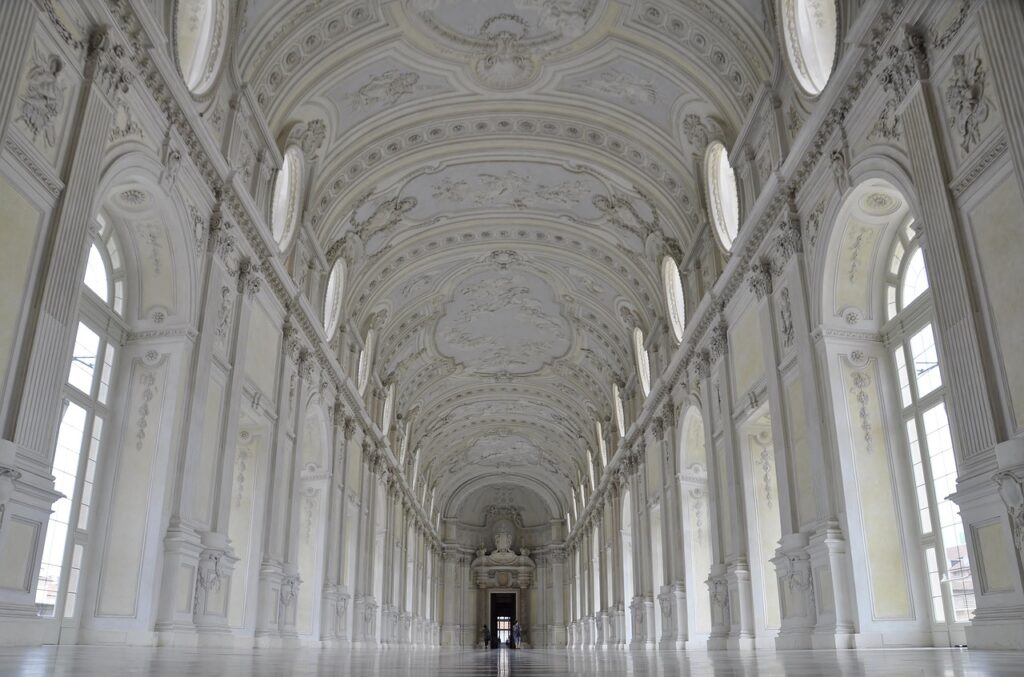
– Description: Home to the Museo Civico and the Historical Archive, its monumental staircase, richly decorated salons and collection of furniture and musical instruments make for an excellent first stop. Don’t miss the bust room and the terrace that commands a perspective over Via Garibaldi.
– Tip: arrive at opening time to avoid tour groups and enjoy the early morning light that highlights the woodwork.
Step 2 — Palazzo Bianco: Via Garibaldi, 9, 16124 Genova.
– Opening times: generally Tuesday to Sunday 09:30–19:00.
– Price: single ticket around €10.00; included in the Musei di Strada Nuova combined ticket (see below).
– Description: An art museum housed in a 16th-century palace, it displays an excellent collection of Italian paintings (Carracci, Rubens, Van Dyck) and local artists. Rooms are organized chronologically and thematically, allowing you to trace the stylistic evolution of European painting.
– Tip: the audio guide (often available in several languages) helps contextualize the works and is worth it if your time is limited.
Step 3 — Palazzo Rosso (Musei di Strada Nuova): Via Garibaldi, 18, 16124 Genova.
– Opening times: usually Tuesday to Sunday 09:30–19:00.
– Price: single ticket around €10.00; combined ticket for the three Strada Nuova museums (Palazzo Rosso, Palazzo Bianco, Palazzo Doria Tursi) about €12.00–15.00 depending on promotions.
– Description: The palace gets its name from the red walls of some rooms; it houses a prestigious collection (portraits, Flemish and Italian paintings, tapestries). The museum route crosses richly decorated salons, studies and bedrooms, ending with a charming terrace overlooking the street.
– Tip: check whether the « Musei di Strada Nuova » combined ticket is available on the day of your visit — it will save you time at the ticket desk and money.
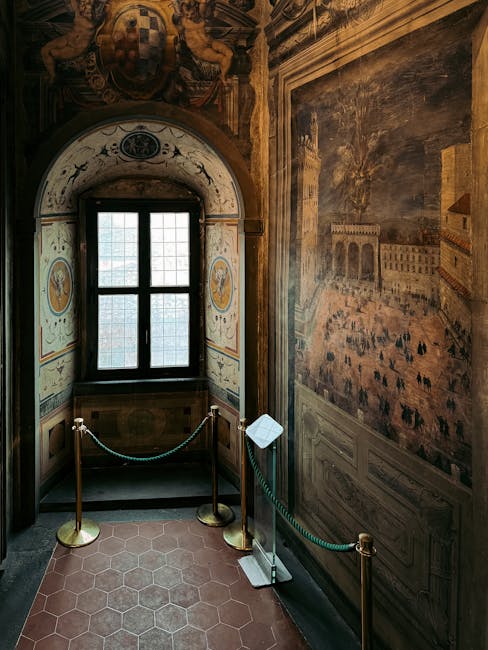
Step 4 — Secondary palaces to see on foot (optional depending on time):
– Palazzo Spinola di Pellicceria — Via Garibaldi, 12, 16124 Genova. Hours: 10:00–18:00; Price: €6.00–8.00. Remarkable Baroque interiors.
– Palazzo Nicolosio Lomellino — Via Garibaldi (entrance number varies), famous for its decorated staircase and hanging garden (oratory). Hours and prices vary (often included in guided circuits).
These additional visits often require reservations for interior access, as some palaces open intermittently or are used for private events.
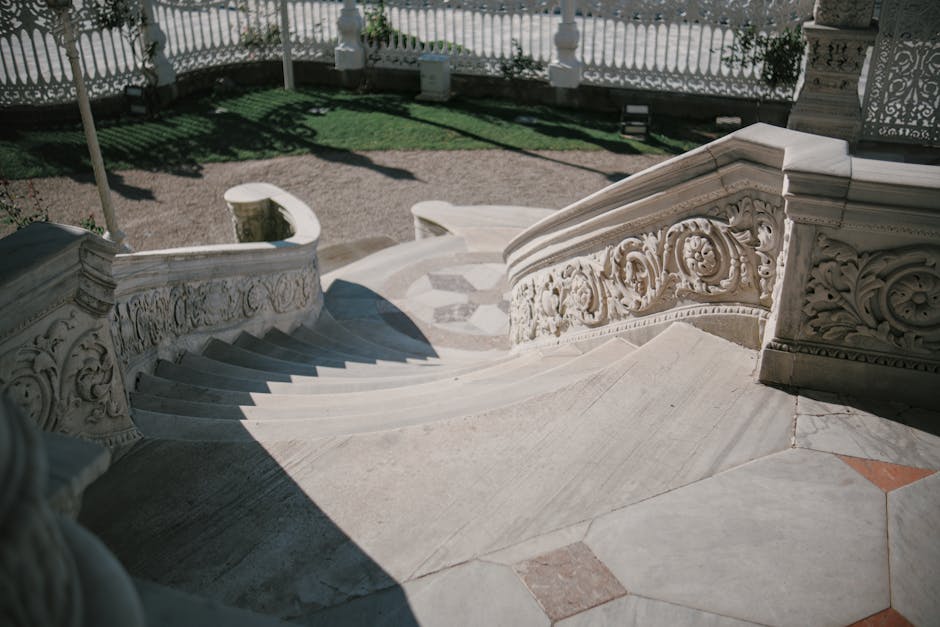
Recommended route — Afternoon and evening: Palaces beyond Via Garibaldi and Genoese ambiance
After a typical Genoese lunch (restaurant tips further down), head to palaces that are a little farther out and down toward the sea to round out your Rolli discovery. The afternoon is ideal for visiting the sumptuous Palazzo Reale and taking time to explore palaces converted into exhibition spaces or specialized museums.
Step 1 — Palazzo Reale (Royal Palace): Via Balbi, 10, 16126 Genova.
– Opening times: generally open Tuesday to Sunday 09:00–19:00 (closed Monday).
– Price: single entry around €8.00–12.00 depending on the exhibition; reduced rates for students and seniors, often available as a combined ticket with civic museums.
– Description: The Palazzo Reale is among the largest and most sumptuous palaces in Genoa. The state apartments, richly decorated, display gilded salons, painted ceilings and period furnishings. The palace also has an Italian terraced garden with views over the historic center.
– Tip: allow at least an hour and a half for a full visit; audio guides and guided tours often grant access to rooms closed to free visits.
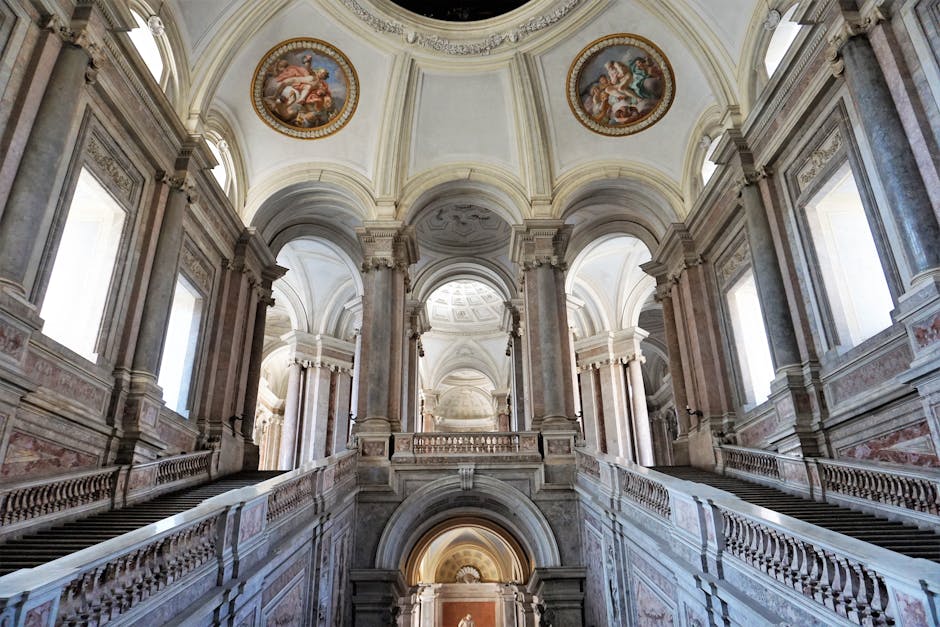
Step 2 — Palazzo Nicolosio Lomellino and little gems:
– Palazzo Nicolosio Lomellino (for its famous hanging garden, Giardino all’Italiana), often located in the Via Garibaldi or Via Cairoli area depending on the access point. Hours and fees: variable, often €5.00–8.00 by reservation or as part of guided routes.
– Palazzo della Meridiana (Piazza della Meridiana, 1, 16124 Genova): hosts temporary exhibitions; opening times and prices vary.
These palaces offer a more intimate perspective on courtly life and private gardens, often hidden behind modest street facades.
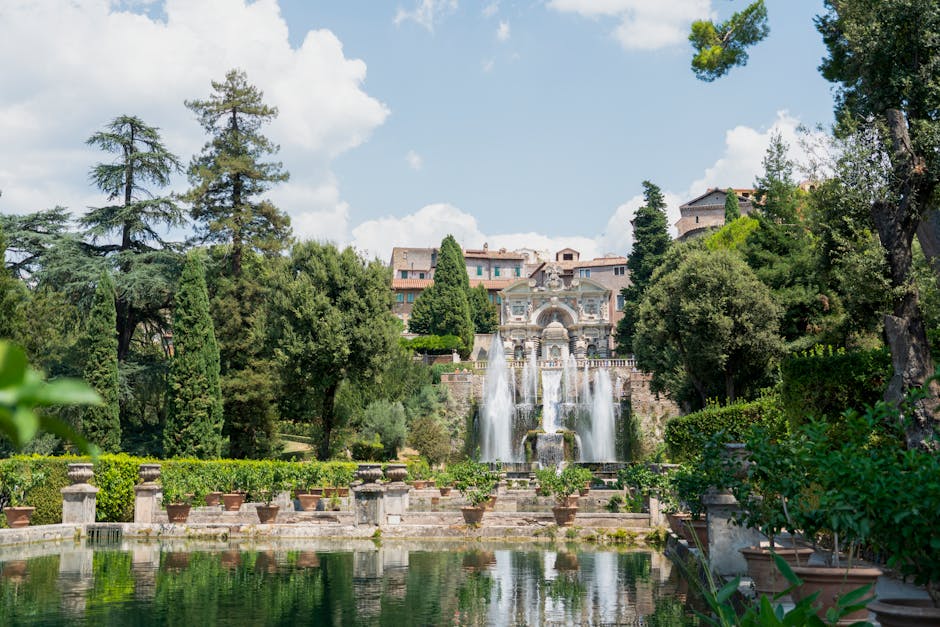
Step 3 — End of day: harbor, viewpoints and dinner.
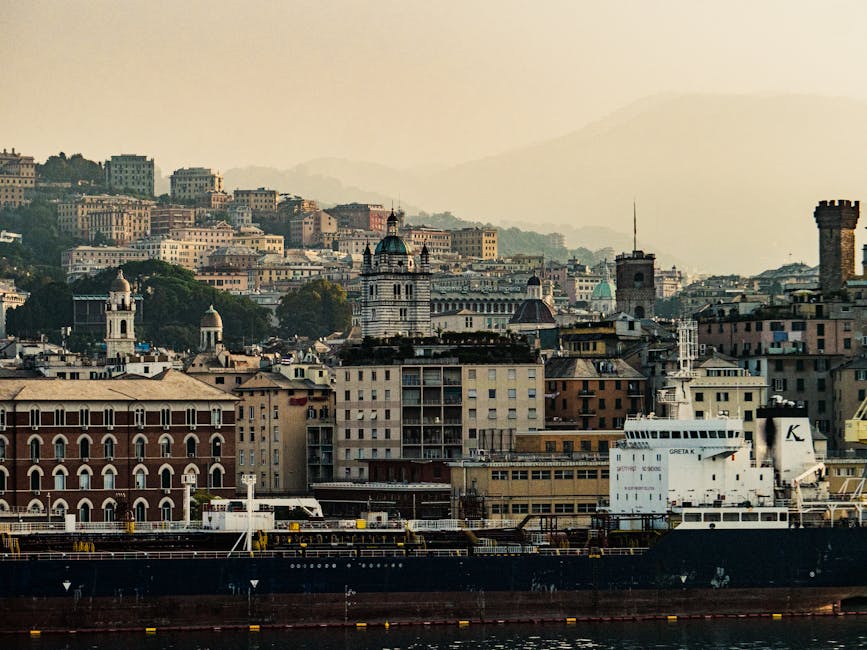
– Head up to the Spianata di Castelletto (viewpoint) — by funicular or on foot from Piazza Portello. The platform offers panoramic views over the city and port, a great spot to photograph the row of palaces from above.
– Dinner recommendation: choose a traditional restaurant serving Ligurian cuisine: trofie al pesto, farinata, and fresh fish. For example, Trattoria da Maria (Via San Luca, 4R — check the exact address before you go) or Ristorante San Giorgio al Porto (Piazza San Giorgio 2, near the Porto Antico). Expect about €20–35 per person for a full meal, excluding drinks.
– Local tip: late-afternoon light brings out the ochre and red tones of Via Garibaldi’s facades — perfect for photos and a relaxing stroll before returning to your accommodation.
Practical tips, tickets, transport and local tricks
Before you go: tickets and reservations. Many palaces offer combined tickets — the best-known being the « Musei di Strada Nuova » ticket (Palazzo Rosso, Palazzo Bianco, Palazzo Doria Tursi). Indicative combined price: €12.00–15.00 (check current conditions on the official Musei di Strada Nuova site). The individual ticket prices mentioned above are indicative: Palazzo Rosso ~€10.00, Palazzo Bianco ~€10.00, Palazzo Reale ~€8.00–12.00. Reductions for youth, seniors and groups usually apply, and children under 6 often enter free.
Opening hours: most palaces are open Tuesday through Sunday and closed on Monday. Standard hours range from 09:00 to 19:00/19:30 depending on the season. To avoid disappointment, always check the museum’s official website or the Genoa tourist office (Comune di Genova) the day before your visit. Some palaces may close unexpectedly for private events or restoration work.
Getting around:
– On foot: the old town and Via Garibaldi are largely walkable and close together; prioritize walking to fully appreciate the nearby architecture.
– Public transport: buses and the metro (stations: « Dante » or « Brignole » depending on where you start) provide quick access to the center. Funiculars (e.g., Zecca-Righi) and city elevators (ascensore di Castelletto) give access to great viewpoints.
– Taxi: available but more expensive; a good option if you’re short on time or traveling in a group.
Gear and etiquette:
– Shoes: wear comfortable footwear suitable for walking on cobblestones.
– Photography: most museums allow photography without flash; check signage at the room entrances.
– Respect the sites: many rooms are fragile (rugs, marbles, frescoes) — avoid touching and follow staff instructions.
Local hacks:
– Early morning: start at opening to beat the crowds. The best light for photographing east/southeast-facing facades is in the morning.
– Coffee break: try a caffè corretto in a historic bar near Piazza De Ferrari or a focaccia from Recco for a local snack.
– Market and souvenirs: the Mercato Orientale (Piazza della Vittoria, 5R) is a great spot to buy local products (pesto, oils, wines) and is within easy walking distance.
Guided tours, events and deeper-dive alternatives
If you want a more scholarly or thematic approach, choose a specialized guided tour. Many local agencies offer circuits focused on architecture (crafts, materials, techniques), the diplomatic history of the Rolli (their role in European diplomacy), or themed nighttime visits (illuminations and period tales). Accredited guides enrich the visit with anecdotes about the patrons, artists and historic events that took place in these salons.
Events: several palaces host temporary exhibitions, Baroque music concerts, classical recitals and lectures. For example, Palazzo Reale and Palazzo Spinola di Pellicceria frequently organize chamber music concerts in historic salons — check event calendars on official sites to plan your visit around performances.
Alternatives for history enthusiasts:
– Fondazione Palazzo Ducale (Piazza Giacomo Matteotti, 9): a rich cultural program of contemporary and historical exhibitions.
– Edoardo Chiossone Museum of Oriental Art (Via Garibaldi, 18/A): a chance to cross Genoese history with Asian collections.
– Thematic visits: « Rolli Days, » an annual event when some palaces normally closed to the public open their doors for free or host special guided tours. Check dates and details on the Rolli Days website.
Accessibility and families: several palaces offer family trails and multilingual audio guides. Strollers can be a challenge on some old staircases; ask at the ticket desk about accessible routes.
Conclusion — Why the Palazzi dei Rolli deserve your royal route
The Palazzi dei Rolli are more than historic buildings: they embody a distinct civic and cultural history, where commercial power and the art of patronage shaped an entire city. Their presence gives Genoa an architectural prestige comparable to other European capitals, but with a density and urban coherence that make them uniquely distinctive. Touring these palaces is like reading the story of a mercantile republic and watching the social mechanisms of prestige play out in stone, marble, painting and garden.
With the itinerary proposed here, the history lover gets a structured route — morning on Via Garibaldi, afternoon at Palazzo Reale and the gardens, followed by an evening at the harbor or on the heights — that balances cultural immersion and tourist comfort. The practical details (exact addresses, usual opening times, indicative prices) make planning easier and allow you to adapt the visit to your interests and pace. Don’t forget to take advantage of combined tickets, check opening hours online before you go, and explore the little side streets off Via Garibaldi where other treasures hide.
Finally, take time to savor the details: painted ceilings, the patina of marbles, urban perspectives, hanging gardens and the small plaques telling the stories of the families who commissioned these works. These sometimes subtle elements narrate the life of a city that combined commercial power with a love of the arts. Whether you’re a first-time visitor or a returning traveler, the Palazzi dei Rolli always reveal something new — so let yourself be carried along this royal route and give yourself a few hours, a full day or several days to fully taste the history and beauty of Genoa.