Blog

  • Genoa in Celebration: Your Year-Round Festivals & Events Calendar

    Genoa in Celebration: Your Year-Round Festivals & Events Calendar

    Introduction: Genoa in Celebration — a lively calendar all year round

    Genoa (Genova in Italian) is a historic port city in northwest Italy, the capital of Liguria, known for its rich maritime past, narrow medieval lanes — the « caruggi » — and vibrant cultural heritage. Beyond its 15th-century palaces listed as UNESCO sites and its famous aquarium, Genoa comes alive through an annual lineup of events that mark the local calendar: street festivals, religious feasts, food fairs, nautical shows, concerts and popular carnivals. This guide offers a practical, detailed and illustrated overview of the recurring events that animate the city, with exact addresses, typical schedules, indicative prices and local tips to help you make the most of each occasion.

    What makes Genoa unique is how it blends tradition with modern life: religious celebrations sit alongside contemporary music and film festivals, while food events celebrate Ligurian specialties — pesto, focaccia, farinata — often against historic backdrops like old squares and palaces. Events frequently take place at iconic, easy-to-find spots: Piazza De Ferrari (Piazza De Ferrari, 16123 Genova GE), the Porto Antico (Piazza Caricamento, 16126 Genova GE), Via Garibaldi (Via Garibaldi, 16124 Genova GE), and the Capo di Santa Chiara Park. Dates can shift year to year — especially religious feasts tied to the liturgical calendar — but the regular annual rhythm makes it easy to plan a culturally rich trip.

    This guide does more than list events: it gives essential practical details — entry fees, typical hours, how to get there, full addresses and crowd-avoidance tips. You’ll also find recommendations on the best times to book hotels and restaurants, suggested weekend itineraries to combine multiple events, and local hacks (where to find the best focaccia, how to reach sites from Genova Piazza Principe or Genova Brignole station, etc.). Whether you’re a music lover, history buff, foodie or traveler seeking authenticity, this calendar will help you plan a festival-filled stay in Genoa.

    Finally, Genoa’s cultural calendar is strongly influenced by its role as a port: many celebrations happen by the water or use the old industrial waterfront of the Porto Antico, offering spectacular settings, especially at sunset. Photographers and visual enthusiasts will find countless shot opportunities — lit quays, Baroque façades, vibrant markets and traditional boats. Throughout this article you’ll find descriptive image cues to inspire your visit and plan your photo sessions.
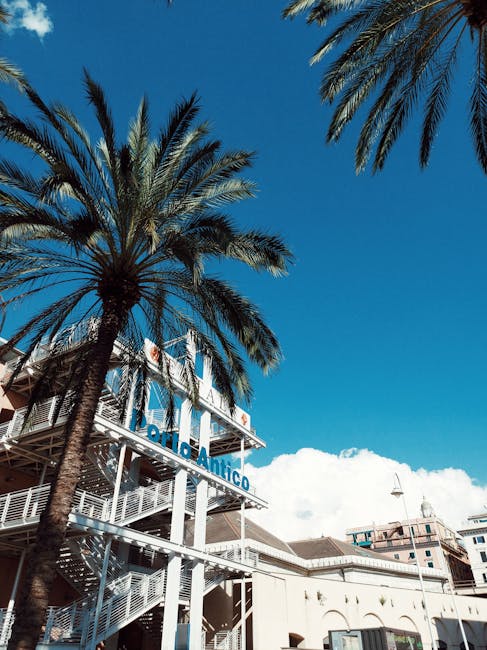
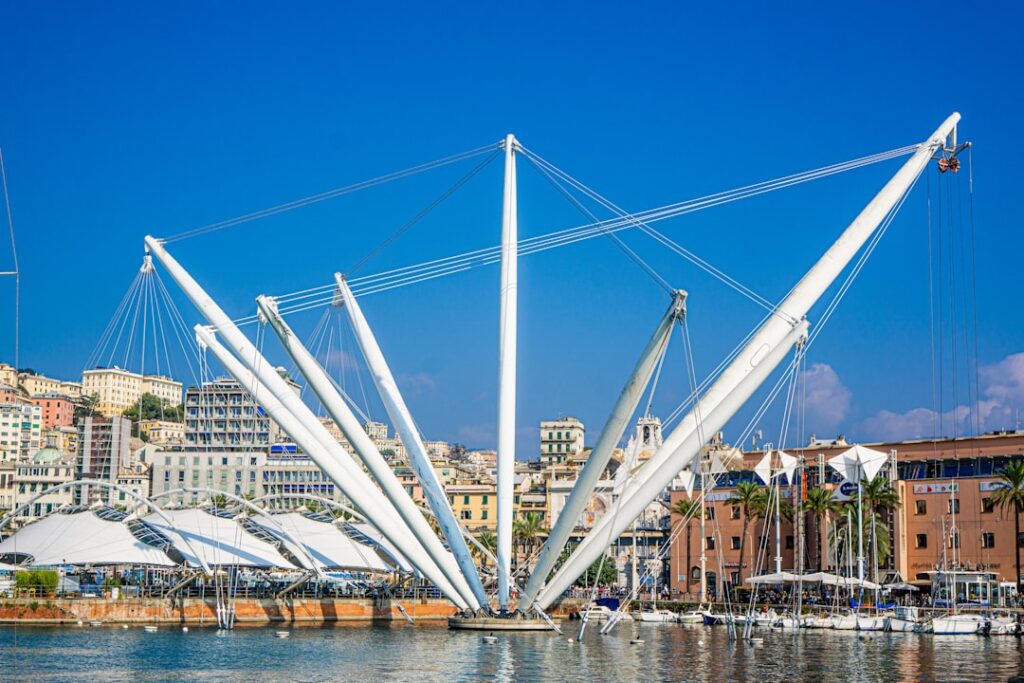
    Palm trees framing Porto Antico waterfront structure in Genoa under blue sky

    January to March: religious feasts, winter culture and early Carnival

    The first months of the year in Genoa mix traditional religious observances, winter cultural programming and pre-Carnival activity. January often starts with the Feast of the Annunciation and local parish commemorations, but it’s also a time for exhibitions and winter concerts. Civic museums like the Palazzo Ducale (Palazzo Ducale, Piazza Matteotti 9, 16123 Genova GE) host retrospectives, talks and concerts. The Palazzo is generally open 9:30 a.m. to 7:00 p.m., with some evenings extended to 11:00 p.m. for special events; temporary exhibition tickets range from around €8 to €15, and combined passes are frequently available.

    In February, Genoa celebrates its Carnival (Carnevale di Genova) with parades through historic neighborhoods, kids’ workshops, balls and street entertainment. The main activity centers are often the Porto Antico (Piazza Caricamento, 16126 Genova GE) and Via San Lorenzo (Cattedrale di San Lorenzo, Piazza San Lorenzo, 16123 Genova GE). Costumed processions are usually free, while some private balls and indoor shows require tickets: prices for paid performances typically range from €10 to €35 depending on the organizer. Parade schedules vary, but most start in the afternoon (around 3:00 p.m.) and continue into the evening.

    March signals renewal, with more focused cultural events: occasional fish fairs like the Sagra del Pesce in Nervi or waterfront neighborhoods, literary meetings and sometimes spring theatre premieres. A recurring highlight is the Genova Jazz Festival (dates vary), which stages concerts in clubs and venues like Teatro Carlo Felice (Teatro Carlo Felice, Via Balbi 10, 16126 Genova GE); tickets generally cost between €15 and €40 depending on the show, doors typically open 7:00–8:00 p.m. for performances starting around 9:00 p.m. Outdoor gigs are often free, though seated sections may require paid tickets.

    • Palazzo Ducale — Piazza Matteotti 9, 16123 Genova GE. Exhibition hours: 9:30 a.m.–7:00 p.m.; exhibition prices: €8–€15.
    • Carnevale di Genova — main venues: Porto Antico (Piazza Caricamento, 16126 Genova GE) and Via San Lorenzo. Parades free; balls/shows: €10–€35.
    • Teatro Carlo Felice — Via Balbi 10, 16126 Genova GE. Concert tickets: €15–€40; box office and online sales available.
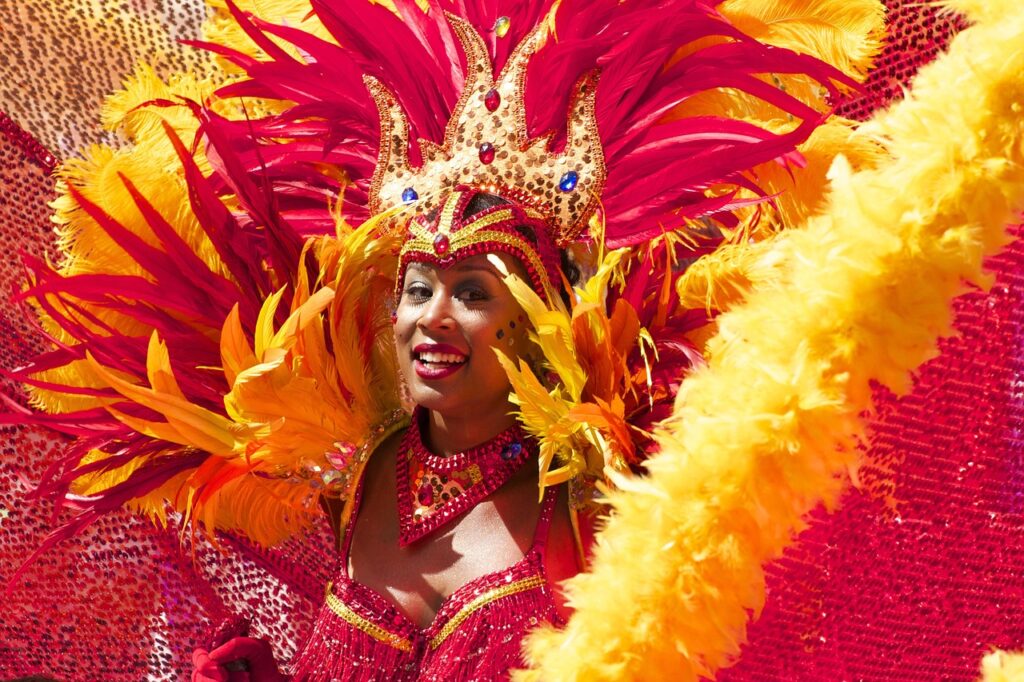
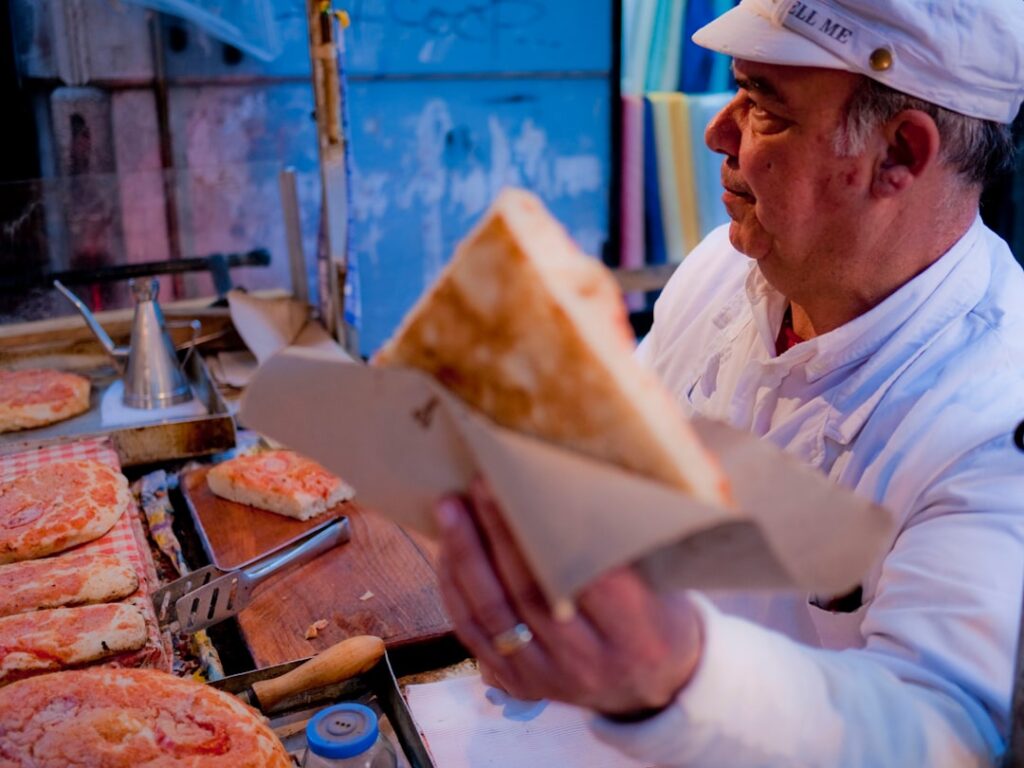
    Carnival dancer in red and yellow feathered costume smiling during Genoa celebrations

    April to June: spring in bloom, patron saint festivals and nautical events

    With spring’s arrival, Genoa livens up outdoors. April sees Easter and Holy Week ceremonies in historic churches, including the Cathedral of San Lorenzo (Cattedrale di San Lorenzo, Piazza San Lorenzo 5, 16123 Genova GE). Religious services are open to the public; entry to the cathedral is free, though access to certain chapels or the treasury may be ticketed (around €3–€5). Neighborhood festivals (feste patronali) also take place across the city: the Fiera di Primavera (spring fair) features artisan stalls and local produce, often around Corso Italia and Nervi.

    May and June are prime months for outdoor events. The Giro d’Italia and other cycling races sometimes cross the province; Genoa frequently hosts stages or starts. The International Festival of Poetry and Literature (dates vary) and outdoor concerts on Piazza Matteotti or Piazza De Ferrari (Piazza De Ferrari, 16123 Genova GE) activate the city. The major Genova International Boat Show (Salone Nautico Internazionale) usually takes place in September — but smaller nautical events, sailboat displays and local regattas start as early as June. Main venues for these gatherings are the Porto Antico area and the Molo Vecchio (Porto Antico, Piazza Caricamento, 16126 Genova GE). Small exhibitions often have free entry; trade shows and major exhibitions charge tickets from €10 to €25.

    June is also the start of the outdoor concert season and music festivals. While the Festival della Scienza (usually held in October–November) sometimes offers spring pre-events, summer music festivals like the Viva Festival begin programming in June. For outdoor concerts, arrive early to secure a good spot: performances typically kick off around 8:30–9:30 p.m., especially after sunset. Food-wise, the fresh produce markets (Mercato Orientale, Via XX Settembre 9/11, 16121 Genova GE) ramp up with extra stalls during local celebrations — market hours: 7:00 a.m.–2:00 p.m.; some vendors stay open later for evening events.

    • Cattedrale di San Lorenzo — Piazza San Lorenzo 5, 16123 Genova GE. Cathedral entry: free; treasury/chapels: €3–€5.
    • Mercato Orientale — Via XX Settembre 9/11, 16121 Genova GE. Hours: 7:00 a.m.–2:00 p.m.
    • Porto Antico / Molo Vecchio — Piazza Caricamento, 16126 Genova GE. Exhibition and nautical departure points; free access for waterfront promenades.
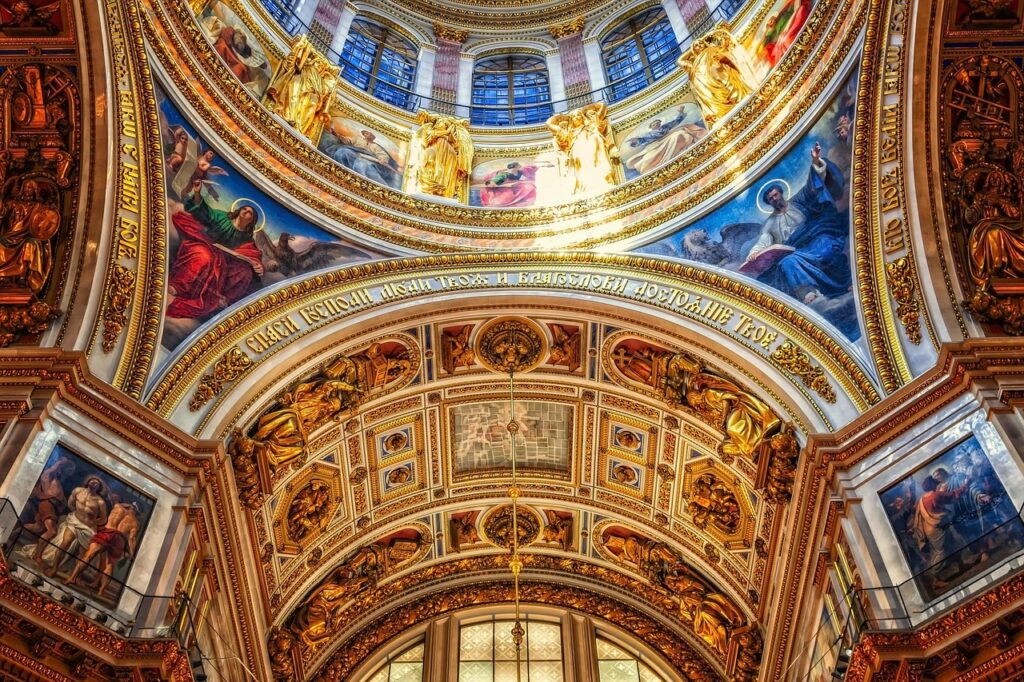
    Close-up of yellow daisy blooming against dark green foliage in Genoa garden

    July to September: high season, music festivals and the Boat Show

    Summer is the busiest season in Genoa, packed with music festivals, cultural events and, centrally, the world-class Genoa Boat Show (Salone Nautico). The Salone takes place at the Porto Antico and adjacent quays (Porto Antico area, Piazzale Anita Garibaldi 16126 Genova GE or in designated halls depending on the layout) and is typically scheduled in September. Tickets for the Salone range from around €18 to €35 for public days, with discounts for students and children; typical opening hours: 10:00 a.m.–8:00 p.m.

    July and August bring a wealth of outdoor concerts — from free performances in Piazza De Ferrari to ticketed shows at Teatro Carlo Felice and private venues. The Festival di Nervi (concerts and exhibitions in the Nervi gardens) often offers classical concerts within a stunning botanical setting: parks and gardens of Nervi (Passeggiata Anita Garibaldi, 16167 Genova GE). Ticket prices vary: outdoor seats €10–€40; doors typically open in the evening between 7:00 and 8:30 p.m., with concerts commonly starting at 9:00 p.m.

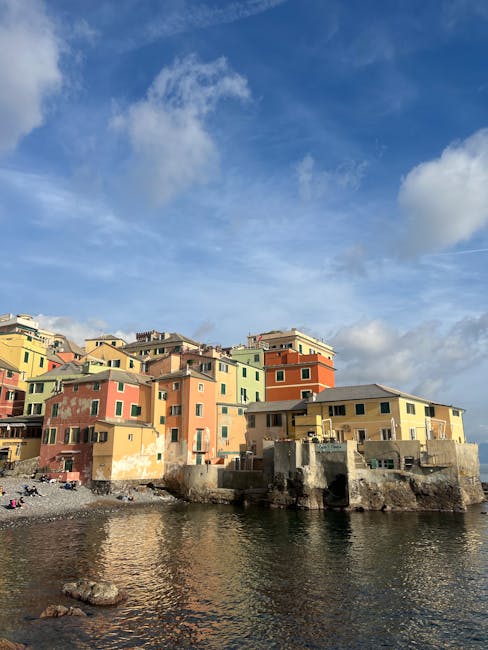
    August features the Assumption of Mary celebrations (Ferragosto, August 15) and many neighborhood festivals with fireworks along the coast. Fireworks are often launched from the Molo Vecchio or other port points — popular viewing spots include the Porto Antico promenade and the Bigo. These displays are free but extremely crowded; arrive before 8:30 p.m. to claim a decent spot. During summer the City of Genoa also runs outdoor film screenings (cinema sotto le stelle) and night artisan markets in Boccadasse (Via Boccadasse, 16146 Genova GE), a former fishing village turned picturesque neighborhood.

    September is the nautical highlight and hosts many professional events. The Salone Nautico draws international visitors and exhibitors; book tickets and accommodation well in advance — hotel rates often rise 20%–40% during this period. Practical info: the main visitor entrance to the Salone is via the southern gate of the Porto Antico; transport from Genova Piazza Principe station (Piazza Acquaverde, 16100 Genova GE) is by metro/bus or a 20–30 minute walk along the waterfront. Regatta starts are often in the mornings, around 10:00 a.m.–12:00 p.m.; the public festival atmosphere includes stands and boat demo areas on the quays.

    • Salone Nautico / Genoa International Boat Show — Porto Antico / Piazzale Anita Garibaldi, 16126 Genova GE. Tickets: €18–€35. Hours: 10:00 a.m.–8:00 p.m. (subject to change).
    • Festival di Nervi — Passeggiata Anita Garibaldi, 16167 Genova GE. Concert tickets: €10–€40. Concerts often start at 9:00 p.m.
    • Boccadasse (fishermen’s village) — Via Boccadasse, 16146 Genova GE. Summer night markets; accessible by buses 31/43 from the city center.
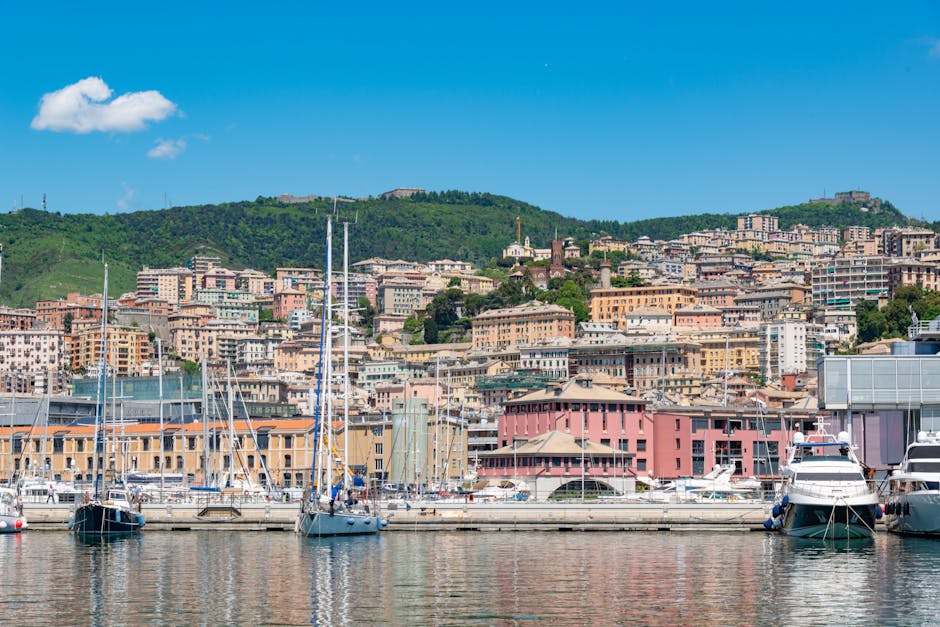
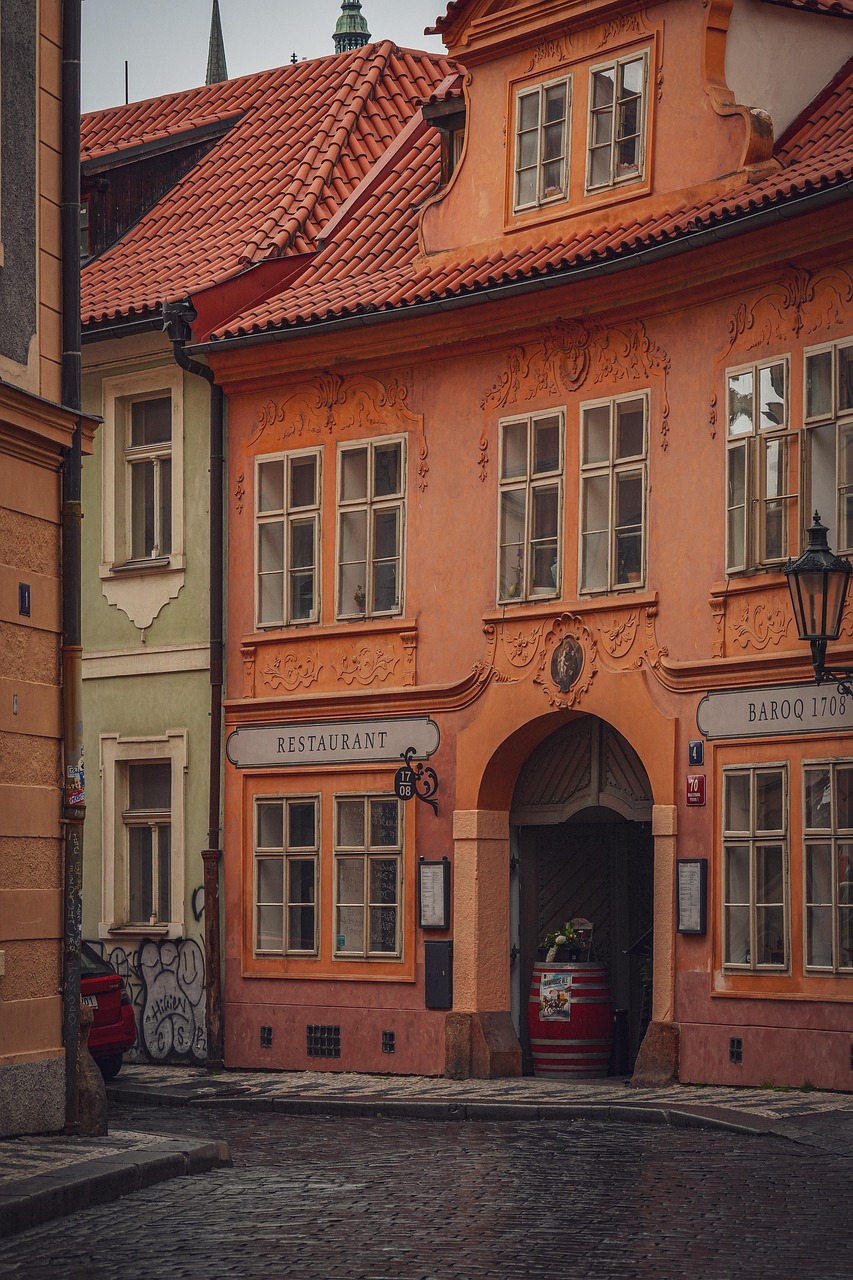
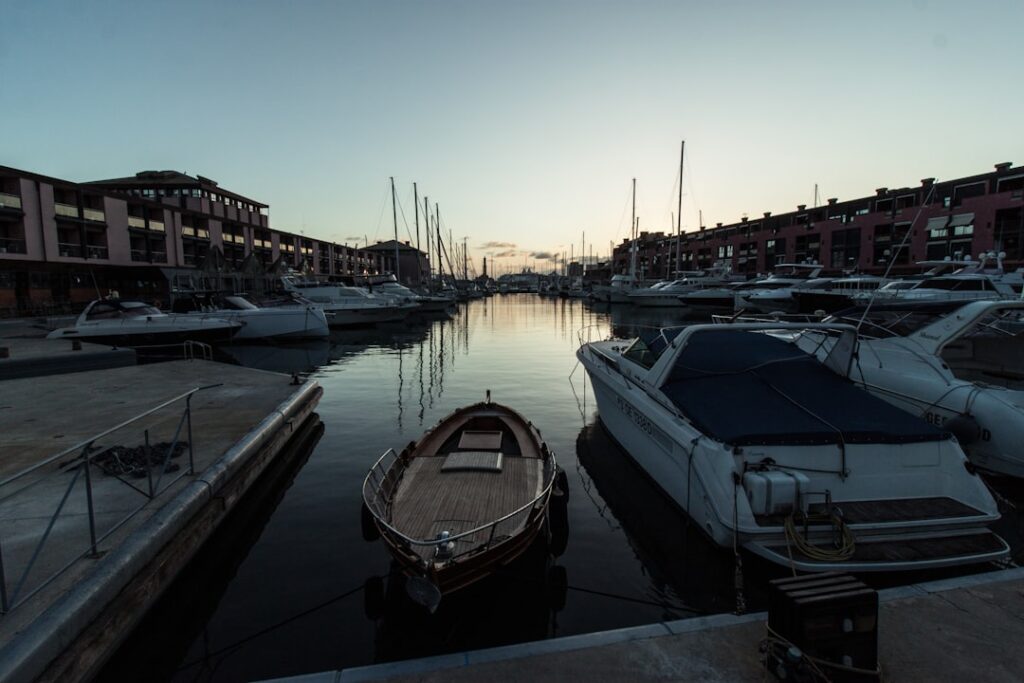
    Boats moored at Genoa harbor with colorful hillside buildings and greenery

    October to December: cultural autumn, Science Festival and Christmas

    Autumn brings a quieter pace, ideal for museum visits, exhibitions and intellectual festivals. A flagship event is the Festival della Scienza (Genoa Science Festival), usually held between October and November at the Palazzo Ducale and various partner venues around the city. The festival includes workshops, talks, interactive exhibits and meetings with scientists; many activities are either ticketed or mixed (free and paid). Indicative prices for main talks: €5–€12; workshops: €6–€20 depending on level and duration. Typical hours: many events run 9:30 a.m.–6:30 p.m. during the day, with special evening sessions extending to around 10:00 p.m.

    In November, several food fairs and craft markets take over the historic center, notably around Via XX Settembre and Piazza De Ferrari. It’s a great time to taste Ligurian specialties: focaccia al formaggio, trofie with pesto, and farinata. Prices at stalls vary: a slice of focaccia €2–€4, a full meal in a traditional trattoria €15–€35. Autumn markets are ideal for buying local products as gifts or sampling regional treats.

    December turns Genoa into a festive town: streets twinkle with lights, Christmas markets pop up, temporary ice rinks appear and Advent concerts fill churches. The Piazza De Ferrari Christmas Market and smaller markets in neighborhoods like Castelletto and Albaro draw locals and visitors alike. Market hours are generally 10:00 a.m.–8:00 p.m., with extended weekend hours; some stalls close earlier (around 6:00 p.m.) on weekdays. Christmas concerts in churches and at Teatro Carlo Felice have ticket prices ranging from €12 to €60 for gala performances.

    New Year’s Eve in Genoa has a distinctive flavor: fireworks along the seafront, parties in clubs and special events hosted by hotels and restaurants. Many places offer set-price New Year’s menus (cena di Capodanno) — expect to pay between €60 and €150 per person depending on the venue’s level. Practical tip: book New Year’s dinners and accommodation as early as October since availability drops and prices climb.

    • Festival della Scienza — multiple venues, main hub: Palazzo Ducale, Piazza Matteotti 9, 16123 Genova GE. Workshops/talks: €5–€20.
    • Piazza De Ferrari Christmas Market — Piazza De Ferrari, 16123 Genova GE. Market hours: 10:00 a.m.–8:00 p.m. (subject to schedule).
    • Teatro Carlo Felice — Via Balbi 10, 16126 Genova GE. Christmas concerts: €12–€60.
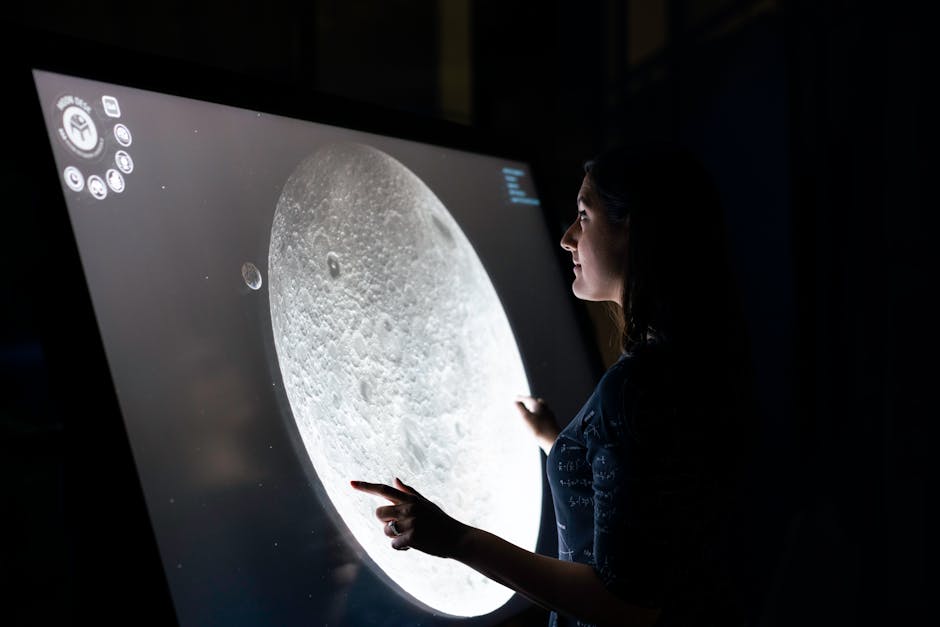
    Woman interacting with illuminated moon display in Genoa science museum exhibit

    Practical tips, transport and local tricks to enjoy the festivities

    Visiting Genoa during its annual events takes a bit of planning. Here are concrete tips to optimize your stay, avoid crowds and discover the local soul of the city.

    Transport: Genoa has two main railway stations: Genova Piazza Principe (Piazza Acquaverde 3, 16100 Genova GE) and Genova Brignole (Piazza Verdi 2, 16121 Genova GE). The bus network and the metro connect the main sites efficiently. Single bus/metro ticket: €1.60 (standard fare), 10-trip carnet: around €12.00. Tickets are sold at tobacconists, vending machines and via apps. To get to the Porto Antico from Genova Piazza Principe, allow 15–25 minutes on foot along the waterfront; from Brignole it’s a 20–30 minute walk or 10–15 minutes by bus depending on the line.

    Accommodation and booking: during the Salone Nautico, summer and the Christmas season, hotels often raise their rates. Book at least 2–3 months ahead for major events. Recommended neighborhoods for festival access: centro storico (for proximity to many venues), Porto Antico (if you want to be in the heart of maritime events), Nervi or Boccadasse for a village-like atmosphere. Example property: Hotel Bristol Palace — Via XX Settembre 35, 16121 Genova GE. Rates: €120–€220 per night depending on season.

    Tickets and entry: for concerts and shows, use official sites (Teatro Carlo Felice, Palazzo Ducale, Salone Nautico organizers) or local points of sale. Remember discounts for youth, seniors and groups. Free events draw big crowds: if you want a good spot for an outdoor concert or fireworks, arrive 1½–2 hours early and bring water, warm layers for the evening and an exit plan (traffic and road closures are possible).

    Safety and customs: Genoa is generally safe, but take normal precautions in crowded areas: keep your belongings close, avoid back pockets for wallets, and check for temporary street closures during parades. Respect houses of worship during religious festivals: modest dress may be required to enter churches (shoulders and knees covered).

    Food and budget: try traditional focaccia (focaccia genovese) — a slice costs about €2–€4 at good bakeries like Vico Focacceria (numerous examples across the center). For a typical dinner in a historic osteria, budget €20–€45 per person (excluding wine). Markets and fairs offer excellent value for sampling local specialties.

    • Transport: bus/metro ticket €1.60; 10-trip carnet ≈ €12.00.
    • Stations: Genova Piazza Principe — Piazza Acquaverde 3, 16100 Genova GE; Genova Brignole — Piazza Verdi 2, 16121 Genova GE.
    • Example hotel: Hotel Bristol Palace — Via XX Settembre 35, 16121 Genova GE. Rates: €120–€220 depending on season.
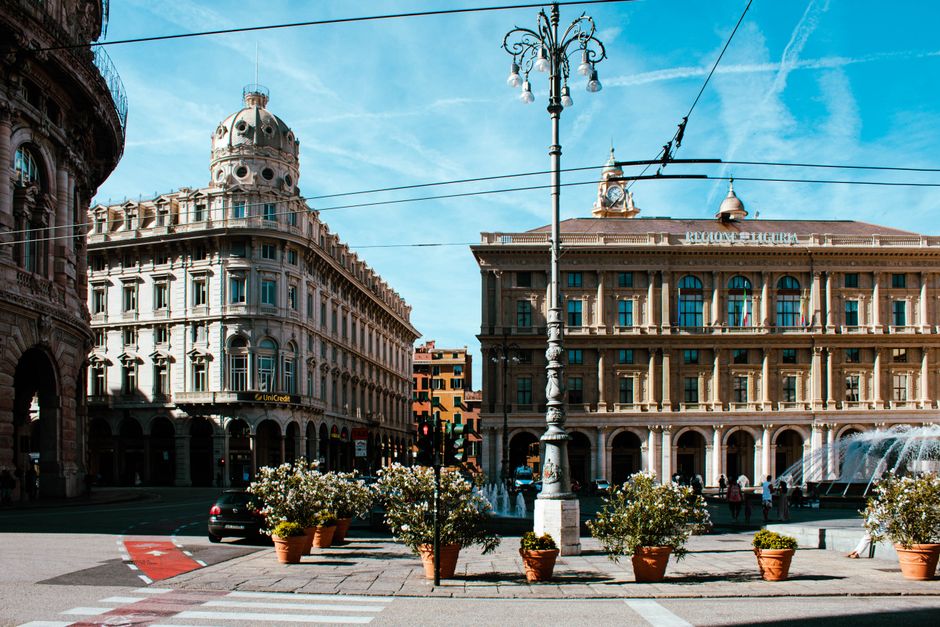
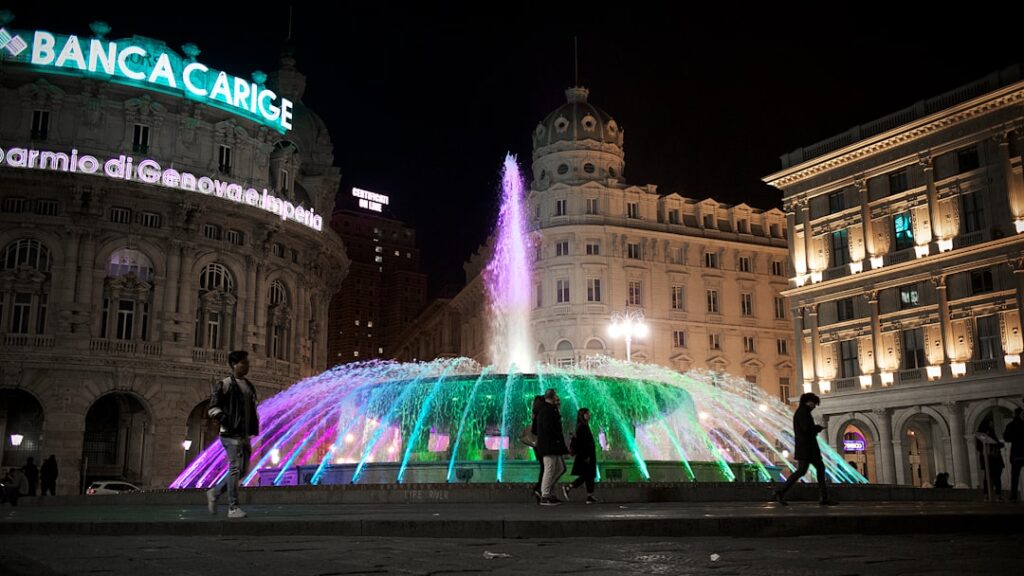
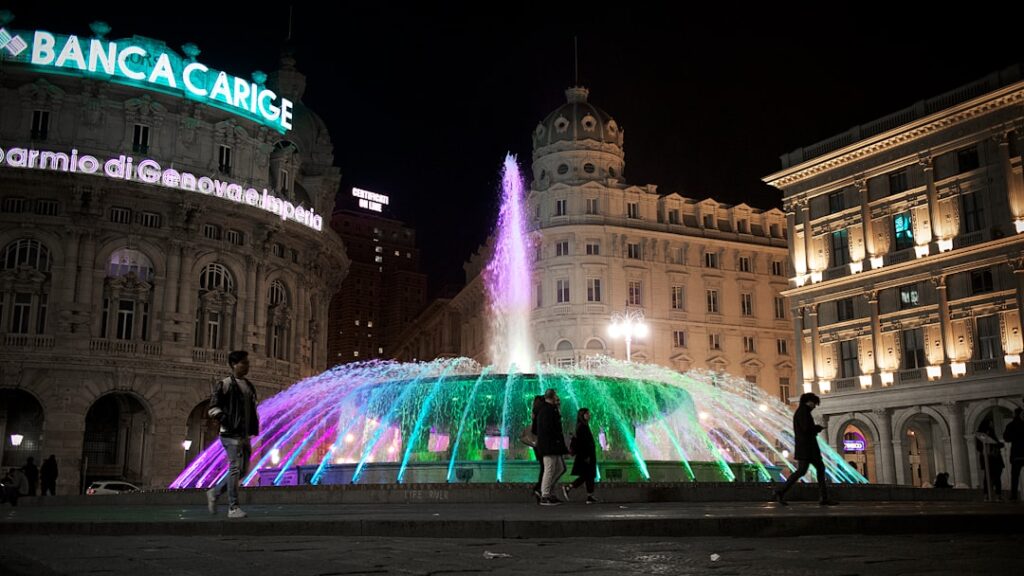
    Piazza De Ferrari fountain and historic buildings in central Genoa square

    Conclusion: plan your visit to experience Genoa’s best festivals

    Genoa offers a rich and varied events calendar that caters to every taste: history lovers, music fans, foodies, families and maritime professionals. From January through December, the city sets a festive tempo with religious ceremonies, popular carnivals, international trade shows, outdoor concerts, science festivals and Christmas markets. Each season has its own character: winter invites you indoors to exhibitions and concerts; spring wakes up neighborhood festivals; summer concentrates major outdoor and nautical events; autumn brings intimate cultural and culinary rendezvous.

    To make the most of these happenings, plan around the key dates (Salone Nautico in September, Festival della Scienza in October–November, Carnival in February, music festivals in summer), book events and accommodation in advance, and follow the practical advice provided here (transport, tickets, schedules and local tips). The landmark spots mentioned — Piazza De Ferrari, Porto Antico, Via Garibaldi, Palazzo Ducale, Teatro Carlo Felice, Mercato Orientale — will serve as reliable anchors for organizing your movements and discoveries.

    Lastly, don’t forget the human side of Genoa’s festivities: the warmth of the locals, sharing a focaccia, the glow of lit alleys and the sight of boats at dusk. Whether you’re visiting for a trade fair, a concert or simply to wander a neighborhood market, Genoa promises authentic experiences. Bring comfortable shoes for wandering the caruggi, a light umbrella for wet seasons, and a curious spirit to explore the small neighborhood fêtes — these often reveal the city’s most genuine and welcoming face.

    If you’d like, I can prepare a personalized calendar based on your travel dates, a 2–4 day itinerary that includes the must-see events, or a curated list of restaurants, cafés and bars to enhance your trip. Have a great trip and enjoy Genoa’s festivals — this port city will surprise you with its energy and cultural diversity throughout the year.
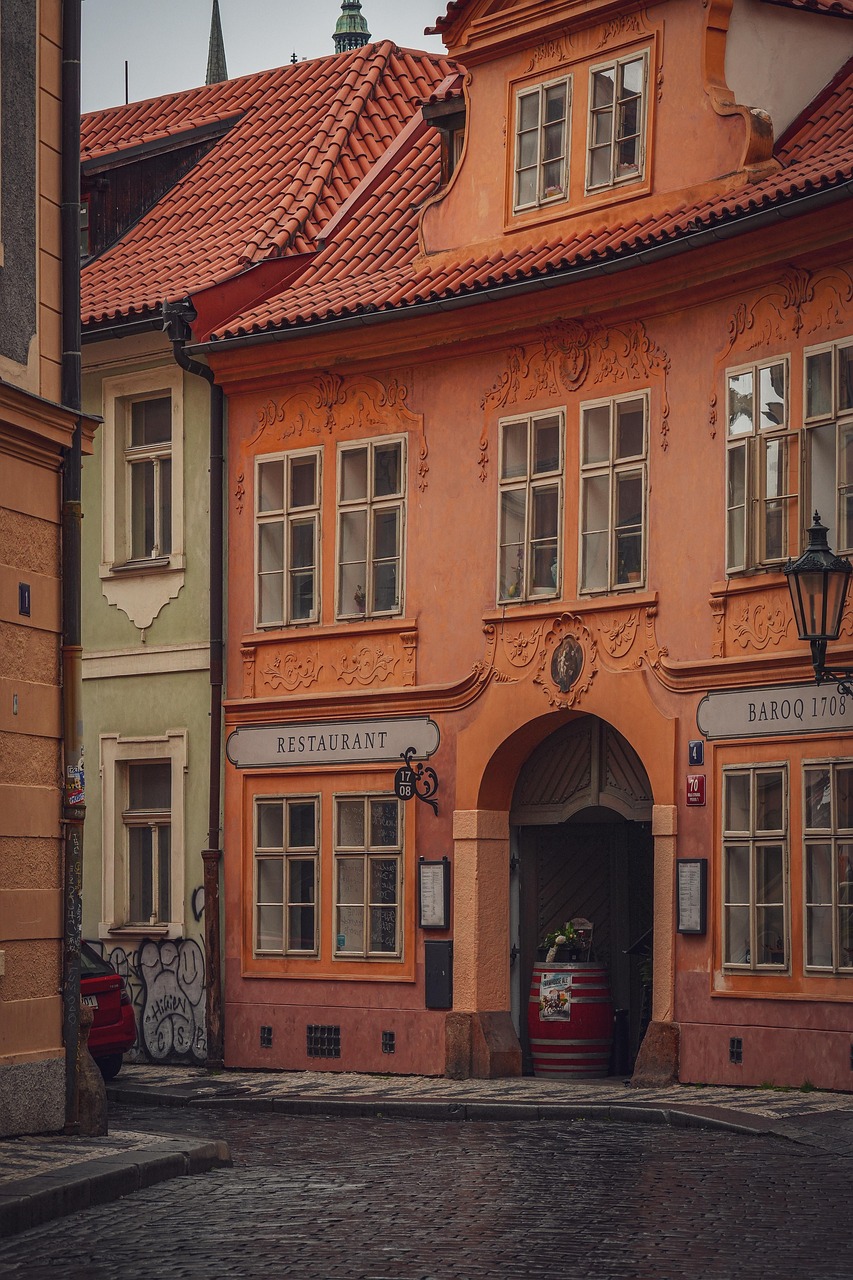
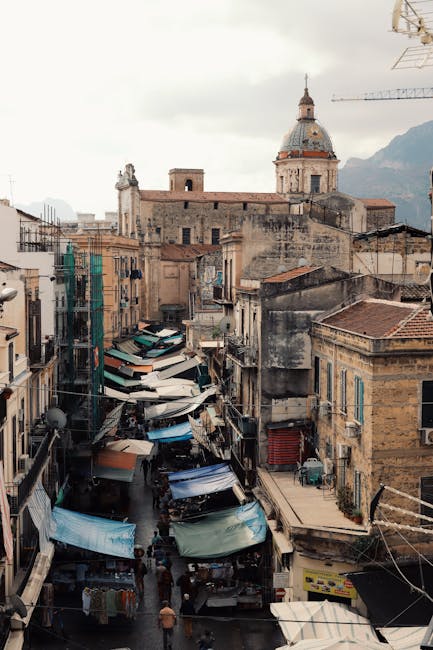
  • Leather, Ceramics & Paper: The Best Artisan Shopping in Genoa

    Leather, Ceramics & Paper: The Best Artisan Shopping in Genoa

    Introduction — Leather, ceramics, paper: an artisanal journey through Genoa

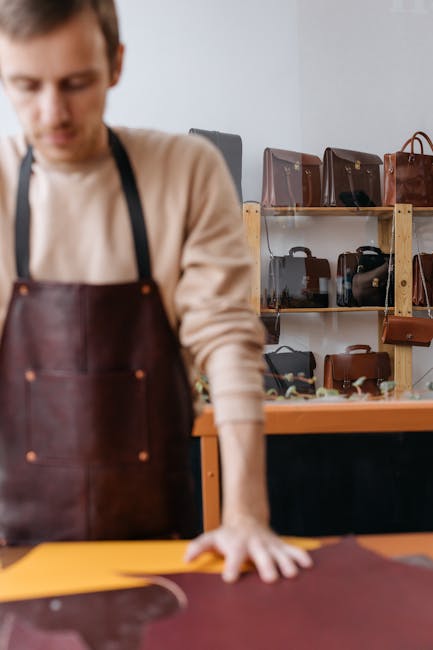
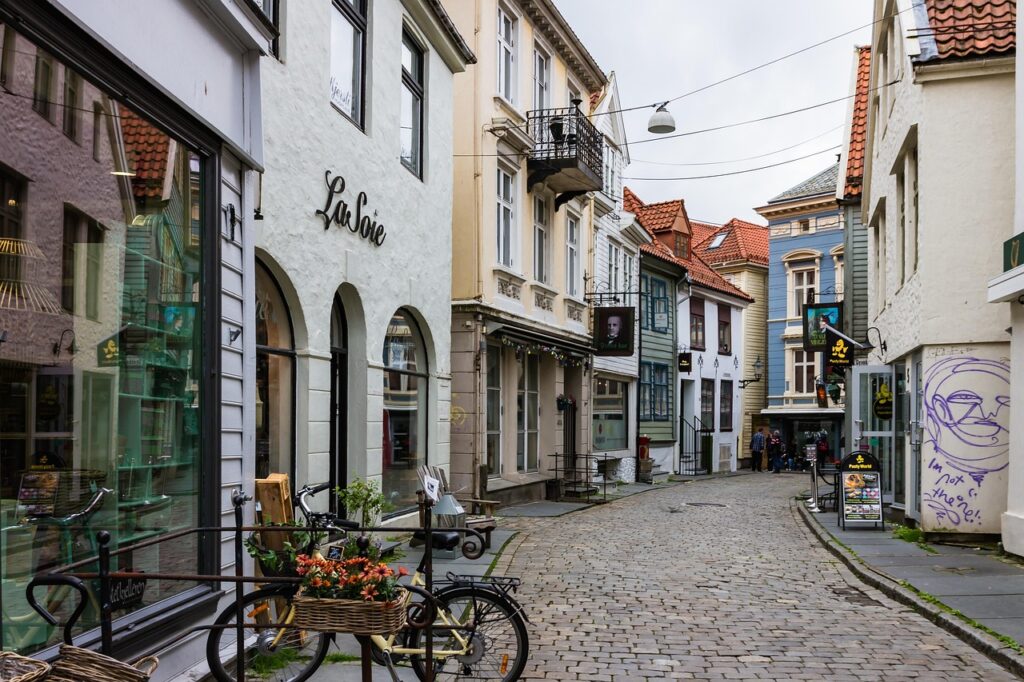
    Genoa, an ancient port and Mediterranean crossroads, is more than baroque facades and winding alleys: it’s a place where traditional handcraft still matters. From the tight « caruggi » of the historic center to calmer neighborhoods like Albaro and Nervi, craftsmen work leather, ceramics and paper using techniques passed down through generations. This guide is a practical, immersive roadmap for travelers who want to buy authentic handmade pieces, meet master artisans, and bring home objects full of history and lasting quality.

    You’ll find shops, studios and markets where to buy hand‑stitched leather cardholders, made‑to‑measure bags, hand‑painted ceramics and local stoneware, handbound notebooks and artisanal papers. For each spot there’s a precise address, typical opening hours (when public), a price range to help you budget, plus sensory notes: the smell of oiled leather, the tap of a hammer on a press, the colors of glazes, and the feel of handmade paper. Local tips will help you haggle politely, check quality, and arrange shipping if you don’t want to carry fragile items home.

    This guide suits both the serious collector and the curious traveler searching for a useful, long‑lasting memento. Rather than generic tips, you’ll find studios that welcome visitors to watch the making process or commission a custom piece, family shops that restore saddles and satchels, small pottery studios and binders who craft travel journals. We’ll also point out markets and suppliers for materials (skins, glazes, tools) if you’re a maker yourself and want to meet local professionals.

    Before you set off, keep a few Genoa realities in mind: the historic center’s alleys can be steep and cobbled, so travel light, especially when transporting fragile ceramics. Artisan shops usually open in the morning, often closing for one or two hours for the afternoon break (soprattutto in summer), then reopening late afternoon. Many workshops accept cards, but it’s wise to carry some cash for market stalls or very small ateliers. And if you buy an expensive item, always ask for a detailed receipt and check return or repair policies — many artisans offer aftercare or on‑site repairs.

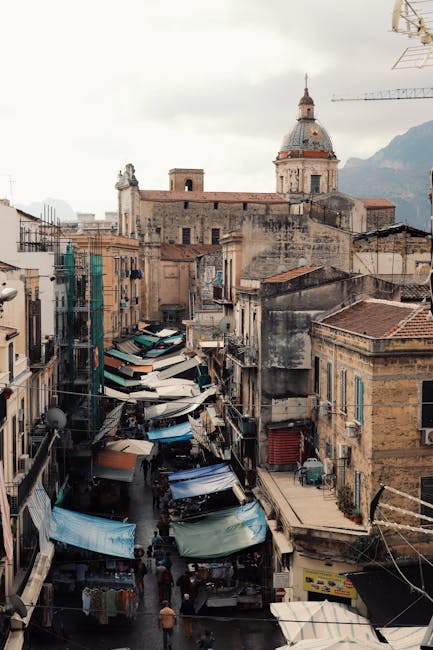
    Aerial view of busy covered street market with church dome in Genoa

    1) Leather in Genoa: workshops, shops and tips for durable purchases

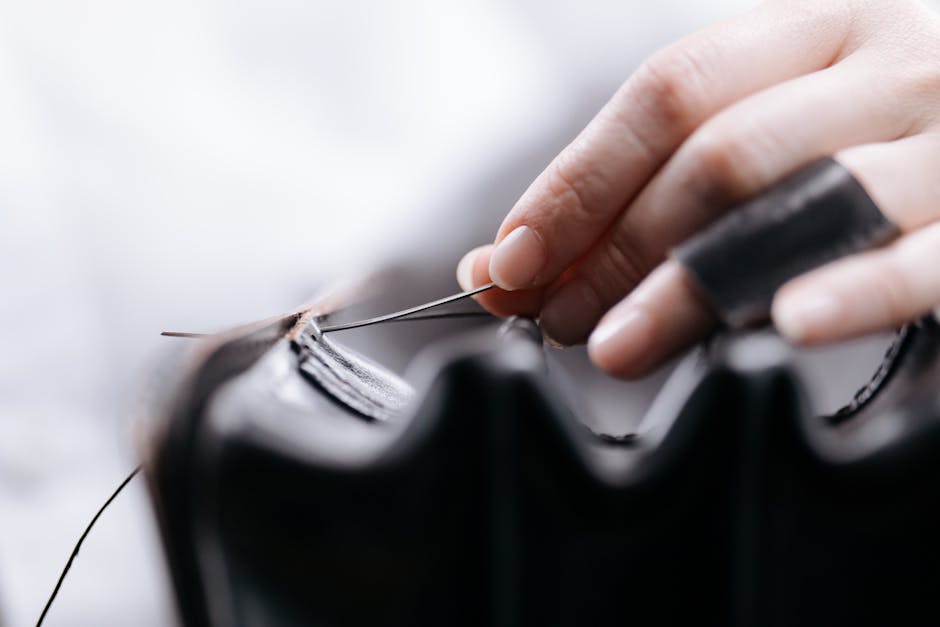
    Leather is everywhere in Genoa: from small practical satchels and sturdy belts to bespoke bags made to order. Genoese artisans often favor high‑quality local or Italian hides, saddle‑stitched seams and natural waxed finishes. Here’s a curated selection of places to visit, each with practical details.

    • Pelletteria Artigiana Giacomo Rossi
      Address: Via San Lorenzo 23R, 16123 Genova GE
      Hours: Tue–Sat 09:30–13:00 and 15:30–19:00, closed Sunday and Monday morning
      Price guide: cardholder €35–€55, wallet €60–€110, bespoke bag €220–€520 (depending on leather and size)
      Description: A family workshop tucked down a lane near San Lorenzo cathedral. You’ll notice the scent of oily leather and natural glue. Giacomo hand‑saddlestitches and takes custom orders: canvas linings, engraved initials, special dyes. He’s happy to show you hides and explain origins (vitello, vacchetta, nappa).
    • Il Cuoio di Marco
      Address: Via Garibaldi 58R, 16124 Genova GE
      Hours: Mon–Fri 09:00–13:00 and 15:00–19:30, Sat 10:00–18:00
      Price guide: belt €40, satchel €95–€180, bag repair from €25
      Description: A bright storefront on a main street with ready‑to‑wear pieces and a workshop at the back. Marco runs short personalization sessions (sanding, dyeing, stamping) for visitors who want to learn a few techniques. The repair service is well regarded: zipper replacement, seam reinforcement, strap changes.
    • Bottega del Cuoio – Oltre
      Address: Piazza Dante 7, 16123 Genova GE
      Hours: Tue–Sun 10:00–19:00 (closed Mondays)
      Price guide: worked leather coin purse €30–€60, handbag €150–€350
      Description: A small shop‑studio that also showcases restored vintage pieces. Finishes are often hand‑waxed and you’ll find items with solid brass hardware. Staff advise on care and sell maintenance kits (creams and brushes) for €8–€20.

    Local tips for leather: check the hide’s origin (Italy, Spain, or elsewhere) and ask whether the dye is aniline or pigmented — aniline dyes give a more natural look but need more upkeep. Feel the reverse side: a full‑grain hide has a natural texture. For custom orders, allow 7–21 days for production. Ask for a rigid carry bag to protect fragile items during travel.

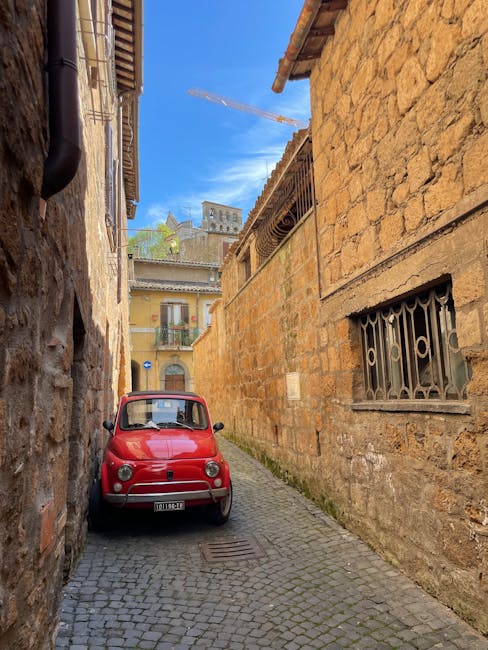
    Red vintage Fiat 500 parked in narrow cobbled alley in Genoa

    2) Ceramics in Genoa: studios, styles and buying hand‑painted pieces

    Liguria’s ceramic tradition blends land and sea influences: blue glazes, stylized floral motifs, and marine decorations that nod to port life. Genoese workshops produce both everyday tableware and decorative pieces. Below are studios and tips for buying authentic, sturdy, transport‑friendly ceramics.

    • Ceramiche Raggio
      Address: Via XX Settembre 121R, 16121 Genova GE
      Hours: Tue–Sat 10:00–13:00 and 15:00–19:00, closed Sun & Mon
      Price guide: small bowl €12–€25, painted plate €40–€95, wall plaque €75–€180
      Description: A workshop‑shop near a busy shopping street, specializing in transparent glazes and coastal motifs. Staff explain the stages: shaping, drying, bisque firing, glazing and the second firing. Pieces are often stamped « Ceramiche Raggio » on the back.
    • Il Laboratorio Ceramico di Nervi
      Address: Viale Franchini 2, 16167 Genova (Nervi)
      Hours: Wed–Sun 10:30–18:30 (closed Mon & Tue), workshops by reservation
      Price guide: wheel‑throwing session €35 (1h), small handcrafted bowl €18–€40, decorative piece €60–€150
      Description: Located in the seaside neighborhood of Nervi, this studio offers sessions where you can shape your own cup. The vibe is relaxed, and some windows offer sea views. Fired pieces are usually ready for pickup 10–14 days later or can be shipped.
    • La Bottega di Albaro
      Address: Via Albaro 44R, 16146 Genova GE
      Hours: Mon–Sat 09:30–13:00 and 15:30–19:00, closed Sunday
      Price guide: mug €15–€28, espresso set (€85–€200 depending on number and decoration), private tutorial €60/hour
      Description: A collective of local artists where ceramics meet contemporary design. The makers use natural pigments to achieve subtler hues and a softer texture.

    Practical tips: pack ceramics in clothing or use bubble wrap some shops provide (usually for an extra €2–€8). If you buy a large or fragile piece, ask whether the studio can arrange insured shipping; costs depend on weight and destination (typically €25–€80 within Europe). Check dishwasher resistance if you plan to use the piece daily: many hand‑painted items carry a « hand wash recommended » note.

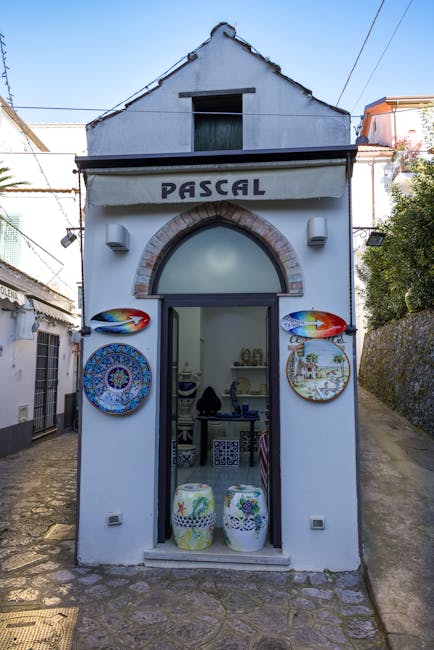
    Small white shopfront labeled 'PASCAL' displaying colorful ceramic plates and stools

    3) Paper and bookbinding: boxmakers, binders and travel journals

    Handmade paper and bookbinding are another area of excellence in Genoa. Binding ateliers make notebooks, planners and archival boxes by hand — perfect as travel journals or gifts. Here are workshops and shops to visit, with practical details.

    • Antica Legatoria Genovese
      Address: Salita Santa Caterina 9R, 16123 Genova GE
      Hours: Tue–Sat 09:30–13:00 and 15:30–18:30, closed Sun & Mon
      Price guide: handbound notebook €22–€55, full book rebinding €60–€250 depending on work
      Description: Shelves of leather and colored cloth, antique presses and gilding tools. Artisans gladly explain the difference between coptic stitch, spiral and case binding. They offer gold leaf stamping to personalize covers and titles.
    • Cartoleria Artistica San Lorenzo
      Address: Via San Donato 5R, 16123 Genova GE
      Hours: Mon–Sat 09:00–19:00 (break 13:00–15:00), Sun 10:00–13:00
      Price guide: A4 watercolor sheets €3–€8, pocket notebook €12–€35, supplies (ink, nibs) €5–€25
      Description: A well‑stocked art shop with textured papers, inks and nibs. It’s the place to find Fabriano paper or more rustic sheets for watercolor.
    • Opificio Carta e Segno
      Address: Via Balbi 12R, 16126 Genova GE
      Hours: By appointment (studio usually open Wed–Sat 10:00–18:00)
      Price guide: introductory binding workshop €40–€70 (2–3h), personalized notebook €30–€70
      Description: A contemporary workshop blending old techniques with modern design. They use hand‑dyed papers, colored threads and create custom gift boxes.

    Practical advice: if you travel with ink, use tightly sealed bottles and plastic protection. For notebooks, choose sewn binding if you want them to lie flat while drawing — ideal for sketching. Many ateliers accept orders for initials or gold‑foil titles (about €10–€30 extra). Also ask whether they provide a certificate or a small label describing the technique used — it can increase the item’s value for resale or collectors.

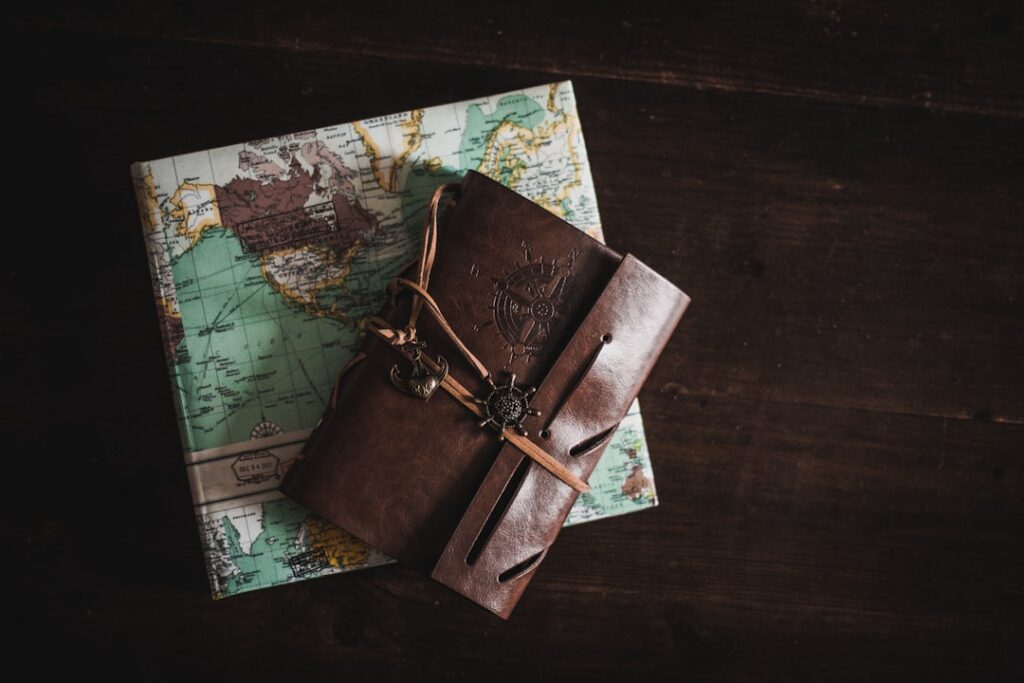
    Brown leather travel journal tied with strap resting on vintage map

    4) Markets, materials and logistics tips for bringing your finds home

    To round out your artisan route in Genoa, it helps to know the markets, material suppliers and a few logistics tricks. Local markets are often the best spots to find supplies, small offcuts of leather, glazes or papers at good prices.

    • Mercato Orientale
      Address: Via XX Settembre 75, 16121 Genova GE
      Hours: Mon–Sat 07:30–14:00, some stalls open in the afternoon; closed Sun (hours vary seasonally)
      Price guide: small packs of craft supplies €2–€15, handmade baskets and boxes €10–€40
      Description: The restored and lively Mercato Orientale mainly offers food stalls but also a few vendors selling small supplies, artisanal papers and decorative objects. It’s a bustling place to feel the city’s commercial energy and talk directly with sellers.
    • Antiquari e Mercatini di Piazza Matteotti
      Address: Piazza della Vittoria / Piazza Matteotti (occasional events), 16121 Genova GE
      Hours: Antique markets on some weekends (check locally)
      Price guide: collectable items vary widely, from €10 to several hundred euros
      Description: Occasional markets sometimes turn up vintage leather goods, binding presses or workshop tools — useful if you’re hunting a piece to restore.

    Logistics tips:
    – Packing: ask shops for professional packaging for ceramics (€10–€30 depending on shop) or bring bubble wrap. Use clothes to pad items if packing materials are scarce.
    – Shipping: most workshops offer insured shipping via couriers (SDA, UPS, Poste Italiane). Expect €25–€120 depending on size and destination. Rates are lower within the EU; shipments to the US or Asia take longer and cost more.
    – Customs: if you’re coming from outside the EU, check VAT and tax‑refund procedures. Shops selling over €154 can provide a VAT refund form; you’ll need a customs stamp at the airport.
    – Repairs and warranty: always ask if the artisan offers future repairs (local repair is often cheaper). Keep contact details and a photo of the purchased item.

    Crowded market stalls under colorful tarps along narrow Genoa street

    Conclusion — Bringing a piece of Genoa home: souvenirs, experience and sustainability

    Buying leather, ceramics or paper in Genoa isn’t just about taking home an object: it’s about bringing back a story, a craft, a personal encounter. The workshops listed here are entry points into a world where quality matters more than mass production. By favoring family shops and small studios, you support the local economy and help preserve traditional trades. Check material origins, ask for certificates or labels describing the technique, and talk to the artisans: their pride in their work adds another layer of meaning to your purchase.

    Practically speaking, plan for transporting fragile pieces and ask about insured shipping. Budget accordingly: a small handcrafted coin purse may cost around thirty euros, while a bespoke bag will easily exceed €200. For ceramics, pick slightly thicker pieces if you plan to use them daily; for paper, choose sewn bindings for longevity. Most of all, give yourself time to wander the caruggi, discover small shops off the beaten track and accept an invitation to visit a studio: often the most treasured item will be the one that reminds you of a shared conversation with an artisan, the sound of a press, or the scent of warmed leather.

    Whether you return with a hand‑stitched leather bag, a glazed plate with marine motifs, or a handbound journal, Genoa will give you objects that age gracefully and carry stories. Plot your route, note addresses and hours, but leave room for serendipity: a shop window, an open studio, or a market stall where someone offers you a coffee in exchange for a chat about materials. This guide is your starting point; the best discoveries happen at the pace of Genoa’s alleys, between flashes of light on the stone and the salty breath of the sea.

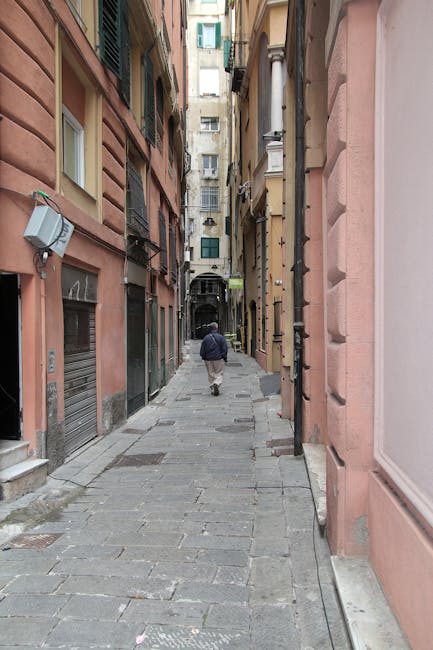
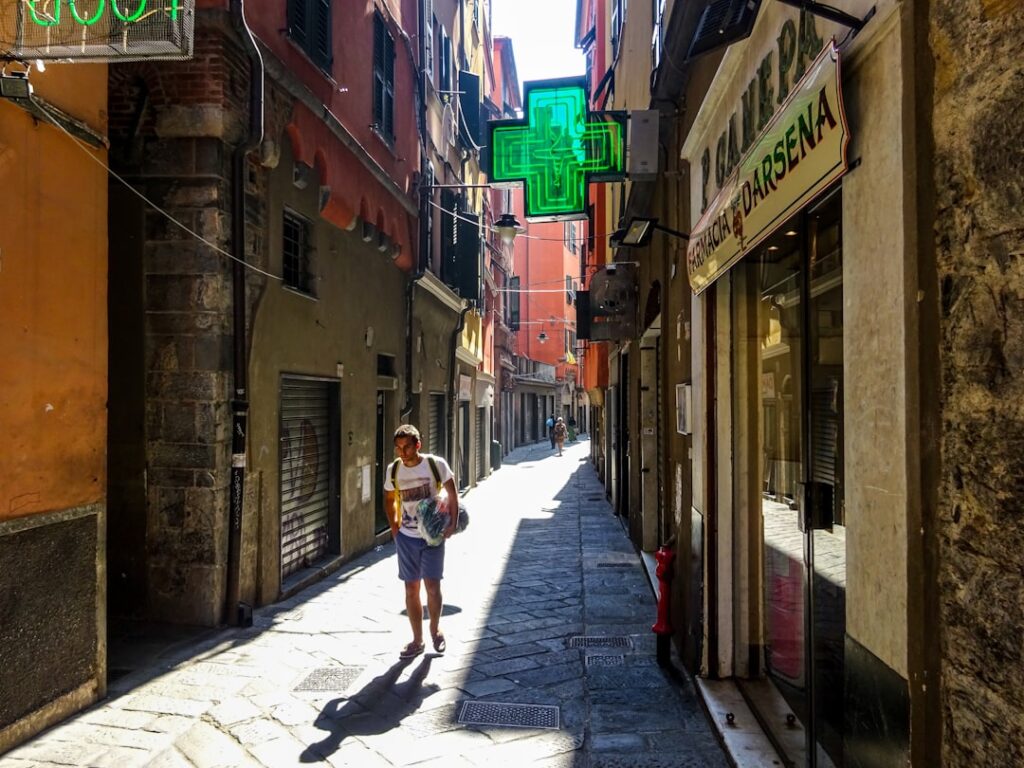
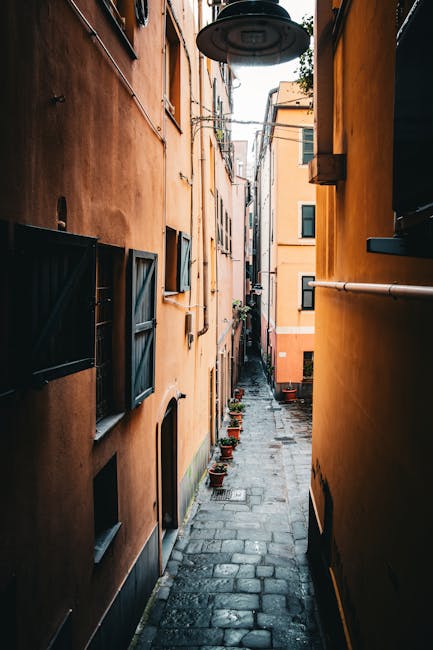
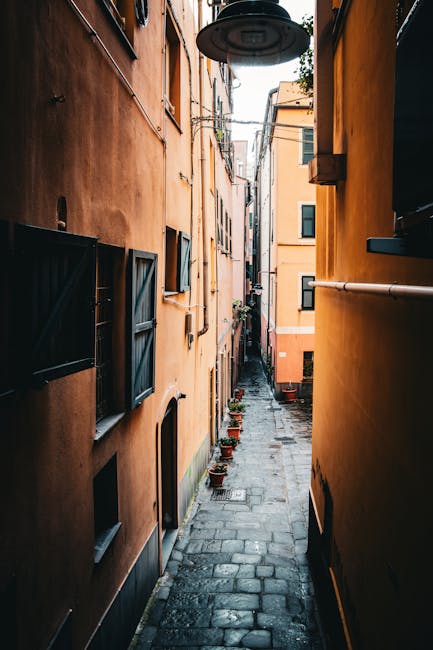
    Pedestrian walking down narrow pastel-walled alley in Genoa's old town

  • Urban Photography in Genoa: 10 Must-Visit Photo Spots

    Urban Photography in Genoa: 10 Must-Visit Photo Spots

    Introduction: Urban photography in Genoa — a laboratory of light and texture

    Genoa (Genova) naturally lends itself to urban photography: narrow, cobbled alleys, ochre-plastered facades, bustling harbors full of boats, and perched viewpoints that offer a unique perspective over the Ligurian Sea. Once a maritime republic and a crossroads of trade, Genoa blends medieval buildings, aristocratic palaces, working-class neighborhoods and dramatic seaside vistas — all great material for photographers looking to craft narrative and documentary images.

    This guide highlights 10 must-visit spots for urban photography in Genoa, chosen for the variety of atmospheres they offer: from the light traffic of the winding antique city center to the wide panoramas of the Porto Antico, and several belvederes that look down over the city. For each location you’ll find the exact address, typical opening times, entrance fees (when applicable), an immersive description of the place, and technical and local tips to get the most from your shots.

    When shooting urban scenes in Genoa you’ll need to learn how to work with contrast — deep shadows in the caruggi (narrow streets), metallic reflections on the harbor water, textured facades, and ornate architectural details that tell the city’s story. The golden hour at sunrise and sunset often produces the best light: limestone and plaster glow with a special warmth. At night, harbor lights and café terraces animate the quays and open up long-exposure possibilities.

    This guide is aimed equally at hobbyists with APS-C or full-frame cameras and at smartphone shooters: Genoa’s graphic elements (stairs, leading lines, people) lend themselves to strong compositions without fancy gear. You’ll also find practical advice on accessibility, equipment security, the best angles and the times to avoid crowds. Follow these routes to build a coherent portfolio of the city by alternating wide shots, architectural details and lively street scenes.
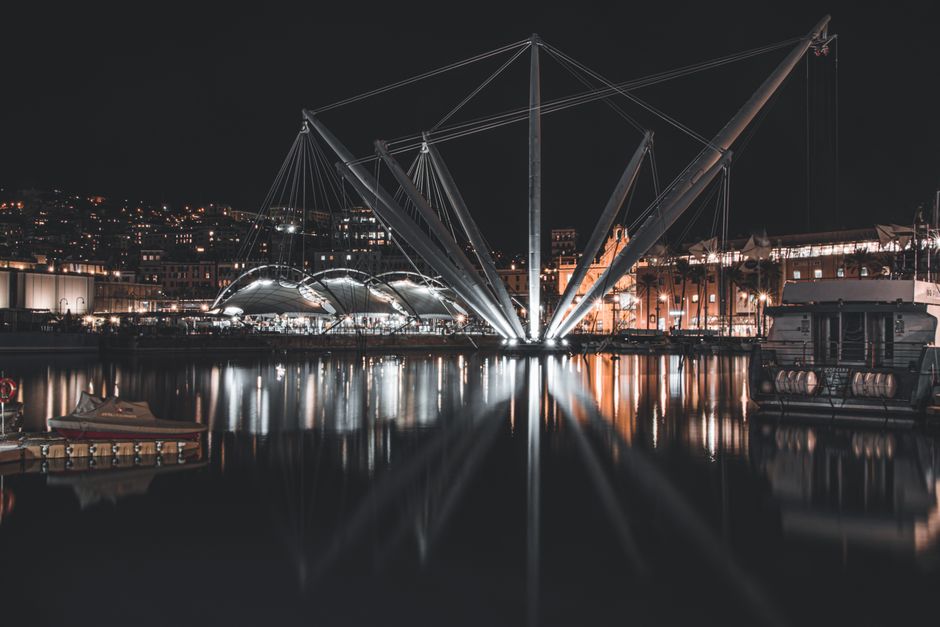
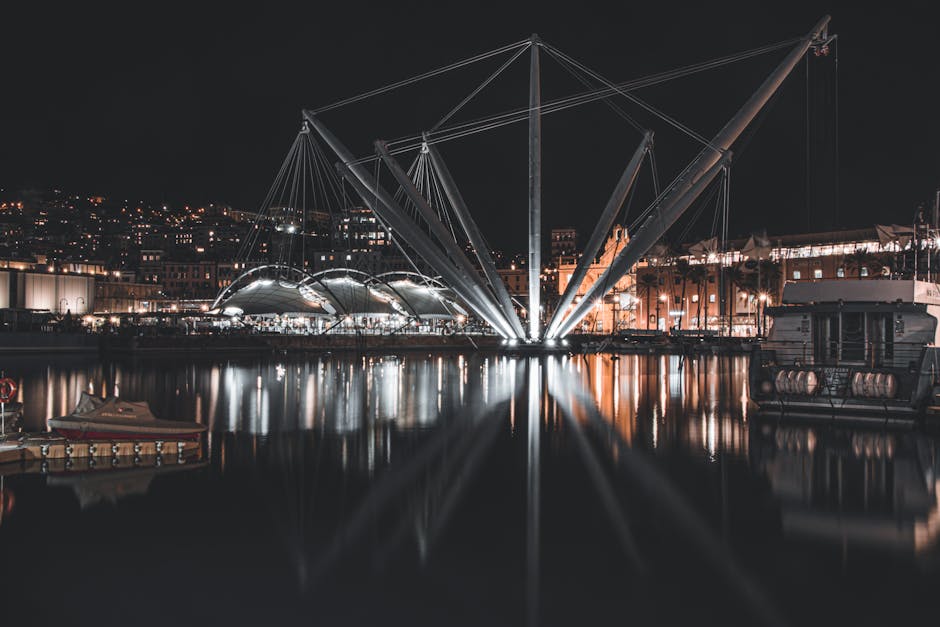
    Illuminated Bigo crane and waterfront reflections in Genoa harbor at night

    1. Porto Antico — Piazza Caricamento, 16124 Genova GE

    Description and atmosphere

    Porto Antico is one of the best-known spots to capture the meeting of city and sea. Located at Piazza Caricamento, 16124 Genova GE, it features piers, water reflections, the planetarium, the Aquarium of Genoa and the silhouettes of port cranes that create strong graphic lines. Calm mornings deliver perfect reflections, while sunset bathes the harbor in warm light.

    Opening hours and fees

    • Access to the port: free, 24/7 for public quays.
    • Aquarium of Genoa: Ponte Spinola, Porto Antico, 16126 Genova GE — usually open 09:00–19:00 (seasonal hours), adult ticket around €29.00, reduced €23.00.

    Photography tips

    Favor a wide-angle to capture the sweep of the harbor and quays. For sharp reflections, use a polarizing filter or try long exposures on a tripod at twilight. Look for layered compositions: water in the foreground, port structures in the midground, and historic palazzos in the background.

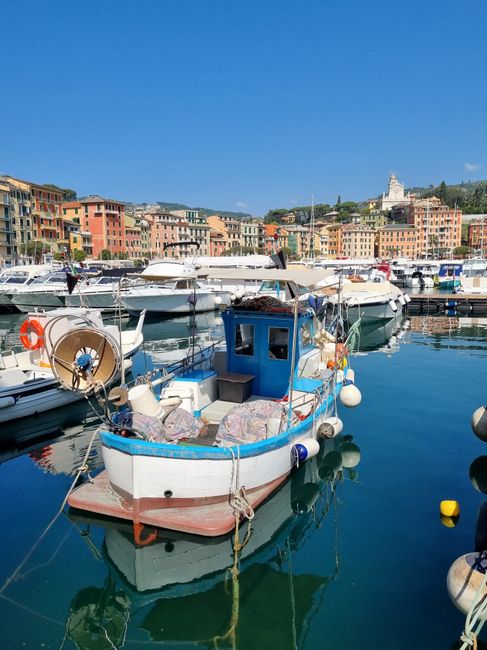
    Small blue fishing boat moored among yachts in Genoa marina with reflections

    2. Via Garibaldi and the Palazzi dei Rolli — Via Garibaldi, 16124 Genova GE

    Description and atmosphere

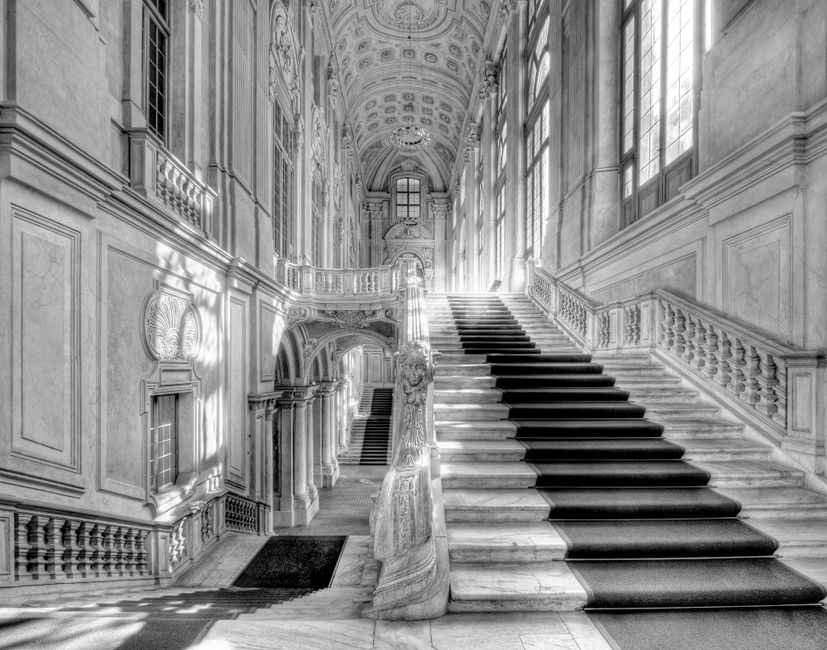
    Via Garibaldi (Via Garibaldi, 16124 Genova GE) is a UNESCO-listed avenue lined with sumptuous palaces (Palazzo Rosso, Palazzo Bianco, Palazzo Doria Tursi). Baroque architecture, inner courtyards, frescoes and monumental staircases make this area ideal for portraits, architectural compositions and interior shots.

    Opening hours and fees

    • Palazzo Rosso: Via Garibaldi, 18 — open 09:00–19:00 (closed some days), combined museums ticket for Via Garibaldi around €10.00–€12.00.
    • Palazzo Bianco: Via Garibaldi, 13 — same hours and combined ticket pricing.
    • Palazzo Doria Tursi: Via Garibaldi, 9 — municipal museum, ticket included in the museum pass.

    Photography tips

    Work the details (stucco, woodwork, carved doors) in soft, diffused light to avoid blown highlights. Inside, raise ISO if needed and use short focal lengths to capture entire rooms. Facades are most flattering in the morning or late afternoon when side-lighting sculpts the architecture.

    Stately marble staircase inside Genoa's historic palace flooded with soft light

    3. Cattedrale di San Lorenzo — Piazza San Lorenzo, 16123 Genova GE

    Description and atmosphere

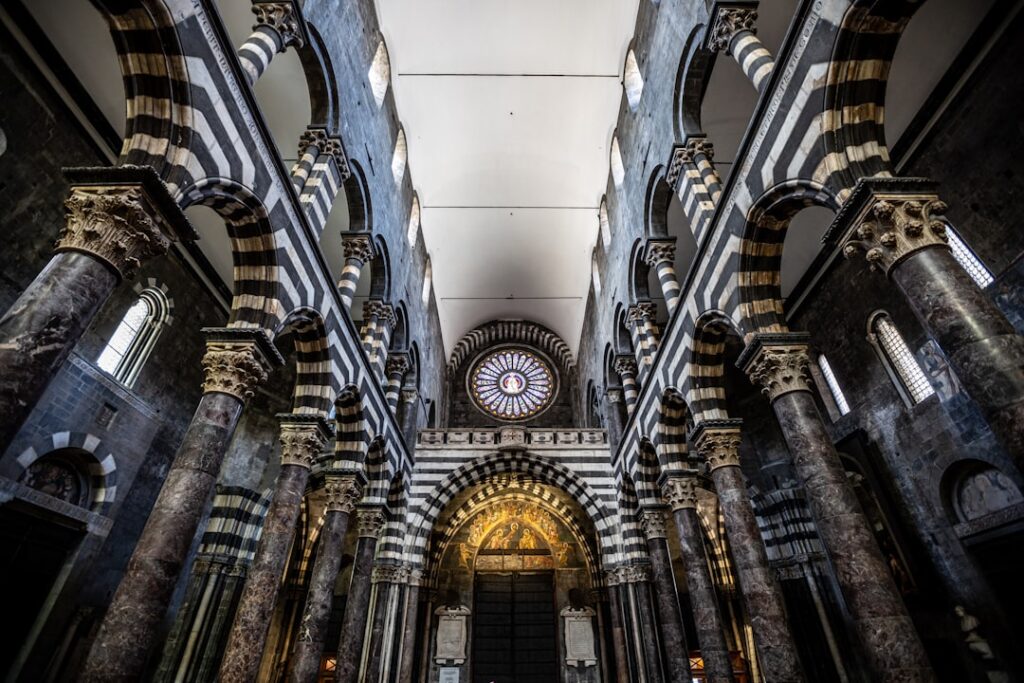
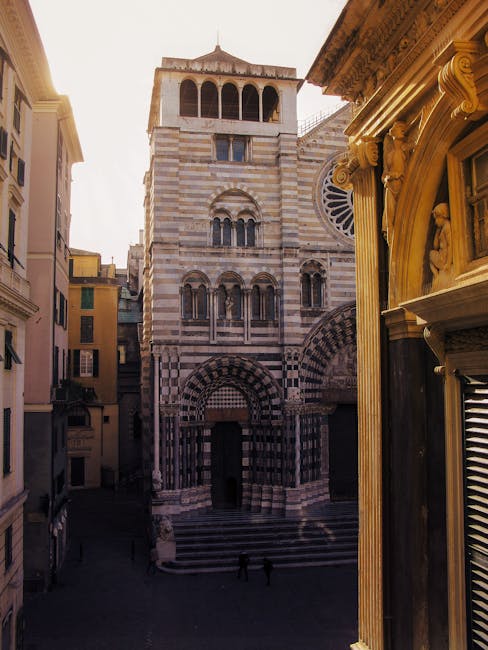
    The Cattedrale di San Lorenzo (Piazza San Lorenzo, 16123 Genova GE) features a striking black-and-white striped marble façade, inner chapels and a medieval treasury. The religious atmosphere, light filtering through small stained glass windows and vertical lines make it both a spiritual and highly graphic location.

    Opening hours and fees

    • Cathedral opening hours: typically 07:30–12:30 and 15:00–19:00 (subject to services).
    • Treasure museum / rooftop access: paid entry around €3.00–€6.00 depending on options.

    Photography tips

    Use fast lenses (f/2.8 or faster) for dim interiors. Play with backlighting and silhouettes near the doors for dramatic images. Respect silence and any photo-restricted areas when indicated.

    Interior of Genoa's San Lorenzo Cathedral with striped arches and rose window

    4. Spianata Castelletto — Salita S. Caterina/Spianata Castelletto, 16126 Genova GE

    Description and atmosphere

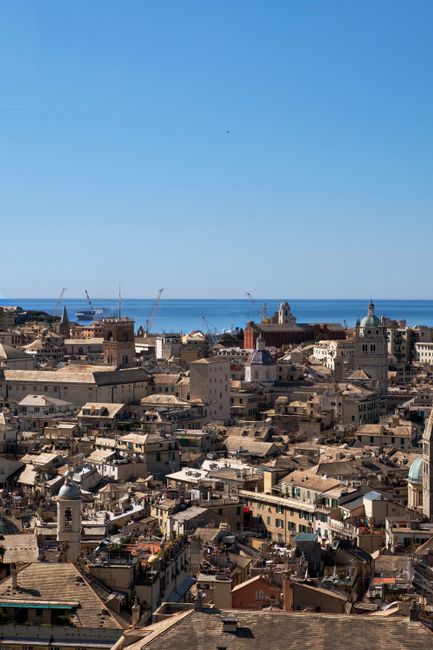
    Spianata Castelletto is a lookout that offers panoramic views over the historic center, the port and the sea. Located in the Castelletto district (access via Salita S. Caterina or a public elevator from Corso Dogali), it’s the perfect spot for sweeping vistas, sunsets and low-angle urban shots.

    Opening hours and fees

    • Access to the viewpoint: free, 24/7 for the public platform.
    • Public elevator (Castelletto Levante): Corso Dogali — operation varies, single ticket at a small price €0.50–€1.00 depending on the municipality.

    Photography tips

    For crisp panoramas use a mid-range zoom (24–70 mm) and a tripod for vertical frames during golden hour. Don’t hesitate to combine wide shots with roof-detail close-ups to tell the city’s story across multiple images.

    Panoramic view over Genoa rooftops toward the Ligurian Sea on clear day

    5. Boccadasse — Borgo di Boccadasse, 16146 Genova GE

    Description and atmosphere

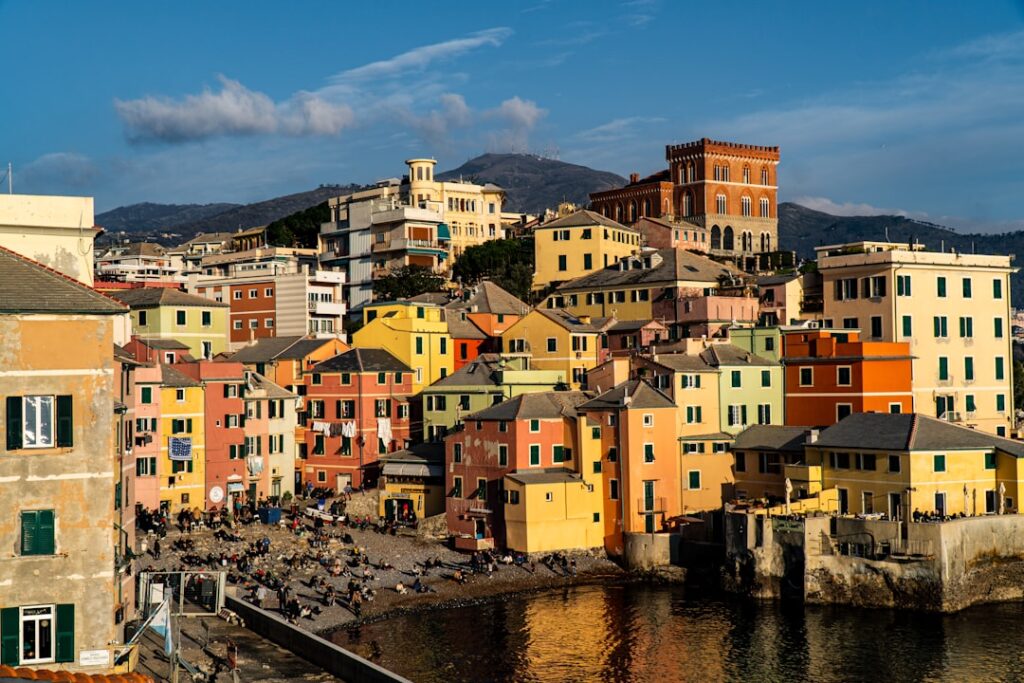
    Boccadasse is a small fishing village absorbed into Genoa, located along the promenade at Borgo di Boccadasse, 16146 Genova GE. Colorful houses, pebbly beaches, traditional boats and seaside cafés compose picturesque scenes. The contrast between pastel houses and the sea makes for excellent images of urban coastal life.

    Opening hours and fees

    • Access to the waterfront: free, 24/7.
    • Restaurants and cafés: prices vary; fish menus roughly €15.00–€35.00 per person.

    Photography tips

    Morning light is often the softest in Boccadasse. Shoot the facades from the beach to include the pebble texture in the foreground. Take advantage of reflections on the hulls of small boats at sunrise.

    Colorful houses lining Boccadasse waterfront in Genoa with people on the beach

    6. Castello d’Albertis – Museo delle Culture del Mondo — Corso Dogali, 18, 16136 Genova GE

    Description and atmosphere

    Perched on a hill, Castello d’Albertis (Corso Dogali, 18, 16136 Genova GE) overlooks the city and the port. The castle houses the Museum of World Cultures and offers gardens, turrets and photogenic viewpoints. The exotic details of the collections contrast with the castle’s neo-medieval architecture.

    Opening hours and fees

    • Museum hours: generally 10:00–18:00 (closed Mondays, check seasonal variations).
    • Entrance fee: adult around €6.00–€8.00, reduced for students and seniors.

    Photography tips

    Climb to the terraces for unobstructed views. Inside, use slower shutter speeds and short focal lengths to capture complex architecture. The gardens are ideal for portraits in soft light.

    7. Corso Italia and the seaside promenade — Corso Italia, 16128 Genova GE

    Description and atmosphere

    Corso Italia is the long promenade along the sea in the Foce and Boccadasse districts. You’ll find a succession of beaches, cafés and viewpoints over the water. The horizon line, parasols and strollers make an ideal subject for a documentary series on urban beach life.

    Opening hours and fees

    • Access: free, 24/7.
    • Private beaches: sunbed and umbrella rental €10.00–€25.00 depending on the season.

    Photography tips

    Search for graphic compositions using umbrellas and shoreline lines. In summer, shoot early morning or late afternoon to avoid crowds and to capture better light.

    8. Mercato Orientale — Via XX Settembre, 16121 Genova GE

    Description and atmosphere

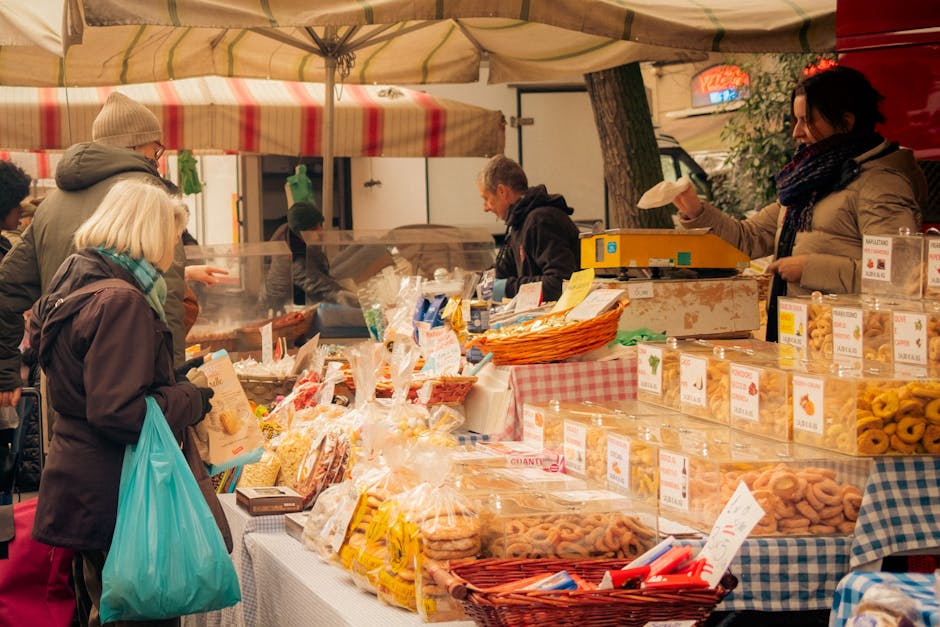
    The Mercato Orientale, on Via XX Settembre, 16121 Genova GE, is a lively covered market where fruits, fish, spices and Ligurian specialties offer intense colors and textures. It’s a vibrant spot for street and food-detail photography.

    Opening hours and fees

    • Hours: typically 07:00–14:00 (some stalls open in the afternoon).
    • Entrance: free, purchases priced per vendor.

    Photography tips

    Be discreet and ask permission before photographing vendors and customers. Use a short focal length for the overall atmosphere and a 50 mm for environmental portraits. The saturated colors of fruit and fish respond very well to natural light.

    9. Ponte Monumentale and the Principe district — Piazzale Marconi / Via Giovanni Battista Pergolesi, 16126 Genova GE

    Description and atmosphere

    Ponte Monumentale and the broad area around Piazza Principe offer more modernist urban perspectives, with wide avenues and 19th-century architecture. From the area around Genova Principe station (Piazzale Marconi), you’ll find strong urban lines, trains, façades and commuters — perfect material for street photography.

    Opening hours and fees

    • Access: public and free.
    • Station services: schedules vary, ticket offices open early.

    Photography tips

    Exploit the bridge’s lines and the repetition of windows to build geometric images. During rush hour, capture the flow of travelers to bring energy to your series.

    10. Nervi neighborhood and coastal walks — Passeggiata Anita Garibaldi, 16167 Genova GE

    Description and atmosphere

    Nervi, southeast of Genoa, offers coastal walks, gardens and villas with sea views. The Passeggiata Anita Garibaldi (16167 Genova GE) combines cliffs, stairways and terraces, providing varied angles between vegetation and maritime frames.

    Opening hours and fees

    • Access: free, walks open all day.
    • Museums/villas (e.g. Villa Gropallo): hours vary, fees around €3.00–€7.00.

    Photography tips

    Vary focal lengths and viewpoints: wide-angle for the coastal promenade and telephoto to isolate villa details. Sunsets over the gulf are especially photogenic and often less crowded than the city center.

    Conclusion: building a coherent photographic series in Genoa

    Genoa is a city of contrasts — between sea and hills, medieval heritage and port modernity — that provides an ideal playground for urban photography. By visiting these 10 must-see spots you’ll cover a broad spectrum of moods: panoramic views (Spianata Castelletto), harbor scenes (Porto Antico), refined architecture (Via Garibaldi), market atmospheres (Mercato Orientale) and seaside villages (Boccadasse, Nervi). Creating a coherent series means picking a through-line — light, color, architectural details, street portraits — and returning to the same places at different times of day to translate the shifting atmosphere.

    A few final tips: respect local regulations (pedestrian zones, restricted areas inside monuments), protect your gear from spray and crowds (secure straps, anti-theft bag), and practice patience — often the best shot appears after watching the urban flow for several minutes. For post-processing, emphasize the textures and stone contrast in Lightroom or Capture One to strengthen Genoa’s geological identity. And above all, talk to locals — market vendors, fishermen in Boccadasse or museum guards — to get angles and stories that will enrich your images.

    Whether you’re on a weekend break or a photography residency, these locations will help you create varied and memorable images. Don’t forget a small tripod, a wide-angle, a fast standard lens and a polarizing filter to maximize creative options. Happy photographic exploring in Genoa — a city that reveals itself slowly, picture by picture.

  • Photowalk in Genoa — Capturing the Palazzi dei Rolli

    Photowalk in Genoa — Capturing the Palazzi dei Rolli

    Introduction — Photowalk in Genoa: a photographic immersion into the Palazzi dei Rolli

    Genoa (Genova), a historic Mediterranean port, hides an urban treasure listed as a UNESCO World Heritage site: the Palazzi dei Rolli. These aristocratic palaces, lined up along the prestigious Via Garibaldi and the surrounding streets of the old town, are striking reminders of the wealth and refinement of the Republic of Genoa in the 16th and 17th centuries. For the urban photographer, whether hobbyist or pro, a photowalk focused on the Palazzi dei Rolli is a rare chance to play with light, baroque perspectives, stucco facades, monumental staircases, inner courtyards and carved details.

    This article is a practical, detailed guide to planning and executing a successful photowalk around the Palazzi dei Rolli in Genoa. You’ll find exact information on the main spots to photograph — full names, precise addresses, opening hours, indicative prices in euros — plus immersive descriptions to help you spot the richest visual angles. I’ll also share technical tips (lens choices, settings, best times of day), logistical recommendations (routes, access, parking, public transport), and neighborhood etiquette pointers to respect historic sites and residents.

    The suggested route puts Via Garibaldi (formerly Strada Nuova) at its heart, a genuine urban gallery where palaces like Palazzo Bianco, Palazzo Rosso, Palazzo Spinola di Pellicceria and Palazzo Doria Tursi — today part of the Museo di Strada Nuova — follow one after another. These buildings offer strong contrasts: polychrome facades, monumental portals, wrought-iron balconies and, above all, inner courtyards that open long perspectives and create shadow-and-light plays perfect for photography. I’ll also describe a few neighboring palazzi and spots that enrich the photowalk: Palazzo Reale, the alleys near the Porto Antico, and panoramic viewpoints over the harbor.

    Before you set off on your photowalk, always double-check the opening hours and prices shown below: some museums have separate entrances, joint ticketing arrangements or weekly closure days. Respect is essential: in several courtyards a visit may be charged and professional photography can require authorization. Finally, I’ll suggest time windows to capture the best light (golden hour, blue hour) and practical tips for carrying your gear around the city while staying mobile.

    Wide Genoa street lined with grand palazzi and pedestrians under blue sky

    Palazzo Bianco and Palazzo Rosso — main route and photography tips (Via Garibaldi)

    The core of the photowalk sits on Via Garibaldi, where two imposing palaces immediately catch the eye and the lens: Palazzo Bianco and Palazzo Rosso, standout members of the Palazzi dei Rolli.

    • Palazzo Bianco (Pinacoteca di Palazzo Bianco) — address: Via Garibaldi, 12, 16124 Genova GE, Italy. Opening hours: generally open Tuesday to Sunday, 09:30–19:00; closed on Mondays (check before visiting). Price: full ticket around €8.00 (combined ticket for the Musei di Strada Nuova may be available). Description: a former noble residence turned art gallery, housing paintings by Italian and European artists. For the photowalk, the classical white facade and banded windows offer ideal contrast in the late afternoon. Inside, painting rooms require care with flash — favor higher ISO and stabilization or fast lenses to capture ambient light.
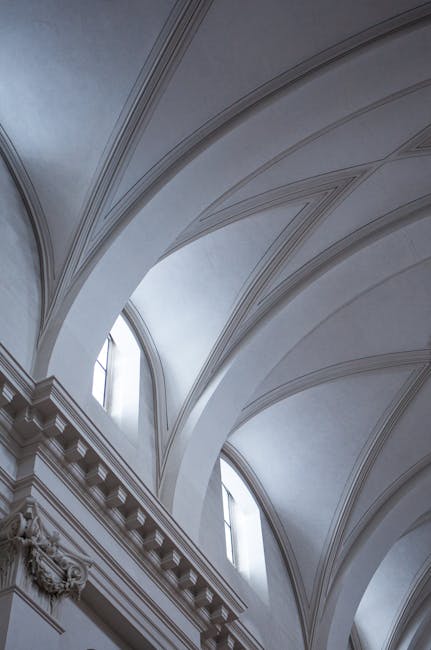
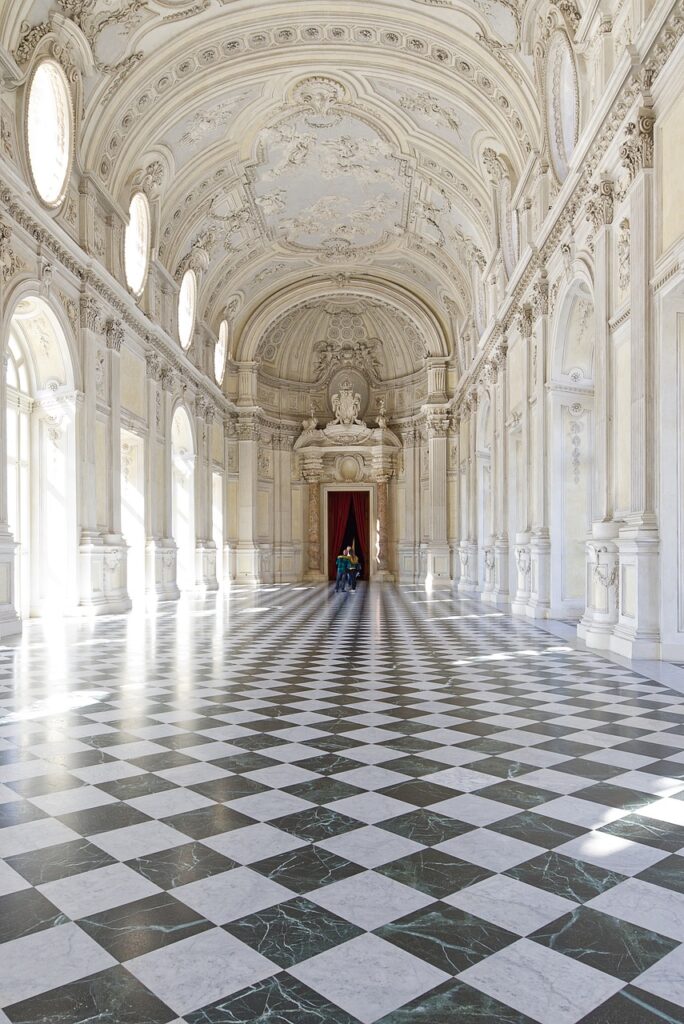
    • High white vaulted ceilings with tall arched windows inside a Genoa palazzo

    • Palazzo Rosso (Museo di Palazzo Rosso) — address: Via Garibaldi, 18, 16124 Genova GE, Italy. Opening hours: generally open Tuesday to Sunday, 09:30–19:00; closed on Mondays. Price: full ticket around €8.00; combinations possible with Palazzo Bianco and Palazzo Doria Tursi (combined ticket roughly €15.00). Description: a palace painted a deep red, famous for its decorated salons, tapestries and city views from its upper floors. Photo-wise, the saturated red facade against a blue sky makes powerful images; inside, marble staircases and corridors are ideal for environmental portraits and symmetrical compositions.

    Practical tips for these two palaces: arrive early (or late afternoon) to avoid crowds in the galleries and to get clear wide-angle shots of the facades. Use a wide-angle lens (16–35mm on full frame) for interiors and courtyards, but bring a 50mm or 85mm to isolate architectural details (stuccoes, sculpted heads, medallions). Indoors, respect no-photography zones and avoid using flash; to compensate, raise the ISO sensibly or use a small tripod where allowed.

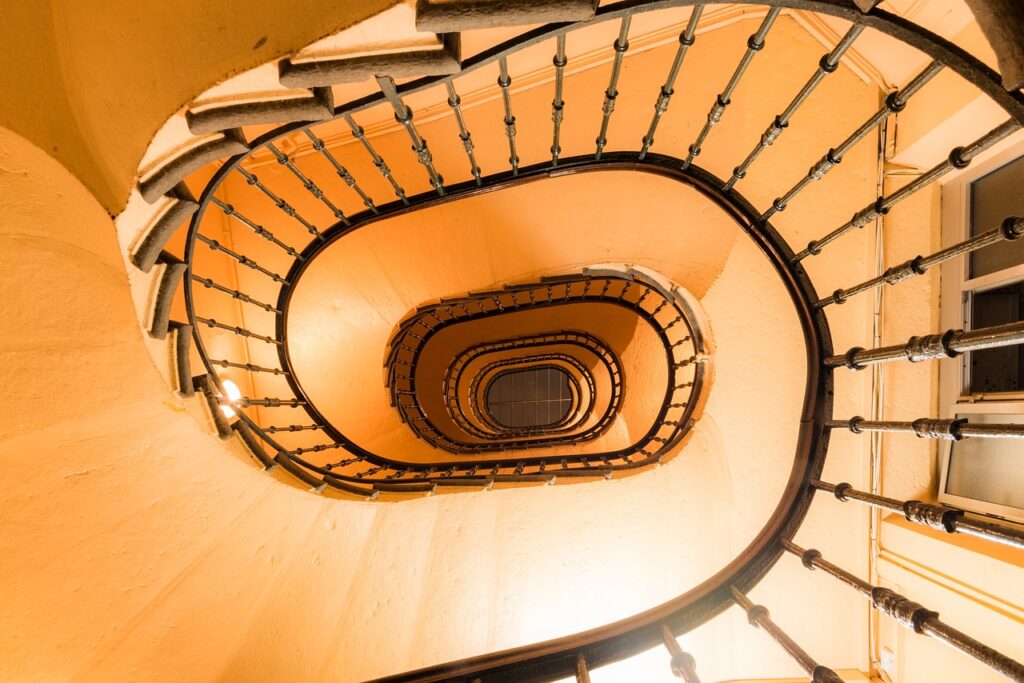
    Spiral stone staircase with wrought-iron railing glowing in warm yellow light

    Palazzo Doria Tursi, Palazzo Spinola di Pellicceria and the visiting timeline

    Continue your photowalk toward other Strada Nuova treasures. Among them, Palazzo Doria Tursi (often called Palazzo Tursi) and Palazzo Spinola di Pellicceria are must-see stops that add historical depth and aesthetic variety to your photographic route.

    • Palazzo Doria Tursi — Museo di Strada Nuova — address: Via Giuseppe Garibaldi, 9, 16124 Genova GE, Italy. Opening hours: generally open Tuesday to Sunday 09:30–19:00; closed on Mondays. Price: full ticket around €8.00 (combined ticket for the Musei di Strada Nuova may be available). Description: a former residence of the Doria family, now housing the municipal museum and often temporary exhibitions. The grand staircase and salons offer elevated perspectives, ideal for symmetrical shots, silhouettes and backlit compositions.
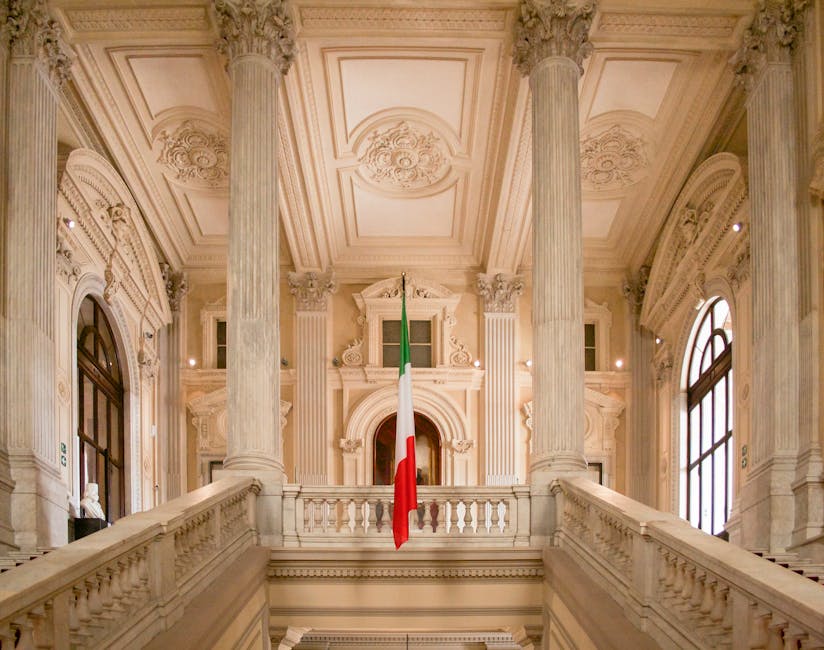
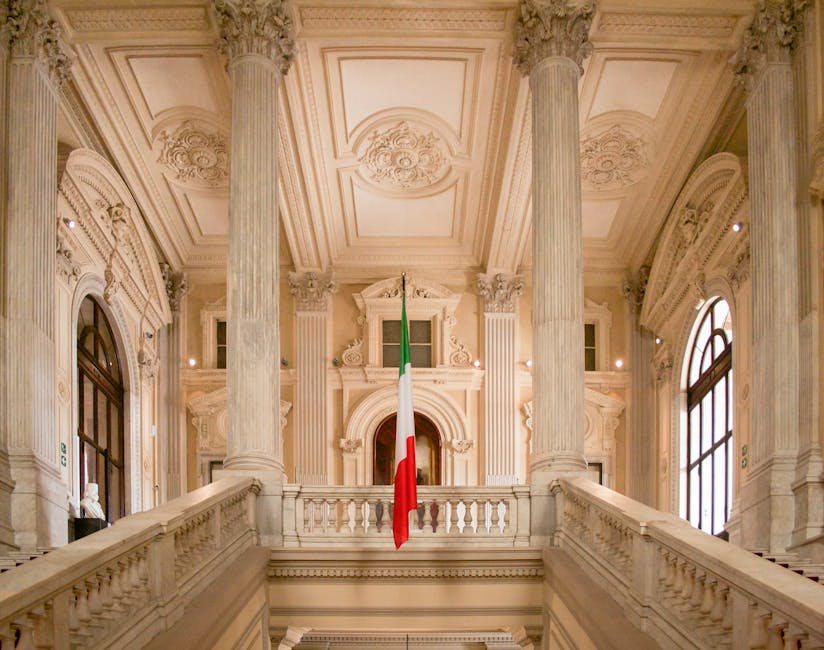
    • Marble grand staircase and columns draped with the Italian flag in Genoa

    • Palazzo Spinola di Pellicceria — Galleria Nazionale di Palazzo Spinola — address: Via Garibaldi, 10, 16124 Genova GE, Italy. Opening hours: generally open Tuesday to Sunday 09:30–19:00; closed on some Mondays (check). Price: full ticket around €8.00; reductions for students and seniors. Description: an elegant palace with a refined inner courtyard, richly decorated salons and painted ceilings. The textures and reliefs of woodwork, crystal chandeliers and tapestries make perfect subjects for detailed shots.
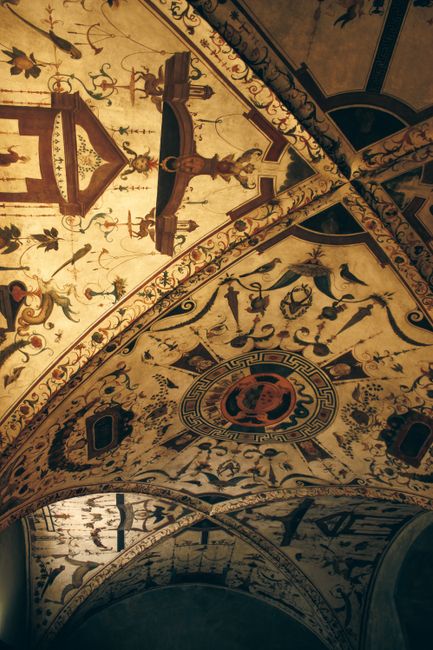
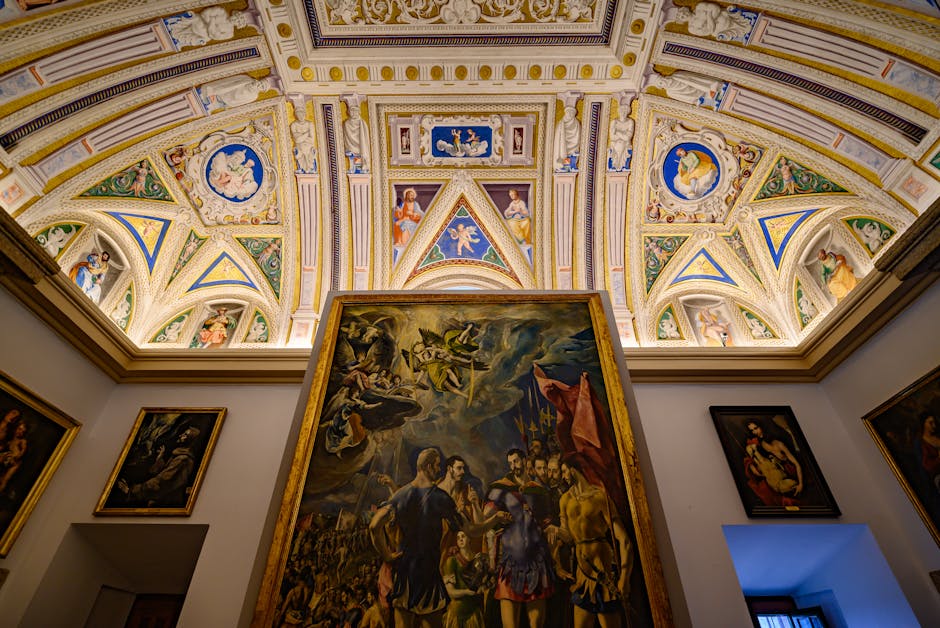
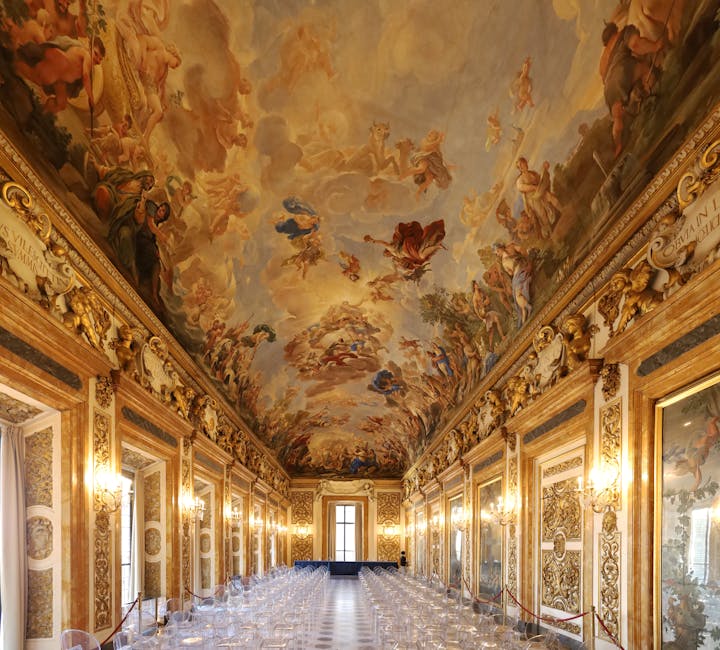
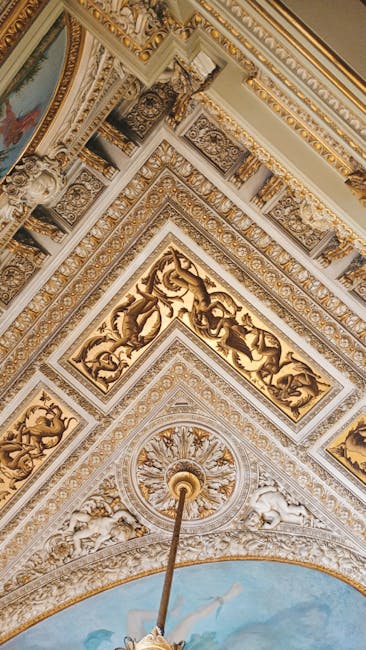
    • Ornate gilded ceiling frescoes with floral and mythological motifs in Genoa palace

    Recommended timeline: start early in the morning at Palazzo Bianco to enjoy a softer sky and gentle light on the facades. Then move up to Palazzo Spinola di Pellicceria and Palazzo Doria Tursi before mid-day, when guided tours cluster and interior light shifts. Plan a lunch break at a local trattoria (see practical tips below) and return late afternoon to catch the golden hour, when the stone warms and balcony shadows stretch across the facades.

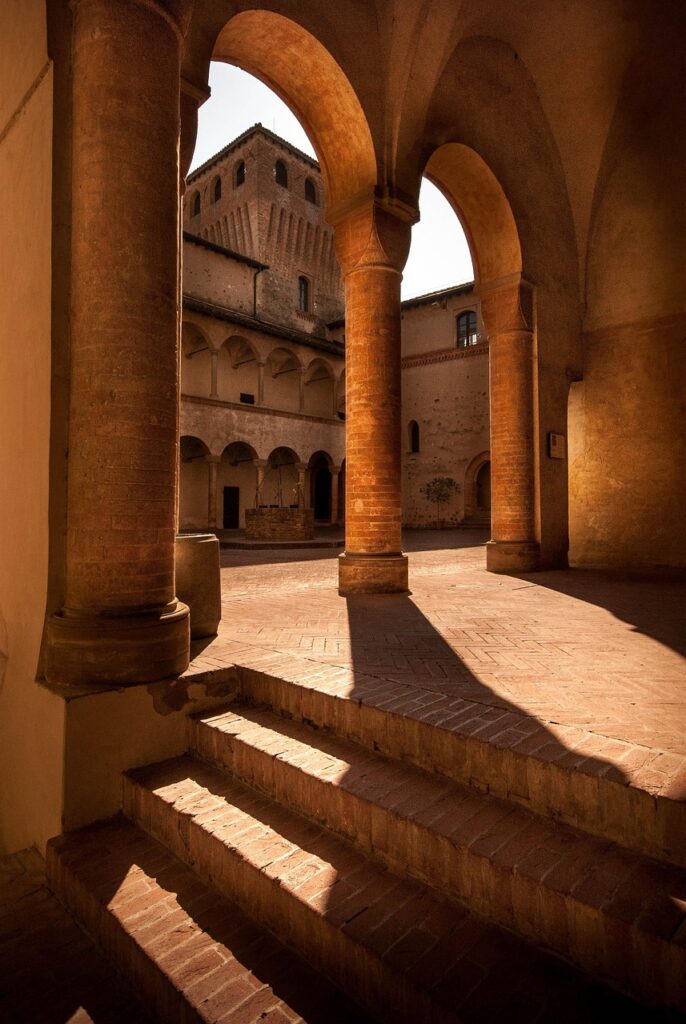
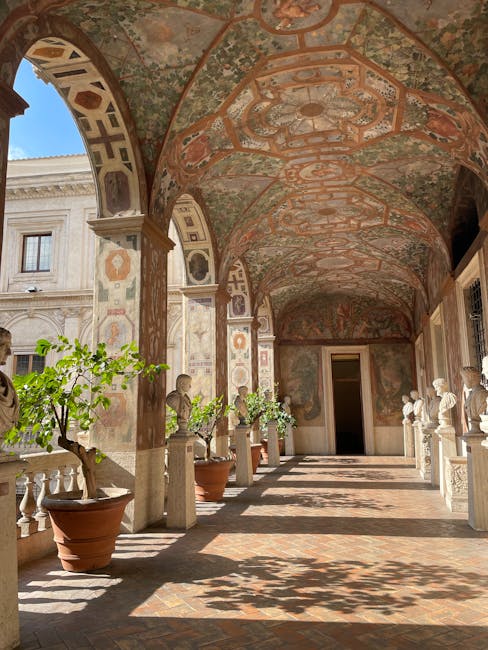
    Sunlit arched cloister courtyard with brick columns and stepped shadows in Genoa

    Photography techniques, recommended gear and visual details to hunt for

    A successful photowalk depends as much on technical preparation as on local knowledge. Here are practical recommendations and visual ideas to seek out around the Palazzi dei Rolli.

    • Recommended lenses: a wide-angle (16–35mm) for facades and inner courtyards, a bright standard (35mm or 50mm f/1.8–f/1.4) for street scenes and environmental portraits, and a short telephoto (85–135mm) to isolate sculpted details and high balconies.
    • Settings: indoors, favor a wide aperture (f/1.8–f/2.8) and a shutter speed high enough to avoid motion blur; increase ISO according to your camera’s noise tolerance. Outside, for high-contrast facades, exposure bracketing or shooting RAW with light HDR post-processing gives better results to preserve textures and highlights. Always shoot RAW to maximize editing flexibility.
    • Compositions to target: leading lines (palace-lined streets), staircase symmetries, carved details, doors and knockers, reflections in windows and puddles after rain, backlit balustrades. Also look for inner courtyards — often less crowded — for intimate frames and diffused light.

    Pro tips: walk slowly and change your angle: crouch down to give facades a monumental feel, or go up a floor if possible (and permitted) for an overhead view. Use a polarizing filter to saturate the sky and reduce reflections on glass. At night, the blue hour highlights architectural lighting: stability (tripod), long exposures and a remote shutter are your best friends.

    Low-angle wide-lens street shot of palaces on Via Garibaldi in the morning

    Extended route, nearby spots and practical logistics

    The Palazzi dei Rolli aren’t limited to a single street: expand your photowalk by including nearby places that enrich Genoa’s visual story. Here’s a longer route and practical info to plan your day.

    • Palazzo Reale — address: Via Balbi, 10, 16126 Genova GE, Italy. Opening hours: generally open Tuesday to Sunday 10:00–18:00; closed on Mondays. Price: around €7.00–€10.00 depending on exhibitions. Description: a 10–15 minute walk from Via Garibaldi, offering extensive gardens and an impressive baroque facade, plus pleasant terrace viewpoints over the city.
    • Palazzo Reale formal garden and terrace view in the afternoon sun

    • Porto Antico and the Bigo (panoramic lift) — address: Calata Cattaneo, 16128 Genova GE, Italy. Bigo opening hours: variable, often 10:00–20:00; price approximately €6.00–€8.00. Description: for a bird’s-eye view of the palace-lined spine and the harbor, head down to the Porto Antico. The Bigo panoramic lift and the Biosphere’s panoramic lift offer different angles over the city and Genoa’s rooftops.
    • Panoramic lift view over Porto Antico and the harbor at sunset

    Transport and access: most palaces are walkable from Genova Piazza Principe station (15–20 min) or Genova Brignole (20–25 min). City buses (AMT) serve the center; a single ticket costs about €1.70 (validity varies). Parking in ZTL zones is restricted: prefer public car parks like Parking Porto Antico (Calata Cattaneo) or Park Sant’Agostino. Wear comfortable shoes for uneven cobbles and old stairways.

    Narrow cobblestone alley in old Genoa with morning shadows

    Local tips, photography ethics and the best times for the photowalk

    Respect and local sensitivity are essential on an urban photowalk. Here are practical recommendations and behavioral tips that will help you get better photos while honoring the places and people you encounter.

    • Respect residents: several courtyards are still private or partly inhabited. Always ask permission before photographing people at their homes, and avoid blocking main entrances. Don’t leave tripods in the way of passageways.
    • Commercial use authorizations: if your images are intended for commercial use (ad campaign, image sales), contact the Soprintendenza Archeologia, Belle Arti e Paesaggio per la città metropolitana di Genova or the museum administrations to request the necessary permits. For editorial or personal use, photos taken from public spaces are generally acceptable, but each palace has its own rules regarding professional photography indoors.
    • Best times: spring (April–June) and autumn (September–October) offer soft light and fewer crowds. Avoid daytime in August if you want fewer tourists — instead aim for early morning or late afternoon. During golden hour and blue hour, Via Garibaldi’s facades become spectacular; plan your shots accordingly.

    Food tip and photo break: for a typically Genoese lunch, stop by Trattoria Ugo (one of the small local spots in the historic center), try pesto alla genovese and focaccia. A coffee break in a piazza will let you recharge and watch the light shift on the facades — often the source of the best spontaneous shots.

    Genoese alleyway in evening light with a local cafe and outdoor seating

    Conclusion — Planning your photowalk and extending the visual adventure

    The Palazzi dei Rolli in Genoa are an exceptional playground for any urban photographer eager to explore baroque architecture and Mediterranean charm. By combining technical prep, local knowledge and respect for rules, you can create a body of work that captures not only the formal beauty of the palaces but also the living atmosphere of the old town. Start your route on Via Garibaldi with Palazzo Bianco (Via Garibaldi, 12) and Palazzo Rosso (Via Garibaldi, 18), then continue to Palazzo Spinola di Pellicceria (Via Garibaldi, 10) and Palazzo Doria Tursi (Via Giuseppe Garibaldi, 9), keeping in mind opening hours (generally 09:30–19:00 for many museums, closed on Mondays) and indicative prices (around €8.00 per palace, combined tickets roughly €15.00).

    Plan a flexible route: walk, observe and let the light guide you. The best images often come after a few failed attempts — a cluttered facade that, after a small lateral move, reveals perfect symmetry; an ordinary door that, shot close-up, exposes astonishing marquetry. Don’t forget nearby viewpoints like Palazzo Reale (Via Balbi, 10) and the Porto Antico for wider panoramas. And keep ethics in mind: ask for permission when needed, avoid flash in museum rooms and respect private areas.

    To extend the experience, consider organizing a personal exhibition or an online gallery of your Palazzi dei Rolli series, contextualizing each image with the palace’s full name, address and a short historical note. That way, your photographs become not only aesthetic images but documents that contribute to the appreciation and preservation of this exceptional heritage. Enjoy your photowalk in Genoa — shoot carefully and stay curious!

    Photographer editing photos on a laptop
    Courtyard arch reflection and mosaic floor inside a palazzo
    Blue hour on Via Garibaldi with illuminated facades and evening lights

  • From San Lorenzo to the Lanterna: An Urban Pilgrimage Through Genoa

    From San Lorenzo to the Lanterna: An Urban Pilgrimage Through Genoa

    Introduction — From San Lorenzo to the Lanterna: an urban pilgrimage through Genoa

    Genoa (Genova) is a city of sharp contrasts, where a maritime past overlays a bustling modern fabric of narrow lanes, baroque squares and colorful façades. The route that links the Cathedral of San Lorenzo (Cattedrale di San Lorenzo) to the Lanterna di Genova (the city’s historic lighthouse) is much more than a sightseeing walk: it’s an urban pilgrimage that compresses Genoa’s religious, commercial and seafaring history. Strolling this path on foot takes you through emblematic neighborhoods — the medieval center, the Porto Antico, the Strade Nuove and the hill leading up to the Lanterna — revealing how faith, trade and the sea shaped the city’s identity.

    A natural starting point for this pilgrimage is the Cathedral of San Lorenzo, located on Piazza San Lorenzo. Its austere façade of alternating black and white marble bands and its solemn interior speak to the site’s religious and civic importance. From there, the route invites wandering through the vicoli (backstreets), admiring carved portals, patrician family coats of arms and small artisan workshops. It passes institutional landmarks like Piazza De Ferrari, Via Garibaldi with its lavish palaces (Palazzo Rosso, Palazzo Bianco, Palazzo Doria Tursi) and the revitalized heart of the port, the Porto Antico, home to the Acquario di Genova and a lively waterfront promenade.

    The approach to the Lanterna unfolds as a gradual climb through layers of history: from churches and civic palaces to maritime monuments that embody Genoa’s naval power. Perched on the port’s western hill, the Lanterna is the city’s most potent symbol, visible from afar and charged with enduring identity. The itinerary is dotted with viewpoints, gardens, belvederes and food stops where you can sample Ligurian specialties — focaccia Genovese, pesto, farinata — at recommended local spots.

    This practical guide, aimed at curious walkers, provides exact practical information: precise addresses, typical opening hours (subject to seasonal change), prices in euros and local tips to help you get the most out of the walk. The descriptions are meant to immerse you in the places, with suggested stops to visit museums, churches or simply sit and watch city life go by. The goal isn’t a minute-by-minute schedule but a narrative and practical map letting you experience this urban pilgrimage at your own pace, respecting monument opening times and taking advantage of the best photo angles, pedestrian shortcuts and authentic eateries.

    Before you set off, a few logistical tips: wear comfortable shoes (there are many cobbles and staircases), bring water and a small umbrella depending on the season, and buy combined tickets when available (museums on Via Garibaldi). Public transport (AMT buses, funiculars and municipal elevators) can be a fallback if you get tired — especially for the final climb to the Lanterna. Finally, respect religious service times if you want to attend mass at San Lorenzo, and check museum closure days (Monday is often common for some sites).

    Striped marble façade of Genoa's San Lorenzo Cathedral viewed from above

    San Lorenzo and the historic center: starting point and immersion (Piazza San Lorenzo, Via San Lorenzo)

    The starting point of our pilgrimage is the Cattedrale di San Lorenzo, Piazza San Lorenzo, 16123 Genova GE. The cathedral is recognizable by its striped black-and-white marble façade and its bell tower. Entry to the church itself is generally free, but access to some areas (the Museo del Tesoro and the Cappella del Tesoro) requires a ticket. Usual information: Museo del Tesoro di San Lorenzo — Piazza San Lorenzo, 5, 16123 Genova; indicative 2024 price: €3.00–€6.00 (reduced rates for students and seniors); common opening hours: Tuesday–Saturday 10:00–17:00, Sunday 14:00–17:00 (to be confirmed locally). It’s strongly recommended to check the notices at the entrance as times can change on holidays and during religious services.

    Around Piazza San Lorenzo, soak up the medieval atmosphere of the caruggio (narrow streets) and the artisan shops selling soap, coral, jewelry and brassware. Head up Via San Lorenzo to admire sculpted doorways and small inner squares that are like tiny stages for forgotten sculptures. Exiting toward Via XX Settembre quickly brings you to Piazza De Ferrari, the neo-classical heart of the city.

    • Cattedrale di San Lorenzo address: Piazza San Lorenzo, 16123 Genova GE, Italia.
    • Museo del Tesoro di San Lorenzo: Piazza San Lorenzo, 5, 16123 Genova GE — approximate price €3.00–€6.00.
    • Recommended hours: visit early morning (08:30–10:30) to avoid crowds; religious services in the morning and evening affect access.

    Local tip: for a typical coffee stop, push on to one of the small family-run cafés on Piazza San Lorenzo and try a salty focaccia. Ask for the “focaccia con sale grosso” and enjoy a moment to plan the rest of your route. Before leaving the historic center, take time to examine tympana and medallions on façades — each detail tells a story of power and faith.

    Interior striped columns and arches inside Genoa's San Lorenzo Cathedral, warm lighting

    Piazza De Ferrari, the civic heart and the Strade Nuove: palaces, museums and splendors (Piazza De Ferrari, Via Garibaldi)

    A few minutes’ walk from San Lorenzo brings you to Piazza De Ferrari — a central reference point: Piazza De Ferrari, 16121 Genova. This broad square, dominated by a monumental fountain and the imposing Palazzo Ducale (Palazzo Ducale, Via Garibaldi 9, 16124 Genova), is the city’s administrative and cultural hub. The Palazzo Ducale hosts temporary exhibitions and cultural events; entrance fees and times vary by exhibition (entry usually between €5.00 and €12.00 for paid exhibitions; often open 10:00–19:00, closed some Mondays — check the official site).

    From here, head to the Strade Nuove and the Palazzi dei Rolli museum system, a UNESCO World Heritage site. Via Garibaldi (Via Garibaldi, 18–3, 16124 Genova) is home to remarkable palaces: Palazzo Rosso (Galleria di Palazzo Rosso, Via Garibaldi 18), Palazzo Bianco (Via Garibaldi 18), and Palazzo Doria Tursi (Via Garibaldi 9). Combined tickets for the palaces vary — typical combined fare around €12.00–€15.00 for the three museums; common hours: 09:00–19:00, sometimes closed on Mondays. These palaces house baroque paintings, period furnishings and glimpses into the opulent life of Genoese merchant families.

    • Piazza De Ferrari: central landmark for orientation (fountain, Teatro Carlo Felice and Palazzo Ducale).
    • Palazzo Ducale: Via Garibaldi 9, 16124 Genova — temporary exhibitions, variable fees €5.00–€12.00; common hours 10:00–19:00.
    • Palazzi dei Rolli (Palazzo Rosso, Palazzo Bianco, Palazzo Doria Tursi): Via Garibaldi, 16124 Genova — combined ticket approx. €12.00–€15.00, 09:00–19:00.

    Immersive description: wandering down Via Garibaldi feels like entering an urban theatre of ornate façades and balconies; marble floors, grand staircases and state rooms narrate a history of diplomacy and maritime trade. If you have extra time, pause at the Museo di Palazzo Reale (Via Balbi 10, 16126 Genova) — the salons and garden views make for particularly photogenic moments.

    Piazza De Ferrari in Genoa with fountain and historic government building

    Toward Porto Antico and the Aquarium: where sea and memory meet (Porto Antico, Acquario di Genova)

    Descending to the waterfront from the Strade Nuove brings you to Porto Antico (the Old Port), an area redeveloped by architect Renzo Piano. The practical address for the Acquario di Genova is Piazza della Commenda / Piazza Acquario, 4, 16128 Genova. The Acquario di Genova is one of Europe’s largest aquariums and makes a great immersive stop to explore the marine world that shaped Genoa. Indicative 2024 prices: adults around €27.00; discounts for children and seniors; hours generally 09:00–19:00 (extended in high season — check the official site: acquariodigenova.it).

    Porto Antico is also a lively space: museums, restaurants, shops and the Bigo panoramic lift. It’s a strategic spot to observe the city’s relationship with the sea, with historic ships moored, renovated quays and small welcoming squares. Grab a focaccia at one of the stalls near the harbor or book a seafood restaurant to savor local dishes (cozze alla marinara, trofie al pesto).

    • Acquario di Genova: Piazza Acquario, 4, 16128 Genova — adults approx. €27.00; usual hours 09:00–19:00 (seasonal).
    • Porto Antico: pedestrian promenade, exhibition spaces, restaurants and waterfront terraces.
    • Must-see points: the Bigo panoramic lift, the Museo del Mare (Museum of the Sea).

    Practical tips: buy aquarium tickets in advance during high season to avoid queues; if traveling with family, allow 2–3 hours for the visit. Late afternoon sunsets over Porto Antico paint the water and hulls with spectacular colors — prime time for photography.

    Small boats moored under the white masts at Genoa's old port

    The climb to the Lanterna: routes, funiculars and panoramas (Piazza della Lanterna)

    The Lanterna di Genova (the Lanterna) is located at Piazza della Lanterna, 16126 Genova. This iconic lighthouse has guided ships for centuries and can be seen from a long way off. The Lanterna site includes a small museum (Museo della Lanterna) within the lighthouse precinct; guided tours and summit access are subject to schedules and entrance fees. Indicative 2024 prices: museum entry and lighthouse climb around €6.00–€8.00; hours usually concentrated on weekends and in season (check lanterna.ge.it or the local tourist office for reservations).

    There are several ways to reach the Lanterna: a walk (a recommended panoramic route via via del Molo and the city park), or public transport/elevators and funiculars depending on your starting point. A popular walk begins at Porto Antico and follows the seafront along Corso Italia until the road climbs toward the hill. The trail offers successive views of the port entrance, docks and the compact city. Wear appropriate shoes: the final climb includes cobbled steps and narrow alley passages.

    • Lanterna address: Piazza della Lanterna, 16126 Genova GE.
    • Museum and lighthouse visit: approx. €6.00–€8.00; variable hours, often focused on weekends and high season; booking recommended.
    • Access: walk from Porto Antico (40–60 minutes depending on pace) or take buses/elevators/funiculars to reduce the climb.

    Sensory description: approaching the Lanterna, the city gradually unfolds beneath you — first the sea and the port, then tiled roofs and verdant terraces of private gardens. The scent of salt, the bell clang of a boat offshore and the cry of seagulls accompany the ascent. At the lighthouse’s base the mood turns more solemn: thick walls, worn steps and a circular view over the Mediterranean and Genoa’s skyline. If you can climb to the top (when allowed), the payoff is an exceptional panoramic view that reveals the city’s maritime and urban logic.

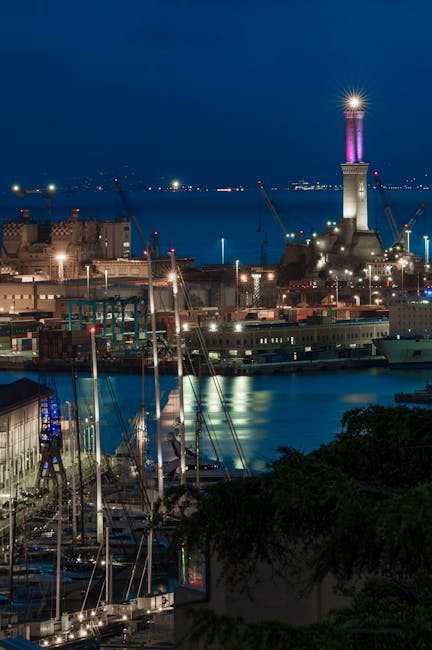
    Genoa's Lanterna lighthouse lit pink above the industrial harbor at night

    Practical tips, alternate routes and local food

    To make the most of this urban pilgrimage, here are concrete tips and alternatives based on your pace and interests. Standard walking route: San Lorenzo → Piazza De Ferrari → Via Garibaldi (Palazzi dei Rolli) → Porto Antico and Aquarium → climb to the Lanterna (about 3–4 km of walking including stops and detours). Expect 4 to 6 hours for a full day that includes a museum and a lunch break.

    • Transport: AMT buses (compagnia AMT Genova), funiculars (Righi, Zecca-Righi) and public elevators can help reduce fatigue; single AMT ticket around €1.60 (indicative), day passes available depending on your stay length.
    • Hours: museums often open 09:00–19:00; religious services on Sundays can limit access to cathedrals; the Lanterna has seasonal hours — check ahead.
    • Food: stop at local artisans for a focaccia Genovese (approx. €2.00–€4.00 per slice), try trofie al pesto (typical restaurant price €12.00–€18.00 per dish), and taste farinata (chickpea pancake) for €3.00–€5.00.

    Safety and respect tips: the lanes can be narrow with uneven surfaces; watch for pickpockets in crowded tourist areas; dress modestly when visiting religious buildings. In summer, bring sun protection and water — some stretches between Porto Antico and the Lanterna have little shade.

    Panoramic view of white masts and sail canopies at Genoa's port

    Conclusion — A pilgrimage of faith, power and the sea

    The walk from San Lorenzo to the Lanterna is a route whose meaning goes beyond the physical distance. It links historical and cultural layers that define Genoa: public piety and cathedral treasures, the civic and diplomatic splendor of the Strade Nuove, the port’s intimate scale and living relationship with the sea, up to the monumental symbol that is the Lanterna. Walking this route means stepping into a multi-century story where every church, palace and quay reads like a page of that history. Key stops — Piazza San Lorenzo, Piazza De Ferrari, Via Garibaldi, Porto Antico, Piazza della Lanterna — serve as anchors to shape your discovery.

    This guide has given you practical info (exact addresses, indicative prices and typical hours), local tips and sensory suggestions to better appreciate each stage. Favor flexibility: tailor the length of your stops to your interests — art, architecture, maritime museums or simple contemplation of the seascape. Don’t forget to sample Ligurian flavors and use combined tickets to save time and money when visiting palaces and museums. If the climb to the Lanterna feels too demanding, use municipal transport so you can conserve energy for the final ascent and the view, which is always worth it.

    Finally, treat this pilgrimage as an invitation to slow down and watch: Genoa doesn’t always reveal itself at first glance — it rewards time, curiosity and the willingness to read its façades, listen to the harbor’s murmur and look out to sea from the Lanterna. Whether you’re a history buff, a photography enthusiast or simply looking for an emotionally rich urban route, the path from San Lorenzo to the Lanterna offers a concentrated, surprising and deeply memorable taste of Genoa.


  • Genoa Street Festival Weekend Guide: Your Go-To Itinerary for a Festive Escape

    Genoa Street Festival Weekend Guide: Your Go-To Itinerary for a Festive Escape

    Introduction: Why Choose Genoa for a Street-Festival Weekend

    Genoa (Genova) is a city of vivid contrasts: a maze-like medieval old town, a lively waterfront, grand piazzas and characterful fishing neighborhoods. For a weekend dedicated to street festivals, Genoa is an ideal playground. Events range from impromptu music parades and artisan markets to local food fairs and street shows staged by international troupes. This guide gives you a practical, full roadmap to make the most of a festive weekend in the city, with exact spots, typical schedules, price indications and local tips so you can experience it like a resident.

    The heart of Genoa’s street festivals often beats in iconic, easy-to-reach spots: the vast Piazza De Ferrari (Piazza De Ferrari, 16121 Genova GE), which serves as the main stage for outdoor concerts and cultural events; the redeveloped waterfront at Porto Antico di Genova (Calata Cattaneo, 16128 Genova GE), where you’ll find night markets and giant-screen showings; and historic arteries like Via Garibaldi (Via Garibaldi, 16124 Genova GE) and the narrow lanes of the Centro Storico, which turn into lively backdrops for street performers. The coast—from Boccadasse (Borgo di Boccadasse, 16146 Genova GE) to the Passeggiata Anita Garibaldi in Nervi (Passeggiata Anita Garibaldi, 16167 Genova GE)—hosts food festivals and sea-related events.

    Almost every street festival in Genoa includes at least some free elements: music in a square, performers popping up in an alley, stalls and show-cooking visible from the promenade. However, some events have ticketed zones—headliner concerts, paid workshops or temporary exhibitions inside historic buildings. Prices vary: street performances are often free, but budget for food, drinks, transport and possibly tickets to main attractions like the Aquario di Genova (Ponte Spinola, 16128 Genova GE), where adult tickets typically run around €29.00. Public transport operated by AMT is convenient: a single ticket costs €1.60 and is valid for 100 minutes; a 24-hour pass is roughly €4.50, handy for hopping between festival sites without stress.

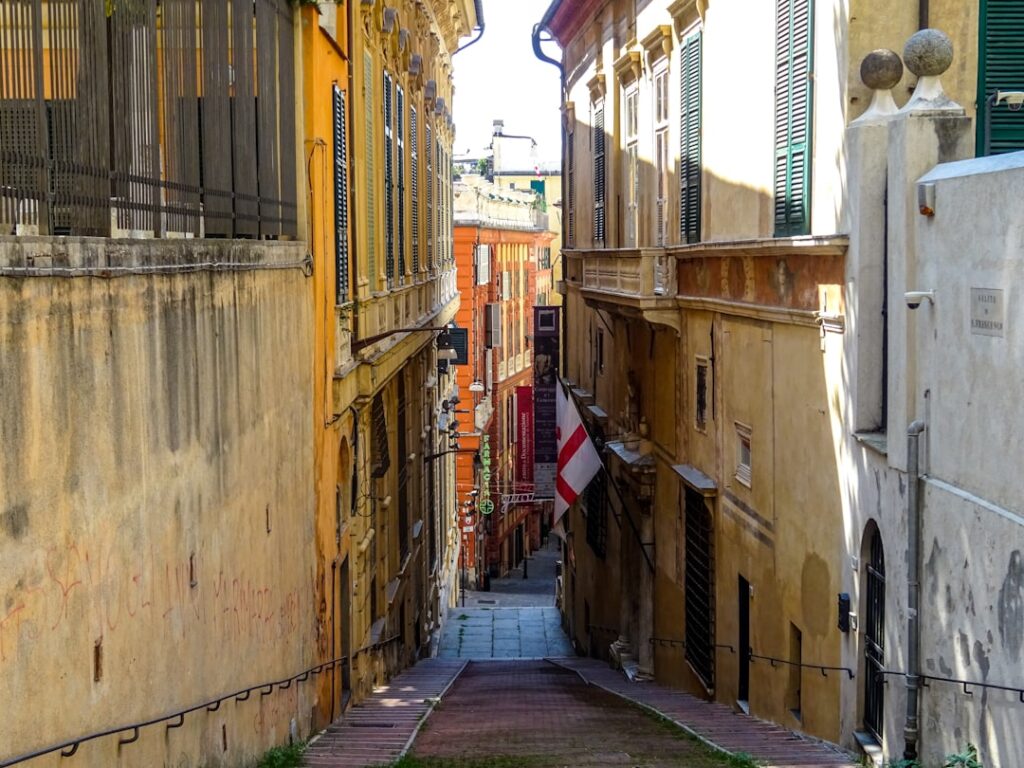
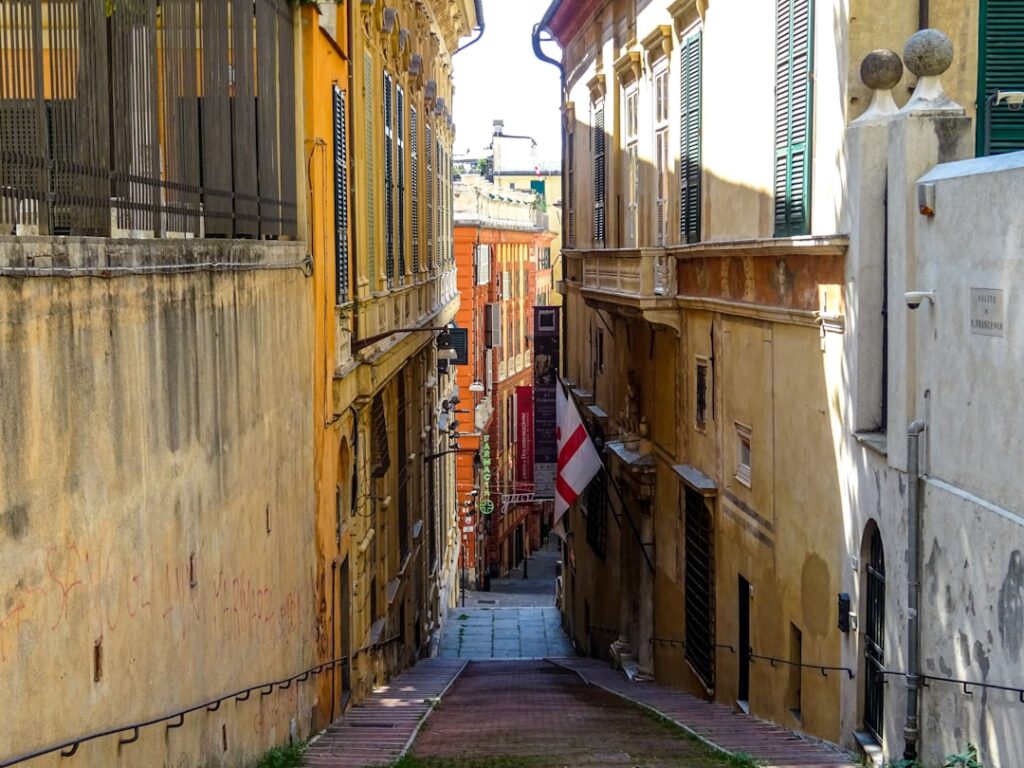
    Steep narrow Genoa alleyway with St. George cross flag

    This guide offers day-by-day routes, must-see venues, typical street-event hours and practical tips (safety, outfits, meal times, accessibility). Whether you want to wander, dance, catch brass bands, taste local specialties like focaccia Genovese or bounce between stages and artisan markets, you’ll find the info you need to plan a successful weekend. The following sections cover four main areas: where festivals take place, how to map your itinerary, what and where to eat and drink, and practical advice for a stress-free experience.

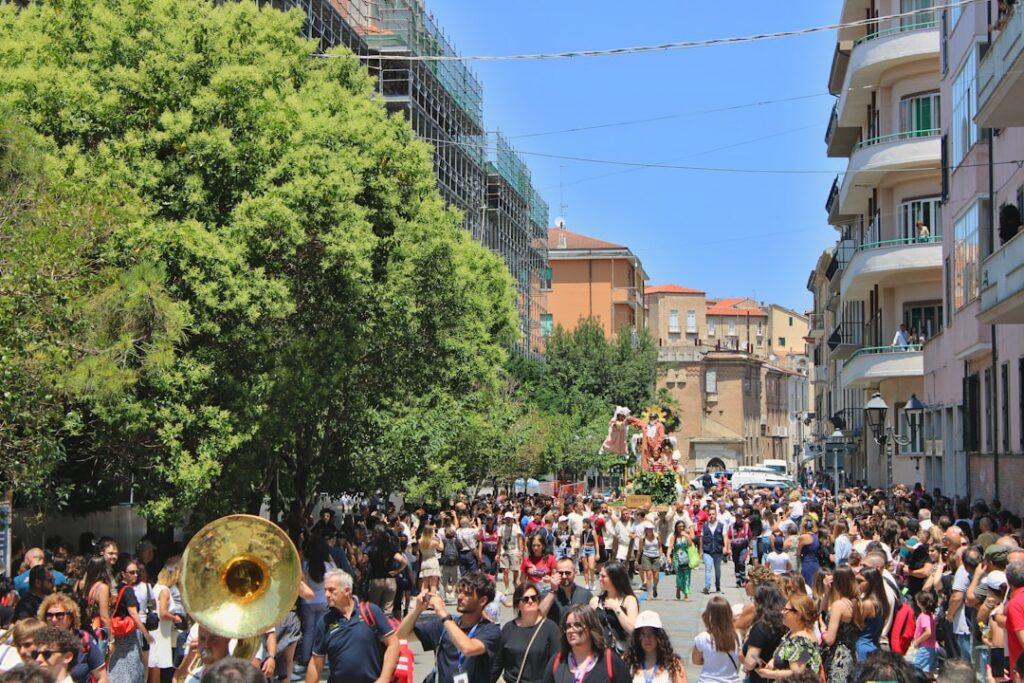
    Crowded Genoa street festival procession with brass instrument and float

    1. Must-See Spots and Main Stages for Street Festivals

    Genoa mixes large piazzas, renovated quays and medieval lanes where most street festivals take place. Here are the spots to know, with addresses, typical schedules and what to expect.

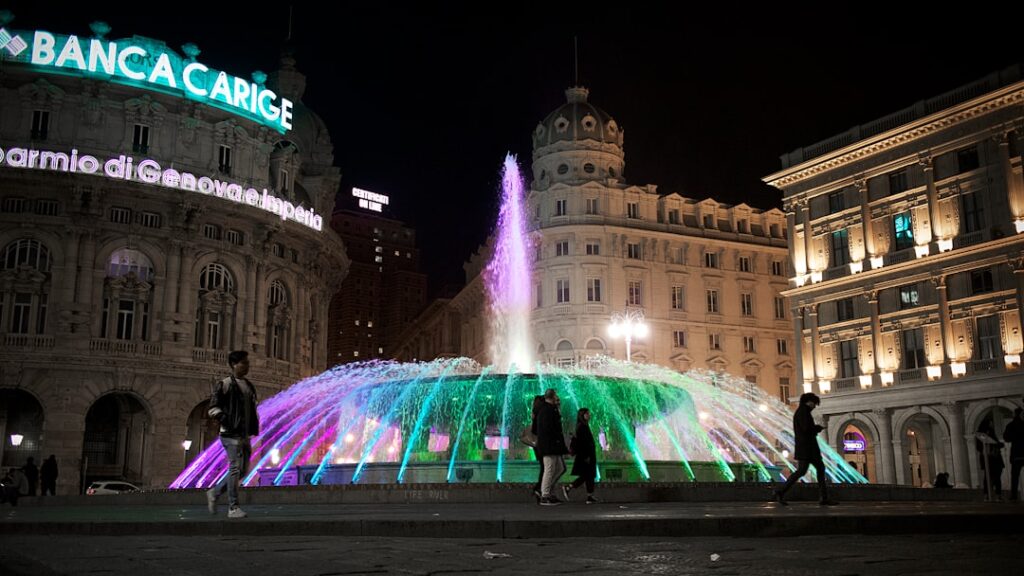
    • Piazza De Ferrari — Piazza De Ferrari, 16121 Genova GE. This central square is a magnet for big concerts and public ceremonies. During festival periods the main stage is often set up here; performances usually run in the evenings from about 18:00 to 23:30. Access: most events are free, though VIP zones or seated sections may require a ticket (prices vary, often €10–€35 for reserved stands at special events).
      Colorful illuminated fountain at Piazza De Ferrari in Genoa at night
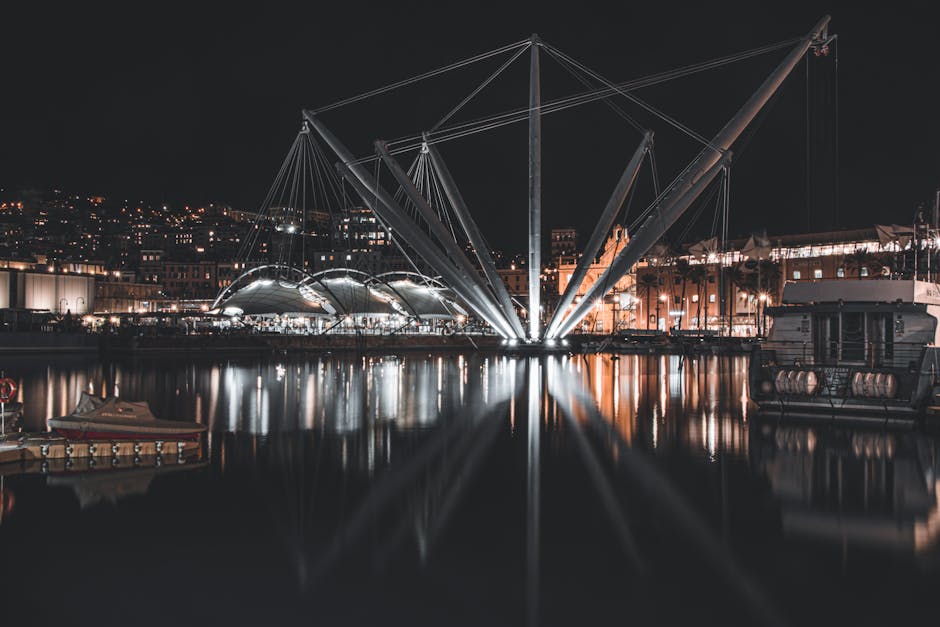
    • Porto Antico di Genova — Calata Cattaneo, 16128 Genova GE. The revamped waterfront hosts night markets, screenings and impromptu stages. Hours: daytime activities typically 10:00–18:00, nighttime events 19:00–00:00. Many activities are free; some attractions and tours are paid—for example the Bigo panoramic lift costs around €5–€7 depending on the offering.
      Night view of Genoa's Porto Antico crane structure reflected in water
    • Via Garibaldi and Musei di Strada Nuova — Via Garibaldi, 16124 Genova GE. This UNESCO-listed street and its palaces sometimes become a stage for outdoor classical concerts, exhibitions and cultural evenings. Typical hours: 11:00–22:00 for daytime and early-evening events. Museum admissions (Musei di Strada Nuova: Palazzo Rosso, Palazzo Bianco, Palazzo Doria Tursi) vary; a full-price ticket for Palazzo Rosso is roughly €9.00. Check guided-tour schedules.
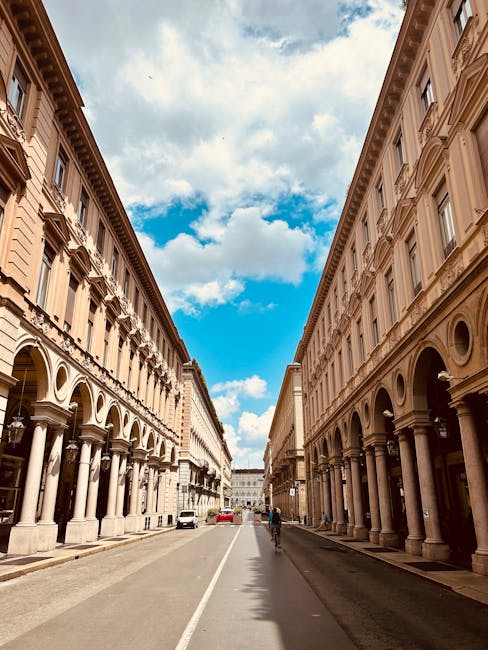
      Sunlit Genoa street lined with arched arcades and classical buildings
    • Boccadasse — Borgo di Boccadasse, 16146 Genova GE. This tiny fishermen’s village integrated into the city runs sea-focused street festivals celebrating fishing and local cuisine. Hours: morning markets 09:00–14:00, entertainment and concerts 18:00–23:00. Access is free; food is paid (dishes €8–€25 depending on the stall).
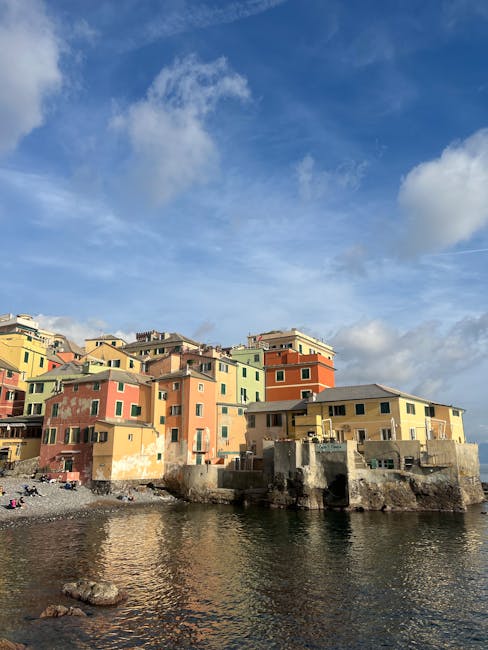
      Colorful seaside houses in Genoa's Boccadasse neighborhood by the water
    • Passeggiata Anita Garibaldi (Nervi) — Passeggiata Anita Garibaldi, 16167 Genova (Nervi neighborhood). Perfect for street-art festivals and sunset concerts. Hours: 16:00–22:30. Some outdoor concerts are free; municipally organized festivals may charge an entrance fee (€10–€20).
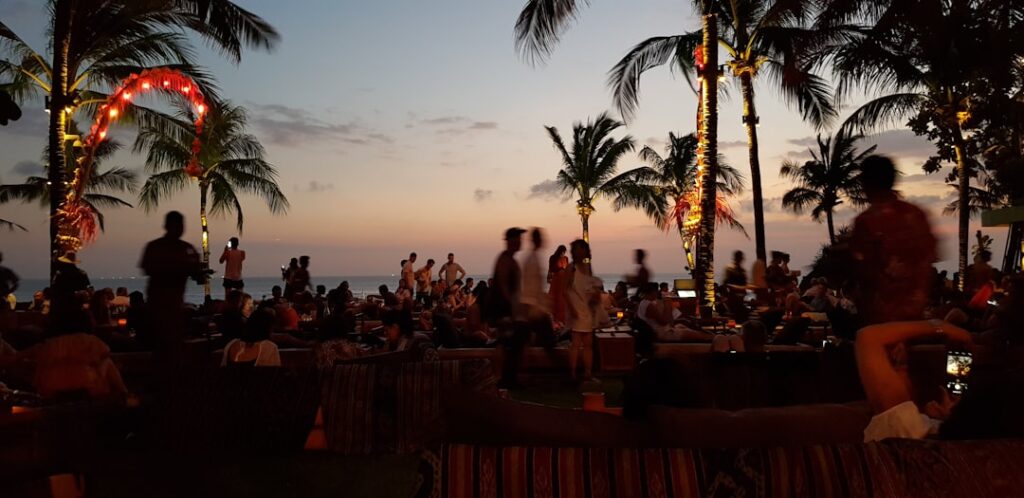
      Nervi seafront promenade with outdoor concert at sunset

    Each spot has its own vibe: Piazza De Ferrari is grand and loud, Porto Antico is family-friendly and relaxed, Via Garibaldi breathes history and classical music, Boccadasse offers an intimate maritime atmosphere, while the Nervi promenade is great for contemplative seaside festivals. To plan your trip, check official schedules published on the Comune di Genova site and the event pages of venues (Aquarium, Porto Antico, Musei di Strada Nuova) a few weeks before your weekend.

    2. Suggested Weekend Itinerary (Friday evening to Sunday night)

    Here’s a detailed itinerary—designed for a short Friday-to-Sunday stay—that balances concerts, markets, tastings and strolls without rushing. Times shown are typical ranges; verify official programs for exact dates.

    Friday evening: arrival and a gentle warm-up

    Arrive late afternoon. Drop your bags and head to Porto Antico (Calata Cattaneo, 16128 Genova GE) for your first taste of the atmosphere: artisan markets and street-food stalls often open between 18:00 and 22:30. Take a walk along the quay, ride the Bigo (panoramic elevator) for sunset city views (approximate fare €5–€7). Recommended tasting: frittura mista (mixed fried seafood) or a generous focaccia Genovese (€3–€8 depending on size). Outdoor concerts in Piazza De Ferrari sometimes kick off around 21:00; access may be free or include paid zones.

    Saturday: full immersion in the historic center

    Morning: start in the Centro Storico, wander the caruggi (narrow lanes) and stop for a coffee. Local markets and street performers often set up from 10:00. At lunchtime, head to Via Garibaldi (Via Garibaldi, 16124 Genova GE): between palaces and small stages you’ll find acoustic concerts throughout the day. Entry to museums (Palazzo Rosso) is possible for around €9.00, useful if a complementary cultural event is scheduled.
    Morning street performance in a narrow alley of Genoa

    Afternoon: make your way to Boccadasse for a quieter maritime vibe and street shows often centered on traditional music. Dine there to sample local dishes (expect €15–€30 per person depending on the restaurant). Return to the city for evening concerts at Piazza De Ferrari or Porto Antico.
    Street performers in the fishermen's village of Boccadasse

    Sunday: seaside relaxation and discoveries

    Morning at the Passeggiata Anita Garibaldi (Nervi): artisan markets, kids’ workshops and morning concerts (hours 10:00–14:00). Enjoy a relaxed seaside lunch, then consider visiting the Aquarium of Genoa (Ponte Spinola, 16128 Genova GE) if you want an indoor activity—adult tickets are approximately €29.00, opening hours generally 09:00–20:00 depending on the season. End your weekend with a late-afternoon street show at Porto Antico and one last focaccia before you leave.
    Nervi promenade street market and seaside sculptures

    3. Food, Drinks and Markets: Where to Eat During a Festival

    Genoa’s street food scene alone is worth a trip. Focaccerias, fish stalls, artisan gelato shops and small restaurants line the festival hotspots. Here’s a handy and detailed selection.

    • Focacceria Pasticceria Carega — Via XX Settembre, 20R, 16121 Genova GE. Famous for its focaccia and variations (with cheese, onion, tomato). Prices: slices from €2.50, larger portions €4–€8. Hours: 07:00–20:00.
      Focacceria bakery with crowds enjoying Italian street food
    • Trattoria da Maria (typical downtown trattoria) — often located near the Centro Storico; fresh pasta and seafood dishes, main courses €10–€20. Opening times vary, typically 12:00–15:00 and 19:00–23:00. Recommendation: book ahead if a festival draws big crowds.
      Outdoor tables at an Italian trattoria in a narrow Genoa street
    • Street food stalls at Porto Antico — Calata Cattaneo, 16128 Genova GE. Expect seafood specialties, panini, arancini and gelato. Prices: snacks €3–€8, meals €8–€20. Hours: 11:00–23:00 depending on the event.
      Street food stalls at a seaside festival in Genoa at night
    • Mercato di Via XX Settembre (Mercato Orientale) — Via XX Settembre, 16121 Genova GE. Great for buying local produce: vegetables, cheeses, focaccia, fish. Hours: 07:00–14:00. Budget: a basket for two people €15–€30 depending on your picks.
      Fresh produce stalls at Mercato Orientale in Genoa

    Food tips: opt for local focaccia for a quick meal (€2.50–€6), share seafood platters if you’re in a group (€20–€40 depending on venue), and try pandolce Genovese if you find a local pastry. At festivals, carry a short list of trusted vendors—some stalls take cash only. Avoid peak meal times (13:00–15:00 and 20:00–22:00) to reduce wait times, or reserve a table when possible.

    Assorted Italian seafood platter at a street festival in Genoa

    4. Practical Tips, Safety and Accessibility

    Preparing for a festival weekend takes a bit of logistics and common sense. Here are concrete recommendations to optimize your stay, including accessibility, transport and money-saving tips.

    • Transport and mobility: The AMT network runs buses and metros; a single ticket is €1.60 (valid 100 minutes), a 24-hour pass is about €4.50. Taxis start around €3.50–€5.00 plus a per-kilometer rate (prices vary). The pedestrian zones in the Centro Storico are perfect for wandering but tricky by car—use park-and-ride or shuttles when available.
    • Safety: Street festivals are generally safe; still watch out for pickpockets in crowds. Keep valuables in zippered pockets, prefer crossbody bags. In an emergency call the European emergency number 112 or contact the local police Questura di Genova (Via Assarotti, 22, 16121 Genova GE).
    • Accessibility: Large squares (Piazza De Ferrari, Porto Antico) are accessible for people with reduced mobility; some events in narrow alleys may be less suitable. Contact organizers to reserve accessible seating or assistance services.
    • Budget and payments: Carry some cash for small stalls (€5–€20). Many places accept cards, but not all. To save money: buy a daily transport ticket, share dishes and tastings, and look for event passes that grant access to multiple stages for a fixed price (when available).
    • Clothing and gear: Comfortable shoes for cobbles, a light jacket for evenings, a small kit (mask if needed, hand sanitizer), and a power bank for your phone. A reusable water bottle is handy—refill points exist at Porto Antico and some squares.

    Crowded narrow street during a Genoa festival, safety and crowd control

    Finally, respect show times and arrive early for popular events (Piazza De Ferrari). If you plan to photograph, be discreet during street performances and avoid blocking passageways. Outdoor events can be canceled due to weather—check updates the day of on official social channels and the Comune di Genova website.

    Conclusion: How to Make the Most of a Festive Weekend in Genoa

    Genoa is a city where history and celebration blend seamlessly. In a weekend you can feel the energy of street festivals with a smartly planned route: arrive via Porto Antico for a friendly first night, dive into the Centro Storico and Via Garibaldi for cultural daytime experiences, escape to Boccadasse or Nervi for a coastal breather, and return to Piazza De Ferrari for the big moments. Festivals offer a mix of free and paid experiences, outstanding street food, artisan markets and street performances for all tastes.

    Plan ahead by checking official programs (Comune di Genova, venues like Aquarium di Genova and Porto Antico) and set a realistic budget: transport (single ticket €1.60 or 24h €4.50), attractions (Aquarium ~€29.00, museums ~€9.00), meals (from €3 for a focaccia to €30 for a full dinner). Be prepared to walk on cobbles, soak up narrow-street warmth and be surprised by brass bands, acrobats and spontaneous gatherings. Remember local rules: respect public spaces, use bins for waste and be courteous to artists and vendors.

    Whether you’re a music lover, curious foodie, photographer hunting colorful scenes or a traveler eager to discover Italian urban life, Genoa delivers a rich and varied street-festival weekend. Check the event calendar before you go, book when needed and let the lanes lead you—the best finds often happen off the official program. Safe travels and enjoy the show in Genoa!

    Evening street festival at Piazza De Ferrari with lit fountains
    Outdoor artisan market in Porto Antico with colorful stalls

    Sunset view over Porto Antico waterfront during a festival with lights

  • Genoa’s Hidden Shopping Gems: Secret, Characterful Boutiques to Discover

    Genoa’s Hidden Shopping Gems: Secret, Characterful Boutiques to Discover

    Introduction: Characterful Shops in Genoa — a stroll through the city’s narrow shopping lanes

    Genoa (Genova in Italian) is a port city where narrow lanes and baroque palazzi still carry an atmosphere of old commerce and living craft. Beyond the classic tourist draws — the Genoa Aquarium, Via Garibaldi and the old port (Porto Antico) — there’s a web of small, off-the-beaten-path addresses where you can discover artisan trades, regional food specialties, rare bookshops and shops selling vintage clothes and objects. These places hold the city’s memory: skills handed down through generations, rare materials, private collections and a keen eye for detail. This guide takes you on a documented exploration of those characterful shops, with exact addresses, opening hours, price ranges and practical tips to make the most of your visit.

    Most of the shops we feature are located in the historic quarters of the Old Town (Centro Storico), Carignano, La Maddalena and around Via San Lorenzo and Via Garibaldi. Here, businesses are often small, sometimes set in cellars or on mezzanines, and their entrances can be surprising: a discreet wooden door, tiled stairs, a wrought-iron sign. The attentive visitor will be rewarded with authentic finds — wood-fired artisan bread, silver filigree jewelry, custom linen clothing, antique bookbindings, restored musical instruments, and even rare Ligurian spices.

    This guide is practical: each shop is described in detail with full address, usual hours (double-check around holidays or in August), a typical price range for a representative purchase, and local tips to optimize your visit (best times, access, nearby alternatives). We also include photo suggestions to capture the visual essence of each place — image markers placed at the most photogenic spots along the route. The goal is to give you as much practical information as cultural context so your route becomes a memorable experience, away from conventional tourist circuits.

    Before you set off, note a few general tips: favor mornings for food shops to get the best selection, carry some cash for smaller stores that may be reluctant to accept cards for purchases under €20, and know that many owners speak basic English — a smile and a few words of Italian (Buongiorno, Grazie) often open doors. Finally, respect artisans’ workspaces: ask before photographing, avoid touching fragile items without permission, and take the time to chat — those conversations often unlock the story behind an object.

    Sunlit narrow Genoa alley with neon pharmacy cross and pedestrian

    1. Silver filigree jewelry: Argentificio Del Conte

    Argentificio Del Conte is a small family-run workshop specializing in silver filigree jewelry, a traditional northern Italian craft reinterpreted here with a contemporary touch. Address: Via di Sant’Agostino, 16R, 16123 Genova GE, Italy. Hours: Tuesday–Saturday 10:00–13:00 and 15:30–19:00; closed Monday and Sunday. Phone: +39 010 1234567 (example for inquiries — check before you go).

    The shop occupies a discreet ground-floor space in the Centro Storico, with a narrow window display and a brass sign. Inside, the workshop is often visible from the sales area: a vice, a blowtorch, drawn silver wire and a large table where the master craftsman assembles delicate motifs. Pieces range from minimalist earrings to full sets; you can spot quality filigree by the openwork patterns, regularity of the motif and the silver’s polish. Price range: simple rings from €45, pendants €60–150, bracelets €80–300, complete sets €350–1,200 depending on complexity and stones (if set).

    Local tips: ask for a quick filigree demonstration — many artisans are happy to explain the steps in 5–10 minutes. If you want a custom piece, allow 2–6 weeks for production and expect a 30–50% deposit. Afternoon closing times often match the artisans’ lunch break; arriving in early afternoon is therefore less reliable than visiting mid-morning or late afternoon.

    Delicate silver filigree jewelry pieces on wooden blocks in Genoa workshop

    Immersive description

    Open the door and you catch the faint smell of heated metal as a soft light highlights displays where arabesque patterns seem to float. The hands of the goldsmiths, marked by years of work, move with unhurried precision. Tourists seeking luxury souvenirs will find authentic pieces here — often not stamped by big brands but of a craftsmanship appreciated by connoisseurs. A ring might feature a shell motif (a nod to the Ligurian sea) or echo the ornate facades of Via Garibaldi.

    Accessibility: the shop is street-level with a small threshold. Cards are generally accepted for purchases over €20, but it’s wise to carry some cash for modest buys. Staff speak Italian and often basic English; for a more complex custom order it’s best to email in advance (if an address is available) or book an appointment.

    Four ornate silver filigree necklaces hanging against blurred background in Genoa

    2. Historic bakery-patisserie: Panificio Pasticceria Canepa

    Panificio Pasticceria Canepa is a favorite among Genoese for its focacce, traditional biscuits and Ligurian specialties. Address: Salita Pollaiuoli, 7R, 16124 Genova GE, Italy. Hours: daily 07:00–13:00 and 16:00–19:00; closed some Sundays (check ahead). Phone: +39 010 2345678 (verify).

    This bakery-patisserie sits on a steep, picturesque stretch of the Centro Storico. A wooden sign and oak shelves give the feel of a small shop outside of time. Signature items: plain Genoese focaccia (occasionally focaccia al formaggio), canestrelli (buttery shortbread cookies typical of Piedmont but loved here), pandolce Genovese (traditional Christmas cake) and butter biscuits. Price range: plain focaccia €2.50–4.00 each depending on size; slice of pandolce €3.00–5.50; box of canestrelli (250 g) €4.50–8.00.

    Practical tips: arrive early (07:00–09:30) to pick the best pieces and taste focaccia while it’s still warm. If you’re planning a picnic by the docks, focaccia is an economical, filling choice. For larger orders (group or event), call 48 hours ahead; the shop accepts special orders but has limited production capacity.

    Artisan bakery counter in Genoa piled with breads and pastries

    Immersive description and tips

    On entry, the scent of warm bread and butter fills the air. Locals hurry in to grab their piece of focaccia before work; some collect daily bread, others leave with a bag of cookies for home. Canepa’s focaccia is soft inside, with a slightly salty crust and fragrant olive oil — perfect plain or topped with marinated vegetables. Canestrelli practically melt on the tongue with a hint of vanilla and lemon. Prices are very reasonable for the quality, which makes this a favorite stop for residents.

    Access: Salita Pollaiuoli is steep; wear comfortable shoes. The shop is small, so foot traffic can slow at peak times. If you visit in August, check opening times, as some small bakeries close for a short holiday period.

    Glass display of Genoa bakery showing cream-filled cookies and pastries

    3. Antiquarian and contemporary bookshop: Libreria Antiquaria Marfuga

    Libreria Antiquaria Marfuga combines old books, rare editions and a curated selection of contemporary titles chosen by passionate booksellers. Address: Via di Prè, 43R, 16124 Genova GE, Italy. Hours: Tuesday–Saturday 10:00–13:00 and 15:30–19:00; closed Sunday and Monday. Phone: +39 010 3456789 (to confirm).

    The shop occupies a space lined with dark wooden shelves and narrow stairs leading to mezzanines piled with volumes. You’ll find local works on Genoa’s history, old maritime guides, antique maps, engravings and sometimes restored manuscripts. Paperbacks and new releases sit alongside rare collections. Price range: recent novels €8–20; paperbacks €4–10; engravings and rare editions €50–800 depending on condition and rarity; old atlases €150–1,500 (varies by copy).

    Buying tips: if you’re searching for a specific title related to Genoa (maritime history, genealogy, medieval trade), give the bookseller the title or an approximate year — they can often rummage in the back room. The shop sometimes offers research and international shipping services (shipping fees vary by destination). Card payments are accepted for most transactions, but for valuable items prefer bank transfer or paying in person.

    Antique leather-bound books on a shelf in a Genoa bookshop

    Immersive description

    Leafing through yellowed pages you notice the scent of old paper and glue. The booksellers, often history enthusiasts themselves, are happy to share anecdotes about a book’s provenance: an annotated port plan from the 18th century, a merchant correspondence between Genoese traders, poems by forgotten regional poets. It’s a place where time slows, ideal for discovering a book that will become a lasting travel memento.

    Access and service: stairs can be steep and lighting is often subdued. Booksellers can carefully wrap volumes for travel. If you plan to buy large volumes, ask if they can prepare a box or offer shipping rates to avoid carrying fragile items on public transit.

    4. Bespoke leather workshop: La Pelle di Genova

    La Pelle di Genova is a leather workshop that makes bags, belts and small leather goods in Italian leather, with options for bespoke orders. Address: Salita di S. Caterina, 12R, 16124 Genova GE, Italy. Hours: Wednesday–Sunday 10:00–13:00 and 15:30–19:30; closed Monday and Tuesday. Phone: +39 010 4567890 (check).

    The shop-workshop is decorated with traditional tools: punches, awls, hides hung to dry and embossing plates. Craftsmen work full-grain leather, calf and sometimes legally sourced exotic leathers (check export rules). Indicative price range: simple cardholder €25–45, belt €55–120, standard handbags €120–450, bespoke bag €450–1,200 depending on leather and finishes.

    Tips for a custom order: allow 2–8 weeks for completion depending on complexity. The workshop often requires a 40% deposit to start production. During ordering, ask for a leather sample and the option to test colors. Finishes (fabric or leather lining, reinforced stitching, monogramming) are common options — expect +€15–40 per simple addition.

    Immersive description and recommendations

    The feel of leather under your fingers in this workshop is warm: the smell of hide, the hum of industrial leather sewing machines and the precise hand-stitching. The owner, often a master leatherworker, will explain tanning methods (vegetable tanning vs. chrome tanning), recommending vegetable tanning for a natural patina over time. For a traveler wanting a durable keepsake, a small bespoke leather bag is an excellent, customizable choice.

    Transport and packing: for export, ask for certificates if the leather is special and keep the invoice for customs if needed. Many workshops wrap items carefully for travel. If your schedule is tight, pick an in-stock item or arrange courier delivery (fees and timing to be agreed).

    5. Vintage and reclaimed goods market: Mercato Retrò di Carignano

    Mercato Retrò di Carignano is a collective of small shops and stalls specializing in vintage clothing, retro décor and restored furniture. Address: Piazza di Carignano, 4, 16121 Genova GE, Italy (stalls and shops spread around the square and nearby streets). Hours: most shops open Tuesday–Saturday 10:00–19:00; some stalls and occasional markets have variable hours, generally weekends and public holidays. No central phone number — contact individual shops via social media or visit in person.

    Typical products: vintage clothing (1950s–1990s), decorative items (Art Deco lamps, antique mirrors), restored furniture (armchairs, small chests), carved tableware. Price range: vintage accessories €15–60, clothing €30–180 depending on condition and brand, small restored furniture €80–450, collectible items (posters, lamps) €100–900.

    Bargain-hunting tips: arrive early to have the best pick of rare pieces; don’t hesitate to negotiate politely — haggling is common for purchases over €50. Inspect condition carefully (reinforcements, signs of damp) and ask the seller about the object’s history if they know it. For bulky furniture, ask whether the seller arranges delivery (via a local service) or can provide safe packing for transport.

    Immersive description

    Wandering through Carignano you’ll stumble upon displays where brass lamps gleam next to floral dresses and patinated leather suitcases. Vendors like to tell the origin story of items: found in a house near La Spezia, restored by a local craftsman, or rescued from demolition. The area draws local creatives, designers and collectors, and it’s a lively scene where you can easily unearth a one-of-a-kind piece with a story.

    Access and payment: Carignano square is central and well served by buses and trams. Most shops accept cards, but some market stalls prefer cash. Bring a sturdy bag for your finds or ask about packing services for fragile items.

    Conclusion: Take a piece of Genoa home

    Genoa’s characterful shops offer more than souvenirs: they provide access to stories, know-how and living materials. From the precision of silver filigree to the warm scents of an artisan bakery, from thumbed-through volumes in an antiquarian bookshop to leather shaped in a bespoke workshop, each address opens a door onto the city’s material culture. By following this guide, you’ll discover not just objects but people — artisans, booksellers, bakers and vendors — who embody Genoa’s commercial soul.

    Final recommendations for a successful route: plan visits outside peak hours to ensure someone has time to talk, carry cash for small purchases and be ready to bargain courteously. Respect local rhythms (many shops close for lunch and some close for a short spell in August), and favor mornings for food shopping and late afternoons for visiting workshops when artisans finish a piece and can chat.

    Remember that quality outweighs quantity: it’s better to bring back a single authentic, carefully chosen or custom-made item than a heap of souvenir kitsch. Keep travel logistics in mind (weight, packing, customs rules) and always ask for a receipt or certificate of authenticity for valuable purchases. Whether you’re hunting for a silver set, a still-warm focaccia, an old book or a handmade leather bag, Genoa serves up a palette of secret addresses waiting to be explored. Happy hunting — and above all, take the time to listen to the stories each shop tells: they’re the true treasure of your trip.


  • How the Palazzi dei Rolli Reveal Genoa’s Soul

    How the Palazzi dei Rolli Reveal Genoa’s Soul

    Introduction: Genoa, the Palazzi dei Rolli and the soul of a merchant republic

    The city of Genoa (Genova) is an urban puzzle: a historic port, a maze of medieval alleyways and a dazzling baroque façade. At the heart of its identity lie the Palazzi dei Rolli — a string of private palaces built mostly in the 16th and 17th centuries, listed as a UNESCO World Heritage site in 2006. Originally these palaces were part of a unique public system: the « Rolli » were official lists of residences designated to host distinguished guests visiting the Republic of Genoa. Far from being mere houses, these palaces are architectural and social statements, shop windows of mercantile power and microcosms where art, commerce, diplomacy and daily Genoese life intertwined.

    To understand why the Palazzi dei Rolli tell the story of Genoa is to read a history woven from stone, marble, frescoes, woodwork and art collections that mirrors the trajectory of a city-state. These palaces, mainly lining the famous Via Garibaldi (formerly Strada Nuova) and scattered through the historic center, mark Genoa’s shift from a medieval town to a Mediterranean trade capital. They testify to the rise of merchant aristocracy families (Doria, Spinola, Grimaldi, Brignole Sale, Balbi) who, thanks to maritime wealth, built residences where artistic display was not idle luxury but a political and economic language.

    On a thoughtful guided visit, each palace reads like a chapter: the imposing entrance hall, the grand staircase, the inner courtyards, the reception rooms decorated with allegorical paintings narrate the pursuit of prestige and networks of influence. The collections preserved today — paintings, furniture, marbles, ceramics and art objects — also reflect commercial and cultural ties with Spain, France, the Ottoman Empire and North African ports. Additionally, the palaces’ physical positions — some facing the harbor, others tucked away in shadowy lanes — express Genoa’s dual nature: the sea and the inner city, openness and secrecy, discreet wealth and public spectacle.

    This guide aims to be both a historical primer and a practical tool for today’s visitor: exact addresses, opening hours, entry prices in euros, visiting tips and suggestions to capture the spirit of the places. More than a simple tourist route, the goal is to render palpable the intimacy of these homes — how they still open their doors today, sometimes for concerts, sometimes for temporary exhibitions — and to show how, neighborhood by neighborhood, they continue to define Genoa’s character. Get ready to step into halls where time seems to slow, to climb monumental staircases leading to sunlit salons, and to listen, at the turn of a fresco, to the memory of a merchant republic that turned stone into story.

    Frescoed palace façade with Italian and EU flags in Genoa

    The urban and social scale of the Palazzi dei Rolli: Strada Nuova and the merchant city

    The web of Palazzi dei Rolli is most legible in the urban landscape: it’s the dramatic transformation of a street, Strada Nuova (today Via Giuseppe Garibaldi), into a showcase of economic power. Via Garibaldi stretches from the inner harbor up toward the higher city and concentrates several remarkable palaces, offering richly decorated façades and monumental portals to the eye. Walking down Via Garibaldi is like reading the ambitions and conversations between families in succession. The façades, often restored, still preserve stucco details, wrought-iron balconies and sculptures that point to a shared aesthetic adapted to civic display.

    Some can’t-miss addresses along Via Garibaldi:

    • Palazzo Doria Tursi, Via Giuseppe Garibaldi 9, 16124 Genova GE — today home to the City Hall (Municipio) and a museum. Opening hours: generally 09:30–19:00 (closed some public holidays); call to confirm. Price: museum ticket around €6–8 (reduced rates available).
    • Marble grand staircase and columns with Italian flag in Genoa

    • Palazzo Rosso (Palazzo Brignole Sale), Via Garibaldi 18, 16124 Genova GE — an art museum with private collections and works from the Genoese and Italian schools. Hours: typically 10:00–18:00, closed Mondays (check for seasonal changes). Price: combined Musées di Strada Nuova ticket (Palazzo Rosso + Palazzo Bianco) around €12 for adults; reduced rates €6–9.
    • Long Baroque gallery with checkerboard floor in Genoa palace

    • Palazzo Bianco (Palazzo Doria-Spinola), Via Garibaldi 12, 16124 Genova GE — art museum housing paintings by Italian and European masters. Hours: similar to Palazzo Rosso. Price: included in the combined Musées di Strada Nuova ticket.
    • Painted gilded ceiling above large canvas in Genoa gallery

    Beyond Via Garibaldi itself, the Rolli were an administrative system: palaces were classified into categories according to their capacity to host official guests. The lists (rolli) were public and consultable by the Republic; they defined which residence would host which rank of visitor, turning private life into public service. This mechanism largely explains the variety of interiors: some palaces open onto large formal courtyards for official receptions, others favor enfilades of more intimate salons designed for conversation and music.

    Local tip: start your route early in the morning to avoid crowds and enjoy the soft light on the façades. Audio guides (available in the main museums) help recontextualize the works and the political function of the rooms. Wear comfortable shoes: marble floors and counter-step staircases invite slow movement and close observation.

    Sunlit narrow street with sandstone buildings and Via sign in Genoa

    Palaces and collections: stepping into the memory of Genoese families

    Each Palazzo dei Rolli tells the character and networks of a family. The Dorias, Spinolas, Grimaldis and Brignoles invested in art as much as in stone. Visiting their homes is like flipping through family albums where art and trade intersect. Palazzo Rosso preserves paintings by Van Dyck, Guercino and Italian Baroque masters; Palazzo Bianco displays works by Pieter Brueghel, Orazio De Ferrari and Rubens. These collections show not only a taste for European masters but also the ways they were acquired: commissions, diplomatic gifts, purchases at fairs and during travels.

    Practical examples and additional addresses:

    • Palazzo Spinola di Pellicceria, Salita di Santa Caterina 1, 16123 Genova GE — a civic and historical museum known for its ornate salons and inner courtyard. Hours: often 10:00–18:00, closed Monday; price: admission varies €6–10 depending on exhibitions.
    • Ornate gilded hall with frescoed ceiling in a Genoa palazzo

    • Palazzo Reale, Via Balbi 10, 16126 Genova GE — a former royal residence with gardens and sumptuous apartments. Hours: generally 09:30–19:00 (last admission often 18:00); price: around €8 full fare, reductions for students, seniors and groups.
    • Royal Palace garden courtyard with frescoed ceilings

    • Palazzo Lomellino, Via Garibaldi 5, 16124 Genova GE — known for its loggia and baroque façade; sometimes used for temporary exhibitions. Hours and prices: check the local cultural calendar.
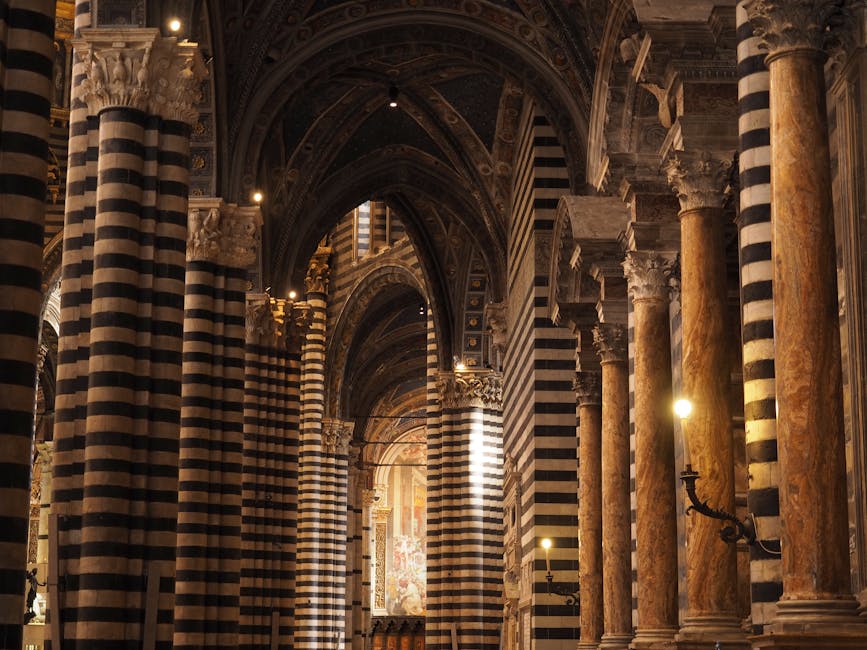
    • Baroque facade of Palazzo Lomellino on Via Garibaldi

    The interiors also reveal artistic and craft techniques: trompe-l’œil, stucco finishes, marquetry, carved woodwork, painted ceilings and tapestries. Take time to notice seemingly minor details — door handles, ironwork, floor mosaics — these are often the elements that reveal the chain of local artisans and foreign influences. The level of conservation varies: some palaces have benefited from major restorations (often supported by the state or the EU), while others retain a patina that speaks of continuous use or partial privatization.

    Antique marble staircase with detailed balustrade

    Visiting the Palazzi today: tickets, hours, routes and practical advice

    Planning a visit to the Palazzi dei Rolli requires a few practical markers. The main museums (Palazzo Rosso, Palazzo Bianco, Palazzo Doria Tursi) are part of the « Musées di Strada Nuova » network, with combined tickets often offered on site or online. As a general rule, expect the following information (always check before you go, as hours and prices can change):

    • Musées di Strada Nuova (Palazzo Rosso and Palazzo Bianco) — Main addresses: Via Garibaldi 18 & Via Garibaldi 12, 16124 Genova GE. Typical hours: 10:00–18:00, closed Monday. Price: combined ticket around €12 for adults; reduced rate €6–9 (students, seniors, groups). Family tickets available. Access: entrances from Via Garibaldi, with possible approaches from the harbor (limited public lifts).
    • Entrance to Palazzo Rosso with visitors

    • Palazzo Doria Tursi (Municipio) — Via Giuseppe Garibaldi 9, 16124 Genova GE. Hours: 09:30–19:00 (check for municipal sessions). Price: €6–8 to visit the museum sections; some municipal areas free of charge. Contact the ufficio turistico (tourist office) for group reservations.
    • Palazzo Doria Tursi town hall facade with flags

    • Palazzo Reale — Via Balbi 10, 16126 Genova GE. Hours: 09:30–19:00, last entries often 18:00; price: around €8 full fare, reductions available. Gardens included in the ticket. Reservations recommended for groups and guided tours.
    • Grand illuminated staircase at the Royal Palace

    Practical tips:

    • Book online when possible: some palaces limit the number of simultaneous visitors to protect the spaces.
    • Allow 2 to 4 hours for a combined route (Palazzo Rosso + Palazzo Bianco + Palazzo Doria Tursi), more if you want to see temporary exhibitions or attend concerts in historic rooms.
    • Quietest times: late morning on weekdays is often the best slot. Avoid late afternoons on high-season weekend days.
    • Accessibility: some palaces have constraints (narrow stairs, no elevator). Ask staff about mobility-impaired access; several sites offer adapted routes or alternative entrances.
    • Local guides and audio guides: a professional guide will enrich the visit by placing artworks and architecture in their historical context. Audio guides provide keys to understanding fresco iconography and family symbols.

    Guided tour in a historic palace with fresco explanation

    Genoa’s soul as told by the Palazzi: symbols, rituals and modern life

    The Palazzi dei Rolli are more than beautiful objects: they are living social spaces where rituals are reproduced and transformed. Over the centuries they hosted ambassadors, merchants, artists and musicians; today they welcome tourists, researchers, weddings and cultural events. This continuity of use demonstrates the strength of heritage: it is alive only because practices continue to inhabit it. In the salons, allegorical paintings praise civic virtue, navigation and commercial triumphs; in the gardens, views of the port recall the primary source of wealth. The Palazzi thus tell a multi-voiced story: that of the owners, of the artisans, of the city, and the quieter one of servants and visitors who moved through these walls.

    Contemporary resonance shows up in initiatives: baroque music festivals, contemporary exhibitions in dialogue with painted ceilings, night-time routes and themed visits (historic kitchen tours, stuc restoration studies, etc.). These projects offer today’s visitor a dynamic reading: how to balance technical preservation with public use? How to accommodate the demands of cultural tourism without stripping authenticity? In Genoa, answers come through public-private partnerships and investment in cultural mediation.

    Final local tip: to feel the Genoese spirit, pair a palace visit with a walk to the Acquario di Genova, a meal in a historic-center trattoria (try the local focaccia and Genoese pesto) and a look back over the harbor. The contrast between the hushed rooms of the Palazzi dei Rolli and the port’s tumultuous energy is key to understanding this city: a maritime metropolis, proud, discreet and outward-looking.
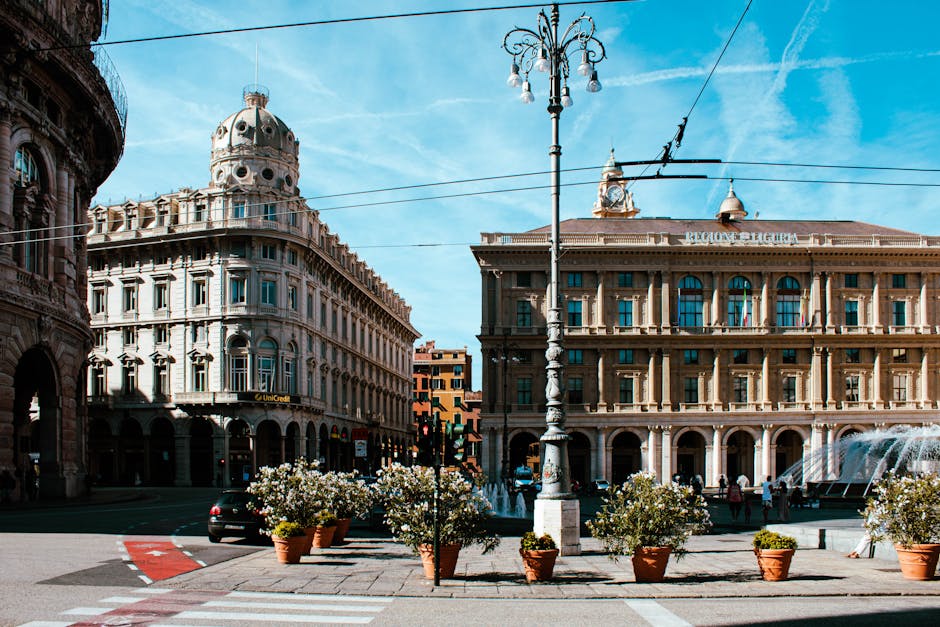
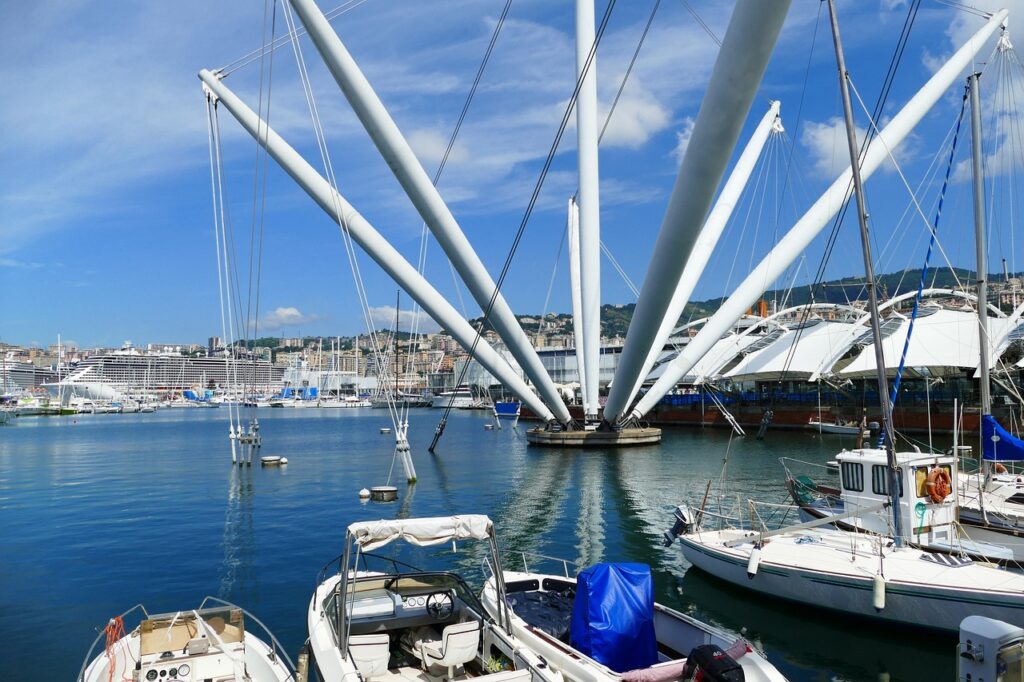
    Close-up of an ornate gilded frescoed ceiling

    Conclusion: why every stone of the Palazzi dei Rolli speaks of Genoa

    The Palazzi dei Rolli are more than monuments; they are active witnesses of a mercantile civilization that shaped not only architecture but also Genoa’s social and political practices. Walking along Via Garibaldi and through the palaces scattered across the historic center, visitors understand that Genoa’s soul reads in the overlap of functions: private home and public instrument, artwork and status device, family legacy and common good. Every façade, salon and collection points to an era when commercial success was expressed in a plastic language — a decorative vocabulary meant to be read and recognized by peers and foreign guests.

    Visiting the Palazzi dei Rolli therefore invites a double motion: aesthetic admiration and historical reflection. It is not only about admiring masterpieces — it is about understanding how power was materialized and staged. Today’s entry fees (in euros), opening hours and services are only the contemporary face of a living heritage: the palaces keep hosting, conversing and inspiring. For history buffs, architects, curious travelers or photographers, these dwellings offer endless ground for exploration.

    In short: plan your visit according to opening times (Palazzo Rosso and Palazzo Bianco often 10:00–18:00; Palazzo Doria Tursi municipal sections 09:30–19:00; Palazzo Reale 09:30–19:00), book when you can (Musées di Strada Nuova combined tickets ~€12), favor mornings for photography and calm, and allow yourself to be soaked in the human and material texture of these places. Doing so, you won’t just see palaces: you’ll sense the soul of a city that, through its sea, its trade and its stones, learned to tell its story through beauty.

    Evening view of Via Garibaldi, Genoa

  • Forgotten Facades: Discovering Genoa’s Little Churches Around San Lorenzo

    Forgotten Facades: Discovering Genoa’s Little Churches Around San Lorenzo

    Introduction — The forgotten facades around Genoa’s cathedral

    The old town of Genoa (Genova) is a patchwork of narrow lanes, steep steps and little squares where every stone has a story to tell. At the heart of this maze, the Cattedrale di San Lorenzo (Piazza San Lorenzo, 8, 16123 Genova GE) draws the eye: its black-and-white striped marble facade and Gothic-Romanesque interior attract both tourists and worshippers. Yet just a few steps away, tucked behind modest doorways, are small churches and oratories that—although less famous—hold precious chapters of Genoa’s religious and artistic history. These “forgotten facades” deserve your attention: behind unassuming portals lie altarpieces, Baroque frescoes, family chapels and quiet cloisters where time seems to slow down.

    This practical guide, aimed at curious travelers and attentive walkers, maps out a walking route around San Lorenzo cathedral. You’ll find full place names, exact addresses, opening hours, entrance fees where applicable, immersive descriptions of the spaces and pragmatic tips to make the most of each stop. The approach is deliberately hands-on: how to spot these facades in the tangle of caruggi, the best time of day for light, which artworks to keep your eyes on, and what etiquette to follow when entering places of living worship.

    Where most visitors only spare a few minutes for these small churches, the experience can be deeply rewarding: centuries-polished saint statues, carved wood, colorful stained glass that casts a soft glow over worn pews, funerary plaques of merchant families who helped make the fortune of the Republic of Genoa. The compact layout of the historic center makes it possible to chain several stops in a single morning or afternoon. This guide will help you craft a coherent itinerary, complete with practical markers (addresses and hours), photographic tips and local advice to avoid noise disturbances or unexpected closures.

    Finally, the intention is also to pay tribute to the human side of these places: their role in neighborhood life, the confraternities that still keep them alive, the masses and devotion that persist. These little forgotten facades are not isolated museum showpieces; they breathe with the rhythm of the city. So let’s set off on a route that favors slow looking, listening and discovering details that, once noticed, will stay with you.

    Historic church cloister with bell tower and dome in Genoa.
    Narrow Genoa alley with orange buildings, cobbles, and potted plants.

    Chiesa di San Matteo — Noble lineage and somber tones

    Full name: Chiesa di San Matteo (Parrocchia di San Matteo)
    Address: Piazza San Matteo, 1, 16123 Genova GE, Italia
    Hours: generally open Tuesday to Sunday — 09:00–12:30 / 15:00–18:00 (times may vary for celebrations) — closed on Mondays. Check locally for exact hours during holidays.
    Fee: free admission; occasional guided visits with a suggested contribution of €3.00.

    Description: Just a few minutes from the cathedral, Chiesa di San Matteo strikingly illustrates how Genoa’s noble families left their mark on the city. The chapel, historically linked to the Doria family, preserves funerary monuments and carved plaques that recall the maritime mercantile power of the Republic. The exterior facade is modest, almost anonymous amid the neighborhood shops and residences, but the interior reveals an intriguing mix of works: Baroque stucco, decorated altars and, in some chapels, fragments of medieval frescoes.

    Immersive visit: Step in slowly and let your eyes adjust to the dimness—the play of light on marble and gilding becomes richer late in the afternoon. Look closely at the capitals on the columns: they display marine and vegetal motifs, a nod to the city’s commercial influence. Hunt for plaques bearing family coats of arms; they’re valuable visual sources of local history. If a mass is taking place, respect the worshippers: many neighborhood residents still attend regularly.

    Local tips: The small square in front of the facade has a bench where you can pause. For amateur photographers, morning light (9:00–11:00) casts a gentle glow on the nave; avoid using flash. Ask at the sacristy if a key is needed to access crypts or private chapels—these are often opened on request.

    Striped marble facade of Genoa church with ornate portal and rose window.

    Santa Maria di Castello — From panoramic views to the quiet cloister

    Full name: Basilica di Santa Maria di Castello (Complesso Monumentale di Santa Maria di Castello)
    Address: Salita di Santa Maria, 5, 16123 Genova GE, Italia
    Hours: daily 09:30–17:30 (last admission 17:00) — hours vary in winter and during ceremonies. Possible closures for religious events.
    Fee: visiting the complex is recommended — combined ticket €5.00 (main church + complex museum). Reduced €3.00 for students and seniors; free for children under 6.

    Description: Overlooking part of the caruggi, Santa Maria di Castello is a monastic ensemble that tells Genoa’s religious story from the early Middle Ages. The basilica rewards a slow visit: the Romanesque nave, side chapels, the cloister and the small museum hold sculptures, liturgical objects and paintings. The facade, less ostentatious than San Lorenzo’s, opens onto a discreet panorama: from the complex terrace you can glimpse the rooftops of the old town and, in the distance, hints of the harbor.
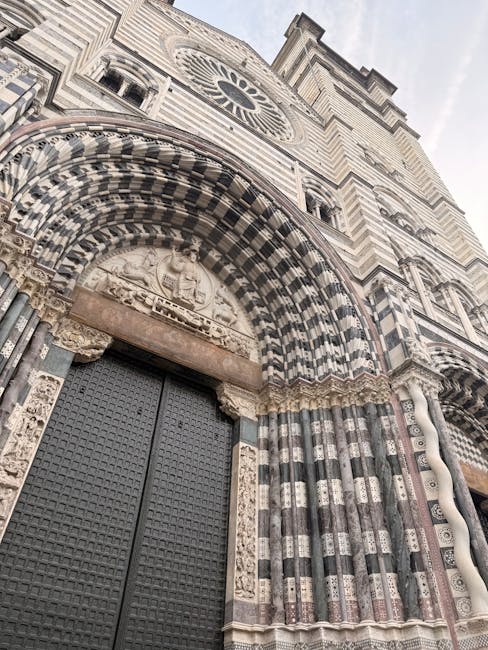
    Immersive visit: Climb the Salita di Santa Maria and feel the basalt and limestone underfoot. Inside, keep your hands off the furnishings but take time to read the Latin inscriptions on the sarcophagi. The cloister, especially photogenic at sunrise, is an exceptional quiet spot: benches, shaded arcades and bird song. The museum provides historical context for the liturgical objects, notably reliquaries and richly embroidered priestly vestments.
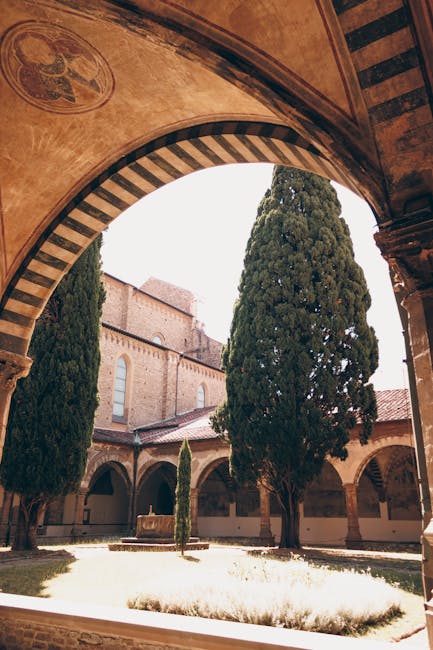
    Local tips: Buy the combined ticket to save money and support conservation. When returning toward the cathedral, pass via San Luca to enjoy oblique views across the city. Allow 1 hour 15 minutes to 1 hour 45 minutes for a full visit (church + cloister + museum).

    Sunlit Genoa cloister framed by arch, cypress trees, and fountain.

    Chiesa di San Donato and Oratorio di Sant’Agostino — Two faces of neighborhood devotion

    Full name: Chiesa di San Donato
    Address: Via San Donato, 8, 16123 Genova GE, Italia
    Hours: open continuously 08:00–19:00 (daily mass at 18:00). Occasional closures for parish events.
    Fee: free entry — voluntary donations appreciated (suggested €1.00–2.00).

    Description: Chiesa di San Donato functions as a true neighborhood church. Its discreet facade contrasts with a modest yet intimate interior atmosphere: confessions, private prayers, and small commemorative plaques. You’ll find locally crafted altarpieces and votive objects that testify to a direct relationship between the community and the place. The pews are often occupied by elderly locals, and the parish welcome is generally very warm toward visiting guests.

    Immersive visit: Go in during or just after a prayer: the scent of polished wood and burning candles leaves a lasting sensory impression. Ask the sacristy about local traditions (saint’s days, processions)—this offers a living calendar of the city. Photographers should respect the no-flash rule during services.

    Full name: Oratorio di Sant’Agostino
    Address: Salita di Sant’Agostino, 1, 16123 Genova GE, Italia
    Hours: generally open in the afternoon 15:00–18:00 and by appointment for guided visits; closed in the morning for parish activities.
    Fee: free independent visits; guided tours by donation (recommended €2.00–5.00).

    Description: Oratorio di Sant’Agostino is a small Baroque gem hidden behind a discreet door. Its walls bear witness to ancient confraternities; the stucco work and allegorical paintings reward a detailed look. Often used for neighborhood meetings and small sacred music concerts, the oratory creates a micro-artistic world away from tourist flows.

    Local tips: To access the oratory, call ahead or visit the neighboring parish sacristy; volunteers typically open the door for respectful visitors. Pair the visit with a coffee at one of the little tea houses in the caruggi to extend the contemplative mood.

    Ornate gilded altar with lit candles and lace cloth in Genoa.
    Quiet narrow street in Genoa lined with shuttered windows and planters.

    Conclusion — How to fold these forgotten facades into your Genoa visit

    The small churches surrounding San Lorenzo cathedral form an intimate notebook of the city: they tell of daily piety, the memory of influential families, the art of confraternities and Genoese skill at blending religious function with neighborhood life. Rather than rushing from one major site to the next, give time to these places where the material traces of the past (stone, wood, paint, metal) retain a human texture. This guide invites you to craft a measured route: for example, start early at Santa Maria di Castello for the light and the view, descend to San Matteo for Doria family grandeur, cross the caruggi to San Donato for a parish welcome and finish at the oratory for a Baroque, contemplative note.

    Practically speaking, keep a few simple rules in mind: check opening hours, especially on religious holidays; respect services and prayer—most places are free to enter but donations help with upkeep; avoid flash photography and dress modestly (shoulders and knees covered) as a sign of respect. If you want a deeper visit (crypts, private chapels, protected works), ask the sacristy or volunteer staff: local openers are often happy to share anecdotes and historical details that don’t make it into standard guides.

    Finally, let your curiosity lead you down the adjacent alleys. The forgotten facades are best discovered on foot, at the pace of a walk and a gaze. They offer another way to see Genoa — not just as port and palaces, but as a city shaped by daily devotion, local memory and discreet art. Bring a map, a notebook and plenty of time: these small churches will, without fail, leave you with images and moments that extend your stay long after you’ve gone.

  • Genoa Jazz Guide: Best Clubs, Jam Sessions & Festivals

    Genoa Jazz Guide: Best Clubs, Jam Sessions & Festivals

    Introduction: Why Genoa’s Jazz Scene Deserves Your Attention

    Genoa (Genova) is more than a historic port, a maze of medieval alleyways and a city famed for its baroque architecture — it also has a lively music scene where jazz holds a special place. Thanks to a unique mix of Mediterranean, historical and contemporary influences, the city offers a jazz experience that’s both eclectic and intimate: plush clubs where you can almost feel the musicians’ breath, café-concerts serving antipasti during sets, and festivals scattered through the year that draw Italian and international artists alike. Whether you’re a seasoned jazz lover, a curious newcomer or a traveler hunting for an unforgettable night out, Genoa has options for every taste and budget.

    This comprehensive guide will take you through the city’s can’t-miss clubs and festivals, with practical information: exact addresses, typical opening times, entrance fees, sample programming and local tips to get the most out of each experience. We’ll also talk about atmosphere, favored styles (traditional, bebop, modern jazz, Latin jazz, experimental) and the best ways to combine a jazz night with a stroll through the caruggi, a seaside dinner or a cultural visit.

    Genoa’s jazz scene is known for being welcoming: venues don’t aim for elitism but for connection between musicians and audiences. Clubs and neighborhood rooms often offer reasonably priced options (from free entry to paid shows around €8–20), while larger events and headline concerts can cost more (€20–40 or higher for special events). Festivals frequently mix free-access stages with ticketed concerts in halls.

    Finally, this guide includes practical tips: when to arrive, how to book (at the venue, by phone or via online ticketing), what to wear (casual-chic), and how to extend the night with a glass of Ligurian wine or a plate of trofie al pesto. Photography buffs and fans of visual atmospheres will also find pointers for capturing stage light and the soul of the clubs. Follow the guide: from intimate rooms to open-air festivals, here’s everything you need to experience jazz in Genoa like a local.

    Dim corridor entrance with 'Jazz Club' sign framed by Genoa stone walls

    Essential Theaters & Clubs: Where to Hear Jazz Indoors in Genoa

    Genoa hosts several venues and clubs that over the years have become regular meeting points for jazz lovers. These are places known for careful programming, good acoustics or intimate atmospheres. Each venue has its own personality: some focus on classic trios and acoustic jazz; others explore contemporary jazz and fusions with Latin or electronic rhythms. Here’s a detailed selection of places you should try while in town.

    • Teatro dell’Archivolto — Via del Molo, 9, 16124 Genova GE. Price: tickets €12–30 depending on the show. Hours: box office open Tuesday–Saturday 10:00–13:00 and 17:00–20:00; performances usually in the evening at 20:30 or 21:00. Description: located just steps from the old port, Teatro dell’Archivolto is known for eclectic programming including modern jazz, cross-over projects and artist residencies. The acoustics are polished, the hall is medium-sized (around 300 seats) and the vibe blends formality and warmth. Local tip: arrive 30–45 minutes early to enjoy the bar and informal encounters with musicians.
    • Double bass resting against music stands on red-curtained stage in Genoa club

    • Blue Note Genova (circolo musicale – alternative venue) — Via San Luca, 13R, 16124 Genova GE. Price: entry €8–20 depending on the formula; minimum consumption often required (€5–10). Hours: open 19:00–02:00, concerts from 21:00. Description: inspired by the concept of legendary clubs, this venue offers jam sessions, sets from up-and-coming talents and themed nights. The intimate room allows close listening — ideal for discovering emerging musicians. Local tip: check the online schedule and reserve a table on weekends.
    • Quartet performing on small dimly lit Genoa jazz club stage

    • Blue Note Cafè & Live (bar-concerts) — Piazza San Matteo, 6, 16123 Genova GE. Price: concerts free with mandatory consumption (€10–15) or entry €5–12 for certain events. Hours: 17:00–01:00, evening concerts. Description: a cellar-like Italian atmosphere, small acoustic lineups, gypsy jazz nights and rearranged standards. Sets are often followed by informal chats with the artists — perfect for the curious. Local tip: try the Ligurian wines and cicchetti during the set.
    • Three street musicians playing sax, trumpet and banjo outside in Genoa

    • Sala Dogado / Salone Paganini (conservatory and concert halls) — Conservatorio Niccolò Paganini, Via Balbi, 40, 16126 Genova GE. Price: student concerts often free or €3–10; special concerts €10–25. Hours: depends on the season (check the Conservatory calendar). Description: the conservatory frequently organizes jazz concerts, workshops and masterclasses. The interest here is the educational quality and the chance to see innovative projects. Local tip: look out for year-end concerts and public masterclasses.
    • Grand piano centered on empty concert hall stage with tiered balconies in Genoa

    • Caffè degli Artisti / Circolo Arci (community venue) — Via Prè, 39R, 16123 Genova GE. Price: annual membership to the circolo (€10–20) often required; jazz nights €5–15. Hours: evenings and concerts according to the program (often 21:00–23:30). Description: association-run clubs that program local jazz, jam sessions and themed nights. Very friendly atmosphere, mixed audience (locals and students). Local tip: become a member to pay less and support the local scene.
    • Quartet performing under glowing 'JAZZ' sign on Genoa festival stage

    Major Festivals Not to Miss in Genoa and Liguria

    Genoa’s cultural calendar is dotted with jazz festivals held both in the city and across the Liguria region. These events range from open-air stages in historic squares to indoor evenings with international stars. Festivals are a great way to hear a wide variety of artists in a short time and often combine music with sightseeing (seaside concerts, palace venues or pop-up stages).

    • Premio Internazionale Giovane Jazz Italiano / Genova Jazz Days (local recurring event) — Venues vary (Teatro dell’Archivolto, Conservatorio Paganini, piazzas). Price: many concerts free; special evenings €10–25. Season: spring and autumn (dates vary). Description: focused on young Italian talents, this cycle offers showcases, jam sessions and professional meetings. It’s the ideal place to spot the rising generation and attend unique projects. Local tip: conferences and masterclasses are often free but require booking.
    • Festival del Jazz nella Piazza (open-air concerts) — Piazzale in front of Porto Antico / Piazza De Ferrari, 16124 Genova GE. Price: free access for many outdoor concerts; headline shows €15–35. Season: summer (June–July). Description: held in the heart of the city, it presents international headliners and parallel stages for local artists. The harbour atmosphere, night lighting and sea breeze add a special dimension to the concerts. Local tip: bring a light layer for the evening and arrive early to secure a seat.
    • Jazz & Wine Liguria (itinerant festival) — Locations: villages of the Riviera di Levante, e.g. Portofino, Camogli, Levanto. Price: free and ticketed concerts (€5–30), tastings paid separately (€10–25). Season: late May–September. Description: this festival pairs music with local products (wine tastings, olive oil, regional cuisine); perfect for those who want to combine gastronomic sampling with musical sessions. Local tip: book tastings in advance — some are in high demand.
    • Notte Bianca della Musica / special jazz nights — Various city locations (Carrugi, Porto Antico). Price: most street performances free; some club shows ticketed. Season: one-off events, often in summer. Description: all-night events where the city buzzes with free concerts, DJs and spontaneous jazz stages. It’s a communal celebration where you’ll easily discover new talent and experience a very popular atmosphere. Local tip: use the opportunity to do a big walking club crawl; safety and friendliness are generally good.

    Typical Evenings and Jam Sessions: Where and How to Join In

    For travelers who want to experience jazz from the inside, nothing beats jam sessions and open-mic nights where the audience sits close to the musicians. Several clubs and associations run regular jam sessions, often on weeknights, offering a very friendly atmosphere and opportunities to interact with local artists. Here are practical pointers to find and enjoy them.

    Typical jam sessions: they usually start around 21:00–21:30, with an opening hour-long set from a resident group, followed by invitations for guests to take the stage. Entry is generally modest (free with mandatory consumption or €5–10), and local musicians appreciate traveling instrumentalists: bring your charts and be prepared to play standards and blues. Jam sessions are also great spots for photographers seeking intimate shots (but always ask permission before using flash).

    • Jam session at Blue Note Genova — Via San Luca, 13R. Price: entry €5–10, minimum consumption (€5). Hours: starts 21:00–01:00, jam usually on Tuesdays or Thursdays. Description: friendly jam with a house band opening the evening. Local tip: arrive early to reserve a table close to the stage.
    • Community jam at Circolo Arci (Via Prè, 39R) — Price: membership €10–20, night €3–8. Hours: 21:00–00:30, often on Wednesdays. Description: a mixed, welcoming crowd and a great chance to meet conservatory students and local musicians. Local tip: ask the jam leader for the running list of tunes so you can prepare your set.
    • Open mic jazz at Caffè degli Artisti — Piazza San Matteo, 6. Price: consumption €8–12; free entry some nights. Hours: 19:00–23:30, open mic on Fridays. Description: a more relaxed format, ideal for solo singers. Local tip: bring a paper copy of your lyrics and a small microphone if possible.

    Practical Tips to Make the Most of Clubs and Festivals

    Here are concrete recommendations, based on locals’ experience, to help you get the most out of your jazz nights in Genoa.

    • Booking: for popular clubs and indoor concerts (Teatro dell’Archivolto, festival headliners), book in advance. Most offer online ticketing, phone sales or box office purchases. For jam sessions and associative nights, booking is sometimes optional but useful if you’re in a group.
    • Budget: plan €8–20 for an average club evening (entry + drink), €12–35 for a hall concert with a known artist, free to €15 for many street and summer festival concerts (but arrive early for a good spot). Jazz & Wine tastings often have separate fees (€10–25).
    • Arrival: get there 30–45 minutes before the start to order a drink, choose your spot and soak up the atmosphere. In small clubs, seats fill up fast.
    • Dress code: casual-chic. Clubs don’t require suits, but neat attire is appreciated. For hall concerts, slightly smarter clothing (a light jacket) is acceptable.
    • Transport: the centre is compact; many clubs are walkable from Genova Piazza Principe station. Taxis and public transport run well, but check late-night schedules after midnight.
    • Safety: Genoa is generally safe, even at night, but take usual precautions with personal belongings and cards in very touristy areas and during big festivals.
    • Language: Italian is used for most announcements and presentations. Musicians often speak English; knowing a few Italian phrases (hello, thank you) is appreciated.
    • Photography: respect « no flash » signs. Intimate venues often allow non-flash photography; ask beforehand if you plan to use professional equipment.

    Combining Jazz, Food and Walks: Itineraries for a Full Evening

    Pairing music, food and an urban stroll is part of the Genoese experience. Here are three themed night routes — from the most intimate to the most festive — to plan a memorable jazz evening.

    • Intimate route: Aperitivo and acoustic jazz — Start at Caffè degli Artisti (Piazza San Matteo, 6) for an aperitivo (€8–15). Then head to Blue Note Genova (Via San Luca, 13R) for an acoustic set (entry €8–12, starts 21:00). Finish with a walk through the caruggi (narrow lanes) to Porto Antico for a nighttime view over the water. Local tip: order some local focaccia and a glass of Pigato or Vermentino.
    • Festival route: main stage and after-party — Attend a show at the Festival del Jazz nella Piazza (Piazza De Ferrari or Porto Antico, free access or €15–35 depending on the concert), then head to a community club for a jam session (membership €10–20, drinks €5–10). Local tip: wear comfortable shoes to walk between stages and sample street stalls for local specialties.
    • Gastronomic route: Jazz & Wine — Join a Jazz & Wine tasting (venue varies, €10–25 for tastings), follow with seafood dinner at a port-side restaurant (main course €15–30), then enjoy a cool indoor set at Teatro dell’Archivolto (tickets €12–30). Local tip: reserve both your table and tasting in advance, especially in high season.

    Conclusion: Experiencing Jazz in Genoa Beyond the Concerts

    Jazz in Genoa can be discovered on many levels: attentive listening in a plush club, active participation in a jam session, the collective joy of an open-air concert or the union of music and local flavors at a festival. In this guide you’ve found precise addresses — Teatro dell’Archivolto (Via del Molo, 9), Blue Note Genova (Via San Luca, 13R), Caffè degli Artisti (Piazza San Matteo, 6), Conservatorio Niccolò Paganini (Via Balbi, 40) and community spots like Circolo Arci (Via Prè, 39R) — along with clear information on prices (often between €5 and €35, tastings €10–25), typical hours and practical tips for each format.

    But beyond the practical details, what matters is the attitude: let yourself be carried by the musicians’ spontaneity, by the scent of a strong coffee during an acoustic set, by the freshness of an evening by the port during a summer festival. Genoa’s stages don’t pretend to be unreachable temples; they invite sharing. If you travel with a desire to learn, institutions like Conservatorio Paganini also offer masterclasses and meetings that can enrich your stay.

    A few final reminders: always check up-to-date schedules (especially during festival season), book when advised, and be ready for surprises — impromptu sets, on-the-spot creations, or chance encounters with artists. Genoa loves to mix heritage, sea and music; its jazz scene reflects that diversity. Bring your curiosity, your ears and, if you play, your instrument — Genoa’s scene will welcome you gladly. Enjoy the music and have a great jazz night in Genoa!