





Introduction: The Secrets of San Lorenzo in Genoa
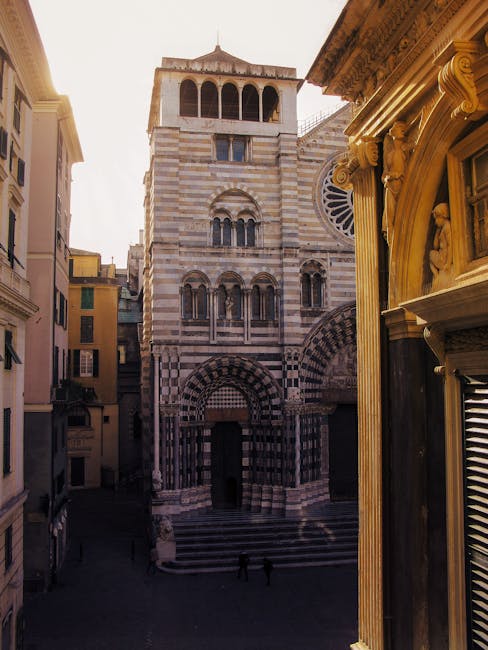
The Cattedrale di San Lorenzo (Saint Lawrence Cathedral) is one of Genoa’s medieval gems — a port city where every stone tells a tale of sailors, merchants and saints. Nestled in the heart of the old town, it catches the eye with its striking black-and-white striped façade and its Romanesque–Gothic bell tower. But beyond that iconic exterior lie lower levels — crypts, richly decorated chapels, rare mosaics and an episcopal treasure that together reveal centuries of devotion and artistic exchange between East and West. This guide offers a hands-on, immersive walkthrough of those hidden corners, with exact addresses, opening hours, ticket prices and local tips to help you get the most out of your visit.
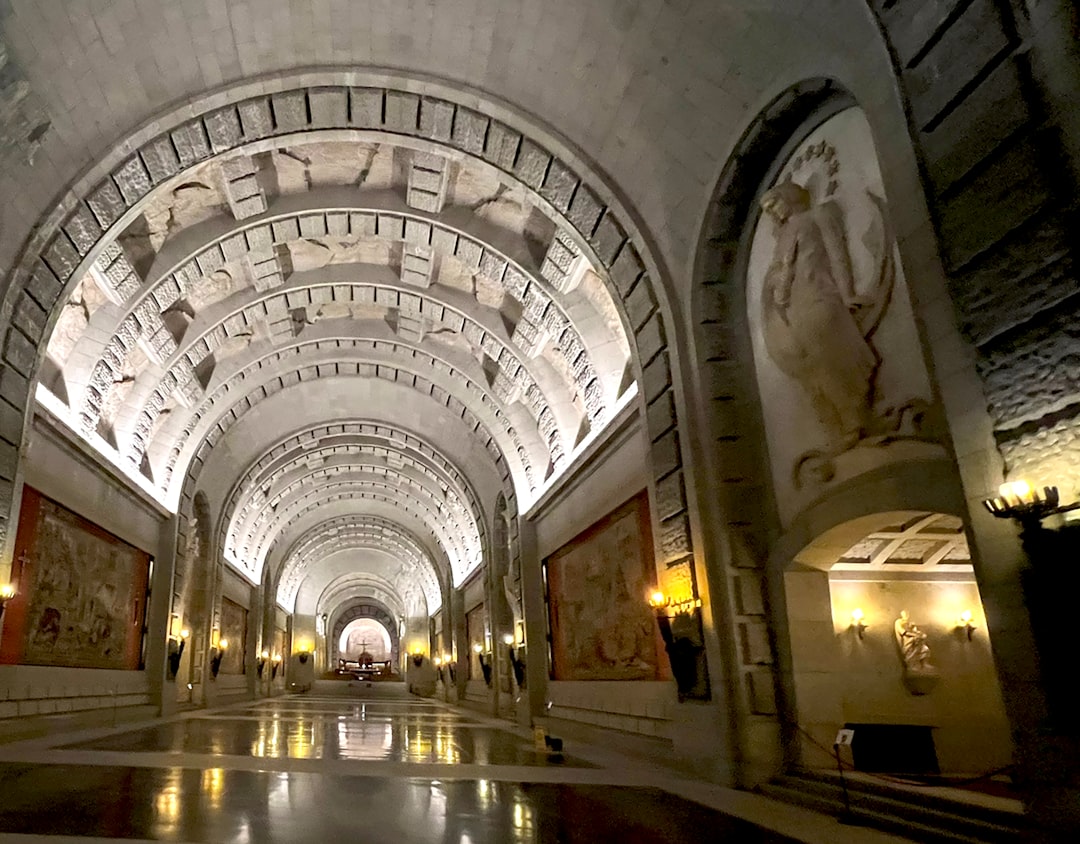
The richness of San Lorenzo isn’t limited to a single room: it’s spread across the main nave, side chapels you might miss from the entrance, the crypt beneath the choir and the Museo del Tesoro della Cattedrale (Cathedral Treasure Museum). These spaces preserve Byzantine mosaics, golden reliquaries, embroidered liturgical textiles and, above all, visible traces of successive interventions that make the cathedral a living architectural stratigraphy. Reading those layers is like reading Genoa’s history — from Lombard and Pisan phases to the bustling medieval maritime fairs and the later Baroque splendor.
This guide is written for both the curious traveler and the art lover: I map out the underground routes, the must-see rooms, practical info (prices in euros, current opening times, exact addresses) and local tips to avoid the crowds or to join a guided tour. You’ll also get visual cues for photographing mosaics and crypt spaces, plus suggestions for extending your exploration into the surrounding streets — think Via San Lorenzo and the Palazzo San Giorgio. Respect liturgical schedules and conservation rules and you’ll be able to admire the treasures with both wonder and care. Bring comfortable shoes: the stairs down to the crypt are narrow and lighting is low, but the experience is unforgettable. 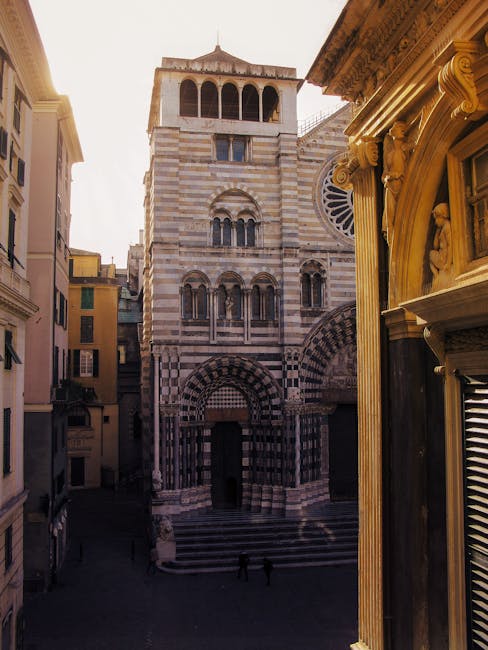
1) Cattedrale di San Lorenzo — façade, nave and main entrance
Exact address: Cattedrale di San Lorenzo, Via San Lorenzo 8, 16123 Genova GE, Italy. The cathedral itself is usually free to enter for access to the central nave, though some areas require a ticket. Typical opening hours: 9:00–12:00 and 15:00–18:00 (closed during Mass — check the day’s times on-site or on the official page). Entry to the nave: free. Inside you’ll find vaults that play with shadow and light, reclaimed ancient columns and several side chapels richly decorated.
Outside the cathedral, take a moment to study the polychrome façade and carved portal: the alternating black-and-white marble stripes are typical of the Ligurian–Tuscan tradition. Inside, the Chapel of Sant’Agostino and the Cappella del Crocifisso contain altarpieces and ornate Baroque woodwork that contrast with the stern Romanesque choir. The most photogenic times are early morning or late afternoon, when low light skims the stone and brings out carved details. 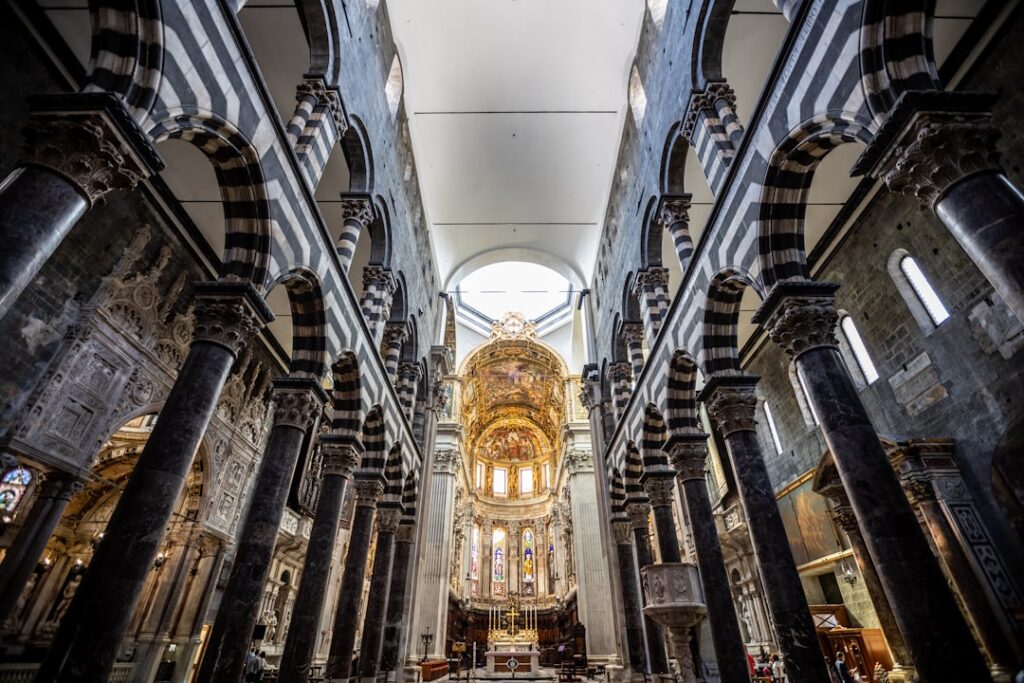
Practical tips: avoid Mass times (often 10:30–11:30 and 18:00–19:00) if you want an uninterrupted visit. There is wheelchair access via a side ramp (ask staff on site). Allow at least 45–60 minutes for a relaxed visit of the nave and side chapels before heading down to the crypt and the treasure.
2) The Cathedral Crypt — underground spaces, relics and atmosphere
Access point: enter from inside the Cattedrale di San Lorenzo, Via San Lorenzo 8, 16123 Genova GE. The crypt is one of the most intimate and least visited areas. Generally, access is via a ticket office or a combined ticket with the Museo del Tesoro. Indicative prices: Crypt ticket only €5.00, Combined Crypt + Treasure ticket €10.00. Typical opening times: 10:00–12:30 and 15:00–17:30, though it can be closed outside guided tours — it’s strongly recommended to check up-to-date hours at the Ufficio informazioni turistiche (tourist information office) or on the cathedral’s entrance notice board.
Descending into the crypt reveals a series of low bays supported by massive columns, with an ancient floor sometimes showing fragmentary mosaics. Lighting is deliberately subdued to protect the materials: expect a nearly monastic atmosphere, punctuated by warm lamps that highlight silver reliquaries and gilded stuccoes. Notable features include medieval sarcophagi and inscribed stones recalling Genoa’s patrician families. 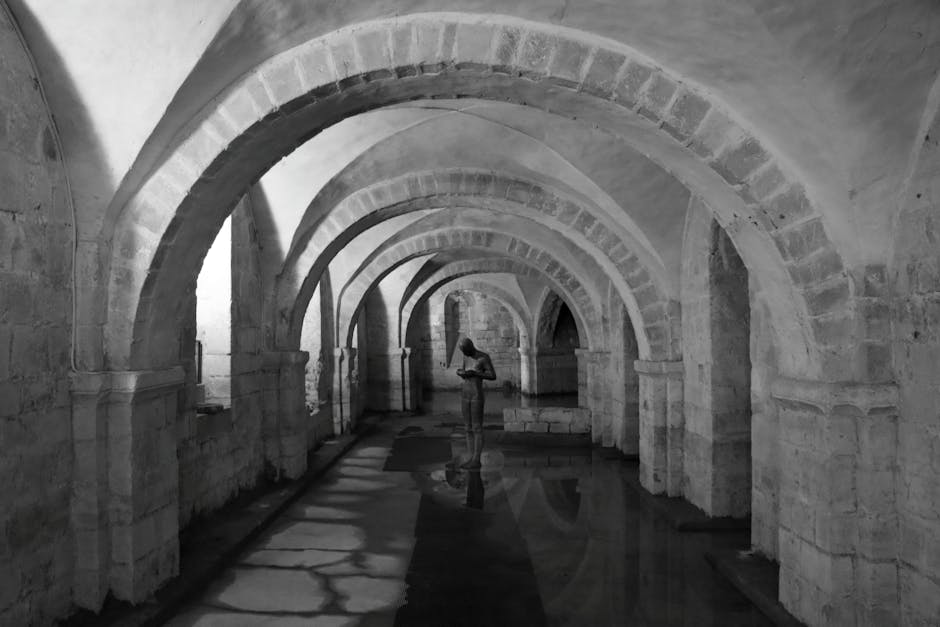
Local tips: bring a small headlamp (respect the no-flash rules) to study the mosaics and inscriptions up close. The stairs are narrow and can be slippery — closed-toe shoes are recommended. If the crypt is closed to the public, ask about special guided visits — these often grant access to areas normally off-limits.
3) Museo del Tesoro della Cattedrale — mosaics, reliquaries and goldsmithing
Exact address: Museo del Tesoro della Cattedrale, Piazza San Lorenzo 10, 16123 Genova GE. The museum houses the cathedral’s treasure: medieval goldsmithing, gilded reliquaries, liturgical textiles and imported mosaics. Standard admission: €8.00 (full price), €5.00 (reduced for students and seniors), free for under 6s. Typical opening hours: 10:00–13:00 and 15:00–18:00, closed Monday mornings; hours may vary with seasons and religious celebrations.
The collection highlights the artistic dialogue between Genoa and the Mediterranean East: you’ll see Byzantine enamels, cross-reliquaries set with champlevé enamels and polychrome mosaic fragments that sometimes come from churches that were demolished or reworked. A key showcase holds the bishop’s crosier reliquary and ornately decorated chalices, evidence of wealth amassed during the commercial peak of the Republic of Genoa. Exhibit panels are in Italian and English; some temporary displays include additional notes in French. 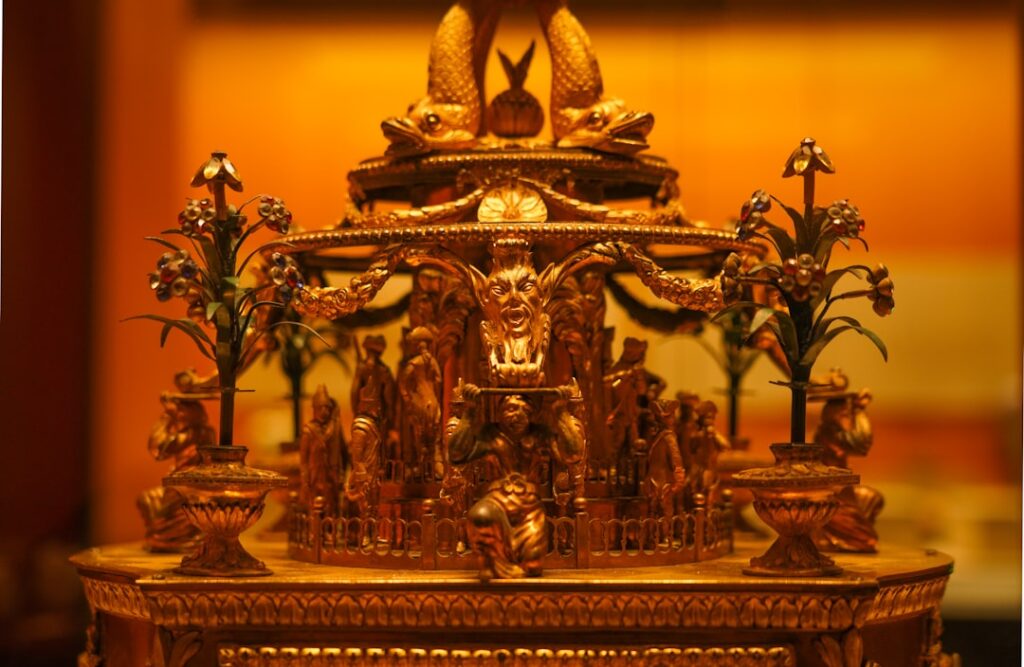
Visitor advice: opt for a guided tour (often offered in Italian and English) to grasp the liturgical and artistic contexts of the pieces. Non-flash photography is generally allowed but check at the entrance. If you love mosaics, study the tesserae and their sizes: the oldest ones use irregular pieces and semi-precious stones, while modern restorations tend to use more uniform materials.
4) Nearby routes and practical tips — extending your San Lorenzo discovery
The San Lorenzo area is a cultural hub: stepping out of the cathedral you’ll be moments from the Palazzo San Giorgio (Piazza Caricamento 1, 16123 Genova GE), the historic seat of port administration, and the Museo di Palazzo Reale (Via Balbi 10, 16126 Genova GE) if you want to continue exploring aristocratic interiors. Many visitors combine the cathedral with a stroll through the caruggi (narrow lanes) of the old town, where you’ll find small antique shops and authentic focaccia bars. 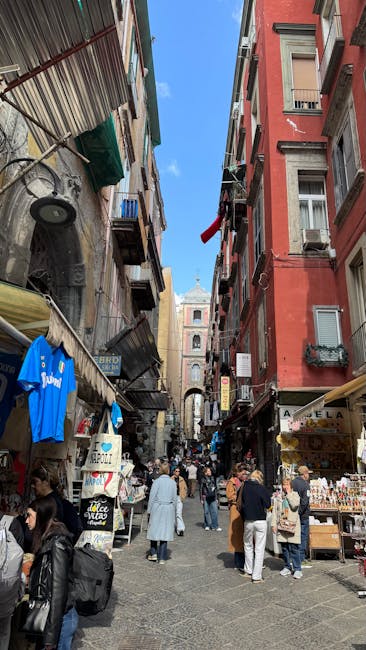
Transport and parking: the area is largely pedestrian. Closest public car parks are Garage Colombo (Via di Sottoripa 2, 16123 Genova GE) and Parking Porto Antico (Piazza Cavour 1, 16128 Genova GE) with hourly rates that vary (around €2–€3/hour). Trams and buses serve Brignole and Piazza De Ferrari stations, but expect a 10–20 minute walk from those points depending on where you start.
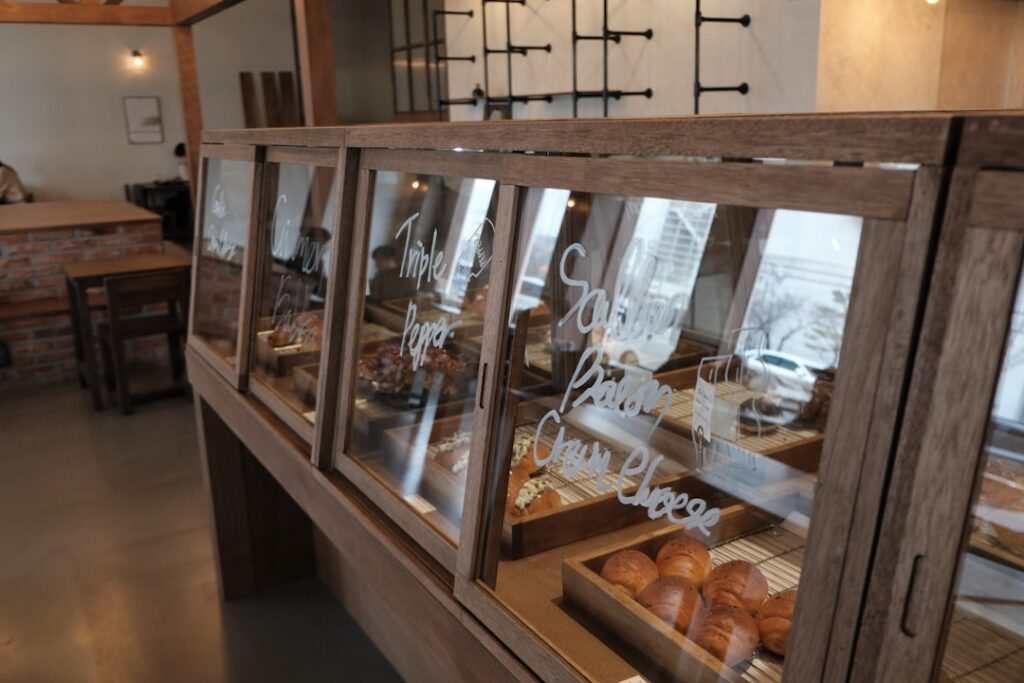
Local tips: grab a focaccia at Panificio Bravo (Via di Santa Caterina 12R) or a slice of farinata at a small osteria after your visit. Avoid peak tourist hours (11:00–14:00) if you want crowd-free photos. And respect religious rules: some chapels close during services and access to sensitive areas may be restricted for conservation reasons.
Conclusion: Why San Lorenzo is a must-see
The Cattedrale di San Lorenzo and its outbuildings form an exceptional ensemble where religious history, art and urban life meet. By descending into the crypt, studying the mosaics and admiring the episcopal treasure, visitors get a tangible sense of Genoa’s cultural wealth. Beyond dates and styles, these places tell the story of a merchant city open to the Mediterranean: relics brought back from pilgrimages, donations from patrician families, Byzantine influences and Baroque interventions. Every displayed object is a clue to the trade and spiritual networks that shaped the city.
To prepare your visit: note these addresses — Cattedrale di San Lorenzo, Via San Lorenzo 8, 16123 Genova GE; Museo del Tesoro della Cattedrale, Piazza San Lorenzo 10, 16123 Genova GE; Palazzo San Giorgio, Piazza Caricamento 1, 16123 Genova GE — and plan quieter time slots in the morning or late afternoon. Choose combined tickets where available to save money and avoid lines for the crypt and museum. Finally, keep conservation requirements in mind (no flash, observe liturgical hours) so these works survive for future generations. San Lorenzo is more than a pinpoint on a map: it’s a time immersion, a conversation with talking stones and glittering treasures — intimate and grand at once.