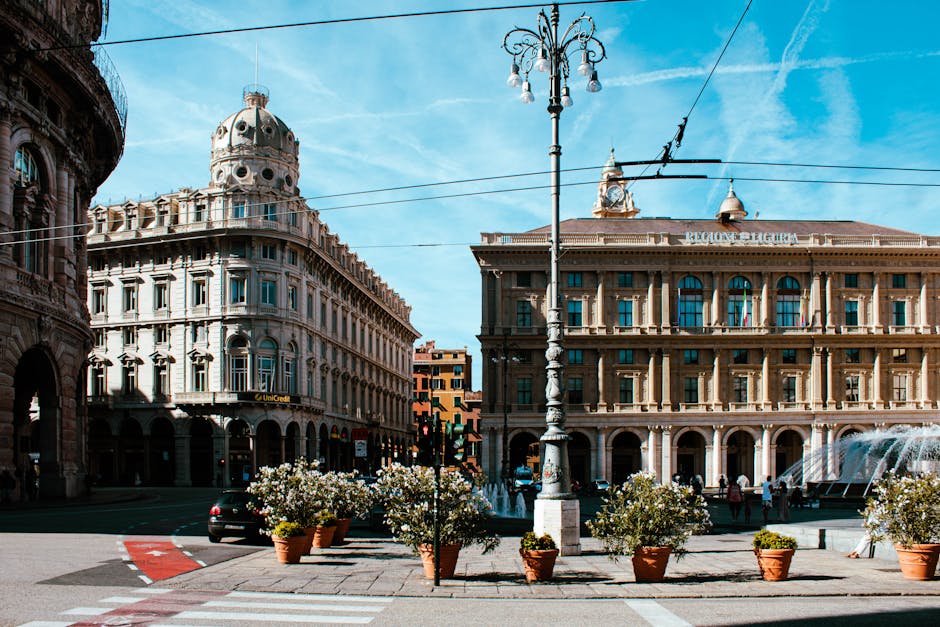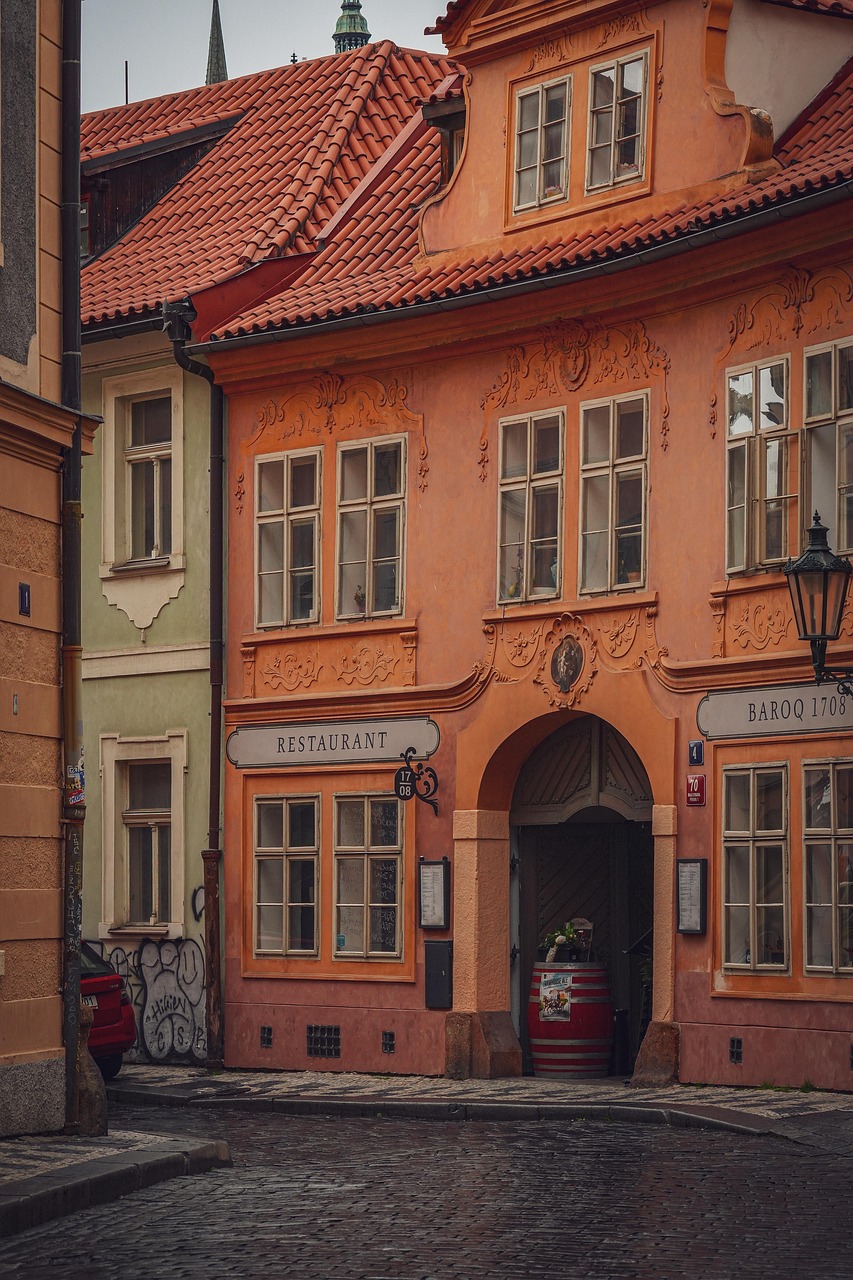





Introduction: A Genoa Shopping Walk — between bustling food markets and local makers
Genoa (Genova), the capital of Liguria, is a port city steeped in history, with winding alleys (the “carrugi”) and squares filled with the smells of the sea, warm bread and fresh pesto. For travelers who prefer authentic shopping — away from global chains — Genoa offers a rich playground: traditional food markets, open-air stalls, artisan shops, local fashion designers and ceramic studios. This shopping walk gives you a hands-on, practical route: where to go, when to go, how much to spend, what to bring home and how to haggle at the markets. You’ll find exact addresses, typical opening hours, price ranges, sensory descriptions and local tips to make the most of your day.
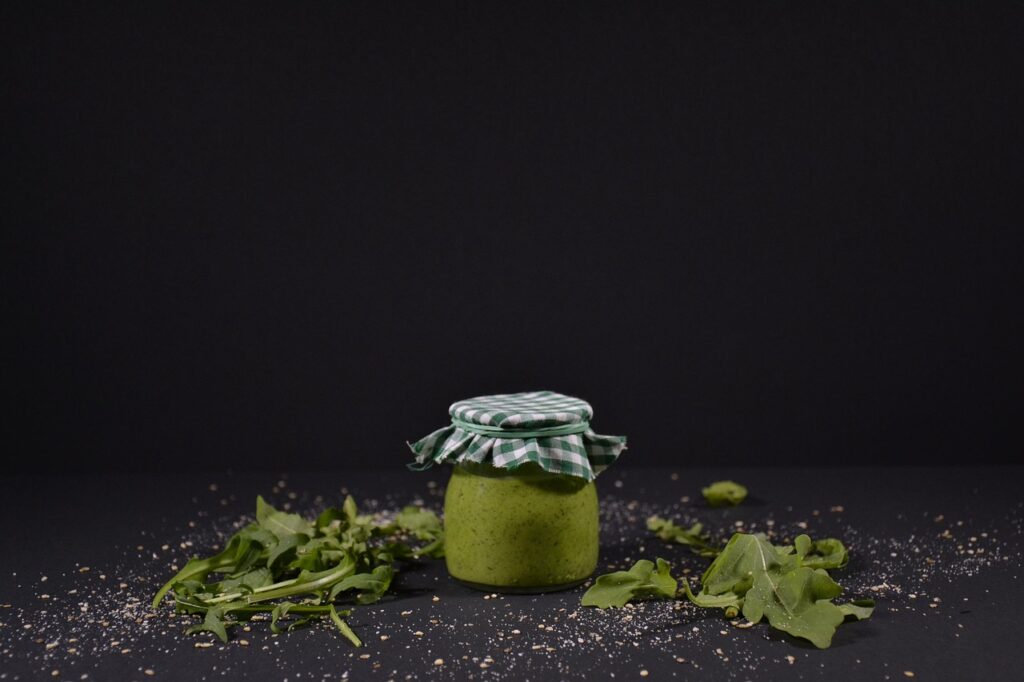
The food market is a can’t-miss stop. The Mercato Orientale, with its colorful displays of fruit, vegetables, fish and Ligurian specialties, is a window onto Genoese gastronomy. Nearby, bakeries and focaccerias make for perfect snack stops: a slice of focaccia (focaccia genovese) can cost between €1.50 and €3.00, while a jar of fresh artisanal pesto typically ranges from €5.00 to €12.00 depending on weight and basil quality.
But Genoa isn’t just about food: contemporary jewelry designers, leather ateliers, small fashion houses and home-decor shops are all part of a lively local creative scene. Streets like Via Garibaldi, Via Luccoli and the Porto Antico area host ateliers and pop-ups where you can meet the maker, learn about their approach and buy one-off pieces (indicative prices: jewelry €30–€250, leather bags €80–€450, limited-run prints €20–€120).
This guide is designed for a walkable, flexible day (or longer) and outlines concrete stops: covered food markets, street markets, antique stalls, artisan addresses and tips for discovering Genoa off the beaten path. The information on hours and prices reflects common practice and seasonal variations; it’s wise to double-check locally (especially off-season) for special events or unexpected closures.
In the sections that follow you’ll find detailed routes, fact sheets for each spot (exact address, typical hours, indicative prices) and tips for bringing back true Ligurian souvenirs: iron pasta pans, jars of fresh pesto, hand-painted ceramics, silver jewelry inspired by the sea, and pieces by local fashion designers. Pack reusable bags, some cash (markets often prefer notes) and a solid pair of shoes — the alleys and stairways are part of Genoa’s charm.
1. Must-visit food markets: Mercato Orientale and nearby (addresses, hours, prices)
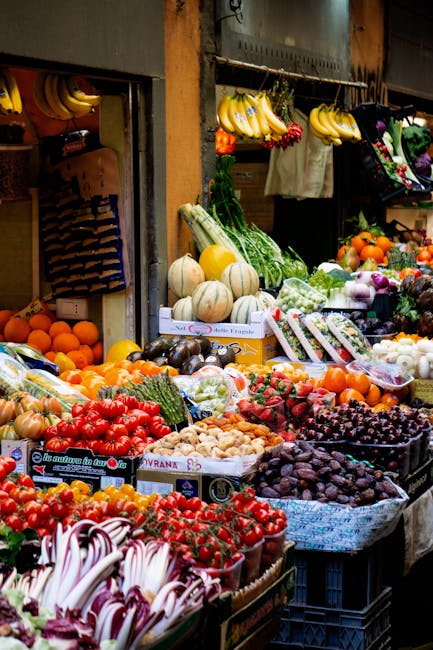
The Mercato Orientale is Genoa’s food temple for anyone wanting to taste regional produce and shop for gourmet treats. Official name: Mercato Orientale di Genova. Address: Via XX Settembre, 75R, 16121 Genova GE. Typical hours: Monday to Saturday, 07:00–14:00. Closed on Sundays (some producer stalls may open occasionally in the morning). Main entrance on Via XX Settembre, but the market extends inward across connected lanes.
This covered market has stalls of seasonal fruit and vegetables, aromatic herbs (Liguria’s D.O.P. basil), fresh fish, cured meats, local cheeses (formaggetta, focaccia drizzled with Ligurian olive oil) and ready-to-eat food stands. Indicative prices: local tomatoes €2.50–€4.00/kg depending on season; sea bream fillets €15.00–€25.00/kg; Taggiasca olives in jars €5.00–€9.00 per jar (200–300 g); jars of artisanal pesto €5.00–€12.00 (100–200 g). For a quick bite: a plain slice of focaccia €1.50–€2.50, a filled focaccia (cheese, ham) €3.00–€5.50.
Practical tips: bring insulated bags if you buy fish or cheese and consider a small trolley for larger shopping hauls. The market mostly prefers cash; some vendors accept cards for purchases over €10–€15. The best time to come is early morning (07:30–10:30) for the freshest selection and the liveliest atmosphere.
Nearby, don’t miss the Piazza delle Erbe market (Piazza delle Erbe, 16123 Genova GE), smaller and specialized depending on the day (antiques, textiles or food stalls by season). Hours: usually 08:00–13:00 (varies by day). Prices: antiques and collectibles range widely (from €5.00 for trinkets to several hundred euros for rare pieces).
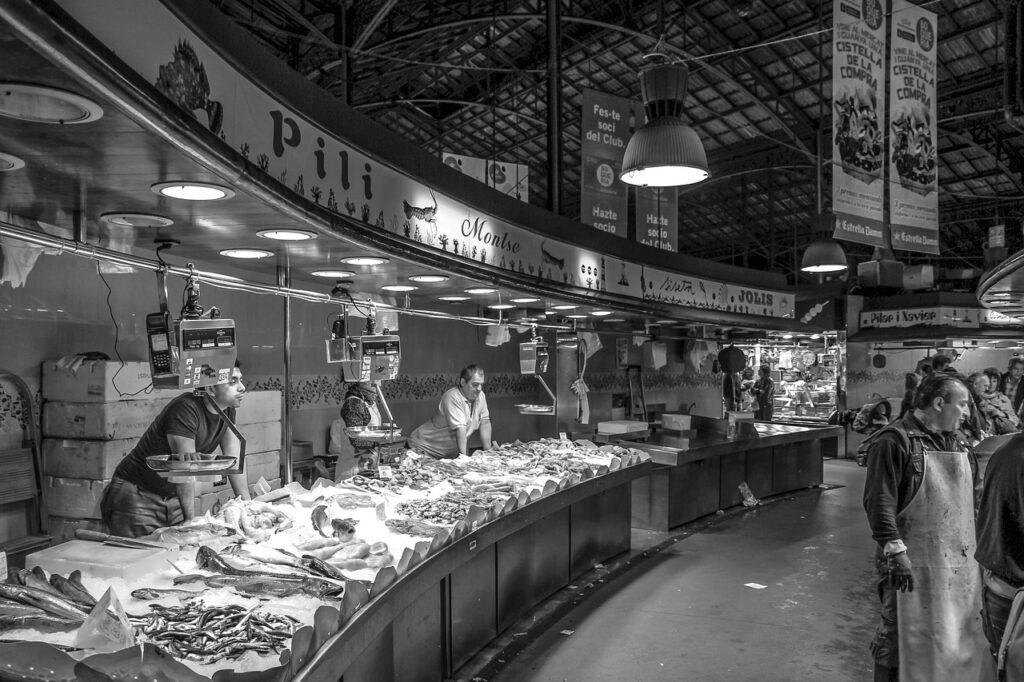
Sant’Ambrogio market and the local fish stalls
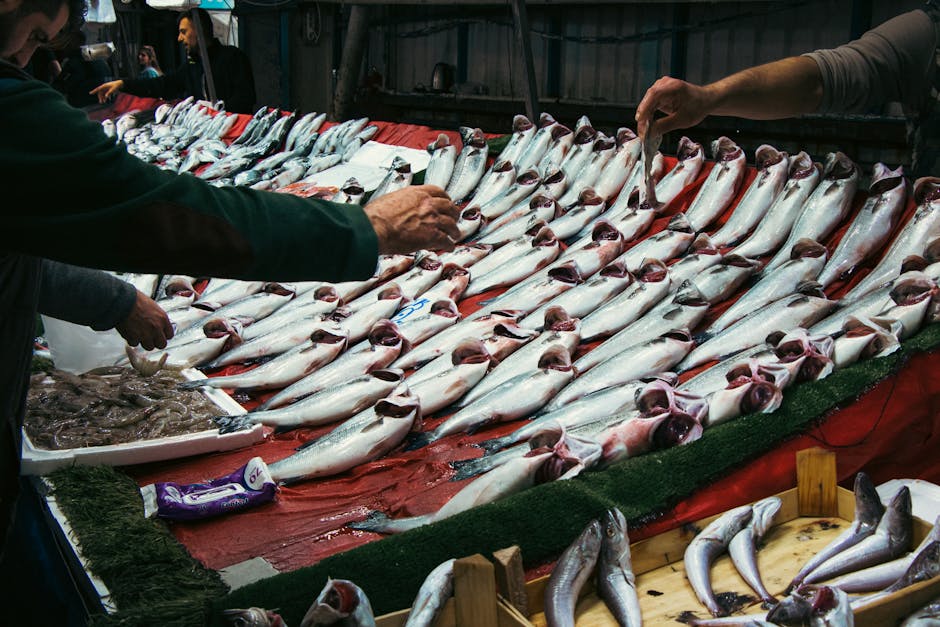
Another market to know is the Sant’Ambrogio market, located in the Sant’Ambrogio neighborhood (Via di S. Ambrogio, 16128 Genova GE — approximate address around the square). Hours: mornings, 07:30–13:00, several days a week (check the local noticeboard). This market is prized for its fresh fish stalls, often selling catches brought in directly by fishermen from the Gulf. Fish prices: cuttlefish €8.00–€12.00/kg, sardines €4.00–€8.00/kg, local tuna (seasonal) €12.00–€20.00/kg.
Tip: ask the fishmonger for simple Ligurian cooking advice (grill with olive oil, garlic and parsley). Vendors are usually chatty and happy to share recipe tips.
2. Local designers and artisan shops: Via Garibaldi, Via Luccoli and hidden studios
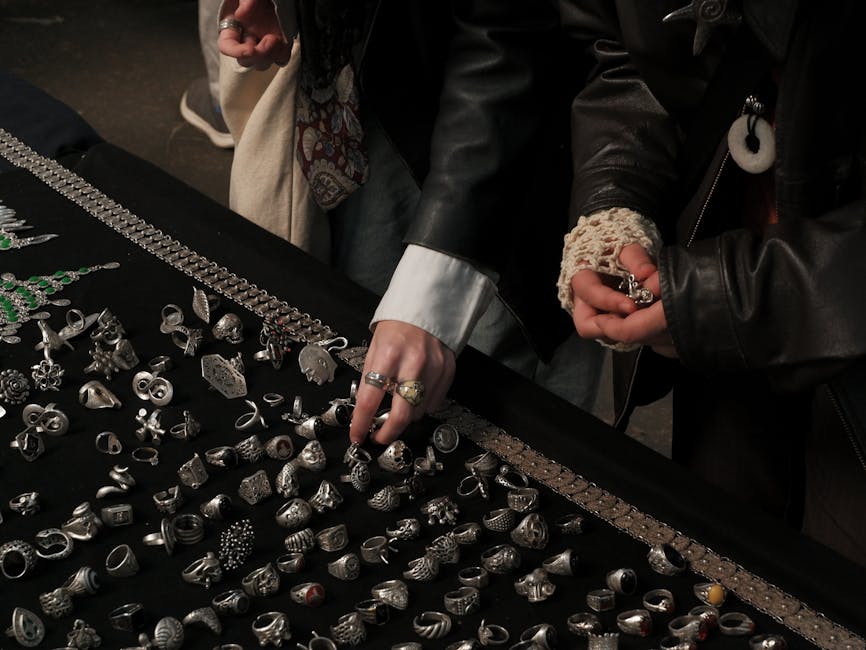
Genoa’s historic streets hide a network of artisans and young designers blending Ligurian tradition with Mediterranean influences. Via Garibaldi, a UNESCO-listed street for its Palazzi dei Rolli, also hosts design shops and small atelier-stores. Central address: Via Garibaldi, 16124 Genova GE (the street runs through the historic center). Shop hours: generally 10:00–19:00 Tuesday to Saturday; some shops close on Mondays and Sunday mornings. Indicative prices: handcrafted jewelry €40–€220, small leather goods €80–€350.
Via Luccoli (Via Luccoli, 16123 Genova GE) is a less touristy shopping street where you’ll find local clothing designers, handmade shoe shops and jewelry ateliers. The aesthetic is often understated, mixing worked leather, marine influences and contemporary lines. Expect to pay between €60 and €300 for a well-made local item.
Suggested route: start on Via Garibaldi to admire the Renaissance facades, then turn onto Via San Lorenzo to visit a few ceramic studios; continue toward the Porto Antico where pop-ups and artisan markets dot the waterfront.
Some ateliers and shops to watch for:
- Jewelry studio « Officina delle Gemme » (approximate address): a small shop-workshop open 10:30–18:30, hammered silver jewelry with local stones, prices €45–€260.
- La Bottega del Cuoio (artisan leather shop): Via Luccoli, an atelier-shop selling handmade shoes and bags, prices €90–€420.
- Ceramics studio « Ceramiche Genovesi »: a workshop near Via San Lorenzo, hand-decorated pieces — bowls and plates €25–€120.
Local tip: always ask if the atelier can give you a quick behind-the-scenes tour of the « bottega » (many do) — it’s a chance to see the process, request small customizations and get a certificate of authenticity or special gift wrapping for travel.
Pop-ups and temporary markets at Porto Antico
The Porto Antico (Piazza Caricamento, 16128 Genova GE) is a lively waterfront area that frequently hosts temporary markets, designer fairs and design exhibits. Hours depend on the event, often 10:00–20:00; in summer events can run late into the night, sometimes until 23:00. Admission is often free; item prices vary. Pop-ups usually bring together ceramists, textile designers, illustrators and jewelers — ideal for finding a unique gift.
3. Street markets and flea markets: Piazza Realità, Mercatino dell’Antiquariato and bargaining tips
Genoa offers several street markets where you can hunt for furniture, vinyl records, posters and vintage items. The Mercatino dell’Antiquariato (the antiques market) has regular editions at Piazza De Ferrari and sometimes at Piazza Matteotti; a useful reference address is Piazza De Ferrari, 16121 Genova GE. Hours: often weekend events from 08:00 to 18:00 (depending on the occasion). Prices: small items from €5.00, antiques or furniture from €50 to several thousand euros depending on rarity.
Piazza Realità di Genova (near Via XX Settembre) hosts themed markets, including vintage textiles and jewelry designers. Flea markets are the best place to uncover vintage finds — jackets, bags, watches, sunglasses — often at negotiable prices.
Bargaining technique: in Italy, a smile, a compliment about the item and a direct question about its condition or origin go a long way. Start by offering about 20–30% less than the listed price to leave room for negotiation. Practical example: if an antique mirror is marked €120, offering €90 and then meeting around €100 is often acceptable.
Logistics tips: for bulky items, ask the seller if they can arrange shipping (some offer international shipping services; expect extra costs); if you’re carrying items yourself, bring protective covers and bubble wrap.

4. What to bring home and budgets: cheeses, pesto, textiles and handmade goods
There’s nothing like taking a piece of Liguria home in your suitcase. Here’s a list of local specialties and budget guidelines to shop smart:
- Genoese pesto D.O.P.: artisanal jars 100–200 g: €5.00–€12.00. For canned or preserved artisanal versions expect €8.00–€18.00 depending on the producer.
- Focaccia: plain slice €1.50–€2.50, filled focaccia €3.00–€6.00.
- Extra virgin Ligurian olive oil: bottles 250–500 ml: €8.00–€25.00 depending on quality and designation.
- Canned fish (sardines, tuna): €3.50–€10.00 per artisanal tin.
- Local cheeses: formaggetta €6.00–€12.00/kg depending on type and maturation.
- Handmade items: ceramics €25.00–€120.00, jewelry €30.00–€250.00, leather bags €90.00–€450.00.
- Textiles and linen or cotton scarves: €25.00–€120.00.
Packing and transport: for fragile products, ask the vendor for « per l’aereo » packaging (many offer special wrapping). Solid food items like sealed pesto, oil and canned goods are generally allowed in cabin luggage if packed according to liquid rules (<100 ml for liquids in cabin) — for oil it’s safer to put it in checked luggage.
Suggested budget for a full day of shopping: €40–€100 for edible souvenirs and small gifts; €100–€400 if you’re aiming for a handcrafted piece (bag, jewelry, homeware). Antique collectors should plan for a larger budget and always check shipping or transport options in advance.
Conclusion: Planning your Genoa shopping walk — sample itinerary and last tips
To wrap up, a successful shopping stroll in Genoa mixes food markets, artisan alleys and tasty pit stops. Sample one-day itinerary: start early at the Mercato Orientale (Via XX Settembre, 75R — 07:00–14:00) to buy pesto, oil and focaccia; head up to Piazza delle Erbe for flea-market finds; make your way to Via Garibaldi and Via Luccoli to visit ateliers and shops; finish at the Porto Antico (Piazza Caricamento, 16128 Genova GE) for pop-ups and a view of the harbor. This route lets you buy fresh products, meet creators and bring home genuine souvenirs.
Final practical tips: carry small change (coins and notes up to €20) for markets; prioritize morning shopping for freshness; always ask about the origin of products (especially fish and cheese); negotiate politely at street and antique markets; check seasonal hours (July–August and local festivals can mean extended or reduced hours). If you’re buying bulky or valuable items, ask the seller about shipping services or plan a visit to an atelier that offers insured shipping.
Lastly, allow time to wander: Genoa often reveals its best addresses when you get lost in a perpendicular « carruggio » off the main road. Local shopkeepers appreciate curious visitors and love sharing the stories behind their products — an interaction that can turn an ordinary purchase into a memorable keepsake. Enjoy shopping in Genoa, and don’t forget to treat yourself to a big slice of focaccia while you shop!