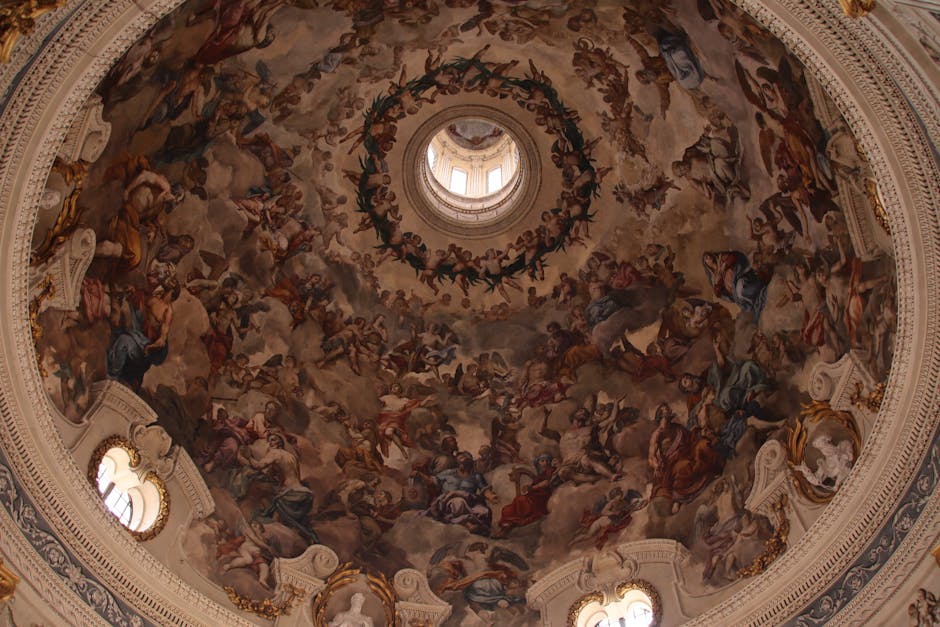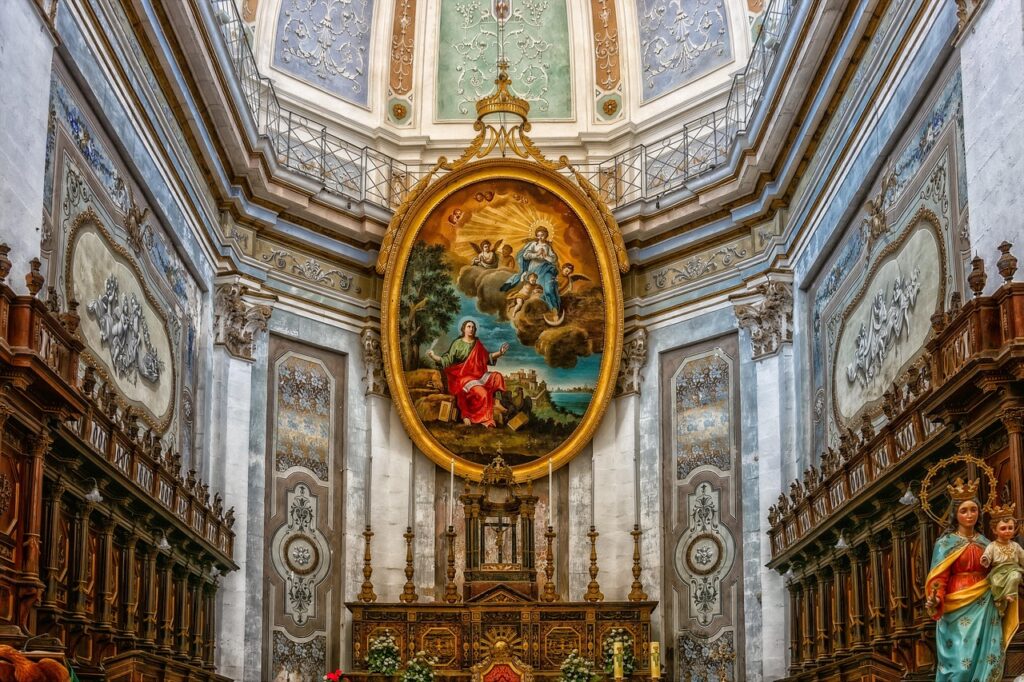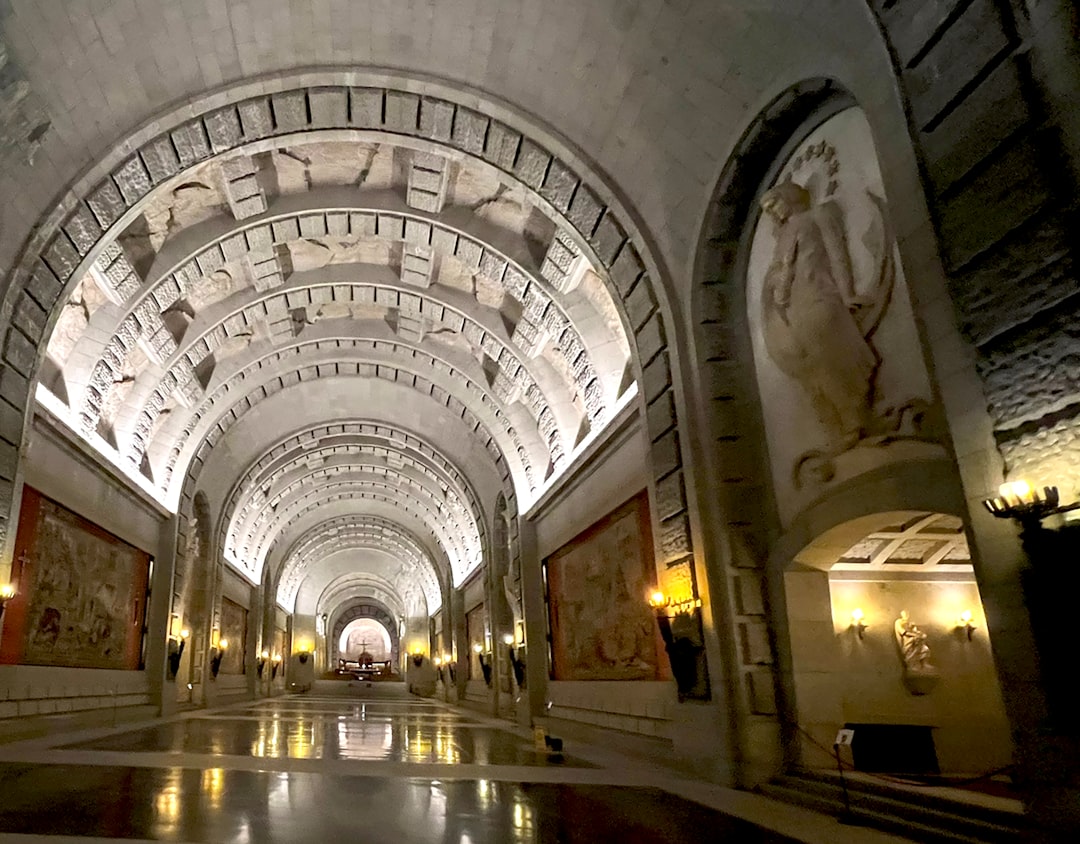
Catégorie : San Lorenzo Cathedral and Churches

  • From San Lorenzo to the Lanterna: An Urban Pilgrimage Through Genoa

    From San Lorenzo to the Lanterna: An Urban Pilgrimage Through Genoa

    Introduction — From San Lorenzo to the Lanterna: an urban pilgrimage through Genoa

    Genoa (Genova) is a city of sharp contrasts, where a maritime past overlays a bustling modern fabric of narrow lanes, baroque squares and colorful façades. The route that links the Cathedral of San Lorenzo (Cattedrale di San Lorenzo) to the Lanterna di Genova (the city’s historic lighthouse) is much more than a sightseeing walk: it’s an urban pilgrimage that compresses Genoa’s religious, commercial and seafaring history. Strolling this path on foot takes you through emblematic neighborhoods — the medieval center, the Porto Antico, the Strade Nuove and the hill leading up to the Lanterna — revealing how faith, trade and the sea shaped the city’s identity.

    A natural starting point for this pilgrimage is the Cathedral of San Lorenzo, located on Piazza San Lorenzo. Its austere façade of alternating black and white marble bands and its solemn interior speak to the site’s religious and civic importance. From there, the route invites wandering through the vicoli (backstreets), admiring carved portals, patrician family coats of arms and small artisan workshops. It passes institutional landmarks like Piazza De Ferrari, Via Garibaldi with its lavish palaces (Palazzo Rosso, Palazzo Bianco, Palazzo Doria Tursi) and the revitalized heart of the port, the Porto Antico, home to the Acquario di Genova and a lively waterfront promenade.

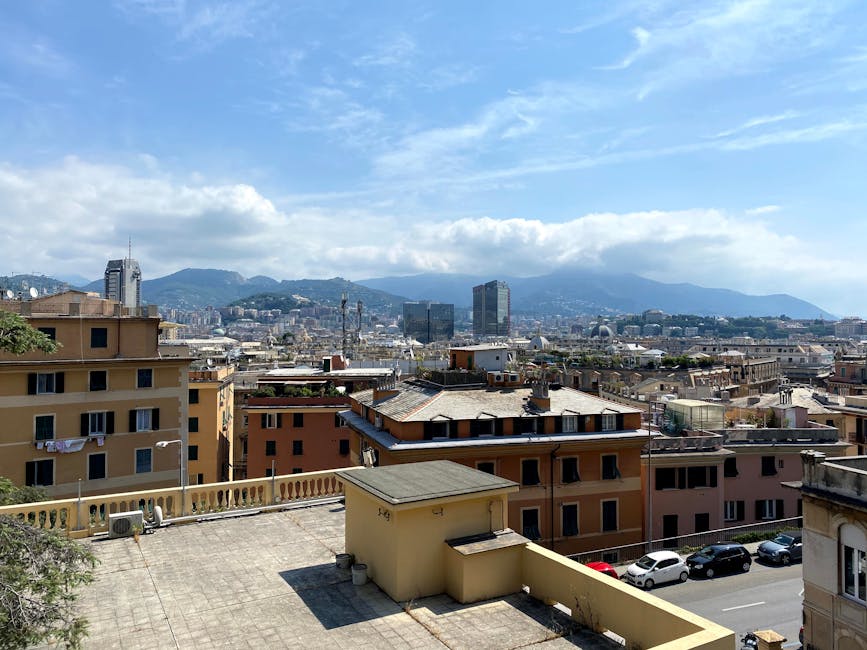
    The approach to the Lanterna unfolds as a gradual climb through layers of history: from churches and civic palaces to maritime monuments that embody Genoa’s naval power. Perched on the port’s western hill, the Lanterna is the city’s most potent symbol, visible from afar and charged with enduring identity. The itinerary is dotted with viewpoints, gardens, belvederes and food stops where you can sample Ligurian specialties — focaccia Genovese, pesto, farinata — at recommended local spots.

    This practical guide, aimed at curious walkers, provides exact practical information: precise addresses, typical opening hours (subject to seasonal change), prices in euros and local tips to help you get the most out of the walk. The descriptions are meant to immerse you in the places, with suggested stops to visit museums, churches or simply sit and watch city life go by. The goal isn’t a minute-by-minute schedule but a narrative and practical map letting you experience this urban pilgrimage at your own pace, respecting monument opening times and taking advantage of the best photo angles, pedestrian shortcuts and authentic eateries.

    Before you set off, a few logistical tips: wear comfortable shoes (there are many cobbles and staircases), bring water and a small umbrella depending on the season, and buy combined tickets when available (museums on Via Garibaldi). Public transport (AMT buses, funiculars and municipal elevators) can be a fallback if you get tired — especially for the final climb to the Lanterna. Finally, respect religious service times if you want to attend mass at San Lorenzo, and check museum closure days (Monday is often common for some sites).
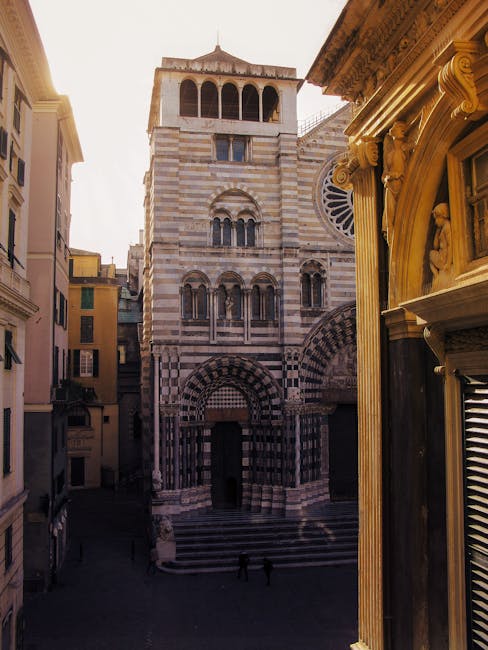
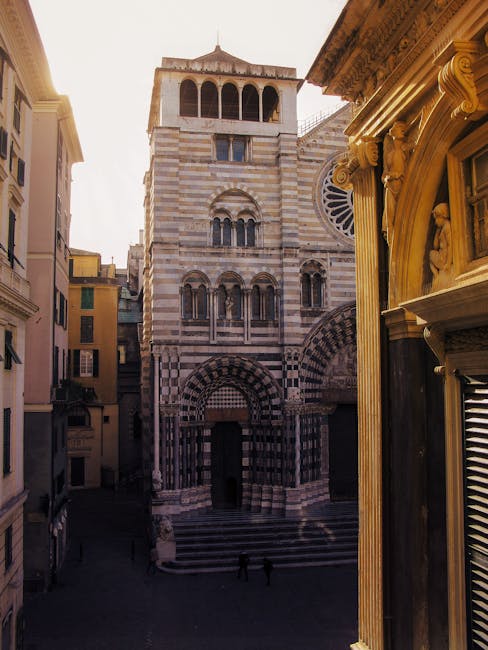
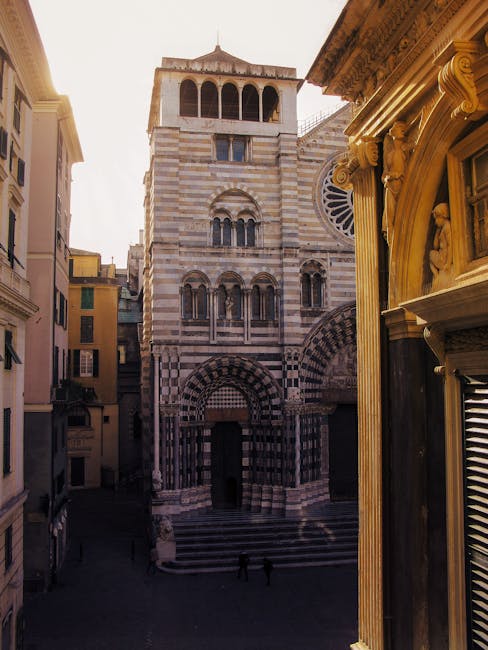
    Striped marble façade of Genoa's San Lorenzo Cathedral viewed from above

    San Lorenzo and the historic center: starting point and immersion (Piazza San Lorenzo, Via San Lorenzo)

    The starting point of our pilgrimage is the Cattedrale di San Lorenzo, Piazza San Lorenzo, 16123 Genova GE. The cathedral is recognizable by its striped black-and-white marble façade and its bell tower. Entry to the church itself is generally free, but access to some areas (the Museo del Tesoro and the Cappella del Tesoro) requires a ticket. Usual information: Museo del Tesoro di San Lorenzo — Piazza San Lorenzo, 5, 16123 Genova; indicative 2024 price: €3.00–€6.00 (reduced rates for students and seniors); common opening hours: Tuesday–Saturday 10:00–17:00, Sunday 14:00–17:00 (to be confirmed locally). It’s strongly recommended to check the notices at the entrance as times can change on holidays and during religious services.

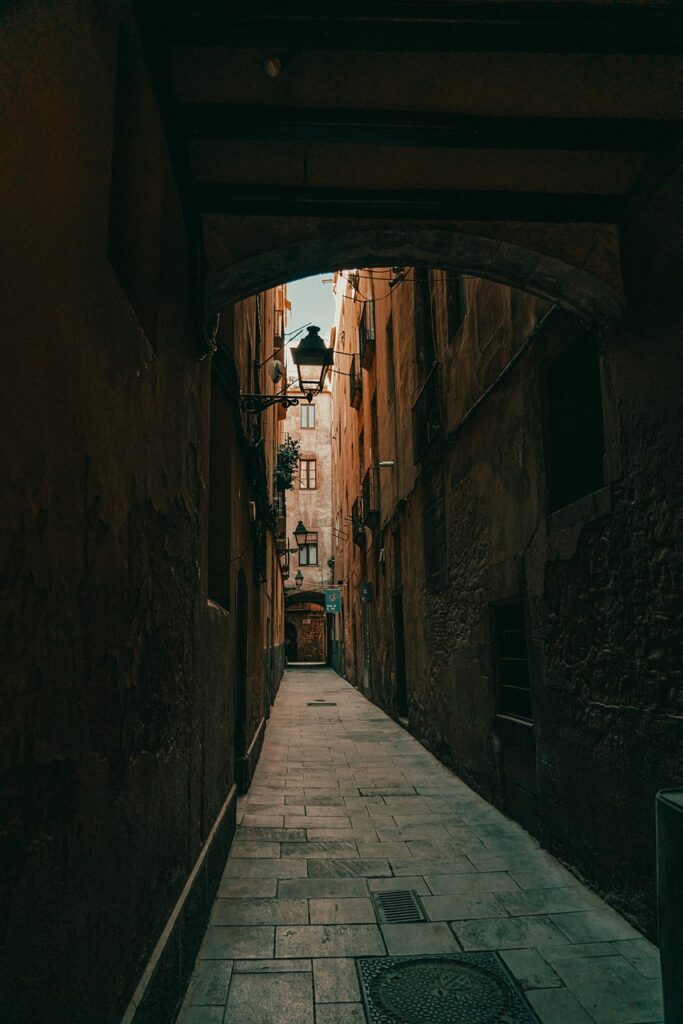
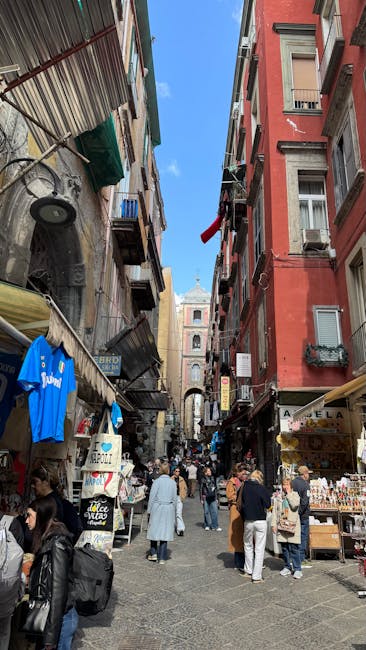
    Around Piazza San Lorenzo, soak up the medieval atmosphere of the caruggio (narrow streets) and the artisan shops selling soap, coral, jewelry and brassware. Head up Via San Lorenzo to admire sculpted doorways and small inner squares that are like tiny stages for forgotten sculptures. Exiting toward Via XX Settembre quickly brings you to Piazza De Ferrari, the neo-classical heart of the city.

    • Cattedrale di San Lorenzo address: Piazza San Lorenzo, 16123 Genova GE, Italia.
    • Museo del Tesoro di San Lorenzo: Piazza San Lorenzo, 5, 16123 Genova GE — approximate price €3.00–€6.00.
    • Recommended hours: visit early morning (08:30–10:30) to avoid crowds; religious services in the morning and evening affect access.

    Local tip: for a typical coffee stop, push on to one of the small family-run cafés on Piazza San Lorenzo and try a salty focaccia. Ask for the “focaccia con sale grosso” and enjoy a moment to plan the rest of your route. Before leaving the historic center, take time to examine tympana and medallions on façades — each detail tells a story of power and faith.
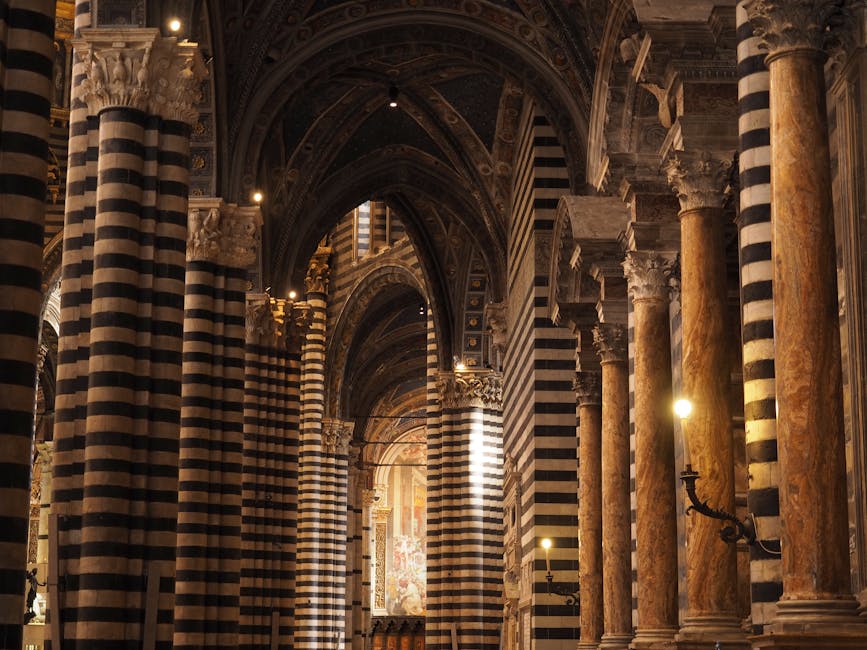
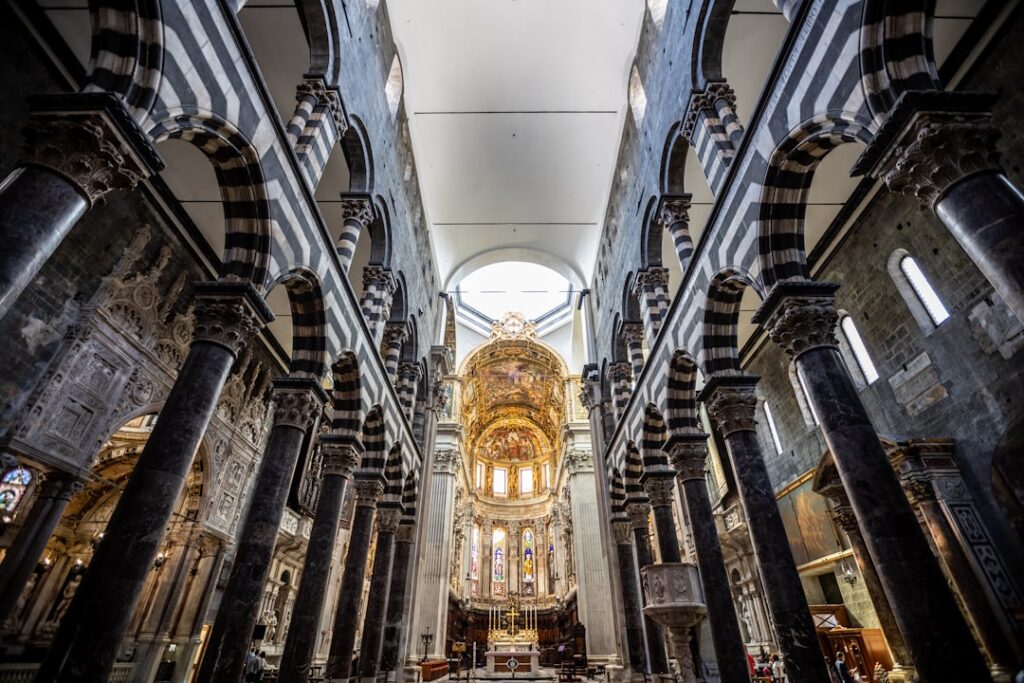
    Interior striped columns and arches inside Genoa's San Lorenzo Cathedral, warm lighting

    Piazza De Ferrari, the civic heart and the Strade Nuove: palaces, museums and splendors (Piazza De Ferrari, Via Garibaldi)

    A few minutes’ walk from San Lorenzo brings you to Piazza De Ferrari — a central reference point: Piazza De Ferrari, 16121 Genova. This broad square, dominated by a monumental fountain and the imposing Palazzo Ducale (Palazzo Ducale, Via Garibaldi 9, 16124 Genova), is the city’s administrative and cultural hub. The Palazzo Ducale hosts temporary exhibitions and cultural events; entrance fees and times vary by exhibition (entry usually between €5.00 and €12.00 for paid exhibitions; often open 10:00–19:00, closed some Mondays — check the official site).

    From here, head to the Strade Nuove and the Palazzi dei Rolli museum system, a UNESCO World Heritage site. Via Garibaldi (Via Garibaldi, 18–3, 16124 Genova) is home to remarkable palaces: Palazzo Rosso (Galleria di Palazzo Rosso, Via Garibaldi 18), Palazzo Bianco (Via Garibaldi 18), and Palazzo Doria Tursi (Via Garibaldi 9). Combined tickets for the palaces vary — typical combined fare around €12.00–€15.00 for the three museums; common hours: 09:00–19:00, sometimes closed on Mondays. These palaces house baroque paintings, period furnishings and glimpses into the opulent life of Genoese merchant families.

    • Piazza De Ferrari: central landmark for orientation (fountain, Teatro Carlo Felice and Palazzo Ducale).
    • Palazzo Ducale: Via Garibaldi 9, 16124 Genova — temporary exhibitions, variable fees €5.00–€12.00; common hours 10:00–19:00.
    • Palazzi dei Rolli (Palazzo Rosso, Palazzo Bianco, Palazzo Doria Tursi): Via Garibaldi, 16124 Genova — combined ticket approx. €12.00–€15.00, 09:00–19:00.

    Immersive description: wandering down Via Garibaldi feels like entering an urban theatre of ornate façades and balconies; marble floors, grand staircases and state rooms narrate a history of diplomacy and maritime trade. If you have extra time, pause at the Museo di Palazzo Reale (Via Balbi 10, 16126 Genova) — the salons and garden views make for particularly photogenic moments.
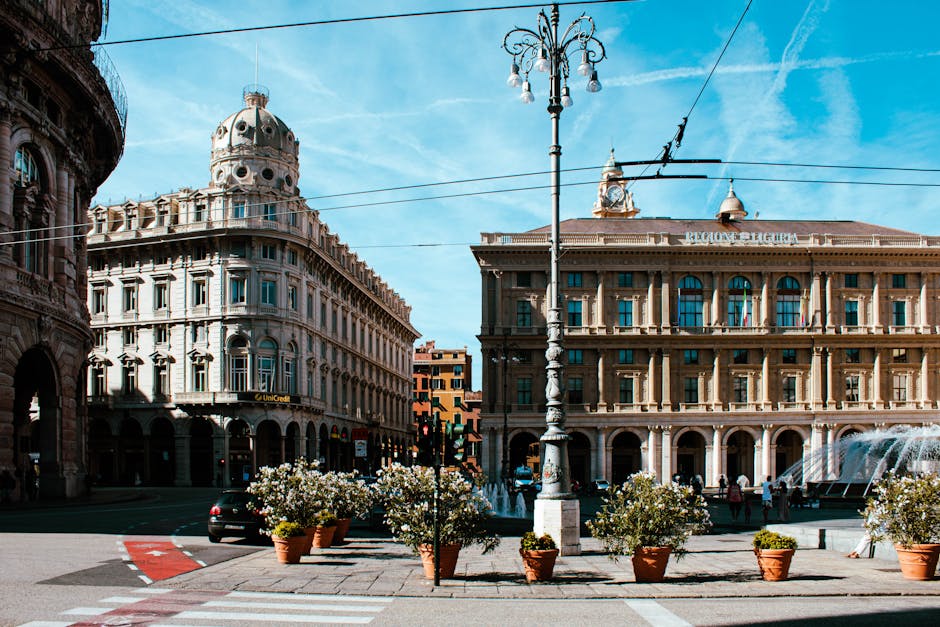
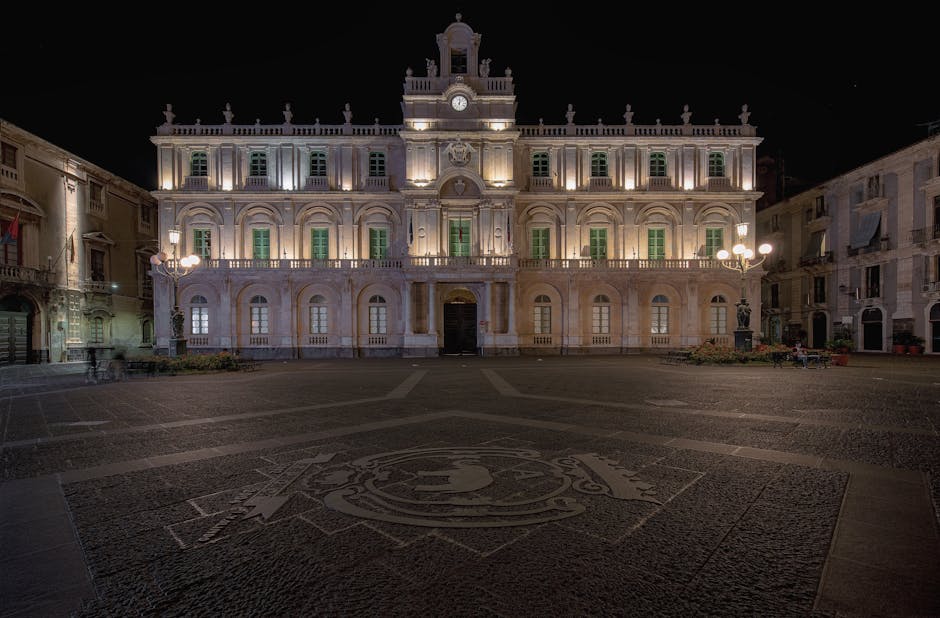
    Piazza De Ferrari in Genoa with fountain and historic government building

    Toward Porto Antico and the Aquarium: where sea and memory meet (Porto Antico, Acquario di Genova)

    Descending to the waterfront from the Strade Nuove brings you to Porto Antico (the Old Port), an area redeveloped by architect Renzo Piano. The practical address for the Acquario di Genova is Piazza della Commenda / Piazza Acquario, 4, 16128 Genova. The Acquario di Genova is one of Europe’s largest aquariums and makes a great immersive stop to explore the marine world that shaped Genoa. Indicative 2024 prices: adults around €27.00; discounts for children and seniors; hours generally 09:00–19:00 (extended in high season — check the official site: acquariodigenova.it).

    Porto Antico is also a lively space: museums, restaurants, shops and the Bigo panoramic lift. It’s a strategic spot to observe the city’s relationship with the sea, with historic ships moored, renovated quays and small welcoming squares. Grab a focaccia at one of the stalls near the harbor or book a seafood restaurant to savor local dishes (cozze alla marinara, trofie al pesto).

    • Acquario di Genova: Piazza Acquario, 4, 16128 Genova — adults approx. €27.00; usual hours 09:00–19:00 (seasonal).
    • Porto Antico: pedestrian promenade, exhibition spaces, restaurants and waterfront terraces.
    • Must-see points: the Bigo panoramic lift, the Museo del Mare (Museum of the Sea).

    Practical tips: buy aquarium tickets in advance during high season to avoid queues; if traveling with family, allow 2–3 hours for the visit. Late afternoon sunsets over Porto Antico paint the water and hulls with spectacular colors — prime time for photography.
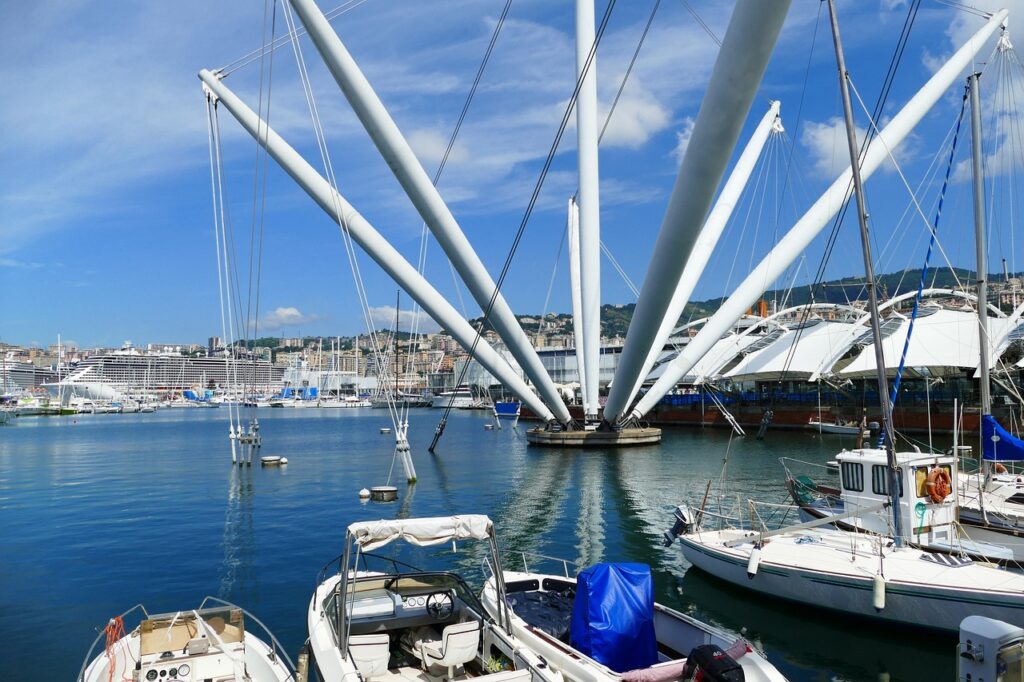
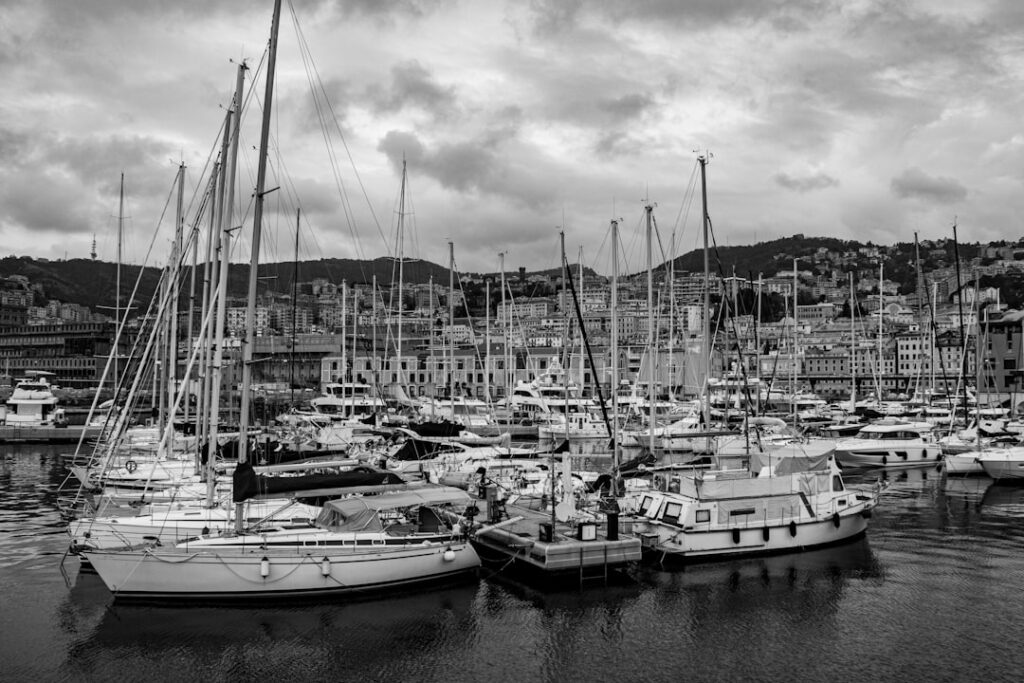
    Small boats moored under the white masts at Genoa's old port

    The climb to the Lanterna: routes, funiculars and panoramas (Piazza della Lanterna)

    The Lanterna di Genova (the Lanterna) is located at Piazza della Lanterna, 16126 Genova. This iconic lighthouse has guided ships for centuries and can be seen from a long way off. The Lanterna site includes a small museum (Museo della Lanterna) within the lighthouse precinct; guided tours and summit access are subject to schedules and entrance fees. Indicative 2024 prices: museum entry and lighthouse climb around €6.00–€8.00; hours usually concentrated on weekends and in season (check lanterna.ge.it or the local tourist office for reservations).

    There are several ways to reach the Lanterna: a walk (a recommended panoramic route via via del Molo and the city park), or public transport/elevators and funiculars depending on your starting point. A popular walk begins at Porto Antico and follows the seafront along Corso Italia until the road climbs toward the hill. The trail offers successive views of the port entrance, docks and the compact city. Wear appropriate shoes: the final climb includes cobbled steps and narrow alley passages.

    • Lanterna address: Piazza della Lanterna, 16126 Genova GE.
    • Museum and lighthouse visit: approx. €6.00–€8.00; variable hours, often focused on weekends and high season; booking recommended.
    • Access: walk from Porto Antico (40–60 minutes depending on pace) or take buses/elevators/funiculars to reduce the climb.

    Sensory description: approaching the Lanterna, the city gradually unfolds beneath you — first the sea and the port, then tiled roofs and verdant terraces of private gardens. The scent of salt, the bell clang of a boat offshore and the cry of seagulls accompany the ascent. At the lighthouse’s base the mood turns more solemn: thick walls, worn steps and a circular view over the Mediterranean and Genoa’s skyline. If you can climb to the top (when allowed), the payoff is an exceptional panoramic view that reveals the city’s maritime and urban logic.
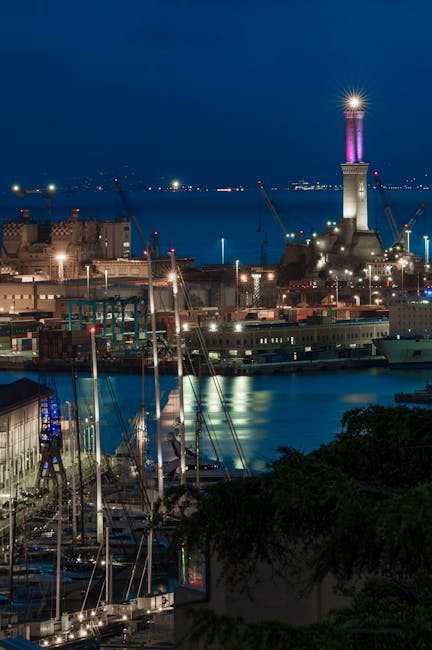
    Genoa's Lanterna lighthouse lit pink above the industrial harbor at night

    Practical tips, alternate routes and local food

    To make the most of this urban pilgrimage, here are concrete tips and alternatives based on your pace and interests. Standard walking route: San Lorenzo → Piazza De Ferrari → Via Garibaldi (Palazzi dei Rolli) → Porto Antico and Aquarium → climb to the Lanterna (about 3–4 km of walking including stops and detours). Expect 4 to 6 hours for a full day that includes a museum and a lunch break.

    • Transport: AMT buses (compagnia AMT Genova), funiculars (Righi, Zecca-Righi) and public elevators can help reduce fatigue; single AMT ticket around €1.60 (indicative), day passes available depending on your stay length.
    • Hours: museums often open 09:00–19:00; religious services on Sundays can limit access to cathedrals; the Lanterna has seasonal hours — check ahead.
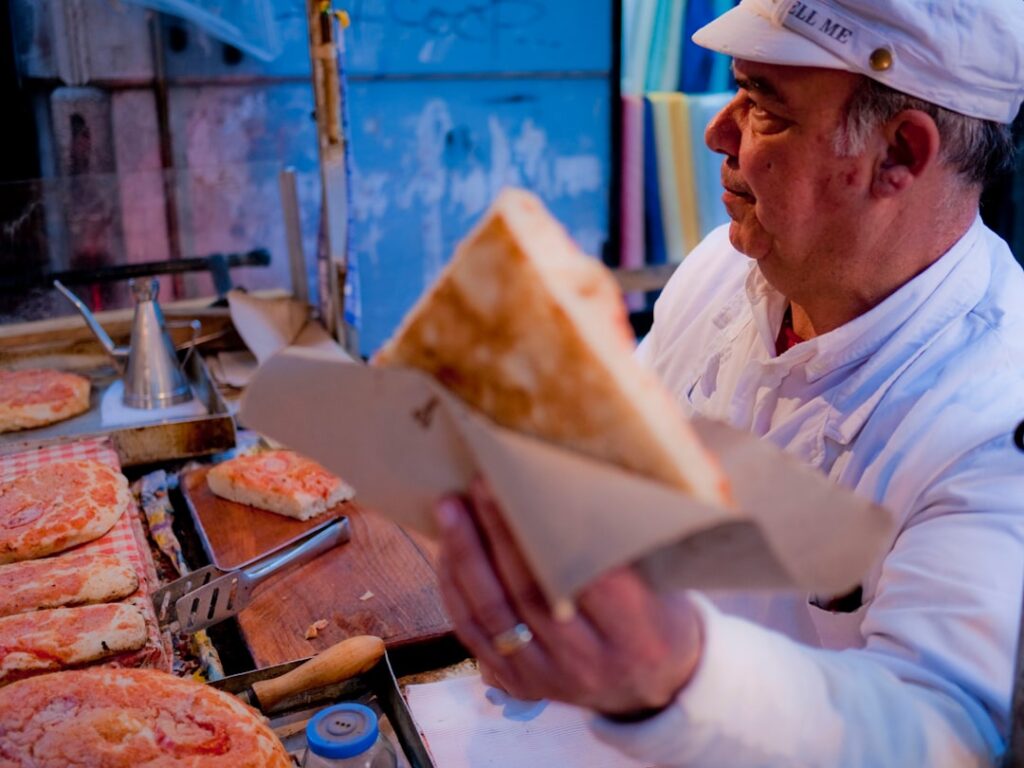
    • Food: stop at local artisans for a focaccia Genovese (approx. €2.00–€4.00 per slice), try trofie al pesto (typical restaurant price €12.00–€18.00 per dish), and taste farinata (chickpea pancake) for €3.00–€5.00.

    Safety and respect tips: the lanes can be narrow with uneven surfaces; watch for pickpockets in crowded tourist areas; dress modestly when visiting religious buildings. In summer, bring sun protection and water — some stretches between Porto Antico and the Lanterna have little shade.
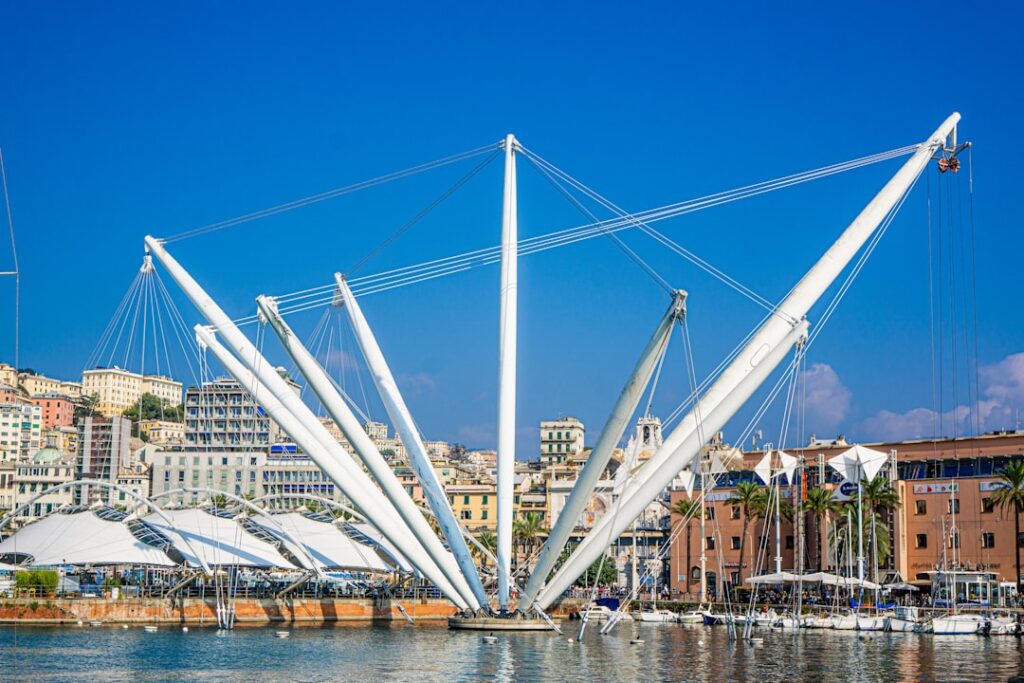
    Panoramic view of white masts and sail canopies at Genoa's port

    Conclusion — A pilgrimage of faith, power and the sea

    The walk from San Lorenzo to the Lanterna is a route whose meaning goes beyond the physical distance. It links historical and cultural layers that define Genoa: public piety and cathedral treasures, the civic and diplomatic splendor of the Strade Nuove, the port’s intimate scale and living relationship with the sea, up to the monumental symbol that is the Lanterna. Walking this route means stepping into a multi-century story where every church, palace and quay reads like a page of that history. Key stops — Piazza San Lorenzo, Piazza De Ferrari, Via Garibaldi, Porto Antico, Piazza della Lanterna — serve as anchors to shape your discovery.

    This guide has given you practical info (exact addresses, indicative prices and typical hours), local tips and sensory suggestions to better appreciate each stage. Favor flexibility: tailor the length of your stops to your interests — art, architecture, maritime museums or simple contemplation of the seascape. Don’t forget to sample Ligurian flavors and use combined tickets to save time and money when visiting palaces and museums. If the climb to the Lanterna feels too demanding, use municipal transport so you can conserve energy for the final ascent and the view, which is always worth it.

    Finally, treat this pilgrimage as an invitation to slow down and watch: Genoa doesn’t always reveal itself at first glance — it rewards time, curiosity and the willingness to read its façades, listen to the harbor’s murmur and look out to sea from the Lanterna. Whether you’re a history buff, a photography enthusiast or simply looking for an emotionally rich urban route, the path from San Lorenzo to the Lanterna offers a concentrated, surprising and deeply memorable taste of Genoa.
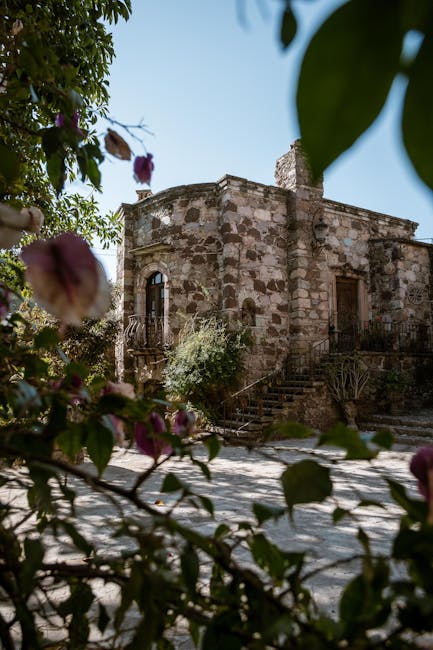
  • Forgotten Facades: Discovering Genoa’s Little Churches Around San Lorenzo

    Forgotten Facades: Discovering Genoa’s Little Churches Around San Lorenzo

    Introduction — The forgotten facades around Genoa’s cathedral

    The old town of Genoa (Genova) is a patchwork of narrow lanes, steep steps and little squares where every stone has a story to tell. At the heart of this maze, the Cattedrale di San Lorenzo (Piazza San Lorenzo, 8, 16123 Genova GE) draws the eye: its black-and-white striped marble facade and Gothic-Romanesque interior attract both tourists and worshippers. Yet just a few steps away, tucked behind modest doorways, are small churches and oratories that—although less famous—hold precious chapters of Genoa’s religious and artistic history. These “forgotten facades” deserve your attention: behind unassuming portals lie altarpieces, Baroque frescoes, family chapels and quiet cloisters where time seems to slow down.

    This practical guide, aimed at curious travelers and attentive walkers, maps out a walking route around San Lorenzo cathedral. You’ll find full place names, exact addresses, opening hours, entrance fees where applicable, immersive descriptions of the spaces and pragmatic tips to make the most of each stop. The approach is deliberately hands-on: how to spot these facades in the tangle of caruggi, the best time of day for light, which artworks to keep your eyes on, and what etiquette to follow when entering places of living worship.

    Where most visitors only spare a few minutes for these small churches, the experience can be deeply rewarding: centuries-polished saint statues, carved wood, colorful stained glass that casts a soft glow over worn pews, funerary plaques of merchant families who helped make the fortune of the Republic of Genoa. The compact layout of the historic center makes it possible to chain several stops in a single morning or afternoon. This guide will help you craft a coherent itinerary, complete with practical markers (addresses and hours), photographic tips and local advice to avoid noise disturbances or unexpected closures.
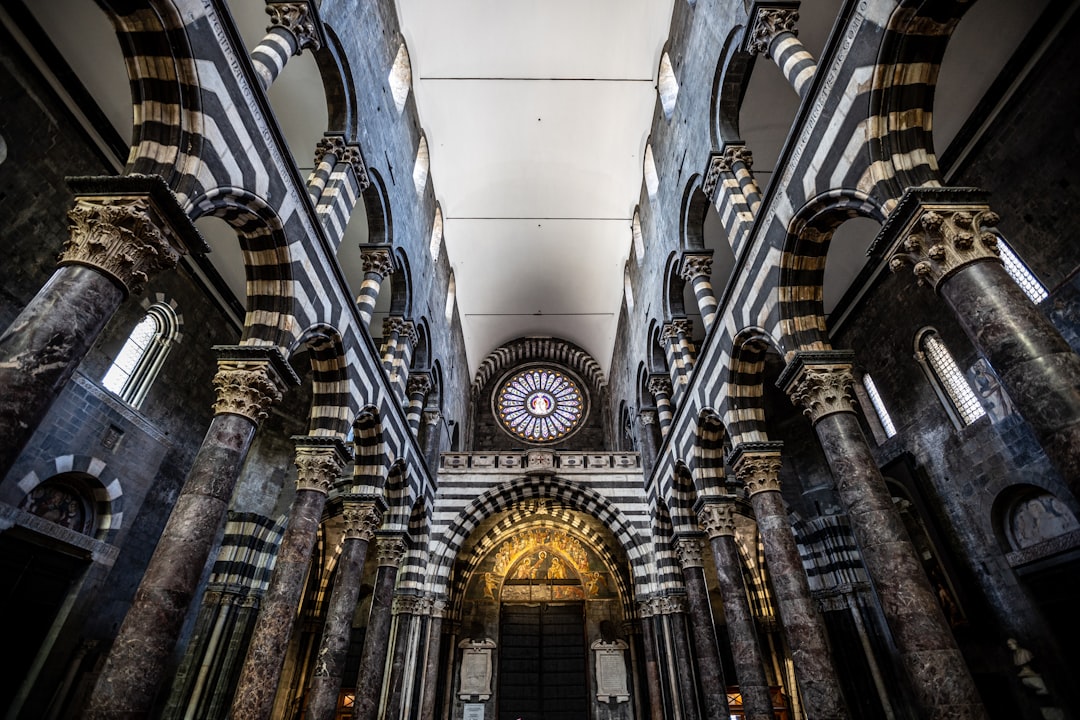
    Finally, the intention is also to pay tribute to the human side of these places: their role in neighborhood life, the confraternities that still keep them alive, the masses and devotion that persist. These little forgotten facades are not isolated museum showpieces; they breathe with the rhythm of the city. So let’s set off on a route that favors slow looking, listening and discovering details that, once noticed, will stay with you.

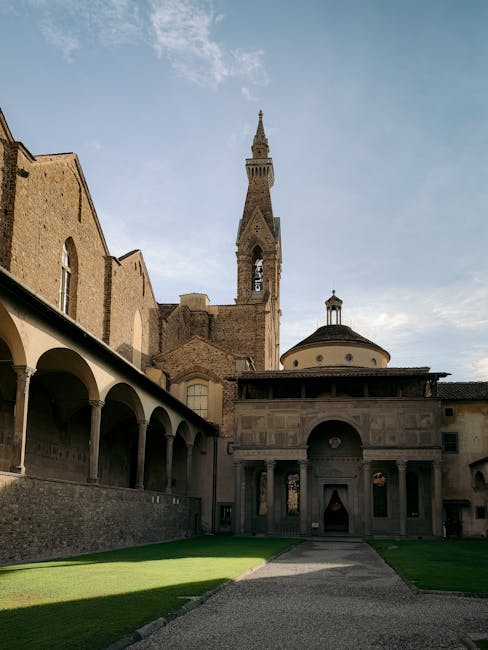
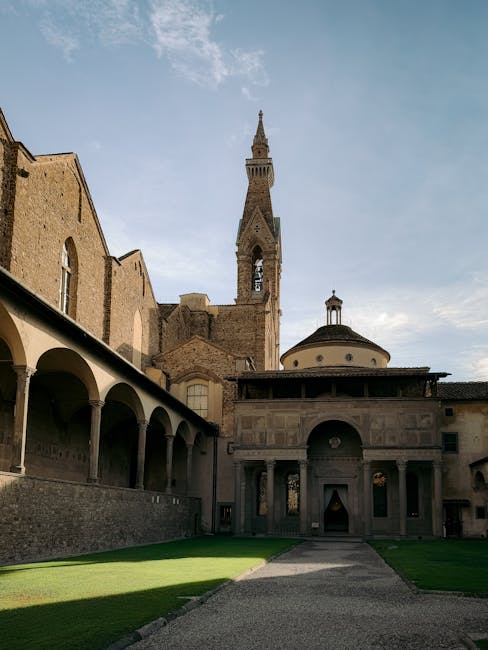
    Historic church cloister with bell tower and dome in Genoa.
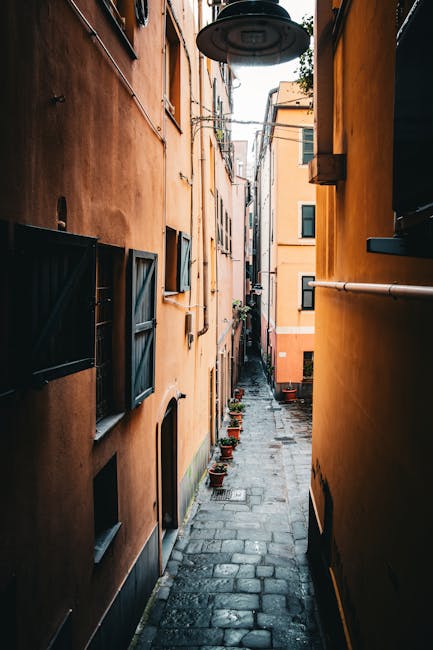
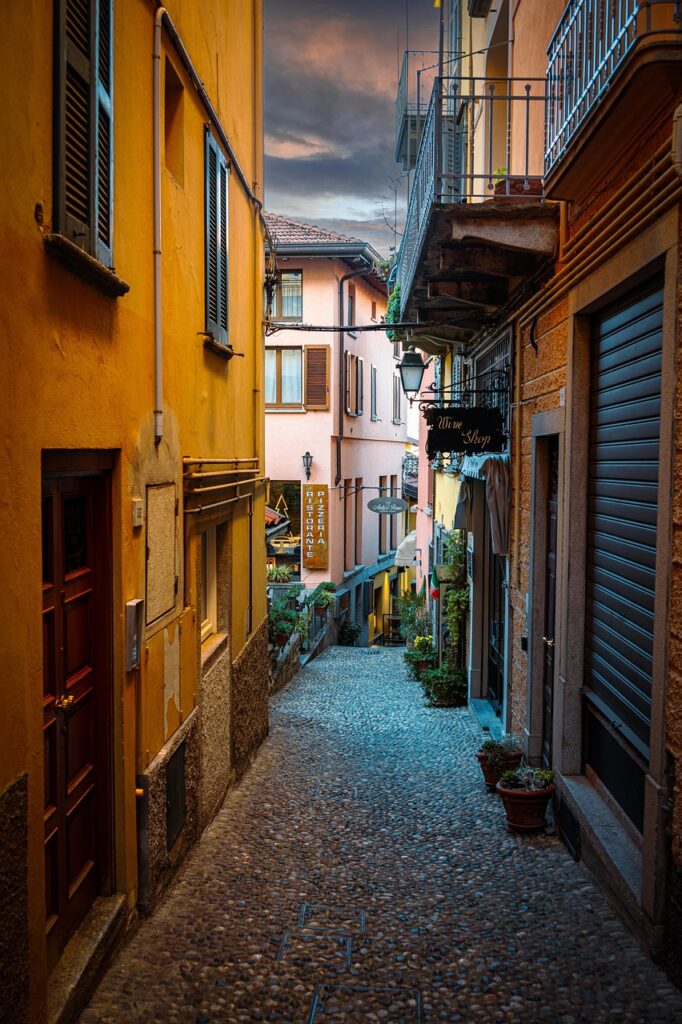
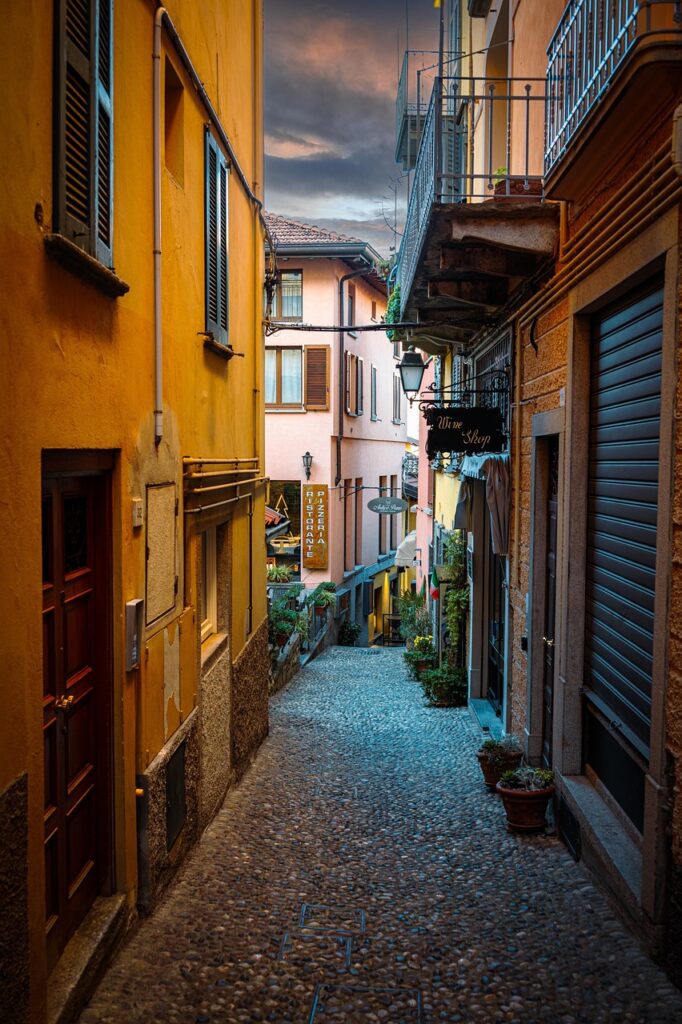
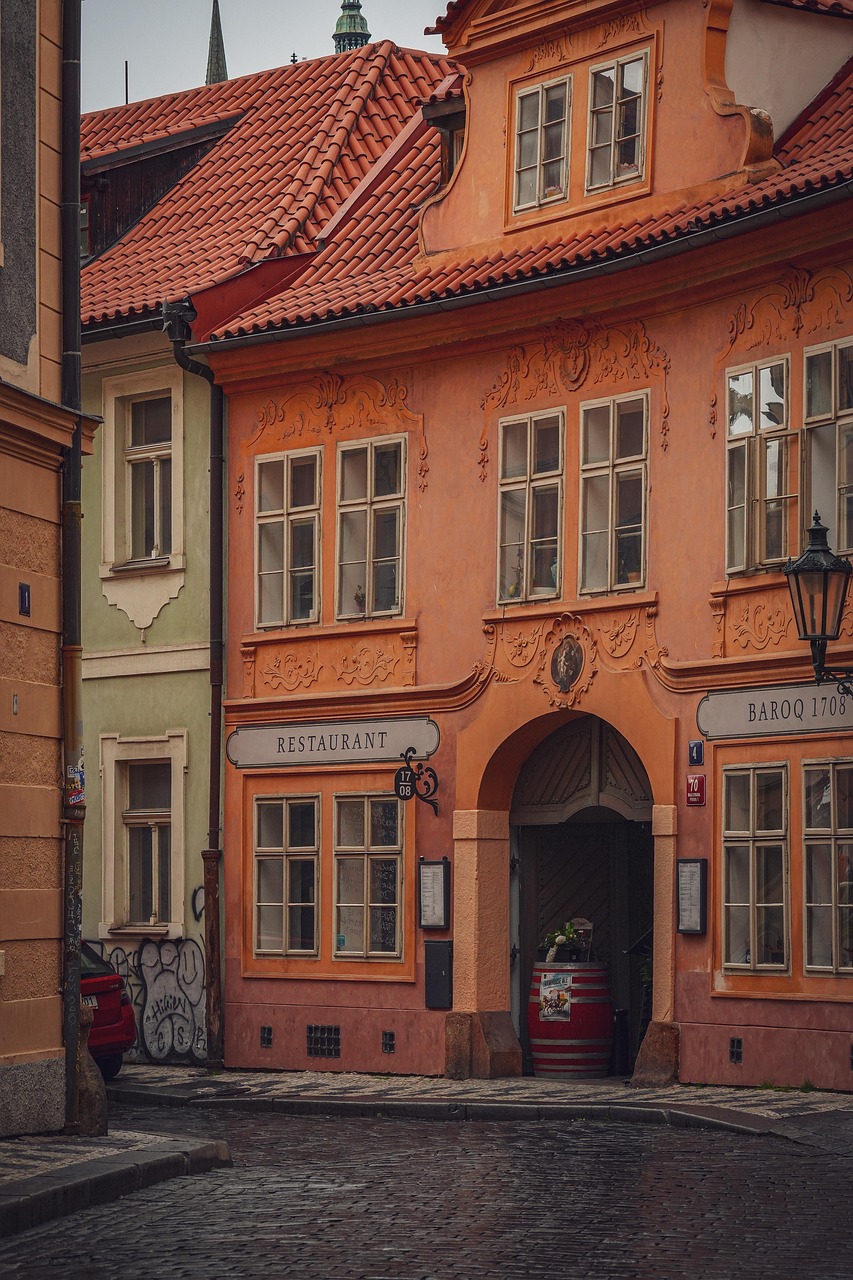
    Narrow Genoa alley with orange buildings, cobbles, and potted plants.

    Chiesa di San Matteo — Noble lineage and somber tones

    Full name: Chiesa di San Matteo (Parrocchia di San Matteo)
    Address: Piazza San Matteo, 1, 16123 Genova GE, Italia
    Hours: generally open Tuesday to Sunday — 09:00–12:30 / 15:00–18:00 (times may vary for celebrations) — closed on Mondays. Check locally for exact hours during holidays.
    Fee: free admission; occasional guided visits with a suggested contribution of €3.00.

    Description: Just a few minutes from the cathedral, Chiesa di San Matteo strikingly illustrates how Genoa’s noble families left their mark on the city. The chapel, historically linked to the Doria family, preserves funerary monuments and carved plaques that recall the maritime mercantile power of the Republic. The exterior facade is modest, almost anonymous amid the neighborhood shops and residences, but the interior reveals an intriguing mix of works: Baroque stucco, decorated altars and, in some chapels, fragments of medieval frescoes.

    Immersive visit: Step in slowly and let your eyes adjust to the dimness—the play of light on marble and gilding becomes richer late in the afternoon. Look closely at the capitals on the columns: they display marine and vegetal motifs, a nod to the city’s commercial influence. Hunt for plaques bearing family coats of arms; they’re valuable visual sources of local history. If a mass is taking place, respect the worshippers: many neighborhood residents still attend regularly.

    Local tips: The small square in front of the facade has a bench where you can pause. For amateur photographers, morning light (9:00–11:00) casts a gentle glow on the nave; avoid using flash. Ask at the sacristy if a key is needed to access crypts or private chapels—these are often opened on request.

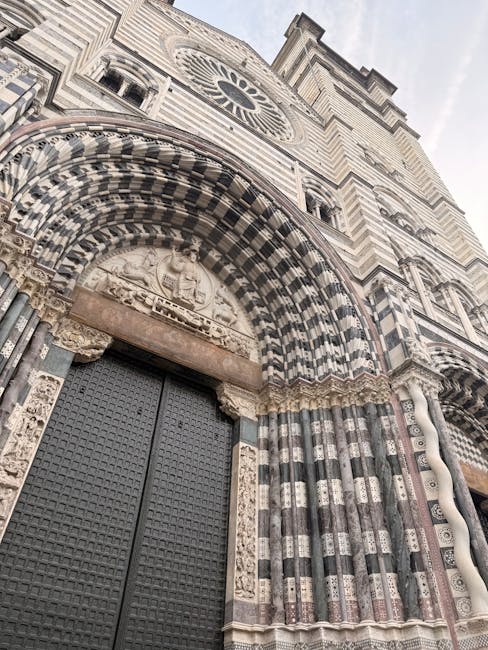
    Striped marble facade of Genoa church with ornate portal and rose window.

    Santa Maria di Castello — From panoramic views to the quiet cloister

    Full name: Basilica di Santa Maria di Castello (Complesso Monumentale di Santa Maria di Castello)
    Address: Salita di Santa Maria, 5, 16123 Genova GE, Italia
    Hours: daily 09:30–17:30 (last admission 17:00) — hours vary in winter and during ceremonies. Possible closures for religious events.
    Fee: visiting the complex is recommended — combined ticket €5.00 (main church + complex museum). Reduced €3.00 for students and seniors; free for children under 6.

    Description: Overlooking part of the caruggi, Santa Maria di Castello is a monastic ensemble that tells Genoa’s religious story from the early Middle Ages. The basilica rewards a slow visit: the Romanesque nave, side chapels, the cloister and the small museum hold sculptures, liturgical objects and paintings. The facade, less ostentatious than San Lorenzo’s, opens onto a discreet panorama: from the complex terrace you can glimpse the rooftops of the old town and, in the distance, hints of the harbor.

    Immersive visit: Climb the Salita di Santa Maria and feel the basalt and limestone underfoot. Inside, keep your hands off the furnishings but take time to read the Latin inscriptions on the sarcophagi. The cloister, especially photogenic at sunrise, is an exceptional quiet spot: benches, shaded arcades and bird song. The museum provides historical context for the liturgical objects, notably reliquaries and richly embroidered priestly vestments.

    Local tips: Buy the combined ticket to save money and support conservation. When returning toward the cathedral, pass via San Luca to enjoy oblique views across the city. Allow 1 hour 15 minutes to 1 hour 45 minutes for a full visit (church + cloister + museum).

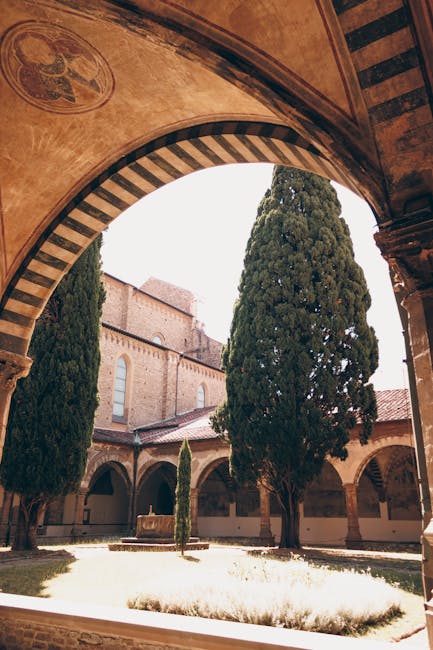
    Sunlit Genoa cloister framed by arch, cypress trees, and fountain.

    Chiesa di San Donato and Oratorio di Sant’Agostino — Two faces of neighborhood devotion

    Full name: Chiesa di San Donato
    Address: Via San Donato, 8, 16123 Genova GE, Italia
    Hours: open continuously 08:00–19:00 (daily mass at 18:00). Occasional closures for parish events.
    Fee: free entry — voluntary donations appreciated (suggested €1.00–2.00).

    Description: Chiesa di San Donato functions as a true neighborhood church. Its discreet facade contrasts with a modest yet intimate interior atmosphere: confessions, private prayers, and small commemorative plaques. You’ll find locally crafted altarpieces and votive objects that testify to a direct relationship between the community and the place. The pews are often occupied by elderly locals, and the parish welcome is generally very warm toward visiting guests.

    Immersive visit: Go in during or just after a prayer: the scent of polished wood and burning candles leaves a lasting sensory impression. Ask the sacristy about local traditions (saint’s days, processions)—this offers a living calendar of the city. Photographers should respect the no-flash rule during services.

    Full name: Oratorio di Sant’Agostino
    Address: Salita di Sant’Agostino, 1, 16123 Genova GE, Italia
    Hours: generally open in the afternoon 15:00–18:00 and by appointment for guided visits; closed in the morning for parish activities.
    Fee: free independent visits; guided tours by donation (recommended €2.00–5.00).

    Description: Oratorio di Sant’Agostino is a small Baroque gem hidden behind a discreet door. Its walls bear witness to ancient confraternities; the stucco work and allegorical paintings reward a detailed look. Often used for neighborhood meetings and small sacred music concerts, the oratory creates a micro-artistic world away from tourist flows.

    Local tips: To access the oratory, call ahead or visit the neighboring parish sacristy; volunteers typically open the door for respectful visitors. Pair the visit with a coffee at one of the little tea houses in the caruggi to extend the contemplative mood.

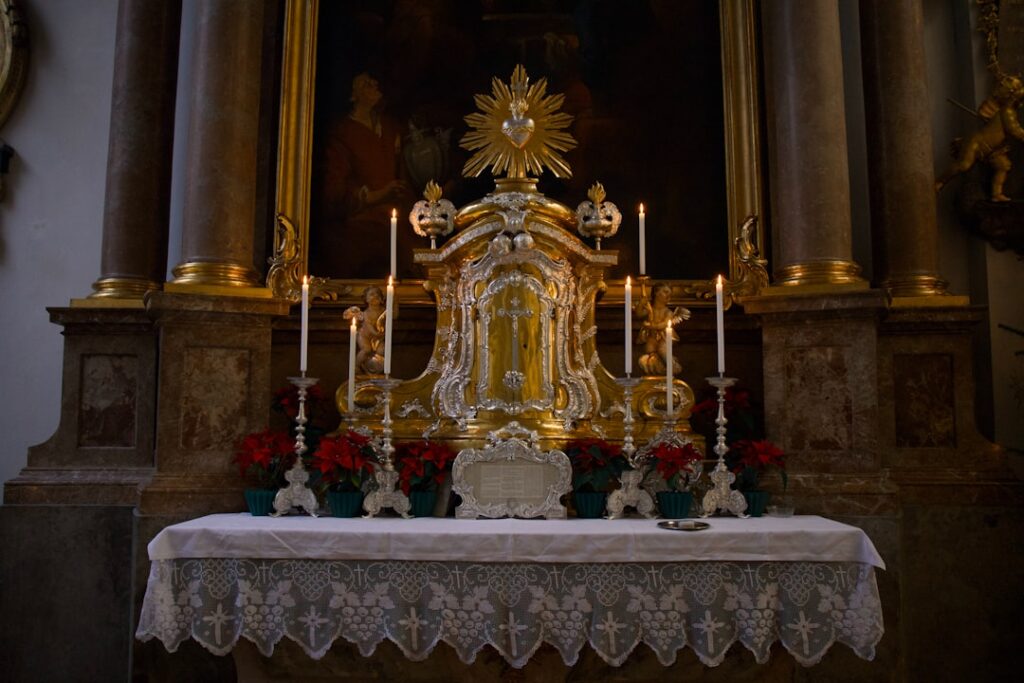
    Ornate gilded altar with lit candles and lace cloth in Genoa.
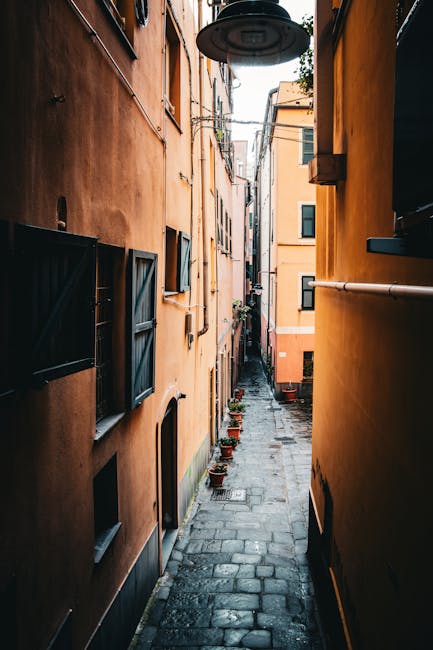
    Quiet narrow street in Genoa lined with shuttered windows and planters.

    Conclusion — How to fold these forgotten facades into your Genoa visit

    The small churches surrounding San Lorenzo cathedral form an intimate notebook of the city: they tell of daily piety, the memory of influential families, the art of confraternities and Genoese skill at blending religious function with neighborhood life. Rather than rushing from one major site to the next, give time to these places where the material traces of the past (stone, wood, paint, metal) retain a human texture. This guide invites you to craft a measured route: for example, start early at Santa Maria di Castello for the light and the view, descend to San Matteo for Doria family grandeur, cross the caruggi to San Donato for a parish welcome and finish at the oratory for a Baroque, contemplative note.

    Practically speaking, keep a few simple rules in mind: check opening hours, especially on religious holidays; respect services and prayer—most places are free to enter but donations help with upkeep; avoid flash photography and dress modestly (shoulders and knees covered) as a sign of respect. If you want a deeper visit (crypts, private chapels, protected works), ask the sacristy or volunteer staff: local openers are often happy to share anecdotes and historical details that don’t make it into standard guides.

    Finally, let your curiosity lead you down the adjacent alleys. The forgotten facades are best discovered on foot, at the pace of a walk and a gaze. They offer another way to see Genoa — not just as port and palaces, but as a city shaped by daily devotion, local memory and discreet art. Bring a map, a notebook and plenty of time: these small churches will, without fail, leave you with images and moments that extend your stay long after you’ve gone.

  • San Lorenzo by Night: Lights, Mystery and Timeless Heritage

    San Lorenzo by Night: Lights, Mystery and Timeless Heritage

    Introduction: San Lorenzo by Night — lights, mystery and heritage

    In the heart of Genoa, the San Lorenzo neighborhood transforms when the sun slips behind the hills: stone facades take on golden hues under streetlights, narrow alleys exhale an age-old atmosphere, and monuments whisper centuries of history in an almost ceremonial silence. San Lorenzo is more than a square: it’s a symbol of the city’s maritime and religious past, a crossroads where the Cattedrale di San Lorenzo, old quays, aristocratic palaces and streets alive with nightlife meet. This guide is a practical, comprehensive companion to experiencing San Lorenzo at night — how to get there, what to see, opening hours, typical costs, and above all how to fully enjoy the evening atmosphere while respecting local customs.

    The Cattedrale di San Lorenzo (Piazza San Lorenzo, 16123 Genova GE, Italy) is the neighborhood’s focal point. By day it draws pilgrims and tourists; by night, its Gothic lines and alternating bands of light and dark stone stand out against the sky, giving the building an almost theatrical presence. Around the cathedral, Piazza San Lorenzo offers unique photo vantage points, benches to watch locals come and go, and café terraces still buzzing after dinner. Further afield, the medieval alleys — the caruggi — keep the city’s murmur alive: artisan shops, tiny osterie and carriage entrances blend into an urban layout best discovered on foot, ideally after dark to catch the silent stories of stone and sea salt.

    This guide takes a practical, detailed approach: exact addresses, indicative opening hours, prices in euros, local tips and suggestions for the best photo spots. You’ll also find recommended night routes, safety pointers and extra addresses (museums, neighboring squares, restaurants) to extend your evening. Whether it’s your first time in Genoa or a return trip to see the city in a different light, San Lorenzo at night offers a full sensory experience — artificial lights, aromas of Ligurian cooking, religious echoes and maritime panoramas. Lace up comfortable shoes, charge your camera and bring your curiosity: the city peels back layer by layer, and night often reveals the most beautiful ones.

    Cattedrale di San Lorenzo illuminated at night, facade glowing on Piazza San Lorenzo

    1) The Cattedrale di San Lorenzo and the Nightly Treasure: visiting, prices and atmosphere

    At San Lorenzo’s center, the Cattedrale di San Lorenzo (Piazza San Lorenzo, 16123 Genova GE) dominates with its Gothic silhouette. Entrance to the cathedral as a place of worship is usually free, but access to the Museo del Tesoro della Cattedrale di San Lorenzo and certain areas (crypt, chapels and permanent exhibition) is ticketed. Exact museum address: Palazzo Vicereale, Piazza San Lorenzo, 8, 16123 Genova GE. Indicative prices: combined cathedral + treasure ticket ≈ €6.00–€8.00 (reduced fares for students and seniors; free for children under 6). Typical opening hours (subject to seasonal changes): Cathedral 09:30–19:00; Museo del Tesoro 10:00–18:00 (may close earlier on Sunday). In the evening, the nave and façade remain lit and available for exterior viewing, but interior access is limited by closing times.

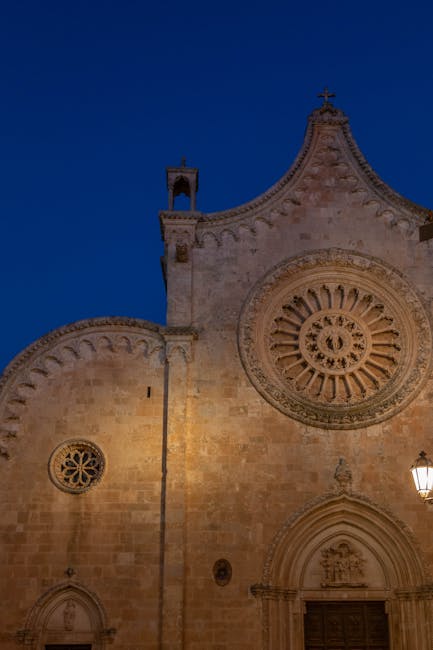
    A night visit to the cathedral is mainly a visual and symbolic experience. Spotlights highlight the alternating bands of white marble and dark stone, the carved portals and the rose window. Practical tips: arrive 30 minutes before official closing if you want to attend a late mass or service; respect rites during religious ceremonies; avoid flash photography during liturgical acts. For photographers, the best moment is just after sunset (between the blue hour and full darkness): artificial lighting contrasts with a still-dim sky, allowing dramatic shots that keep natural color tones.

    Around the cathedral several features are worth a stop: the Torre Grimaldina (sometimes included in guided tours), the Loggia della Mercanzia (Piazza Banchi, 16123 Genova GE), and Via San Lorenzo, lined with small shops and street stalls. At night these spots have a special intimacy: there are fewer passersby, voices carry differently and every architectural detail feels like a discovery. Keep a torch or smartphone handy for navigation and favor well-lit streets for late returns.

    Gothic facade of the Cattedrale di San Lorenzo illuminated at night

    2) Night walks: from the caruggi to the quays — routes and points of interest

    San Lorenzo is the perfect starting point for night walks that weave medieval alleys, historic squares and waterfront panoramas. One recommended route starts at Piazza San Lorenzo, then follows Via San Lorenzo down toward Porto Antico, cutting through the caruggi — Genoa’s trademark narrow lanes. From there continue to Via San Matteo and the Rolli district, where princely façades line Via Garibaldi (Via Garibaldi, 16124 Genova GE); many palaces are lit at night, offering an elegant, solemn perspective. The Palazzi dei Rolli (Palazzo Rosso, Via Garibaldi 18; Palazzo Bianco, Via Garibaldi 10; Palazzo Doria Tursi, Via Garibaldi 9) house art collections and exhibitions; most close around 19:00–20:00, but their exteriors make the walk worthwhile after dark.

    Continuing toward the port, Via del Molo leads to Porto Antico (Ponte dei Mille, 16128 Genova GE), where the Aquarium of Genoa (Acquario di Genova, Ponte Spinola, 16128 Genova GE) overlooks the quays. The Aquarium usually closes between 19:30 and 21:00 depending on season, with standard adult tickets around €26.00 (reduced fares available, check the official site). Even if you don’t go inside, an evening stroll along the waterfront is magical: silvered water reflections, silhouettes of boats and illuminated port structures. For a panoramic night view, head up to Spianata di Castelletto (Viale S. Francesco d’Albaro, 16129 Genova GE): reachable on foot or by public elevator (Ascensore Castelletto Levante, Piazza Portello), the overlook offers a striking panorama over rooftops and the harbor after dusk.

    Practical walking tips: wear comfortable shoes (cobblestones and stairs), avoid very dark alleys alone at night and secure your valuables. Many cafés and osterie stay open late around San Lorenzo: for a bite, watch for places like Trattoria da Maria (location varies within the center) or small local pizzerias; dinner prices typically range between €15.00 and €35.00 per person depending on venue and drinks. For a fully immersive experience, consider a guided night tour: several tourist offices and local guides offer themed evening walks (indicative prices €15.00–€25.00 per person).

    Narrow medieval street in Genoa's caruggi at night

    3) Lights, events and night culture around San Lorenzo

    San Lorenzo’s cultural life comes alive at night. Beyond religious visits and walks, the neighborhood hosts events, intimate concerts and occasional cultural happenings. Teatro Carlo Felice (Piazza De Ferrari, 5, 16121 Genova GE) is just a short walk away: box office hours vary by program (evening concerts are common, tickets €15.00–€120.00 depending on the performance). Summer evenings regularly feature street festivals, classical and contemporary concerts and open-air screenings in squares or along the waterfront. Check Teatro Carlo Felice’s official site or Genoa’s city event calendar for current programming.

    Museums and galleries along Via Garibaldi (Palazzo Rosso, Via Garibaldi 18; Palazzo Bianco, Via Garibaldi 10) sometimes hold special night openings for temporary exhibitions, openings and guided evening visits. Usual municipal museum prices: around €7.00–€12.00 for adult admission, with reductions for students and seniors; night openings are announced occasionally. San Lorenzo is also a hub for Ligurian gastronomy: wine bars, enoteche and small venues serve focaccia col formaggio and trofie al pesto. A typical late-night tasting can cost €10.00–€25.00 depending on the number of dishes and drinks.

    Atmosphere and safety: the area is generally busy and well lit, especially around Piazza San Lorenzo and Porto Antico. However, like any big city, avoid deserted routes very late at night and stick to main streets. For photographers and night owls, note that some façades have programmed spotlights: they create impressive light effects but may sometimes be closed to the public. For a full cultural immersion, look into occasional evening religious services, choirs and organ concerts at the Cathedral, which offer a unique auditory and visual experience.

    Palazzi dei Rolli on Via Garibaldi illuminated at night

    4) Practical local tips: safety, photography, transport and accommodation

    Getting around San Lorenzo at night takes a bit of planning to enjoy the experience without surprises. Transport: the area is served by several bus lines and the metro (Genova Piazza De Ferrari station near Via XX Settembre); to Cristoforo Colombo Airport (Aeroporto di Genova – Sestri) expect roughly 25–35 minutes by taxi from the center (typical fare €20.00–€30.00 depending on time). Taxis stand in major squares (Piazza De Ferrari, Porto Antico); night fares may be slightly higher. Ride-hailing and mobility apps operate in the city but availability can drop late at night.

    Nocturnal photography: bring a compact tripod for long exposures (cathedral and palace lighting often require longer shutter times); use wide-angle lenses to capture façades and tight alleys. Respect cordoned areas and avoid blocking entrances or walkways. Photography is allowed in public spaces, but some temporary exhibits or museum interiors may prohibit photos; follow signage and staff instructions. For original shots, explore reflections at Porto Antico and viewpoints from Spianata di Castelletto.

    Accommodation: San Lorenzo and its surroundings offer a wide range of lodging — from budget hostels to historic hotels. Indicative rates: hostels €25.00–€50.00 per night; 3-star hotels €60.00–€120.00; boutique or charming hotels €140.00 and up. Book ahead in high season or during special events (festivals, fairs). For a heritage immersion, some palaces along Via Garibaldi offer rooms in a historic setting (look into the Palazzi dei Rolli accommodations or night-visit options).

    Safety and etiquette tips: avoid flaunting valuables, stick to well-lit routes and tell someone your plans if you expect to return very late. Locals appreciate simple politeness — a quick « buonasera » when entering a shop or church and respect for service times and events. Always carry a small map or a downloaded offline plan: the maze of alleys can be disorienting, especially at night.

    Cobblestone alley in Genoa's caruggi lit in the evening

    Conclusion: San Lorenzo by Night — a journey of light and memory

    San Lorenzo in Genoa is more than a tourist site: it’s a sensory experience where history literally lights up at night. Between the majestic Cattedrale di San Lorenzo (Piazza San Lorenzo, 16123 Genova GE), the medieval caruggi, the palaces of Via Garibaldi and the Porto Antico waterfront, every step reveals another facet of the city. The contrast between shadowed narrow streets and directed lighting on monuments creates an urban theatre perfect for quiet strollers and photographers hunting the perfect shot. The prices and hours given here help you plan: expect around €6.00–€8.00 for the Museo del Tesoro della Cattedrale, €7.00–€12.00 for Palazzi dei Rolli museums, and about €26.00 if you choose an evening visit to the Aquarium of Genoa (always double-check official sites for updates).

    To make the most of San Lorenzo by night: start at the cathedral at sunset, walk down through the caruggi toward Porto Antico, then climb up to Spianata di Castelletto for a night panorama. Pause at a local osteria for focaccia or trofie al pesto, and let the city speak through its stones and moods. San Lorenzo at night is welcoming and safe if you follow basic advice (stick to lit main streets, protect your belongings, check night opening hours of attractions).

    Finally, respect the heritage: don’t touch sculptures, don’t litter, observe prayer times and photo restrictions. San Lorenzo by night reveals a Genoa at once mysterious and warm — a place where light breathes life into centuries of history, where every corner can become an unforgettable memory. Whether you’re an inquisitive traveler, a passionate photographer or a history lover, follow the lamplight and the sound of the waves: San Lorenzo is best explored on foot, savored slowly, and discovered more deeply with each return.

  • Genoa in a Day — A Walking Itinerary to the Churches Around San Lorenzo

    Genoa in a Day — A Walking Itinerary to the Churches Around San Lorenzo

    Introduction — A day dedicated to the churches around San Lorenzo in Genoa

    Wandering through Genoa’s historic center around the Cathedral of San Lorenzo means stepping into the heart of a maritime city where faith, trade and art have been intertwined for centuries. This one-day route is designed for curious travelers who want to explore on foot, at a leisurely pace, the major churches and some lesser-known gems around Piazza San Lorenzo. You’ll find practical opening times, exact addresses, indicative prices and immersive descriptions for each stop to help you make the most of your time and enrich your cultural experience.

    The Cathedral of San Lorenzo (Cattedrale di San Lorenzo) is naturally the starting point: a memorial church blending Romanesque and Gothic styles, a symbol of the religious history of the Republic of Genoa. Around it stand lavish Baroque decorations, private chapels funded by Genoese aristocratic families, and oratories that testify to a dense religious urban fabric. This walking itinerary favors discovery on foot — short distances, picturesque alleys and occasionally steep steps — to give you a real feel for the variety of styles and the historical continuity of the area.
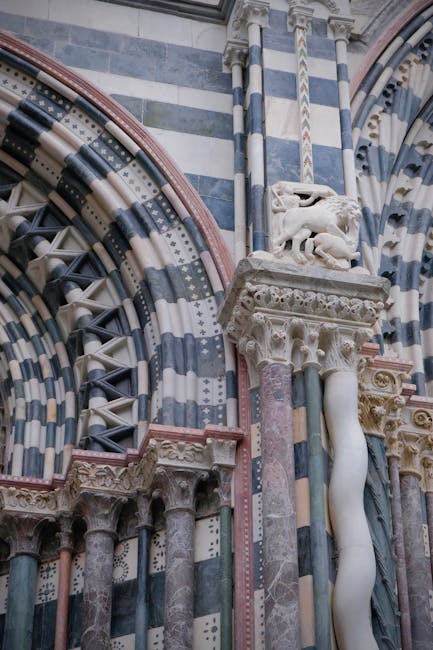
    This guide adopts an informative, professional tone: at each stop you’ll find the full name of the site, the exact address, typical opening times and entrance fees in euros (where applicable), plus local tips to save time or better appreciate the artworks. Timetables and prices may change depending on the season and liturgical celebrations; I recommend checking official sources the day before your visit. Wear comfortable shoes, dress appropriately for religious buildings (shoulders covered, no very short shorts), and bring a small paper guide or an app to quickly locate the artistic highlights mentioned.

    Throughout the route you’ll encounter frescoes, polychrome marble, carved capitals, Baroque credences, and unexpected viewpoints over the city’s rooftops. The itinerary is planned to take 6 to 8 hours including coffee and lunch breaks — a full but relaxed day that combines architecture, history and local tastings. It’s aimed at independent walkers; still, there are suggestions for public transport and accessible alternatives for those who prefer to limit the climbs.

    Exterior of San Lorenzo Cathedral in morning light
    Narrow alley near San Lorenzo

    Morning: Cattedrale di San Lorenzo and the center’s treasures (3–4 hours)

    Start your day in Piazza San Lorenzo, in front of the Cattedrale di San Lorenzo (Piazzetta San Lorenzo, 16123 Genova GE). Entrance to the cathedral is free, but access to the Museo del Tesoro (Treasure Museum) and some protected areas may be ticketed: plan on about €6.00 for the Museo del Tesoro (indicative price). Typical opening hours: 08:30–12:30 and 15:00–18:30 (open daily, but may close for ceremonies — check the official site before your visit).

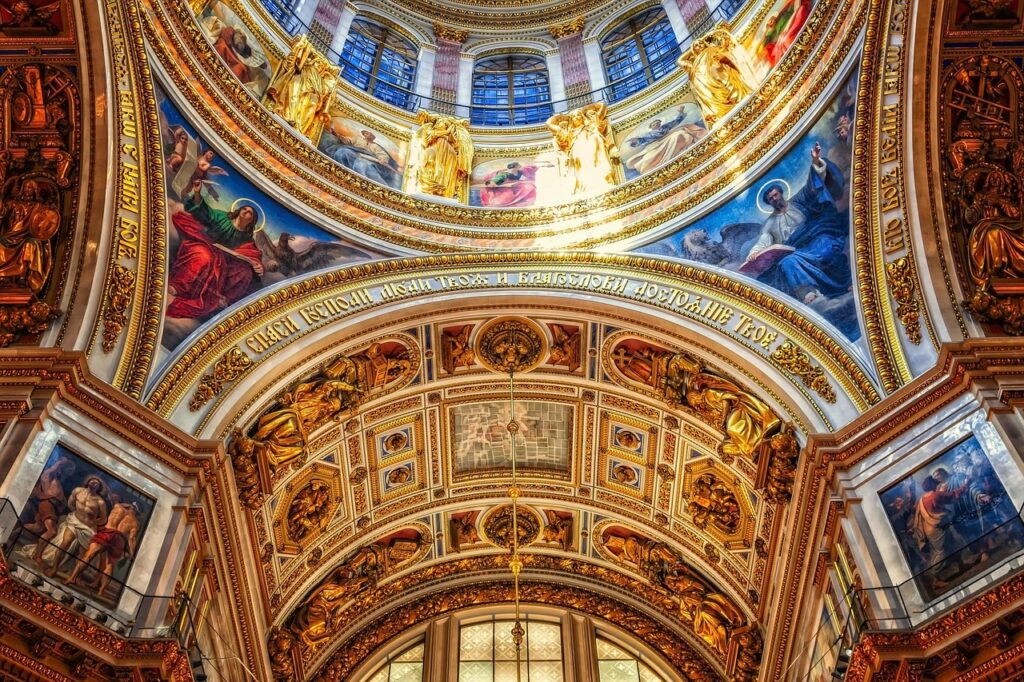
    Inside, take your time to admire the contrasting marbles of the façade, the pulpit, the stained glass and, above all, the medieval pavement. The Treasure Museum displays monstrances, reliquaries, liturgical vestments and goldsmithing objects accumulated by the cathedral chapter. Guided tours (available at certain times) explain the origins of relics reportedly brought back by maritime expeditions and the cathedral’s judicial role in the Middle Ages.

    Just behind the cathedral is the Battistero di San Giovanni (Baptistery), a small space that’s rarely crowded but rich in symbolism. Address: Via San Lorenzo, 16123 Genova GE (located within the immediate area of Piazza San Lorenzo). Free entry, often accessible during the cathedral’s opening hours. Admire the baptismal font, the mosaics and the carved capitals — clear signs of the long-standing Christian cult in Genoa.

    Practical tips: arrive early (8:30–9:30) to avoid the afternoon crowds and to enjoy soft light on the marbles. Allow 1.5 to 2 hours for the cathedral and museum if you want to read the panels and take photos. If you’d like to climb to the terraces, ask at the welcome desk: access may require an additional ticket or be limited.

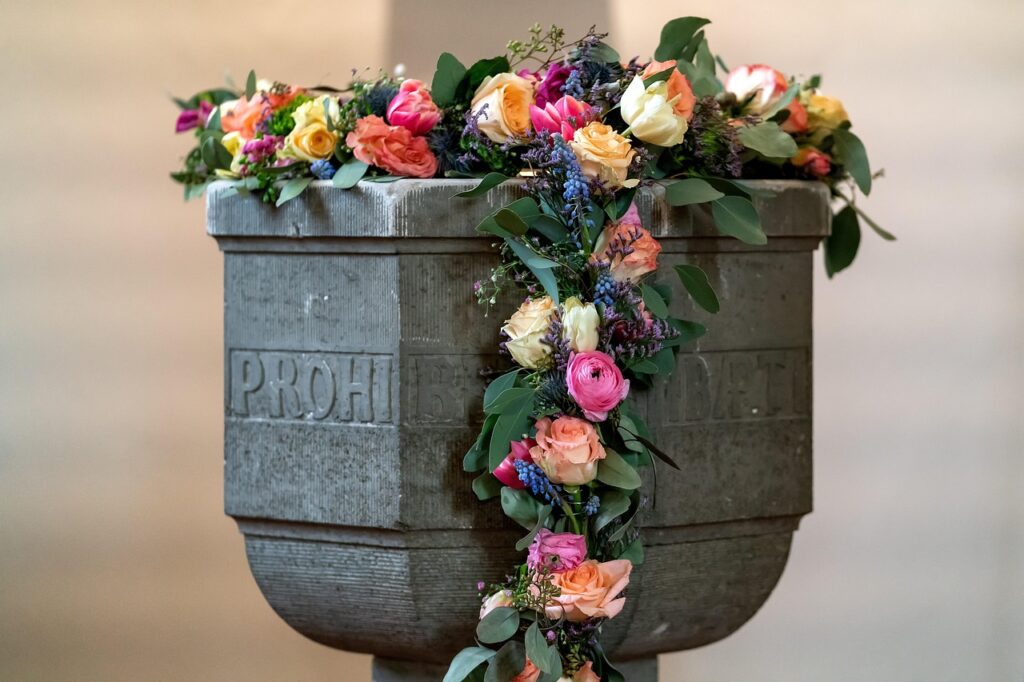
    Hexagonal baptismal font in the baptistery of Genoa

    Noon: Basilica della Santissima Annunziata del Vastato and San Donato (2–3 hours)

    From San Lorenzo, walk (5–10 minutes depending on the route) to the Basilica della Santissima Annunziata del Vastato (Via San Lorenzo, 16123 Genova GE). Exact address: Basilica della Santissima Annunziata del Vastato, Via San Lorenzo 163, 16123 Genova GE. This 17th-century Baroque church stands out for its richly ornamented interior: stuccoes, frescoes and a dramatically painted ceiling. Typical hours: 09:00–12:30 and 15:00–18:30 (check for holidays). Entrance to the church is free; voluntary contributions are recommended (suggested €2–5 for upkeep).

    Inside, take in the decorative abundance: scenes from the life of the Virgin, sumptuous side chapels and filtered light that accentuates the gilding and vivid colors. Genoese noble families financed many of the chapels, making this an excellent place to understand artistic patronage in the Baroque era. Take time to spot local artists’ signatures and the trompe-l’œil effects that visually enlarge the interior.

    Continue on to Chiesa di San Donato (Piazza San Donato, 16124 Genova GE), a more intimate building with a classical plan and Renaissance and Baroque elements. Hours: typically 10:00–12:00 and 16:00–18:00 (mass possible in the morning). Free entry; some concerts and events may ask for a donation. Focus here on the main altar, the altarpieces and the mausoleums of local families. San Donato offers a calming contrast after the splendor of the Annunziata.

    Lunch tips: the neighborhood has small trattorie and cafés where you can try a local focaccia (around €2.50–4.50) or a pasta dish (€8–14). For an authentic break, look for a rosticceria near Via San Lorenzo or around Via di Prè.

    Ornate frescoed ceiling inside Basilica della Santissima Annunziata

    Afternoon: San Matteo, Santa Maria di Castello and historical perspectives (2–3 hours)

    After lunch, head up to Chiesa di San Matteo (Salita di San Matteo, 16123 Genova GE). Address: Chiesa di San Matteo, Salita di San Matteo 1, 16123 Genova GE. Linked to the Doria family, this church mixes medieval architecture with sumptuous funerary furnishings. Typical hours: 09:30–12:30 and 15:00–18:00; free entry with voluntary contributions (recommended donation €1–3). Don’t miss the private chapels, sarcophagi and the ancient pavement that tell the story of the city’s merchant dynasties.

    Next, climb (or take a short bus ride if you prefer to skip the stairs) up to Santa Maria di Castello (Salita Santa Maria, 16123 Genova GE). Exact address: Basilica di Santa Maria di Castello, Salita di Santa Maria 1, 16123 Genova GE. Perched on a small hill, this basilica not only offers a Gothic-Romanesque interior to explore but also a terrace with a handsome view over the roofs and port. Typical hours: 09:00–12:00 and 15:00–18:30. Free entry; access to some monastic or museum areas may be ticketed (€2–5).

    Santa Maria di Castello is a contemplative way to close the day: quiet cloisters, serene corridors and chapels where you sense the rhythm of ancient prayer. If time allows, finish with a visit to the small adjacent diocesan museum or a walk on the terrace to photograph the city at sunset.

    Local tips for late afternoon: if you’re tired, take the funicular or a bus from the Castello ascent to go back down toward the port and the train station. Otherwise, wander the alleys around Via San Lorenzo to discover artisan workshops and antique shops. Keep in mind some churches may close earlier in low season; adjust the visiting order accordingly.

    Medieval cloister view at Chiesa di San Matteo

    Conclusion — Make the most of your religious day around San Lorenzo

    In a single day around San Lorenzo you can grasp Genoa’s spiritual and artistic richness: from the medieval solemnity of the Cattedrale di San Lorenzo to the Baroque splendor of the Santissima Annunziata del Vastato, through the family chapels of San Matteo and the elevated serenity of Santa Maria di Castello. The suggested route aims to balance longer visits with breaks, major monuments with quieter spots, so you can feel the urban history without rushing.

    Some final recommendations: plan on 6 to 8 hours for the full circuit, bring a bottle of water, a paper guide or an offline app to identify artworks, and check dress codes and photography rules for each church. Indicative daily budget: entries and donations (€6–15), lunch and coffee (€10–20), possible tickets for side museums (€2–8) — a reasonable range of €18 to €43 depending on your choices. For transport, the historic center is best explored on foot; buses and the funicular are handy if you want to avoid steep climbs (urban bus ticket ~€1.50).

    Finally, respect the mass schedules (posted at each entrance): churches may close temporarily for services. If you’d like to attend a mass, check ahead to experience a moment where liturgical music and architecture meet powerfully. Follow this itinerary and you’ll leave Genoa with a deeper understanding of the ties between power, commerce and religion that shaped the city. Have a great trip and enjoy the spiritual discoveries in the lively streets around San Lorenzo.

  • Hidden Secrets of San Lorenzo: Crypts, Mosaics & Treasures

    Hidden Secrets of San Lorenzo: Crypts, Mosaics & Treasures

    Introduction: The Secrets of San Lorenzo in Genoa

    The Cattedrale di San Lorenzo (Saint Lawrence Cathedral) is one of Genoa’s medieval gems — a port city where every stone tells a tale of sailors, merchants and saints. Nestled in the heart of the old town, it catches the eye with its striking black-and-white striped façade and its Romanesque–Gothic bell tower. But beyond that iconic exterior lie lower levels — crypts, richly decorated chapels, rare mosaics and an episcopal treasure that together reveal centuries of devotion and artistic exchange between East and West. This guide offers a hands-on, immersive walkthrough of those hidden corners, with exact addresses, opening hours, ticket prices and local tips to help you get the most out of your visit.

    The richness of San Lorenzo isn’t limited to a single room: it’s spread across the main nave, side chapels you might miss from the entrance, the crypt beneath the choir and the Museo del Tesoro della Cattedrale (Cathedral Treasure Museum). These spaces preserve Byzantine mosaics, golden reliquaries, embroidered liturgical textiles and, above all, visible traces of successive interventions that make the cathedral a living architectural stratigraphy. Reading those layers is like reading Genoa’s history — from Lombard and Pisan phases to the bustling medieval maritime fairs and the later Baroque splendor.

    This guide is written for both the curious traveler and the art lover: I map out the underground routes, the must-see rooms, practical info (prices in euros, current opening times, exact addresses) and local tips to avoid the crowds or to join a guided tour. You’ll also get visual cues for photographing mosaics and crypt spaces, plus suggestions for extending your exploration into the surrounding streets — think Via San Lorenzo and the Palazzo San Giorgio. Respect liturgical schedules and conservation rules and you’ll be able to admire the treasures with both wonder and care. Bring comfortable shoes: the stairs down to the crypt are narrow and lighting is low, but the experience is unforgettable.

    1) Cattedrale di San Lorenzo — façade, nave and main entrance

    Exact address: Cattedrale di San Lorenzo, Via San Lorenzo 8, 16123 Genova GE, Italy. The cathedral itself is usually free to enter for access to the central nave, though some areas require a ticket. Typical opening hours: 9:00–12:00 and 15:00–18:00 (closed during Mass — check the day’s times on-site or on the official page). Entry to the nave: free. Inside you’ll find vaults that play with shadow and light, reclaimed ancient columns and several side chapels richly decorated.

    Outside the cathedral, take a moment to study the polychrome façade and carved portal: the alternating black-and-white marble stripes are typical of the Ligurian–Tuscan tradition. Inside, the Chapel of Sant’Agostino and the Cappella del Crocifisso contain altarpieces and ornate Baroque woodwork that contrast with the stern Romanesque choir. The most photogenic times are early morning or late afternoon, when low light skims the stone and brings out carved details.

    Practical tips: avoid Mass times (often 10:30–11:30 and 18:00–19:00) if you want an uninterrupted visit. There is wheelchair access via a side ramp (ask staff on site). Allow at least 45–60 minutes for a relaxed visit of the nave and side chapels before heading down to the crypt and the treasure.

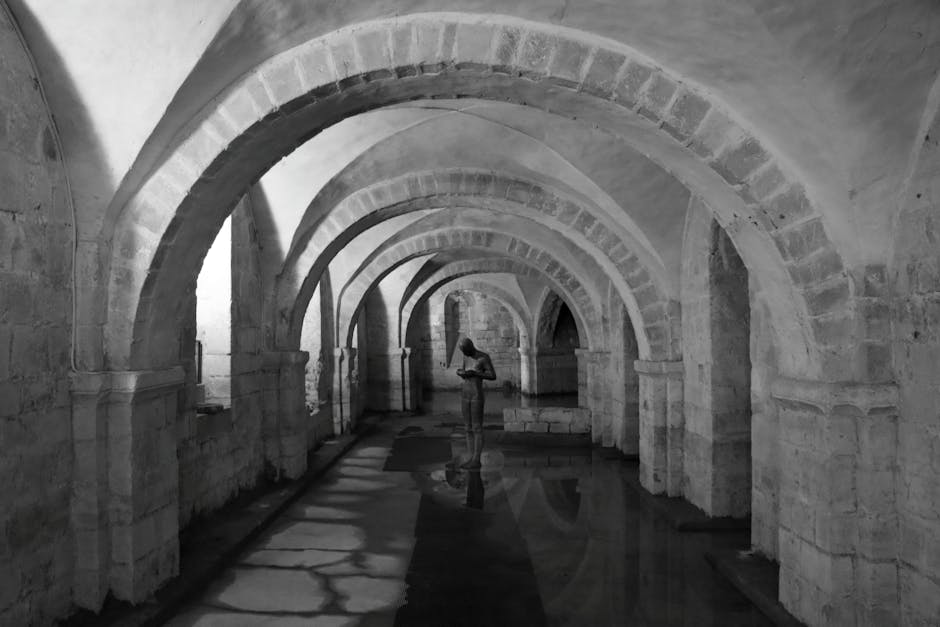
    2) The Cathedral Crypt — underground spaces, relics and atmosphere

    Access point: enter from inside the Cattedrale di San Lorenzo, Via San Lorenzo 8, 16123 Genova GE. The crypt is one of the most intimate and least visited areas. Generally, access is via a ticket office or a combined ticket with the Museo del Tesoro. Indicative prices: Crypt ticket only €5.00, Combined Crypt + Treasure ticket €10.00. Typical opening times: 10:00–12:30 and 15:00–17:30, though it can be closed outside guided tours — it’s strongly recommended to check up-to-date hours at the Ufficio informazioni turistiche (tourist information office) or on the cathedral’s entrance notice board.

    Descending into the crypt reveals a series of low bays supported by massive columns, with an ancient floor sometimes showing fragmentary mosaics. Lighting is deliberately subdued to protect the materials: expect a nearly monastic atmosphere, punctuated by warm lamps that highlight silver reliquaries and gilded stuccoes. Notable features include medieval sarcophagi and inscribed stones recalling Genoa’s patrician families.

    Local tips: bring a small headlamp (respect the no-flash rules) to study the mosaics and inscriptions up close. The stairs are narrow and can be slippery — closed-toe shoes are recommended. If the crypt is closed to the public, ask about special guided visits — these often grant access to areas normally off-limits.

    3) Museo del Tesoro della Cattedrale — mosaics, reliquaries and goldsmithing

    Exact address: Museo del Tesoro della Cattedrale, Piazza San Lorenzo 10, 16123 Genova GE. The museum houses the cathedral’s treasure: medieval goldsmithing, gilded reliquaries, liturgical textiles and imported mosaics. Standard admission: €8.00 (full price), €5.00 (reduced for students and seniors), free for under 6s. Typical opening hours: 10:00–13:00 and 15:00–18:00, closed Monday mornings; hours may vary with seasons and religious celebrations.

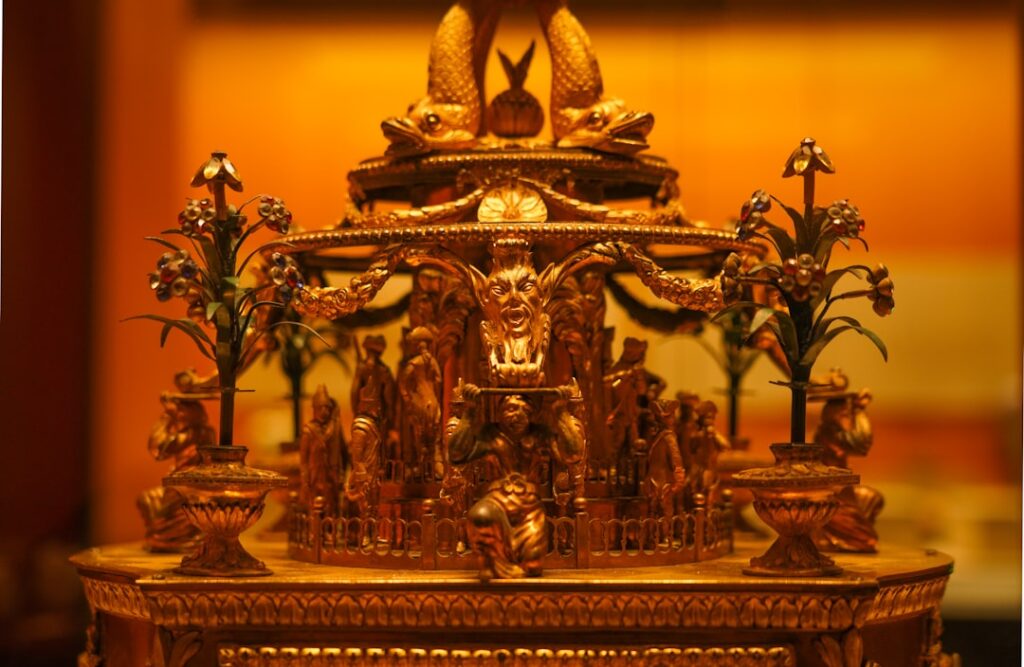
    The collection highlights the artistic dialogue between Genoa and the Mediterranean East: you’ll see Byzantine enamels, cross-reliquaries set with champlevé enamels and polychrome mosaic fragments that sometimes come from churches that were demolished or reworked. A key showcase holds the bishop’s crosier reliquary and ornately decorated chalices, evidence of wealth amassed during the commercial peak of the Republic of Genoa. Exhibit panels are in Italian and English; some temporary displays include additional notes in French.
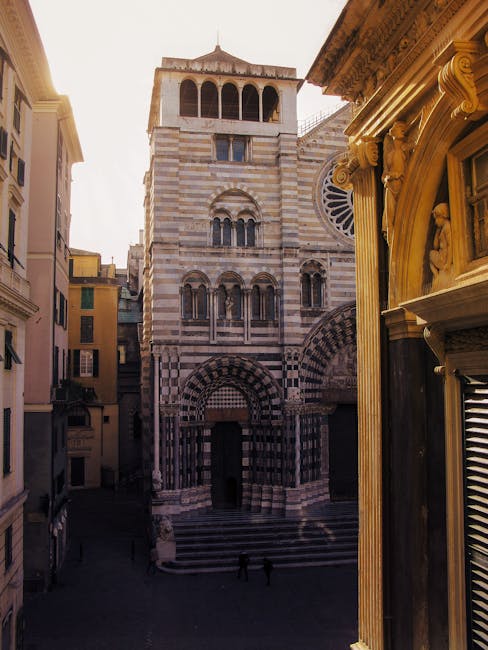
    Visitor advice: opt for a guided tour (often offered in Italian and English) to grasp the liturgical and artistic contexts of the pieces. Non-flash photography is generally allowed but check at the entrance. If you love mosaics, study the tesserae and their sizes: the oldest ones use irregular pieces and semi-precious stones, while modern restorations tend to use more uniform materials.

    4) Nearby routes and practical tips — extending your San Lorenzo discovery

    The San Lorenzo area is a cultural hub: stepping out of the cathedral you’ll be moments from the Palazzo San Giorgio (Piazza Caricamento 1, 16123 Genova GE), the historic seat of port administration, and the Museo di Palazzo Reale (Via Balbi 10, 16126 Genova GE) if you want to continue exploring aristocratic interiors. Many visitors combine the cathedral with a stroll through the caruggi (narrow lanes) of the old town, where you’ll find small antique shops and authentic focaccia bars.

    Transport and parking: the area is largely pedestrian. Closest public car parks are Garage Colombo (Via di Sottoripa 2, 16123 Genova GE) and Parking Porto Antico (Piazza Cavour 1, 16128 Genova GE) with hourly rates that vary (around €2–€3/hour). Trams and buses serve Brignole and Piazza De Ferrari stations, but expect a 10–20 minute walk from those points depending on where you start.

    Local tips: grab a focaccia at Panificio Bravo (Via di Santa Caterina 12R) or a slice of farinata at a small osteria after your visit. Avoid peak tourist hours (11:00–14:00) if you want crowd-free photos. And respect religious rules: some chapels close during services and access to sensitive areas may be restricted for conservation reasons.

    Conclusion: Why San Lorenzo is a must-see

    The Cattedrale di San Lorenzo and its outbuildings form an exceptional ensemble where religious history, art and urban life meet. By descending into the crypt, studying the mosaics and admiring the episcopal treasure, visitors get a tangible sense of Genoa’s cultural wealth. Beyond dates and styles, these places tell the story of a merchant city open to the Mediterranean: relics brought back from pilgrimages, donations from patrician families, Byzantine influences and Baroque interventions. Every displayed object is a clue to the trade and spiritual networks that shaped the city.

    To prepare your visit: note these addresses — Cattedrale di San Lorenzo, Via San Lorenzo 8, 16123 Genova GE; Museo del Tesoro della Cattedrale, Piazza San Lorenzo 10, 16123 Genova GE; Palazzo San Giorgio, Piazza Caricamento 1, 16123 Genova GE — and plan quieter time slots in the morning or late afternoon. Choose combined tickets where available to save money and avoid lines for the crypt and museum. Finally, keep conservation requirements in mind (no flash, observe liturgical hours) so these works survive for future generations. San Lorenzo is more than a pinpoint on a map: it’s a time immersion, a conversation with talking stones and glittering treasures — intimate and grand at once.

  • Discover San Lorenzo Cathedral: Genoa’s Timeless Gem

    Discover San Lorenzo Cathedral: Genoa’s Timeless Gem

    Introduction: Discovering San Lorenzo Cathedral, Genoa’s Gem

    In the heart of Genoa’s historic centre, tucked between medieval alleys and lively squares, the Cattedrale di San Lorenzo (Saint Lawrence Cathedral) stands out as both a visual and spiritual landmark for centuries. Blending Romanesque and Gothic bones with later Baroque flourishes, this monument tells the story of a powerful maritime city — a crossroads of trade and culture between Italy, the East and the broader Mediterranean. For curious travellers, a visit to San Lorenzo is more than an architectural stopover: it’s a dive into the layered history of a city that has preserved its treasures while staying vibrantly alive.

    The cathedral, dedicated to Saint Lawrence, sits in a neighbourhood where every stone seems to whisper tales of sailors, merchants and dignitaries. Its role goes beyond strictly religious functions: locals, worshippers and visitors mingle in front of the black-and-white marble façade, beneath its arches and along its side chapels. Inside, plays of light, frescoes, carved capitals and the precious liturgical treasury invite you to slow down, look closely and feel the weight of time. The Cattedrale di San Lorenzo is also where Genoa’s history can be read in symbols — from patrician family coats of arms to references to great maritime expeditions.

    In this article we’ll explore this jewel: its history, architecture, artworks and relics, and — most importantly — up-to-date practical information to plan a successful visit. You’ll find exact addresses, approximate opening hours, prices in euros, and local tips to make the most of the site and its immediate surroundings. Whether you’re into sacred art, a photographer hunting for unique angles, a traveller seeking authenticity or simply a curious visitor, this guide will give you the keys to get the best out of the cathedral.

    To bring the experience to life, I also offer visual landmarks and suggested routes through the neighbourhood — detours to the Palazzo Ducale and the famous Lanterna di Genova, and coffee pauses in nearby pedestrian lanes. The Cattedrale di San Lorenzo is the perfect gateway to understanding Genoa’s soul: its architectural restraint, its cosmopolitan nature and its deep bond with the sea. Ready your camera, a sense of wonder and your curiosity; let’s explore this must-see monument together.

    History and Architecture of the Cattedrale di San Lorenzo

    The Cattedrale di San Lorenzo, officially the Cattedrale Metropolitana di San Lorenzo, occupies a central spot on Piazza San Lorenzo in the heart of old Genoa. Address: Piazza San Lorenzo, 5, 16123 Genova GE, Italy. References to a church on this site date back to the early Middle Ages, but the building you see today is the result of successive constructions and renovations, mainly from the 12th to the 15th century. This architectural palimpsest reveals traces of different eras: a Romanesque core, Gothic elevations and Baroque additions speak to continuous evolution.
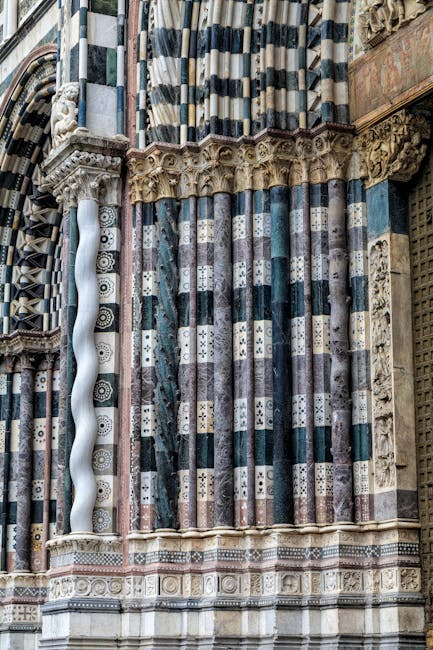
    The striking façade alternates bands of white and black marble — a typical Ligurian and Pisan motif — and features round arches and ornate loggias. The main portal is decorated with sculptures and carved reliefs that, in times when most worshippers were illiterate, were used to teach biblical stories and moral lessons. Inside, the central nave, aisles and side chapels form a liturgical route rich in artworks: frescoes, canvas paintings, carved choir stalls and reliquaries. Notable features include the ancient crypt and flooring, as well as mosaics and gilded ornamentation that testify to Genoa’s role in Mediterranean trade.

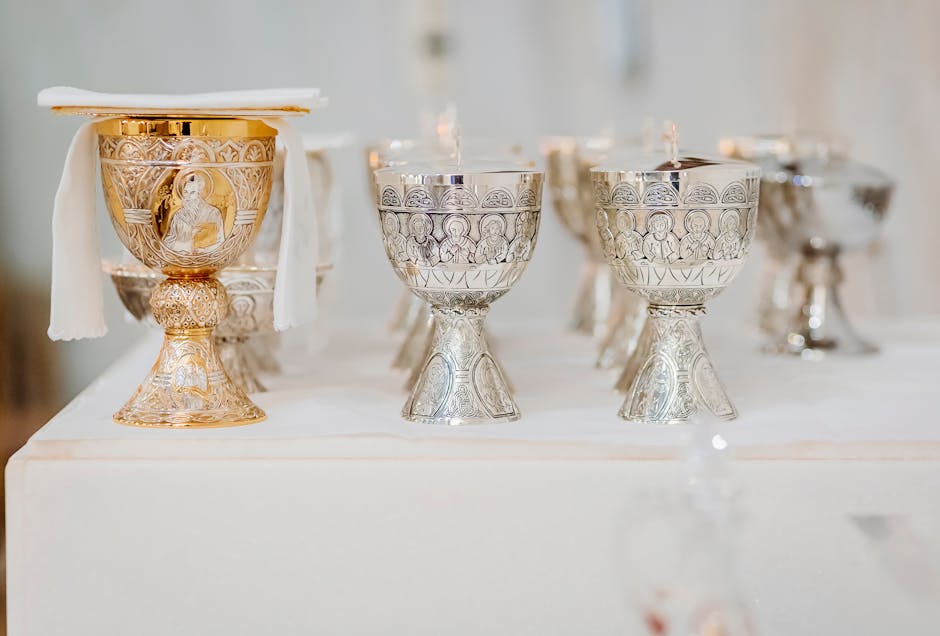
    One of the cathedral’s highlighted treasures is the Tesoro della Cattedrale (Cathedral Treasury), which houses liturgical objects, chalices, reliquaries and goldsmith work that illustrate the cathedral’s material and symbolic wealth across centuries. This treasury is kept in a dedicated room inside or adjacent to the cathedral and, for conservation reasons, may be shown in temporary or permanent exhibitions. Recent restoration work has also revealed painted layers and carved details long hidden by time.

    Understanding San Lorenzo’s architecture is a way of reading the city. Byzantine, Pisan-Ligurian and Gothic influences reflect Genoa’s maritime connections: each material and sculpted motif points to contacts with East and West. Conservation efforts, often carried out in collaboration with the Soprintendenza Archeologia, Belle Arti e Paesaggio per la città metropolitana di Genova, aim to protect this heritage while keeping it accessible to the public. For architecture enthusiasts, the cathedral is like an open book: its austere exterior contrasts with the variety and richness of its interiors, offering a refined visual and intellectual journey.

    What to See Inside: Artworks, Treasures and Hidden Spaces

    Stepping into the Cattedrale di San Lorenzo reveals a collection of objects and spaces that reflect a dense religious and civic history. Access to the main church is generally free, but entry to the Tesoro della Cattedrale and certain exhibitions or chapels may require a fee. Indicative prices (2024): cathedral entry free; Tesoro della Cattedrale and permanent exhibition around €3.00 to €6.00; guided tour of the complex (when available) around €8.00 to €12.00. Prices can vary with season and temporary exhibitions. It’s best to check the official site or Genoa’s tourist office before visiting.

    Highlights you shouldn’t miss:

    • The Tesoro della Cattedrale: a set of liturgical objects (chalices, monstrances, reliquaries) and priestly garments showcasing exceptional goldsmithing. The dim lighting and display cases lend these pieces an almost sacred aura.
    • The Crypt: often quieter, it reveals ancient walls, fresco fragments and an intimate atmosphere perfect for contemplation.
    • The Chapel of the Holy Shroud: certain fragments or relics on display evoke the cathedral’s historical links to highly venerated medieval relics.
    • Stained Glass and Frescoes: modest compared with some grand European cathedrals, they nonetheless offer biblical scenes and decorative motifs worth careful observation.

    Beyond the visible works, the cathedral holds lesser-known areas: archives, conservation rooms and small oratories. These spaces are not always open to the public, but special guided tours or heritage days can sometimes grant access. Photographers should note that flash is prohibited in some areas to protect the artworks, and many objects are displayed behind glass for conservation reasons.

    Practical tip: aim to visit in the morning, right at opening time, to avoid crowds and to enjoy softer interior light. If you want to attend mass or a service, check schedules (see the next section): the liturgical atmosphere can make the visit especially moving and authentic.

    Practical Information: Addresses, Opening Hours, Prices and Local Tips

    To prepare your visit, here are practical details accurate at the time of writing. Main address: Cattedrale Metropolitana di San Lorenzo, Piazza San Lorenzo, 5, 16123 Genova GE, Italy. The site is a short walk from Piazza Matteotti and the famous Piazza De Ferrari, making it easy to combine visits.

    Indicative opening hours (check before you go, as hours can change for religious feasts or events):

    • Cathedral interior opening hours: Monday to Saturday 9:30 – 12:30 and 15:00 – 18:00; Sunday 9:00 – 12:30 and 15:00 – 18:30 (approximate).
    • Visit to the Tesoro della Cattedrale: generally open in the morning and late afternoon; hours vary, often 10:00 – 17:00 with closure between 12:30 and 15:00.
    • Closures and measures: the cathedral may close temporarily for services, ceremonies or conservation. On Tuesday mornings or certain public holidays, some sections might be inaccessible.

    Estimated prices:

    • Cathedral entry: free.
    • Entry to the Tesoro della Cattedrale: €3.00 – €6.00 depending on the exhibition.
    • Official guided tour: €8.00 – €15.00 per person (discounts often available for groups and students).
    • Parking and transport: parking in the historic centre is limited; favour public transport. Single bus/metro ticket roughly €1.50 – €2.00.

    Local practical tips:

    • Booking: in high season (May–September) or on weekends, book guided tours in advance and arrive before opening to avoid queues.
    • Dress code: wear modest clothing (shoulders and knees covered) if you enter during a religious service.
    • Accessibility: the cathedral still has stairs and medieval areas; wheelchair access may be partially limited. Ask at the reception for alternative solutions.
    • Safety: watch your belongings in tourist areas; busy streets can attract pickpockets.
    • Guides and audio guides: available seasonally; check languages offered (Italian, English, sometimes French or Spanish).

    Nearby highlights:

    • Palazzo Ducale — address: Piazza Giacomo Matteotti, 9, 16123 Genova GE. A major cultural venue often hosting temporary exhibitions.
    • Piazza De Ferrari — address: Piazza De Ferrari, 16121 Genova GE. The central square with its fountain and the nearby Galleria Mazzini.
    • Lanterna di Genova — address: Calata Zingari, 16128 Genova GE. The city’s iconic lighthouse, reachable by bus or a walk along the harbour.


    Routes, Experiences and Tips to Extend Your Visit

    A visit to the Cattedrale di San Lorenzo can be part of a half-day or a full day exploring Genoa’s historic centre. Here are some route suggestions and experiences to enrich your stay:

    1) Heritage route (morning): start at the Cattedrale di San Lorenzo (Piazza San Lorenzo, 5), then head to the Palazzo Ducale (Piazza Giacomo Matteotti, 9) for a temporary exhibition or a tour of the building. From there, walk to Piazza De Ferrari (Piazza De Ferrari, 16121 Genova GE) and the Galleria Mazzini for a coffee break.

    2) Stroll along the harbour (afternoon): descend to Porto Antico (Piazza Caricamento, 16128 Genova GE) to visit the Aquarium of Genoa if time allows, or just wander the quays. Finish at the Lanterna di Genova (Calata Zingari, 16128 Genova GE) for panoramic city-and-sea views at sunset.

    3) Museum route (full day): combine the cathedral with the Strada Nuova Museums — Palazzo Rosso, Palazzo Bianco and Palazzo Tursi (Via Garibaldi, 12–18, 16124 Genova GE) to deepen your understanding of the art history of the Republic of Genoa.
    Foodie tips and breaks:

    • Try Genovese focaccia at a local bakery (rough price: €1.50 – €3.00 depending on size).
    • Lunch break: trattorie around Via San Lorenzo serve fresh fish dishes and Ligurian specialties like pesto alla genovese (€8.00 – €18.00 depending on the restaurant).
    • Pre-dinner drink by the harbour: many bars in Porto Antico offer spritzes and local wines (aperitif €5.00 – €10.00).

    Finally, for photographers and lovers of unusual viewpoints: the best time to photograph the façade is early morning when low light sharpens the marble contrasts; for wider shots that include the cathedral within Genoa’s urban fabric, head up to Spianata Castelletto (Piazzale della Commenda) or look for viewpoints around Via Pré and Collina di Castello.

    Conclusion: Why the Cattedrale di San Lorenzo Deserves Your Visit

    The Cattedrale di San Lorenzo is far more than a religious building: it’s a living portrait of Genoa. Through its stones, marbles, artworks and treasury, it traces the path of a city that built its wealth on the sea, trade and intense cultural exchanges. Its architecture — at once restrained and rich in detail — charms with contrasts: the alternating black-and-white marble façade, the sober exterior and the lavish interior that together illustrate the dialogue between faith, art and urban power.
    Visiting San Lorenzo also helps you understand the city: the winding lanes of the historic centre, the palaces of Strada Nuova, squares like Piazza De Ferrari and the quays of Porto Antico form a coherent whole. The cathedral becomes an anchor point for organising your exploration of Genoa, both as a spiritual stop and a cultural starting point. Guided tours, temporary exhibitions and the Cathedral Treasury add layers of meaning and emotion to the experience.

    Practically speaking, the free access to the main church makes the visit approachable for everyone, while the paid exhibitions on site let you deepen your visit for a modest cost (usually just a few euros). Local advice — arrive early, respect the dress code, check opening hours and closures — will ensure a calm, rewarding visit.

    Ultimately, whether you’re passionate about art and history, a photographer chasing atmospheres, or a curious traveller wanting to grasp the soul of Genoa, the Cattedrale di San Lorenzo should have a prime spot on your itinerary. It reflects the complexity and beauty of a port city with exceptional heritage. Take the time to stop, listen, observe and let the cathedral speak to you: it has centuries of stories to tell.