




Introduction — From San Lorenzo to the Lanterna: an urban pilgrimage through Genoa
Genoa (Genova) is a city of sharp contrasts, where a maritime past overlays a bustling modern fabric of narrow lanes, baroque squares and colorful façades. The route that links the Cathedral of San Lorenzo (Cattedrale di San Lorenzo) to the Lanterna di Genova (the city’s historic lighthouse) is much more than a sightseeing walk: it’s an urban pilgrimage that compresses Genoa’s religious, commercial and seafaring history. Strolling this path on foot takes you through emblematic neighborhoods — the medieval center, the Porto Antico, the Strade Nuove and the hill leading up to the Lanterna — revealing how faith, trade and the sea shaped the city’s identity.
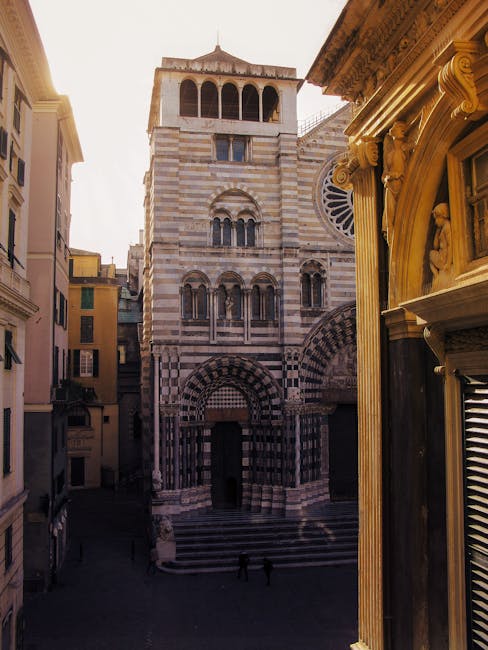
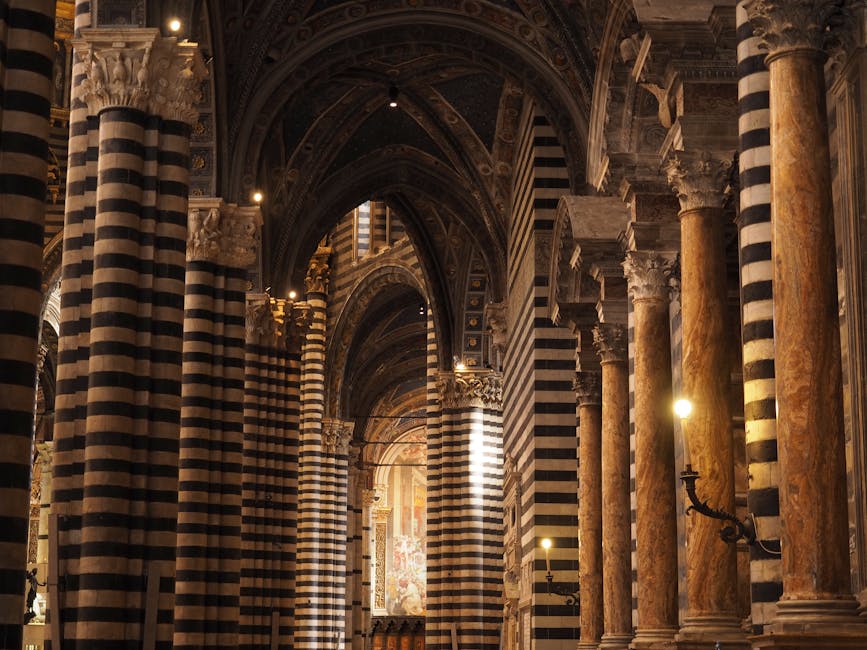
A natural starting point for this pilgrimage is the Cathedral of San Lorenzo, located on Piazza San Lorenzo. Its austere façade of alternating black and white marble bands and its solemn interior speak to the site’s religious and civic importance. From there, the route invites wandering through the vicoli (backstreets), admiring carved portals, patrician family coats of arms and small artisan workshops. It passes institutional landmarks like Piazza De Ferrari, Via Garibaldi with its lavish palaces (Palazzo Rosso, Palazzo Bianco, Palazzo Doria Tursi) and the revitalized heart of the port, the Porto Antico, home to the Acquario di Genova and a lively waterfront promenade.
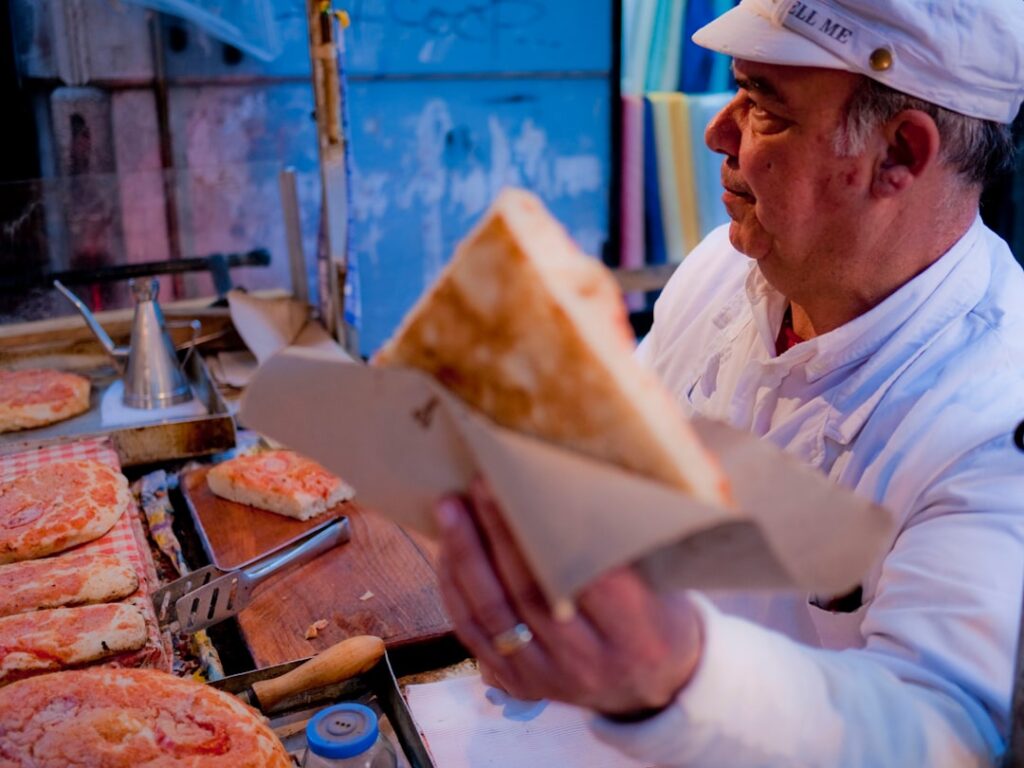
The approach to the Lanterna unfolds as a gradual climb through layers of history: from churches and civic palaces to maritime monuments that embody Genoa’s naval power. Perched on the port’s western hill, the Lanterna is the city’s most potent symbol, visible from afar and charged with enduring identity. The itinerary is dotted with viewpoints, gardens, belvederes and food stops where you can sample Ligurian specialties — focaccia Genovese, pesto, farinata — at recommended local spots.
This practical guide, aimed at curious walkers, provides exact practical information: precise addresses, typical opening hours (subject to seasonal change), prices in euros and local tips to help you get the most out of the walk. The descriptions are meant to immerse you in the places, with suggested stops to visit museums, churches or simply sit and watch city life go by. The goal isn’t a minute-by-minute schedule but a narrative and practical map letting you experience this urban pilgrimage at your own pace, respecting monument opening times and taking advantage of the best photo angles, pedestrian shortcuts and authentic eateries.
Before you set off, a few logistical tips: wear comfortable shoes (there are many cobbles and staircases), bring water and a small umbrella depending on the season, and buy combined tickets when available (museums on Via Garibaldi). Public transport (AMT buses, funiculars and municipal elevators) can be a fallback if you get tired — especially for the final climb to the Lanterna. Finally, respect religious service times if you want to attend mass at San Lorenzo, and check museum closure days (Monday is often common for some sites).
San Lorenzo and the historic center: starting point and immersion (Piazza San Lorenzo, Via San Lorenzo)
The starting point of our pilgrimage is the Cattedrale di San Lorenzo, Piazza San Lorenzo, 16123 Genova GE. The cathedral is recognizable by its striped black-and-white marble façade and its bell tower. Entry to the church itself is generally free, but access to some areas (the Museo del Tesoro and the Cappella del Tesoro) requires a ticket. Usual information: Museo del Tesoro di San Lorenzo — Piazza San Lorenzo, 5, 16123 Genova; indicative 2024 price: €3.00–€6.00 (reduced rates for students and seniors); common opening hours: Tuesday–Saturday 10:00–17:00, Sunday 14:00–17:00 (to be confirmed locally). It’s strongly recommended to check the notices at the entrance as times can change on holidays and during religious services.
Around Piazza San Lorenzo, soak up the medieval atmosphere of the caruggio (narrow streets) and the artisan shops selling soap, coral, jewelry and brassware. Head up Via San Lorenzo to admire sculpted doorways and small inner squares that are like tiny stages for forgotten sculptures. Exiting toward Via XX Settembre quickly brings you to Piazza De Ferrari, the neo-classical heart of the city.
- Cattedrale di San Lorenzo address: Piazza San Lorenzo, 16123 Genova GE, Italia.
- Museo del Tesoro di San Lorenzo: Piazza San Lorenzo, 5, 16123 Genova GE — approximate price €3.00–€6.00.
- Recommended hours: visit early morning (08:30–10:30) to avoid crowds; religious services in the morning and evening affect access.
Local tip: for a typical coffee stop, push on to one of the small family-run cafés on Piazza San Lorenzo and try a salty focaccia. Ask for the “focaccia con sale grosso” and enjoy a moment to plan the rest of your route. Before leaving the historic center, take time to examine tympana and medallions on façades — each detail tells a story of power and faith.
Piazza De Ferrari, the civic heart and the Strade Nuove: palaces, museums and splendors (Piazza De Ferrari, Via Garibaldi)
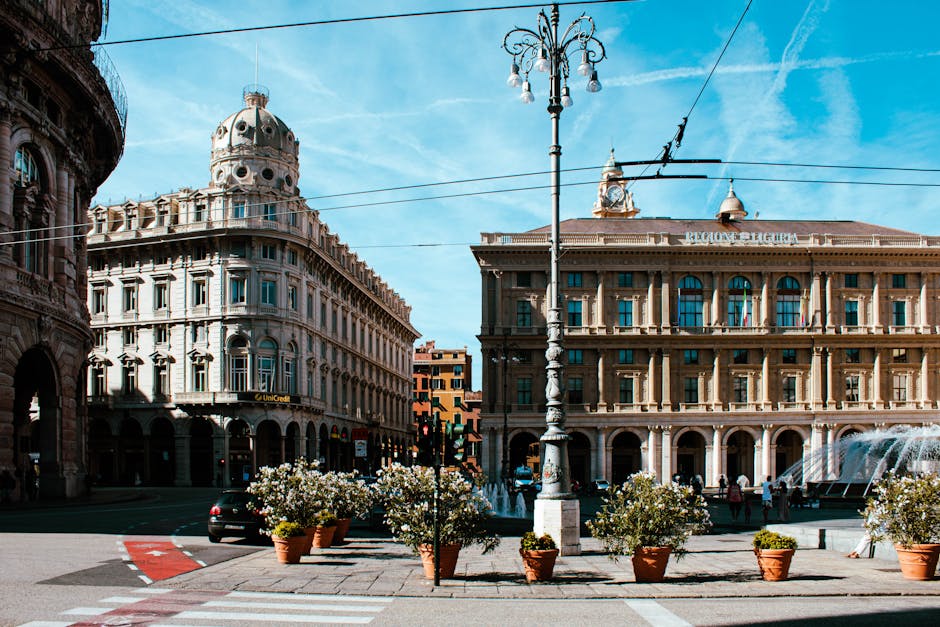
A few minutes’ walk from San Lorenzo brings you to Piazza De Ferrari — a central reference point: Piazza De Ferrari, 16121 Genova. This broad square, dominated by a monumental fountain and the imposing Palazzo Ducale (Palazzo Ducale, Via Garibaldi 9, 16124 Genova), is the city’s administrative and cultural hub. The Palazzo Ducale hosts temporary exhibitions and cultural events; entrance fees and times vary by exhibition (entry usually between €5.00 and €12.00 for paid exhibitions; often open 10:00–19:00, closed some Mondays — check the official site).
From here, head to the Strade Nuove and the Palazzi dei Rolli museum system, a UNESCO World Heritage site. Via Garibaldi (Via Garibaldi, 18–3, 16124 Genova) is home to remarkable palaces: Palazzo Rosso (Galleria di Palazzo Rosso, Via Garibaldi 18), Palazzo Bianco (Via Garibaldi 18), and Palazzo Doria Tursi (Via Garibaldi 9). Combined tickets for the palaces vary — typical combined fare around €12.00–€15.00 for the three museums; common hours: 09:00–19:00, sometimes closed on Mondays. These palaces house baroque paintings, period furnishings and glimpses into the opulent life of Genoese merchant families.
- Piazza De Ferrari: central landmark for orientation (fountain, Teatro Carlo Felice and Palazzo Ducale).
- Palazzo Ducale: Via Garibaldi 9, 16124 Genova — temporary exhibitions, variable fees €5.00–€12.00; common hours 10:00–19:00.
- Palazzi dei Rolli (Palazzo Rosso, Palazzo Bianco, Palazzo Doria Tursi): Via Garibaldi, 16124 Genova — combined ticket approx. €12.00–€15.00, 09:00–19:00.
Immersive description: wandering down Via Garibaldi feels like entering an urban theatre of ornate façades and balconies; marble floors, grand staircases and state rooms narrate a history of diplomacy and maritime trade. If you have extra time, pause at the Museo di Palazzo Reale (Via Balbi 10, 16126 Genova) — the salons and garden views make for particularly photogenic moments.
Toward Porto Antico and the Aquarium: where sea and memory meet (Porto Antico, Acquario di Genova)
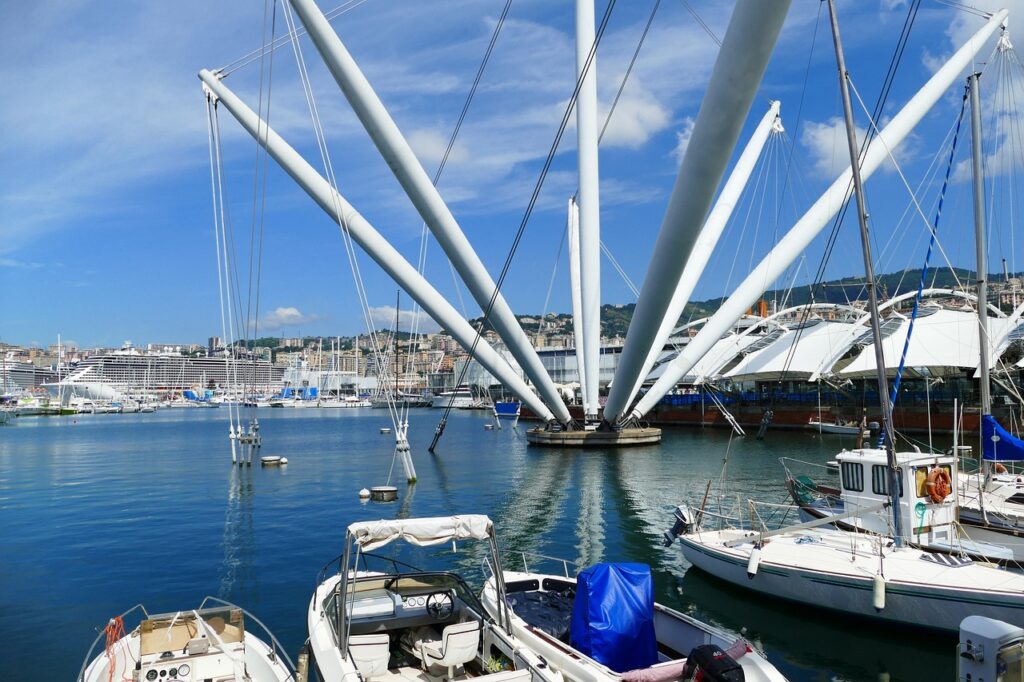
Descending to the waterfront from the Strade Nuove brings you to Porto Antico (the Old Port), an area redeveloped by architect Renzo Piano. The practical address for the Acquario di Genova is Piazza della Commenda / Piazza Acquario, 4, 16128 Genova. The Acquario di Genova is one of Europe’s largest aquariums and makes a great immersive stop to explore the marine world that shaped Genoa. Indicative 2024 prices: adults around €27.00; discounts for children and seniors; hours generally 09:00–19:00 (extended in high season — check the official site: acquariodigenova.it).
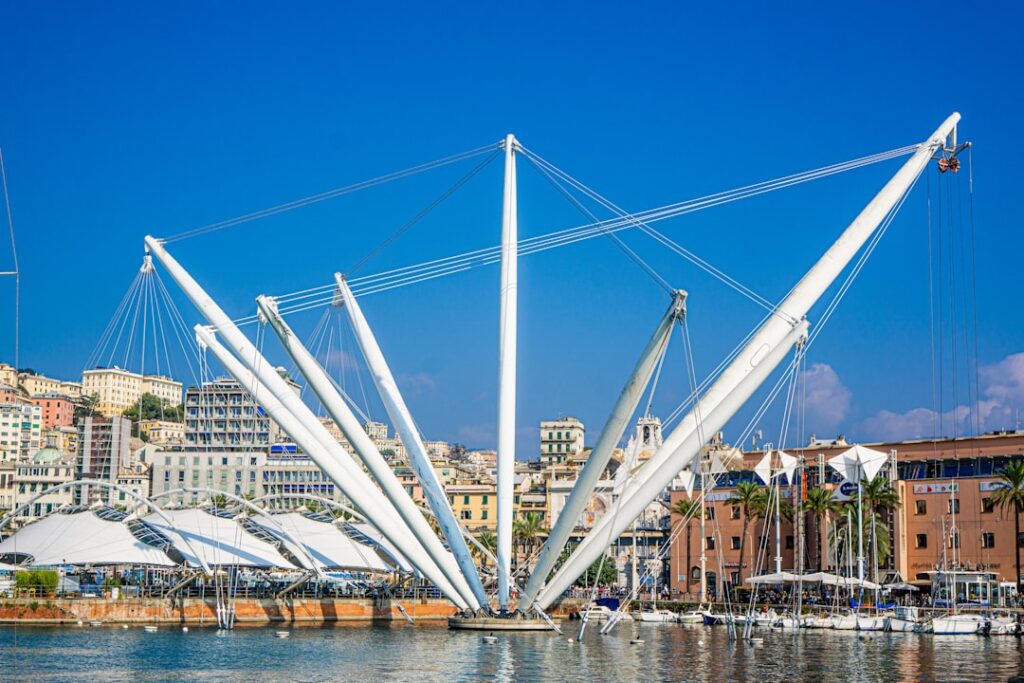
Porto Antico is also a lively space: museums, restaurants, shops and the Bigo panoramic lift. It’s a strategic spot to observe the city’s relationship with the sea, with historic ships moored, renovated quays and small welcoming squares. Grab a focaccia at one of the stalls near the harbor or book a seafood restaurant to savor local dishes (cozze alla marinara, trofie al pesto).
- Acquario di Genova: Piazza Acquario, 4, 16128 Genova — adults approx. €27.00; usual hours 09:00–19:00 (seasonal).
- Porto Antico: pedestrian promenade, exhibition spaces, restaurants and waterfront terraces.
- Must-see points: the Bigo panoramic lift, the Museo del Mare (Museum of the Sea).
Practical tips: buy aquarium tickets in advance during high season to avoid queues; if traveling with family, allow 2–3 hours for the visit. Late afternoon sunsets over Porto Antico paint the water and hulls with spectacular colors — prime time for photography.
The climb to the Lanterna: routes, funiculars and panoramas (Piazza della Lanterna)
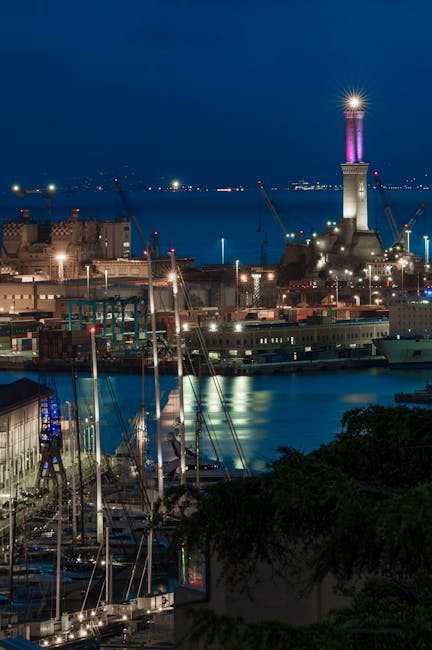
The Lanterna di Genova (the Lanterna) is located at Piazza della Lanterna, 16126 Genova. This iconic lighthouse has guided ships for centuries and can be seen from a long way off. The Lanterna site includes a small museum (Museo della Lanterna) within the lighthouse precinct; guided tours and summit access are subject to schedules and entrance fees. Indicative 2024 prices: museum entry and lighthouse climb around €6.00–€8.00; hours usually concentrated on weekends and in season (check lanterna.ge.it or the local tourist office for reservations).
There are several ways to reach the Lanterna: a walk (a recommended panoramic route via via del Molo and the city park), or public transport/elevators and funiculars depending on your starting point. A popular walk begins at Porto Antico and follows the seafront along Corso Italia until the road climbs toward the hill. The trail offers successive views of the port entrance, docks and the compact city. Wear appropriate shoes: the final climb includes cobbled steps and narrow alley passages.
- Lanterna address: Piazza della Lanterna, 16126 Genova GE.
- Museum and lighthouse visit: approx. €6.00–€8.00; variable hours, often focused on weekends and high season; booking recommended.
- Access: walk from Porto Antico (40–60 minutes depending on pace) or take buses/elevators/funiculars to reduce the climb.
Sensory description: approaching the Lanterna, the city gradually unfolds beneath you — first the sea and the port, then tiled roofs and verdant terraces of private gardens. The scent of salt, the bell clang of a boat offshore and the cry of seagulls accompany the ascent. At the lighthouse’s base the mood turns more solemn: thick walls, worn steps and a circular view over the Mediterranean and Genoa’s skyline. If you can climb to the top (when allowed), the payoff is an exceptional panoramic view that reveals the city’s maritime and urban logic.
Practical tips, alternate routes and local food
To make the most of this urban pilgrimage, here are concrete tips and alternatives based on your pace and interests. Standard walking route: San Lorenzo → Piazza De Ferrari → Via Garibaldi (Palazzi dei Rolli) → Porto Antico and Aquarium → climb to the Lanterna (about 3–4 km of walking including stops and detours). Expect 4 to 6 hours for a full day that includes a museum and a lunch break.
- Transport: AMT buses (compagnia AMT Genova), funiculars (Righi, Zecca-Righi) and public elevators can help reduce fatigue; single AMT ticket around €1.60 (indicative), day passes available depending on your stay length.
- Hours: museums often open 09:00–19:00; religious services on Sundays can limit access to cathedrals; the Lanterna has seasonal hours — check ahead.
- Food: stop at local artisans for a focaccia Genovese (approx. €2.00–€4.00 per slice), try trofie al pesto (typical restaurant price €12.00–€18.00 per dish), and taste farinata (chickpea pancake) for €3.00–€5.00.
Safety and respect tips: the lanes can be narrow with uneven surfaces; watch for pickpockets in crowded tourist areas; dress modestly when visiting religious buildings. In summer, bring sun protection and water — some stretches between Porto Antico and the Lanterna have little shade.
Conclusion — A pilgrimage of faith, power and the sea
The walk from San Lorenzo to the Lanterna is a route whose meaning goes beyond the physical distance. It links historical and cultural layers that define Genoa: public piety and cathedral treasures, the civic and diplomatic splendor of the Strade Nuove, the port’s intimate scale and living relationship with the sea, up to the monumental symbol that is the Lanterna. Walking this route means stepping into a multi-century story where every church, palace and quay reads like a page of that history. Key stops — Piazza San Lorenzo, Piazza De Ferrari, Via Garibaldi, Porto Antico, Piazza della Lanterna — serve as anchors to shape your discovery.
This guide has given you practical info (exact addresses, indicative prices and typical hours), local tips and sensory suggestions to better appreciate each stage. Favor flexibility: tailor the length of your stops to your interests — art, architecture, maritime museums or simple contemplation of the seascape. Don’t forget to sample Ligurian flavors and use combined tickets to save time and money when visiting palaces and museums. If the climb to the Lanterna feels too demanding, use municipal transport so you can conserve energy for the final ascent and the view, which is always worth it.
Finally, treat this pilgrimage as an invitation to slow down and watch: Genoa doesn’t always reveal itself at first glance — it rewards time, curiosity and the willingness to read its façades, listen to the harbor’s murmur and look out to sea from the Lanterna. Whether you’re a history buff, a photography enthusiast or simply looking for an emotionally rich urban route, the path from San Lorenzo to the Lanterna offers a concentrated, surprising and deeply memorable taste of Genoa.