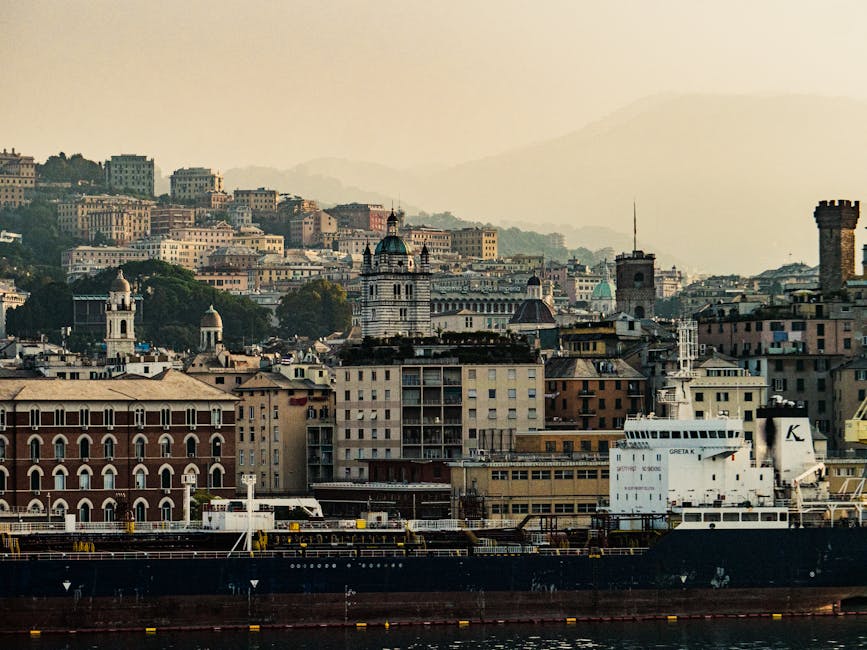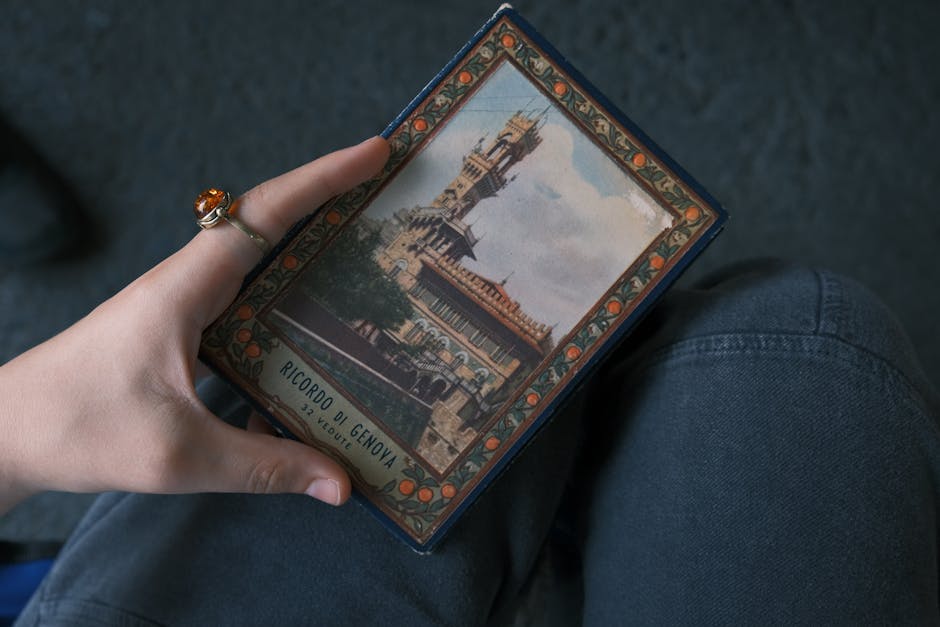
Blog

  • Master Portraits: Must-See Retrospectives in Genoa

    Master Portraits: Must-See Retrospectives in Genoa

    INTRODUCTION

    Genoa, a port city where medieval and baroque façades mingle, is a perfect stop for art lovers who want to dive into the histories of European masters through carefully curated retrospectives. Once a commercial crossroads in the 17th century, the city still boasts a rich museum heritage: aristocratic palaces turned into museums, contemporary exhibition spaces tucked into historic buildings, and quays where the smell of salt blends with the pigments on canvas. Retrospectives in Genoa do more than display works; they tell stories — of Genoese patrons, of maritime routes that brought foreign influences, and of family dynasties that turned the city into an artistic hub.

    In this detailed guide, we’ll explore the city’s major retrospectives of master painters, covering not only the venues and the works on display but also practical info — exact addresses, opening hours, prices in euros, and local tips to make the most of your visit. Whether you’re passionate about the great painters of the Golden Age, curious about contemporary reinterpretations of a master, or interested in monographic shows devoted to lesser-known figures, Genoa’s calendar is full and varied. The city’s museums and palaces don’t just stage temporary exhibitions; they offer intimate settings where you can feel the historical presence of the works, from the richly decorated rooms on Via Garibaldi to the expansive, flexible spaces of the Palazzo Ducale.

    Each retrospective featured here was chosen for its ability to offer a fresh, immersive perspective on a master — whether through international loans, conservation studies, or innovative scenographic designs. We’ll also cover practical matters such as the best times to avoid crowds, how to combine multiple visits in one day, and where to grab an authentic Genoese focaccia after a morning at the galleries. Artistic reflection and practical advice come together to help you turn your stay into a smooth, culturally rich experience.

    Finally, because the museum experience is as sensory as it is visual, we’ll include photographic cues and suggested vantage points for your own shots (always respecting each venue’s rules). Get ready to see Genoa in a new light: from intimate portraits to grand historical compositions, the city’s retrospectives weave a rich artistic narrative at the crossroads of the Mediterranean and Europe.

    Palazzo Rosso and Palazzo Bianco: the twin gems of Strada Nuova

    Strada Nuova (today Via Garibaldi) is Genoa’s museum quarter. Two palaces, Palazzo Rosso and Palazzo Bianco, form an essential route for anyone chasing masterful retrospectives — both regularly stage monographic and thematic shows highlighting Italian and European painters. The Palazzo Rosso (Via Garibaldi 18, 16124 Genova GE) is especially famous for its permanent collections but also hosts temporary retrospectives within its richly appointed rooms. Opening hours: generally open Tuesday through Sunday from 10:00 to 18:00 (last admission 17:30), closed Monday — always check the official site. Indicative price: single-ticket for Palazzo Rosso around €7, with discounts for youth, seniors, and groups; combined Palazzo Rosso/Palazzo Bianco tickets are usually around €12–14.
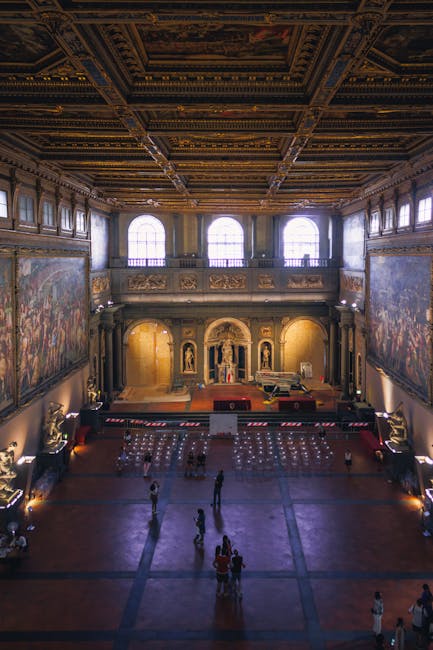
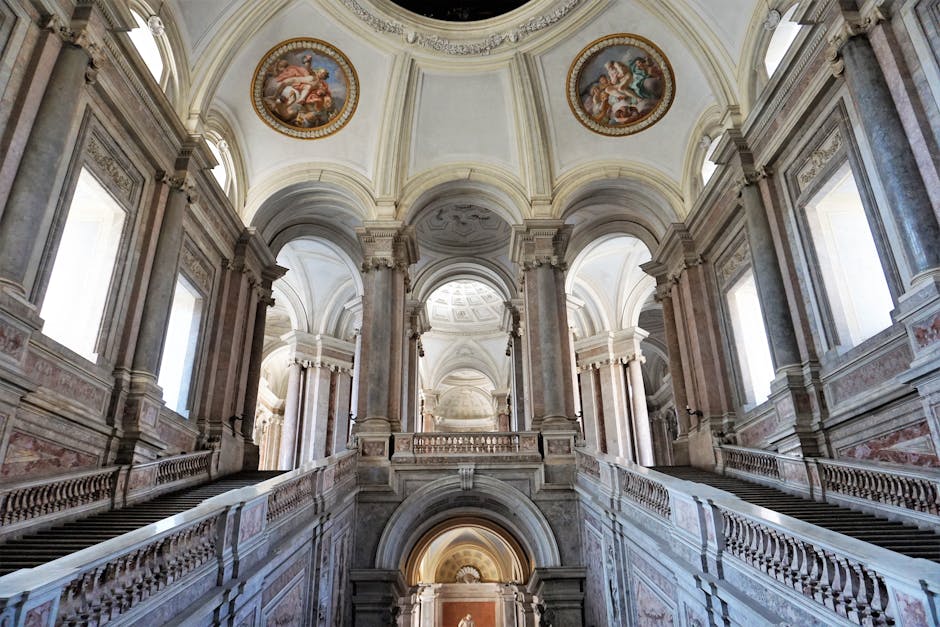
    Interior of Palazzo Rosso

    Palazzo Bianco (Via Garibaldi 11, 16124 Genova GE) completes the tour with masterpieces by the likes of Van Dyck and Caravaggio (on loan), alongside many painters from the Ligurian and wider European traditions. Opening hours: usually Tuesday through Sunday 10:00–18:00, closed Monday; individual tickets are around €7, and combined tickets are available as noted above. Retrospectives at Palazzo Bianco often stand out for their historical framing: you’ll frequently find archival documents, preparatory sketches, and items belonging to Genoese patrons, which help reconstruct the artistic life of the city-state.
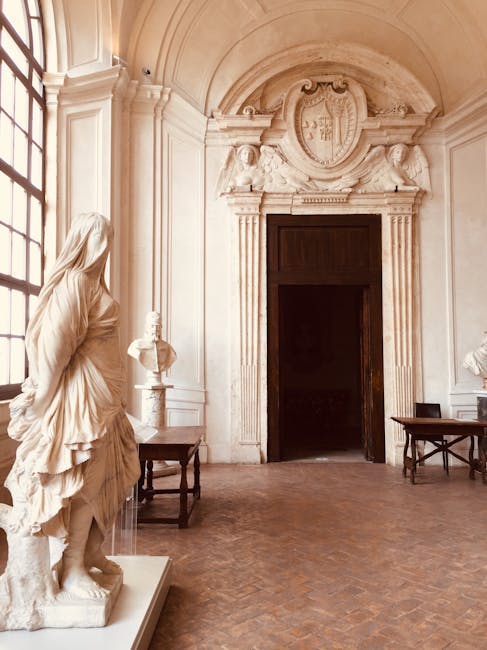
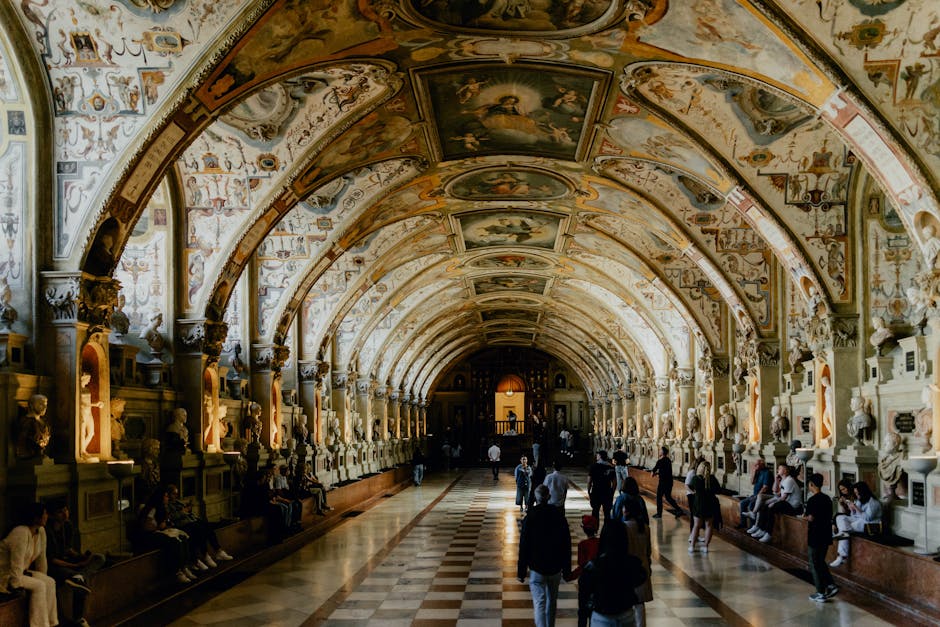
    Gallery inside Palazzo Bianco

    Practical tips: arrive early to enjoy the rooms with fewer visitors and the best natural light for observing colors. Make time to climb to the upper floors of Palazzo Rosso to visit the restored historic apartments — the scenography there often gives retrospectives an intimate feel. Audio guides are available in several languages; for major shows, book your tickets online to avoid queues. To reach Via Garibaldi, use the AMT city buses (lines 1, 2, 20 depending on where you’re coming from) or walk from Genova Piazza Principe station (about 15 minutes on foot). After your visit, stop by Pasticceria Tagliafico (Via Garibaldi, nº) or one of the nearby cafés for a warm focaccia, a local specialty perfect for refueling.

    Palazzo Ducale: major retrospectives and international shows

    The Palazzo Ducale (Piazza Matteotti 9, 16123 Genova GE) is the city’s most dynamic cultural hub for large-scale retrospectives. Once the residence of Genoese doges and now a major exhibition center, Palazzo Ducale hosts international temporary shows often accompanied by lectures, concerts, and scholarly publications. Opening hours: temporary exhibitions are generally open Tuesday through Sunday, 10:00 to 19:00 (some evening events extend hours to 23:00); closed Monday. Price: depending on the exhibition, standard tickets range between €10 and €18; reduced fares and combined passes are available for multiple events.
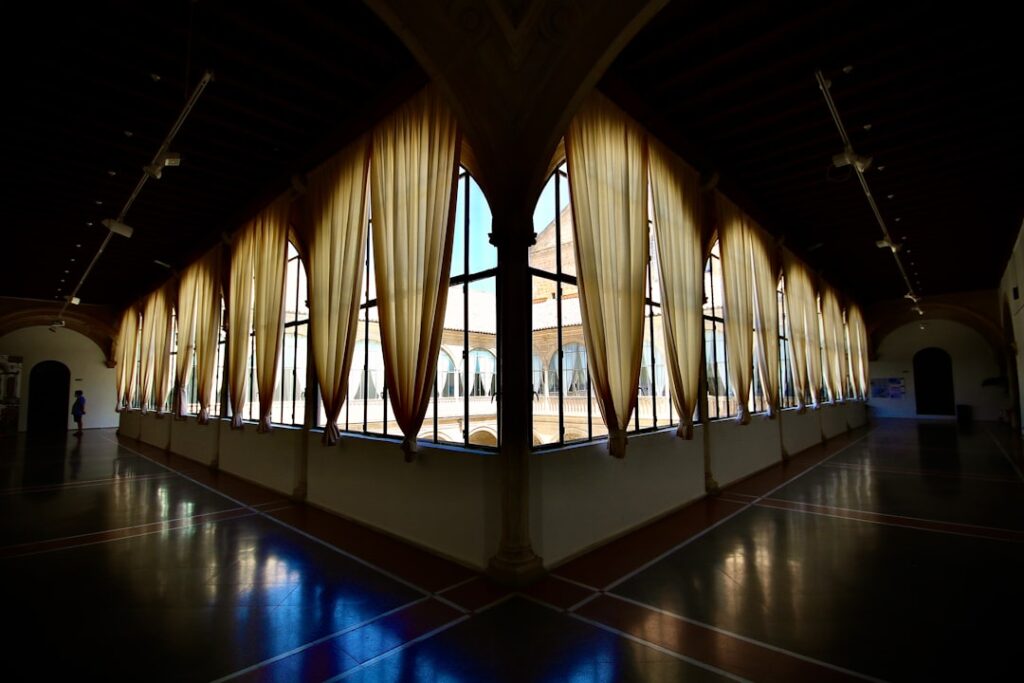
    Exhibition hall inside Palazzo Ducale in the evening

    Retrospectives at Palazzo Ducale often feature international loans — from European museums and private collections — enabling original thematic routes (career overviews of a painter, dialogues between masters, technical studies on restorations). The contemporary scenography developed by the palace team favors clarity and closeness to the artworks: targeted lighting, detailed labels, and often multimedia installations to explain pictorial processes. Exhibitions are frequently accompanied by richly illustrated catalogues, useful for continuing your reading after the visit.
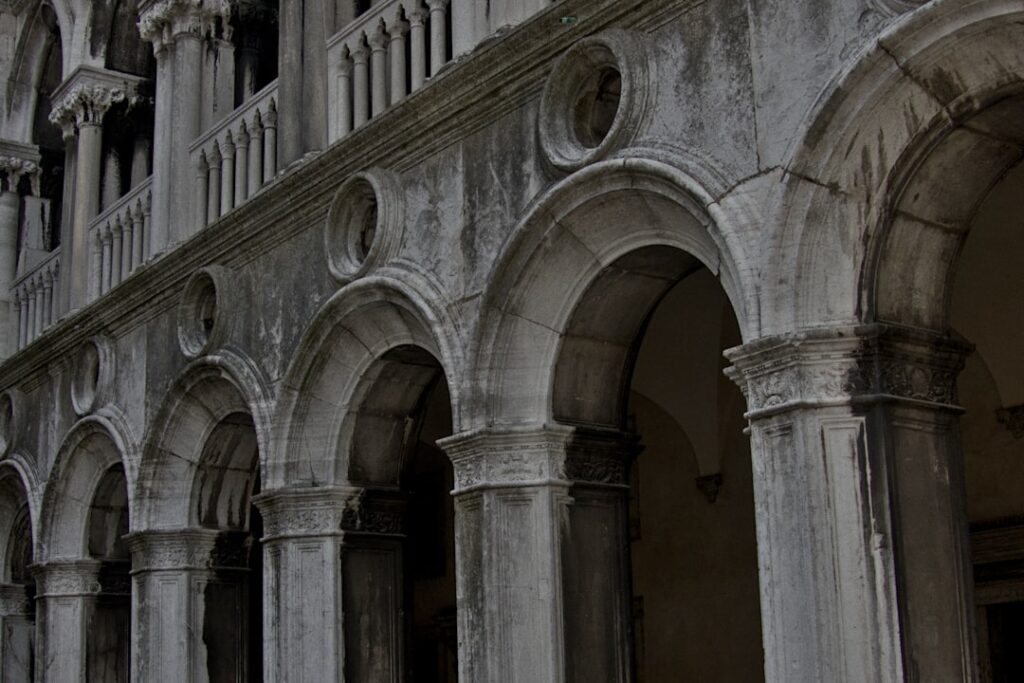
    Facade of Palazzo Ducale

    Practical tips: check Palazzo Ducale’s calendar on the official website and reserve skip-the-line tickets, especially in high season (April–October) and for flagship exhibitions. Take advantage of the cultural mediation on offer (themed guided tours, children’s workshops): they add depth and are great for curious visitors. The palace is an easy walk from Piazza De Ferrari (just a few minutes); if you’re driving, consider a public parking like Parking Carlo Felice (Via XX Settembre) and end with a stroll toward the historic center.

    Galata Museo del Mare and maritime museums: historical angles on the masters

    The Galata Museo del Mare (Calata de Mari 1, 16128 Genova GE) is the largest maritime museum in the Mediterranean basin and occasionally presents retrospectives that link art and the sea: portraits of sailors, commissioned artworks for galleys and port decorations, or exhibitions devoted to artists who painted maritime landscapes. Opening hours: generally open every day except Monday, 10:00 to 19:00; tickets: full price around €9, reduced rates for children and seniors. The Galata also features immersive installations, ship models, and the Nazario Sauro submarine moored alongside the museum, which complements the experience.
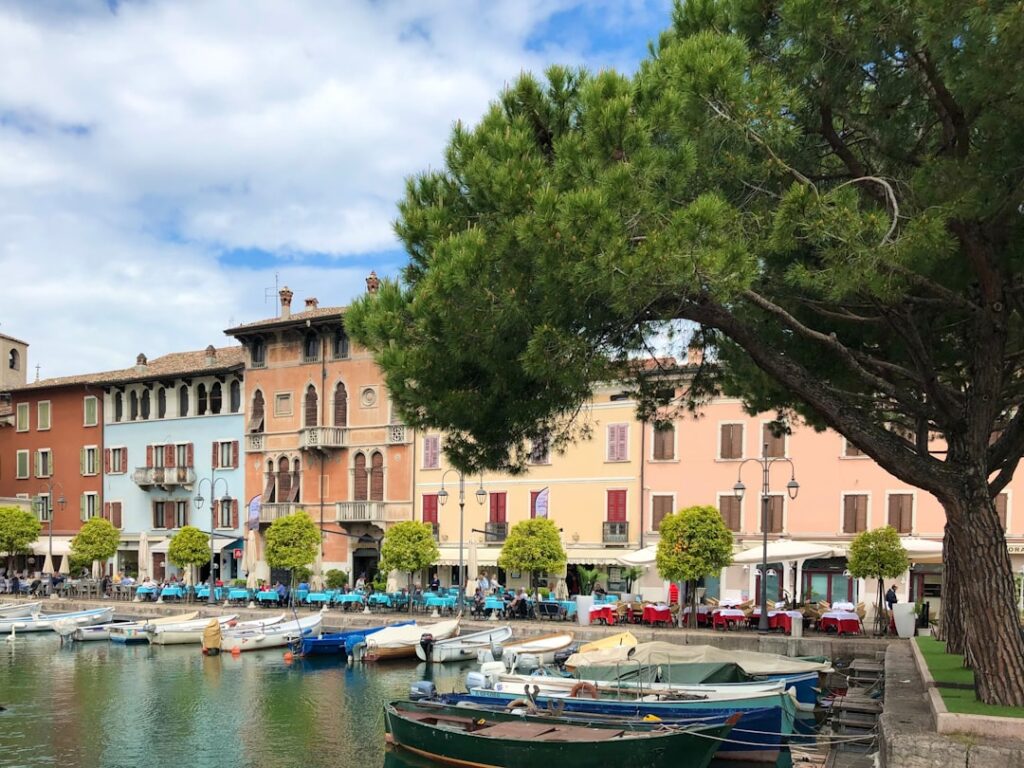
    Exterior view of Galata Museo del Mare and the harbor

    Retrospectives that combine painting and maritime history often shed light on the port’s role in commissioning art. Portraits of shipowners, scenes of daily life on the quays, and seascapes testify to how the sea inspired local and foreign masters. These shows frequently include archival pieces — old nautical charts, navigation letters, travel journals — placing the works within a vivid context. For those interested in technical detail, some presentations explain the pictorial techniques used to depict water, light, and reflections, all essential in maritime painting.
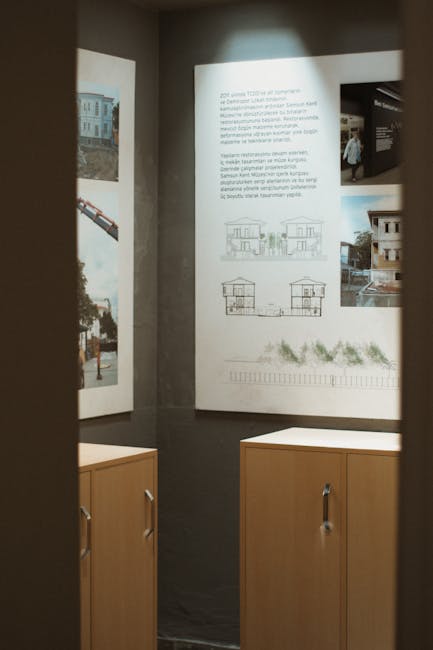
    Interior exhibition at the Galata Museo del Mare

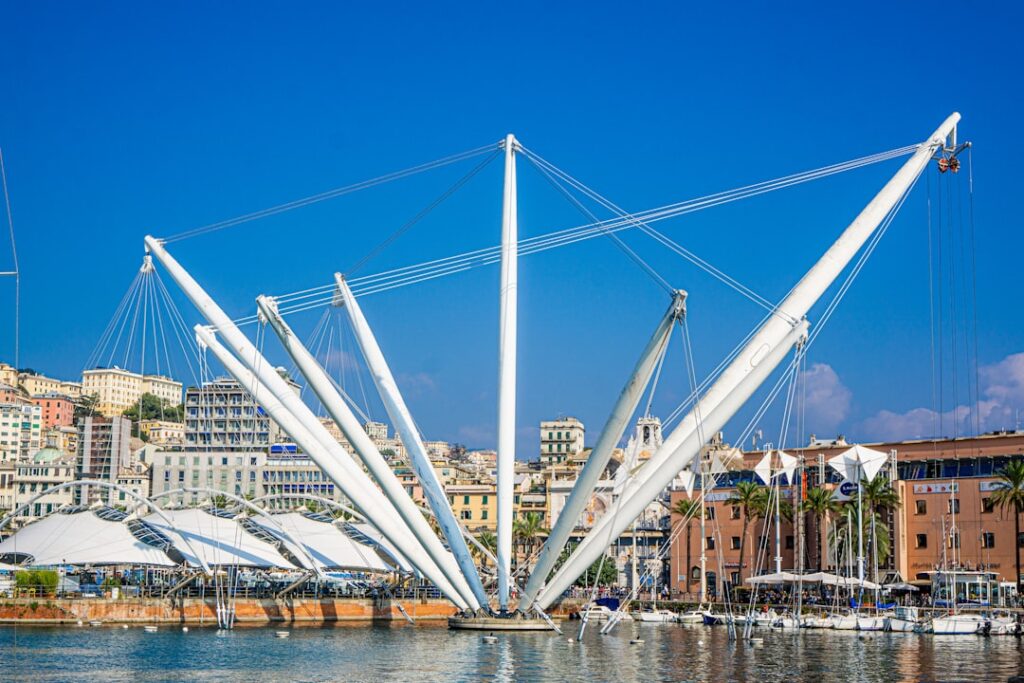
    Practical tips: combine a visit to the Galata with a walk around the Porto Antico and a ride on the Bigo (panoramic lift) for an overview of the city and bay — a great way to contextualize maritime works. It’s walkable from Genova Brignole station in 20–25 minutes or reachable via the city bus network. For families, check the educational workshops offered during exhibitions: they’re often well designed to engage kids with maritime history and art.

    Themed routes and alternative venues for retrospectives

    Beyond the major institutions, Genoa offers a host of spaces where retrospectives of masters are staged: the Musei di Strada Nuova (the ensemble that includes Palazzo Rosso, Palazzo Bianco, and Palazzo Tursi), the Galleria d’Arte Moderna GAM (Via Rossini 11, 16125 Genova GE), and temporary exhibition halls like the Commenda di Pré or the Castello d’Albertis – Museo delle Culture del Mondo (Corso Dogali 18). These venues often present original monographic shows, exhibitions dedicated to local schools (Ligurian school, Genoese baroque) or dialogues between old masters and contemporary artists.
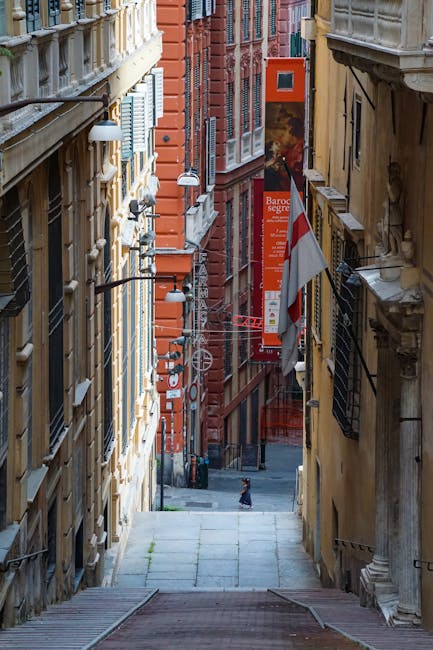
    Interior of GAM Genova - Galleria d'Arte Moderna

    The Galleria d’Arte Moderna GAM stages retrospectives that put 19th- and 20th-century stylistic legacies into perspective, and sometimes showcases exhibitions dedicated to Italian modernist painters. Address: Via Rossini 11, 16125 Genova GE. Opening hours: typically Tuesday through Sunday 10:00–18:00; prices: full ticket around €6–8. The Castello d’Albertis offers a romantic setting for exhibitions that cross art and ethnography; address: Corso Dogali 18, 16136 Genova GE; hours vary by season (check online); indicative price: €5–€10.
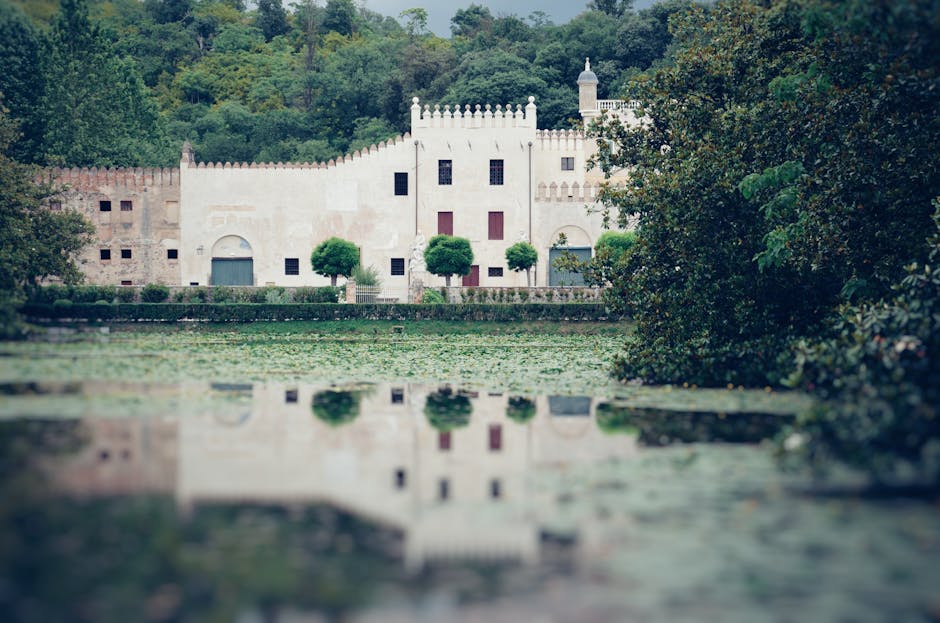
    Exterior of Castello d'Albertis

    Practical tips: if you want a deep experience, plan a morning visit to a museum and an afternoon spent in a palace. Distances in the historic center are walkable, but to move between neighborhoods (for example from Boccadasse to the center), use buses or taxis. Consult the Comune di Genova cultural programs and local channels (Genova Cultura) for one-off events like evening openings, expert talks, or themed guided visits that often accompany retrospectives and enrich understanding.

    Practical tips, bookings and recommended addresses

    To get the most out of retrospectives in Genoa, a few simple rules will make your visit smoother. Book tickets online when possible — it saves time, especially for major exhibitions. Bring a light jacket: even in mild weather, exhibition rooms are often climate-controlled to preserve artworks. Respect each venue’s photography rules (flash is usually forbidden and some rooms may prohibit photos entirely). Bring a notebook if you like jotting impressions and details for later reflection.
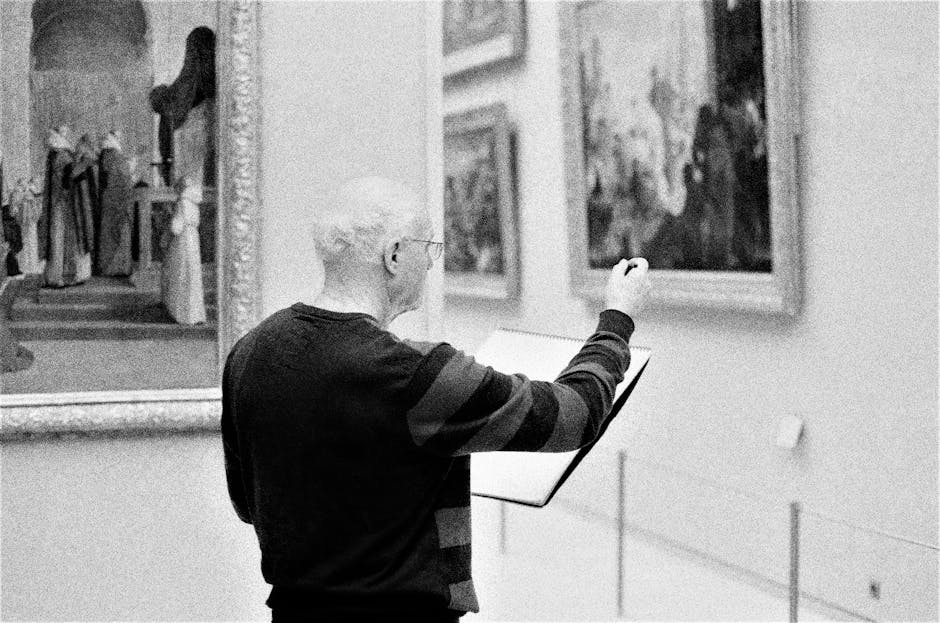
    Visitor sketchbook in a museum gallery

    Hours and prices: many main museums are open Tuesday through Sunday, 10:00–18:00, and closed on Monday; exceptions apply for evening events or extended hours. Typical prices: municipal palaces and museums €6–14, international exhibitions at Palazzo Ducale €10–18, Galata Museo del Mare about €9. Always check the official sites of institutions (Palazzo Ducale, Musei di Strada Nuova, Galata Museo del Mare, GAM Genova, Castello d’Albertis) before you go.

    • Transport: AMT buses, taxis, walking in the historic center; trams are limited but useful on certain lines.
    • When to go: spring and early autumn for pleasant temperatures; avoid major local festivals if you prefer fewer crowds.
    • Food: try focaccia alla genovese (average price €1.50–€3 per portion), and pansotti with pesto at local trattorie (dish €10–€15).
    • Accessibility: most museums have facilities for people with reduced mobility, but check ahead for historic palaces where stairs may be numerous.
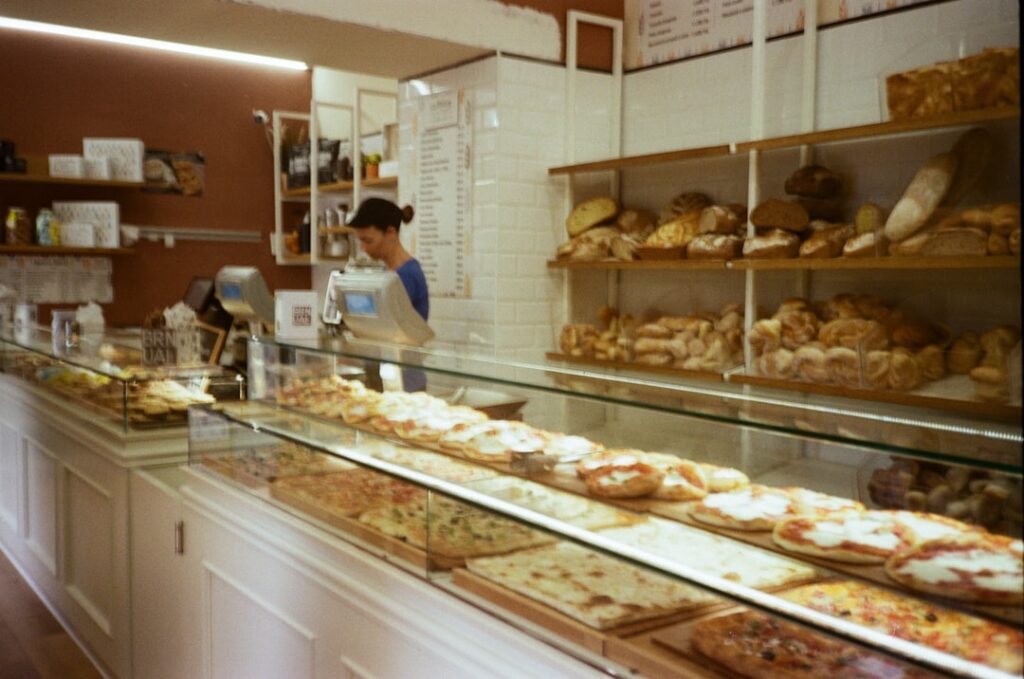
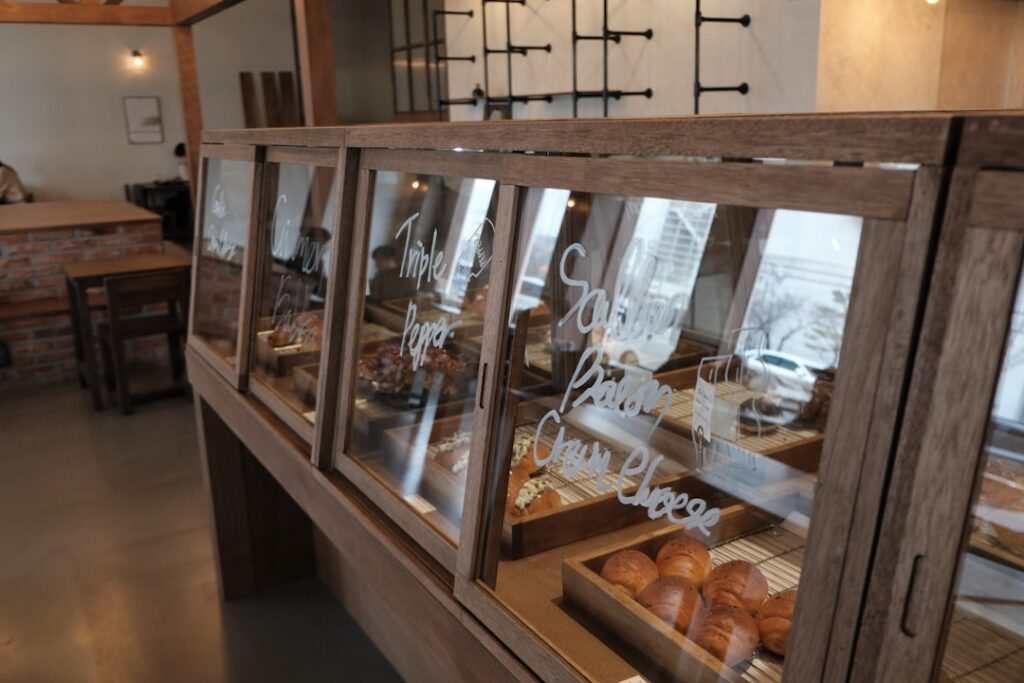
    Fresh focaccia from a Genoese bakery

    CONCLUSION

    Genoa proves to be an unmissable destination for lovers of master retrospectives: from aristocratic palaces turned into museums to major institutions like Palazzo Ducale and thematic venues such as the Galata Museo del Mare, the city offers a dense and varied cultural panorama. Exhibitions here draw on an urban history deeply tied to the sea and commerce, offering original approaches that mix history, painting technique, and social context. The main addresses — Palazzo Rosso (Via Garibaldi 18), Palazzo Bianco (Via Garibaldi 11), Palazzo Ducale (Piazza Matteotti 9), Galata Museo del Mare (Calata de Mari 1), GAM (Via Rossini 11) and Castello d’Albertis (Corso Dogali 18) — form a flexible itinerary you can adapt to your interests and the length of your stay.
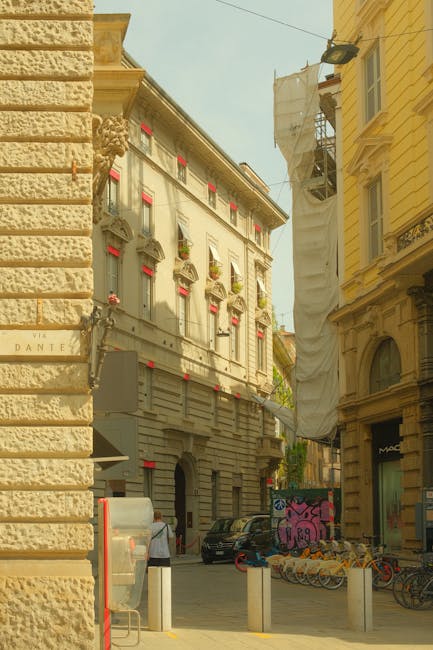
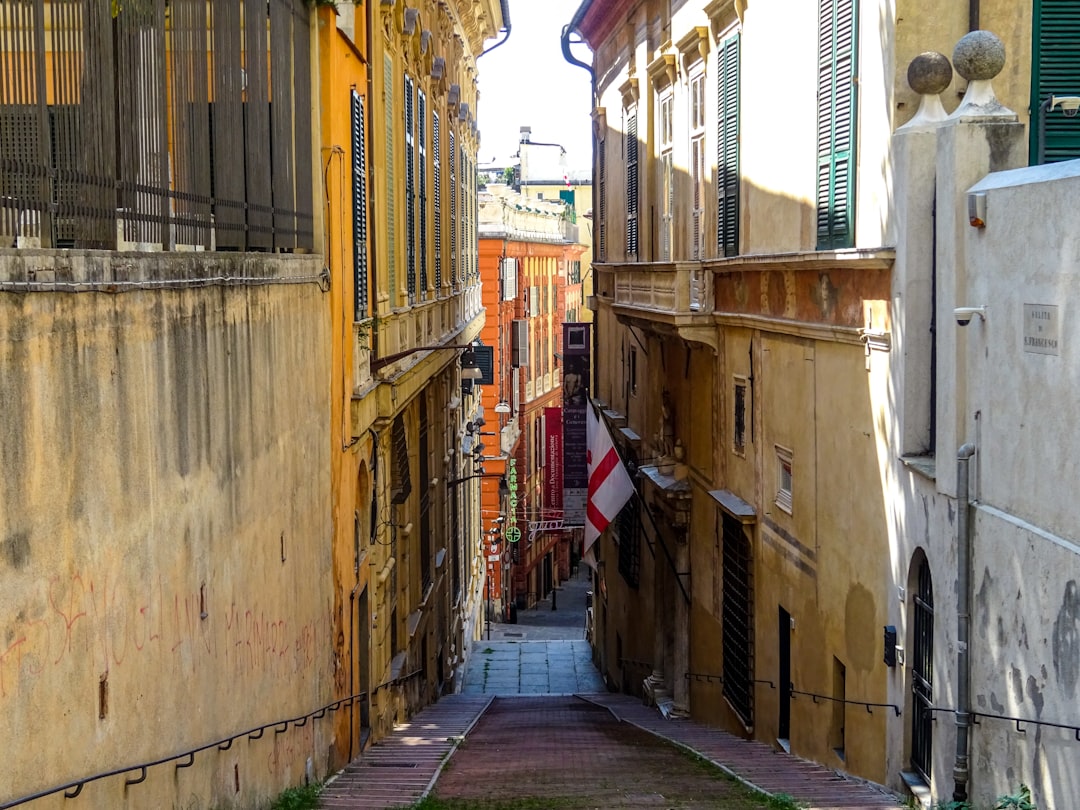
    Sunlit historic street on Via Garibaldi

    To prepare your visits: remember to book online, check opening hours (often 10:00–18:00 Tuesday through Sunday), factor in ticket prices (usually between €6 and €18 depending on the exhibition), and take advantage of the cultural mediation on offer. Strolling between one retrospective and the next allows you to taste the Genoese spirit — a focaccia break, a view of the port from the Bigo, or a coffee in a historic square can all deepen your understanding of the works and their context. Finally, keep in mind that retrospectives are not just moments of contemplation: they invite you to question the relationship between artist, patron, and city. With its history and museum network, Genoa offers fertile ground for that kind of exploration.

    Whether you’re passing through, studying art history, or an inquisitive collector, retrospectives of masters in Genoa promise rich discoveries and intense aesthetic experiences. Take the time to step into the rooms attentively, read the labels, attend a lecture if you can, and above all let the city soak into your gaze: the Mediterranean and its light influenced many masters, and Genoa remains one of the best gateways to understanding that interaction between land, sea, and painting.
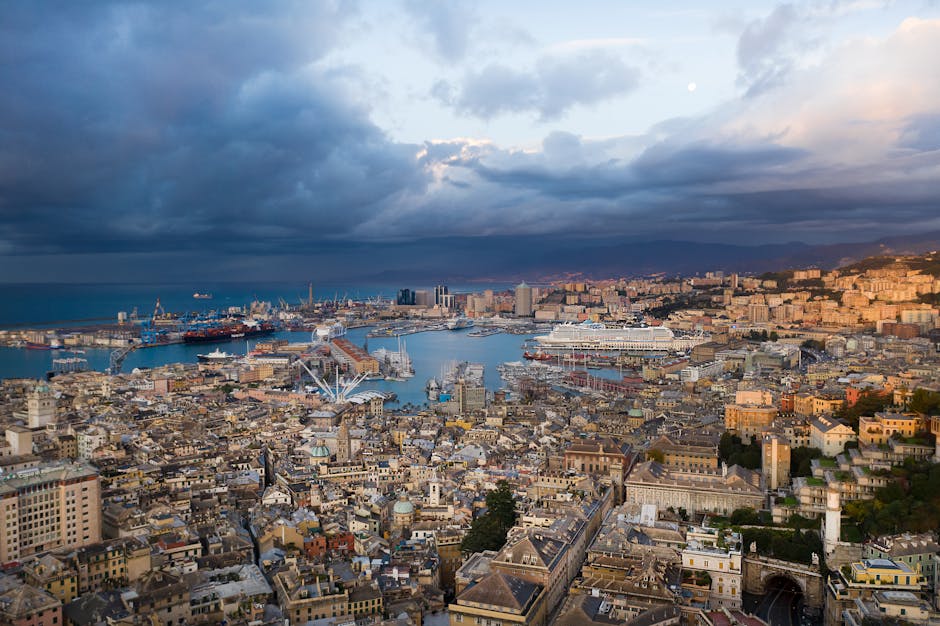
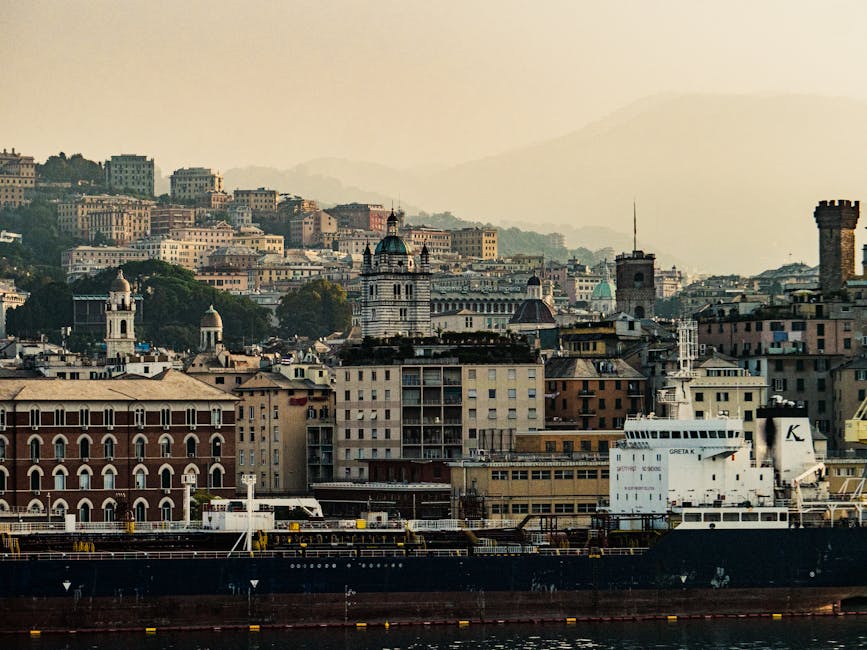
    Sunset over Genoa's port

  • Genoa Shopping Walk: Markets, Local Makers & What to Bring Home

    Genoa Shopping Walk: Markets, Local Makers & What to Bring Home

    Introduction: A Genoa Shopping Walk — between bustling food markets and local makers

    Genoa (Genova), the capital of Liguria, is a port city steeped in history, with winding alleys (the “carrugi”) and squares filled with the smells of the sea, warm bread and fresh pesto. For travelers who prefer authentic shopping — away from global chains — Genoa offers a rich playground: traditional food markets, open-air stalls, artisan shops, local fashion designers and ceramic studios. This shopping walk gives you a hands-on, practical route: where to go, when to go, how much to spend, what to bring home and how to haggle at the markets. You’ll find exact addresses, typical opening hours, price ranges, sensory descriptions and local tips to make the most of your day.

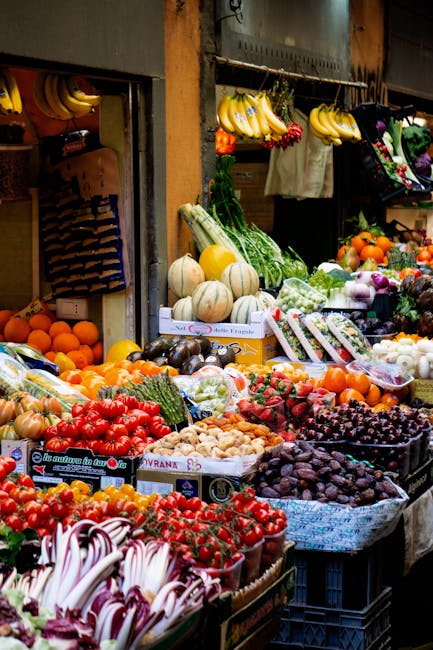
    The food market is a can’t-miss stop. The Mercato Orientale, with its colorful displays of fruit, vegetables, fish and Ligurian specialties, is a window onto Genoese gastronomy. Nearby, bakeries and focaccerias make for perfect snack stops: a slice of focaccia (focaccia genovese) can cost between €1.50 and €3.00, while a jar of fresh artisanal pesto typically ranges from €5.00 to €12.00 depending on weight and basil quality.

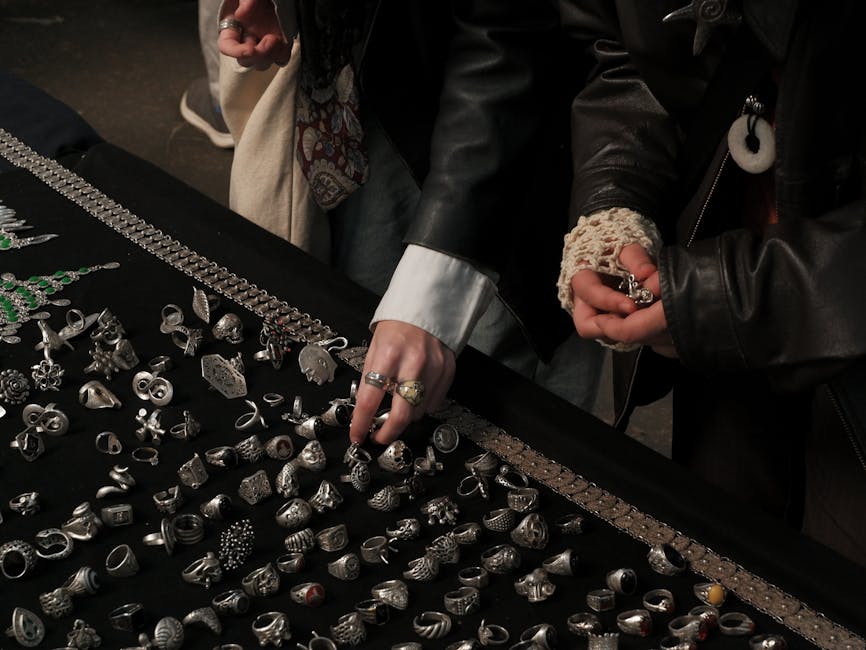
    But Genoa isn’t just about food: contemporary jewelry designers, leather ateliers, small fashion houses and home-decor shops are all part of a lively local creative scene. Streets like Via Garibaldi, Via Luccoli and the Porto Antico area host ateliers and pop-ups where you can meet the maker, learn about their approach and buy one-off pieces (indicative prices: jewelry €30–€250, leather bags €80–€450, limited-run prints €20–€120).

    This guide is designed for a walkable, flexible day (or longer) and outlines concrete stops: covered food markets, street markets, antique stalls, artisan addresses and tips for discovering Genoa off the beaten path. The information on hours and prices reflects common practice and seasonal variations; it’s wise to double-check locally (especially off-season) for special events or unexpected closures.

    In the sections that follow you’ll find detailed routes, fact sheets for each spot (exact address, typical hours, indicative prices) and tips for bringing back true Ligurian souvenirs: iron pasta pans, jars of fresh pesto, hand-painted ceramics, silver jewelry inspired by the sea, and pieces by local fashion designers. Pack reusable bags, some cash (markets often prefer notes) and a solid pair of shoes — the alleys and stairways are part of Genoa’s charm.

    1. Must-visit food markets: Mercato Orientale and nearby (addresses, hours, prices)

    The Mercato Orientale is Genoa’s food temple for anyone wanting to taste regional produce and shop for gourmet treats. Official name: Mercato Orientale di Genova. Address: Via XX Settembre, 75R, 16121 Genova GE. Typical hours: Monday to Saturday, 07:00–14:00. Closed on Sundays (some producer stalls may open occasionally in the morning). Main entrance on Via XX Settembre, but the market extends inward across connected lanes.

    This covered market has stalls of seasonal fruit and vegetables, aromatic herbs (Liguria’s D.O.P. basil), fresh fish, cured meats, local cheeses (formaggetta, focaccia drizzled with Ligurian olive oil) and ready-to-eat food stands. Indicative prices: local tomatoes €2.50–€4.00/kg depending on season; sea bream fillets €15.00–€25.00/kg; Taggiasca olives in jars €5.00–€9.00 per jar (200–300 g); jars of artisanal pesto €5.00–€12.00 (100–200 g). For a quick bite: a plain slice of focaccia €1.50–€2.50, a filled focaccia (cheese, ham) €3.00–€5.50.

    Practical tips: bring insulated bags if you buy fish or cheese and consider a small trolley for larger shopping hauls. The market mostly prefers cash; some vendors accept cards for purchases over €10–€15. The best time to come is early morning (07:30–10:30) for the freshest selection and the liveliest atmosphere.

    Nearby, don’t miss the Piazza delle Erbe market (Piazza delle Erbe, 16123 Genova GE), smaller and specialized depending on the day (antiques, textiles or food stalls by season). Hours: usually 08:00–13:00 (varies by day). Prices: antiques and collectibles range widely (from €5.00 for trinkets to several hundred euros for rare pieces).

    Sant’Ambrogio market and the local fish stalls

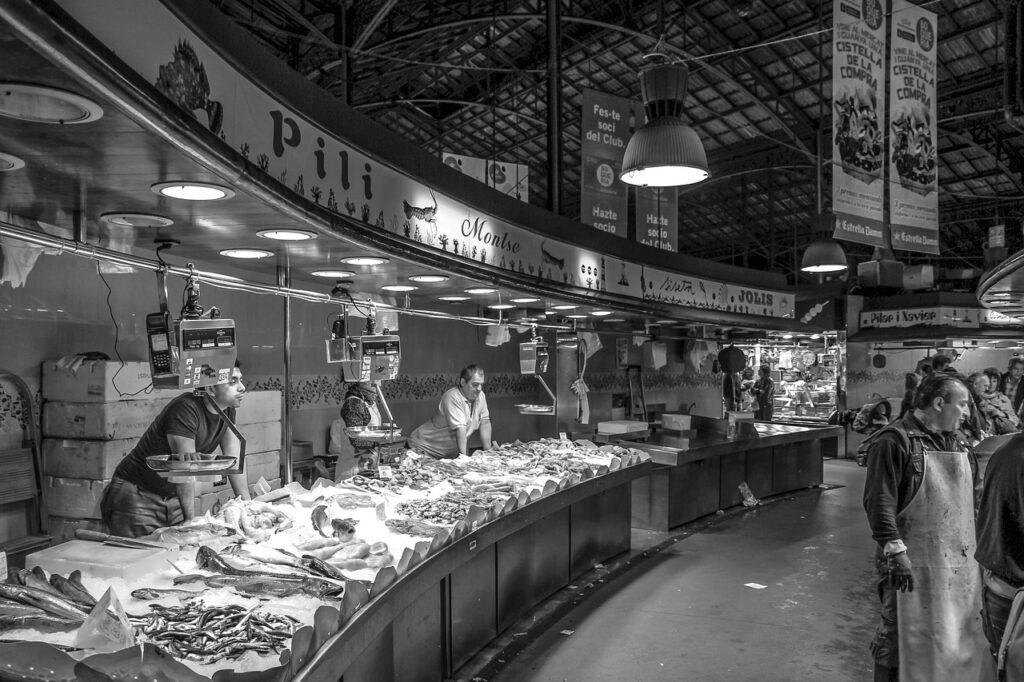
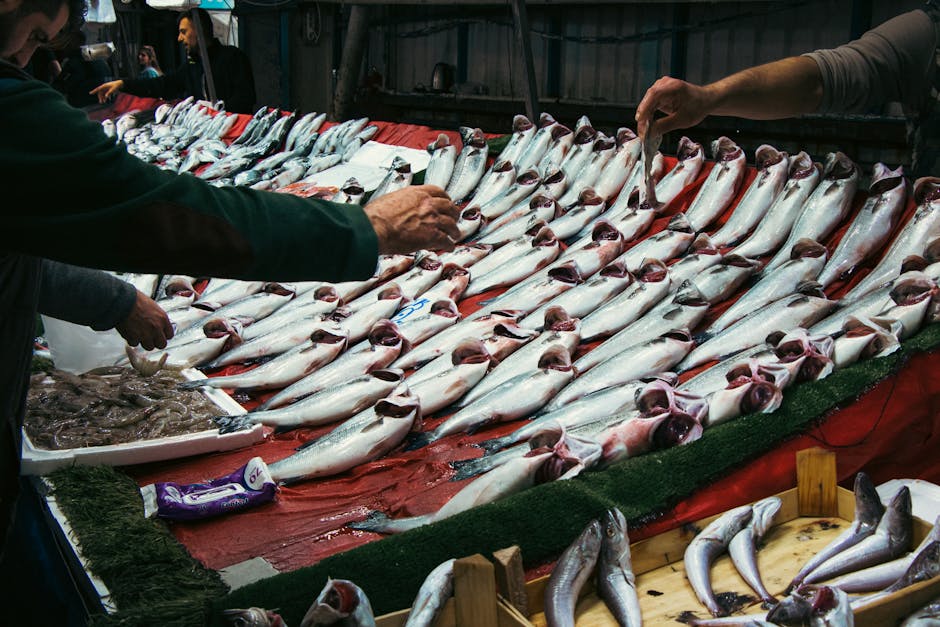
    Another market to know is the Sant’Ambrogio market, located in the Sant’Ambrogio neighborhood (Via di S. Ambrogio, 16128 Genova GE — approximate address around the square). Hours: mornings, 07:30–13:00, several days a week (check the local noticeboard). This market is prized for its fresh fish stalls, often selling catches brought in directly by fishermen from the Gulf. Fish prices: cuttlefish €8.00–€12.00/kg, sardines €4.00–€8.00/kg, local tuna (seasonal) €12.00–€20.00/kg.

    Tip: ask the fishmonger for simple Ligurian cooking advice (grill with olive oil, garlic and parsley). Vendors are usually chatty and happy to share recipe tips.

    2. Local designers and artisan shops: Via Garibaldi, Via Luccoli and hidden studios

    Genoa’s historic streets hide a network of artisans and young designers blending Ligurian tradition with Mediterranean influences. Via Garibaldi, a UNESCO-listed street for its Palazzi dei Rolli, also hosts design shops and small atelier-stores. Central address: Via Garibaldi, 16124 Genova GE (the street runs through the historic center). Shop hours: generally 10:00–19:00 Tuesday to Saturday; some shops close on Mondays and Sunday mornings. Indicative prices: handcrafted jewelry €40–€220, small leather goods €80–€350.

    Via Luccoli (Via Luccoli, 16123 Genova GE) is a less touristy shopping street where you’ll find local clothing designers, handmade shoe shops and jewelry ateliers. The aesthetic is often understated, mixing worked leather, marine influences and contemporary lines. Expect to pay between €60 and €300 for a well-made local item.

    Suggested route: start on Via Garibaldi to admire the Renaissance facades, then turn onto Via San Lorenzo to visit a few ceramic studios; continue toward the Porto Antico where pop-ups and artisan markets dot the waterfront.

    Some ateliers and shops to watch for:

    • Jewelry studio « Officina delle Gemme » (approximate address): a small shop-workshop open 10:30–18:30, hammered silver jewelry with local stones, prices €45–€260.
    • La Bottega del Cuoio (artisan leather shop): Via Luccoli, an atelier-shop selling handmade shoes and bags, prices €90–€420.
    • Ceramics studio « Ceramiche Genovesi »: a workshop near Via San Lorenzo, hand-decorated pieces — bowls and plates €25–€120.

    Local tip: always ask if the atelier can give you a quick behind-the-scenes tour of the « bottega » (many do) — it’s a chance to see the process, request small customizations and get a certificate of authenticity or special gift wrapping for travel.

    Pop-ups and temporary markets at Porto Antico

    The Porto Antico (Piazza Caricamento, 16128 Genova GE) is a lively waterfront area that frequently hosts temporary markets, designer fairs and design exhibits. Hours depend on the event, often 10:00–20:00; in summer events can run late into the night, sometimes until 23:00. Admission is often free; item prices vary. Pop-ups usually bring together ceramists, textile designers, illustrators and jewelers — ideal for finding a unique gift.

    3. Street markets and flea markets: Piazza Realità, Mercatino dell’Antiquariato and bargaining tips

    Genoa offers several street markets where you can hunt for furniture, vinyl records, posters and vintage items. The Mercatino dell’Antiquariato (the antiques market) has regular editions at Piazza De Ferrari and sometimes at Piazza Matteotti; a useful reference address is Piazza De Ferrari, 16121 Genova GE. Hours: often weekend events from 08:00 to 18:00 (depending on the occasion). Prices: small items from €5.00, antiques or furniture from €50 to several thousand euros depending on rarity.

    Piazza Realità di Genova (near Via XX Settembre) hosts themed markets, including vintage textiles and jewelry designers. Flea markets are the best place to uncover vintage finds — jackets, bags, watches, sunglasses — often at negotiable prices.

    Bargaining technique: in Italy, a smile, a compliment about the item and a direct question about its condition or origin go a long way. Start by offering about 20–30% less than the listed price to leave room for negotiation. Practical example: if an antique mirror is marked €120, offering €90 and then meeting around €100 is often acceptable.

    Logistics tips: for bulky items, ask the seller if they can arrange shipping (some offer international shipping services; expect extra costs); if you’re carrying items yourself, bring protective covers and bubble wrap.

    4. What to bring home and budgets: cheeses, pesto, textiles and handmade goods

    There’s nothing like taking a piece of Liguria home in your suitcase. Here’s a list of local specialties and budget guidelines to shop smart:

    • Genoese pesto D.O.P.: artisanal jars 100–200 g: €5.00–€12.00. For canned or preserved artisanal versions expect €8.00–€18.00 depending on the producer.
    • Focaccia: plain slice €1.50–€2.50, filled focaccia €3.00–€6.00.
    • Extra virgin Ligurian olive oil: bottles 250–500 ml: €8.00–€25.00 depending on quality and designation.
    • Canned fish (sardines, tuna): €3.50–€10.00 per artisanal tin.
    • Local cheeses: formaggetta €6.00–€12.00/kg depending on type and maturation.
    • Handmade items: ceramics €25.00–€120.00, jewelry €30.00–€250.00, leather bags €90.00–€450.00.
    • Textiles and linen or cotton scarves: €25.00–€120.00.

    Packing and transport: for fragile products, ask the vendor for « per l’aereo » packaging (many offer special wrapping). Solid food items like sealed pesto, oil and canned goods are generally allowed in cabin luggage if packed according to liquid rules (<100 ml for liquids in cabin) — for oil it’s safer to put it in checked luggage.

    Suggested budget for a full day of shopping: €40–€100 for edible souvenirs and small gifts; €100–€400 if you’re aiming for a handcrafted piece (bag, jewelry, homeware). Antique collectors should plan for a larger budget and always check shipping or transport options in advance.

    Conclusion: Planning your Genoa shopping walk — sample itinerary and last tips

    To wrap up, a successful shopping stroll in Genoa mixes food markets, artisan alleys and tasty pit stops. Sample one-day itinerary: start early at the Mercato Orientale (Via XX Settembre, 75R — 07:00–14:00) to buy pesto, oil and focaccia; head up to Piazza delle Erbe for flea-market finds; make your way to Via Garibaldi and Via Luccoli to visit ateliers and shops; finish at the Porto Antico (Piazza Caricamento, 16128 Genova GE) for pop-ups and a view of the harbor. This route lets you buy fresh products, meet creators and bring home genuine souvenirs.

    Final practical tips: carry small change (coins and notes up to €20) for markets; prioritize morning shopping for freshness; always ask about the origin of products (especially fish and cheese); negotiate politely at street and antique markets; check seasonal hours (July–August and local festivals can mean extended or reduced hours). If you’re buying bulky or valuable items, ask the seller about shipping services or plan a visit to an atelier that offers insured shipping.

    Lastly, allow time to wander: Genoa often reveals its best addresses when you get lost in a perpendicular « carruggio » off the main road. Local shopkeepers appreciate curious visitors and love sharing the stories behind their products — an interaction that can turn an ordinary purchase into a memorable keepsake. Enjoy shopping in Genoa, and don’t forget to treat yourself to a big slice of focaccia while you shop!

  • Palazzi dei Rolli: A Royal Route for History Lovers

    Palazzi dei Rolli: A Royal Route for History Lovers

    Introduction — Palazzi dei Rolli: A Royal Route for History Lovers

    Genoa, a Mediterranean port with a rich commercial and artistic past, holds one of the most fascinating concentrations of urban Baroque palaces in Europe: the Palazzi dei Rolli. Listed as a UNESCO World Heritage Site in 2006, these palaces were once part of a unique system of « rolli » — public lists of private residences designated to host official guests of the Republic of Genoa. Today they form a monumental ensemble mainly stretched along the grand Via Garibaldi (formerly Strada Nuova) and in the nearby streets, offering visitors a journey into the opulence, architecture, and aristocratic life from the 16th to the 18th century.

    This royal route, designed for history buffs, blends cultural visits, clear architectural landmarks, exact addresses, prices in euros and practical opening times to help you plan a full day — or several days — focused on the Palazzi dei Rolli. Whether you love Baroque art, historic interiors, secret gardens or are simply curious about urban history, this guide will help you arrange a logical progression to make the most of walking distances and your visiting time.

    Marble facades, grand staircases, painted ceiling decorations and art collections tell not only the stories of the patrician families who commissioned these palaces, but also the tale of a maritime republic that made its mark through trade and patronage. This guide goes beyond basic facts: it offers immersive descriptions of each palace’s atmosphere, local tips (best visiting times, ticketing options, how to avoid queues), and suggestions for pairing visits with the city’s culinary pleasures.

    Below you’ll find a detailed itinerary split into steps — morning and afternoon — with exact addresses and typical opening hours (always double-check before you go, as times may vary by season and for events). The prices quoted are standard public rates (in euros), and I’ll note where combined tickets offer reduced admission to multiple sites. To spark your visual imagination, I’ve included image markers that point to particularly photogenic views or details of the palaces and their urban settings.

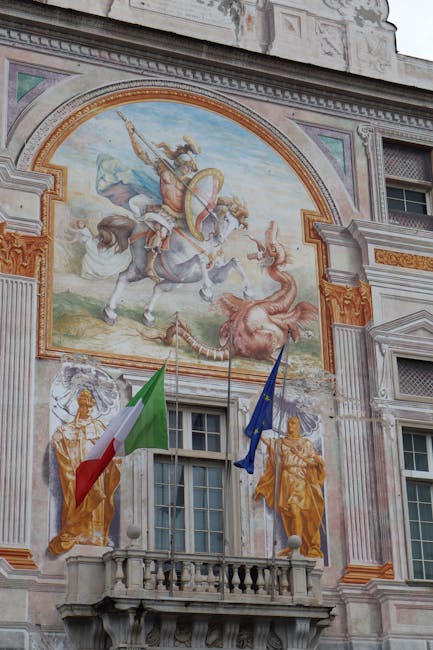
    Palazzo Rosso facade on Via Garibaldi, Genoa
    Via Garibaldi street view lined with Baroque palaces
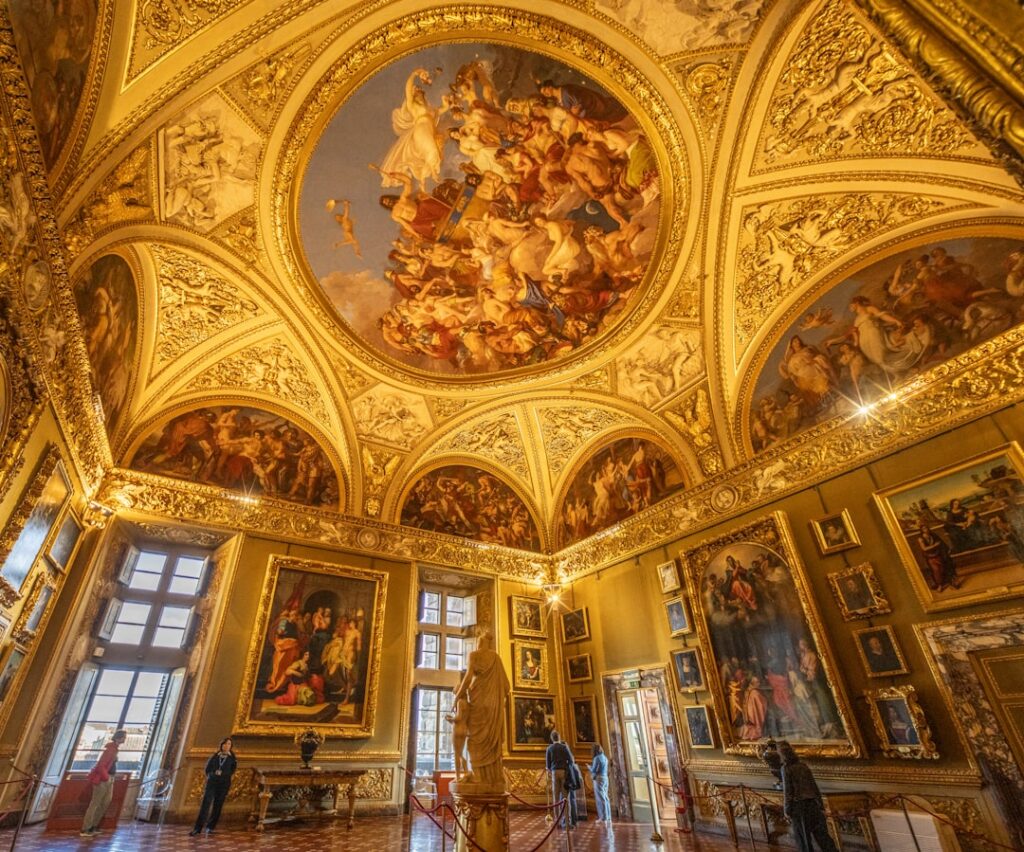
    Frescoed ceiling inside an Italian Baroque palace hall
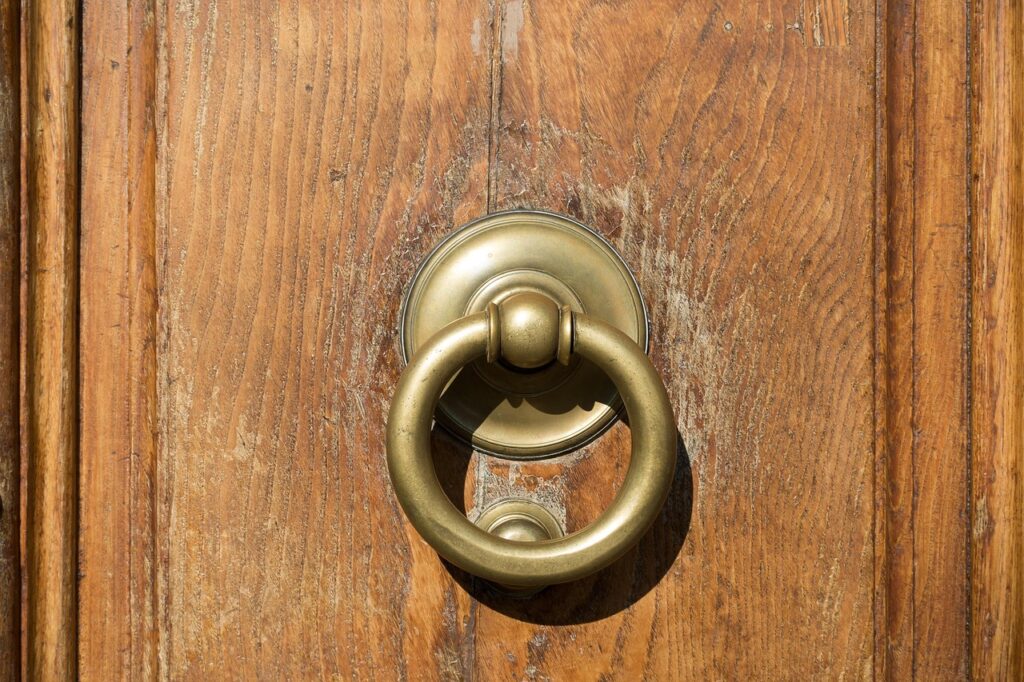
    Old wooden door with brass knockers at a Genoese palace entrance

    History and context of the Palazzi dei Rolli: understanding the system and the architecture

    The Rolli system is one of the unique administrative and social features of the Republic of Genoa. From the 16th century onward, the republic had no official state guesthouse to host ambassadors and foreign dignitaries. Instead, it compiled lists (rolli) of private residences owned by Genoese nobility — the most prestigious and lavish homes — categorized by size and representativeness. When an official guest had to be received, the household that would host them was chosen by lot from these lists. This system reflected the competitive display of wealth and status among families, which in turn produced a highly refined urban environment, notably along Strada Nuova (now Via Garibaldi).

    The palaces’ architecture showcases stylistic development over several centuries: restrained Renaissance-inspired facades, inner courtyards with arcades, monumental honor staircases, elaborate Baroque fresco cycles, woodwork, polychrome marbles, stuccoes and terraced gardens. The master builders and artists involved were often internationally renowned — sculptors, painters and architects blending local influences with Tuscan, Roman and even Spanish models. The outcome is a typology of urban palaces adapted to a dense public and ceremonial life: the entrance, the vestibule and the grand staircase symbolically lead up to the state rooms, where official receptions and political conversations took place.

    Among the most visited palaces today are:
    – Palazzo Rosso (Musei di Strada Nuova) — Via Garibaldi, 18, 16124 Genova: famous for its painting collections and glowing interiors.
    – Palazzo Bianco — Via Garibaldi, 9, 16124 Genova: an art museum with works from the Renaissance to the Baroque.
    – Palazzo Doria Tursi (Palazzo Tursi) — Via Giuseppe Garibaldi, 9, 16124 Genova: home of the civic museum and municipal collections.
    Palazzo Reale — Via Balbi, 10, 16126 Genova: a former royal palace with gardens and sumptuous apartments.
    – Palazzo Spinola di Pellicceria — Via Garibaldi, 12, 16124 Genova: notable examples of interior decoration.
    These addresses make logical starting points to understand the rolli system and their urban distribution.

    The palazzi are not just museums; some still serve municipal or private functions, and others host concerts, temporary exhibitions and conferences. Visiting routes should therefore be planned with variable opening times and closure days in mind (Monday is often a closure day for many museums). In addition, the city frequently offers a combined ticket, « Musei di Strada Nuova, » which bundles access to Palazzo Rosso, Palazzo Bianco and Palazzo Doria Tursi at a reduced rate compared to separate tickets — often the most economical option for art lovers.

    Marble facade of Rolli palaces on Via Garibaldi, Genoa

    Recommended route — Morning: Via Garibaldi and the main palaces (3 to 4 hours)

    Start your morning along Via Giuseppe Garibaldi (Via Garibaldi), the historic heart of the Palazzi dei Rolli. The street, about 250 meters long, is lined with an unrivaled concentration of palaces and is the most practical route for a compact, coherent immersion.

    Step 1 — Palazzo Doria Tursi (Palazzo Tursi): Via Giuseppe Garibaldi, 9, 16124 Genova.
    – Opening times: usually open Tuesday to Sunday from 09:30 to 19:00 (closed Monday).
    – Price: single entry about €6.00 (full price). Discounts for students and seniors; free entry on certain local public holidays.
    – Description: Home to the Museo Civico and the Historical Archive, its monumental staircase, richly decorated salons and collection of furniture and musical instruments make for an excellent first stop. Don’t miss the bust room and the terrace that commands a perspective over Via Garibaldi.
    – Tip: arrive at opening time to avoid tour groups and enjoy the early morning light that highlights the woodwork.

    Exterior of Palazzo Tursi on Via Garibaldi

    Step 2 — Palazzo Bianco: Via Garibaldi, 9, 16124 Genova.
    – Opening times: generally Tuesday to Sunday 09:30–19:00.
    – Price: single ticket around €10.00; included in the Musei di Strada Nuova combined ticket (see below).
    – Description: An art museum housed in a 16th-century palace, it displays an excellent collection of Italian paintings (Carracci, Rubens, Van Dyck) and local artists. Rooms are organized chronologically and thematically, allowing you to trace the stylistic evolution of European painting.
    – Tip: the audio guide (often available in several languages) helps contextualize the works and is worth it if your time is limited.

    Step 3 — Palazzo Rosso (Musei di Strada Nuova): Via Garibaldi, 18, 16124 Genova.
    – Opening times: usually Tuesday to Sunday 09:30–19:00.
    – Price: single ticket around €10.00; combined ticket for the three Strada Nuova museums (Palazzo Rosso, Palazzo Bianco, Palazzo Doria Tursi) about €12.00–15.00 depending on promotions.
    – Description: The palace gets its name from the red walls of some rooms; it houses a prestigious collection (portraits, Flemish and Italian paintings, tapestries). The museum route crosses richly decorated salons, studies and bedrooms, ending with a charming terrace overlooking the street.
    – Tip: check whether the « Musei di Strada Nuova » combined ticket is available on the day of your visit — it will save you time at the ticket desk and money.

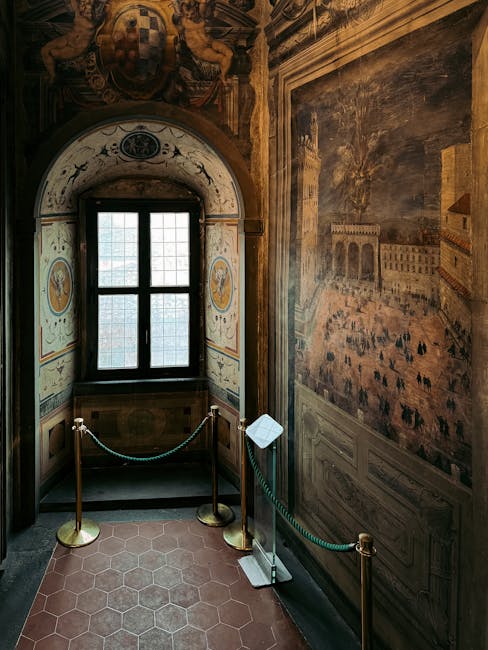
    Interior of Palazzo Rosso with red walls and paintings

    Step 4 — Secondary palaces to see on foot (optional depending on time):
    – Palazzo Spinola di Pellicceria — Via Garibaldi, 12, 16124 Genova. Hours: 10:00–18:00; Price: €6.00–8.00. Remarkable Baroque interiors.
    – Palazzo Nicolosio Lomellino — Via Garibaldi (entrance number varies), famous for its decorated staircase and hanging garden (oratory). Hours and prices vary (often included in guided circuits).
    These additional visits often require reservations for interior access, as some palaces open intermittently or are used for private events.

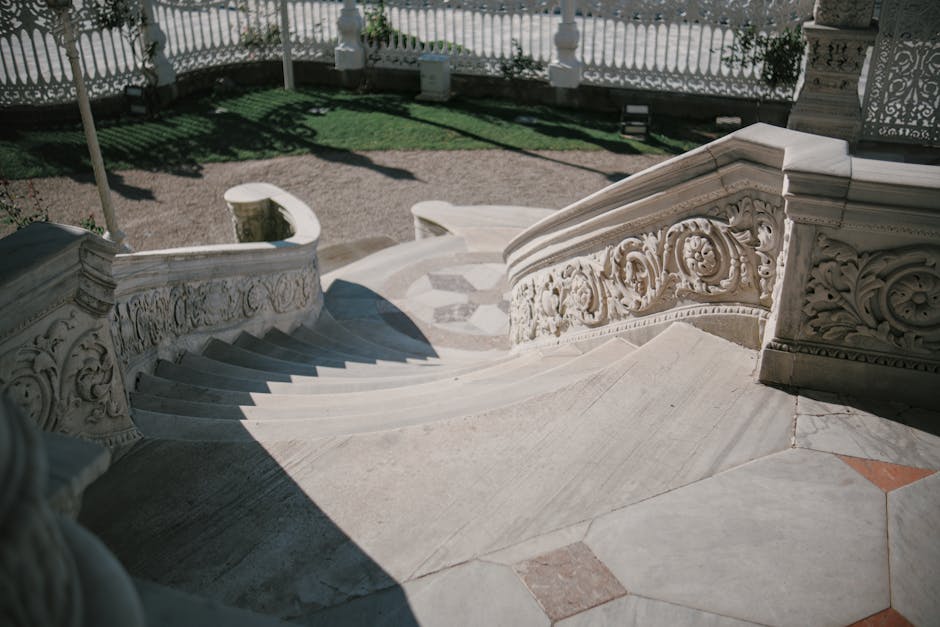
    Marble staircase with ornate balustrade inside a Genoese palace

    Recommended route — Afternoon and evening: Palaces beyond Via Garibaldi and Genoese ambiance

    After a typical Genoese lunch (restaurant tips further down), head to palaces that are a little farther out and down toward the sea to round out your Rolli discovery. The afternoon is ideal for visiting the sumptuous Palazzo Reale and taking time to explore palaces converted into exhibition spaces or specialized museums.

    Step 1 — Palazzo Reale (Royal Palace): Via Balbi, 10, 16126 Genova.
    – Opening times: generally open Tuesday to Sunday 09:00–19:00 (closed Monday).
    – Price: single entry around €8.00–12.00 depending on the exhibition; reduced rates for students and seniors, often available as a combined ticket with civic museums.
    – Description: The Palazzo Reale is among the largest and most sumptuous palaces in Genoa. The state apartments, richly decorated, display gilded salons, painted ceilings and period furnishings. The palace also has an Italian terraced garden with views over the historic center.
    – Tip: allow at least an hour and a half for a full visit; audio guides and guided tours often grant access to rooms closed to free visits.

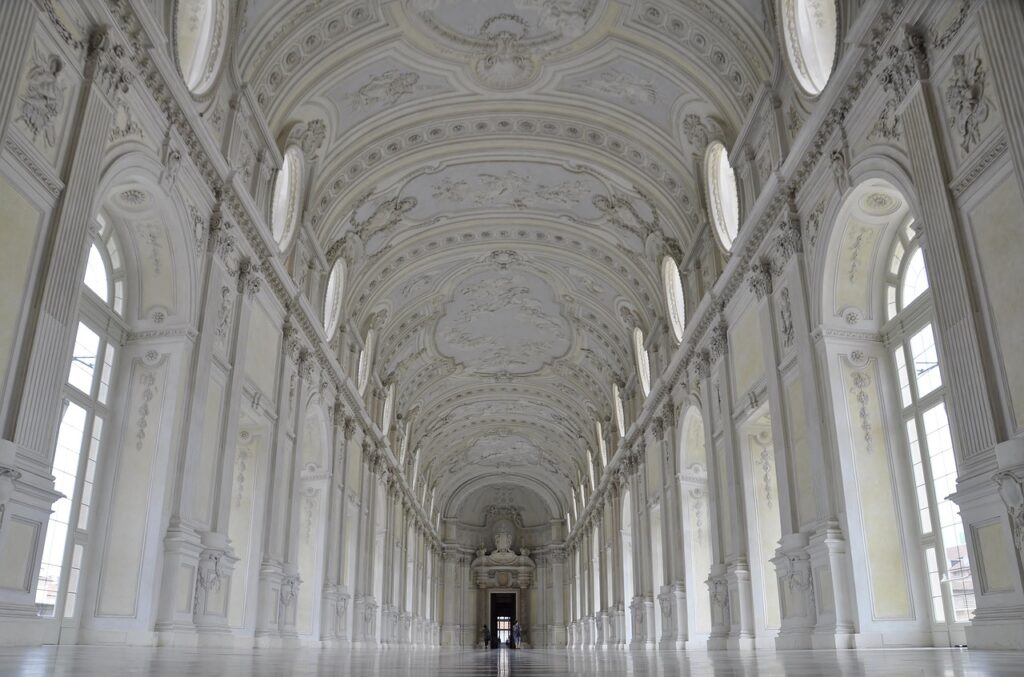
    Grand frescoed reception room in the Royal Palace (Palazzo Reale)

    Step 2 — Palazzo Nicolosio Lomellino and little gems:
    – Palazzo Nicolosio Lomellino (for its famous hanging garden, Giardino all’Italiana), often located in the Via Garibaldi or Via Cairoli area depending on the access point. Hours and fees: variable, often €5.00–8.00 by reservation or as part of guided routes.
    – Palazzo della Meridiana (Piazza della Meridiana, 1, 16124 Genova): hosts temporary exhibitions; opening times and prices vary.
    These palaces offer a more intimate perspective on courtly life and private gardens, often hidden behind modest street facades.

    Genoa rooftop terraced Italian palace garden

    Step 3 — End of day: harbor, viewpoints and dinner.
    – Head up to the Spianata di Castelletto (viewpoint) — by funicular or on foot from Piazza Portello. The platform offers panoramic views over the city and port, a great spot to photograph the row of palaces from above.
    – Dinner recommendation: choose a traditional restaurant serving Ligurian cuisine: trofie al pesto, farinata, and fresh fish. For example, Trattoria da Maria (Via San Luca, 4R — check the exact address before you go) or Ristorante San Giorgio al Porto (Piazza San Giorgio 2, near the Porto Antico). Expect about €20–35 per person for a full meal, excluding drinks.
    – Local tip: late-afternoon light brings out the ochre and red tones of Via Garibaldi’s facades — perfect for photos and a relaxing stroll before returning to your accommodation.

    Evening view of Genoa harbor with historic waterfront buildings

    Practical tips, tickets, transport and local tricks

    Before you go: tickets and reservations. Many palaces offer combined tickets — the best-known being the « Musei di Strada Nuova » ticket (Palazzo Rosso, Palazzo Bianco, Palazzo Doria Tursi). Indicative combined price: €12.00–15.00 (check current conditions on the official Musei di Strada Nuova site). The individual ticket prices mentioned above are indicative: Palazzo Rosso ~€10.00, Palazzo Bianco ~€10.00, Palazzo Reale ~€8.00–12.00. Reductions for youth, seniors and groups usually apply, and children under 6 often enter free.

    Opening hours: most palaces are open Tuesday through Sunday and closed on Monday. Standard hours range from 09:00 to 19:00/19:30 depending on the season. To avoid disappointment, always check the museum’s official website or the Genoa tourist office (Comune di Genova) the day before your visit. Some palaces may close unexpectedly for private events or restoration work.

    Getting around:
    – On foot: the old town and Via Garibaldi are largely walkable and close together; prioritize walking to fully appreciate the nearby architecture.
    – Public transport: buses and the metro (stations: « Dante » or « Brignole » depending on where you start) provide quick access to the center. Funiculars (e.g., Zecca-Righi) and city elevators (ascensore di Castelletto) give access to great viewpoints.
    – Taxi: available but more expensive; a good option if you’re short on time or traveling in a group.

    Gear and etiquette:
    – Shoes: wear comfortable footwear suitable for walking on cobblestones.
    – Photography: most museums allow photography without flash; check signage at the room entrances.
    – Respect the sites: many rooms are fragile (rugs, marbles, frescoes) — avoid touching and follow staff instructions.

    Local hacks:
    – Early morning: start at opening to beat the crowds. The best light for photographing east/southeast-facing facades is in the morning.
    – Coffee break: try a caffè corretto in a historic bar near Piazza De Ferrari or a focaccia from Recco for a local snack.
    – Market and souvenirs: the Mercato Orientale (Piazza della Vittoria, 5R) is a great spot to buy local products (pesto, oils, wines) and is within easy walking distance.

    Guided tours, events and deeper-dive alternatives

    If you want a more scholarly or thematic approach, choose a specialized guided tour. Many local agencies offer circuits focused on architecture (crafts, materials, techniques), the diplomatic history of the Rolli (their role in European diplomacy), or themed nighttime visits (illuminations and period tales). Accredited guides enrich the visit with anecdotes about the patrons, artists and historic events that took place in these salons.

    Events: several palaces host temporary exhibitions, Baroque music concerts, classical recitals and lectures. For example, Palazzo Reale and Palazzo Spinola di Pellicceria frequently organize chamber music concerts in historic salons — check event calendars on official sites to plan your visit around performances.

    Alternatives for history enthusiasts:
    – Fondazione Palazzo Ducale (Piazza Giacomo Matteotti, 9): a rich cultural program of contemporary and historical exhibitions.
    – Edoardo Chiossone Museum of Oriental Art (Via Garibaldi, 18/A): a chance to cross Genoese history with Asian collections.
    – Thematic visits: « Rolli Days, » an annual event when some palaces normally closed to the public open their doors for free or host special guided tours. Check dates and details on the Rolli Days website.

    Accessibility and families: several palaces offer family trails and multilingual audio guides. Strollers can be a challenge on some old staircases; ask at the ticket desk about accessible routes.

    Guided tour group inside an ornate Genoese palace hall

    Conclusion — Why the Palazzi dei Rolli deserve your royal route

    The Palazzi dei Rolli are more than historic buildings: they embody a distinct civic and cultural history, where commercial power and the art of patronage shaped an entire city. Their presence gives Genoa an architectural prestige comparable to other European capitals, but with a density and urban coherence that make them uniquely distinctive. Touring these palaces is like reading the story of a mercantile republic and watching the social mechanisms of prestige play out in stone, marble, painting and garden.

    With the itinerary proposed here, the history lover gets a structured route — morning on Via Garibaldi, afternoon at Palazzo Reale and the gardens, followed by an evening at the harbor or on the heights — that balances cultural immersion and tourist comfort. The practical details (exact addresses, usual opening times, indicative prices) make planning easier and allow you to adapt the visit to your interests and pace. Don’t forget to take advantage of combined tickets, check opening hours online before you go, and explore the little side streets off Via Garibaldi where other treasures hide.

    Finally, take time to savor the details: painted ceilings, the patina of marbles, urban perspectives, hanging gardens and the small plaques telling the stories of the families who commissioned these works. These sometimes subtle elements narrate the life of a city that combined commercial power with a love of the arts. Whether you’re a first-time visitor or a returning traveler, the Palazzi dei Rolli always reveal something new — so let yourself be carried along this royal route and give yourself a few hours, a full day or several days to fully taste the history and beauty of Genoa.

    Sunset over Genoa skyline including historic palaces and the harbor

  • Hidden Secrets of San Lorenzo: Crypts, Mosaics & Treasures

    Hidden Secrets of San Lorenzo: Crypts, Mosaics & Treasures

    Introduction: The Secrets of San Lorenzo in Genoa

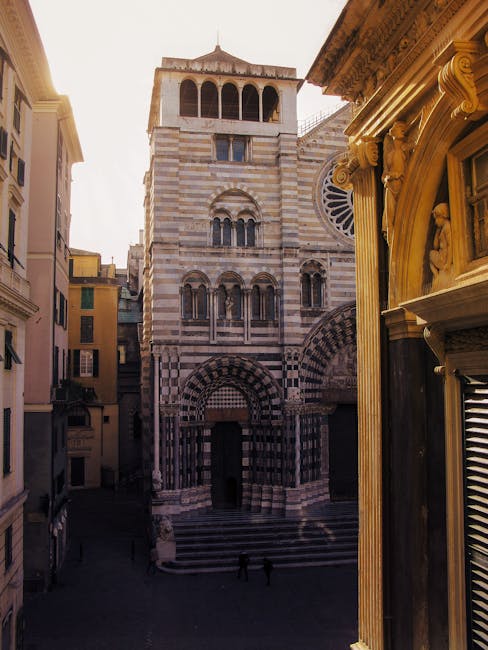
    The Cattedrale di San Lorenzo (Saint Lawrence Cathedral) is one of Genoa’s medieval gems — a port city where every stone tells a tale of sailors, merchants and saints. Nestled in the heart of the old town, it catches the eye with its striking black-and-white striped façade and its Romanesque–Gothic bell tower. But beyond that iconic exterior lie lower levels — crypts, richly decorated chapels, rare mosaics and an episcopal treasure that together reveal centuries of devotion and artistic exchange between East and West. This guide offers a hands-on, immersive walkthrough of those hidden corners, with exact addresses, opening hours, ticket prices and local tips to help you get the most out of your visit.

    The richness of San Lorenzo isn’t limited to a single room: it’s spread across the main nave, side chapels you might miss from the entrance, the crypt beneath the choir and the Museo del Tesoro della Cattedrale (Cathedral Treasure Museum). These spaces preserve Byzantine mosaics, golden reliquaries, embroidered liturgical textiles and, above all, visible traces of successive interventions that make the cathedral a living architectural stratigraphy. Reading those layers is like reading Genoa’s history — from Lombard and Pisan phases to the bustling medieval maritime fairs and the later Baroque splendor.

    This guide is written for both the curious traveler and the art lover: I map out the underground routes, the must-see rooms, practical info (prices in euros, current opening times, exact addresses) and local tips to avoid the crowds or to join a guided tour. You’ll also get visual cues for photographing mosaics and crypt spaces, plus suggestions for extending your exploration into the surrounding streets — think Via San Lorenzo and the Palazzo San Giorgio. Respect liturgical schedules and conservation rules and you’ll be able to admire the treasures with both wonder and care. Bring comfortable shoes: the stairs down to the crypt are narrow and lighting is low, but the experience is unforgettable.

    1) Cattedrale di San Lorenzo — façade, nave and main entrance

    Exact address: Cattedrale di San Lorenzo, Via San Lorenzo 8, 16123 Genova GE, Italy. The cathedral itself is usually free to enter for access to the central nave, though some areas require a ticket. Typical opening hours: 9:00–12:00 and 15:00–18:00 (closed during Mass — check the day’s times on-site or on the official page). Entry to the nave: free. Inside you’ll find vaults that play with shadow and light, reclaimed ancient columns and several side chapels richly decorated.

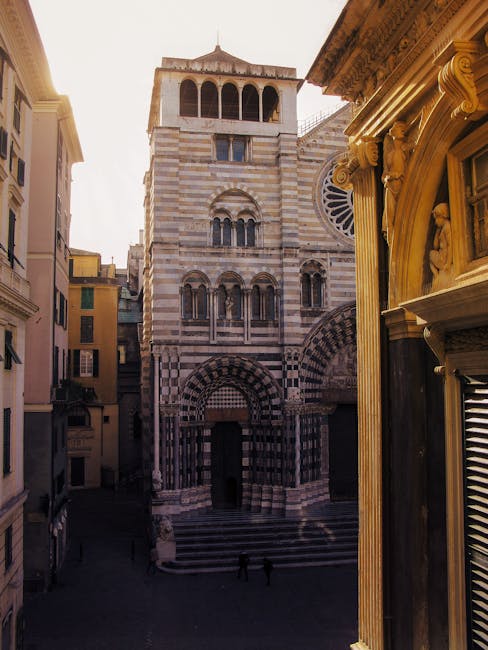
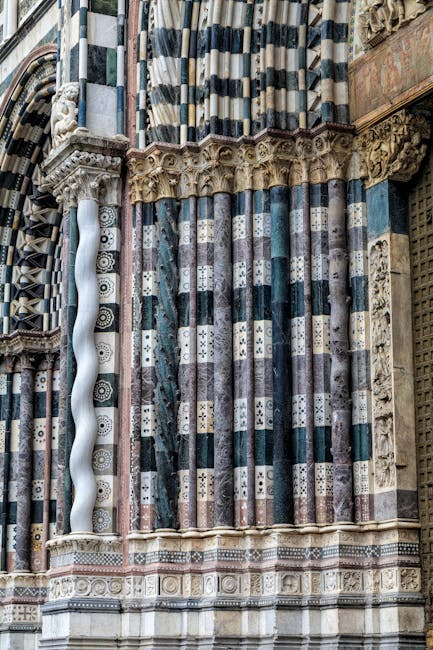
    Outside the cathedral, take a moment to study the polychrome façade and carved portal: the alternating black-and-white marble stripes are typical of the Ligurian–Tuscan tradition. Inside, the Chapel of Sant’Agostino and the Cappella del Crocifisso contain altarpieces and ornate Baroque woodwork that contrast with the stern Romanesque choir. The most photogenic times are early morning or late afternoon, when low light skims the stone and brings out carved details.

    Practical tips: avoid Mass times (often 10:30–11:30 and 18:00–19:00) if you want an uninterrupted visit. There is wheelchair access via a side ramp (ask staff on site). Allow at least 45–60 minutes for a relaxed visit of the nave and side chapels before heading down to the crypt and the treasure.

    2) The Cathedral Crypt — underground spaces, relics and atmosphere

    Access point: enter from inside the Cattedrale di San Lorenzo, Via San Lorenzo 8, 16123 Genova GE. The crypt is one of the most intimate and least visited areas. Generally, access is via a ticket office or a combined ticket with the Museo del Tesoro. Indicative prices: Crypt ticket only €5.00, Combined Crypt + Treasure ticket €10.00. Typical opening times: 10:00–12:30 and 15:00–17:30, though it can be closed outside guided tours — it’s strongly recommended to check up-to-date hours at the Ufficio informazioni turistiche (tourist information office) or on the cathedral’s entrance notice board.

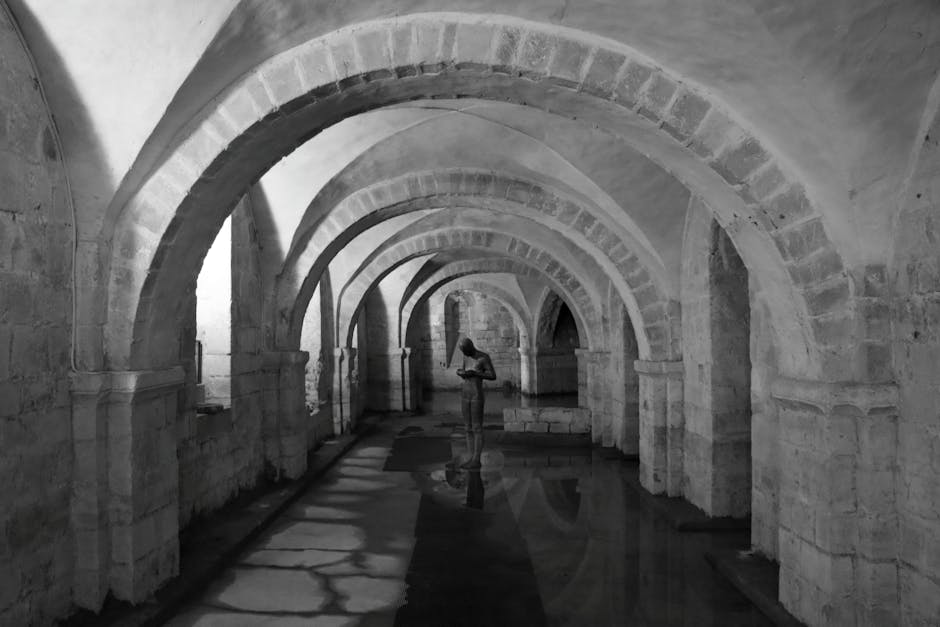
    Descending into the crypt reveals a series of low bays supported by massive columns, with an ancient floor sometimes showing fragmentary mosaics. Lighting is deliberately subdued to protect the materials: expect a nearly monastic atmosphere, punctuated by warm lamps that highlight silver reliquaries and gilded stuccoes. Notable features include medieval sarcophagi and inscribed stones recalling Genoa’s patrician families.

    Local tips: bring a small headlamp (respect the no-flash rules) to study the mosaics and inscriptions up close. The stairs are narrow and can be slippery — closed-toe shoes are recommended. If the crypt is closed to the public, ask about special guided visits — these often grant access to areas normally off-limits.

    3) Museo del Tesoro della Cattedrale — mosaics, reliquaries and goldsmithing

    Exact address: Museo del Tesoro della Cattedrale, Piazza San Lorenzo 10, 16123 Genova GE. The museum houses the cathedral’s treasure: medieval goldsmithing, gilded reliquaries, liturgical textiles and imported mosaics. Standard admission: €8.00 (full price), €5.00 (reduced for students and seniors), free for under 6s. Typical opening hours: 10:00–13:00 and 15:00–18:00, closed Monday mornings; hours may vary with seasons and religious celebrations.

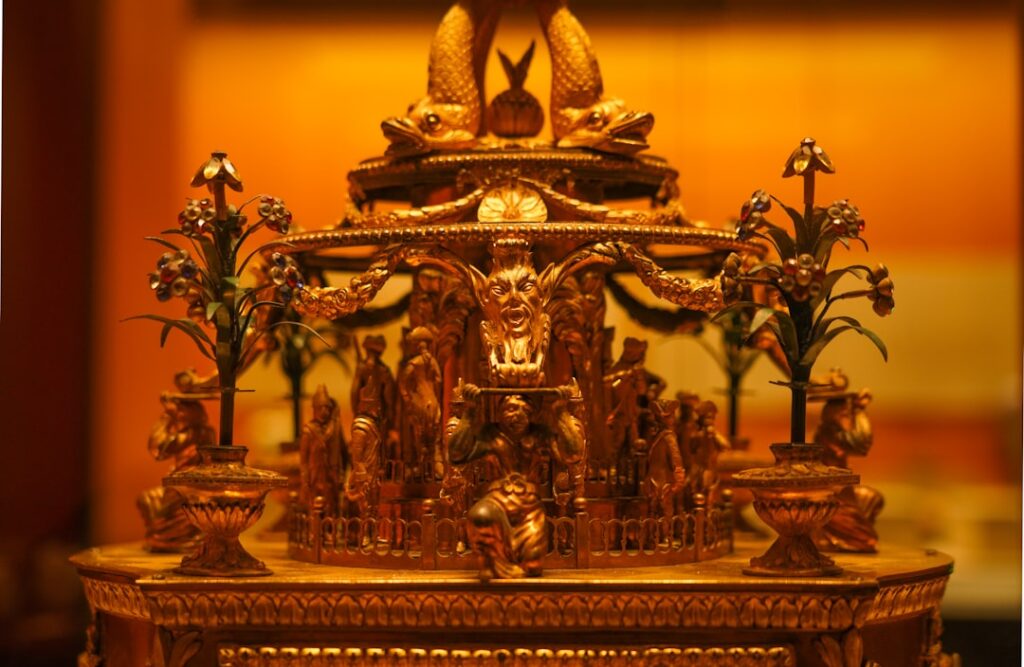
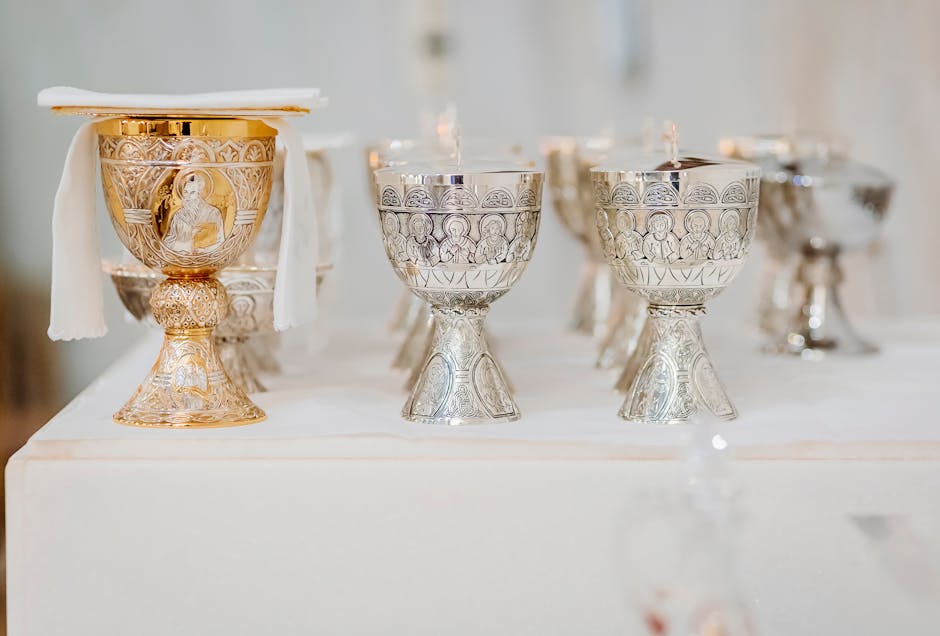
    The collection highlights the artistic dialogue between Genoa and the Mediterranean East: you’ll see Byzantine enamels, cross-reliquaries set with champlevé enamels and polychrome mosaic fragments that sometimes come from churches that were demolished or reworked. A key showcase holds the bishop’s crosier reliquary and ornately decorated chalices, evidence of wealth amassed during the commercial peak of the Republic of Genoa. Exhibit panels are in Italian and English; some temporary displays include additional notes in French.

    Visitor advice: opt for a guided tour (often offered in Italian and English) to grasp the liturgical and artistic contexts of the pieces. Non-flash photography is generally allowed but check at the entrance. If you love mosaics, study the tesserae and their sizes: the oldest ones use irregular pieces and semi-precious stones, while modern restorations tend to use more uniform materials.

    4) Nearby routes and practical tips — extending your San Lorenzo discovery

    The San Lorenzo area is a cultural hub: stepping out of the cathedral you’ll be moments from the Palazzo San Giorgio (Piazza Caricamento 1, 16123 Genova GE), the historic seat of port administration, and the Museo di Palazzo Reale (Via Balbi 10, 16126 Genova GE) if you want to continue exploring aristocratic interiors. Many visitors combine the cathedral with a stroll through the caruggi (narrow lanes) of the old town, where you’ll find small antique shops and authentic focaccia bars.

    Transport and parking: the area is largely pedestrian. Closest public car parks are Garage Colombo (Via di Sottoripa 2, 16123 Genova GE) and Parking Porto Antico (Piazza Cavour 1, 16128 Genova GE) with hourly rates that vary (around €2–€3/hour). Trams and buses serve Brignole and Piazza De Ferrari stations, but expect a 10–20 minute walk from those points depending on where you start.

    Local tips: grab a focaccia at Panificio Bravo (Via di Santa Caterina 12R) or a slice of farinata at a small osteria after your visit. Avoid peak tourist hours (11:00–14:00) if you want crowd-free photos. And respect religious rules: some chapels close during services and access to sensitive areas may be restricted for conservation reasons.

    Conclusion: Why San Lorenzo is a must-see

    The Cattedrale di San Lorenzo and its outbuildings form an exceptional ensemble where religious history, art and urban life meet. By descending into the crypt, studying the mosaics and admiring the episcopal treasure, visitors get a tangible sense of Genoa’s cultural wealth. Beyond dates and styles, these places tell the story of a merchant city open to the Mediterranean: relics brought back from pilgrimages, donations from patrician families, Byzantine influences and Baroque interventions. Every displayed object is a clue to the trade and spiritual networks that shaped the city.

    To prepare your visit: note these addresses — Cattedrale di San Lorenzo, Via San Lorenzo 8, 16123 Genova GE; Museo del Tesoro della Cattedrale, Piazza San Lorenzo 10, 16123 Genova GE; Palazzo San Giorgio, Piazza Caricamento 1, 16123 Genova GE — and plan quieter time slots in the morning or late afternoon. Choose combined tickets where available to save money and avoid lines for the crypt and museum. Finally, keep conservation requirements in mind (no flash, observe liturgical hours) so these works survive for future generations. San Lorenzo is more than a pinpoint on a map: it’s a time immersion, a conversation with talking stones and glittering treasures — intimate and grand at once.

  • All-Nighter in Genoa: Your Guide to the City’s Best Night Events

    All-Nighter in Genoa: Your Guide to the City’s Best Night Events

    Introduction: All-Nighter in Genoa — why the city lights up

    Genoa, an ancient port at the heart of Liguria, reveals itself as a city of contrasts once night falls. Laid out like an amphitheater around the Gulf of Genoa, with its narrow lanes known as carrugi, Renaissance palaces and coastal line, the city makes a perfect setting for an all-nighter where culture, food, music and heritage walks mingle without pause. This guide gives you a practical, immersive plan for an All-Nighter in Genoa: whether you love art, are a music fan, a foodie or simply curious about Italian nightlife vibes, you’ll find route ideas, exact addresses, opening times, indicative prices and local tips to make the most of your night.

    An All-Nighter in Genoa doesn’t stay confined to one neighborhood: it often starts in the historic center — the largest medieval center in Europe — continues to the Porto Antico (the old port revamped by Renzo Piano), follows the seafront toward the urban beach of Boccadasse or the pleasant Corso Italia, then climbs to viewpoints like the Spianata di Castelletto and the Lanterna lighthouse for panoramic views. In the evening, museums and monuments sometimes hold late openings, pop-up concerts or light installations; cafés, osterie and wine bars open their terraces and keep the party going until dawn.

    In this guide you’ll find themed routes (art & culture, music & nightlife, scenic walks, late-night food), typical opening times and prices for key places, plus practical tips — night transport, safety, local customs, and tricks to avoid queues or score discounts. Timetables and prices shown are based on common practices and data available in 2024; check online before you go because special events or seasonal periods (festivals, summer) can change hours and crowd levels.

    To help you visualize, there are photo cues embedded as image markers (for illustration or inspiration): views of Porto Antico at night, illuminated carrugi, the Lanterna under a starry sky, Boccadasse terraces, and outdoor concert scenes. These markers show what you’ll see and where to point your camera to capture your All-Nighter.


    1) Culture & heritage route: late-night museums and lit-up palaces

    For a culture-focused All-Nighter, start at the Palazzo Ducale (Piazza Matteotti 9, 16123 Genova). The Palazzo Ducale is a hub for cultural events; it frequently hosts late openings, openings of new exhibitions and concerts. Address: Palazzo Ducale, Piazza Giacomo Matteotti 9, 16123 Genova. Usual hours: exhibitions are sometimes open until 10pm on event nights (check the website for the program). Admission: varies by exhibition — typical full price €8–€15, reduced €5–€10, free entry on some late-night occasions.

    A short walk away, visit the Galleria Nazionale di Palazzo Spinola (Via Garibaldi 1, 16124 Genova): the « Strade Nuove » and the palaces of Via Garibaldi form a UNESCO World Heritage ensemble. Addresses: Palazzo Rosso, Via Garibaldi 18; Palazzo Bianco, Via Garibaldi 11; Palazzo Doria Tursi, Via Garibaldi 9, 16124 Genova. Late-night hours: occasional openings for cultural events, often until 11pm during white nights or festivals. Indicative prices: Palazzo Rosso/Palazzo Bianco/Palazzo Doria Tursi — combined adult ticket €15–€20, reduced €8–€12.

    Don’t miss the Galata Museo del Mare (Calata De Mari 1, 16126 Genova), the maritime museum that offers a nighttime dive into Genoa’s naval history. Address: Galata Museo del Mare, Calata De Mari 1, 16126 Genova. Hours: sometimes open until 11pm for special events. Indicative price: full price €12–€16, reduced €8–€10.

    • Practical tip: Buy tickets online when possible to avoid night queues. Many museums offer combined tickets (Via Garibaldi) that save money and make it quicker to hop from palace to palace.
    • Timing tip: Start the evening around 6–7pm to enjoy an aperitivo on a piazza (Piazza De Ferrari) before moving on to visits; museums sometimes close between 8 and 9pm if there’s no scheduled late-night program.

    2) Night music & shows: concerts, theater and jazz clubs

    Genoa has a lively music scene that comes alive at night: from classical to jazz, plus electro and impromptu bar gigs. For classical music or opera, head to the Teatro Carlo Felice (Piazza De Ferrari 5, 16121 Genova). Address: Teatro Carlo Felice, Piazza De Ferrari 5, 16121 Genova. Tickets: typical prices €20–€120 depending on seat and performance; the box office usually opens about two hours before the show, with performances often starting at 8:30pm.

    Jazz lovers will enjoy the cozy atmosphere of the Capannina Jazz Club (Via S. Luca 14r, 16123 Genova) or other local clubs. Address: Capannina (example clubs) Via San Luca 14r, 16123 Genova. Hours: concerts from around 9:30pm to midnight/1am, average entry €8–€20 depending on the artist; drinks extra. For live seaside music, check the program at the Mercato Orientale (pop-up venues) or stages set up at Porto Antico, Piazza Caricamento.

    More alternative nights often take place in bars and clubs around Vico Dritto and the Vernazza district (not to be confused with the Cinque Terre village). La Claque (Via Galata 3R, 16124 Genova) sometimes hosts DJ sets and intimate concerts. Address: La Claque, Via Galata 3R, 16124 Genova. Hours: typically 7pm–2am; entry varies by night €5–€25.

    • Local tip: For free outdoor concerts, follow the Comune di Genova and Palazzo Ducale on Twitter/Facebook; in summer Porto Antico regularly hosts free concerts until midnight.
    • Booking tip: Teatro Carlo Felice shows and popular concerts sell out fast: book at least 2–3 weeks ahead for big productions.

    3) Night walks: lanes, viewpoints and seaside panoramas

    At night, Genoa shows a different face: its medieval alleys turn into canyons of shadow and light, while its viewpoints offer stunning views over the bay. Start your walk at the Porto Antico (Piazza Caricamento, 16123 Genova), a redeveloped area with cafés and promenades open late. Address: Porto Antico, Piazza Caricamento, 16123 Genova. Bars and restaurants here typically stay open until midnight or 1am; aperitivo budget €8–€15, dinner from €20 per person.

    Then head up to the Spianata di Castelletto (Piazza del Portello, 16136 Genova) for a panoramic view: access via the public elevator (Ascensore Castelletto Levante) or on foot through the lanes. The public elevator is located at Vico delle Monachette / Piazza Portello. Elevator hours: often 7:30am–11pm (check locally). Night view: sweeping panorama over the lit city and the port, ideal at sunset and later.

    For a coastal panorama, stroll along Corso Italia (seafront), between the Foce neighborhood and Boccadasse. Generic address: Corso Italia, 16146 Genova. Cafés and gelato shops stay open seasonally until 11pm–1am; expect €3–€6 for a gelato, €12–€25 for a simple terrace meal. End the walk in the picturesque village of Boccadasse (Via Boccadasse, 16136 Genova): small colorful houses and a pebble beach, with a romantic nighttime atmosphere.

    • Practical tips: Wear comfortable shoes: cobbles and many steps are common in the carrugi; carry a small torch or use your phone in very dark spots.
    • Safety: Main tourist areas are generally safe at night, but avoid totally deserted alleys and keep your belongings close; the city’s size and topography create narrow spots where it’s easy to get turned around.

    4) Nighttime food: aperitivos, street food, trattorie and fresh fish

    Food is a core part of Genoa’s All-Nighter. Start with an aperitivo around Piazza De Ferrari or at Porto Antico: spritzes and local wines (vermentino, pigato) from €6–€10 a glass. For a typical experience, look for osterie and trattorie serving focaccia genovese (a slice for €1.50–€3), torta verde or the famous pesto alla genovese with trofie (main course €10–€18).

    A top spot for a late seafood dinner: Trattoria da Nonna (local example), or the restaurants at Porto Antico, Calata Cattaneo; for a precise and time-honored local recommendation, look for Osteria di Vico Palla (Via Vico Palla 8R, 16123 Genova) — a well-rated local place serving fresh fish and traditional dishes. Address: Osteria di Vico Palla, Via Vico Palla 8R, 16123 Genova. Hours: often 12:00–3:00pm, 7:00–11:00pm; closing times vary. Prices: starters €6–€12, mains €12–€28.

    For late-night street food, look for stalls and vans near Piazza delle Erbe or Via del Campo: tuna panini, farinata (chickpea flatbread) from €3–€6. For a sweet break, family-run gelaterie serve artisanal flavors late: one scoop €2.5–€4.

    • Suggested all-nighter menu: aperitivo (spritz) at Porto Antico €8, shared focaccia €2, seafood starter €12, fish main €20–€28, gelato €3 — approximate total €45–€60 per person for a full meal without wine.
    • Local tip: Ask for « pane e acqua » if you don’t want to pay too much for the coperto; in Italy the cover charge (coperto) is common and ranges €1–€3 per person depending on the place.

    5) Special nights & seasonal events: festivals, night markets and fireworks

    Genoa periodically stages major night events: music festivals, film festivals, night markets and fireworks celebrations over the summer. The Festival della Scienza (usually October/November) offers late openings and interactive installations around the center and Palazzo Ducale; entry varies by event — workshops €5–€20, special evenings sometimes free. The Genoa tourist office publishes the official calendar; check turismo.genova.it for exact dates.

    In summer, the Genoa Street Food Festival and food markets at Porto Antico draw crowds and culinary creators: late-night hours until midnight, portion prices €3–€8. For New Year’s Eve the city organizes public concerts and fireworks visible from viewpoints: access is usually free but public transport adapts schedules (expect changes and heavy crowds).

    Film fans can enjoy outdoor screenings (cinema all’aperto) in squares or at Porto Antico during summer: tickets often €5–€10. For literary nights or author events, follow the Salone del Libro Off programs and Palazzo Ducale’s calendar.

    • Booking advice: For paid festivals, book online in advance — some busy days sell out.
    • Practical note: During events, public transport (AMT Genova) sometimes extends lines and runs shuttles; keep your ticket or travel card and allow extra time for late returns.

    Conclusion: planning your All-Nighter in Genoa — recommended route and best practices

    To make the most of your All-Nighter in Genoa, mix culture, walks and local flavors while keeping the city’s rhythm in mind: start late afternoon in the historic center (Via Garibaldi, Palazzo Ducale), follow with an aperitivo at Porto Antico, then catch a concert or show (Teatro Carlo Felice or a jazz club), before heading up to the Spianata di Castelletto or the Lanterna to end with a memorable dawn view. This plan lets you experience several sides of Genoa without rushing, taking advantage of extended opening hours during late-night events.

    Practical takeaways: always check opening times and buy tickets online for popular museums or shows; carry some cash (small notes) for food trucks and potential coperto; wear comfortable shoes and bring a light jacket — the sea breeze can be cool even in summer. For transport: the AMT Genova network (buses and public elevators) runs at night with main lines extended during events; taxis and ride apps are available but may be busy after concerts and large gatherings.

    Finally, let yourself be carried by the atmosphere: Genoa is a city to listen to as much as to see — the musicians’ voices, alley echoes, the smell of fresh pesto or grilled fish, and the golden light on palace stone create memories worth more than any photo. Plan ahead, but leave room for the unexpected: a street gig, a welcoming trattoria or an unplanned viewpoint can turn an ordinary night into a truly memorable All-Nighter.

    • Suggested recommended route — quick recap:
      • 6:00pm: Aperitivo at Porto Antico (Piazza Caricamento) — budget €8–€15
      • 7:30pm: Night visit to Via Garibaldi palaces (Palazzo Rosso/Bianco/Doria) — combined ticket €15–€20
      • 9:00pm: Dinner at a traditional osteria (eg. Osteria di Vico Palla) — main €12–€28
      • 10:30pm: Concert or jazz club (Teatro Carlo Felice / La Claque) — tickets €8–€50
      • 12:30am: Night walk toward Spianata di Castelletto / Corso Italia / Boccadasse for the final panorama
    • Useful numbers: Genoa Tourist Office +39 010 55721 (local information), Local police for tourist assistance +39 010 5571 (check local emergency numbers).

  • Galata Museo del Mare, Genoa — Top Sights, Tips & Visitor Guide

    Galata Museo del Mare, Genoa — Top Sights, Tips & Visitor Guide

    Introduction

    The Galata Museo del Mare is one of Genoa’s cultural and historical gems — a port city with a long and storied maritime past. Located on the Porto Antico waterfront, the museum tells the story of seafaring, the great age of discovery, Italian emigration and naval technology through diverse collections, ship models, period objects and immersive multimedia installations. For the curious visitor it’s an exciting dive into the world of ships, captains and the men and women who shaped the Mediterranean and global sea routes. The building itself, sitting on the historic Calata Porta di Massa, is a testament to the urban and cultural regeneration of Genoa’s waterfront.

    Genoa, with its maze of narrow lanes (the famous « caruggi »), its 16th-century palaces and its busy harbor, provides the perfect backdrop to understand just how central the sea has been to this maritime republic. The museum doesn’t only display objects: it puts you in the story. You can board life-sized reconstructions, listen to emigrants’ testimonies, see transatlantic liner cabins and step inside an authentic Italian Navy submarine. The museum’s approach mixes artifacts, storytelling and digital technologies to deliver a lively and accessible reading of maritime history.

    In this detailed article you’ll find everything you need to plan your visit: descriptions of the must-see areas, exact addresses, opening hours, practical prices in euros, time-saving tips, accessibility options and recommended guided tours. Whether you’re a naval history buff, visiting with kids who love interactive exhibits, or a casual traveler after a cultural stroll by the water, the Galata Museo del Mare is a must-stop on any Genoa itinerary.

    We’ll highlight the visit’s main attractions and point out nearby sights not to miss, such as the Lanterna di Genova (the historic lighthouse), the small fort and the Porto Antico quays. You’ll also find practical tips (buying tickets online, best time slots to avoid crowds, nearby restaurants, connections from main train stations like Genova Piazza Principe and Genova Brignole, parking and public transport info). Finally, recommendations on photographing the exhibitions and making the most of the interactive areas complete this comprehensive guide for a successful visit.

    Galata Museo del Mare facade on the Porto Antico waterfront

    Overview of the Galata Museo del Mare and practical information

    The Galata Museo del Mare is located at the precise address: Calata Porta di Massa, 1, 16128 Genova GE, Italy. The museum occupies a refurbished section of the historic waterfront and looks out directly onto the Porto Antico quays, just a short walk from Genoa’s aquarium. To help you plan your visit, here are the practical details generally in effect: usual opening hours are Tuesday to Sunday from 10:00 to 19:00, closed on Mondays (hours may vary on public holidays or during special exhibitions, so always check the official website before you go). Indicative admission prices are: full price €12, reduced €9 (students, seniors, children according to conditions), and free entry for very young children depending on the current policy. The museum often offers combined tickets that include access to the Nazario Sauro submarine or other exhibits; a combined ticket typically runs around €17–20 depending on the package.

    It’s strongly recommended to book your tickets online, especially in high season (April to October) and during Italian school holidays, to avoid queues at the ticket office. The ticket counters accept cards and cash; the museum has a dedicated group box office and family offers. Bring ID if you’re claiming a reduced rate. Accessibility info: the Galata is partially accessible for visitors with reduced mobility, with elevators and ramps to reach most areas; however some historic sections or shipboard exhibits may have spatial constraints. The museum provides cloakroom services, restrooms (including accessible toilets), and a gift shop selling specialized books, models and souvenirs.

    The museum offers audio guides in several languages and themed guided tours (by reservation): for example, tours focusing on Italian emigration, naval archaeology or the history of transatlantic liners. Mornings are usually quieter; aim to arrive at opening if you want to enjoy interactive installations without queues. For families, note that educational workshops are held regularly and the interactive areas are designed to engage children from around age 6 and up.

    Porto Antico waterfront with historic towers

    The Sottomarino Nazario Sauro (S518): an immersive highlight not to miss

    One of the highlights of the museum complex is the visit to the Sottomarino Nazario Sauro (S518), moored nearby in the Porto Antico. Access for the submarine visit is at Calata del Molo Vecchio, Porto Antico, 16126 Genova (entry via the Galata museum route or directly from the quay depending on signage). The submarine is a former Italian Navy vessel converted into a museum attraction; boarding it lets you experience the cramped living conditions of the crew, view the torpedo room, engine room and control stations. Submarine access is often part of a combined ticket or may require an extra fee, so check at purchase: indicative supplement for submarine access is around €5–8, or included in a combined ticket priced at €17–20 depending on offers.

    Descending into the submarine involves narrow ladders and low passages: the visit is not recommended for people with significant mobility issues or for those prone to claustrophobia. For safety reasons the number of visitors inside at any one time is limited by rotation; expect waiting times, especially in summer. Once aboard you’ll find explanatory panels, historical photos and sometimes guides in period costume explaining daily life on board. Children will learn how submarine navigation worked through simple explanations and visual aids.

    Practical tip: tell the ticket office if visiting the submarine is a must for you; during high season the ticket desk assigns time slots. Wear closed, sturdy shoes (you’ll climb ladders and walk on metal surfaces). Photography is generally allowed without flash; follow all safety instructions and respect restricted areas. Finally, the view from the quay — with the submarine and the silhouettes of historic ships in the Porto Antico — provides beautiful photo opportunities at sunset.

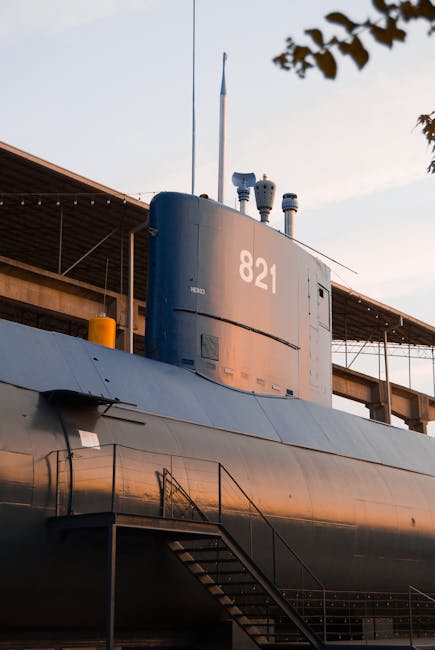
    Exterior of the submarine museum at sunset

    Permanent exhibitions and the museum’s showstoppers

    The Galata Museo del Mare is organized into several permanent themed sections, each designed to tell a different chapter of maritime history. Must-sees include:

    • The Exploration Room: ship models from exploration eras, navigation instruments (astrolabes, sextants), old charts and the stories of voyages that expanded Europe’s geographic knowledge.
    • The Italian Emigration Section: reconstructed liner cabins, boarding documents, photographs and audio testimonies from Italians who emigrated to America between the late 19th and 20th centuries. This is an especially moving exhibition told through personal voices and objects.
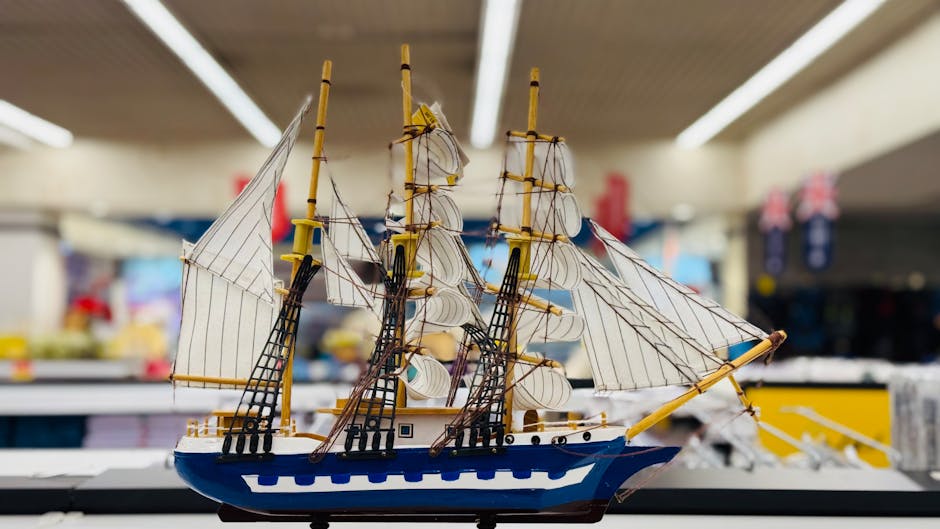
    • The Ship Models & Naval Archaeology Gallery: exquisitely crafted models of galleys, caravels, merchant and warships, complemented by recovered wreckage and shipwright tools.
    • The Engine Room & Naval Technology: engines, propellers, steering systems and explanations of propulsion and the technological evolution of ships.
    • The Interactive Trail for Kids: simulators, educational games and touch stations that let young visitors « steer » a ship or learn about currents and weather.

    Among the collection’s highlights you’ll notice historically precise scale models, panels recounting major naval battles involving Genoa, and artifacts recovered from local shipwrecks. Reconstructed liner decks and transatlantic cabins are so detailed they offer a real sense of immersion. Lighting and scenography are arranged to guide visitors through a chronological and thematic route, punctuated by projections and sound installations.

    For enthusiasts, the museum shop stocks specialized books on naval history, reproductions of old maps and model kits. Don’t miss the rotating temporary exhibitions that tackle themes like early cartography, life at sea and marine ecosystems. Check the events calendar: lectures, roundtables and workshops are often scheduled, especially during the high season and on weekends.

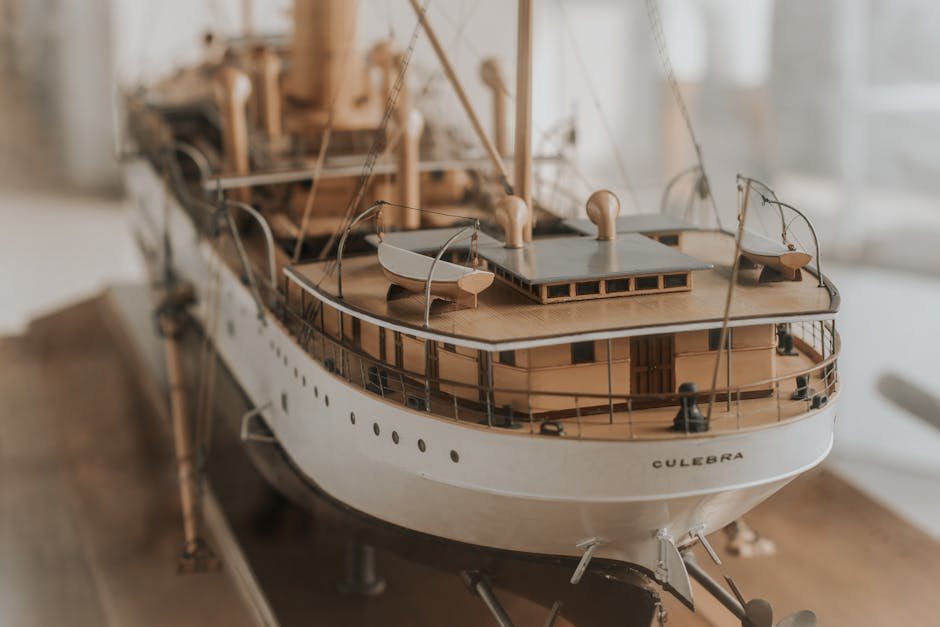
    Collection of historical ship models

    Local tips, getting there, dining and routes around the city

    Getting there: the Galata sits in the heart of the Porto Antico and is easily reachable on foot from the old town. If you arrive by train, the two main stations are Genova Piazza Principe (about 1.0–1.3 km, a 15–20 minute walk) and Genova Brignole (about 2.5–3.0 km, a 30–40 minute walk). Several bus lines and the tram serve the Porto Antico — check Genoa’s AMT routes depending on your starting point. For drivers, paid parking is available nearby, such as the Parcheggio Porto Antico – Via al Molo Vecchio and the underground garage at Piazza Tommaseo; rates vary by duration and season (expect roughly €2–3 / hour in central areas). The pedestrian zone around the museum is pleasant for a post-visit stroll.

    Dining: you’ll find several tasty options right nearby. For a coffee or light meal, try the cafés and trattorie around the Porto Antico and Molo Vecchio. For authentic Genoese fare head into the lanes east of the museum, where you can find local specialties like focaccia Genovese, trofie al pesto and fresh fish. If you prefer a waterside lunch, restaurants along the quay offer terraces with harbor views — expect slightly higher prices but rewarding panoramas.

    Suggested routes: combine a visit to the Galata with the Acquario di Genova (less than a 5-minute walk), a walk to the Lanterna di Genova (historic lighthouse, Calata Bettolo, 16128 Genova — about 20–30 minutes on foot depending on your pace) and a wander through the historic center (Strade Nuove and the Palazzi dei Rolli). Photographers will find the best light early in the morning and late afternoon when the golden light hits facades and hulls.

    Other practical tips: bring a light jacket even in summer — the sea breeze can be cool by the water. Be prepared to walk and wear comfortable shoes; routes include bridges and gangways. If you’re sensitive to motion, note that the submarine visit is stationary but can feel claustrophobic to some; book accordingly. Finally, if you’re traveling with kids, check the schedule for children’s workshops on the day of your visit to make the educational experience more rewarding.

    Porto Antico area in Genoa with waterfront views

    Conclusion

    Genoa’s Galata Museo del Mare is a must-visit for anyone looking to understand the deep ties between the Ligurian city and the sea. With permanent exhibitions rich in historical documents, outstanding ship models, immersive installations and the unique opportunity to visit a real submarine, the museum delivers a full and varied experience that appeals to history lovers, families and casual visitors alike. Its strategic location on the Porto Antico makes it easy to pair with other top Genoa attractions like the Aquarium of Genoa and the Lanterna di Genova for a full and memorable cultural day.

    To get the most from your visit: book tickets in advance, arrive early to beat the crowds, allow enough time to explore both the indoor exhibitions and the submarine, and don’t miss the temporary exhibitions that regularly refresh the museum’s offerings. Use an audio guide or a guided tour to dig deeper into specific topics, and don’t hesitate to ask museum staff for personalized recommendations — they’re often the best source for spotting lesser-known treasures and understanding historical context.

    At the end of your visit, the museum shop and the Porto Antico outdoor spaces let you extend the experience, whether by taking home a specialist book or enjoying a terrace overlooking the harbor. Whether you’re in Genoa for a short stop or a longer Ligurian stay, spending a few hours at the Galata Museo del Mare will give you a rich, lively perspective on maritime history, technological innovation and the mass migrations that connected Europe to the rest of the world. Safe travels and enjoy your visit!

    The Lanterna di Genova, the city’s historic lighthouse

  • Genoa’s Artisan Gems: Must-Visit Shops for Authentic Finds

    Genoa’s Artisan Gems: Must-Visit Shops for Authentic Finds

    Introduction: Artisan gems of Genoa — why this guide matters

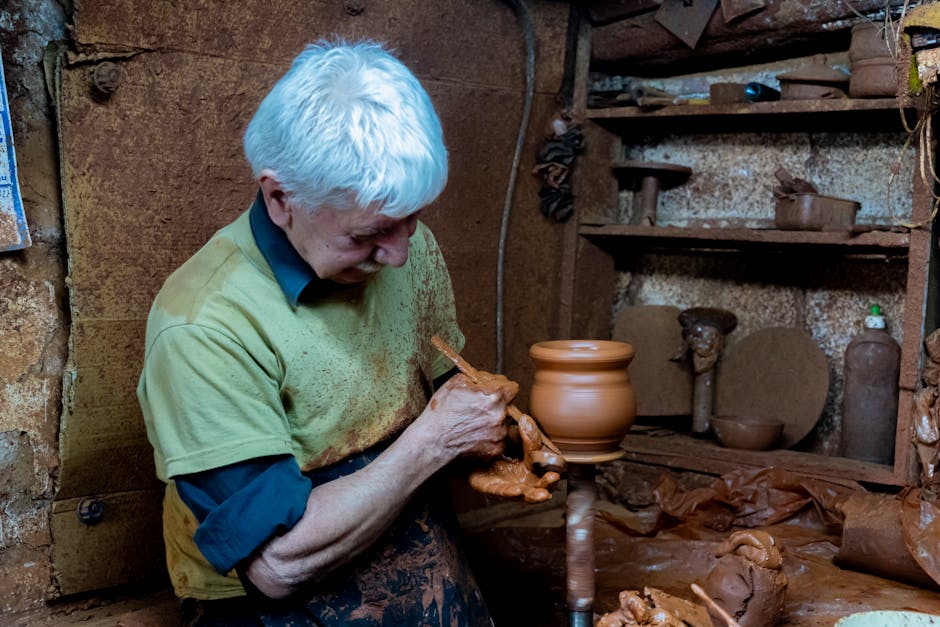
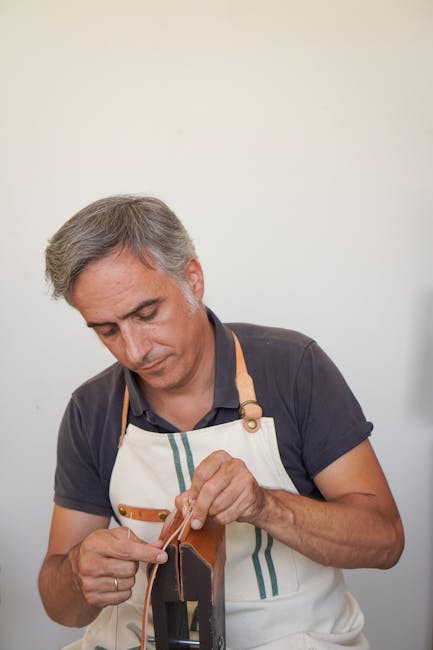
    Genoa (Genova) is a port city where Mediterranean history is still readable in every alley, on every weathered façade and in the colorful stalls of its craft shops. For the observant traveler, the city offers much more than monuments: it preserves a living craft tradition that blends culinary know-how, ceramics, textiles, leatherwork and nautical objects inherited from its days as a great maritime republic. This guide is designed as a practical, immersive map to discover Genoa’s unmissable artisan shops, with exact addresses, up-to-date opening hours, price ranges and local tips to help you get the most out of your purchases.

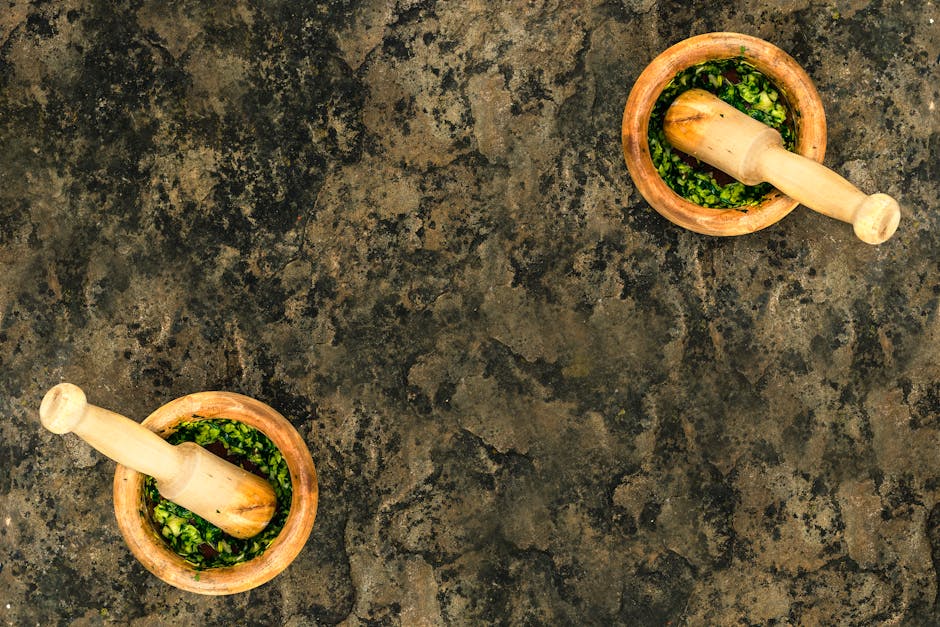
    Whether you’re a collector, a food lover or simply after an authentic souvenir, this guide will take you to workshops and tiny shops where things are still made by hand. You’ll learn where to buy a jar of traditional mortar-made pesto, how to spot an artisanal soap shop with local fragrances, which small ceramics studio offers glazed pieces inspired by Genoese patterns, and which addresses to favor for leather goods and handmade fabrics. I also detail opening hours to avoid slow periods, price brackets to plan your budget, plus tips on how to haggle respectfully or ask to visit the workshop.

    This guide isn’t just a list of addresses: it’s a sensory route. We talk about the textures of linen and leather, the smell of basil and olive oil, the light in workshops that open onto the narrow lanes of the historic center, and the sound of the nearby harbor. You’ll find practical info (accepted payment methods, accessibility, closing days) and recommendations to pair craft visits with culinary discoveries — for example, enjoying a warm focaccia after buying local flour. Finally, for easier visual exploration, image markers are placed at the most photogenic spots: shopfronts, artisans’ hands at work, windows of typical products. Get ready to return from Genoa with objects that have a clear story and provenance you can share at home.

    Narrow Genoese street lined with artisan shops

    Gastronomic shops: handcrafted flavors in the heart of the city

    Genoa is synonymous with pesto and seafood, but its culinary craft goes well beyond that. A must-visit is the Mercato Orientale di Genova: a street market that brings together producers and small artisan houses. Address: Mercato Orientale, Via XX Settembre 75/R, 16121 Genova GE. Opening hours: Monday–Saturday 8:00–13:30 and 16:00–19:00, closed Sunday. Expect to pay between €3.50 and €15.00 for fresh produce (tomatoes, herbs, local cheeses). Stalls selling artisanal pesto often offer 180 g jars for €6–12 depending on quality and ingredients (pine nuts or not). Tip: ask to taste the mortar-made pesto (“pesto al mortaio”) before you buy.

    Another essential stop is Antica Pesto Shop – Bottega del Pesto, a workshop specializing in old-fashioned pesto preparation. Address: Bottega del Pesto, Vico del Filo 4R, 16123 Genova. Opening hours: Tuesday–Saturday 9:00–13:00 and 15:30–19:00, closed Monday. Price examples: 130 g jar of pesto €8.00, 300 g jar €14.50. Besides pesto, they sell extra virgin olive oil (500 ml from €10.00), flavored vinegars (€6–12) and artisanal pasta (500 g €3.50–6.00). Artisans accept cash and card payments.

    For a more intimate experience, head to La Piccola Salumeria da Marco, specialized in house-cured meats and preserves. Address: Salumeria da Marco, Via San Lorenzo 52R, 16123 Genova. Opening hours: Monday–Saturday 9:00–13:00 and 16:00–19:30, closed Sunday. Prices: stuffed focaccia slice to go €3.50; charcuterie boards for two €12–25 depending on selection. Local tip: buy some tomini (fresh cheese) and an onion focaccia for a tasty break while wandering the historic center.

    Pesto workshop with mortar and fresh basil

    Ceramics and glass studios: Mediterranean shapes and colors

    Liguria’s ceramic tradition is less famous than Tuscany’s, but Genoa hosts contemporary studios that reinterpret regional shapes and motifs. One workshop not to miss is Atelier Ceramica del Porto, where everyday ceramics meet decorations inspired by the colorful houses of the harbor. Address: Atelier Ceramica del Porto, Salita San Francesco 12R, 16124 Genova. Opening hours: Wednesday–Saturday 10:00–13:00 and 15:00–18:30, closed Sunday and Monday. Prices: cups and small bowls €18–40, decorated plates €35–90, unique pieces (vases) €60–250. The studio also offers beginner classes (2-hour workshop, €35 per person).

    For hand-blown glass, Vetro Artistico Genovese crafts pieces inspired by maritime traffic and sea colors. Address: Vetro Artistico Genovese, Via dei Giustiniani 23R, 16124 Genova. Opening hours: Tuesday–Sunday 10:30–18:30, closed Monday. Prices: simple glasses €20–45, blown carafes €55–180, decorative pieces €80–350. Tip: arrive in the early afternoon to catch a glassblowing demo (often around 15:30) — some shops also let you pre-order a personalized piece.

    Finally, the shop-studio Terre di Mare Ceramiche blends local pigments with modern porcelain. Address: Terre di Mare, Piazza San Matteo 2R, 16123 Genova. Opening hours: Thursday–Monday 10:00–13:30 and 15:30–19:00, closed Tuesday–Wednesday. Prices: small decorative items €12–45, tableware sets €80–220. The artisans are happy to share the stories behind their motifs — ask about the origin of the glazes and firing techniques (raku, salt firing).

    Artisan shaping clay in a ceramics workshop

    Leather goods and textiles: sustainable creations with Genoese style

    Genoa’s leather tradition now merges with contemporary approaches, featuring workshops that favor local hides, hand cutting and a strong attention to detail. Laboratorio Pelletteria San Lorenzo is a go-to for handmade bags and accessories. Address: Laboratorio Pelletteria San Lorenzo, Via di San Lorenzo 98R, 16123 Genova. Opening hours: Monday–Saturday 9:00–13:00 and 15:00–19:00, closed Sunday. Prices: coin purses €25–45, belts €35–70, leather bags €85–320 depending on size and construction. Tip: check the stitching (strong thread, even stitches) and ask if the leather is vegetable-tanned — that’s often a marker of durability.

    For textiles with strong Mediterranean and maritime ties: Manifattura Ligure – Tessuti & Tradizione offers hand-printed silk scarves, linen tablecloths and embroidered napkins. Address: Manifattura Ligure, Via Garibaldi 45R, 16124 Genova. Opening hours: Tuesday–Sunday 10:00–19:00, closed Monday. Prices: hand-printed silk scarves €45–120, linen tablecloths €60–180, embroidered napkins €15–40 each. Artisans often explain their printing methods (stencil, artisanal screen printing) — great for understanding an object’s true value.

    An interesting spot for a more contemporary take is Studio Sartoriale Genova, offering alterations, bespoke pieces and bags made from recycled materials. Address: Studio Sartoriale Genova, Salita di Carbonara 7R, 16123 Genova. Opening hours: Tuesday–Saturday 9:30–13:00 and 15:00–18:30, closed Monday and Sunday. Prices: simple alterations €10–40, bespoke items (bag or jacket) from €150. Local tip: for a made-to-measure piece, allow 1 to 3 weeks depending on complexity.

    Handmade leather bag in a Genoa artisan workshop

    Nautical items, jewelry and artisan souvenirs: the port’s identity

    Given Genoa’s maritime shaping, it’s natural to find artisans who pay homage to that heritage. Marineria Vecchia – Arte Nautica specializes in restored nautical items and hand-made model boats. Address: Marineria Vecchia, Via del Campo 21R, 16123 Genova. Opening hours: Monday–Saturday 9:30–18:30, closed Sunday. Prices: small scale models €35–120, restored marine instruments (compasses, barometers) €60–280. Tip: if you plan a bulky purchase, check packaging and shipping options in advance.

    For sea-inspired jewelry rooted in Ligurian traditions, visit Gioielli del Porto. Address: Gioielli del Porto, Piazza Banchi 8R, 16123 Genova. Opening hours: Tuesday–Sunday 10:00–19:00, closed Monday. Prices: silver bracelets €40–120, artisan pendants €35–200, custom rings €80–450. Creators often work with local symbols (anchors, rope motifs, shells).

    Finally, for authentic souvenirs, the shop-studio Storie di Liguria gathers small furniture, reprinted old maps, painted canvases and decorative objects. Address: Storie di Liguria, Via San Sebastiano 3R, 16124 Genova. Opening hours: Wednesday–Sunday 10:00–19:00, closed Monday and Tuesday. Prices: reprinted maps €12–35, small canvases €25–120, decorative objects €15–85. Tip: ask about the story behind the pieces — local artisans love to explain the provenance of their materials (driftwood, reclaimed rope).

    Handcrafted model ship reflecting Genoa’s maritime heritage

    Practical tips and a suggested one-day route

    To make the most of the artisan shops, here’s a practical route and local tips for a coherent day of exploration. Start early at the Mercato Orientale (Via XX Settembre 75/R): the morning is ideal for fresh produce and pesto. Then head to the historic center — Via San Lorenzo and Piazza Banchi — to visit small salumerie and marineria workshops. Lunch break: opt for a traditional focaccia (around €3–5) or a charcuterie plate from the local salumeria (€12–20).

    In the afternoon, focus on more specialized craft studios: ceramics and glass (Atelier Ceramica del Porto, Salita San Francesco 12R) where you can often catch a demonstration. Next, stroll along Via Garibaldi to discover textile and leather workshops (Laboratorio Pelletteria San Lorenzo, Via di San Lorenzo 98R). Finish the day near the harbor at Marineria Vecchia (Via del Campo 21R) for a maritime atmosphere at sunset.

    Practical tips: favor mixed payment methods (cash and card) — some small workshops accept cash only. Always ask whether packaging is included, especially for fragile items; many shops offer protective wrapping for €2–8. If you’re buying a gift, request a receipt or gift note. Also, check closing days (many shops are closed on Monday) and try to visit on weekdays to avoid weekend crowds.

    Afternoon shoppers browsing an artisan street market in Genoa

    Conclusion: value, authenticity and souvenirs with stories

    Genoa offers a panorama of artisans who keep ancient traditions alive while exploring contemporary forms. This guide aimed to provide not only practical addresses and price ranges but also sensory landmarks to steer you toward meaningful purchases. The shops featured — from food markets to ceramic studios, leatherworkers and nautical artisans — showcase the diversity of Genoese craft and how it’s woven into the city’s urban and historical fabric.

    By following the route tips and noting opening hours, you can optimize your days and maximize encounters with artisans: those conversations are often the most valuable moments, since the maker can explain where the material came from, the techniques used, and sometimes even offer a short demonstration. Buying local also supports skills and preserves a piece of authenticity. The prices listed here reflect common ranges; keep in mind that quality and customization can justify higher prices, especially for unique or bespoke pieces.

    Before you go, remember a few simple rules: choose items with a story, ask to see the workshop when possible, check shipping options for bulky purchases, and respect local payment customs. If you’d like a tailor-made itinerary for a half-day or multiple days, including workshop reservations or extra food tips, tell me — I can adapt this guide to your pace, interests and budget. Enjoy discovering Genoa’s artisan gems and have a great trip into the heart of Ligurian craft!

    Evening lights on Genoa’s harbor and artisanal shops

  • Discover the Palazzi dei Rolli: Genoa’s Hidden Palace Gems

    Discover the Palazzi dei Rolli: Genoa’s Hidden Palace Gems

    Introduction — Discovering the Palazzi dei Rolli: Genoa’s Hidden Palace Gems

    In the heart of Genoa’s old town, Via Garibaldi and the side streets branching from it form a true open-air urban museum: the Palazzi dei Rolli. Built mainly in the 16th and 17th centuries by the city’s great families, these palaces are testament to a golden age of commerce and the arts when the Republic of Genoa competed in splendor with Europe’s great courts. Listed as a UNESCO World Heritage site under « Genoa: Le Strade Nuove and the system of the Palazzi dei Rolli, » these buildings showcase a wide variety of stucco facades, loggias, inner courtyards and painted decorations—details often missed by hurried visitors.

    Exploring the Palazzi dei Rolli isn’t just about admiring lavish rooms and collections: it’s about understanding a port city that paid for its magnificence through maritime trade, banking and political alliances. The palaces were entered on official « Rolli »—lists that determined which private residences would take turns hosting the state’s official guests: ambassadors, monarchs and dignitaries. As a result, private domestic architecture became a public showcase of prestige. Interiors designed to impress alternate rare marbles, painted coffered ceilings, trompe-l’œil and secret gardens.

    This comprehensive guide takes you beyond the postcards: exact addresses, opening hours, prices in euros, immersive descriptions of the spaces, historical anecdotes and practical tips to make the most of your visit. You’ll find information on the main museums—such as the Musei di Strada Nuova (Palazzo Rosso, Palazzo Bianco, Palazzo Doria Tursi), Palazzo Reale, Palazzo Spinola di Pellicceria, Villa del Principe (Palazzo del Principe)—as well as lesser-known addresses where frescoes, decorative arts collections and peaceful inner courtyards reveal themselves.

    Visiting the Palazzi dei Rolli is a sensory experience: the cobbles underfoot, the scent of old wood and wax, the way light plays across polished marble. This guide also offers local tips to avoid the busiest hours, combine visits (and save money), and spot the details that tell the stories and rivalries of Genoese noble families. It includes practical suggestions for photographers and visual markers to inspire you before you go.

    Before you set out, keep a few rules of thumb in mind: check official opening hours the day before your visit (museums often adjust opening days), buy a combined ticket when available, and favor early morning or late afternoon visits to enjoy softer light on the façades. Finally, respect conservation rules (flash photography often forbidden, restricted access to certain rooms) to preserve these treasures for future generations.

    Must-sees: Musei di Strada Nuova (Palazzo Rosso, Palazzo Bianco, Palazzo Doria Tursi)

    The trio that makes up the Musei di Strada Nuova is the museum heart of the Palazzi dei Rolli. Situated along Via Garibaldi, these three palaces offer a chronological and thematic route that’s essential for understanding Genoa’s art collections and how local elites furnished and displayed their interiors.

    Palazzo Rosso (Museo di Palazzo Rosso)
    Address: Via Garibaldi, 18, 16124 Genova GE, Italy.
    Opening hours: Tuesday–Sunday 10:00–18:00 (closed Monday).
    Prices: full ticket €6.00; reduced €4.00; combined Musei di Strada Nuova ticket (see below) €10.00.
    Overview: Palazzo Rosso is famed for its richly decorated rooms and its collection of Italian and European paintings, featuring works by Van Dyck, Parmigianino and Bernardo Strozzi. The museum route highlights decorated salons, libraries and bedrooms that preserve the aristocratic domestic atmosphere. The rooftop terrace provides an urban vantage point over Via Garibaldi and the lower city.

    Palazzo Bianco (Museo di Palazzo Bianco)
    Address: Via Garibaldi, 11, 16124 Genova GE, Italy.
    Opening hours: Tuesday–Sunday 10:00–18:00 (closed Monday).
    Prices: full ticket €6.00; reduced €4.00; combined Musei di Strada Nuova ticket €10.00.
    Overview: Palazzo Bianco is notable for its collection of European paintings from the 13th to the 18th centuries, with Spanish, Flemish and Ligurian schools represented. The galleries are arranged to trace artistic exchanges across the Mediterranean. The interior architecture—with its grand staircases and loggias—underscores the desire to display wealth and culture.

    Palazzo Doria Tursi (Museo Civico d’Arte e di Storia)
    Address: Via Garibaldi, 9, 16124 Genova GE, Italy.
    Opening hours: Tuesday–Sunday 10:00–18:00 (closed Monday).
    Prices: full ticket €6.00; reduced €4.00; combined Musei di Strada Nuova ticket €10.00.
    Overview: Palazzo Doria Tursi now houses municipal collections and the civic museum headquarters. Its piano nobile displays state apartments, royal rooms and ancient instruments. The palace also sometimes exhibits an important Stradivarius violin in temporary exhibitions. Architecturally, its inner courtyards and stylistic continuity with neighboring palaces are remarkable.

    Practical tips: buy the combined « Musei di Strada Nuova » ticket (Palazzo Rosso + Palazzo Bianco + Palazzo Doria Tursi) for €10.00 to save money and plan your visits within the same day. Allow at least 1.5–2 hours per palace if you want to soak in the collections and décor. Photography is often allowed without flash; check notices at the entrance to each room. When available, audio guides are worth the investment to decode iconographic details in paintings and the family stories behind the interiors.


    Residential palaces and private palazzi to visit: Palazzo Reale, Palazzo Spinola, Villa del Principe

    Beyond the museums clustered on Via Garibaldi, Genoa offers several private palaces open to the public, each with its own atmosphere and story. These residences highlight courtly life, private collections and inner gardens—features rarely seen in the same combination elsewhere in Italy.

    Palazzo Reale (Museo di Palazzo Reale)
    Address: Piazza Don Giovanni Nicotera, 4 (via Balbi 10), 16126 Genova GE, Italy.
    Opening hours: Tuesday–Sunday 9:30–19:00 (last admission 18:00). Closed Monday.
    Prices: full €9.00; reduced €5.00; family ticket €20.00 (2 adults + 2 children).
    Description: Once the palace of the Doria and Brignole families, Palazzo Reale is a masterful example of Baroque and Rococo taste. The state apartments reveal upholstered salons, music rooms lined with mirrors, and collections of period porcelain and furniture. The palace also features a terraced garden with panoramic views over the city and the harbor—a peaceful retreat from the urban bustle.

    Palazzo Spinola di Pellicceria
    Address: Salita di Pellicceria, 1, 16123 Genova GE, Italy (access from via Garibaldi/Via Cairoli according to signage).
    Opening hours: Wednesday–Sunday 10:00–18:00 (closed Monday and Tuesday; check seasonal variations).
    Prices: full €6.00; reduced €3.00.
    Description: This palace preserves a series of richly decorated rooms with painted ceilings and collections of decorative arts. Visitors enjoy the intimacy of the small courtyards and the quality of the frescoes—often less crowded than the larger museums. The visit also reveals the domestic workings of a Genoese palace, with less theatrical but equally fascinating behind-the-scenes spaces.

    Villa del Principe (Palazzo del Principe), Andrea Doria’s Palace
    Address: Piazzetta di Andrea Doria, 4, 16126 Genova GE, Italy.
    Opening hours: Tuesday–Sunday 10:00–18:00 (closed Monday).
    Prices: full €9.00; reduced €6.00; combined ticket with some regional museums varies by season.
    Description: Villa del Principe—the residence of the condottiero Andrea Doria—is one of the most impressive examples of a Renaissance palace transformed into a princely residence. Its rooms are adorned with frescoes by Perin del Vaga and other major artists, and the hanging garden offers a Mediterranean interlude with orange trees, pergolas and views across the Gulf of Genoa.

    Local tips: to make the most of these sites, combine Palazzo Reale and Villa del Principe in one day, then finish with a stroll to the old harbor (Porto Antico) for a seafood dinner. Inside the palaces, watch out for uneven floors and steps—wear comfortable shoes. History buffs should ask guides about marriage alliances and fresco patrons—these stories often bring the art and architecture to life.

    Themed routes and practical tips for planning your visit

    Organizing your visit to the Palazzi dei Rolli takes a bit of strategy: between tickets, opening hours, closed days and points of interest, here’s a logical itinerary and practical advice to optimize time and budget and to enjoy an immersive experience.

    Suggested full-day itinerary:

    • Morning (9:30–12:30): Start with the Musei di Strada Nuova—Palazzo Bianco (Via Garibaldi, 11) then Palazzo Rosso (Via Garibaldi, 18). Crowds are usually lighter at opening and morning light flatters the paintings.
    • Lunch (12:30–14:00): Break at a Ligurian bistro near Via Garibaldi. Try the classic focaccia genovese—simple and satisfying.
    • Afternoon (14:00–17:00): Palazzo Doria Tursi (Via Garibaldi, 9) then head to Palazzo Spinola di Pellicceria (Salita di Pellicceria, 1) for a more intimate visit.
    • Late afternoon (17:00–18:30): Palazzo Reale (Piazza Don Giovanni Nicotera, 4 / via Balbi 10) to enjoy the golden light and the terraced garden.

    Tickets and pricing (practical examples): the combined Musei di Strada Nuova ticket costs €10.00 (full) and €5.00 (reduced) and grants access to Palazzo Rosso, Palazzo Bianco and Palazzo Doria Tursi on the same day. Individual rates noted earlier apply if you buy separate tickets. Palazzo Reale’s full fare is €9.00 and reduced €5.00. For groups and guided tours, book in advance via official sites or tourist offices—some themed guided routes (decor, frescoes, gardens) are available for an extra fee.

    Transport and accessibility: most palaces are within walking distance from Genova Piazza Principe train station (about 10–15 minutes) or Genova Brignole station (20–25 minutes depending on route). The historic lanes are cobbled and often include steps; accessibility for visitors with reduced mobility is limited in some palaces—check in advance for lifts or alternative routes. Fast-track tickets are rarely offered for these sites; arriving early remains the best tactic.

    Tips for photographers and observant visitors: favor natural light and off-peak hours; look closely at small details (family plaques, coats of arms, merchant symbols) that reveal noble rivalries and alliances. Follow conservation rules—no flash or tripods in most rooms—and dress appropriately for formal or sacred spaces (avoid very short shorts if you plan to visit churches too).

    Complementary experiences: events, temporary exhibitions and themed tours

    Beyond the permanent displays, the Palazzi dei Rolli and related institutions regularly host temporary exhibitions, baroque concerts and themed tours focused on decoration, conservation and restoration. Checking the local cultural calendar can turn a standard visit into an in-depth experience.

    Events and exhibitions: the Musei di Strada Nuova often stage temporary shows connected to their permanent collections: studies of a particular master, retrospectives or thematic exhibitions (for example « Baroque Painting in Genoa, » « Domestic Décor and Pictorial Illusion »). Municipal libraries also run lectures, and Palazzo Reale sometimes hosts concerts in its reception rooms.

    Guided tours and workshops: many palaces offer themed guided tours— »frescoes and trompe-l’œil, » « daily life of noble families, » or « architecture and heraldic symbols »—perfect for enthusiasts. Cultural centers sometimes run workshops for children focused on creating mini-frescoes or discovering decorative motifs, which can make visits more engaging for families.

    Craft markets and shops: near Via Garibaldi and the Porto Antico neighborhood you’ll find shops specializing in Ligurian products: artisanal soap, jars of pesto, local ceramics and books on palace history. Museum shops often sell exhibition catalogues, reproductions and specialist guides—a nice way to extend the visit at home.

    Practical tips: before you travel for a temporary exhibition, check specific hours and any extra fees—some exhibitions require a dedicated ticket (sometimes €5.00–12.00 extra). For concerts and events, tickets are often sold online or at museum ticket offices—book ahead if you want a guaranteed seat. Finally, consult the museums’ official pages for unexpected closures (holidays, restoration work).

    Conclusion — Prepare your visit with respect and wonder

    The Palazzi dei Rolli in Genoa offer a unique journey through the centuries: prestigious architecture, refined decoration, art collections and family narratives intertwine to create a subtle reading of Mediterranean history. With this guide you have precise addresses, typical opening hours and indicative prices in euros to plan a rich, efficient visit. Remember that practical information can change—especially opening times and fees—and it’s wise to consult official museum websites or the Genoa tourist office the day before your trip.

    Beyond the practicalities, keep a few respect rules in mind: limit flash photography, don’t touch the artworks, follow the indicated circulation routes and respect closed-off areas. Respect helps preserve these fragile, precious sites. For a deeper immersion, choose a themed guided tour that will illuminate the symbols and decorative strategies used by noble families to display their power and status.

    Finally, give yourself time after museum visits to wander the lanes, taste Ligurian cuisine and take in the city from a viewpoint. The palaces are not frozen islands: they are part of a living city of sailors, artisans and merchants. By combining attentive exploration of interiors with strolls through the neighborhoods, you’ll understand why Genoa was—and remains—a city that fascinates with its contrast between aristocratic reserve and port energy.

    Have a wonderful cultural trip to Genoa: may your steps on the Strade Nuove’s paving stones lead you to stories, decorations and works that testify to a rich past still alive today.

  • Discover San Lorenzo Cathedral: Genoa’s Timeless Gem

    Discover San Lorenzo Cathedral: Genoa’s Timeless Gem

    Introduction: Discovering San Lorenzo Cathedral, Genoa’s Gem

    In the heart of Genoa’s historic centre, tucked between medieval alleys and lively squares, the Cattedrale di San Lorenzo (Saint Lawrence Cathedral) stands out as both a visual and spiritual landmark for centuries. Blending Romanesque and Gothic bones with later Baroque flourishes, this monument tells the story of a powerful maritime city — a crossroads of trade and culture between Italy, the East and the broader Mediterranean. For curious travellers, a visit to San Lorenzo is more than an architectural stopover: it’s a dive into the layered history of a city that has preserved its treasures while staying vibrantly alive.

    The cathedral, dedicated to Saint Lawrence, sits in a neighbourhood where every stone seems to whisper tales of sailors, merchants and dignitaries. Its role goes beyond strictly religious functions: locals, worshippers and visitors mingle in front of the black-and-white marble façade, beneath its arches and along its side chapels. Inside, plays of light, frescoes, carved capitals and the precious liturgical treasury invite you to slow down, look closely and feel the weight of time. The Cattedrale di San Lorenzo is also where Genoa’s history can be read in symbols — from patrician family coats of arms to references to great maritime expeditions.

    In this article we’ll explore this jewel: its history, architecture, artworks and relics, and — most importantly — up-to-date practical information to plan a successful visit. You’ll find exact addresses, approximate opening hours, prices in euros, and local tips to make the most of the site and its immediate surroundings. Whether you’re into sacred art, a photographer hunting for unique angles, a traveller seeking authenticity or simply a curious visitor, this guide will give you the keys to get the best out of the cathedral.

    To bring the experience to life, I also offer visual landmarks and suggested routes through the neighbourhood — detours to the Palazzo Ducale and the famous Lanterna di Genova, and coffee pauses in nearby pedestrian lanes. The Cattedrale di San Lorenzo is the perfect gateway to understanding Genoa’s soul: its architectural restraint, its cosmopolitan nature and its deep bond with the sea. Ready your camera, a sense of wonder and your curiosity; let’s explore this must-see monument together.

    History and Architecture of the Cattedrale di San Lorenzo

    The Cattedrale di San Lorenzo, officially the Cattedrale Metropolitana di San Lorenzo, occupies a central spot on Piazza San Lorenzo in the heart of old Genoa. Address: Piazza San Lorenzo, 5, 16123 Genova GE, Italy. References to a church on this site date back to the early Middle Ages, but the building you see today is the result of successive constructions and renovations, mainly from the 12th to the 15th century. This architectural palimpsest reveals traces of different eras: a Romanesque core, Gothic elevations and Baroque additions speak to continuous evolution.

    The striking façade alternates bands of white and black marble — a typical Ligurian and Pisan motif — and features round arches and ornate loggias. The main portal is decorated with sculptures and carved reliefs that, in times when most worshippers were illiterate, were used to teach biblical stories and moral lessons. Inside, the central nave, aisles and side chapels form a liturgical route rich in artworks: frescoes, canvas paintings, carved choir stalls and reliquaries. Notable features include the ancient crypt and flooring, as well as mosaics and gilded ornamentation that testify to Genoa’s role in Mediterranean trade.

    One of the cathedral’s highlighted treasures is the Tesoro della Cattedrale (Cathedral Treasury), which houses liturgical objects, chalices, reliquaries and goldsmith work that illustrate the cathedral’s material and symbolic wealth across centuries. This treasury is kept in a dedicated room inside or adjacent to the cathedral and, for conservation reasons, may be shown in temporary or permanent exhibitions. Recent restoration work has also revealed painted layers and carved details long hidden by time.

    Understanding San Lorenzo’s architecture is a way of reading the city. Byzantine, Pisan-Ligurian and Gothic influences reflect Genoa’s maritime connections: each material and sculpted motif points to contacts with East and West. Conservation efforts, often carried out in collaboration with the Soprintendenza Archeologia, Belle Arti e Paesaggio per la città metropolitana di Genova, aim to protect this heritage while keeping it accessible to the public. For architecture enthusiasts, the cathedral is like an open book: its austere exterior contrasts with the variety and richness of its interiors, offering a refined visual and intellectual journey.

    What to See Inside: Artworks, Treasures and Hidden Spaces

    Stepping into the Cattedrale di San Lorenzo reveals a collection of objects and spaces that reflect a dense religious and civic history. Access to the main church is generally free, but entry to the Tesoro della Cattedrale and certain exhibitions or chapels may require a fee. Indicative prices (2024): cathedral entry free; Tesoro della Cattedrale and permanent exhibition around €3.00 to €6.00; guided tour of the complex (when available) around €8.00 to €12.00. Prices can vary with season and temporary exhibitions. It’s best to check the official site or Genoa’s tourist office before visiting.
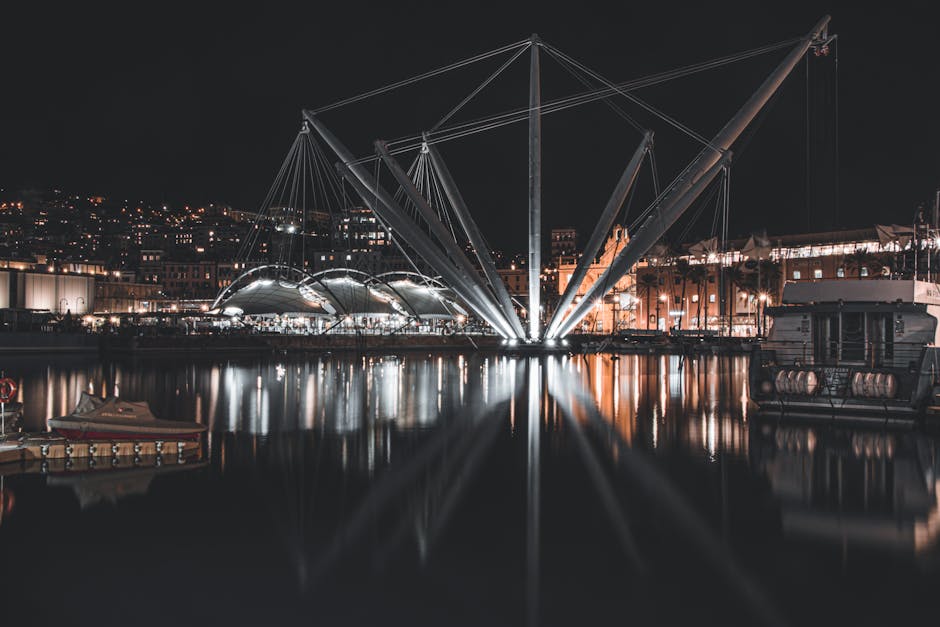
    Highlights you shouldn’t miss:

    • The Tesoro della Cattedrale: a set of liturgical objects (chalices, monstrances, reliquaries) and priestly garments showcasing exceptional goldsmithing. The dim lighting and display cases lend these pieces an almost sacred aura.
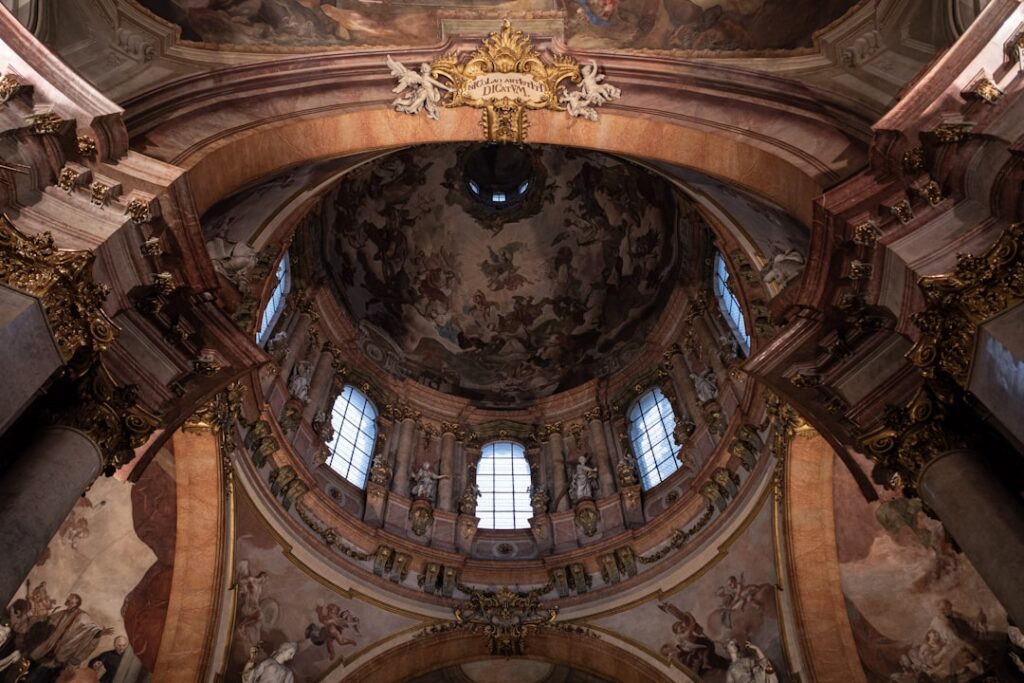
    • The Crypt: often quieter, it reveals ancient walls, fresco fragments and an intimate atmosphere perfect for contemplation.
    • The Chapel of the Holy Shroud: certain fragments or relics on display evoke the cathedral’s historical links to highly venerated medieval relics.
    • Stained Glass and Frescoes: modest compared with some grand European cathedrals, they nonetheless offer biblical scenes and decorative motifs worth careful observation.

    Beyond the visible works, the cathedral holds lesser-known areas: archives, conservation rooms and small oratories. These spaces are not always open to the public, but special guided tours or heritage days can sometimes grant access. Photographers should note that flash is prohibited in some areas to protect the artworks, and many objects are displayed behind glass for conservation reasons.

    Practical tip: aim to visit in the morning, right at opening time, to avoid crowds and to enjoy softer interior light. If you want to attend mass or a service, check schedules (see the next section): the liturgical atmosphere can make the visit especially moving and authentic.

    Practical Information: Addresses, Opening Hours, Prices and Local Tips

    To prepare your visit, here are practical details accurate at the time of writing. Main address: Cattedrale Metropolitana di San Lorenzo, Piazza San Lorenzo, 5, 16123 Genova GE, Italy. The site is a short walk from Piazza Matteotti and the famous Piazza De Ferrari, making it easy to combine visits.
    Indicative opening hours (check before you go, as hours can change for religious feasts or events):

    • Cathedral interior opening hours: Monday to Saturday 9:30 – 12:30 and 15:00 – 18:00; Sunday 9:00 – 12:30 and 15:00 – 18:30 (approximate).
    • Visit to the Tesoro della Cattedrale: generally open in the morning and late afternoon; hours vary, often 10:00 – 17:00 with closure between 12:30 and 15:00.
    • Closures and measures: the cathedral may close temporarily for services, ceremonies or conservation. On Tuesday mornings or certain public holidays, some sections might be inaccessible.

    Estimated prices:

    • Cathedral entry: free.
    • Entry to the Tesoro della Cattedrale: €3.00 – €6.00 depending on the exhibition.
    • Official guided tour: €8.00 – €15.00 per person (discounts often available for groups and students).
    • Parking and transport: parking in the historic centre is limited; favour public transport. Single bus/metro ticket roughly €1.50 – €2.00.

    Local practical tips:

    • Booking: in high season (May–September) or on weekends, book guided tours in advance and arrive before opening to avoid queues.
    • Dress code: wear modest clothing (shoulders and knees covered) if you enter during a religious service.
    • Accessibility: the cathedral still has stairs and medieval areas; wheelchair access may be partially limited. Ask at the reception for alternative solutions.
    • Safety: watch your belongings in tourist areas; busy streets can attract pickpockets.
    • Guides and audio guides: available seasonally; check languages offered (Italian, English, sometimes French or Spanish).

    Nearby highlights:

    • Palazzo Ducale — address: Piazza Giacomo Matteotti, 9, 16123 Genova GE. A major cultural venue often hosting temporary exhibitions.
    • Piazza De Ferrari — address: Piazza De Ferrari, 16121 Genova GE. The central square with its fountain and the nearby Galleria Mazzini.
    • Lanterna di Genova — address: Calata Zingari, 16128 Genova GE. The city’s iconic lighthouse, reachable by bus or a walk along the harbour.


    Routes, Experiences and Tips to Extend Your Visit

    A visit to the Cattedrale di San Lorenzo can be part of a half-day or a full day exploring Genoa’s historic centre. Here are some route suggestions and experiences to enrich your stay:

    1) Heritage route (morning): start at the Cattedrale di San Lorenzo (Piazza San Lorenzo, 5), then head to the Palazzo Ducale (Piazza Giacomo Matteotti, 9) for a temporary exhibition or a tour of the building. From there, walk to Piazza De Ferrari (Piazza De Ferrari, 16121 Genova GE) and the Galleria Mazzini for a coffee break.
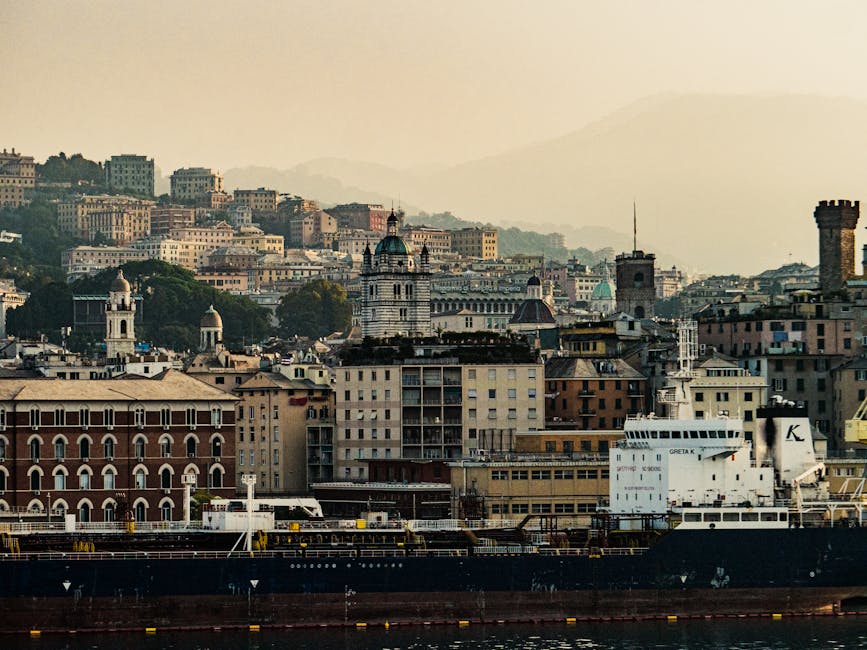
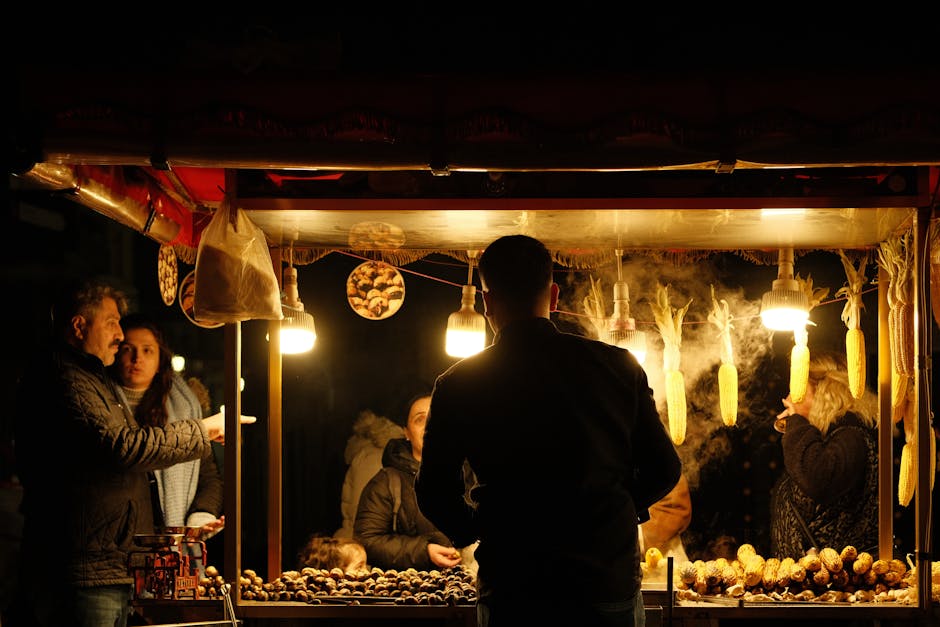
    2) Stroll along the harbour (afternoon): descend to Porto Antico (Piazza Caricamento, 16128 Genova GE) to visit the Aquarium of Genoa if time allows, or just wander the quays. Finish at the Lanterna di Genova (Calata Zingari, 16128 Genova GE) for panoramic city-and-sea views at sunset.

    3) Museum route (full day): combine the cathedral with the Strada Nuova Museums — Palazzo Rosso, Palazzo Bianco and Palazzo Tursi (Via Garibaldi, 12–18, 16124 Genova GE) to deepen your understanding of the art history of the Republic of Genoa.

    Foodie tips and breaks:

    • Try Genovese focaccia at a local bakery (rough price: €1.50 – €3.00 depending on size).
    • Lunch break: trattorie around Via San Lorenzo serve fresh fish dishes and Ligurian specialties like pesto alla genovese (€8.00 – €18.00 depending on the restaurant).
    • Pre-dinner drink by the harbour: many bars in Porto Antico offer spritzes and local wines (aperitif €5.00 – €10.00).

    Finally, for photographers and lovers of unusual viewpoints: the best time to photograph the façade is early morning when low light sharpens the marble contrasts; for wider shots that include the cathedral within Genoa’s urban fabric, head up to Spianata Castelletto (Piazzale della Commenda) or look for viewpoints around Via Pré and Collina di Castello.

    Conclusion: Why the Cattedrale di San Lorenzo Deserves Your Visit

    The Cattedrale di San Lorenzo is far more than a religious building: it’s a living portrait of Genoa. Through its stones, marbles, artworks and treasury, it traces the path of a city that built its wealth on the sea, trade and intense cultural exchanges. Its architecture — at once restrained and rich in detail — charms with contrasts: the alternating black-and-white marble façade, the sober exterior and the lavish interior that together illustrate the dialogue between faith, art and urban power.

    Visiting San Lorenzo also helps you understand the city: the winding lanes of the historic centre, the palaces of Strada Nuova, squares like Piazza De Ferrari and the quays of Porto Antico form a coherent whole. The cathedral becomes an anchor point for organising your exploration of Genoa, both as a spiritual stop and a cultural starting point. Guided tours, temporary exhibitions and the Cathedral Treasury add layers of meaning and emotion to the experience.

    Practically speaking, the free access to the main church makes the visit approachable for everyone, while the paid exhibitions on site let you deepen your visit for a modest cost (usually just a few euros). Local advice — arrive early, respect the dress code, check opening hours and closures — will ensure a calm, rewarding visit.

    Ultimately, whether you’re passionate about art and history, a photographer chasing atmospheres, or a curious traveller wanting to grasp the soul of Genoa, the Cattedrale di San Lorenzo should have a prime spot on your itinerary. It reflects the complexity and beauty of a port city with exceptional heritage. Take the time to stop, listen, observe and let the cathedral speak to you: it has centuries of stories to tell.

  • Unmissable Summer Festivals in Genoa

    Unmissable Summer Festivals in Genoa

    Introduction: Genoa in Summer — Festivals and Light

    Genoa (Genova), the major Ligurian port city tucked between sea and hills, becomes an open‑air stage every summer. Between the deep blue of the Mediterranean and the narrow lanes of the historic center, the city radiates a unique energy: impromptu concerts along the docks, street festivals, evening exhibitions and foodie events. Summer in Genoa is above all about the contrast between the vast basin of the Porto Antico and the medieval caruggi (narrow lanes) — two complementary settings that host most summer happenings. You’ll also find quieter gatherings in neighborhoods like Nervi or Boccadasse, sunset evenings along Corso Italia, and performances in heritage venues such as the Teatro Carlo Felice or the Castello d’Albertis.

    This guide focuses on the must‑see summer festivals in Genoa: the events that shape the evenings, draw families, showcase world cultures and celebrate music in all its forms. You’ll get practical info: exact venue addresses, typical schedules, price ranges, immersive descriptions and tips to make the most of each event. Whether you love world music, street brass bands, outdoor film screenings, Ligurian cuisine or artisan markets, Genoa’s summer program is abundant and — with a little planning — easy to combine with sightseeing and relaxed nights out.

    Summer festivals in Genoa often have a hybrid nature: free piazza concerts, paid shows in historic halls, temporary exhibitions, night markets and family activities. To navigate the scene, it helps to plan ahead: book indoor concerts in advance (tickets for headline acts sell fast), check public transport night schedules and scout late‑open food spots. At the end of this article you’ll find practical tips (transport, safety, gear) to enjoy the festivals calmly — including tricks to avoid lines, keep costs down and be respectful of locals.

    Porto Antico harbor at dusk
    Boccadasse at sunset, pastel sky

    Major Music Festivals of the Season: Concerts and Big Names

    Music dominates Genoa’s summer. Several festivals alternate open‑air stages at the Porto Antico, historic platforms and indoor venues like the Teatro Carlo Felice (Piazza Matteotti, 5, 16123 Genova GE). The Teatro Carlo Felice often programs opera, symphonic concerts and recitals during the summer; the box office is usually open to the public from Tuesday to Saturday, roughly 10:00–18:00 (times vary by season) and prices range from €15 (gallery seats) to €120 (boxes and premium seats) — reduced fares are sometimes available for youth and students.

    At the Porto Antico (Piazza Caricamento, 16126 Genova GE) you’ll find free or low‑cost festivals: jazz, pop and world music stages take over the quays with daily programs typically running from 19:00 to midnight. Open‑air concerts offer free entry for smaller stages while headliners may charge between €20 and €60 depending on the act. In July and August it’s common for shows to start around 21:30 to make the most of long summer evenings.

    The festival “Giovani Note” (a generic name for young talent showcase and local activities) highlights emerging acts in spots like the Porto Vecchio and the Old Town gardens. Expect a mix of indie pop, experimental jazz and mellow electronic sets. Intimate stages often require reservations (tickets €10–€25) and are perfect for discovering the local scene away from the crowds.

    Practical tips: for a concert at the Teatro Carlo Felice, arrive 30–45 minutes early for security checks and seating; for outdoor stages at the Porto Antico, bring a light jacket — the sea breeze can get chilly after dark. Also check official sites or the Genova tourist board page for weather updates and any schedule changes.

    Street Festivals and World Cultures: Suq, Markets and Folk Arts

    One of the liveliest cultural highlights of Genoa’s summer is the Suq Festival (Suq Genova), a world cultures event that transforms whole neighborhoods into artisan markets, street stages and debate arenas. Suq often takes place around the Porto Antico and the central caruggi; activities generally run from 16:00 to 23:30. Entry to market areas is usually free; only some seated lectures or performances may charge a fee (€5–€15 depending on the event).

    The strength of these festivals is wandering: craft stalls, cooking workshops (fresh pasta, focaccia, pesto), dance performances and traditional music provide a snapshot of the cultures present in Genoa. Venues like the Loggia dei Mercanti (Piazza Banchi, 16124 Genova) sometimes host readings and intimate concerts; the Loggia is accessible during events and sits right next to the historic Banchi market.

    Other happenings: local sagre — neighborhood food festivals — feature stalls serving Ligurian specialties (focaccia, farinata, pesto al mortaio). These street events are usually free to enter; food is pay‑as‑you‑go (typical dish €5–€12). Night markets for designers offer handmade goods at varying prices (from €10 for small bijoux to €200+ for leather pieces).

    Local tips: favor cash for small purchases at stalls (many accept cards but not all). Consume responsibly: arrive early in the evening to avoid peak crowds and scout restroom and info points ahead of time (often marked on maps handed out at entrances).

    Street festival with stalls and performances

    Seaside Festivals and Porto Antico Happenings: Film, Food and Light

    The Porto Antico is the beating heart of summer festivals: you’ll find open‑air screenings, film festivals on the terrace of the Galata Museo del Mare (Calata De Mari, 1, 16126 Genova) and culinary events celebrating Ligurian cuisine. The Galata Museo del Mare, alongside its permanent exhibitions (typical hours: 9:30–19:00, address Calata De Mari 1), sometimes hosts themed evenings and film meetings. Museum entry is usually around €12 for adults, €8 for youth, with late openings and special festival rates.

    The Corso Italia promenade (Corso Italia, 16148 Genova) and the Boccadasse beach also host more intimate events: acoustic sunset concerts, street theatre and small artisan markets by the water — often free or costing €5–€10 for street shows with voluntary collections. The seaside aperitivo nights, where bars serve boards and cocktails, are another festive side of summer. Budget €8–€15 for a cocktail and €6–€12 for a plate of Ligurian specialties.

    Night visits: the Castello d’Albertis – Museum of World Cultures (Corso Dogali, 18, 16136 Genova) sometimes holds concerts or tasting‑and‑music evenings in its gardens, offering spectacular views of the lit city. Opening hours can be extended during festivals (check the official calendar); museum admission is typically €8–€10 (reduced €5).

    Practical tips: arrive early to secure a good spot along the promenade or near the projection screen; bring a small blanket and a light jacket (the sea breeze cools things down after 21:00). If you plan to dine after a show, book a table: restaurants around Porto Antico and Boccadasse fill up fast in summer.

    Galata Museo del Mare entrance

    Family Festivals, Kids’ Workshops and Daytime Events

    Genoa caters to families: many festivals include children’s activities and educational workshops. The Galata Museo del Mare and the Aquarium of Genoa (Acquario di Genova, Ponte Spinola, 16128 Genova GE) offer summer programs for younger visitors: workshops on marine biodiversity, discovery trails and educational sessions. The Aquarium is open in summer roughly 9:30–19:30 (times vary by season); adult ticket around €29, child (4–12) around €20, with family discounts and online booking options.

    The National Museum Palazzo Reale (Museo Nazionale di Palazzo Reale, Piazza del Portello, 11, 16124 Genova) sometimes runs storytelling tours for kids and drawing workshops linked to summer exhibitions. Family programs are often low‑cost: €5–€10 per workshop, with attractive family packages. Villa Durazzo Pallavicini in Pegli (Via Pallavicini, 3, 16152 Genova) may host outdoor shows and children’s activities; ticketing is usually advertised locally and prices are accessible (€3–€12).

    For daytime outings, plan stops in family‑friendly spaces: the Nervi Park (Passeggiata Anita Garibaldi) hosts concerts set against gardens and sea walks, with playgrounds and cafés nearby. Daytime events typically kick off around 10:00 and run until about 19:00, making it easy to combine beach time, festivals and museum visits.

    Family‑friendly tips: pack a water bottle and snacks (few stalls offer special‑diet options); check for changing facilities and shaded areas at outdoor venues; bring sun protection and a hat. Book popular workshops in advance — they fill up quickly on weekends.

    Children participating in a festival workshop

    Local Practical Tips to Enjoy Festivals Stress‑Free

    To get the most out of Genoa’s summer festivals, a few local habits go a long way. Transport: AMT Genova buses serve the center and coast efficiently (hours vary; most lines run from 05:00 to midnight, with some night services extending later). Genoa’s metro (linea Brin–Genova Principe) is limited but handy for connecting Genova Principe station to the center. If you plan multiple trips, opt for an AMT pass or day tickets (approximate prices: single urban ticket €1.60, book of 10 tickets €12, day pass €5–€8 depending on zone).

    Safety and comfort: outdoor festivals can draw large crowds; keep your belongings secure (bag zipped, documents on you). After dark stick to well‑lit areas and follow festival staff instructions. For food, try official festival stalls — often higher quality and more hygienic — or reserve a table at a nearby restaurant (addresses around Porto Antico: Eataly Genova, Porto Antico, vary opening hours; Ristorante Le Rune, Via San Vittore 12 — check times and bookings).

    Tickets and info: buy your official tickets via the Teatro Carlo Felice site (Piazza Matteotti, 5), museum pages (Galata, Aquarium) or festival organizers. Prices vary: street shows free, popular concerts €20–€60, special evenings €60–€120. Book online where possible for reduced rates and priority entry.

    Useful kit: comfortable shoes (the historic center’s cobbles are uneven), a small flashlight or smartphone torch for dim alleys, and a basic first‑aid kit. And remember to respect the city and its residents: don’t block the caruggi, clean up after yourself and be the kind of festivalgoer who helps keep events pleasant for everyone.

    AMT bus in Genoa

    Quick recap

    • Teatro Carlo Felice — Piazza Matteotti 5, 16123 Genova GE. Tickets €15–€120. Box office 10:00–18:00 (variable).
    • Porto Antico — Piazza Caricamento, 16126 Genova GE. Outdoor stages, evenings often 19:00–midnight. Many events free.
    • Acquario di Genova — Ponte Spinola, 16128 Genova GE. Open roughly 9:30–19:30. Adult ticket ≈ €29, child ≈ €20.
    • Galata Museo del Mare — Calata De Mari 1, 16126 Genova. Exhibitions + screenings; entry ≈ €12.
    • Castello d’Albertis — Corso Dogali 18, 16136 Genova. Gardens and views for special concerts.

    Conclusion: Plan Your Summer in Genoa

    Genoa offers a rich, distinctive summer: from music festivals and world markets to seaside screenings and kids’ workshops, the city blends heritage and contemporary life. Its geography — historic port, medieval neighborhoods, and easily reachable coast — makes it simple to pair cultural visits with festive evenings without long transfers. To make the most of your stay, pinpoint the venues you want to visit early (Teatro Carlo Felice, Porto Antico, Aquarium of Genoa, Galata Museo del Mare, Castello d’Albertis), check schedules and book paid events. Outdoor shows are a great alternative to indoor venues, but remember the night chill from the sea and dress accordingly.

    Budget‑wise, a summer in Genoa can be very affordable: many festivals and activities are free, while paid events tend to be reasonably priced (local concerts €10–€30, major events €30–€120). Families will find special offers and child‑friendly programs, particularly at museums and parks. Don’t miss the food stalls showcasing Genoese focaccia, farinata and pesto — perfect for quick, budget‑friendly bites.

    Lastly, stay curious: follow the sounds drifting from a piazza, join the crowd heading toward an impromptu dockside event, and savor long Mediterranean nights. Respect the city and its people, book the must‑see evenings in advance and keep an eye on the weather — some events may be moved in case of bad conditions. With a bit of planning, your summer in Genoa will be packed with musical, culinary and cultural discoveries — a lively slice of Liguria.

    Sunset over Genoa harbor with festival lights