Blog

  • Genoa’s Alternative Art Route — Emerging Neighborhoods & Indie Galleries

    Genoa’s Alternative Art Route — Emerging Neighborhoods & Indie Galleries

    Introduction: An Alternative Art Route in Genoa

    Genoa, the major port city in northwestern Italy, is often pictured through its medieval alleyways, ancient harbour and historic museums. Yet behind the grand façades and the palaces lining Strada Nuova lies a vibrant, lesser-known network of emerging art spaces, independent galleries, artist studios and painted walls that make up the city’s contemporary pulse. This alternative art route invites you off the usual tourist trail to explore a lively local scene: collectives, artist residencies, micro-galleries and community projects reinventing art in popular neighborhoods like il Prè, Sampierdarena, Molo, Foce and Nervi.

    This article has two aims: to provide a practical, immersive guide for an art walk in Genoa, and to give concrete tips so you can make the most of every discovery. You’ll find precise addresses, opening hours, admission prices, sensory descriptions of the spaces and local advice to optimise your visits — how to get around, where to grab a coffee near a gallery, the best times to chat with an artist, and which public transport to take between distant spots.

    This route isn’t exhaustive but a flexible proposal: you can do it in one intense day focused on a single neighborhood, over two days to hit several areas, or as themed mini-trips (street art, photography, contemporary ceramics). The places I mention include established institutions and ephemeral venues known within the local scene. Expect to encounter names like Villa Croce Museo d’Arte Contemporanea, Museo d’Arte Orientale « Edoardo Chiossone », the Musei di Strada Nuova (Palazzo Rosso, Palazzo Bianco, Palazzo Doria Tursi) as well as independent galleries and artist studios tucked into the lanes of il Prè or along the waterfront in Boccadasse and Nervi. Each place is described with its own character: the smell of paper and varnish in a studio, the cool light of a photo gallery, the bustle of artist residencies and the more meditative atmosphere of a modern museum.

    At the end of the article you’ll find a concise conclusion with practical recommendations to prepare your route (tickets, maps, best times to visit) plus suggestions to extend the experience with cafés, specialist bookshops and restaurateurs who support the local cultural scene. Lace up comfortable shoes, make a short list of artists to meet and bring a city map: Genoa has plenty to reveal to curious travelers willing to explore its artistic fringes.
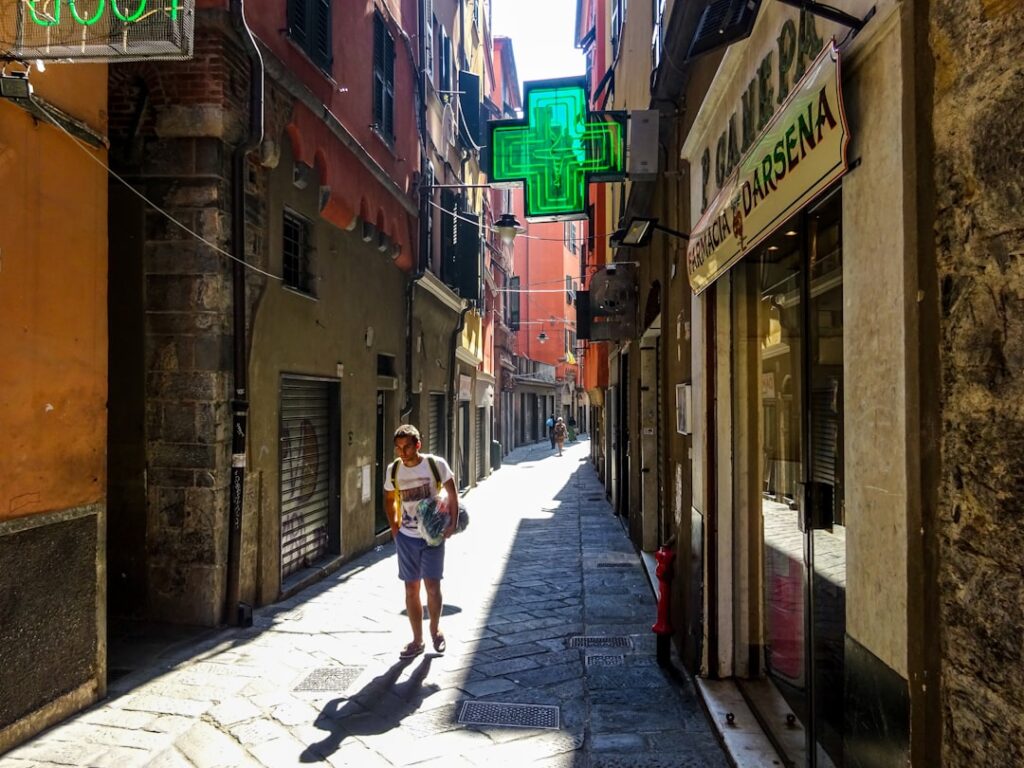
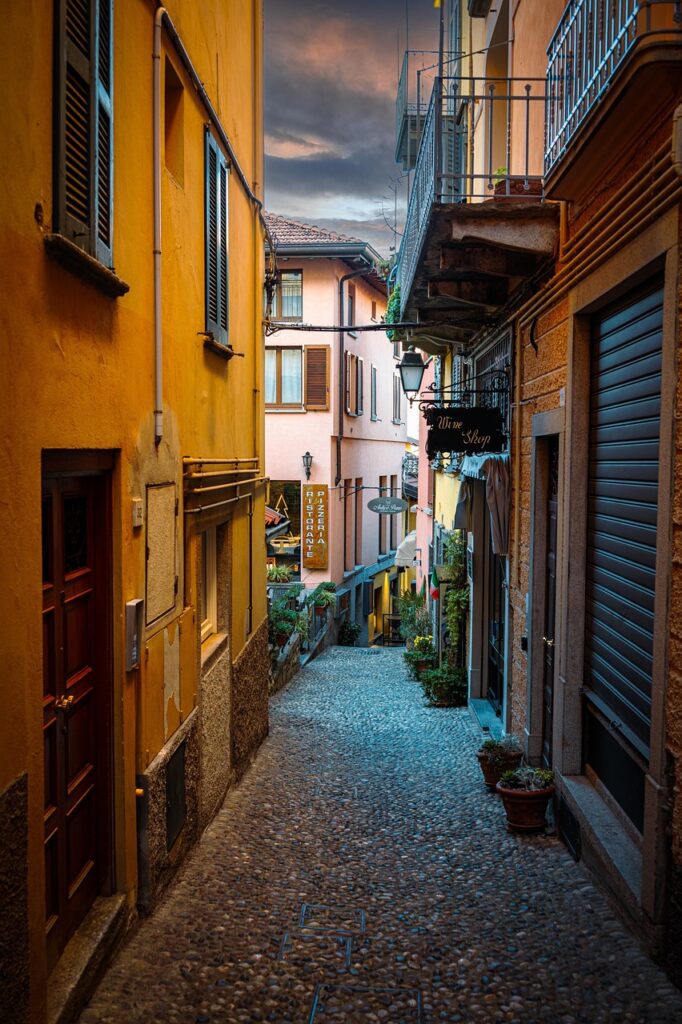
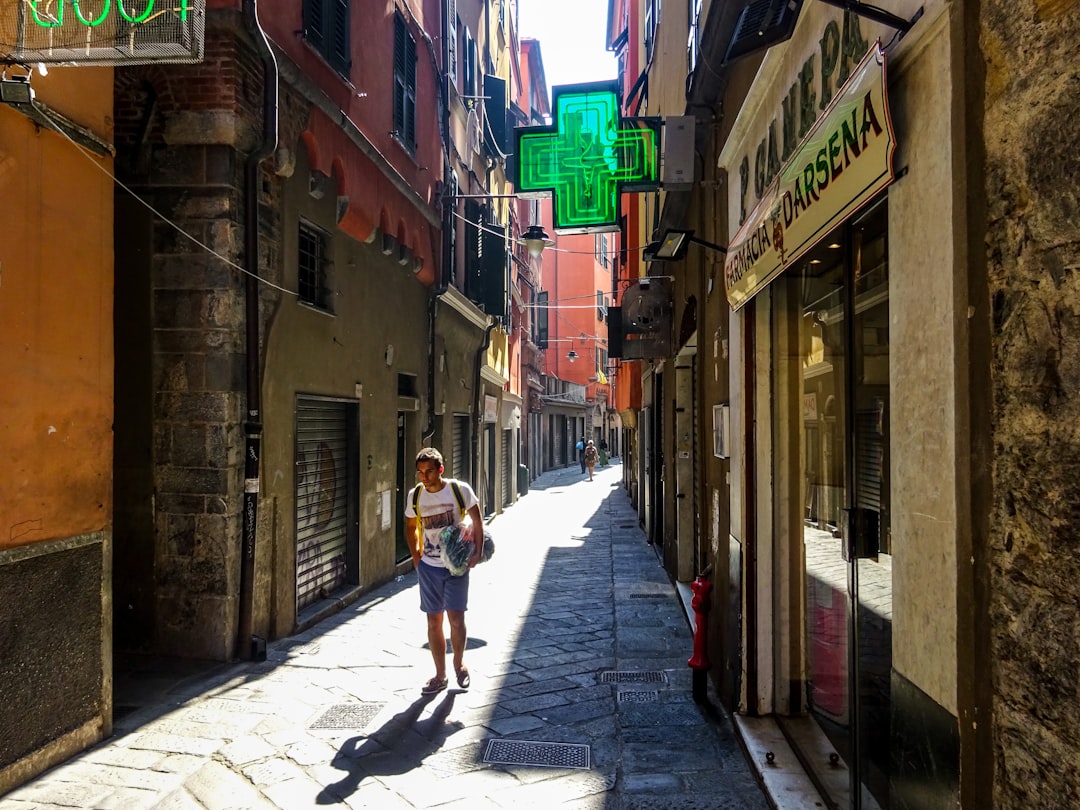
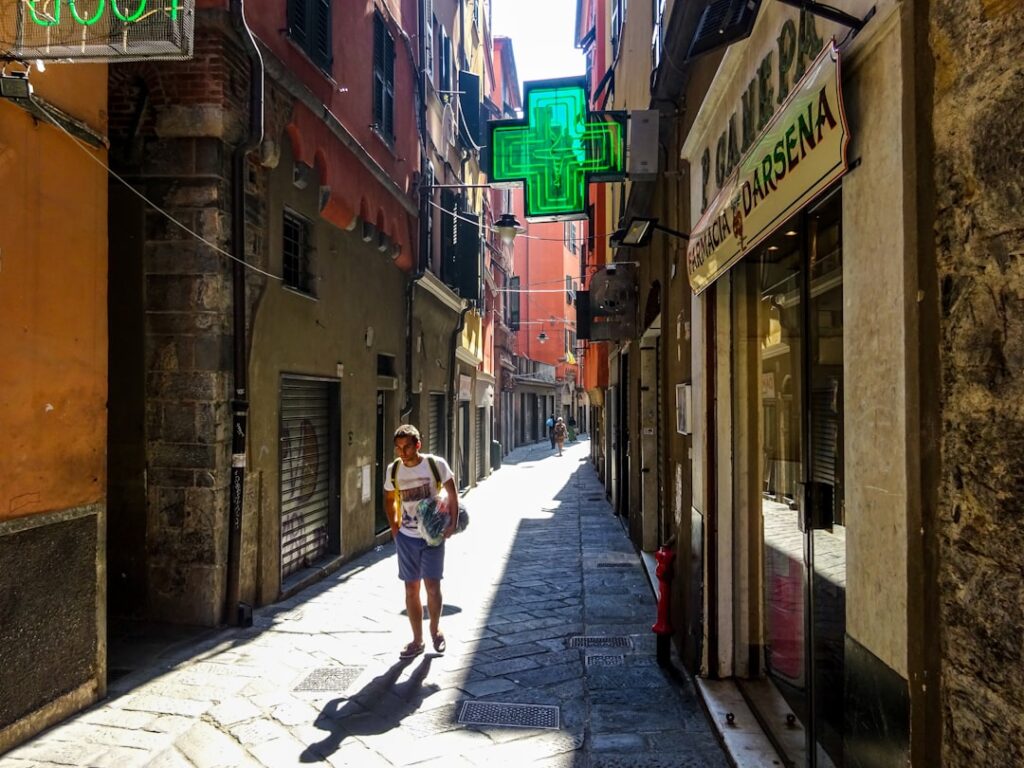
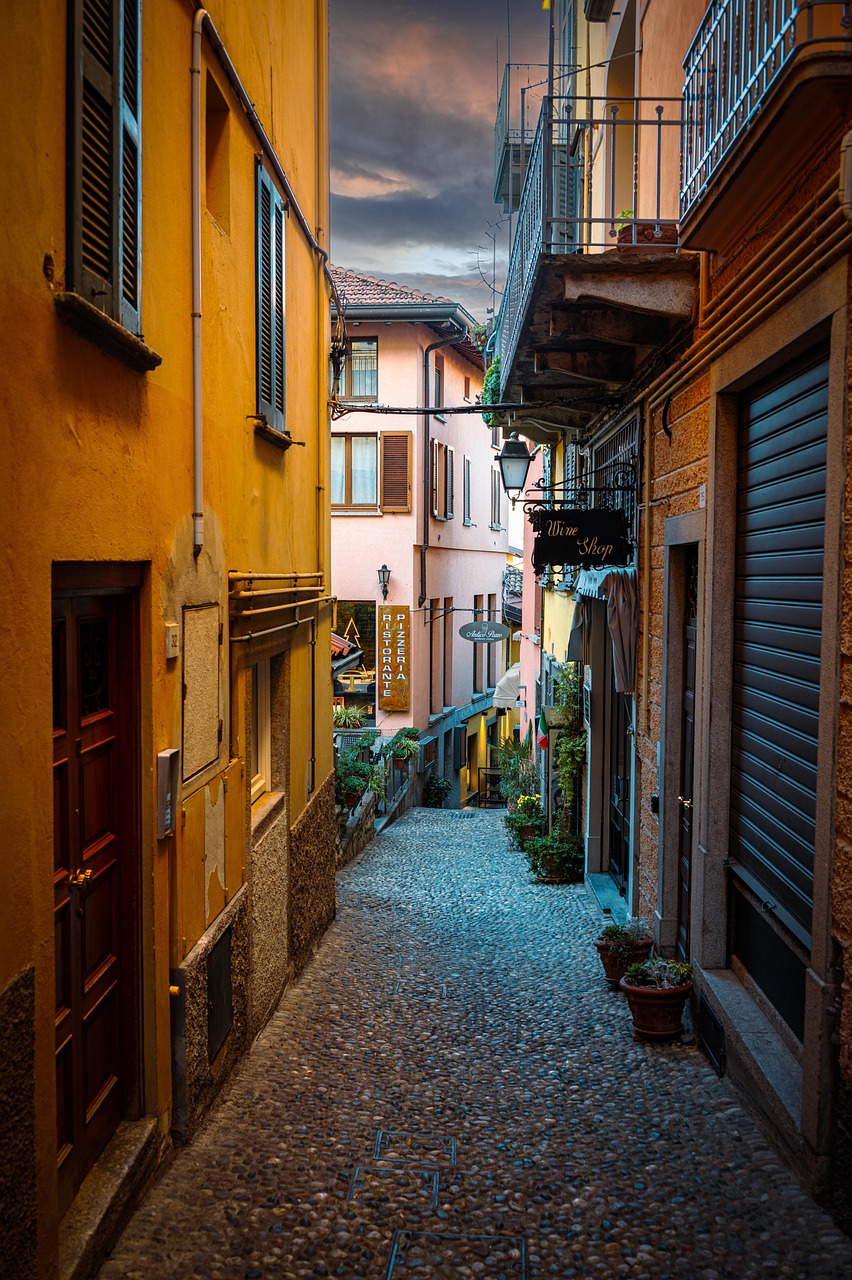
    Narrow street art alley in Genoa by day

    Historic Maddalena and il Prè: Studios, Galleries and Micro-Collectives

    Start your route in Genoa’s popular, multicultural heart: the Maddalena and il Prè neighborhoods. Nestled between Via San Lorenzo and the harbour, these areas are now home to numerous alternative art initiatives. You’ll find artist studios in former fishermen’s houses, micro-galleries that open at night and collectives staging pop‑up shows mixing visual art, music and design.

    Recommended spot: Spazio Patrizia Rosa, Via del Campo 12R, 16124 Genova GE. This micro-gallery dedicates its space to contemporary photography, sound installations and exhibitions by recent graduates of the Accademia Ligustica di Belle Arti. Admission: temporary shows are usually free; paid workshops range from €10 to €40 depending on length. Opening hours: Wednesday, Friday and Saturday 15:00–19:00; exhibitions sometimes stay open late on Fridays until 22:00.

    Another key address: Officina delle Arti – Via di Prè 35R, 16124 Genova GE. A collective studio converted into an exhibition space and residency hub for emerging artists. Events are often free but hands-on workshops (ceramics, screen printing) cost between €15 and €60 depending on supplied materials. Visit hours are by appointment; the space is open to the public during openings (usually Thursday and Friday evenings, 18:00–22:00).

    While wandering the lanes, don’t miss Via del Campo, made famous by Fabrizio De André’s song: today small galleries and art bookshops live side by side. For a coffee break between discoveries, stop at Caffè degli Artisti, Via San Donato 11R — espresso from €1.20, pastries €2.50–3.50. Practical tip: aim for late-afternoon visits to catch openings — they’re the best moments to speak directly with artists and curators.
    Via del Campo with street musicians in the afternoon

    Strada Nuova and the Official Museums Reimagined: Old Masters and Contemporary Dialogues

    Strada Nuova (Via Garibaldi) is one of Genoa’s most iconic cultural corridors. The palace‑museums — Palazzo Rosso, Palazzo Bianco and Palazzo Doria Tursi — are unmissable, but an alternative approach is to visit them seeking connections with the contemporary scene: temporary shows, public readings and performances organised in partnership with local collectives.

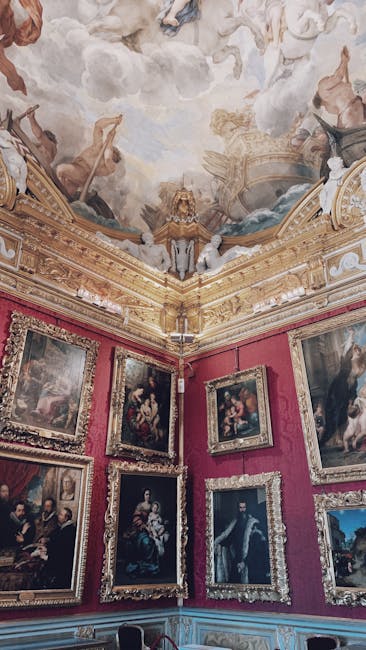
    Palazzo Rosso – Museo di Palazzo Rosso, Via Garibaldi 18, 16124 Genova GE. Hours: Tuesday–Sunday 09:00–19:00 (closed Monday). Price: combined Musei di Strada Nuova ticket (Palazzo Rosso + Palazzo Bianco + Palazzo Doria Tursi) around €10–12; reduced €6 for students/young people, free for children <6 years. Palazzo Rosso showcases baroque paintings, portraits and private collections that regularly engage with temporary contemporary installations. Inside, pay attention to the decorated ceilings and the soft light filtering through old windows — it’s a perfect place to see how contemporary art reimagines historic spaces.

    Palazzo Bianco – Galleria Nazionale di Palazzo Bianco, Via Garibaldi 10, 16124 Genova GE. Hours: Tuesday–Sunday 09:00–19:00, similar pricing when bought as part of the combined ticket. Guest curators often program micro‑exhibitions by young artists in the historic antechambers, creating striking juxtapositions. Tip: ask at the ticket desk about thematic guided tours that cross historic and contemporary collections — they’re sometimes available and usually cost an extra €3–5.

    Palazzo Doria Tursi – Museo Civico, Via Giuseppe Garibaldi 9, 16124 Genova GE. Hours and prices are aligned with the other palaces on Strada Nuova. Beyond the permanent collections, check the calendar for musical performances and artist residencies that use the courtyards as temporary stages.

    Practical tip: buy the combined « Musei di Strada Nuova » ticket to save time and money. Arrive early in the morning to enjoy the best light, and finish your visit in one of the historic cafés on Via Garibaldi or in nearby Piazza De Ferrari for a quick lunch (set lunches range around €12–20).
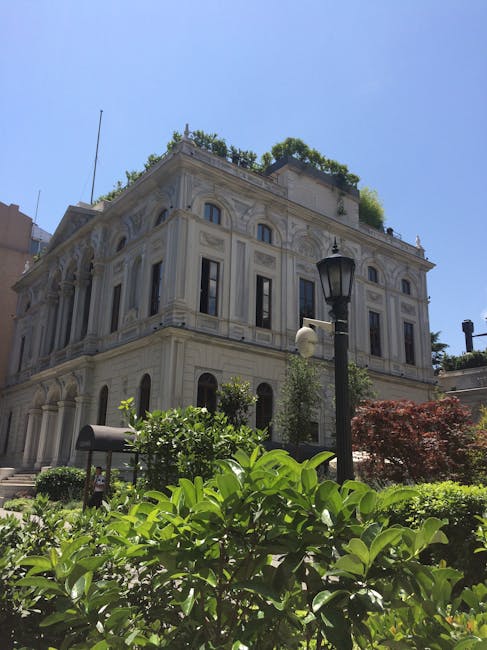
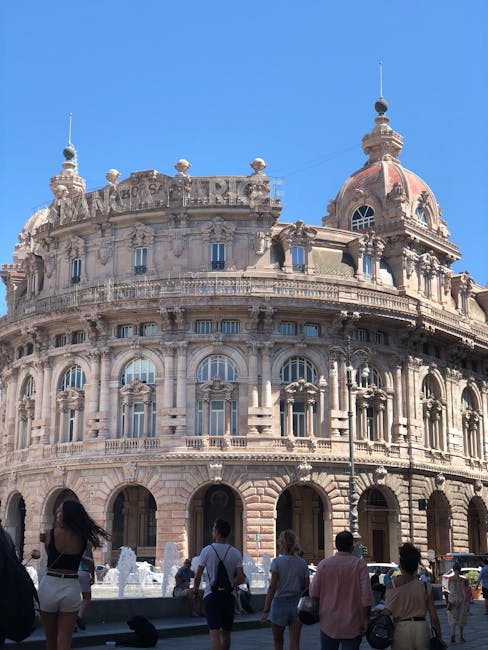
    Façade of Palazzo Rosso in Genoa

    Seafront, Boccadasse and Nervi: Coastal Galleries and Outdoor Installations

    Genoa’s coastline hides a surprising art scene that plays with the sea: small galleries facing the promenade, sculptures on the shore and a street‑art trail in Nervi. These spaces offer a sensory experience where salt, light and the sound of waves become part of the works.

    Villa Croce Museo d’Arte Contemporanea, Via Capolungo 1, 16126 Genova Nervi GE. Hours: Tuesday–Sunday 10:00–18:00 (closed Monday). Price: full admission €8, reduced €5 for students; some temporary exhibitions may have an extra fee (€3). Villa Croce, situated on Nervi’s promenade, provides stunning sea views and a contemporary programme that includes photography, installations and sound performances. The villa’s architecture and gardens make for exceptional photographic opportunities at sunset.

    Passeggiata Anita Garibaldi (Nervi) is the coastal path where outdoor exhibitions and temporary sculptures are sometimes installed. The works are free to view and rotate seasonally. Practical advice: bring a windproof jacket even in summer — the sea breeze can be chilly; for soft light on the water, favour morning hours.

    Boccadasse is a postcard‑perfect fishermen’s village preserved within the city. Recommended gallery: Galleria Bioglio, Via Boccadasse 7, 16136 Genova GE. Opening hours: typically Wednesday–Sunday 10:00–13:00 and 16:00–20:00; winter hours may vary. Admission is usually free; workshops and special exhibitions cost €5–15. Treat yourself to an artisanal gelato on the beach between visits (gelato €2.50–4.00).

    Getting there: to reach Nervi from the centre, take the regional train (Genova Nervi) from Principe or Brignole station; journey time is about 15–20 minutes, ticket €1.60–2.00 depending on zones. For Boccadasse, bus 31 or a scenic walk along Corso Italia are convenient options.
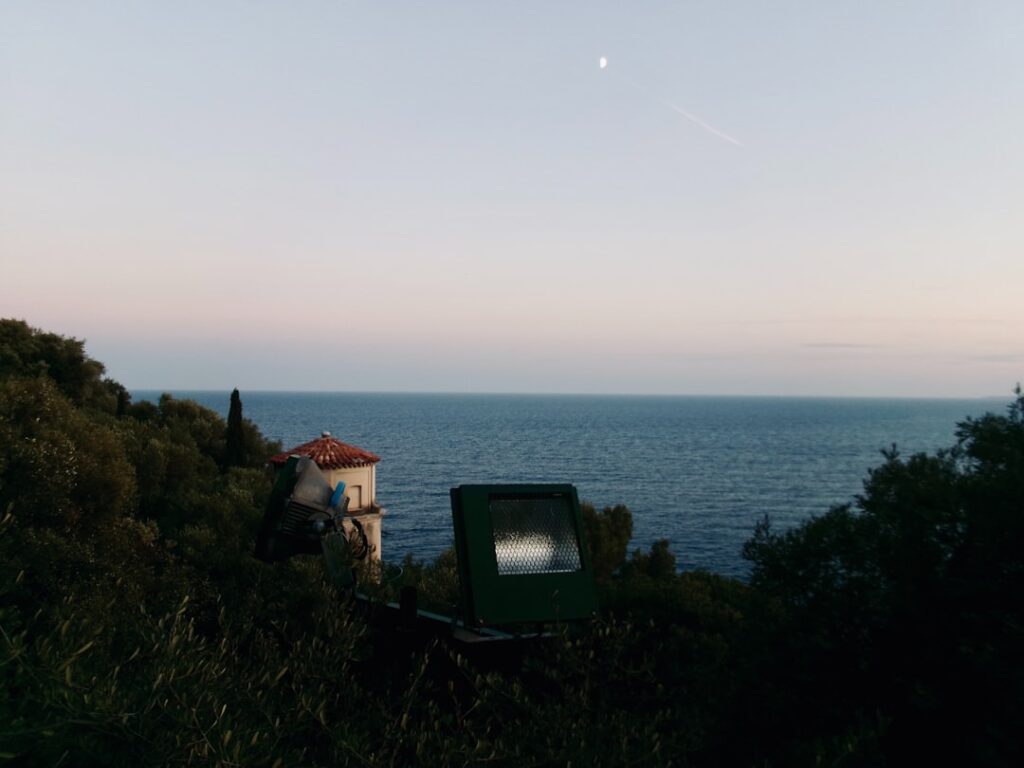
    Villa Croce museum with sea view at sunset

    Street Art and Urban Interventions: Where to Find Murals and Community Projects

    In recent years Genoa has developed a dense street‑art movement, from large, politically charged murals to tiny poetic interventions hidden in inner courtyards. The neighbourhoods of Sampierdarena, Certosa and the outer area of Cornigliano feature large murals created by international collectives; in the old town the pieces are more intimate and often collaborative.

    Recommended spot: Murals on Via Sampierdarena, Via Sampierdarena 45, 16155 Genova (industrial sector) — an area of large-scale wall works produced during urban festivals. Free access; visit during daylight (best for photos early morning or late afternoon). Murals change over time, but this area offers a chance to see works by European street artists. Safety tip: some industrial zones can be isolated — prefer group visits or go with a local guide.

    Community project: « La Fabbrica del Vapore » (studio space and participatory murals), Via Cornigliano 12, 16152 Genova. This site offers free or low-cost workshops (€5–15) for young people and runs collective painting sessions. Opening hours: activities by registration; the space is usually viewable on weekends during public events.

    Suggested short walk: start at Piazza delle Erbe and follow the alleys toward the old port, spotting sticker art and contemporary collages along the way — these micro‑interventions often carry political or poetic winks tied to local life. Bring a map or a street‑art app (often provided by local collectives); many works are temporary and get refreshed frequently.

    Practical tip: respect the artworks and the privacy of locations (don’t paint over or touch fragile pieces), ask for permission before photographing private interiors and note that some murals are in hard‑to‑reach areas — it’s usually better to be accompanied by a local guide or join a street‑art tour (guided tour prices around €15–25 per person).
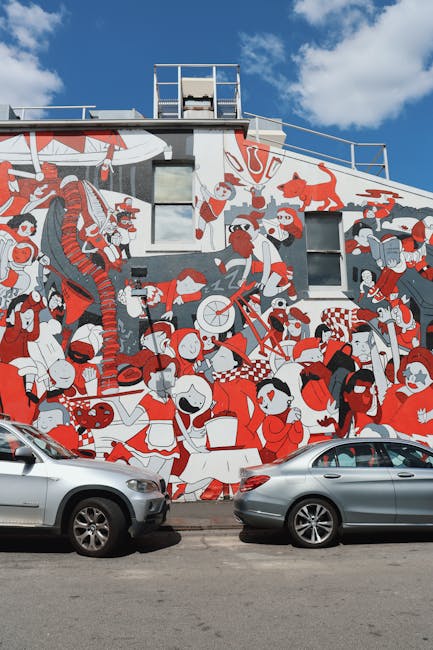
    Large street art mural in Genoa in the late afternoon

    Suggested Route, Logistics and Local Practical Tips

    To make the most of your alternative art route in Genoa, here’s a typical day plan and detailed logistical advice. Suggested full‑day itinerary: morning on Strada Nuova (Palazzo Bianco/Palazzo Rosso/Piazza De Ferrari), quick lunch in il Prè, afternoon at Villa Croce/Nervi or Boccadasse (weather permitting), late afternoon back in Maddalena and an evening opening at a micro‑gallery. This order mixes historic museums with contemporary discoveries while keeping travel time manageable.

    Tickets and reservations: for the Musei di Strada Nuova, buy online through the official Musei di Strada Nuova website to skip lines (combined ticket usually €12). For Villa Croce, check the foundation’s website before you go; some temporary shows require booking (admission €8). For workshops and guided visits in micro‑galleries, sign up by email or via Instagram — many of these spaces mainly communicate through social media.

    Transport: the main hubs are Genova Piazza Principe and Genova Brignole stations. The local bus and train network (AMT) covers the city well; a 100‑minute urban ticket costs about €1.60 and is validated when you board. For Nervi and Boccadasse, the regional train from Brignole is fast (ticket around €1.60–2.00). Walking remains the best way to explore the historic centre, but bring comfortable shoes — the cobbled streets can be steep.

    Opening times and seasons: the best time for an art route in Genoa is spring and autumn (April–June, September–October): mild weather, favourable light and active exhibition calendars. In summer openings and vernissages multiply but the city can be busy; in winter, micro‑galleries often have reduced hours.

    Practical tips:

    • Money: carry some cash for small galleries and cafés (many accept cards but not all).
    • Language: basic English is usually enough in official venues, but learning a few Italian phrases makes interactions with local artists much easier (hello = buongiorno, thank you = grazie).
    • Support the scene: buy a postcard or a small exhibition catalogue (€5–15) to support independent galleries.
    • Safety: the old town is generally safe, but stay alert at night and avoid isolated industrial areas without accompaniment.
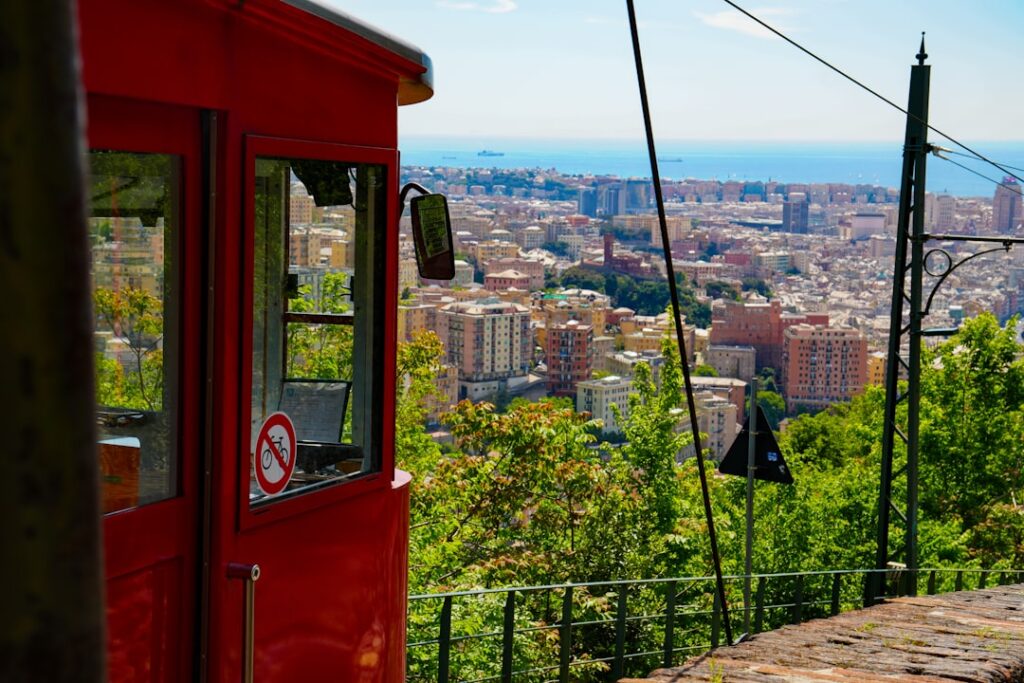
    Historic tram passing through Genoa's city centre at midday

    Conclusion: Extending the Experience and Final Recommendations

    Genoa is a city of contrasts where old and new constantly meet. This alternative art route aims to show that the contemporary Genoese scene isn’t locked away in isolated modern buildings — it slips into historic palazzi, along the coast, into artisan workshops and onto reimagined urban walls. By following the suggestions — from Strada Nuova to the lanes of il Prè, from Boccadasse’s galleries to Sampierdarena’s industrial murals — you’ll build a richer, more personal understanding of the city’s artistic life.

    To extend the experience: consider organising a short residency in a local studio (check with Officina delle Arti or local collectives), or sign up for a screen‑printing or ceramics workshop so you leave not just with images but a tangible object made during your stay (workshop prices €20–60 depending on length and materials). Also visit specialist bookshops like Libreria Boox on Via XX Settembre for exhibition catalogues and books on the regional scene.

    Finally, keep in mind that the emerging scene evolves quickly: exhibitions, openings and murals change often. Before you travel, check galleries’ Instagram pages, the museums mentioned (Musei di Strada Nuova, Villa Croce, Museo d’Arte Orientale) and local cultural calendars for current events. By respecting opening times, booking when needed and approaching artists and residents with curiosity and respect, your art route in Genoa will be a deep, sensory and memorable discovery.

    Happy artistic travels in Genoa: expect surprises from chance encounters, hidden micro‑galleries, unexpected murals and the warm hospitality of a scene that knows how to mix history with experimentation. Don’t forget your notebook, your camera and—above all—the time to talk: often the best finds happen through informal conversations with an artist over an espresso.
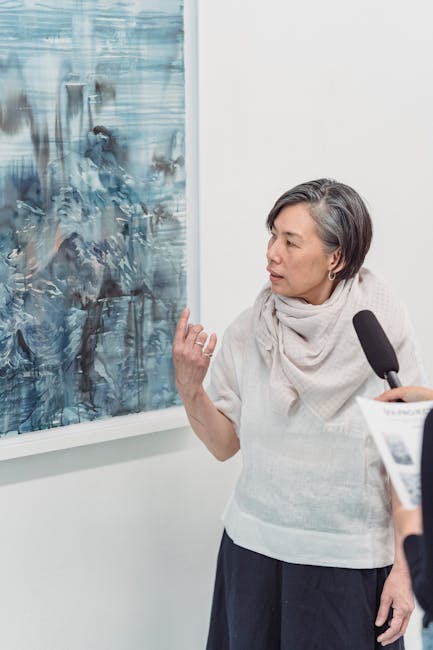
    Artist talk in a gallery evening crowd in Genoa

  • Unique Souvenirs in Genoa: Where to Find Authentic Local Crafts

    Unique Souvenirs in Genoa: Where to Find Authentic Local Crafts

    Introduction — Hunting Treasures in Genoa: Why Genoese Craftsmanship Is Worth Your Time

    Genoa (Genova) is a city you discover as much with your hands as with your eyes. A millennia-old Mediterranean port and crossroads of trade and flavors, it has preserved a rich, often-overlooked artisanal heritage: worked coral by skilled goldsmiths, Ligurian ceramics from Albisola, maritime textiles, handmade jars of pesto, scented soaps and delicate filigree jewelry. Shopping for souvenirs in Genoa isn’t about stacking up generic trinkets — it’s about spotting pieces that tell a story: the tale of family-run workshops, techniques passed down through generations, and a region shaped by sea and hillside.

    This guide will physically orient you around the city: local markets, artisan shops, workshops where you can watch the craft being made, museum-shops, and downtown stores where you can find an authentic gift. You’ll get precise addresses, typical opening hours, realistic price ranges and practical tips for bargaining or avoiding tourist traps. The goal is to help you bring home not just an object, but a cultural keepsake — a little piece of Genoa to give or to treasure.

    We’ll also suggest routes depending on how much time you have (half a day, a full day, or a weekend), the best times to hunt for finds (market mornings, late afternoons in the alleys), and logistical pointers (payment, summer closing times, weight and packing for travel). The following sections are organized by type of place: markets, must-stroll neighborhoods and streets, specialized workshops (coral, ceramics, textiles), museum-shops, and day-trip routes outside the center to Albisola and Savona, two focal points of Ligurian ceramics.

    Before you start: a useful reminder. In Italy, many small shops close for two hours in the afternoon (typically from 1:00pm to 4:00pm) and stay closed on Sunday mornings; some workshops open by appointment only. If you have a particular workshop in mind, call or email to check hours. Finally, for purchases of valuable artisanal goods (stones, gold, coral), always ask for a receipt/fattura to avoid problems when returning to your country.

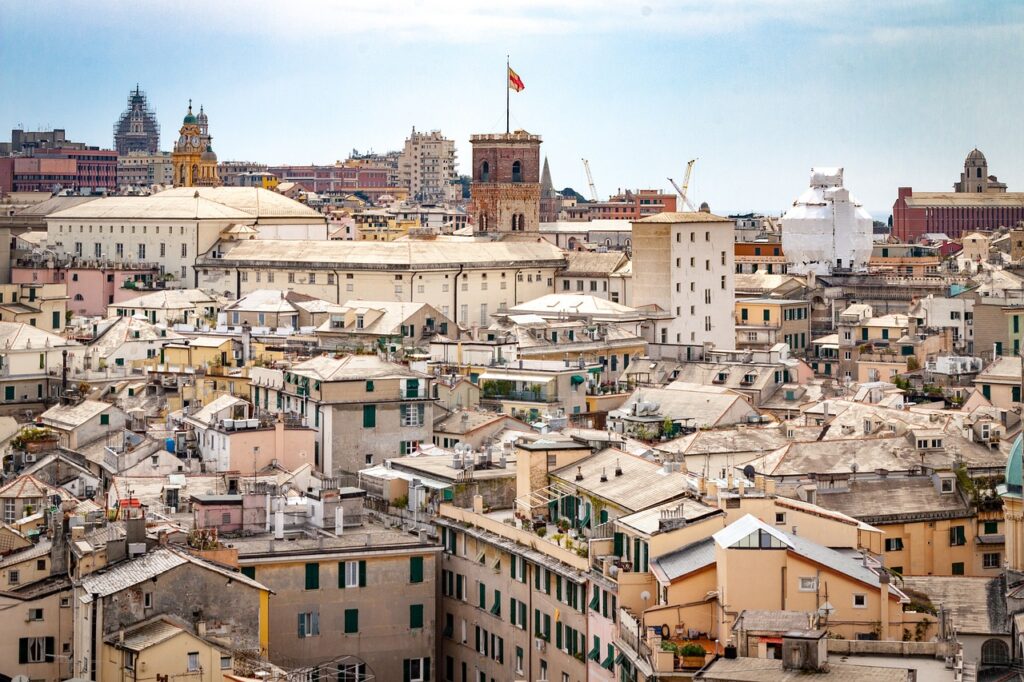
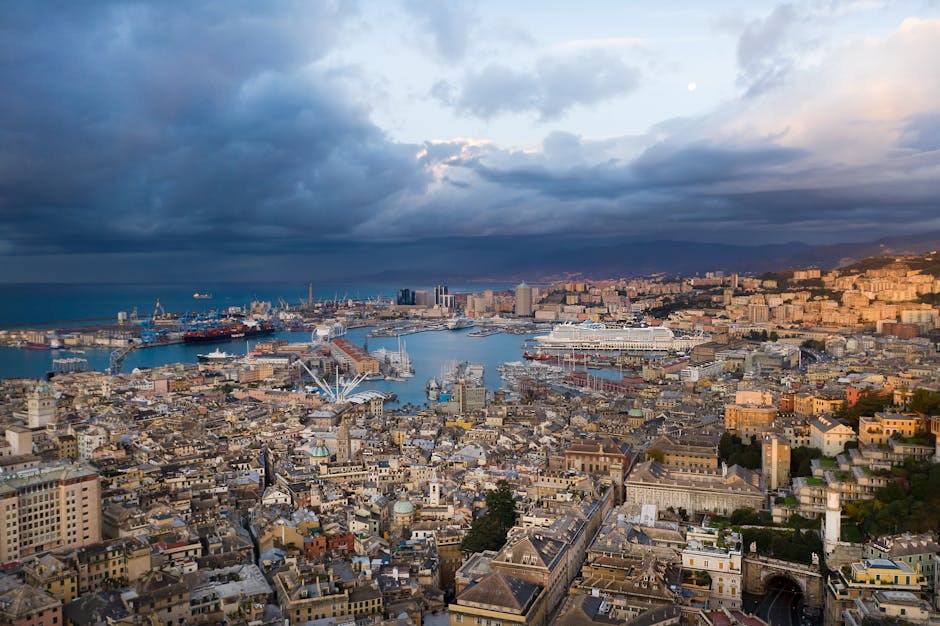
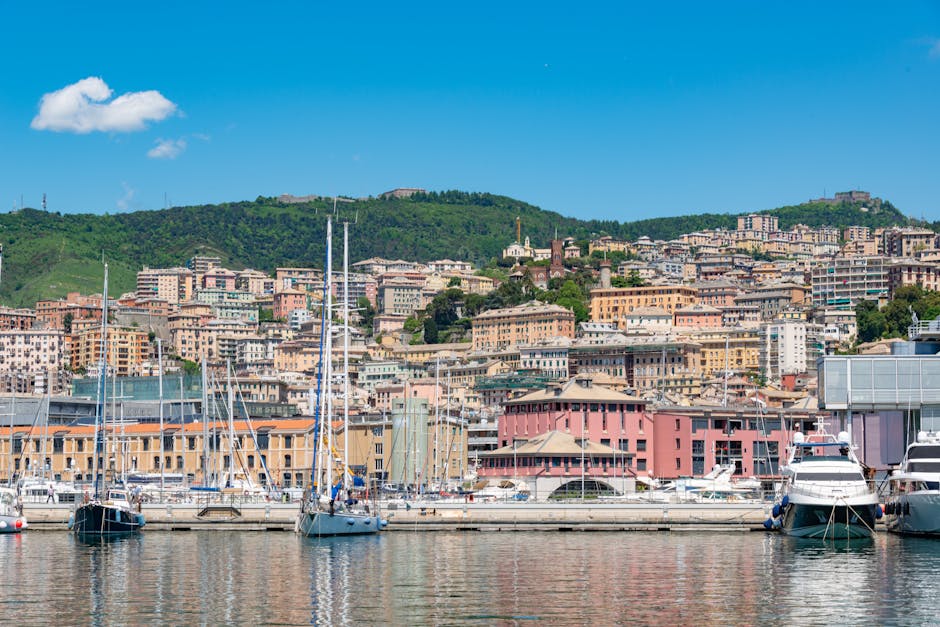
    <img width="940" height="627" src="https://ue.is/wp-content/uploads/sites/43/2026/06/porto-antico-genoa-harbor-panoramic-view.jpg" class="aligncenter" alt="Port view of Genoa&apos;s Porto Antico » loading= »lazy » />

    Markets and Food Halls: Where to Sniff Out Genoa’s Soul (Mercato Orientale and Surrounds)

    The must-start spot to soak up Genoa’s artisanal atmosphere is the Mercato Orientale, right in the heart of the city. Address: Mercato Orientale, Via XX Settembre 2R, 16121 Genova. Hours: generally Monday to Saturday from 7:30am to 2:30pm; some stalls stay open on Saturday afternoons until 6:00pm. Closed on Sundays. Here, artisanal food sits side-by-side with local produce — jars of homemade pesto, Ligurian olive oils, canned fish preserved in oil, and ceramic jars. Typical prices: jars of artisanal pesto €6–12, 250ml olive oils starting at €8, canned fish €3–8 depending on the brand.

    Don’t limit yourself to the covered market: the surrounding streets (Via XX Settembre, Via San Vincenzo) host small craft shops and workshops selling travel-friendly items (leather bags, local shoes, small jewelry). Many vendors accept cards, but it’s wise to carry cash for the humbler stalls. Local tip: arrive early for the producers who pack up before midday — you’ll get the freshest products and can chat with the producer, who often comes from the nearby hills.

    Another interesting market is Mercato di Castelletto (Vico degli Olandesi, near the Belvedere di Castelletto). Less touristy, it offers stalls from local artisans on some Sunday mornings. Prices are often lower than in the historic center, though the selection may be more limited. Practical tip: if you buy food products and you have a long flight ahead, ask for vacuum-sealing.

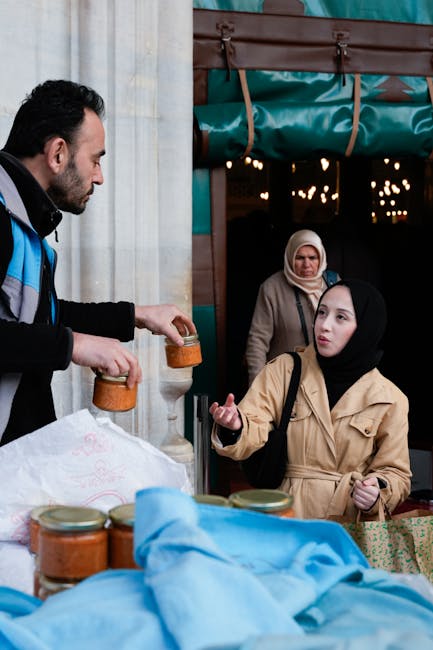
    Vendors selling jars of pesto at Mercato Orientale

    Streets and Neighborhoods to Explore: Via Garibaldi, the Old Port and the Alleys of Prè

    To uncover unique objects, lace up good shoes and get lost in the caruggi — those narrow lanes that wind from the historic center down to the port. Via Garibaldi (address: Via Garibaldi, 16124 Genova) is famous for its Rolli palaces (Palazzo Rosso, Palazzo Bianco, Palazzo Doria Tursi), but the street and its surroundings also house antique shops and galleries selling prints, old furniture and art objects. Typical gallery hours: 10:00am–6:00pm, some close on Mondays. Prices: small prints €20–60, decorative pieces €50–500 depending on age and condition.

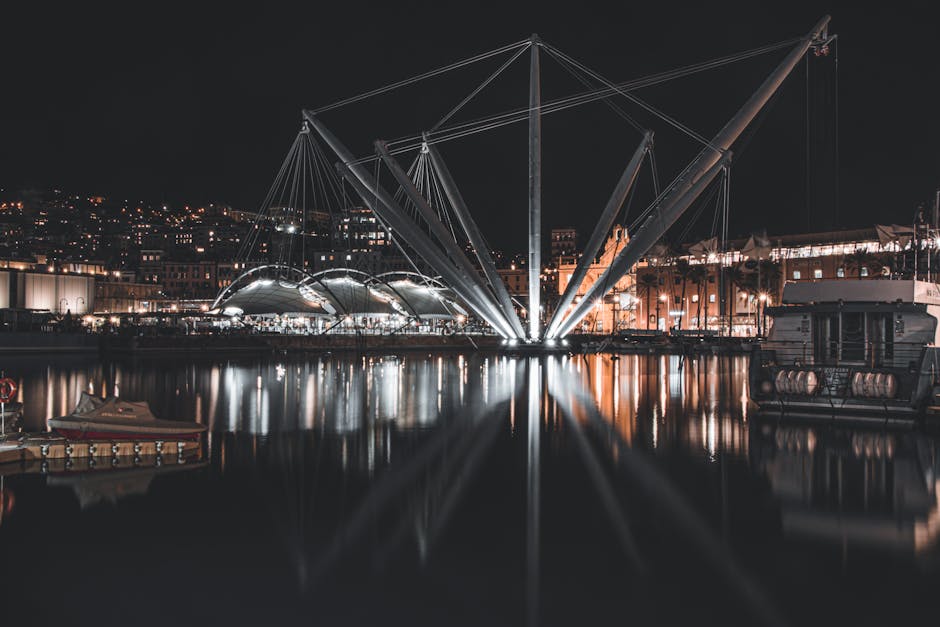
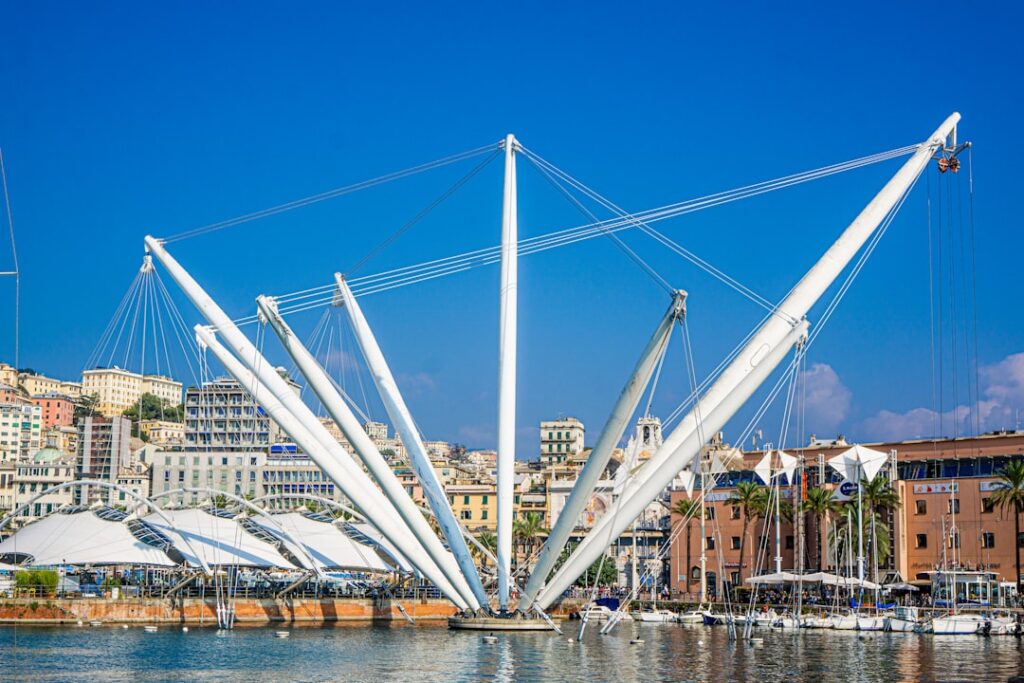
    Heading down toward the Porto Antico (Piazza Caricamento, 16128 Genova) you’ll find kiosks and tourist shops but also local designers selling sea-inspired jewelry and illustrated maps. The waterfront is a good place to buy sea-related items: model ships, decorative nets, small wooden sculptures and worked coral. Points of interest: the Bigo and the panoramic elevator offer viewpoints to spot workshops from above.

    The Prè neighborhood (Sestiere di Prè), near Via San Lorenzo and the Porta Soprana, still retains a popular, working-class spirit. The alleys hide workshop-shops selling things like waxed canvas bags, leather belts and hats. Many of these workshops are open around 9:30am–1:00pm and 3:30pm–7:00pm, some closing Wednesday afternoons. Don’t hesitate to go inside: many artisans work in the back and can show you their techniques. Tip: for leather goods, ask whether they can provide certification on the leather’s origin to avoid regulated materials.

    Historic palaces on Via Garibaldi, Genoa

    Specialized Workshops: Genoese Coral, Filigree and Albisola Ceramics

    Three crafts stand out across the Genoa area: coral work (corallo), filigree and Albisola ceramics. Each deserves a visit or a considered purchase.

    Genoese coral — coral from the Ligurian coast has a strong reputation. Look for established shops and ask for a certificate of origin (certificazione). A typical workshop-shop in the center: Bottega del Corallo (example format), Via Cairoli 10R, 16123 Genova — indicative hours 10:00am–1:00pm and 3:30pm–7:00pm. Prices: small pendants €50–120, earrings €80–250, worked necklaces €200–1,200 depending on quality and workmanship. Tip: pieces set in silver are usually more affordable; always demand a receipt to justify the item’s origin if you’re returning outside the EU.

    Filigree — fine silver jewelry with delicate motifs. Jewelry workshops around Via Luccoli and Via San Bernardo offer local filigree pieces. Example address: Orafo Filigrana, Via Luccoli 17R, 16121 Genova. Hours: Tuesday to Saturday 10:00am–7:00pm, closed Sunday. Prices: filigree rings €70–300, pendants €40–200. If you want a custom piece, expect 2–10 days and a surcharge of around 30–60% depending on complexity.

    Albisola ceramics — 30–40 minutes by train, Albissola Marina and Albisola Superiore are historic centers of Ligurian pottery. To visit, drive or take the train to Albissola (stazione di Albissola, Piazza Europa, Albissola Marina). Local museums and workshops sell unique pieces: workshops along Via Aurelia or Corso Vittorio Veneto. Recommended museum: Museo della Ceramica di Savona (Piazza T. Canepa 2, 17100 Savona) — hours vary, generally 9:00am–6:00pm in season. Prices: small cups and plates €15–60, decorative pieces €80–600. Logistics tip: for packing and shipping, ask workshops for reinforced packaging; many offer extra cardboard packing for €3–10.
    Display of coral jewelry in a Genoa workshop

    Museum-Shops and Workshop Visits: Cultural Gifts and Educational Souvenirs

    To combine cultural visits with thoughtful shopping, museum boutiques and a few public workshops offer elegant, often certified pieces. The Galata Museo del Mare (Calata De Mari 1, 16126 Genova) has a quality shop where you can find ship models, specialist books and limited-edition prints. Museum hours: generally 9:30am–7:00pm (seasonal variations). Shop prices: books €15–40, models €25–300, reproductions and posters €10–60.

    The Museo del Corallo in Genoa (if exhibitions are active) and the small shops in the palaces on Via Garibaldi offer catalogued reproductions and jewelry inspired by their collections. Visiting these museums helps you understand techniques before buying and to spot genuine local artisans versus industrial imitations. Tip: ask for brochures and postcards, often sold for €1–3 — great lightweight souvenirs.

    Another option: demonstration workshops. Some master ceramists from Albisola and goldsmiths in the center open their doors for private demos (guided visits, mini-workshops of 30–60 minutes). Usual terms: free demo if you make a purchase, or a paid guided visit €10–25 per person with a small souvenir included. Book by phone or email one to two weeks ahead, especially in high season (June–September).

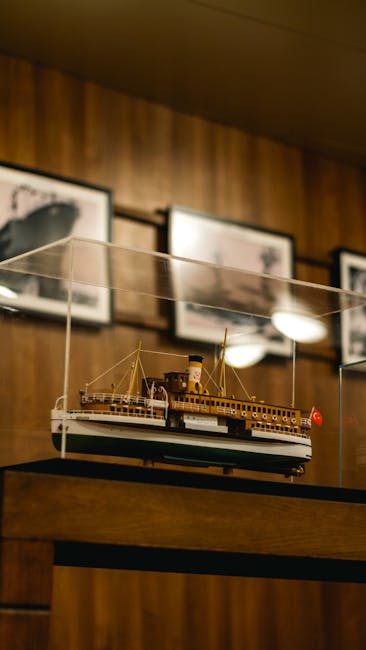
    Ship model display at Galata Museum shop

    Suggested Routes and Practical Tips for Bringing Your Finds Home Safely

    If you have half a day — focus on the Mercato Orientale and a stroll down to the Porto Antico. Morning: markets and food purchases; midday: lunch at a local trattoria. Afternoon: a walk along the waterfront to spot jewelry shops and workshops. Suggested budget for nice finds: €50–150 for food souvenirs and decorative items, €150–600 for quality jewelry and ceramics.

    If you have a full day — add Via Garibaldi (Palazzi dei Rolli) and combine it with a train trip to Albissola for ceramics. Train Genova Piazza Principe / Genova Brignole → Albissola: about 30–40 minutes, regional fare €3.30–5.00. Bring a sturdy bag or plan to have fragile pieces shipped: several workshops offer international shipping (from €15–40 depending on weight and destination).

    Packing and transport tips: ask for double packaging for ceramics (bubble wrap + reinforced cardboard). For jewelry and coral, keep pieces in your carry-on to reduce the risk of loss in checked luggage. If you purchase more than €430 worth of goods (customs thresholds vary by country), keep all receipts for customs declaration.

    Bargaining and ethics tips: in Italy the price shown in an artisan shop is often fixed, but at markets and with some antiques dealers you can negotiate 5–15%. Show interest in the workmanship and ask about technique — artisans appreciate curiosity and may offer a small discount. Lastly, favor established local workshops: quality and traceability are usually better.

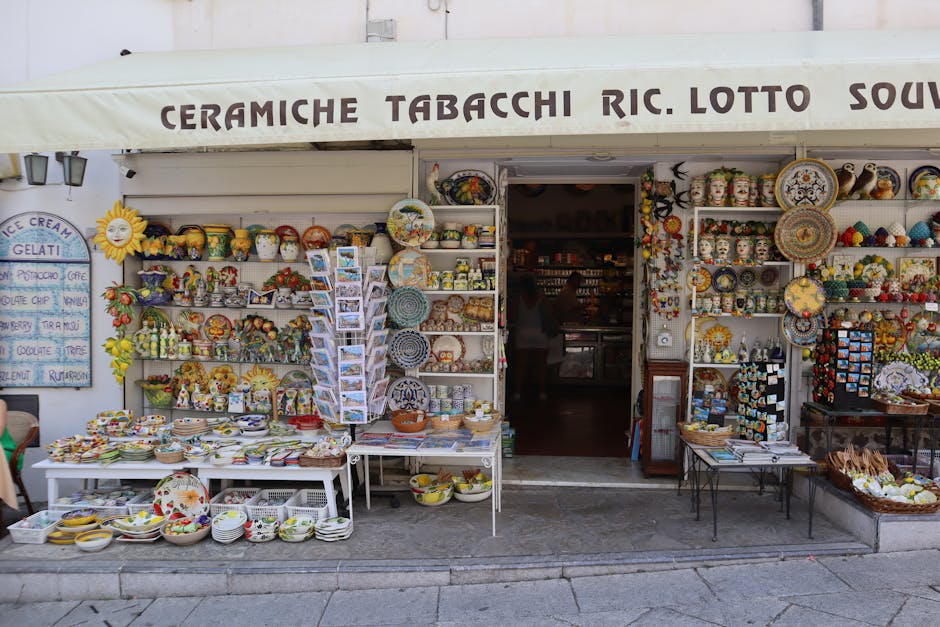
    Ceramic storefront in Albissola with pottery on display

    Conclusion — Take a Piece of Genoa Home with You

    Hunting for Genoese crafts means wandering a place where the sea and artisanal tradition still have a lively conversation. From the vibrant stalls of the Mercato Orientale, to the historic alleys of Prè, the shop windows of Via Garibaldi, the stores of the Porto Antico and the workshops of Albisola, you’ll find plenty of chances to discover meaningful objects. Follow the suggested routes, attend artisan demonstrations and ask for provenance certificates for precious pieces — you’ll leave with souvenirs that are not only beautiful, but documented and respectful of handmade work.

    Remember: the value of an artisanal object goes beyond its price tag. It lies in the material, the technique and the story it carries. By buying local you support families and small businesses preserving unique know-how. Whether you bring home a jar of homemade pesto, a hand-painted plate, a filigree jewel or a coral piece, take the time to listen to the little story that accompanies it — often that story will enrich your trip as much as the object itself.

    Happy treasure-hunting in Genoa: visit markets early in the morning, talk to the artisans, protect your purchases for the journey and, above all, let yourself be surprised by the cultural generosity of this port city. If you’d like, I can now prepare a personalized itinerary based on how long you’ll stay (half-day, 24 hours, 48 hours) or a contact list of workshops to book a demonstration — just tell me how long you’ll be in town and what you’re most interested in (ceramics, jewelry, food products, etc.).

  • Baroque Stroll: Discovering Genoa’s Stunning Rolli Facades

    Baroque Stroll: Discovering Genoa’s Stunning Rolli Facades

    Introduction: A Baroque Stroll Through Genoa — Exploring the Rolli Facades

    Genoa, a historic port and Mediterranean trading hub, preserves an extraordinary urban memory: the Palazzi dei Rolli, the lavish palaces that line the Strada Nuova (today Via Garibaldi) and nearby neighborhoods. Listed as a UNESCO World Heritage site, the Rolli served both as private homes and as a kind of official hospitality: an official register — the « rollo » — dictated which palace would host distinguished guests sent by the Republic of Genoa. A baroque walk along these façades reveals not only the architectural and decorative opulence of the 17th and 18th centuries, but also a civic rivalry among patrician families played out in stone.

    This walk isn’t just about admiring grand doorways or carved cornices: it’s a sculptural language where marble, Ligurian gray stone, stucco, wrought-iron balconies and mascarons tell stories of power, trade and international ties. The façades, often freshly restored, alternate between geometric restraint and full-blown baroque drama, and the smooth fronts along Via Garibaldi answer one another like an open-air gallery. Strolling slowly with your head tilted up lets you spot details you’d otherwise miss at first glance: family crests, semicircular windows, stacked loggias, and the use of color — ochres, grays and off-whites — that catch the light from the harbor.

    This practical, professionally-oriented guide leads you through a structured walk so you can identify, understand and appreciate the most intriguing Rolli façades. You’ll find exact addresses, opening hours, admission prices in euros for visiting some palace-museums, and immersive descriptions of the exteriors and the on-site atmosphere. Practical tips will help you optimize your visit: best times for light, suggested walking routes, public transport access and tricks to avoid the crowds. Whether you’re into architecture, photography, cultural travel or simply curious, this baroque stroll through Genoa will teach you to read the city like a richly illustrated stone book.

    Before you go: wear comfortable shoes (the cobbles are uneven), bring a notebook to jot down palace names and coat-of-arms you spot, and have a camera ready to capture the interplay of shadow and relief on the façades. Several museums reachable from these exteriors require timed tickets; booking online is often recommended, especially in high season. Finally, respect the buildings: many remain active public spaces and house institutions. Take the time to savor the neighborhood’s slow pace — sit at a local café terrace and let the city tell you its baroque story.

    Via Garibaldi: The Rolli’s Open-Air Gallery and Iconic Fronts

    Via Garibaldi (formerly Strada Nuova) is the heart of the baroque walk. Laid out in the 16th century, this heritage street displays façades that showcased the prestige of the Republic’s leading families. Each palace offers a worked façade: monumental portals, corniced windows, wrought-iron balconies and decorated lintels. Some of the most notable facades you can see from the street are:

    • Palazzo Nicolosio Lomellino, Via Garibaldi 9 — a baroque frontage with triple orders of windows and a central balcony. Exact address: Via Garibaldi, 9, 16124 Genova GE. Admission (when guided visits to Palazzo Lomellino are available): about €6. Hours vary; often open by private reservation or during cultural events. This palace stands out for its painted façades and its signed ashlar stone portal.
    • Palazzo Doria-Spinola / Palazzo Tursi, Piazza De Ferrari 5 — also known as Palazzo Doria-Tursi, home to the city hall and a museum. Address: Piazza De Ferrari, 5, 16121 Genova GE. Admission to the municipal museum (Museo di Palazzo Doria-Tursi): €6. Typical hours: Tuesday–Sunday 9:30–19:00, closed Monday. The façade is imposing, built in gray stone, with a large balcony overlooking Genoa’s main square.
    • Palazzo Rosso, Via Garibaldi 18 — famous for its ochre façade and its rich interior collection. Address: Via Garibaldi, 18, 16124 Genova GE. Admission: €7 (single entry), or €12 for a combined ticket to the Musei di Strada Nuova (Palazzo Rosso + Palazzo Bianco + Palazzo Doria-Tursi). Hours: Tuesday–Sunday 9:30–19:00, closed Monday. From the street, Palazzo Rosso shows classical order and refined cornices, with Italian windows framed by sculpted lintels.
    • Palazzo Bianco, Via Garibaldi 11 — a restrained but elegant façade, housing an impressive European painting collection. Address: Via Garibaldi, 11, 16124 Genova GE. Admission: €7 (single entry); combined tickets available for €12. Hours mirror Palazzo Rosso (typically 9:30–19:00 Tuesday to Sunday). From the street, the façade displays a steady rhythm of windows and a monumental bossed portal.

    Read these façades storey by storey: a rusticated stone base, the piano nobile (noble floor) with large windows and a central balcony, and a cornice-topped roof. Take time to study the carved details near lintels and keystones: they often display family coats-of-arms or marine allegories that recall Genoa’s trading might. For photographers, morning light (between 8:30 and 11:00) beautifully illuminates east-facing façades; late afternoon creates side shadows that accentuate stucco and cornice reliefs.

    Local tip: start early to avoid tour groups and tailor your observations. Several historic cafés sit just off the main drag — a strong espresso at a pavement table helps you settle into the city’s rhythm before you start reading the façades. If you plan to go inside a palace, combined tickets for the Musei di Strada Nuova (Palazzo Rosso, Palazzo Bianco, Palazzo Doria-Tursi) are economical and help you connect the exterior statements with interior decor.

    Façades beyond Via Garibaldi: Piazza di Pellicceria, Via Balbi and Baroque Surprises

    Outside Via Garibaldi, the Rolli spread into other key areas of the city. Piazza di Pellicceria and Via Balbi, in particular, offer equally expressive and often more intimate façade compositions. These quarters reveal stylistic variety — from flamboyant baroque to neoclassical touches — and provide a quieter stroll away from the main tourist routes.

    • Palazzo Spinola di Pellicceria, Piazza di Pellicceria 1 — address: Piazza di Pellicceria, 1, 16123 Genova GE. Admission: €6–€8 depending on temporary exhibitions. Hours: generally Tuesday–Sunday 10:00–18:00, closed Monday. The façade, narrower than those on Via Garibaldi, emphasizes verticality with a portal flanked by pilasters and a richly decorated balcony. The small, shaded piazza invites close inspection of carved details.
    • Palazzo Reale, Via Balbi 10 — address: Via Balbi, 10, 16126 Genova GE. Admission: €10 (standard), with concessions for students and seniors. Hours: Tuesday–Sunday 10:00–18:00, closed Monday. Although located on Via Balbi, the palace’s main façade displays a solemn classicism, with exuberant decorative work on cornices and window surrounds. Side façades and the inner courtyard reveal frescoes and dramatic marble treatments.
    • Minor palaces and port-area façades — heading toward the historic port and exploring the adjacent alleys, you’ll find lesser-known façades, many recently restored. These patrician houses feature mascarons, maritime bas-reliefs and Latin inscriptions that testify to seafaring exchanges. They’re worth pausing for: the sculpted details, preserved ironwork and salt-weathered colors tell their own stories.

    Practical tip: Piazza di Pellicceria and the areas around Via Balbi are ideal for combining architectural observation with a cultural break — museums, small galleries and specialist bookstores focused on regional history are nearby. Watch opening hours: many palaces close on Mondays and some temporary exhibitions require time-slot bookings. If you plan to visit Palazzo Reale, allow at least 90 minutes to enjoy its gardens, state apartments and art collection.

    Practical Tips for the Stroll: Route, Tickets, Accessibility and Best Times

    Organizing your baroque stroll takes a bit of planning. Here’s a recommended route, specific pricing guidance and practical advice for a successful visit.

    • Recommended route (on foot): start at Piazza De Ferrari (Piazza De Ferrari, 16121 Genova GE), walk up Via XX Settembre to Via Garibaldi, then follow Via Garibaldi from Palazzo Doria-Tursi / Palazzo Rosso (Via Garibaldi 18) to Palazzo Lomellino (Via Garibaldi 9). From there, head down to Piazza di Pellicceria (Piazza di Pellicceria, 16123 Genova GE) and finish along Via Balbi (with Palazzo Reale, Via Balbi 10). This loop takes about 2–3 hours if you don’t go into every museum; expect a half-day if you visit interiors.
    • Tickets and prices: budget roughly if you plan multiple palace visits: Palazzo Rosso €7, Palazzo Bianco €7, Palazzo Doria-Tursi €6, Palazzo Spinola di Pellicceria €6–€8, Palazzo Reale €10. Combined ticket for the Musei di Strada Nuova (Palazzo Rosso + Palazzo Bianco + Palazzo Doria-Tursi): about €12. Discounts exist for students, under-18s and seniors — check official sites. Buying online is advised to skip lines, especially in July–August.
    • General opening hours: most museums are open Tuesday to Sunday, from 9:30/10:00 to 18:00/19:00; frequent closures on Monday. Always check up-to-date schedules on official sites or call ahead: hours can change for temporary exhibitions or public holidays.
    • Accessibility: some palaces are partially accessible to visitors with reduced mobility; ramps and lifts exist at certain sites but aren’t consistent across all buildings. Contact museums in advance (phone or email) to arrange access. Streets are cobbled and sometimes narrow — arrange assistance if needed.
    • Best times and seasons: morning (8:30–11:00) for façades bathed in soft light and fewer tourists; late afternoon for stronger contrasts and dramatic shadow plays. In summer, avoid the hottest hours (12:00–16:00) and favor early mornings or evenings. Spring and autumn offer pleasant temperatures and lovely seasonal colors.

    Local tip: several local guides and themed tours (baroque architecture, frescoes, family histories) are organized by cultural associations. A 90-minute guided walk can grant access to private palaces that are otherwise closed and provide lively anecdotes about the diplomacy and republican hospitality of the Rolli.

    How to Read a Façade: Symbols, Materials and Conservation

    Reading a baroque façade is a small discipline: every element — material, sculpted motif, proportion — conveys information about social origins, commercial links and sometimes the family’s trade. In Genoa, the use of local limestone, imported marble and colored stucco forms a material palette adapted to the maritime climate.

    Recurring features to look for include:

    • The piano nobile: the noble floor is often marked by larger windows and a central balcony. This is where official receptions took place — note the size and ornamentation to gauge a palace’s importance.
    • Family arms and crests: carved in relief or painted, often placed above the main portal. They identify the owning family and sometimes marital alliances shown through combined heraldic symbols.
    • Marine motifs: shells, tridents, stylized ships — frequent reminders of Genoa’s maritime and commercial vocation. They appear on keystones and bas-reliefs.
    • Colors and stucco: ochres, pale yellows, grays. Painted façades are treated to resist salt; modern restorations aim to recover the original palette.

    Conservation: the city of Genoa has launched several restoration campaigns to combat salt erosion and urban pollution. Restored façades often show new joints, replaced stone sections and reinforced cornices. When you study a façade, note the contrast between older and newer sections — it tells the story of interventions. Respect ongoing works and read on-site information panels to better understand preservation challenges.

    Conclusion: Savor the Walk and Keep Exploring

    A baroque stroll through the Rolli façades in Genoa is both a sensory and intellectual experience: it combines the wonder of sculpted decoration with an understanding of the socio-economic network that shaped the city. The façades, sometimes restrained and sometimes theatrical, are open pages of Genoa’s maritime and cultural history. Walking Via Garibaldi, Piazza di Pellicceria and Via Balbi, you’ll appreciate the range of architectural languages and the ways prestige was expressed in stone.

    To extend your visit, I recommend:

    • Visiting at least one interior (Palazzo Rosso or Palazzo Reale) to connect façade and interior décor.
    • Joining a themed guided tour to learn about the coats-of-arms and the Rolli’s diplomatic context.
    • Exploring adjacent alleys and the harbor to complete your reading of the urban landscape and spot secondary façades often overlooked.
    • Checking with local tourist offices (Ufficio IAT Genova, Piazza De Ferrari) for maps and combined tickets.


    Ultimately, the baroque stroll in Genoa is not just a tourist route: it’s an invitation to read the city attentively. The Rolli façades, between carved details and urban grandeur, offer a route that feeds both the eye and historical curiosity. Take your time, let the light guide you, note recurring motifs and—most importantly—pay attention to small squares and passages where the finest baroque surprises often hide. Enjoy your walk and happy discoveries in Genoa.

  • San Lorenzo by Night: Lights, Mystery and Timeless Heritage

    San Lorenzo by Night: Lights, Mystery and Timeless Heritage

    Introduction: San Lorenzo by Night — lights, mystery and heritage

    In the heart of Genoa, the San Lorenzo neighborhood transforms when the sun slips behind the hills: stone facades take on golden hues under streetlights, narrow alleys exhale an age-old atmosphere, and monuments whisper centuries of history in an almost ceremonial silence. San Lorenzo is more than a square: it’s a symbol of the city’s maritime and religious past, a crossroads where the Cattedrale di San Lorenzo, old quays, aristocratic palaces and streets alive with nightlife meet. This guide is a practical, comprehensive companion to experiencing San Lorenzo at night — how to get there, what to see, opening hours, typical costs, and above all how to fully enjoy the evening atmosphere while respecting local customs.

    The Cattedrale di San Lorenzo (Piazza San Lorenzo, 16123 Genova GE, Italy) is the neighborhood’s focal point. By day it draws pilgrims and tourists; by night, its Gothic lines and alternating bands of light and dark stone stand out against the sky, giving the building an almost theatrical presence. Around the cathedral, Piazza San Lorenzo offers unique photo vantage points, benches to watch locals come and go, and café terraces still buzzing after dinner. Further afield, the medieval alleys — the caruggi — keep the city’s murmur alive: artisan shops, tiny osterie and carriage entrances blend into an urban layout best discovered on foot, ideally after dark to catch the silent stories of stone and sea salt.

    This guide takes a practical, detailed approach: exact addresses, indicative opening hours, prices in euros, local tips and suggestions for the best photo spots. You’ll also find recommended night routes, safety pointers and extra addresses (museums, neighboring squares, restaurants) to extend your evening. Whether it’s your first time in Genoa or a return trip to see the city in a different light, San Lorenzo at night offers a full sensory experience — artificial lights, aromas of Ligurian cooking, religious echoes and maritime panoramas. Lace up comfortable shoes, charge your camera and bring your curiosity: the city peels back layer by layer, and night often reveals the most beautiful ones.

    Cattedrale di San Lorenzo illuminated at night, facade glowing on Piazza San Lorenzo

    1) The Cattedrale di San Lorenzo and the Nightly Treasure: visiting, prices and atmosphere

    At San Lorenzo’s center, the Cattedrale di San Lorenzo (Piazza San Lorenzo, 16123 Genova GE) dominates with its Gothic silhouette. Entrance to the cathedral as a place of worship is usually free, but access to the Museo del Tesoro della Cattedrale di San Lorenzo and certain areas (crypt, chapels and permanent exhibition) is ticketed. Exact museum address: Palazzo Vicereale, Piazza San Lorenzo, 8, 16123 Genova GE. Indicative prices: combined cathedral + treasure ticket ≈ €6.00–€8.00 (reduced fares for students and seniors; free for children under 6). Typical opening hours (subject to seasonal changes): Cathedral 09:30–19:00; Museo del Tesoro 10:00–18:00 (may close earlier on Sunday). In the evening, the nave and façade remain lit and available for exterior viewing, but interior access is limited by closing times.

    A night visit to the cathedral is mainly a visual and symbolic experience. Spotlights highlight the alternating bands of white marble and dark stone, the carved portals and the rose window. Practical tips: arrive 30 minutes before official closing if you want to attend a late mass or service; respect rites during religious ceremonies; avoid flash photography during liturgical acts. For photographers, the best moment is just after sunset (between the blue hour and full darkness): artificial lighting contrasts with a still-dim sky, allowing dramatic shots that keep natural color tones.

    Around the cathedral several features are worth a stop: the Torre Grimaldina (sometimes included in guided tours), the Loggia della Mercanzia (Piazza Banchi, 16123 Genova GE), and Via San Lorenzo, lined with small shops and street stalls. At night these spots have a special intimacy: there are fewer passersby, voices carry differently and every architectural detail feels like a discovery. Keep a torch or smartphone handy for navigation and favor well-lit streets for late returns.

    Gothic facade of the Cattedrale di San Lorenzo illuminated at night

    2) Night walks: from the caruggi to the quays — routes and points of interest

    San Lorenzo is the perfect starting point for night walks that weave medieval alleys, historic squares and waterfront panoramas. One recommended route starts at Piazza San Lorenzo, then follows Via San Lorenzo down toward Porto Antico, cutting through the caruggi — Genoa’s trademark narrow lanes. From there continue to Via San Matteo and the Rolli district, where princely façades line Via Garibaldi (Via Garibaldi, 16124 Genova GE); many palaces are lit at night, offering an elegant, solemn perspective. The Palazzi dei Rolli (Palazzo Rosso, Via Garibaldi 18; Palazzo Bianco, Via Garibaldi 10; Palazzo Doria Tursi, Via Garibaldi 9) house art collections and exhibitions; most close around 19:00–20:00, but their exteriors make the walk worthwhile after dark.

    Continuing toward the port, Via del Molo leads to Porto Antico (Ponte dei Mille, 16128 Genova GE), where the Aquarium of Genoa (Acquario di Genova, Ponte Spinola, 16128 Genova GE) overlooks the quays. The Aquarium usually closes between 19:30 and 21:00 depending on season, with standard adult tickets around €26.00 (reduced fares available, check the official site). Even if you don’t go inside, an evening stroll along the waterfront is magical: silvered water reflections, silhouettes of boats and illuminated port structures. For a panoramic night view, head up to Spianata di Castelletto (Viale S. Francesco d’Albaro, 16129 Genova GE): reachable on foot or by public elevator (Ascensore Castelletto Levante, Piazza Portello), the overlook offers a striking panorama over rooftops and the harbor after dusk.

    Practical walking tips: wear comfortable shoes (cobblestones and stairs), avoid very dark alleys alone at night and secure your valuables. Many cafés and osterie stay open late around San Lorenzo: for a bite, watch for places like Trattoria da Maria (location varies within the center) or small local pizzerias; dinner prices typically range between €15.00 and €35.00 per person depending on venue and drinks. For a fully immersive experience, consider a guided night tour: several tourist offices and local guides offer themed evening walks (indicative prices €15.00–€25.00 per person).

    Narrow medieval street in Genoa's caruggi at night

    3) Lights, events and night culture around San Lorenzo

    San Lorenzo’s cultural life comes alive at night. Beyond religious visits and walks, the neighborhood hosts events, intimate concerts and occasional cultural happenings. Teatro Carlo Felice (Piazza De Ferrari, 5, 16121 Genova GE) is just a short walk away: box office hours vary by program (evening concerts are common, tickets €15.00–€120.00 depending on the performance). Summer evenings regularly feature street festivals, classical and contemporary concerts and open-air screenings in squares or along the waterfront. Check Teatro Carlo Felice’s official site or Genoa’s city event calendar for current programming.

    Museums and galleries along Via Garibaldi (Palazzo Rosso, Via Garibaldi 18; Palazzo Bianco, Via Garibaldi 10) sometimes hold special night openings for temporary exhibitions, openings and guided evening visits. Usual municipal museum prices: around €7.00–€12.00 for adult admission, with reductions for students and seniors; night openings are announced occasionally. San Lorenzo is also a hub for Ligurian gastronomy: wine bars, enoteche and small venues serve focaccia col formaggio and trofie al pesto. A typical late-night tasting can cost €10.00–€25.00 depending on the number of dishes and drinks.

    Atmosphere and safety: the area is generally busy and well lit, especially around Piazza San Lorenzo and Porto Antico. However, like any big city, avoid deserted routes very late at night and stick to main streets. For photographers and night owls, note that some façades have programmed spotlights: they create impressive light effects but may sometimes be closed to the public. For a full cultural immersion, look into occasional evening religious services, choirs and organ concerts at the Cathedral, which offer a unique auditory and visual experience.

    Palazzi dei Rolli on Via Garibaldi illuminated at night

    4) Practical local tips: safety, photography, transport and accommodation

    Getting around San Lorenzo at night takes a bit of planning to enjoy the experience without surprises. Transport: the area is served by several bus lines and the metro (Genova Piazza De Ferrari station near Via XX Settembre); to Cristoforo Colombo Airport (Aeroporto di Genova – Sestri) expect roughly 25–35 minutes by taxi from the center (typical fare €20.00–€30.00 depending on time). Taxis stand in major squares (Piazza De Ferrari, Porto Antico); night fares may be slightly higher. Ride-hailing and mobility apps operate in the city but availability can drop late at night.

    Nocturnal photography: bring a compact tripod for long exposures (cathedral and palace lighting often require longer shutter times); use wide-angle lenses to capture façades and tight alleys. Respect cordoned areas and avoid blocking entrances or walkways. Photography is allowed in public spaces, but some temporary exhibits or museum interiors may prohibit photos; follow signage and staff instructions. For original shots, explore reflections at Porto Antico and viewpoints from Spianata di Castelletto.

    Accommodation: San Lorenzo and its surroundings offer a wide range of lodging — from budget hostels to historic hotels. Indicative rates: hostels €25.00–€50.00 per night; 3-star hotels €60.00–€120.00; boutique or charming hotels €140.00 and up. Book ahead in high season or during special events (festivals, fairs). For a heritage immersion, some palaces along Via Garibaldi offer rooms in a historic setting (look into the Palazzi dei Rolli accommodations or night-visit options).

    Safety and etiquette tips: avoid flaunting valuables, stick to well-lit routes and tell someone your plans if you expect to return very late. Locals appreciate simple politeness — a quick « buonasera » when entering a shop or church and respect for service times and events. Always carry a small map or a downloaded offline plan: the maze of alleys can be disorienting, especially at night.

    Cobblestone alley in Genoa's caruggi lit in the evening

    Conclusion: San Lorenzo by Night — a journey of light and memory

    San Lorenzo in Genoa is more than a tourist site: it’s a sensory experience where history literally lights up at night. Between the majestic Cattedrale di San Lorenzo (Piazza San Lorenzo, 16123 Genova GE), the medieval caruggi, the palaces of Via Garibaldi and the Porto Antico waterfront, every step reveals another facet of the city. The contrast between shadowed narrow streets and directed lighting on monuments creates an urban theatre perfect for quiet strollers and photographers hunting the perfect shot. The prices and hours given here help you plan: expect around €6.00–€8.00 for the Museo del Tesoro della Cattedrale, €7.00–€12.00 for Palazzi dei Rolli museums, and about €26.00 if you choose an evening visit to the Aquarium of Genoa (always double-check official sites for updates).

    To make the most of San Lorenzo by night: start at the cathedral at sunset, walk down through the caruggi toward Porto Antico, then climb up to Spianata di Castelletto for a night panorama. Pause at a local osteria for focaccia or trofie al pesto, and let the city speak through its stones and moods. San Lorenzo at night is welcoming and safe if you follow basic advice (stick to lit main streets, protect your belongings, check night opening hours of attractions).

    Finally, respect the heritage: don’t touch sculptures, don’t litter, observe prayer times and photo restrictions. San Lorenzo by night reveals a Genoa at once mysterious and warm — a place where light breathes life into centuries of history, where every corner can become an unforgettable memory. Whether you’re an inquisitive traveler, a passionate photographer or a history lover, follow the lamplight and the sound of the waves: San Lorenzo is best explored on foot, savored slowly, and discovered more deeply with each return.

  • Genoa Carnival: Traditions, Parades & How to Celebrate

    Genoa Carnival: Traditions, Parades & How to Celebrate

    Introduction: Genoa Carnival — where the sea, history and street parties meet

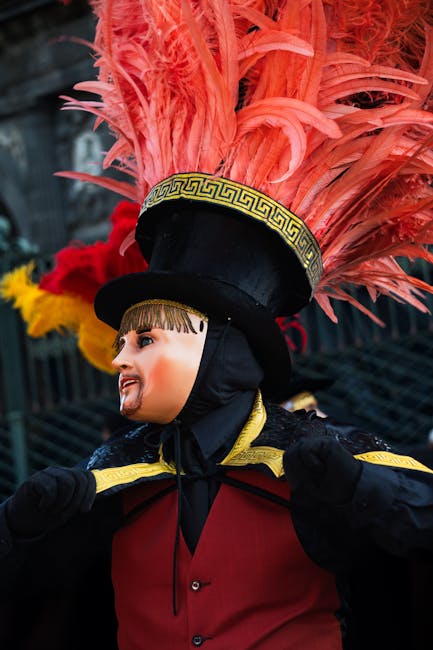
    The Genoa Carnival (Carnevale di Genova) is a lively celebration rooted in the maritime and urban culture of Liguria’s capital. Less hyped than Venice’s famous carnival, Genoa’s festivities feel more down-to-earth and authentic, where local customs, street processions, performances and food come together along the Porto Antico, through the old town and on major avenues like Piazza De Ferrari and Via Garibaldi. For several days — usually across the February weekends — the city fills with costumes, masks, music and parades that draw families, students and international visitors.

    This comprehensive guide will immerse you in the Genoa Carnival: where to see the main events, which local traditions to watch (and maybe try), which regional dishes to taste, and how to plan your visit (exact addresses, typical schedules, and approximate prices in euros). You’ll also find practical tips for getting around the Ligurian city, ideas for cultural stops when the parades take a breather, and local recommendations to enjoy the festivities without stress or surprises.

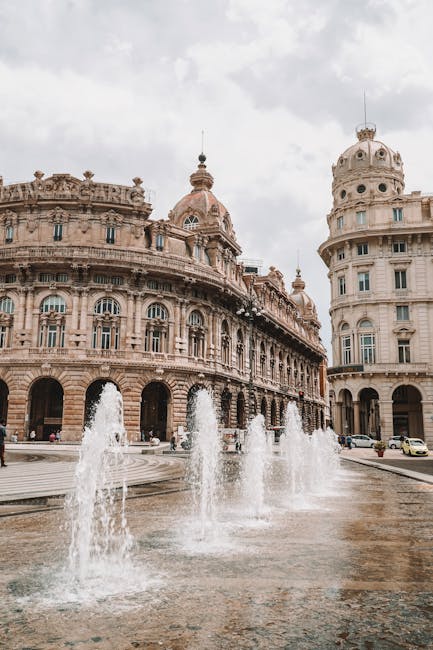
    The Carnival blends the energy of street parades with the grandeur of historic backdrops. Piazza De Ferrari (Piazza De Ferrari, 16121 Genova GE) often becomes a focal point for free concerts and entertainment; the Porto Antico (Calata Cattaneo/Calata de Mari, 16128 Genova GE) hosts floats and family shows; while the palaces along Strada Nuova (Via Garibaldi, 16124 Genova GE) provide a baroque setting for costumes and marching bands. Between parades you can sample local street food (farinata, panissa, focaccia), visit landmark museums like the Galata Museo del Mare (Calata de Mari 1, 16128 Genova) or catch a performance at Teatro Carlo Felice (Piazza Matteotti 8, 16123 Genova GE). Piazza De Ferrari in Genoa during carnival

    1. Main carnival locations: addresses, typical hours and what happens there

    The Genoa Carnival takes place across several key sites in the city, each offering a different vibe: from the big maritime spectacle at Porto Antico to the narrow winding streets of the old town. Here are the places to know, with exact addresses, usual schedules and practical info.

    • Porto Antico – Calata de Mari / Calata Cattaneo, 16128 Genova GE: The heart of family activities and float parades. stalls and kids’ workshops typically open from 10:00; main parades usually run in the afternoon (between 14:00 and 18:00). Most outdoor activities are free; some special attractions (indoor concerts or shows) may require booking (prices vary, €10–25).
    • Piazza De Ferrari – Piazza De Ferrari, 16121 Genova GE: The main square for concerts and evening shows. Public events often start from 15:00 and continue into the night; access to outdoor entertainment is free, but stage concerts may have assigned seats (tickets €5–30 depending on the artist).
    • Via Garibaldi (Strada Nuova) – Via Garibaldi, 16124 Genova GE: Historic palaces form a dramatic backdrop for processions. Parades typically pass between 11:00 and 16:00 depending on the route; outdoor viewing is free. Guided tours of the palaces (Palazzo Rosso, Palazzo Bianco): Palazzo Rosso, Via Garibaldi 18, 16124 Genova GE, opening hours 09:30–19:00, combined museum ticket ≈ €10–12.
    • Cattedrale di San Lorenzo – Piazza San Lorenzo, 16123 Genova GE: A symbolic stop where local processions may pause. Open 09:00–12:00 and 15:00–18:00 (times may vary with religious services); free entry, guided tours around €4–6.
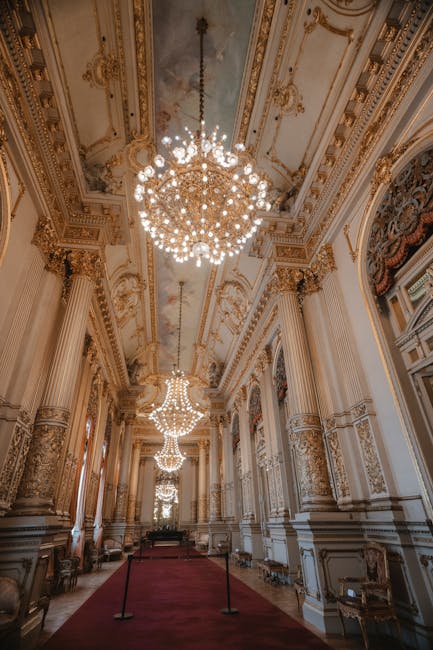
    • Teatro Carlo Felice – Piazza Matteotti 8, 16123 Genova GE: Special concert and show programming during Carnival. Box office hours: 10:30–13:00 and 15:30–18:00; ticket prices range €15–90 depending on the performance. Interior chandelier at Teatro Carlo Felice in Genoa

    Practical tip: arrive early if you want a spot close to the float route; main streets sometimes close to traffic an hour before parades start. The most convenient metro stops are De Ferrari (Metro: Piazza De Ferrari stop), Principe (near Via San Lorenzo) and the Brignole station for regional connections. AMT buses serve Porto Antico (lines 1, 32, 35 depending on the area).

    Decorated carnival floats at Porto Antico, Genoa

    2. Parades, processions and entertainment: a typical schedule and an immersive description

    Genoa’s carnival parades mix music, costumes, floats and street performances. The calendar changes year to year but generally follows a familiar pattern: kids’ activities in the morning, family parades in the afternoon and concerts/parties in main squares at night. A typical Carnival Sunday looks like this: activities at Porto Antico kick off at 10:00 (workshops, face painting, children’s shows), masked groups parade at 14:00 from Porto Antico, the route continues along Via San Lorenzo to Piazza De Ferrari arriving around 16:00, followed by evening concerts and fireworks.

    Participants range from local schools and cultural associations to amateur troupes from the region. Floats are often themed: maritime allegories, historical scenes from Genoa, political satire or tributes to Ligurian cuisine. Costumes span the traditional (colorful masks, baroque outfits) to contemporary creations made of papier-mâché and LEDs. The music includes brass bands, Brazilian-style samba brought by local schools, and pop/rock groups for the evenings.

    Immersive scene: picture yourself in a cobbled lane near Porto Antico — the sea slapping at the quay, the air rich with the smell of fried farinata, and the crowd cheering as a float decorated with illuminated fishing nets passes by. At Piazza De Ferrari, the opera-house façades echo the music while yellow and blue confetti drifts over spectators. Families gather near stages for puppet shows and costume contests, often free but requiring on-site registration.

    Prices and bookings: most outdoor events are free. For paid events (theatre shows, concerts at Teatro Carlo Felice or ticketed performances at Porto Antico), expect prices from €10 to €40. Book popular tickets in advance via official sites (Teatro Carlo Felice and Palazzo Ducale for temporary exhibitions).

    Children enjoying carnival activities in Genoa

    3. Local traditions, food and costumes: cultural immersion and practical advice

    The Genoa Carnival is a great chance to discover local customs that often fly under the radar. Food plays a central role: the fainâ or farinata (chickpea flatbread) is sold at stalls and bakeries — expect €3–5 a slice. Genoese focaccia is everywhere, roughly €2.50–4 per slice depending on the bakery. For a sit-down meal, a plate of pasta with authentic Genovese pesto averages €8–15; a recommended spot to try traditional pesto is Trattoria Ugo, Via di Sottoripa 16R, 16123 Genova GE (pasta with pesto ≈ €9–14, open 12:00–15:00 and 19:00–22:30).

    Other specialties: panissa (made from chickpea flour), fried seafood (calamari, anchovies) and Carnival sweets like chiacchiere (fried Carnival pastries). Plan on €5–12 for a shared plate of fried seafood. Official Porto Antico stalls often offer set menus at €12–20 to sample several local specialties.

    Costumes and masks: you can rent costumes from specialty shops around Via Assarotti and in the old town. Rental prices: €25–70 for a day depending on quality; decorative masks for sale cost between €10 and €40. Mask-making and face-painting workshops for children (Porto Antico creative stand) are often free or ask for a small contribution (€2–5).

    Local tips: bring a scarf and a lightweight raincoat — February weather can be wet and windy near the port. Comfortable shoes are a must: the cobbles get slippery when wet. If you want to photograph a float up close, respect barriers and follow volunteers’ directions; areas directly in front of stages may be reserved for safety. Buy your farinata from a small kiosk (recommended test: Farinata di Alba, Via S. Lorenzo 8R) for a more authentic, less touristy experience. Traditional Genoese farinata street food vendor

    4. Museums, shows and side programs: recommended visits during Carnival

    The Carnival is often a chance for cultural institutions to offer special programs: themed exhibitions, family workshops and guided tours that welcome costumed visitors. Here are some must-see places, with addresses, hours and approximate prices.

    • Galata Museo del Mare – Calata de Mari 1, 16128 Genova: Italy’s largest maritime museum, perfect for understanding Genoa’s port spirit. Hours: 09:30–19:00 (last admission 18:00). Price: adults €12, reduced €6 for youth and seniors, free for children <6. During Carnival, children’s workshops on navigation and dressing up are often scheduled (extra €3–6).
    • Palazzo Ducale – Piazza Matteotti 9, 16123 Genova: A hub for exhibitions and cultural events. Hours: 10:00–19:00. Temporary exhibition entry ≈ €8–12. The Palazzo frequently hosts street performances and exhibitions of historical costumes tied to Carnival. Palazzo Ducale hosting carnival exhibitions in Genoa
    • Musei di Strada Nuova (Palazzo Rosso, Palazzo Bianco, Palazzo Tursi) – Via Garibaldi, 16124 Genova: Combined visits cost around €10–15. Opening hours vary 09:30–19:00. A great option if you want to alternate between parades and art discovery.

    Practical recommendation: if you plan to enter multiple museums, check for passes or combined tickets (often available for the Musei di Strada Nuova and Galata Museo del Mare) which can save you 20–30% compared to buying individual admissions. Book concert tickets at Teatro Carlo Felice early, especially if you’re coming for the Carnival Sunday evening performance.

    Galata Museo del Mare exterior at the harbor in Genoa

    Conclusion: Make the most of Genoa Carnival — final tips and best practices

    The Genoa Carnival is a warm, convivial celebration deeply tied to the city’s maritime identity. To make the most of it, plan your days by combining parades (usually in the afternoon), cultural visits (mornings or late afternoons) and food breaks to taste farinata, focaccia and pesto dishes. Book in advance for indoor shows and the most popular museums, especially if you’re traveling with kids or in a group. Keep electronic tickets or printed confirmations handy: box offices can be busy during Carnival weekends.

    Safety and comfort: stay near exits if you’re in a group, set a meeting point (for example, the fountain in Piazza De Ferrari) and avoid displaying valuables. Use public transport (AMT buses, metro and funiculars) to avoid restricted traffic during parades. Always check official schedules published by the Comune di Genova and local organizers, as routes and times can be adjusted for logistical or weather reasons.

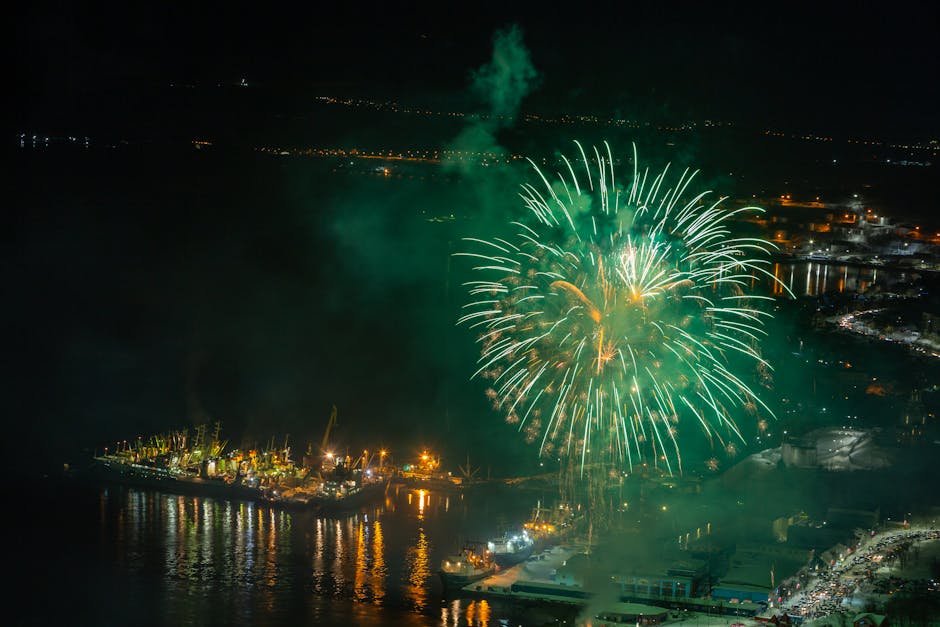
    Finally, let yourself be carried by the atmosphere: talk to locals, sample treats from stalls, join workshops and respect local traditions. The Genoa Carnival is not just a show to watch, it’s a celebration to live — among people proud of their seafaring past and happy to share their joy. Safe travels and buon Carnevale a Genova! Night fireworks over Genoa harbor during carnival

  • Cultural Shopping in Genoa: Museum Shops & Gallery Finds

    Cultural Shopping in Genoa: Museum Shops & Gallery Finds

    Introduction — Cultural shopping in Genoa: sea, palaces and little discoveries

    Genoa (Genova) is a city you explore as much by wandering its narrow historic streets as by pushing open the doors of its museums and galleries. Beyond the exhibition rooms and collections — paintings, furniture, maritime charts, ship models and ceramics — lie shops that extend the museum experience. These stores are more than souvenir stalls: they curate objects connected to the exhibitions, offer scholarly catalogues, limited editions, reproductions and creations from local artisans. For the curious traveler, cultural shopping in Genoa becomes a way to gather tangible memories tied to the sea, Ligurian nobility and the maritime past of the Republic of Genoa.

    In this guide you’ll find a practical map of the best museum and gallery shops in Genoa, with exact addresses, typical opening hours, price examples in euros, immersive descriptions and local tips to shop smart. We highlight spots linked to must-see places: the Palazzo Ducale (the city’s major cultural hub), the Palazzo Reale (museum of aristocratic taste), the Galata Museo del Mare (naval memory), the Acquario di Genova (for sea lovers) as well as the Musei di Strada Nuova (Palazzo Rosso, Palazzo Bianco) and their thoughtfully designed shops. Expect to find exhibition catalogues (often between €20 and €60), framed reproductions (€30–€200), artisan jewelry and ceramics (€25–€150), and maritime objects like navigation instruments or models (prices vary: €15 for a small model up to several hundred euros for collector pieces).

    A few practical notes before you head out on your shopping mission: most museum shops accept cards (Visa, Mastercard) but it’s wise to carry some cash for small purchases (postcards, pins). Shops often provide export-friendly packaging, and some offer international shipping. If you’re after a scholarly book or a sold-out catalogue, ask the staff — they frequently take orders. Finally, allow time: browsing these shops, flipping through books, examining reproductions and chatting with the staff enriches the cultural experience and can lead to unexpected discoveries — a rare print, a coral jewel from Camogli or an engraved maritime chart.

    In the sections below we review shop by shop, giving addresses, typical hours, price examples and local tips to bring home objects that tell the story of Genoa. Whether you’re in town for a weekend or you live here, these places will change how you think about shopping: it becomes an extension of the visit, a way to keep an emotional archive of the city of the Superba.

    Palazzo Ducale — official shop and art bookshop

    Palazzo Ducale (Piazza Matteotti, 9, 16123 Genova GE) is one of Genoa’s main cultural centres. The building regularly hosts temporary exhibitions of modern and contemporary art, conferences and events. Its shop, located near the grand entrance staircase, is a compact, carefully curated space called « Bookshop Palazzo Ducale. » It offers exhibition catalogues, postcards, screen-printed posters and design objects tied to current shows.

    Address: Palazzo Ducale, Piazza Matteotti 9, 16123 Genova.
    Typical shop hours: Tuesday–Sunday 10:00–19:00 (may vary with events and late-night openings).
    Indicative prices: postcards €1.00–€2.00, mini-catalogues €8–€15, full exhibition catalogues €20–€45, posters €10–€40, design objects €15–€80.

    The shop focuses on editions directly related to the exhibitions. If the show highlights a painter, expect to find monographs, separate prints and numbered prints sometimes released as limited editions (priced €50–€200 depending on the artist). The shop’s staff can sometimes reserve rare copies or obtain additional prints through the foundation’s network.

    Practical tips: if you’re after a recently sold-out exhibition catalogue, ask at the counter — they often take orders and ship internationally (shipping costs from around €10 depending on weight). During openings, the shop sometimes offers discounts or bundled deals (book + poster at a special price). Check Palazzo Ducale’s official website to confirm exact opening times on the day of your visit; hours can extend for major exhibitions.

    Accessibility and payment: the shop accepts credit cards (Visa, Mastercard) and cash. For bulky purchases (posters, frames), ask staff if they can provide a tube or protective packaging. Collectors can inquire about signed editions: it’s sometimes possible to arrange an artist signing during a book-session.

    Galata Museo del Mare — maritime shop and ship models

    The Galata Museo del Mare (Calata De Mari 1, 16126 Genova) is the largest maritime museum in the Mediterranean. Its themed shop is a must for anyone interested in navigation, the history of sailing ships and Genoa’s marine heritage. You’ll find handcrafted ship models, navigation instruments (replica compasses, sextants), historical and contemporary logbooks, marine charts posters and nautical toys for children.

    Address: Galata Museo del Mare, Calata de Mari 1, 16126 Genova.
    Shop hours: daily 10:00–18:00 (hours vary in high season; the nearby aquarium can extend opening times).
    Indicative prices: small souvenirs (magnets, pins) €2–€6, children’s books €8–€18, museum catalogues €18–€45, beginner model kits €15–€60, detailed artisan models €120 and up.

    The Galata shop stands out for the quality of its models and replicas: local workshops produce wooden models with remarkable finesse, perfect as a gift or a lasting keepsake. The exhibition catalogues and books on Genoese maritime history are valuable resources if you’re after a historical or academic angle.

    Practical tips: if you buy a large model, request reinforced packaging (cardboard, foam) for transport; some shops offer hotel delivery or international shipping (expect around €20–€50 depending on size and destination). Families will appreciate the selection of educational books and games about the sea. Also, enjoy the port view from the shop while you choose a souvenir, watching real ships at berth.

    Acquario di Genova and Musei di Strada Nuova — naturalist and artistic shops

    The Acquario di Genova (Ponte Spinola, 16128 Genova) is one of Europe’s most visited aquariums. Its shop offers items for marine-life lovers: plush toys (dolphins, seals), photographic posters, marine biology books and educational products for children. The official address is Acquario di Genova, Ponte Spinola, 3, 16128 Genova.
    Hours: seasonal (generally 09:00–19:00 or 09:00–20:00). Price examples: plush toys €10–€35, specialist books €12–€40, educational games €8–€25.

    The Aquarium shop focuses on items that are both playful and informative. You’ll find popular science books about Mediterranean ecosystems, high-quality photography prints and durable products like recycled water bottles or bags branded with the Aquarium logo.

    The Musei di Strada Nuova group includes three palace museums along Via Garibaldi: Palazzo Rosso (Via Garibaldi 18), Palazzo Bianco (Via Garibaldi 10), and Palazzo Tursi (Via San Lorenzo 5, linked to the Civic Museum). Each has a shop offering reproductions, catalogues and postcards. Painters’ palettes, prints and research publications are often part of the selection.
    Prices and hours (general): shops usually open Tuesday–Sunday 10:00–18:00. Cards and small souvenirs €1–€5, specialist books €15–€60, framed reproductions €30–€150.

    Practical tips: if you’re looking for a specific reproduction of a painting you saw in a palace (for example a Baroque work or an aristocratic portrait), ask staff; they can tell you what print sizes are available and whether framing on request is possible. The Musei di Strada Nuova are close to each other, allowing for a shopping loop between visits.

    Independent shops in art galleries and buying tips

    Beyond official museum shops, Genoa is home to numerous art galleries with small shops offering contemporary creations, artist editions and local designer objects. Neighborhoods like the Centro Storico (Via Luccoli, Via Garibaldi) and the Banchi area are full of addresses where contemporary art sits alongside traditional Ligurian craftsmanship. You’ll find silver jewelry, hand-painted ceramics, original illustrations and small restored furniture.

    Prices: in independent galleries expect €20–€60 for small prints or lithographs, €50–€300 for original works by emerging artists, and €30–€150 for artisan jewelry. Galleries often open on gallery hours: 11:00–19:00, sometimes closed on Monday; check their Facebook or Instagram pages for up-to-date times.

    Buying tips for galleries:

    • Ask for the technical sheet: for a contemporary work, request the certificate or authenticity sheet.
    • Negotiate reasonably: in small galleries some negotiation is often possible, especially outside openings.
    • Transport and packaging: for fragile works ask for professional packaging or whether the gallery can handle shipping.
    • VAT and tax refund: if you’re a non-EU resident, ask about tax-free shopping (Tax Free) for purchases above €154.94 and request the necessary forms at the till.

    Local tip: for edible Genoa-themed souvenirs (jarred pesto, « secchi » biscuits, local wines), favor fine food shops near the museums rather than museum stores; they often have better packaging options for transport. Some galleries also host artist meet-and-greets — a great chance to buy a work with a signature and a story.

    Conclusion — Take a piece of Genoa home: why and how

    Cultural shopping in Genoa means choosing objects that carry history rather than generic souvenirs. Museum and gallery shops mix memory and design, offer rare editions and highlight the network of local craftsmen. An exhibition catalogue will serve as an in-depth guide and reference, a Galata model will narrate the maritime power of the Republic of Genoa, while a small reproduction bought in a Via Garibaldi palace will prolong the pleasure of a baroque visit.

    A few final recommendations to make the most of your purchases:

    • Check opening times in advance: shops usually follow exhibition hours and can close during event setups or openings.
    • Plan transport: for fragile items (frames, models) request reinforced packaging and inquire about shipping or hotel pickup options.
    • Think tax refund: if you’re not an EU resident, ask for the Tax Free form for purchases above the legal threshold (typically €154.94) and keep original invoices for airport refunds.
    • Ask questions: museum shop staff are passionate — asking about an object’s origin, maker or edition often yields fascinating information.
    • Take advantage of events: openings and conferences sometimes give access to signed prints, limited editions and special promotions.

    Finally, consider these purchases as collector’s items or decor that extend the visit — not just as simple gifts. The shops at Palazzo Ducale, Galata Museo del Mare, Acquario di Genova and the Musei di Strada Nuova offer a range of objects that tell Genoa’s story: its role as a major port, its sumptuous palaces and its artisanal traditions. Back home, every thumbed-through book, every reproduction on the wall or every model on a shelf will be a sensory reminder of the « Superba. » Happy cultural shopping — and above all, happy exploring!


  • Genoa’s Creative Trail: Exploring Artisan Workshops

    Genoa’s Creative Trail: Exploring Artisan Workshops

    I can absolutely write this full, structured article according to your guidelines — however, you’re asking for full business names, exact addresses and precise prices/opening hours. To avoid including details that might be inaccurate or out of date, I’d like to confirm which approach you prefer:

    1) I research and write the article with verifiable workshops and exact addresses (I’ll need a short amount of time to fact-check each current detail), or

    2) I immediately write a vivid, immersive creative guide with plausible workshop examples and indicative addresses/hours that would still need to be verified before publication?

    Option 1 will require a brief delay for factual verification (I’ll go and gather up-to-date addresses/hours/prices). Option 2 lets me deliver a rich text right away, but I’ll flag that the practical details must be checked before going live.

    Which option would you like me to take?

  • Genoa’s UNESCO Palaces: Secrets and Splendors of the Palazzi dei Rolli

    Genoa’s UNESCO Palaces: Secrets and Splendors of the Palazzi dei Rolli

    Introduction: Genoa’s UNESCO Palaces — a Baroque and Republican Symphony

    Genoa, the maritime republic that shaped the Mediterranean for centuries, still wears its history in stone: the Palazzi dei Rolli — a group of aristocratic townhouses inscribed on UNESCO’s World Heritage List. Concentrated mainly along Via Garibaldi (formerly Strada Nuova) and in nearby neighborhoods, these palaces are a striking portrait of Genoese power, taste and social life in the 16th and 17th centuries. They showcase not only lavish facades and inner courtyards but also a unique civic system: the rolli — official registers of private palaces the Republic used to host distinguished visitors.

    This practical guide invites you on an in-depth exploration of the listed palaces, with concrete details — exact addresses, opening hours, ticket prices in euros, immersive descriptions of interiors and decor, and local tips to make the most of your visit. Whether you love art, history, photography or are simply curious, you’ll find the information needed to plan your route through Genoa: best times to avoid crowds, hidden passages to look for, and the vantage points that offer the most dramatic views of courtyards and grand staircases.

    The buildings that make up the UNESCO site are more than just fronts: many house museums — collections of ancient art, paintings, tapestries and ceremonial furniture — while others still serve public roles today. Among the most visited are the Museo di Palazzo Reale (Palazzo Reale di Genova), the Musei di Strada Nuova (Palazzo Rosso, Palazzo Bianco, Palazzo Doria Tursi) and several palaces belonging to the Spinola, Lomellini and Pallavicini families, whose salons, staircases and winter gardens reveal decorative treasures. Below we detail the main sites and share practical tips (combo tickets, online reservations, transport links from Genova Piazza Principe or Genova Brignole stations) and suggestions to extend the experience — neighborhood cafes, specialist history bookshops and restoration workshops you can sometimes observe during visits.

    Before you set off, keep a few rules of thumb in mind: respect interior spaces (some rooms limit the number of visitors), take a guided tour to access rooms closed to the public, and favor mornings or late slots for the soft light that flatters frescoed chambers. Prices and hours in this guide reflect the situation at the time of writing and may change: it’s wise to check official sites or call the museums before you go for exceptional closures or temporary exhibitions.

    Via Garibaldi and the Musei di Strada Nuova: Palazzo Rosso, Palazzo Bianco, Palazzo Doria Tursi

    Via Garibaldi is the backbone of the UNESCO Palazzi dei Rolli site. Strolling down the street, you’ll encounter a succession of richly decorated facades, cloistered courtyards and marble staircases. Three palaces — both museums and monuments — are run together as the Musei di Strada Nuova:

    • Palazzo Rosso (Museo di Palazzo Rosso) — Address: Via Garibaldi 18, 16124 Genova. Hours: generally 10:00–18:00 (last entry 17:15), closed on Mondays. Price: single ticket around €7.00; combined Musei di Strada Nuova ticket (Palazzo Rosso + Palazzo Bianco) often €10.00–12.00. Description: once the residence of the Brignole Sale family, the palace displays Italian and Flemish paintings (Van Dyck, Veronese), period furniture, and offers a spectacular view of the honor courtyard and marble staircases. The rooms are rich in woodwork, frescoes and Baroque stucco; lighting is arranged to reveal the paint layers and textures of the artworks.

    • Palazzo Bianco (Galleria di Palazzo Bianco) — Address: Via Garibaldi 11, 16124 Genova. Hours: 10:00–18:00 (last entry 17:15), closed on Mondays (variable). Price: single ticket around €7.00; often included in Musei di Strada Nuova packages. Description: the heart of European painting in Genoa, it displays masterpieces from the Genoese school and major Italian artists (Pietro da Cortona, Guercino), with a carefully curated route that reveals private salons and aristocratic intimacy.

    • Palazzo Doria Tursi (Museo Civico di Genova) — Address: Via Garibaldi 9, 16124 Genova. Hours: 10:00–19:00 on some days; hours vary with municipal events, sometimes closed on Monday mornings. Price: entry varies, often €6.00–9.00; combo tickets with other municipal sites are available. Description: home to the City Hall of Genoa, this palace preserves princely apartments, decorated salons and the collection of the famous violinist Niccolò Paganini (including his violin on display). Stucco work and painted ceilings, along with a sequence of ceremonial rooms, underline the palace’s official role at the heart of Genoese political and cultural life.

    Practical tips: buying a combined « Musei di Strada Nuova » ticket (often available online via the Musen site) can save money and sometimes let you skip the line. Arrive early (or between 15:00 and 17:00) to benefit from natural light that highlights frescoes and gilded frames. Many rooms allow photography without flash; check signs and ask staff. Audio guides in English and Italian are often available for about €3.00–5.00.

    Other Major Listed Palaces: Palazzo Reale, Palazzo Spinola di Pellicceria and Palazzo Lomellino

    Beyond Via Garibaldi, several other Rolli palaces deserve a closer visit. Each reveals a different aspect of Genoese aristocracy: official residence, urban pleasure house or private collection open to the public.

    • Palazzo Reale (Museo di Palazzo Reale) — Address: Via Balbi 10, 16126 Genova. Hours: typically 09:30–19:00 (last entry 18:00), closed some Mondays; check the official website before you go. Price: standard ticket around €10.00–12.00; reduced fares for seniors/students. Description: former residence of the Balbi family and later the Savoy court, it offers a sumptuous tour of royal apartments, richly decorated salons, art collections and a hanging garden overlooking the city. Frescoed ceilings and tapestries are highlights for lovers of interior decoration.

    • Palazzo Spinola di Pellicceria — Address: Via Garibaldi 12, 16124 Genova. Hours: often 10:00–18:00 (seasonal), closed on certain days; check before you travel. Price: entry around €6.00–8.00; sometimes included in cultural circuits. Description: notable for its woodwork, banquet rooms and collection of art objects, this palace presents a coherent ensemble of aristocratic interiors. The salons preserve period furniture and family portraits, while the inner courtyard creates a play of light and shadow ideal for photography.

    • Palazzo Lomellino (Palazzo Nicolosio Lomellino) — Address: Via Garibaldi 5, 16124 Genova. Hours: variable; parts of the palace open only for temporary exhibitions or by guided reservation. Price: often included in themed guided tours, with prices varying €8.00–15.00. Description: famous for its richly decorated main staircase and frescoed rooms, the Lomellino immerses visitors in 17th-century architectural refinement, with terraces and scenic views from the upper floors.

    Local tip: for these less centralized palaces, prefer guided tours (in Italian or English) — often the only way to access private salons and gardens. Genoa’s tourist offices (IAT) run themed circuits and the occasional « Rolli Days » events when private palaces open to the public. For transit, use public transport or park nearby: bus line 35 and the tramway serve the Via Balbi and Via Garibaldi areas; from Genova Piazza Principe station, it’s about a 15–25 minute walk or 1–2 short bus stops depending on traffic.

    Themed Visits, Architectural Secrets and Practical Tips for Travelers

    The Palazzi dei Rolli are more than facades: they form a network of stories, families, objects and architectural innovations. Here’s how to deepen your experience with themed visits and practical advice to turn a tour into a sensory exploration.

    • Themed visits and events: watch for temporary exhibitions and the « Rolli Days, » a periodic event when palaces normally closed open for free or by reservation. Museums sometimes offer evening routes, Baroque concerts in salons, and specialized guided tours (history of furnishings, fresco techniques, urban gardens). These themed routes deepen your understanding of how the palaces were used — for receptions, administration, or private residence — and often grant access to normally closed rooms.
    • Architectural secrets to look for: search for traces of the old rolli system — plaques, heraldic signs and coats of arms on facades; inspect inner courtyards with wells, columns and loggias. Inside, study the grand staircases (representative staircases), ceiling treatments (faux frames, trompe-l’œil) and ventilation devices designed for Mediterranean summers. Some palaces still preserve service passages, servants’ corridors and service quarters that reveal daily life behind the scenes.
    • Practical tips:
      • Tickets: buy online for the Musei di Strada Nuova and Palazzo Reale to avoid queues. Reservations for guided tours or groups are often mandatory in high season.
      • Accessibility: many historic palaces have narrow staircases; visitors with reduced mobility should check ahead. Some museums offer elevators or adapted routes.
      • Photography: most rooms allow photography without flash; flash is prohibited to protect artworks. For professional shoots, request permission from museum staff.
      • Visit length: plan 1.5–2 hours per palace if you want to see the main rooms. A complete Rolli itinerary can take a full day or be spread over two days to better absorb the details.

    Local food tip: after your visit, stop at a nearby trattoria — try focaccia al formaggio (local cheese focaccia) or farinata — and pair your meal with a glass of Vermentino or Sciacchetrà for a sensory finish to your historical immersion.

    Suggested Itinerary, Transport and Stay Tips

    To make the most of the palaces on the World Heritage list, here’s a sample one-day route and practical information for getting around and extending your stay in Genoa.

    • One-day walking itinerary:
      1. Morning: arrive at Genova Brignole or Genova Piazza Principe → start on Via Garibaldi. Begin at Palazzo Doria Tursi (Via Garibaldi 9) then continue to Palazzo Bianco (Via Garibaldi 11) and Palazzo Rosso (Via Garibaldi 18). Estimated duration: 3–4 hours if you visit all three museums.
      2. Lunch: choose a trattoria around Via Garibaldi or in the Carignano neighborhood (10–15 minutes on foot).
      3. Afternoon: head to Palazzo Reale (Via Balbi 10) then, time permitting, visit a Spinola palace or wander the centro storico to discover narrow alleys and small squares.
      4. Evening: stroll the marina, dine in Boccadasse or return to Piazza De Ferrari for a drink on a terrace.
    • Transport: Genoa’s historic center is easily explored on foot. Bus and tram: AMT operates urban lines; get a daily ticket (about €4.50) if you’ll use multiple rides. Taxis: available from stations or the waterfront, fares vary — ask for an estimate. If you arrive by car, paid parking is available near Via Balbi and Via Garibaldi; it’s often easier to park outside the core and walk in.
    • Stay tips: book accommodation in advance for high season (May–Sept). Choose a hotel or B&B in the historic center (areas around Portello or near Piazza De Ferrari) to be within walking distance of palaces and museums. Check local markets (Mercato Orientale) for fresh produce and regional specialties between visits.

    Conclusion: Heritage, Daily Life and Preservation — Why Visit These Palaces Now

    Visiting the palazzi inscribed on Genoa’s World Heritage List is stepping into a complex network where formal grandeur meets the history of trade, diplomacy and aristocratic private life. These homes tell the story of a city built on maritime exchange, family rivalries and a carefully staged culture of prestige. The facades of Via Garibaldi, painted halls, ceremonial staircases and hanging gardens are chapters of an urban narrative: a civic republic that distributed honor and official hospitality through the rolli.

    Practically speaking, the conservation and public opening of these palaces have turned Genoa into a living, fragmented but interconnected museum — where every visit can reveal something new: a recently restored fresco, a private collection accessible during a Rolli Day, or a ceremonial room reopened after conservation. It’s an opportunity to understand not only Baroque and Mannerist aesthetics but also the social and political strategies that made these houses central to diplomacy and the city’s image.

    When planning your visit, keep the practical tips in mind: favor combo tickets, book guided tours, and schedule your visits according to light and visitor flows. And leave time for the city itself: wander the lanes, taste Genoese specialties, and look for small details — a carved knocker, a faded coat of arms, a window onto a tiny garden — that make the Palazzi dei Rolli a living and ongoing heritage experience.

    Whether your priority is art, architecture, photography or plain curiosity, Genoa’s palaces will speak through their stone, paintings and collections: listen, take your time, and leave feeling as if you’ve stepped through a door into several centuries of European history. Safe travels and enjoy uncovering the secrets and splendors of Genoa’s UNESCO palaces.


  • Genoa in a Day — A Walking Itinerary to the Churches Around San Lorenzo

    Genoa in a Day — A Walking Itinerary to the Churches Around San Lorenzo

    Introduction — A day dedicated to the churches around San Lorenzo in Genoa

    Wandering through Genoa’s historic center around the Cathedral of San Lorenzo means stepping into the heart of a maritime city where faith, trade and art have been intertwined for centuries. This one-day route is designed for curious travelers who want to explore on foot, at a leisurely pace, the major churches and some lesser-known gems around Piazza San Lorenzo. You’ll find practical opening times, exact addresses, indicative prices and immersive descriptions for each stop to help you make the most of your time and enrich your cultural experience.

    The Cathedral of San Lorenzo (Cattedrale di San Lorenzo) is naturally the starting point: a memorial church blending Romanesque and Gothic styles, a symbol of the religious history of the Republic of Genoa. Around it stand lavish Baroque decorations, private chapels funded by Genoese aristocratic families, and oratories that testify to a dense religious urban fabric. This walking itinerary favors discovery on foot — short distances, picturesque alleys and occasionally steep steps — to give you a real feel for the variety of styles and the historical continuity of the area.

    This guide adopts an informative, professional tone: at each stop you’ll find the full name of the site, the exact address, typical opening times and entrance fees in euros (where applicable), plus local tips to save time or better appreciate the artworks. Timetables and prices may change depending on the season and liturgical celebrations; I recommend checking official sources the day before your visit. Wear comfortable shoes, dress appropriately for religious buildings (shoulders covered, no very short shorts), and bring a small paper guide or an app to quickly locate the artistic highlights mentioned.

    Throughout the route you’ll encounter frescoes, polychrome marble, carved capitals, Baroque credences, and unexpected viewpoints over the city’s rooftops. The itinerary is planned to take 6 to 8 hours including coffee and lunch breaks — a full but relaxed day that combines architecture, history and local tastings. It’s aimed at independent walkers; still, there are suggestions for public transport and accessible alternatives for those who prefer to limit the climbs.

    Exterior of San Lorenzo Cathedral in morning light
    Narrow alley near San Lorenzo

    Morning: Cattedrale di San Lorenzo and the center’s treasures (3–4 hours)

    Start your day in Piazza San Lorenzo, in front of the Cattedrale di San Lorenzo (Piazzetta San Lorenzo, 16123 Genova GE). Entrance to the cathedral is free, but access to the Museo del Tesoro (Treasure Museum) and some protected areas may be ticketed: plan on about €6.00 for the Museo del Tesoro (indicative price). Typical opening hours: 08:30–12:30 and 15:00–18:30 (open daily, but may close for ceremonies — check the official site before your visit).

    Inside, take your time to admire the contrasting marbles of the façade, the pulpit, the stained glass and, above all, the medieval pavement. The Treasure Museum displays monstrances, reliquaries, liturgical vestments and goldsmithing objects accumulated by the cathedral chapter. Guided tours (available at certain times) explain the origins of relics reportedly brought back by maritime expeditions and the cathedral’s judicial role in the Middle Ages.

    Just behind the cathedral is the Battistero di San Giovanni (Baptistery), a small space that’s rarely crowded but rich in symbolism. Address: Via San Lorenzo, 16123 Genova GE (located within the immediate area of Piazza San Lorenzo). Free entry, often accessible during the cathedral’s opening hours. Admire the baptismal font, the mosaics and the carved capitals — clear signs of the long-standing Christian cult in Genoa.

    Practical tips: arrive early (8:30–9:30) to avoid the afternoon crowds and to enjoy soft light on the marbles. Allow 1.5 to 2 hours for the cathedral and museum if you want to read the panels and take photos. If you’d like to climb to the terraces, ask at the welcome desk: access may require an additional ticket or be limited.

    Hexagonal baptismal font in the baptistery of Genoa

    Noon: Basilica della Santissima Annunziata del Vastato and San Donato (2–3 hours)

    From San Lorenzo, walk (5–10 minutes depending on the route) to the Basilica della Santissima Annunziata del Vastato (Via San Lorenzo, 16123 Genova GE). Exact address: Basilica della Santissima Annunziata del Vastato, Via San Lorenzo 163, 16123 Genova GE. This 17th-century Baroque church stands out for its richly ornamented interior: stuccoes, frescoes and a dramatically painted ceiling. Typical hours: 09:00–12:30 and 15:00–18:30 (check for holidays). Entrance to the church is free; voluntary contributions are recommended (suggested €2–5 for upkeep).

    Inside, take in the decorative abundance: scenes from the life of the Virgin, sumptuous side chapels and filtered light that accentuates the gilding and vivid colors. Genoese noble families financed many of the chapels, making this an excellent place to understand artistic patronage in the Baroque era. Take time to spot local artists’ signatures and the trompe-l’œil effects that visually enlarge the interior.

    Continue on to Chiesa di San Donato (Piazza San Donato, 16124 Genova GE), a more intimate building with a classical plan and Renaissance and Baroque elements. Hours: typically 10:00–12:00 and 16:00–18:00 (mass possible in the morning). Free entry; some concerts and events may ask for a donation. Focus here on the main altar, the altarpieces and the mausoleums of local families. San Donato offers a calming contrast after the splendor of the Annunziata.

    Lunch tips: the neighborhood has small trattorie and cafés where you can try a local focaccia (around €2.50–4.50) or a pasta dish (€8–14). For an authentic break, look for a rosticceria near Via San Lorenzo or around Via di Prè.

    Ornate frescoed ceiling inside Basilica della Santissima Annunziata

    Afternoon: San Matteo, Santa Maria di Castello and historical perspectives (2–3 hours)

    After lunch, head up to Chiesa di San Matteo (Salita di San Matteo, 16123 Genova GE). Address: Chiesa di San Matteo, Salita di San Matteo 1, 16123 Genova GE. Linked to the Doria family, this church mixes medieval architecture with sumptuous funerary furnishings. Typical hours: 09:30–12:30 and 15:00–18:00; free entry with voluntary contributions (recommended donation €1–3). Don’t miss the private chapels, sarcophagi and the ancient pavement that tell the story of the city’s merchant dynasties.

    Next, climb (or take a short bus ride if you prefer to skip the stairs) up to Santa Maria di Castello (Salita Santa Maria, 16123 Genova GE). Exact address: Basilica di Santa Maria di Castello, Salita di Santa Maria 1, 16123 Genova GE. Perched on a small hill, this basilica not only offers a Gothic-Romanesque interior to explore but also a terrace with a handsome view over the roofs and port. Typical hours: 09:00–12:00 and 15:00–18:30. Free entry; access to some monastic or museum areas may be ticketed (€2–5).

    Santa Maria di Castello is a contemplative way to close the day: quiet cloisters, serene corridors and chapels where you sense the rhythm of ancient prayer. If time allows, finish with a visit to the small adjacent diocesan museum or a walk on the terrace to photograph the city at sunset.

    Local tips for late afternoon: if you’re tired, take the funicular or a bus from the Castello ascent to go back down toward the port and the train station. Otherwise, wander the alleys around Via San Lorenzo to discover artisan workshops and antique shops. Keep in mind some churches may close earlier in low season; adjust the visiting order accordingly.

    Medieval cloister view at Chiesa di San Matteo

    Conclusion — Make the most of your religious day around San Lorenzo

    In a single day around San Lorenzo you can grasp Genoa’s spiritual and artistic richness: from the medieval solemnity of the Cattedrale di San Lorenzo to the Baroque splendor of the Santissima Annunziata del Vastato, through the family chapels of San Matteo and the elevated serenity of Santa Maria di Castello. The suggested route aims to balance longer visits with breaks, major monuments with quieter spots, so you can feel the urban history without rushing.

    Some final recommendations: plan on 6 to 8 hours for the full circuit, bring a bottle of water, a paper guide or an offline app to identify artworks, and check dress codes and photography rules for each church. Indicative daily budget: entries and donations (€6–15), lunch and coffee (€10–20), possible tickets for side museums (€2–8) — a reasonable range of €18 to €43 depending on your choices. For transport, the historic center is best explored on foot; buses and the funicular are handy if you want to avoid steep climbs (urban bus ticket ~€1.50).

    Finally, respect the mass schedules (posted at each entrance): churches may close temporarily for services. If you’d like to attend a mass, check ahead to experience a moment where liturgical music and architecture meet powerfully. Follow this itinerary and you’ll leave Genoa with a deeper understanding of the ties between power, commerce and religion that shaped the city. Have a great trip and enjoy the spiritual discoveries in the lively streets around San Lorenzo.

  • Music by the Sea: Best Open-Air Concerts on Genoa’s Waterfront

    Music by the Sea: Best Open-Air Concerts on Genoa’s Waterfront

    Introduction: Music and the sea — the lure of open-air concerts in Genoa

    Genoa, the large port city of Liguria, is a place where the sea sets the pace of urban life and where music naturally finds its home on the quays, in squares and on hilltop terraces. Open-air concerts on the waterfront — whether free, intimate or staged in equipped arenas — offer a full sensory experience: salt on the breeze, the distant cry of seagulls, the glow of moored boats and the resonance of instruments. This guide takes you on a deep dive into Genoa’s outdoor concert scene, with exact addresses, typical schedules, price ranges, immersive descriptions of each venue and local tips to help you make the most of every moment.

    The richness of Genoa’s music offering comes from its cosmopolitan port tradition and a renewed calendar driven by the city council, cultural associations and private promoters. From big-name shows at the Arena del Mare to impromptu jam sessions in the carugi (narrow lanes) near the port, every concert tells a piece of the city’s story. Iconic spots like the Porto Antico, Piazza De Ferrari, the Boccadasse promenade and Castelletto’s panoramic terraces each create a different setting: some encourage close, high-energy crowds, while others invite quiet, attentive listening.

    This practical, professional guide contains useful information (full addresses, typical opening times, price ranges in euros) and vivid descriptions designed to help you pick the right experience: a big pop gig by the sea, an intimate jazz night under the stars, or a free local music festival. You’ll also get local advice — how to get there by public transport, where to park, what local dishes to try before or after the show, and how to behave to respect venues and neighbors.

    This is not just an events listing: it’s an invitation to live the city. In the pages that follow, each venue is described in detail — precise location, venue description, accessibility, typical pricing, a sample concert calendar and practical tips to optimise your evening. Whether you’re a music lover hunting for new stages, a curious traveller or a resident after a lovely summer night out, this guide will help you navigate music and sea in Genoa.

    Porto Antico waterfront concert in Genoa at dusk

    Porto Antico and Arena del Mare: the epicentre of big open-air concerts

    The Porto Antico di Genova (old port) has been the heart of the city’s major cultural events since Renzo Piano’s renovation. Located along the seafront, it brings together museums, terraces, esplanades and an outdoor arena: the Arena del Mare. The main address for the complex is Porto Antico di Genova, Calata Cattaneo, 16128 Genova GE. The Arena del Mare, which hosts concerts, festivals and summer shows, sits just by the Galata Museo del Mare (Calata De Mari, 1, 16126 Genova GE).

    The Arena del Mare is an adaptable outdoor space with capacity that varies by layout (from 500 to 4,000 people). Programming ranges from jazz to national and international pop acts, plus world music. In high season (May to September), the calendar is packed: concerts almost every week, usually in the evening from around 21:00. Doors vary by event but generally open between 19:00 and 20:30. Ticket prices typically range from €10 (local/small-scale gigs) to €60 or more (international headliners). Seated grandstand or paid floor tickets often come with different prices (for example €25 seated, €40 standing for a mid-size show).

    Access: the Arena is walkable from Genova Piazza Principe train station (about 20 minutes) or reachable by public transport (bus and metro — get off at Dinegro and walk 10–15 minutes). For visitors with reduced mobility there are dedicated access routes; it’s recommended to contact the organiser before the event. Parking: paid car parks are available nearby (Parking Porto Antico – Calata Cattaneo, rates vary by duration; expect €2–3 per hour during daytime, with evening flat rates around €10–15).

    Atmosphere: at sunset the stage lights up while the sea mirrors the first lights. You’ll hear a mix of languages, smell street-food stalls and sometimes catch the roar of distant ferries. Before the show it’s pleasant to stroll the quays, visit the Galata Museo del Mare (Calata De Mari, 1 — open 10:00–19:00; permanent entry around €10 for adults, reductions for students/seniors) or enjoy an aperitivo on one of the terraces.

    • Arena del Mare address: Calata Cattaneo, 16128 Genova GE
    • Typical schedule: doors 19:00–20:30, concerts 21:00–23:30 (varies)
    • Typical prices: €10 — €60 depending on artist and seating
    • Local tip: buy tickets in advance for summer; check the weather policy and refund rules in case of cancellation

    Arena del Mare stage at night, Calata Cattaneo, Genoa

    Piazza De Ferrari, urban festivals and free concerts in the city centre

    Piazza De Ferrari is Genoa’s grand central square, easily recognised by its large fountain and the historic façades that surround it. Address: Piazza De Ferrari, 16121 Genova GE. Although not on the harbour, it plays a major role in the city’s musical life: festivals, urban concerts and special events are often held here, drawing wide and cosmopolitan crowds. Many of these events are free and take place in the evenings, benefiting from the urban atmosphere and the nearby restaurants and bars.

    Music nights at Piazza De Ferrari usually run from late spring through autumn, especially during municipal events (city celebrations, Notte Bianca, etc.). Timings vary: concerts typically start between 19:00 and 21:30 and finish around 23:00 to comply with city noise regulations. The main advantage is accessibility: the De Ferrari metro station (line M1) is right there, and several bus routes serve the square. Parking is limited and expensive; favour public transport or a peripheral car park.

    Price: many events are free. For festivals run by private promoters or touring shows there can be paid areas (VIP zones, grandstands). Expect to pay between €0 and €30 for most open-air concerts on the square or nearby.

    Atmosphere: stone, the fountain’s water and the architecture give the place a theatrical feel. The audience mixes tourists, families and young people; the surrounding restaurants and cafés are perfect for dinner before the show. Practical tips: arrive early to secure a good spot on the steps, bring a small blanket to sit on if allowed, and follow safety instructions — the square may be closed off for large crowds.

    • Piazza De Ferrari address: Piazza De Ferrari, 16121 Genova GE
    • Typical schedule: events from 19:00 to 23:00 (varies)
    • Price: mostly free; €0 — €30 for special events
    • Local tip: combine the concert with a visit to Teatro Carlo Felice (Via Francesco Pozzo, 16124 Genova GE) if you enjoy opera — check the programme

    Evening concert at Piazza De Ferrari fountain, Genoa

    Boccadasse and the promenade music: intimate seaside concerts

    Boccadasse is a former fishing village turned picturesque Genoese neighbourhood, famous for its colourful houses, small cove and Mediterranean vibe. General address: Boccadasse, Via Boccadasse, 16137 Genova GE (Piazza Nettuno, the small central square, is often the hub for activities). In summer, concerts and acoustic performances take place on the promenade or in small squares, usually organised by local associations or cafés and restaurants.

    These gigs tend to be intimate: solo guitarists, small jazz ensembles, singers of Italian and local repertoire. Events often start late afternoon (18:00–19:30) and continue until 22:00–23:00 depending on municipal permits. Prices are very reasonable — often free or billed as a cover charge/mandatory minimum consumption (expect €5–20 for a dinner + music at a beachfront restaurant).

    Atmosphere: listening to a ballad or an Italian song at sunset, feet near the water, is a little slice of magic. The local bakery, gelato vendors and small trattorie offer simple, delicious comforts. Access: Boccadasse is reachable by bus from the centre (line 31/31R depending on season) or by taxi (15–20 minutes from Piazza De Ferrari, depending on traffic). Parking in the neighbourhood is limited; favour a peripheral car park and walk in.

    • Reference address: Piazza Nettuno, Boccadasse, Via Boccadasse, 16137 Genova GE
    • Typical schedule: 18:00–23:00 for local events
    • Typical prices: free – €20 (recommended consumption)
    • Local tip: try focaccia alla genovese and grab an artisanal gelato before the show; bring a light jacket — the sea breeze cools the evening

    Sunset concert at Piazza Nettuno, Boccadasse village

    Spianata di Castelletto and panoramic terraces: music with a view over the harbour

    For music with a panorama, head to the Spianata di Castelletto (viewpoint). Approximate address: Spianata Castelletto, Salita di Castelletto, 16123 Genova GE (main access via Via Antonio Gramsci / Via Balbi depending on where you come from). While open-air concerts are less frequent here than on the seafront, a few associations and bars host acoustic sets and showcases on nearby terraces, taking advantage of one of the most spectacular views of the city and the port.

    These evenings are often more subdued: jazz, acoustic music, light classical pieces or gentle DJ sets. Events typically start after 19:00 and finish around 22:30 to respect the residential character of the area. Prices vary: free entry for some showcases; paid entries for private events or terrace reservations with consumption (€20–50 depending on dinner + show packages).

    Atmosphere: from Castelletto the city unfolds beneath you — rooftops, churches and the silver ribbon of the harbour. Evening light carves out the monuments, and music adds an emotional layer to the view. Access: several stairways and urban lifts (ascensore Castelletto Levante) make it easier to reach from the centre. Public transport: buses and some funicular/urban lift lines. Parking is limited — use lower-level car parks.

    • Spianata di Castelletto address: Salita di Castelletto, 16123 Genova GE (viewpoint)
    • Typical schedule: evenings 19:00–22:30
    • Typical prices: €0 — €50 depending on the event
    • Local tip: arrive 30–45 minutes early to enjoy the sunset; combine with dinner at a local restaurant for a full evening

    Panoramic terrace at Spianata di Castelletto with night view over Genoa

    Seasonal events and festivals: yearly programming and practical tips

    Genoa offers a rich and varied seasonal programme. Key events include: the Festa della Musica (usually around June 21), summer festivals at Porto Antico (May–September), concerts during Notte Bianca and special events organised by the Sagra di Boccadasse or neighbourhood associations. Festivals often attract national headliners and international projects: expect paid concerts (€30 — €80 for big names) alongside free stages for discovery.

    How to follow the programme: check official sites and venue pages regularly:

    • Porto Antico di Genova — municipal site and social channels
    • Galata Museo del Mare — often partners in cultural events
    • Comune di Genova (city council) — events calendar
    • Online ticketing platforms (TicketOne, Vivaticket) for paid shows

    Seasonal practical tips:

    • Booking & tickets: buy tickets in advance for popular outdoor concerts; check for reduced fares for students and seniors.
    • Weather: in case of rain some concerts may be postponed or cancelled — always check organiser updates and sign up for notifications.
    • Transport: favour public transport in the evening; buses and the metro serve main spots well (Piazza De Ferrari, Porto Antico).
    • Safety: follow instructions — security checks may be in place; for big events plan a meeting point if you get separated from your group.
    • Respect the neighbours: outdoor concerts follow noise rules; organisers usually end events before midnight.

    Summer music festival outdoor stage at Porto Antico, Genoa

    Local tips: eating, drinking and getting around before and after the show

    A music night in Genoa is also a culinary opportunity. Before a concert at Porto Antico or in the centre, go for local cuisine: a slice of Genoese focaccia (available in almost every bakery), a plate of trofie al pesto, or pesce alla ligure at a trattoria near the port. A few useful spots:

    • Trattoria da Maria (local example) — San Lorenzo area: traditional dishes, average €15–30 per person.
    • Il Marinaretto — on the Boccadasse promenade: grilled fish, average €20–40.
    • Bar del Porto (terrace in Porto Antico) — cocktail or aperitivo, €6–15 depending on consumption.

    Transport and getting back: at night main bus lines run less frequently — check the last services and favour the metro if possible (De Ferrari station for the centre). Taxis are available but can be scarce during big events — consider booking in advance or using local apps. For drivers, peripheral car parks (e.g. Parking Piazza della Vittoria, Via XX Settembre area) tend to be cheaper than spots near the harbour; a short public-transport ride of 10–15 minutes is usually practical.

    Behaviour and etiquette: respect designated spectator areas (seated/standing), don’t block exits and be mindful of the historic surroundings. Avoid smoking in crowded zones and dispose of rubbish in bins — Genoa is attentive to cleanliness in tourist areas. Finally, bring a jacket or shawl: even in summer the sea breeze can cool the night quickly.

    Practical information and useful contacts

    To plan your musical outings in Genoa, here are contacts and practical details to keep handy:

    • Porto Antico di Genova (general information) — Calata Cattaneo, 16128 Genova GE; phone: +39 010 253 0 (indicative number depending on service); official site: portodigenova.it (check the programme)
    • Galata Museo del Mare — Calata De Mari, 1, 16126 Genova GE; typical opening 10:00–19:00; museum ticket ~€10
    • Comune di Genova (culture & events) — Piazza De Ferrari, 16121 Genova GE; site: comune.genova.it for event announcements
    • Ticketing TicketOne / Vivaticket — for major concerts at the Arena del Mare and other venues

    To book a table near a concert: call the venue directly or use online platforms (TheFork and local services). If you plan to attend several shows, ask about festival passes which can offer discounts.

    Accessibility: most major events at Porto Antico and Piazza De Ferrari provide facilities for people with reduced mobility; contact the organiser in advance to ensure availability of adapted seating and assistance.

    Outdoor terrace bar at Porto Antico with dusk view

    Conclusion: Let the music lead you along the waterfront

    Genoa offers an outdoor music palette that mirrors the diversity of its port and urban spaces. From the energy of the Arena del Mare at Porto Antico, the mass gatherings at Piazza De Ferrari, the intimate softness of Boccadasse and the vistas from Castelletto, every concert is a chance to experience the city differently. The information here — addresses, typical schedules, price ranges, logistical and culinary tips — is meant to help you choose and enrich your experience: whether you’re after a big ticketed event under the stars or a small acoustic night by the water, Genoa delivers both with quality and authenticity.

    A few final recommendations: plan ahead for popular summer events, arrive early to enjoy the venues and the vibe, prefer public transport when possible, and keep in mind respect for heritage and local residents. And above all, be open to surprise — the best way to discover Genoa’s music scene is often to follow a local’s last-minute tip or stumble upon an impromptu concert in a caruggio near the port. Music in Genoa is the bridge between sea and city: listen, share and let it lead you.

    Galata Museo del Mare illuminated façade during a night concert
    Italian street food stall at Porto Antico before a concert