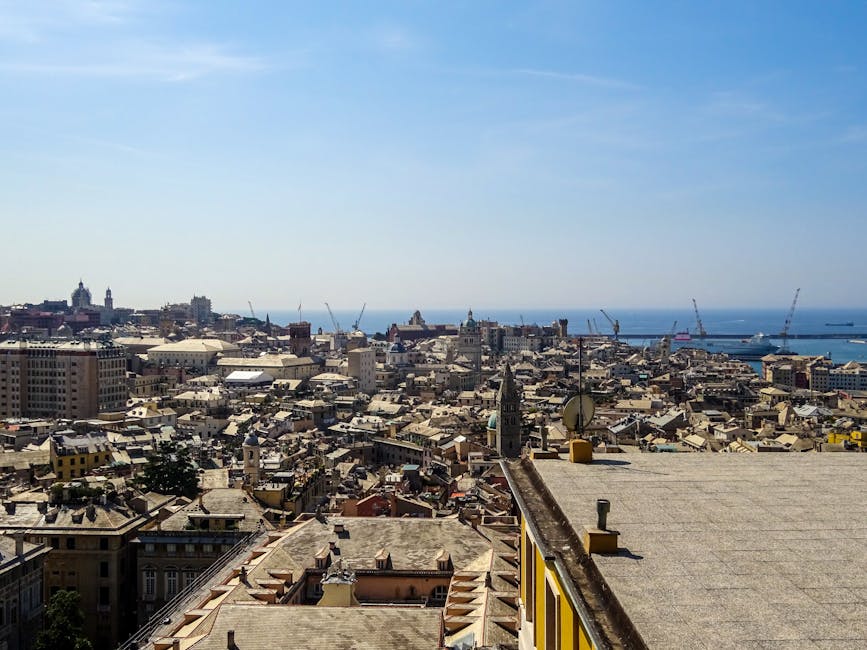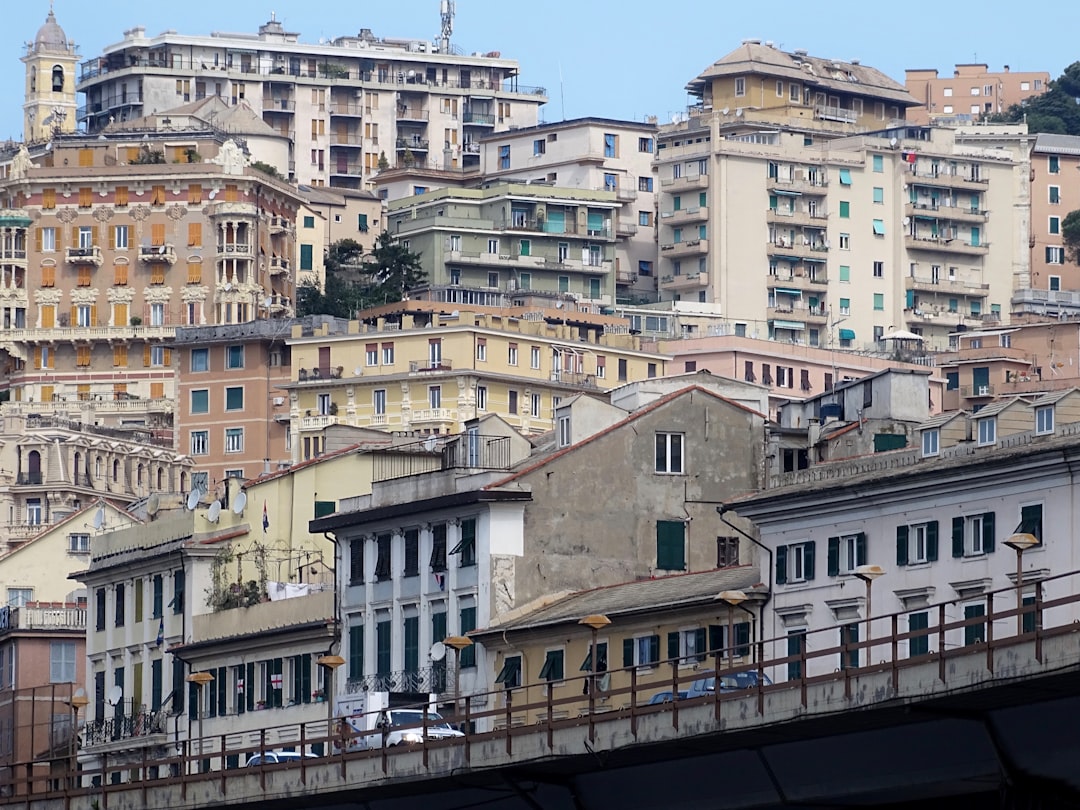






Introduction — Discovering the Palazzi dei Rolli: Genoa’s Hidden Palace Gems
In the heart of Genoa’s old town, Via Garibaldi and the side streets branching from it form a true open-air urban museum: the Palazzi dei Rolli. Built mainly in the 16th and 17th centuries by the city’s great families, these palaces are testament to a golden age of commerce and the arts when the Republic of Genoa competed in splendor with Europe’s great courts. Listed as a UNESCO World Heritage site under « Genoa: Le Strade Nuove and the system of the Palazzi dei Rolli, » these buildings showcase a wide variety of stucco facades, loggias, inner courtyards and painted decorations—details often missed by hurried visitors.
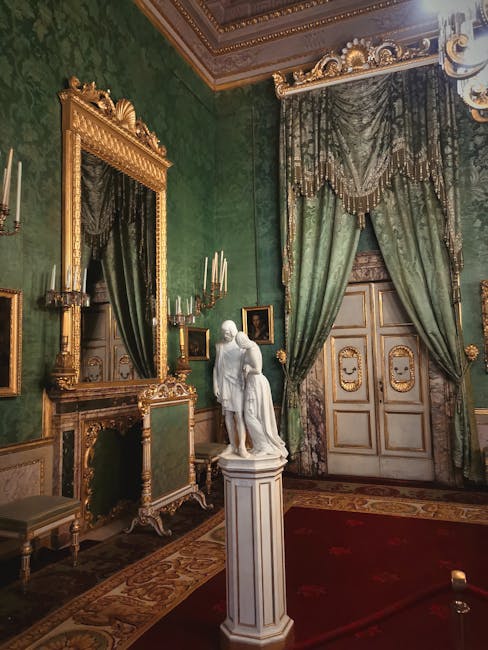
Exploring the Palazzi dei Rolli isn’t just about admiring lavish rooms and collections: it’s about understanding a port city that paid for its magnificence through maritime trade, banking and political alliances. The palaces were entered on official « Rolli »—lists that determined which private residences would take turns hosting the state’s official guests: ambassadors, monarchs and dignitaries. As a result, private domestic architecture became a public showcase of prestige. Interiors designed to impress alternate rare marbles, painted coffered ceilings, trompe-l’œil and secret gardens.
This comprehensive guide takes you beyond the postcards: exact addresses, opening hours, prices in euros, immersive descriptions of the spaces, historical anecdotes and practical tips to make the most of your visit. You’ll find information on the main museums—such as the Musei di Strada Nuova (Palazzo Rosso, Palazzo Bianco, Palazzo Doria Tursi), Palazzo Reale, Palazzo Spinola di Pellicceria, Villa del Principe (Palazzo del Principe)—as well as lesser-known addresses where frescoes, decorative arts collections and peaceful inner courtyards reveal themselves.
Visiting the Palazzi dei Rolli is a sensory experience: the cobbles underfoot, the scent of old wood and wax, the way light plays across polished marble. This guide also offers local tips to avoid the busiest hours, combine visits (and save money), and spot the details that tell the stories and rivalries of Genoese noble families. It includes practical suggestions for photographers and visual markers to inspire you before you go.
Before you set out, keep a few rules of thumb in mind: check official opening hours the day before your visit (museums often adjust opening days), buy a combined ticket when available, and favor early morning or late afternoon visits to enjoy softer light on the façades. Finally, respect conservation rules (flash photography often forbidden, restricted access to certain rooms) to preserve these treasures for future generations.
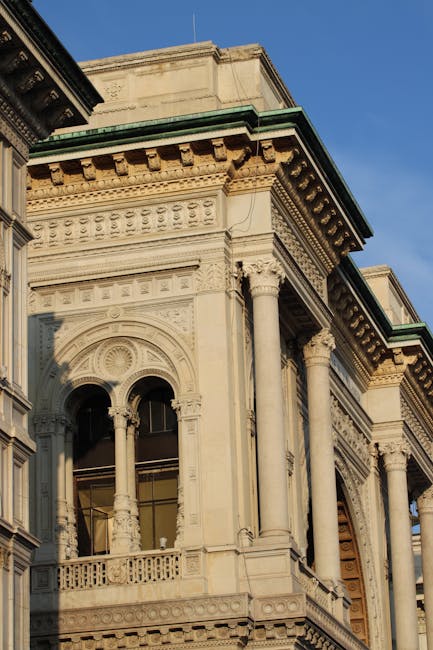
Must-sees: Musei di Strada Nuova (Palazzo Rosso, Palazzo Bianco, Palazzo Doria Tursi)
The trio that makes up the Musei di Strada Nuova is the museum heart of the Palazzi dei Rolli. Situated along Via Garibaldi, these three palaces offer a chronological and thematic route that’s essential for understanding Genoa’s art collections and how local elites furnished and displayed their interiors.
Palazzo Rosso (Museo di Palazzo Rosso)
Address: Via Garibaldi, 18, 16124 Genova GE, Italy.
Opening hours: Tuesday–Sunday 10:00–18:00 (closed Monday).
Prices: full ticket €6.00; reduced €4.00; combined Musei di Strada Nuova ticket (see below) €10.00.
Overview: Palazzo Rosso is famed for its richly decorated rooms and its collection of Italian and European paintings, featuring works by Van Dyck, Parmigianino and Bernardo Strozzi. The museum route highlights decorated salons, libraries and bedrooms that preserve the aristocratic domestic atmosphere. The rooftop terrace provides an urban vantage point over Via Garibaldi and the lower city.
Palazzo Bianco (Museo di Palazzo Bianco)
Address: Via Garibaldi, 11, 16124 Genova GE, Italy.
Opening hours: Tuesday–Sunday 10:00–18:00 (closed Monday).
Prices: full ticket €6.00; reduced €4.00; combined Musei di Strada Nuova ticket €10.00.
Overview: Palazzo Bianco is notable for its collection of European paintings from the 13th to the 18th centuries, with Spanish, Flemish and Ligurian schools represented. The galleries are arranged to trace artistic exchanges across the Mediterranean. The interior architecture—with its grand staircases and loggias—underscores the desire to display wealth and culture.
Palazzo Doria Tursi (Museo Civico d’Arte e di Storia)
Address: Via Garibaldi, 9, 16124 Genova GE, Italy.
Opening hours: Tuesday–Sunday 10:00–18:00 (closed Monday).
Prices: full ticket €6.00; reduced €4.00; combined Musei di Strada Nuova ticket €10.00.
Overview: Palazzo Doria Tursi now houses municipal collections and the civic museum headquarters. Its piano nobile displays state apartments, royal rooms and ancient instruments. The palace also sometimes exhibits an important Stradivarius violin in temporary exhibitions. Architecturally, its inner courtyards and stylistic continuity with neighboring palaces are remarkable.
Practical tips: buy the combined « Musei di Strada Nuova » ticket (Palazzo Rosso + Palazzo Bianco + Palazzo Doria Tursi) for €10.00 to save money and plan your visits within the same day. Allow at least 1.5–2 hours per palace if you want to soak in the collections and décor. Photography is often allowed without flash; check notices at the entrance to each room. When available, audio guides are worth the investment to decode iconographic details in paintings and the family stories behind the interiors.
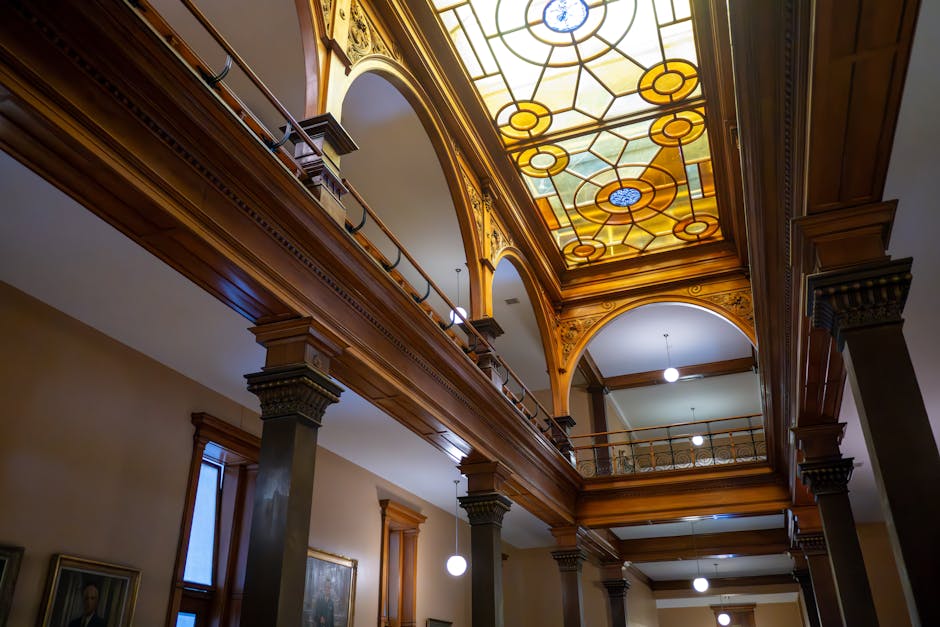
Residential palaces and private palazzi to visit: Palazzo Reale, Palazzo Spinola, Villa del Principe
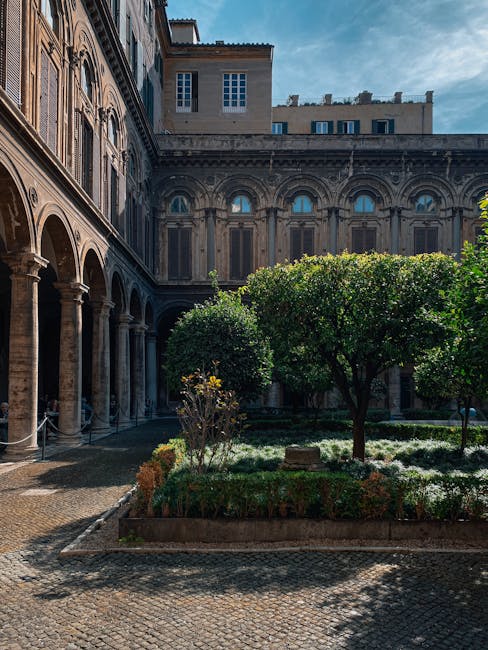
Beyond the museums clustered on Via Garibaldi, Genoa offers several private palaces open to the public, each with its own atmosphere and story. These residences highlight courtly life, private collections and inner gardens—features rarely seen in the same combination elsewhere in Italy.
Palazzo Reale (Museo di Palazzo Reale)
Address: Piazza Don Giovanni Nicotera, 4 (via Balbi 10), 16126 Genova GE, Italy.
Opening hours: Tuesday–Sunday 9:30–19:00 (last admission 18:00). Closed Monday.
Prices: full €9.00; reduced €5.00; family ticket €20.00 (2 adults + 2 children).
Description: Once the palace of the Doria and Brignole families, Palazzo Reale is a masterful example of Baroque and Rococo taste. The state apartments reveal upholstered salons, music rooms lined with mirrors, and collections of period porcelain and furniture. The palace also features a terraced garden with panoramic views over the city and the harbor—a peaceful retreat from the urban bustle.
Palazzo Spinola di Pellicceria
Address: Salita di Pellicceria, 1, 16123 Genova GE, Italy (access from via Garibaldi/Via Cairoli according to signage).
Opening hours: Wednesday–Sunday 10:00–18:00 (closed Monday and Tuesday; check seasonal variations).
Prices: full €6.00; reduced €3.00.
Description: This palace preserves a series of richly decorated rooms with painted ceilings and collections of decorative arts. Visitors enjoy the intimacy of the small courtyards and the quality of the frescoes—often less crowded than the larger museums. The visit also reveals the domestic workings of a Genoese palace, with less theatrical but equally fascinating behind-the-scenes spaces.
Villa del Principe (Palazzo del Principe), Andrea Doria’s Palace
Address: Piazzetta di Andrea Doria, 4, 16126 Genova GE, Italy.
Opening hours: Tuesday–Sunday 10:00–18:00 (closed Monday).
Prices: full €9.00; reduced €6.00; combined ticket with some regional museums varies by season.
Description: Villa del Principe—the residence of the condottiero Andrea Doria—is one of the most impressive examples of a Renaissance palace transformed into a princely residence. Its rooms are adorned with frescoes by Perin del Vaga and other major artists, and the hanging garden offers a Mediterranean interlude with orange trees, pergolas and views across the Gulf of Genoa.
Local tips: to make the most of these sites, combine Palazzo Reale and Villa del Principe in one day, then finish with a stroll to the old harbor (Porto Antico) for a seafood dinner. Inside the palaces, watch out for uneven floors and steps—wear comfortable shoes. History buffs should ask guides about marriage alliances and fresco patrons—these stories often bring the art and architecture to life.
Themed routes and practical tips for planning your visit
Organizing your visit to the Palazzi dei Rolli takes a bit of strategy: between tickets, opening hours, closed days and points of interest, here’s a logical itinerary and practical advice to optimize time and budget and to enjoy an immersive experience.
Suggested full-day itinerary:
- Morning (9:30–12:30): Start with the Musei di Strada Nuova—Palazzo Bianco (Via Garibaldi, 11) then Palazzo Rosso (Via Garibaldi, 18). Crowds are usually lighter at opening and morning light flatters the paintings.
- Lunch (12:30–14:00): Break at a Ligurian bistro near Via Garibaldi. Try the classic focaccia genovese—simple and satisfying.
- Afternoon (14:00–17:00): Palazzo Doria Tursi (Via Garibaldi, 9) then head to Palazzo Spinola di Pellicceria (Salita di Pellicceria, 1) for a more intimate visit.
- Late afternoon (17:00–18:30): Palazzo Reale (Piazza Don Giovanni Nicotera, 4 / via Balbi 10) to enjoy the golden light and the terraced garden.
Tickets and pricing (practical examples): the combined Musei di Strada Nuova ticket costs €10.00 (full) and €5.00 (reduced) and grants access to Palazzo Rosso, Palazzo Bianco and Palazzo Doria Tursi on the same day. Individual rates noted earlier apply if you buy separate tickets. Palazzo Reale’s full fare is €9.00 and reduced €5.00. For groups and guided tours, book in advance via official sites or tourist offices—some themed guided routes (decor, frescoes, gardens) are available for an extra fee.
Transport and accessibility: most palaces are within walking distance from Genova Piazza Principe train station (about 10–15 minutes) or Genova Brignole station (20–25 minutes depending on route). The historic lanes are cobbled and often include steps; accessibility for visitors with reduced mobility is limited in some palaces—check in advance for lifts or alternative routes. Fast-track tickets are rarely offered for these sites; arriving early remains the best tactic.
Tips for photographers and observant visitors: favor natural light and off-peak hours; look closely at small details (family plaques, coats of arms, merchant symbols) that reveal noble rivalries and alliances. Follow conservation rules—no flash or tripods in most rooms—and dress appropriately for formal or sacred spaces (avoid very short shorts if you plan to visit churches too).
Complementary experiences: events, temporary exhibitions and themed tours
Beyond the permanent displays, the Palazzi dei Rolli and related institutions regularly host temporary exhibitions, baroque concerts and themed tours focused on decoration, conservation and restoration. Checking the local cultural calendar can turn a standard visit into an in-depth experience.
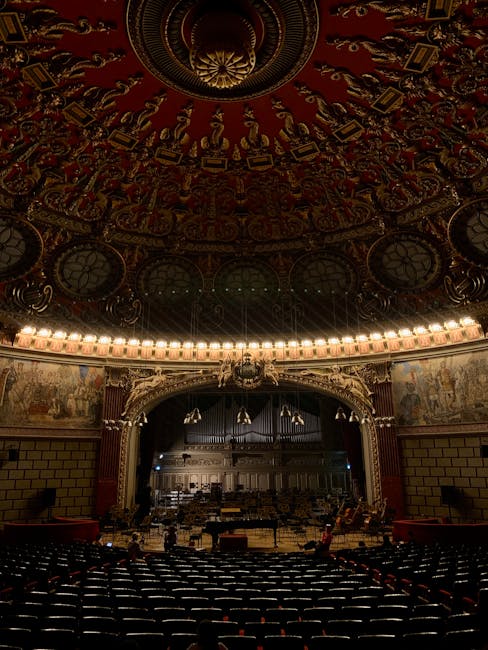
Events and exhibitions: the Musei di Strada Nuova often stage temporary shows connected to their permanent collections: studies of a particular master, retrospectives or thematic exhibitions (for example « Baroque Painting in Genoa, » « Domestic Décor and Pictorial Illusion »). Municipal libraries also run lectures, and Palazzo Reale sometimes hosts concerts in its reception rooms.
Guided tours and workshops: many palaces offer themed guided tours— »frescoes and trompe-l’œil, » « daily life of noble families, » or « architecture and heraldic symbols »—perfect for enthusiasts. Cultural centers sometimes run workshops for children focused on creating mini-frescoes or discovering decorative motifs, which can make visits more engaging for families.
Craft markets and shops: near Via Garibaldi and the Porto Antico neighborhood you’ll find shops specializing in Ligurian products: artisanal soap, jars of pesto, local ceramics and books on palace history. Museum shops often sell exhibition catalogues, reproductions and specialist guides—a nice way to extend the visit at home.
Practical tips: before you travel for a temporary exhibition, check specific hours and any extra fees—some exhibitions require a dedicated ticket (sometimes €5.00–12.00 extra). For concerts and events, tickets are often sold online or at museum ticket offices—book ahead if you want a guaranteed seat. Finally, consult the museums’ official pages for unexpected closures (holidays, restoration work).
Conclusion — Prepare your visit with respect and wonder
The Palazzi dei Rolli in Genoa offer a unique journey through the centuries: prestigious architecture, refined decoration, art collections and family narratives intertwine to create a subtle reading of Mediterranean history. With this guide you have precise addresses, typical opening hours and indicative prices in euros to plan a rich, efficient visit. Remember that practical information can change—especially opening times and fees—and it’s wise to consult official museum websites or the Genoa tourist office the day before your trip.
Beyond the practicalities, keep a few respect rules in mind: limit flash photography, don’t touch the artworks, follow the indicated circulation routes and respect closed-off areas. Respect helps preserve these fragile, precious sites. For a deeper immersion, choose a themed guided tour that will illuminate the symbols and decorative strategies used by noble families to display their power and status.
Finally, give yourself time after museum visits to wander the lanes, taste Ligurian cuisine and take in the city from a viewpoint. The palaces are not frozen islands: they are part of a living city of sailors, artisans and merchants. By combining attentive exploration of interiors with strolls through the neighborhoods, you’ll understand why Genoa was—and remains—a city that fascinates with its contrast between aristocratic reserve and port energy.
Have a wonderful cultural trip to Genoa: may your steps on the Strade Nuove’s paving stones lead you to stories, decorations and works that testify to a rich past still alive today.