Catégorie : The Palazzi dei Rolli and Heritage

Explore Genoa’s Palazzi dei Rolli — the UNESCO-listed Rolli palaces, former noble residences showcasing Baroque architecture, grand interiors and the city’s cultural heritage.

  • Photowalk in Genoa — Capturing the Palazzi dei Rolli

    Photowalk in Genoa — Capturing the Palazzi dei Rolli

    Introduction — Photowalk in Genoa: a photographic immersion into the Palazzi dei Rolli

    Genoa (Genova), a historic Mediterranean port, hides an urban treasure listed as a UNESCO World Heritage site: the Palazzi dei Rolli. These aristocratic palaces, lined up along the prestigious Via Garibaldi and the surrounding streets of the old town, are striking reminders of the wealth and refinement of the Republic of Genoa in the 16th and 17th centuries. For the urban photographer, whether hobbyist or pro, a photowalk focused on the Palazzi dei Rolli is a rare chance to play with light, baroque perspectives, stucco facades, monumental staircases, inner courtyards and carved details.

    This article is a practical, detailed guide to planning and executing a successful photowalk around the Palazzi dei Rolli in Genoa. You’ll find exact information on the main spots to photograph — full names, precise addresses, opening hours, indicative prices in euros — plus immersive descriptions to help you spot the richest visual angles. I’ll also share technical tips (lens choices, settings, best times of day), logistical recommendations (routes, access, parking, public transport), and neighborhood etiquette pointers to respect historic sites and residents.

    The suggested route puts Via Garibaldi (formerly Strada Nuova) at its heart, a genuine urban gallery where palaces like Palazzo Bianco, Palazzo Rosso, Palazzo Spinola di Pellicceria and Palazzo Doria Tursi — today part of the Museo di Strada Nuova — follow one after another. These buildings offer strong contrasts: polychrome facades, monumental portals, wrought-iron balconies and, above all, inner courtyards that open long perspectives and create shadow-and-light plays perfect for photography. I’ll also describe a few neighboring palazzi and spots that enrich the photowalk: Palazzo Reale, the alleys near the Porto Antico, and panoramic viewpoints over the harbor.

    Before you set off on your photowalk, always double-check the opening hours and prices shown below: some museums have separate entrances, joint ticketing arrangements or weekly closure days. Respect is essential: in several courtyards a visit may be charged and professional photography can require authorization. Finally, I’ll suggest time windows to capture the best light (golden hour, blue hour) and practical tips for carrying your gear around the city while staying mobile.
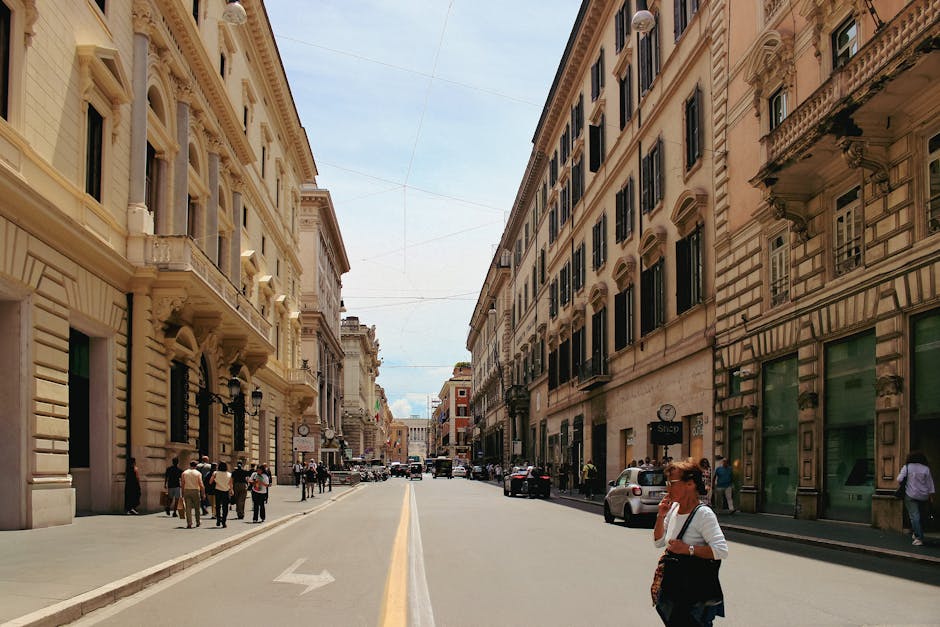
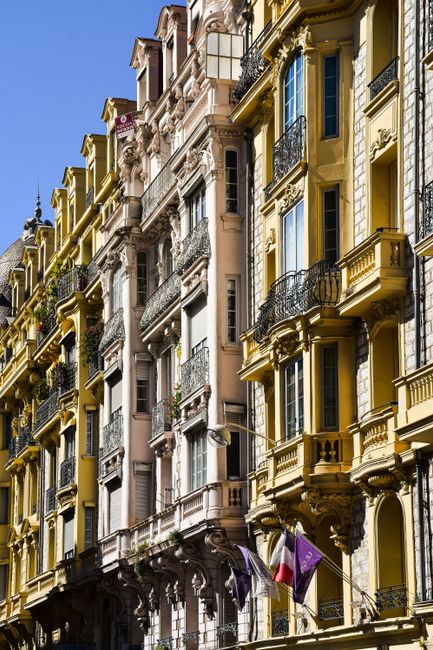
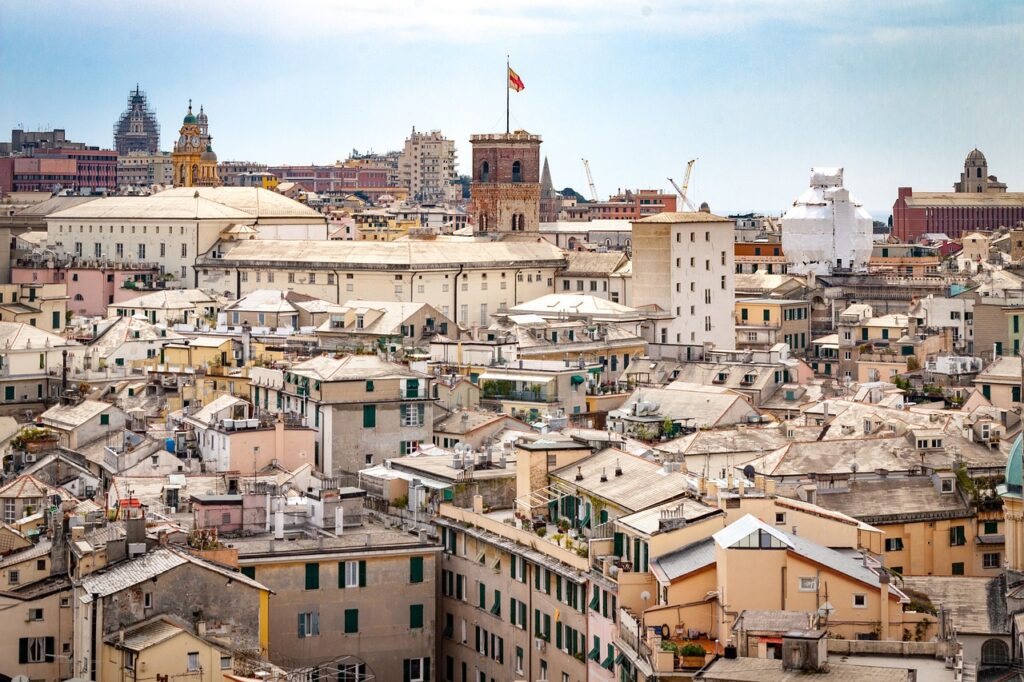
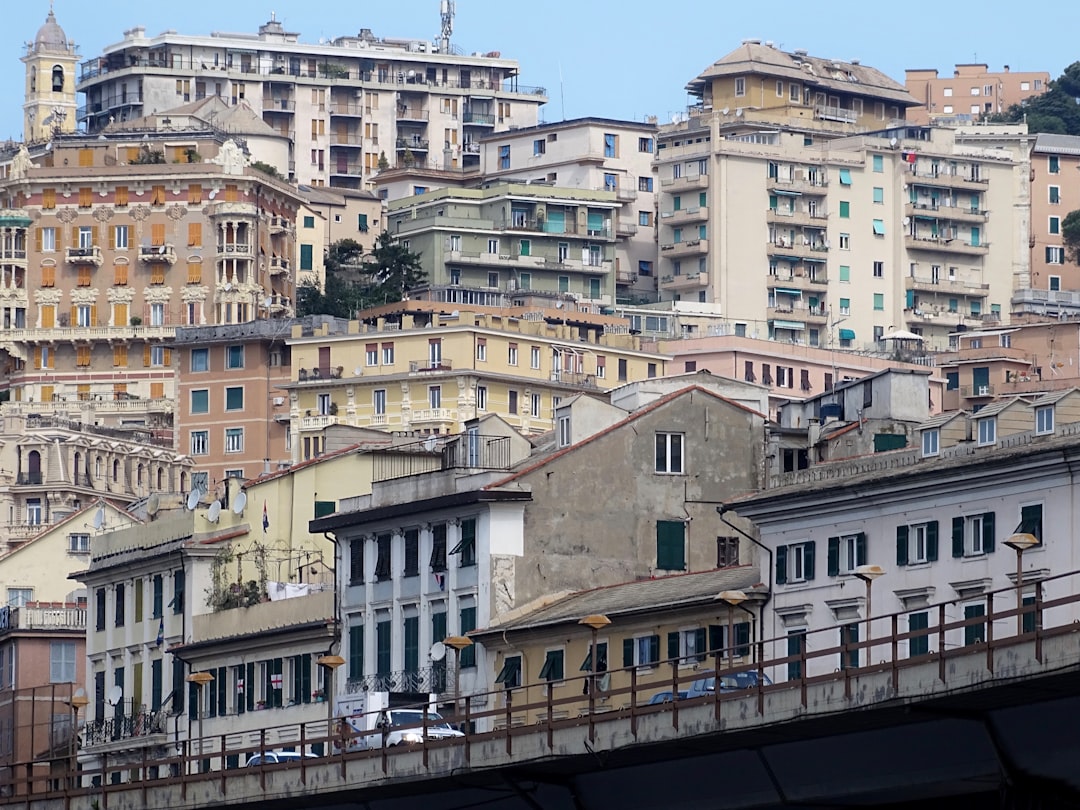
    Wide Genoa street lined with grand palazzi and pedestrians under blue sky

    Palazzo Bianco and Palazzo Rosso — main route and photography tips (Via Garibaldi)

    The core of the photowalk sits on Via Garibaldi, where two imposing palaces immediately catch the eye and the lens: Palazzo Bianco and Palazzo Rosso, standout members of the Palazzi dei Rolli.

    • Palazzo Bianco (Pinacoteca di Palazzo Bianco) — address: Via Garibaldi, 12, 16124 Genova GE, Italy. Opening hours: generally open Tuesday to Sunday, 09:30–19:00; closed on Mondays (check before visiting). Price: full ticket around €8.00 (combined ticket for the Musei di Strada Nuova may be available). Description: a former noble residence turned art gallery, housing paintings by Italian and European artists. For the photowalk, the classical white facade and banded windows offer ideal contrast in the late afternoon. Inside, painting rooms require care with flash — favor higher ISO and stabilization or fast lenses to capture ambient light.
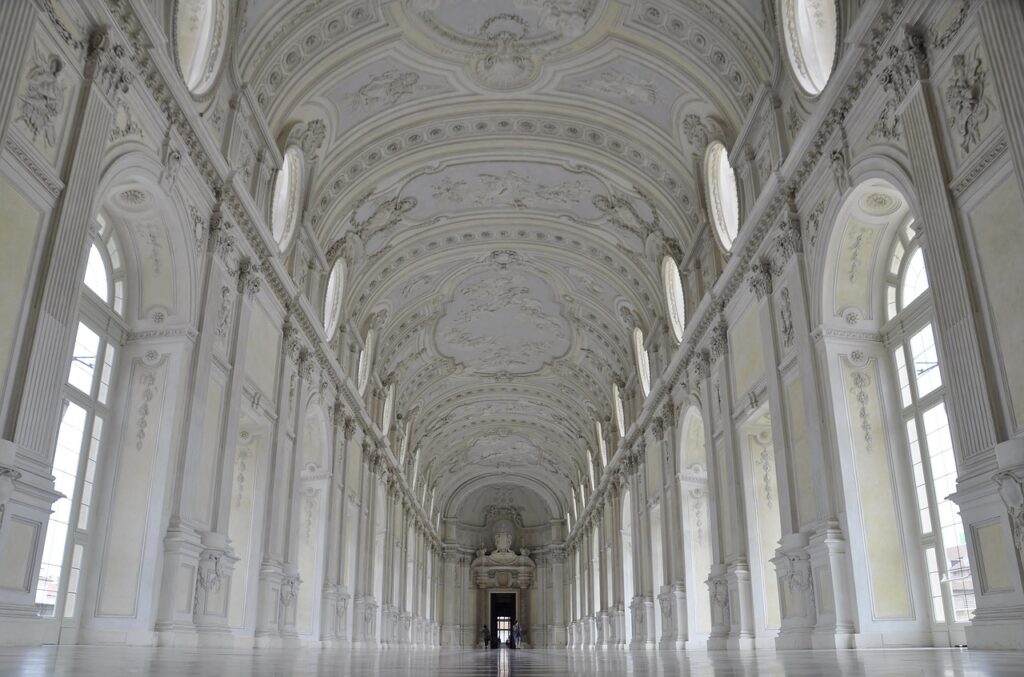
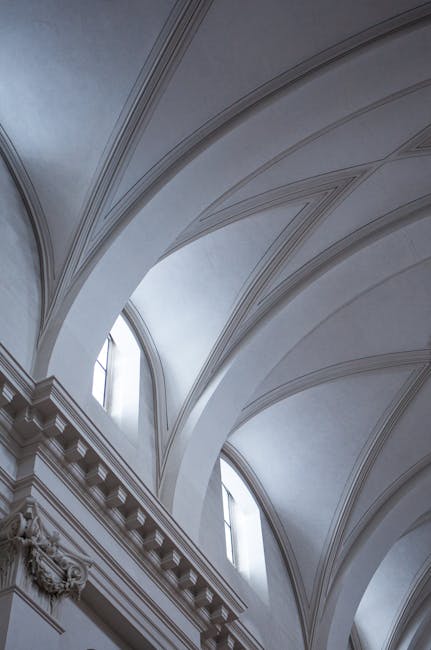
    • High white vaulted ceilings with tall arched windows inside a Genoa palazzo

    • Palazzo Rosso (Museo di Palazzo Rosso) — address: Via Garibaldi, 18, 16124 Genova GE, Italy. Opening hours: generally open Tuesday to Sunday, 09:30–19:00; closed on Mondays. Price: full ticket around €8.00; combinations possible with Palazzo Bianco and Palazzo Doria Tursi (combined ticket roughly €15.00). Description: a palace painted a deep red, famous for its decorated salons, tapestries and city views from its upper floors. Photo-wise, the saturated red facade against a blue sky makes powerful images; inside, marble staircases and corridors are ideal for environmental portraits and symmetrical compositions.
    Practical tips for these two palaces: arrive early (or late afternoon) to avoid crowds in the galleries and to get clear wide-angle shots of the facades. Use a wide-angle lens (16–35mm on full frame) for interiors and courtyards, but bring a 50mm or 85mm to isolate architectural details (stuccoes, sculpted heads, medallions). Indoors, respect no-photography zones and avoid using flash; to compensate, raise the ISO sensibly or use a small tripod where allowed.
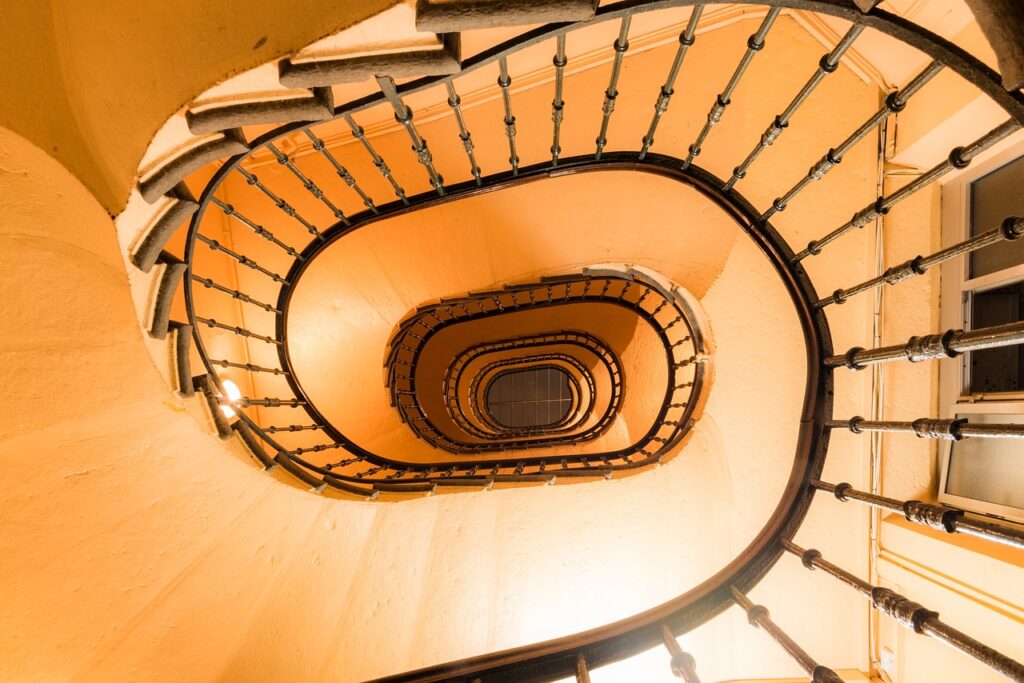
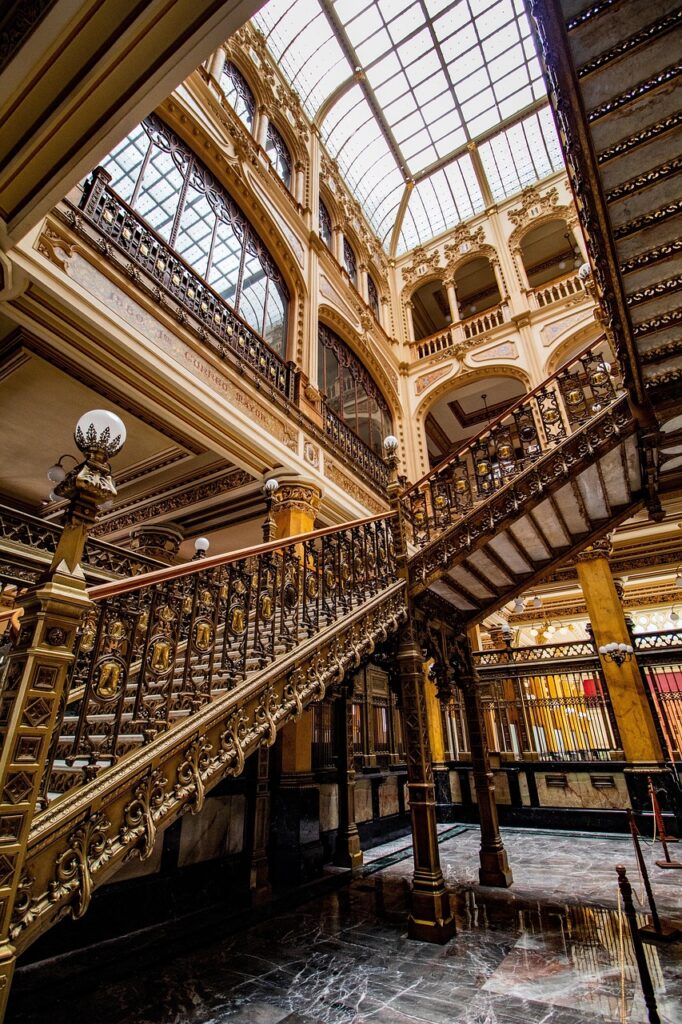
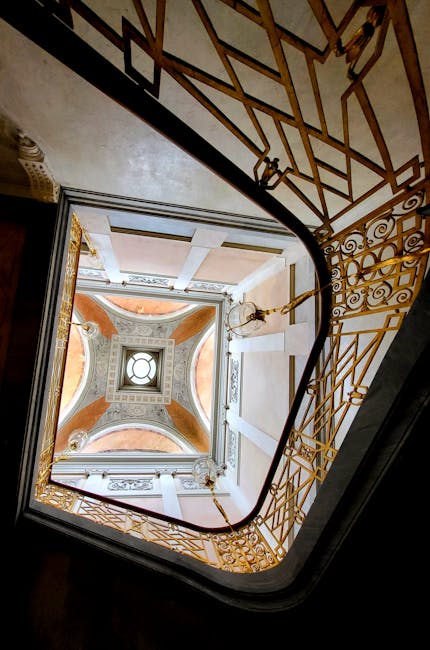
    Spiral stone staircase with wrought-iron railing glowing in warm yellow light

    Palazzo Doria Tursi, Palazzo Spinola di Pellicceria and the visiting timeline

    Continue your photowalk toward other Strada Nuova treasures. Among them, Palazzo Doria Tursi (often called Palazzo Tursi) and Palazzo Spinola di Pellicceria are must-see stops that add historical depth and aesthetic variety to your photographic route.

    • Palazzo Doria Tursi — Museo di Strada Nuova — address: Via Giuseppe Garibaldi, 9, 16124 Genova GE, Italy. Opening hours: generally open Tuesday to Sunday 09:30–19:00; closed on Mondays. Price: full ticket around €8.00 (combined ticket for the Musei di Strada Nuova may be available). Description: a former residence of the Doria family, now housing the municipal museum and often temporary exhibitions. The grand staircase and salons offer elevated perspectives, ideal for symmetrical shots, silhouettes and backlit compositions.
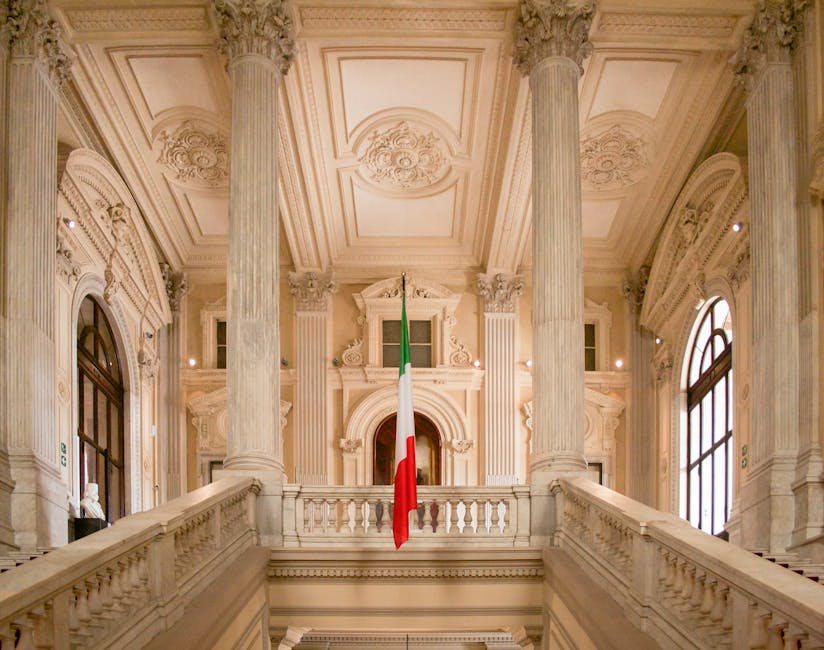
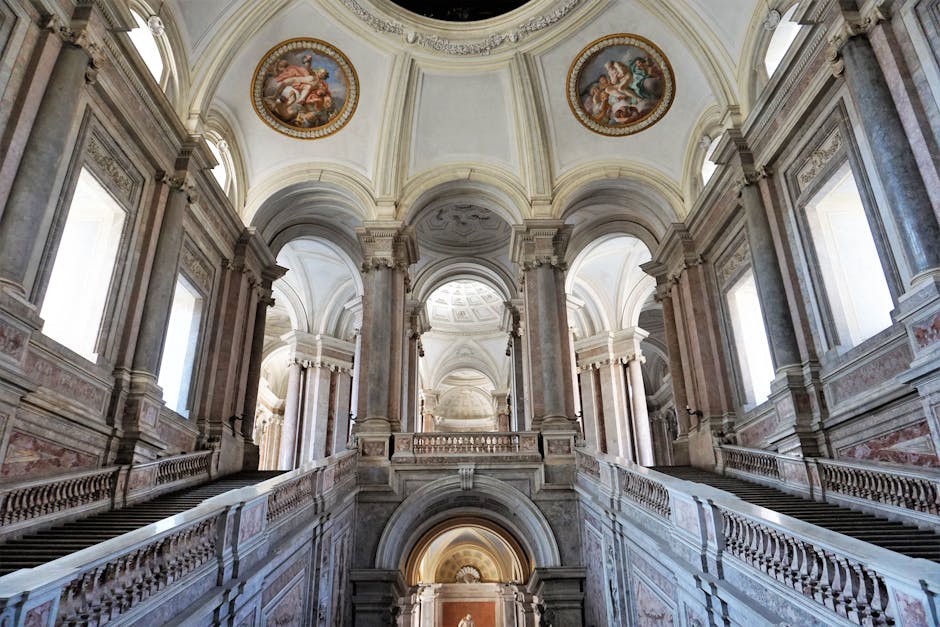
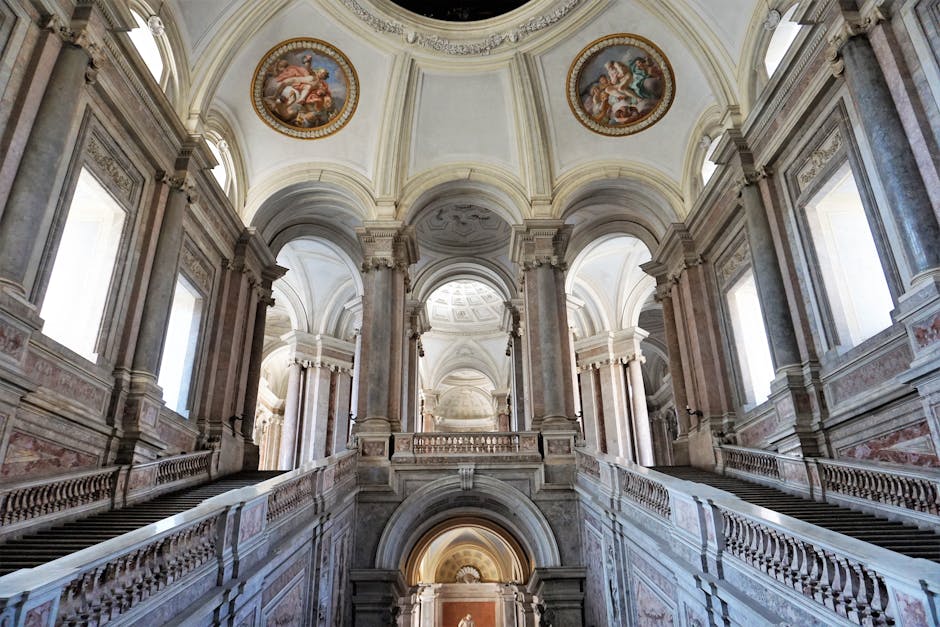
    • Marble grand staircase and columns draped with the Italian flag in Genoa

    • Palazzo Spinola di Pellicceria — Galleria Nazionale di Palazzo Spinola — address: Via Garibaldi, 10, 16124 Genova GE, Italy. Opening hours: generally open Tuesday to Sunday 09:30–19:00; closed on some Mondays (check). Price: full ticket around €8.00; reductions for students and seniors. Description: an elegant palace with a refined inner courtyard, richly decorated salons and painted ceilings. The textures and reliefs of woodwork, crystal chandeliers and tapestries make perfect subjects for detailed shots.
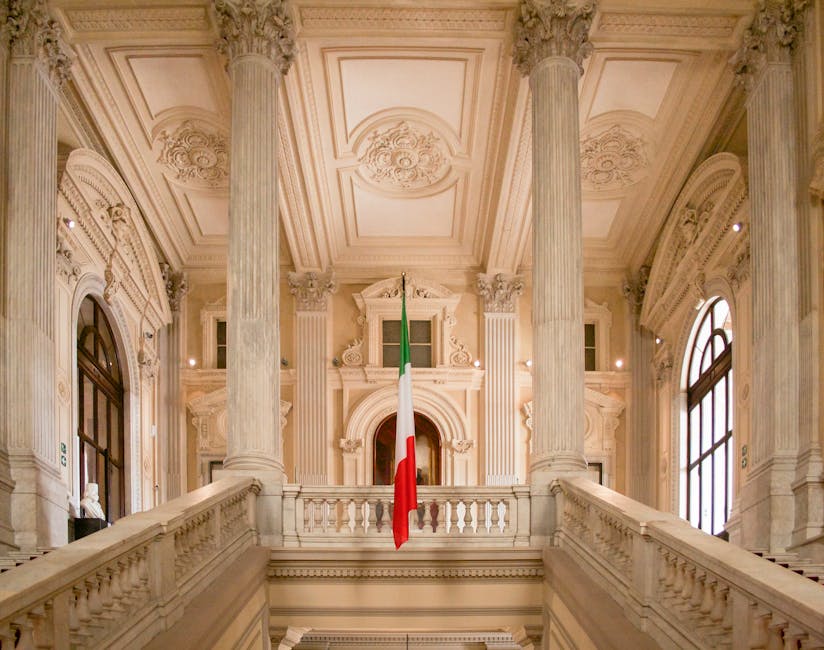
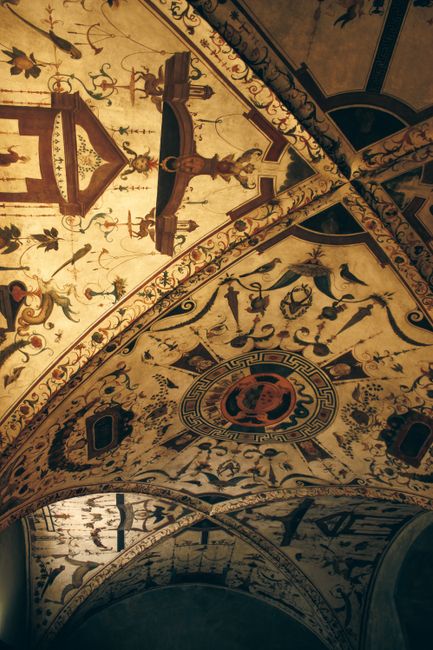
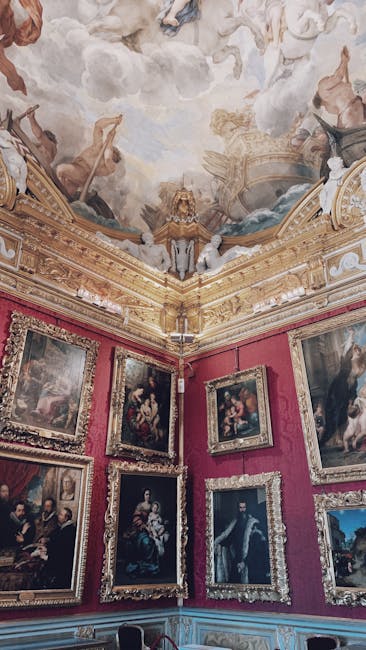
    • Ornate gilded ceiling frescoes with floral and mythological motifs in Genoa palace

    Recommended timeline: start early in the morning at Palazzo Bianco to enjoy a softer sky and gentle light on the facades. Then move up to Palazzo Spinola di Pellicceria and Palazzo Doria Tursi before mid-day, when guided tours cluster and interior light shifts. Plan a lunch break at a local trattoria (see practical tips below) and return late afternoon to catch the golden hour, when the stone warms and balcony shadows stretch across the facades.
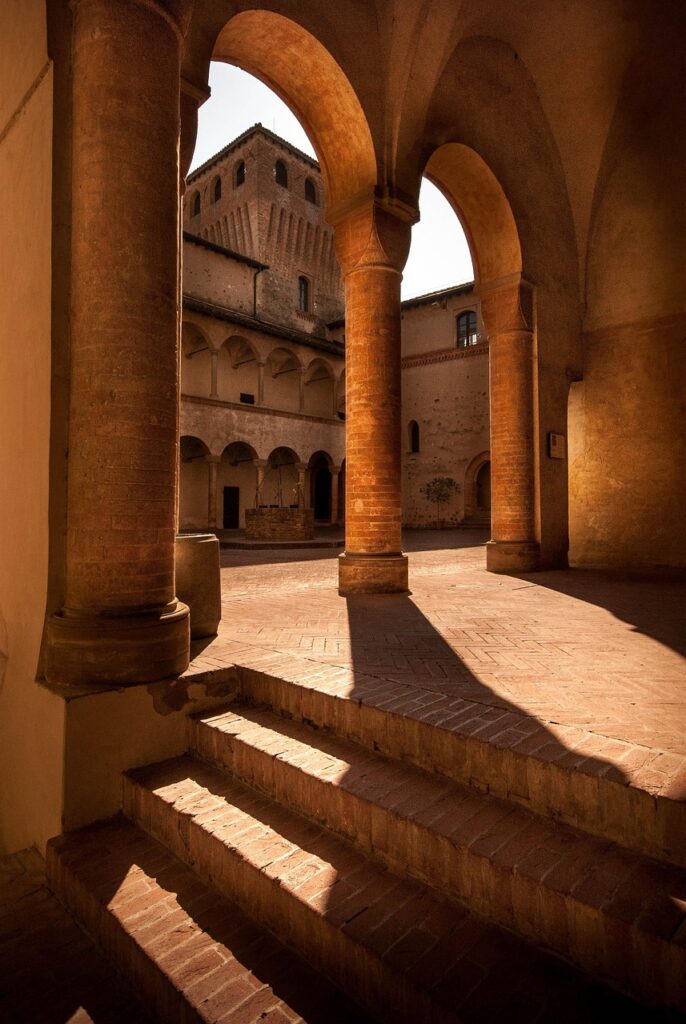
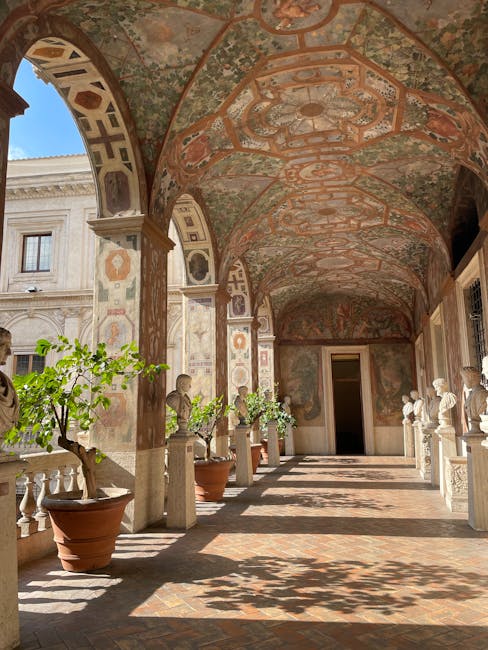
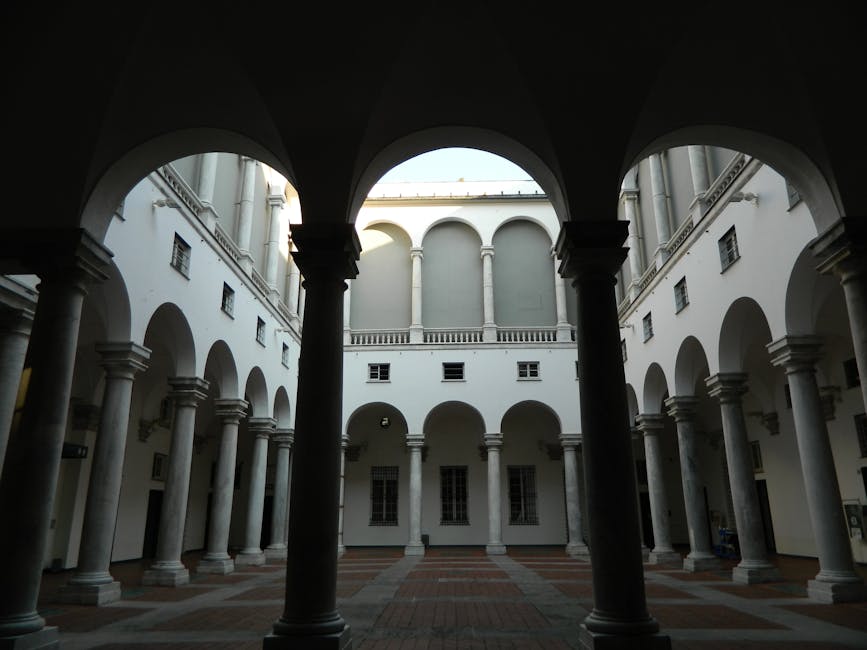
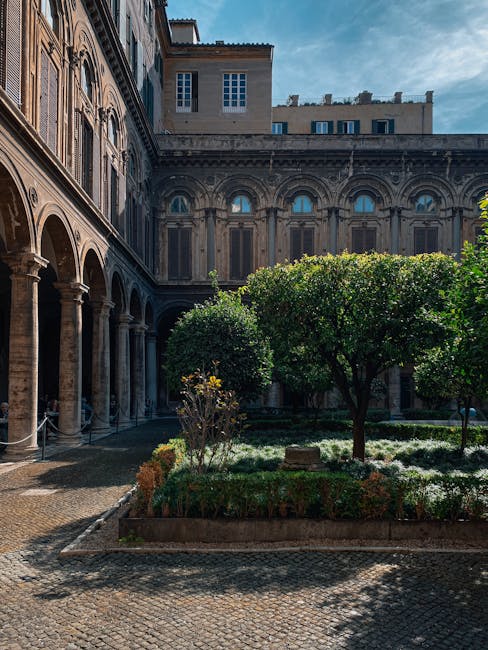
    Sunlit arched cloister courtyard with brick columns and stepped shadows in Genoa

    Photography techniques, recommended gear and visual details to hunt for

    A successful photowalk depends as much on technical preparation as on local knowledge. Here are practical recommendations and visual ideas to seek out around the Palazzi dei Rolli.

    • Recommended lenses: a wide-angle (16–35mm) for facades and inner courtyards, a bright standard (35mm or 50mm f/1.8–f/1.4) for street scenes and environmental portraits, and a short telephoto (85–135mm) to isolate sculpted details and high balconies.
    • Settings: indoors, favor a wide aperture (f/1.8–f/2.8) and a shutter speed high enough to avoid motion blur; increase ISO according to your camera’s noise tolerance. Outside, for high-contrast facades, exposure bracketing or shooting RAW with light HDR post-processing gives better results to preserve textures and highlights. Always shoot RAW to maximize editing flexibility.
    • Compositions to target: leading lines (palace-lined streets), staircase symmetries, carved details, doors and knockers, reflections in windows and puddles after rain, backlit balustrades. Also look for inner courtyards — often less crowded — for intimate frames and diffused light.

    Pro tips: walk slowly and change your angle: crouch down to give facades a monumental feel, or go up a floor if possible (and permitted) for an overhead view. Use a polarizing filter to saturate the sky and reduce reflections on glass. At night, the blue hour highlights architectural lighting: stability (tripod), long exposures and a remote shutter are your best friends.
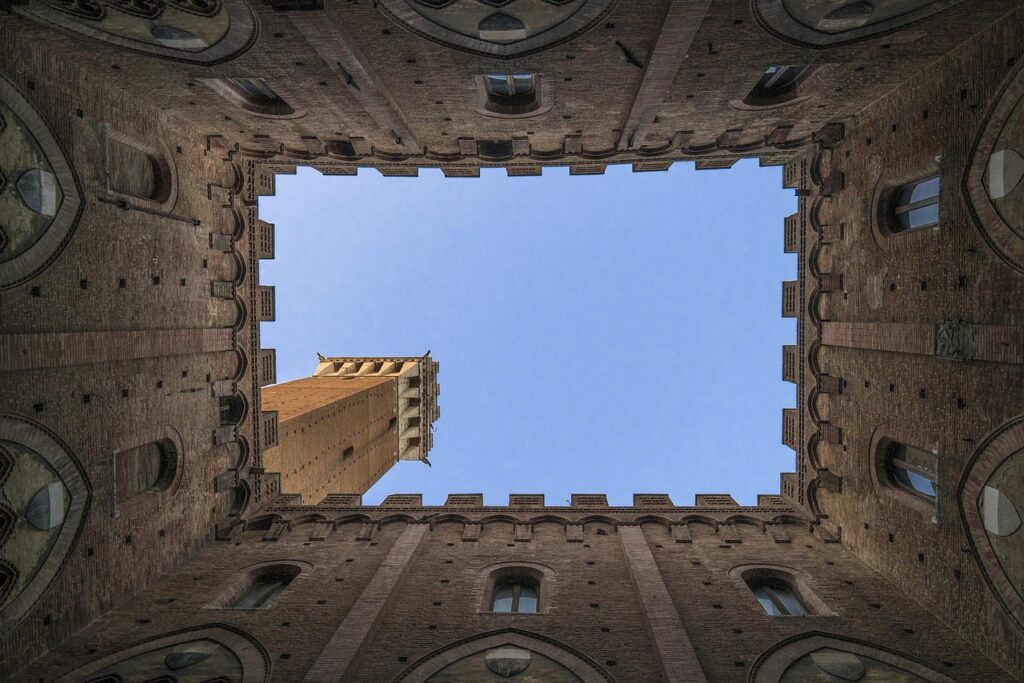
    Low-angle wide-lens street shot of palaces on Via Garibaldi in the morning

    Extended route, nearby spots and practical logistics

    The Palazzi dei Rolli aren’t limited to a single street: expand your photowalk by including nearby places that enrich Genoa’s visual story. Here’s a longer route and practical info to plan your day.

    • Palazzo Reale — address: Via Balbi, 10, 16126 Genova GE, Italy. Opening hours: generally open Tuesday to Sunday 10:00–18:00; closed on Mondays. Price: around €7.00–€10.00 depending on exhibitions. Description: a 10–15 minute walk from Via Garibaldi, offering extensive gardens and an impressive baroque facade, plus pleasant terrace viewpoints over the city.
    • Palazzo Reale formal garden and terrace view in the afternoon sun

    • Porto Antico and the Bigo (panoramic lift) — address: Calata Cattaneo, 16128 Genova GE, Italy. Bigo opening hours: variable, often 10:00–20:00; price approximately €6.00–€8.00. Description: for a bird’s-eye view of the palace-lined spine and the harbor, head down to the Porto Antico. The Bigo panoramic lift and the Biosphere’s panoramic lift offer different angles over the city and Genoa’s rooftops.
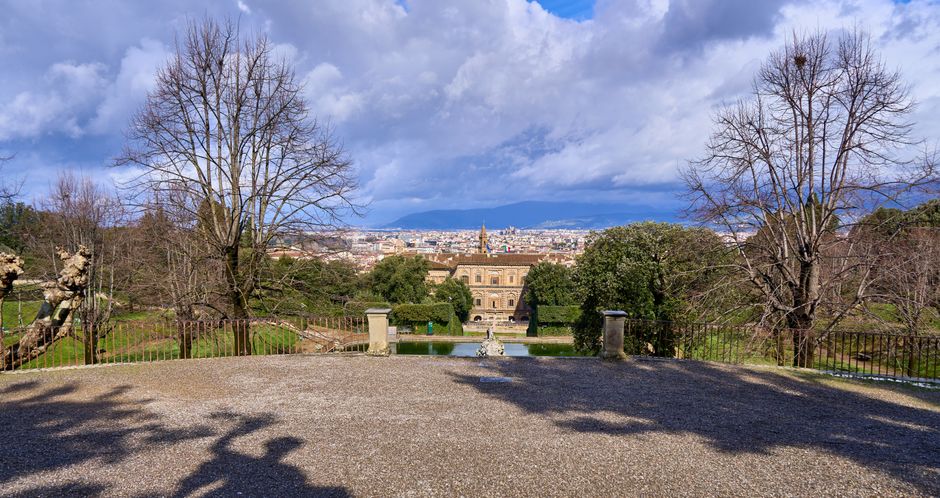
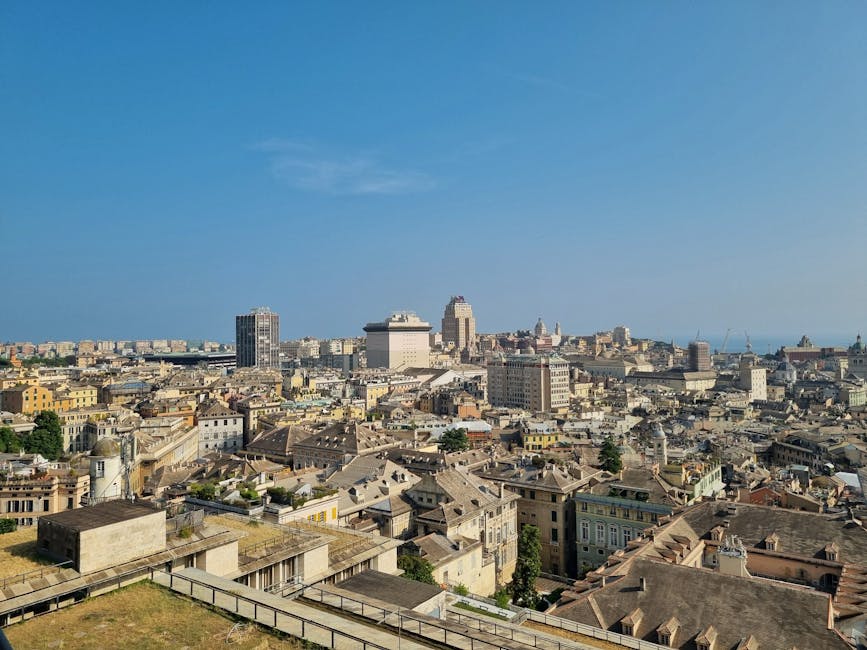
    • Panoramic lift view over Porto Antico and the harbor at sunset

    Transport and access: most palaces are walkable from Genova Piazza Principe station (15–20 min) or Genova Brignole (20–25 min). City buses (AMT) serve the center; a single ticket costs about €1.70 (validity varies). Parking in ZTL zones is restricted: prefer public car parks like Parking Porto Antico (Calata Cattaneo) or Park Sant’Agostino. Wear comfortable shoes for uneven cobbles and old stairways.
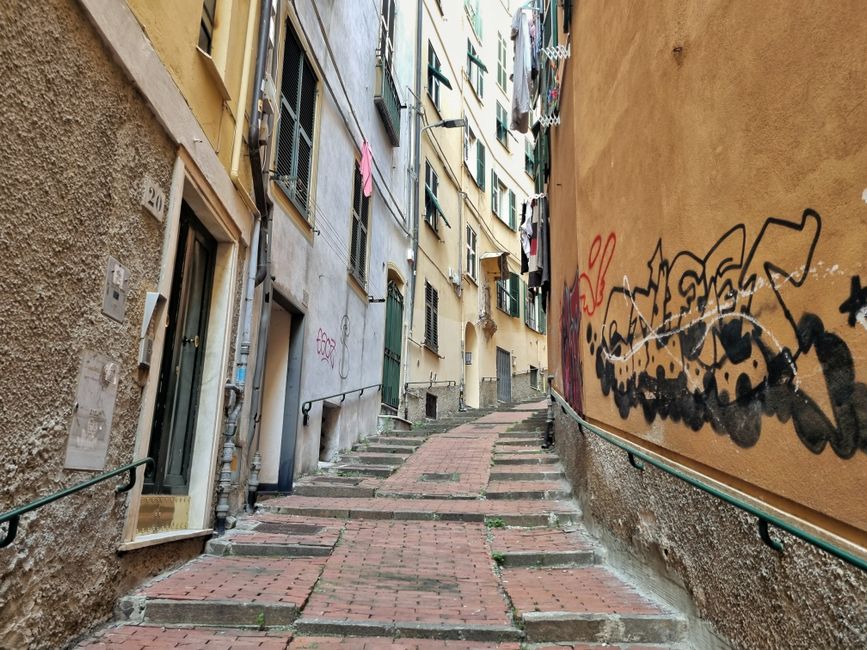
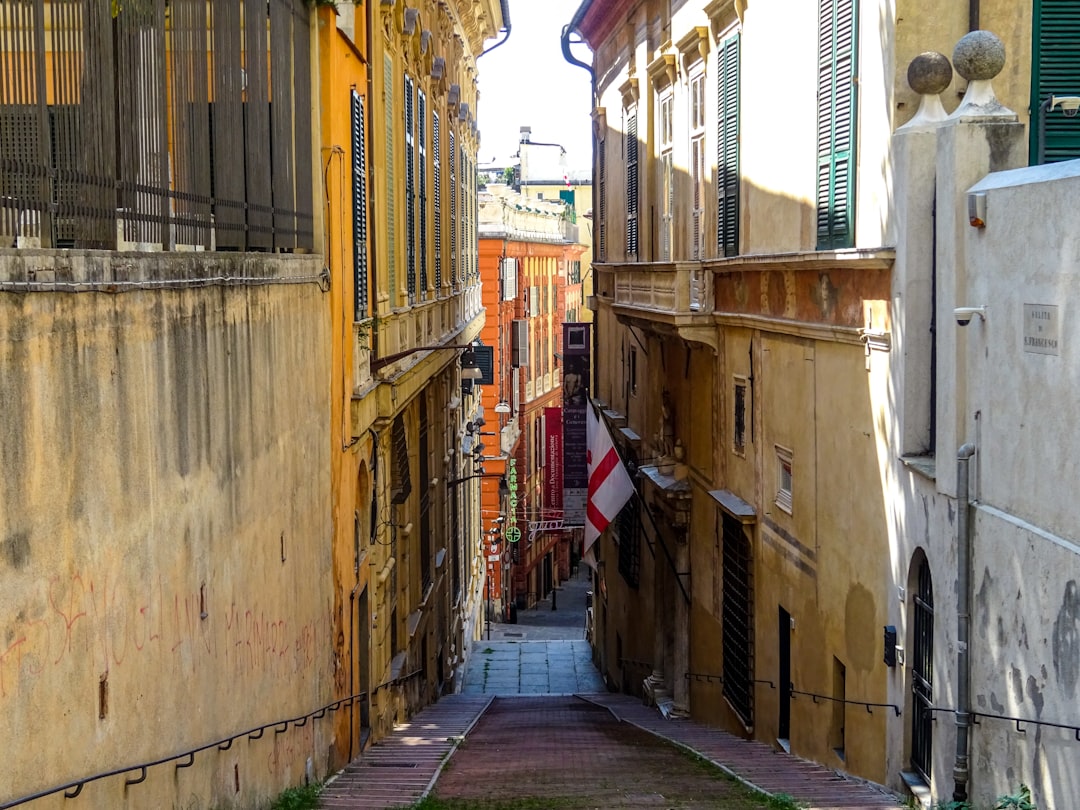
    Narrow cobblestone alley in old Genoa with morning shadows

    Local tips, photography ethics and the best times for the photowalk

    Respect and local sensitivity are essential on an urban photowalk. Here are practical recommendations and behavioral tips that will help you get better photos while honoring the places and people you encounter.

    • Respect residents: several courtyards are still private or partly inhabited. Always ask permission before photographing people at their homes, and avoid blocking main entrances. Don’t leave tripods in the way of passageways.
    • Commercial use authorizations: if your images are intended for commercial use (ad campaign, image sales), contact the Soprintendenza Archeologia, Belle Arti e Paesaggio per la città metropolitana di Genova or the museum administrations to request the necessary permits. For editorial or personal use, photos taken from public spaces are generally acceptable, but each palace has its own rules regarding professional photography indoors.
    • Best times: spring (April–June) and autumn (September–October) offer soft light and fewer crowds. Avoid daytime in August if you want fewer tourists — instead aim for early morning or late afternoon. During golden hour and blue hour, Via Garibaldi’s facades become spectacular; plan your shots accordingly.

    Food tip and photo break: for a typically Genoese lunch, stop by Trattoria Ugo (one of the small local spots in the historic center), try pesto alla genovese and focaccia. A coffee break in a piazza will let you recharge and watch the light shift on the facades — often the source of the best spontaneous shots.
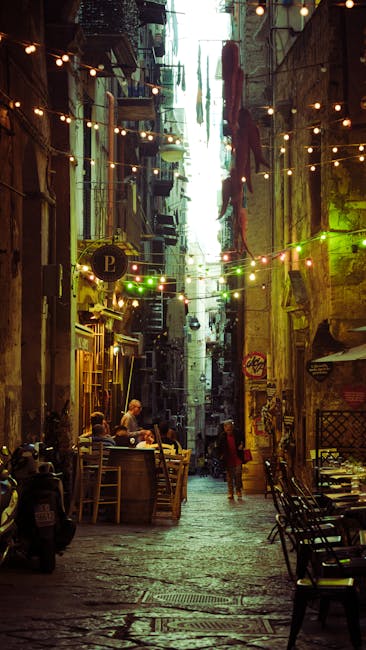
    Genoese alleyway in evening light with a local cafe and outdoor seating

    Conclusion — Planning your photowalk and extending the visual adventure

    The Palazzi dei Rolli in Genoa are an exceptional playground for any urban photographer eager to explore baroque architecture and Mediterranean charm. By combining technical prep, local knowledge and respect for rules, you can create a body of work that captures not only the formal beauty of the palaces but also the living atmosphere of the old town. Start your route on Via Garibaldi with Palazzo Bianco (Via Garibaldi, 12) and Palazzo Rosso (Via Garibaldi, 18), then continue to Palazzo Spinola di Pellicceria (Via Garibaldi, 10) and Palazzo Doria Tursi (Via Giuseppe Garibaldi, 9), keeping in mind opening hours (generally 09:30–19:00 for many museums, closed on Mondays) and indicative prices (around €8.00 per palace, combined tickets roughly €15.00).

    Plan a flexible route: walk, observe and let the light guide you. The best images often come after a few failed attempts — a cluttered facade that, after a small lateral move, reveals perfect symmetry; an ordinary door that, shot close-up, exposes astonishing marquetry. Don’t forget nearby viewpoints like Palazzo Reale (Via Balbi, 10) and the Porto Antico for wider panoramas. And keep ethics in mind: ask for permission when needed, avoid flash in museum rooms and respect private areas.

    To extend the experience, consider organizing a personal exhibition or an online gallery of your Palazzi dei Rolli series, contextualizing each image with the palace’s full name, address and a short historical note. That way, your photographs become not only aesthetic images but documents that contribute to the appreciation and preservation of this exceptional heritage. Enjoy your photowalk in Genoa — shoot carefully and stay curious!
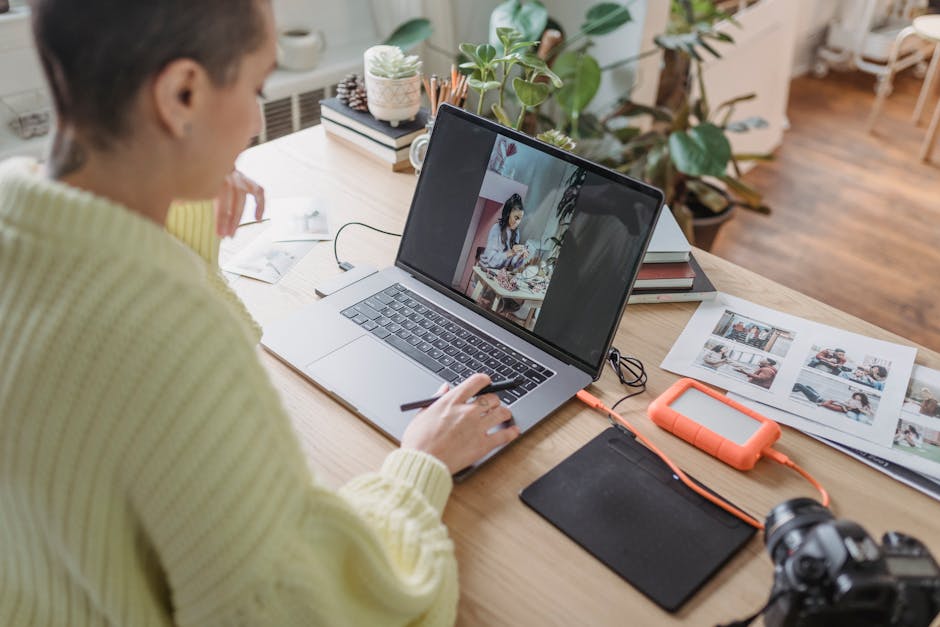
    Photographer editing photos on a laptop
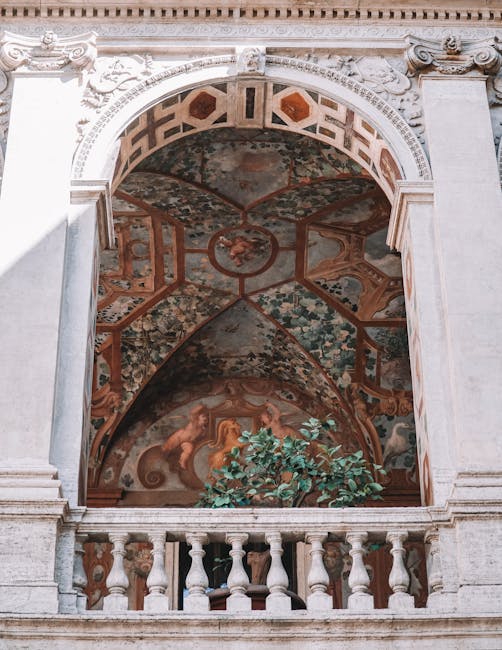
    Courtyard arch reflection and mosaic floor inside a palazzo
    Blue hour on Via Garibaldi with illuminated facades and evening lights

  • How the Palazzi dei Rolli Reveal Genoa’s Soul

    How the Palazzi dei Rolli Reveal Genoa’s Soul

    Introduction: Genoa, the Palazzi dei Rolli and the soul of a merchant republic

    The city of Genoa (Genova) is an urban puzzle: a historic port, a maze of medieval alleyways and a dazzling baroque façade. At the heart of its identity lie the Palazzi dei Rolli — a string of private palaces built mostly in the 16th and 17th centuries, listed as a UNESCO World Heritage site in 2006. Originally these palaces were part of a unique public system: the « Rolli » were official lists of residences designated to host distinguished guests visiting the Republic of Genoa. Far from being mere houses, these palaces are architectural and social statements, shop windows of mercantile power and microcosms where art, commerce, diplomacy and daily Genoese life intertwined.

    To understand why the Palazzi dei Rolli tell the story of Genoa is to read a history woven from stone, marble, frescoes, woodwork and art collections that mirrors the trajectory of a city-state. These palaces, mainly lining the famous Via Garibaldi (formerly Strada Nuova) and scattered through the historic center, mark Genoa’s shift from a medieval town to a Mediterranean trade capital. They testify to the rise of merchant aristocracy families (Doria, Spinola, Grimaldi, Brignole Sale, Balbi) who, thanks to maritime wealth, built residences where artistic display was not idle luxury but a political and economic language.

    On a thoughtful guided visit, each palace reads like a chapter: the imposing entrance hall, the grand staircase, the inner courtyards, the reception rooms decorated with allegorical paintings narrate the pursuit of prestige and networks of influence. The collections preserved today — paintings, furniture, marbles, ceramics and art objects — also reflect commercial and cultural ties with Spain, France, the Ottoman Empire and North African ports. Additionally, the palaces’ physical positions — some facing the harbor, others tucked away in shadowy lanes — express Genoa’s dual nature: the sea and the inner city, openness and secrecy, discreet wealth and public spectacle.

    This guide aims to be both a historical primer and a practical tool for today’s visitor: exact addresses, opening hours, entry prices in euros, visiting tips and suggestions to capture the spirit of the places. More than a simple tourist route, the goal is to render palpable the intimacy of these homes — how they still open their doors today, sometimes for concerts, sometimes for temporary exhibitions — and to show how, neighborhood by neighborhood, they continue to define Genoa’s character. Get ready to step into halls where time seems to slow, to climb monumental staircases leading to sunlit salons, and to listen, at the turn of a fresco, to the memory of a merchant republic that turned stone into story.

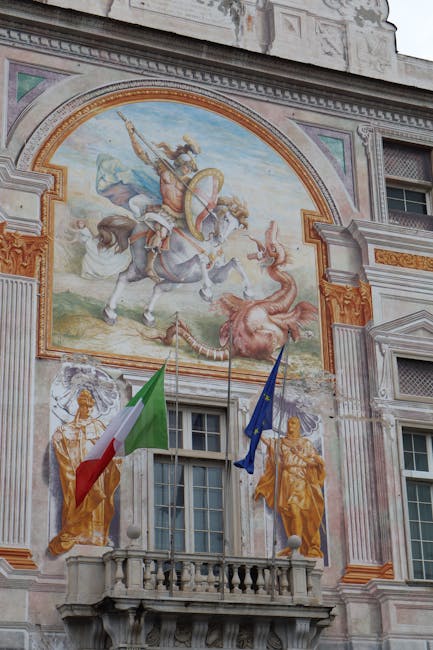
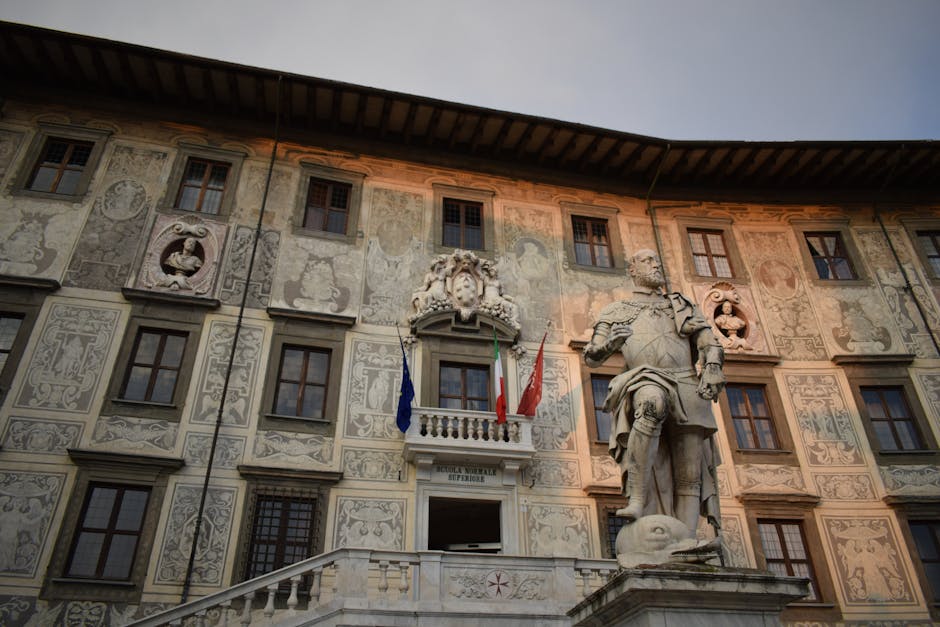
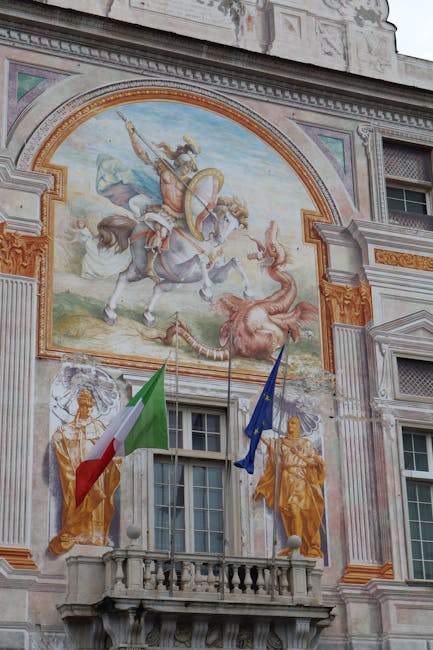
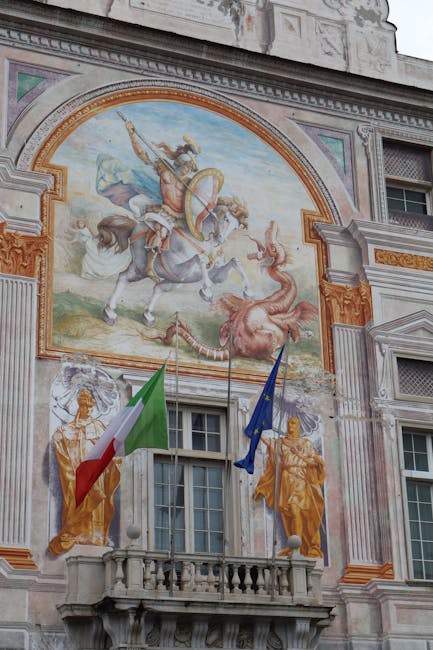
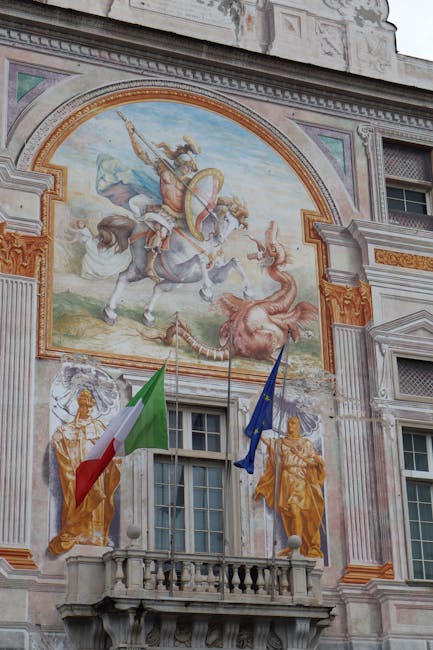
    Frescoed palace façade with Italian and EU flags in Genoa

    The urban and social scale of the Palazzi dei Rolli: Strada Nuova and the merchant city

    The web of Palazzi dei Rolli is most legible in the urban landscape: it’s the dramatic transformation of a street, Strada Nuova (today Via Giuseppe Garibaldi), into a showcase of economic power. Via Garibaldi stretches from the inner harbor up toward the higher city and concentrates several remarkable palaces, offering richly decorated façades and monumental portals to the eye. Walking down Via Garibaldi is like reading the ambitions and conversations between families in succession. The façades, often restored, still preserve stucco details, wrought-iron balconies and sculptures that point to a shared aesthetic adapted to civic display.

    Some can’t-miss addresses along Via Garibaldi:

    • Palazzo Doria Tursi, Via Giuseppe Garibaldi 9, 16124 Genova GE — today home to the City Hall (Municipio) and a museum. Opening hours: generally 09:30–19:00 (closed some public holidays); call to confirm. Price: museum ticket around €6–8 (reduced rates available).
    • Marble grand staircase and columns with Italian flag in Genoa

    • Palazzo Rosso (Palazzo Brignole Sale), Via Garibaldi 18, 16124 Genova GE — an art museum with private collections and works from the Genoese and Italian schools. Hours: typically 10:00–18:00, closed Mondays (check for seasonal changes). Price: combined Musées di Strada Nuova ticket (Palazzo Rosso + Palazzo Bianco) around €12 for adults; reduced rates €6–9.
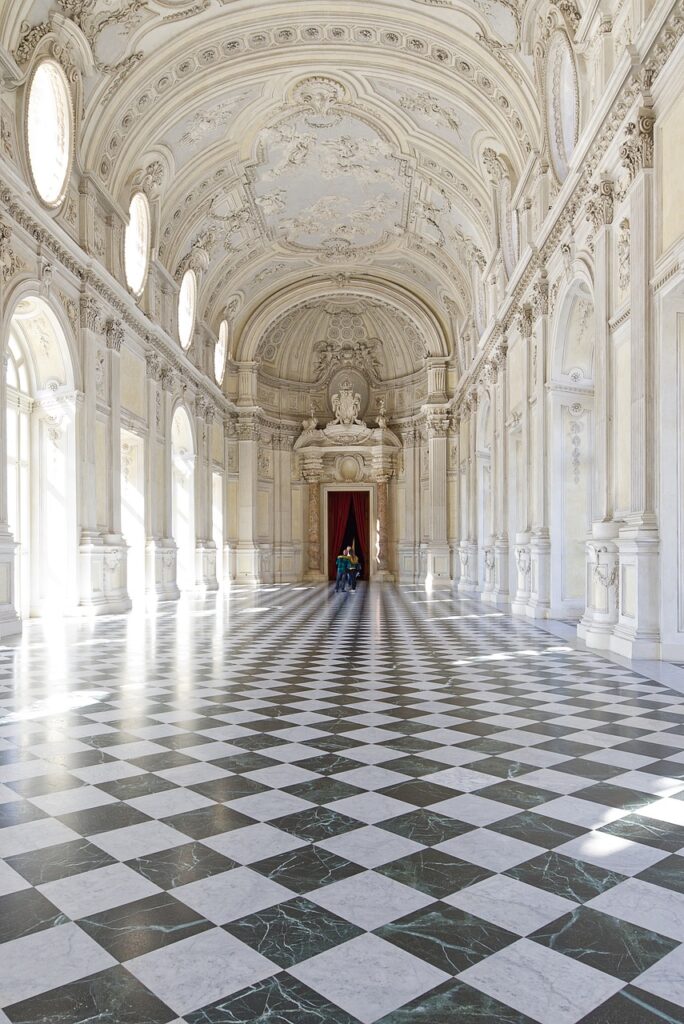
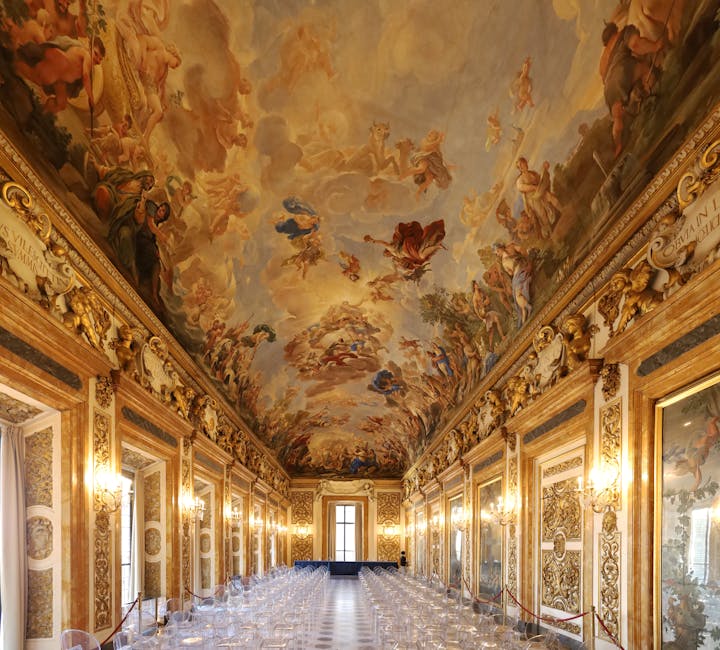
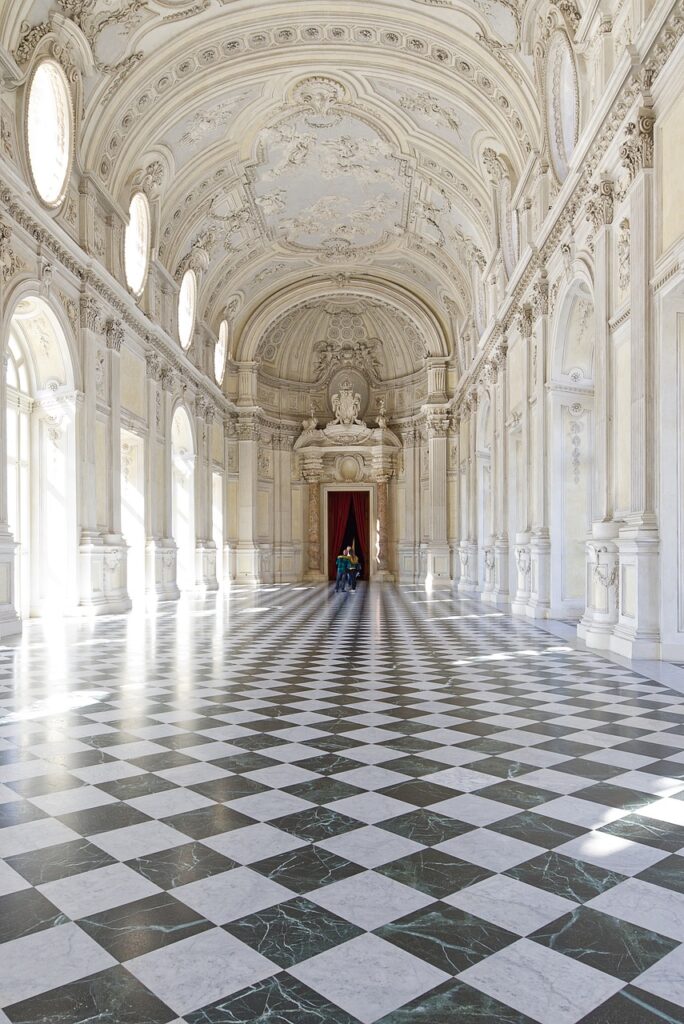
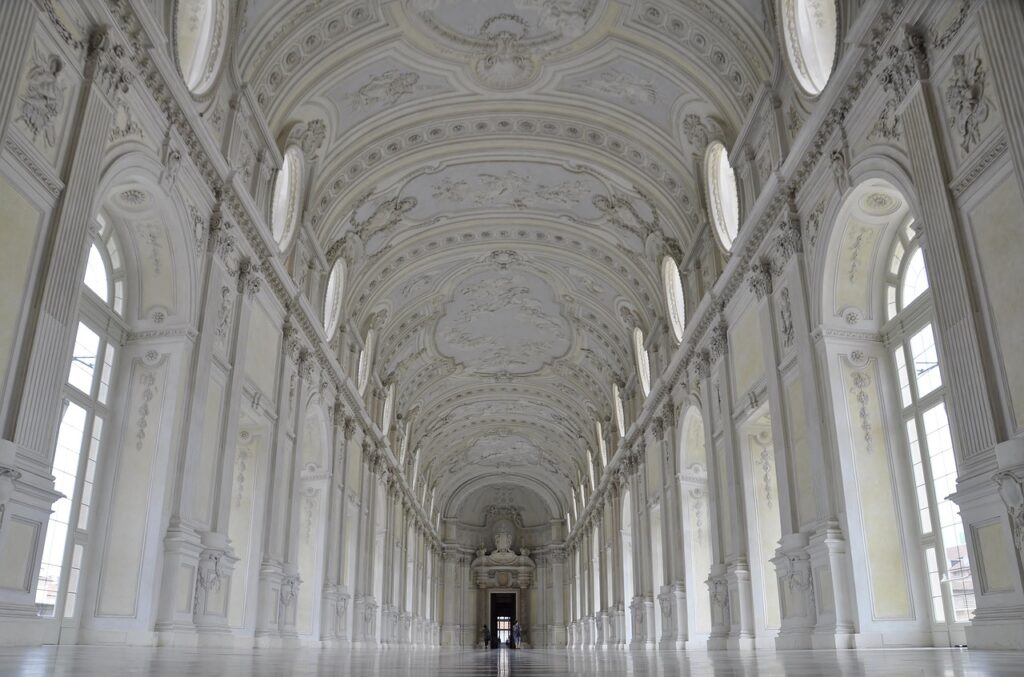
    • Long Baroque gallery with checkerboard floor in Genoa palace

    • Palazzo Bianco (Palazzo Doria-Spinola), Via Garibaldi 12, 16124 Genova GE — art museum housing paintings by Italian and European masters. Hours: similar to Palazzo Rosso. Price: included in the combined Musées di Strada Nuova ticket.
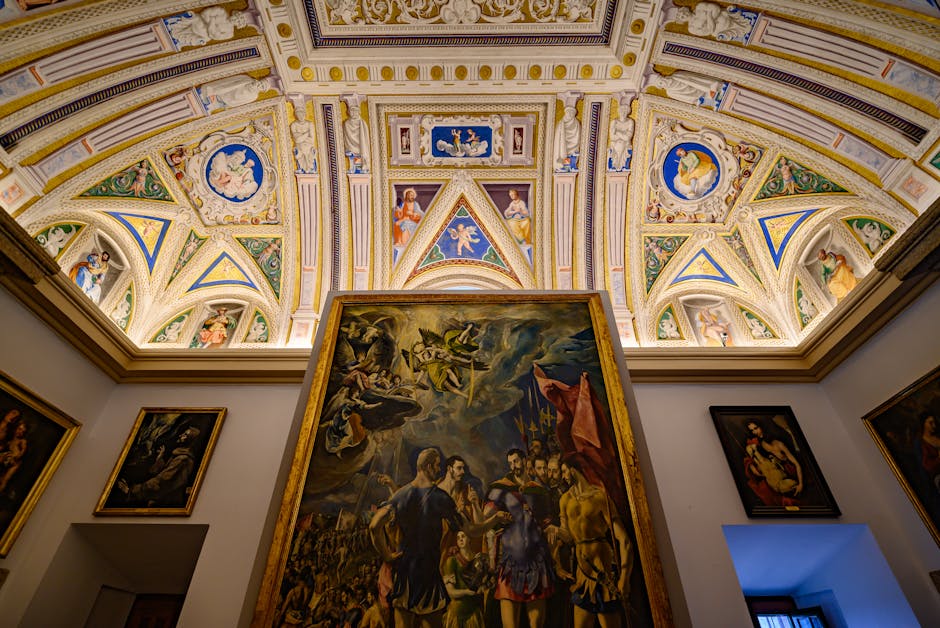
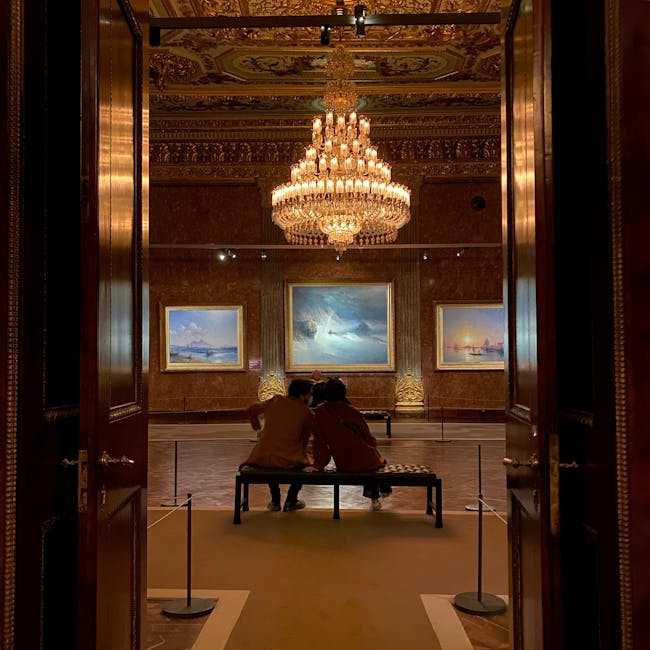
    • Painted gilded ceiling above large canvas in Genoa gallery

    Beyond Via Garibaldi itself, the Rolli were an administrative system: palaces were classified into categories according to their capacity to host official guests. The lists (rolli) were public and consultable by the Republic; they defined which residence would host which rank of visitor, turning private life into public service. This mechanism largely explains the variety of interiors: some palaces open onto large formal courtyards for official receptions, others favor enfilades of more intimate salons designed for conversation and music.

    Local tip: start your route early in the morning to avoid crowds and enjoy the soft light on the façades. Audio guides (available in the main museums) help recontextualize the works and the political function of the rooms. Wear comfortable shoes: marble floors and counter-step staircases invite slow movement and close observation.

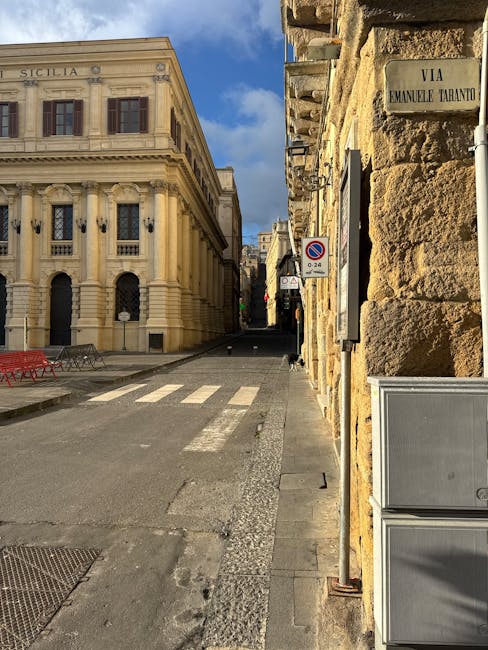
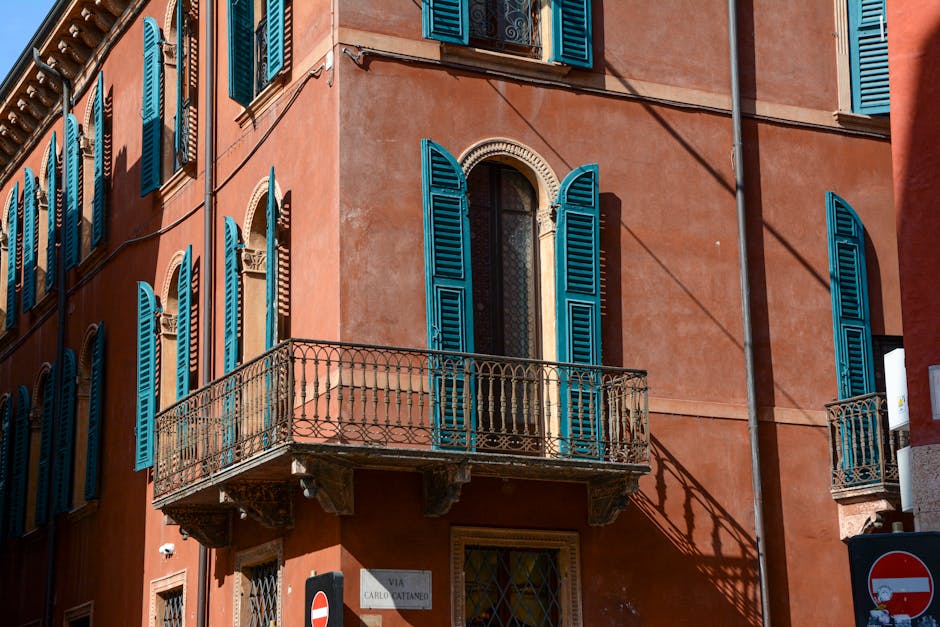
    Sunlit narrow street with sandstone buildings and Via sign in Genoa

    Palaces and collections: stepping into the memory of Genoese families

    Each Palazzo dei Rolli tells the character and networks of a family. The Dorias, Spinolas, Grimaldis and Brignoles invested in art as much as in stone. Visiting their homes is like flipping through family albums where art and trade intersect. Palazzo Rosso preserves paintings by Van Dyck, Guercino and Italian Baroque masters; Palazzo Bianco displays works by Pieter Brueghel, Orazio De Ferrari and Rubens. These collections show not only a taste for European masters but also the ways they were acquired: commissions, diplomatic gifts, purchases at fairs and during travels.

    Practical examples and additional addresses:

    • Palazzo Spinola di Pellicceria, Salita di Santa Caterina 1, 16123 Genova GE — a civic and historical museum known for its ornate salons and inner courtyard. Hours: often 10:00–18:00, closed Monday; price: admission varies €6–10 depending on exhibitions.
    • Ornate gilded hall with frescoed ceiling in a Genoa palazzo

    • Palazzo Reale, Via Balbi 10, 16126 Genova GE — a former royal residence with gardens and sumptuous apartments. Hours: generally 09:30–19:00 (last admission often 18:00); price: around €8 full fare, reductions for students, seniors and groups.
    • Royal Palace garden courtyard with frescoed ceilings

    • Palazzo Lomellino, Via Garibaldi 5, 16124 Genova GE — known for its loggia and baroque façade; sometimes used for temporary exhibitions. Hours and prices: check the local cultural calendar.
    • Baroque facade of Palazzo Lomellino on Via Garibaldi

    The interiors also reveal artistic and craft techniques: trompe-l’œil, stucco finishes, marquetry, carved woodwork, painted ceilings and tapestries. Take time to notice seemingly minor details — door handles, ironwork, floor mosaics — these are often the elements that reveal the chain of local artisans and foreign influences. The level of conservation varies: some palaces have benefited from major restorations (often supported by the state or the EU), while others retain a patina that speaks of continuous use or partial privatization.

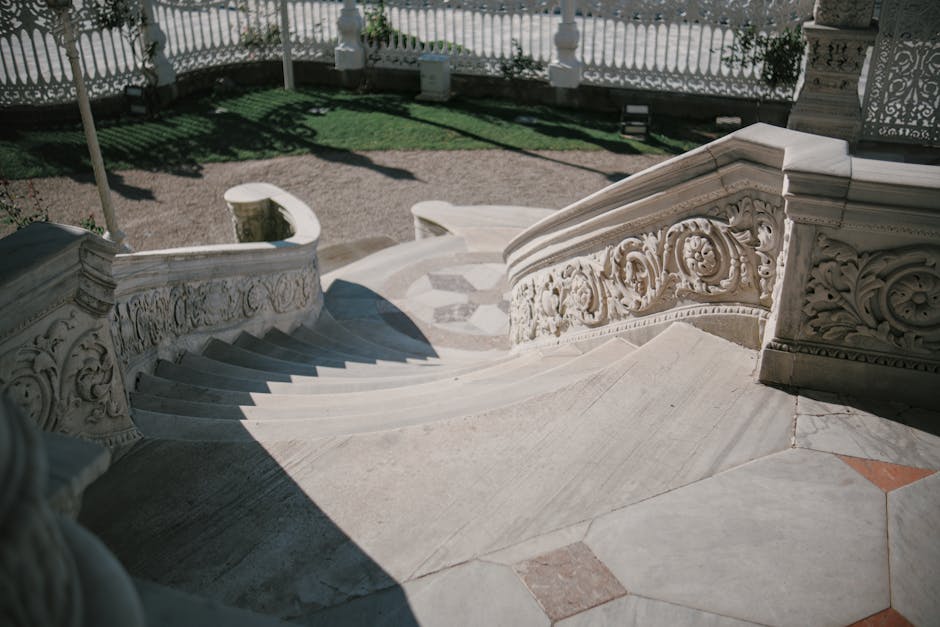
    Antique marble staircase with detailed balustrade

    Visiting the Palazzi today: tickets, hours, routes and practical advice

    Planning a visit to the Palazzi dei Rolli requires a few practical markers. The main museums (Palazzo Rosso, Palazzo Bianco, Palazzo Doria Tursi) are part of the « Musées di Strada Nuova » network, with combined tickets often offered on site or online. As a general rule, expect the following information (always check before you go, as hours and prices can change):

    • Musées di Strada Nuova (Palazzo Rosso and Palazzo Bianco) — Main addresses: Via Garibaldi 18 & Via Garibaldi 12, 16124 Genova GE. Typical hours: 10:00–18:00, closed Monday. Price: combined ticket around €12 for adults; reduced rate €6–9 (students, seniors, groups). Family tickets available. Access: entrances from Via Garibaldi, with possible approaches from the harbor (limited public lifts).
    • Entrance to Palazzo Rosso with visitors

    • Palazzo Doria Tursi (Municipio) — Via Giuseppe Garibaldi 9, 16124 Genova GE. Hours: 09:30–19:00 (check for municipal sessions). Price: €6–8 to visit the museum sections; some municipal areas free of charge. Contact the ufficio turistico (tourist office) for group reservations.
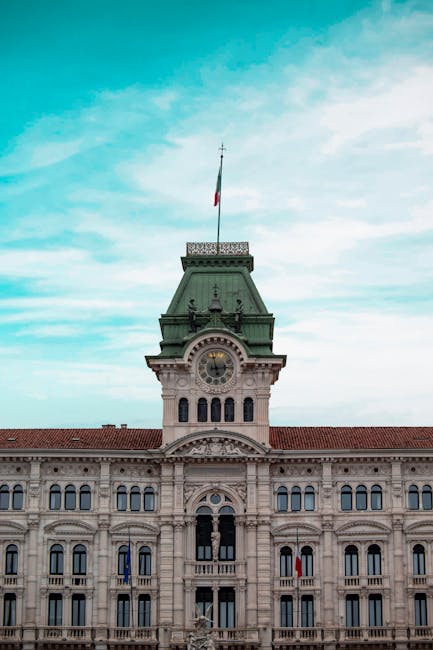
    • Palazzo Doria Tursi town hall facade with flags

    • Palazzo Reale — Via Balbi 10, 16126 Genova GE. Hours: 09:30–19:00, last entries often 18:00; price: around €8 full fare, reductions available. Gardens included in the ticket. Reservations recommended for groups and guided tours.
    • Grand illuminated staircase at the Royal Palace

    Practical tips:

    • Book online when possible: some palaces limit the number of simultaneous visitors to protect the spaces.
    • Allow 2 to 4 hours for a combined route (Palazzo Rosso + Palazzo Bianco + Palazzo Doria Tursi), more if you want to see temporary exhibitions or attend concerts in historic rooms.
    • Quietest times: late morning on weekdays is often the best slot. Avoid late afternoons on high-season weekend days.
    • Accessibility: some palaces have constraints (narrow stairs, no elevator). Ask staff about mobility-impaired access; several sites offer adapted routes or alternative entrances.
    • Local guides and audio guides: a professional guide will enrich the visit by placing artworks and architecture in their historical context. Audio guides provide keys to understanding fresco iconography and family symbols.

    Guided tour in a historic palace with fresco explanation

    Genoa’s soul as told by the Palazzi: symbols, rituals and modern life

    The Palazzi dei Rolli are more than beautiful objects: they are living social spaces where rituals are reproduced and transformed. Over the centuries they hosted ambassadors, merchants, artists and musicians; today they welcome tourists, researchers, weddings and cultural events. This continuity of use demonstrates the strength of heritage: it is alive only because practices continue to inhabit it. In the salons, allegorical paintings praise civic virtue, navigation and commercial triumphs; in the gardens, views of the port recall the primary source of wealth. The Palazzi thus tell a multi-voiced story: that of the owners, of the artisans, of the city, and the quieter one of servants and visitors who moved through these walls.

    Contemporary resonance shows up in initiatives: baroque music festivals, contemporary exhibitions in dialogue with painted ceilings, night-time routes and themed visits (historic kitchen tours, stuc restoration studies, etc.). These projects offer today’s visitor a dynamic reading: how to balance technical preservation with public use? How to accommodate the demands of cultural tourism without stripping authenticity? In Genoa, answers come through public-private partnerships and investment in cultural mediation.

    Final local tip: to feel the Genoese spirit, pair a palace visit with a walk to the Acquario di Genova, a meal in a historic-center trattoria (try the local focaccia and Genoese pesto) and a look back over the harbor. The contrast between the hushed rooms of the Palazzi dei Rolli and the port’s tumultuous energy is key to understanding this city: a maritime metropolis, proud, discreet and outward-looking.

    Close-up of an ornate gilded frescoed ceiling

    Conclusion: why every stone of the Palazzi dei Rolli speaks of Genoa

    The Palazzi dei Rolli are more than monuments; they are active witnesses of a mercantile civilization that shaped not only architecture but also Genoa’s social and political practices. Walking along Via Garibaldi and through the palaces scattered across the historic center, visitors understand that Genoa’s soul reads in the overlap of functions: private home and public instrument, artwork and status device, family legacy and common good. Every façade, salon and collection points to an era when commercial success was expressed in a plastic language — a decorative vocabulary meant to be read and recognized by peers and foreign guests.

    Visiting the Palazzi dei Rolli therefore invites a double motion: aesthetic admiration and historical reflection. It is not only about admiring masterpieces — it is about understanding how power was materialized and staged. Today’s entry fees (in euros), opening hours and services are only the contemporary face of a living heritage: the palaces keep hosting, conversing and inspiring. For history buffs, architects, curious travelers or photographers, these dwellings offer endless ground for exploration.

    In short: plan your visit according to opening times (Palazzo Rosso and Palazzo Bianco often 10:00–18:00; Palazzo Doria Tursi municipal sections 09:30–19:00; Palazzo Reale 09:30–19:00), book when you can (Musées di Strada Nuova combined tickets ~€12), favor mornings for photography and calm, and allow yourself to be soaked in the human and material texture of these places. Doing so, you won’t just see palaces: you’ll sense the soul of a city that, through its sea, its trade and its stones, learned to tell its story through beauty.

    Evening view of Via Garibaldi, Genoa

  • Baroque Stroll: Discovering Genoa’s Stunning Rolli Facades

    Baroque Stroll: Discovering Genoa’s Stunning Rolli Facades

    Introduction: A Baroque Stroll Through Genoa — Exploring the Rolli Facades

    Genoa, a historic port and Mediterranean trading hub, preserves an extraordinary urban memory: the Palazzi dei Rolli, the lavish palaces that line the Strada Nuova (today Via Garibaldi) and nearby neighborhoods. Listed as a UNESCO World Heritage site, the Rolli served both as private homes and as a kind of official hospitality: an official register — the « rollo » — dictated which palace would host distinguished guests sent by the Republic of Genoa. A baroque walk along these façades reveals not only the architectural and decorative opulence of the 17th and 18th centuries, but also a civic rivalry among patrician families played out in stone.

    This walk isn’t just about admiring grand doorways or carved cornices: it’s a sculptural language where marble, Ligurian gray stone, stucco, wrought-iron balconies and mascarons tell stories of power, trade and international ties. The façades, often freshly restored, alternate between geometric restraint and full-blown baroque drama, and the smooth fronts along Via Garibaldi answer one another like an open-air gallery. Strolling slowly with your head tilted up lets you spot details you’d otherwise miss at first glance: family crests, semicircular windows, stacked loggias, and the use of color — ochres, grays and off-whites — that catch the light from the harbor.

    This practical, professionally-oriented guide leads you through a structured walk so you can identify, understand and appreciate the most intriguing Rolli façades. You’ll find exact addresses, opening hours, admission prices in euros for visiting some palace-museums, and immersive descriptions of the exteriors and the on-site atmosphere. Practical tips will help you optimize your visit: best times for light, suggested walking routes, public transport access and tricks to avoid the crowds. Whether you’re into architecture, photography, cultural travel or simply curious, this baroque stroll through Genoa will teach you to read the city like a richly illustrated stone book.

    Before you go: wear comfortable shoes (the cobbles are uneven), bring a notebook to jot down palace names and coat-of-arms you spot, and have a camera ready to capture the interplay of shadow and relief on the façades. Several museums reachable from these exteriors require timed tickets; booking online is often recommended, especially in high season. Finally, respect the buildings: many remain active public spaces and house institutions. Take the time to savor the neighborhood’s slow pace — sit at a local café terrace and let the city tell you its baroque story.

    Via Garibaldi: The Rolli’s Open-Air Gallery and Iconic Fronts

    Via Garibaldi (formerly Strada Nuova) is the heart of the baroque walk. Laid out in the 16th century, this heritage street displays façades that showcased the prestige of the Republic’s leading families. Each palace offers a worked façade: monumental portals, corniced windows, wrought-iron balconies and decorated lintels. Some of the most notable facades you can see from the street are:

    • Palazzo Nicolosio Lomellino, Via Garibaldi 9 — a baroque frontage with triple orders of windows and a central balcony. Exact address: Via Garibaldi, 9, 16124 Genova GE. Admission (when guided visits to Palazzo Lomellino are available): about €6. Hours vary; often open by private reservation or during cultural events. This palace stands out for its painted façades and its signed ashlar stone portal.
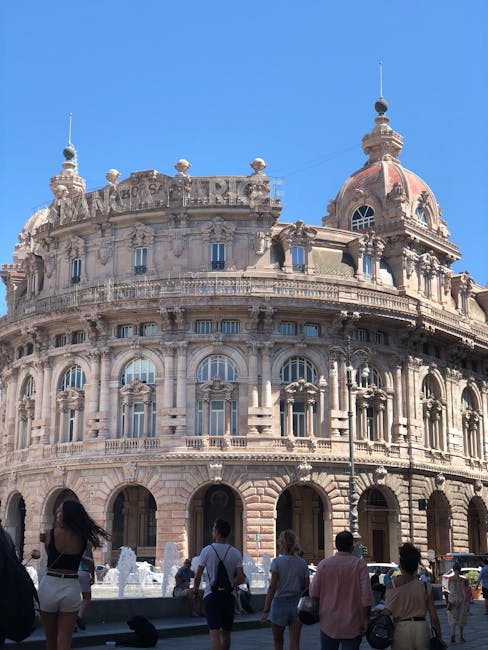
    • Palazzo Doria-Spinola / Palazzo Tursi, Piazza De Ferrari 5 — also known as Palazzo Doria-Tursi, home to the city hall and a museum. Address: Piazza De Ferrari, 5, 16121 Genova GE. Admission to the municipal museum (Museo di Palazzo Doria-Tursi): €6. Typical hours: Tuesday–Sunday 9:30–19:00, closed Monday. The façade is imposing, built in gray stone, with a large balcony overlooking Genoa’s main square.
    • Palazzo Rosso, Via Garibaldi 18 — famous for its ochre façade and its rich interior collection. Address: Via Garibaldi, 18, 16124 Genova GE. Admission: €7 (single entry), or €12 for a combined ticket to the Musei di Strada Nuova (Palazzo Rosso + Palazzo Bianco + Palazzo Doria-Tursi). Hours: Tuesday–Sunday 9:30–19:00, closed Monday. From the street, Palazzo Rosso shows classical order and refined cornices, with Italian windows framed by sculpted lintels.
    • Palazzo Bianco, Via Garibaldi 11 — a restrained but elegant façade, housing an impressive European painting collection. Address: Via Garibaldi, 11, 16124 Genova GE. Admission: €7 (single entry); combined tickets available for €12. Hours mirror Palazzo Rosso (typically 9:30–19:00 Tuesday to Sunday). From the street, the façade displays a steady rhythm of windows and a monumental bossed portal.

    Read these façades storey by storey: a rusticated stone base, the piano nobile (noble floor) with large windows and a central balcony, and a cornice-topped roof. Take time to study the carved details near lintels and keystones: they often display family coats-of-arms or marine allegories that recall Genoa’s trading might. For photographers, morning light (between 8:30 and 11:00) beautifully illuminates east-facing façades; late afternoon creates side shadows that accentuate stucco and cornice reliefs.

    Local tip: start early to avoid tour groups and tailor your observations. Several historic cafés sit just off the main drag — a strong espresso at a pavement table helps you settle into the city’s rhythm before you start reading the façades. If you plan to go inside a palace, combined tickets for the Musei di Strada Nuova (Palazzo Rosso, Palazzo Bianco, Palazzo Doria-Tursi) are economical and help you connect the exterior statements with interior decor.

    Façades beyond Via Garibaldi: Piazza di Pellicceria, Via Balbi and Baroque Surprises

    Outside Via Garibaldi, the Rolli spread into other key areas of the city. Piazza di Pellicceria and Via Balbi, in particular, offer equally expressive and often more intimate façade compositions. These quarters reveal stylistic variety — from flamboyant baroque to neoclassical touches — and provide a quieter stroll away from the main tourist routes.

    • Palazzo Spinola di Pellicceria, Piazza di Pellicceria 1 — address: Piazza di Pellicceria, 1, 16123 Genova GE. Admission: €6–€8 depending on temporary exhibitions. Hours: generally Tuesday–Sunday 10:00–18:00, closed Monday. The façade, narrower than those on Via Garibaldi, emphasizes verticality with a portal flanked by pilasters and a richly decorated balcony. The small, shaded piazza invites close inspection of carved details.
    • Palazzo Reale, Via Balbi 10 — address: Via Balbi, 10, 16126 Genova GE. Admission: €10 (standard), with concessions for students and seniors. Hours: Tuesday–Sunday 10:00–18:00, closed Monday. Although located on Via Balbi, the palace’s main façade displays a solemn classicism, with exuberant decorative work on cornices and window surrounds. Side façades and the inner courtyard reveal frescoes and dramatic marble treatments.
    • Minor palaces and port-area façades — heading toward the historic port and exploring the adjacent alleys, you’ll find lesser-known façades, many recently restored. These patrician houses feature mascarons, maritime bas-reliefs and Latin inscriptions that testify to seafaring exchanges. They’re worth pausing for: the sculpted details, preserved ironwork and salt-weathered colors tell their own stories.

    Practical tip: Piazza di Pellicceria and the areas around Via Balbi are ideal for combining architectural observation with a cultural break — museums, small galleries and specialist bookstores focused on regional history are nearby. Watch opening hours: many palaces close on Mondays and some temporary exhibitions require time-slot bookings. If you plan to visit Palazzo Reale, allow at least 90 minutes to enjoy its gardens, state apartments and art collection.

    Practical Tips for the Stroll: Route, Tickets, Accessibility and Best Times

    Organizing your baroque stroll takes a bit of planning. Here’s a recommended route, specific pricing guidance and practical advice for a successful visit.

    • Recommended route (on foot): start at Piazza De Ferrari (Piazza De Ferrari, 16121 Genova GE), walk up Via XX Settembre to Via Garibaldi, then follow Via Garibaldi from Palazzo Doria-Tursi / Palazzo Rosso (Via Garibaldi 18) to Palazzo Lomellino (Via Garibaldi 9). From there, head down to Piazza di Pellicceria (Piazza di Pellicceria, 16123 Genova GE) and finish along Via Balbi (with Palazzo Reale, Via Balbi 10). This loop takes about 2–3 hours if you don’t go into every museum; expect a half-day if you visit interiors.
    • Tickets and prices: budget roughly if you plan multiple palace visits: Palazzo Rosso €7, Palazzo Bianco €7, Palazzo Doria-Tursi €6, Palazzo Spinola di Pellicceria €6–€8, Palazzo Reale €10. Combined ticket for the Musei di Strada Nuova (Palazzo Rosso + Palazzo Bianco + Palazzo Doria-Tursi): about €12. Discounts exist for students, under-18s and seniors — check official sites. Buying online is advised to skip lines, especially in July–August.
    • General opening hours: most museums are open Tuesday to Sunday, from 9:30/10:00 to 18:00/19:00; frequent closures on Monday. Always check up-to-date schedules on official sites or call ahead: hours can change for temporary exhibitions or public holidays.
    • Accessibility: some palaces are partially accessible to visitors with reduced mobility; ramps and lifts exist at certain sites but aren’t consistent across all buildings. Contact museums in advance (phone or email) to arrange access. Streets are cobbled and sometimes narrow — arrange assistance if needed.
    • Best times and seasons: morning (8:30–11:00) for façades bathed in soft light and fewer tourists; late afternoon for stronger contrasts and dramatic shadow plays. In summer, avoid the hottest hours (12:00–16:00) and favor early mornings or evenings. Spring and autumn offer pleasant temperatures and lovely seasonal colors.

    Local tip: several local guides and themed tours (baroque architecture, frescoes, family histories) are organized by cultural associations. A 90-minute guided walk can grant access to private palaces that are otherwise closed and provide lively anecdotes about the diplomacy and republican hospitality of the Rolli.

    How to Read a Façade: Symbols, Materials and Conservation

    Reading a baroque façade is a small discipline: every element — material, sculpted motif, proportion — conveys information about social origins, commercial links and sometimes the family’s trade. In Genoa, the use of local limestone, imported marble and colored stucco forms a material palette adapted to the maritime climate.

    Recurring features to look for include:

    • The piano nobile: the noble floor is often marked by larger windows and a central balcony. This is where official receptions took place — note the size and ornamentation to gauge a palace’s importance.
    • Family arms and crests: carved in relief or painted, often placed above the main portal. They identify the owning family and sometimes marital alliances shown through combined heraldic symbols.
    • Marine motifs: shells, tridents, stylized ships — frequent reminders of Genoa’s maritime and commercial vocation. They appear on keystones and bas-reliefs.
    • Colors and stucco: ochres, pale yellows, grays. Painted façades are treated to resist salt; modern restorations aim to recover the original palette.

    Conservation: the city of Genoa has launched several restoration campaigns to combat salt erosion and urban pollution. Restored façades often show new joints, replaced stone sections and reinforced cornices. When you study a façade, note the contrast between older and newer sections — it tells the story of interventions. Respect ongoing works and read on-site information panels to better understand preservation challenges.

    Conclusion: Savor the Walk and Keep Exploring

    A baroque stroll through the Rolli façades in Genoa is both a sensory and intellectual experience: it combines the wonder of sculpted decoration with an understanding of the socio-economic network that shaped the city. The façades, sometimes restrained and sometimes theatrical, are open pages of Genoa’s maritime and cultural history. Walking Via Garibaldi, Piazza di Pellicceria and Via Balbi, you’ll appreciate the range of architectural languages and the ways prestige was expressed in stone.

    To extend your visit, I recommend:

    • Visiting at least one interior (Palazzo Rosso or Palazzo Reale) to connect façade and interior décor.
    • Joining a themed guided tour to learn about the coats-of-arms and the Rolli’s diplomatic context.
    • Exploring adjacent alleys and the harbor to complete your reading of the urban landscape and spot secondary façades often overlooked.
    • Checking with local tourist offices (Ufficio IAT Genova, Piazza De Ferrari) for maps and combined tickets.


    Ultimately, the baroque stroll in Genoa is not just a tourist route: it’s an invitation to read the city attentively. The Rolli façades, between carved details and urban grandeur, offer a route that feeds both the eye and historical curiosity. Take your time, let the light guide you, note recurring motifs and—most importantly—pay attention to small squares and passages where the finest baroque surprises often hide. Enjoy your walk and happy discoveries in Genoa.

  • Genoa’s UNESCO Palaces: Secrets and Splendors of the Palazzi dei Rolli

    Genoa’s UNESCO Palaces: Secrets and Splendors of the Palazzi dei Rolli

    Introduction: Genoa’s UNESCO Palaces — a Baroque and Republican Symphony

    Genoa, the maritime republic that shaped the Mediterranean for centuries, still wears its history in stone: the Palazzi dei Rolli — a group of aristocratic townhouses inscribed on UNESCO’s World Heritage List. Concentrated mainly along Via Garibaldi (formerly Strada Nuova) and in nearby neighborhoods, these palaces are a striking portrait of Genoese power, taste and social life in the 16th and 17th centuries. They showcase not only lavish facades and inner courtyards but also a unique civic system: the rolli — official registers of private palaces the Republic used to host distinguished visitors.

    This practical guide invites you on an in-depth exploration of the listed palaces, with concrete details — exact addresses, opening hours, ticket prices in euros, immersive descriptions of interiors and decor, and local tips to make the most of your visit. Whether you love art, history, photography or are simply curious, you’ll find the information needed to plan your route through Genoa: best times to avoid crowds, hidden passages to look for, and the vantage points that offer the most dramatic views of courtyards and grand staircases.

    The buildings that make up the UNESCO site are more than just fronts: many house museums — collections of ancient art, paintings, tapestries and ceremonial furniture — while others still serve public roles today. Among the most visited are the Museo di Palazzo Reale (Palazzo Reale di Genova), the Musei di Strada Nuova (Palazzo Rosso, Palazzo Bianco, Palazzo Doria Tursi) and several palaces belonging to the Spinola, Lomellini and Pallavicini families, whose salons, staircases and winter gardens reveal decorative treasures. Below we detail the main sites and share practical tips (combo tickets, online reservations, transport links from Genova Piazza Principe or Genova Brignole stations) and suggestions to extend the experience — neighborhood cafes, specialist history bookshops and restoration workshops you can sometimes observe during visits.

    Before you set off, keep a few rules of thumb in mind: respect interior spaces (some rooms limit the number of visitors), take a guided tour to access rooms closed to the public, and favor mornings or late slots for the soft light that flatters frescoed chambers. Prices and hours in this guide reflect the situation at the time of writing and may change: it’s wise to check official sites or call the museums before you go for exceptional closures or temporary exhibitions.

    Via Garibaldi and the Musei di Strada Nuova: Palazzo Rosso, Palazzo Bianco, Palazzo Doria Tursi

    Via Garibaldi is the backbone of the UNESCO Palazzi dei Rolli site. Strolling down the street, you’ll encounter a succession of richly decorated facades, cloistered courtyards and marble staircases. Three palaces — both museums and monuments — are run together as the Musei di Strada Nuova:

    • Palazzo Rosso (Museo di Palazzo Rosso) — Address: Via Garibaldi 18, 16124 Genova. Hours: generally 10:00–18:00 (last entry 17:15), closed on Mondays. Price: single ticket around €7.00; combined Musei di Strada Nuova ticket (Palazzo Rosso + Palazzo Bianco) often €10.00–12.00. Description: once the residence of the Brignole Sale family, the palace displays Italian and Flemish paintings (Van Dyck, Veronese), period furniture, and offers a spectacular view of the honor courtyard and marble staircases. The rooms are rich in woodwork, frescoes and Baroque stucco; lighting is arranged to reveal the paint layers and textures of the artworks.

    • Palazzo Bianco (Galleria di Palazzo Bianco) — Address: Via Garibaldi 11, 16124 Genova. Hours: 10:00–18:00 (last entry 17:15), closed on Mondays (variable). Price: single ticket around €7.00; often included in Musei di Strada Nuova packages. Description: the heart of European painting in Genoa, it displays masterpieces from the Genoese school and major Italian artists (Pietro da Cortona, Guercino), with a carefully curated route that reveals private salons and aristocratic intimacy.

    • Palazzo Doria Tursi (Museo Civico di Genova) — Address: Via Garibaldi 9, 16124 Genova. Hours: 10:00–19:00 on some days; hours vary with municipal events, sometimes closed on Monday mornings. Price: entry varies, often €6.00–9.00; combo tickets with other municipal sites are available. Description: home to the City Hall of Genoa, this palace preserves princely apartments, decorated salons and the collection of the famous violinist Niccolò Paganini (including his violin on display). Stucco work and painted ceilings, along with a sequence of ceremonial rooms, underline the palace’s official role at the heart of Genoese political and cultural life.

    Practical tips: buying a combined « Musei di Strada Nuova » ticket (often available online via the Musen site) can save money and sometimes let you skip the line. Arrive early (or between 15:00 and 17:00) to benefit from natural light that highlights frescoes and gilded frames. Many rooms allow photography without flash; check signs and ask staff. Audio guides in English and Italian are often available for about €3.00–5.00.

    Other Major Listed Palaces: Palazzo Reale, Palazzo Spinola di Pellicceria and Palazzo Lomellino

    Beyond Via Garibaldi, several other Rolli palaces deserve a closer visit. Each reveals a different aspect of Genoese aristocracy: official residence, urban pleasure house or private collection open to the public.

    • Palazzo Reale (Museo di Palazzo Reale) — Address: Via Balbi 10, 16126 Genova. Hours: typically 09:30–19:00 (last entry 18:00), closed some Mondays; check the official website before you go. Price: standard ticket around €10.00–12.00; reduced fares for seniors/students. Description: former residence of the Balbi family and later the Savoy court, it offers a sumptuous tour of royal apartments, richly decorated salons, art collections and a hanging garden overlooking the city. Frescoed ceilings and tapestries are highlights for lovers of interior decoration.

    • Palazzo Spinola di Pellicceria — Address: Via Garibaldi 12, 16124 Genova. Hours: often 10:00–18:00 (seasonal), closed on certain days; check before you travel. Price: entry around €6.00–8.00; sometimes included in cultural circuits. Description: notable for its woodwork, banquet rooms and collection of art objects, this palace presents a coherent ensemble of aristocratic interiors. The salons preserve period furniture and family portraits, while the inner courtyard creates a play of light and shadow ideal for photography.

    • Palazzo Lomellino (Palazzo Nicolosio Lomellino) — Address: Via Garibaldi 5, 16124 Genova. Hours: variable; parts of the palace open only for temporary exhibitions or by guided reservation. Price: often included in themed guided tours, with prices varying €8.00–15.00. Description: famous for its richly decorated main staircase and frescoed rooms, the Lomellino immerses visitors in 17th-century architectural refinement, with terraces and scenic views from the upper floors.

    Local tip: for these less centralized palaces, prefer guided tours (in Italian or English) — often the only way to access private salons and gardens. Genoa’s tourist offices (IAT) run themed circuits and the occasional « Rolli Days » events when private palaces open to the public. For transit, use public transport or park nearby: bus line 35 and the tramway serve the Via Balbi and Via Garibaldi areas; from Genova Piazza Principe station, it’s about a 15–25 minute walk or 1–2 short bus stops depending on traffic.

    Themed Visits, Architectural Secrets and Practical Tips for Travelers

    The Palazzi dei Rolli are more than facades: they form a network of stories, families, objects and architectural innovations. Here’s how to deepen your experience with themed visits and practical advice to turn a tour into a sensory exploration.

    • Themed visits and events: watch for temporary exhibitions and the « Rolli Days, » a periodic event when palaces normally closed open for free or by reservation. Museums sometimes offer evening routes, Baroque concerts in salons, and specialized guided tours (history of furnishings, fresco techniques, urban gardens). These themed routes deepen your understanding of how the palaces were used — for receptions, administration, or private residence — and often grant access to normally closed rooms.
    • Architectural secrets to look for: search for traces of the old rolli system — plaques, heraldic signs and coats of arms on facades; inspect inner courtyards with wells, columns and loggias. Inside, study the grand staircases (representative staircases), ceiling treatments (faux frames, trompe-l’œil) and ventilation devices designed for Mediterranean summers. Some palaces still preserve service passages, servants’ corridors and service quarters that reveal daily life behind the scenes.
    • Practical tips:
      • Tickets: buy online for the Musei di Strada Nuova and Palazzo Reale to avoid queues. Reservations for guided tours or groups are often mandatory in high season.
      • Accessibility: many historic palaces have narrow staircases; visitors with reduced mobility should check ahead. Some museums offer elevators or adapted routes.
      • Photography: most rooms allow photography without flash; flash is prohibited to protect artworks. For professional shoots, request permission from museum staff.
      • Visit length: plan 1.5–2 hours per palace if you want to see the main rooms. A complete Rolli itinerary can take a full day or be spread over two days to better absorb the details.

    Local food tip: after your visit, stop at a nearby trattoria — try focaccia al formaggio (local cheese focaccia) or farinata — and pair your meal with a glass of Vermentino or Sciacchetrà for a sensory finish to your historical immersion.

    Suggested Itinerary, Transport and Stay Tips

    To make the most of the palaces on the World Heritage list, here’s a sample one-day route and practical information for getting around and extending your stay in Genoa.

    • One-day walking itinerary:
      1. Morning: arrive at Genova Brignole or Genova Piazza Principe → start on Via Garibaldi. Begin at Palazzo Doria Tursi (Via Garibaldi 9) then continue to Palazzo Bianco (Via Garibaldi 11) and Palazzo Rosso (Via Garibaldi 18). Estimated duration: 3–4 hours if you visit all three museums.
      2. Lunch: choose a trattoria around Via Garibaldi or in the Carignano neighborhood (10–15 minutes on foot).
      3. Afternoon: head to Palazzo Reale (Via Balbi 10) then, time permitting, visit a Spinola palace or wander the centro storico to discover narrow alleys and small squares.
      4. Evening: stroll the marina, dine in Boccadasse or return to Piazza De Ferrari for a drink on a terrace.
    • Transport: Genoa’s historic center is easily explored on foot. Bus and tram: AMT operates urban lines; get a daily ticket (about €4.50) if you’ll use multiple rides. Taxis: available from stations or the waterfront, fares vary — ask for an estimate. If you arrive by car, paid parking is available near Via Balbi and Via Garibaldi; it’s often easier to park outside the core and walk in.
    • Stay tips: book accommodation in advance for high season (May–Sept). Choose a hotel or B&B in the historic center (areas around Portello or near Piazza De Ferrari) to be within walking distance of palaces and museums. Check local markets (Mercato Orientale) for fresh produce and regional specialties between visits.

    Conclusion: Heritage, Daily Life and Preservation — Why Visit These Palaces Now

    Visiting the palazzi inscribed on Genoa’s World Heritage List is stepping into a complex network where formal grandeur meets the history of trade, diplomacy and aristocratic private life. These homes tell the story of a city built on maritime exchange, family rivalries and a carefully staged culture of prestige. The facades of Via Garibaldi, painted halls, ceremonial staircases and hanging gardens are chapters of an urban narrative: a civic republic that distributed honor and official hospitality through the rolli.

    Practically speaking, the conservation and public opening of these palaces have turned Genoa into a living, fragmented but interconnected museum — where every visit can reveal something new: a recently restored fresco, a private collection accessible during a Rolli Day, or a ceremonial room reopened after conservation. It’s an opportunity to understand not only Baroque and Mannerist aesthetics but also the social and political strategies that made these houses central to diplomacy and the city’s image.

    When planning your visit, keep the practical tips in mind: favor combo tickets, book guided tours, and schedule your visits according to light and visitor flows. And leave time for the city itself: wander the lanes, taste Genoese specialties, and look for small details — a carved knocker, a faded coat of arms, a window onto a tiny garden — that make the Palazzi dei Rolli a living and ongoing heritage experience.

    Whether your priority is art, architecture, photography or plain curiosity, Genoa’s palaces will speak through their stone, paintings and collections: listen, take your time, and leave feeling as if you’ve stepped through a door into several centuries of European history. Safe travels and enjoy uncovering the secrets and splendors of Genoa’s UNESCO palaces.


  • Palazzi dei Rolli: A Royal Route for History Lovers

    Palazzi dei Rolli: A Royal Route for History Lovers

    Introduction — Palazzi dei Rolli: A Royal Route for History Lovers

    Genoa, a Mediterranean port with a rich commercial and artistic past, holds one of the most fascinating concentrations of urban Baroque palaces in Europe: the Palazzi dei Rolli. Listed as a UNESCO World Heritage Site in 2006, these palaces were once part of a unique system of « rolli » — public lists of private residences designated to host official guests of the Republic of Genoa. Today they form a monumental ensemble mainly stretched along the grand Via Garibaldi (formerly Strada Nuova) and in the nearby streets, offering visitors a journey into the opulence, architecture, and aristocratic life from the 16th to the 18th century.

    This royal route, designed for history buffs, blends cultural visits, clear architectural landmarks, exact addresses, prices in euros and practical opening times to help you plan a full day — or several days — focused on the Palazzi dei Rolli. Whether you love Baroque art, historic interiors, secret gardens or are simply curious about urban history, this guide will help you arrange a logical progression to make the most of walking distances and your visiting time.

    Marble facades, grand staircases, painted ceiling decorations and art collections tell not only the stories of the patrician families who commissioned these palaces, but also the tale of a maritime republic that made its mark through trade and patronage. This guide goes beyond basic facts: it offers immersive descriptions of each palace’s atmosphere, local tips (best visiting times, ticketing options, how to avoid queues), and suggestions for pairing visits with the city’s culinary pleasures.

    Below you’ll find a detailed itinerary split into steps — morning and afternoon — with exact addresses and typical opening hours (always double-check before you go, as times may vary by season and for events). The prices quoted are standard public rates (in euros), and I’ll note where combined tickets offer reduced admission to multiple sites. To spark your visual imagination, I’ve included image markers that point to particularly photogenic views or details of the palaces and their urban settings.

    Palazzo Rosso facade on Via Garibaldi, Genoa
    Via Garibaldi street view lined with Baroque palaces
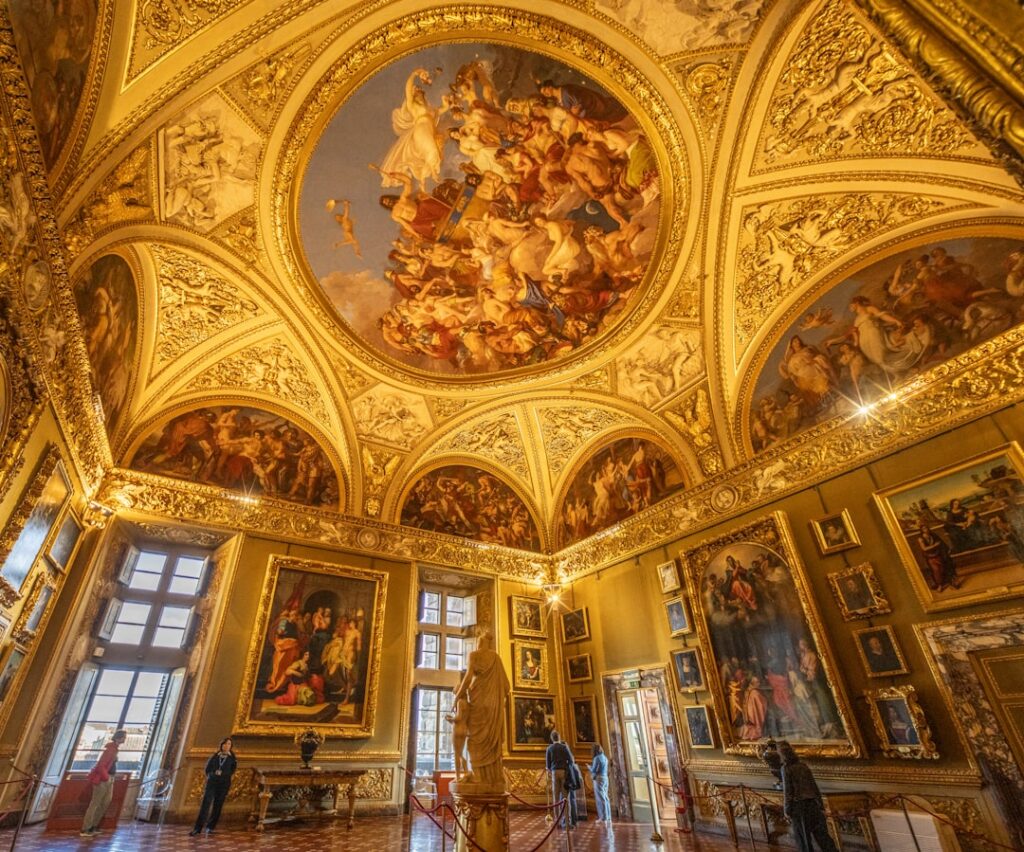
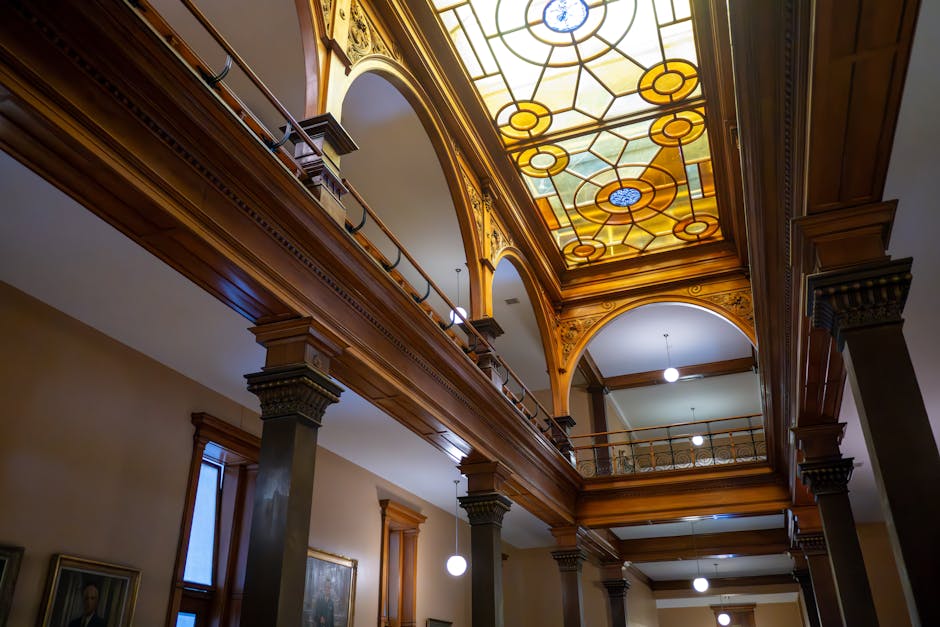
    Frescoed ceiling inside an Italian Baroque palace hall
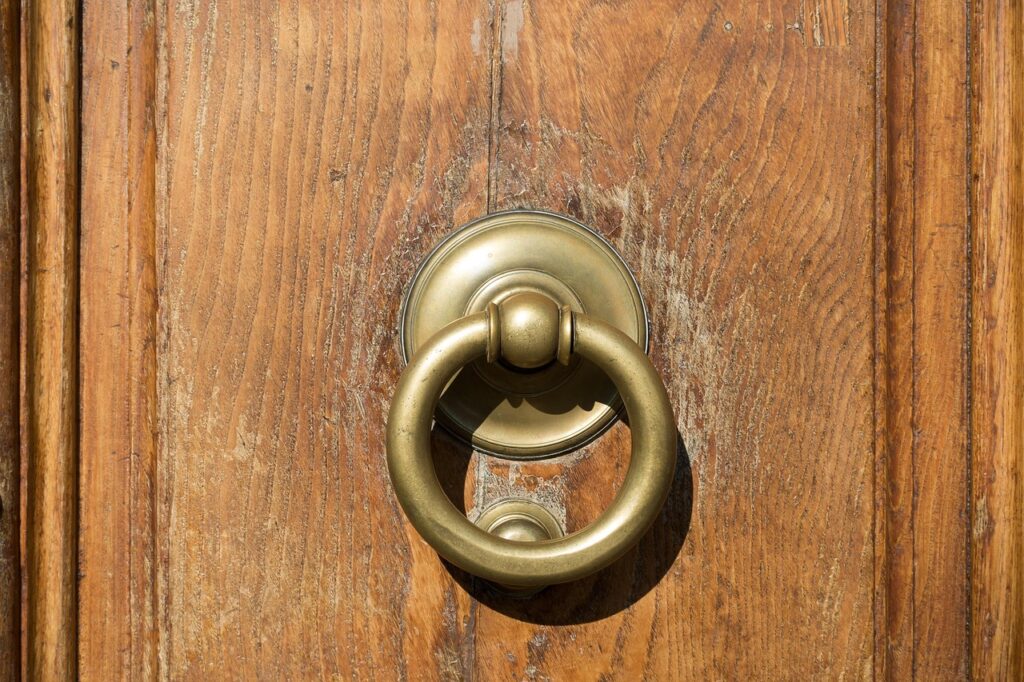
    Old wooden door with brass knockers at a Genoese palace entrance

    History and context of the Palazzi dei Rolli: understanding the system and the architecture

    The Rolli system is one of the unique administrative and social features of the Republic of Genoa. From the 16th century onward, the republic had no official state guesthouse to host ambassadors and foreign dignitaries. Instead, it compiled lists (rolli) of private residences owned by Genoese nobility — the most prestigious and lavish homes — categorized by size and representativeness. When an official guest had to be received, the household that would host them was chosen by lot from these lists. This system reflected the competitive display of wealth and status among families, which in turn produced a highly refined urban environment, notably along Strada Nuova (now Via Garibaldi).

    The palaces’ architecture showcases stylistic development over several centuries: restrained Renaissance-inspired facades, inner courtyards with arcades, monumental honor staircases, elaborate Baroque fresco cycles, woodwork, polychrome marbles, stuccoes and terraced gardens. The master builders and artists involved were often internationally renowned — sculptors, painters and architects blending local influences with Tuscan, Roman and even Spanish models. The outcome is a typology of urban palaces adapted to a dense public and ceremonial life: the entrance, the vestibule and the grand staircase symbolically lead up to the state rooms, where official receptions and political conversations took place.

    Among the most visited palaces today are:
    – Palazzo Rosso (Musei di Strada Nuova) — Via Garibaldi, 18, 16124 Genova: famous for its painting collections and glowing interiors.
    – Palazzo Bianco — Via Garibaldi, 9, 16124 Genova: an art museum with works from the Renaissance to the Baroque.
    – Palazzo Doria Tursi (Palazzo Tursi) — Via Giuseppe Garibaldi, 9, 16124 Genova: home of the civic museum and municipal collections.
    Palazzo Reale — Via Balbi, 10, 16126 Genova: a former royal palace with gardens and sumptuous apartments.
    – Palazzo Spinola di Pellicceria — Via Garibaldi, 12, 16124 Genova: notable examples of interior decoration.
    These addresses make logical starting points to understand the rolli system and their urban distribution.

    The palazzi are not just museums; some still serve municipal or private functions, and others host concerts, temporary exhibitions and conferences. Visiting routes should therefore be planned with variable opening times and closure days in mind (Monday is often a closure day for many museums). In addition, the city frequently offers a combined ticket, « Musei di Strada Nuova, » which bundles access to Palazzo Rosso, Palazzo Bianco and Palazzo Doria Tursi at a reduced rate compared to separate tickets — often the most economical option for art lovers.

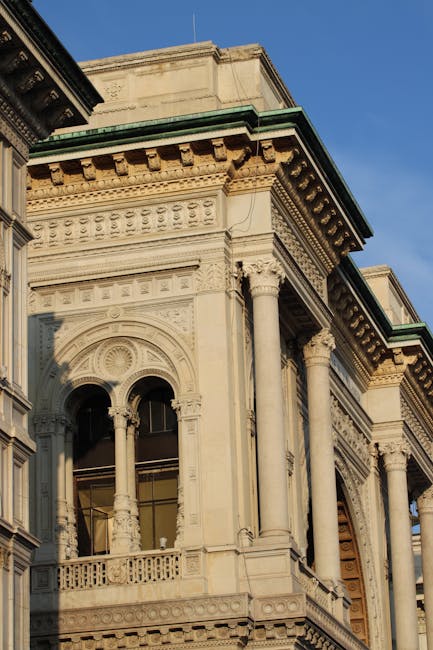
    Marble facade of Rolli palaces on Via Garibaldi, Genoa

    Recommended route — Morning: Via Garibaldi and the main palaces (3 to 4 hours)

    Start your morning along Via Giuseppe Garibaldi (Via Garibaldi), the historic heart of the Palazzi dei Rolli. The street, about 250 meters long, is lined with an unrivaled concentration of palaces and is the most practical route for a compact, coherent immersion.

    Step 1 — Palazzo Doria Tursi (Palazzo Tursi): Via Giuseppe Garibaldi, 9, 16124 Genova.
    – Opening times: usually open Tuesday to Sunday from 09:30 to 19:00 (closed Monday).
    – Price: single entry about €6.00 (full price). Discounts for students and seniors; free entry on certain local public holidays.
    – Description: Home to the Museo Civico and the Historical Archive, its monumental staircase, richly decorated salons and collection of furniture and musical instruments make for an excellent first stop. Don’t miss the bust room and the terrace that commands a perspective over Via Garibaldi.
    – Tip: arrive at opening time to avoid tour groups and enjoy the early morning light that highlights the woodwork.

    Exterior of Palazzo Tursi on Via Garibaldi

    Step 2 — Palazzo Bianco: Via Garibaldi, 9, 16124 Genova.
    – Opening times: generally Tuesday to Sunday 09:30–19:00.
    – Price: single ticket around €10.00; included in the Musei di Strada Nuova combined ticket (see below).
    – Description: An art museum housed in a 16th-century palace, it displays an excellent collection of Italian paintings (Carracci, Rubens, Van Dyck) and local artists. Rooms are organized chronologically and thematically, allowing you to trace the stylistic evolution of European painting.
    – Tip: the audio guide (often available in several languages) helps contextualize the works and is worth it if your time is limited.

    Step 3 — Palazzo Rosso (Musei di Strada Nuova): Via Garibaldi, 18, 16124 Genova.
    – Opening times: usually Tuesday to Sunday 09:30–19:00.
    – Price: single ticket around €10.00; combined ticket for the three Strada Nuova museums (Palazzo Rosso, Palazzo Bianco, Palazzo Doria Tursi) about €12.00–15.00 depending on promotions.
    – Description: The palace gets its name from the red walls of some rooms; it houses a prestigious collection (portraits, Flemish and Italian paintings, tapestries). The museum route crosses richly decorated salons, studies and bedrooms, ending with a charming terrace overlooking the street.
    – Tip: check whether the « Musei di Strada Nuova » combined ticket is available on the day of your visit — it will save you time at the ticket desk and money.

    Interior of Palazzo Rosso with red walls and paintings

    Step 4 — Secondary palaces to see on foot (optional depending on time):
    – Palazzo Spinola di Pellicceria — Via Garibaldi, 12, 16124 Genova. Hours: 10:00–18:00; Price: €6.00–8.00. Remarkable Baroque interiors.
    – Palazzo Nicolosio Lomellino — Via Garibaldi (entrance number varies), famous for its decorated staircase and hanging garden (oratory). Hours and prices vary (often included in guided circuits).
    These additional visits often require reservations for interior access, as some palaces open intermittently or are used for private events.

    Marble staircase with ornate balustrade inside a Genoese palace

    Recommended route — Afternoon and evening: Palaces beyond Via Garibaldi and Genoese ambiance

    After a typical Genoese lunch (restaurant tips further down), head to palaces that are a little farther out and down toward the sea to round out your Rolli discovery. The afternoon is ideal for visiting the sumptuous Palazzo Reale and taking time to explore palaces converted into exhibition spaces or specialized museums.

    Step 1 — Palazzo Reale (Royal Palace): Via Balbi, 10, 16126 Genova.
    – Opening times: generally open Tuesday to Sunday 09:00–19:00 (closed Monday).
    – Price: single entry around €8.00–12.00 depending on the exhibition; reduced rates for students and seniors, often available as a combined ticket with civic museums.
    – Description: The Palazzo Reale is among the largest and most sumptuous palaces in Genoa. The state apartments, richly decorated, display gilded salons, painted ceilings and period furnishings. The palace also has an Italian terraced garden with views over the historic center.
    – Tip: allow at least an hour and a half for a full visit; audio guides and guided tours often grant access to rooms closed to free visits.

    Grand frescoed reception room in the Royal Palace (Palazzo Reale)

    Step 2 — Palazzo Nicolosio Lomellino and little gems:
    – Palazzo Nicolosio Lomellino (for its famous hanging garden, Giardino all’Italiana), often located in the Via Garibaldi or Via Cairoli area depending on the access point. Hours and fees: variable, often €5.00–8.00 by reservation or as part of guided routes.
    – Palazzo della Meridiana (Piazza della Meridiana, 1, 16124 Genova): hosts temporary exhibitions; opening times and prices vary.
    These palaces offer a more intimate perspective on courtly life and private gardens, often hidden behind modest street facades.

    Genoa rooftop terraced Italian palace garden

    Step 3 — End of day: harbor, viewpoints and dinner.
    – Head up to the Spianata di Castelletto (viewpoint) — by funicular or on foot from Piazza Portello. The platform offers panoramic views over the city and port, a great spot to photograph the row of palaces from above.
    – Dinner recommendation: choose a traditional restaurant serving Ligurian cuisine: trofie al pesto, farinata, and fresh fish. For example, Trattoria da Maria (Via San Luca, 4R — check the exact address before you go) or Ristorante San Giorgio al Porto (Piazza San Giorgio 2, near the Porto Antico). Expect about €20–35 per person for a full meal, excluding drinks.
    – Local tip: late-afternoon light brings out the ochre and red tones of Via Garibaldi’s facades — perfect for photos and a relaxing stroll before returning to your accommodation.

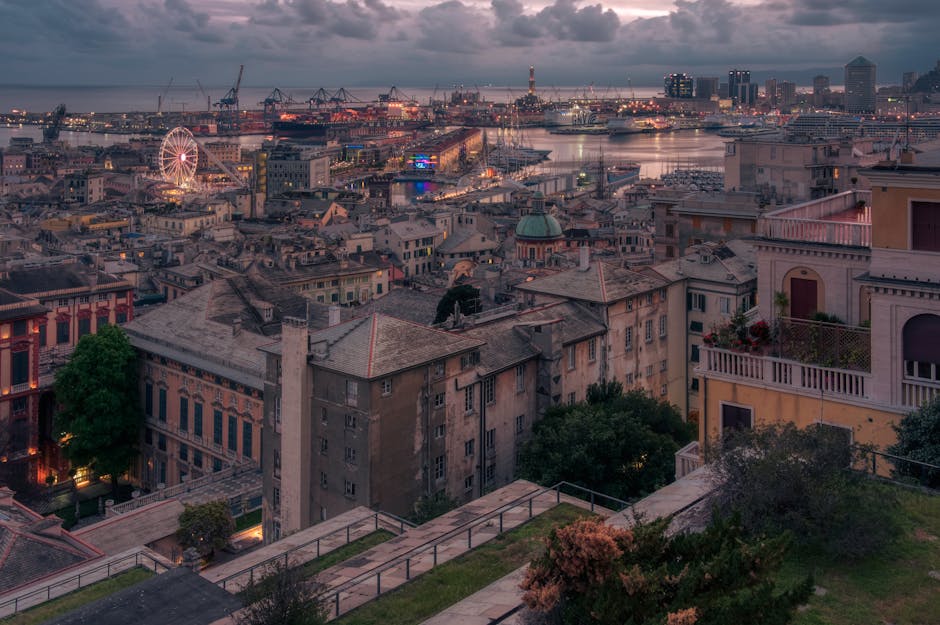
    Evening view of Genoa harbor with historic waterfront buildings

    Practical tips, tickets, transport and local tricks

    Before you go: tickets and reservations. Many palaces offer combined tickets — the best-known being the « Musei di Strada Nuova » ticket (Palazzo Rosso, Palazzo Bianco, Palazzo Doria Tursi). Indicative combined price: €12.00–15.00 (check current conditions on the official Musei di Strada Nuova site). The individual ticket prices mentioned above are indicative: Palazzo Rosso ~€10.00, Palazzo Bianco ~€10.00, Palazzo Reale ~€8.00–12.00. Reductions for youth, seniors and groups usually apply, and children under 6 often enter free.

    Opening hours: most palaces are open Tuesday through Sunday and closed on Monday. Standard hours range from 09:00 to 19:00/19:30 depending on the season. To avoid disappointment, always check the museum’s official website or the Genoa tourist office (Comune di Genova) the day before your visit. Some palaces may close unexpectedly for private events or restoration work.

    Getting around:
    – On foot: the old town and Via Garibaldi are largely walkable and close together; prioritize walking to fully appreciate the nearby architecture.
    – Public transport: buses and the metro (stations: « Dante » or « Brignole » depending on where you start) provide quick access to the center. Funiculars (e.g., Zecca-Righi) and city elevators (ascensore di Castelletto) give access to great viewpoints.
    – Taxi: available but more expensive; a good option if you’re short on time or traveling in a group.

    Gear and etiquette:
    – Shoes: wear comfortable footwear suitable for walking on cobblestones.
    – Photography: most museums allow photography without flash; check signage at the room entrances.
    – Respect the sites: many rooms are fragile (rugs, marbles, frescoes) — avoid touching and follow staff instructions.

    Local hacks:
    – Early morning: start at opening to beat the crowds. The best light for photographing east/southeast-facing facades is in the morning.
    – Coffee break: try a caffè corretto in a historic bar near Piazza De Ferrari or a focaccia from Recco for a local snack.
    – Market and souvenirs: the Mercato Orientale (Piazza della Vittoria, 5R) is a great spot to buy local products (pesto, oils, wines) and is within easy walking distance.

    Guided tours, events and deeper-dive alternatives

    If you want a more scholarly or thematic approach, choose a specialized guided tour. Many local agencies offer circuits focused on architecture (crafts, materials, techniques), the diplomatic history of the Rolli (their role in European diplomacy), or themed nighttime visits (illuminations and period tales). Accredited guides enrich the visit with anecdotes about the patrons, artists and historic events that took place in these salons.

    Events: several palaces host temporary exhibitions, Baroque music concerts, classical recitals and lectures. For example, Palazzo Reale and Palazzo Spinola di Pellicceria frequently organize chamber music concerts in historic salons — check event calendars on official sites to plan your visit around performances.

    Alternatives for history enthusiasts:
    – Fondazione Palazzo Ducale (Piazza Giacomo Matteotti, 9): a rich cultural program of contemporary and historical exhibitions.
    – Edoardo Chiossone Museum of Oriental Art (Via Garibaldi, 18/A): a chance to cross Genoese history with Asian collections.
    – Thematic visits: « Rolli Days, » an annual event when some palaces normally closed to the public open their doors for free or host special guided tours. Check dates and details on the Rolli Days website.

    Accessibility and families: several palaces offer family trails and multilingual audio guides. Strollers can be a challenge on some old staircases; ask at the ticket desk about accessible routes.

    Guided tour group inside an ornate Genoese palace hall

    Conclusion — Why the Palazzi dei Rolli deserve your royal route

    The Palazzi dei Rolli are more than historic buildings: they embody a distinct civic and cultural history, where commercial power and the art of patronage shaped an entire city. Their presence gives Genoa an architectural prestige comparable to other European capitals, but with a density and urban coherence that make them uniquely distinctive. Touring these palaces is like reading the story of a mercantile republic and watching the social mechanisms of prestige play out in stone, marble, painting and garden.

    With the itinerary proposed here, the history lover gets a structured route — morning on Via Garibaldi, afternoon at Palazzo Reale and the gardens, followed by an evening at the harbor or on the heights — that balances cultural immersion and tourist comfort. The practical details (exact addresses, usual opening times, indicative prices) make planning easier and allow you to adapt the visit to your interests and pace. Don’t forget to take advantage of combined tickets, check opening hours online before you go, and explore the little side streets off Via Garibaldi where other treasures hide.

    Finally, take time to savor the details: painted ceilings, the patina of marbles, urban perspectives, hanging gardens and the small plaques telling the stories of the families who commissioned these works. These sometimes subtle elements narrate the life of a city that combined commercial power with a love of the arts. Whether you’re a first-time visitor or a returning traveler, the Palazzi dei Rolli always reveal something new — so let yourself be carried along this royal route and give yourself a few hours, a full day or several days to fully taste the history and beauty of Genoa.

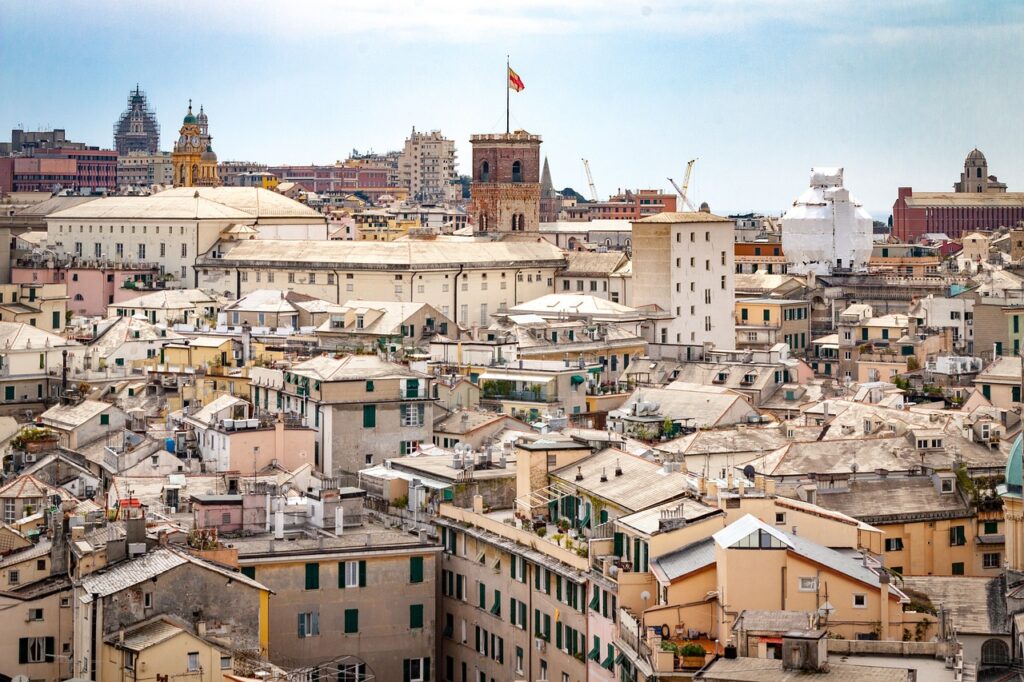
    Sunset over Genoa skyline including historic palaces and the harbor

  • Discover the Palazzi dei Rolli: Genoa’s Hidden Palace Gems

    Discover the Palazzi dei Rolli: Genoa’s Hidden Palace Gems

    Introduction — Discovering the Palazzi dei Rolli: Genoa’s Hidden Palace Gems

    In the heart of Genoa’s old town, Via Garibaldi and the side streets branching from it form a true open-air urban museum: the Palazzi dei Rolli. Built mainly in the 16th and 17th centuries by the city’s great families, these palaces are testament to a golden age of commerce and the arts when the Republic of Genoa competed in splendor with Europe’s great courts. Listed as a UNESCO World Heritage site under « Genoa: Le Strade Nuove and the system of the Palazzi dei Rolli, » these buildings showcase a wide variety of stucco facades, loggias, inner courtyards and painted decorations—details often missed by hurried visitors.

    Exploring the Palazzi dei Rolli isn’t just about admiring lavish rooms and collections: it’s about understanding a port city that paid for its magnificence through maritime trade, banking and political alliances. The palaces were entered on official « Rolli »—lists that determined which private residences would take turns hosting the state’s official guests: ambassadors, monarchs and dignitaries. As a result, private domestic architecture became a public showcase of prestige. Interiors designed to impress alternate rare marbles, painted coffered ceilings, trompe-l’œil and secret gardens.

    This comprehensive guide takes you beyond the postcards: exact addresses, opening hours, prices in euros, immersive descriptions of the spaces, historical anecdotes and practical tips to make the most of your visit. You’ll find information on the main museums—such as the Musei di Strada Nuova (Palazzo Rosso, Palazzo Bianco, Palazzo Doria Tursi), Palazzo Reale, Palazzo Spinola di Pellicceria, Villa del Principe (Palazzo del Principe)—as well as lesser-known addresses where frescoes, decorative arts collections and peaceful inner courtyards reveal themselves.

    Visiting the Palazzi dei Rolli is a sensory experience: the cobbles underfoot, the scent of old wood and wax, the way light plays across polished marble. This guide also offers local tips to avoid the busiest hours, combine visits (and save money), and spot the details that tell the stories and rivalries of Genoese noble families. It includes practical suggestions for photographers and visual markers to inspire you before you go.

    Before you set out, keep a few rules of thumb in mind: check official opening hours the day before your visit (museums often adjust opening days), buy a combined ticket when available, and favor early morning or late afternoon visits to enjoy softer light on the façades. Finally, respect conservation rules (flash photography often forbidden, restricted access to certain rooms) to preserve these treasures for future generations.

    Must-sees: Musei di Strada Nuova (Palazzo Rosso, Palazzo Bianco, Palazzo Doria Tursi)

    The trio that makes up the Musei di Strada Nuova is the museum heart of the Palazzi dei Rolli. Situated along Via Garibaldi, these three palaces offer a chronological and thematic route that’s essential for understanding Genoa’s art collections and how local elites furnished and displayed their interiors.

    Palazzo Rosso (Museo di Palazzo Rosso)
    Address: Via Garibaldi, 18, 16124 Genova GE, Italy.
    Opening hours: Tuesday–Sunday 10:00–18:00 (closed Monday).
    Prices: full ticket €6.00; reduced €4.00; combined Musei di Strada Nuova ticket (see below) €10.00.
    Overview: Palazzo Rosso is famed for its richly decorated rooms and its collection of Italian and European paintings, featuring works by Van Dyck, Parmigianino and Bernardo Strozzi. The museum route highlights decorated salons, libraries and bedrooms that preserve the aristocratic domestic atmosphere. The rooftop terrace provides an urban vantage point over Via Garibaldi and the lower city.

    Palazzo Bianco (Museo di Palazzo Bianco)
    Address: Via Garibaldi, 11, 16124 Genova GE, Italy.
    Opening hours: Tuesday–Sunday 10:00–18:00 (closed Monday).
    Prices: full ticket €6.00; reduced €4.00; combined Musei di Strada Nuova ticket €10.00.
    Overview: Palazzo Bianco is notable for its collection of European paintings from the 13th to the 18th centuries, with Spanish, Flemish and Ligurian schools represented. The galleries are arranged to trace artistic exchanges across the Mediterranean. The interior architecture—with its grand staircases and loggias—underscores the desire to display wealth and culture.

    Palazzo Doria Tursi (Museo Civico d’Arte e di Storia)
    Address: Via Garibaldi, 9, 16124 Genova GE, Italy.
    Opening hours: Tuesday–Sunday 10:00–18:00 (closed Monday).
    Prices: full ticket €6.00; reduced €4.00; combined Musei di Strada Nuova ticket €10.00.
    Overview: Palazzo Doria Tursi now houses municipal collections and the civic museum headquarters. Its piano nobile displays state apartments, royal rooms and ancient instruments. The palace also sometimes exhibits an important Stradivarius violin in temporary exhibitions. Architecturally, its inner courtyards and stylistic continuity with neighboring palaces are remarkable.

    Practical tips: buy the combined « Musei di Strada Nuova » ticket (Palazzo Rosso + Palazzo Bianco + Palazzo Doria Tursi) for €10.00 to save money and plan your visits within the same day. Allow at least 1.5–2 hours per palace if you want to soak in the collections and décor. Photography is often allowed without flash; check notices at the entrance to each room. When available, audio guides are worth the investment to decode iconographic details in paintings and the family stories behind the interiors.


    Residential palaces and private palazzi to visit: Palazzo Reale, Palazzo Spinola, Villa del Principe

    Beyond the museums clustered on Via Garibaldi, Genoa offers several private palaces open to the public, each with its own atmosphere and story. These residences highlight courtly life, private collections and inner gardens—features rarely seen in the same combination elsewhere in Italy.

    Palazzo Reale (Museo di Palazzo Reale)
    Address: Piazza Don Giovanni Nicotera, 4 (via Balbi 10), 16126 Genova GE, Italy.
    Opening hours: Tuesday–Sunday 9:30–19:00 (last admission 18:00). Closed Monday.
    Prices: full €9.00; reduced €5.00; family ticket €20.00 (2 adults + 2 children).
    Description: Once the palace of the Doria and Brignole families, Palazzo Reale is a masterful example of Baroque and Rococo taste. The state apartments reveal upholstered salons, music rooms lined with mirrors, and collections of period porcelain and furniture. The palace also features a terraced garden with panoramic views over the city and the harbor—a peaceful retreat from the urban bustle.

    Palazzo Spinola di Pellicceria
    Address: Salita di Pellicceria, 1, 16123 Genova GE, Italy (access from via Garibaldi/Via Cairoli according to signage).
    Opening hours: Wednesday–Sunday 10:00–18:00 (closed Monday and Tuesday; check seasonal variations).
    Prices: full €6.00; reduced €3.00.
    Description: This palace preserves a series of richly decorated rooms with painted ceilings and collections of decorative arts. Visitors enjoy the intimacy of the small courtyards and the quality of the frescoes—often less crowded than the larger museums. The visit also reveals the domestic workings of a Genoese palace, with less theatrical but equally fascinating behind-the-scenes spaces.

    Villa del Principe (Palazzo del Principe), Andrea Doria’s Palace
    Address: Piazzetta di Andrea Doria, 4, 16126 Genova GE, Italy.
    Opening hours: Tuesday–Sunday 10:00–18:00 (closed Monday).
    Prices: full €9.00; reduced €6.00; combined ticket with some regional museums varies by season.
    Description: Villa del Principe—the residence of the condottiero Andrea Doria—is one of the most impressive examples of a Renaissance palace transformed into a princely residence. Its rooms are adorned with frescoes by Perin del Vaga and other major artists, and the hanging garden offers a Mediterranean interlude with orange trees, pergolas and views across the Gulf of Genoa.

    Local tips: to make the most of these sites, combine Palazzo Reale and Villa del Principe in one day, then finish with a stroll to the old harbor (Porto Antico) for a seafood dinner. Inside the palaces, watch out for uneven floors and steps—wear comfortable shoes. History buffs should ask guides about marriage alliances and fresco patrons—these stories often bring the art and architecture to life.

    Themed routes and practical tips for planning your visit

    Organizing your visit to the Palazzi dei Rolli takes a bit of strategy: between tickets, opening hours, closed days and points of interest, here’s a logical itinerary and practical advice to optimize time and budget and to enjoy an immersive experience.

    Suggested full-day itinerary:

    • Morning (9:30–12:30): Start with the Musei di Strada Nuova—Palazzo Bianco (Via Garibaldi, 11) then Palazzo Rosso (Via Garibaldi, 18). Crowds are usually lighter at opening and morning light flatters the paintings.
    • Lunch (12:30–14:00): Break at a Ligurian bistro near Via Garibaldi. Try the classic focaccia genovese—simple and satisfying.
    • Afternoon (14:00–17:00): Palazzo Doria Tursi (Via Garibaldi, 9) then head to Palazzo Spinola di Pellicceria (Salita di Pellicceria, 1) for a more intimate visit.
    • Late afternoon (17:00–18:30): Palazzo Reale (Piazza Don Giovanni Nicotera, 4 / via Balbi 10) to enjoy the golden light and the terraced garden.

    Tickets and pricing (practical examples): the combined Musei di Strada Nuova ticket costs €10.00 (full) and €5.00 (reduced) and grants access to Palazzo Rosso, Palazzo Bianco and Palazzo Doria Tursi on the same day. Individual rates noted earlier apply if you buy separate tickets. Palazzo Reale’s full fare is €9.00 and reduced €5.00. For groups and guided tours, book in advance via official sites or tourist offices—some themed guided routes (decor, frescoes, gardens) are available for an extra fee.

    Transport and accessibility: most palaces are within walking distance from Genova Piazza Principe train station (about 10–15 minutes) or Genova Brignole station (20–25 minutes depending on route). The historic lanes are cobbled and often include steps; accessibility for visitors with reduced mobility is limited in some palaces—check in advance for lifts or alternative routes. Fast-track tickets are rarely offered for these sites; arriving early remains the best tactic.

    Tips for photographers and observant visitors: favor natural light and off-peak hours; look closely at small details (family plaques, coats of arms, merchant symbols) that reveal noble rivalries and alliances. Follow conservation rules—no flash or tripods in most rooms—and dress appropriately for formal or sacred spaces (avoid very short shorts if you plan to visit churches too).

    Complementary experiences: events, temporary exhibitions and themed tours

    Beyond the permanent displays, the Palazzi dei Rolli and related institutions regularly host temporary exhibitions, baroque concerts and themed tours focused on decoration, conservation and restoration. Checking the local cultural calendar can turn a standard visit into an in-depth experience.

    Events and exhibitions: the Musei di Strada Nuova often stage temporary shows connected to their permanent collections: studies of a particular master, retrospectives or thematic exhibitions (for example « Baroque Painting in Genoa, » « Domestic Décor and Pictorial Illusion »). Municipal libraries also run lectures, and Palazzo Reale sometimes hosts concerts in its reception rooms.

    Guided tours and workshops: many palaces offer themed guided tours— »frescoes and trompe-l’œil, » « daily life of noble families, » or « architecture and heraldic symbols »—perfect for enthusiasts. Cultural centers sometimes run workshops for children focused on creating mini-frescoes or discovering decorative motifs, which can make visits more engaging for families.

    Craft markets and shops: near Via Garibaldi and the Porto Antico neighborhood you’ll find shops specializing in Ligurian products: artisanal soap, jars of pesto, local ceramics and books on palace history. Museum shops often sell exhibition catalogues, reproductions and specialist guides—a nice way to extend the visit at home.

    Practical tips: before you travel for a temporary exhibition, check specific hours and any extra fees—some exhibitions require a dedicated ticket (sometimes €5.00–12.00 extra). For concerts and events, tickets are often sold online or at museum ticket offices—book ahead if you want a guaranteed seat. Finally, consult the museums’ official pages for unexpected closures (holidays, restoration work).

    Conclusion — Prepare your visit with respect and wonder

    The Palazzi dei Rolli in Genoa offer a unique journey through the centuries: prestigious architecture, refined decoration, art collections and family narratives intertwine to create a subtle reading of Mediterranean history. With this guide you have precise addresses, typical opening hours and indicative prices in euros to plan a rich, efficient visit. Remember that practical information can change—especially opening times and fees—and it’s wise to consult official museum websites or the Genoa tourist office the day before your trip.

    Beyond the practicalities, keep a few respect rules in mind: limit flash photography, don’t touch the artworks, follow the indicated circulation routes and respect closed-off areas. Respect helps preserve these fragile, precious sites. For a deeper immersion, choose a themed guided tour that will illuminate the symbols and decorative strategies used by noble families to display their power and status.

    Finally, give yourself time after museum visits to wander the lanes, taste Ligurian cuisine and take in the city from a viewpoint. The palaces are not frozen islands: they are part of a living city of sailors, artisans and merchants. By combining attentive exploration of interiors with strolls through the neighborhoods, you’ll understand why Genoa was—and remains—a city that fascinates with its contrast between aristocratic reserve and port energy.

    Have a wonderful cultural trip to Genoa: may your steps on the Strade Nuove’s paving stones lead you to stories, decorations and works that testify to a rich past still alive today.