





Introduction
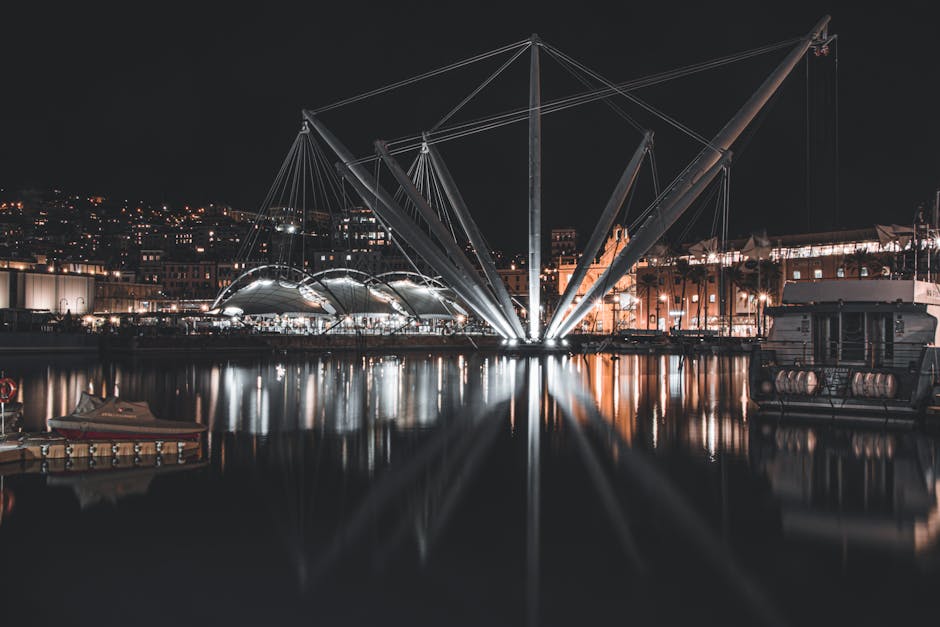
Genoa, the historic capital of Liguria, is a city you first discover through its façades, narrow stairways and maritime vistas. But behind the compact silhouette of the old town lie treasures that tell the story of the Republic of Genoa’s golden age: sumptuous palaces, museums brimming with collections and rare cabinets of curiosity that have survived the centuries. “Genoa Classic” evokes the places where the merchant aristocracy displayed their prestige: palazzi decorated by leading artists, family galleries turned public museums, and scientific collections tied to the port and the far‑flung horizons of Genoese sailors.
In this guide we take an in‑depth tour of the must‑see sites for anyone who wants to understand classic Genoa — from the Strada Nuova (today Via Garibaldi), lined with the famous Palazzi dei Rolli, to the maritime and natural history museums that tell the city’s intimate story with the sea and exploration. You’ll find exact addresses, opening hours, typical prices in euros, immersive descriptions for each site and practical local tips (best times to visit, combined tickets, transport access, etc.).
Genoa’s richness also comes from the way it blends private art and public heritage: many aristocratic palaces have been transformed into museums — Palazzo Rosso, Palazzo Bianco, Palazzo Doria Tursi, Palazzo Reale — offering routes that mix paintings, period furnishings, decorative collections and archives. The maritime and natural history museums complete the picture with technical contexts, ship models and exotic specimens that recall the sea routes once sailed by Genoese mariners.
This guide is aimed at the curious visitor who wants more than a quick itinerary: it offers detailed descriptions to help you imagine the spaces, practical details (prices in euros, estimated visit duration, crowd‑avoidance tips) and tricks to optimize your stay (combined ticket options, best entry times, nearby places to eat). Be ready to walk — Genoa rewards those who explore on foot, with its sloping lanes and narrow « caruggi » — and to be surprised by hidden courtyards, tucked‑away frescoes and port views. We’ll start among the palaces, then explore the museums and exceptional collections that make Genoa a must for art and history lovers.
The Palazzi dei Rolli and Via Garibaldi: Genoa’s Aristocratic Drawing Room
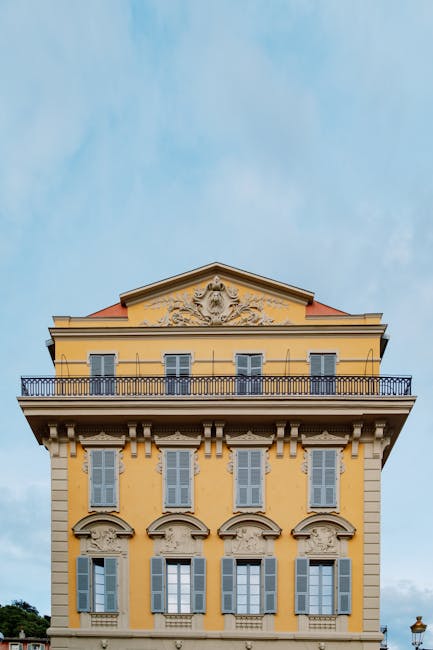
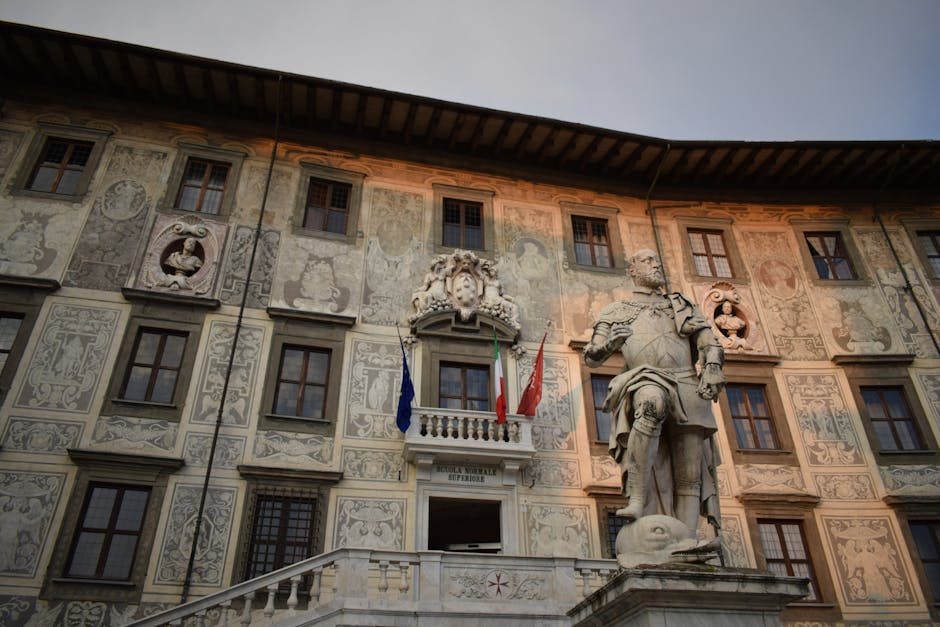
Via Garibaldi, once called Strada Nuova, is the monumental avenue of baroque and 18th‑century Genoa. A UNESCO World Heritage site, it groups together a string of private palaces — the « Palazzi dei Rolli » — which, under an official system, were used to host distinguished guests of the Republic. These palaces are more than grand façades: they are theatre‑like displays, with inner courtyards, double‑spiral staircases, paneled salons, illusionistic frescoes and collections of art accumulated across generations.
Among the best known are:
- Palazzo Rosso (Musei di Strada Nuova) — Via Garibaldi, 18, 16124 Genova. Hours: generally 10:00–18:00 (often closed on Mondays, check the official website). Combined Musèi di Strada Nuova ticket: around €10 for a single entry (combined ticket for Palazzo Rosso, Palazzo Bianco and Doria Tursi often around €15–18). Palazzo Rosso houses a collection of Italian and Flemish paintings and a re‑furnished aristocratic apartment. The salons are flooded with light from large windows overlooking Via Garibaldi.
- Palazzo Bianco (Musei di Strada Nuova) — Via Garibaldi, 9, 16124 Genova. Hours: 10:00–18:00 (often closed on Monday or Tuesday depending on the season). Price: included in the Musèi di Strada Nuova combined ticket. This palace displays a fine series of paintings from the Genoese, Lombard and Spanish schools, with masterpieces by Van Dyck and local painters.
- Palazzo Doria Tursi (Musei di Strada Nuova / Museo di Palazzo Doria Tursi) — Via Garibaldi, 9, 16124 Genova. Hours: 10:00–18:00. Price: included in the combined ticket. The palace contains state rooms, historic musical instruments and the municipal collection that tells the civic life of Genoa.
Visiting Via Garibaldi also means taking the time to look up: ornate balconies, grotesque masks, painted panels and monumental doorways reveal the symbolic power of these homes. Crossing each palace is like stepping into a different world — a private merchant’s oratory, a patrician ballroom, a library filled with family archives. The museum displays emphasise enfilades and perspective views, and audioguides in several languages are often available to deepen the stories of each family.
Practical tips: arrive early in the morning to avoid the peak of guided tours and to enjoy softer light in the rooms. Wear comfortable shoes: old floorboards and steps can be uneven. If you have a Genova Card (city tourist card), check for possible discounts: it often includes free or reduced entry to several Strada Nuova museums. Finally, pair the visit with a coffee at one of the historic cafés nearby, for instance around Piazza Fontane Marose, to soak up the central atmosphere.
Palazzo Ducale and Piazza De Ferrari: Contemporary Art and Major Exhibitions
The Palazzo Ducale sits at the political and ceremonial heart of Genoa, on Piazza De Ferrari, 16123 Genova. Its official address is Piazza Matteotti / Piazza De Ferrari (access points vary depending on exhibitions and events). Hours: typically 10:00–19:00 for exhibitions (hours vary with events; weekly closures may occur on Monday or Tuesday). Price: temporary exhibition entry fees vary widely — from €5 for small shows up to €12–15 for international exhibitions. Access to the palace’s public spaces (courtyards, auditorium) is often free.
Palazzo Ducale is not just a historic building: it’s a lively cultural centre hosting contemporary art shows, conferences, festivals and public events. The building’s architecture, with its large halls and vaults, provides a spectacular setting for contemporary installations, creating an exciting dialogue between past and present. Temporary exhibitions are frequently high calibre, with loans from Italian and international institutions.
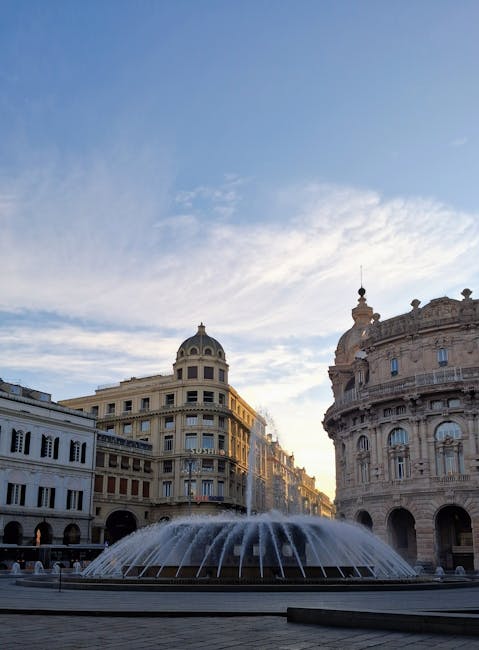
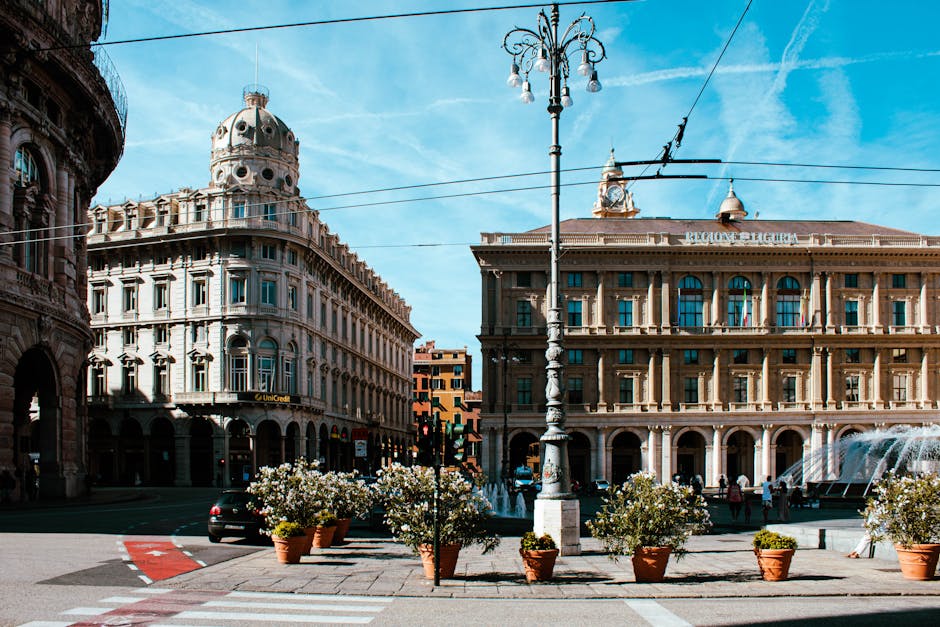
Piazza De Ferrari is the nerve centre of modern Genoa: the central fountain, surrounded by Haussmannian‑style buildings and the Teatro Carlo Felice, is a popular meeting spot for locals and visitors. From the square you can easily reach shopping streets, cafés and links to the port. The contrast between Palazzo Ducale’s classical façade and the contemporary lines of its exhibitions creates a unique atmosphere, perfect for photos and cultural strolls.
Practical tips: check the official site before you go to book tickets — many exhibitions offer timed entry slots to avoid queues. If you visit in the late afternoon, enjoy the golden light on the square for a photo break; in summer the square often hosts evening events. Nearby, the Museo d’Arte Orientale (MAO) and the Decorative Arts Museum are within walking distance, allowing you to combine several visits in a single day. If you’re short on time, note that major exhibitions generally require at least 1h30–2h to be properly appreciated.
Palace‑museums and Interior Collections: Palazzo Reale, Palazzo Spinola and the House of Christopher Columbus
Genoa offers several palace‑museums where you can feel the intimacy of aristocratic life, with reconstructed apartments, collections of furniture, tapestries, clocks and cabinets of curiosities. These sites provide a complementary reading to the picture galleries of Strada Nuova.
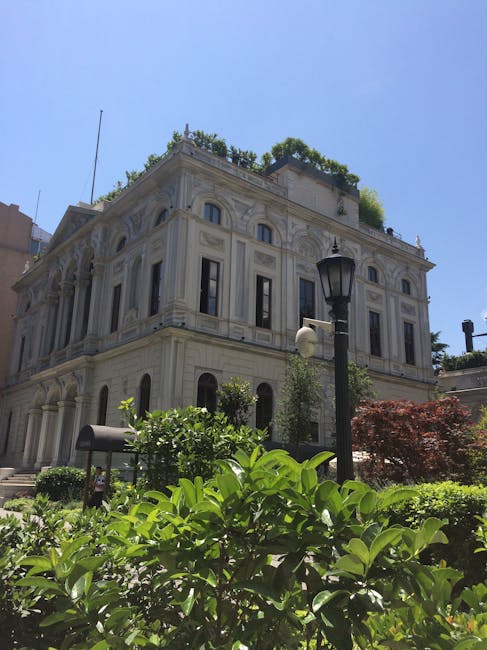
Palazzo Reale — Via Balbi, 10, 16126 Genova. Hours: usually 9:30–19:00 (closures vary; check the official website). Price: about €8 for entry (discounts for students and seniors). The Royal Palace displays lavish apartments, stuccoed salons, Italianate gardens and a significant painting collection (including works by Van Dyck and Luca Cambiaso). Visiting the gardens overlooking the city is particularly pleasant in late afternoon when the light softens façades and the surrounding hill views.
Palazzo Spinola di Pellicceria — Piazza di Pellicceria, 5R, 16123 Genova. Hours: generally 10:00–18:00 (check specific closing days). Price: single entry around €6–7. Palazzo Spinola preserves art objects, paintings and remarkable interior decoration. The overall effect is that of a journey into aristocratic daily life: family portraits, wood panelling, porcelain and musical instruments arranged through a series of salons.
Casa di Cristoforo Colombo — Porto Antico, Piazza Caricamento, 16126 Genova. Hours: variable, often 9:00–19:00 in the tourist season. Price: free self‑access is sometimes included in museum routes or offered at a reduced rate (around €3–5 for temporary exhibitions). The House of Columbus stages the navigator’s memory with archival documents, replicas and historical contexts that place Christopher Columbus in Genoa’s urban fabric.
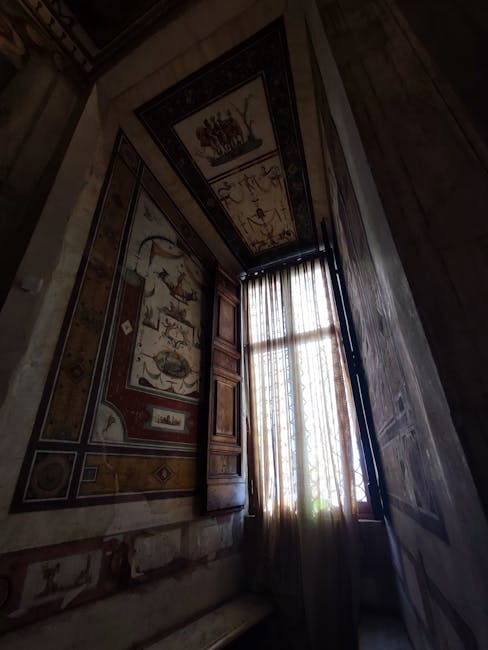
These palaces tend to offer a more intimate visit than the larger galleries: lighting, room scale and presence of original furnishings create an immersive atmosphere. Audio guides and explanatory panels help explain social uses of the rooms — reception halls, studies, family oratories. Attentive visitors will notice details: crafted door handles, carved woodwork, damask patterns on textiles and heraldic signs on vestibule benches.
Practical tips: pair a visit to Palazzo Reale with a walk along Via Balbi and a stop at the University Library (if open to the public) for an overview of documentary collections. At Palazzo Spinola, take time to study the staircases and skylights — they are often as remarkable as the salons. Finally, favour combined tickets when available (e.g. palace + local museum passes) to save on cumulative admission costs and to plan your day efficiently on foot.
Maritime and Natural History Museums: Galata Museo del Mare and Museo di Storia Naturale Giacomo Doria
Genoa’s maritime identity is powerfully told in its specialised museums. Two institutions stand out for the quality of their collections and immersive displays: the Galata Museo del Mare, dedicated to naval history and voyages, and the Museo di Storia Naturale Giacomo Doria, which showcases specimens, dioramas and objects linked to natural history and expeditions.
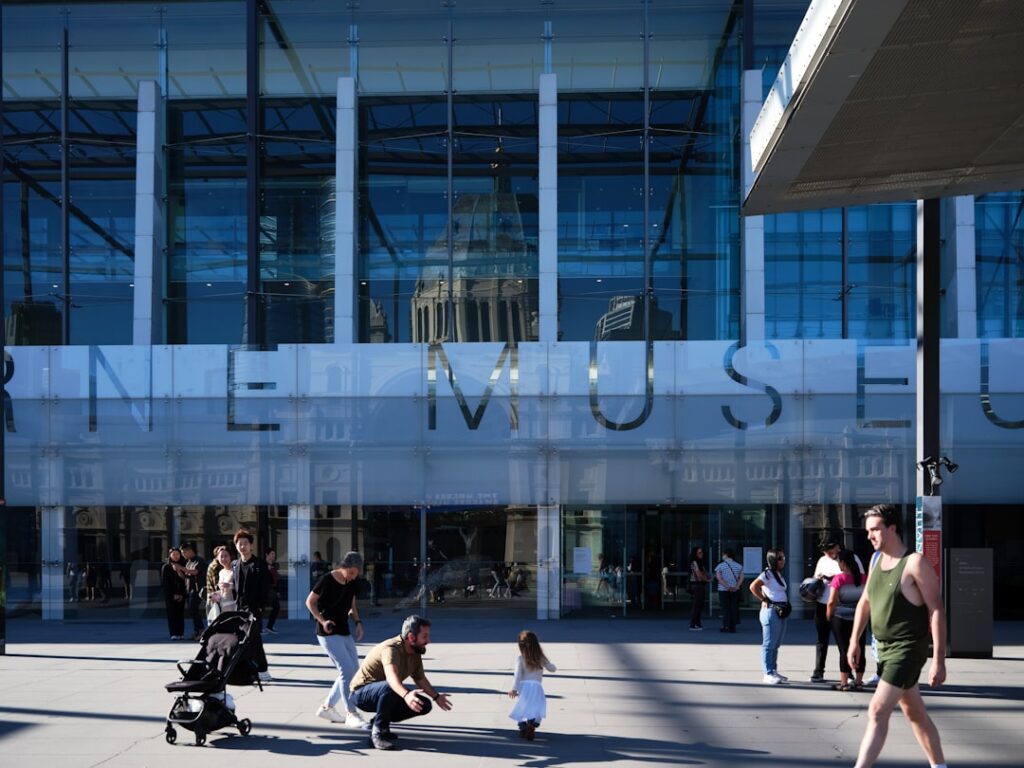
Galata Museo del Mare — Calata de Mari, 1, 16126 Genova. Hours: 10:00–19:00 (last admission usually one hour before closing). Price: full ticket around €12–15 (reductions for children and seniors). The museum is housed in the old port arsenal and offers extensive museography: ship models, simulators, exhibitions on shipbuilding, reconstructions of ship interiors and an exhibited submarine (the Galata sometimes offers separate access to the Nazario Sauro submarine as a distinct attraction). It is one of the largest maritime museums in the Mediterranean and provides a comprehensive account of sea routes, navigation techniques and Genoese emigration.
Museo di Storia Naturale Giacomo Doria — Corso Dogali, 14, 16136 Genova. Hours: often 9:00–18:00 (closed some days; check the official website). Price: about €6–8 for entry. Founded in the 19th century, the museum presents zoological, paleontological and ethnographic collections, skeletons and preparations, as well as displays dedicated to Mediterranean flora and fauna. Temporary exhibitions often address contemporary themes (climate change, marine biodiversity) and the museum organises children’s workshops and scientific talks.
These museums are especially suitable for families and science enthusiasts: tactile models, multilingual explanatory panels and interactive stations make visits lively. Galata, for example, runs shipbuilding workshops, screenings and educational programmes for schools. The Natural History Museum frequently offers themed shows that connect historical collections with current issues.
Practical tips: buy tickets online to guarantee entry to Galata, especially in summer and at weekends. If you plan to visit the submarine, check combined ticket options (museum + submarine) and be aware of access restrictions (confined spaces). For the Natural History Museum, allow 1–2 hours depending on your interest level; audio guides and English panels assist the visit. Both museums are close to Porto Antico — take the opportunity for a walk along the waterfront after your visit.
Practical Tips for Visiting Classic Genoa
Preparing to visit classic Genoa takes a few simple precautions: the city is hilly, museum hours vary, and some sites require advance booking. Here are practical tips to get the most from your stay:
- Tickets and passes: look into the Musèi di Strada Nuova combined ticket (Palazzo Rosso, Palazzo Bianco, Palazzo Doria Tursi); the Genova Card can offer discounts and priority access to several museums. For Palazzo Ducale and Galata Museo del Mare, book online for major exhibitions or during high season.
- Opening hours: many museums open between 9:00 and 10:00 and close between 17:00 and 19:00; several sites close one day a week (often Monday). Always check current hours on official websites before you go.
- Transport: Genoa’s historic centre is best explored on foot but expect slopes and stairs. The bus network and funiculars (for example the Funicolare Zecca‑Righi for panoramic views) make hill access easier. Taxis and trams complete public transport options; buy bus/tram tickets in advance at tobacconists (tabacchi) or via the AMT app.
- Best times: early morning to enjoy museums with fewer people, or late afternoon for gardens and viewpoints. Temporary exhibitions draw larger crowds at weekends; in low season (November–March) queues are generally shorter.
- Food: try Genoese focaccia (focaccia genovese) and the local pesto (pesto alla genovese); many small restaurants around Piazza De Ferrari and Porto Antico serve traditional dishes. For a historic coffee, look for cafés on Via XX Settembre and around the square.
- Accessibility: some old palaces have difficult access (narrow staircases) — check accessibility for visitors with reduced mobility and whether lifts or alternative routes are available.
Conclusion
Classic Genoa is an invitation to slow down and pay attention: the city’s palaces and museums reveal their treasures to those who take the time to enter, listen and observe. From Via Garibaldi to the salons of Palazzo Reale, through the major exhibitions at Palazzo Ducale and the maritime and natural history museums, every visit shows a different face of the city — its commercial power, its taste for display, its intimate relationship with the sea and its scientific legacy. The addresses and practical information provided here will help you plan your itinerary and avoid the pitfalls of rushed tourism.
To get the most from your stay, combine morning visits to the palaces with afternoons at Galata or the Natural History Museum, and finish your days with a stroll along Porto Antico or a relaxing moment on Piazza De Ferrari. Consider combined tickets and online reservations, wear comfortable shoes and let yourself be surprised by small discoveries — a hidden fresco, a silent inner courtyard, a precious item in a modest display case.
Finally, keep in mind that the prices listed (Palaces & Museums: Palazzo Rosso/Bianco/Doria Tursi ~€15–18, Palazzo Reale ~€8, Palazzo Ducale exhibitions €5–15, Galata Museo del Mare ~€12–15, Museo di Storia Naturale ~€6–8) can change: always check official websites before you travel. With a little planning, Genoa will offer a coherent and emotionally rich itinerary: a city where history can be touched, felt and savoured through its palaces, collections and ever‑present sea.