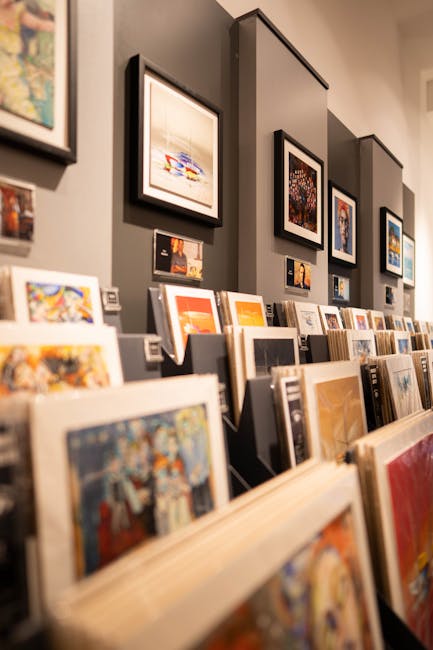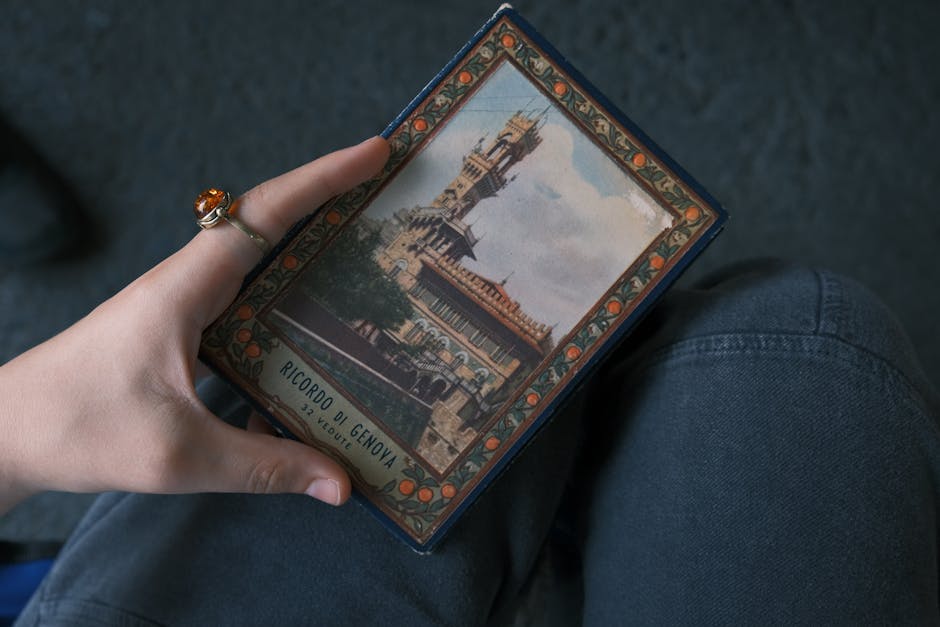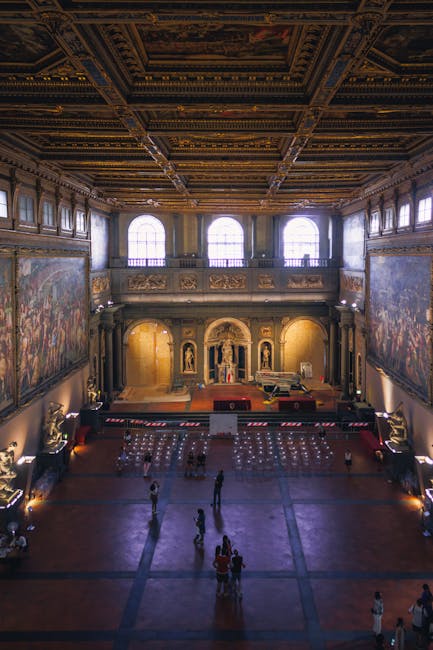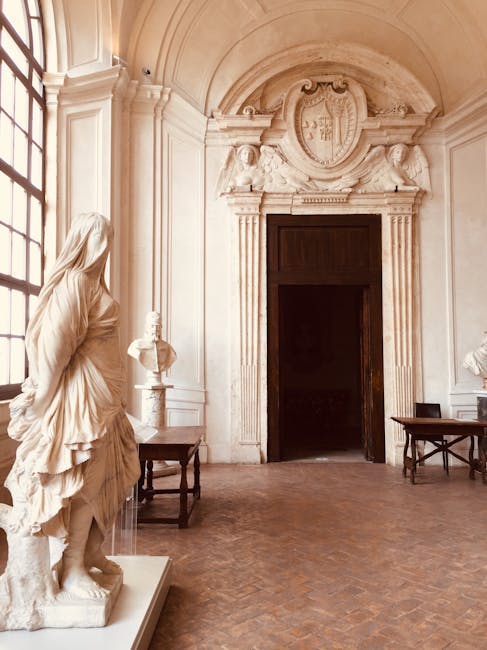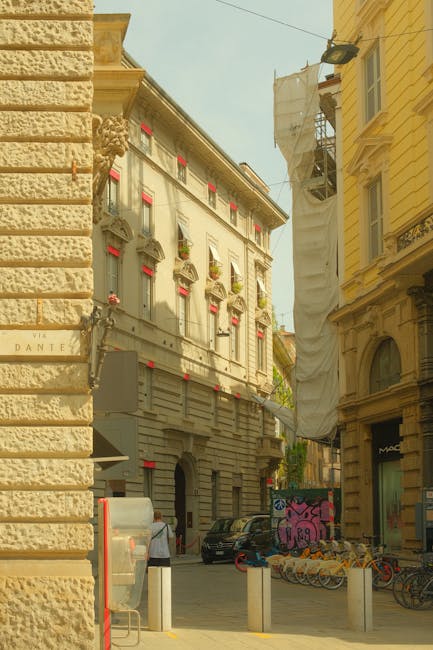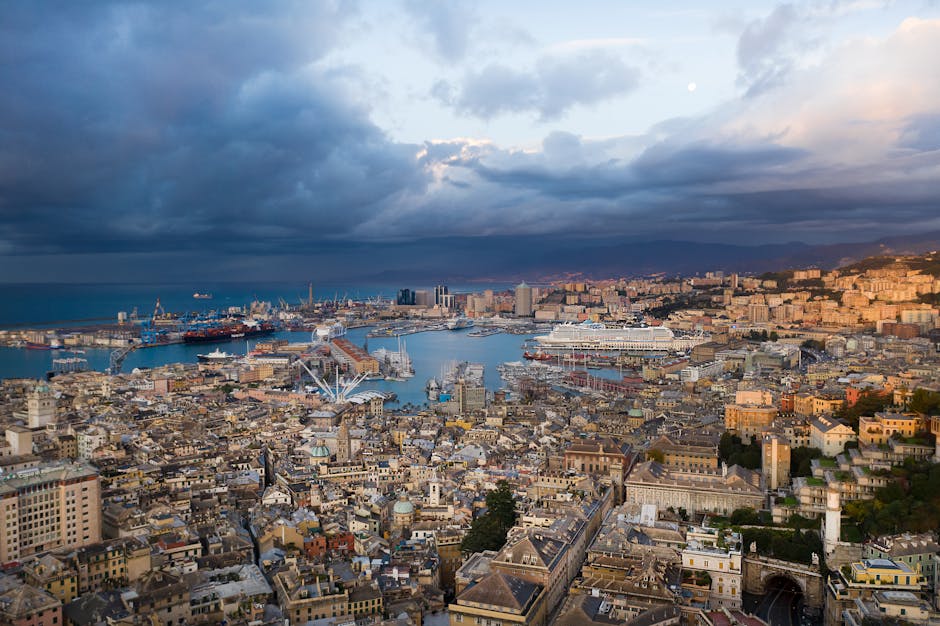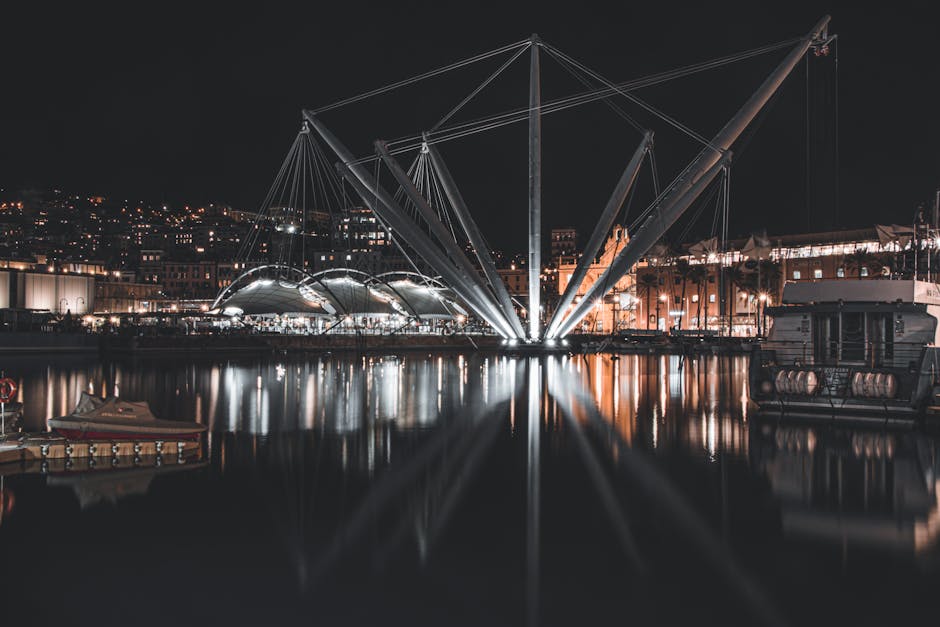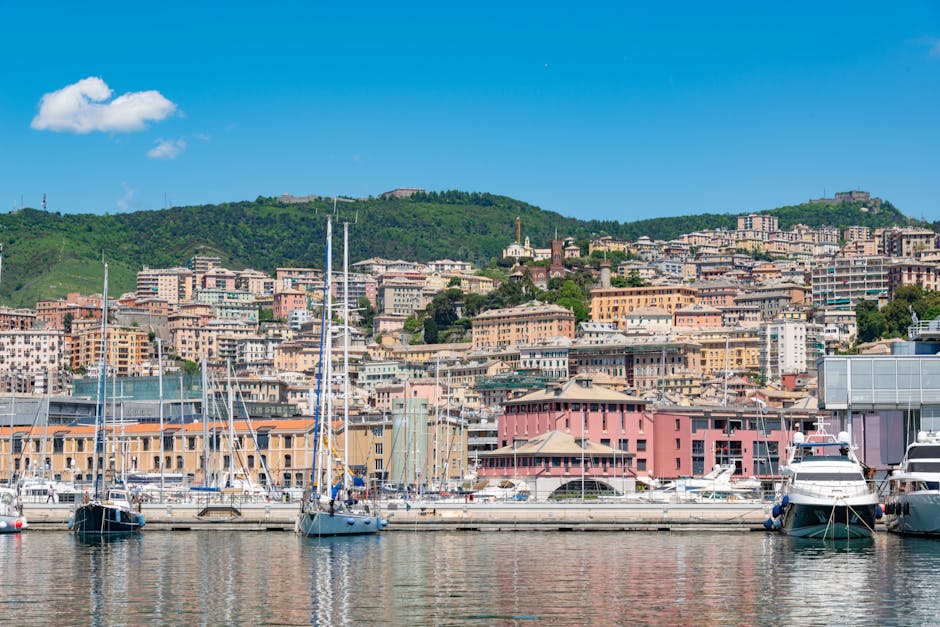
Catégorie : Museums, exhibitions and galleries

Places to explore art, history, science and culture—from temporary exhibitions to permanent collections and contemporary galleries.

  • Genoa’s Alternative Art Route — Emerging Neighborhoods & Indie Galleries

    Genoa’s Alternative Art Route — Emerging Neighborhoods & Indie Galleries

    Introduction: An Alternative Art Route in Genoa

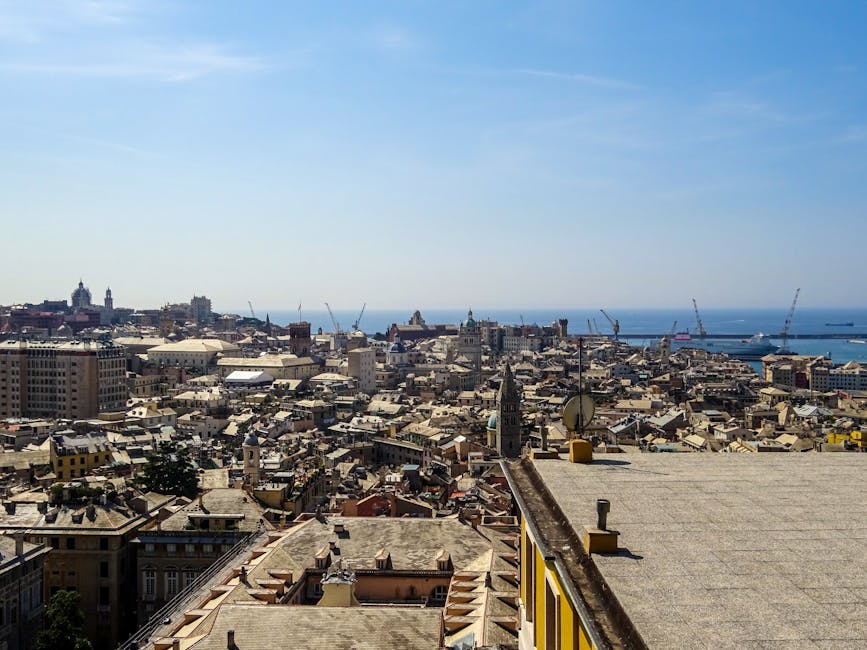
    Genoa, the major port city in northwestern Italy, is often pictured through its medieval alleyways, ancient harbour and historic museums. Yet behind the grand façades and the palaces lining Strada Nuova lies a vibrant, lesser-known network of emerging art spaces, independent galleries, artist studios and painted walls that make up the city’s contemporary pulse. This alternative art route invites you off the usual tourist trail to explore a lively local scene: collectives, artist residencies, micro-galleries and community projects reinventing art in popular neighborhoods like il Prè, Sampierdarena, Molo, Foce and Nervi.

    This article has two aims: to provide a practical, immersive guide for an art walk in Genoa, and to give concrete tips so you can make the most of every discovery. You’ll find precise addresses, opening hours, admission prices, sensory descriptions of the spaces and local advice to optimise your visits — how to get around, where to grab a coffee near a gallery, the best times to chat with an artist, and which public transport to take between distant spots.

    This route isn’t exhaustive but a flexible proposal: you can do it in one intense day focused on a single neighborhood, over two days to hit several areas, or as themed mini-trips (street art, photography, contemporary ceramics). The places I mention include established institutions and ephemeral venues known within the local scene. Expect to encounter names like Villa Croce Museo d’Arte Contemporanea, Museo d’Arte Orientale « Edoardo Chiossone », the Musei di Strada Nuova (Palazzo Rosso, Palazzo Bianco, Palazzo Doria Tursi) as well as independent galleries and artist studios tucked into the lanes of il Prè or along the waterfront in Boccadasse and Nervi. Each place is described with its own character: the smell of paper and varnish in a studio, the cool light of a photo gallery, the bustle of artist residencies and the more meditative atmosphere of a modern museum.

    At the end of the article you’ll find a concise conclusion with practical recommendations to prepare your route (tickets, maps, best times to visit) plus suggestions to extend the experience with cafés, specialist bookshops and restaurateurs who support the local cultural scene. Lace up comfortable shoes, make a short list of artists to meet and bring a city map: Genoa has plenty to reveal to curious travelers willing to explore its artistic fringes.
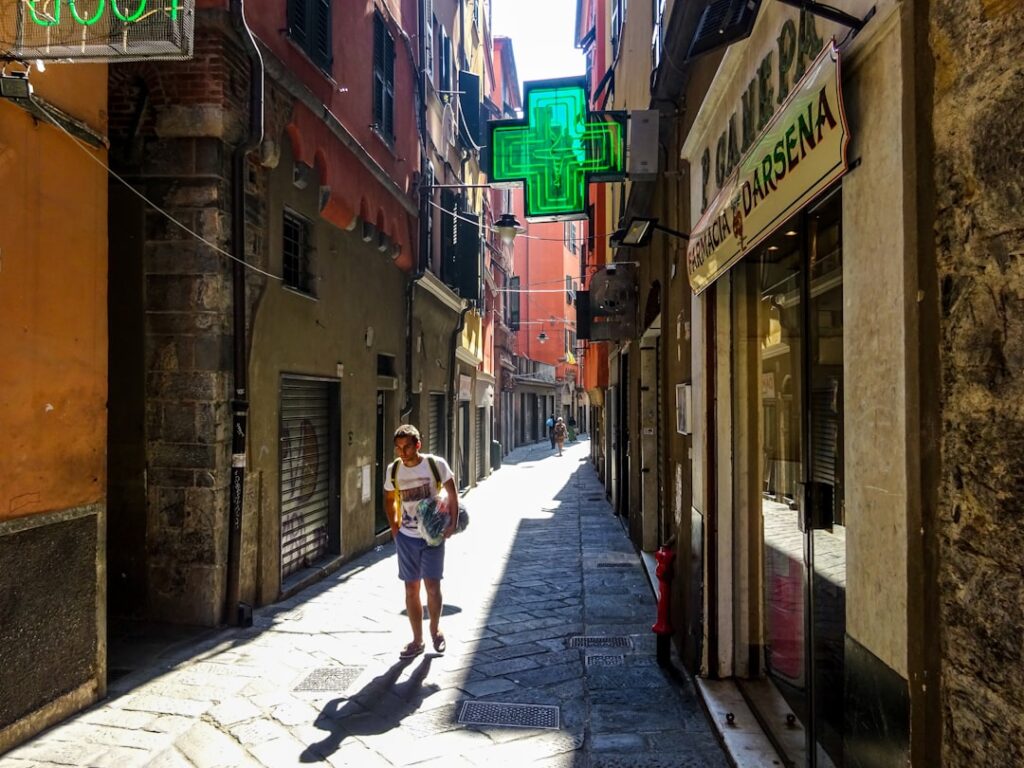
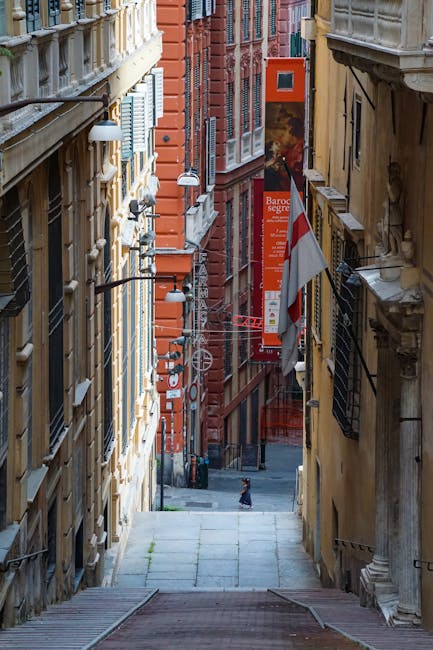
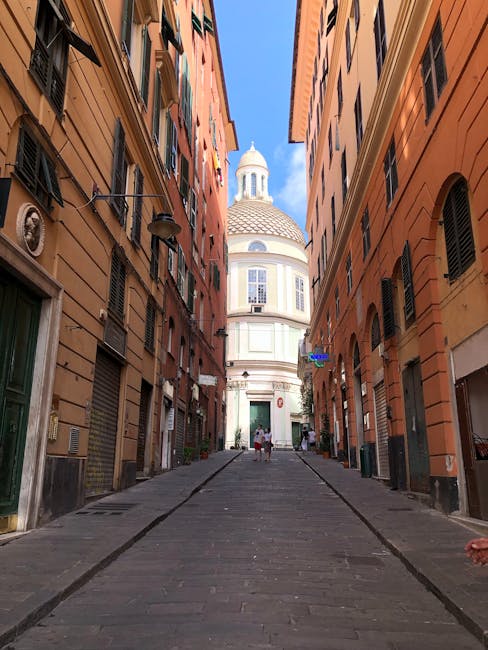
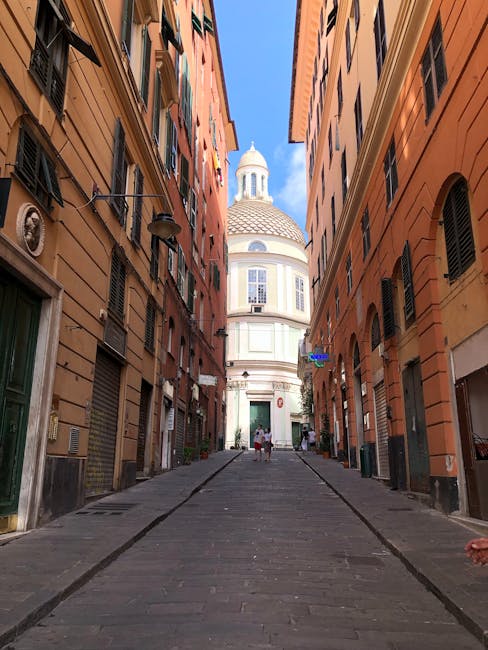
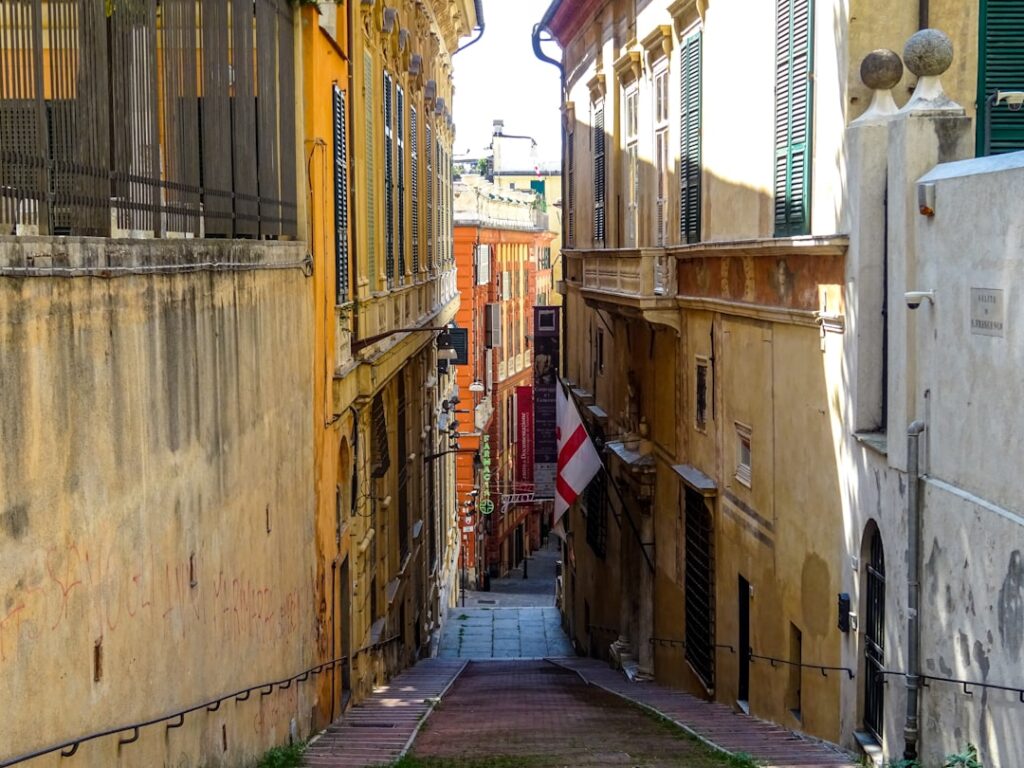
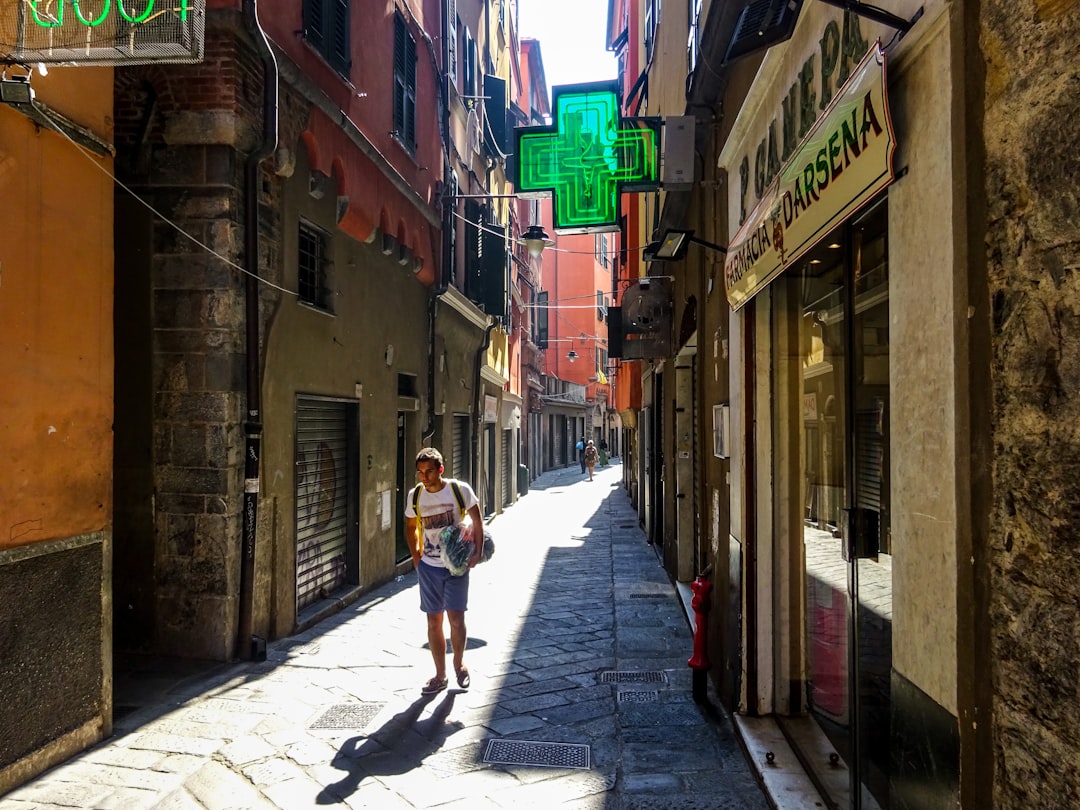
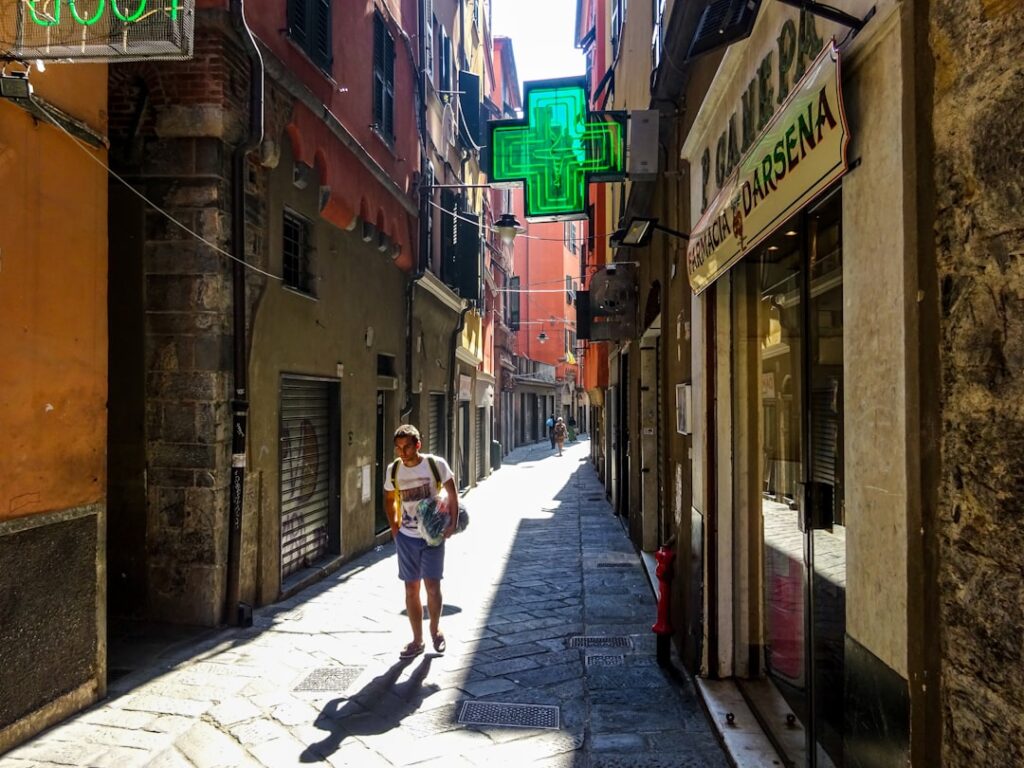
    Narrow street art alley in Genoa by day

    Historic Maddalena and il Prè: Studios, Galleries and Micro-Collectives

    Start your route in Genoa’s popular, multicultural heart: the Maddalena and il Prè neighborhoods. Nestled between Via San Lorenzo and the harbour, these areas are now home to numerous alternative art initiatives. You’ll find artist studios in former fishermen’s houses, micro-galleries that open at night and collectives staging pop‑up shows mixing visual art, music and design.

    Recommended spot: Spazio Patrizia Rosa, Via del Campo 12R, 16124 Genova GE. This micro-gallery dedicates its space to contemporary photography, sound installations and exhibitions by recent graduates of the Accademia Ligustica di Belle Arti. Admission: temporary shows are usually free; paid workshops range from €10 to €40 depending on length. Opening hours: Wednesday, Friday and Saturday 15:00–19:00; exhibitions sometimes stay open late on Fridays until 22:00.

    Another key address: Officina delle Arti – Via di Prè 35R, 16124 Genova GE. A collective studio converted into an exhibition space and residency hub for emerging artists. Events are often free but hands-on workshops (ceramics, screen printing) cost between €15 and €60 depending on supplied materials. Visit hours are by appointment; the space is open to the public during openings (usually Thursday and Friday evenings, 18:00–22:00).

    While wandering the lanes, don’t miss Via del Campo, made famous by Fabrizio De André’s song: today small galleries and art bookshops live side by side. For a coffee break between discoveries, stop at Caffè degli Artisti, Via San Donato 11R — espresso from €1.20, pastries €2.50–3.50. Practical tip: aim for late-afternoon visits to catch openings — they’re the best moments to speak directly with artists and curators.
    Via del Campo with street musicians in the afternoon

    Strada Nuova and the Official Museums Reimagined: Old Masters and Contemporary Dialogues

    Strada Nuova (Via Garibaldi) is one of Genoa’s most iconic cultural corridors. The palace‑museums — Palazzo Rosso, Palazzo Bianco and Palazzo Doria Tursi — are unmissable, but an alternative approach is to visit them seeking connections with the contemporary scene: temporary shows, public readings and performances organised in partnership with local collectives.

    Palazzo Rosso – Museo di Palazzo Rosso, Via Garibaldi 18, 16124 Genova GE. Hours: Tuesday–Sunday 09:00–19:00 (closed Monday). Price: combined Musei di Strada Nuova ticket (Palazzo Rosso + Palazzo Bianco + Palazzo Doria Tursi) around €10–12; reduced €6 for students/young people, free for children <6 years. Palazzo Rosso showcases baroque paintings, portraits and private collections that regularly engage with temporary contemporary installations. Inside, pay attention to the decorated ceilings and the soft light filtering through old windows — it’s a perfect place to see how contemporary art reimagines historic spaces.

    Palazzo Bianco – Galleria Nazionale di Palazzo Bianco, Via Garibaldi 10, 16124 Genova GE. Hours: Tuesday–Sunday 09:00–19:00, similar pricing when bought as part of the combined ticket. Guest curators often program micro‑exhibitions by young artists in the historic antechambers, creating striking juxtapositions. Tip: ask at the ticket desk about thematic guided tours that cross historic and contemporary collections — they’re sometimes available and usually cost an extra €3–5.

    Palazzo Doria Tursi – Museo Civico, Via Giuseppe Garibaldi 9, 16124 Genova GE. Hours and prices are aligned with the other palaces on Strada Nuova. Beyond the permanent collections, check the calendar for musical performances and artist residencies that use the courtyards as temporary stages.

    Practical tip: buy the combined « Musei di Strada Nuova » ticket to save time and money. Arrive early in the morning to enjoy the best light, and finish your visit in one of the historic cafés on Via Garibaldi or in nearby Piazza De Ferrari for a quick lunch (set lunches range around €12–20).
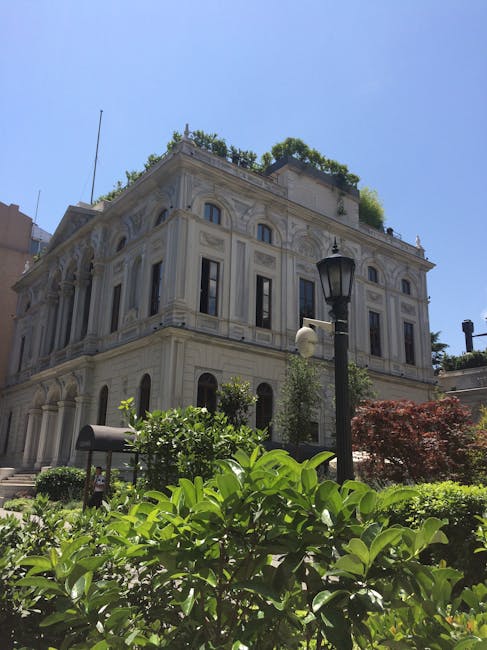
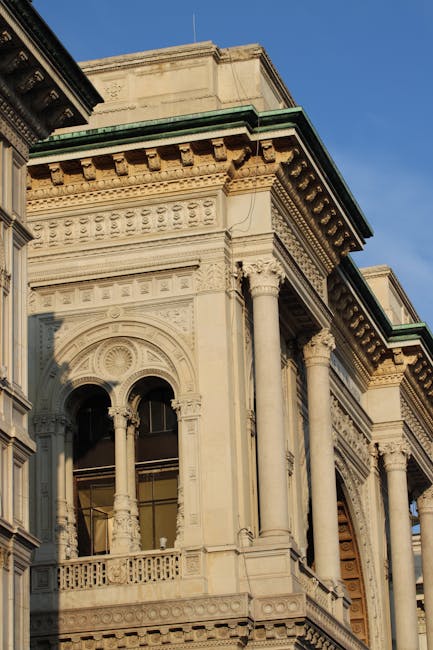
    Façade of Palazzo Rosso in Genoa

    Seafront, Boccadasse and Nervi: Coastal Galleries and Outdoor Installations

    Genoa’s coastline hides a surprising art scene that plays with the sea: small galleries facing the promenade, sculptures on the shore and a street‑art trail in Nervi. These spaces offer a sensory experience where salt, light and the sound of waves become part of the works.

    Villa Croce Museo d’Arte Contemporanea, Via Capolungo 1, 16126 Genova Nervi GE. Hours: Tuesday–Sunday 10:00–18:00 (closed Monday). Price: full admission €8, reduced €5 for students; some temporary exhibitions may have an extra fee (€3). Villa Croce, situated on Nervi’s promenade, provides stunning sea views and a contemporary programme that includes photography, installations and sound performances. The villa’s architecture and gardens make for exceptional photographic opportunities at sunset.

    Passeggiata Anita Garibaldi (Nervi) is the coastal path where outdoor exhibitions and temporary sculptures are sometimes installed. The works are free to view and rotate seasonally. Practical advice: bring a windproof jacket even in summer — the sea breeze can be chilly; for soft light on the water, favour morning hours.

    Boccadasse is a postcard‑perfect fishermen’s village preserved within the city. Recommended gallery: Galleria Bioglio, Via Boccadasse 7, 16136 Genova GE. Opening hours: typically Wednesday–Sunday 10:00–13:00 and 16:00–20:00; winter hours may vary. Admission is usually free; workshops and special exhibitions cost €5–15. Treat yourself to an artisanal gelato on the beach between visits (gelato €2.50–4.00).

    Getting there: to reach Nervi from the centre, take the regional train (Genova Nervi) from Principe or Brignole station; journey time is about 15–20 minutes, ticket €1.60–2.00 depending on zones. For Boccadasse, bus 31 or a scenic walk along Corso Italia are convenient options.
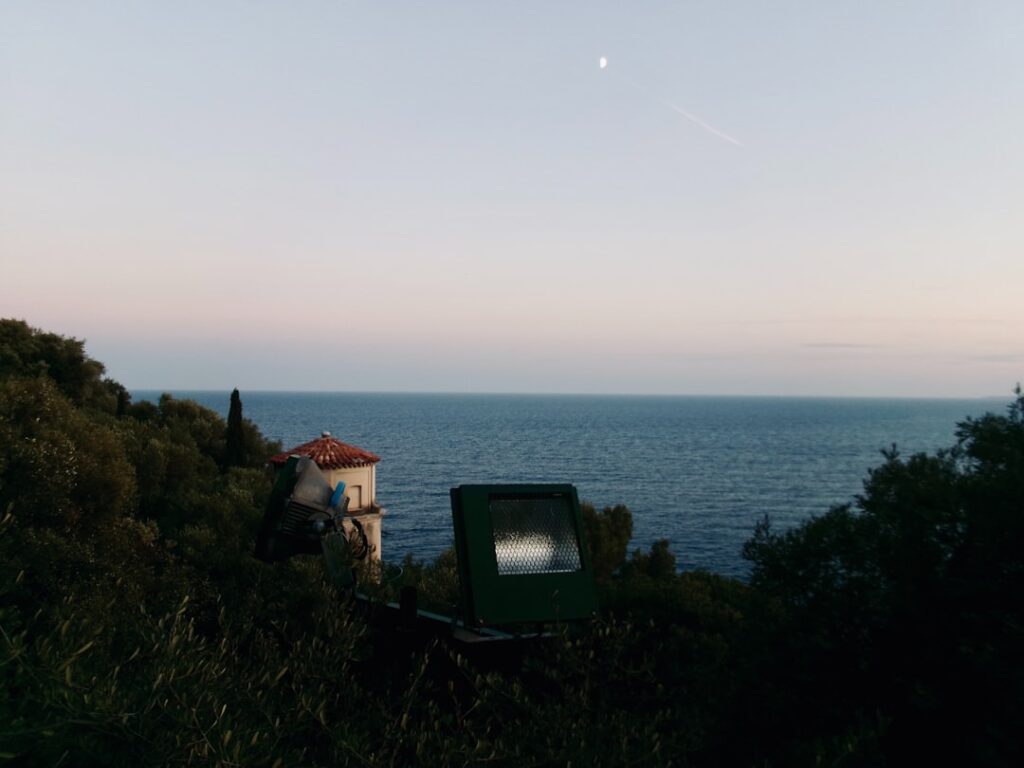
    Villa Croce museum with sea view at sunset

    Street Art and Urban Interventions: Where to Find Murals and Community Projects

    In recent years Genoa has developed a dense street‑art movement, from large, politically charged murals to tiny poetic interventions hidden in inner courtyards. The neighbourhoods of Sampierdarena, Certosa and the outer area of Cornigliano feature large murals created by international collectives; in the old town the pieces are more intimate and often collaborative.

    Recommended spot: Murals on Via Sampierdarena, Via Sampierdarena 45, 16155 Genova (industrial sector) — an area of large-scale wall works produced during urban festivals. Free access; visit during daylight (best for photos early morning or late afternoon). Murals change over time, but this area offers a chance to see works by European street artists. Safety tip: some industrial zones can be isolated — prefer group visits or go with a local guide.

    Community project: « La Fabbrica del Vapore » (studio space and participatory murals), Via Cornigliano 12, 16152 Genova. This site offers free or low-cost workshops (€5–15) for young people and runs collective painting sessions. Opening hours: activities by registration; the space is usually viewable on weekends during public events.

    Suggested short walk: start at Piazza delle Erbe and follow the alleys toward the old port, spotting sticker art and contemporary collages along the way — these micro‑interventions often carry political or poetic winks tied to local life. Bring a map or a street‑art app (often provided by local collectives); many works are temporary and get refreshed frequently.

    Practical tip: respect the artworks and the privacy of locations (don’t paint over or touch fragile pieces), ask for permission before photographing private interiors and note that some murals are in hard‑to‑reach areas — it’s usually better to be accompanied by a local guide or join a street‑art tour (guided tour prices around €15–25 per person).
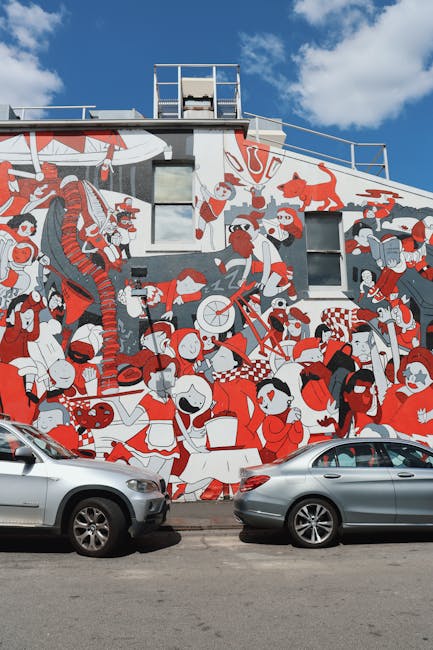
    Large street art mural in Genoa in the late afternoon

    Suggested Route, Logistics and Local Practical Tips

    To make the most of your alternative art route in Genoa, here’s a typical day plan and detailed logistical advice. Suggested full‑day itinerary: morning on Strada Nuova (Palazzo Bianco/Palazzo Rosso/Piazza De Ferrari), quick lunch in il Prè, afternoon at Villa Croce/Nervi or Boccadasse (weather permitting), late afternoon back in Maddalena and an evening opening at a micro‑gallery. This order mixes historic museums with contemporary discoveries while keeping travel time manageable.

    Tickets and reservations: for the Musei di Strada Nuova, buy online through the official Musei di Strada Nuova website to skip lines (combined ticket usually €12). For Villa Croce, check the foundation’s website before you go; some temporary shows require booking (admission €8). For workshops and guided visits in micro‑galleries, sign up by email or via Instagram — many of these spaces mainly communicate through social media.

    Transport: the main hubs are Genova Piazza Principe and Genova Brignole stations. The local bus and train network (AMT) covers the city well; a 100‑minute urban ticket costs about €1.60 and is validated when you board. For Nervi and Boccadasse, the regional train from Brignole is fast (ticket around €1.60–2.00). Walking remains the best way to explore the historic centre, but bring comfortable shoes — the cobbled streets can be steep.

    Opening times and seasons: the best time for an art route in Genoa is spring and autumn (April–June, September–October): mild weather, favourable light and active exhibition calendars. In summer openings and vernissages multiply but the city can be busy; in winter, micro‑galleries often have reduced hours.

    Practical tips:

    • Money: carry some cash for small galleries and cafés (many accept cards but not all).
    • Language: basic English is usually enough in official venues, but learning a few Italian phrases makes interactions with local artists much easier (hello = buongiorno, thank you = grazie).
    • Support the scene: buy a postcard or a small exhibition catalogue (€5–15) to support independent galleries.
    • Safety: the old town is generally safe, but stay alert at night and avoid isolated industrial areas without accompaniment.
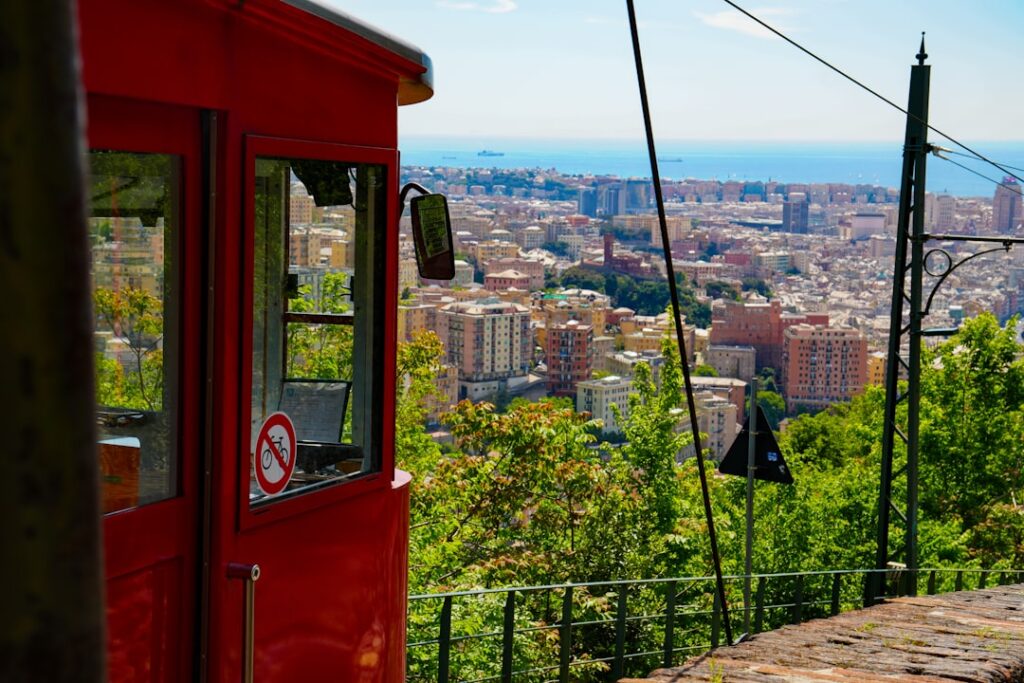
    Historic tram passing through Genoa's city centre at midday

    Conclusion: Extending the Experience and Final Recommendations

    Genoa is a city of contrasts where old and new constantly meet. This alternative art route aims to show that the contemporary Genoese scene isn’t locked away in isolated modern buildings — it slips into historic palazzi, along the coast, into artisan workshops and onto reimagined urban walls. By following the suggestions — from Strada Nuova to the lanes of il Prè, from Boccadasse’s galleries to Sampierdarena’s industrial murals — you’ll build a richer, more personal understanding of the city’s artistic life.

    To extend the experience: consider organising a short residency in a local studio (check with Officina delle Arti or local collectives), or sign up for a screen‑printing or ceramics workshop so you leave not just with images but a tangible object made during your stay (workshop prices €20–60 depending on length and materials). Also visit specialist bookshops like Libreria Boox on Via XX Settembre for exhibition catalogues and books on the regional scene.

    Finally, keep in mind that the emerging scene evolves quickly: exhibitions, openings and murals change often. Before you travel, check galleries’ Instagram pages, the museums mentioned (Musei di Strada Nuova, Villa Croce, Museo d’Arte Orientale) and local cultural calendars for current events. By respecting opening times, booking when needed and approaching artists and residents with curiosity and respect, your art route in Genoa will be a deep, sensory and memorable discovery.

    Happy artistic travels in Genoa: expect surprises from chance encounters, hidden micro‑galleries, unexpected murals and the warm hospitality of a scene that knows how to mix history with experimentation. Don’t forget your notebook, your camera and—above all—the time to talk: often the best finds happen through informal conversations with an artist over an espresso.
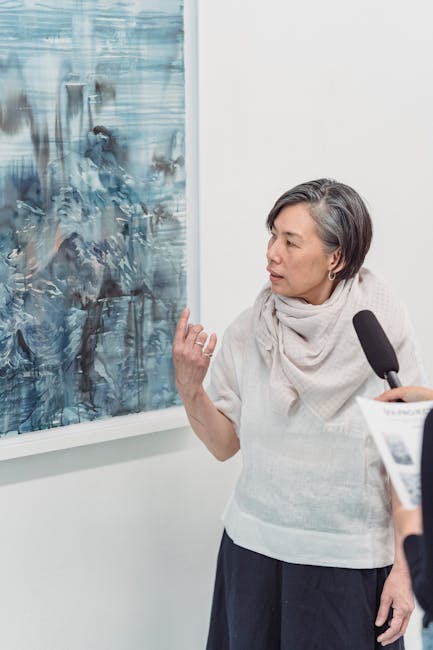
    Artist talk in a gallery evening crowd in Genoa

  • Cultural Shopping in Genoa: Museum Shops & Gallery Finds

    Cultural Shopping in Genoa: Museum Shops & Gallery Finds

    Introduction — Cultural shopping in Genoa: sea, palaces and little discoveries

    Genoa (Genova) is a city you explore as much by wandering its narrow historic streets as by pushing open the doors of its museums and galleries. Beyond the exhibition rooms and collections — paintings, furniture, maritime charts, ship models and ceramics — lie shops that extend the museum experience. These stores are more than souvenir stalls: they curate objects connected to the exhibitions, offer scholarly catalogues, limited editions, reproductions and creations from local artisans. For the curious traveler, cultural shopping in Genoa becomes a way to gather tangible memories tied to the sea, Ligurian nobility and the maritime past of the Republic of Genoa.

    In this guide you’ll find a practical map of the best museum and gallery shops in Genoa, with exact addresses, typical opening hours, price examples in euros, immersive descriptions and local tips to shop smart. We highlight spots linked to must-see places: the Palazzo Ducale (the city’s major cultural hub), the Palazzo Reale (museum of aristocratic taste), the Galata Museo del Mare (naval memory), the Acquario di Genova (for sea lovers) as well as the Musei di Strada Nuova (Palazzo Rosso, Palazzo Bianco) and their thoughtfully designed shops. Expect to find exhibition catalogues (often between €20 and €60), framed reproductions (€30–€200), artisan jewelry and ceramics (€25–€150), and maritime objects like navigation instruments or models (prices vary: €15 for a small model up to several hundred euros for collector pieces).

    A few practical notes before you head out on your shopping mission: most museum shops accept cards (Visa, Mastercard) but it’s wise to carry some cash for small purchases (postcards, pins). Shops often provide export-friendly packaging, and some offer international shipping. If you’re after a scholarly book or a sold-out catalogue, ask the staff — they frequently take orders. Finally, allow time: browsing these shops, flipping through books, examining reproductions and chatting with the staff enriches the cultural experience and can lead to unexpected discoveries — a rare print, a coral jewel from Camogli or an engraved maritime chart.

    In the sections below we review shop by shop, giving addresses, typical hours, price examples and local tips to bring home objects that tell the story of Genoa. Whether you’re in town for a weekend or you live here, these places will change how you think about shopping: it becomes an extension of the visit, a way to keep an emotional archive of the city of the Superba.

    Palazzo Ducale — official shop and art bookshop

    Palazzo Ducale (Piazza Matteotti, 9, 16123 Genova GE) is one of Genoa’s main cultural centres. The building regularly hosts temporary exhibitions of modern and contemporary art, conferences and events. Its shop, located near the grand entrance staircase, is a compact, carefully curated space called « Bookshop Palazzo Ducale. » It offers exhibition catalogues, postcards, screen-printed posters and design objects tied to current shows.

    Address: Palazzo Ducale, Piazza Matteotti 9, 16123 Genova.
    Typical shop hours: Tuesday–Sunday 10:00–19:00 (may vary with events and late-night openings).
    Indicative prices: postcards €1.00–€2.00, mini-catalogues €8–€15, full exhibition catalogues €20–€45, posters €10–€40, design objects €15–€80.

    The shop focuses on editions directly related to the exhibitions. If the show highlights a painter, expect to find monographs, separate prints and numbered prints sometimes released as limited editions (priced €50–€200 depending on the artist). The shop’s staff can sometimes reserve rare copies or obtain additional prints through the foundation’s network.

    Practical tips: if you’re after a recently sold-out exhibition catalogue, ask at the counter — they often take orders and ship internationally (shipping costs from around €10 depending on weight). During openings, the shop sometimes offers discounts or bundled deals (book + poster at a special price). Check Palazzo Ducale’s official website to confirm exact opening times on the day of your visit; hours can extend for major exhibitions.

    Accessibility and payment: the shop accepts credit cards (Visa, Mastercard) and cash. For bulky purchases (posters, frames), ask staff if they can provide a tube or protective packaging. Collectors can inquire about signed editions: it’s sometimes possible to arrange an artist signing during a book-session.

    Galata Museo del Mare — maritime shop and ship models

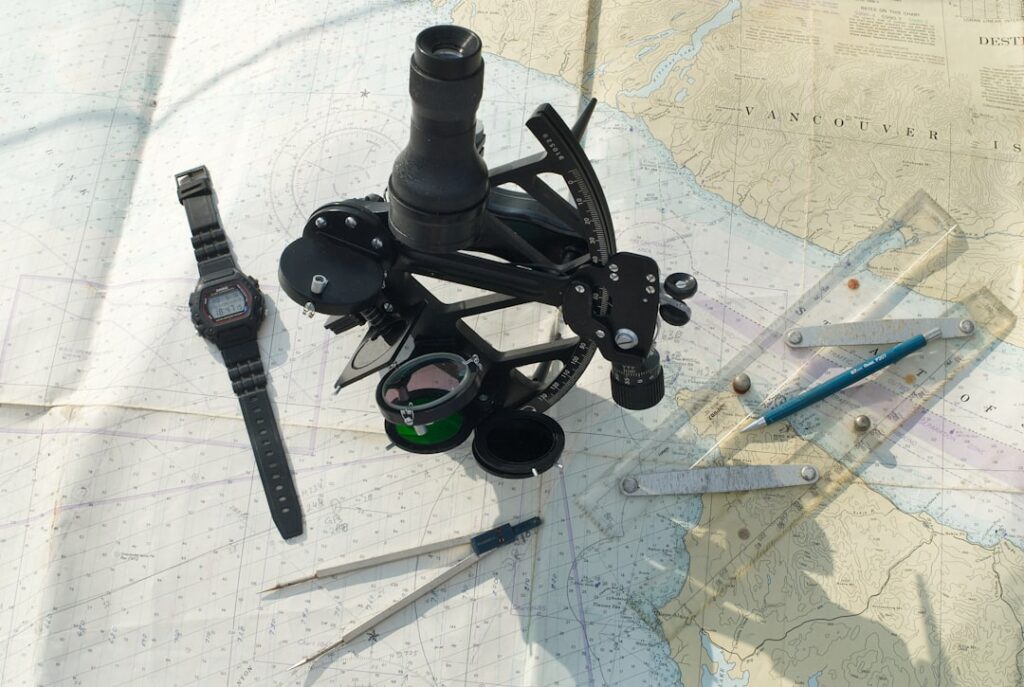
    The Galata Museo del Mare (Calata De Mari 1, 16126 Genova) is the largest maritime museum in the Mediterranean. Its themed shop is a must for anyone interested in navigation, the history of sailing ships and Genoa’s marine heritage. You’ll find handcrafted ship models, navigation instruments (replica compasses, sextants), historical and contemporary logbooks, marine charts posters and nautical toys for children.

    Address: Galata Museo del Mare, Calata de Mari 1, 16126 Genova.
    Shop hours: daily 10:00–18:00 (hours vary in high season; the nearby aquarium can extend opening times).
    Indicative prices: small souvenirs (magnets, pins) €2–€6, children’s books €8–€18, museum catalogues €18–€45, beginner model kits €15–€60, detailed artisan models €120 and up.

    The Galata shop stands out for the quality of its models and replicas: local workshops produce wooden models with remarkable finesse, perfect as a gift or a lasting keepsake. The exhibition catalogues and books on Genoese maritime history are valuable resources if you’re after a historical or academic angle.

    Practical tips: if you buy a large model, request reinforced packaging (cardboard, foam) for transport; some shops offer hotel delivery or international shipping (expect around €20–€50 depending on size and destination). Families will appreciate the selection of educational books and games about the sea. Also, enjoy the port view from the shop while you choose a souvenir, watching real ships at berth.

    Acquario di Genova and Musei di Strada Nuova — naturalist and artistic shops

    The Acquario di Genova (Ponte Spinola, 16128 Genova) is one of Europe’s most visited aquariums. Its shop offers items for marine-life lovers: plush toys (dolphins, seals), photographic posters, marine biology books and educational products for children. The official address is Acquario di Genova, Ponte Spinola, 3, 16128 Genova.
    Hours: seasonal (generally 09:00–19:00 or 09:00–20:00). Price examples: plush toys €10–€35, specialist books €12–€40, educational games €8–€25.

    The Aquarium shop focuses on items that are both playful and informative. You’ll find popular science books about Mediterranean ecosystems, high-quality photography prints and durable products like recycled water bottles or bags branded with the Aquarium logo.
    The Musei di Strada Nuova group includes three palace museums along Via Garibaldi: Palazzo Rosso (Via Garibaldi 18), Palazzo Bianco (Via Garibaldi 10), and Palazzo Tursi (Via San Lorenzo 5, linked to the Civic Museum). Each has a shop offering reproductions, catalogues and postcards. Painters’ palettes, prints and research publications are often part of the selection.
    Prices and hours (general): shops usually open Tuesday–Sunday 10:00–18:00. Cards and small souvenirs €1–€5, specialist books €15–€60, framed reproductions €30–€150.

    Practical tips: if you’re looking for a specific reproduction of a painting you saw in a palace (for example a Baroque work or an aristocratic portrait), ask staff; they can tell you what print sizes are available and whether framing on request is possible. The Musei di Strada Nuova are close to each other, allowing for a shopping loop between visits.

    Independent shops in art galleries and buying tips

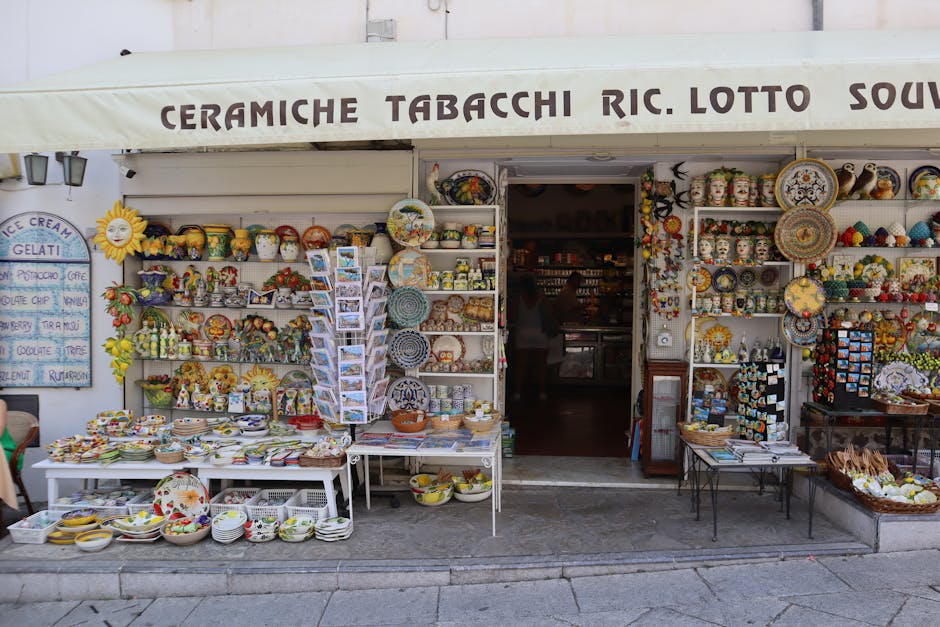
    Beyond official museum shops, Genoa is home to numerous art galleries with small shops offering contemporary creations, artist editions and local designer objects. Neighborhoods like the Centro Storico (Via Luccoli, Via Garibaldi) and the Banchi area are full of addresses where contemporary art sits alongside traditional Ligurian craftsmanship. You’ll find silver jewelry, hand-painted ceramics, original illustrations and small restored furniture.

    Prices: in independent galleries expect €20–€60 for small prints or lithographs, €50–€300 for original works by emerging artists, and €30–€150 for artisan jewelry. Galleries often open on gallery hours: 11:00–19:00, sometimes closed on Monday; check their Facebook or Instagram pages for up-to-date times.

    Buying tips for galleries:

    • Ask for the technical sheet: for a contemporary work, request the certificate or authenticity sheet.
    • Negotiate reasonably: in small galleries some negotiation is often possible, especially outside openings.
    • Transport and packaging: for fragile works ask for professional packaging or whether the gallery can handle shipping.
    • VAT and tax refund: if you’re a non-EU resident, ask about tax-free shopping (Tax Free) for purchases above €154.94 and request the necessary forms at the till.

    Local tip: for edible Genoa-themed souvenirs (jarred pesto, « secchi » biscuits, local wines), favor fine food shops near the museums rather than museum stores; they often have better packaging options for transport. Some galleries also host artist meet-and-greets — a great chance to buy a work with a signature and a story.

    Conclusion — Take a piece of Genoa home: why and how

    Cultural shopping in Genoa means choosing objects that carry history rather than generic souvenirs. Museum and gallery shops mix memory and design, offer rare editions and highlight the network of local craftsmen. An exhibition catalogue will serve as an in-depth guide and reference, a Galata model will narrate the maritime power of the Republic of Genoa, while a small reproduction bought in a Via Garibaldi palace will prolong the pleasure of a baroque visit.

    A few final recommendations to make the most of your purchases:

    • Check opening times in advance: shops usually follow exhibition hours and can close during event setups or openings.
    • Plan transport: for fragile items (frames, models) request reinforced packaging and inquire about shipping or hotel pickup options.
    • Think tax refund: if you’re not an EU resident, ask for the Tax Free form for purchases above the legal threshold (typically €154.94) and keep original invoices for airport refunds.
    • Ask questions: museum shop staff are passionate — asking about an object’s origin, maker or edition often yields fascinating information.
    • Take advantage of events: openings and conferences sometimes give access to signed prints, limited editions and special promotions.

    Finally, consider these purchases as collector’s items or decor that extend the visit — not just as simple gifts. The shops at Palazzo Ducale, Galata Museo del Mare, Acquario di Genova and the Musei di Strada Nuova offer a range of objects that tell Genoa’s story: its role as a major port, its sumptuous palaces and its artisanal traditions. Back home, every thumbed-through book, every reproduction on the wall or every model on a shelf will be a sensory reminder of the « Superba. » Happy cultural shopping — and above all, happy exploring!


  • Master Portraits: Must-See Retrospectives in Genoa

    Master Portraits: Must-See Retrospectives in Genoa

    INTRODUCTION

    Genoa, a port city where medieval and baroque façades mingle, is a perfect stop for art lovers who want to dive into the histories of European masters through carefully curated retrospectives. Once a commercial crossroads in the 17th century, the city still boasts a rich museum heritage: aristocratic palaces turned into museums, contemporary exhibition spaces tucked into historic buildings, and quays where the smell of salt blends with the pigments on canvas. Retrospectives in Genoa do more than display works; they tell stories — of Genoese patrons, of maritime routes that brought foreign influences, and of family dynasties that turned the city into an artistic hub.

    In this detailed guide, we’ll explore the city’s major retrospectives of master painters, covering not only the venues and the works on display but also practical info — exact addresses, opening hours, prices in euros, and local tips to make the most of your visit. Whether you’re passionate about the great painters of the Golden Age, curious about contemporary reinterpretations of a master, or interested in monographic shows devoted to lesser-known figures, Genoa’s calendar is full and varied. The city’s museums and palaces don’t just stage temporary exhibitions; they offer intimate settings where you can feel the historical presence of the works, from the richly decorated rooms on Via Garibaldi to the expansive, flexible spaces of the Palazzo Ducale.

    Each retrospective featured here was chosen for its ability to offer a fresh, immersive perspective on a master — whether through international loans, conservation studies, or innovative scenographic designs. We’ll also cover practical matters such as the best times to avoid crowds, how to combine multiple visits in one day, and where to grab an authentic Genoese focaccia after a morning at the galleries. Artistic reflection and practical advice come together to help you turn your stay into a smooth, culturally rich experience.

    Finally, because the museum experience is as sensory as it is visual, we’ll include photographic cues and suggested vantage points for your own shots (always respecting each venue’s rules). Get ready to see Genoa in a new light: from intimate portraits to grand historical compositions, the city’s retrospectives weave a rich artistic narrative at the crossroads of the Mediterranean and Europe.

    Palazzo Rosso and Palazzo Bianco: the twin gems of Strada Nuova

    Strada Nuova (today Via Garibaldi) is Genoa’s museum quarter. Two palaces, Palazzo Rosso and Palazzo Bianco, form an essential route for anyone chasing masterful retrospectives — both regularly stage monographic and thematic shows highlighting Italian and European painters. The Palazzo Rosso (Via Garibaldi 18, 16124 Genova GE) is especially famous for its permanent collections but also hosts temporary retrospectives within its richly appointed rooms. Opening hours: generally open Tuesday through Sunday from 10:00 to 18:00 (last admission 17:30), closed Monday — always check the official site. Indicative price: single-ticket for Palazzo Rosso around €7, with discounts for youth, seniors, and groups; combined Palazzo Rosso/Palazzo Bianco tickets are usually around €12–14.

    Interior of Palazzo Rosso

    Palazzo Bianco (Via Garibaldi 11, 16124 Genova GE) completes the tour with masterpieces by the likes of Van Dyck and Caravaggio (on loan), alongside many painters from the Ligurian and wider European traditions. Opening hours: usually Tuesday through Sunday 10:00–18:00, closed Monday; individual tickets are around €7, and combined tickets are available as noted above. Retrospectives at Palazzo Bianco often stand out for their historical framing: you’ll frequently find archival documents, preparatory sketches, and items belonging to Genoese patrons, which help reconstruct the artistic life of the city-state.

    Gallery inside Palazzo Bianco

    Practical tips: arrive early to enjoy the rooms with fewer visitors and the best natural light for observing colors. Make time to climb to the upper floors of Palazzo Rosso to visit the restored historic apartments — the scenography there often gives retrospectives an intimate feel. Audio guides are available in several languages; for major shows, book your tickets online to avoid queues. To reach Via Garibaldi, use the AMT city buses (lines 1, 2, 20 depending on where you’re coming from) or walk from Genova Piazza Principe station (about 15 minutes on foot). After your visit, stop by Pasticceria Tagliafico (Via Garibaldi, nº) or one of the nearby cafés for a warm focaccia, a local specialty perfect for refueling.

    Palazzo Ducale: major retrospectives and international shows

    The Palazzo Ducale (Piazza Matteotti 9, 16123 Genova GE) is the city’s most dynamic cultural hub for large-scale retrospectives. Once the residence of Genoese doges and now a major exhibition center, Palazzo Ducale hosts international temporary shows often accompanied by lectures, concerts, and scholarly publications. Opening hours: temporary exhibitions are generally open Tuesday through Sunday, 10:00 to 19:00 (some evening events extend hours to 23:00); closed Monday. Price: depending on the exhibition, standard tickets range between €10 and €18; reduced fares and combined passes are available for multiple events.

    Exhibition hall inside Palazzo Ducale in the evening

    Retrospectives at Palazzo Ducale often feature international loans — from European museums and private collections — enabling original thematic routes (career overviews of a painter, dialogues between masters, technical studies on restorations). The contemporary scenography developed by the palace team favors clarity and closeness to the artworks: targeted lighting, detailed labels, and often multimedia installations to explain pictorial processes. Exhibitions are frequently accompanied by richly illustrated catalogues, useful for continuing your reading after the visit.

    Facade of Palazzo Ducale

    Practical tips: check Palazzo Ducale’s calendar on the official website and reserve skip-the-line tickets, especially in high season (April–October) and for flagship exhibitions. Take advantage of the cultural mediation on offer (themed guided tours, children’s workshops): they add depth and are great for curious visitors. The palace is an easy walk from Piazza De Ferrari (just a few minutes); if you’re driving, consider a public parking like Parking Carlo Felice (Via XX Settembre) and end with a stroll toward the historic center.

    Galata Museo del Mare and maritime museums: historical angles on the masters

    The Galata Museo del Mare (Calata de Mari 1, 16128 Genova GE) is the largest maritime museum in the Mediterranean basin and occasionally presents retrospectives that link art and the sea: portraits of sailors, commissioned artworks for galleys and port decorations, or exhibitions devoted to artists who painted maritime landscapes. Opening hours: generally open every day except Monday, 10:00 to 19:00; tickets: full price around €9, reduced rates for children and seniors. The Galata also features immersive installations, ship models, and the Nazario Sauro submarine moored alongside the museum, which complements the experience.

    Exterior view of Galata Museo del Mare and the harbor

    Retrospectives that combine painting and maritime history often shed light on the port’s role in commissioning art. Portraits of shipowners, scenes of daily life on the quays, and seascapes testify to how the sea inspired local and foreign masters. These shows frequently include archival pieces — old nautical charts, navigation letters, travel journals — placing the works within a vivid context. For those interested in technical detail, some presentations explain the pictorial techniques used to depict water, light, and reflections, all essential in maritime painting.

    Interior exhibition at the Galata Museo del Mare

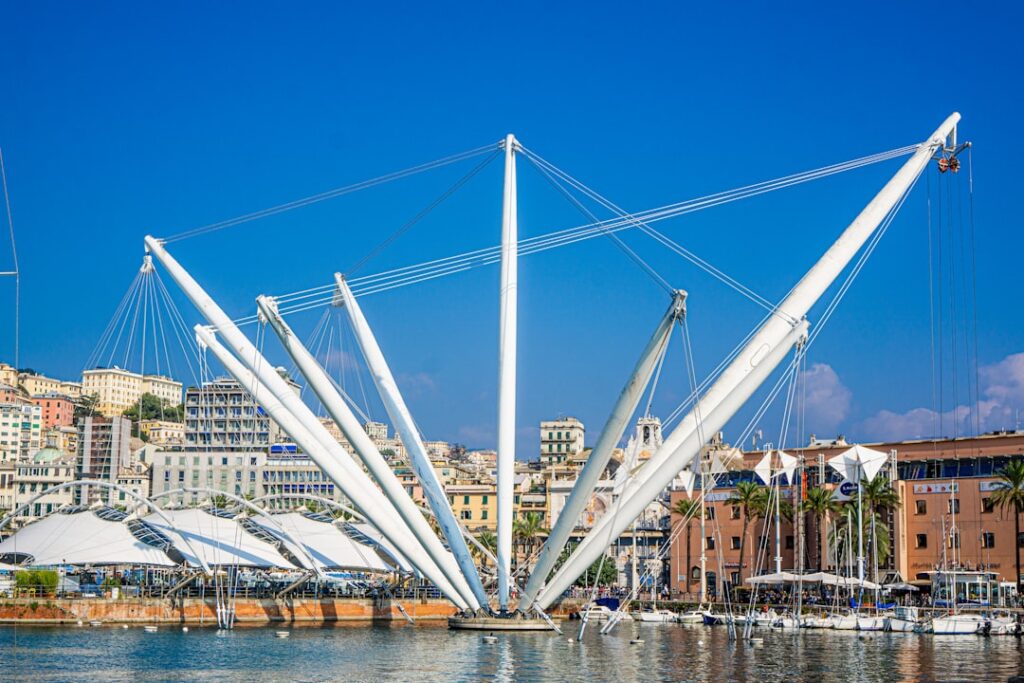
    Practical tips: combine a visit to the Galata with a walk around the Porto Antico and a ride on the Bigo (panoramic lift) for an overview of the city and bay — a great way to contextualize maritime works. It’s walkable from Genova Brignole station in 20–25 minutes or reachable via the city bus network. For families, check the educational workshops offered during exhibitions: they’re often well designed to engage kids with maritime history and art.

    Themed routes and alternative venues for retrospectives

    Beyond the major institutions, Genoa offers a host of spaces where retrospectives of masters are staged: the Musei di Strada Nuova (the ensemble that includes Palazzo Rosso, Palazzo Bianco, and Palazzo Tursi), the Galleria d’Arte Moderna GAM (Via Rossini 11, 16125 Genova GE), and temporary exhibition halls like the Commenda di Pré or the Castello d’Albertis – Museo delle Culture del Mondo (Corso Dogali 18). These venues often present original monographic shows, exhibitions dedicated to local schools (Ligurian school, Genoese baroque) or dialogues between old masters and contemporary artists.

    Interior of GAM Genova - Galleria d'Arte Moderna

    The Galleria d’Arte Moderna GAM stages retrospectives that put 19th- and 20th-century stylistic legacies into perspective, and sometimes showcases exhibitions dedicated to Italian modernist painters. Address: Via Rossini 11, 16125 Genova GE. Opening hours: typically Tuesday through Sunday 10:00–18:00; prices: full ticket around €6–8. The Castello d’Albertis offers a romantic setting for exhibitions that cross art and ethnography; address: Corso Dogali 18, 16136 Genova GE; hours vary by season (check online); indicative price: €5–€10.

    Exterior of Castello d'Albertis

    Practical tips: if you want a deep experience, plan a morning visit to a museum and an afternoon spent in a palace. Distances in the historic center are walkable, but to move between neighborhoods (for example from Boccadasse to the center), use buses or taxis. Consult the Comune di Genova cultural programs and local channels (Genova Cultura) for one-off events like evening openings, expert talks, or themed guided visits that often accompany retrospectives and enrich understanding.

    Practical tips, bookings and recommended addresses

    To get the most out of retrospectives in Genoa, a few simple rules will make your visit smoother. Book tickets online when possible — it saves time, especially for major exhibitions. Bring a light jacket: even in mild weather, exhibition rooms are often climate-controlled to preserve artworks. Respect each venue’s photography rules (flash is usually forbidden and some rooms may prohibit photos entirely). Bring a notebook if you like jotting impressions and details for later reflection.

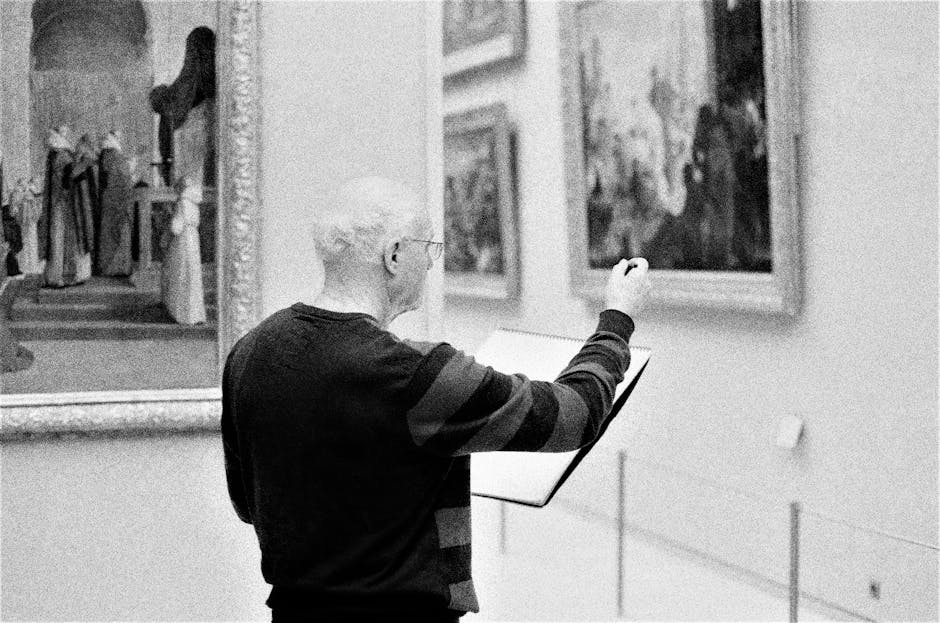
    Visitor sketchbook in a museum gallery

    Hours and prices: many main museums are open Tuesday through Sunday, 10:00–18:00, and closed on Monday; exceptions apply for evening events or extended hours. Typical prices: municipal palaces and museums €6–14, international exhibitions at Palazzo Ducale €10–18, Galata Museo del Mare about €9. Always check the official sites of institutions (Palazzo Ducale, Musei di Strada Nuova, Galata Museo del Mare, GAM Genova, Castello d’Albertis) before you go.

    • Transport: AMT buses, taxis, walking in the historic center; trams are limited but useful on certain lines.
    • When to go: spring and early autumn for pleasant temperatures; avoid major local festivals if you prefer fewer crowds.
    • Food: try focaccia alla genovese (average price €1.50–€3 per portion), and pansotti with pesto at local trattorie (dish €10–€15).
    • Accessibility: most museums have facilities for people with reduced mobility, but check ahead for historic palaces where stairs may be numerous.

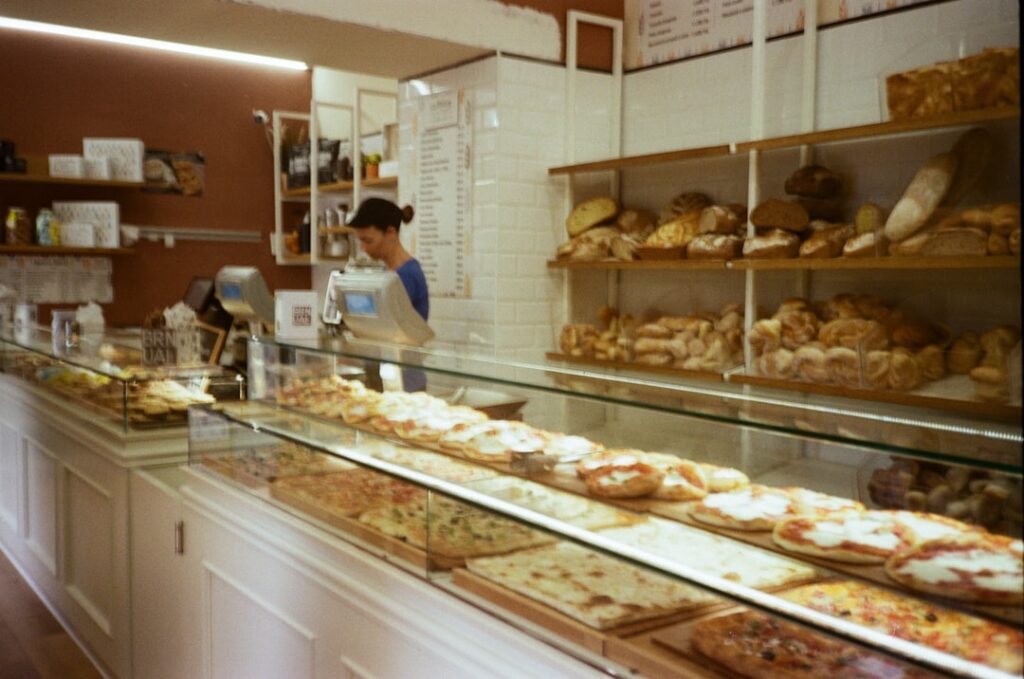
    Fresh focaccia from a Genoese bakery

    CONCLUSION

    Genoa proves to be an unmissable destination for lovers of master retrospectives: from aristocratic palaces turned into museums to major institutions like Palazzo Ducale and thematic venues such as the Galata Museo del Mare, the city offers a dense and varied cultural panorama. Exhibitions here draw on an urban history deeply tied to the sea and commerce, offering original approaches that mix history, painting technique, and social context. The main addresses — Palazzo Rosso (Via Garibaldi 18), Palazzo Bianco (Via Garibaldi 11), Palazzo Ducale (Piazza Matteotti 9), Galata Museo del Mare (Calata de Mari 1), GAM (Via Rossini 11) and Castello d’Albertis (Corso Dogali 18) — form a flexible itinerary you can adapt to your interests and the length of your stay.

    Sunlit historic street on Via Garibaldi

    To prepare your visits: remember to book online, check opening hours (often 10:00–18:00 Tuesday through Sunday), factor in ticket prices (usually between €6 and €18 depending on the exhibition), and take advantage of the cultural mediation on offer. Strolling between one retrospective and the next allows you to taste the Genoese spirit — a focaccia break, a view of the port from the Bigo, or a coffee in a historic square can all deepen your understanding of the works and their context. Finally, keep in mind that retrospectives are not just moments of contemplation: they invite you to question the relationship between artist, patron, and city. With its history and museum network, Genoa offers fertile ground for that kind of exploration.

    Whether you’re passing through, studying art history, or an inquisitive collector, retrospectives of masters in Genoa promise rich discoveries and intense aesthetic experiences. Take the time to step into the rooms attentively, read the labels, attend a lecture if you can, and above all let the city soak into your gaze: the Mediterranean and its light influenced many masters, and Genoa remains one of the best gateways to understanding that interaction between land, sea, and painting.

    Sunset over Genoa's port

  • Galata Museo del Mare, Genoa — Top Sights, Tips & Visitor Guide

    Galata Museo del Mare, Genoa — Top Sights, Tips & Visitor Guide

    Introduction

    The Galata Museo del Mare is one of Genoa’s cultural and historical gems — a port city with a long and storied maritime past. Located on the Porto Antico waterfront, the museum tells the story of seafaring, the great age of discovery, Italian emigration and naval technology through diverse collections, ship models, period objects and immersive multimedia installations. For the curious visitor it’s an exciting dive into the world of ships, captains and the men and women who shaped the Mediterranean and global sea routes. The building itself, sitting on the historic Calata Porta di Massa, is a testament to the urban and cultural regeneration of Genoa’s waterfront.

    Genoa, with its maze of narrow lanes (the famous « caruggi »), its 16th-century palaces and its busy harbor, provides the perfect backdrop to understand just how central the sea has been to this maritime republic. The museum doesn’t only display objects: it puts you in the story. You can board life-sized reconstructions, listen to emigrants’ testimonies, see transatlantic liner cabins and step inside an authentic Italian Navy submarine. The museum’s approach mixes artifacts, storytelling and digital technologies to deliver a lively and accessible reading of maritime history.

    In this detailed article you’ll find everything you need to plan your visit: descriptions of the must-see areas, exact addresses, opening hours, practical prices in euros, time-saving tips, accessibility options and recommended guided tours. Whether you’re a naval history buff, visiting with kids who love interactive exhibits, or a casual traveler after a cultural stroll by the water, the Galata Museo del Mare is a must-stop on any Genoa itinerary.

    We’ll highlight the visit’s main attractions and point out nearby sights not to miss, such as the Lanterna di Genova (the historic lighthouse), the small fort and the Porto Antico quays. You’ll also find practical tips (buying tickets online, best time slots to avoid crowds, nearby restaurants, connections from main train stations like Genova Piazza Principe and Genova Brignole, parking and public transport info). Finally, recommendations on photographing the exhibitions and making the most of the interactive areas complete this comprehensive guide for a successful visit.

    Galata Museo del Mare facade on the Porto Antico waterfront

    Overview of the Galata Museo del Mare and practical information

    The Galata Museo del Mare is located at the precise address: Calata Porta di Massa, 1, 16128 Genova GE, Italy. The museum occupies a refurbished section of the historic waterfront and looks out directly onto the Porto Antico quays, just a short walk from Genoa’s aquarium. To help you plan your visit, here are the practical details generally in effect: usual opening hours are Tuesday to Sunday from 10:00 to 19:00, closed on Mondays (hours may vary on public holidays or during special exhibitions, so always check the official website before you go). Indicative admission prices are: full price €12, reduced €9 (students, seniors, children according to conditions), and free entry for very young children depending on the current policy. The museum often offers combined tickets that include access to the Nazario Sauro submarine or other exhibits; a combined ticket typically runs around €17–20 depending on the package.

    It’s strongly recommended to book your tickets online, especially in high season (April to October) and during Italian school holidays, to avoid queues at the ticket office. The ticket counters accept cards and cash; the museum has a dedicated group box office and family offers. Bring ID if you’re claiming a reduced rate. Accessibility info: the Galata is partially accessible for visitors with reduced mobility, with elevators and ramps to reach most areas; however some historic sections or shipboard exhibits may have spatial constraints. The museum provides cloakroom services, restrooms (including accessible toilets), and a gift shop selling specialized books, models and souvenirs.

    The museum offers audio guides in several languages and themed guided tours (by reservation): for example, tours focusing on Italian emigration, naval archaeology or the history of transatlantic liners. Mornings are usually quieter; aim to arrive at opening if you want to enjoy interactive installations without queues. For families, note that educational workshops are held regularly and the interactive areas are designed to engage children from around age 6 and up.

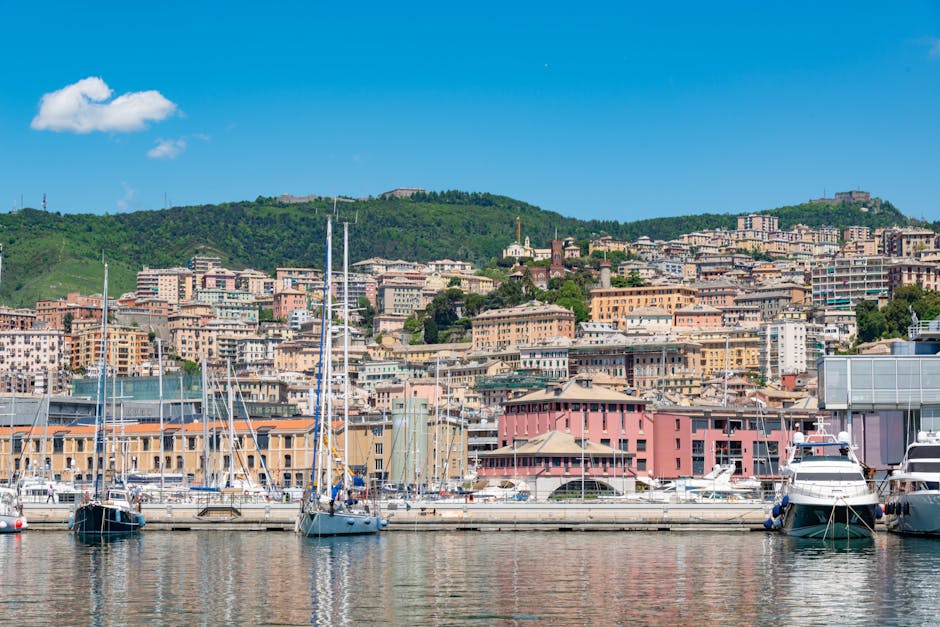
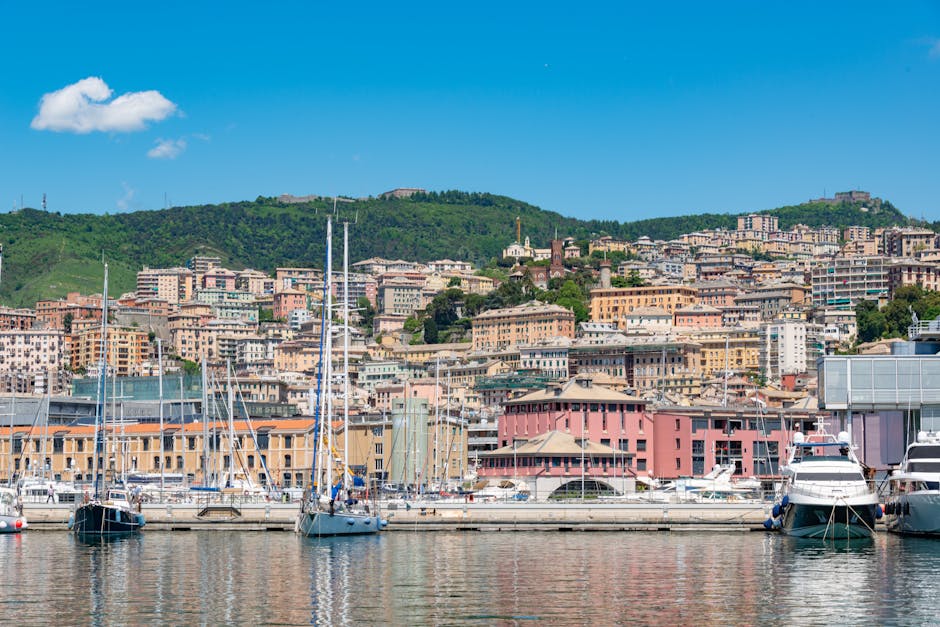
    Porto Antico waterfront with historic towers

    The Sottomarino Nazario Sauro (S518): an immersive highlight not to miss

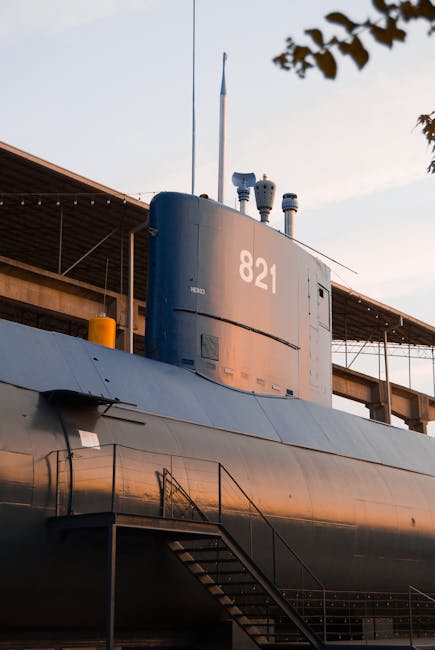
    One of the highlights of the museum complex is the visit to the Sottomarino Nazario Sauro (S518), moored nearby in the Porto Antico. Access for the submarine visit is at Calata del Molo Vecchio, Porto Antico, 16126 Genova (entry via the Galata museum route or directly from the quay depending on signage). The submarine is a former Italian Navy vessel converted into a museum attraction; boarding it lets you experience the cramped living conditions of the crew, view the torpedo room, engine room and control stations. Submarine access is often part of a combined ticket or may require an extra fee, so check at purchase: indicative supplement for submarine access is around €5–8, or included in a combined ticket priced at €17–20 depending on offers.

    Descending into the submarine involves narrow ladders and low passages: the visit is not recommended for people with significant mobility issues or for those prone to claustrophobia. For safety reasons the number of visitors inside at any one time is limited by rotation; expect waiting times, especially in summer. Once aboard you’ll find explanatory panels, historical photos and sometimes guides in period costume explaining daily life on board. Children will learn how submarine navigation worked through simple explanations and visual aids.

    Practical tip: tell the ticket office if visiting the submarine is a must for you; during high season the ticket desk assigns time slots. Wear closed, sturdy shoes (you’ll climb ladders and walk on metal surfaces). Photography is generally allowed without flash; follow all safety instructions and respect restricted areas. Finally, the view from the quay — with the submarine and the silhouettes of historic ships in the Porto Antico — provides beautiful photo opportunities at sunset.

    Exterior of the submarine museum at sunset

    Permanent exhibitions and the museum’s showstoppers

    The Galata Museo del Mare is organized into several permanent themed sections, each designed to tell a different chapter of maritime history. Must-sees include:

    • The Exploration Room: ship models from exploration eras, navigation instruments (astrolabes, sextants), old charts and the stories of voyages that expanded Europe’s geographic knowledge.
    • The Italian Emigration Section: reconstructed liner cabins, boarding documents, photographs and audio testimonies from Italians who emigrated to America between the late 19th and 20th centuries. This is an especially moving exhibition told through personal voices and objects.
    • The Ship Models & Naval Archaeology Gallery: exquisitely crafted models of galleys, caravels, merchant and warships, complemented by recovered wreckage and shipwright tools.
    • The Engine Room & Naval Technology: engines, propellers, steering systems and explanations of propulsion and the technological evolution of ships.
    • The Interactive Trail for Kids: simulators, educational games and touch stations that let young visitors « steer » a ship or learn about currents and weather.

    Among the collection’s highlights you’ll notice historically precise scale models, panels recounting major naval battles involving Genoa, and artifacts recovered from local shipwrecks. Reconstructed liner decks and transatlantic cabins are so detailed they offer a real sense of immersion. Lighting and scenography are arranged to guide visitors through a chronological and thematic route, punctuated by projections and sound installations.

    For enthusiasts, the museum shop stocks specialized books on naval history, reproductions of old maps and model kits. Don’t miss the rotating temporary exhibitions that tackle themes like early cartography, life at sea and marine ecosystems. Check the events calendar: lectures, roundtables and workshops are often scheduled, especially during the high season and on weekends.

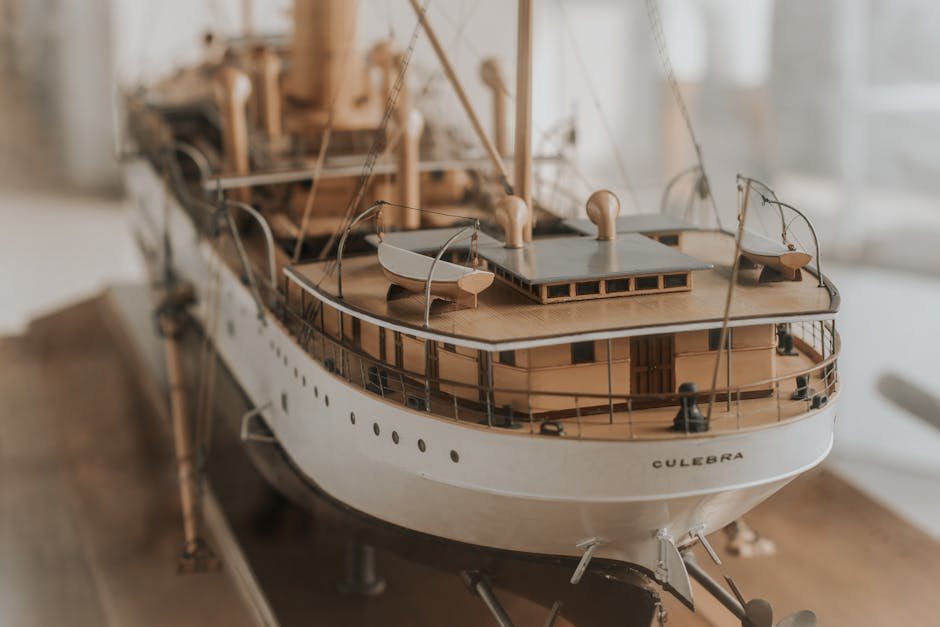
    Collection of historical ship models

    Local tips, getting there, dining and routes around the city

    Getting there: the Galata sits in the heart of the Porto Antico and is easily reachable on foot from the old town. If you arrive by train, the two main stations are Genova Piazza Principe (about 1.0–1.3 km, a 15–20 minute walk) and Genova Brignole (about 2.5–3.0 km, a 30–40 minute walk). Several bus lines and the tram serve the Porto Antico — check Genoa’s AMT routes depending on your starting point. For drivers, paid parking is available nearby, such as the Parcheggio Porto Antico – Via al Molo Vecchio and the underground garage at Piazza Tommaseo; rates vary by duration and season (expect roughly €2–3 / hour in central areas). The pedestrian zone around the museum is pleasant for a post-visit stroll.

    Dining: you’ll find several tasty options right nearby. For a coffee or light meal, try the cafés and trattorie around the Porto Antico and Molo Vecchio. For authentic Genoese fare head into the lanes east of the museum, where you can find local specialties like focaccia Genovese, trofie al pesto and fresh fish. If you prefer a waterside lunch, restaurants along the quay offer terraces with harbor views — expect slightly higher prices but rewarding panoramas.

    Suggested routes: combine a visit to the Galata with the Acquario di Genova (less than a 5-minute walk), a walk to the Lanterna di Genova (historic lighthouse, Calata Bettolo, 16128 Genova — about 20–30 minutes on foot depending on your pace) and a wander through the historic center (Strade Nuove and the Palazzi dei Rolli). Photographers will find the best light early in the morning and late afternoon when the golden light hits facades and hulls.

    Other practical tips: bring a light jacket even in summer — the sea breeze can be cool by the water. Be prepared to walk and wear comfortable shoes; routes include bridges and gangways. If you’re sensitive to motion, note that the submarine visit is stationary but can feel claustrophobic to some; book accordingly. Finally, if you’re traveling with kids, check the schedule for children’s workshops on the day of your visit to make the educational experience more rewarding.

    Porto Antico area in Genoa with waterfront views

    Conclusion

    Genoa’s Galata Museo del Mare is a must-visit for anyone looking to understand the deep ties between the Ligurian city and the sea. With permanent exhibitions rich in historical documents, outstanding ship models, immersive installations and the unique opportunity to visit a real submarine, the museum delivers a full and varied experience that appeals to history lovers, families and casual visitors alike. Its strategic location on the Porto Antico makes it easy to pair with other top Genoa attractions like the Aquarium of Genoa and the Lanterna di Genova for a full and memorable cultural day.

    To get the most from your visit: book tickets in advance, arrive early to beat the crowds, allow enough time to explore both the indoor exhibitions and the submarine, and don’t miss the temporary exhibitions that regularly refresh the museum’s offerings. Use an audio guide or a guided tour to dig deeper into specific topics, and don’t hesitate to ask museum staff for personalized recommendations — they’re often the best source for spotting lesser-known treasures and understanding historical context.

    At the end of your visit, the museum shop and the Porto Antico outdoor spaces let you extend the experience, whether by taking home a specialist book or enjoying a terrace overlooking the harbor. Whether you’re in Genoa for a short stop or a longer Ligurian stay, spending a few hours at the Galata Museo del Mare will give you a rich, lively perspective on maritime history, technological innovation and the mass migrations that connected Europe to the rest of the world. Safe travels and enjoy your visit!

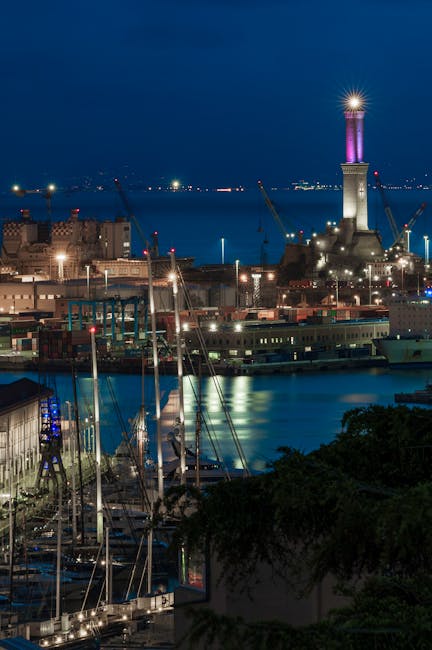
    The Lanterna di Genova, the city’s historic lighthouse

  • Genoa Gallery-Cafés: Where Art Meets a Tasty Pause

    Genoa Gallery-Cafés: Where Art Meets a Tasty Pause

    Introduction — When a tasty break turns into an art visit: aperitivo and canvases in Genoa’s gallery-cafés

    Genoa is a city best discovered slowly, wandering through narrow lanes, ornate palaces and lively harbors. Beyond the big museums and historic palaces, the Ligurian city offers a more intimate, contemporary scene: gallery-cafés. These hybrid spots, halfway between a tasting lounge and an exhibition space, invite visitors to mix aesthetic curiosity with culinary pleasure. You’ll come as much for a cappuccino next to an installation as for flipping through an art catalogue over a bicchiere di vino. They’re perfect for those who want to combine culture, meeting people and a sensory pause without following a strict museum route.

    In this guide I’ll take you on a tour of Genoa through addresses where art hangs on the walls and the food leans into local flavors. You’ll find cafés located inside well-known museums — places where seeing a collection naturally pairs with a relaxed moment — as well as independent galleries that have added a coffee corner to keep the conversation going. Each stop includes the exact address, opening hours, indicative prices and practical tips to make the most of your visit: how to avoid peak times, when to book a table, which local dish to try, and how to enjoy a temporary exhibition stress-free.

    Why pay attention to these places? First, because they embody the spirit of Genoa: a mix of tradition (cucina genovese, pesto, focaccia) and international openness (temporary shows, artistic exchanges). Second, because they offer a full sensory experience: sight is engaged by the artworks, taste by regional specialties, smell by freshly ground coffee and sometimes touch through workshops or limited editions for sale. Lastly, these venues are often meeting points with locals — artists, curators, art students — who help make each visit lively and participatory.

    This guide is designed for travelers who want to step off the beaten path without sacrificing comfort or practical details: full addresses, up-to-date opening times, prices in euros, immersive descriptions of the atmosphere and local tips to experience each place like a real appointment. Whether you’re into contemporary art, a cultural explorer, a food & travel blogger or simply a traveler looking for a lovely break, you’ll find suggestions here to create your own gallery-café route through Genoa, to be savored slowly, like an espresso on a sunny Riviera terrace.

    Terrace view over Genoa with coffee and art

    Villa Croce — Musei per la città: terrace café with panoramic views

    Name: Villa Croce – Musei per la città (internal coffee shop)

    Address: Via Jacopo Ruffini 3, 16126 Genova (Carignano neighborhood)

    Opening hours: Museum: Tuesday–Sunday 10:00–19:00 (closed Monday). Coffee shop: generally 10:00–18:30, hours may vary on event nights.

    Prices: Museum entry €6 (full price), €3 reduced for students and seniors; coffees €1.50–3.50, pastries €2.50–5.00, small plates €6–12.

    Villa Croce is Genoa’s contemporary art museum, housed in a 19th-century villa on the city’s heights. The Villa Croce coffee shop is a little gem: a terrace offers sweeping views over the Gulf of Genoa and the rooftops of the old town — an ideal spot for a coffee after roaming the exhibition rooms. Inside, modern furniture blends with original architectural touches, and the walls are often occupied by temporary works or exhibition posters.

    The menu focuses on local, seasonal products: platters of Ligurian charcuterie and cheeses, house focaccia (often €3–6 per slice), and vegetarian and gluten-free options. The coffee is generally good — a proper Italian espresso — and the staff are used to international visitors: ask for the daily recommendations or a glass of wine for a relaxed aperitivo. Evening events (openings, live music) often extend the coffee shop hours, making it a great spot to enjoy the sunset over the panorama.

    Practical tips: book a time slot if you’re coming on a summer weekend, as the terrace fills up fast. Walk up from Via Garibaldi to warm up your legs and soak in the city, or take bus 20 / 58 which serves the Carignano hill. If you’re short on time, the “espresso + sweet” combo (around €4) lets you savour the atmosphere without lingering. Villa Croce also runs regular children’s workshops and guided tours; check the official website before you go for special schedules.

    Villa Croce terrace overlooking the gulf

    Palazzo Ducale — Caffè del Palazzo: exhibitions and espresso in the old Doges’ palace

    Name: Palazzo Ducale – Caffè del Palazzo (ground-floor café area)

    Address: Piazza Matteotti 9, 16123 Genova

    Opening hours: Palazzo Ducale: daily 10:00–19:00 (exhibition hours may vary). Caffè del Palazzo: 09:00–20:00 (may open earlier for morning events).

    Prices: Temporary exhibition tickets €8–15 depending on the show; drinks €1.50 (espresso)–5 (cocktail), small plates €5–12.

    Located in the historic heart of Genoa, Palazzo Ducale is a cultural hub hosting exhibitions and festivals. Its café, known as Caffè del Palazzo, sits in an elegant corner of the ground floor and sometimes spills into the courtyards during seasonal setups. Aromatic steam, covered terraces and lounge corners give the old architecture a contemporary twist, offering a delightful contrast between baroque and modern design.

    The palace’s program is rich: major retrospectives, international temporary exhibitions, talks and screenings. The advantage of the café is its immediate proximity to the exhibition halls — perfect for a break between rooms or to wait for a guided tour to finish. They also serve small Italian plates (bruschette, Italian olives, a salumi platter) and regional desserts — don’t miss a slice of pandolce genovese during the holiday season (€4–6).

    Practical tips: buy exhibition tickets online to skip the queue, especially for major events. In summer, Palazzo Ducale often hosts evening concerts: the café stays open late and runs special aperitivo deals (€12–18 for drink + buffet). If you’re taking photos, ask permission in busy areas — some zones are restricted during openings. The palace’s central location makes it a perfect stop before exploring Via Garibaldi (Palazzi dei Rolli) and its palace-museums.

    Caffè del Palazzo inside Palazzo Ducale with exhibition posters

    Museo d’Arte Orientale Edoardo Chiossone — a quiet salon with cups inspired by the East

    Name: Museo d’Arte Orientale Edoardo Chiossone (small café-bistro)

    Address: Corso Dogali 18, 16136 Genova (Castelletto neighborhood, near Parco dell’Acquasola)

    Opening hours: Tuesday–Sunday 10:00–17:00 (closed Monday). Café: 10:00–16:30 on museum days.

    Prices: Museum entry €5 (full), €3 reduced; drinks €1.50–4.50, snacks €3–8.

    The Chiossone Museum houses an outstanding collection of Asian art brought back by the orientalist Edoardo Chiossone. The small attached café embraces contemplative restraint: minimal furniture, carefully chosen teapots and cups, and a menu featuring Japanese teas, light pastries and a few dishes inspired by Asian recipes. The atmosphere is calm and conducive to reflection after viewing the rooms dedicated to sculpture, prints and ceramics.

    Visiting the museum and then sitting in the café offers a gentle transition from contemplating ancient objects to a restful break. Staff can often share knowledgeable comments about pieces on display, and the café sometimes hosts short readings or talks about Asia related to temporary exhibitions.

    Practical tips: the museum is walkable from Stazione Brignole (about 15–20 minutes) or reachable by TP buses. If you want a less touristy, more intimate experience, Chiossone and its café are ideal on weekdays. For a sweet pause, order the matcha cake or a selection of small wagashi (€4–6). The museum audio guides are available in Italian and English, and the café sometimes provides extra translations and brochures.

    Interior of Chiossone Museum café with tea set

    Galata Museo del Mare — Il Caffè del Mare: a tide of history and hot chocolate

    Name: Galata Museo del Mare – Il Caffè del Mare

    Address: Calata de Mari 1, Porto Antico, 16126 Genova

    Opening hours: Museum: daily 09:30–19:00 (last admission 18:00). Caffè del Mare: 09:30–19:00 (hours aligned with the museum).

    Prices: Museum entry €8 (full), €5 reduced; drinks €1.50–4.50, light dishes €6–14.

    Galata is the largest maritime museum in the Mediterranean, and its café, Il Caffè del Mare, extends the nautical experience. Located on the waterfront, it offers views of the docks and the Aquarium, and a lively atmosphere often populated by families and school groups. The décor evokes the sea: weathered wood, archival photos, and ship models. The menu includes light fish soups, Ligurian-style sandwiches and Genovese desserts.

    After exploring recreated cabins, sea charts and the submarine, the café is the perfect place for a break: a cappuccino facing the harbor or a rich hot chocolate on chillier days. Galata often runs sea-related culinary events (anchovy tastings, fish preservation demos), and temporary exhibitions commonly partner with the café to create themed menus.

    Practical tips: combine your visit with a trip to the nearby Aquarium of Genoa — buy combo tickets to save time and money. The café accepts card payments, but queues can be long in high season: grab a takeaway coffee if you plan a boat ride right after. On summer evenings the Porto Antico area livens up; the café remains a comfortable spot to settle before a cruise or outdoor show.

    Waterfront terrace at Porto Antico with sea view

    Independent spaces: small gallery-cafés where art is shared in intimate format

    Besides cafés inside museums, Genoa has several independent galleries that have chosen to add a small coffee corner to extend conversations about the works. These places are often intimate, run by local collectives and focused on encounters: openings, workshops, book clubs and acoustic concerts. Here are three representative examples, with addresses and practical tips:

    • Dep Art Gallery & Café — Via San Luca 3R, 16123 Genova. Hours: Wednesday–Sunday 11:00–19:00. Exhibition entry often free, drinks €1.50–4.00, small toasts €4–8. Young, experimental vibe — great for discovering emerging artists. Tip: come on opening night (Thursday) for an aperitivo usually priced €6–10.
    • Spazio T21 — Via di Pré 21, 16126 Genova (Pré district). Hours: Tuesday–Sunday 10:00–18:00 (closed Monday). Free access, paid workshops €10–25. The coffee corner offers organic products, vegan drinks and homemade cakes (prices €2–6). Strong focus on visual arts and artist residencies.
    • Officine della Lente — Salita Santa Caterina 5r, 16123 Genova. Hours vary (check the Facebook page). Small bookshop-café with micro-exhibitions and screenings. Drinks €1.50–3.00, sandwiches €4–7. Excellent for a neighborhood cultural stop.

    These spaces are valuable for experiencing art in a friendly way: works aren’t locked away in silent rooms but are part of a social continuum where you can chat with artists and organizers. They often have reduced or donation-based entry fees, and are perfect for buying small-format pieces or limited editions — great souvenirs that don’t weigh down your luggage.

    Practical tips: follow these galleries on Instagram or Facebook to catch opening nights and workshop dates. Openings are often crowded but free; arrive early if you want to talk with the artists. Finally, many of these cafés may accept only card or cash depending on the sale; ask before ordering if you plan to pay in cash.

    Interior of a small gallery-café with artworks and tables

    Practical tips for combining visits and tasty breaks

    Visiting gallery-cafés takes a bit of planning to fully enjoy the experience without rushing. Here are concrete, practical local tips to optimize your stay:

    • Plan around exhibition hours: museums like Villa Croce, Palazzo Ducale and Galata have fixed opening times; always check official sites because openings and events can change café hours.
    • Book for openings and themed dinners: some café-galleries run paid aperitivos or artist dinners; reservations are often recommended (phone or online form).
    • Carry some cash and a card: small independent cafés sometimes accept only cash for tiny purchases; keep a few euros in coins for spontaneous buys.
    • Choose off-peak times: for a quieter moment, aim for 15:00–17:00 on weekdays, after lunch and before evening openings.
    • Combine visits with walks: many of these spots are close to other sights: Villa Croce overlooks the port, Palazzo Ducale is steps from Via Garibaldi. Use walking time to discover alleys and Genoese architecture.
    • Be curious but respectful: gallery-cafés are often shared spaces; avoid eating right next to fragile works and always ask before photographing when required.
    • Try local dishes: order a Genovese focaccia or a plate of trofie al pesto for a full Ligurian experience; many cafés offer lighter versions for lunch (€8–14).

    Finally, if you’re traveling with children, check for family-friendly spaces or activities: Galata and Villa Croce regularly hold workshops for younger visitors, often free or low-cost (€3–8).

    Fresh Genovese focaccia on a wooden board

    Quick practical summary

    • Villa Croce – Via Jacopo Ruffini 3 – Café 10:00–18:30 – Espresso €1.50
    • Palazzo Ducale – Piazza Matteotti 9 – Caffè 09:00–20:00 – Aperitivo €12–18
    • Museo d’Arte Orientale Edoardo Chiossone – Corso Dogali 18 – Café 10:00–16:30 – Entry €5
    • Galata Museo del Mare – Calata de Mari 1 – Caffè 09:30–19:00 – Entry €8
    • Independent galleries (Dep Art, Spazio T21, Officine della Lente) – variable hours – drinks €1.50–4

    Conclusion — Savoring Genoa one cup and one canvas at a time

    Genoa’s gallery-cafés offer a gentle, modern way to approach the city: far from mere consumption points, they’re places for meeting, reflection and exchange where art becomes part of daily life. From Villa Croce’s panoramic terrace to Palazzo Ducale’s lively café, from Chiossone’s quietness to Galata’s maritime vibe, each stop delivers a distinct sensory experience. These spaces let you break up a day of sightseeing into delicious pauses, blending cultural discovery with tasty moments at often reasonable prices.

    For visitors, a winning strategy is simple: alternate major sites with small galleries, reserve quiet slots to savor a local pastry, and be open to last-minute events that pop up. Remember that the best moments often happen off-schedule — a chat with a barista who points out a pop-up show, an impromptu opening that turns your espresso into a cultural evening, or a spur-of-the-moment pesto tasting that gives you a true taste of Liguria.

    Keep in mind that Genoa is a city of contrasts. The dense, medieval old town gives way to breathtaking sea views, and gallery-cafés make perfect bridges between these two worlds. By planning your visits with the practical tips here (hours, prices and addresses), you can build your own route combining art, tasty breaks and local discovery. Take your time: sit at a table, watch, taste, read the catalogue and let the city speak to you — one cup and one canvas at a time.

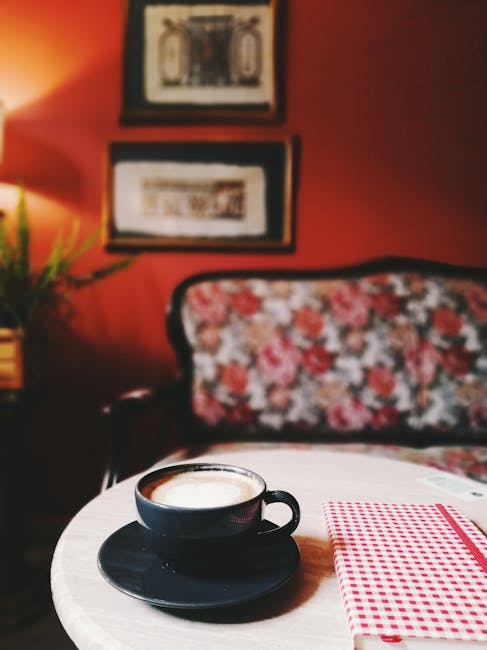
    Espresso cup on a table with an art catalogue

  • Genoa’s High-Tech Interactive Exhibitions — The Ultimate Guide

    Genoa’s High-Tech Interactive Exhibitions — The Ultimate Guide

    Introduction: Genoa — a maritime crossroads turned high-tech exhibition lab

    Genoa is more than a historic port and a maze of medieval lanes; it’s a city looking forward, embracing interaction, digital media and immersive spectacle. From the sprawling Porto Antico area to maritime museums and family-focused venues, this Ligurian city has repurposed industrial and port heritage into high-tech exhibition formats that engage all the senses. Whether you love science, you’re a parent hunting for educational activities, a photographer seeking striking light and atmosphere, or a curious traveler drawn to interactive installations, Genoa serves up a range of experiences where technology enhances discovery.

    In this context, the focus on interaction radically changes the visit: touchscreens, sensory tables, augmented reality (AR) installations, 360° projections, location-based audio guides, navigation simulators and intelligent scenographic devices shift museum storytelling. The city has invested in making learning playful and accessible — and you can feel that in the quality of the experiences on offer. Several landmark venues let you experience these innovations: the Acquario di Genova, a major Mediterranean attraction, blends live habitats with digital explanatory tools; the Galata Museo del Mare tells the sea’s story with simulators, interactive models and immersive films; and the Città dei Bambini e dei Ragazzi runs sensory workshops and tech labs designed for younger visitors.

    This guide will walk you through Genoa’s interactive and high-tech exhibitions. You’ll find detailed descriptions, exact addresses, indicative prices in euros, opening times current at the time of writing, and practical tips — how to make the most of your visit, which time slots to favor, what gear to bring, and how to reach each site from the train stations or the cruise port. We’ll also use visual markers to help you picture each scene before you go. The goal is twofold: give you all the practical info to plan visits, and immerse you in the atmosphere with sensory and technical descriptions.

    Finally, note that exhibitions in Genoa change with the seasons. Opening hours and prices can vary in high season, and some installations require advance booking, especially during busy tourist periods. We’ll emphasize local tips: buy skip-the-line tickets online, arrive early to enjoy spaces before the crowds, combine a visit with a coffee on the port terrace, and use public transport or the shuttle from Genova Piazza Principe and Genova Brignole stations. Ready to dive into the future of Genoese museums? Follow the guide.

    Acquario di Genova — an ocean of interaction and technology

    Address: Ponte Spinola, 16128 Genova GE, Italia.

    Opening hours: generally daily from 09:00 to 19:00 (last entry varies by season). Check the official site for exact times and special late openings.

    Prices (indicative): adult ~€27.00; reduced (students, seniors, families) ~€20.00; children 3–12 ~€18.50; free under 3. Special rates for guided tours and backstage experiences (by reservation).

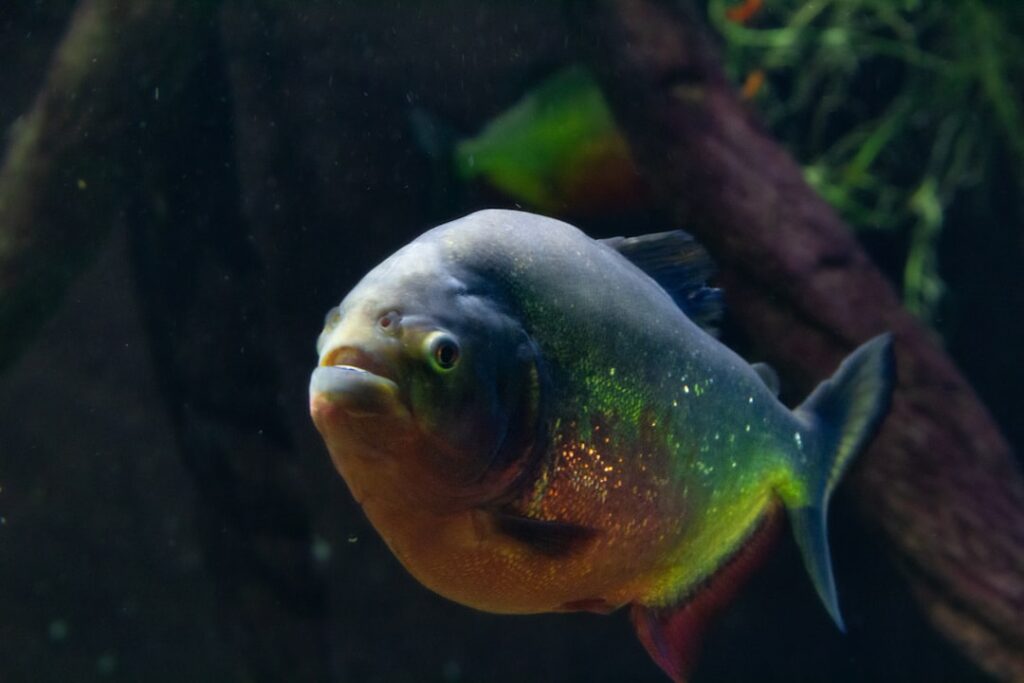
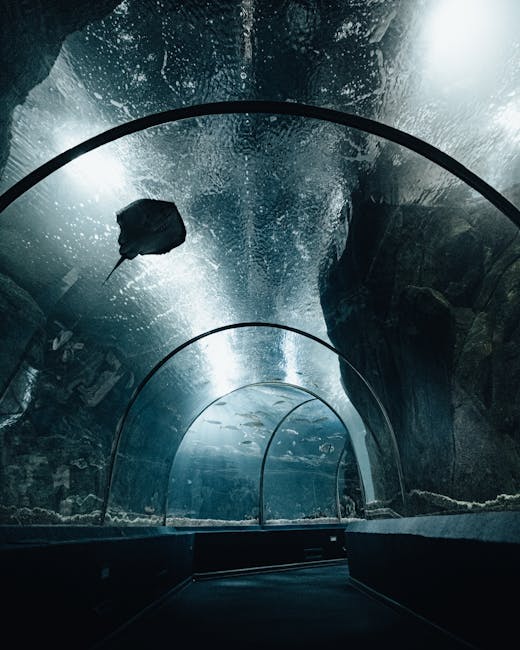
    The Acquario di Genova is one of Europe’s largest aquariums and a flagship for combining marine life, environmental education and technology. The main route mixes live tanks, underwater tunnels and interactive displays. Touchscreen panels and multimedia kiosks explain ecosystems, life cycles and conservation challenges in multiple languages. The emphasis is on immersion: dome projections, localized sound systems and interactive screens let you « read » underwater life at many levels, from casual observer to budding researcher.

    Among the high-tech features, note the synchronized audio guides (available in several languages) that trigger extra content based on your indoor GPS position, and interactive tables where you can manipulate 3D representations of marine organisms and oceanographic data. The aquarium also offers augmented reality workshops: by pointing a tablet at select tanks, 3D animations reveal animal biology or current movements. For the adventurous, there are « behind the scenes » experiences that pair a VR headset with a guided tour of restricted areas, giving access to breeding zones and labs — subject to reservation and an extra fee.

    Practical tips:

    • Booking: buy tickets online to avoid queues — the Porto Antico is very busy in summer.
    • Best time: early morning (or late afternoon in low season) for photos with fewer people and softer light on the tanks.
    • Accessibility: the main route is wheelchair accessible; ask for alternate routes to reach some deeper zones.
    • Suggested duration: allow 2–3 hours for a standard visit, longer if you join workshops or VR sessions.
    • Transport: walkable from the Darsena metro station or reachable by AMT buses from Genova Piazza Principe station.

    Galata Museo del Mare — augmented maritime history and simulators

    Address: Calata De Mari, 1, 16126 Genova GE, Italia.

    Opening hours: generally Tuesday to Sunday 10:00–18:00; closed some Mondays. Hours may vary; check the official website before you go.

    Prices (indicative): adult ~€12.00; reduced ~€9.00; family and child rates vary; combined access with the submarine Nazario Sauro and other exhibits possible for around €18–20.

    The Galata Museo del Mare is Italy’s largest maritime museum. Housed in a former port arsenal, it tells the stories of sailors, trade routes and migration through contemporary museography that leans heavily on digital interaction. From the entrance, tactile timeline displays let you browse centuries and maritime maps; interactive models respond to touch to show ship structures and navigation principles. One standout feature is the navigation simulator: with a panoramic screen and a control station, it puts you in the captain’s seat, dealing with weather, traffic and docking maneuvers.

    Another major section covers migration and combines audio testimonies, video projections and interactive installations that encourage visitors to place major migration waves in a human and technical context. The museum also owns a real submarine, the Nazario Sauro, accessible via a combined ticket; visiting the sub plunges you into the claustrophobic, technical world of a military vessel, complemented by digital panels explaining instruments, missions and life aboard.

    Practical tips:

    • Combined tickets: if you want to visit the Nazario Sauro submarine, book the combined ticket to save money and secure a timed entry — slots on the submarine are limited.
    • Photography: the multimedia rooms offer consistent lighting angles and explanatory panels that can enrich your shots.
    • Guided tours: choose a themed tour (naval history, emigration, shipbuilding) to get anecdotes and technical explanations not on the panels.
    • Access: easily reachable from the Porto Antico, a short walk from the Acquario di Genova and reachable by bus from Stazione Brignole.

    Città dei Bambini e dei Ragazzi, the Biosfera and il Bigo — playful labs, urban ecology and tech panoramas

    Città dei Bambini e dei Ragazzi address: Piazza delle Feste, Porto Antico, 16128 Genova GE, Italia.

    Città dei Bambini opening hours: generally 10:00–18:00 (times vary; workshops run at set hours). Biosfera: Ponte Spinola, Porto Antico, 16128 Genova. Bigo (panoramic lift): access from Porto Antico near Piazza Caricamento.

    Prices (indicative): Città dei Bambini — child entry ~€10.00; accompanying adult ~€9.00; workshops extra. Biosfera — ~€5.00 adult; reduced ~€3.00. Bigo — ~€5.00 per person for the panoramic ride. Combined rates vary by family pack or seasonal promotions.

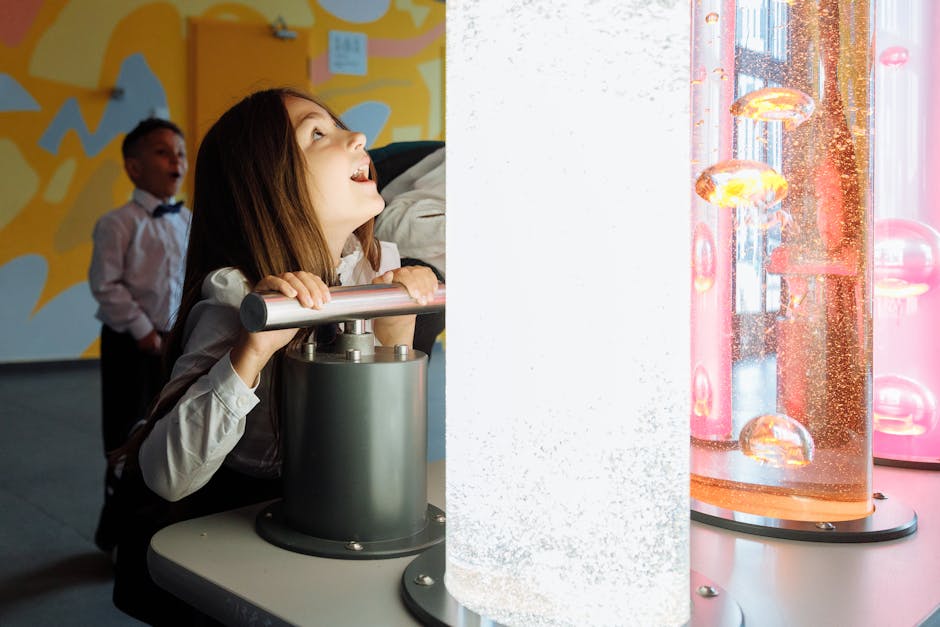
    The Porto Antico area is an urban laboratory that blends nature, educational play and architectural features. The Città dei Bambini e dei Ragazzi is a permanent science-and-tech play space for kids aged 2 to 14. Designed to promote learning through play, the centre offers interactive installations — sensory trails, optics experiments, hands-on tables to explore forces and mechanisms, sound booths and digital labs where kids can code short sequences or tinker with playful robots. Content is developed by educators and tested for accessibility: each module includes an info sheet, and facilitators run workshops in Italian and often in English.

    Nearby, the Biosfera (designed by Renzo Piano) is a spherical greenhouse housing a small tropical forest with plant species and a few exotic birds. The experience is both botanical and sensory: humidity sensors, digital interpretive panels and a path that highlights the importance of microclimates. The Biosfera is a straightforward but effective scenography where technology helps regulate climate and deliver educational interpretation.

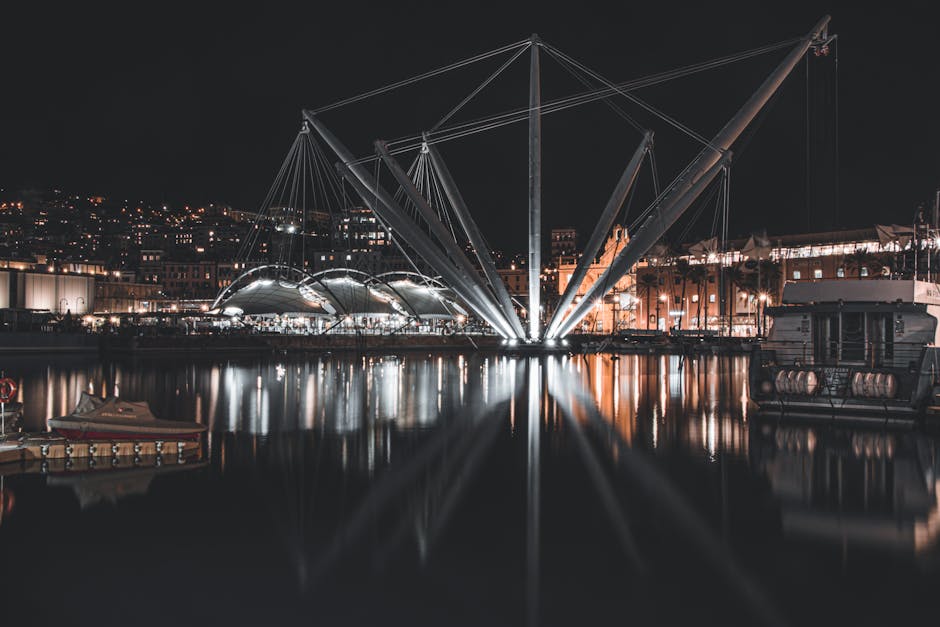
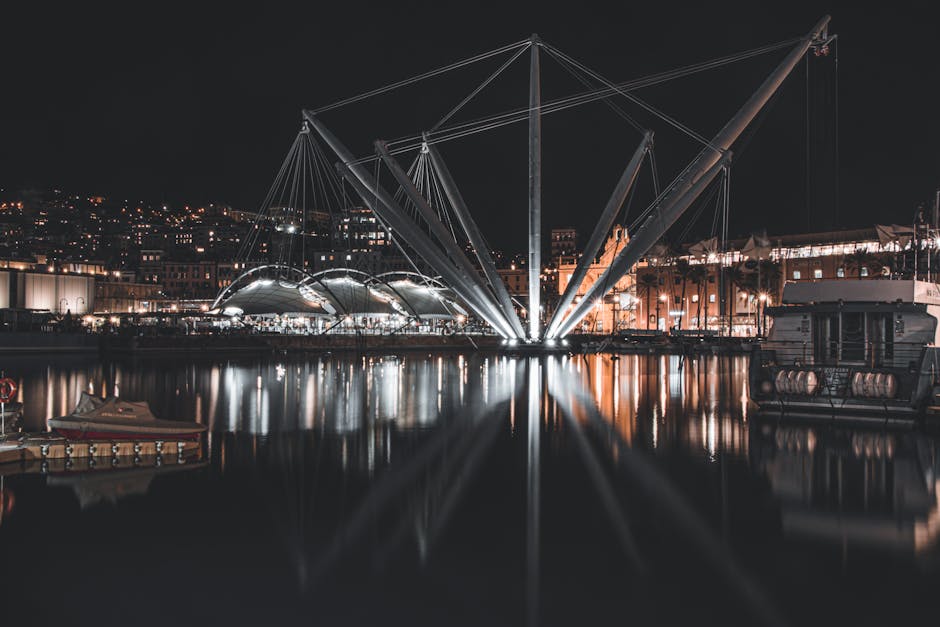
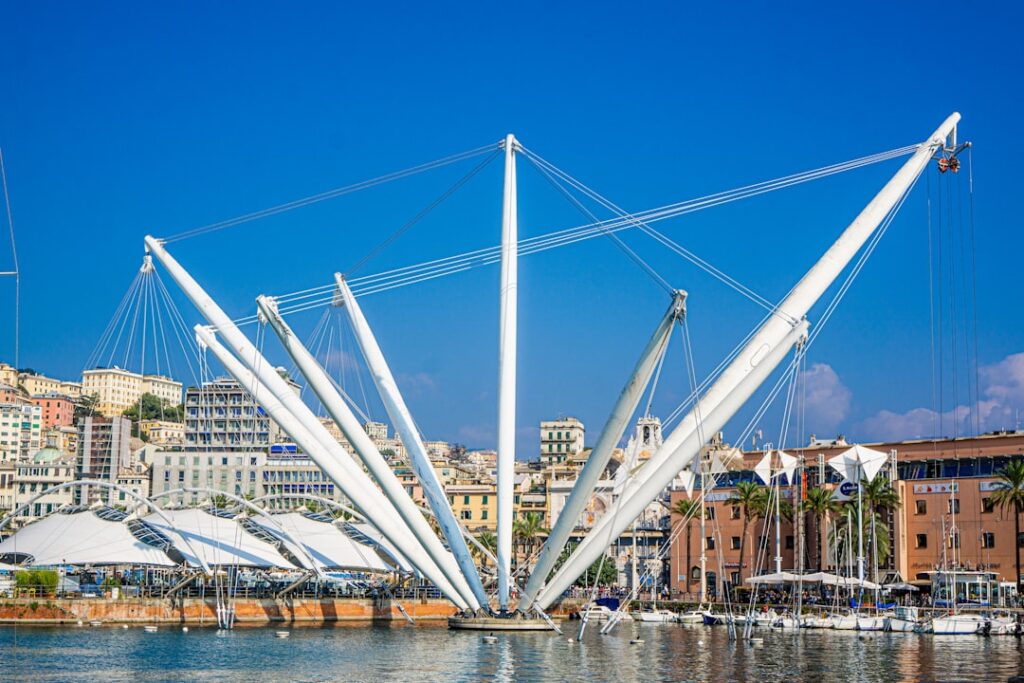
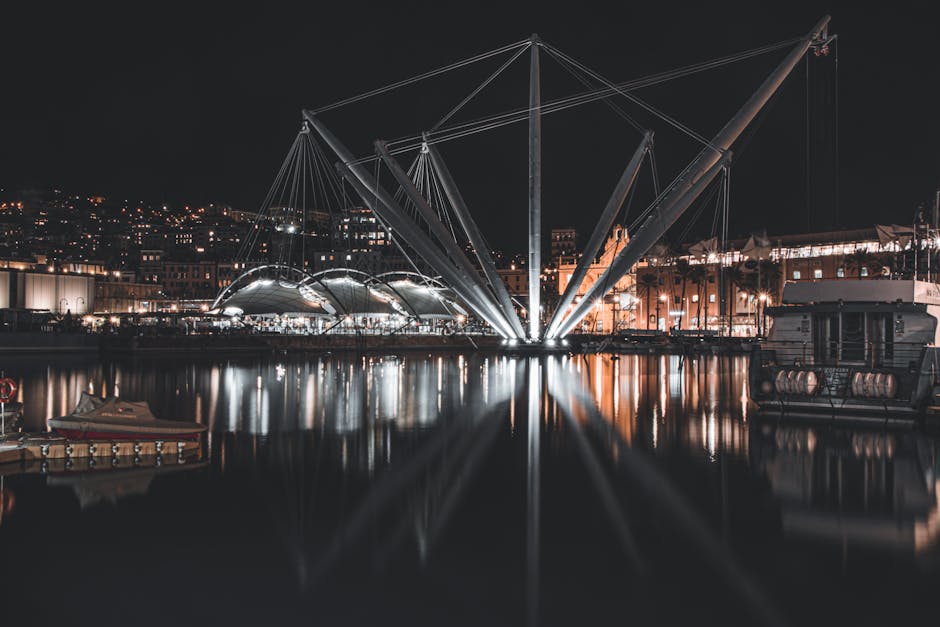
    The Bigo, Renzo Piano’s panoramic lift, offers a tech-enabled vantage point: a glass gondola with 360° views over the harbour and city. The installation functions as a high-tech belvedere with explanatory panels and automated photo kiosks. Riding the Bigo at sunset yields spectacular views, while descending at night reveals the illuminated port.

    Practical tips:

    • Book workshops: for the Città dei Bambini, reserve workshops online, especially during school holidays.
    • Do it in one day: plan Città dei Bambini for the morning (less crowded) and Biosfera/Bigo in the afternoon to catch good light and the sunset.
    • Accessibility: all these sites are stroller-friendly; the Biosfera has ramps and non-slip floors.
    • Food: Porto Antico offers several cafés and restaurants; for a picnic there are benches and green spaces around the quay.


    New media trails and temporary installations: digital exhibitions beyond museums

    Beyond permanent institutions, Genoa regularly hosts events and temporary installations focused on new media, augmented reality and digital arts. These projects often take place in unconventional spots: port hangars, contemporary art spaces, or even historic façades equipped for video mapping. Local festivals and Porto Antico programming include façade projections, audiovisual concerts and creative workshops where the public can manipulate video signals or sound live.

    Video mapping installations deserve a special mention: they turn stone and brick of Genoese palaces into giant screens. At certain times, Via Garibaldi or Piazza De Ferrari feature night light trails where visual storytelling draws from archives, historical footage and contemporary testimony. Temporary exhibitions at centres such as Museo d’Arte Contemporanea Villa Croce or Fondazione Palazzo Ducale often integrate interactive elements: tablets to decode works, motion sensors that trigger sound and projection, or full 360° immersive spaces.

    Tips for following these trails:

    • Check the cultural calendar: look up event schedules (Palazzo Ducale, Porto Antico, Fondazione) to spot temporary and night-time installations.
    • Mobile apps: several trails offer a dedicated app with AR features to complement visits; install it in advance and download any offline content if possible.
    • Free events: watch for free « light design » and mapping nights, often organized in summer — they deliver spectacular visual experiences without tickets.
    • Sound protection: some installations use nearby speakers; bring earplugs for sensitive children.

    Logistics and practical advice for visiting high-tech exhibitions in Genoa

    Visiting high-tech exhibitions in Genoa takes a bit of planning to fully enjoy interactive features and avoid frustrations (breakdowns, queues, language issues). Here’s a compact set of practical tips from on-the-ground experience:

    • Buy tickets online and book time slots: reserve in advance. Busy aquariums and museums often operate on time slots and some VR attractions and simulators have limited space.
    • ID and discounts: bring proof (student ID, senior card, family card) to get reduced rates at kiosks or ticket offices — some counters require documentation.
    • Transport: Genoa is served by two main stations: Genova Piazza Principe and Genova Brignole. Porto Antico is reachable by bus and tram from the stations; walking from Piazza Principe takes about 20–30 minutes. If you’re on a cruise, the Porto Antico cruise terminal is within easy walking distance.
    • Digital accessibility: download official museum apps that often include free audio guides; if you’re traveling with kids, check for English content availability.
    • Power and connectivity: pack a power bank: AR/VR apps and map navigation drain batteries fast. Public Wi‑Fi is available at Porto Antico but can be slow at peak times; download content beforehand.
    • Photo rules: some interactive installations prohibit photography or video (to protect the visitor experience or IP); follow posted rules.
    • Food: bring a small snack to keep energy up if you plan several sites in one day — museum cafeterias often have limited and pricey options.
    • Season and weather: in summer, aim for early visits to beat heat and crowds; in winter, check for reduced hours and pick sunny days for Bigo views.

    Conclusion: between heritage and innovation — Genoa as a stage for interactive experiences

    Genoa pulls off the balancing act of preserving extraordinary maritime heritage while opening it up to contemporary technologies. Interactive, high-tech exhibitions here serve education, emotion and spectacle: from the Acquario di Genova, where you learn marine biology via AR and touch tables, to the Galata Museo del Mare, which recreates life at sea with simulators and an accessible submarine, and to the Città dei Bambini e dei Ragazzi and the Biosfera that turn the port into a living lab. Even temporary installations and video mapping contribute to this momentum, turning squares and façades into narrative, immersive screens.

    For visitors, the key is finding the balance between preparation and curiosity. Booking tickets, checking schedules, downloading apps and allowing enough time will help you get the most out of high-tech features without rush. Also tailor your route to your group’s pace: kids will love touch modules and workshops, tech fans will relish simulators and behind‑the‑scenes access, and architecture lovers will enjoy how digital media highlights historic spaces.

    Ultimately, visiting Genoa’s interactive exhibitions feels like navigating: it blends planning, careful observation and a willingness to be surprised. The technologies on offer — AR, VR, mapping, sensors and simulators — aren’t mere gimmicks; they extend the storytelling of objects and places, revealing layers of meaning that would otherwise remain hidden. Whether you’re coming for a day from Milan or Nice, or staying longer to explore Liguria, plan at least one immersive experience to see what modern museum life in Genoa looks like. You’ll leave with more than images — you’ll have a deeper understanding of the ties between sea, city and innovation.

    Safe travels and happy discoveries: Genoa is ready to show how technology can elevate the past and illuminate the future, one touchscreen, glass gondola or simulator at a time.

  • Genoa After Dark: Museums Open Late and Best Afterwork Routes

    Genoa After Dark: Museums Open Late and Best Afterwork Routes

    Introduction — Genoa at Night: Alleyways, Museums and Afterwork Vibes

    Genoa, the historic capital of Liguria, takes on a different character when the last daylight fades and the city lights and silver reflections in the harbor come alive. Famous for its maze of « caruggi » (narrow lanes), Renaissance palaces and long seafront, the city has a true nightlife temperament: landmarks look more dramatic, museums schedule late openings, and the Porto Antico waterfront turns into a lively afterwork spot where people share a drink and a plate of focaccia. Visiting Genoa after 6pm isn’t just about enjoying quieter streets to soak up the city’s soul — it’s a chance to catch temporary exhibitions, dusk tours and cultural programs tailored to people looking to unwind after work.

    This guide walks you through the museums in Genoa that open in the evening, with exact addresses, typical prices and the hours you can expect. I’ll also suggest afterwork routes: where to grab a cocktail near a museum, which terraces have the best sunset views, and practical tips to make the most of your night (transport, parking, local pointers). Information is presented so you can use it right away: exact addresses, usual opening windows, indicative entry fees and concrete recommendations for a successful evening.

    Whether you’re a traveler on a tight schedule, an expat working in Genoa, or a local curious to rediscover the city at dusk, this guide will help you craft tailored cultural evenings. You’ll alternate between the hushed atmosphere of museums, the grand historic rooms of palaces, and the buzz of the waterfront. At the end of each section you’ll find practical advice: which bus lines to favor, where to park without stress, and tips for getting the most from combined tickets or paid late openings. Lace up your shoes for the city of lanterns and stairways — Genoa by night awaits.

    Historic Palaces and Museums Open Late: Palazzo Ducale and Palazzo Reale

    Palazzo Ducale and Palazzo Reale are two Genoa must-sees that regularly host evening openings, especially for temporary exhibitions and cultural events. Palazzo Ducale, located at Piazza Matteotti 9, 16123 Genova GE, is the city’s cultural hub: contemporary shows, talks and concerts follow one another here. Address: Piazza Matteotti 9, 16123 Genova GE. Indicative price: temporary exhibition tickets €8–€15 (reduced €5–€10). Typical hours: usually open 10:00–19:00, with late openings until 22:00 on event days (check the official calendar for special evenings). Touring the building itself, with its grand rooms and inner courtyard, is a dive into Genoa’s republican and aristocratic past.

    Interior of a historic palace lit at night

    A few steps away, Palazzo Reale — officially Musei di Palazzo Reale — sits at Via Balbi 10, 16126 Genova GE. Address: Via Balbi 10, 16126 Genova GE. Indicative price: full ticket €6–€10, reduced €4–€6. Hours: generally 09:30–19:00, with some late openings until 22:00 for themed guided visits. The palace holds an important collection of furniture, tapestries and baroque frescoes; the painting gallery and the ballroom alone are worth the visit. Night openings often include chamber concerts or specially designed lighting that brings out the gold leaf and colourful decorations.

    Practical tips: arrive early to enjoy the palace café or nearby terraces, and check temporary exhibition dates to take advantage of combined-ticket offers. Parking: the ZTL (limited traffic zone) is active in the historic centre — prefer parking around the Porto Antico (Parking Porto Antico, Calata Cattaneo, 16128) or at Brignole station (Parcheggio Brignole). For afterworks, head down toward Piazza De Ferrari or the far end of the Porto Antico promenade where wine bars and osterie serve small local plates after your visit.

    Maritime Museums and Harbor Night Visits: Galata Museo del Mare and the Aquarium of Genoa

    The Genoa waterfront livens up in the evening and some maritime venues offer programs suited to late visitors. The Galata Museo del Mare (Calata De Mari, 1, 16128 Genova GE) is the largest maritime museum in the Mediterranean. Address: Calata De Mari 1, 16128 Genova GE. Indicative price: adults €10–€15, reduced €6–€9; combined tickets with the submarine (Galata + sommergibile Nazario Sauro) often around €16–€22. Hours: usually open 09:30–19:00 with some Friday evenings or special events extending to 22:00. The immersive experience includes models, films and a walk across the deck of a reconstructed ship; in the evening, dramatic lighting of the rooms and the view over the harbor create a unique atmosphere.

    Night view of Genoa port with illuminated ships

    Right next door, the Acquario di Genova (Ponte Spinola, 16128 Genova GE) is one of Italy’s top family attractions. Address: Ponte Spinola, 16128 Genova GE. Indicative price: adult ticket around €27, youth €20–€22, child €18–€20, with frequent online promotions. Hours: generally 09:30–19:00 in low season and up to 20:00–21:00 in high season; there are sometimes exceptional night openings or afterwork visits for special events (e.g. « Acquario by Night »). The draw of the aquarium in the evening is the calm around the large tanks and the chance to see harbor lights from the promenade.

    Practical tips: buy tickets online to skip queues and check the official site for special evening programs (acoustic concerts at Galata or themed nights at the Aquarium). For a perfect afterwork, finish with a spritz or a glass of Ligurian Vermentino along the Porto Antico promenade, then head to the bars in the Molo Vecchio area. Parking and access: Porto Antico is pedestrianized but easily reachable from Brignole station or via the municipal bus network (AMT lines). Wear comfortable shoes: the route includes many steps and bridges.

    Contemporary Art Museums and Afterwork Routes: Villa Croce and Bistro Trails

    For a more contemporary evening, Villa Croce Museo d’Arte Contemporanea is an excellent pick. Address: Passeggiata Anita Garibaldi 5, 16126 Genova GE. Indicative price: temporary exhibitions €5–€8, sometimes free on the first Sunday of the month. Hours: generally 10:00–19:00, with late openings scheduled one or two evenings a week depending on the show (check the calendar). Perched on a promenade overlooking the harbor, the villa not only offers modern exhibition spaces but also a terrace perfect for sundown aperitivi. The contemporary displays, combined with panoramic sea and city views, make it ideal for an inspiring afterwork.

    Terrace at Villa Croce with sea view

    Recommended afterwork routes: start with a quick visit to Villa Croce then walk down to the Boccadasse neighbourhood for a seaside aperitif, or head to Via San Lorenzo and the bars around Piazza delle Erbe for tastings of Ligurian products. For a more upscale vibe, the bars on Via XX Settembre and lounges near Piazza De Ferrari offer cocktails and small plates (cicchetti). Indicative prices for an aperitivo: spritz or a glass of wine €6–€10, a plate of tapas/focaccia to share €6–€12.

    Narrow street in Genoa at dusk

    Local practical tips: favor card payments to avoid handling cash. To secure a table without a booking in touristy zones, arrive early (between 19:00 and 20:00) or book online. If you’re coming straight from the office for an afterwork, look into cultural « notti bianche »: some venues stay open until midnight with reduced entrance fees for local culture pass holders. Finally, note that lane lighting can be dim: keep an eye on your belongings and avoid isolated areas late at night.

    Alternative Night Routes: Lesser-Known Museums, Events and Practical Advice

    Beyond the big names, Genoa has more intimate venues that come alive at night: Palazzo Rosso and Palazzo Bianco (Via Garibaldi) — civic museums within the Galleria Nazionale — occasionally open late during cultural initiatives. General address along the historic street: Via Garibaldi, 16124 Genova GE (house numbers vary by palace). Indicative prices: €6–€12, with discounts for students and seniors. Hours: usually 09:00–19:00, with special evening events seasonally scheduled. These aligned palaces offer an artistic route that works well for late-afternoon visits: paintings, noble apartments and illuminated Renaissance façades.

    Palaces on Via Garibaldi at night

    Other options: the Centro Galeotti or independent exhibition spaces in the Castelletto district host openings and afterwork vernissages, often free or low-cost (entry €0–€5). Add to that occasional cultural festivals (Notti Bianche, Notte dei Musei — the Night of Museums) where many venues stay open until midnight and offer guided tours, shows and performances. These events are great opportunities for combined tickets or symbolic entry fees (often €1–€5).

    Final practical advice: plan your evening by checking museum websites to avoid disappointment from unexpected closures. Use the AMT Genova app for night bus schedules, and consider the « Genova Card » if you’re staying several days — it can include reduced rates for multiple museums and local transport. For parking, favor official lots (Parking Porto Antico, Parcheggio Brignole, Parcheggio Principe) and avoid parking in ZTL areas without a permit. Finally, check for any health measures or mandatory reservations for high-demand exhibitions.

    Panoramic view of Porto Antico at night

    Conclusion — How to Plan Your Cultural Evening in Genoa

    Genoa after dark reveals many moods: dramatic in richly decorated palaces, intimate in small contemporary museums, festive along the waterfront and contemplative on terraces overlooking the sea. To fully enjoy museums open in the evening and afterwork options, the key is planning: check the programs of the places you want to visit (Palazzo Ducale, Palazzo Reale, Galata Museo del Mare, Acquario di Genova, Villa Croce), buy tickets online when possible, and plan a route that focuses on one or two venues per night so you don’t rush.

    A typical smooth afterwork cultural evening in Genoa: start with a temporary show at Palazzo Ducale (arrive around 18:00), follow up with the Galata for a maritime touch if you’re at Porto Antico, then finish with an aperitivo on the promenade or in the small osterie tucked in the caruggi. If contemporary art is your thing, Villa Croce + a stroll in Boccadasse offer a perfect mix of culture and relaxation. For families or visitors after a live experience, check the Aquarium calendar which sometimes features themed evenings suitable for both adults and children.

    In short: check addresses and hours (Piazza Matteotti 9 for Palazzo Ducale; Via Balbi 10 for Palazzo Reale; Calata De Mari 1 for Galata Museo del Mare; Ponte Spinola for the Acquario di Genova; Passeggiata Anita Garibaldi 5 for Villa Croce), plan your tickets in advance (indicative prices given above), and arrange transport favoring official parking and AMT buses to avoid the ZTL. Above all, let yourself be carried by Genoa’s pace: the city reveals itself best in small doses, between an exhibition room and a shared drink, under soft lamplight and the constant murmur of the sea.

    Genoa waterfront nightlife scene

  • Design & Architecture in Genoa: Must-See Exhibition Spaces

    Design & Architecture in Genoa: Must-See Exhibition Spaces

    Introduction: Design and Architecture in Genoa — why these exhibition spaces matter

    Genoa is more than a historic port and a maze of narrow alleys known as « carruggi »: it’s a city where architecture and design are in constant conversation. From grand palaces and reinvented maritime museums to Art Deco villas and contemporary galleries, this Ligurian city offers a rich palette of visual and sensory experiences for anyone interested in architecture and design exhibitions. Strolling through Genoa takes you from a Baroque marble staircase to a contemporary installation about material reuse, letting you savor how the past is reinvented in often bold museum scenographies.

    This article lays out a detailed route to the unmissable exhibition venues in Genoa, focusing on the buildings’ architecture, exhibition design, urban integration and practical tips to make the most of your visit. You’ll find precise addresses, indicative prices, typical opening hours and local advice — how to get there, the best times to visit, and which rooms to prioritize. The aim is to provide a complete guide for architecture enthusiasts, design professionals and curious travelers who want to understand why Genoa, often overshadowed by Milan or Rome, deserves a prime spot on any Italian cultural itinerary.

    Throughout the sections we’ll cover major sites like the Palazzo Ducale, the Musei di Strada Nuova, the Galata Museo del Mare, Villa Croce Museo d’Arte Contemporanea and the Palazzo Reale. Each of these places illustrates a different aspect: heritage conservation and enhancement, converting industrial spaces into museums, contemporary reinterpretations of aristocratic palaces, and the use of glass and metal in modern extensions. You’ll get immersive descriptions so you can imagine the light in a gallery, the texture of a stone staircase, or the view from a terrace overlooking the harbor.

    Beyond practical facts, you’ll also get concrete tips for photographing the sites (best viewpoints, recommended hours), avoiding crowds and combining visits to optimize your day. This guide is designed to work both as a half-day roadmap and as a program for a longer cultural stay. Pack comfortable shoes, a notebook if you’re feeling creative, and your curiosity: Genoa rewards attention to both architectural detail and sweeping urban panoramas.

    Palazzo Ducale facade in dramatic evening light

    Palazzo Ducale: cultural hub and venue for temporary exhibitions

    Address: Piazza Giacomo Matteotti, 9, 16123 Genova GE

    Typical opening hours: vary by exhibition, usually 10:00–20:00 (closed some Mondays); box office often closes 30 minutes before the end. Check the official website before you go.

    Indicative price: temporary exhibitions €6.00 – €12.00 depending on the program; sometimes free for special events or certain evenings.

    The Palazzo Ducale is Genoa’s nerve center for major cultural exhibitions. Once the Doges’ palace, it’s now a cultural center capable of hosting large-scale shows, biennials, design festivals and multimedia installations. The building’s architecture itself becomes part of the exhibition: monumental vestibules, inner courtyards, colonnades and staircases are often integrated into the scenography, creating strong dialogues between contemporary works and historical décor.

    When you enter, note the scale of the rooms: some exhibitions take over the grand state halls, while others unfold as intimate routes through restored salons. Curators often play with temporal contrasts between older art and modern installation, producing striking juxtapositions. Conservation measures — special glazing, controlled lighting and interpretive panels — are handled to protect the works while offering clear reading for visitors.

    Practical tips:

    • Arrive early in the morning to avoid guided groups and enjoy empty volumes — especially photogenic between 10:00 and 11:30.
    • If a temporary show is highly anticipated, book online. Palazzo Ducale often uses timed entry slots to manage crowding.
    • After your visit, head up to the terrace or stroll around Piazza Matteotti: the surrounding façades illustrate the historical continuity of the city center.
    • Transport: the nearest metro stop is « De Ferrari » (M1) and there are many bus stops around the piazza.

    View from Palazzo Ducale terrace over historic façades

    Musei di Strada Nuova (Palazzo Rosso, Palazzo Bianco, Palazzo Doria Tursi): palaces and art museums

    Collective address: Via Garibaldi, 10–18, 16124 Genova (Strada Nuova district)

    Typical opening hours: generally 09:30–19:00 (some rooms closed on Mondays). Hours vary: check each palace before visiting.

    Indicative price: combined ticket for the Musei di Strada Nuova €10.00 – €12.00; reduced rates for students and seniors; partial free admission depending on cultural programs.

    Via Garibaldi, formerly Strada Nuova, is an exceptional example of 16th–17th century urban planning and architecture, listed as a UNESCO World Heritage site. The three palaces that make up the Musei di Strada Nuova — Palazzo Rosso, Palazzo Bianco and Palazzo Doria Tursi — form a triptych where art, interior design and architecture read as one continuous story. Carved façades, courtyards, grand staircases and decorated salons tell the tale of aristocratic families and their patronage, while collections range from grand Baroque paintings to period furniture.

    Visiting these palaces reveals how domestic architecture provided a stage for collections; the museography here is often classical, emphasizing paintings and décor rather than radical interventions. Still, you’ll find contemporary museum approaches too: modular lighting, multilingual labels, audio guides and educational materials that place works in their historical and stylistic context.

    Practical tips:

    • Allow at least 2–3 hours for the combined ticket so you don’t rush — each palace deserves a slow read.
    • Don’t miss the main salon and historic apartments of Palazzo Doria Tursi — the woodwork and painted ceilings are masterclasses in ornamentation.
    • Photography tip: morning light crosses Via Garibaldi from east to west, casting golden highlights on the façades at sunrise.
    • Access: Via Garibaldi is pedestrianized for large stretches, making it pleasant for an architectural stroll after your visits.

    Via Garibaldi palaces street view in the morning light

    Galata Museo del Mare and the redevelopment of port spaces

    Address: Calata De Mari, 1, 16126 Genova GE

    Typical opening hours: 09:30–19:00 (last admission usually 30–60 minutes before closing). Evening schedules can be flexible during special events.

    Indicative price: general admission around €8.50 – €10.00; reduced rates for families and school groups; combined ticket options with the panoramic lift « Bigo » possible.

    The Galata Museo del Mare is a prime example of converting port infrastructure into a modern museum hub. Housed in former warehouses on the waterfront, the museum is dedicated to Genoa’s maritime history and seafaring culture. Its scenography mixes ship remnants, scale models, multimedia experiences and immersive displays that put the industrial architecture of the building at the center of the visit. The museum also explores design aspects related to ships: ergonomics of fittings, materials and shipbuilding techniques, and the design of decks and cabins.

    In addition to permanent collections, the museum regularly hosts temporary exhibitions on naval design, maritime photography and art installations linked to the coastline. A highlight is the chance to board re-creations or access a port walkway for a different perspective on the relationship between city and sea.

    Practical tips:

    • Pair your visit with the panoramic lift « Bigo » (Piazza Caricamento) for elevated views of the port and city; expect a separate ticket if not included.
    • Late afternoon offers warm light on hulls and roofs — ideal for photography.
    • The museum is reachable by tram and bus from the main station (Genova Piazza Principe); it’s a family-friendly option thanks to interactive routes.
    • If driving, watch for ZTL (limited traffic) zones in the historic center — opt for seaside parking.

    Galata Museo del Mare interior exhibition showing ship elements

    Villa Croce Museo d’Arte Contemporanea and the contemporary design scene

    Address: Corso Dogali, 18, 16136 Genova GE

    Typical opening hours: generally 10:00–18:00 (closed Mondays); extended hours during openings and evening events.

    Indicative price: general admission €6.00 – €8.00; reduced rates for students and seniors; free entry often offered during certain cultural events.

    Villa Croce is a 19th-century villa converted into a contemporary art museum that opens onto a park and offers wide sea views. Here, the dialogue between architecture and design takes a more experimental turn: exhibitions often explore the overlap between art, social design and innovative practices. The villa itself — with salons, a glass-roofed space and garden — is used as exhibition space where installations, performances and workshops coexist.

    The programming highlights young creators, sustainable design and formal research into materials. Curators favor formats that engage visitors — interactive furniture, visible prototyping and open workshops — making Villa Croce feel like a creative laboratory rather than a static exhibition venue. The terrace and garden are perfect for breaks and reflection, frequently used for outdoor performances or ephemeral design showcases.

    Practical tips:

    • Check for workshops and guided visits: these are great opportunities to meet local designers and see prototypes in progress.
    • Enjoy the terrace view for shots that combine sky, sea and the villa’s architecture — particularly striking at sunset.
    • The neighborhood is walkable from the center if you climb up from the Port Antico; expect a steady incline and wear good shoes.
    • Consult the foundation’s program to spot openings and events, which often include talks with curators.

    Villa Croce orange façade with green shutters

    Palazzo Reale: heritage restoration and interior scenography

    Address: Via Balbi, 10, 16126 Genova GE

    Typical opening hours: 09:00–19:00 (hours vary by season); sometimes closed on Mondays.

    Indicative price: admission €6.00 – €8.00; combined tickets sometimes available with temporary exhibitions.

    The Palazzo Reale (Royal Palace) is a living example of successful heritage restoration, where the interior architecture is the main attraction. The royal apartments, court theatre, inner gardens and richly painted ceilings are showcased through respectful museography aimed at re-creating the ceremonial atmospheres of a noble residence. Temporary exhibitions on interior design or historical fashion sometimes occupy selected rooms, offering contemporary readings of historic decor.

    The palace demonstrates how aristocratic domestic architecture can be the backdrop for exhibitions that question taste, furniture and the staging of power. The visit reveals interior layout solutions, historical heating systems, lighting devices and spatial uses that influenced design in subsequent centuries. The palace garden, with its city views, is a valuable space for understanding the relationship between residential architecture and urban planning.

    Practical tips:

    • Visit the salons in morning light to appreciate the original colors of the décor and avoid backlighting.
    • Look for temporary exhibitions focused on furniture design — they often include detailed explanatory labels.
    • Transport: several bus lines serve the palace; walking from the historic center reveals charming alleys and small squares.
    • Be mindful of photography restrictions in some rooms — carry a small notebook to jot down inspiring details.

    Interior of Palazzo Reale with ornate ceiling

    General practical tips for architecture and design lovers

    Before you set out to explore the exhibition venues, here are practical recommendations to help you get the most out of your stay in Genoa:

    • Tickets and reservations: Book online for major exhibitions (Palazzo Ducale, Galata) especially in high season (April–October) and during festivals. Timed tickets reduce waiting and create quieter visiting windows.
    • Getting around: The historic center is largely pedestrian and hilly; favor walking to feel the architectural transitions. Use the AMT network of taxis and buses for longer connections. The metro (M1) serves the urban core (De Ferrari station).
    • Shoes and comfort: Bring comfortable, slip-resistant shoes: many staircases, cobbles and uneven surfaces. Carry a small water bottle and take regular breaks, especially in summer.
    • Best times of day: mornings for light and fewer crowds; late afternoon for harbor views and the contrast between historic architecture and contemporary lights.
    • Photography: Respect museum rules; flash photography is often prohibited but non-flash is typically allowed. Tripods may be restricted in some sites.
    • Language: Labels and guides are in Italian and often in English; for deeper visits look for guided tours in French or multilingual audio guides.
    • Food & breaks: Take advantage of historic cafés near museums for a pause: Ligurian focaccia, farinata and an espresso are essentials to recharge between visits.

    Genoa skyline view

    Conclusion: Genoa, a living laboratory of architecture and design

    Genoa is a city where every stone tells a story of form, function and craft. The exhibition venues covered here — Palazzo Ducale, Musei di Strada Nuova, Galata Museo del Mare, Villa Croce and Palazzo Reale — provide complementary perspectives: heritage restoration, immersive museography, port-space re-use and contemporary laboratories. Together they form a cultural network that helps visitors understand the evolution of design and architecture, from 17th-century aristocratic interiors to 21st-century experimental installations.

    Beyond addresses, hours and prices, remember that Genoa reveals itself slowly. The dialogue between architecture and city is alive: the Baroque façades of Via Garibaldi answer the waves of the harbor, the industrial glass of Galata contrasts with the hushed salons of Palazzo Reale, and Villa Croce reminds us that design can be a socially engaged practice geared toward innovation. For design professionals, the city offers historical reference points and contemporary inspiration; for curious travelers, it’s a destination full of visual and narrative surprises.

    Finally, don’t hesitate to engage with the sites — ask questions of the mediators, join workshops, jot down ideas and take the time to observe those architectural details that often escape a first glance. These small attentions will turn a simple visit into a true immersion in the language of the built environment. Genoa may not be the most famous design capital, but it’s surely a laboratory where the past feeds the future and where every exhibition invites you to rethink how we relate to space, materials and use.

    Historic port and narrow alley with light in Genoa

  • Genoa’s Religious Art Trail — Churches, Treasures & a Coastal Abbey

    Genoa’s Religious Art Trail — Churches, Treasures & a Coastal Abbey

    Introduction — A Deep Dive into Genoa’s Religious Art Trail

    Genoa (Genova), an ancient port and crossroads of cultures, hides a religious heritage richer than most visitors expect. Between the austere façades of medieval churches, the glittering treasures of the cathedrals and cloisters that are now museums, the city offers a route where faith, history and art intersect. The religious art trail in Genoa isn’t just a sequence of stops: it’s a sensory immersion where the gold of reliquaries answers the delicate frescoes, and the hush of chapels resonates in spaces full of life and legend. This route helps explain how public piety, patronage from Genoese families and Mediterranean influences shaped a distinctive artistic language.

    In this guide I offer a detailed, practical and lively itinerary to discover four unmissable sites — each preserving and displaying major religious works —: the Museo Diocesano di Genova, the Tesoro della Cattedrale di San Lorenzo, the Abbazia di San Fruttuoso (off the coast near Camogli but reachable from Genoa) and the Santuario di Nostra Signora della Guardia. For every place you’ll find the full name, exact address, typical opening hours, indicative admission prices, an immersive description and practical tips (how to get there, best time to visit, crowd-avoidance tricks, dress and photo rules, accessibility, etc.).

    Why these sites? The Museo Diocesano brings together masterpieces rescued from vanished or transformed churches, revealing the depth of the city’s ecclesiastical heritage. The Tesoro of San Lorenzo concentrates the liturgical pieces and relics that forged Genoa’s religious identity over the centuries. The Abbazia di San Fruttuoso, tucked in a secluded cove between Camogli and Portofino, is a monastic sanctuary where architecture and sea converse; the setting is almost mystical, a blend of stone, water and history. Finally, the Santuario di Nostra Signora della Guardia, perched on the hill above Genoa, offers a contemporary expression of Marian devotion and a panoramic view that invites reflection. Together, these stops form an emotionally rich and illuminating route for curious travelers.

    Before you go, keep in mind that hours and prices can change: I recommend checking official sites or calling ahead. Bring good walking shoes — many of these sites are best explored on foot or require a boat trip — respect dress codes in liturgical spaces, and use audio guides or guided tours to deepen your understanding. Now let’s head to the first stop: the historic heart of the diocese and its museum.

    Museo Diocesano di Genova — Piazza del Duomo 6, 16124 Genova GE

    Address: Museo Diocesano di Genova, Piazza del Duomo 6, 16124 Genova GE.

    Typical opening hours: Tuesday to Sunday, 10:00 – 18:00; closed Monday. Occasional closures for religious holidays. (Check before you go.)

    Indicative prices: full price €6, reduced €4 (students, seniors), free for children under 6; audio guide or guided tour by reservation, extra fee (roughly €3–€5).

    The Museo Diocesano di Genova occupies historic spaces just steps from the cathedral — a location that already serves as an introduction to the city’s episcopal past. Inside, rooms follow one another like chapters: Romanesque and Gothic sculpture, Baroque altarpieces, liturgical ornaments, iconographic archives and reliquaries. Walking through, you sense stylistic breaks and continuities, from schematic medieval elements to 17th‑century naturalistic paintings, often by artists who worked under the patronage of Genoa’s great families.

    Highlights include finely chased processional crosses, painted panels recovered from lost churches and several paintings from the Genoese school that show the dialogue between local art and Lombard or Tuscan influences. The museum’s lighting is discreet and respectful, highlighting gilded surfaces without diminishing their sacred character: it strikes a delicate balance between tourist display and heritage conservation.

    Practical tips: arrive at opening to enjoy the rooms in near silence; ask about themed guided tours (goldsmithing, sacred painting or liturgical architecture) which provide valuable interpretive keys. Accessibility is generally possible for visitors with reduced mobility, but some historic rooms may still have thresholds or steps — contact the museum to arrange assistance. Photography is often allowed without flash, but read the signs at each room entrance. Finally, combine your visit with a stop at the adjacent Cathedral of San Lorenzo — the transition from museum to active place of worship is natural and enriching.

    Tesoro della Cattedrale di San Lorenzo — Piazza San Lorenzo 3, 16123 Genova GE

    Address: Tesoro della Cattedrale di San Lorenzo, Piazza San Lorenzo 3, 16123 Genova GE (inside the Duomo di San Lorenzo).

    Typical opening hours: daily 9:00 – 18:00; extended hours for special celebrations. (Check ahead.)

    Indicative prices: entry €5 for the treasure alone; combined museum + treasure ticket €9; reduced rates for youth, groups and seniors.

    The Tesoro della Cattedrale di San Lorenzo condenses Genoa’s religious and civic history. Gathering relics, chalices, chasubles, enameled panels and goldsmith’s work, the treasure testifies to the material and spiritual wealth accrued by the cathedral over centuries. A meeting point of liturgy and urban prestige, the collection also narrates diplomatic and commercial campaigns that helped Genoa prosper and forge artistic networks across the Mediterranean.

    Must‑see objects include a set of finely chased medieval chalices, Byzantine reliquaries and champlevé enamel panels whose workmanship speaks to the era’s mastery of metalwork. The display is understated and makes each item speak for itself: low display cases, explanatory texts in Italian and English, and occasional thematic temporary exhibitions (for example: “Liturgy and Power”, “Reliquaries and Devotion in Genoa”).

    Practical tips: visit the treasure ideally after you’ve seen the cathedral’s exterior (don’t miss the striped façade and the Gothic interior) or in the morning before Mass to enjoy a calmer atmosphere. Lines can form in high season: aim for the first hour of opening or book a guided tour. Combined tickets with the Museo Diocesano are often a good value. Respect silence rules and photo restrictions — particularly around sensitive objects which may be off-limits to cameras.

    Abbazia di San Fruttuoso — Abbazia di San Fruttuoso, 16038 Camogli (accessible from Genoa)

    Address: Abbazia di San Fruttuoso, località San Fruttuoso, 16032 Camogli (Portofino Regional Park). Access by boat from Genoa (Porto Antico or the cruise terminal) or via the coastal footpath from Camogli or Portofino.

    Typical opening hours: April to October: 10:00 – 18:00; off‑season hours reduced and access depends on sea conditions. The abbey is often closed in bad weather; check boat connections and schedules before you depart.

    Indicative prices: entry to the abbey €6; skip‑the‑line or guided visits vary by season and may carry an extra fee. Boat crossings from Genoa roughly €10–€20 one way depending on operator and season (indicative prices).

    Hidden in a pebble cove washed by deep blue sea, the Abbazia di San Fruttuoso is a gem where Romanesque monastic architecture blends with an almost meditative atmosphere. Founded in medieval times and restored by the Doria family, the abbey preserves carved capitals, fragmentary frescoes and a cloister radiating timeless serenity. Visitors come for the sacred art, but also for the whole experience: arriving by boat, stepping onto the shore, the scent of salt in the air and the steep mountains tumbling into the sea.

    Inside, the crypt and chapels display liturgical elements and maritime ex‑votos — witnesses to the deep ties between the sea and local faith. The famous Christ of the Abyss, a submerged bronze statue commissioned by the Dorias, also draws divers and sightseers; it can be seen mostly from the surface or during organized underwater excursions.

    Practical tips: for the full experience, take the boat from Genoa’s Porto Antico or from Camogli/Portofino; check schedules with local operators (Sori, Noleggio Locatelli, etc.). Bring water, sun protection and closed shoes for rocky paths. The abbey is partially accessible for visitors with reduced mobility, but access from the sea and uneven ground can be challenging — inquire in advance. Photographers will find evening light especially rewarding for gentle, golden tones — avoid harsh midday sun for softer images.

    Santuario di Nostra Signora della Guardia — Salita della Guardia 4, 16131 Genova

    Address: Santuario di Nostra Signora della Guardia, Salita della Guardia 4, 16131 Genova.

    Typical opening hours: open daily from 8:00 to 19:00; extended hours during Marian feasts. The sanctuary holds regular services and a chapel that’s often accessible at all times.

    Indicative prices: free entry; museum/ex‑voto room and guided visits accept donations (suggested €2–€5 to support materials and conservation).

    Perched about 600 metres above Genoa, the Santuario di Nostra Signora della Guardia is the most important Marian shrine in Liguria. The 19th‑century building, raised on the site of an apparition, is surrounded by devotional areas, a large forecourt and a viewpoint offering sweeping views over the city and the gulf. Inside the basilica a rich collection of ex‑votos — paintings, objects, handwritten notes — has been left by grateful pilgrims, each telling individual and communal stories of devotion and miracles.

    The sanctuary’s museum (often modestly called the “Sala degli Ex‑Voto”) displays these offerings alongside panels explaining the history of Marian devotion in Genoa. The visit is intimate and moving: everyday items, sepia photographs and letters put a human face on popular faith. The site is also a starting point for walks into the surrounding hills and a regular stop for local pilgrimages.

    Practical tips: to reach the sanctuary you can take a bus from Genoa (line 46/46A depending on season) or drive; in summer aim for early hours to avoid heat and crowds. The sanctuary is largely accessible to visitors with reduced mobility, though some outdoor areas include slopes. Be prepared to walk if you want to follow the panoramic trails nearby. For a richer cultural experience, ask for a guided tour — the volunteers who run the site are happy to share historical anecdotes and devotional stories. Above all, respect the silence and reverence of the place, and avoid overly casual clothing during services.

    Practical tips for organizing your route

    Planning a religious art trail in Genoa requires balancing urban walking, sea crossings and hill climbs. Here are concrete tips to optimize your itinerary:

    • Timing: allow a half‑day for the Museo Diocesano and the Tesoro della Cattedrale (they’re next to each other). Plan a full half‑day for San Fruttuoso — boat travel included — and another half‑day for the Santuario di Nostra Signora della Guardia if you combine bus and walking.
    • Combined tickets: look for combined tickets between the Museo Diocesano and the Tesoro della Cattedrale, often better value. Some ferry companies offer discounts for groups or round‑trip day tickets.
    • Transport: in Genoa, favor walking in the historic center (the caruggi); use AMT buses for the hills and the port; book sea crossings to San Fruttuoso through local operators. Main train stations (Genova Piazza Principe and Genova Brignole) connect well for those arriving by rail.
    • Dress and behavior: respect the quiet of places of worship: no flash photography, shoulders and knees covered during services, phones on silent.
    • Accessibility: check ahead: some historic buildings have architectural constraints; museums often offer solutions (lifts, alternative routes) on request.
    • Language and tours: most museums provide brochures in English; for deeper insight choose guided tours in Italian or English or rent audio guides.
    • Seasons: high season (May–September) is best for San Fruttuoso but also the busiest; spring and autumn offer pleasant temperatures and fewer crowds.

    Conclusion — Between Faith, Art and Sea: What the Route Leaves You With

    A religious art trail in Genoa reveals a city that combined maritime power and intimate devotion. From the Museo Diocesano, guardian of the city’s sacred works, to the Tesoro della Cattedrale with its astonishing concentration of goldsmithing and relics, each stop tells a facet of Genoese history: family patronage, commercial exchange and popular fervor. The visit to the Abbazia di San Fruttuoso adds a sensual, contemplative layer: sea, stone and light shape an aesthetic experience that goes beyond a simple museum visit. Finally, the Santuario di Nostra Signora della Guardia brings a contemporary dimension of faith — a living place where personal ex‑votos sit alongside a striking panorama.

    Beyond the artworks, this route invites you to understand how the sacred shaped Liguria’s urban and rural landscape: churches visible on the skyline, hamlet chapels, hilltop sanctuaries, and prestigious goldsmithing. For the traveler it’s a chance to mix artistic discovery, quiet reflection and sensory pleasure — smell the candle wax, study the patina of a reliquary, listen to the sea before entering the abbey. Allow time, bring a good map and the curiosity to read labels and listen to guides: the depth of these places won’t reveal itself at speed.

    Finally, keep practicalities in mind: always check hours and prices before you go, consider combined tickets, plan boat travel if you include San Fruttuoso, and observe rules of reverence. Between heritage and landscape, faith and art, this trail will leave you with striking images and a clearer understanding of what religious life in Genoa once was — and still is. Safe travels and enjoy the discovery!

  • Genoa with Kids: Family-Friendly Museums and Hands-On Activities

    Genoa with Kids: Family-Friendly Museums and Hands-On Activities

    Introduction

    Genoa, the port city in northwest Italy, is a real gem for families who want to mix culture, history and kid-friendly fun. Once a powerful maritime republic and now a bustling modern city, Genoa’s museums go far beyond static displays: hands-on workshops, interactive trails, treasure hunts, aquarium spectacles and tactile rooms make every visit engaging for little ones. Whether you’re traveling with toddlers, school-age kids or curious teens, the museums here know how to hold attention through play and sensory experiences.

    In this guide I’ll walk you through a practical, full rundown of family-friendly museums and playful activities in Genoa. You’ll find detailed descriptions of must-see spots like the Galata Museo del Mare, the Acquario di Genova, the Museo di Storia Naturale « Giacomo Doria » and the Palazzo Ducale, including exact addresses, opening hours, prices in euros, tips for getting around with kids, visit recommendations by age, and local tricks to make the most of your day (where to eat, stroller parking, how to avoid queues, which visits to prioritize depending on the weather). The goal is to turn a museum day into a real family adventure.

    Genoa’s museums don’t just show objects: they tell stories — of explorers, sailors, animals and works of art — using all the senses. Tactile exhibits, hands-on models, sound reconstructions and themed guided tours are designed to get kids involved. You’ll also find workshop programs to build model boats, draw tropical fish, or take part in historical role-play. These activities are often run in Italian, but many museums provide handouts and trails in English (and sometimes French), and some offer multilingual workshops during school holidays.

    This guide is practical too: up-to-date opening times (check before you go since events can change schedules), indicative ticket prices, tips for buying skip-the-line tickets, accessibility info, family-friendly restroom and cloakroom details, and suggested routes that combine sites for a stress-free day. Families on a short stay will appreciate suggestions to optimize 1–2 days in Genoa, while those staying longer will find itineraries for multiple half-days.

    Follow me: we’ll explore four major museum stops in Genoa, each with its own vibe and kid-friendly activities. Ready for a cultural outing that entertains as much as it educates? Let’s go!

    Galata Museo del Mare: a maritime adventure for little sailors

    The Galata Museo del Mare is the largest maritime museum in the Mediterranean and a perfect place to spark kids’ imaginations. Located in the old port area, it mixes historical displays, large-scale models, simulators and interactive trails. Address: Calata De Mari, 1, 16126 Genova GE, Italy. Housed in a former port building, the museum offers immersive scenography that recreates life on galleys and merchant ships.

    Opening hours: generally daily from 9:30 AM to 7:00 PM (last entry roughly at 6:00 PM), but check the official site for holidays and special events. Indicative prices: adult €12, youth (6–17) €8, child (0–5) free, family ticket (2 adults + 2 children) €30. The museum often offers combined tickets with the Galata submarine and other port attractions.

    Fun activities:

    • Pilot simulator: play captain and learn to steer a ship in simulated conditions.
    • Model-building workshop: occasional sessions where kids assemble a small wooden boat.
    • « Young Sailor » trail (educational kit): an on-site scavenger hunt designed for 6–12 year-olds.
    • Submarine visit (when accessible): explore cramped quarters and the tools of life underwater.

    Practical tips:

    • Allow at least 2–3 hours for a relaxed visit with kids, more if you join workshops.
    • The museum is partly stroller-friendly; elevators are available but some areas include stairs (check at reception about the submarine visit).
    • Book workshops in advance on weekends and in high season (July–August and Christmas/Easter school breaks).
    • There’s a shop and a café on site; if you prefer a picnic, the port has several nearby esplanades.
    • Local tip: pair the visit with a walk through the Città dei Bambini or a short boat ride around the harbour.

    Acquario di Genova: an immersive marine discovery

    The Acquario di Genova is one of the city’s most famous attractions and a must for families. Located on the Porto Antico, it houses over 12,000 marine animals and offers themed routes designed to spark children’s curiosity about marine biodiversity. Address: Piazzale Kennedy, 1, 16128 Genova GE, Italy.

    Hours: usually daily from 9:30 AM to 7:00 PM (times vary by season). Indicative prices: adult €29, child (3–12) €20, under 3 free, family rates available. Skip-the-line tickets and « backstage » experiences (behind-the-scenes tour of the tanks) are available for an extra cost.

    What kids love:

    • Touch pools: shallow tanks where children can touch starfish and sea urchins under staff supervision.
    • Shark exhibits and underwater tunnels: guaranteed awe as you walk through tunnels surrounded by schools of fish.
    • Feeding shows and commentary sessions: scheduled moments when keepers explain animal behavior.
    • Educational workshops and labs: hands-on activities to learn about food chains and marine ecosystems.

    Practical tips:

    • Buy tickets online in advance to avoid long queues, especially in high season. Feeding times are usually posted on the site and make great anchors for your visit.
    • The aquarium is fully stroller-accessible but can get crowded; plan to visit early morning or late afternoon for a calmer experience.
    • Bring a light jacket: the large tank rooms are often air-conditioned and cool.
    • The Porto Antico area has other family attractions (Bigo panoramic lift, panoramic elevator) and family-friendly restaurants for lunch.
    • Local tip: finish with a gelato on the harbor promenade for a sweet end to the day.

    Museo di Storia Naturale « Giacomo Doria »: explorers and natural curiosities

    The Museo di Storia Naturale « Giacomo Doria » is Genoa’s natural history museum, perfect for sparking kids’ observational curiosity. Address: Via Brigata Liguria, 9, 16121 Genova GE, Italy. Founded in the 19th century, it showcases zoology, botany, paleontology and mineralogy collections. Skeletons, fossils, insect cabinets and themed displays create plenty of « wow » moments for young explorers.

    Hours: generally Tuesday to Sunday from 9:00 AM to 6:00 PM, closed Mondays (times may vary with temporary exhibitions). Indicative prices: adult €6, reduced €3, children free under 6. The museum regularly runs hands-on workshops for kids and family guided tours.

    Family highlights:

    • Skeleton and paleontology displays: kids are usually amazed by marine and land animal skeletons.
    • Natural history cabinet: showcases of colorful minerals, shells and insects that encourage tactile discovery in some workshops.
    • « Little Explorers » workshops: make clay fossils, use microscopes and play classification games.
    • School-oriented trails: puzzle sheets and playful routes families can follow during their visit.

    Practical tips:

    • Set aside 1.5–2 hours for a full visit, longer if you join workshops. It’s a great rainy-day option since it’s all indoors.
    • The museum offers audio guides and educational booklets in multiple languages; ask reception for kids’ materials.
    • Stroller access can be tricky in some older rooms: a baby carrier might be better if you plan to explore every gallery.
    • Local tip: the Nervi area and its botanical parks are nearby and make a lovely follow-up for outdoor downtime.
    • Larger families should ask about special discounts or family memberships if you plan to visit several municipal museums.

    Palazzo Ducale and the civic museums: history, workshops and family exhibitions

    The Palazzo Ducale is the cultural heart of Genoa, located in the historic center. Address: Piazza Matteotti, 9, 16123 Genova GE, Italy. The palace hosts temporary exhibitions, children’s events, art workshops and themed trails for families. Exhibitions change throughout the year, offering a lively program that can include puppet shows, drawing workshops and family guided tours.

    Hours: vary by exhibition — as a rule the palace is open Tuesday to Sunday from 10:00 AM to 7:00 PM, but check the official site for temporary show times. Prices: depend on the exhibit; example for a major show adult €12, reduced €8, children’s workshops usually from €5 per participant.

    Why it’s great for families:

    • Special « Family » programming: many exhibitions include educational materials or workshops designed for children, led by guides experienced with families.
    • Flexible spaces: rooms reserved for hands-on activities where kids can paint, create and experiment under supervision.
    • Interactive exhibits suitable for teens: contemporary installations that address current themes through digital devices.
    • Can be combined with a visit to the Cattedrale di San Lorenzo (Piazza San Lorenzo, 16123 Genova) and a break at a café in the historic center.

    Practical tips:

    • Check the calendar for « Family Days »: these are often scheduled during school holidays and weekends with reduced-price tickets.
    • Queues can get long during high-profile exhibitions; book online when possible.
    • The historic center (Centro Storico) is pedestrianised and sometimes cobbled; for strollers stick to main streets and avoid very narrow alleys.
    • Local tip: finish with a visit to the Galleria Nazionale di Palazzo Spinola or a gelato at Caffè del Centro to keep kids motivated.

    Practical tips for planning a museum day in Genoa with your family

    Planning a museum day in Genoa with kids takes a bit of organisation to keep the day enjoyable for everyone. Here are concrete tips from local experience to help you make the most of your visit:

    Timing and schedule:

    • Start early: museums are often quieter in the morning, ideal when kids are rested.
    • Alternate indoor/outdoor: pair a museum visit with a park break (for example the Porto Antico promenade or the Albaro gardens) so kids can burn off energy.
    • Think about naps: with toddlers, plan the visit around quiet times for naps (after lunch, for instance).

    Tickets and savings:

    • Buy skip-the-line tickets online for Acquario di Genova and Galata Museo del Mare in high season.
    • Look for the Genova Pass or temporary museum passes that bundle several attractions at a reduced price (check current validity and inclusions).
    • Ask about family rates or discounts for teachers/students when applicable.

    Transport and accessibility:

    • Genoa is served by buses, light metros and funiculars; the Porto Antico is an easy walk from Principe or Brignole stations depending on your starting point.
    • Parking: central parking lots (Park San Giorgio, Park Brignole) can be expensive; consider parking on the outskirts and using public transport to avoid stress.
    • Stroller accessibility: check with venues if you need elevators or special access (some historic museums have less accessible areas).

    Meals and breaks:

    • Bring snacks and water bottles to avoid hunger meltdowns between visits; some museums allow picnics in designated areas.
    • The Porto Antico neighbourhood is full of family-friendly restaurants and pizzerias (for example Ristorante Porto Antico) and street food stalls for a quick lunch.
    • For a great snack, look for an artisanal gelateria: kids will love local flavours like pistachio, lemon or stracciatella.

    Conclusion

    Genoa is an especially rich destination for families wanting a mix of cultural discovery and fun. From the fascinating and educational Acquario di Genova to the Galata Museo del Mare that turns maritime history into adventure, the Museo di Storia Naturale « Giacomo Doria » with its natural treasures, and the Palazzo Ducale offering family workshops and exhibitions, you’ll find activities for every age. The city’s museums go beyond display cases: they offer interactions, workshops and child-focused formats, from hands-on objects to active participation during guided tours.

    To make the most of your stay, book the big attractions in advance, alternate indoor and outdoor activities to keep the kids’ energy up, and take advantage of the many dining options and green spaces around Porto Antico and the historic centre. Don’t forget to check museum websites for the latest opening hours and ticket prices (special events can change schedules). Large families or those planning multiple visits can often find family rates or combined passes.

    Finally, leave room for the unexpected: a narrow street, a craft shop, or a square with a fountain can turn into unforgettable moments for children. Genoa is a human-sized city where history meets the sea, and its museums are wonderful opportunities to spark young curiosity while offering parents enriching cultural experiences. Whether you love marine life, natural history or contemporary art, Genoa will welcome your family with a museum scene designed to leave everyone inspired and happy.