





Introduction: Design and Architecture in Genoa — why these exhibition spaces matter
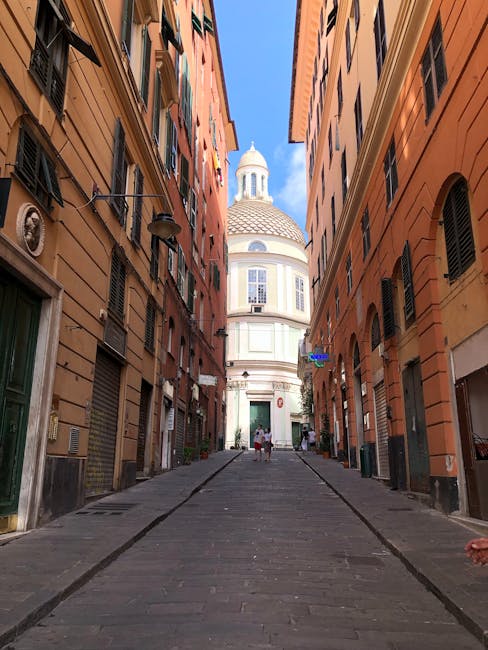
Genoa is more than a historic port and a maze of narrow alleys known as « carruggi »: it’s a city where architecture and design are in constant conversation. From grand palaces and reinvented maritime museums to Art Deco villas and contemporary galleries, this Ligurian city offers a rich palette of visual and sensory experiences for anyone interested in architecture and design exhibitions. Strolling through Genoa takes you from a Baroque marble staircase to a contemporary installation about material reuse, letting you savor how the past is reinvented in often bold museum scenographies.
This article lays out a detailed route to the unmissable exhibition venues in Genoa, focusing on the buildings’ architecture, exhibition design, urban integration and practical tips to make the most of your visit. You’ll find precise addresses, indicative prices, typical opening hours and local advice — how to get there, the best times to visit, and which rooms to prioritize. The aim is to provide a complete guide for architecture enthusiasts, design professionals and curious travelers who want to understand why Genoa, often overshadowed by Milan or Rome, deserves a prime spot on any Italian cultural itinerary.
Throughout the sections we’ll cover major sites like the Palazzo Ducale, the Musei di Strada Nuova, the Galata Museo del Mare, Villa Croce Museo d’Arte Contemporanea and the Palazzo Reale. Each of these places illustrates a different aspect: heritage conservation and enhancement, converting industrial spaces into museums, contemporary reinterpretations of aristocratic palaces, and the use of glass and metal in modern extensions. You’ll get immersive descriptions so you can imagine the light in a gallery, the texture of a stone staircase, or the view from a terrace overlooking the harbor.
Beyond practical facts, you’ll also get concrete tips for photographing the sites (best viewpoints, recommended hours), avoiding crowds and combining visits to optimize your day. This guide is designed to work both as a half-day roadmap and as a program for a longer cultural stay. Pack comfortable shoes, a notebook if you’re feeling creative, and your curiosity: Genoa rewards attention to both architectural detail and sweeping urban panoramas.
Palazzo Ducale: cultural hub and venue for temporary exhibitions
Address: Piazza Giacomo Matteotti, 9, 16123 Genova GE
Typical opening hours: vary by exhibition, usually 10:00–20:00 (closed some Mondays); box office often closes 30 minutes before the end. Check the official website before you go.
Indicative price: temporary exhibitions €6.00 – €12.00 depending on the program; sometimes free for special events or certain evenings.
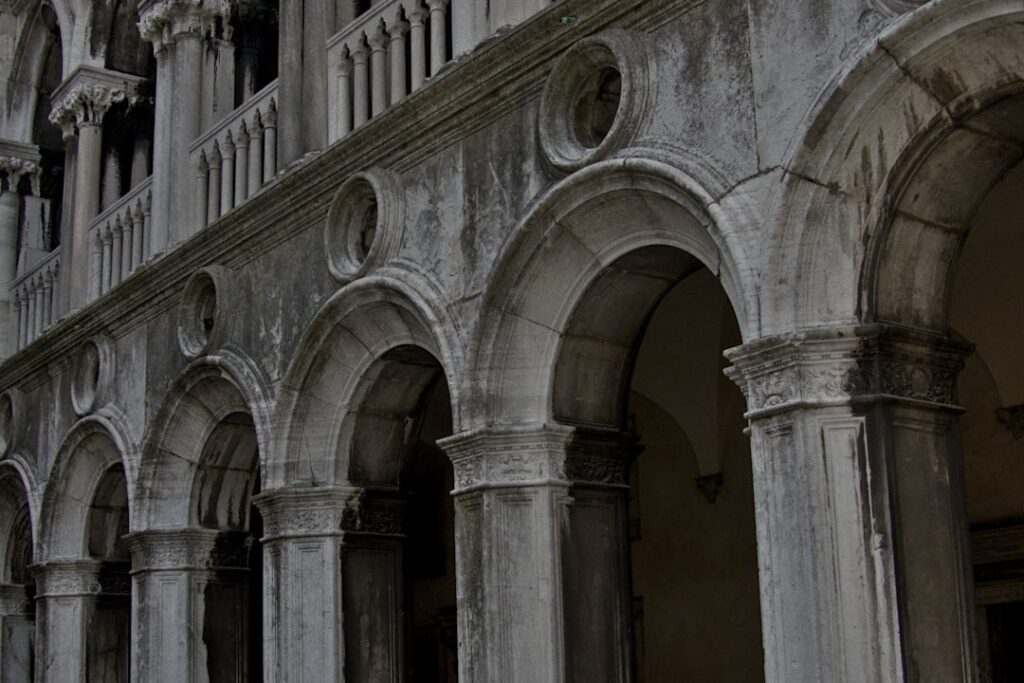
The Palazzo Ducale is Genoa’s nerve center for major cultural exhibitions. Once the Doges’ palace, it’s now a cultural center capable of hosting large-scale shows, biennials, design festivals and multimedia installations. The building’s architecture itself becomes part of the exhibition: monumental vestibules, inner courtyards, colonnades and staircases are often integrated into the scenography, creating strong dialogues between contemporary works and historical décor.
When you enter, note the scale of the rooms: some exhibitions take over the grand state halls, while others unfold as intimate routes through restored salons. Curators often play with temporal contrasts between older art and modern installation, producing striking juxtapositions. Conservation measures — special glazing, controlled lighting and interpretive panels — are handled to protect the works while offering clear reading for visitors.
Practical tips:
- Arrive early in the morning to avoid guided groups and enjoy empty volumes — especially photogenic between 10:00 and 11:30.
- If a temporary show is highly anticipated, book online. Palazzo Ducale often uses timed entry slots to manage crowding.
- After your visit, head up to the terrace or stroll around Piazza Matteotti: the surrounding façades illustrate the historical continuity of the city center.
- Transport: the nearest metro stop is « De Ferrari » (M1) and there are many bus stops around the piazza.
Musei di Strada Nuova (Palazzo Rosso, Palazzo Bianco, Palazzo Doria Tursi): palaces and art museums
Collective address: Via Garibaldi, 10–18, 16124 Genova (Strada Nuova district)
Typical opening hours: generally 09:30–19:00 (some rooms closed on Mondays). Hours vary: check each palace before visiting.
Indicative price: combined ticket for the Musei di Strada Nuova €10.00 – €12.00; reduced rates for students and seniors; partial free admission depending on cultural programs.
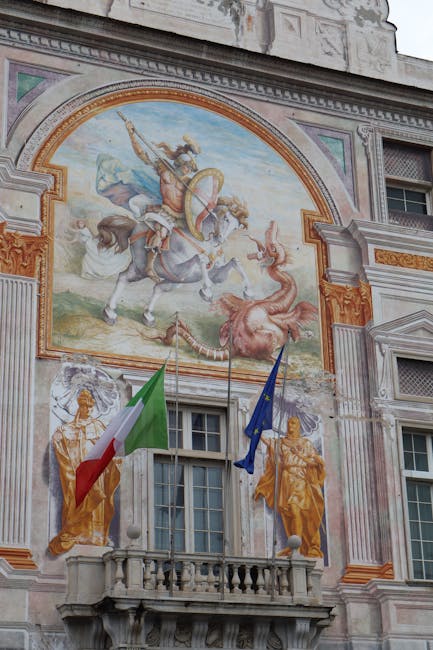
Via Garibaldi, formerly Strada Nuova, is an exceptional example of 16th–17th century urban planning and architecture, listed as a UNESCO World Heritage site. The three palaces that make up the Musei di Strada Nuova — Palazzo Rosso, Palazzo Bianco and Palazzo Doria Tursi — form a triptych where art, interior design and architecture read as one continuous story. Carved façades, courtyards, grand staircases and decorated salons tell the tale of aristocratic families and their patronage, while collections range from grand Baroque paintings to period furniture.
Visiting these palaces reveals how domestic architecture provided a stage for collections; the museography here is often classical, emphasizing paintings and décor rather than radical interventions. Still, you’ll find contemporary museum approaches too: modular lighting, multilingual labels, audio guides and educational materials that place works in their historical and stylistic context.
Practical tips:
- Allow at least 2–3 hours for the combined ticket so you don’t rush — each palace deserves a slow read.
- Don’t miss the main salon and historic apartments of Palazzo Doria Tursi — the woodwork and painted ceilings are masterclasses in ornamentation.
- Photography tip: morning light crosses Via Garibaldi from east to west, casting golden highlights on the façades at sunrise.
- Access: Via Garibaldi is pedestrianized for large stretches, making it pleasant for an architectural stroll after your visits.
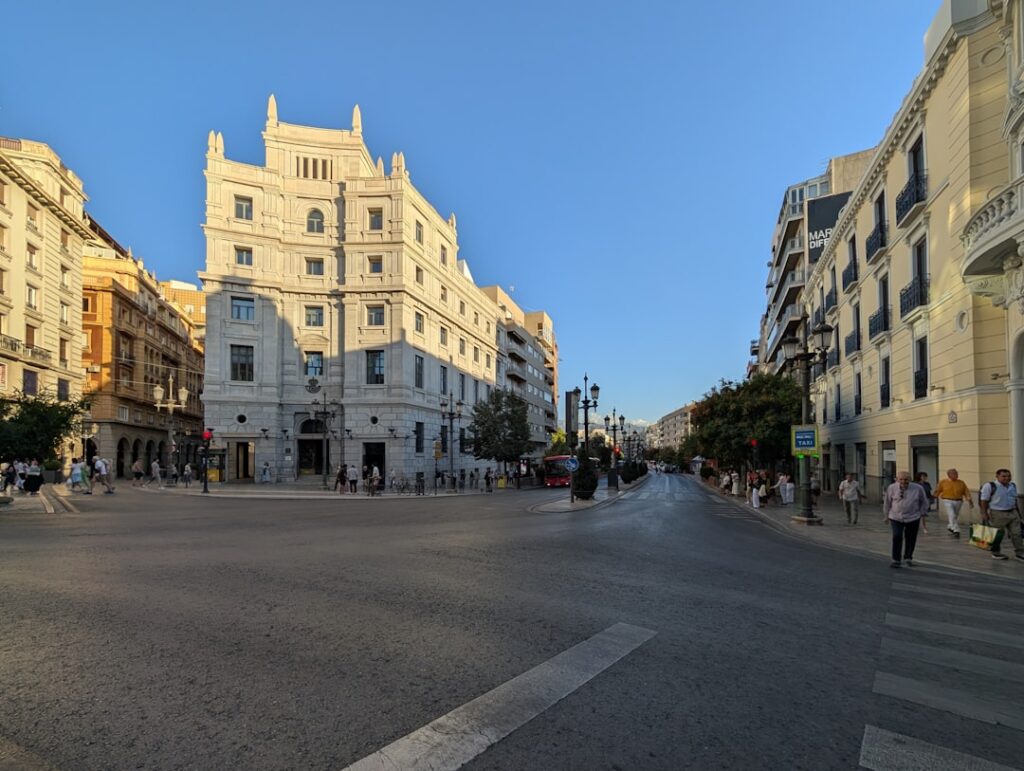
Galata Museo del Mare and the redevelopment of port spaces
Address: Calata De Mari, 1, 16126 Genova GE
Typical opening hours: 09:30–19:00 (last admission usually 30–60 minutes before closing). Evening schedules can be flexible during special events.
Indicative price: general admission around €8.50 – €10.00; reduced rates for families and school groups; combined ticket options with the panoramic lift « Bigo » possible.
The Galata Museo del Mare is a prime example of converting port infrastructure into a modern museum hub. Housed in former warehouses on the waterfront, the museum is dedicated to Genoa’s maritime history and seafaring culture. Its scenography mixes ship remnants, scale models, multimedia experiences and immersive displays that put the industrial architecture of the building at the center of the visit. The museum also explores design aspects related to ships: ergonomics of fittings, materials and shipbuilding techniques, and the design of decks and cabins.
In addition to permanent collections, the museum regularly hosts temporary exhibitions on naval design, maritime photography and art installations linked to the coastline. A highlight is the chance to board re-creations or access a port walkway for a different perspective on the relationship between city and sea.
Practical tips:
- Pair your visit with the panoramic lift « Bigo » (Piazza Caricamento) for elevated views of the port and city; expect a separate ticket if not included.
- Late afternoon offers warm light on hulls and roofs — ideal for photography.
- The museum is reachable by tram and bus from the main station (Genova Piazza Principe); it’s a family-friendly option thanks to interactive routes.
- If driving, watch for ZTL (limited traffic) zones in the historic center — opt for seaside parking.
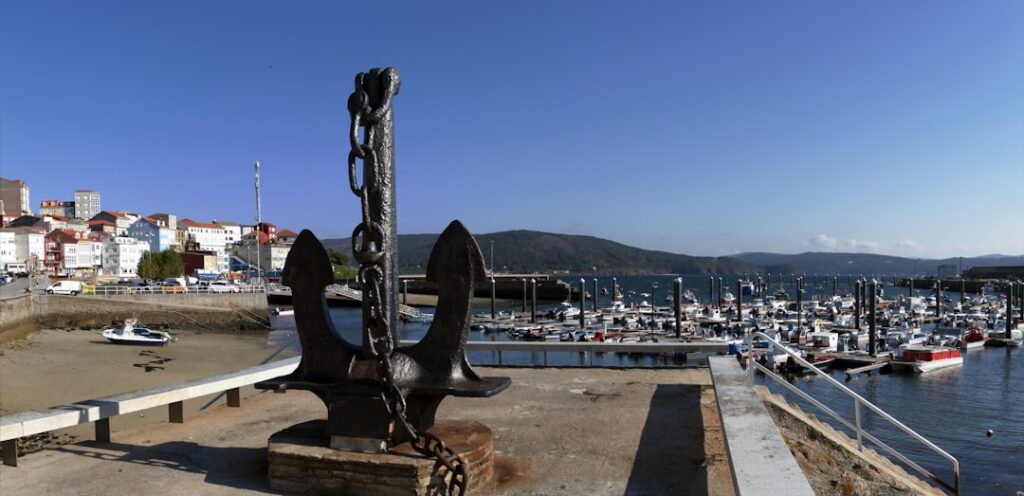
Villa Croce Museo d’Arte Contemporanea and the contemporary design scene
Address: Corso Dogali, 18, 16136 Genova GE
Typical opening hours: generally 10:00–18:00 (closed Mondays); extended hours during openings and evening events.
Indicative price: general admission €6.00 – €8.00; reduced rates for students and seniors; free entry often offered during certain cultural events.
Villa Croce is a 19th-century villa converted into a contemporary art museum that opens onto a park and offers wide sea views. Here, the dialogue between architecture and design takes a more experimental turn: exhibitions often explore the overlap between art, social design and innovative practices. The villa itself — with salons, a glass-roofed space and garden — is used as exhibition space where installations, performances and workshops coexist.
The programming highlights young creators, sustainable design and formal research into materials. Curators favor formats that engage visitors — interactive furniture, visible prototyping and open workshops — making Villa Croce feel like a creative laboratory rather than a static exhibition venue. The terrace and garden are perfect for breaks and reflection, frequently used for outdoor performances or ephemeral design showcases.
Practical tips:
- Check for workshops and guided visits: these are great opportunities to meet local designers and see prototypes in progress.
- Enjoy the terrace view for shots that combine sky, sea and the villa’s architecture — particularly striking at sunset.
- The neighborhood is walkable from the center if you climb up from the Port Antico; expect a steady incline and wear good shoes.
- Consult the foundation’s program to spot openings and events, which often include talks with curators.
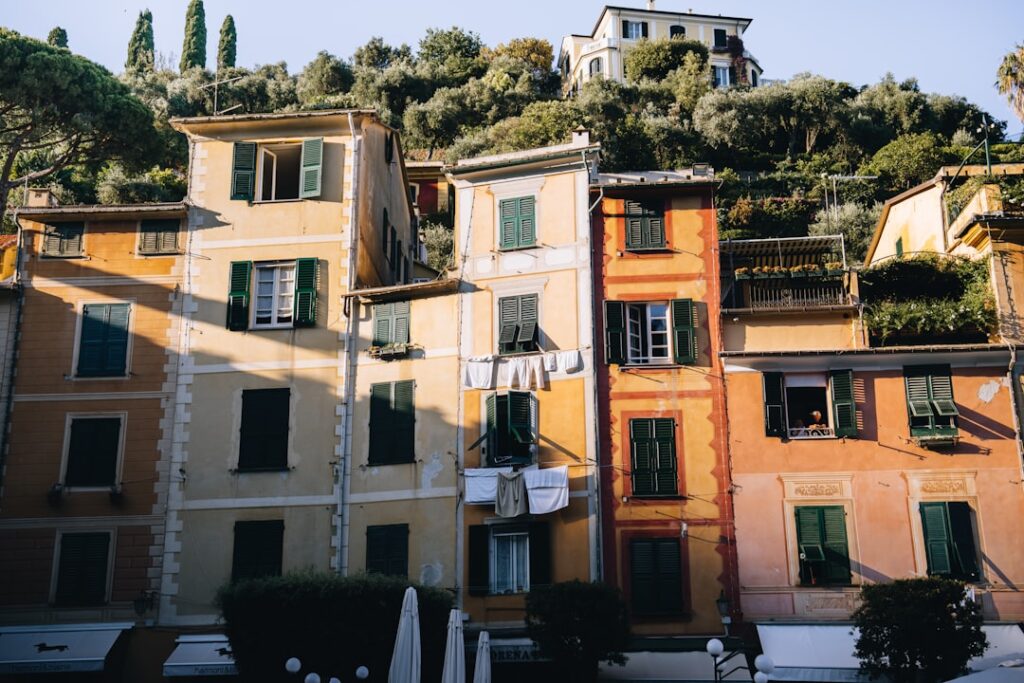
Palazzo Reale: heritage restoration and interior scenography
Address: Via Balbi, 10, 16126 Genova GE
Typical opening hours: 09:00–19:00 (hours vary by season); sometimes closed on Mondays.
Indicative price: admission €6.00 – €8.00; combined tickets sometimes available with temporary exhibitions.
The Palazzo Reale (Royal Palace) is a living example of successful heritage restoration, where the interior architecture is the main attraction. The royal apartments, court theatre, inner gardens and richly painted ceilings are showcased through respectful museography aimed at re-creating the ceremonial atmospheres of a noble residence. Temporary exhibitions on interior design or historical fashion sometimes occupy selected rooms, offering contemporary readings of historic decor.
The palace demonstrates how aristocratic domestic architecture can be the backdrop for exhibitions that question taste, furniture and the staging of power. The visit reveals interior layout solutions, historical heating systems, lighting devices and spatial uses that influenced design in subsequent centuries. The palace garden, with its city views, is a valuable space for understanding the relationship between residential architecture and urban planning.
Practical tips:
- Visit the salons in morning light to appreciate the original colors of the décor and avoid backlighting.
- Look for temporary exhibitions focused on furniture design — they often include detailed explanatory labels.
- Transport: several bus lines serve the palace; walking from the historic center reveals charming alleys and small squares.
- Be mindful of photography restrictions in some rooms — carry a small notebook to jot down inspiring details.
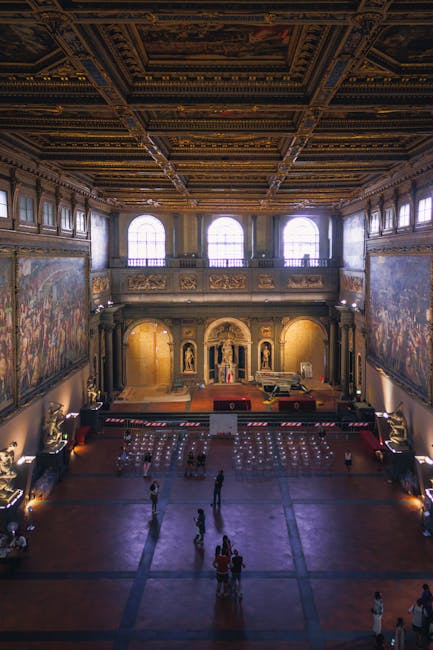
General practical tips for architecture and design lovers
Before you set out to explore the exhibition venues, here are practical recommendations to help you get the most out of your stay in Genoa:
- Tickets and reservations: Book online for major exhibitions (Palazzo Ducale, Galata) especially in high season (April–October) and during festivals. Timed tickets reduce waiting and create quieter visiting windows.
- Getting around: The historic center is largely pedestrian and hilly; favor walking to feel the architectural transitions. Use the AMT network of taxis and buses for longer connections. The metro (M1) serves the urban core (De Ferrari station).
- Shoes and comfort: Bring comfortable, slip-resistant shoes: many staircases, cobbles and uneven surfaces. Carry a small water bottle and take regular breaks, especially in summer.
- Best times of day: mornings for light and fewer crowds; late afternoon for harbor views and the contrast between historic architecture and contemporary lights.
- Photography: Respect museum rules; flash photography is often prohibited but non-flash is typically allowed. Tripods may be restricted in some sites.
- Language: Labels and guides are in Italian and often in English; for deeper visits look for guided tours in French or multilingual audio guides.
- Food & breaks: Take advantage of historic cafés near museums for a pause: Ligurian focaccia, farinata and an espresso are essentials to recharge between visits.
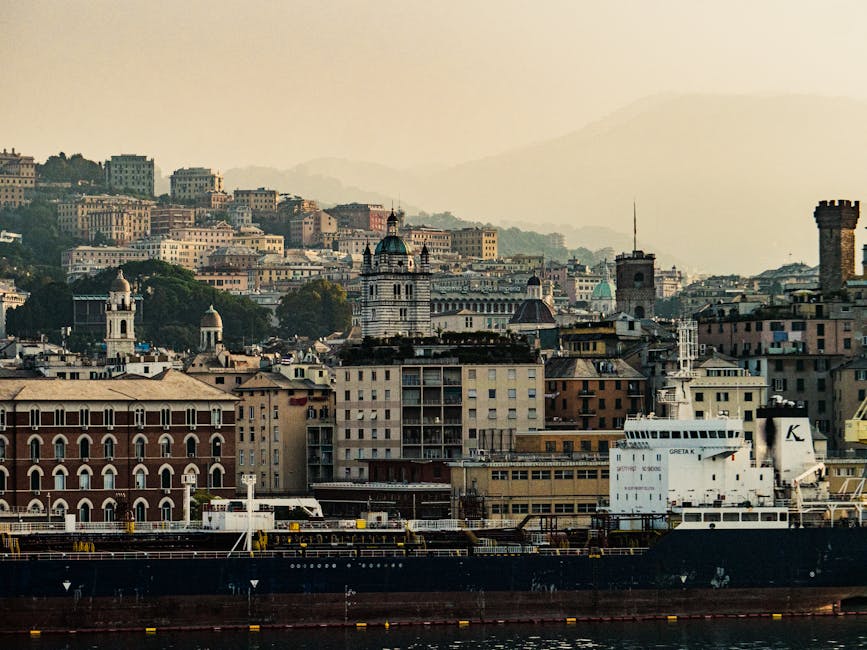
Conclusion: Genoa, a living laboratory of architecture and design
Genoa is a city where every stone tells a story of form, function and craft. The exhibition venues covered here — Palazzo Ducale, Musei di Strada Nuova, Galata Museo del Mare, Villa Croce and Palazzo Reale — provide complementary perspectives: heritage restoration, immersive museography, port-space re-use and contemporary laboratories. Together they form a cultural network that helps visitors understand the evolution of design and architecture, from 17th-century aristocratic interiors to 21st-century experimental installations.
Beyond addresses, hours and prices, remember that Genoa reveals itself slowly. The dialogue between architecture and city is alive: the Baroque façades of Via Garibaldi answer the waves of the harbor, the industrial glass of Galata contrasts with the hushed salons of Palazzo Reale, and Villa Croce reminds us that design can be a socially engaged practice geared toward innovation. For design professionals, the city offers historical reference points and contemporary inspiration; for curious travelers, it’s a destination full of visual and narrative surprises.
Finally, don’t hesitate to engage with the sites — ask questions of the mediators, join workshops, jot down ideas and take the time to observe those architectural details that often escape a first glance. These small attentions will turn a simple visit into a true immersion in the language of the built environment. Genoa may not be the most famous design capital, but it’s surely a laboratory where the past feeds the future and where every exhibition invites you to rethink how we relate to space, materials and use.