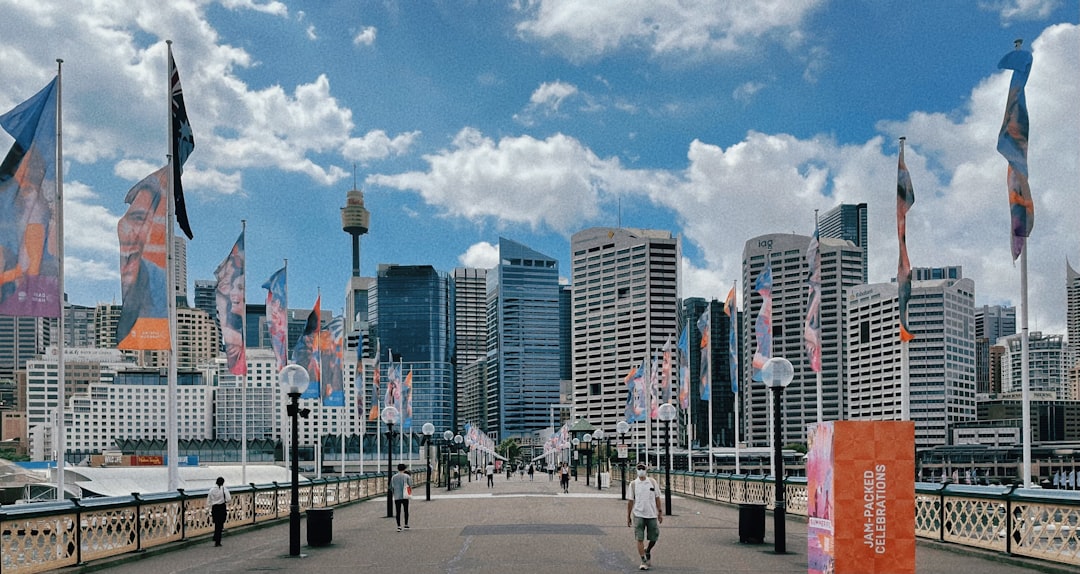






Introduction: Why is Genoa buzzing with temporary exhibitions this season?
Genoa is no longer just the port city of narrow alleys, fiercely debated pesto and a harbor full of history: this season it has asserted itself as a lively cultural stage thanks to a series of temporary exhibitions that spark the imagination, draw the curious and give new meaning to historic sites. From the Renaissance palaces along Strada Nuova to fortresses repurposed as museums and large contemporary spaces reinvented for the occasion, each show offers a distinctive — often immersive — experience tied to the city’s maritime, cosmopolitan soul.
These temporary exhibitions follow two main threads: highlighting Genoa’s rich tangible heritage and a modern push to open the artistic conversation to topical issues — migration, maritime exchanges, the relationship between art and technology, colonial memory and local revivals. The venues themselves become protagonists: the Palazzo Ducale, the Galata Museo del Mare, Castello d’Albertis, the Strada Nuova museums and the Palazzo Reale host curators, local and international artists, and collections lent by European institutions. The result is a city you explore not only by its monuments but through its temporary shows, where a sightseeing stroll turns into a curated route.
Beyond cultural interest, these events have a real economic impact: they boost cafés, independent bookshops, guides and artisans. Around every corner visitors find food offerings — from traditional focaccias to inventive culinary interpretations — and shops selling limited editions linked to the exhibitions. Temporary shows are also a chance to meet people: conferences, themed guided tours, kids’ workshops and evening events extend discovery beyond standard opening hours.
In this article we map out the must-see temporary exhibitions of the season in Genoa. For each venue you’ll find the exact address, opening hours, admission price, an immersive description of the show, and practical tips — how to get there, what to book and useful habits to make the most of your visit. Whether you’re in town for the weekend or are a curious local, this guide will help you plan a rich, smooth route through a city that this season speaks loudly of art and history.
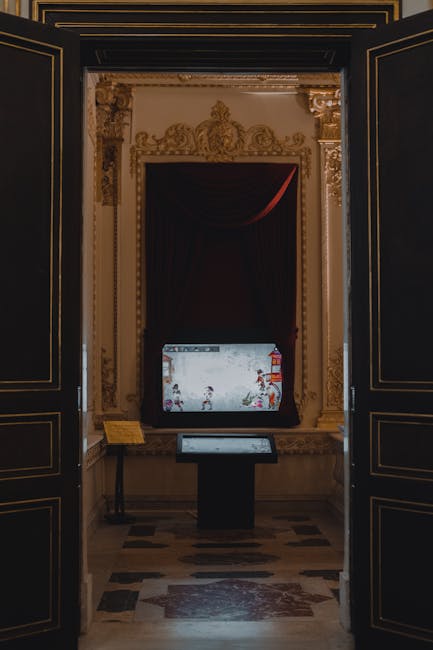
Palazzo Ducale: « Port Memories » — an exhibition between archives and contemporary art
Address: Piazza Matteotti 9, 16123 Genova
Opening hours: Daily from 10:00 to 19:00 (last entry 18:30). Occasionally closed on public holidays — check the official site before visiting.
Price: Temporary exhibition ticket: €12 (full price). Reduced: €8 (students, 65+). Combined entry with the palace for some shows: €18.
The Palazzo Ducale, the historic heart of Genoa’s cultural life, is presenting « Port Memories » this season — a show that creates a dialogue between the municipal archives and contemporary works. Right from the entrance visitors walk through a sound installation: recordings of sailors’ voices, the clatter of cargo and fragments of letters sent by the city across the Mediterranean. These sounds intertwine with archival photographs showing Genoa during its industrial boom: crowded quays, steamships and repair yards.
Visually, the exhibition mixes photographic works, sculptures made from objects found in ship holds and video pieces tracing the contemporary routes of migrants and port workers. A whole room is dedicated to mapping: historic maps layered with interactive digital maps that reveal past and present trade flows. The route prioritizes human stories: portraits of people with the same names, family stories lived around the port and testimonies from artists who transform found materials into poetic objects.
Practical tips: arrive early to avoid crowds, especially on weekends. Book online if you plan to join a themed guided tour (about 90 minutes). The Palazzo offers a French audio guide on request — useful if you want a deeper dive into the archives. Most spaces are wheelchair accessible, but some historic rooms may have steps; check at the ticket desk.
- Getting there: A 5-minute walk from Darsena metro station (line M1) and served by several municipal bus lines.
- Shop: The palace bookshop carries the exhibition catalogue, limited reproductions and publications on port history.
- Food break: The palace café serves light brunches and Ligurian specialties — perfect after your visit.
 Click here to book a guided tour of the historic center
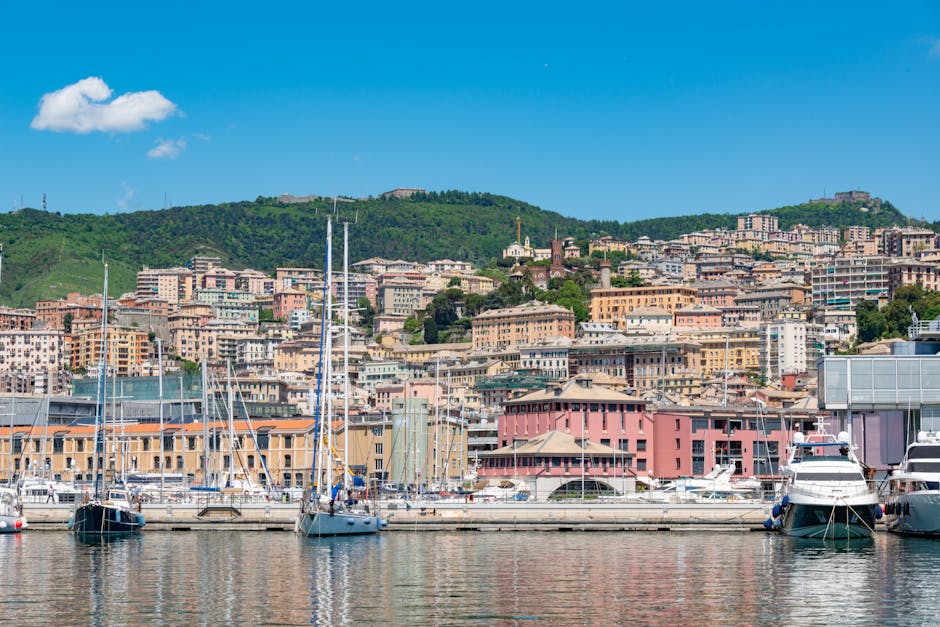
Galata Museo del Mare: « Journeys and Passengers » — sea tales and immersive installations
Address: Calata De Mari 1, 16126 Genova
Opening hours: Open daily from 9:30 to 19:00. Last entry 18:00. Some temporary exhibitions may have extended hours on Friday evenings.
Price: Temporary exhibition ticket: €14 (adult). Reduced: €9 (youth 6–18, seniors). Family and combined tickets available — check the official site for offers.
The Galata Museo del Mare, the largest maritime museum in the Mediterranean, is hosting « Journeys and Passengers » this season, a show that highlights individual stories of those who crossed the sea. The route begins with a reconstruction of a 19th-century passenger ship cabin, lit as if by candlelight (a simulation) to recreate the atmosphere of emigration voyages. Open suitcases, letters and personal items add to the sense of intimacy.
One standout is an immersive room where 360° projections plunge visitors into a crossing: shifting landscapes, changing weather, deck scenes and snippets of conversation. This setup, paired with spatialized sound, gives a real sense of navigation. The exhibition then juxtaposes contemporary installations that question modern mobility — climate-driven migration, current trade routes and stories of smugglers. Touchscreens let you explore passenger databases, making the visit interactive and searchable.
For families, Galata runs children’s workshops (model-building, illustrated storytelling) and playful trails available at reception. The museum is partially accessible for visitors with reduced mobility; large areas have modern elevators, but some reconstructions may restrict access.
- Getting there: Located in Porto Antico, near the Genoa Aquarium. Walkable from Brignole station (20–25 minutes) or Principe station (15–20 minutes).
- Tip: Combine the visit with the Aquarium (combined tickets often available) and allow 2–3 hours to fully enjoy the experience.
- Food: Museum café with a terrace overlooking the harbor — ideal for a break with a sea view.
Click here to buy a combined ticket for the Aquarium and Galata
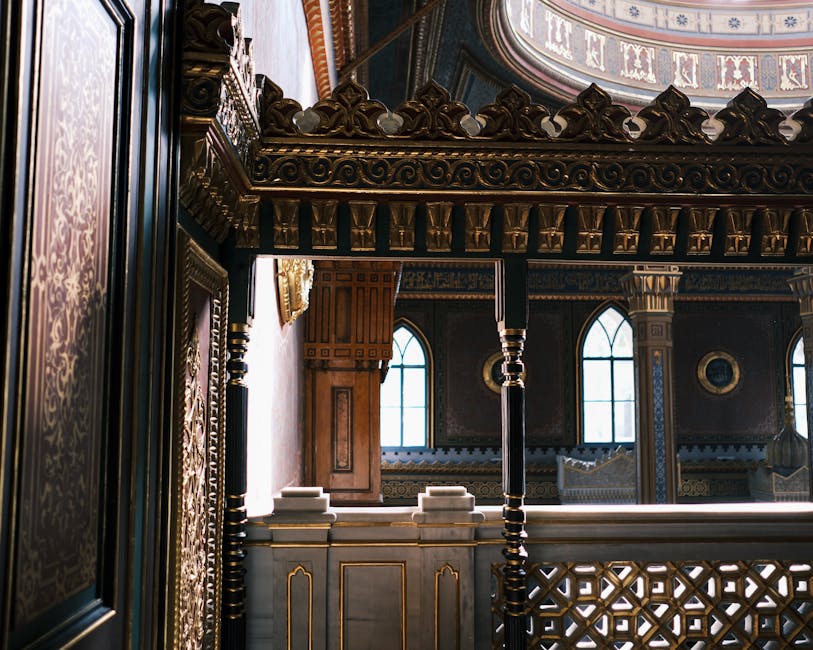
Castello d’Albertis – Museo delle Culture del Mondo: « Traveler Objects » and Gothic panoramas
Address: Corso Dogali 18, 16136 Genova
Opening hours: Open Tuesday to Sunday, 10:00–18:00. Closed Mondays. Some evening exhibitions may be scheduled in summer.
Price: Temporary exhibition ticket: €10. Reduced: €6 (students and seniors). Combined tickets for permanent and temporary collections available.
Perched on a hill overlooking the city, Castello d’Albertis is a romantic setting that houses the Museo delle Culture del Mondo. The temporary exhibition « Traveler Objects » explores exchange routes between Italy and the wider world by presenting ethnographic artifacts, field photographs and contemporary installations. The scenography often places objects in contextual settings: items displayed in clean vitrines but also accompanied by audio narratives from their collectors and originating communities.
The route includes vantage points: the castle terrace provides panoramic views over the Gulf of Genoa — a privileged spot to understand the relationship between the objects and their maritime origins. The visit encourages slow looking and attention to detail: engravings, textiles, navigation instruments and ritual sculptures. Some contemporary invited artists present works that critically engage with the historical collections, questioning cultural ownership, restitution and heritage.
Practical tips: bring comfortable shoes if you want to explore the park and viewpoints around the castle. Car access can be limited; use city buses (lines 35 and 36 depending on the stop) or a taxi from the center. From May to September the venue hosts sunset readings and intimate concerts on the terrace — a lovely way to combine art and the view.
- Accessibility: The castle has historic areas that are difficult to access, but the museum has installed elevators and ramps in the exhibition zones.
- Services: Museum shop with reproductions and handcrafted items selected by the curators.
- Nearby: A 10-minute bus ride from the historic center; combine the visit with a walk through the Castelletto quarter for breathtaking vistas.
Click here to book the panoramic visit with funicular
Musei di Strada Nuova (Palazzo Rosso, Palazzo Bianco, Palazzo Doria Tursi): cross-programming at the heart of a World Heritage site
Addresses:
- Palazzo Rosso — Via Garibaldi 18, 16124 Genova
- Palazzo Bianco — Via Garibaldi 11, 16124 Genova
- Palazzo Doria Tursi — Via Giuseppe Garibaldi 9, 16124 Genova
Opening hours: Open daily from 9:30 to 19:00 (last entry 18:00). Closed Mondays. Some museums may have varying hours for temporary exhibitions — check online.
Price: Single ticket for the three palaces: €12 (full price). Reduced: €8 (students, seniors). Free entry for under-18s in some cases — check ahead.
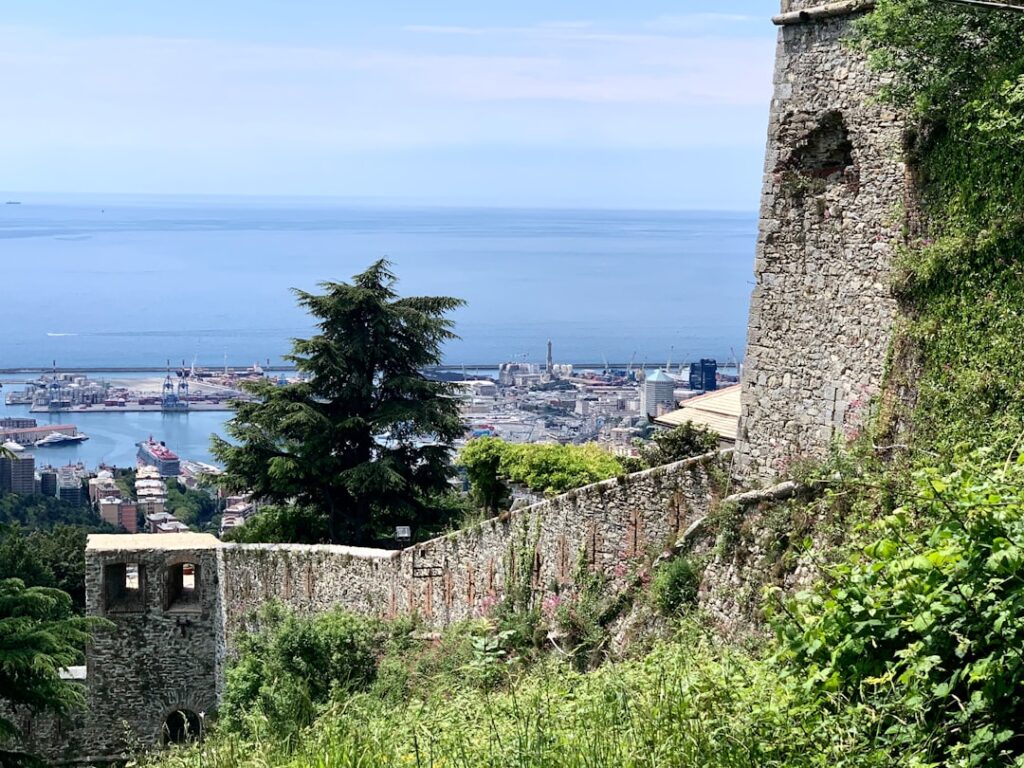
Strada Nuova, a UNESCO World Heritage site, is a corridor of sumptuous palaces where temporary exhibitions converse with period interiors. This season a cross-programming schedule pairs old paintings, contemporary conservation work and sound installations. At Palazzo Rosso, the show highlights a collection of portraits of Genoese families, curated to place these images within Mediterranean trade networks. The labels are rich in context: provenance, patrons and conservation anecdotes.
At Palazzo Bianco there’s a spotlight on a group of contemporary European artists taking over the palatial rooms. The contrast between baroque frames and contemporary works creates a stimulating dialogue: raw materials, video projections and site-specific interventions question permanence and memory. Palazzo Doria Tursi offers an exhibition focused on music and court life, with instruments, handwritten scores and interactive sound devices that let you listen to reconstructed 18th-century salon performances.
Practical tips: allow at least three hours for a complete visit to all three palaces. These spaces attract many visitors — aim for early morning or late afternoon for more comfort. Combined tickets and multilingual audio guides are available; audioguides often include extra content on conservation and restoration techniques. Photography inside is sometimes permitted without flash — always ask staff.
- Getting there: Easily walkable from Piazza De Ferrari. Limited parking: use peripheral public car parks or public transport.
- Themed tours: Book a guided tour focused on Strada Nuova’s history to understand the urban planning and the role of Genoese families.
- Cultural shopping: Specialized art history bookshops and publications on the palaces are available in the shared shop.
Click here to book a guided tour of the Rolli Palaces
Palazzo Reale: « Images of Power » — staging history through design
Address: Via Balbi 10, 16126 Genova
Opening hours: Open Tuesday to Sunday from 9:30 to 18:00. Closed Mondays. Some temporary exhibitions offer late openings on Fridays.
Price: Temporary exhibition ticket: €10–15 depending on the cycle. Reduced: €7–10 (youths, seniors). Family packages available.
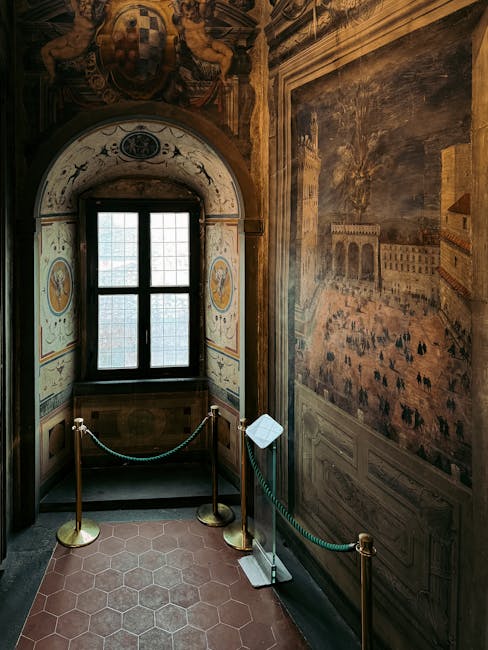
The Palazzo Reale, the former residence of the Doria family, hosts a temporary exhibition called « Images of Power, » which probes representations of authority through paintings, tapestries and decorative arts. The scenography highlights restored ceilings and frescoes: refined lighting schemes enhance the gilding and let visitors appreciate the virtuosity of decorative artists. Display cases show everyday items from Genoese court life — tea services, silverware and costumes — placed alongside works depicting scenes of diplomacy and ceremony.
One particularly noteworthy feature is access to digitized archival documents: diplomatic letters, inventories of goods and artists’ contracts. Visitors can consult these files at interactive terminals that trace the history of the patrons. This digital inclusion adds depth to the museum narrative and allows a critical approach to the concept of “power” and its iconography.
Practical tips: combine the palace visit with a stroll through the nearby university quarter, which has budget-friendly student cafés. Group sizes are limited for guided tours — book in advance if you’re coming with a group. If you’re into photography, request permissions for professional use — some rooms are strictly protected.
Click here to book a guided tour of the Palazzo Reale
Practical tips to enjoy temporary exhibitions in Genoa
Plan your visits: Genoa is a city made for walking, but its hills demand some effort. Cluster exhibitions geographically (e.g. Strada Nuova + Palazzo Ducale, then Porto Antico + Galata) to minimize travel. Check each museum’s official site: hours and prices can vary with events. Buying tickets online is often recommended — not only to secure a timeslot, but also to access discounts and included audio guides.
Transport and mobility: favor public transport (buses, metro, funiculars) and walking. The Genova City Pass or combined tickets for certain cultural circuits can be economical if you plan to visit several museums. Taxis and ride-hailing services are handy for uphill trips to Castello d’Albertis or the Castelletto viewpoints. Cyclists will find a few lanes and bike parking, but the city’s topography remains challenging.
Tickets and discounts: look into reduced fares for students, seniors and families. Many venues offer free or pay-what-you-want days — often at the start of the month or during the « Notte dei Musei ». Check whether your European student or senior card is accepted as proof.
Language and guided tours: while many museums provide information in English, Italian predominates. Audio guides and information sheets in French exist but are limited; if you don’t speak Italian, choose exhibitions labeled as multilingual or book a guided tour in French.
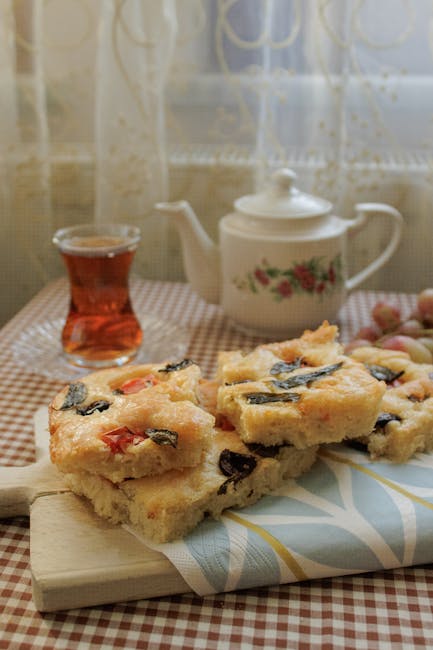
Food and breaks: after a visit, enjoy local specialties: Genoese focaccia, farinata and trofie with pesto. Porto Antico and the historic center are full of small trattorie and enoteche. For a quick snack: Pasticceria Mangini (a typical local pastry shop) and the focaccia kiosks by the sea are ideal choices.
Respect and conservation: follow photography rules (some rooms ban flash), don’t touch the works and observe safety instructions. Temporary exhibitions can include fragile pieces; conservation relies on public vigilance and cooperation.
Click here to buy a Genova City Pass 24/48/72 hours
Conclusion: A season of exhibitions reshaping Genoa
This season Genoa shows how a city can reinvent itself without denying its past. The temporary exhibitions we’ve covered — from Palazzo Ducale to Galata Museo del Mare, from Castello d’Albertis to the Strada Nuova palaces and Palazzo Reale — offer multiple ways to understand the city: historically, maritime, socially and artistically. Each one stages a dialogue between object, place and visitor. They invite cross-reading: the history of sea routes, community life, power dynamics and contemporary debates about heritage and representation.
More than passive viewing, these shows create routes, run workshops and encourage encounters. Immersive setups, archive terminals and contemporary works placed in historic settings make visits both educational and emotional. Visitors don’t just leave informed — they feel the continuity of a port city, its openness and modern shifts.
For the curious traveler the advice is simple: plan, book and leave time to wander. Genoa reveals itself at the pace of exhibitions and pauses — a slice of focaccia on a street corner, a sunset terrace, a specialty bookshop discovered after a visit. These temporary exhibitions are far more than fleeting cultural events: season after season they become milestones that change how Genoa is seen and experienced.
Finally, remember that the best way to appreciate the program is to experience it locally: join a guided tour, ask curators questions at public events and let yourself be surprised by routes recommended by locals. Genoa this season is an invitation to explore, think and feel — a city that speaks and, if you listen, will tell you a thousand voyages and as many stories.