





Introduction: Genoa — a maritime crossroads turned high-tech exhibition lab
Genoa is more than a historic port and a maze of medieval lanes; it’s a city looking forward, embracing interaction, digital media and immersive spectacle. From the sprawling Porto Antico area to maritime museums and family-focused venues, this Ligurian city has repurposed industrial and port heritage into high-tech exhibition formats that engage all the senses. Whether you love science, you’re a parent hunting for educational activities, a photographer seeking striking light and atmosphere, or a curious traveler drawn to interactive installations, Genoa serves up a range of experiences where technology enhances discovery.
In this context, the focus on interaction radically changes the visit: touchscreens, sensory tables, augmented reality (AR) installations, 360° projections, location-based audio guides, navigation simulators and intelligent scenographic devices shift museum storytelling. The city has invested in making learning playful and accessible — and you can feel that in the quality of the experiences on offer. Several landmark venues let you experience these innovations: the Acquario di Genova, a major Mediterranean attraction, blends live habitats with digital explanatory tools; the Galata Museo del Mare tells the sea’s story with simulators, interactive models and immersive films; and the Città dei Bambini e dei Ragazzi runs sensory workshops and tech labs designed for younger visitors.
This guide will walk you through Genoa’s interactive and high-tech exhibitions. You’ll find detailed descriptions, exact addresses, indicative prices in euros, opening times current at the time of writing, and practical tips — how to make the most of your visit, which time slots to favor, what gear to bring, and how to reach each site from the train stations or the cruise port. We’ll also use visual markers to help you picture each scene before you go. The goal is twofold: give you all the practical info to plan visits, and immerse you in the atmosphere with sensory and technical descriptions.
Finally, note that exhibitions in Genoa change with the seasons. Opening hours and prices can vary in high season, and some installations require advance booking, especially during busy tourist periods. We’ll emphasize local tips: buy skip-the-line tickets online, arrive early to enjoy spaces before the crowds, combine a visit with a coffee on the port terrace, and use public transport or the shuttle from Genova Piazza Principe and Genova Brignole stations. Ready to dive into the future of Genoese museums? Follow the guide.
Acquario di Genova — an ocean of interaction and technology
Address: Ponte Spinola, 16128 Genova GE, Italia.
Opening hours: generally daily from 09:00 to 19:00 (last entry varies by season). Check the official site for exact times and special late openings.
Prices (indicative): adult ~€27.00; reduced (students, seniors, families) ~€20.00; children 3–12 ~€18.50; free under 3. Special rates for guided tours and backstage experiences (by reservation).
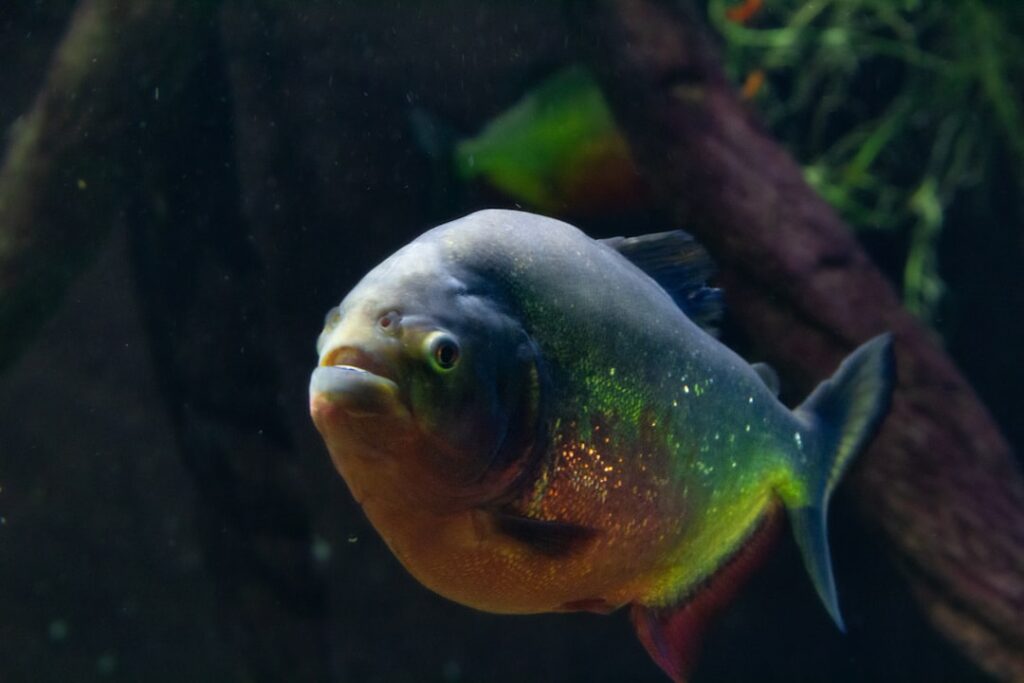
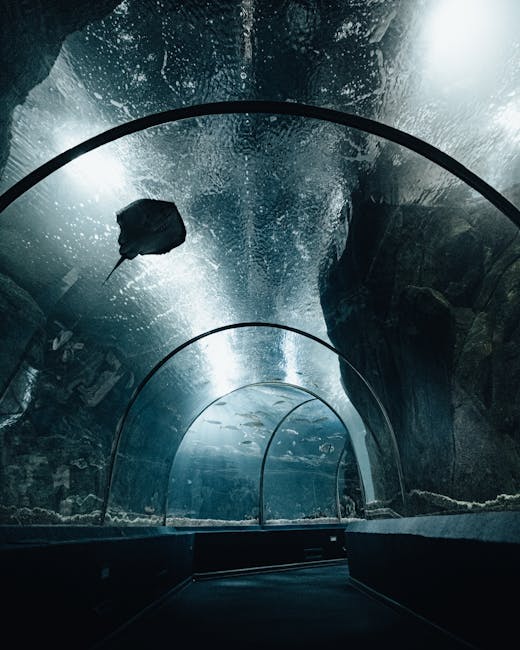
The Acquario di Genova is one of Europe’s largest aquariums and a flagship for combining marine life, environmental education and technology. The main route mixes live tanks, underwater tunnels and interactive displays. Touchscreen panels and multimedia kiosks explain ecosystems, life cycles and conservation challenges in multiple languages. The emphasis is on immersion: dome projections, localized sound systems and interactive screens let you « read » underwater life at many levels, from casual observer to budding researcher.
Among the high-tech features, note the synchronized audio guides (available in several languages) that trigger extra content based on your indoor GPS position, and interactive tables where you can manipulate 3D representations of marine organisms and oceanographic data. The aquarium also offers augmented reality workshops: by pointing a tablet at select tanks, 3D animations reveal animal biology or current movements. For the adventurous, there are « behind the scenes » experiences that pair a VR headset with a guided tour of restricted areas, giving access to breeding zones and labs — subject to reservation and an extra fee.
Practical tips:
- Booking: buy tickets online to avoid queues — the Porto Antico is very busy in summer.
- Best time: early morning (or late afternoon in low season) for photos with fewer people and softer light on the tanks.
- Accessibility: the main route is wheelchair accessible; ask for alternate routes to reach some deeper zones.
- Suggested duration: allow 2–3 hours for a standard visit, longer if you join workshops or VR sessions.
- Transport: walkable from the Darsena metro station or reachable by AMT buses from Genova Piazza Principe station.
Galata Museo del Mare — augmented maritime history and simulators
Address: Calata De Mari, 1, 16126 Genova GE, Italia.
Opening hours: generally Tuesday to Sunday 10:00–18:00; closed some Mondays. Hours may vary; check the official website before you go.
Prices (indicative): adult ~€12.00; reduced ~€9.00; family and child rates vary; combined access with the submarine Nazario Sauro and other exhibits possible for around €18–20.
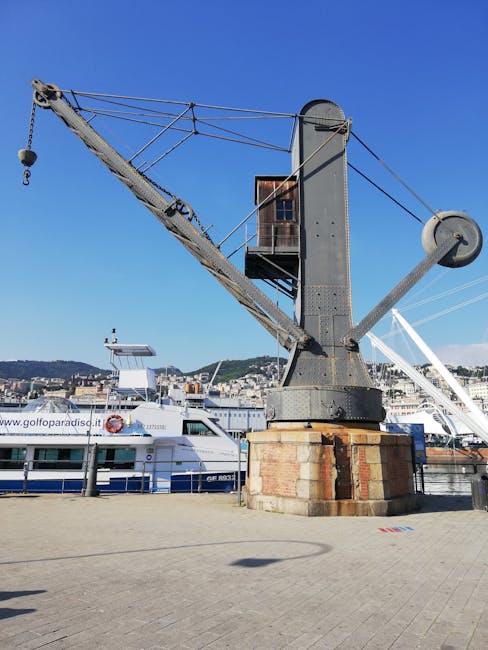
The Galata Museo del Mare is Italy’s largest maritime museum. Housed in a former port arsenal, it tells the stories of sailors, trade routes and migration through contemporary museography that leans heavily on digital interaction. From the entrance, tactile timeline displays let you browse centuries and maritime maps; interactive models respond to touch to show ship structures and navigation principles. One standout feature is the navigation simulator: with a panoramic screen and a control station, it puts you in the captain’s seat, dealing with weather, traffic and docking maneuvers.
Another major section covers migration and combines audio testimonies, video projections and interactive installations that encourage visitors to place major migration waves in a human and technical context. The museum also owns a real submarine, the Nazario Sauro, accessible via a combined ticket; visiting the sub plunges you into the claustrophobic, technical world of a military vessel, complemented by digital panels explaining instruments, missions and life aboard.
Practical tips:
- Combined tickets: if you want to visit the Nazario Sauro submarine, book the combined ticket to save money and secure a timed entry — slots on the submarine are limited.
- Photography: the multimedia rooms offer consistent lighting angles and explanatory panels that can enrich your shots.
- Guided tours: choose a themed tour (naval history, emigration, shipbuilding) to get anecdotes and technical explanations not on the panels.
- Access: easily reachable from the Porto Antico, a short walk from the Acquario di Genova and reachable by bus from Stazione Brignole.
Città dei Bambini e dei Ragazzi, the Biosfera and il Bigo — playful labs, urban ecology and tech panoramas
Città dei Bambini e dei Ragazzi address: Piazza delle Feste, Porto Antico, 16128 Genova GE, Italia.
Città dei Bambini opening hours: generally 10:00–18:00 (times vary; workshops run at set hours). Biosfera: Ponte Spinola, Porto Antico, 16128 Genova. Bigo (panoramic lift): access from Porto Antico near Piazza Caricamento.
Prices (indicative): Città dei Bambini — child entry ~€10.00; accompanying adult ~€9.00; workshops extra. Biosfera — ~€5.00 adult; reduced ~€3.00. Bigo — ~€5.00 per person for the panoramic ride. Combined rates vary by family pack or seasonal promotions.
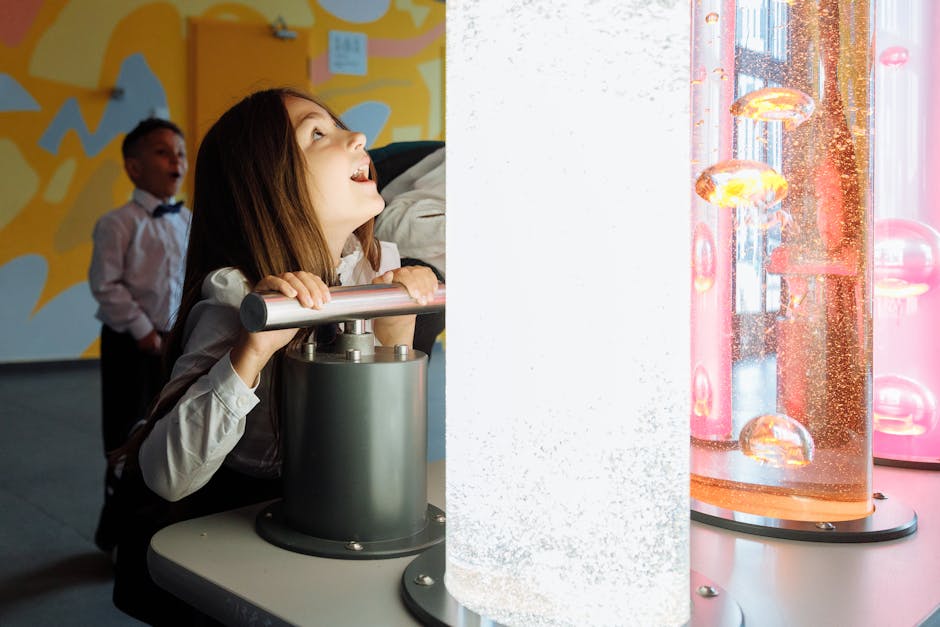
The Porto Antico area is an urban laboratory that blends nature, educational play and architectural features. The Città dei Bambini e dei Ragazzi is a permanent science-and-tech play space for kids aged 2 to 14. Designed to promote learning through play, the centre offers interactive installations — sensory trails, optics experiments, hands-on tables to explore forces and mechanisms, sound booths and digital labs where kids can code short sequences or tinker with playful robots. Content is developed by educators and tested for accessibility: each module includes an info sheet, and facilitators run workshops in Italian and often in English.
Nearby, the Biosfera (designed by Renzo Piano) is a spherical greenhouse housing a small tropical forest with plant species and a few exotic birds. The experience is both botanical and sensory: humidity sensors, digital interpretive panels and a path that highlights the importance of microclimates. The Biosfera is a straightforward but effective scenography where technology helps regulate climate and deliver educational interpretation.
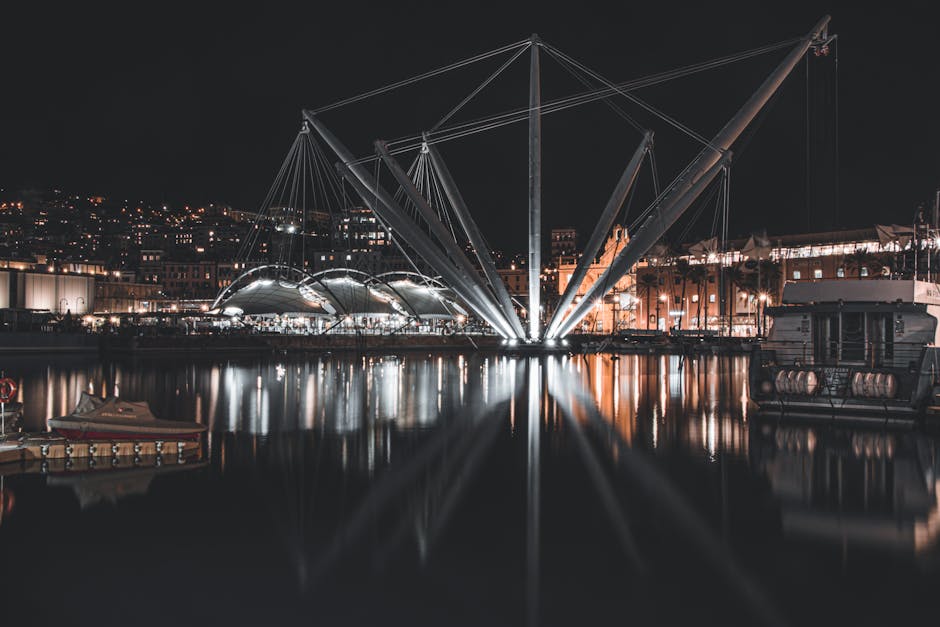
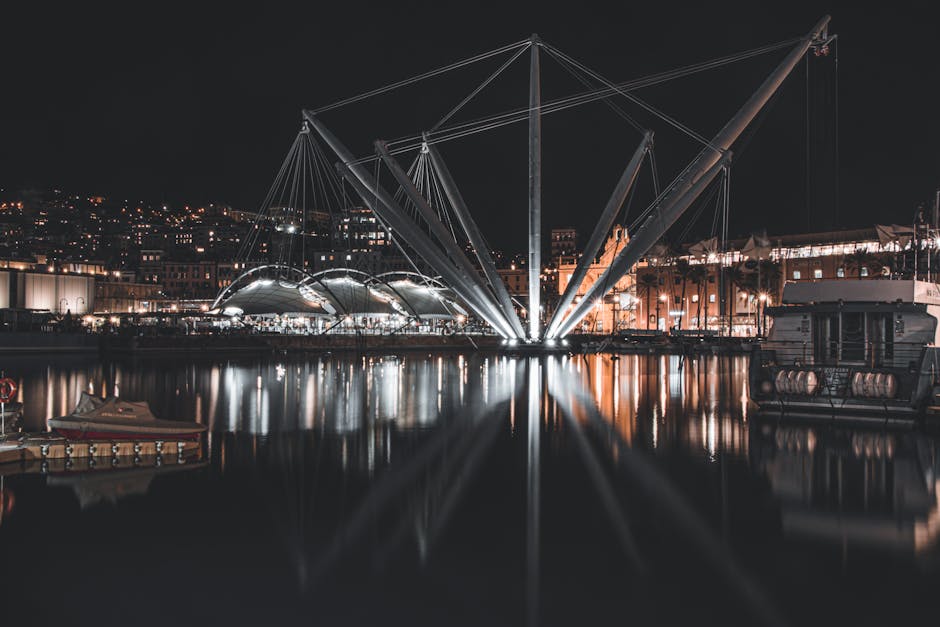
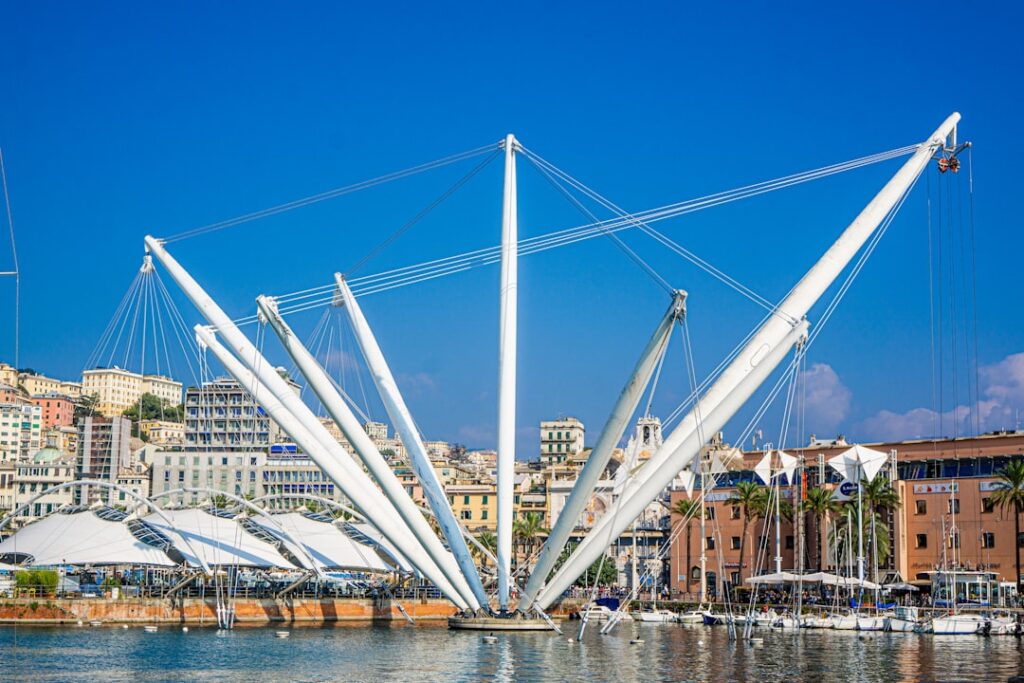
The Bigo, Renzo Piano’s panoramic lift, offers a tech-enabled vantage point: a glass gondola with 360° views over the harbour and city. The installation functions as a high-tech belvedere with explanatory panels and automated photo kiosks. Riding the Bigo at sunset yields spectacular views, while descending at night reveals the illuminated port.
Practical tips:
- Book workshops: for the Città dei Bambini, reserve workshops online, especially during school holidays.
- Do it in one day: plan Città dei Bambini for the morning (less crowded) and Biosfera/Bigo in the afternoon to catch good light and the sunset.
- Accessibility: all these sites are stroller-friendly; the Biosfera has ramps and non-slip floors.
- Food: Porto Antico offers several cafés and restaurants; for a picnic there are benches and green spaces around the quay.
New media trails and temporary installations: digital exhibitions beyond museums
Beyond permanent institutions, Genoa regularly hosts events and temporary installations focused on new media, augmented reality and digital arts. These projects often take place in unconventional spots: port hangars, contemporary art spaces, or even historic façades equipped for video mapping. Local festivals and Porto Antico programming include façade projections, audiovisual concerts and creative workshops where the public can manipulate video signals or sound live.
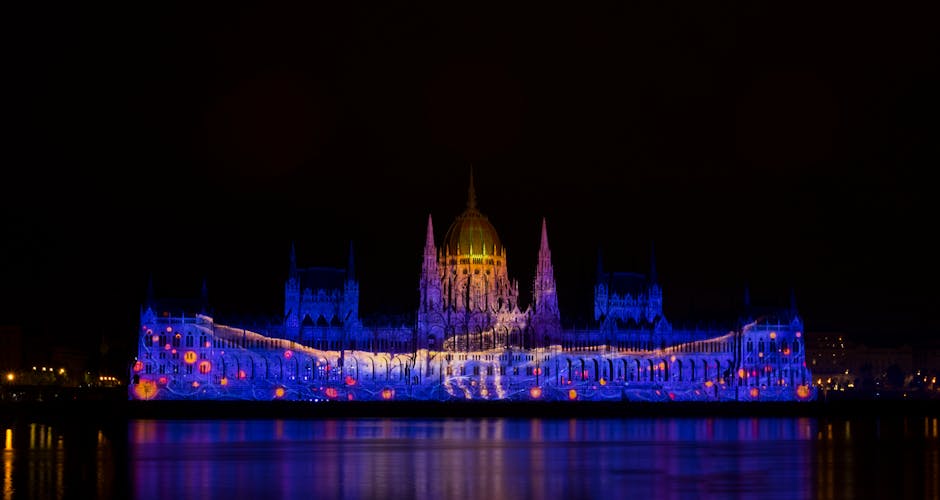
Video mapping installations deserve a special mention: they turn stone and brick of Genoese palaces into giant screens. At certain times, Via Garibaldi or Piazza De Ferrari feature night light trails where visual storytelling draws from archives, historical footage and contemporary testimony. Temporary exhibitions at centres such as Museo d’Arte Contemporanea Villa Croce or Fondazione Palazzo Ducale often integrate interactive elements: tablets to decode works, motion sensors that trigger sound and projection, or full 360° immersive spaces.
Tips for following these trails:
- Check the cultural calendar: look up event schedules (Palazzo Ducale, Porto Antico, Fondazione) to spot temporary and night-time installations.
- Mobile apps: several trails offer a dedicated app with AR features to complement visits; install it in advance and download any offline content if possible.
- Free events: watch for free « light design » and mapping nights, often organized in summer — they deliver spectacular visual experiences without tickets.
- Sound protection: some installations use nearby speakers; bring earplugs for sensitive children.
Logistics and practical advice for visiting high-tech exhibitions in Genoa
Visiting high-tech exhibitions in Genoa takes a bit of planning to fully enjoy interactive features and avoid frustrations (breakdowns, queues, language issues). Here’s a compact set of practical tips from on-the-ground experience:
- Buy tickets online and book time slots: reserve in advance. Busy aquariums and museums often operate on time slots and some VR attractions and simulators have limited space.
- ID and discounts: bring proof (student ID, senior card, family card) to get reduced rates at kiosks or ticket offices — some counters require documentation.
- Transport: Genoa is served by two main stations: Genova Piazza Principe and Genova Brignole. Porto Antico is reachable by bus and tram from the stations; walking from Piazza Principe takes about 20–30 minutes. If you’re on a cruise, the Porto Antico cruise terminal is within easy walking distance.
- Digital accessibility: download official museum apps that often include free audio guides; if you’re traveling with kids, check for English content availability.
- Power and connectivity: pack a power bank: AR/VR apps and map navigation drain batteries fast. Public Wi‑Fi is available at Porto Antico but can be slow at peak times; download content beforehand.
- Photo rules: some interactive installations prohibit photography or video (to protect the visitor experience or IP); follow posted rules.
- Food: bring a small snack to keep energy up if you plan several sites in one day — museum cafeterias often have limited and pricey options.
- Season and weather: in summer, aim for early visits to beat heat and crowds; in winter, check for reduced hours and pick sunny days for Bigo views.
Conclusion: between heritage and innovation — Genoa as a stage for interactive experiences
Genoa pulls off the balancing act of preserving extraordinary maritime heritage while opening it up to contemporary technologies. Interactive, high-tech exhibitions here serve education, emotion and spectacle: from the Acquario di Genova, where you learn marine biology via AR and touch tables, to the Galata Museo del Mare, which recreates life at sea with simulators and an accessible submarine, and to the Città dei Bambini e dei Ragazzi and the Biosfera that turn the port into a living lab. Even temporary installations and video mapping contribute to this momentum, turning squares and façades into narrative, immersive screens.
For visitors, the key is finding the balance between preparation and curiosity. Booking tickets, checking schedules, downloading apps and allowing enough time will help you get the most out of high-tech features without rush. Also tailor your route to your group’s pace: kids will love touch modules and workshops, tech fans will relish simulators and behind‑the‑scenes access, and architecture lovers will enjoy how digital media highlights historic spaces.
Ultimately, visiting Genoa’s interactive exhibitions feels like navigating: it blends planning, careful observation and a willingness to be surprised. The technologies on offer — AR, VR, mapping, sensors and simulators — aren’t mere gimmicks; they extend the storytelling of objects and places, revealing layers of meaning that would otherwise remain hidden. Whether you’re coming for a day from Milan or Nice, or staying longer to explore Liguria, plan at least one immersive experience to see what modern museum life in Genoa looks like. You’ll leave with more than images — you’ll have a deeper understanding of the ties between sea, city and innovation.
Safe travels and happy discoveries: Genoa is ready to show how technology can elevate the past and illuminate the future, one touchscreen, glass gondola or simulator at a time.