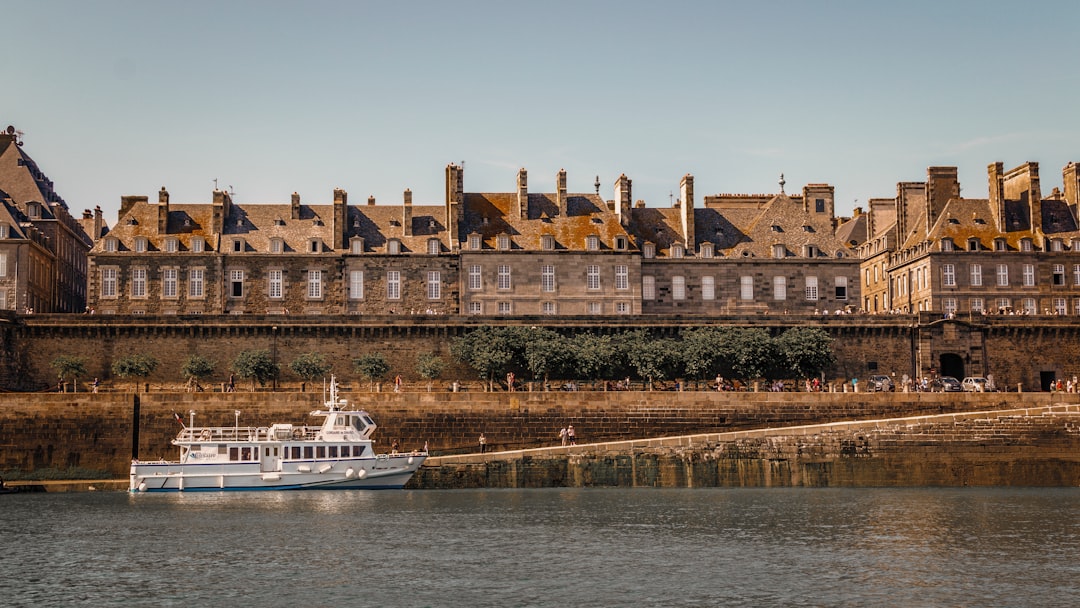






Introduction: Genoa’s maritime heritage museums — a deep dive into the city’s seafaring past
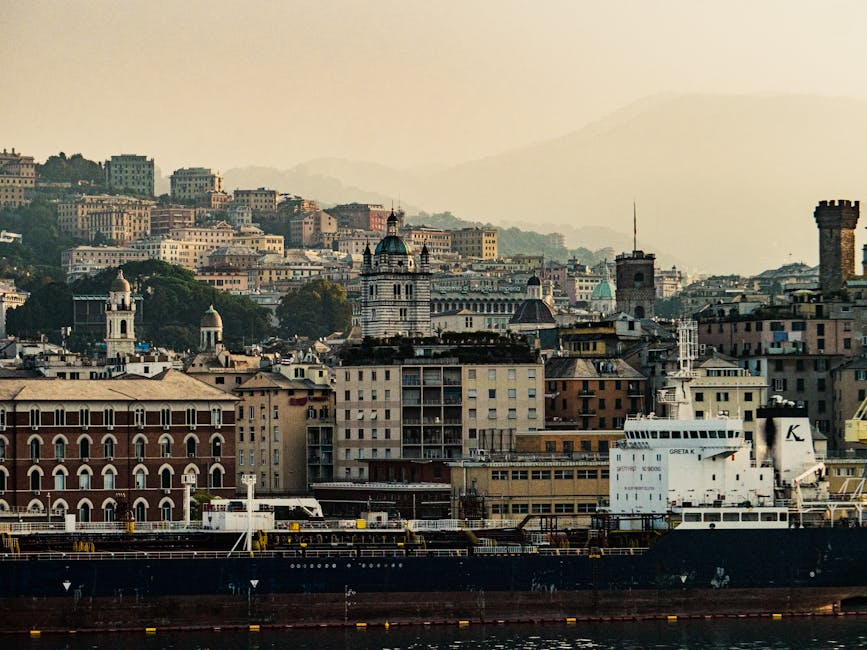
Genoa, the historic capital of Mediterranean merchant shipping and one of Europe’s most influential maritime republics, tells its story above all through the sea. Strolling its narrow streets, following the old harbor and pacing the quays is like reading centuries of trade, conquest, shipbuilding and migration. To truly grasp that ancestral bond between the city and the sea, nothing beats a visit to Genoa’s maritime heritage museums sprinkled across the cultural map: public institutions, museum ships, aquariums and private collections all relay sailors’ lives, shipbuilding techniques, trade routes and the sometimes tragic epics tied to the sea.
In this introduction we’ll set the scene: Genoa’s maritime museums aren’t just boxes of artifacts. They’re immersive spaces where you can step aboard a galleon replica, walk through a submarine’s holds, observe Mediterranean marine biodiversity or leaf through merchants’ logbooks from the 15th century. They connect local history to world history: Genoese naval power, the scramble for trans-Mediterranean trade, the slave trade, cartography and colonial expansion all leave tangible, educational traces here.
Beyond their historical role, these museums act as places of memory for sailors’ families, emigrant communities and sea enthusiasts. They’re also a fertile ground for curious visitors: finely crafted ship models, navigation instruments (astrolabes, sextants), galley plans, marine paintings and photographic archives. Visits often reveal unexpected objects: shipboard cooking gear, uniforms, port rituals, and even fragments collected during underwater explorations.
This article guides you through the main places dedicated to Genoa’s maritime heritage—where to go, opening hours, costs and how to get the most out of each visit. Each section gives a detailed description, exact addresses, typical opening hours, ticket prices and local tips: take the bus or a boat, avoid rush hours, choose a guided tour to better understand the museum staging, and wear comfortable shoes for boarding historic vessels. Whether you’re a curious traveler, an informal researcher, a family with kids or a sailing buff, these sites will feed your curiosity and your camera.
Around town, the proximity of attractions makes walking routes easy: Porto Antico concentrates several highlights while villas and neighborhoods like Pegli or the historic center hide lesser-known treasures. Finally, keep in mind that hours and prices can change with the season or temporary exhibitions: check the museum’s official website before you go, but the information below gives a reliable, immediate framework to prepare your immersion in Genoa’s maritime world.
Galata Museo del Mare: Italy’s largest maritime museum
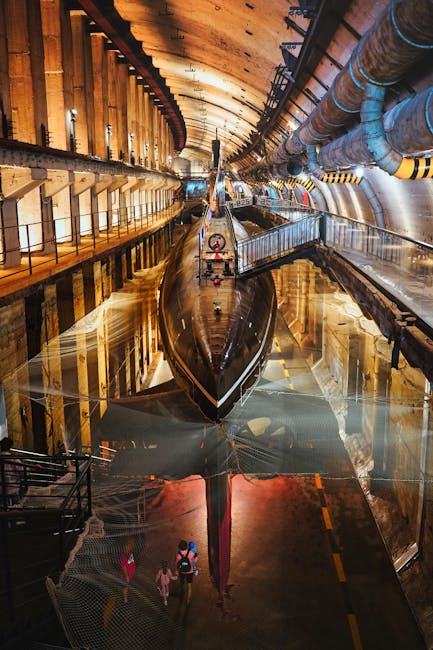
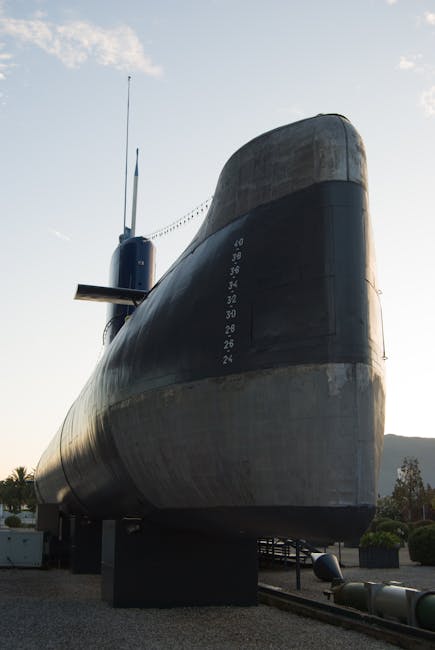
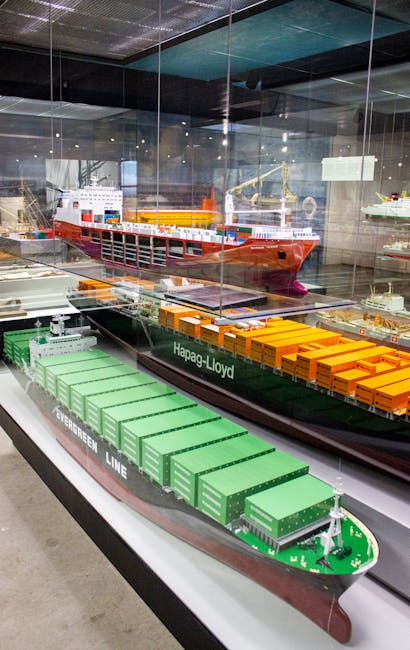
The Galata Museo del Mare is the hub of Genoa’s maritime memory and one of Italy’s most important maritime museums. Address: Calata de’ Tiratori d’Italia, 9, 16128 Genova GE. Housed in the old port arsenal, it offers a chronological and thematic route taking visitors from medieval galleys to modern freighters, covering navigation techniques, exploration narratives and migrations. The museum stands out for its immersive staging: scale models, multimedia screens, reconstructions, and notably the opportunity to visit the submarine Nazario Sauro berthed next to the museum (access subject to conditions).
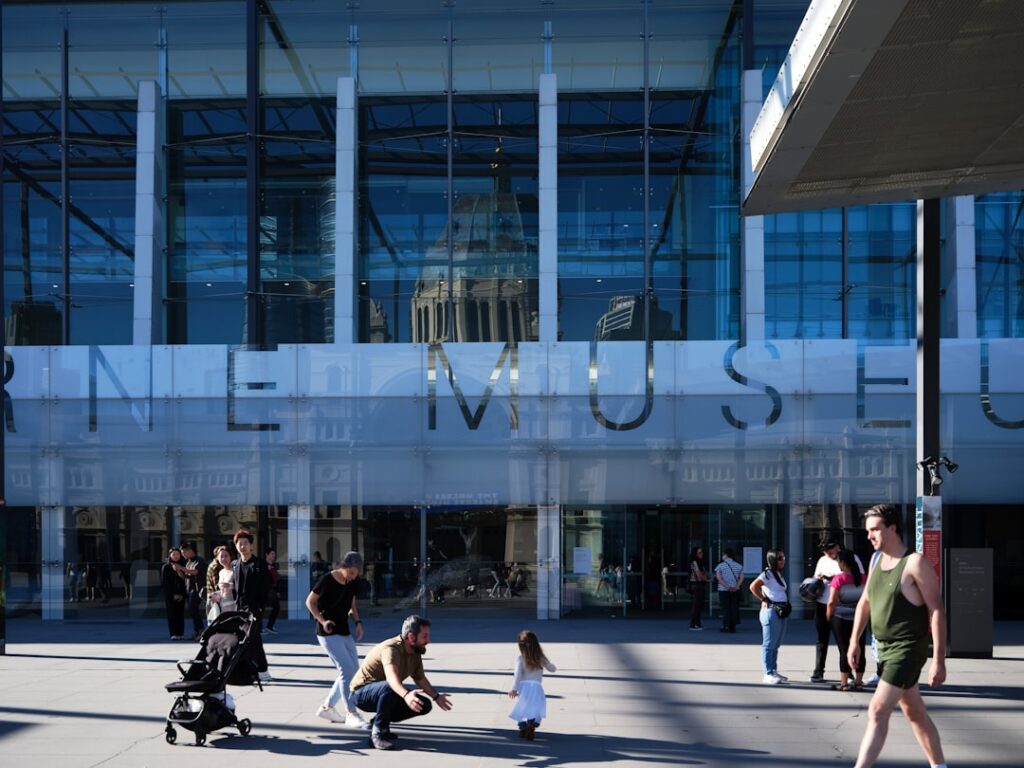
Typical opening hours: Tuesday to Sunday, 10:00 – 18:00; closed Monday (check public holidays and seasonal extensions). Indicative prices: full ticket around €12.00; reduced around €8.00 (students, seniors, groups); combined ticket with the submarine and temporary exhibitions varies (often €15–18). Audio guides in French are sometimes available for the permanent exhibitions.
What makes Galata particularly interesting is the variety of educational formats (models, objects, videos), the reconstruction of a ship’s hold and the spotlight on Mediterranean trade routes. Allow at least 2 hours for a full visit, 3 hours if you include the submarine and temporary exhibitions. To photograph models and ship prows, try to arrive at opening time to enjoy morning light and fewer visitors.
Practical tips: buy tickets online to skip the queue (especially in summer), wear comfortable shoes if you plan to board the submarine, and bring a windbreaker — the quays can be breezy. Parking: several Porto Antico car parks nearby; public transport: accessible from Brignole station by bus or from Principe/Righi station by tram plus a short walk.
 Click here to book your Galata Museo del Mare and submarine visit
Acquario di Genova: marine biodiversity and spectacular staging in Porto Antico
The Acquario di Genova, located in the heart of Porto Antico, is closely tied to the city’s maritime heritage because it showcases the fauna and flora of the sea that shaped Genoa. Address: Ponte Spinola, 5, 16128 Genova GE. Italy’s largest aquarium and one of Europe’s best-known, it features themed tanks, glass underwater tunnels, touch pools and iconic species like sharks, rays, jellyfish and a wide range of Mediterranean and tropical fish.
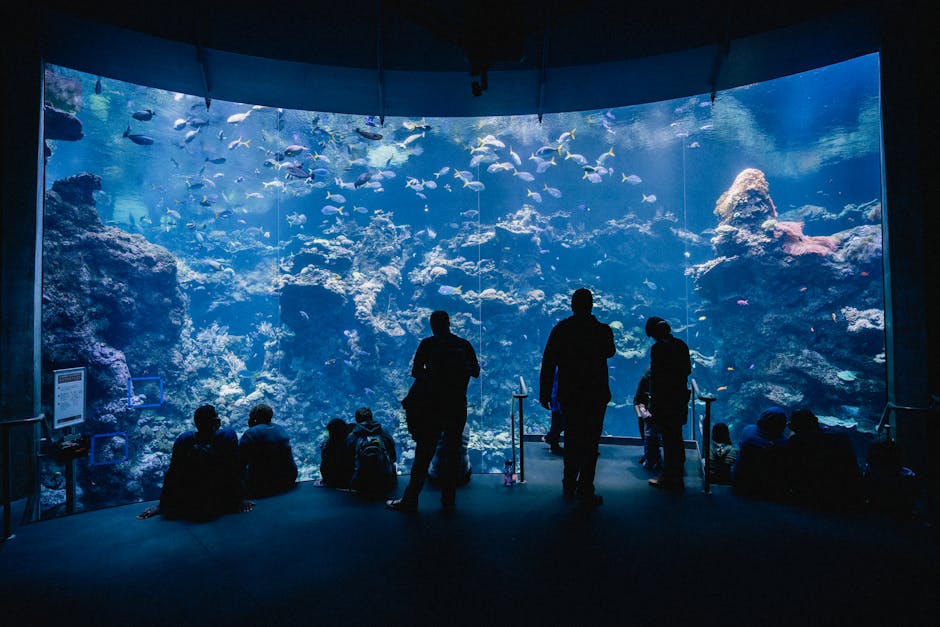
Typical opening hours: daily 9:00 – 19:00 in high season (reduced hours off-season; last entry usually one hour before closing). Indicative prices: adult full ticket around €27.00; reduced (6–12 years) around €19.00; very young children often free or heavily discounted; family rates and combined tickets available. Online reservations recommended; time slots may be enforced.
The visit is immersive and family-friendly: a narrative path through marine life, conservation explanations and rescue programs, plus educational workshops. Expect 2 to 3 hours to see the main tanks at a relaxed pace. The site is stroller-accessible and has elevators, but some areas can be dim or humid — bring a light jacket.
Practical tips: arrive early or late in the afternoon to avoid peak times, and check the workshop schedule if you’re traveling with children. Porto Antico is easily walkable from the old town (10–20 minutes) or reachable by bus/tram from the stations. Several restaurants and viewpoints near the aquarium offer great photo angles, especially at sunset.
Click here to buy your entrance ticket for the Genoa Aquarium
Palazzo Reale – Museo di Palazzo Reale: the shores of art and memory
The Palazzo Reale (Museo di Palazzo Reale) is a palace-museum that, while mainly dedicated to art and Genoese aristocratic life, houses collections and rooms that reflect the close ties between the city’s commercial elite and maritime activity. Address: Via Balbi, 10, 16126 Genova GE. The opulent apartments, decorated salons and art collections illustrate the splendor of the families who financed fleets and established trade routes across the Mediterranean.
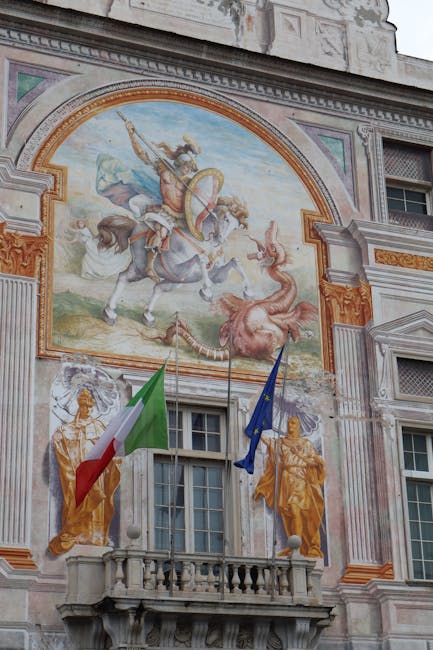
Typical opening hours: usually 9:30 – 19:00, closed some days (check the official website). Indicative prices: full ticket around €10.00; reduced around €6.00–8.00; combined tickets with civic museums sometimes available. The palace offers thematic guided tours, often in Italian but sometimes in English or French depending on the season.
A visit to Palazzo Reale complements strictly maritime visits: here you see how maritime commerce funded art and architecture, and how Genoese homes displayed their power. Cabinets of curiosities and objects brought back from voyages provide a cultural angle on maritime history.
Practical tips: combine Palazzo Reale with a walk along Via Garibaldi (Strada Nuova) and neighboring palaces (Galleria Nazionale di Palazzo Spinola). Buy a combined civic museums pass if you plan several visits in the area to save on tickets and avoid multiple queues.
Click here to book a guided tour of the Palazzi dei Rolli and Palazzo Reale
Museo Navale di Pegli and other small maritime institutions
On the outskirts and in port neighborhoods, several small local institutions and museums complete the national narrative. Among them, the Museo Navale di Pegli (neighborhood naval museum) tells the local maritime story, the coast’s shipyards and fishing traditions. Address (approximate): Pegli, Lungomare Augusto, 16158 Genova Pegli — check the exact address and hours on the local site before you go. These neighborhood museums are often more intimate, with local objects, fisherboat models, photographic archives and emigration stories.
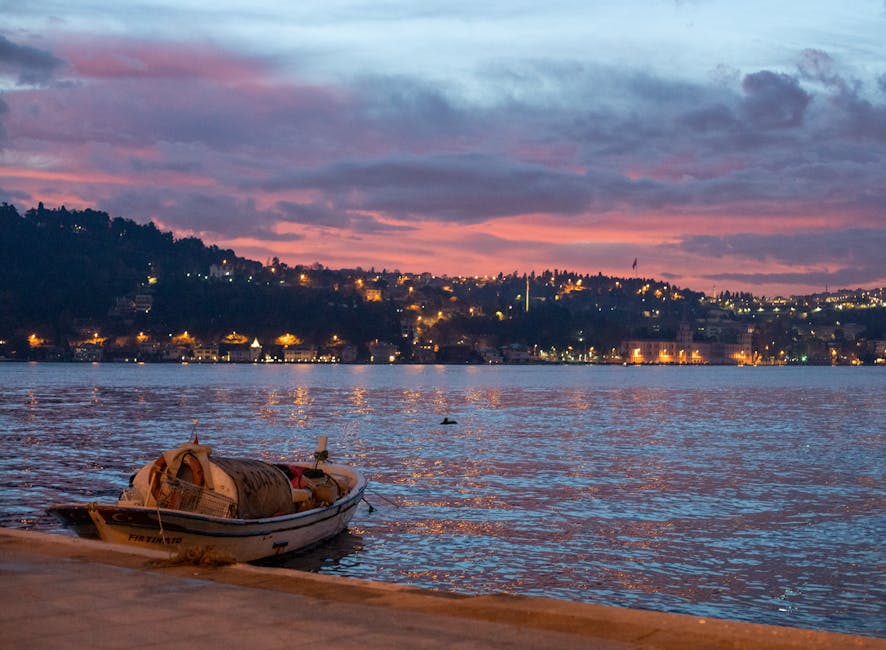
Hours and prices: often reduced hours (e.g. Wednesday to Sunday 10:00–17:00) and modest entry fees (€3.00–€8.00), depending on season and volunteer management. These spaces sometimes offer volunteer guides who share family stories and vanished technical know-how.
What makes these places appealing is their human scale and local storytelling. You’ll find oral testimonies, traditional fishing gear and Italian-language panels explaining fishing routes, memorable storms and culinary traditions tied to the sea.
Practical tips: contact the neighborhood town hall (Municipio VII Ponente for Pegli) or local tourist offices to confirm opening times; combine the visit with a walk on the Pegli Lungomare and a stop at a seafood trattoria to taste Ligurian cuisine.
Conclusion: planning your deep dive into Genoa’s maritime history
Visiting Genoa’s maritime heritage museums is both a material and sensory plunge into the identity of a city shaped by the sea. Between the Galata Museo del Mare, the Acquario di Genova, historic palaces like Palazzo Reale and small neighborhood museums, the itinerary offers a palette of experiences: technological immersion, scientific observation, artistic contemplation and human encounters. To prepare your route well, plan according to your interests—naval technology, biodiversity, social history or art—and always double-check official hours and ticket prices on museum websites before you go.
Allow enough time: 2 to 3 hours for Galata, the same for the aquarium if you want to enjoy it fully; 1 to 2 hours for Palazzo Reale and an hour or two for each small neighborhood museum. Buy tickets online when possible, opt for combined tickets if you plan multiple sites, and consider audio guides or guided tours to deepen specific themes. Porto Antico is the practical starting point: it concentrates the major attractions and simplifies logistics. For outlying museums like those in Pegli, prefer public transport or a tram/bus to arrive stress-free.
Click here to buy a combined Aquarium, Galata and submarine ticket
Finally, respect seasonality: summer brings more events but also larger crowds; the off-season can offer quieter visits and better prices. Take time to savor Genoese seafood in an osteria after your museum stops — a concrete, tasty way to round out your immersion in Genoa’s history. Museums are starting points: between archives, ships, aquariums and palaces, they map routes that enrich your walk through the city and deepen the understanding of a place that for centuries has lived and breathed with the sea.