





Introduction
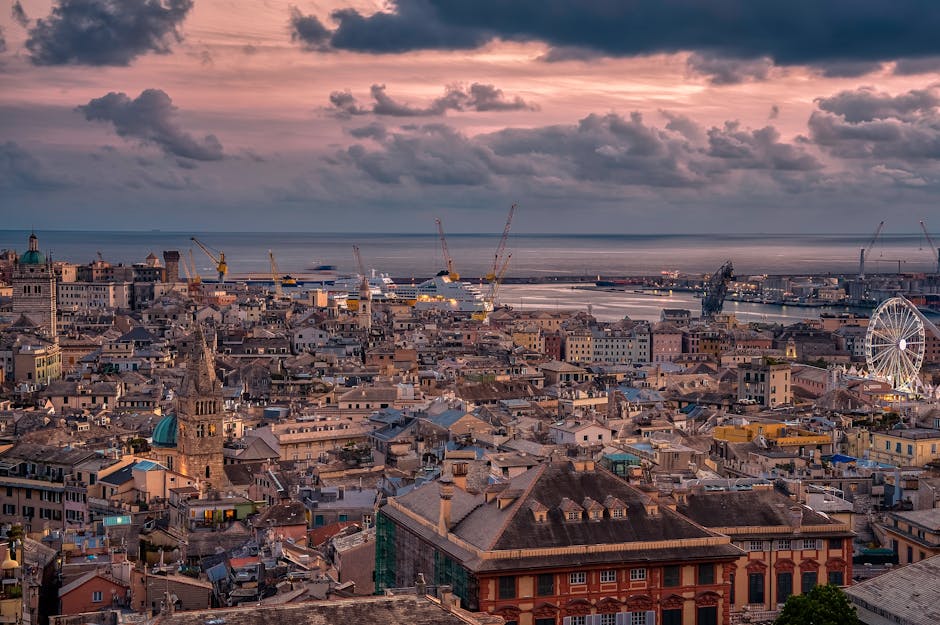
Genoa (Genova in Italian) is a port city that surprises with the density and quality of its cultural heritage. Between Renaissance palaces, maritime museums, contemporary exhibitions and lively seaside neighborhoods, a weekend here unfolds like a sensory stroll where every street corner tells a story. This guide is designed for a 48–72 hour stay: it suggests an itinerary mixing a major temporary exhibition or event at the Palazzo Ducale, a museum deep-dive at the Galata Museo del Mare or the Acquario di Genova, a tour of the Strada Nuova palaces (home to Palazzo Rosso, Palazzo Bianco and Palazzo Doria Tursi), and, to close the day, an aperitivo on the seafront at sunset with a slice of focaccia in one hand and a spritz in the other.
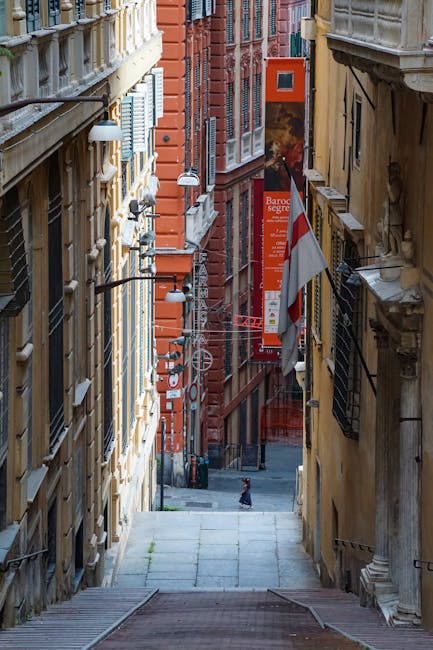
Beyond the headline attractions, Genoa reveals itself in the details: polychrome façades, carved doorways, lavish interiors, and of course the flavors — the famous focaccia Genovese, pesto pasta, and freshly grilled seafood. The historic center, one of the largest in Europe, is a maze of narrow lanes (the « caruggi ») where you’ll pass artisan workshops, small grocers and cozy cafés. That intimate, everyday character makes museum visits a natural complement to wandering: after a morning at an exhibition, losing yourself in the alleys helps bridge high culture and daily life.
This piece not only lays out a detailed route (addresses, opening hours, indicative prices), it also offers practical tips: how to save time with combined tickets, the best times to avoid crowds, where to sip the best aperitivo by the sea, and which temporary shows are worth seeing each season. Practical details (hours and prices) reflect the most recent public information, but do double-check before you travel — temporary exhibits change often, and museums sometimes run evening openings or exceptional closures.
Whether you’re into maritime history, Renaissance art, or simply after an authentic seafront aperitivo, this cultural weekend in Genoa aims to balance intellectual discovery and sensory pleasures. Below you’ll find sections on the major exhibitions and museums, suggested routes, the best spots for a coastal aperitivo and logistical tips to make the most of your stay.
Visiting the Palazzo Ducale and the temporary exhibitions
The Palazzo Ducale (Piazza Matteotti, 9, 16123 Genova GE) is both a civic symbol and a lively cultural hub. Once the seat of the Republic of Genoa’s government, it now hosts large-scale temporary exhibitions, film festivals and conferences. The interior architecture (grand halls, sweeping staircases) provides a spectacular setting for varied shows: contemporary photography, multimedia installations, classical European painting, or historical themes tied to the Mediterranean.
Opening hours: typically open Tuesday to Sunday from 10:00 to 19:00 (closed Monday), though hours can be extended for events and evening openings. Price: a temporary exhibition ticket usually costs around €10–15; combined tickets (exhibition + Museo del Risorgimento or other partners) range around €16–20. Free admission is sometimes available for under-18s and on select Sundays — check the Palazzo Ducale website for current promotions.
Immersive description: enter through the grand façade facing Piazza De Ferrari and climb the wide staircase. Some rooms still retain period decorations that contrast beautifully with contemporary exhibition layouts. Labels are generally bilingual (Italian/English), and staff often provide audio guides or themed guided tours (booking recommended). Temporary shows attract a mixed crowd: tourists, art students, families and curious locals. When a major exhibition is on, the ticket office fills up quickly, especially at weekends.
Practical tips: buy tickets online to avoid queues; aim for a morning visit or late afternoon for a quieter experience; combine your visit with a stroll around Piazza De Ferrari and a coffee at Caffè degli Specchi to soak up the atmosphere. Palazzo Ducale also runs workshops for kids and public talks — if you’re traveling with a group, ask about guided tours in English or other languages.
Galata Museo del Mare: dive into Genoa’s maritime world
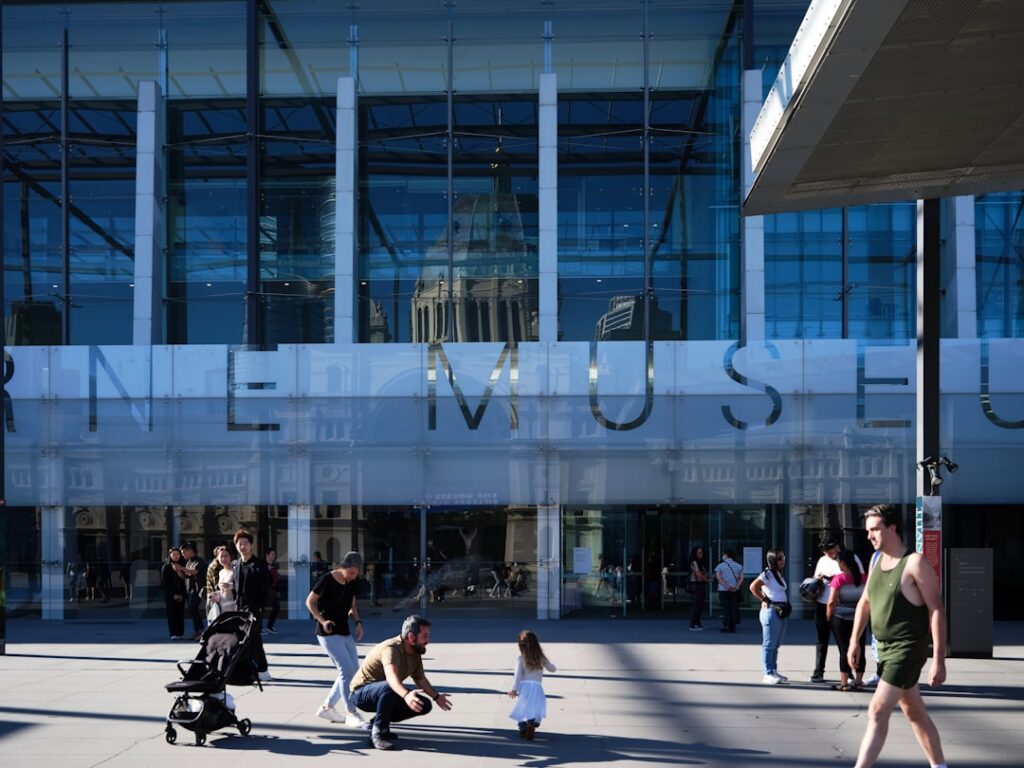
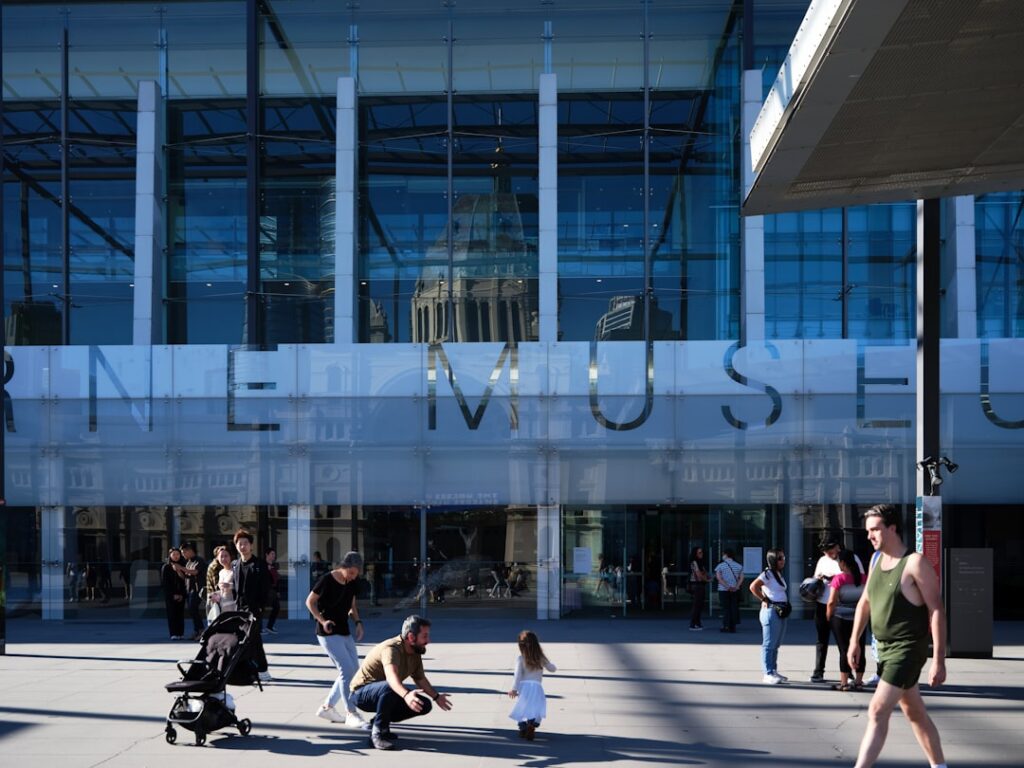
The Galata Museo del Mare is Italy’s largest maritime museum and sits on the historic quay (Calata De Mari, 1, 16126 Genova GE). It’s the ideal place to understand Genoa’s seafaring soul: permanent displays on the history of navigation, ship models, interactive routes that show life at sea, and an immersive reconstruction of a galleon. The museum also houses a historic submarine open to visitors (the Nazario Sauro, when on display) and exhibits focused on migration and Mediterranean maritime routes.
Opening hours: generally open daily from 10:00 to 18:00 (last entry often at 17:00). Price: adult ticket around €14; reduced €9–10 (students, seniors); children 6–12 about €7; free for under-6s. Combined Galata + Aquarium tickets are frequently offered at a reduced rate (around €26–30 depending on season).
Immersive description: start with the historical route on the ground floor, where panels and projections trace Genoa’s maritime rise from the 15th to the 18th century. Move up to the interactive rooms: navigation simulators, recreated cabins, and period navigation instruments. The highlight is visiting the upper deck and, when available, the submarine — a mixture of thrills, mild claustrophobia and a real sense of sailors’ daily life. The museum is especially well suited to families and naval history buffs.
Practical tips: allow 2–3 hours to experience everything unrushed. Buy a combined ticket if you plan to visit the Aquarium the same day. In summer the harbor attracts many visitors — arrive at opening time to beat the crowds. Photographers should favor morning light on the Calata De Mari and the nearby historic lighthouse view.
 Click here to book your combined ticket for the Aquarium, Galata and the submarine
Acquario di Genova and the Porto Antico: marine spectacle and seaside stroll
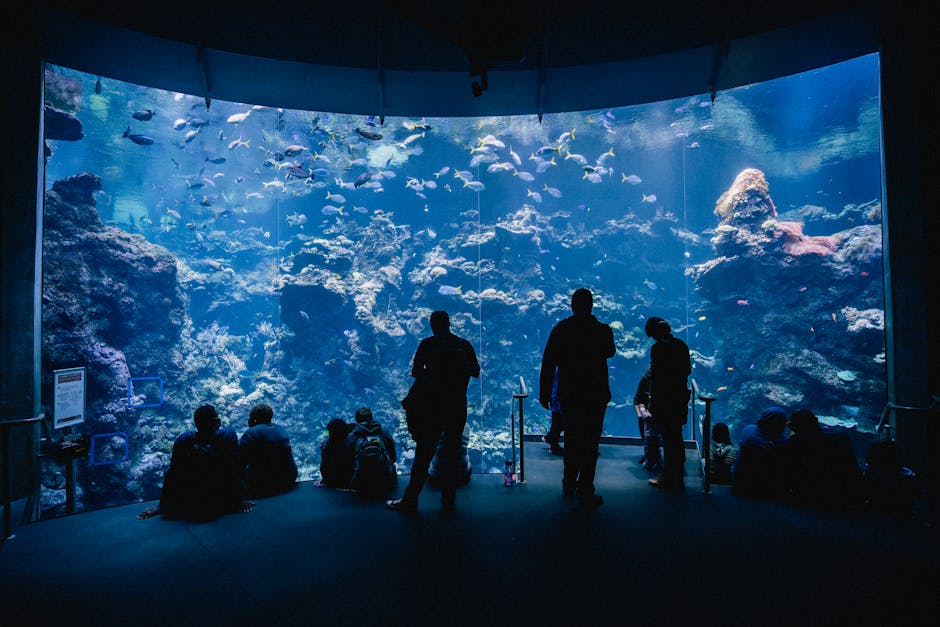
The Acquario di Genova is a must for travelers of all ages and sits within the larger Porto Antico complex (Ponte Spinola, 16128 Genova GE). Designed by Renzo Piano for the 1992 Expo, it features themed tanks — Mediterranean, tropical zones, coral reefs — and iconic species like sharks, penguins, turtles and colorful tropical fish. The aquarium also runs educational programs and conservation awareness initiatives.
Opening hours: usually open daily from 09:00 to 19:00 (times vary by season; may close at 19:30 in high season). Price: adult ticket around €29 (standard); reduced €24 (seniors, students); children 3–12 about €19; free for under-3s; family rates and combined tickets available. Online booking is strongly recommended, especially in summer.
Immersive description: the visit often starts at a large panoramic tank where visitors watch sharks and rays glide around them. The sets, sound design and lighting create an almost theatrical atmosphere. Each themed zone is arranged to tell a story: human impact on the oceans, biodiversity and conservation efforts. Aquarists and detailed scientific panels will appeal to marine enthusiasts.
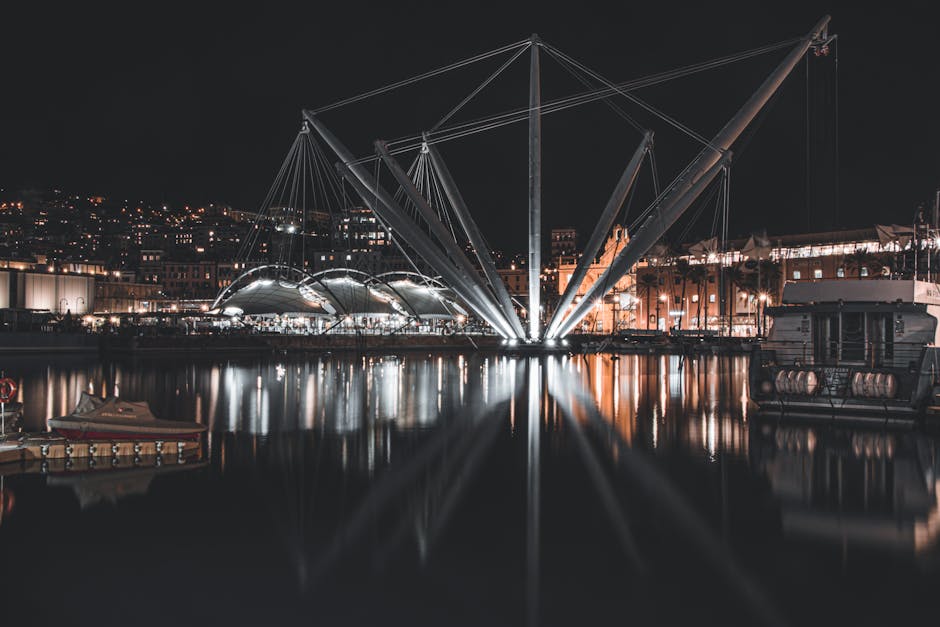
Practical tips: pair the aquarium with a walk around Porto Antico: the Bigo (panoramic elevator), the ascensore panoramico and the Biosfera (tropical greenhouse) are worth visiting. After the aquarium, head to the Porto Antico terrace for a coffee overlooking the boats. In the evening the waterfront comes alive with concerts and food markets — a great prelude to an aperitivo before heading to Boccadasse or Corso Italia.
Click here to buy your ticket for the Aquarium of Genoa
The palaces of Strada Nuova: Palazzo Rosso, Palazzo Bianco and Palazzo Reale
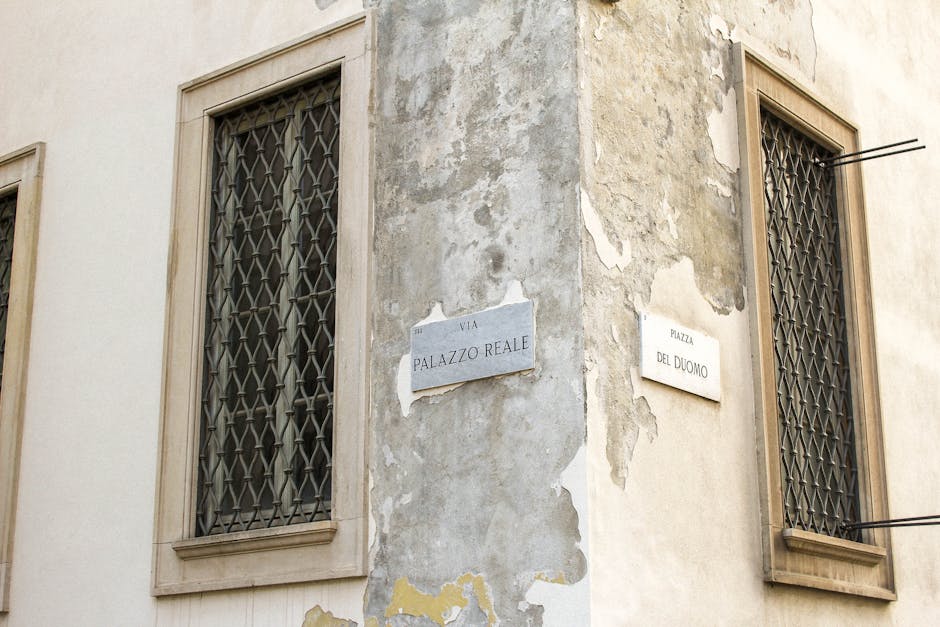
Strada Nuova (Via Garibaldi) is a major draw for art and architecture lovers. Three principal palaces form an exceptional museum ensemble: Palazzo Rosso (Via Garibaldi, 18, 16124 Genova GE), Palazzo Bianco (Via Garibaldi, 18, 16124 Genova GE — numbering sometimes groups the museums on the same street) and Palazzo Doria Tursi (Via Garibaldi, 9, 16124 Genova GE), part of the civic museums and home to a room dedicated to Giuseppe Verdi in some sections. Nearby, the Palazzo Reale (Via Balbi, 10, 16126 Genova GE) completes the offer with lavishly decorated historic apartments.
Opening hours: generally the Musei di Strada Nuova (Palazzo Rosso, Palazzo Bianco, Palazzo Doria Tursi) are open Tuesday to Sunday from 09:00 to 19:00 (last entry at 18:30); Palazzo Reale is often open Tuesday to Sunday 09:00–19:00. Price: combined ticket for the Musei di Strada Nuova around €12–16; single-entry tickets €7–10; Palazzo Reale roughly €8–12. Reductions for students and seniors; occasional free access for young people.
Immersive description: visiting Strada Nuova is best done on foot, starting early to enjoy the rooms without crowds. The palaces present varied collections — Italian and Flemish paintings, furniture, tapestries and decorated salons — that reflect the central role Genoese aristocratic families played from the 15th to the 18th centuries. The staircases, balconies and inner gardens of Palazzo Reale astonish with their ornamentation and views over the city.
Practical tips: allow 3–4 hours if you plan to see two palaces; opt for a combined ticket to save money. Audio guides are often available in several languages. Between visits, stop at Panificio Mario (several locations around the center) for a shared focaccia — the perfect fuel for the rest of your day. Also consider climbing nearby viewpoints for a panoramic take on Genoa and its port.
Click here to book a guided tour of the Palazzi dei Rolli
Seaside aperitivo: Boccadasse, Corso Italia and Porto Antico
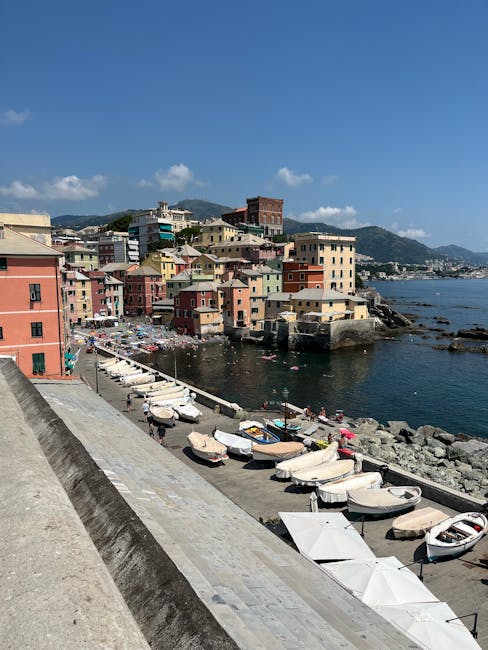
Aperitivo time in Genoa is sacred: it’s when the city slows down and people share drinks and snacks facing the sea. Three spots stand out for a memorable apéro: Boccadasse (a historic fishing neighborhood reachable from Corso Italia), Corso Italia (a long seaside promenade), and the Porto Antico near the Aquarium. Boccadasse, with its little bay and colorful houses, is the most picturesque; Corso Italia offers a longer, livelier walk; Porto Antico blends proximity to attractions with a selection of bars and restaurants.
Addresses and suggestions: for a traditional aperitivo, try Le Rune Bistrot (Via Sestri Ponente area; check the exact address locally) or the bars along Ponte Spinola in Porto Antico. In Boccadasse, try Bar Mangini (Piazza Nettuno area) — perfect for a spritz with a slice of focaccia. On Corso Italia, the Chiringuito and seasonal kiosks serve cocktails and seafood platters.
Hours and prices: aperitivo time is usually between 18:00 and 21:00. Prices: spritz around €6–9; a glass of wine €4–8; a mixed platter (charcuterie, cheeses, focaccia) between €10 and €18 depending on the venue. Expect slightly higher prices in Boccadasse due to its tourist charm.
Practical tips: arrive just before sunset (roughly 19:30–20:30 depending on season) to secure a terrace seat; check the weather — wind can make the coast chilly at dusk; to find somewhere quieter, avoid weekend evenings in high season. Bring cash: some small neighborhood bars prefer notes. And don’t forget the focaccia Genovese — it pairs perfectly with a drink and is sold at nearly every bakery along the waterfront.
Practical tips for organizing a successful weekend
Planning a cultural weekend in Genoa takes a bit of organization to maximize time without sacrificing relaxation. Here are concrete, local and logistical tips to help you get the most out of your trip.
- Where to stay: choose central accommodation in the Centro Storico or near Piazza De Ferrari to be within walking distance of the main museums. Recommended hotels include Hotel Bristol Palace (Piazza della Vittoria 6) and NH Collection Genova Marina (Ponte dei Mille 1) for those wanting to be close to the port.
- Getting around: the center is best explored on foot. To reach farther spots (Boccadasse, Nervi), use the ACT buses (single ticket ~€1.50). The Zecca-Righi funicular offers a panoramic climb to the hills (single fare €1.50–2).
- Tickets and reservations: book the Acquario di Genova and the Galata in advance to skip queues. For Palazzo Ducale exhibitions, check for evening openings and exceptional closures. Regional museum cards (Genova Card) can be good value if you plan to visit several sites.
- Opening hours: most museums open between 09:00 and 10:00 and close between 17:00 and 19:00. Schedule museum visits in the morning and leave afternoons for wandering, shopping and aperitivo.
- Language: Italian is the local language, but museum staff often speak English; bring a guide or translation app if you’d like deeper information in another language.
- Food: try focaccia Genovese, pesto alla Genovese, pansotti and seafood. For a quick lunch, small trattorie and « tripperie » in the center serve generous portions at reasonable prices.
- Safety and good practices: as in any major tourist city, watch out for pickpockets in busy areas (train station, Porto Antico). Keep passports and phones in zipped pockets and avoid leaving valuables on tables while you sit outside.
Click here to buy a 24/48/72-hour City Pass for Genoa
Click here to join a food tour with a local
Sample itinerary for a weekend (48–72 hours)
Here’s a suggested plan to get the most out of two to three days in Genoa. Times are indicative and can be adjusted to suit your pace.
Day 1 — Morning: start on Strada Nuova and visit Palazzo Rosso and Palazzo Bianco (09:00–13:00). Quick lunch in the caruggi with a focaccia (12:30–13:30). Afternoon: walk to the Palazzo Ducale and see the temporary exhibition (14:30–17:30). Evening: aperitivo at Porto Antico and dinner in the harbor area (19:00–21:30).
Day 2 — Morning: Galata Museo del Mare (10:00–13:00), followed by lunch in the port. Afternoon: Acquario di Genova and a visit to the Biosfera or a ride on the Bigo for views (14:30–17:30). Evening: head to Boccadasse for a seaside aperitivo and a fresh seafood dinner (19:30–22:00).
Day 3 (optional) — Morning: Palazzo Reale and its gardens (09:30–12:00). Afternoon: stroll along Corso Italia, hit the beach or visit the Castello d’Albertis – Museo delle Culture del Mondo (Corso Dogali, 18) for panoramic port views and ethnographic collections (time permitting).
Timing tips: adapt visits to the weather; in summer prioritize early mornings for museums to avoid heat and crowds. Book dinners in advance, particularly in Boccadasse where terrace seating is limited.
Conclusion
A cultural weekend in Genoa offers a rare balance of deep history, lively museums and relaxing moments by the sea. Between the exhibitions at the Palazzo Ducale, the interactive maritime immersion at the Galata Museo del Mare, the underwater magic of the Acquario di Genova and the elegance of the palaces on Strada Nuova, you’ll have a rich and varied palette of experiences. Each visit brings a different perspective: political and civic history at Palazzo Ducale, the port’s soul at Galata, biodiversity and conservation at the Aquarium, and aristocratic splendor along Via Garibaldi.
The practical recommendations above will help you build a smooth itinerary: book online to skip lines, use combined tickets to manage your budget, pick the best times to enjoy sites, and of course make time for that iconic seaside aperitivo. Whether you’re traveling solo, as a couple, with family or a small group, Genoa adapts well: museums, exhibitions, strolls and seascapes can be woven together comfortably over 48 or 72 hours.
Before you go, double-check official opening times and admission fees for the museums mentioned: Palazzo Ducale (Piazza Matteotti, 9), Galata Museo del Mare (Calata De Mari, 1), Acquario di Genova (Ponte Spinola), Palazzo Rosso and Palazzo Bianco (Via Garibaldi), Palazzo Reale (Via Balbi, 10). The prices given are typical ranges (€10–30 depending on site and ticket type), but special offers or seasonal discounts may apply. Finally, leave space for the unexpected: a lane that tempts you to stop, a craft shop, a viewpoint with an unexpected sunset. Genoa isn’t just a city to see — it’s a city to feel — and your cultural weekend will be all the better if you balance curiosity, slowness and sensory enjoyment.