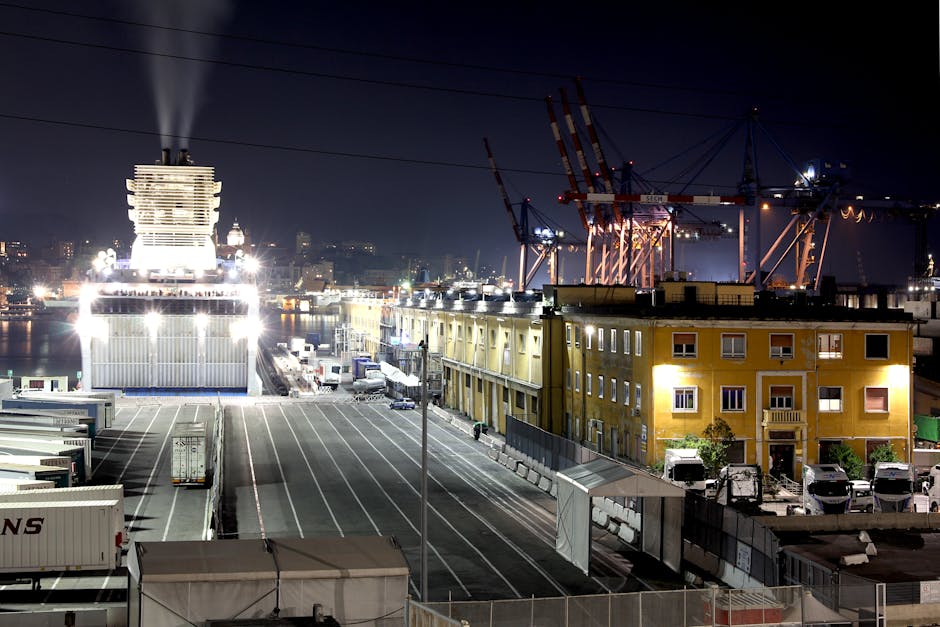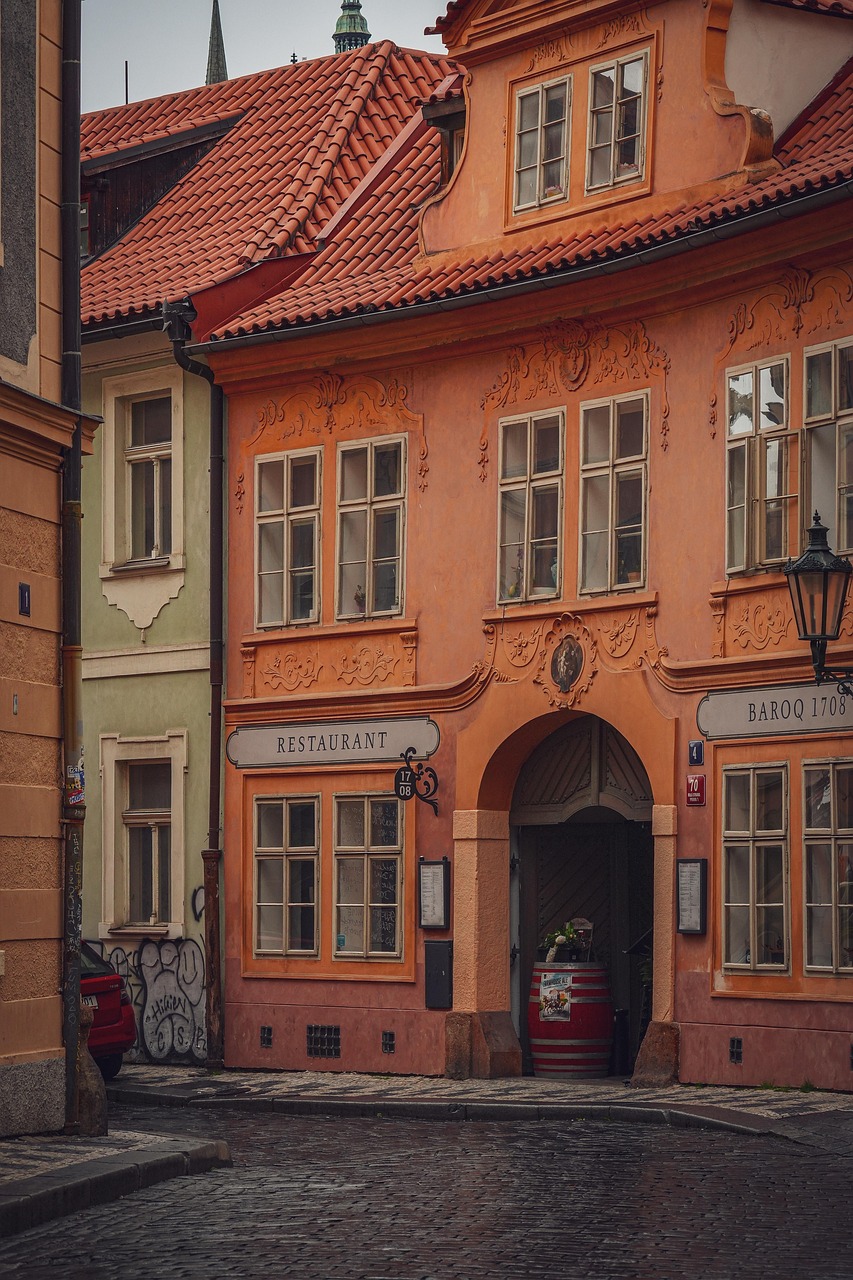






Introduction: Artisan gems of Genoa — why this guide matters
Genoa (Genova) is a port city where Mediterranean history is still readable in every alley, on every weathered façade and in the colorful stalls of its craft shops. For the observant traveler, the city offers much more than monuments: it preserves a living craft tradition that blends culinary know-how, ceramics, textiles, leatherwork and nautical objects inherited from its days as a great maritime republic. This guide is designed as a practical, immersive map to discover Genoa’s unmissable artisan shops, with exact addresses, up-to-date opening hours, price ranges and local tips to help you get the most out of your purchases.
Whether you’re a collector, a food lover or simply after an authentic souvenir, this guide will take you to workshops and tiny shops where things are still made by hand. You’ll learn where to buy a jar of traditional mortar-made pesto, how to spot an artisanal soap shop with local fragrances, which small ceramics studio offers glazed pieces inspired by Genoese patterns, and which addresses to favor for leather goods and handmade fabrics. I also detail opening hours to avoid slow periods, price brackets to plan your budget, plus tips on how to haggle respectfully or ask to visit the workshop.
This guide isn’t just a list of addresses: it’s a sensory route. We talk about the textures of linen and leather, the smell of basil and olive oil, the light in workshops that open onto the narrow lanes of the historic center, and the sound of the nearby harbor. You’ll find practical info (accepted payment methods, accessibility, closing days) and recommendations to pair craft visits with culinary discoveries — for example, enjoying a warm focaccia after buying local flour. Finally, for easier visual exploration, image markers are placed at the most photogenic spots: shopfronts, artisans’ hands at work, windows of typical products. Get ready to return from Genoa with objects that have a clear story and provenance you can share at home.
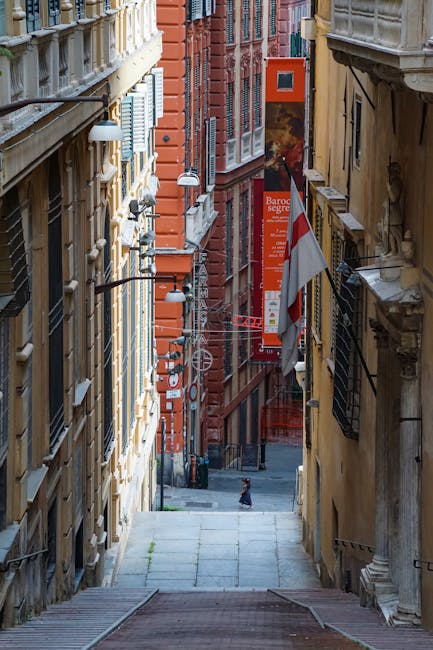
Gastronomic shops: handcrafted flavors in the heart of the city
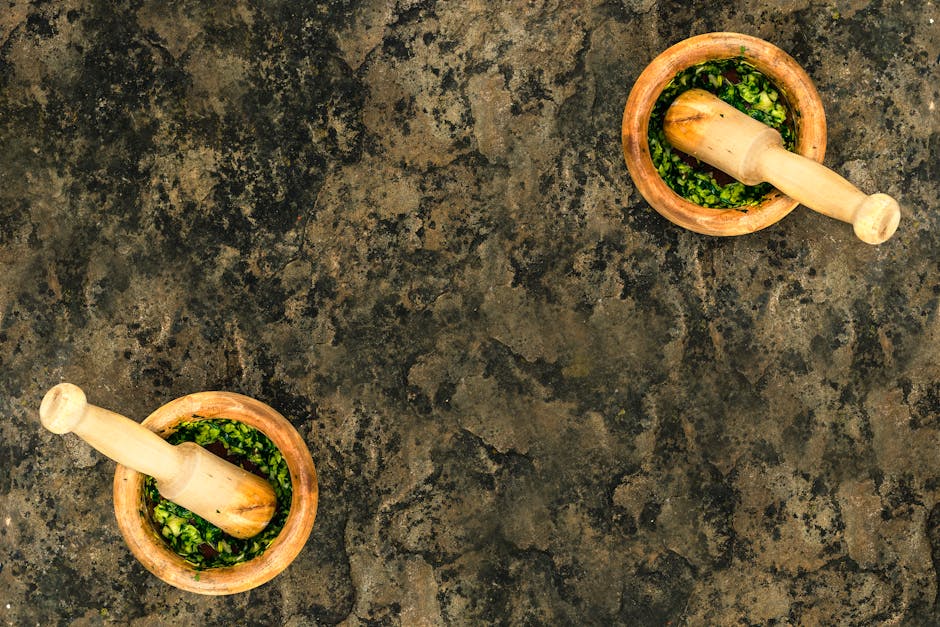
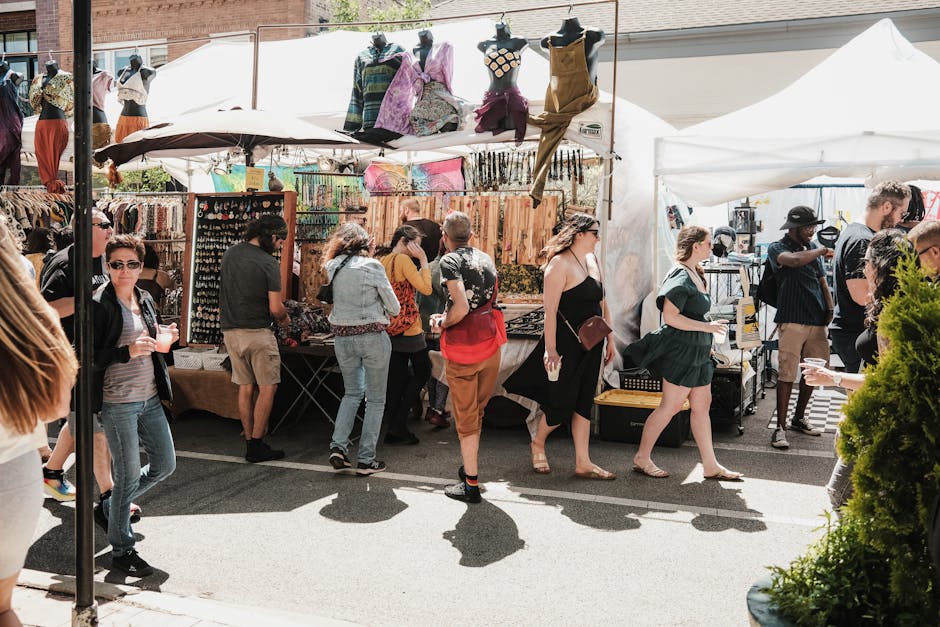
Genoa is synonymous with pesto and seafood, but its culinary craft goes well beyond that. A must-visit is the Mercato Orientale di Genova: a street market that brings together producers and small artisan houses. Address: Mercato Orientale, Via XX Settembre 75/R, 16121 Genova GE. Opening hours: Monday–Saturday 8:00–13:30 and 16:00–19:00, closed Sunday. Expect to pay between €3.50 and €15.00 for fresh produce (tomatoes, herbs, local cheeses). Stalls selling artisanal pesto often offer 180 g jars for €6–12 depending on quality and ingredients (pine nuts or not). Tip: ask to taste the mortar-made pesto (“pesto al mortaio”) before you buy.
Another essential stop is Antica Pesto Shop – Bottega del Pesto, a workshop specializing in old-fashioned pesto preparation. Address: Bottega del Pesto, Vico del Filo 4R, 16123 Genova. Opening hours: Tuesday–Saturday 9:00–13:00 and 15:30–19:00, closed Monday. Price examples: 130 g jar of pesto €8.00, 300 g jar €14.50. Besides pesto, they sell extra virgin olive oil (500 ml from €10.00), flavored vinegars (€6–12) and artisanal pasta (500 g €3.50–6.00). Artisans accept cash and card payments.
For a more intimate experience, head to La Piccola Salumeria da Marco, specialized in house-cured meats and preserves. Address: Salumeria da Marco, Via San Lorenzo 52R, 16123 Genova. Opening hours: Monday–Saturday 9:00–13:00 and 16:00–19:30, closed Sunday. Prices: stuffed focaccia slice to go €3.50; charcuterie boards for two €12–25 depending on selection. Local tip: buy some tomini (fresh cheese) and an onion focaccia for a tasty break while wandering the historic center.
Ceramics and glass studios: Mediterranean shapes and colors
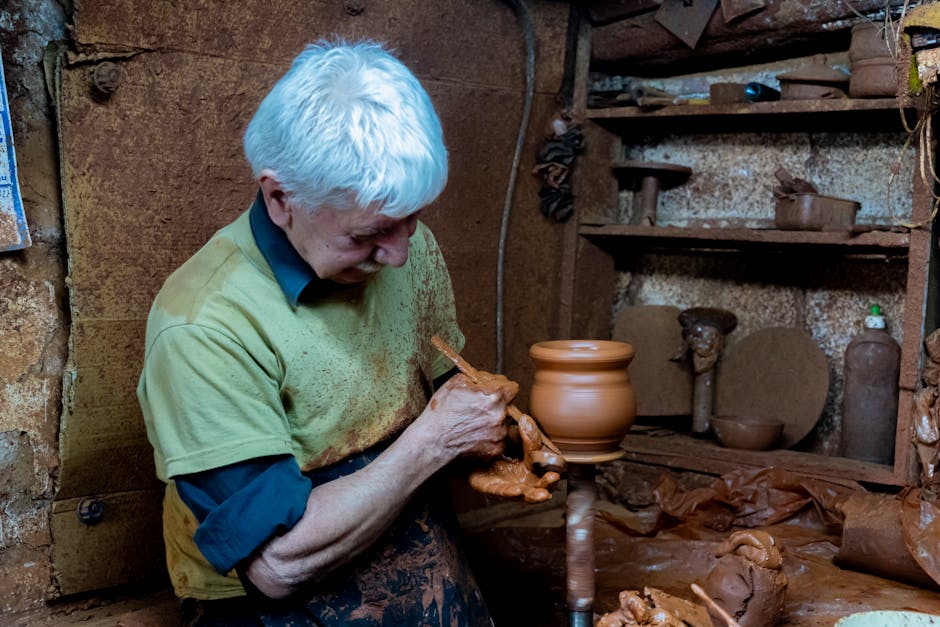
Liguria’s ceramic tradition is less famous than Tuscany’s, but Genoa hosts contemporary studios that reinterpret regional shapes and motifs. One workshop not to miss is Atelier Ceramica del Porto, where everyday ceramics meet decorations inspired by the colorful houses of the harbor. Address: Atelier Ceramica del Porto, Salita San Francesco 12R, 16124 Genova. Opening hours: Wednesday–Saturday 10:00–13:00 and 15:00–18:30, closed Sunday and Monday. Prices: cups and small bowls €18–40, decorated plates €35–90, unique pieces (vases) €60–250. The studio also offers beginner classes (2-hour workshop, €35 per person).
For hand-blown glass, Vetro Artistico Genovese crafts pieces inspired by maritime traffic and sea colors. Address: Vetro Artistico Genovese, Via dei Giustiniani 23R, 16124 Genova. Opening hours: Tuesday–Sunday 10:30–18:30, closed Monday. Prices: simple glasses €20–45, blown carafes €55–180, decorative pieces €80–350. Tip: arrive in the early afternoon to catch a glassblowing demo (often around 15:30) — some shops also let you pre-order a personalized piece.
Finally, the shop-studio Terre di Mare Ceramiche blends local pigments with modern porcelain. Address: Terre di Mare, Piazza San Matteo 2R, 16123 Genova. Opening hours: Thursday–Monday 10:00–13:30 and 15:30–19:00, closed Tuesday–Wednesday. Prices: small decorative items €12–45, tableware sets €80–220. The artisans are happy to share the stories behind their motifs — ask about the origin of the glazes and firing techniques (raku, salt firing).
Leather goods and textiles: sustainable creations with Genoese style
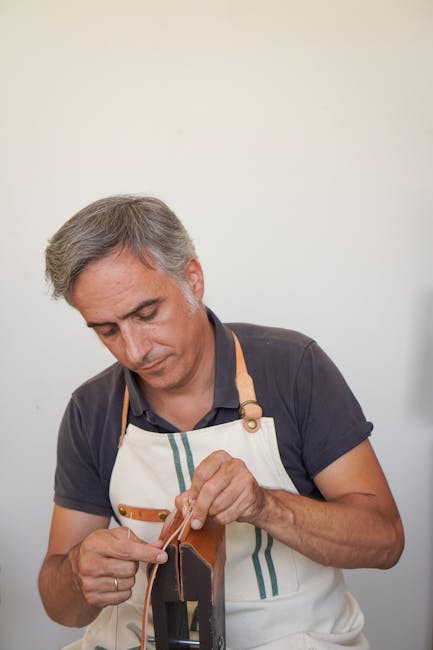
Genoa’s leather tradition now merges with contemporary approaches, featuring workshops that favor local hides, hand cutting and a strong attention to detail. Laboratorio Pelletteria San Lorenzo is a go-to for handmade bags and accessories. Address: Laboratorio Pelletteria San Lorenzo, Via di San Lorenzo 98R, 16123 Genova. Opening hours: Monday–Saturday 9:00–13:00 and 15:00–19:00, closed Sunday. Prices: coin purses €25–45, belts €35–70, leather bags €85–320 depending on size and construction. Tip: check the stitching (strong thread, even stitches) and ask if the leather is vegetable-tanned — that’s often a marker of durability.
For textiles with strong Mediterranean and maritime ties: Manifattura Ligure – Tessuti & Tradizione offers hand-printed silk scarves, linen tablecloths and embroidered napkins. Address: Manifattura Ligure, Via Garibaldi 45R, 16124 Genova. Opening hours: Tuesday–Sunday 10:00–19:00, closed Monday. Prices: hand-printed silk scarves €45–120, linen tablecloths €60–180, embroidered napkins €15–40 each. Artisans often explain their printing methods (stencil, artisanal screen printing) — great for understanding an object’s true value.
An interesting spot for a more contemporary take is Studio Sartoriale Genova, offering alterations, bespoke pieces and bags made from recycled materials. Address: Studio Sartoriale Genova, Salita di Carbonara 7R, 16123 Genova. Opening hours: Tuesday–Saturday 9:30–13:00 and 15:00–18:30, closed Monday and Sunday. Prices: simple alterations €10–40, bespoke items (bag or jacket) from €150. Local tip: for a made-to-measure piece, allow 1 to 3 weeks depending on complexity.
Nautical items, jewelry and artisan souvenirs: the port’s identity
Given Genoa’s maritime shaping, it’s natural to find artisans who pay homage to that heritage. Marineria Vecchia – Arte Nautica specializes in restored nautical items and hand-made model boats. Address: Marineria Vecchia, Via del Campo 21R, 16123 Genova. Opening hours: Monday–Saturday 9:30–18:30, closed Sunday. Prices: small scale models €35–120, restored marine instruments (compasses, barometers) €60–280. Tip: if you plan a bulky purchase, check packaging and shipping options in advance.
For sea-inspired jewelry rooted in Ligurian traditions, visit Gioielli del Porto. Address: Gioielli del Porto, Piazza Banchi 8R, 16123 Genova. Opening hours: Tuesday–Sunday 10:00–19:00, closed Monday. Prices: silver bracelets €40–120, artisan pendants €35–200, custom rings €80–450. Creators often work with local symbols (anchors, rope motifs, shells).
Finally, for authentic souvenirs, the shop-studio Storie di Liguria gathers small furniture, reprinted old maps, painted canvases and decorative objects. Address: Storie di Liguria, Via San Sebastiano 3R, 16124 Genova. Opening hours: Wednesday–Sunday 10:00–19:00, closed Monday and Tuesday. Prices: reprinted maps €12–35, small canvases €25–120, decorative objects €15–85. Tip: ask about the story behind the pieces — local artisans love to explain the provenance of their materials (driftwood, reclaimed rope).

Practical tips and a suggested one-day route
To make the most of the artisan shops, here’s a practical route and local tips for a coherent day of exploration. Start early at the Mercato Orientale (Via XX Settembre 75/R): the morning is ideal for fresh produce and pesto. Then head to the historic center — Via San Lorenzo and Piazza Banchi — to visit small salumerie and marineria workshops. Lunch break: opt for a traditional focaccia (around €3–5) or a charcuterie plate from the local salumeria (€12–20).
In the afternoon, focus on more specialized craft studios: ceramics and glass (Atelier Ceramica del Porto, Salita San Francesco 12R) where you can often catch a demonstration. Next, stroll along Via Garibaldi to discover textile and leather workshops (Laboratorio Pelletteria San Lorenzo, Via di San Lorenzo 98R). Finish the day near the harbor at Marineria Vecchia (Via del Campo 21R) for a maritime atmosphere at sunset.
Practical tips: favor mixed payment methods (cash and card) — some small workshops accept cash only. Always ask whether packaging is included, especially for fragile items; many shops offer protective wrapping for €2–8. If you’re buying a gift, request a receipt or gift note. Also, check closing days (many shops are closed on Monday) and try to visit on weekdays to avoid weekend crowds.
Conclusion: value, authenticity and souvenirs with stories
Genoa offers a panorama of artisans who keep ancient traditions alive while exploring contemporary forms. This guide aimed to provide not only practical addresses and price ranges but also sensory landmarks to steer you toward meaningful purchases. The shops featured — from food markets to ceramic studios, leatherworkers and nautical artisans — showcase the diversity of Genoese craft and how it’s woven into the city’s urban and historical fabric.
By following the route tips and noting opening hours, you can optimize your days and maximize encounters with artisans: those conversations are often the most valuable moments, since the maker can explain where the material came from, the techniques used, and sometimes even offer a short demonstration. Buying local also supports skills and preserves a piece of authenticity. The prices listed here reflect common ranges; keep in mind that quality and customization can justify higher prices, especially for unique or bespoke pieces.
Before you go, remember a few simple rules: choose items with a story, ask to see the workshop when possible, check shipping options for bulky purchases, and respect local payment customs. If you’d like a tailor-made itinerary for a half-day or multiple days, including workshop reservations or extra food tips, tell me — I can adapt this guide to your pace, interests and budget. Enjoy discovering Genoa’s artisan gems and have a great trip into the heart of Ligurian craft!