





Introduction: Genoa, the Palazzi dei Rolli and the soul of a merchant republic
The city of Genoa (Genova) is an urban puzzle: a historic port, a maze of medieval alleyways and a dazzling baroque façade. At the heart of its identity lie the Palazzi dei Rolli — a string of private palaces built mostly in the 16th and 17th centuries, listed as a UNESCO World Heritage site in 2006. Originally these palaces were part of a unique public system: the « Rolli » were official lists of residences designated to host distinguished guests visiting the Republic of Genoa. Far from being mere houses, these palaces are architectural and social statements, shop windows of mercantile power and microcosms where art, commerce, diplomacy and daily Genoese life intertwined.
To understand why the Palazzi dei Rolli tell the story of Genoa is to read a history woven from stone, marble, frescoes, woodwork and art collections that mirrors the trajectory of a city-state. These palaces, mainly lining the famous Via Garibaldi (formerly Strada Nuova) and scattered through the historic center, mark Genoa’s shift from a medieval town to a Mediterranean trade capital. They testify to the rise of merchant aristocracy families (Doria, Spinola, Grimaldi, Brignole Sale, Balbi) who, thanks to maritime wealth, built residences where artistic display was not idle luxury but a political and economic language.
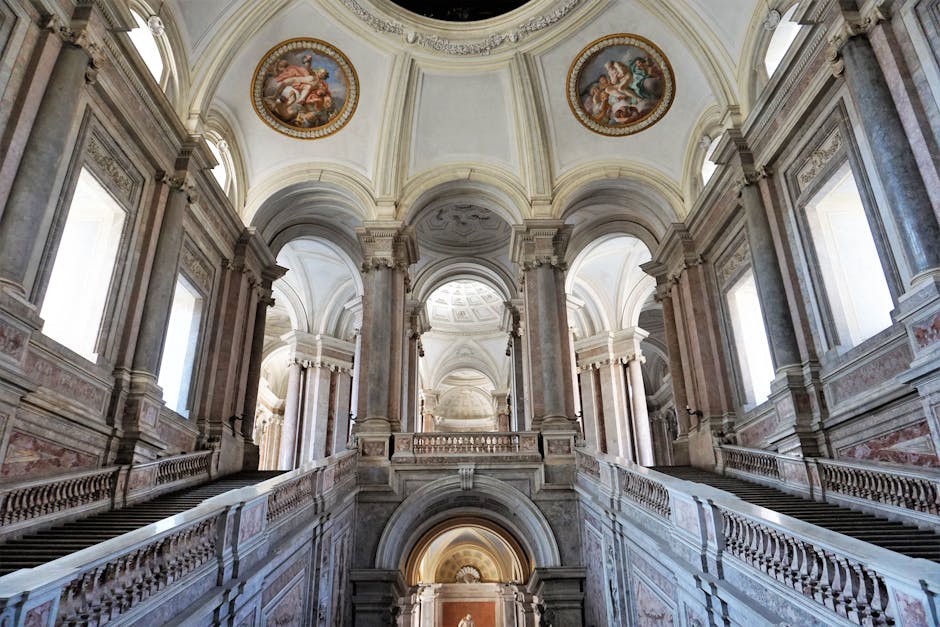
On a thoughtful guided visit, each palace reads like a chapter: the imposing entrance hall, the grand staircase, the inner courtyards, the reception rooms decorated with allegorical paintings narrate the pursuit of prestige and networks of influence. The collections preserved today — paintings, furniture, marbles, ceramics and art objects — also reflect commercial and cultural ties with Spain, France, the Ottoman Empire and North African ports. Additionally, the palaces’ physical positions — some facing the harbor, others tucked away in shadowy lanes — express Genoa’s dual nature: the sea and the inner city, openness and secrecy, discreet wealth and public spectacle.
This guide aims to be both a historical primer and a practical tool for today’s visitor: exact addresses, opening hours, entry prices in euros, visiting tips and suggestions to capture the spirit of the places. More than a simple tourist route, the goal is to render palpable the intimacy of these homes — how they still open their doors today, sometimes for concerts, sometimes for temporary exhibitions — and to show how, neighborhood by neighborhood, they continue to define Genoa’s character. Get ready to step into halls where time seems to slow, to climb monumental staircases leading to sunlit salons, and to listen, at the turn of a fresco, to the memory of a merchant republic that turned stone into story.
The urban and social scale of the Palazzi dei Rolli: Strada Nuova and the merchant city
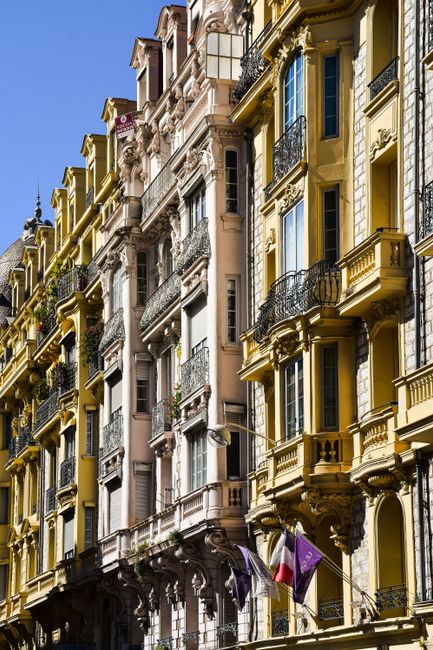
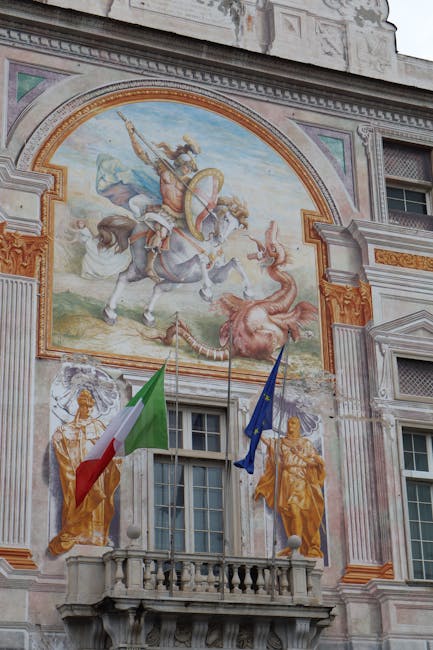
The web of Palazzi dei Rolli is most legible in the urban landscape: it’s the dramatic transformation of a street, Strada Nuova (today Via Giuseppe Garibaldi), into a showcase of economic power. Via Garibaldi stretches from the inner harbor up toward the higher city and concentrates several remarkable palaces, offering richly decorated façades and monumental portals to the eye. Walking down Via Garibaldi is like reading the ambitions and conversations between families in succession. The façades, often restored, still preserve stucco details, wrought-iron balconies and sculptures that point to a shared aesthetic adapted to civic display.
Some can’t-miss addresses along Via Garibaldi:
- Palazzo Doria Tursi, Via Giuseppe Garibaldi 9, 16124 Genova GE — today home to the City Hall (Municipio) and a museum. Opening hours: generally 09:30–19:00 (closed some public holidays); call to confirm. Price: museum ticket around €6–8 (reduced rates available).
- Palazzo Rosso (Palazzo Brignole Sale), Via Garibaldi 18, 16124 Genova GE — an art museum with private collections and works from the Genoese and Italian schools. Hours: typically 10:00–18:00, closed Mondays (check for seasonal changes). Price: combined Musées di Strada Nuova ticket (Palazzo Rosso + Palazzo Bianco) around €12 for adults; reduced rates €6–9.
- Palazzo Bianco (Palazzo Doria-Spinola), Via Garibaldi 12, 16124 Genova GE — art museum housing paintings by Italian and European masters. Hours: similar to Palazzo Rosso. Price: included in the combined Musées di Strada Nuova ticket.
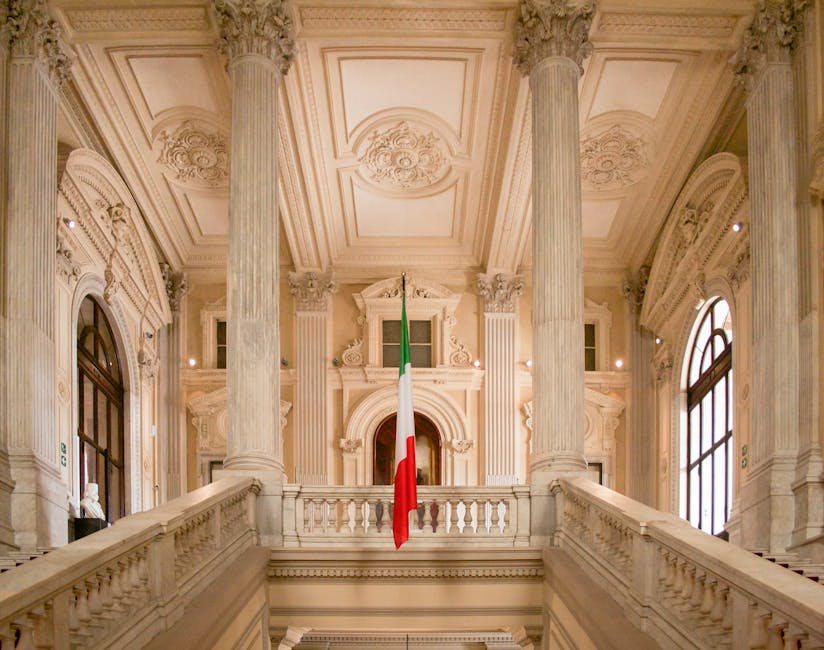
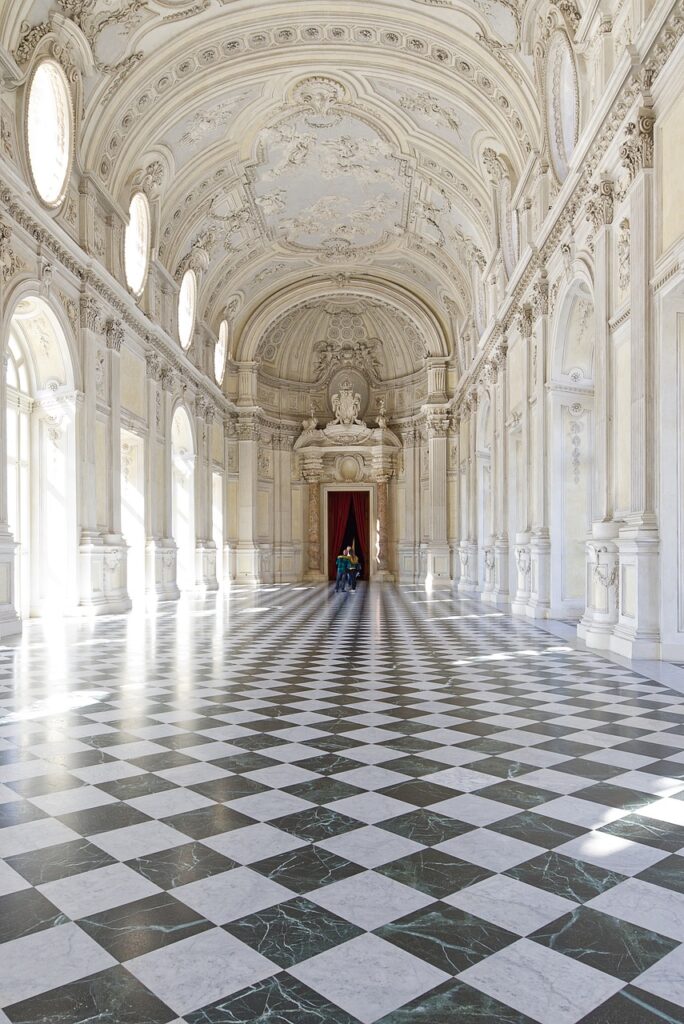
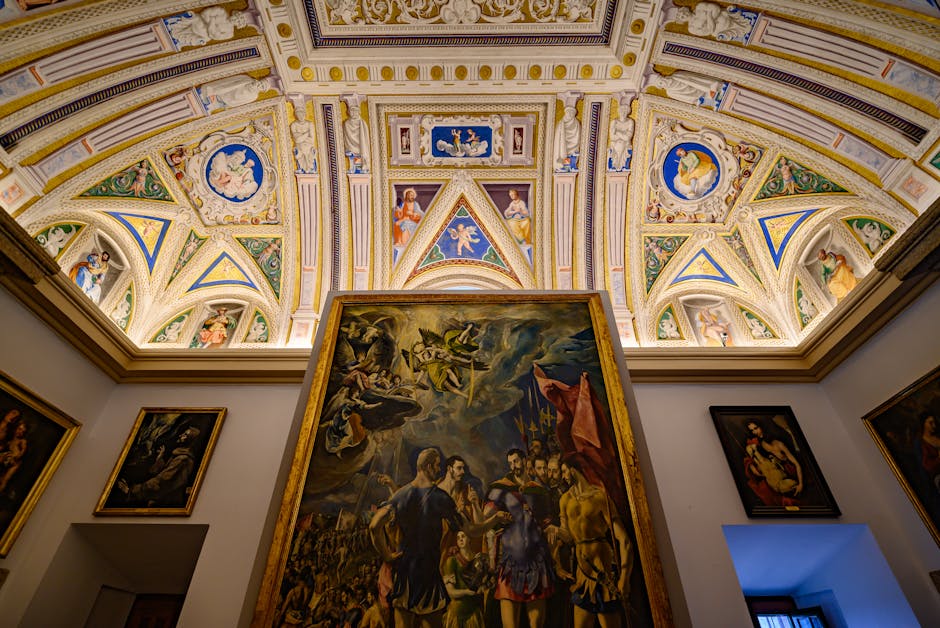
Beyond Via Garibaldi itself, the Rolli were an administrative system: palaces were classified into categories according to their capacity to host official guests. The lists (rolli) were public and consultable by the Republic; they defined which residence would host which rank of visitor, turning private life into public service. This mechanism largely explains the variety of interiors: some palaces open onto large formal courtyards for official receptions, others favor enfilades of more intimate salons designed for conversation and music.
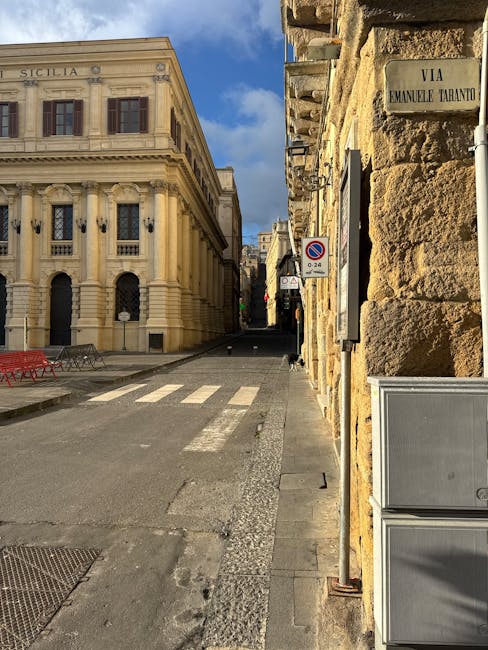
Local tip: start your route early in the morning to avoid crowds and enjoy the soft light on the façades. Audio guides (available in the main museums) help recontextualize the works and the political function of the rooms. Wear comfortable shoes: marble floors and counter-step staircases invite slow movement and close observation.
Palaces and collections: stepping into the memory of Genoese families
Each Palazzo dei Rolli tells the character and networks of a family. The Dorias, Spinolas, Grimaldis and Brignoles invested in art as much as in stone. Visiting their homes is like flipping through family albums where art and trade intersect. Palazzo Rosso preserves paintings by Van Dyck, Guercino and Italian Baroque masters; Palazzo Bianco displays works by Pieter Brueghel, Orazio De Ferrari and Rubens. These collections show not only a taste for European masters but also the ways they were acquired: commissions, diplomatic gifts, purchases at fairs and during travels.
Practical examples and additional addresses:
- Palazzo Spinola di Pellicceria, Salita di Santa Caterina 1, 16123 Genova GE — a civic and historical museum known for its ornate salons and inner courtyard. Hours: often 10:00–18:00, closed Monday; price: admission varies €6–10 depending on exhibitions.
- Palazzo Reale, Via Balbi 10, 16126 Genova GE — a former royal residence with gardens and sumptuous apartments. Hours: generally 09:30–19:00 (last admission often 18:00); price: around €8 full fare, reductions for students, seniors and groups.
- Palazzo Lomellino, Via Garibaldi 5, 16124 Genova GE — known for its loggia and baroque façade; sometimes used for temporary exhibitions. Hours and prices: check the local cultural calendar.
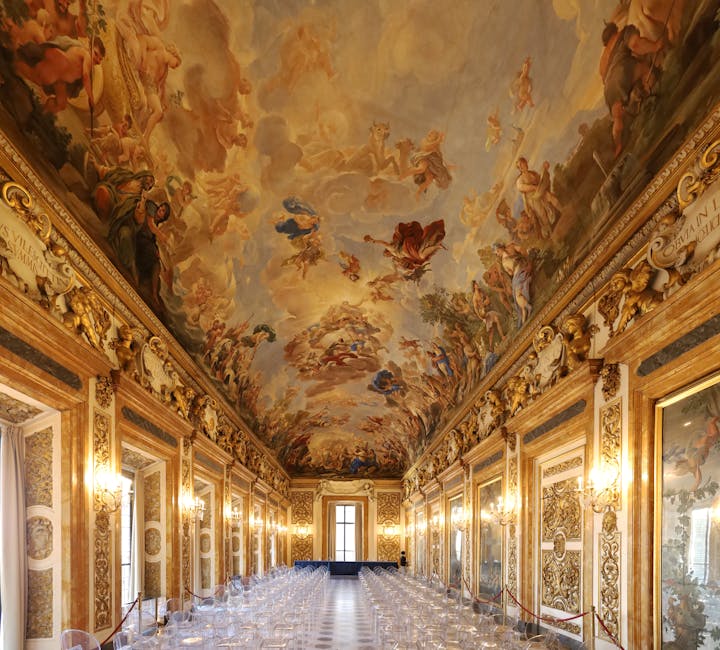
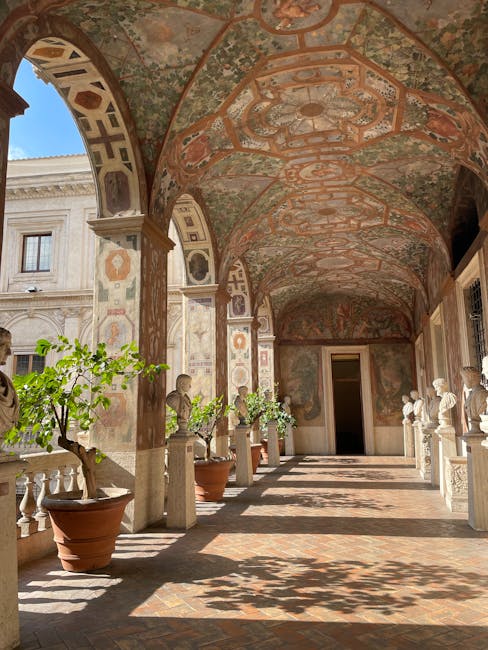
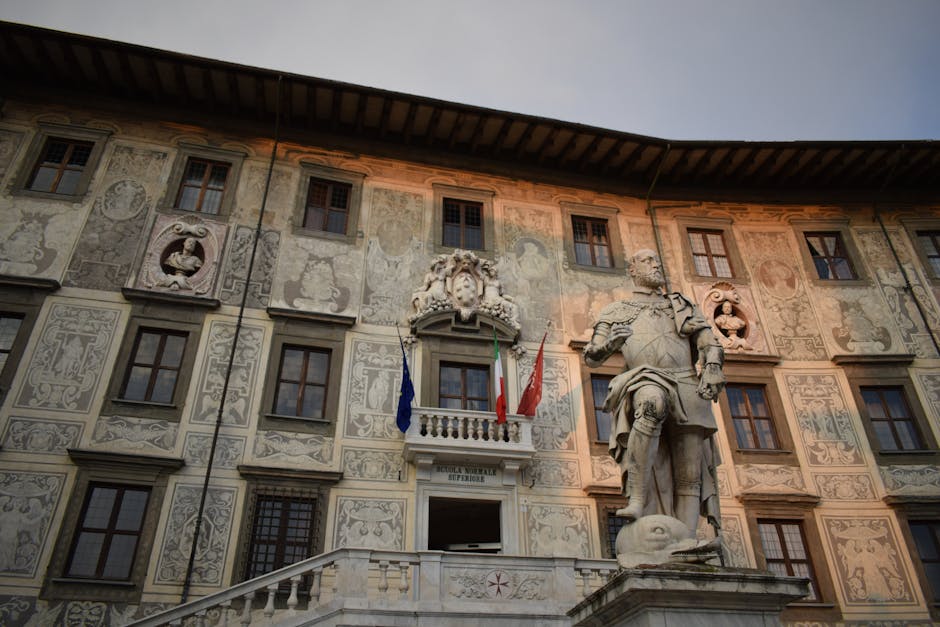
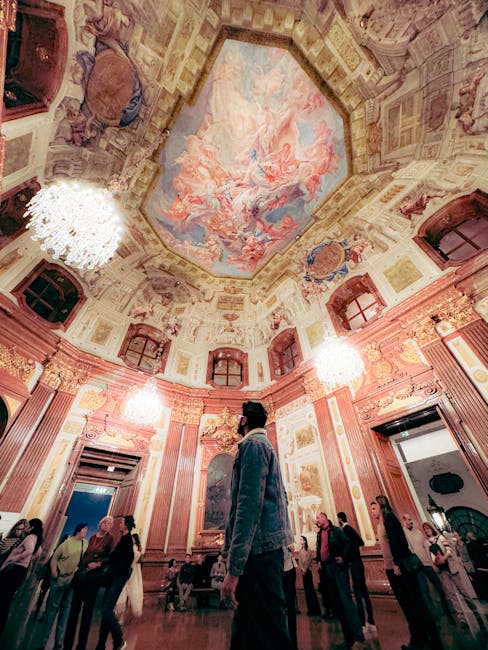
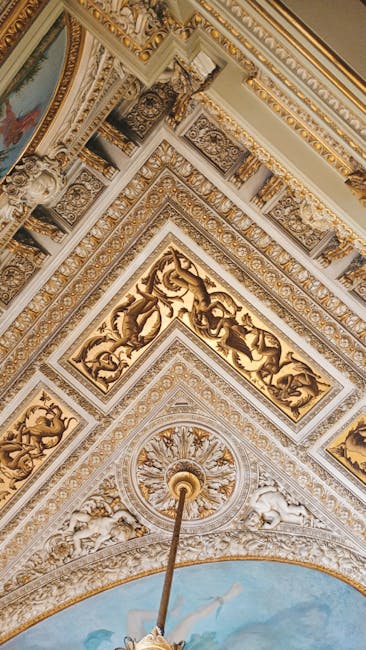
The interiors also reveal artistic and craft techniques: trompe-l’œil, stucco finishes, marquetry, carved woodwork, painted ceilings and tapestries. Take time to notice seemingly minor details — door handles, ironwork, floor mosaics — these are often the elements that reveal the chain of local artisans and foreign influences. The level of conservation varies: some palaces have benefited from major restorations (often supported by the state or the EU), while others retain a patina that speaks of continuous use or partial privatization.
Visiting the Palazzi today: tickets, hours, routes and practical advice
Planning a visit to the Palazzi dei Rolli requires a few practical markers. The main museums (Palazzo Rosso, Palazzo Bianco, Palazzo Doria Tursi) are part of the « Musées di Strada Nuova » network, with combined tickets often offered on site or online. As a general rule, expect the following information (always check before you go, as hours and prices can change):
- Musées di Strada Nuova (Palazzo Rosso and Palazzo Bianco) — Main addresses: Via Garibaldi 18 & Via Garibaldi 12, 16124 Genova GE. Typical hours: 10:00–18:00, closed Monday. Price: combined ticket around €12 for adults; reduced rate €6–9 (students, seniors, groups). Family tickets available. Access: entrances from Via Garibaldi, with possible approaches from the harbor (limited public lifts).
- Palazzo Doria Tursi (Municipio) — Via Giuseppe Garibaldi 9, 16124 Genova GE. Hours: 09:30–19:00 (check for municipal sessions). Price: €6–8 to visit the museum sections; some municipal areas free of charge. Contact the ufficio turistico (tourist office) for group reservations.
- Palazzo Reale — Via Balbi 10, 16126 Genova GE. Hours: 09:30–19:00, last entries often 18:00; price: around €8 full fare, reductions available. Gardens included in the ticket. Reservations recommended for groups and guided tours.
Practical tips:
- Book online when possible: some palaces limit the number of simultaneous visitors to protect the spaces.
- Allow 2 to 4 hours for a combined route (Palazzo Rosso + Palazzo Bianco + Palazzo Doria Tursi), more if you want to see temporary exhibitions or attend concerts in historic rooms.
- Quietest times: late morning on weekdays is often the best slot. Avoid late afternoons on high-season weekend days.
- Accessibility: some palaces have constraints (narrow stairs, no elevator). Ask staff about mobility-impaired access; several sites offer adapted routes or alternative entrances.
- Local guides and audio guides: a professional guide will enrich the visit by placing artworks and architecture in their historical context. Audio guides provide keys to understanding fresco iconography and family symbols.
Genoa’s soul as told by the Palazzi: symbols, rituals and modern life
The Palazzi dei Rolli are more than beautiful objects: they are living social spaces where rituals are reproduced and transformed. Over the centuries they hosted ambassadors, merchants, artists and musicians; today they welcome tourists, researchers, weddings and cultural events. This continuity of use demonstrates the strength of heritage: it is alive only because practices continue to inhabit it. In the salons, allegorical paintings praise civic virtue, navigation and commercial triumphs; in the gardens, views of the port recall the primary source of wealth. The Palazzi thus tell a multi-voiced story: that of the owners, of the artisans, of the city, and the quieter one of servants and visitors who moved through these walls.
Contemporary resonance shows up in initiatives: baroque music festivals, contemporary exhibitions in dialogue with painted ceilings, night-time routes and themed visits (historic kitchen tours, stuc restoration studies, etc.). These projects offer today’s visitor a dynamic reading: how to balance technical preservation with public use? How to accommodate the demands of cultural tourism without stripping authenticity? In Genoa, answers come through public-private partnerships and investment in cultural mediation.
Final local tip: to feel the Genoese spirit, pair a palace visit with a walk to the Acquario di Genova, a meal in a historic-center trattoria (try the local focaccia and Genoese pesto) and a look back over the harbor. The contrast between the hushed rooms of the Palazzi dei Rolli and the port’s tumultuous energy is key to understanding this city: a maritime metropolis, proud, discreet and outward-looking.
Conclusion: why every stone of the Palazzi dei Rolli speaks of Genoa
The Palazzi dei Rolli are more than monuments; they are active witnesses of a mercantile civilization that shaped not only architecture but also Genoa’s social and political practices. Walking along Via Garibaldi and through the palaces scattered across the historic center, visitors understand that Genoa’s soul reads in the overlap of functions: private home and public instrument, artwork and status device, family legacy and common good. Every façade, salon and collection points to an era when commercial success was expressed in a plastic language — a decorative vocabulary meant to be read and recognized by peers and foreign guests.
Visiting the Palazzi dei Rolli therefore invites a double motion: aesthetic admiration and historical reflection. It is not only about admiring masterpieces — it is about understanding how power was materialized and staged. Today’s entry fees (in euros), opening hours and services are only the contemporary face of a living heritage: the palaces keep hosting, conversing and inspiring. For history buffs, architects, curious travelers or photographers, these dwellings offer endless ground for exploration.
In short: plan your visit according to opening times (Palazzo Rosso and Palazzo Bianco often 10:00–18:00; Palazzo Doria Tursi municipal sections 09:30–19:00; Palazzo Reale 09:30–19:00), book when you can (Musées di Strada Nuova combined tickets ~€12), favor mornings for photography and calm, and allow yourself to be soaked in the human and material texture of these places. Doing so, you won’t just see palaces: you’ll sense the soul of a city that, through its sea, its trade and its stones, learned to tell its story through beauty.