





Introduction: Genoa Carnival — where the sea, history and street parties meet
The Genoa Carnival (Carnevale di Genova) is a lively celebration rooted in the maritime and urban culture of Liguria’s capital. Less hyped than Venice’s famous carnival, Genoa’s festivities feel more down-to-earth and authentic, where local customs, street processions, performances and food come together along the Porto Antico, through the old town and on major avenues like Piazza De Ferrari and Via Garibaldi. For several days — usually across the February weekends — the city fills with costumes, masks, music and parades that draw families, students and international visitors.
This comprehensive guide will immerse you in the Genoa Carnival: where to see the main events, which local traditions to watch (and maybe try), which regional dishes to taste, and how to plan your visit (exact addresses, typical schedules, and approximate prices in euros). You’ll also find practical tips for getting around the Ligurian city, ideas for cultural stops when the parades take a breather, and local recommendations to enjoy the festivities without stress or surprises.
The Carnival blends the energy of street parades with the grandeur of historic backdrops. Piazza De Ferrari (Piazza De Ferrari, 16121 Genova GE) often becomes a focal point for free concerts and entertainment; the Porto Antico (Calata Cattaneo/Calata de Mari, 16128 Genova GE) hosts floats and family shows; while the palaces along Strada Nuova (Via Garibaldi, 16124 Genova GE) provide a baroque setting for costumes and marching bands. Between parades you can sample local street food (farinata, panissa, focaccia), visit landmark museums like the Galata Museo del Mare (Calata de Mari 1, 16128 Genova) or catch a performance at Teatro Carlo Felice (Piazza Matteotti 8, 16123 Genova GE). 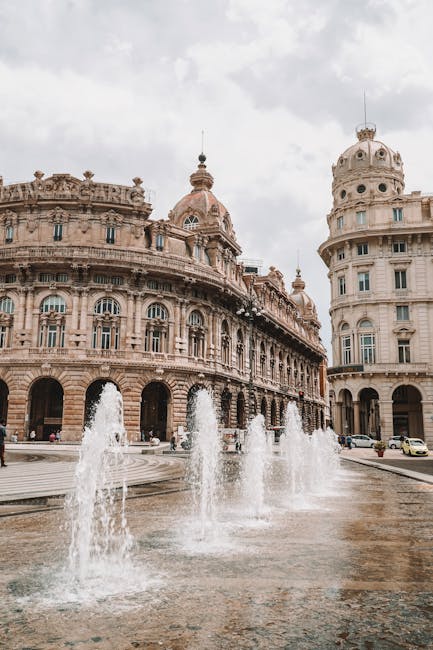
1. Main carnival locations: addresses, typical hours and what happens there
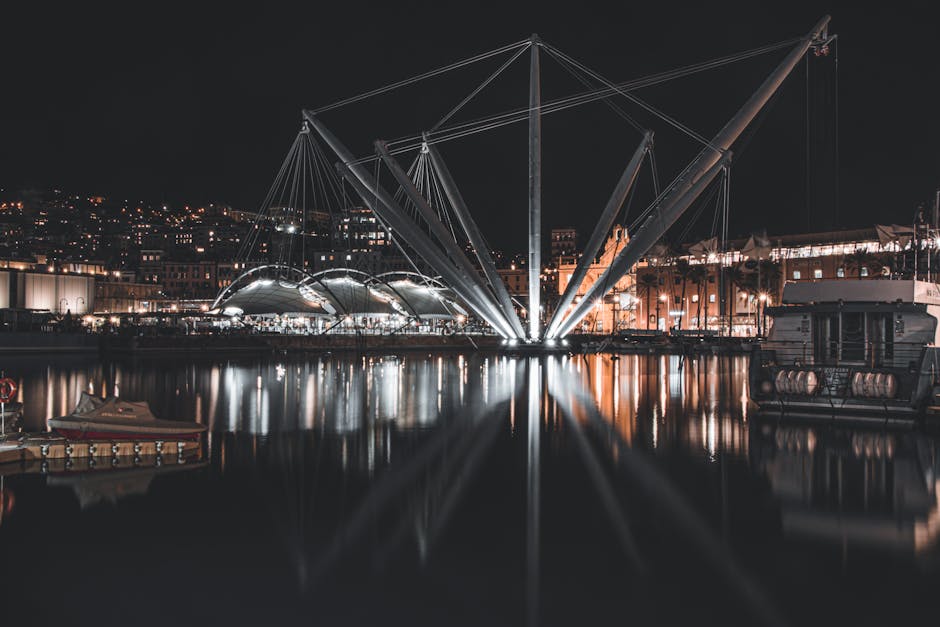
The Genoa Carnival takes place across several key sites in the city, each offering a different vibe: from the big maritime spectacle at Porto Antico to the narrow winding streets of the old town. Here are the places to know, with exact addresses, usual schedules and practical info.
- Porto Antico – Calata de Mari / Calata Cattaneo, 16128 Genova GE: The heart of family activities and float parades. stalls and kids’ workshops typically open from 10:00; main parades usually run in the afternoon (between 14:00 and 18:00). Most outdoor activities are free; some special attractions (indoor concerts or shows) may require booking (prices vary, €10–25).
- Piazza De Ferrari – Piazza De Ferrari, 16121 Genova GE: The main square for concerts and evening shows. Public events often start from 15:00 and continue into the night; access to outdoor entertainment is free, but stage concerts may have assigned seats (tickets €5–30 depending on the artist).
- Via Garibaldi (Strada Nuova) – Via Garibaldi, 16124 Genova GE: Historic palaces form a dramatic backdrop for processions. Parades typically pass between 11:00 and 16:00 depending on the route; outdoor viewing is free. Guided tours of the palaces (Palazzo Rosso, Palazzo Bianco): Palazzo Rosso, Via Garibaldi 18, 16124 Genova GE, opening hours 09:30–19:00, combined museum ticket ≈ €10–12.
- Cattedrale di San Lorenzo – Piazza San Lorenzo, 16123 Genova GE: A symbolic stop where local processions may pause. Open 09:00–12:00 and 15:00–18:00 (times may vary with religious services); free entry, guided tours around €4–6.
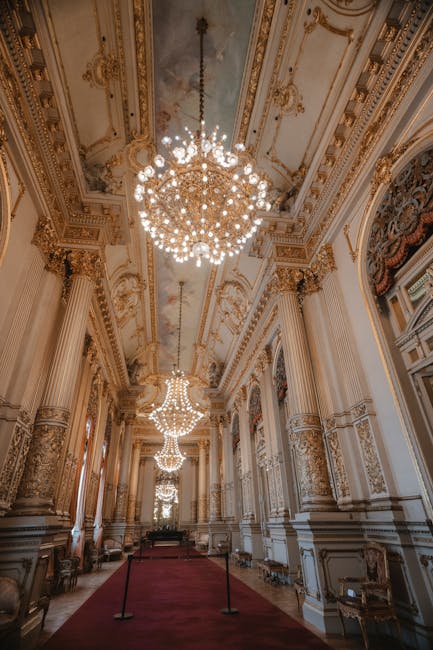
- Teatro Carlo Felice – Piazza Matteotti 8, 16123 Genova GE: Special concert and show programming during Carnival. Box office hours: 10:30–13:00 and 15:30–18:00; ticket prices range €15–90 depending on the performance.
Practical tip: arrive early if you want a spot close to the float route; main streets sometimes close to traffic an hour before parades start. The most convenient metro stops are De Ferrari (Metro: Piazza De Ferrari stop), Principe (near Via San Lorenzo) and the Brignole station for regional connections. AMT buses serve Porto Antico (lines 1, 32, 35 depending on the area).
2. Parades, processions and entertainment: a typical schedule and an immersive description
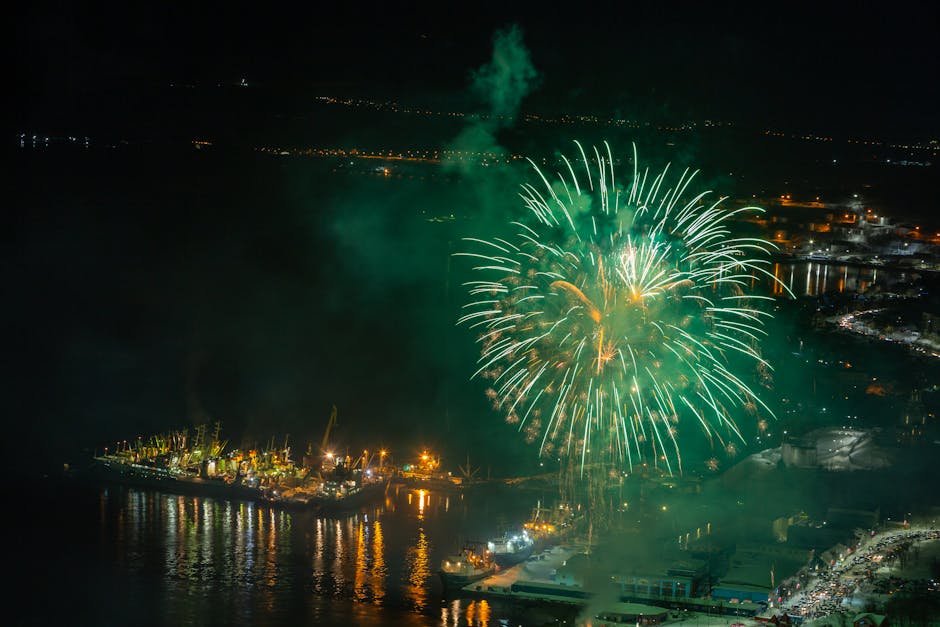
Genoa’s carnival parades mix music, costumes, floats and street performances. The calendar changes year to year but generally follows a familiar pattern: kids’ activities in the morning, family parades in the afternoon and concerts/parties in main squares at night. A typical Carnival Sunday looks like this: activities at Porto Antico kick off at 10:00 (workshops, face painting, children’s shows), masked groups parade at 14:00 from Porto Antico, the route continues along Via San Lorenzo to Piazza De Ferrari arriving around 16:00, followed by evening concerts and fireworks.
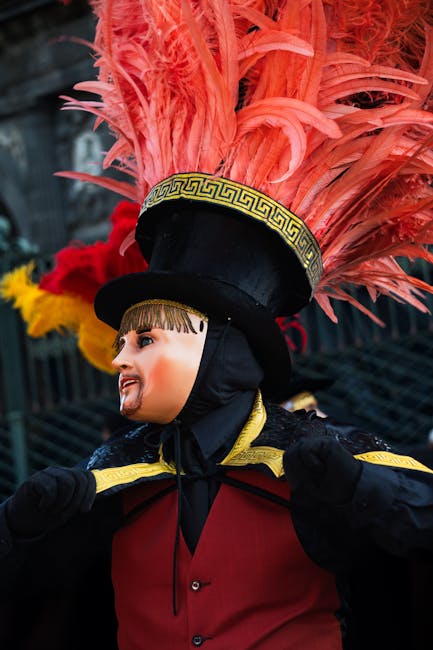
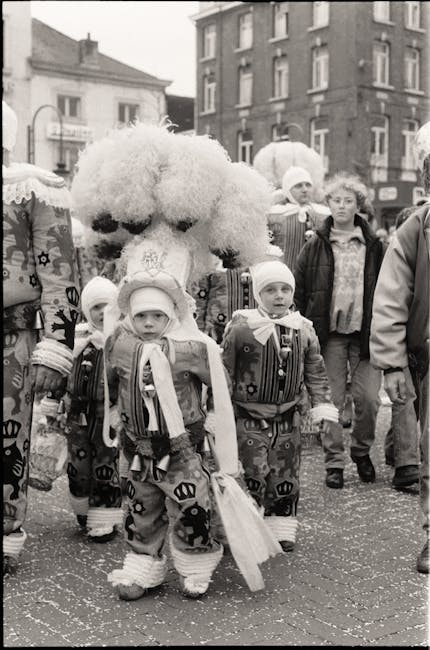
Participants range from local schools and cultural associations to amateur troupes from the region. Floats are often themed: maritime allegories, historical scenes from Genoa, political satire or tributes to Ligurian cuisine. Costumes span the traditional (colorful masks, baroque outfits) to contemporary creations made of papier-mâché and LEDs. The music includes brass bands, Brazilian-style samba brought by local schools, and pop/rock groups for the evenings.
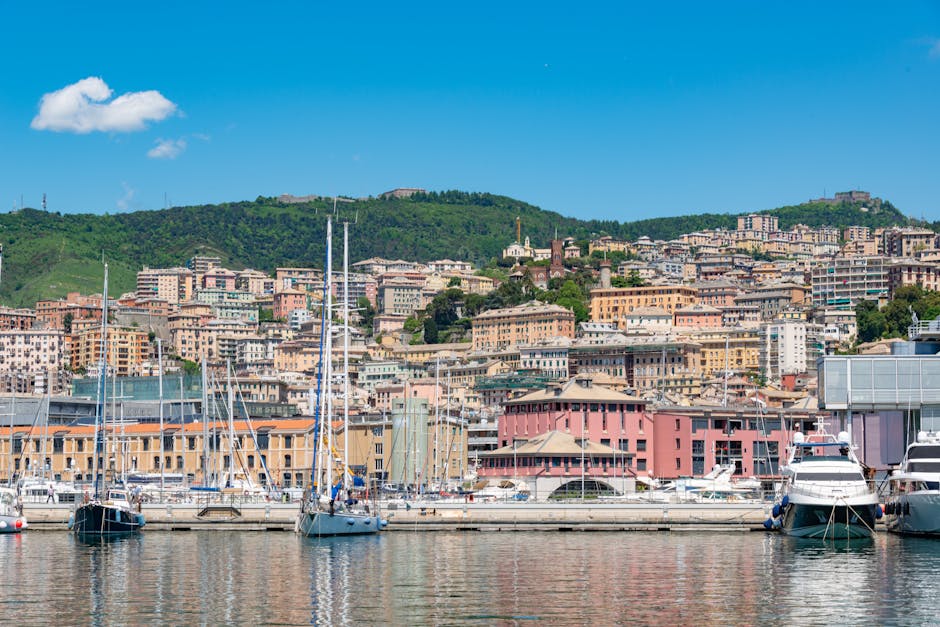
Immersive scene: picture yourself in a cobbled lane near Porto Antico — the sea slapping at the quay, the air rich with the smell of fried farinata, and the crowd cheering as a float decorated with illuminated fishing nets passes by. At Piazza De Ferrari, the opera-house façades echo the music while yellow and blue confetti drifts over spectators. Families gather near stages for puppet shows and costume contests, often free but requiring on-site registration.
Prices and bookings: most outdoor events are free. For paid events (theatre shows, concerts at Teatro Carlo Felice or ticketed performances at Porto Antico), expect prices from €10 to €40. Book popular tickets in advance via official sites (Teatro Carlo Felice and Palazzo Ducale for temporary exhibitions).
3. Local traditions, food and costumes: cultural immersion and practical advice
The Genoa Carnival is a great chance to discover local customs that often fly under the radar. Food plays a central role: the fainâ or farinata (chickpea flatbread) is sold at stalls and bakeries — expect €3–5 a slice. Genoese focaccia is everywhere, roughly €2.50–4 per slice depending on the bakery. For a sit-down meal, a plate of pasta with authentic Genovese pesto averages €8–15; a recommended spot to try traditional pesto is Trattoria Ugo, Via di Sottoripa 16R, 16123 Genova GE (pasta with pesto ≈ €9–14, open 12:00–15:00 and 19:00–22:30).
Other specialties: panissa (made from chickpea flour), fried seafood (calamari, anchovies) and Carnival sweets like chiacchiere (fried Carnival pastries). Plan on €5–12 for a shared plate of fried seafood. Official Porto Antico stalls often offer set menus at €12–20 to sample several local specialties.
Costumes and masks: you can rent costumes from specialty shops around Via Assarotti and in the old town. Rental prices: €25–70 for a day depending on quality; decorative masks for sale cost between €10 and €40. Mask-making and face-painting workshops for children (Porto Antico creative stand) are often free or ask for a small contribution (€2–5).
Local tips: bring a scarf and a lightweight raincoat — February weather can be wet and windy near the port. Comfortable shoes are a must: the cobbles get slippery when wet. If you want to photograph a float up close, respect barriers and follow volunteers’ directions; areas directly in front of stages may be reserved for safety. Buy your farinata from a small kiosk (recommended test: Farinata di Alba, Via S. Lorenzo 8R) for a more authentic, less touristy experience. 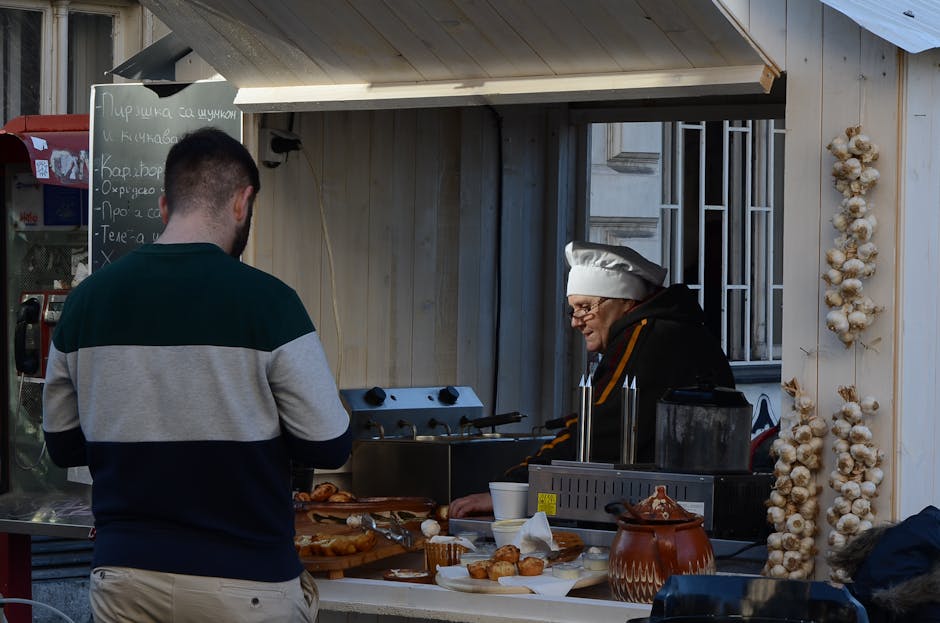
4. Museums, shows and side programs: recommended visits during Carnival
The Carnival is often a chance for cultural institutions to offer special programs: themed exhibitions, family workshops and guided tours that welcome costumed visitors. Here are some must-see places, with addresses, hours and approximate prices.
- Galata Museo del Mare – Calata de Mari 1, 16128 Genova: Italy’s largest maritime museum, perfect for understanding Genoa’s port spirit. Hours: 09:30–19:00 (last admission 18:00). Price: adults €12, reduced €6 for youth and seniors, free for children <6. During Carnival, children’s workshops on navigation and dressing up are often scheduled (extra €3–6).
- Palazzo Ducale – Piazza Matteotti 9, 16123 Genova: A hub for exhibitions and cultural events. Hours: 10:00–19:00. Temporary exhibition entry ≈ €8–12. The Palazzo frequently hosts street performances and exhibitions of historical costumes tied to Carnival.
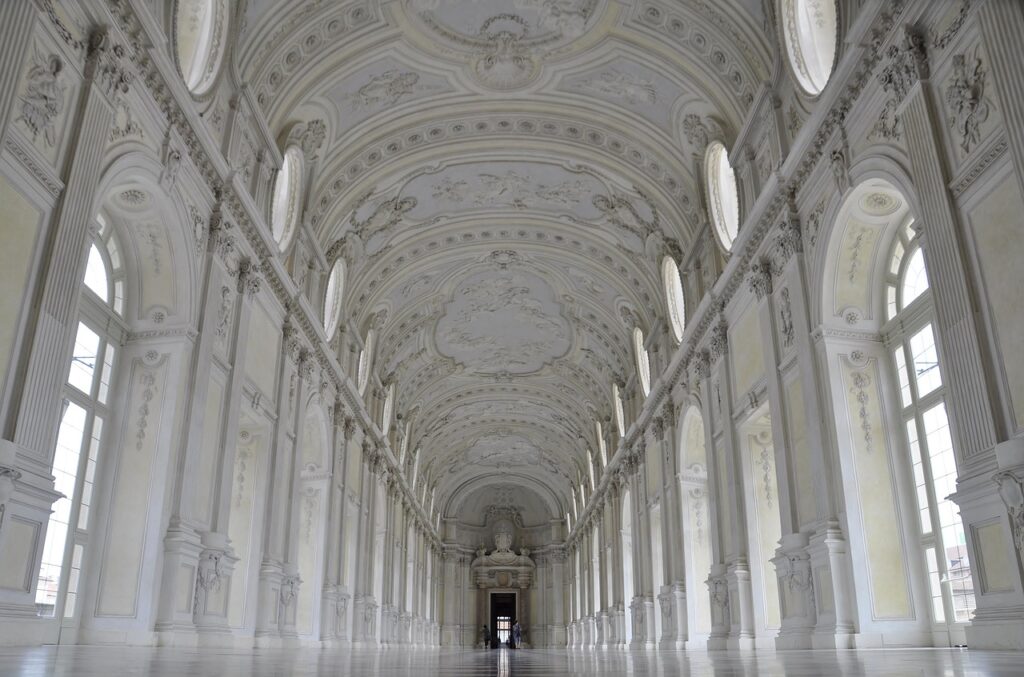
- Musei di Strada Nuova (Palazzo Rosso, Palazzo Bianco, Palazzo Tursi) – Via Garibaldi, 16124 Genova: Combined visits cost around €10–15. Opening hours vary 09:30–19:00. A great option if you want to alternate between parades and art discovery.
Practical recommendation: if you plan to enter multiple museums, check for passes or combined tickets (often available for the Musei di Strada Nuova and Galata Museo del Mare) which can save you 20–30% compared to buying individual admissions. Book concert tickets at Teatro Carlo Felice early, especially if you’re coming for the Carnival Sunday evening performance.
Conclusion: Make the most of Genoa Carnival — final tips and best practices
The Genoa Carnival is a warm, convivial celebration deeply tied to the city’s maritime identity. To make the most of it, plan your days by combining parades (usually in the afternoon), cultural visits (mornings or late afternoons) and food breaks to taste farinata, focaccia and pesto dishes. Book in advance for indoor shows and the most popular museums, especially if you’re traveling with kids or in a group. Keep electronic tickets or printed confirmations handy: box offices can be busy during Carnival weekends.
Safety and comfort: stay near exits if you’re in a group, set a meeting point (for example, the fountain in Piazza De Ferrari) and avoid displaying valuables. Use public transport (AMT buses, metro and funiculars) to avoid restricted traffic during parades. Always check official schedules published by the Comune di Genova and local organizers, as routes and times can be adjusted for logistical or weather reasons.
Finally, let yourself be carried by the atmosphere: talk to locals, sample treats from stalls, join workshops and respect local traditions. The Genoa Carnival is not just a show to watch, it’s a celebration to live — among people proud of their seafaring past and happy to share their joy. Safe travels and buon Carnevale a Genova!