





Introduction — Leather, ceramics, paper: an artisanal journey through Genoa
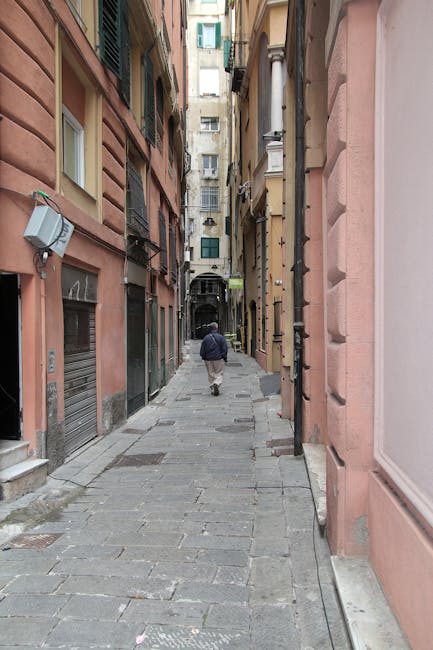
Genoa, an ancient port and Mediterranean crossroads, is more than baroque facades and winding alleys: it’s a place where traditional handcraft still matters. From the tight « caruggi » of the historic center to calmer neighborhoods like Albaro and Nervi, craftsmen work leather, ceramics and paper using techniques passed down through generations. This guide is a practical, immersive roadmap for travelers who want to buy authentic handmade pieces, meet master artisans, and bring home objects full of history and lasting quality.
You’ll find shops, studios and markets where to buy hand‑stitched leather cardholders, made‑to‑measure bags, hand‑painted ceramics and local stoneware, handbound notebooks and artisanal papers. For each spot there’s a precise address, typical opening hours (when public), a price range to help you budget, plus sensory notes: the smell of oiled leather, the tap of a hammer on a press, the colors of glazes, and the feel of handmade paper. Local tips will help you haggle politely, check quality, and arrange shipping if you don’t want to carry fragile items home.
This guide suits both the serious collector and the curious traveler searching for a useful, long‑lasting memento. Rather than generic tips, you’ll find studios that welcome visitors to watch the making process or commission a custom piece, family shops that restore saddles and satchels, small pottery studios and binders who craft travel journals. We’ll also point out markets and suppliers for materials (skins, glazes, tools) if you’re a maker yourself and want to meet local professionals.
Before you set off, keep a few Genoa realities in mind: the historic center’s alleys can be steep and cobbled, so travel light, especially when transporting fragile ceramics. Artisan shops usually open in the morning, often closing for one or two hours for the afternoon break (soprattutto in summer), then reopening late afternoon. Many workshops accept cards, but it’s wise to carry some cash for market stalls or very small ateliers. And if you buy an expensive item, always ask for a detailed receipt and check return or repair policies — many artisans offer aftercare or on‑site repairs.
1) Leather in Genoa: workshops, shops and tips for durable purchases
Leather is everywhere in Genoa: from small practical satchels and sturdy belts to bespoke bags made to order. Genoese artisans often favor high‑quality local or Italian hides, saddle‑stitched seams and natural waxed finishes. Here’s a curated selection of places to visit, each with practical details.
-
Pelletteria Artigiana Giacomo Rossi
Address: Via San Lorenzo 23R, 16123 Genova GE
Hours: Tue–Sat 09:30–13:00 and 15:30–19:00, closed Sunday and Monday morning
Price guide: cardholder €35–€55, wallet €60–€110, bespoke bag €220–€520 (depending on leather and size)
Description: A family workshop tucked down a lane near San Lorenzo cathedral. You’ll notice the scent of oily leather and natural glue. Giacomo hand‑saddlestitches and takes custom orders: canvas linings, engraved initials, special dyes. He’s happy to show you hides and explain origins (vitello, vacchetta, nappa). -
Il Cuoio di Marco
Address: Via Garibaldi 58R, 16124 Genova GE
Hours: Mon–Fri 09:00–13:00 and 15:00–19:30, Sat 10:00–18:00
Price guide: belt €40, satchel €95–€180, bag repair from €25
Description: A bright storefront on a main street with ready‑to‑wear pieces and a workshop at the back. Marco runs short personalization sessions (sanding, dyeing, stamping) for visitors who want to learn a few techniques. The repair service is well regarded: zipper replacement, seam reinforcement, strap changes. -
Bottega del Cuoio – Oltre
Address: Piazza Dante 7, 16123 Genova GE
Hours: Tue–Sun 10:00–19:00 (closed Mondays)
Price guide: worked leather coin purse €30–€60, handbag €150–€350
Description: A small shop‑studio that also showcases restored vintage pieces. Finishes are often hand‑waxed and you’ll find items with solid brass hardware. Staff advise on care and sell maintenance kits (creams and brushes) for €8–€20.
Local tips for leather: check the hide’s origin (Italy, Spain, or elsewhere) and ask whether the dye is aniline or pigmented — aniline dyes give a more natural look but need more upkeep. Feel the reverse side: a full‑grain hide has a natural texture. For custom orders, allow 7–21 days for production. Ask for a rigid carry bag to protect fragile items during travel.
2) Ceramics in Genoa: studios, styles and buying hand‑painted pieces
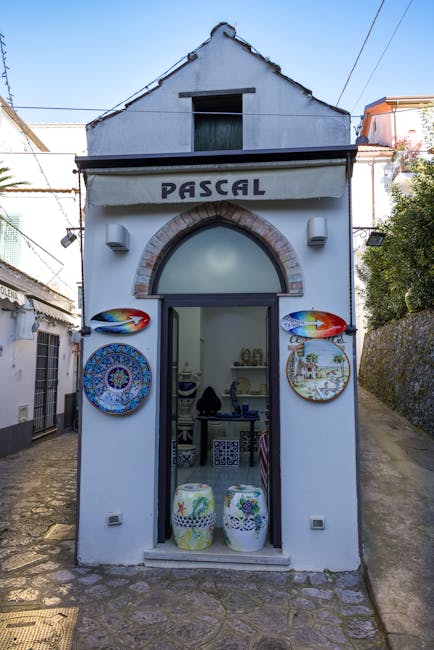
Liguria’s ceramic tradition blends land and sea influences: blue glazes, stylized floral motifs, and marine decorations that nod to port life. Genoese workshops produce both everyday tableware and decorative pieces. Below are studios and tips for buying authentic, sturdy, transport‑friendly ceramics.
-
Ceramiche Raggio
Address: Via XX Settembre 121R, 16121 Genova GE
Hours: Tue–Sat 10:00–13:00 and 15:00–19:00, closed Sun & Mon
Price guide: small bowl €12–€25, painted plate €40–€95, wall plaque €75–€180
Description: A workshop‑shop near a busy shopping street, specializing in transparent glazes and coastal motifs. Staff explain the stages: shaping, drying, bisque firing, glazing and the second firing. Pieces are often stamped « Ceramiche Raggio » on the back. -
Il Laboratorio Ceramico di Nervi
Address: Viale Franchini 2, 16167 Genova (Nervi)
Hours: Wed–Sun 10:30–18:30 (closed Mon & Tue), workshops by reservation
Price guide: wheel‑throwing session €35 (1h), small handcrafted bowl €18–€40, decorative piece €60–€150
Description: Located in the seaside neighborhood of Nervi, this studio offers sessions where you can shape your own cup. The vibe is relaxed, and some windows offer sea views. Fired pieces are usually ready for pickup 10–14 days later or can be shipped. -
La Bottega di Albaro
Address: Via Albaro 44R, 16146 Genova GE
Hours: Mon–Sat 09:30–13:00 and 15:30–19:00, closed Sunday
Price guide: mug €15–€28, espresso set (€85–€200 depending on number and decoration), private tutorial €60/hour
Description: A collective of local artists where ceramics meet contemporary design. The makers use natural pigments to achieve subtler hues and a softer texture.
Practical tips: pack ceramics in clothing or use bubble wrap some shops provide (usually for an extra €2–€8). If you buy a large or fragile piece, ask whether the studio can arrange insured shipping; costs depend on weight and destination (typically €25–€80 within Europe). Check dishwasher resistance if you plan to use the piece daily: many hand‑painted items carry a « hand wash recommended » note.
3) Paper and bookbinding: boxmakers, binders and travel journals
Handmade paper and bookbinding are another area of excellence in Genoa. Binding ateliers make notebooks, planners and archival boxes by hand — perfect as travel journals or gifts. Here are workshops and shops to visit, with practical details.
-
Antica Legatoria Genovese
Address: Salita Santa Caterina 9R, 16123 Genova GE
Hours: Tue–Sat 09:30–13:00 and 15:30–18:30, closed Sun & Mon
Price guide: handbound notebook €22–€55, full book rebinding €60–€250 depending on work
Description: Shelves of leather and colored cloth, antique presses and gilding tools. Artisans gladly explain the difference between coptic stitch, spiral and case binding. They offer gold leaf stamping to personalize covers and titles. -
Cartoleria Artistica San Lorenzo
Address: Via San Donato 5R, 16123 Genova GE
Hours: Mon–Sat 09:00–19:00 (break 13:00–15:00), Sun 10:00–13:00
Price guide: A4 watercolor sheets €3–€8, pocket notebook €12–€35, supplies (ink, nibs) €5–€25
Description: A well‑stocked art shop with textured papers, inks and nibs. It’s the place to find Fabriano paper or more rustic sheets for watercolor. -
Opificio Carta e Segno
Address: Via Balbi 12R, 16126 Genova GE
Hours: By appointment (studio usually open Wed–Sat 10:00–18:00)
Price guide: introductory binding workshop €40–€70 (2–3h), personalized notebook €30–€70
Description: A contemporary workshop blending old techniques with modern design. They use hand‑dyed papers, colored threads and create custom gift boxes.
Practical advice: if you travel with ink, use tightly sealed bottles and plastic protection. For notebooks, choose sewn binding if you want them to lie flat while drawing — ideal for sketching. Many ateliers accept orders for initials or gold‑foil titles (about €10–€30 extra). Also ask whether they provide a certificate or a small label describing the technique used — it can increase the item’s value for resale or collectors.

4) Markets, materials and logistics tips for bringing your finds home
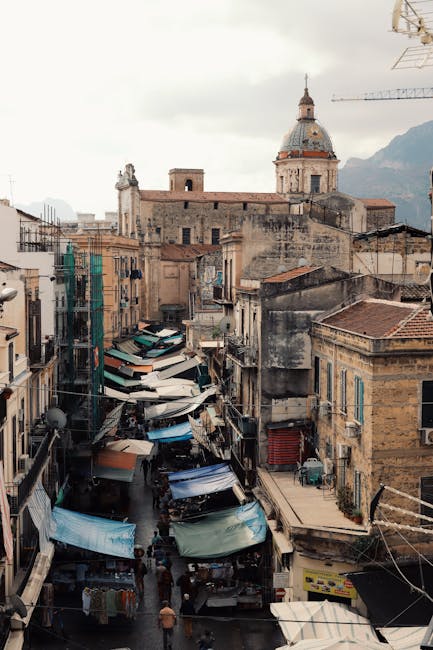
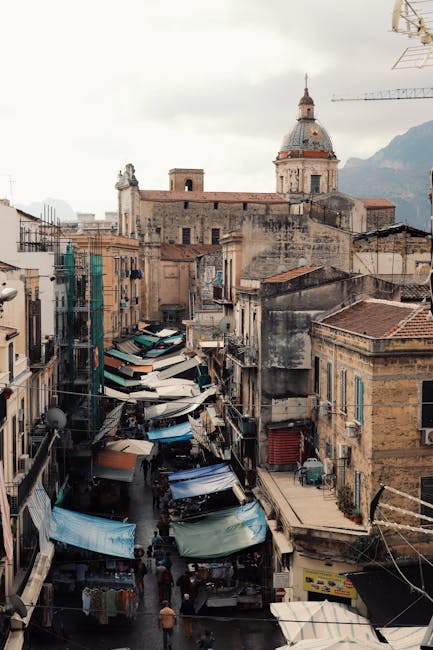
To round out your artisan route in Genoa, it helps to know the markets, material suppliers and a few logistics tricks. Local markets are often the best spots to find supplies, small offcuts of leather, glazes or papers at good prices.
-
Mercato Orientale
Address: Via XX Settembre 75, 16121 Genova GE
Hours: Mon–Sat 07:30–14:00, some stalls open in the afternoon; closed Sun (hours vary seasonally)
Price guide: small packs of craft supplies €2–€15, handmade baskets and boxes €10–€40
Description: The restored and lively Mercato Orientale mainly offers food stalls but also a few vendors selling small supplies, artisanal papers and decorative objects. It’s a bustling place to feel the city’s commercial energy and talk directly with sellers. -
Antiquari e Mercatini di Piazza Matteotti
Address: Piazza della Vittoria / Piazza Matteotti (occasional events), 16121 Genova GE
Hours: Antique markets on some weekends (check locally)
Price guide: collectable items vary widely, from €10 to several hundred euros
Description: Occasional markets sometimes turn up vintage leather goods, binding presses or workshop tools — useful if you’re hunting a piece to restore.
Logistics tips:
– Packing: ask shops for professional packaging for ceramics (€10–€30 depending on shop) or bring bubble wrap. Use clothes to pad items if packing materials are scarce.
– Shipping: most workshops offer insured shipping via couriers (SDA, UPS, Poste Italiane). Expect €25–€120 depending on size and destination. Rates are lower within the EU; shipments to the US or Asia take longer and cost more.
– Customs: if you’re coming from outside the EU, check VAT and tax‑refund procedures. Shops selling over €154 can provide a VAT refund form; you’ll need a customs stamp at the airport.
– Repairs and warranty: always ask if the artisan offers future repairs (local repair is often cheaper). Keep contact details and a photo of the purchased item.
Conclusion — Bringing a piece of Genoa home: souvenirs, experience and sustainability
Buying leather, ceramics or paper in Genoa isn’t just about taking home an object: it’s about bringing back a story, a craft, a personal encounter. The workshops listed here are entry points into a world where quality matters more than mass production. By favoring family shops and small studios, you support the local economy and help preserve traditional trades. Check material origins, ask for certificates or labels describing the technique, and talk to the artisans: their pride in their work adds another layer of meaning to your purchase.
Practically speaking, plan for transporting fragile pieces and ask about insured shipping. Budget accordingly: a small handcrafted coin purse may cost around thirty euros, while a bespoke bag will easily exceed €200. For ceramics, pick slightly thicker pieces if you plan to use them daily; for paper, choose sewn bindings for longevity. Most of all, give yourself time to wander the caruggi, discover small shops off the beaten track and accept an invitation to visit a studio: often the most treasured item will be the one that reminds you of a shared conversation with an artisan, the sound of a press, or the scent of warmed leather.
Whether you return with a hand‑stitched leather bag, a glazed plate with marine motifs, or a handbound journal, Genoa will give you objects that age gracefully and carry stories. Plot your route, note addresses and hours, but leave room for serendipity: a shop window, an open studio, or a market stall where someone offers you a coffee in exchange for a chat about materials. This guide is your starting point; the best discoveries happen at the pace of Genoa’s alleys, between flashes of light on the stone and the salty breath of the sea.