





Introduction: A Photographic Dive into Genoa
Genoa, the Italian “Superba,” is a city of striking contrasts — medieval alleys, baroque façades, a bustling port, green hills and a shifting Mediterranean light that can turn any corner into a powerful image. For photographers, whether hobbyists or pros, Genoa is fertile ground: authentic urban textures, reflections on the water of the Porto Antico, faces and gestures in the neighborhood markets, and exhibition spaces where contemporary photography reveals itself in many forms. This guide helps you navigate Genoa’s photographic scene: specialist galleries, museums staging major shows, seasonal festivals, archives and offbeat venues worth the detour.
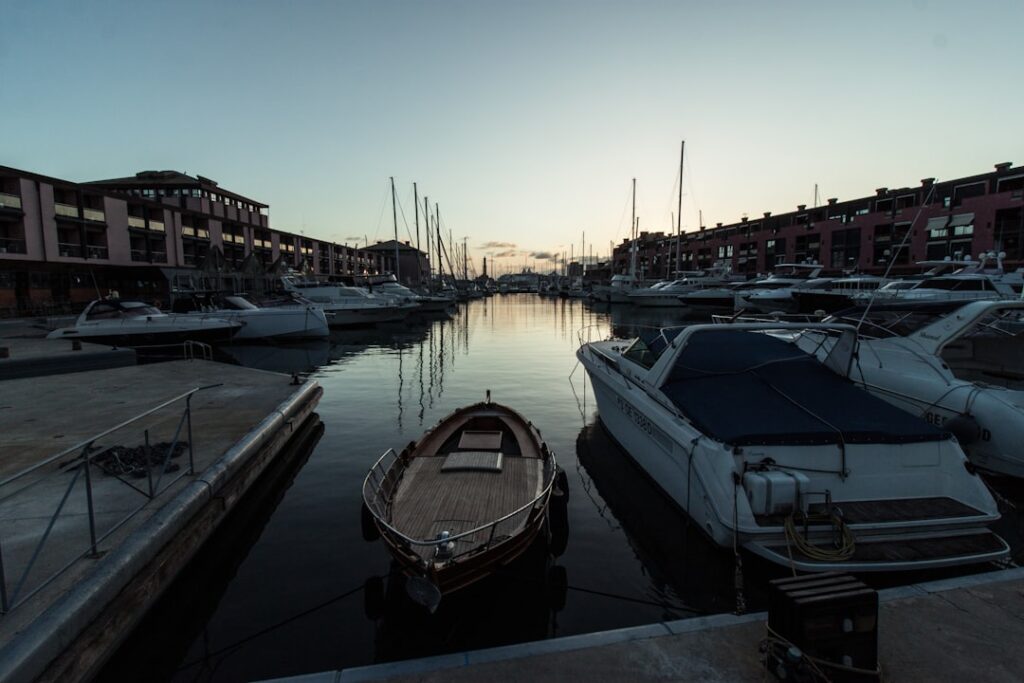
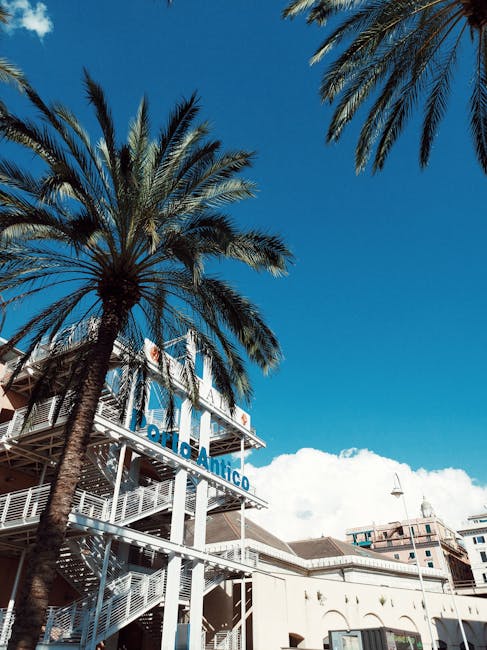
Beyond the snapshots posted online, Genoa rewards a patient gaze. The caruggi (narrow lanes) of the historic center hold improbable compositions where shutters, wires and peeling walls become elements of a frame. Light — often harsh in summer but soft in late afternoon and at sunset — sculpts the façades of the palazzi on Strada Nuova. Street photographers will find unique subjects at the Ponte Reale market or along the quays of the Porto Antico, while lovers of architectural photography will be captivated by the interiors and façades of the Palazzi dei Rolli, a UNESCO World Heritage site.
On the institutional side, Genoa is more than just a pretty backdrop: the city hosts dynamic exhibition spaces where contemporary photography meets modern art and themed shows. From the Palazzo Ducale, which stages international exhibitions and festivals, to smaller municipal museums and cultural centers, the programming is diverse — from historical retrospectives to experimental projects and documentary series. This guide lists addresses, opening hours, prices and practical tips to make the most of your photography visits: when to come to avoid crowds, what gear to favor for interiors or the waterfront, how to request permission for a shoot, and where to develop or rent equipment if needed.
Finally, Genoa hosts photography festivals and one-off events: documentary photo festivals, outdoor exhibitions, night routes and artist residencies. These occasions are perfect for seeing full series, meeting photographers, curators and technicians, and — for traveling visitors — taking part in workshops or guided tours. Below you’ll find a step-by-step tour from major institutions to small independent galleries, plus practical advice to capture the spirit of Genoa with your camera. Pack light, charge your batteries and follow the roll of film: Genoa awaits with its lights, shadows and stories to tell.
Palazzo Ducale and Major Photography Exhibitions
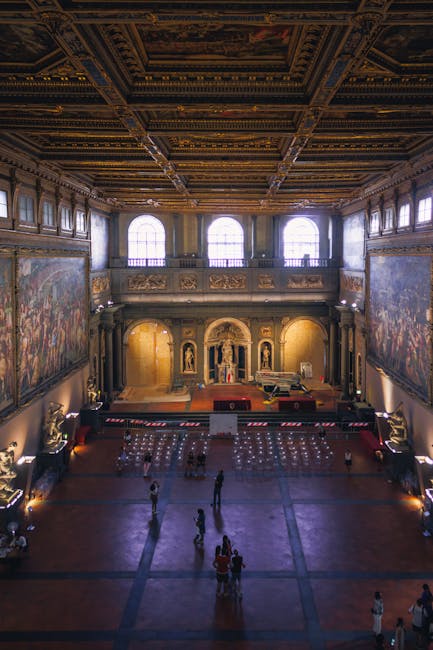
The Palazzo Ducale di Genova (Piazza Giacomo Matteotti, 9, 16123 Genova) is one of the city’s main cultural hubs. Once the Doges’ palace, it has been transformed into an exhibition center and regularly hosts international photography shows, festivals and author talks. Architecturally, its vast rooms, courtyards and staircases create ideal staging for interior and exhibition photography. Palazzo Ducale is often at the heart of Genoa’s major photographic events, serving as a platform for monographs, retrospectives and contemporary thematic exhibitions.
Opening hours and prices: the palace typically opens from 10:00 to 19:00 (closing times may vary with events). Admission for a main exhibition: around €8–€15 full price, with reduced tickets usually €1–€5 for students and seniors; combo tickets and multi-exhibition passes may be available during festivals. Temporary shows can have special hours (evening openings, late nights). It’s recommended to check the official Palazzo Ducale website before you go to confirm programming and to book online in high season.
Immersive description and practical tips: when you arrive, take a moment to study the imposing façade and the wide Piazza Matteotti — perfect for wide-angle shots at golden hour. Inside, favor a versatile lens (24–70mm) to capture both print details and the atmosphere of large rooms. Contemporary shows often use directional lighting; bring a small notebook or your phone to note artist and series names you want to explore further. Photography inside can be restricted at times: look for signage and ask staff whether non-flash photography is permitted. At openings, take advantage of conversations with curators and photographers — they’re often the best source of insight on techniques and artistic intent.
Villa Croce Museo d’Arte Contemporanea and Contemporary Photography
Villa Croce Museo d’Arte Contemporanea (Corso Dogali, 18, 16135 Genova) is a municipal museum focused on contemporary art that regularly hosts photographic projects, multimedia installations and solo exhibitions. Housed in a neoclassical villa overlooking the sea, Villa Croce combines museum offerings with exceptional panoramic vantage points, giving visitors both exhibition content and views over the Gulf of Genoa from its gardens and terraces.
Opening hours and prices: Villa Croce is usually open Tuesday to Sunday, 10:00–18:00, and closed on Mondays. Admission: around €6 full price, €3 reduced (students, seniors), with occasional free entries for youth or special events. Guided tours, workshops and literary or musical events are frequently scheduled — check ahead to reserve a spot, as some require a fee.
Immersive description and practical tips: the natural light pouring through Villa Croce’s large windows is excellent for capturing works with a warm, contrasty look. For photographers, the interior/exterior combination lets you switch between close-ups of prints and sweeping views of the city. Bring a compact tripod if you plan low-light shots, but verify museum policy (tripods are often prohibited without permission). The gardens provide frames with the blue sea as a backdrop — ideal at sunrise and sunset for silhouettes and backlit shots. The museum is well connected by public transport and sometimes has a small bookshop carrying exhibition catalogs and limited-edition photo books by exhibiting artists.
Palazzi dei Rolli and the Strada Nuova Museums: Heritage and Photography
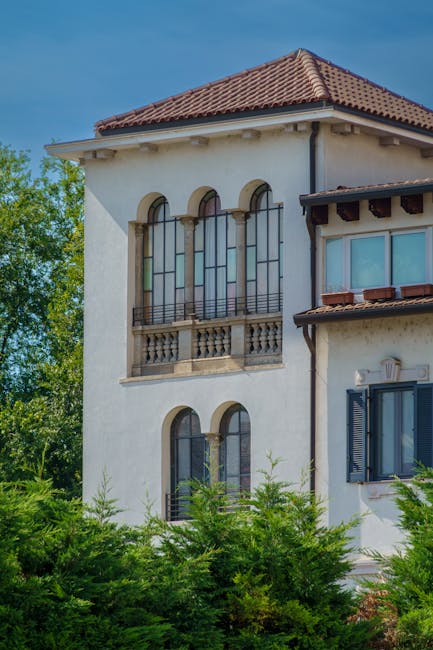
Strada Nuova, home to the civic museums of the Palazzi dei Rolli, is a jewel box of baroque palaces where heritage and architectural photography find exceptional ground for experimentation. Two must-see spots: Palazzo Rosso and Palazzo Bianco, located at Via Garibaldi 18 and Via Garibaldi 10, 16124 Genova. These museums house art collections but also host photographic exhibitions — sometimes projects that link painting and photography or installations that probe the museum space itself.
Opening hours and prices: the Strada Nuova Museums (Palazzo Rosso, Palazzo Bianco, and Palazzo Tursi) are generally open from 9:00 to 19:00. Combined civic museum ticket: about €10 full price, €5 reduced. Hours may vary by season and public holidays; always check online. Visitors with a Genoa Pass or certain tourist cards may get free or reduced entry.
Immersive description and practical tips: the richly decorated façades along Via Garibaldi set the visual stage before you enter. Inside, architectural photography often requires careful exposure control to manage mixed lighting (side windows plus artwork lighting). A quality wide-angle lens (16–35mm) helps capture grand salons and monumental staircases, while a fast 50mm is great for ornament details. The museums sometimes offer themed tours on the palaces’ history and collections — very useful for contextualizing photographic series inspired by the place. Also respect the rules: non-flash photos are usually tolerated for private use; any commercial shooting requires prior authorization from the Civic Museums.
Independent Galleries, Archives and Alternative Spaces
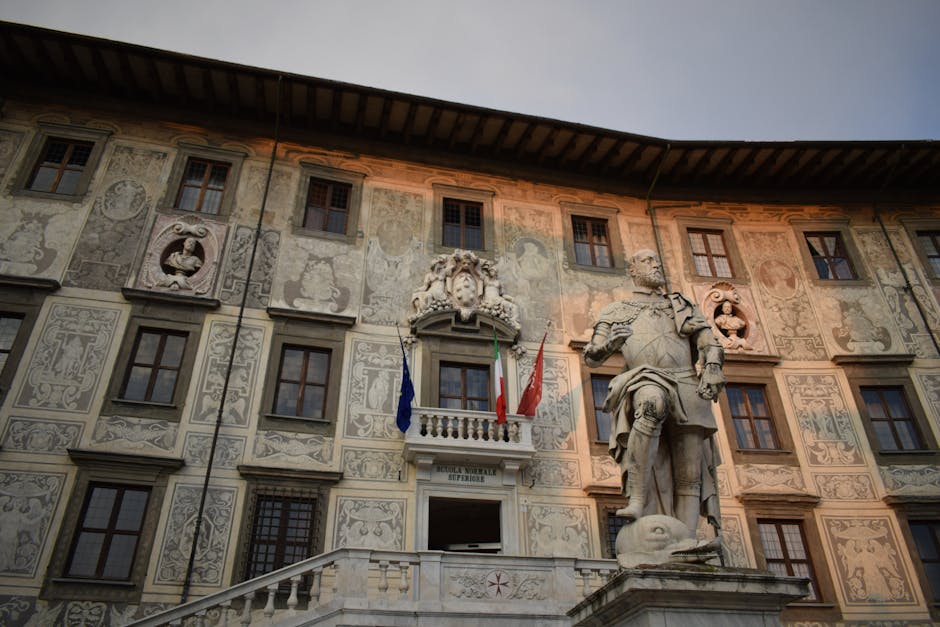
Beyond the major museums, Genoa has a lively network of independent galleries and archives that play a key role in documentary and experimental photography. Look out for spaces like FABBRICA (a multidisciplinary visual arts space), temporary exhibition spaces in the Carignano neighborhood, and small galleries and national contemporary art venues (check local listings). Many emerging projects take place in cultural cafés, specialist bookshops and community centers where you’ll find series by young local photographers.
Opening hours and prices: independent galleries often have variable hours — some open only in the afternoons (14:00–19:00) and at evening openings; entry is usually free or by a small contribution (€0–€5). Municipal photographic archives may require bookings to consult collections and charge reproduction fees (typically €5–€20 depending on intended use).
Immersive description and practical tips: these alternative venues are ideal for discovering unpublished work and making contacts. Bring business cards or a digital portfolio and be ready to talk with artists and curators. For documentary photographers, access to archives can reveal historical series about the port, migration and industrial life — invaluable resources for comparative projects. Also look for local photo markets and specialist bookshops (for example around the Porto Antico): that’s often where you’ll find zines and handmade publications you won’t see anywhere else.
Photography Festivals, Events and Workshops
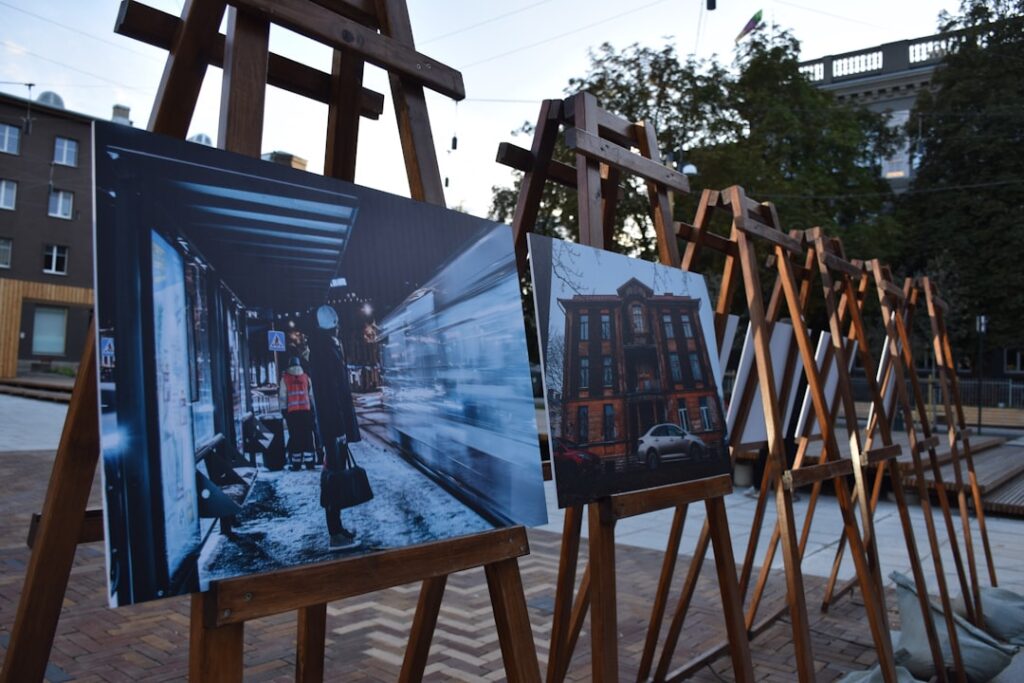
Genoa hosts several annual events and festivals where photography takes center stage, from outdoor exhibitions to documentary festivals and professional meetups. Key happenings include temporary shows at Palazzo Ducale, photographic trails in the Porto Antico, and local festivals emphasizing reportage, social photography and portraiture. These events draw international visitors and offer workshops, panel talks and screenings devoted to the medium.
Opening hours and prices: festival calendars vary (spring/summer and autumn are peak periods). Many offer free-access elements (outdoor exhibitions, installations) and paid tickets for conferences, masterclasses and workshops (fees range from €10 to €80 depending on duration and speaker profile). For intensive masterclasses, book weeks in advance as spaces fill quickly.
Immersive description and practical tips: attending a festival is a unique way to sharpen your eye and expand your network. Wear comfortable shoes and carry a light bag: city routes often involve walking and multimodal transport. Bring two batteries and an extra memory card — festivals generate lots of shooting. For outdoor workshops, check insurance and local permissions if you’ll be photographing identifiable people (models, private properties). And consult day-by-day programs to spot evening openings, which are great for informal encounters with artists and curators over a glass.
Practical Tips for Photographing Genoa: Logistics and Field Advice
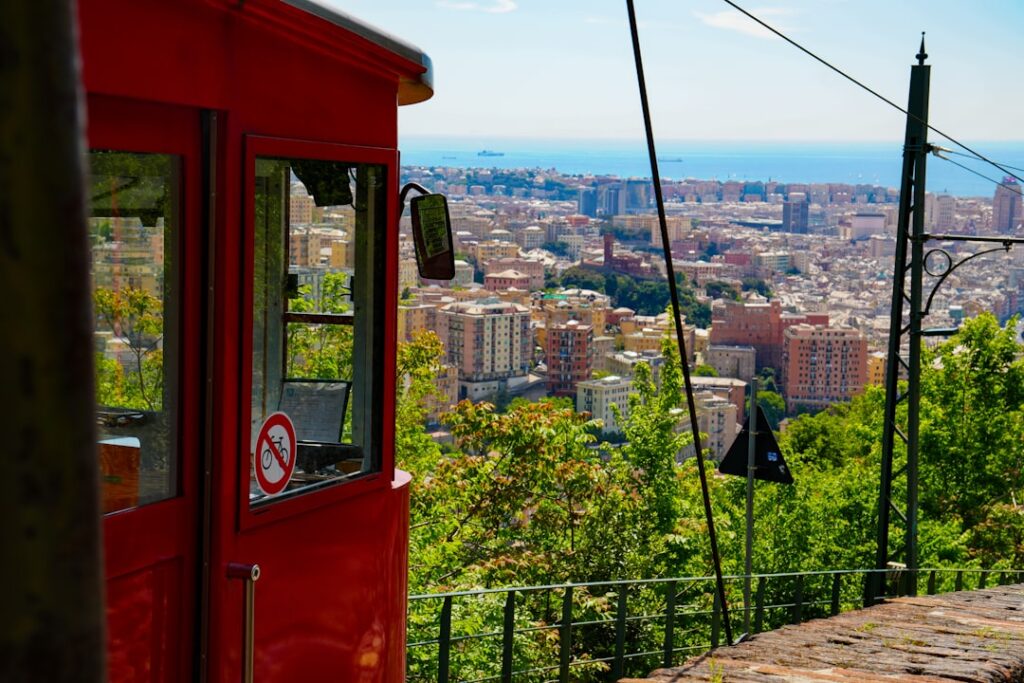
Getting around: Genoa is very walkable in the historic center but is also well served by buses (AMT Genova), elevators and funiculars that reach the hilltop neighborhoods (e.g. Funicolare Zecca-Righi). To reach key cultural spots — Palazzo Ducale (Piazza Giacomo Matteotti), Villa Croce (Corso Dogali, 18) and Via Garibaldi (Palazzo Rosso / Bianco) — plan routes from Genova Piazza Principe or Genova Brignole stations depending on your accommodation.
Recommended gear: for city work, bring a lightweight, versatile camera body, a 24–70mm for general use, a 16–35mm for architecture, a fast 50mm for portraits and details, and a light 70–200mm zoom if you like compressing perspectives from terraces. A compact tripod can be useful for night scenes and low-light interiors, but always check museum rules. Carry spare batteries, memory cards and a weatherproof cover — coastal weather can change quickly.
Safety and respect: Genoa is generally safe for daytime photography, but like any large port city be mindful in busier nighttime areas and keep gear secured in a crossbody bag. Respect privacy: ask permission for portraits and commercial shoots, especially in markets and places of worship. For professional shoots on heritage sites (palaces, museums), contact museum services for permits and, if needed, quotes for commercial usage.
Timing and impressions: the best light for photographing Genoa is during the morning and evening golden hours: the harbor and coastline pick up warm tones while the alleys deliver strong contrasts. Weekday mornings are perfect to avoid crowds in the historic center. If you’re visiting a festival or major exhibition, leave a morning for a thorough visit and use the afternoon to scout workshops or meetings. Above all, give yourself time to wander: Genoa rewards slow photography.
Conclusion: Taking Genoa Home in Your Photography
Exploring photography in Genoa means engaging with a city layered in histories: merchant ports, aristocratic palaces, working-class neighborhoods, hills and sea. Every visitor can create a personal visual narrative by mixing big institutional shows with discoveries in small independent galleries. Institutions like Palazzo Ducale and Villa Croce present landmark exhibitions and author talks, while the Palazzi dei Rolli and Strada Nuova let you explore architectural archetypes and experiment with heritage photography. Festivals and workshops are prime moments to deepen your skills, broaden your contacts and immerse yourself in contemporary practices.
Practically, prepare your trip by checking opening hours and entry fees for the places you want to visit — exhibition calendars and festival programs change often. Book ahead for workshops and openings, pack gear that suits a variety of settings (from wide-angle for palaces to portrait lenses for markets), and always follow local rules on shooting and image use. Visit the local bookshops and photo shops to enrich your photo library and pick up local editions or unique zines.
Lastly, let Genoa’s light touch you: it shapes wall textures, reveals the strata of its neighborhoods and elevates portraits. Whether you’re drawn to documentary, portraiture, architecture or contemporary art, Genoa offers a palette that rewards patience, curiosity and openness. Return often: the city shifts with the seasons, exhibitions rotate, and every alley or belvedere can produce the shot you didn’t know you were after. Bring home your best images — and the small stories heard at openings, workshops or cafés — for they’re part of what makes photography in Genoa so precious.