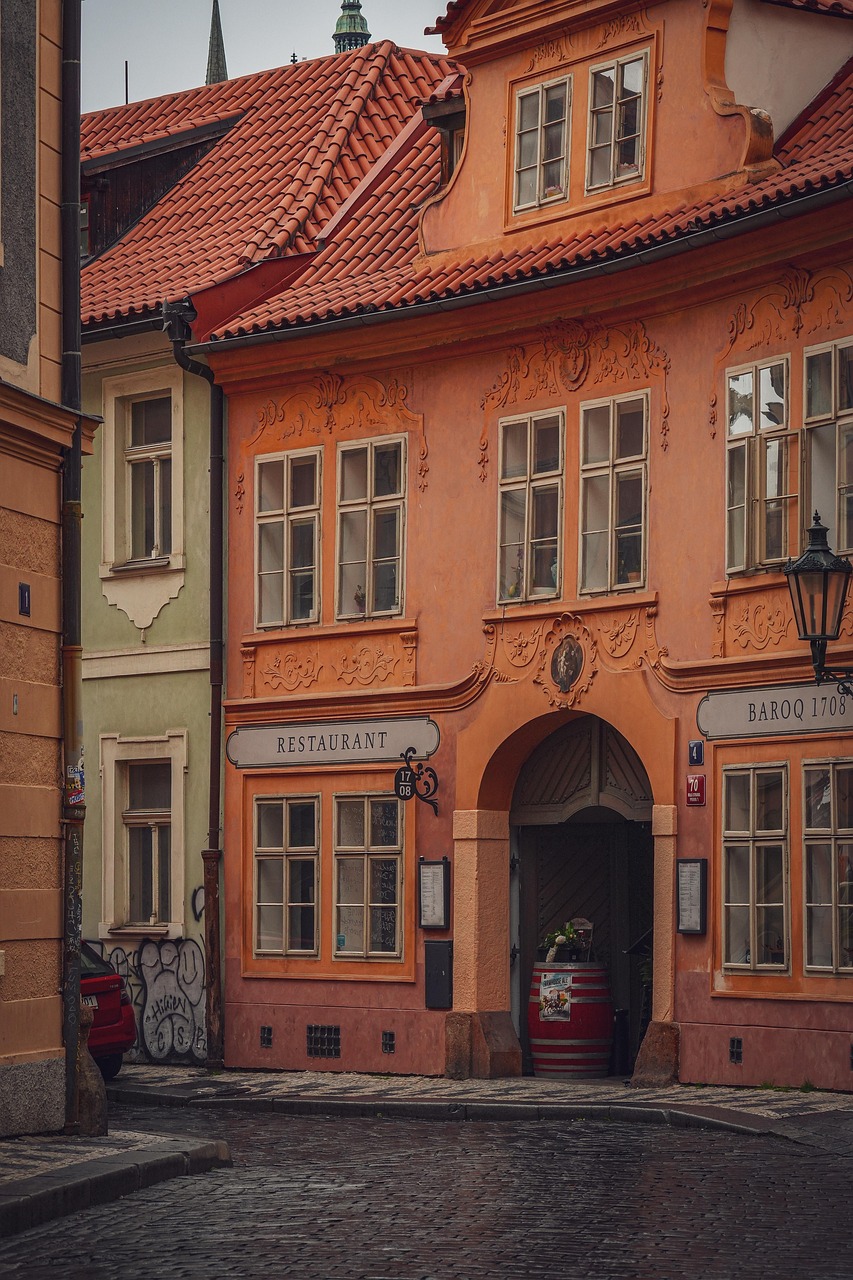





Introduction: A Baroque Stroll Through Genoa — Exploring the Rolli Facades
Genoa, a historic port and Mediterranean trading hub, preserves an extraordinary urban memory: the Palazzi dei Rolli, the lavish palaces that line the Strada Nuova (today Via Garibaldi) and nearby neighborhoods. Listed as a UNESCO World Heritage site, the Rolli served both as private homes and as a kind of official hospitality: an official register — the « rollo » — dictated which palace would host distinguished guests sent by the Republic of Genoa. A baroque walk along these façades reveals not only the architectural and decorative opulence of the 17th and 18th centuries, but also a civic rivalry among patrician families played out in stone.
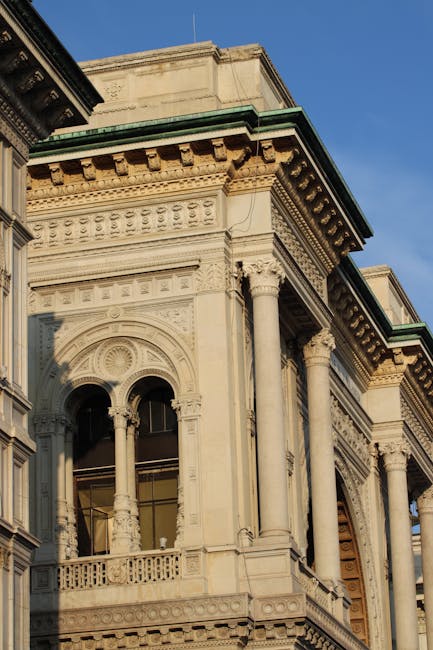
This walk isn’t just about admiring grand doorways or carved cornices: it’s a sculptural language where marble, Ligurian gray stone, stucco, wrought-iron balconies and mascarons tell stories of power, trade and international ties. The façades, often freshly restored, alternate between geometric restraint and full-blown baroque drama, and the smooth fronts along Via Garibaldi answer one another like an open-air gallery. Strolling slowly with your head tilted up lets you spot details you’d otherwise miss at first glance: family crests, semicircular windows, stacked loggias, and the use of color — ochres, grays and off-whites — that catch the light from the harbor.
This practical, professionally-oriented guide leads you through a structured walk so you can identify, understand and appreciate the most intriguing Rolli façades. You’ll find exact addresses, opening hours, admission prices in euros for visiting some palace-museums, and immersive descriptions of the exteriors and the on-site atmosphere. Practical tips will help you optimize your visit: best times for light, suggested walking routes, public transport access and tricks to avoid the crowds. Whether you’re into architecture, photography, cultural travel or simply curious, this baroque stroll through Genoa will teach you to read the city like a richly illustrated stone book.
Before you go: wear comfortable shoes (the cobbles are uneven), bring a notebook to jot down palace names and coat-of-arms you spot, and have a camera ready to capture the interplay of shadow and relief on the façades. Several museums reachable from these exteriors require timed tickets; booking online is often recommended, especially in high season. Finally, respect the buildings: many remain active public spaces and house institutions. Take the time to savor the neighborhood’s slow pace — sit at a local café terrace and let the city tell you its baroque story.
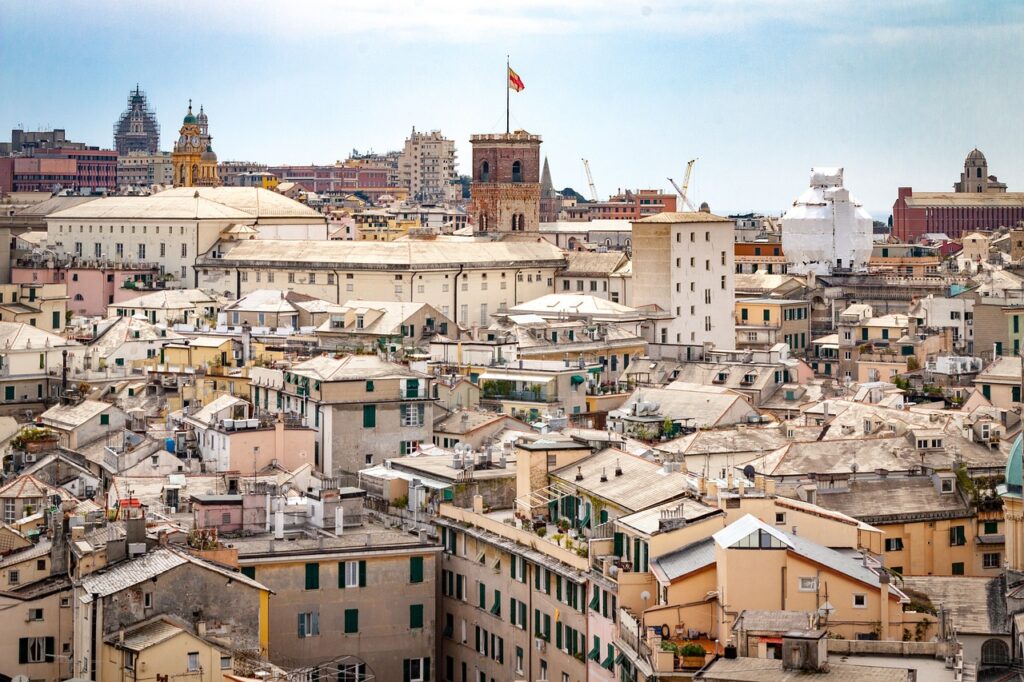
Via Garibaldi: The Rolli’s Open-Air Gallery and Iconic Fronts
Via Garibaldi (formerly Strada Nuova) is the heart of the baroque walk. Laid out in the 16th century, this heritage street displays façades that showcased the prestige of the Republic’s leading families. Each palace offers a worked façade: monumental portals, corniced windows, wrought-iron balconies and decorated lintels. Some of the most notable facades you can see from the street are:
- Palazzo Nicolosio Lomellino, Via Garibaldi 9 — a baroque frontage with triple orders of windows and a central balcony. Exact address: Via Garibaldi, 9, 16124 Genova GE. Admission (when guided visits to Palazzo Lomellino are available): about €6. Hours vary; often open by private reservation or during cultural events. This palace stands out for its painted façades and its signed ashlar stone portal.
- Palazzo Doria-Spinola / Palazzo Tursi, Piazza De Ferrari 5 — also known as Palazzo Doria-Tursi, home to the city hall and a museum. Address: Piazza De Ferrari, 5, 16121 Genova GE. Admission to the municipal museum (Museo di Palazzo Doria-Tursi): €6. Typical hours: Tuesday–Sunday 9:30–19:00, closed Monday. The façade is imposing, built in gray stone, with a large balcony overlooking Genoa’s main square.
- Palazzo Rosso, Via Garibaldi 18 — famous for its ochre façade and its rich interior collection. Address: Via Garibaldi, 18, 16124 Genova GE. Admission: €7 (single entry), or €12 for a combined ticket to the Musei di Strada Nuova (Palazzo Rosso + Palazzo Bianco + Palazzo Doria-Tursi). Hours: Tuesday–Sunday 9:30–19:00, closed Monday. From the street, Palazzo Rosso shows classical order and refined cornices, with Italian windows framed by sculpted lintels.
- Palazzo Bianco, Via Garibaldi 11 — a restrained but elegant façade, housing an impressive European painting collection. Address: Via Garibaldi, 11, 16124 Genova GE. Admission: €7 (single entry); combined tickets available for €12. Hours mirror Palazzo Rosso (typically 9:30–19:00 Tuesday to Sunday). From the street, the façade displays a steady rhythm of windows and a monumental bossed portal.
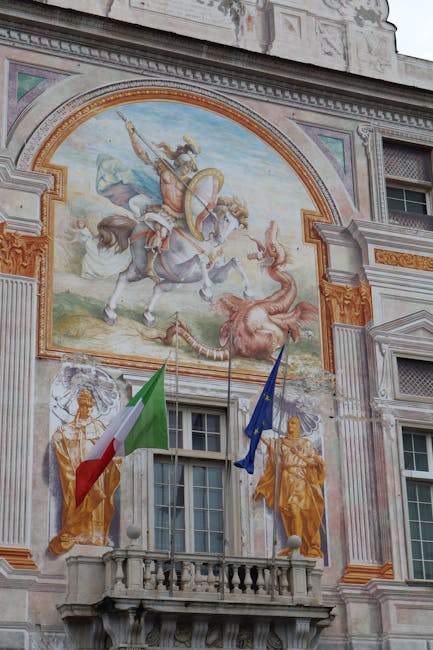
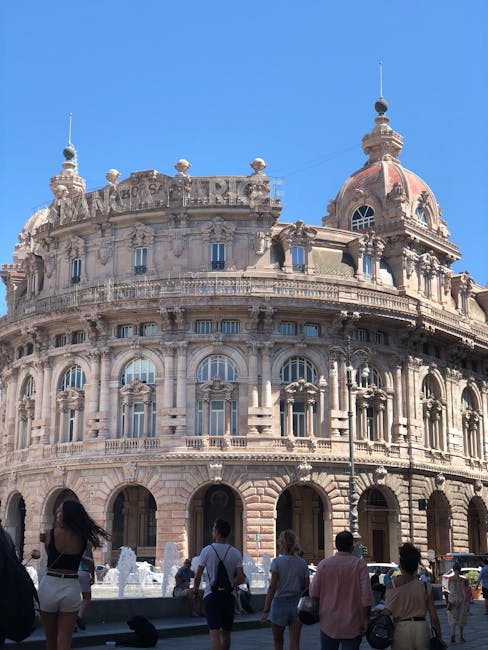
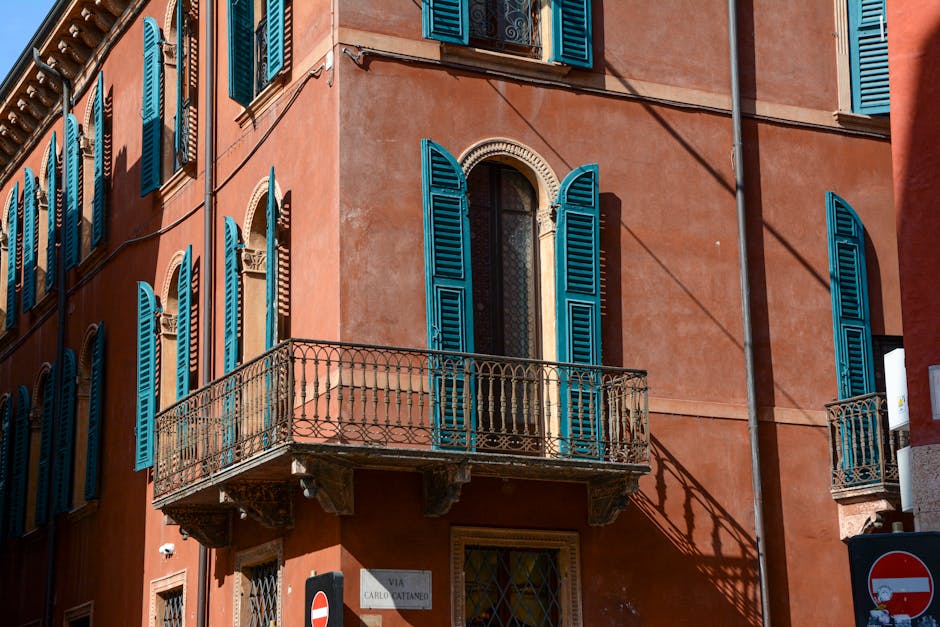
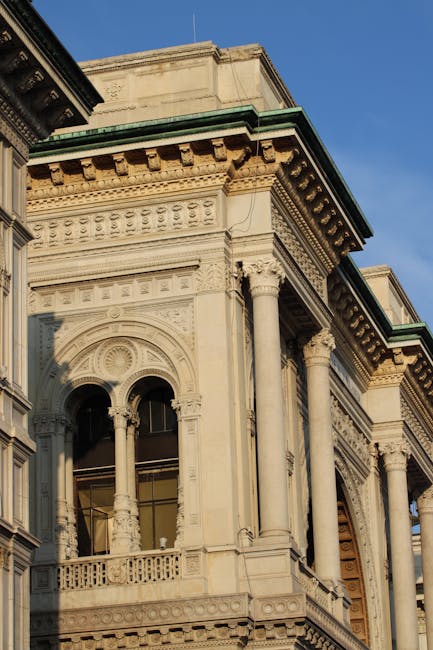
Read these façades storey by storey: a rusticated stone base, the piano nobile (noble floor) with large windows and a central balcony, and a cornice-topped roof. Take time to study the carved details near lintels and keystones: they often display family coats-of-arms or marine allegories that recall Genoa’s trading might. For photographers, morning light (between 8:30 and 11:00) beautifully illuminates east-facing façades; late afternoon creates side shadows that accentuate stucco and cornice reliefs.
Local tip: start early to avoid tour groups and tailor your observations. Several historic cafés sit just off the main drag — a strong espresso at a pavement table helps you settle into the city’s rhythm before you start reading the façades. If you plan to go inside a palace, combined tickets for the Musei di Strada Nuova (Palazzo Rosso, Palazzo Bianco, Palazzo Doria-Tursi) are economical and help you connect the exterior statements with interior decor.
Façades beyond Via Garibaldi: Piazza di Pellicceria, Via Balbi and Baroque Surprises
Outside Via Garibaldi, the Rolli spread into other key areas of the city. Piazza di Pellicceria and Via Balbi, in particular, offer equally expressive and often more intimate façade compositions. These quarters reveal stylistic variety — from flamboyant baroque to neoclassical touches — and provide a quieter stroll away from the main tourist routes.
- Palazzo Spinola di Pellicceria, Piazza di Pellicceria 1 — address: Piazza di Pellicceria, 1, 16123 Genova GE. Admission: €6–€8 depending on temporary exhibitions. Hours: generally Tuesday–Sunday 10:00–18:00, closed Monday. The façade, narrower than those on Via Garibaldi, emphasizes verticality with a portal flanked by pilasters and a richly decorated balcony. The small, shaded piazza invites close inspection of carved details.
- Palazzo Reale, Via Balbi 10 — address: Via Balbi, 10, 16126 Genova GE. Admission: €10 (standard), with concessions for students and seniors. Hours: Tuesday–Sunday 10:00–18:00, closed Monday. Although located on Via Balbi, the palace’s main façade displays a solemn classicism, with exuberant decorative work on cornices and window surrounds. Side façades and the inner courtyard reveal frescoes and dramatic marble treatments.
- Minor palaces and port-area façades — heading toward the historic port and exploring the adjacent alleys, you’ll find lesser-known façades, many recently restored. These patrician houses feature mascarons, maritime bas-reliefs and Latin inscriptions that testify to seafaring exchanges. They’re worth pausing for: the sculpted details, preserved ironwork and salt-weathered colors tell their own stories.
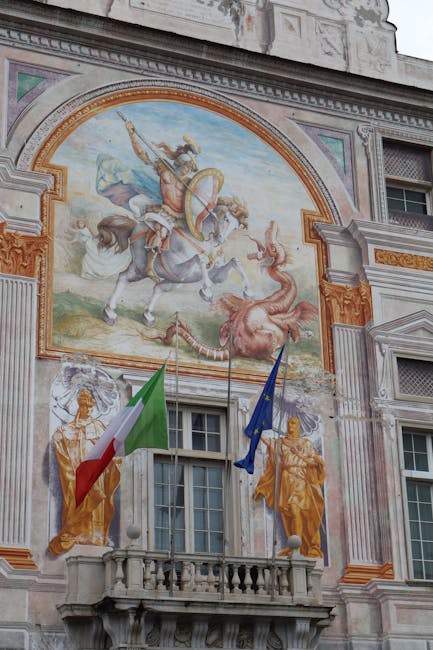
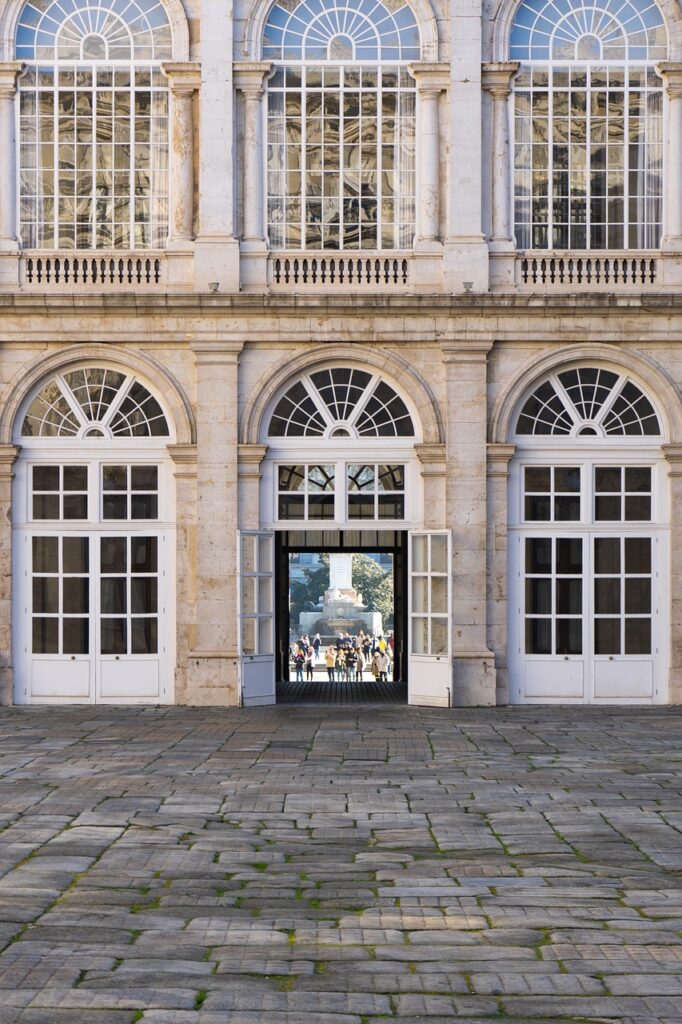
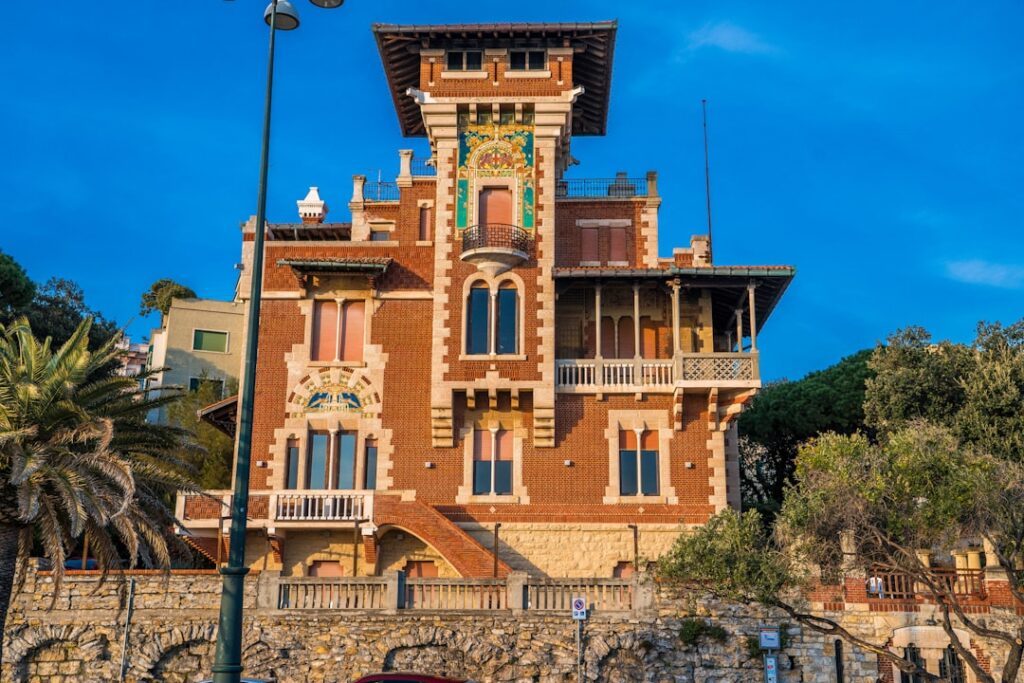
Practical tip: Piazza di Pellicceria and the areas around Via Balbi are ideal for combining architectural observation with a cultural break — museums, small galleries and specialist bookstores focused on regional history are nearby. Watch opening hours: many palaces close on Mondays and some temporary exhibitions require time-slot bookings. If you plan to visit Palazzo Reale, allow at least 90 minutes to enjoy its gardens, state apartments and art collection.
Practical Tips for the Stroll: Route, Tickets, Accessibility and Best Times
Organizing your baroque stroll takes a bit of planning. Here’s a recommended route, specific pricing guidance and practical advice for a successful visit.
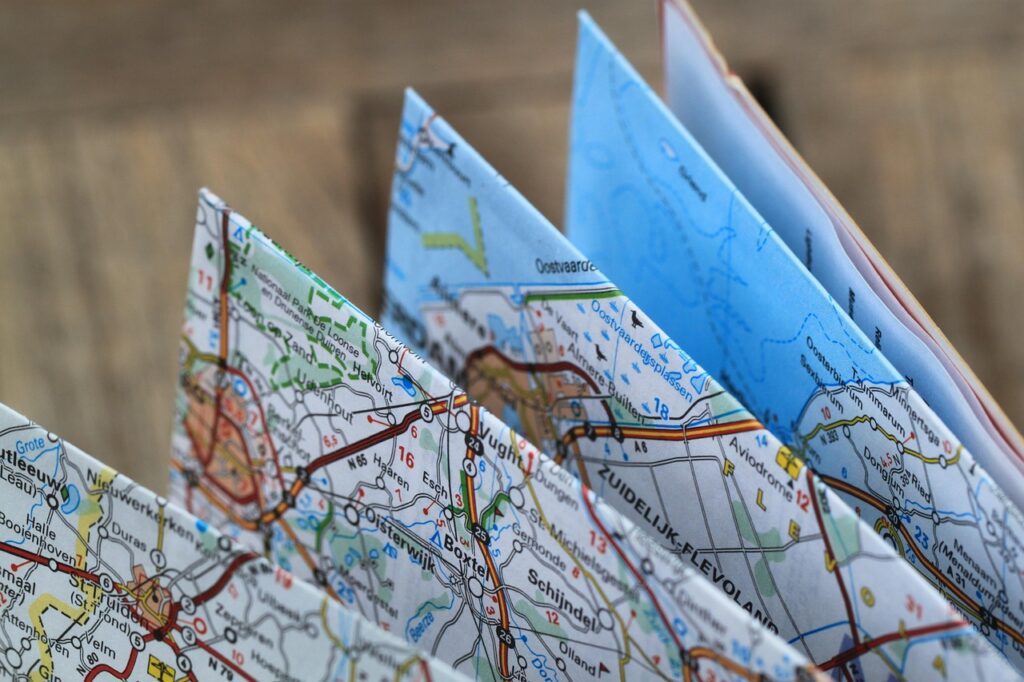
- Recommended route (on foot): start at Piazza De Ferrari (Piazza De Ferrari, 16121 Genova GE), walk up Via XX Settembre to Via Garibaldi, then follow Via Garibaldi from Palazzo Doria-Tursi / Palazzo Rosso (Via Garibaldi 18) to Palazzo Lomellino (Via Garibaldi 9). From there, head down to Piazza di Pellicceria (Piazza di Pellicceria, 16123 Genova GE) and finish along Via Balbi (with Palazzo Reale, Via Balbi 10). This loop takes about 2–3 hours if you don’t go into every museum; expect a half-day if you visit interiors.
- Tickets and prices: budget roughly if you plan multiple palace visits: Palazzo Rosso €7, Palazzo Bianco €7, Palazzo Doria-Tursi €6, Palazzo Spinola di Pellicceria €6–€8, Palazzo Reale €10. Combined ticket for the Musei di Strada Nuova (Palazzo Rosso + Palazzo Bianco + Palazzo Doria-Tursi): about €12. Discounts exist for students, under-18s and seniors — check official sites. Buying online is advised to skip lines, especially in July–August.
- General opening hours: most museums are open Tuesday to Sunday, from 9:30/10:00 to 18:00/19:00; frequent closures on Monday. Always check up-to-date schedules on official sites or call ahead: hours can change for temporary exhibitions or public holidays.
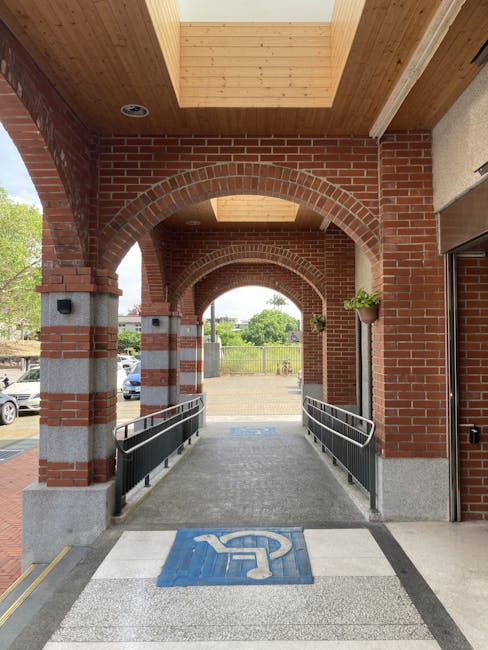
- Accessibility: some palaces are partially accessible to visitors with reduced mobility; ramps and lifts exist at certain sites but aren’t consistent across all buildings. Contact museums in advance (phone or email) to arrange access. Streets are cobbled and sometimes narrow — arrange assistance if needed.
- Best times and seasons: morning (8:30–11:00) for façades bathed in soft light and fewer tourists; late afternoon for stronger contrasts and dramatic shadow plays. In summer, avoid the hottest hours (12:00–16:00) and favor early mornings or evenings. Spring and autumn offer pleasant temperatures and lovely seasonal colors.
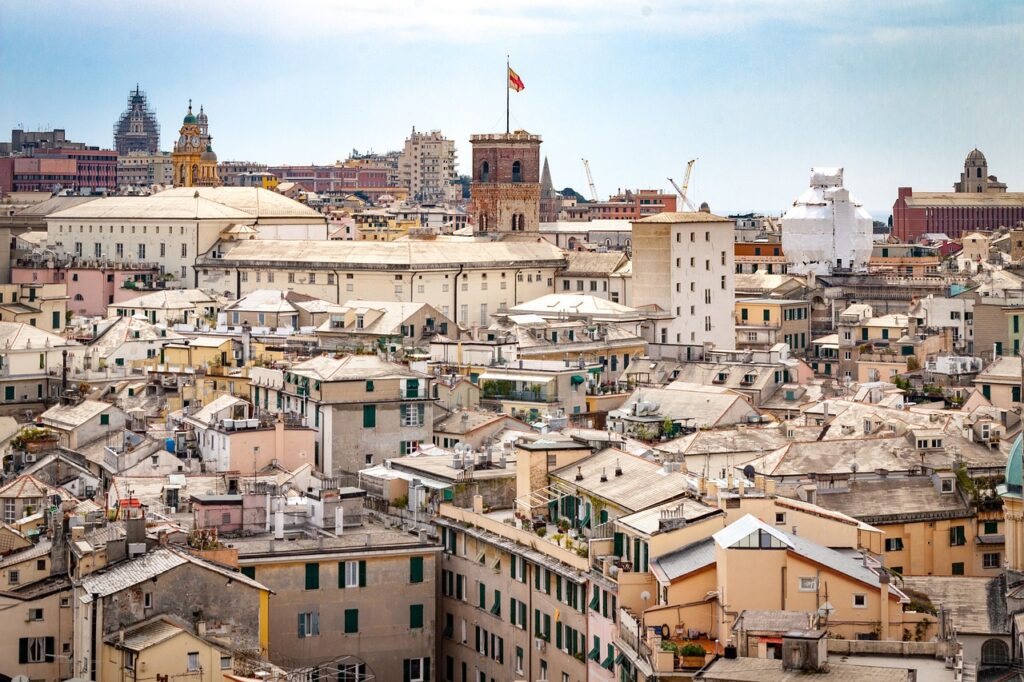
Local tip: several local guides and themed tours (baroque architecture, frescoes, family histories) are organized by cultural associations. A 90-minute guided walk can grant access to private palaces that are otherwise closed and provide lively anecdotes about the diplomacy and republican hospitality of the Rolli.
How to Read a Façade: Symbols, Materials and Conservation
Reading a baroque façade is a small discipline: every element — material, sculpted motif, proportion — conveys information about social origins, commercial links and sometimes the family’s trade. In Genoa, the use of local limestone, imported marble and colored stucco forms a material palette adapted to the maritime climate.
Recurring features to look for include:
- The piano nobile: the noble floor is often marked by larger windows and a central balcony. This is where official receptions took place — note the size and ornamentation to gauge a palace’s importance.
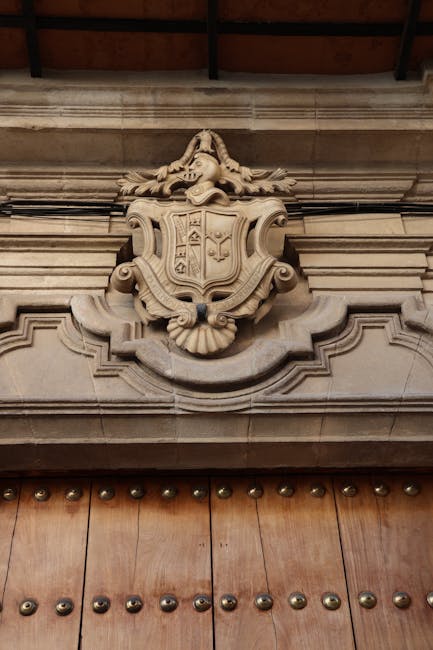
- Family arms and crests: carved in relief or painted, often placed above the main portal. They identify the owning family and sometimes marital alliances shown through combined heraldic symbols.
- Marine motifs: shells, tridents, stylized ships — frequent reminders of Genoa’s maritime and commercial vocation. They appear on keystones and bas-reliefs.
- Colors and stucco: ochres, pale yellows, grays. Painted façades are treated to resist salt; modern restorations aim to recover the original palette.
Conservation: the city of Genoa has launched several restoration campaigns to combat salt erosion and urban pollution. Restored façades often show new joints, replaced stone sections and reinforced cornices. When you study a façade, note the contrast between older and newer sections — it tells the story of interventions. Respect ongoing works and read on-site information panels to better understand preservation challenges.
Conclusion: Savor the Walk and Keep Exploring
A baroque stroll through the Rolli façades in Genoa is both a sensory and intellectual experience: it combines the wonder of sculpted decoration with an understanding of the socio-economic network that shaped the city. The façades, sometimes restrained and sometimes theatrical, are open pages of Genoa’s maritime and cultural history. Walking Via Garibaldi, Piazza di Pellicceria and Via Balbi, you’ll appreciate the range of architectural languages and the ways prestige was expressed in stone.
To extend your visit, I recommend:
- Visiting at least one interior (Palazzo Rosso or Palazzo Reale) to connect façade and interior décor.
- Joining a themed guided tour to learn about the coats-of-arms and the Rolli’s diplomatic context.
- Exploring adjacent alleys and the harbor to complete your reading of the urban landscape and spot secondary façades often overlooked.
- Checking with local tourist offices (Ufficio IAT Genova, Piazza De Ferrari) for maps and combined tickets.
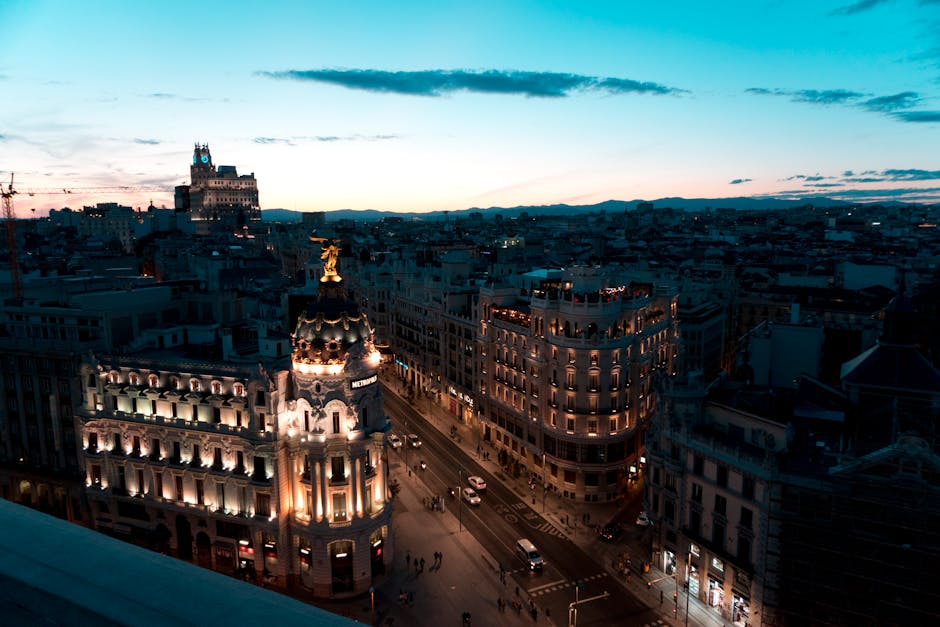
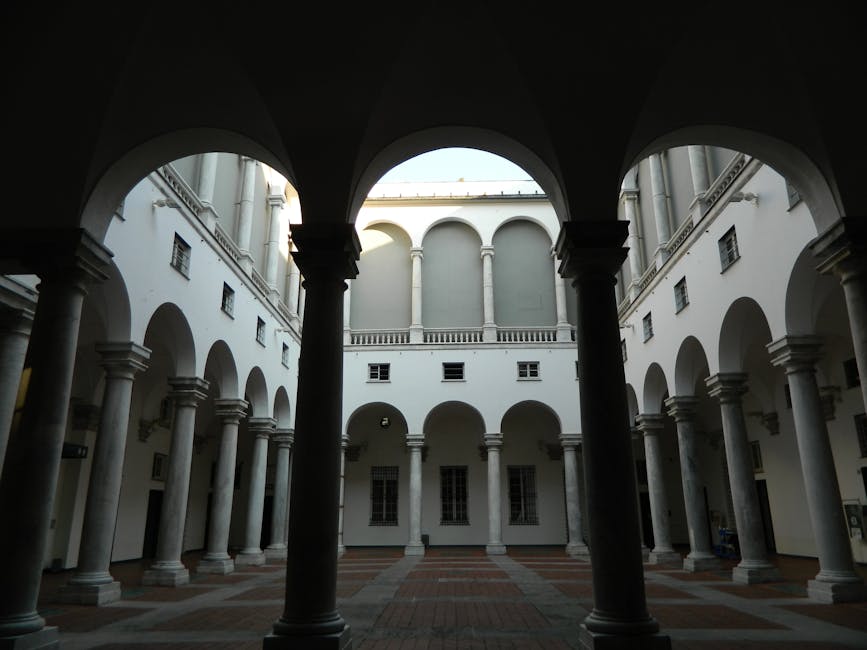
Ultimately, the baroque stroll in Genoa is not just a tourist route: it’s an invitation to read the city attentively. The Rolli façades, between carved details and urban grandeur, offer a route that feeds both the eye and historical curiosity. Take your time, let the light guide you, note recurring motifs and—most importantly—pay attention to small squares and passages where the finest baroque surprises often hide. Enjoy your walk and happy discoveries in Genoa.