





Introduction: Genoa’s UNESCO Palaces — a Baroque and Republican Symphony
Genoa, the maritime republic that shaped the Mediterranean for centuries, still wears its history in stone: the Palazzi dei Rolli — a group of aristocratic townhouses inscribed on UNESCO’s World Heritage List. Concentrated mainly along Via Garibaldi (formerly Strada Nuova) and in nearby neighborhoods, these palaces are a striking portrait of Genoese power, taste and social life in the 16th and 17th centuries. They showcase not only lavish facades and inner courtyards but also a unique civic system: the rolli — official registers of private palaces the Republic used to host distinguished visitors.
This practical guide invites you on an in-depth exploration of the listed palaces, with concrete details — exact addresses, opening hours, ticket prices in euros, immersive descriptions of interiors and decor, and local tips to make the most of your visit. Whether you love art, history, photography or are simply curious, you’ll find the information needed to plan your route through Genoa: best times to avoid crowds, hidden passages to look for, and the vantage points that offer the most dramatic views of courtyards and grand staircases.
The buildings that make up the UNESCO site are more than just fronts: many house museums — collections of ancient art, paintings, tapestries and ceremonial furniture — while others still serve public roles today. Among the most visited are the Museo di Palazzo Reale (Palazzo Reale di Genova), the Musei di Strada Nuova (Palazzo Rosso, Palazzo Bianco, Palazzo Doria Tursi) and several palaces belonging to the Spinola, Lomellini and Pallavicini families, whose salons, staircases and winter gardens reveal decorative treasures. Below we detail the main sites and share practical tips (combo tickets, online reservations, transport links from Genova Piazza Principe or Genova Brignole stations) and suggestions to extend the experience — neighborhood cafes, specialist history bookshops and restoration workshops you can sometimes observe during visits.
Before you set off, keep a few rules of thumb in mind: respect interior spaces (some rooms limit the number of visitors), take a guided tour to access rooms closed to the public, and favor mornings or late slots for the soft light that flatters frescoed chambers. Prices and hours in this guide reflect the situation at the time of writing and may change: it’s wise to check official sites or call the museums before you go for exceptional closures or temporary exhibitions.
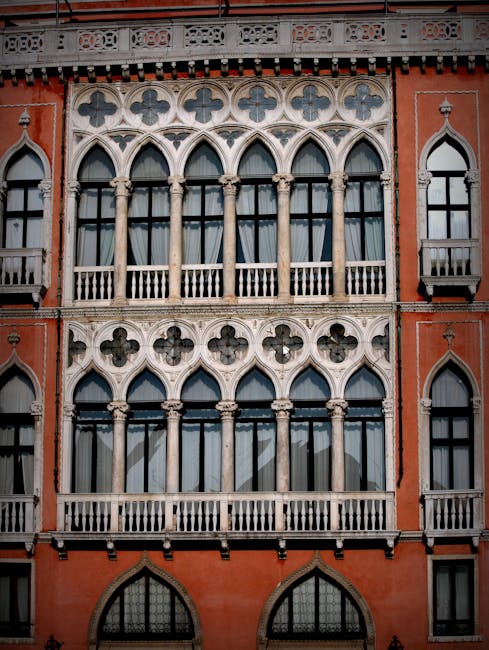
Via Garibaldi and the Musei di Strada Nuova: Palazzo Rosso, Palazzo Bianco, Palazzo Doria Tursi
Via Garibaldi is the backbone of the UNESCO Palazzi dei Rolli site. Strolling down the street, you’ll encounter a succession of richly decorated facades, cloistered courtyards and marble staircases. Three palaces — both museums and monuments — are run together as the Musei di Strada Nuova:
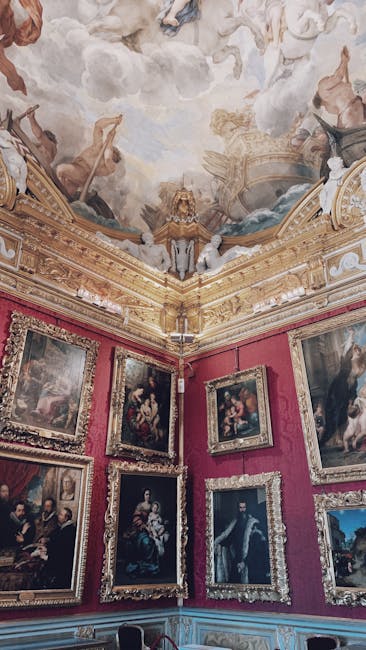
- Palazzo Rosso (Museo di Palazzo Rosso) — Address: Via Garibaldi 18, 16124 Genova. Hours: generally 10:00–18:00 (last entry 17:15), closed on Mondays. Price: single ticket around €7.00; combined Musei di Strada Nuova ticket (Palazzo Rosso + Palazzo Bianco) often €10.00–12.00. Description: once the residence of the Brignole Sale family, the palace displays Italian and Flemish paintings (Van Dyck, Veronese), period furniture, and offers a spectacular view of the honor courtyard and marble staircases. The rooms are rich in woodwork, frescoes and Baroque stucco; lighting is arranged to reveal the paint layers and textures of the artworks.
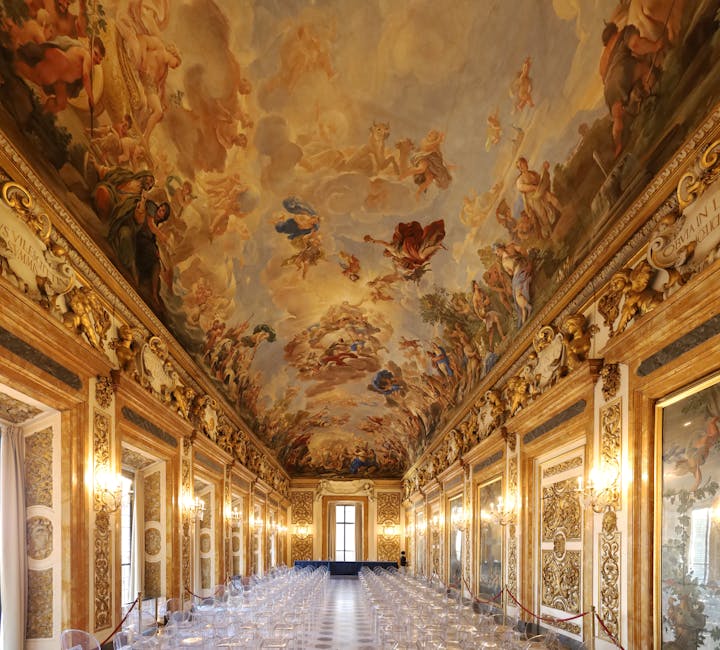
- Palazzo Bianco (Galleria di Palazzo Bianco) — Address: Via Garibaldi 11, 16124 Genova. Hours: 10:00–18:00 (last entry 17:15), closed on Mondays (variable). Price: single ticket around €7.00; often included in Musei di Strada Nuova packages. Description: the heart of European painting in Genoa, it displays masterpieces from the Genoese school and major Italian artists (Pietro da Cortona, Guercino), with a carefully curated route that reveals private salons and aristocratic intimacy.
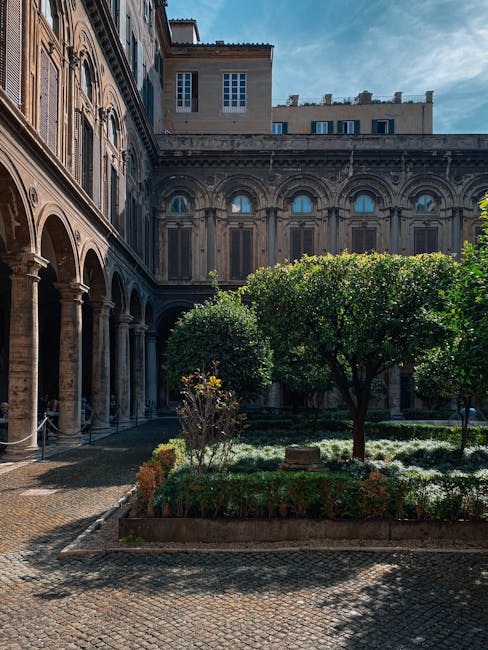
- Palazzo Doria Tursi (Museo Civico di Genova) — Address: Via Garibaldi 9, 16124 Genova. Hours: 10:00–19:00 on some days; hours vary with municipal events, sometimes closed on Monday mornings. Price: entry varies, often €6.00–9.00; combo tickets with other municipal sites are available. Description: home to the City Hall of Genoa, this palace preserves princely apartments, decorated salons and the collection of the famous violinist Niccolò Paganini (including his violin on display). Stucco work and painted ceilings, along with a sequence of ceremonial rooms, underline the palace’s official role at the heart of Genoese political and cultural life.
Practical tips: buying a combined « Musei di Strada Nuova » ticket (often available online via the Musen site) can save money and sometimes let you skip the line. Arrive early (or between 15:00 and 17:00) to benefit from natural light that highlights frescoes and gilded frames. Many rooms allow photography without flash; check signs and ask staff. Audio guides in English and Italian are often available for about €3.00–5.00.
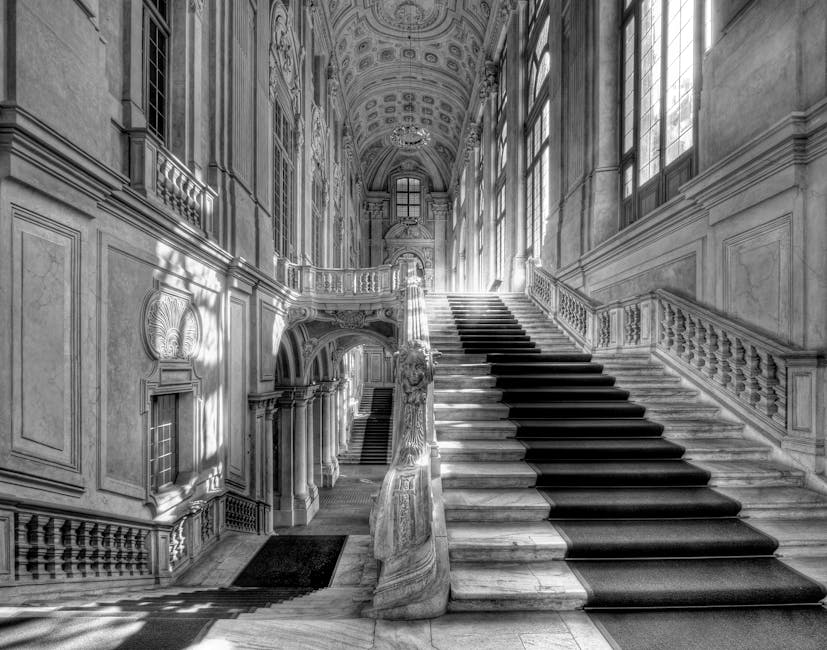
Other Major Listed Palaces: Palazzo Reale, Palazzo Spinola di Pellicceria and Palazzo Lomellino
Beyond Via Garibaldi, several other Rolli palaces deserve a closer visit. Each reveals a different aspect of Genoese aristocracy: official residence, urban pleasure house or private collection open to the public.
- Palazzo Reale (Museo di Palazzo Reale) — Address: Via Balbi 10, 16126 Genova. Hours: typically 09:30–19:00 (last entry 18:00), closed some Mondays; check the official website before you go. Price: standard ticket around €10.00–12.00; reduced fares for seniors/students. Description: former residence of the Balbi family and later the Savoy court, it offers a sumptuous tour of royal apartments, richly decorated salons, art collections and a hanging garden overlooking the city. Frescoed ceilings and tapestries are highlights for lovers of interior decoration.
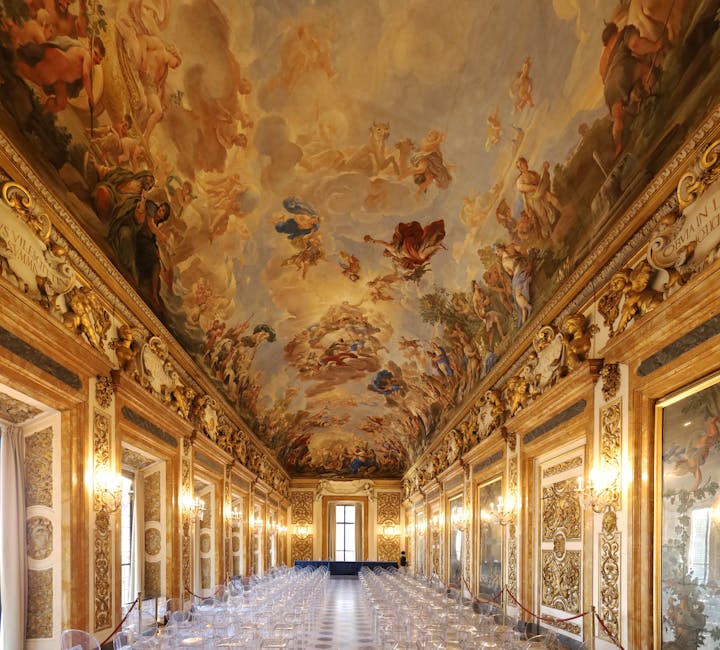
- Palazzo Spinola di Pellicceria — Address: Via Garibaldi 12, 16124 Genova. Hours: often 10:00–18:00 (seasonal), closed on certain days; check before you travel. Price: entry around €6.00–8.00; sometimes included in cultural circuits. Description: notable for its woodwork, banquet rooms and collection of art objects, this palace presents a coherent ensemble of aristocratic interiors. The salons preserve period furniture and family portraits, while the inner courtyard creates a play of light and shadow ideal for photography.
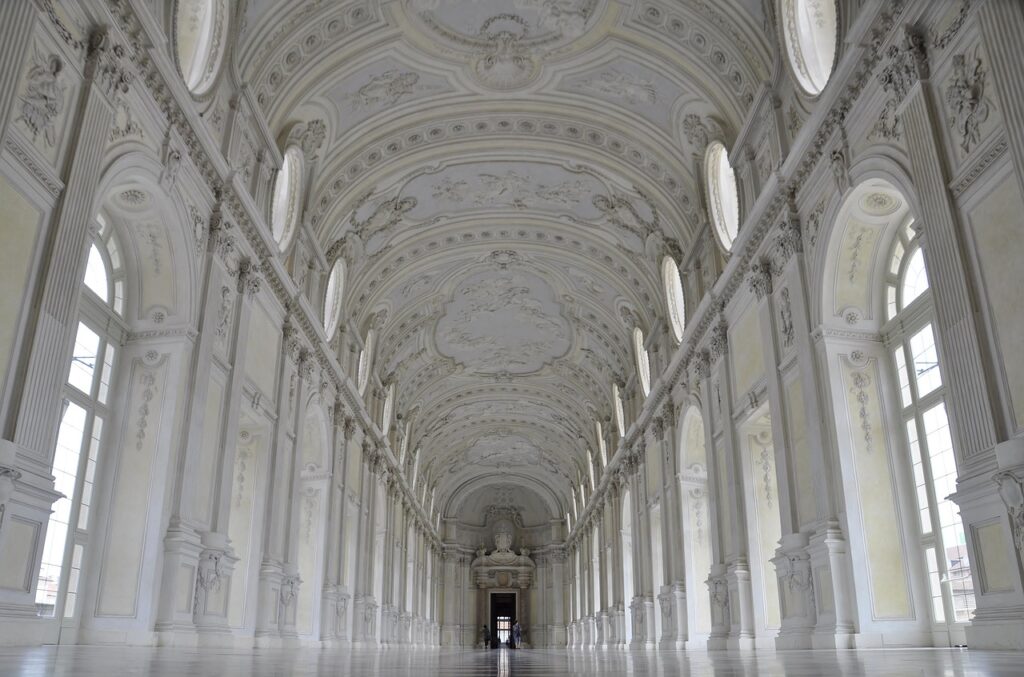
- Palazzo Lomellino (Palazzo Nicolosio Lomellino) — Address: Via Garibaldi 5, 16124 Genova. Hours: variable; parts of the palace open only for temporary exhibitions or by guided reservation. Price: often included in themed guided tours, with prices varying €8.00–15.00. Description: famous for its richly decorated main staircase and frescoed rooms, the Lomellino immerses visitors in 17th-century architectural refinement, with terraces and scenic views from the upper floors.
Local tip: for these less centralized palaces, prefer guided tours (in Italian or English) — often the only way to access private salons and gardens. Genoa’s tourist offices (IAT) run themed circuits and the occasional « Rolli Days » events when private palaces open to the public. For transit, use public transport or park nearby: bus line 35 and the tramway serve the Via Balbi and Via Garibaldi areas; from Genova Piazza Principe station, it’s about a 15–25 minute walk or 1–2 short bus stops depending on traffic.
Themed Visits, Architectural Secrets and Practical Tips for Travelers
The Palazzi dei Rolli are more than facades: they form a network of stories, families, objects and architectural innovations. Here’s how to deepen your experience with themed visits and practical advice to turn a tour into a sensory exploration.
- Themed visits and events: watch for temporary exhibitions and the « Rolli Days, » a periodic event when palaces normally closed open for free or by reservation. Museums sometimes offer evening routes, Baroque concerts in salons, and specialized guided tours (history of furnishings, fresco techniques, urban gardens). These themed routes deepen your understanding of how the palaces were used — for receptions, administration, or private residence — and often grant access to normally closed rooms.
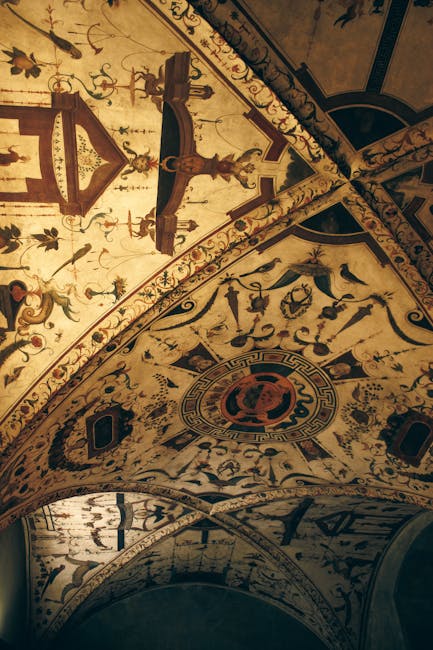
- Architectural secrets to look for: search for traces of the old rolli system — plaques, heraldic signs and coats of arms on facades; inspect inner courtyards with wells, columns and loggias. Inside, study the grand staircases (representative staircases), ceiling treatments (faux frames, trompe-l’œil) and ventilation devices designed for Mediterranean summers. Some palaces still preserve service passages, servants’ corridors and service quarters that reveal daily life behind the scenes.
- Practical tips:
- Tickets: buy online for the Musei di Strada Nuova and Palazzo Reale to avoid queues. Reservations for guided tours or groups are often mandatory in high season.
- Accessibility: many historic palaces have narrow staircases; visitors with reduced mobility should check ahead. Some museums offer elevators or adapted routes.
- Photography: most rooms allow photography without flash; flash is prohibited to protect artworks. For professional shoots, request permission from museum staff.
- Visit length: plan 1.5–2 hours per palace if you want to see the main rooms. A complete Rolli itinerary can take a full day or be spread over two days to better absorb the details.
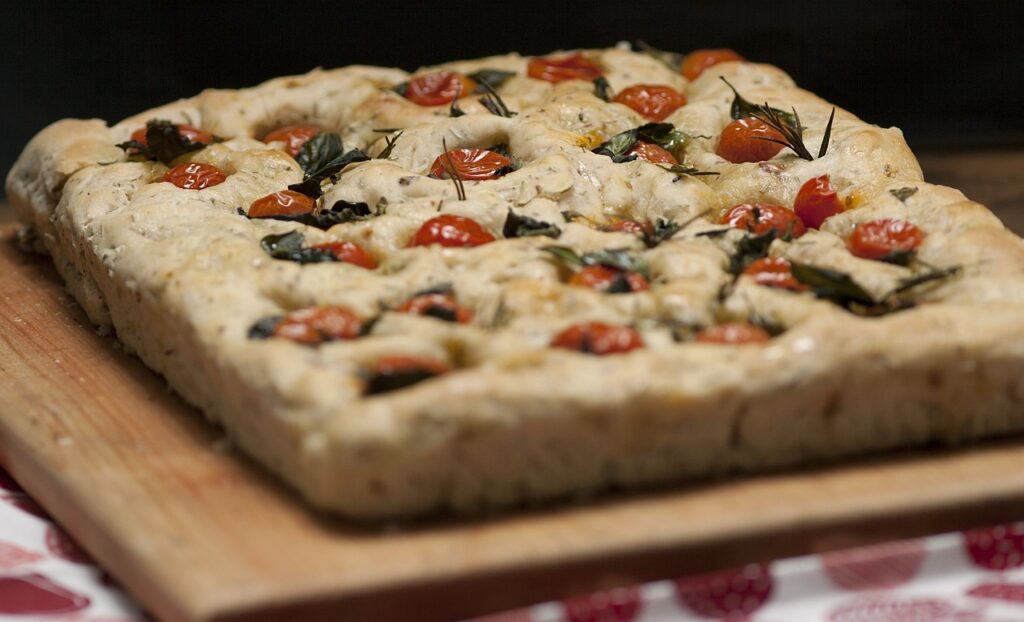
Local food tip: after your visit, stop at a nearby trattoria — try focaccia al formaggio (local cheese focaccia) or farinata — and pair your meal with a glass of Vermentino or Sciacchetrà for a sensory finish to your historical immersion.
Suggested Itinerary, Transport and Stay Tips
To make the most of the palaces on the World Heritage list, here’s a sample one-day route and practical information for getting around and extending your stay in Genoa.
- One-day walking itinerary:
- Morning: arrive at Genova Brignole or Genova Piazza Principe → start on Via Garibaldi. Begin at Palazzo Doria Tursi (Via Garibaldi 9) then continue to Palazzo Bianco (Via Garibaldi 11) and Palazzo Rosso (Via Garibaldi 18). Estimated duration: 3–4 hours if you visit all three museums.
- Lunch: choose a trattoria around Via Garibaldi or in the Carignano neighborhood (10–15 minutes on foot).
- Afternoon: head to Palazzo Reale (Via Balbi 10) then, time permitting, visit a Spinola palace or wander the centro storico to discover narrow alleys and small squares.
- Evening: stroll the marina, dine in Boccadasse or return to Piazza De Ferrari for a drink on a terrace.
- Transport: Genoa’s historic center is easily explored on foot. Bus and tram: AMT operates urban lines; get a daily ticket (about €4.50) if you’ll use multiple rides. Taxis: available from stations or the waterfront, fares vary — ask for an estimate. If you arrive by car, paid parking is available near Via Balbi and Via Garibaldi; it’s often easier to park outside the core and walk in.
- Stay tips: book accommodation in advance for high season (May–Sept). Choose a hotel or B&B in the historic center (areas around Portello or near Piazza De Ferrari) to be within walking distance of palaces and museums. Check local markets (Mercato Orientale) for fresh produce and regional specialties between visits.
Conclusion: Heritage, Daily Life and Preservation — Why Visit These Palaces Now
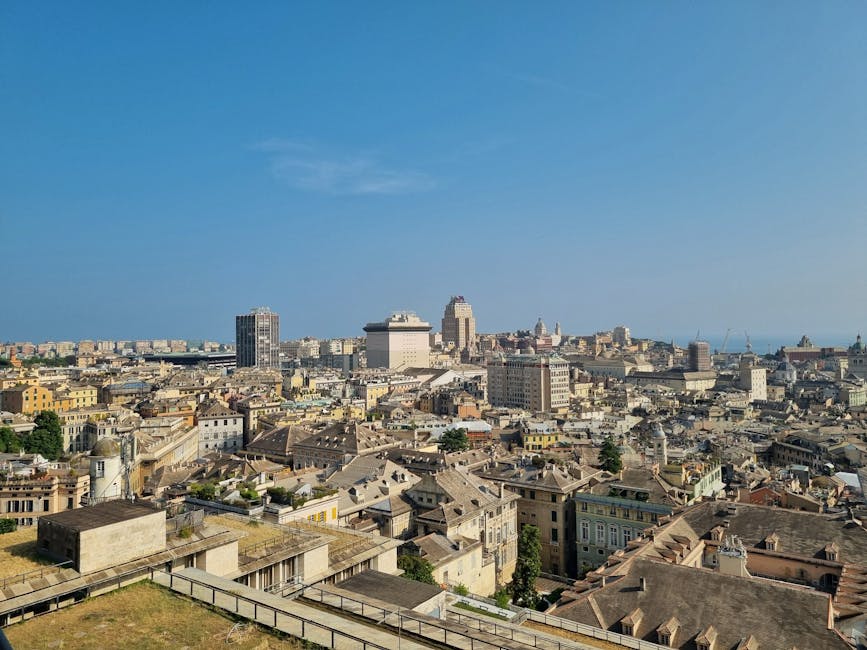
Visiting the palazzi inscribed on Genoa’s World Heritage List is stepping into a complex network where formal grandeur meets the history of trade, diplomacy and aristocratic private life. These homes tell the story of a city built on maritime exchange, family rivalries and a carefully staged culture of prestige. The facades of Via Garibaldi, painted halls, ceremonial staircases and hanging gardens are chapters of an urban narrative: a civic republic that distributed honor and official hospitality through the rolli.
Practically speaking, the conservation and public opening of these palaces have turned Genoa into a living, fragmented but interconnected museum — where every visit can reveal something new: a recently restored fresco, a private collection accessible during a Rolli Day, or a ceremonial room reopened after conservation. It’s an opportunity to understand not only Baroque and Mannerist aesthetics but also the social and political strategies that made these houses central to diplomacy and the city’s image.
When planning your visit, keep the practical tips in mind: favor combo tickets, book guided tours, and schedule your visits according to light and visitor flows. And leave time for the city itself: wander the lanes, taste Genoese specialties, and look for small details — a carved knocker, a faded coat of arms, a window onto a tiny garden — that make the Palazzi dei Rolli a living and ongoing heritage experience.
Whether your priority is art, architecture, photography or plain curiosity, Genoa’s palaces will speak through their stone, paintings and collections: listen, take your time, and leave feeling as if you’ve stepped through a door into several centuries of European history. Safe travels and enjoy uncovering the secrets and splendors of Genoa’s UNESCO palaces.