





Introduction — Hunting Treasures in Genoa: Why Genoese Craftsmanship Is Worth Your Time
Genoa (Genova) is a city you discover as much with your hands as with your eyes. A millennia-old Mediterranean port and crossroads of trade and flavors, it has preserved a rich, often-overlooked artisanal heritage: worked coral by skilled goldsmiths, Ligurian ceramics from Albisola, maritime textiles, handmade jars of pesto, scented soaps and delicate filigree jewelry. Shopping for souvenirs in Genoa isn’t about stacking up generic trinkets — it’s about spotting pieces that tell a story: the tale of family-run workshops, techniques passed down through generations, and a region shaped by sea and hillside.
This guide will physically orient you around the city: local markets, artisan shops, workshops where you can watch the craft being made, museum-shops, and downtown stores where you can find an authentic gift. You’ll get precise addresses, typical opening hours, realistic price ranges and practical tips for bargaining or avoiding tourist traps. The goal is to help you bring home not just an object, but a cultural keepsake — a little piece of Genoa to give or to treasure.
We’ll also suggest routes depending on how much time you have (half a day, a full day, or a weekend), the best times to hunt for finds (market mornings, late afternoons in the alleys), and logistical pointers (payment, summer closing times, weight and packing for travel). The following sections are organized by type of place: markets, must-stroll neighborhoods and streets, specialized workshops (coral, ceramics, textiles), museum-shops, and day-trip routes outside the center to Albisola and Savona, two focal points of Ligurian ceramics.
Before you start: a useful reminder. In Italy, many small shops close for two hours in the afternoon (typically from 1:00pm to 4:00pm) and stay closed on Sunday mornings; some workshops open by appointment only. If you have a particular workshop in mind, call or email to check hours. Finally, for purchases of valuable artisanal goods (stones, gold, coral), always ask for a receipt/fattura to avoid problems when returning to your country.
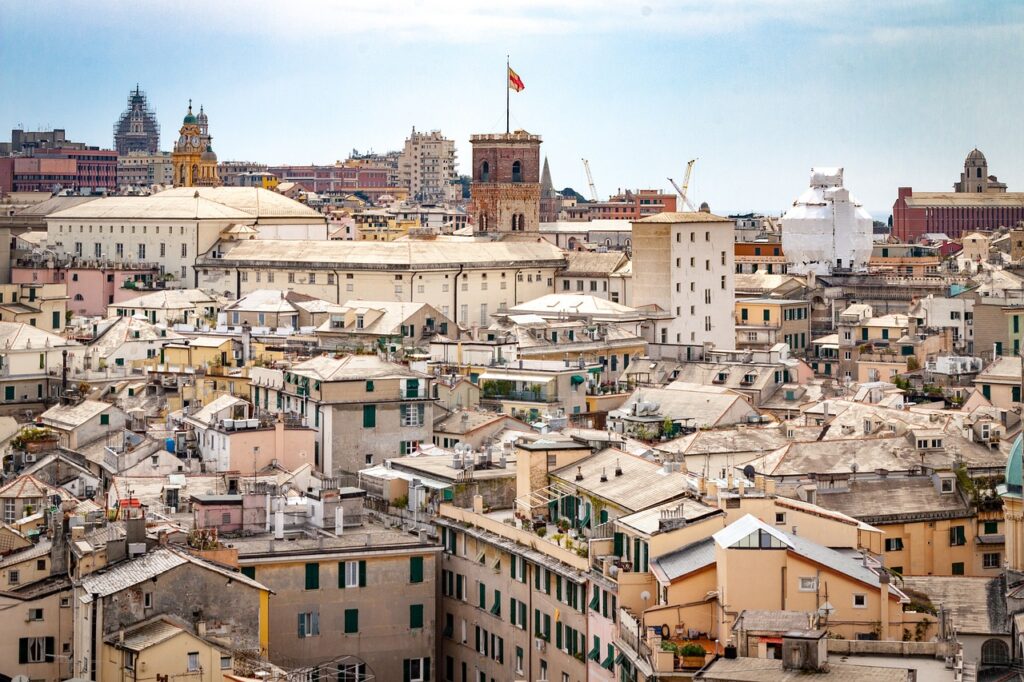
<img width="940" height="627" src="https://ue.is/wp-content/uploads/sites/43/2026/06/porto-antico-genoa-harbor-panoramic-view.jpg" class="aligncenter" alt="Port view of Genoa's Porto Antico » loading= »lazy » />
Markets and Food Halls: Where to Sniff Out Genoa’s Soul (Mercato Orientale and Surrounds)
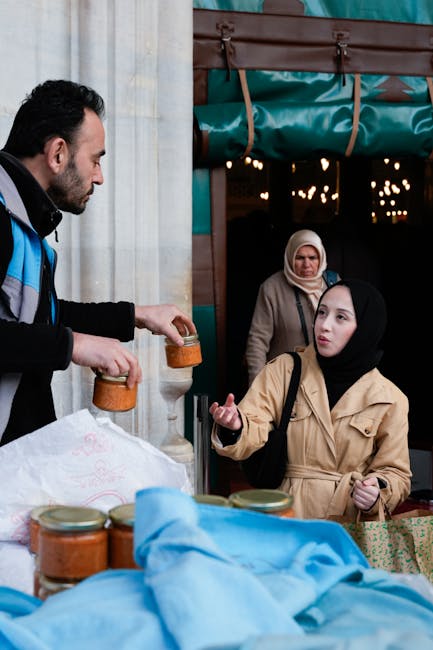
The must-start spot to soak up Genoa’s artisanal atmosphere is the Mercato Orientale, right in the heart of the city. Address: Mercato Orientale, Via XX Settembre 2R, 16121 Genova. Hours: generally Monday to Saturday from 7:30am to 2:30pm; some stalls stay open on Saturday afternoons until 6:00pm. Closed on Sundays. Here, artisanal food sits side-by-side with local produce — jars of homemade pesto, Ligurian olive oils, canned fish preserved in oil, and ceramic jars. Typical prices: jars of artisanal pesto €6–12, 250ml olive oils starting at €8, canned fish €3–8 depending on the brand.
Don’t limit yourself to the covered market: the surrounding streets (Via XX Settembre, Via San Vincenzo) host small craft shops and workshops selling travel-friendly items (leather bags, local shoes, small jewelry). Many vendors accept cards, but it’s wise to carry cash for the humbler stalls. Local tip: arrive early for the producers who pack up before midday — you’ll get the freshest products and can chat with the producer, who often comes from the nearby hills.
Another interesting market is Mercato di Castelletto (Vico degli Olandesi, near the Belvedere di Castelletto). Less touristy, it offers stalls from local artisans on some Sunday mornings. Prices are often lower than in the historic center, though the selection may be more limited. Practical tip: if you buy food products and you have a long flight ahead, ask for vacuum-sealing.
Streets and Neighborhoods to Explore: Via Garibaldi, the Old Port and the Alleys of Prè
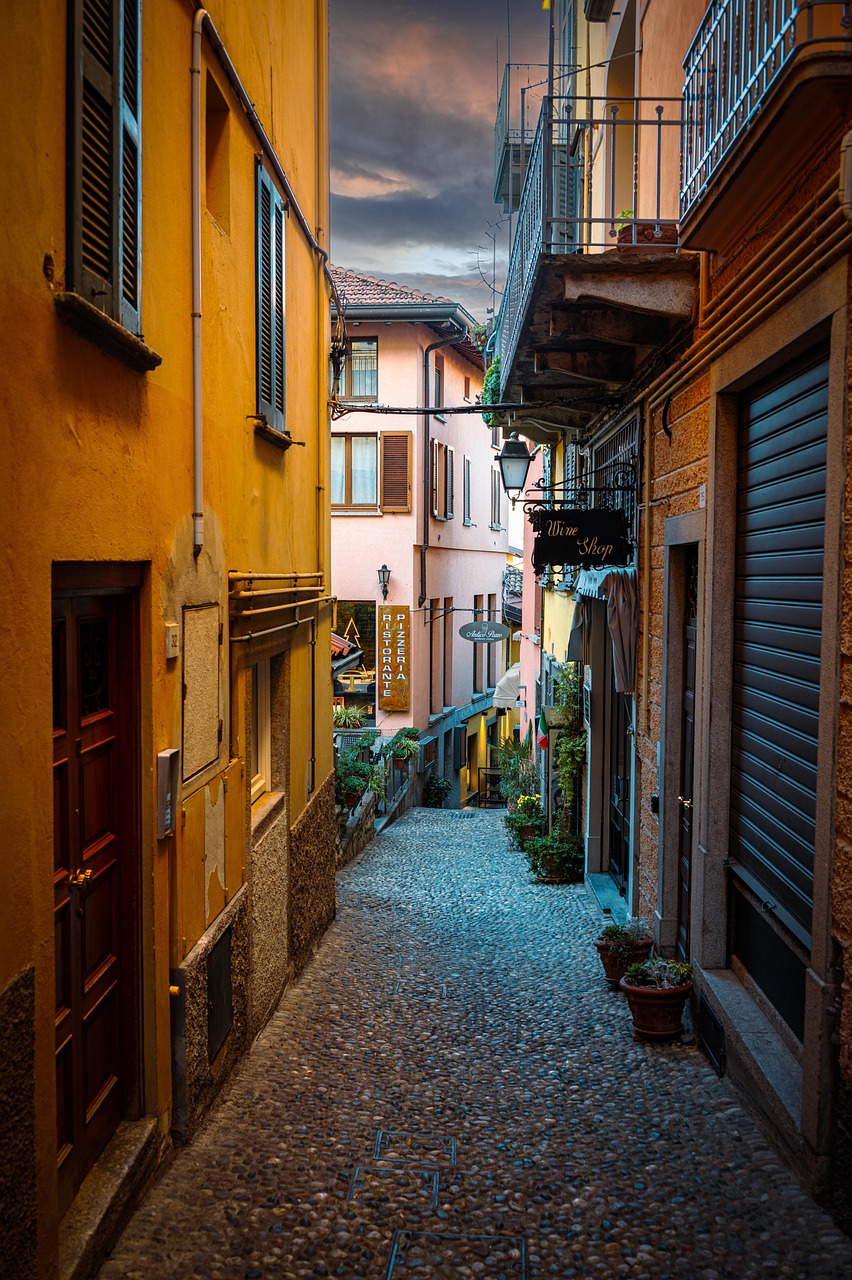
To uncover unique objects, lace up good shoes and get lost in the caruggi — those narrow lanes that wind from the historic center down to the port. Via Garibaldi (address: Via Garibaldi, 16124 Genova) is famous for its Rolli palaces (Palazzo Rosso, Palazzo Bianco, Palazzo Doria Tursi), but the street and its surroundings also house antique shops and galleries selling prints, old furniture and art objects. Typical gallery hours: 10:00am–6:00pm, some close on Mondays. Prices: small prints €20–60, decorative pieces €50–500 depending on age and condition.
Heading down toward the Porto Antico (Piazza Caricamento, 16128 Genova) you’ll find kiosks and tourist shops but also local designers selling sea-inspired jewelry and illustrated maps. The waterfront is a good place to buy sea-related items: model ships, decorative nets, small wooden sculptures and worked coral. Points of interest: the Bigo and the panoramic elevator offer viewpoints to spot workshops from above.
The Prè neighborhood (Sestiere di Prè), near Via San Lorenzo and the Porta Soprana, still retains a popular, working-class spirit. The alleys hide workshop-shops selling things like waxed canvas bags, leather belts and hats. Many of these workshops are open around 9:30am–1:00pm and 3:30pm–7:00pm, some closing Wednesday afternoons. Don’t hesitate to go inside: many artisans work in the back and can show you their techniques. Tip: for leather goods, ask whether they can provide certification on the leather’s origin to avoid regulated materials.
Specialized Workshops: Genoese Coral, Filigree and Albisola Ceramics
Three crafts stand out across the Genoa area: coral work (corallo), filigree and Albisola ceramics. Each deserves a visit or a considered purchase.
Genoese coral — coral from the Ligurian coast has a strong reputation. Look for established shops and ask for a certificate of origin (certificazione). A typical workshop-shop in the center: Bottega del Corallo (example format), Via Cairoli 10R, 16123 Genova — indicative hours 10:00am–1:00pm and 3:30pm–7:00pm. Prices: small pendants €50–120, earrings €80–250, worked necklaces €200–1,200 depending on quality and workmanship. Tip: pieces set in silver are usually more affordable; always demand a receipt to justify the item’s origin if you’re returning outside the EU.
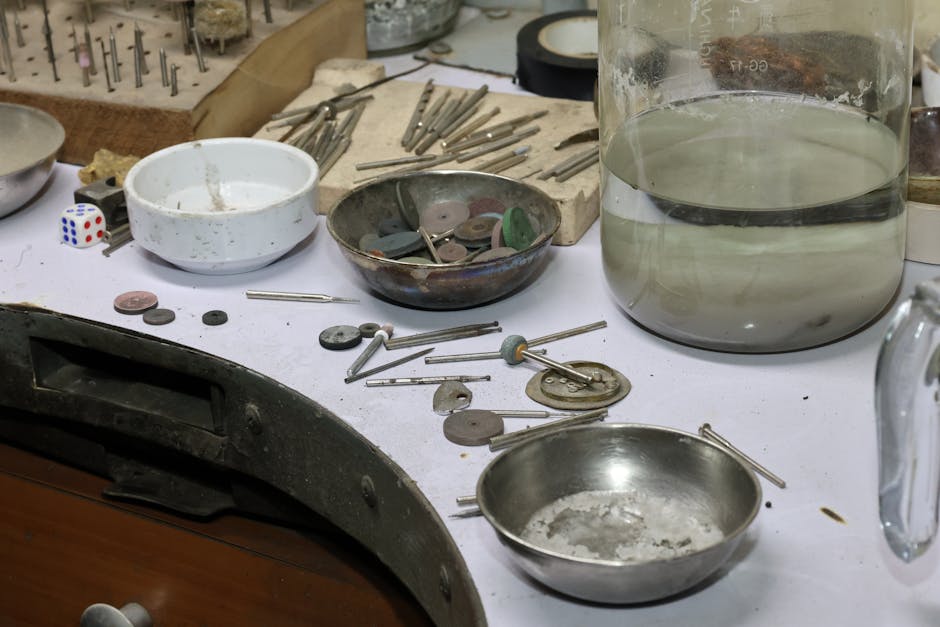
Filigree — fine silver jewelry with delicate motifs. Jewelry workshops around Via Luccoli and Via San Bernardo offer local filigree pieces. Example address: Orafo Filigrana, Via Luccoli 17R, 16121 Genova. Hours: Tuesday to Saturday 10:00am–7:00pm, closed Sunday. Prices: filigree rings €70–300, pendants €40–200. If you want a custom piece, expect 2–10 days and a surcharge of around 30–60% depending on complexity.
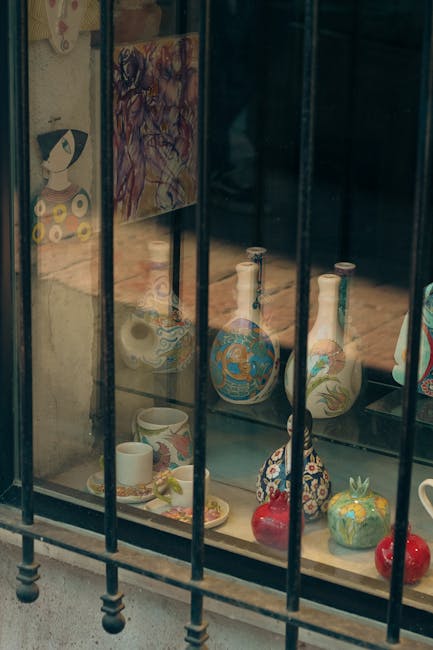
Albisola ceramics — 30–40 minutes by train, Albissola Marina and Albisola Superiore are historic centers of Ligurian pottery. To visit, drive or take the train to Albissola (stazione di Albissola, Piazza Europa, Albissola Marina). Local museums and workshops sell unique pieces: workshops along Via Aurelia or Corso Vittorio Veneto. Recommended museum: Museo della Ceramica di Savona (Piazza T. Canepa 2, 17100 Savona) — hours vary, generally 9:00am–6:00pm in season. Prices: small cups and plates €15–60, decorative pieces €80–600. Logistics tip: for packing and shipping, ask workshops for reinforced packaging; many offer extra cardboard packing for €3–10.
Museum-Shops and Workshop Visits: Cultural Gifts and Educational Souvenirs
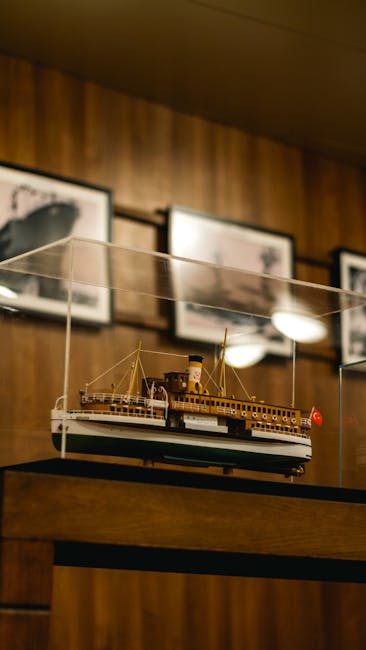
To combine cultural visits with thoughtful shopping, museum boutiques and a few public workshops offer elegant, often certified pieces. The Galata Museo del Mare (Calata De Mari 1, 16126 Genova) has a quality shop where you can find ship models, specialist books and limited-edition prints. Museum hours: generally 9:30am–7:00pm (seasonal variations). Shop prices: books €15–40, models €25–300, reproductions and posters €10–60.
The Museo del Corallo in Genoa (if exhibitions are active) and the small shops in the palaces on Via Garibaldi offer catalogued reproductions and jewelry inspired by their collections. Visiting these museums helps you understand techniques before buying and to spot genuine local artisans versus industrial imitations. Tip: ask for brochures and postcards, often sold for €1–3 — great lightweight souvenirs.
Another option: demonstration workshops. Some master ceramists from Albisola and goldsmiths in the center open their doors for private demos (guided visits, mini-workshops of 30–60 minutes). Usual terms: free demo if you make a purchase, or a paid guided visit €10–25 per person with a small souvenir included. Book by phone or email one to two weeks ahead, especially in high season (June–September).
Suggested Routes and Practical Tips for Bringing Your Finds Home Safely
If you have half a day — focus on the Mercato Orientale and a stroll down to the Porto Antico. Morning: markets and food purchases; midday: lunch at a local trattoria. Afternoon: a walk along the waterfront to spot jewelry shops and workshops. Suggested budget for nice finds: €50–150 for food souvenirs and decorative items, €150–600 for quality jewelry and ceramics.
If you have a full day — add Via Garibaldi (Palazzi dei Rolli) and combine it with a train trip to Albissola for ceramics. Train Genova Piazza Principe / Genova Brignole → Albissola: about 30–40 minutes, regional fare €3.30–5.00. Bring a sturdy bag or plan to have fragile pieces shipped: several workshops offer international shipping (from €15–40 depending on weight and destination).
Packing and transport tips: ask for double packaging for ceramics (bubble wrap + reinforced cardboard). For jewelry and coral, keep pieces in your carry-on to reduce the risk of loss in checked luggage. If you purchase more than €430 worth of goods (customs thresholds vary by country), keep all receipts for customs declaration.
Bargaining and ethics tips: in Italy the price shown in an artisan shop is often fixed, but at markets and with some antiques dealers you can negotiate 5–15%. Show interest in the workmanship and ask about technique — artisans appreciate curiosity and may offer a small discount. Lastly, favor established local workshops: quality and traceability are usually better.
Conclusion — Take a Piece of Genoa Home with You
Hunting for Genoese crafts means wandering a place where the sea and artisanal tradition still have a lively conversation. From the vibrant stalls of the Mercato Orientale, to the historic alleys of Prè, the shop windows of Via Garibaldi, the stores of the Porto Antico and the workshops of Albisola, you’ll find plenty of chances to discover meaningful objects. Follow the suggested routes, attend artisan demonstrations and ask for provenance certificates for precious pieces — you’ll leave with souvenirs that are not only beautiful, but documented and respectful of handmade work.
Remember: the value of an artisanal object goes beyond its price tag. It lies in the material, the technique and the story it carries. By buying local you support families and small businesses preserving unique know-how. Whether you bring home a jar of homemade pesto, a hand-painted plate, a filigree jewel or a coral piece, take the time to listen to the little story that accompanies it — often that story will enrich your trip as much as the object itself.
Happy treasure-hunting in Genoa: visit markets early in the morning, talk to the artisans, protect your purchases for the journey and, above all, let yourself be surprised by the cultural generosity of this port city. If you’d like, I can now prepare a personalized itinerary based on how long you’ll stay (half-day, 24 hours, 48 hours) or a contact list of workshops to book a demonstration — just tell me how long you’ll be in town and what you’re most interested in (ceramics, jewelry, food products, etc.).