





INTRODUCTION
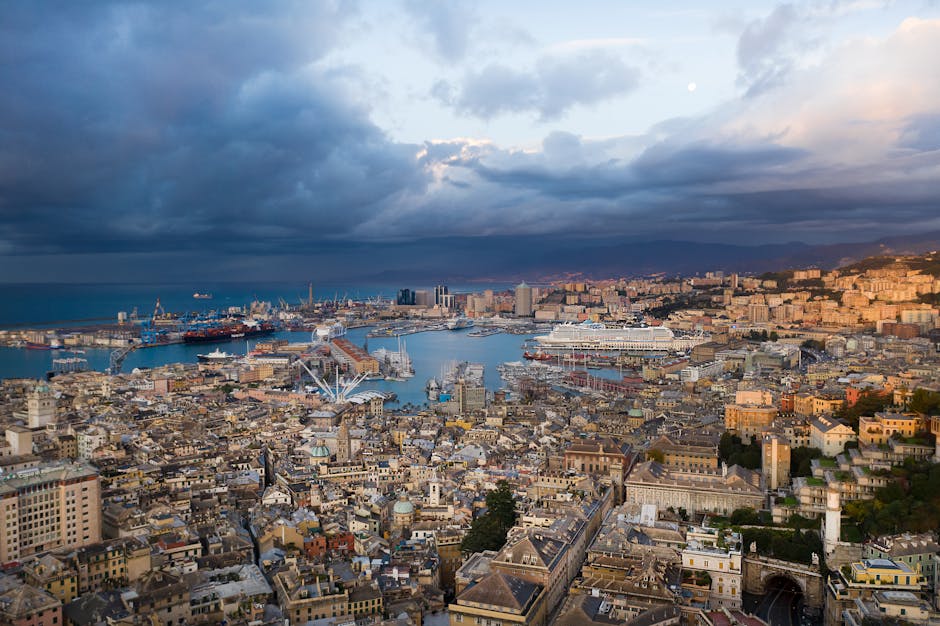
Genoa, a port city where medieval and baroque façades mingle, is a perfect stop for art lovers who want to dive into the histories of European masters through carefully curated retrospectives. Once a commercial crossroads in the 17th century, the city still boasts a rich museum heritage: aristocratic palaces turned into museums, contemporary exhibition spaces tucked into historic buildings, and quays where the smell of salt blends with the pigments on canvas. Retrospectives in Genoa do more than display works; they tell stories — of Genoese patrons, of maritime routes that brought foreign influences, and of family dynasties that turned the city into an artistic hub.
In this detailed guide, we’ll explore the city’s major retrospectives of master painters, covering not only the venues and the works on display but also practical info — exact addresses, opening hours, prices in euros, and local tips to make the most of your visit. Whether you’re passionate about the great painters of the Golden Age, curious about contemporary reinterpretations of a master, or interested in monographic shows devoted to lesser-known figures, Genoa’s calendar is full and varied. The city’s museums and palaces don’t just stage temporary exhibitions; they offer intimate settings where you can feel the historical presence of the works, from the richly decorated rooms on Via Garibaldi to the expansive, flexible spaces of the Palazzo Ducale.
Each retrospective featured here was chosen for its ability to offer a fresh, immersive perspective on a master — whether through international loans, conservation studies, or innovative scenographic designs. We’ll also cover practical matters such as the best times to avoid crowds, how to combine multiple visits in one day, and where to grab an authentic Genoese focaccia after a morning at the galleries. Artistic reflection and practical advice come together to help you turn your stay into a smooth, culturally rich experience.
Finally, because the museum experience is as sensory as it is visual, we’ll include photographic cues and suggested vantage points for your own shots (always respecting each venue’s rules). Get ready to see Genoa in a new light: from intimate portraits to grand historical compositions, the city’s retrospectives weave a rich artistic narrative at the crossroads of the Mediterranean and Europe.
Palazzo Rosso and Palazzo Bianco: the twin gems of Strada Nuova
Strada Nuova (today Via Garibaldi) is Genoa’s museum quarter. Two palaces, Palazzo Rosso and Palazzo Bianco, form an essential route for anyone chasing masterful retrospectives — both regularly stage monographic and thematic shows highlighting Italian and European painters. The Palazzo Rosso (Via Garibaldi 18, 16124 Genova GE) is especially famous for its permanent collections but also hosts temporary retrospectives within its richly appointed rooms. Opening hours: generally open Tuesday through Sunday from 10:00 to 18:00 (last admission 17:30), closed Monday — always check the official site. Indicative price: single-ticket for Palazzo Rosso around €7, with discounts for youth, seniors, and groups; combined Palazzo Rosso/Palazzo Bianco tickets are usually around €12–14.
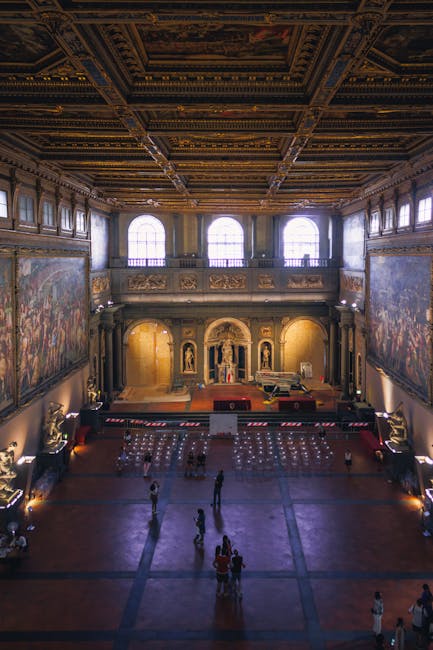
Palazzo Bianco (Via Garibaldi 11, 16124 Genova GE) completes the tour with masterpieces by the likes of Van Dyck and Caravaggio (on loan), alongside many painters from the Ligurian and wider European traditions. Opening hours: usually Tuesday through Sunday 10:00–18:00, closed Monday; individual tickets are around €7, and combined tickets are available as noted above. Retrospectives at Palazzo Bianco often stand out for their historical framing: you’ll frequently find archival documents, preparatory sketches, and items belonging to Genoese patrons, which help reconstruct the artistic life of the city-state.
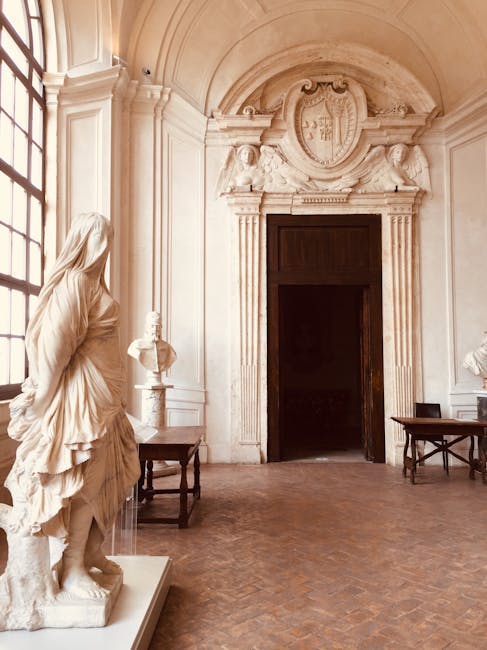
Practical tips: arrive early to enjoy the rooms with fewer visitors and the best natural light for observing colors. Make time to climb to the upper floors of Palazzo Rosso to visit the restored historic apartments — the scenography there often gives retrospectives an intimate feel. Audio guides are available in several languages; for major shows, book your tickets online to avoid queues. To reach Via Garibaldi, use the AMT city buses (lines 1, 2, 20 depending on where you’re coming from) or walk from Genova Piazza Principe station (about 15 minutes on foot). After your visit, stop by Pasticceria Tagliafico (Via Garibaldi, nº) or one of the nearby cafés for a warm focaccia, a local specialty perfect for refueling.
Palazzo Ducale: major retrospectives and international shows
The Palazzo Ducale (Piazza Matteotti 9, 16123 Genova GE) is the city’s most dynamic cultural hub for large-scale retrospectives. Once the residence of Genoese doges and now a major exhibition center, Palazzo Ducale hosts international temporary shows often accompanied by lectures, concerts, and scholarly publications. Opening hours: temporary exhibitions are generally open Tuesday through Sunday, 10:00 to 19:00 (some evening events extend hours to 23:00); closed Monday. Price: depending on the exhibition, standard tickets range between €10 and €18; reduced fares and combined passes are available for multiple events.
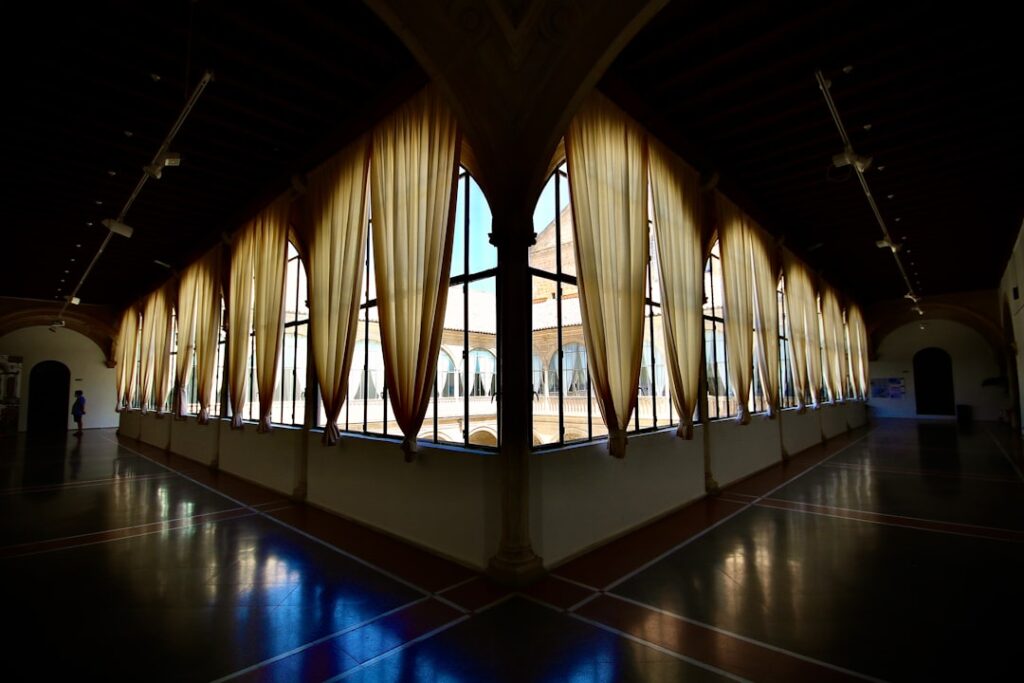
Retrospectives at Palazzo Ducale often feature international loans — from European museums and private collections — enabling original thematic routes (career overviews of a painter, dialogues between masters, technical studies on restorations). The contemporary scenography developed by the palace team favors clarity and closeness to the artworks: targeted lighting, detailed labels, and often multimedia installations to explain pictorial processes. Exhibitions are frequently accompanied by richly illustrated catalogues, useful for continuing your reading after the visit.
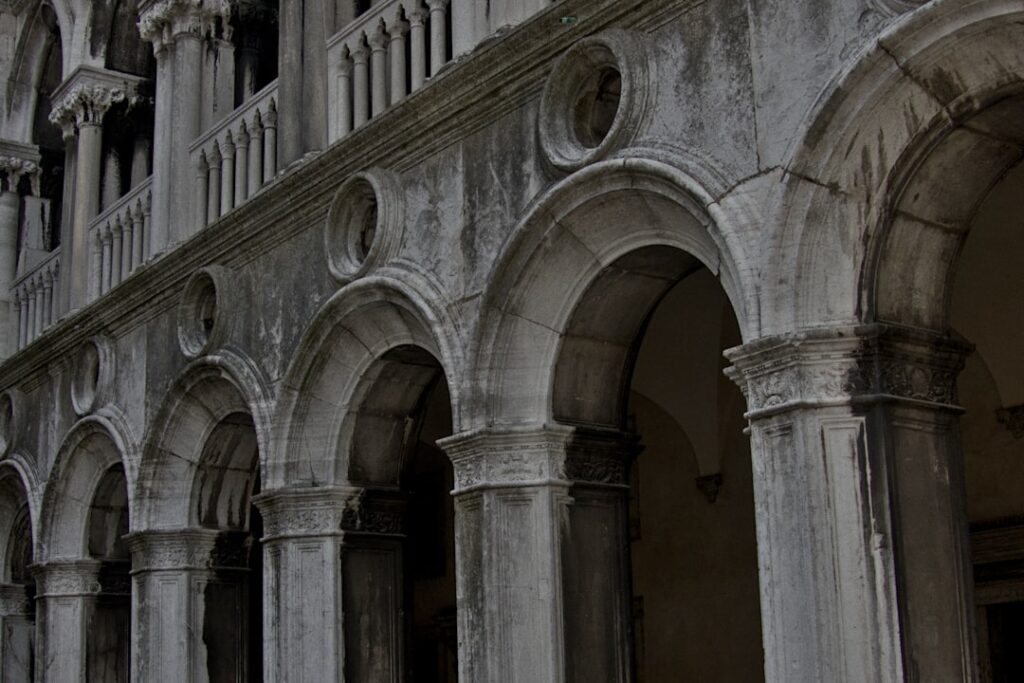
Practical tips: check Palazzo Ducale’s calendar on the official website and reserve skip-the-line tickets, especially in high season (April–October) and for flagship exhibitions. Take advantage of the cultural mediation on offer (themed guided tours, children’s workshops): they add depth and are great for curious visitors. The palace is an easy walk from Piazza De Ferrari (just a few minutes); if you’re driving, consider a public parking like Parking Carlo Felice (Via XX Settembre) and end with a stroll toward the historic center.
Galata Museo del Mare and maritime museums: historical angles on the masters
The Galata Museo del Mare (Calata de Mari 1, 16128 Genova GE) is the largest maritime museum in the Mediterranean basin and occasionally presents retrospectives that link art and the sea: portraits of sailors, commissioned artworks for galleys and port decorations, or exhibitions devoted to artists who painted maritime landscapes. Opening hours: generally open every day except Monday, 10:00 to 19:00; tickets: full price around €9, reduced rates for children and seniors. The Galata also features immersive installations, ship models, and the Nazario Sauro submarine moored alongside the museum, which complements the experience.
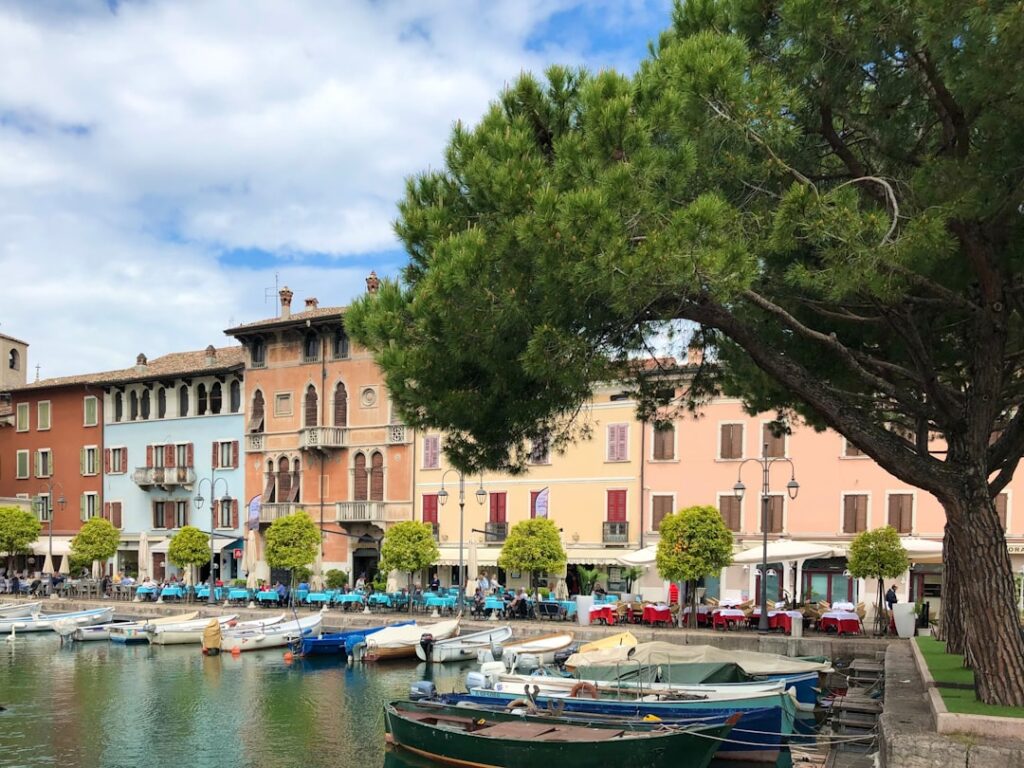
Retrospectives that combine painting and maritime history often shed light on the port’s role in commissioning art. Portraits of shipowners, scenes of daily life on the quays, and seascapes testify to how the sea inspired local and foreign masters. These shows frequently include archival pieces — old nautical charts, navigation letters, travel journals — placing the works within a vivid context. For those interested in technical detail, some presentations explain the pictorial techniques used to depict water, light, and reflections, all essential in maritime painting.
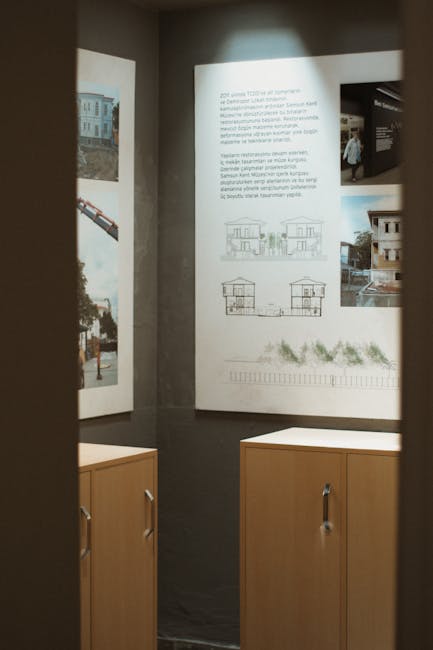
Practical tips: combine a visit to the Galata with a walk around the Porto Antico and a ride on the Bigo (panoramic lift) for an overview of the city and bay — a great way to contextualize maritime works. It’s walkable from Genova Brignole station in 20–25 minutes or reachable via the city bus network. For families, check the educational workshops offered during exhibitions: they’re often well designed to engage kids with maritime history and art.
Themed routes and alternative venues for retrospectives
Beyond the major institutions, Genoa offers a host of spaces where retrospectives of masters are staged: the Musei di Strada Nuova (the ensemble that includes Palazzo Rosso, Palazzo Bianco, and Palazzo Tursi), the Galleria d’Arte Moderna GAM (Via Rossini 11, 16125 Genova GE), and temporary exhibition halls like the Commenda di Pré or the Castello d’Albertis – Museo delle Culture del Mondo (Corso Dogali 18). These venues often present original monographic shows, exhibitions dedicated to local schools (Ligurian school, Genoese baroque) or dialogues between old masters and contemporary artists.
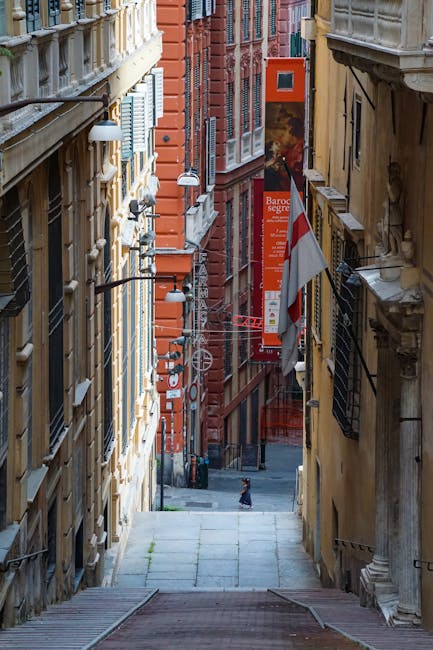
The Galleria d’Arte Moderna GAM stages retrospectives that put 19th- and 20th-century stylistic legacies into perspective, and sometimes showcases exhibitions dedicated to Italian modernist painters. Address: Via Rossini 11, 16125 Genova GE. Opening hours: typically Tuesday through Sunday 10:00–18:00; prices: full ticket around €6–8. The Castello d’Albertis offers a romantic setting for exhibitions that cross art and ethnography; address: Corso Dogali 18, 16136 Genova GE; hours vary by season (check online); indicative price: €5–€10.
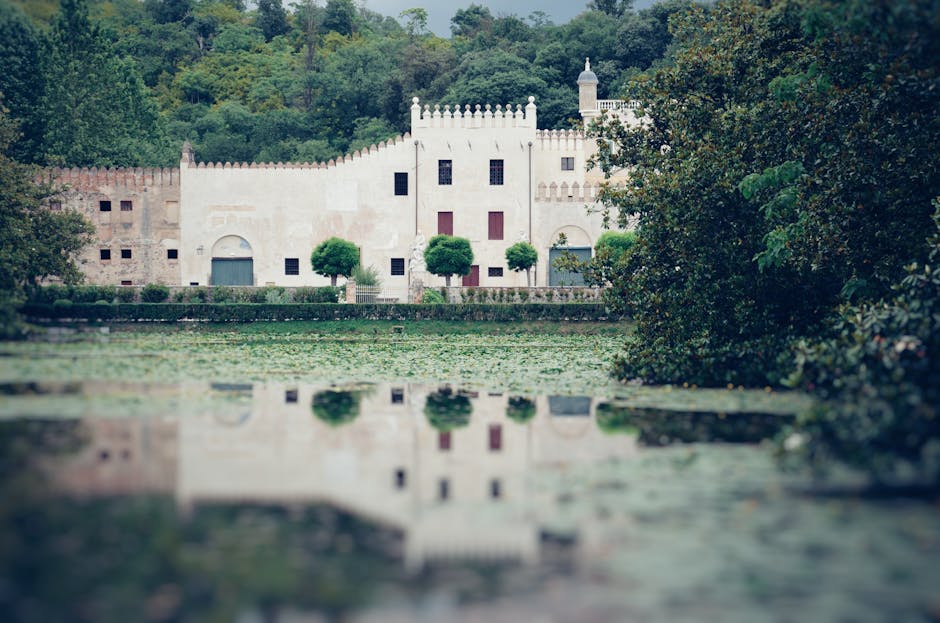
Practical tips: if you want a deep experience, plan a morning visit to a museum and an afternoon spent in a palace. Distances in the historic center are walkable, but to move between neighborhoods (for example from Boccadasse to the center), use buses or taxis. Consult the Comune di Genova cultural programs and local channels (Genova Cultura) for one-off events like evening openings, expert talks, or themed guided visits that often accompany retrospectives and enrich understanding.
Practical tips, bookings and recommended addresses
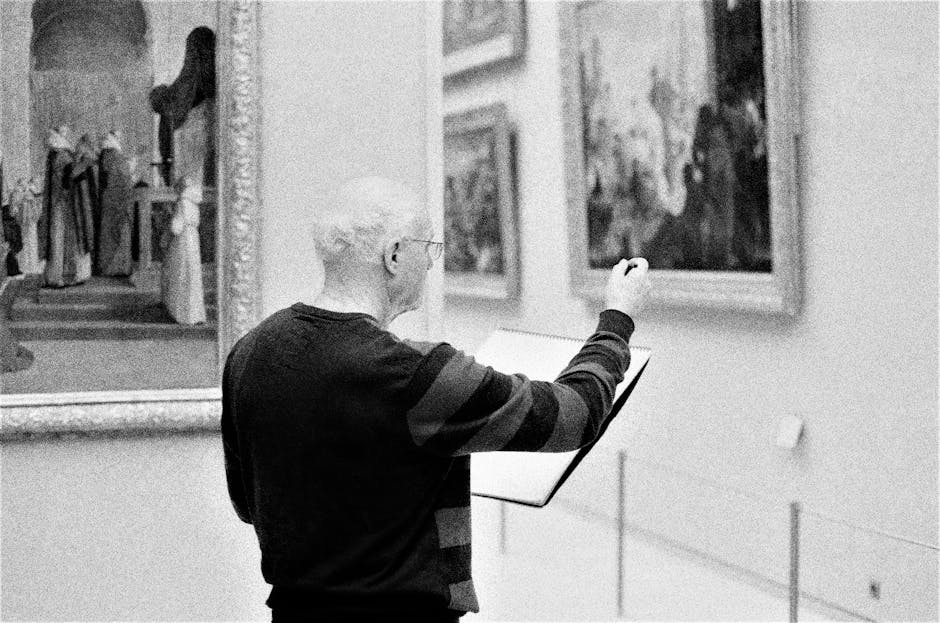
To get the most out of retrospectives in Genoa, a few simple rules will make your visit smoother. Book tickets online when possible — it saves time, especially for major exhibitions. Bring a light jacket: even in mild weather, exhibition rooms are often climate-controlled to preserve artworks. Respect each venue’s photography rules (flash is usually forbidden and some rooms may prohibit photos entirely). Bring a notebook if you like jotting impressions and details for later reflection.
Hours and prices: many main museums are open Tuesday through Sunday, 10:00–18:00, and closed on Monday; exceptions apply for evening events or extended hours. Typical prices: municipal palaces and museums €6–14, international exhibitions at Palazzo Ducale €10–18, Galata Museo del Mare about €9. Always check the official sites of institutions (Palazzo Ducale, Musei di Strada Nuova, Galata Museo del Mare, GAM Genova, Castello d’Albertis) before you go.
- Transport: AMT buses, taxis, walking in the historic center; trams are limited but useful on certain lines.
- When to go: spring and early autumn for pleasant temperatures; avoid major local festivals if you prefer fewer crowds.
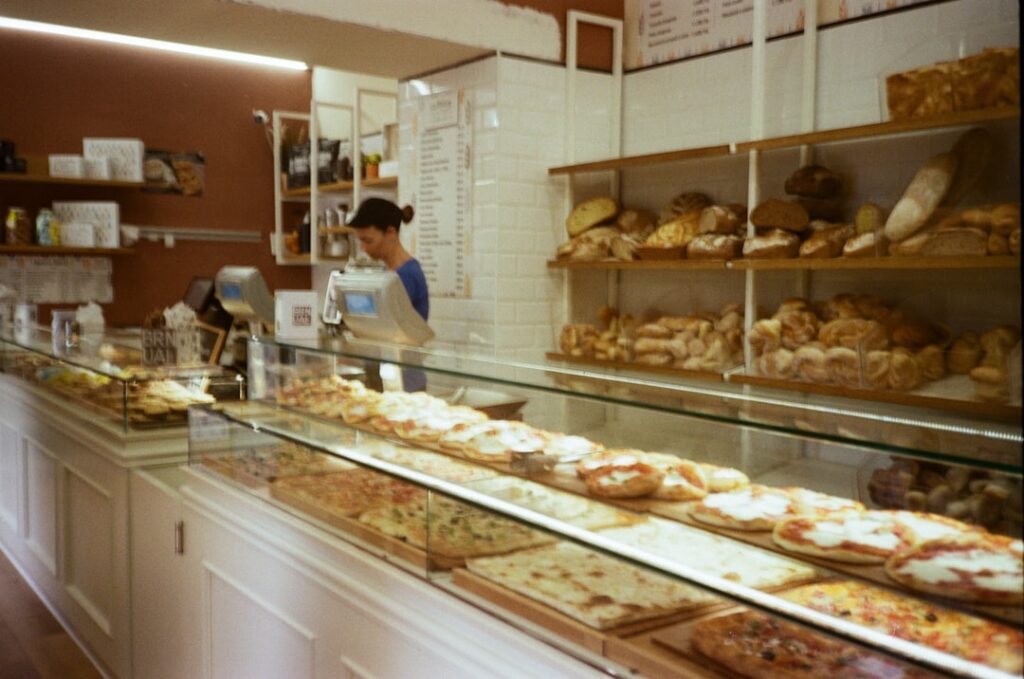
- Food: try focaccia alla genovese (average price €1.50–€3 per portion), and pansotti with pesto at local trattorie (dish €10–€15).
- Accessibility: most museums have facilities for people with reduced mobility, but check ahead for historic palaces where stairs may be numerous.
CONCLUSION
Genoa proves to be an unmissable destination for lovers of master retrospectives: from aristocratic palaces turned into museums to major institutions like Palazzo Ducale and thematic venues such as the Galata Museo del Mare, the city offers a dense and varied cultural panorama. Exhibitions here draw on an urban history deeply tied to the sea and commerce, offering original approaches that mix history, painting technique, and social context. The main addresses — Palazzo Rosso (Via Garibaldi 18), Palazzo Bianco (Via Garibaldi 11), Palazzo Ducale (Piazza Matteotti 9), Galata Museo del Mare (Calata de Mari 1), GAM (Via Rossini 11) and Castello d’Albertis (Corso Dogali 18) — form a flexible itinerary you can adapt to your interests and the length of your stay.
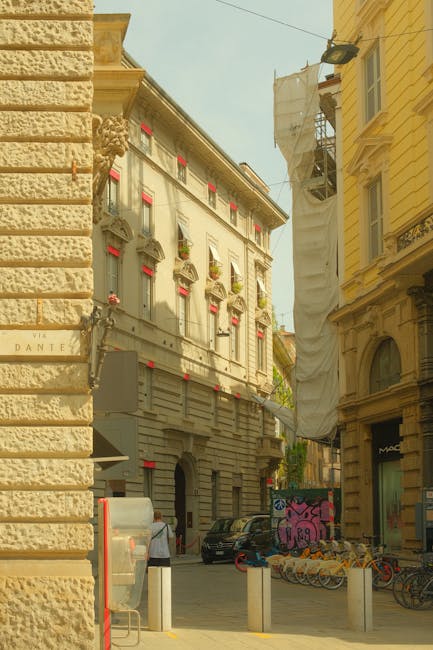
To prepare your visits: remember to book online, check opening hours (often 10:00–18:00 Tuesday through Sunday), factor in ticket prices (usually between €6 and €18 depending on the exhibition), and take advantage of the cultural mediation on offer. Strolling between one retrospective and the next allows you to taste the Genoese spirit — a focaccia break, a view of the port from the Bigo, or a coffee in a historic square can all deepen your understanding of the works and their context. Finally, keep in mind that retrospectives are not just moments of contemplation: they invite you to question the relationship between artist, patron, and city. With its history and museum network, Genoa offers fertile ground for that kind of exploration.
Whether you’re passing through, studying art history, or an inquisitive collector, retrospectives of masters in Genoa promise rich discoveries and intense aesthetic experiences. Take the time to step into the rooms attentively, read the labels, attend a lecture if you can, and above all let the city soak into your gaze: the Mediterranean and its light influenced many masters, and Genoa remains one of the best gateways to understanding that interaction between land, sea, and painting.