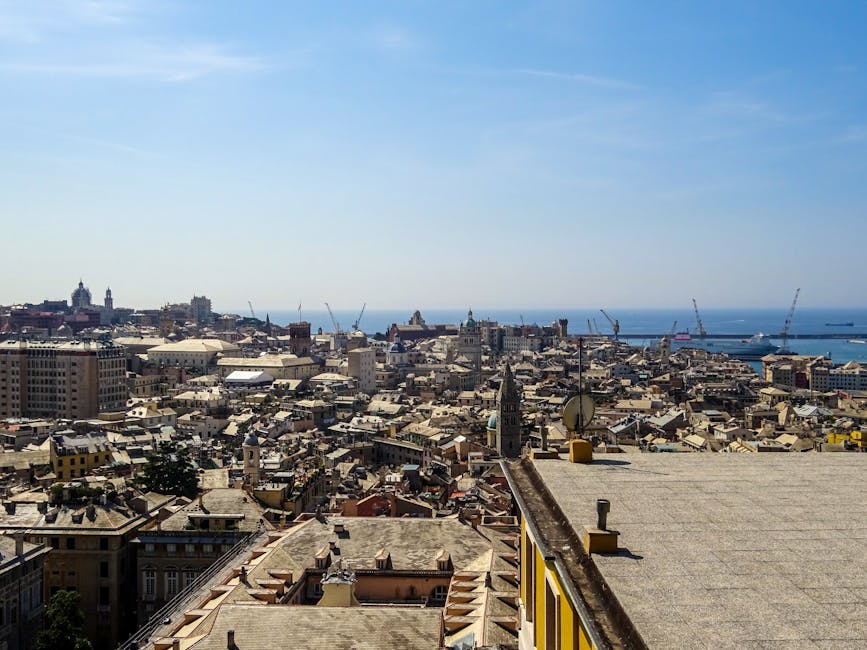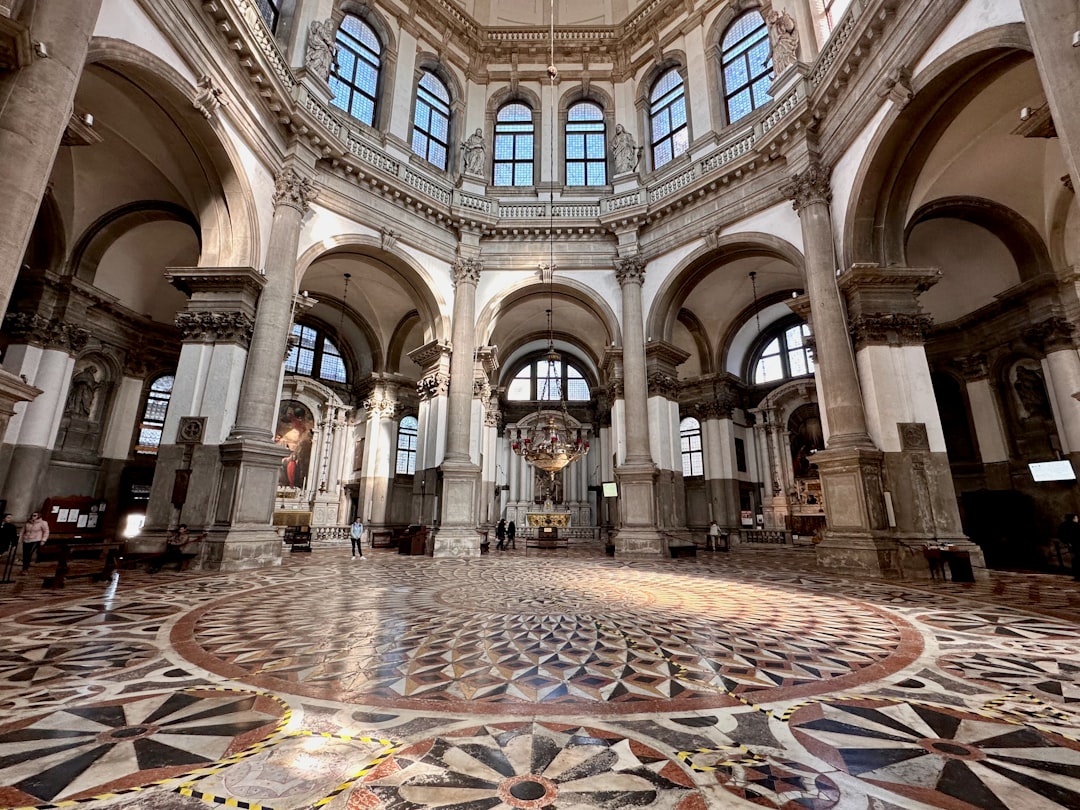






Introduction — A Deep Dive into Genoa’s Religious Art Trail
Genoa (Genova), an ancient port and crossroads of cultures, hides a religious heritage richer than most visitors expect. Between the austere façades of medieval churches, the glittering treasures of the cathedrals and cloisters that are now museums, the city offers a route where faith, history and art intersect. The religious art trail in Genoa isn’t just a sequence of stops: it’s a sensory immersion where the gold of reliquaries answers the delicate frescoes, and the hush of chapels resonates in spaces full of life and legend. This route helps explain how public piety, patronage from Genoese families and Mediterranean influences shaped a distinctive artistic language.
In this guide I offer a detailed, practical and lively itinerary to discover four unmissable sites — each preserving and displaying major religious works —: the Museo Diocesano di Genova, the Tesoro della Cattedrale di San Lorenzo, the Abbazia di San Fruttuoso (off the coast near Camogli but reachable from Genoa) and the Santuario di Nostra Signora della Guardia. For every place you’ll find the full name, exact address, typical opening hours, indicative admission prices, an immersive description and practical tips (how to get there, best time to visit, crowd-avoidance tricks, dress and photo rules, accessibility, etc.).
Why these sites? The Museo Diocesano brings together masterpieces rescued from vanished or transformed churches, revealing the depth of the city’s ecclesiastical heritage. The Tesoro of San Lorenzo concentrates the liturgical pieces and relics that forged Genoa’s religious identity over the centuries. The Abbazia di San Fruttuoso, tucked in a secluded cove between Camogli and Portofino, is a monastic sanctuary where architecture and sea converse; the setting is almost mystical, a blend of stone, water and history. Finally, the Santuario di Nostra Signora della Guardia, perched on the hill above Genoa, offers a contemporary expression of Marian devotion and a panoramic view that invites reflection. Together, these stops form an emotionally rich and illuminating route for curious travelers.
Before you go, keep in mind that hours and prices can change: I recommend checking official sites or calling ahead. Bring good walking shoes — many of these sites are best explored on foot or require a boat trip — respect dress codes in liturgical spaces, and use audio guides or guided tours to deepen your understanding. Now let’s head to the first stop: the historic heart of the diocese and its museum.
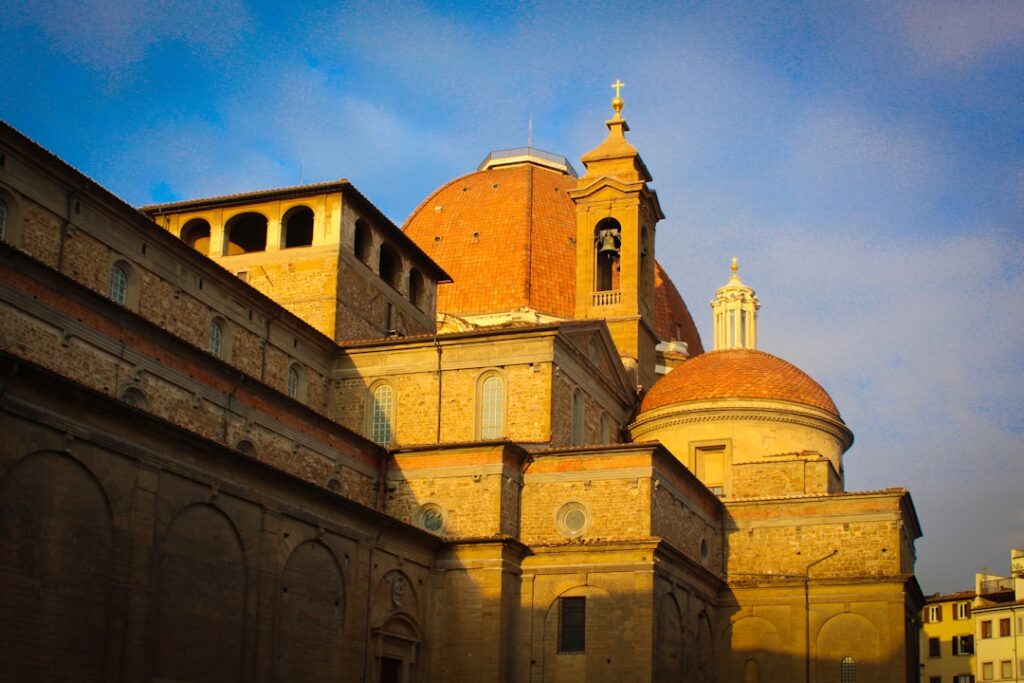
Museo Diocesano di Genova — Piazza del Duomo 6, 16124 Genova GE
Address: Museo Diocesano di Genova, Piazza del Duomo 6, 16124 Genova GE.
Typical opening hours: Tuesday to Sunday, 10:00 – 18:00; closed Monday. Occasional closures for religious holidays. (Check before you go.)
Indicative prices: full price €6, reduced €4 (students, seniors), free for children under 6; audio guide or guided tour by reservation, extra fee (roughly €3–€5).
The Museo Diocesano di Genova occupies historic spaces just steps from the cathedral — a location that already serves as an introduction to the city’s episcopal past. Inside, rooms follow one another like chapters: Romanesque and Gothic sculpture, Baroque altarpieces, liturgical ornaments, iconographic archives and reliquaries. Walking through, you sense stylistic breaks and continuities, from schematic medieval elements to 17th‑century naturalistic paintings, often by artists who worked under the patronage of Genoa’s great families.
Highlights include finely chased processional crosses, painted panels recovered from lost churches and several paintings from the Genoese school that show the dialogue between local art and Lombard or Tuscan influences. The museum’s lighting is discreet and respectful, highlighting gilded surfaces without diminishing their sacred character: it strikes a delicate balance between tourist display and heritage conservation.
Practical tips: arrive at opening to enjoy the rooms in near silence; ask about themed guided tours (goldsmithing, sacred painting or liturgical architecture) which provide valuable interpretive keys. Accessibility is generally possible for visitors with reduced mobility, but some historic rooms may still have thresholds or steps — contact the museum to arrange assistance. Photography is often allowed without flash, but read the signs at each room entrance. Finally, combine your visit with a stop at the adjacent Cathedral of San Lorenzo — the transition from museum to active place of worship is natural and enriching.
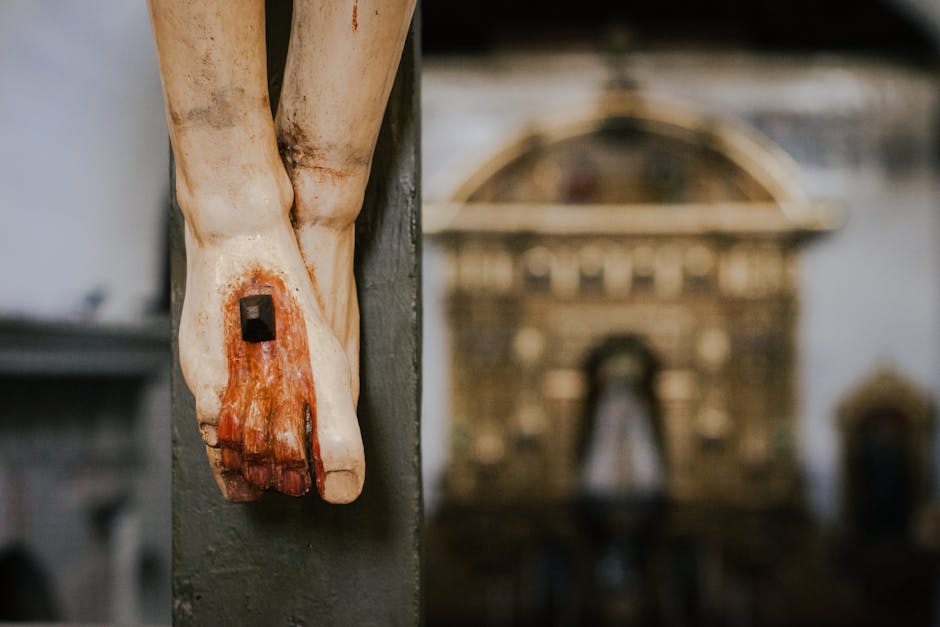
Tesoro della Cattedrale di San Lorenzo — Piazza San Lorenzo 3, 16123 Genova GE
Address: Tesoro della Cattedrale di San Lorenzo, Piazza San Lorenzo 3, 16123 Genova GE (inside the Duomo di San Lorenzo).
Typical opening hours: daily 9:00 – 18:00; extended hours for special celebrations. (Check ahead.)
Indicative prices: entry €5 for the treasure alone; combined museum + treasure ticket €9; reduced rates for youth, groups and seniors.
The Tesoro della Cattedrale di San Lorenzo condenses Genoa’s religious and civic history. Gathering relics, chalices, chasubles, enameled panels and goldsmith’s work, the treasure testifies to the material and spiritual wealth accrued by the cathedral over centuries. A meeting point of liturgy and urban prestige, the collection also narrates diplomatic and commercial campaigns that helped Genoa prosper and forge artistic networks across the Mediterranean.
Must‑see objects include a set of finely chased medieval chalices, Byzantine reliquaries and champlevé enamel panels whose workmanship speaks to the era’s mastery of metalwork. The display is understated and makes each item speak for itself: low display cases, explanatory texts in Italian and English, and occasional thematic temporary exhibitions (for example: “Liturgy and Power”, “Reliquaries and Devotion in Genoa”).
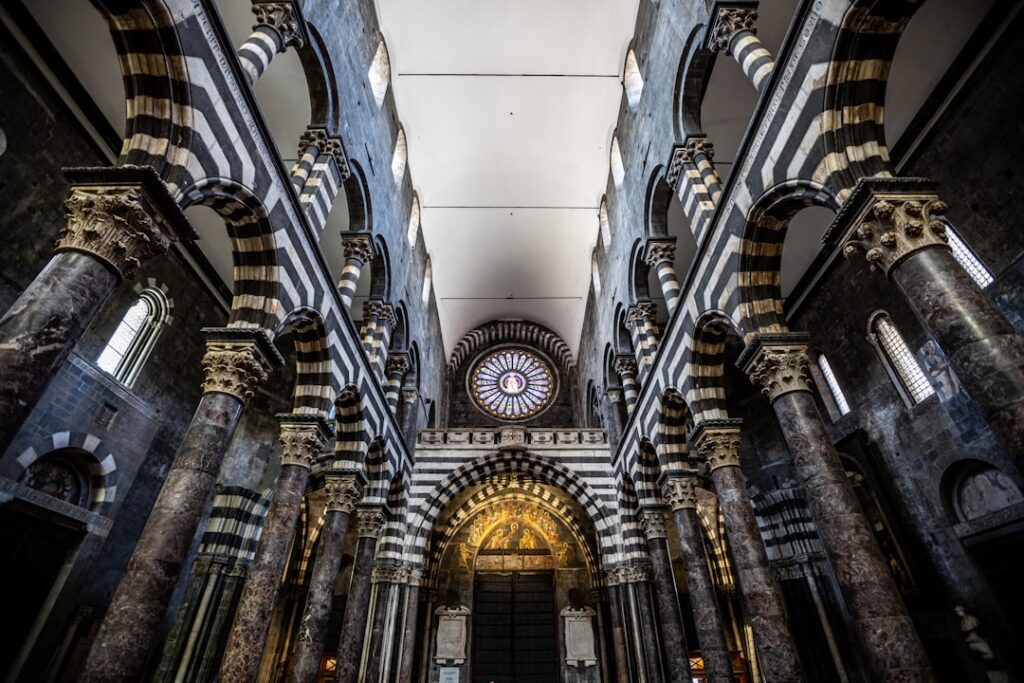
Practical tips: visit the treasure ideally after you’ve seen the cathedral’s exterior (don’t miss the striped façade and the Gothic interior) or in the morning before Mass to enjoy a calmer atmosphere. Lines can form in high season: aim for the first hour of opening or book a guided tour. Combined tickets with the Museo Diocesano are often a good value. Respect silence rules and photo restrictions — particularly around sensitive objects which may be off-limits to cameras.
Abbazia di San Fruttuoso — Abbazia di San Fruttuoso, 16038 Camogli (accessible from Genoa)
Address: Abbazia di San Fruttuoso, località San Fruttuoso, 16032 Camogli (Portofino Regional Park). Access by boat from Genoa (Porto Antico or the cruise terminal) or via the coastal footpath from Camogli or Portofino.
Typical opening hours: April to October: 10:00 – 18:00; off‑season hours reduced and access depends on sea conditions. The abbey is often closed in bad weather; check boat connections and schedules before you depart.
Indicative prices: entry to the abbey €6; skip‑the‑line or guided visits vary by season and may carry an extra fee. Boat crossings from Genoa roughly €10–€20 one way depending on operator and season (indicative prices).
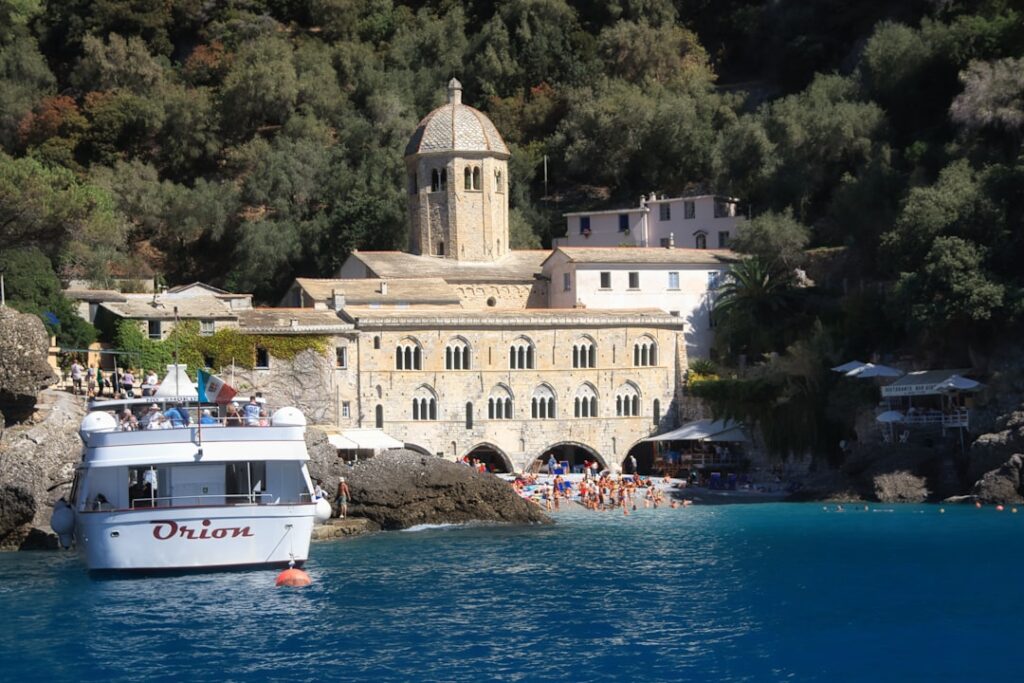
Hidden in a pebble cove washed by deep blue sea, the Abbazia di San Fruttuoso is a gem where Romanesque monastic architecture blends with an almost meditative atmosphere. Founded in medieval times and restored by the Doria family, the abbey preserves carved capitals, fragmentary frescoes and a cloister radiating timeless serenity. Visitors come for the sacred art, but also for the whole experience: arriving by boat, stepping onto the shore, the scent of salt in the air and the steep mountains tumbling into the sea.
Inside, the crypt and chapels display liturgical elements and maritime ex‑votos — witnesses to the deep ties between the sea and local faith. The famous Christ of the Abyss, a submerged bronze statue commissioned by the Dorias, also draws divers and sightseers; it can be seen mostly from the surface or during organized underwater excursions.
Practical tips: for the full experience, take the boat from Genoa’s Porto Antico or from Camogli/Portofino; check schedules with local operators (Sori, Noleggio Locatelli, etc.). Bring water, sun protection and closed shoes for rocky paths. The abbey is partially accessible for visitors with reduced mobility, but access from the sea and uneven ground can be challenging — inquire in advance. Photographers will find evening light especially rewarding for gentle, golden tones — avoid harsh midday sun for softer images.
Santuario di Nostra Signora della Guardia — Salita della Guardia 4, 16131 Genova
Address: Santuario di Nostra Signora della Guardia, Salita della Guardia 4, 16131 Genova.
Typical opening hours: open daily from 8:00 to 19:00; extended hours during Marian feasts. The sanctuary holds regular services and a chapel that’s often accessible at all times.
Indicative prices: free entry; museum/ex‑voto room and guided visits accept donations (suggested €2–€5 to support materials and conservation).
Perched about 600 metres above Genoa, the Santuario di Nostra Signora della Guardia is the most important Marian shrine in Liguria. The 19th‑century building, raised on the site of an apparition, is surrounded by devotional areas, a large forecourt and a viewpoint offering sweeping views over the city and the gulf. Inside the basilica a rich collection of ex‑votos — paintings, objects, handwritten notes — has been left by grateful pilgrims, each telling individual and communal stories of devotion and miracles.
The sanctuary’s museum (often modestly called the “Sala degli Ex‑Voto”) displays these offerings alongside panels explaining the history of Marian devotion in Genoa. The visit is intimate and moving: everyday items, sepia photographs and letters put a human face on popular faith. The site is also a starting point for walks into the surrounding hills and a regular stop for local pilgrimages.
Practical tips: to reach the sanctuary you can take a bus from Genoa (line 46/46A depending on season) or drive; in summer aim for early hours to avoid heat and crowds. The sanctuary is largely accessible to visitors with reduced mobility, though some outdoor areas include slopes. Be prepared to walk if you want to follow the panoramic trails nearby. For a richer cultural experience, ask for a guided tour — the volunteers who run the site are happy to share historical anecdotes and devotional stories. Above all, respect the silence and reverence of the place, and avoid overly casual clothing during services.
Practical tips for organizing your route
Planning a religious art trail in Genoa requires balancing urban walking, sea crossings and hill climbs. Here are concrete tips to optimize your itinerary:
- Timing: allow a half‑day for the Museo Diocesano and the Tesoro della Cattedrale (they’re next to each other). Plan a full half‑day for San Fruttuoso — boat travel included — and another half‑day for the Santuario di Nostra Signora della Guardia if you combine bus and walking.
- Combined tickets: look for combined tickets between the Museo Diocesano and the Tesoro della Cattedrale, often better value. Some ferry companies offer discounts for groups or round‑trip day tickets.
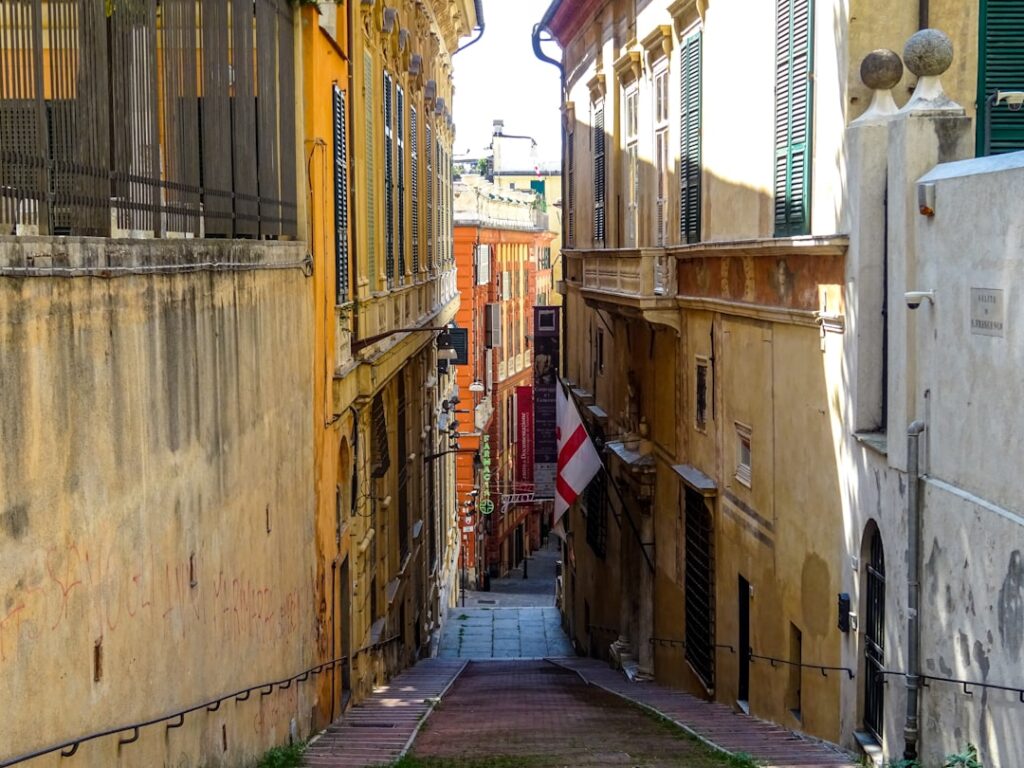
- Transport: in Genoa, favor walking in the historic center (the caruggi); use AMT buses for the hills and the port; book sea crossings to San Fruttuoso through local operators. Main train stations (Genova Piazza Principe and Genova Brignole) connect well for those arriving by rail.
- Dress and behavior: respect the quiet of places of worship: no flash photography, shoulders and knees covered during services, phones on silent.
- Accessibility: check ahead: some historic buildings have architectural constraints; museums often offer solutions (lifts, alternative routes) on request.
- Language and tours: most museums provide brochures in English; for deeper insight choose guided tours in Italian or English or rent audio guides.
- Seasons: high season (May–September) is best for San Fruttuoso but also the busiest; spring and autumn offer pleasant temperatures and fewer crowds.
Conclusion — Between Faith, Art and Sea: What the Route Leaves You With
A religious art trail in Genoa reveals a city that combined maritime power and intimate devotion. From the Museo Diocesano, guardian of the city’s sacred works, to the Tesoro della Cattedrale with its astonishing concentration of goldsmithing and relics, each stop tells a facet of Genoese history: family patronage, commercial exchange and popular fervor. The visit to the Abbazia di San Fruttuoso adds a sensual, contemplative layer: sea, stone and light shape an aesthetic experience that goes beyond a simple museum visit. Finally, the Santuario di Nostra Signora della Guardia brings a contemporary dimension of faith — a living place where personal ex‑votos sit alongside a striking panorama.
Beyond the artworks, this route invites you to understand how the sacred shaped Liguria’s urban and rural landscape: churches visible on the skyline, hamlet chapels, hilltop sanctuaries, and prestigious goldsmithing. For the traveler it’s a chance to mix artistic discovery, quiet reflection and sensory pleasure — smell the candle wax, study the patina of a reliquary, listen to the sea before entering the abbey. Allow time, bring a good map and the curiosity to read labels and listen to guides: the depth of these places won’t reveal itself at speed.
Finally, keep practicalities in mind: always check hours and prices before you go, consider combined tickets, plan boat travel if you include San Fruttuoso, and observe rules of reverence. Between heritage and landscape, faith and art, this trail will leave you with striking images and a clearer understanding of what religious life in Genoa once was — and still is. Safe travels and enjoy the discovery!