





Introduction: Genoa — a city for all eyes and every budget
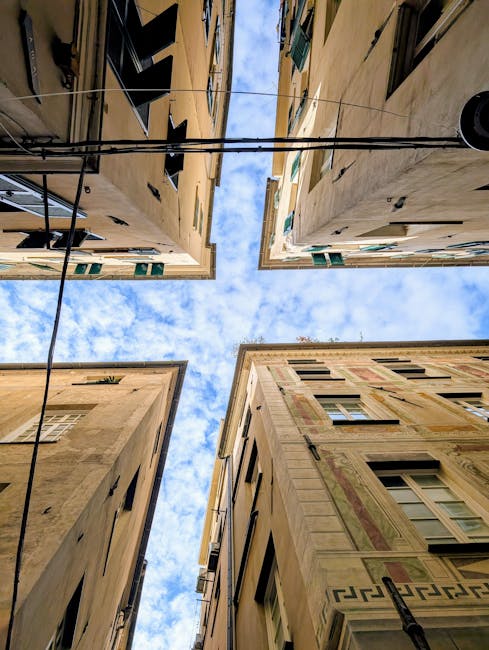
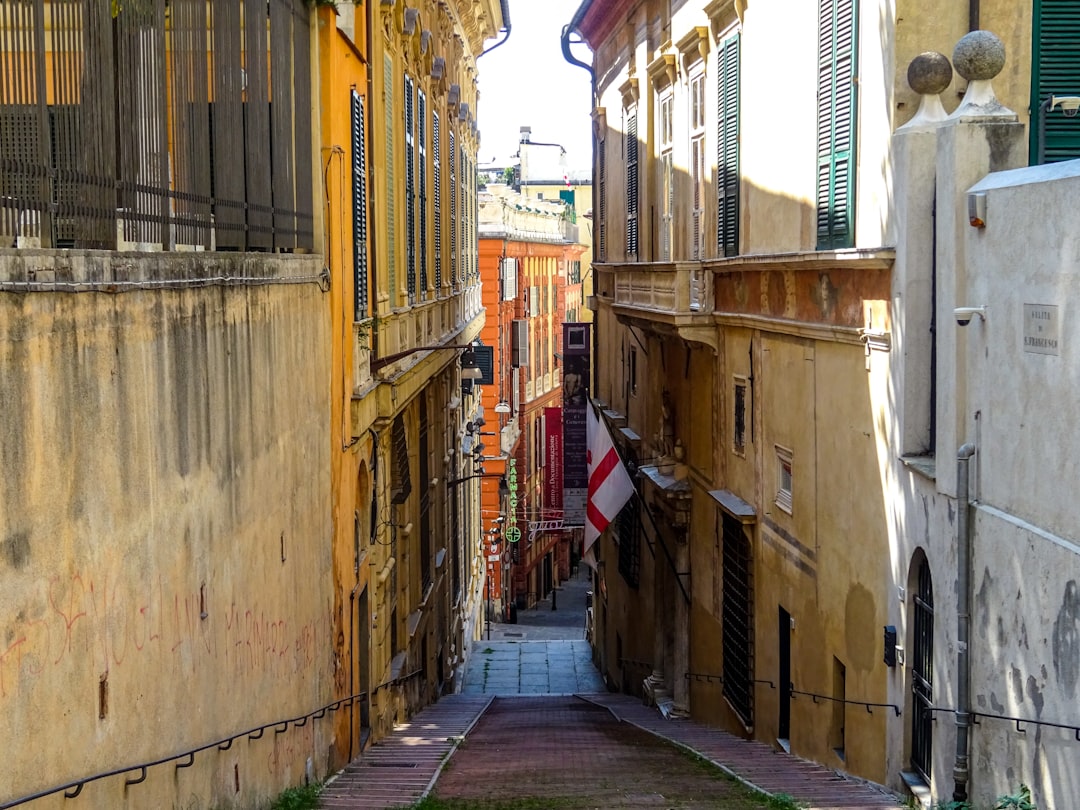
Genoa (Genova) surprises with its mix of historical grandeur and lively everyday life — a port metropolis where Baroque palaces rub shoulders with narrow medieval alleyways (the « caruggi ») and the sea is never far away. For travelers watching their budget — or anyone seeking authentic experiences without spending a lot — Genoa offers a surprising range of free or very low-cost cultural options: historic churches you can enter without a ticket, municipal museums or exhibitions free on certain days, outdoor events, community-led walking tours and money-saving tips for major attractions. This detailed guide focuses on free museums, special free-admission days, hacks for discounts and other cultural tips that let you experience Genoa fully without breaking the bank.
This article aims to be practical and immersive: exact addresses, typical opening hours, prices (when there is an admission fee), sensory descriptions and local recommendations to get the most out of each visit. The idea isn’t just to list spots but to describe how it feels to step into a hall, wander a cloister, admire a façade or enjoy a free view of the harbor. You’ll learn which institutions regularly open their doors for free (including national days like « Domenica al Museo »), which religious sites you can visit without paying, and how to spot temporary shows, concerts and neighborhood activities at no cost.
Finally, I’ll share concrete tips for getting around (public transport and walking), ways to avoid queues, and recommendations for small shops and cafés to recharge between cultural stops. Whether you’re a student traveling light, a family looking for low-cost outings, a curious local or a long-stay tourist, this guide will help you make the most of Genoa without culture becoming a budget burden.
Museums and cultural spots with free (or permanently open) access in Genoa
Genoa has a nice feature: several cultural sites are permanently free or offer public spaces you can visit without a ticket. First off, many historic churches allow free access to the nave and main chapels — although access to certain treasures, attached museums or the cathedral treasury may require a fee. Here’s a selection of places you can enter without a ticket, with addresses, usual hours and tips for a great visit.
Cattedrale di San Lorenzo (Cathedral of Saint Lawrence)
Address: Piazza San Lorenzo, 16123 Genova GE.
Opening hours: generally open 8:30–12:30 and 15:00–19:00 (hours may change for religious services).
Price: Access to the nave: free. Access to the Museo del Tesoro (if available): variable fee, often €3–6 (check on site).
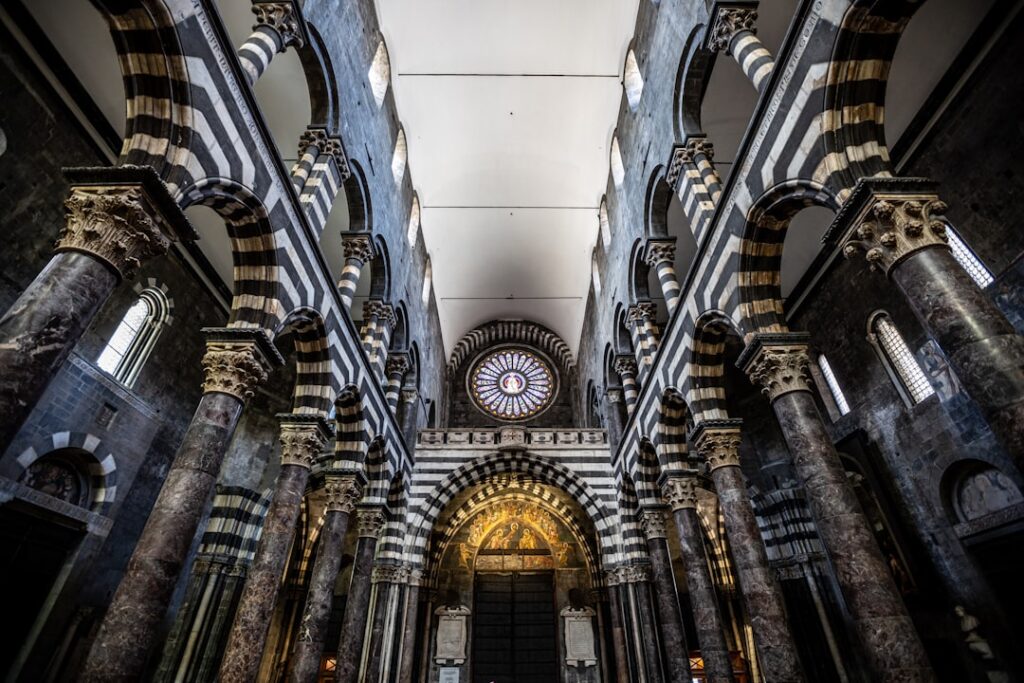
Genoa’s cathedral is a must-see: its black-and-white striped façade and soaring vaulted interior command respect. Entering for free lets you enjoy the way light plays over frescoes and the floor, hear the hush broken by the voices of tourists and worshippers, and study Gothic details up close. Practical tip: visit in the morning to avoid Masses and get side-lighting ideal for photos.
Basilica della Santissima Annunziata del Vastato
Address: Via San Lorenzo da Ponte Reale, 16123 Genova GE (near Piazza De Ferrari).
Opening hours: typically 9:00–12:00 and 16:00–19:00; closed during certain celebrations.
Price: Access to the basilica: free (guided interior visits or museum sections may be charged).
This Baroque basilica is a jewel of paintings and stucco work, its decoration reflecting major 17th-century religious commissions. Even without paying, you can admire Gregorio de Ferrari’s frescoes and the quality of the ornamentation. Tip: walk down the nave to discover secondary altars — often quieter and full of detail.
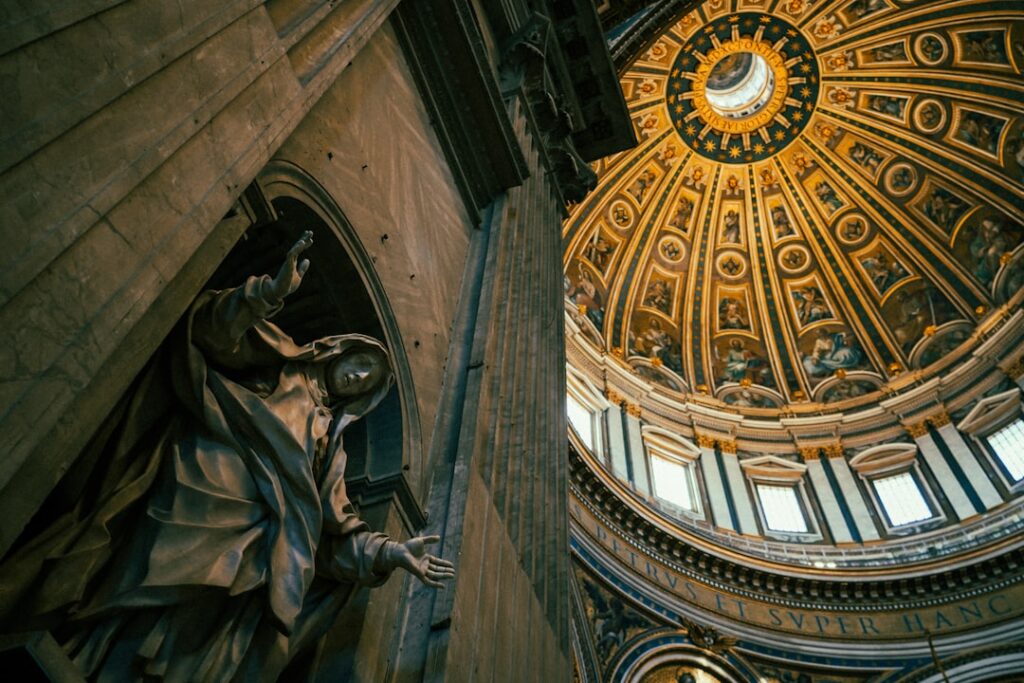
Palazzo Ducale – public spaces
Address: Piazza Matteotti, 9, 16123 Genova GE.
Opening hours: generally 10:00–19:00 (exhibition hours may vary; closed certain Tuesdays depending on programming).
Price: large parts of Palazzo Ducale are open to the public for free (temporary exhibitions: variable, often €6–12).
Palazzo Ducale is Genoa’s civic heart: its grand courtyard and many reception rooms are open to visitors, and numerous cultural events (literary talks, conferences, outdoor installations) are free. Tip: check the program on site or online; there are often free evening events in summer (concerts, screenings and readings).
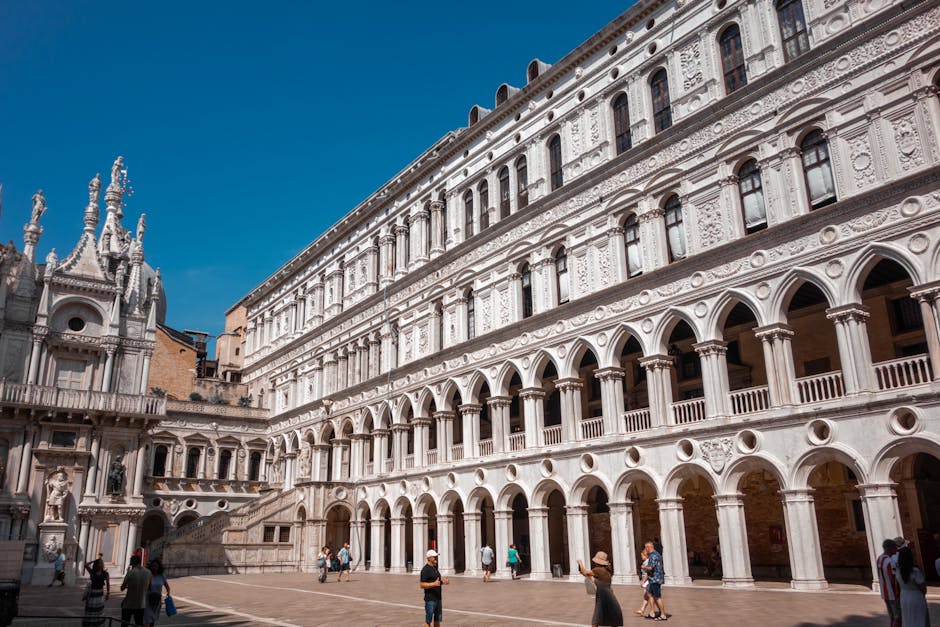
Villa Durazzo Pallavicini – park and public gardens
Address: Via Pallavicini, 13, 16129 Genova (Pegli district).
Opening hours: park freely accessible during daytime; access to the historic gardens follows specific opening hours (generally 9:00–18:00 depending on season).
Price: entrance to the park itself is free; visits to the historic garden and special events may be charged depending on programming (check ahead).
The gardens of Villa Pallavicini offer a romantic English-style walk with perspective tricks, statues and sea viewpoints. Even without paying for some areas, strolling the adjacent public spaces is very pleasant. Local tip: come at sunset for soft light and views over the gulf.
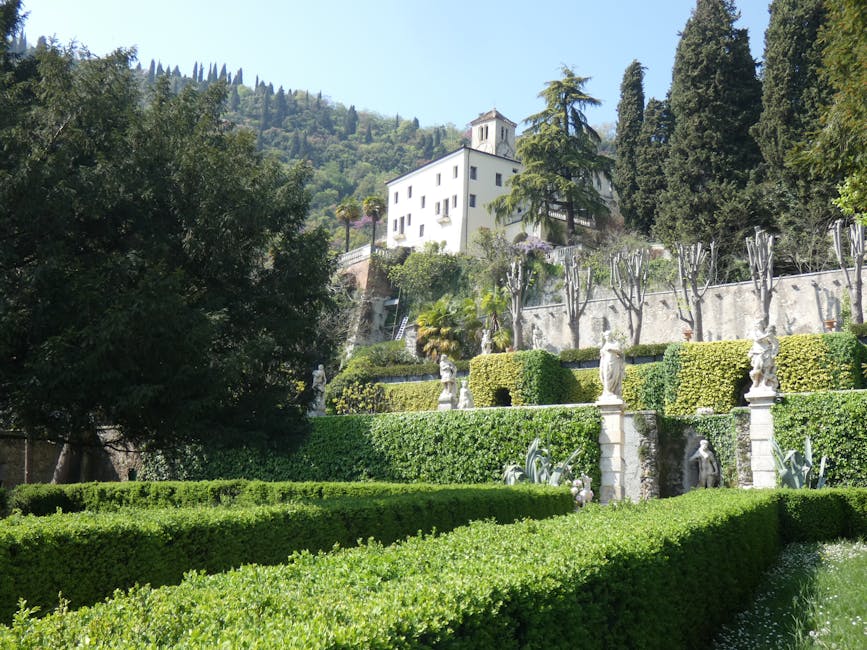
Mercato Orientale and popular culture
Address: Via XX Settembre, 16121 Genova GE.
Opening hours: market generally open 7:00–14:00 (some stalls stay open into the afternoon).
Price: entrance to the market is free; product prices vary (a coffee can cost €1–2, antipasti €3–6).
A museum isn’t always a building: Mercato Orientale is a living museum of gastronomy and local trade. Wandering the stalls, smelling the herbs, tasting an affordable focaccia or farinata and admiring the market’s interior architecture are cultural experiences that are free or very cheap. Tip: ask vendors for recommendations and try a small tasting on the spot for an authentic discovery.
 Click here to book a food tour with a local
Free days, passes and discounts: how to enjoy paid museums for less
Even when permanent collections charge admission, there are times and tools to lower the bill or get free entry. In Italy, national initiatives like « Domenica al Museo » (the first Sunday of the month, subject to national and local calendars) often grant free entry to some state-run museums; in Genoa, several national and civic museums take part occasionally. Here’s an overview of strategies to know, with addresses and useful hours to plan your visits.
Domenica al Museo and national museums
Domenica al Museo is an initiative that generally offers free entry to museums and sites managed by the state on the first Sunday of each month. In Genoa, this can include sites under the Ministry of Culture. However, participation varies by institution and programming (temporary exhibitions can remain ticketed). Practical tip: check the list of participating museums on the Ministero della Cultura website or call the museum the week before.
- Palazzo Reale (via Balbi, 10, 16126 Genova GE): usual hours 9:00–19:00; regular admission around €8–12; check Domenica al Museo participation.
- Galata Museo del Mare (calata del Porto, 15, 16126 Genova GE): hours 9:30–19:00; full price roughly €11–15; special days or passes may offer discounts.
Tip: arrive early on the first Sunday of the month — visitor flows are heavy, and an early start lets you see free areas before the crowds.
Click here to book a guided tour of the Palazzi and Palazzo Reale
Click here to buy your ticket for the maritime museum and the submarine
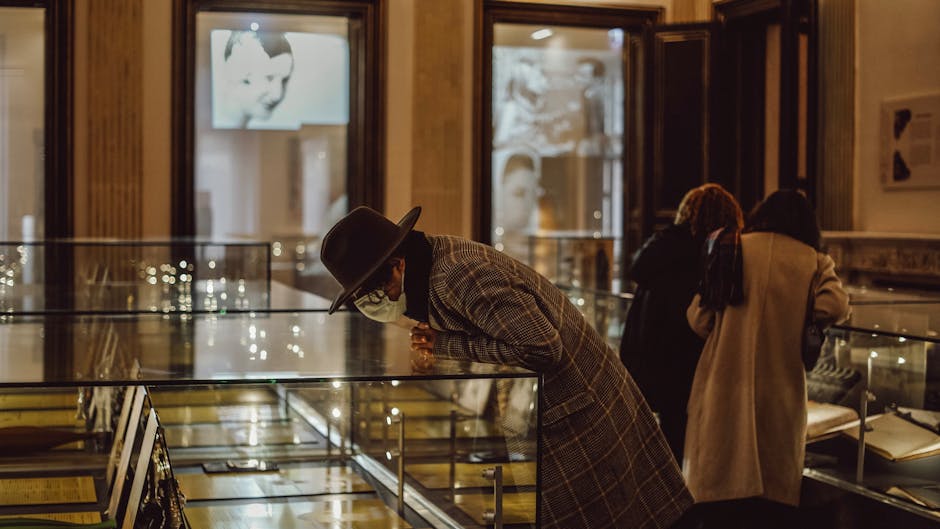
Genoa Pass and tourist cards
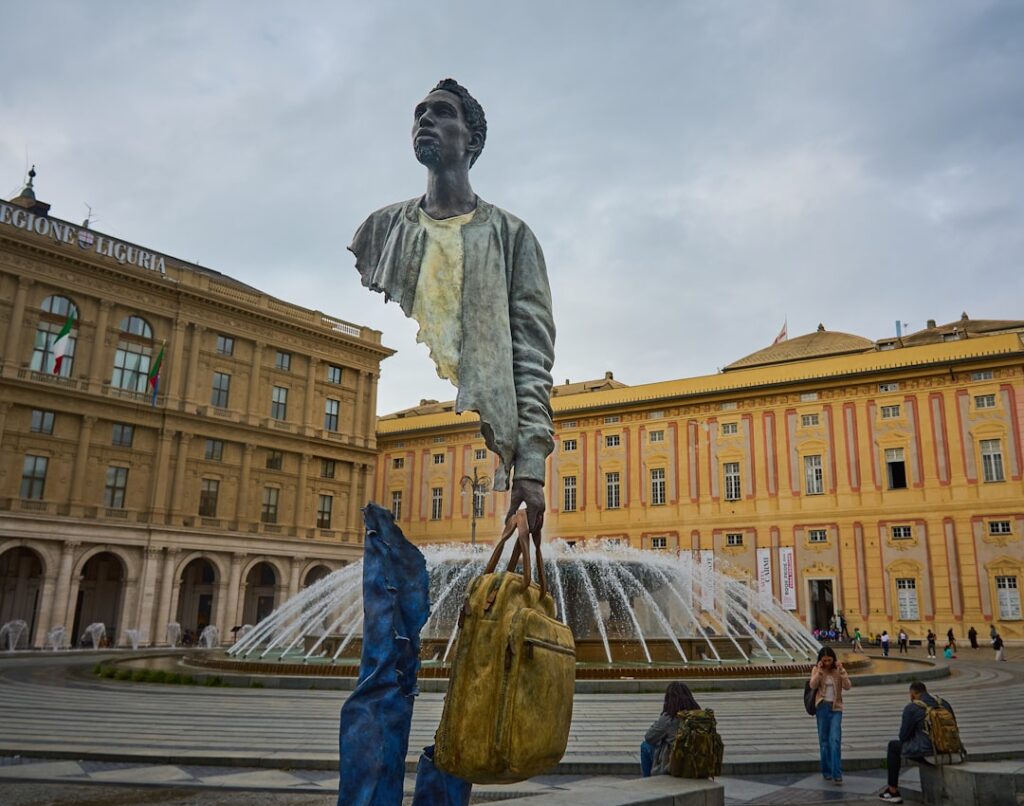
The Genova Pass (or local tourist cards) often bundles access to multiple museums and attractions (sometimes including transport) for a limited time (24–72 hours). Prices vary but can offer substantial savings if you plan to visit several paid sites. Example structure:
- 24-hour pass: around €20–30 (depending on offer) — access to 2–4 museums + transport.
- 48–72 hour pass: €30–50 — wider access and sometimes skip-the-line perks.
Check the official Genova Turismo site or tourist offices at Piazza De Ferrari for up-to-date prices and available combinations. Tip: do the math — if you only plan to visit one or two major sites, a pass might not be worth it.
Student, senior and family discounts
Many museums apply discounts: students (with a valid student card), young people, seniors and families. Some institutions offer « family » tickets or group rates. Always carry an ID or an international student card (ISIC) — it can significantly lower the admission price.
- Always ask about reduced fares at the ticket desk — sometimes the info isn’t clearly posted.
- For families, look for « family » days where children’s activities accompany the visit at reduced rates, sometimes free for kids.

Other nearly-free cultural tips: concerts, festivals, walks and street art
Beyond museums and heritage sites, Genoa is full of opportunities to soak up culture for free. In summer the city comes alive with outdoor concerts, free screenings, street festivals and literary events. Even off-season, libraries, cultural centers and local associations run free lectures, readings and contemporary art shows. Here are concrete ideas and addresses to enjoy the city’s cultural life without spending much.
Open-air stages and free concerts
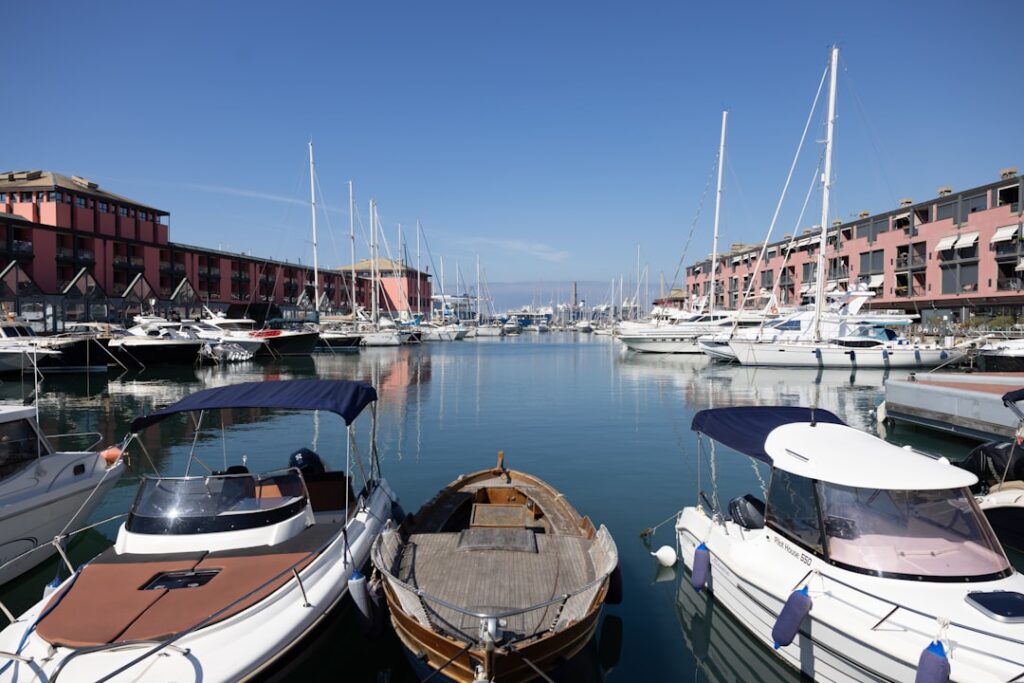
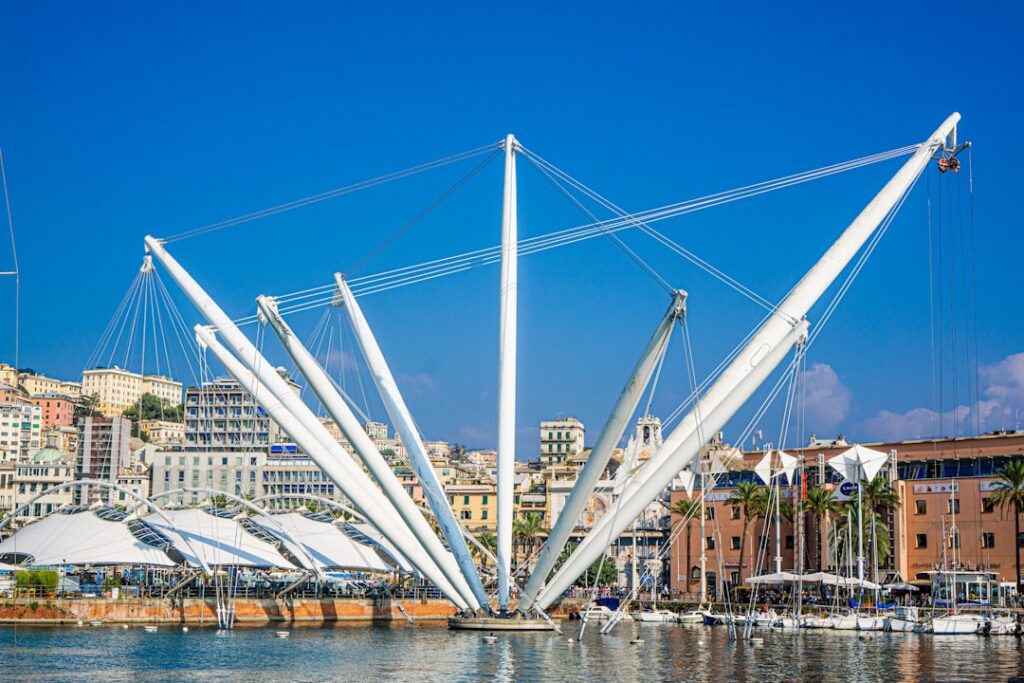
In summer, the terraces and spaces of Porto Antico (Porto Antico di Genova, Molo Vecchio) often host free concerts, street performances and screenings. Main address: Porto Antico, 16128 Genova GE. Events are scheduled regularly; access to the esplanade is free and sometimes evening concerts are free too. Tip: follow the programs of Fondazione Teatro della Tosse and the Comune di Genova to spot free events.
Street art and themed walks
Wandering Boccadasse, the old port or the caruggi of the historic center is like visiting an outdoor gallery: painted façades, small installations and modern frescoes appear as you follow the alleys. A few recommended routes:
- Seafront promenade (Corso Italia, 16146 Genova): sea views, sculptures and a seaside vibe.
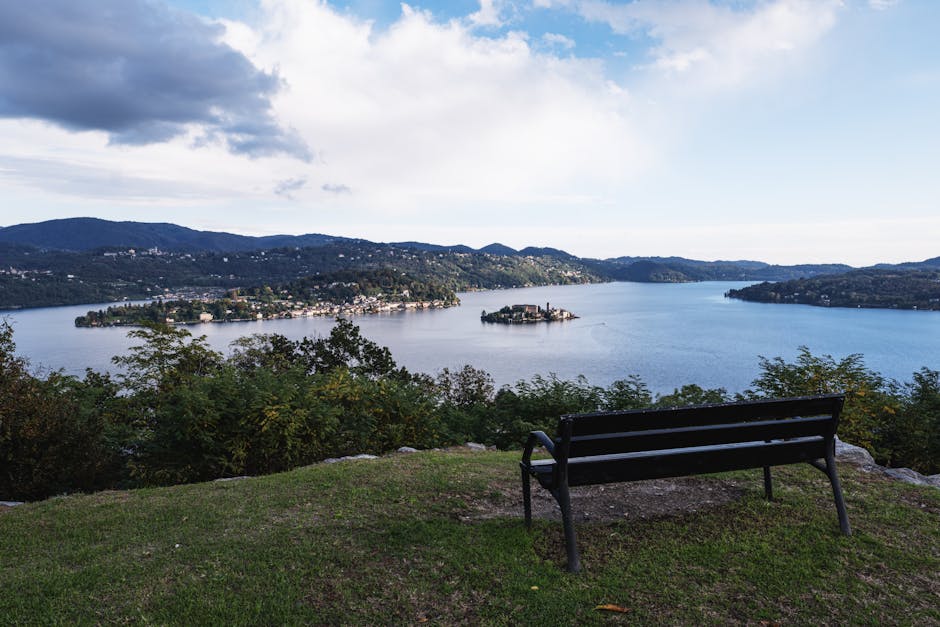
- Castelletto area (via Balbi, via Cairoli): city panoramas and the Spianata di Castelletto viewpoint (Via Balbi).
Practical tip: download an offline map and mark the main murals; sometimes street-art circuits are offered by local associations for free or on a donation basis.
Libraries, cultural centers and public readings
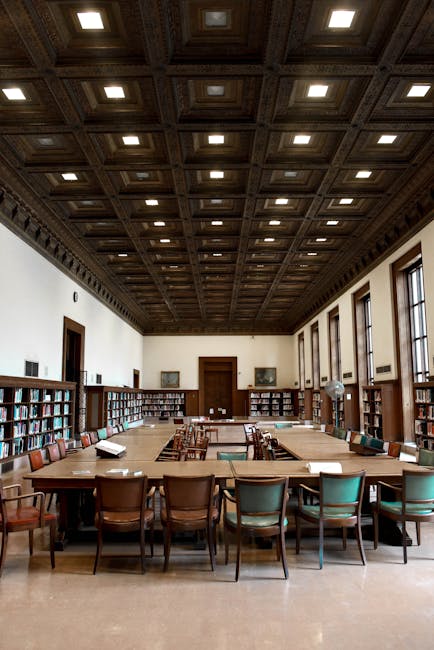
Municipal libraries like Biblioteca Berio (Corso Dogali, 18/7, 16129 Genova) not only lend books for free but also host lectures, exhibitions and children’s events that are often free of charge. University cultural centers (Università degli Studi di Genova) organize open lectures and screenings. Tip: check university and library event calendars to take advantage of free lecture series and roundtables.
Local practical tips to make the most of free cultural visits
To get the most from Genoa’s free museums and cultural offers, a few simple habits save time, money and stress. Here are precise, verifiable tips based on visitors’ and locals’ experience.
- Check opening hours in advance: in Italy, hours can change for religious celebrations, holidays or temporary exhibitions. Call or consult the official website before you go.
- Arrive early: for free days (Domenica al Museo or special dates), being among the first reduces waiting and lets you see parts of exhibitions that may remain ticketed.
- Transport: the Amt bus network and the metro link main points; a single bus ticket costs about €1.50 (check current rates) and is valid for 60–90 minutes depending on the ticket. Buying multi-ride packs or day passes can pay off if you make many trips.
- Watch service times: to visit churches (free), avoid major Masses (Sunday morning) if you want quiet. Likewise, some port areas may be reserved for private events.
- Dress respectfully: for places of worship, plan clothes that cover shoulders and knees to avoid having to borrow a shawl at the entrance.
- Photography: most public spaces can be photographed without flash; some museum rooms restrict photos — always follow signage.
- Language: many institutions offer audioguides or leaflets in English; for free visits, volunteer-led guided tours often offer great value (often donation-based).
Conclusion: explore Genoa affordably — rich and authentic experiences
Genoa proves that a major European city’s cultural wealth isn’t reserved for deep pockets. Between historic churches open for free, public spaces at landmarks like Palazzo Ducale, lively markets such as Mercato Orientale, free gardens and viewpoints, and occasional initiatives (Domenica al Museo, summer concerts, public readings), there are plenty of ways to immerse yourself in Genoese history, art and daily life without spending much. Paid museums remain worthwhile — and smart use of passes, discounts and free days makes them more accessible.
For planning outings, remember these principles: always check hours and participation in free days, favor early-morning visits to avoid crowds, and use local resources (tourist offices, libraries, universities) to find free events. Don’t forget that the best of Genoese culture is often lived in the streets: wandering the caruggi, lingering before a Baroque façade, listening to an organ in a basilica or sharing a focaccia at Mercato Orientale are memorable moments that usually cost only time and curiosity.
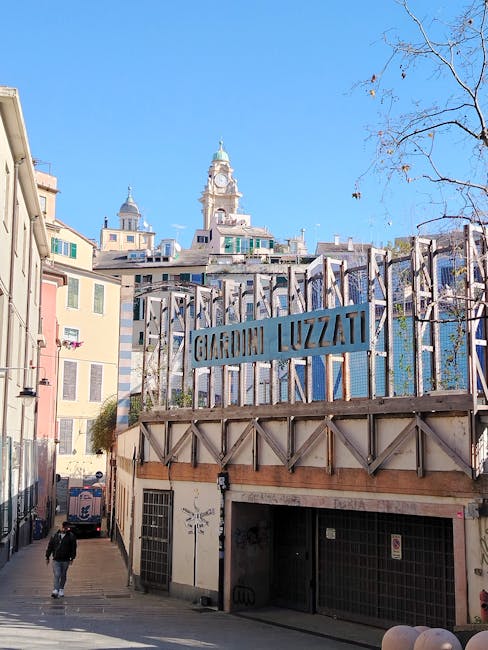
Finally, tailor your itinerary to your pace: for one day, combine a morning visit to a free church, a market lunch on a budget, and an afternoon walk to the Castelletto viewpoint or Porto Antico to catch an outdoor exhibit or concert. If you’re staying longer, look into tourist passes or local subscriptions that can lower the cost of major museums. Genoa rewards the patient observer: often it’s by stopping at an old door, listening to the waves by the harbor, or stepping into a quiet cloister that you discover the city’s most authentic — and economical — cultural riches.