





Introduction — The forgotten facades around Genoa’s cathedral
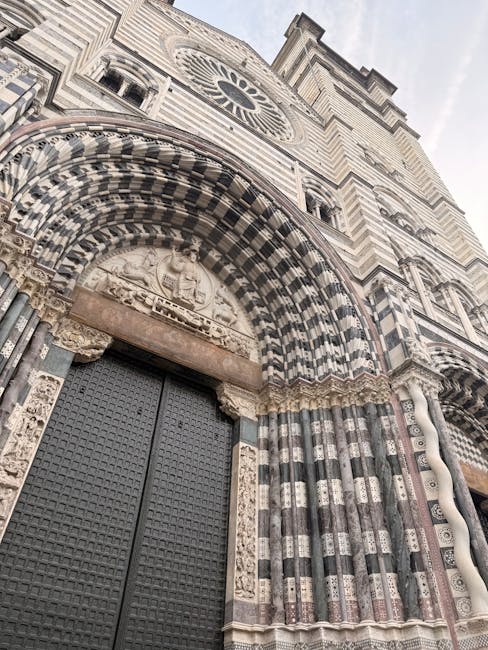
The old town of Genoa (Genova) is a patchwork of narrow lanes, steep steps and little squares where every stone has a story to tell. At the heart of this maze, the Cattedrale di San Lorenzo (Piazza San Lorenzo, 8, 16123 Genova GE) draws the eye: its black-and-white striped marble facade and Gothic-Romanesque interior attract both tourists and worshippers. Yet just a few steps away, tucked behind modest doorways, are small churches and oratories that—although less famous—hold precious chapters of Genoa’s religious and artistic history. These “forgotten facades” deserve your attention: behind unassuming portals lie altarpieces, Baroque frescoes, family chapels and quiet cloisters where time seems to slow down.
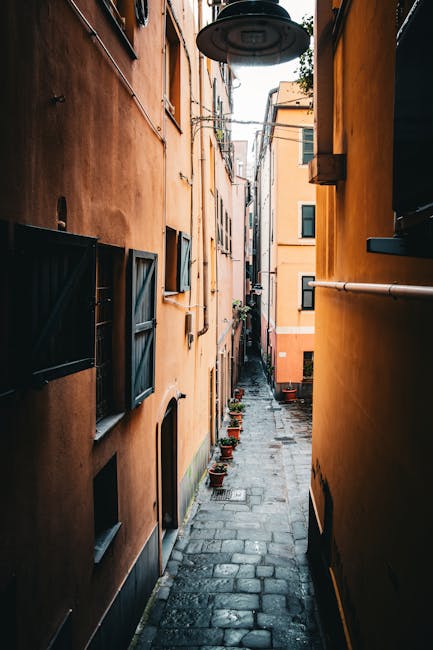
This practical guide, aimed at curious travelers and attentive walkers, maps out a walking route around San Lorenzo cathedral. You’ll find full place names, exact addresses, opening hours, entrance fees where applicable, immersive descriptions of the spaces and pragmatic tips to make the most of each stop. The approach is deliberately hands-on: how to spot these facades in the tangle of caruggi, the best time of day for light, which artworks to keep your eyes on, and what etiquette to follow when entering places of living worship.
Where most visitors only spare a few minutes for these small churches, the experience can be deeply rewarding: centuries-polished saint statues, carved wood, colorful stained glass that casts a soft glow over worn pews, funerary plaques of merchant families who helped make the fortune of the Republic of Genoa. The compact layout of the historic center makes it possible to chain several stops in a single morning or afternoon. This guide will help you craft a coherent itinerary, complete with practical markers (addresses and hours), photographic tips and local advice to avoid noise disturbances or unexpected closures.
Finally, the intention is also to pay tribute to the human side of these places: their role in neighborhood life, the confraternities that still keep them alive, the masses and devotion that persist. These little forgotten facades are not isolated museum showpieces; they breathe with the rhythm of the city. So let’s set off on a route that favors slow looking, listening and discovering details that, once noticed, will stay with you.
Chiesa di San Matteo — Noble lineage and somber tones
Full name: Chiesa di San Matteo (Parrocchia di San Matteo)
Address: Piazza San Matteo, 1, 16123 Genova GE, Italia
Hours: generally open Tuesday to Sunday — 09:00–12:30 / 15:00–18:00 (times may vary for celebrations) — closed on Mondays. Check locally for exact hours during holidays.
Fee: free admission; occasional guided visits with a suggested contribution of €3.00.
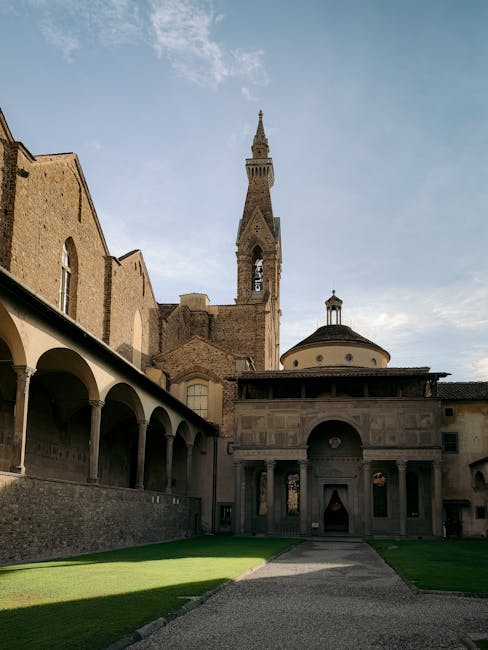
Description: Just a few minutes from the cathedral, Chiesa di San Matteo strikingly illustrates how Genoa’s noble families left their mark on the city. The chapel, historically linked to the Doria family, preserves funerary monuments and carved plaques that recall the maritime mercantile power of the Republic. The exterior facade is modest, almost anonymous amid the neighborhood shops and residences, but the interior reveals an intriguing mix of works: Baroque stucco, decorated altars and, in some chapels, fragments of medieval frescoes.
Immersive visit: Step in slowly and let your eyes adjust to the dimness—the play of light on marble and gilding becomes richer late in the afternoon. Look closely at the capitals on the columns: they display marine and vegetal motifs, a nod to the city’s commercial influence. Hunt for plaques bearing family coats of arms; they’re valuable visual sources of local history. If a mass is taking place, respect the worshippers: many neighborhood residents still attend regularly.
Local tips: The small square in front of the facade has a bench where you can pause. For amateur photographers, morning light (9:00–11:00) casts a gentle glow on the nave; avoid using flash. Ask at the sacristy if a key is needed to access crypts or private chapels—these are often opened on request.
Santa Maria di Castello — From panoramic views to the quiet cloister
Full name: Basilica di Santa Maria di Castello (Complesso Monumentale di Santa Maria di Castello)
Address: Salita di Santa Maria, 5, 16123 Genova GE, Italia
Hours: daily 09:30–17:30 (last admission 17:00) — hours vary in winter and during ceremonies. Possible closures for religious events.
Fee: visiting the complex is recommended — combined ticket €5.00 (main church + complex museum). Reduced €3.00 for students and seniors; free for children under 6.
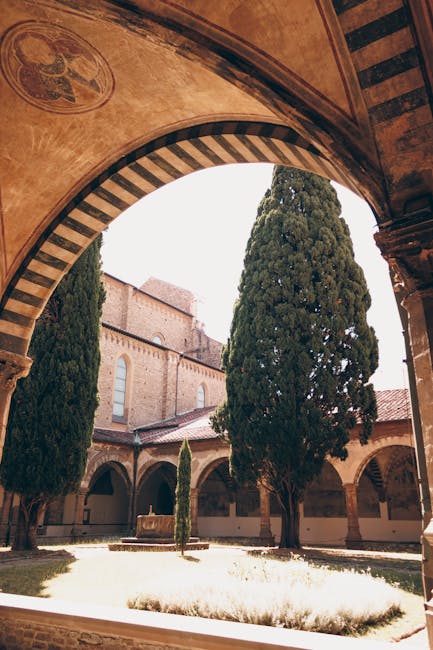
Description: Overlooking part of the caruggi, Santa Maria di Castello is a monastic ensemble that tells Genoa’s religious story from the early Middle Ages. The basilica rewards a slow visit: the Romanesque nave, side chapels, the cloister and the small museum hold sculptures, liturgical objects and paintings. The facade, less ostentatious than San Lorenzo’s, opens onto a discreet panorama: from the complex terrace you can glimpse the rooftops of the old town and, in the distance, hints of the harbor.
Immersive visit: Climb the Salita di Santa Maria and feel the basalt and limestone underfoot. Inside, keep your hands off the furnishings but take time to read the Latin inscriptions on the sarcophagi. The cloister, especially photogenic at sunrise, is an exceptional quiet spot: benches, shaded arcades and bird song. The museum provides historical context for the liturgical objects, notably reliquaries and richly embroidered priestly vestments.
Local tips: Buy the combined ticket to save money and support conservation. When returning toward the cathedral, pass via San Luca to enjoy oblique views across the city. Allow 1 hour 15 minutes to 1 hour 45 minutes for a full visit (church + cloister + museum).
Chiesa di San Donato and Oratorio di Sant’Agostino — Two faces of neighborhood devotion
Full name: Chiesa di San Donato
Address: Via San Donato, 8, 16123 Genova GE, Italia
Hours: open continuously 08:00–19:00 (daily mass at 18:00). Occasional closures for parish events.
Fee: free entry — voluntary donations appreciated (suggested €1.00–2.00).
Description: Chiesa di San Donato functions as a true neighborhood church. Its discreet facade contrasts with a modest yet intimate interior atmosphere: confessions, private prayers, and small commemorative plaques. You’ll find locally crafted altarpieces and votive objects that testify to a direct relationship between the community and the place. The pews are often occupied by elderly locals, and the parish welcome is generally very warm toward visiting guests.
Immersive visit: Go in during or just after a prayer: the scent of polished wood and burning candles leaves a lasting sensory impression. Ask the sacristy about local traditions (saint’s days, processions)—this offers a living calendar of the city. Photographers should respect the no-flash rule during services.
Full name: Oratorio di Sant’Agostino
Address: Salita di Sant’Agostino, 1, 16123 Genova GE, Italia
Hours: generally open in the afternoon 15:00–18:00 and by appointment for guided visits; closed in the morning for parish activities.
Fee: free independent visits; guided tours by donation (recommended €2.00–5.00).
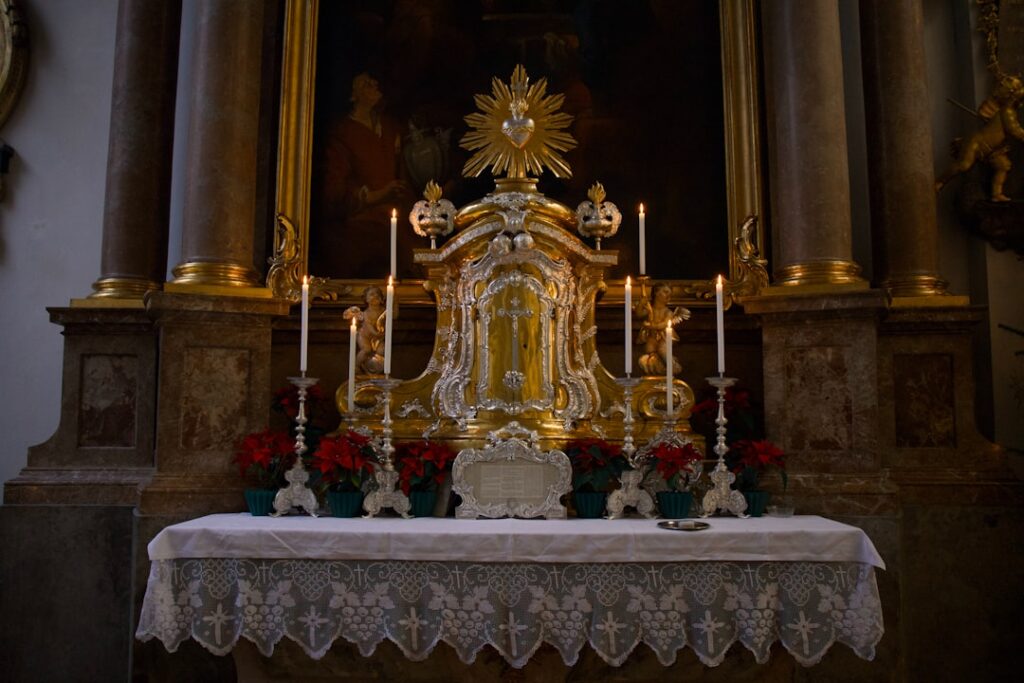
Description: Oratorio di Sant’Agostino is a small Baroque gem hidden behind a discreet door. Its walls bear witness to ancient confraternities; the stucco work and allegorical paintings reward a detailed look. Often used for neighborhood meetings and small sacred music concerts, the oratory creates a micro-artistic world away from tourist flows.
Local tips: To access the oratory, call ahead or visit the neighboring parish sacristy; volunteers typically open the door for respectful visitors. Pair the visit with a coffee at one of the little tea houses in the caruggi to extend the contemplative mood.
Conclusion — How to fold these forgotten facades into your Genoa visit
The small churches surrounding San Lorenzo cathedral form an intimate notebook of the city: they tell of daily piety, the memory of influential families, the art of confraternities and Genoese skill at blending religious function with neighborhood life. Rather than rushing from one major site to the next, give time to these places where the material traces of the past (stone, wood, paint, metal) retain a human texture. This guide invites you to craft a measured route: for example, start early at Santa Maria di Castello for the light and the view, descend to San Matteo for Doria family grandeur, cross the caruggi to San Donato for a parish welcome and finish at the oratory for a Baroque, contemplative note.
Practically speaking, keep a few simple rules in mind: check opening hours, especially on religious holidays; respect services and prayer—most places are free to enter but donations help with upkeep; avoid flash photography and dress modestly (shoulders and knees covered) as a sign of respect. If you want a deeper visit (crypts, private chapels, protected works), ask the sacristy or volunteer staff: local openers are often happy to share anecdotes and historical details that don’t make it into standard guides.
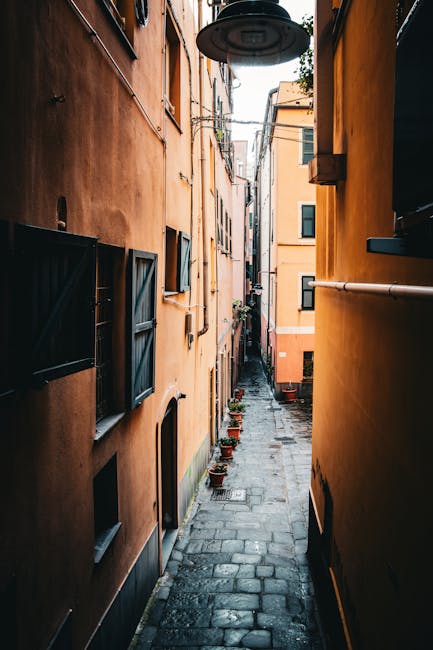
Finally, let your curiosity lead you down the adjacent alleys. The forgotten facades are best discovered on foot, at the pace of a walk and a gaze. They offer another way to see Genoa — not just as port and palaces, but as a city shaped by daily devotion, local memory and discreet art. Bring a map, a notebook and plenty of time: these small churches will, without fail, leave you with images and moments that extend your stay long after you’ve gone.