





Introduction: Discovering San Lorenzo Cathedral, Genoa’s Gem
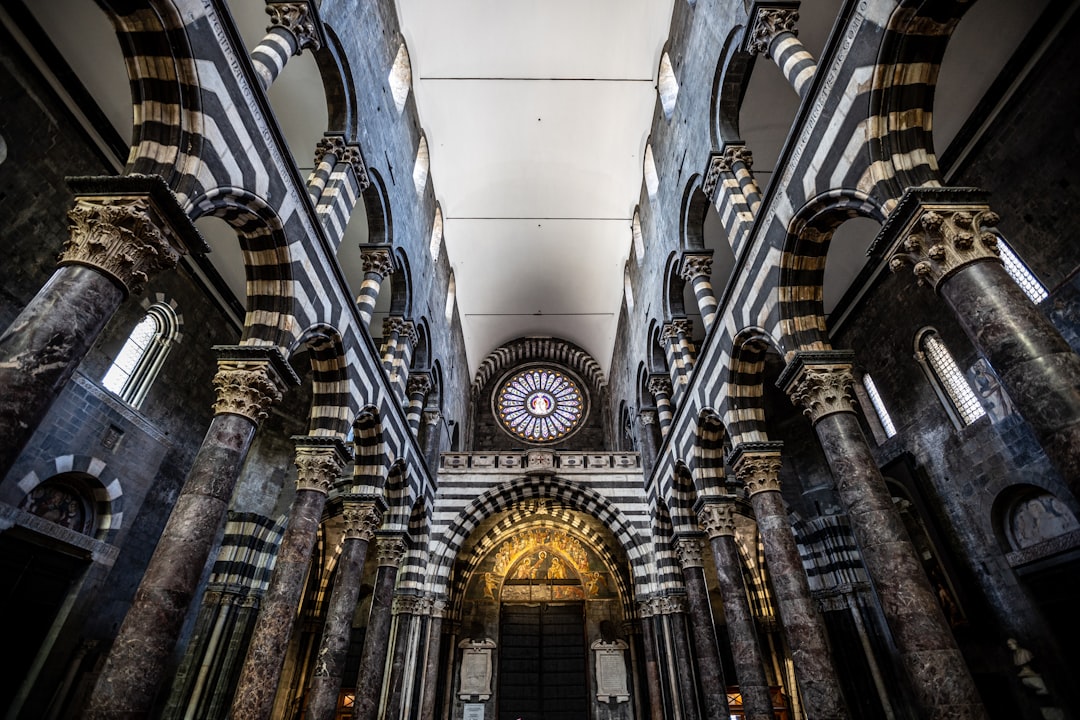
In the heart of Genoa’s historic centre, tucked between medieval alleys and lively squares, the Cattedrale di San Lorenzo (Saint Lawrence Cathedral) stands out as both a visual and spiritual landmark for centuries. Blending Romanesque and Gothic bones with later Baroque flourishes, this monument tells the story of a powerful maritime city — a crossroads of trade and culture between Italy, the East and the broader Mediterranean. For curious travellers, a visit to San Lorenzo is more than an architectural stopover: it’s a dive into the layered history of a city that has preserved its treasures while staying vibrantly alive.
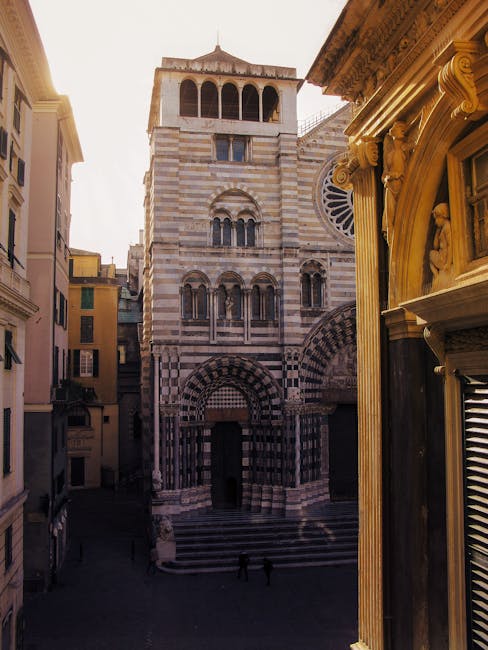
The cathedral, dedicated to Saint Lawrence, sits in a neighbourhood where every stone seems to whisper tales of sailors, merchants and dignitaries. Its role goes beyond strictly religious functions: locals, worshippers and visitors mingle in front of the black-and-white marble façade, beneath its arches and along its side chapels. Inside, plays of light, frescoes, carved capitals and the precious liturgical treasury invite you to slow down, look closely and feel the weight of time. The Cattedrale di San Lorenzo is also where Genoa’s history can be read in symbols — from patrician family coats of arms to references to great maritime expeditions.
In this article we’ll explore this jewel: its history, architecture, artworks and relics, and — most importantly — up-to-date practical information to plan a successful visit. You’ll find exact addresses, approximate opening hours, prices in euros, and local tips to make the most of the site and its immediate surroundings. Whether you’re into sacred art, a photographer hunting for unique angles, a traveller seeking authenticity or simply a curious visitor, this guide will give you the keys to get the best out of the cathedral.
To bring the experience to life, I also offer visual landmarks and suggested routes through the neighbourhood — detours to the Palazzo Ducale and the famous Lanterna di Genova, and coffee pauses in nearby pedestrian lanes. The Cattedrale di San Lorenzo is the perfect gateway to understanding Genoa’s soul: its architectural restraint, its cosmopolitan nature and its deep bond with the sea. Ready your camera, a sense of wonder and your curiosity; let’s explore this must-see monument together.
History and Architecture of the Cattedrale di San Lorenzo
The Cattedrale di San Lorenzo, officially the Cattedrale Metropolitana di San Lorenzo, occupies a central spot on Piazza San Lorenzo in the heart of old Genoa. Address: Piazza San Lorenzo, 5, 16123 Genova GE, Italy. References to a church on this site date back to the early Middle Ages, but the building you see today is the result of successive constructions and renovations, mainly from the 12th to the 15th century. This architectural palimpsest reveals traces of different eras: a Romanesque core, Gothic elevations and Baroque additions speak to continuous evolution.
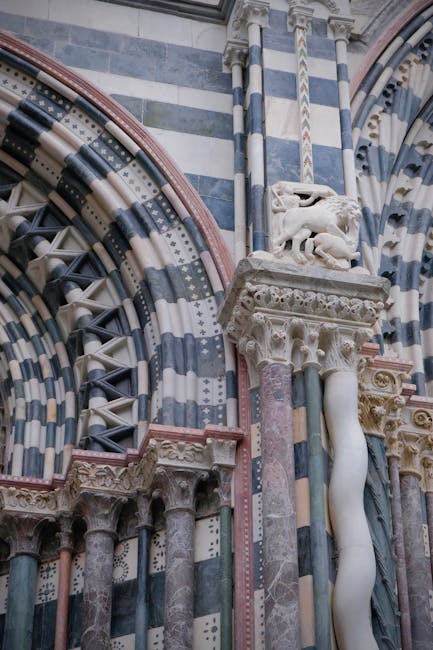
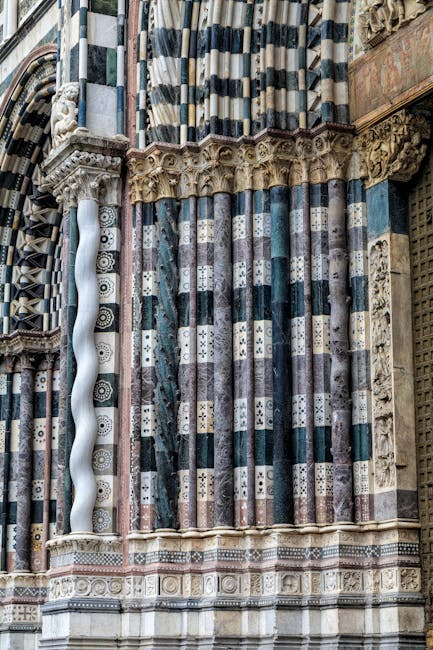
The striking façade alternates bands of white and black marble — a typical Ligurian and Pisan motif — and features round arches and ornate loggias. The main portal is decorated with sculptures and carved reliefs that, in times when most worshippers were illiterate, were used to teach biblical stories and moral lessons. Inside, the central nave, aisles and side chapels form a liturgical route rich in artworks: frescoes, canvas paintings, carved choir stalls and reliquaries. Notable features include the ancient crypt and flooring, as well as mosaics and gilded ornamentation that testify to Genoa’s role in Mediterranean trade.
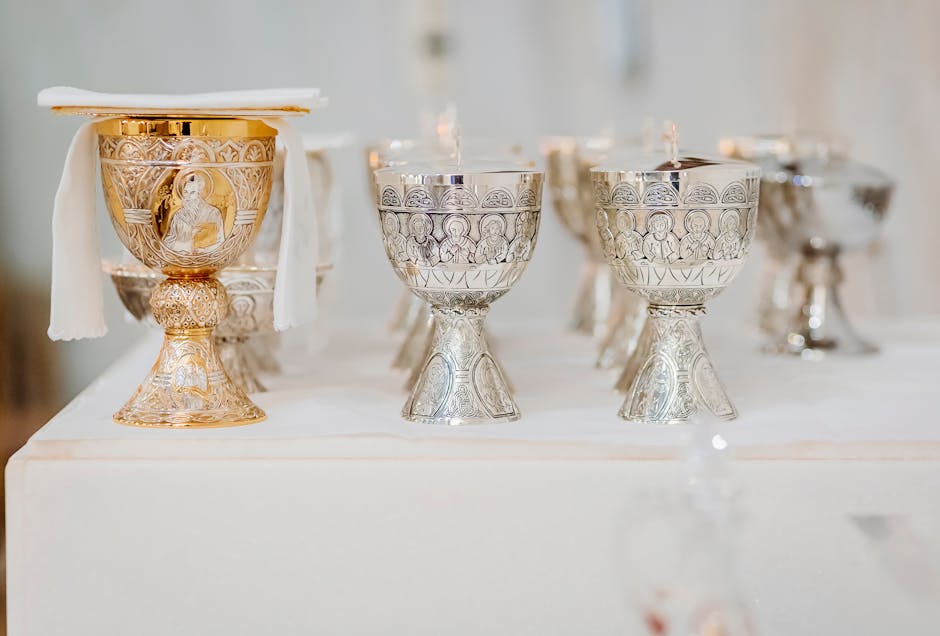
One of the cathedral’s highlighted treasures is the Tesoro della Cattedrale (Cathedral Treasury), which houses liturgical objects, chalices, reliquaries and goldsmith work that illustrate the cathedral’s material and symbolic wealth across centuries. This treasury is kept in a dedicated room inside or adjacent to the cathedral and, for conservation reasons, may be shown in temporary or permanent exhibitions. Recent restoration work has also revealed painted layers and carved details long hidden by time.
Understanding San Lorenzo’s architecture is a way of reading the city. Byzantine, Pisan-Ligurian and Gothic influences reflect Genoa’s maritime connections: each material and sculpted motif points to contacts with East and West. Conservation efforts, often carried out in collaboration with the Soprintendenza Archeologia, Belle Arti e Paesaggio per la città metropolitana di Genova, aim to protect this heritage while keeping it accessible to the public. For architecture enthusiasts, the cathedral is like an open book: its austere exterior contrasts with the variety and richness of its interiors, offering a refined visual and intellectual journey.
What to See Inside: Artworks, Treasures and Hidden Spaces
Stepping into the Cattedrale di San Lorenzo reveals a collection of objects and spaces that reflect a dense religious and civic history. Access to the main church is generally free, but entry to the Tesoro della Cattedrale and certain exhibitions or chapels may require a fee. Indicative prices (2024): cathedral entry free; Tesoro della Cattedrale and permanent exhibition around €3.00 to €6.00; guided tour of the complex (when available) around €8.00 to €12.00. Prices can vary with season and temporary exhibitions. It’s best to check the official site or Genoa’s tourist office before visiting.
Highlights you shouldn’t miss:
- The Tesoro della Cattedrale: a set of liturgical objects (chalices, monstrances, reliquaries) and priestly garments showcasing exceptional goldsmithing. The dim lighting and display cases lend these pieces an almost sacred aura.
- The Crypt: often quieter, it reveals ancient walls, fresco fragments and an intimate atmosphere perfect for contemplation.
- The Chapel of the Holy Shroud: certain fragments or relics on display evoke the cathedral’s historical links to highly venerated medieval relics.
- Stained Glass and Frescoes: modest compared with some grand European cathedrals, they nonetheless offer biblical scenes and decorative motifs worth careful observation.
Beyond the visible works, the cathedral holds lesser-known areas: archives, conservation rooms and small oratories. These spaces are not always open to the public, but special guided tours or heritage days can sometimes grant access. Photographers should note that flash is prohibited in some areas to protect the artworks, and many objects are displayed behind glass for conservation reasons.
Practical tip: aim to visit in the morning, right at opening time, to avoid crowds and to enjoy softer interior light. If you want to attend mass or a service, check schedules (see the next section): the liturgical atmosphere can make the visit especially moving and authentic.
Practical Information: Addresses, Opening Hours, Prices and Local Tips
To prepare your visit, here are practical details accurate at the time of writing. Main address: Cattedrale Metropolitana di San Lorenzo, Piazza San Lorenzo, 5, 16123 Genova GE, Italy. The site is a short walk from Piazza Matteotti and the famous Piazza De Ferrari, making it easy to combine visits.
Indicative opening hours (check before you go, as hours can change for religious feasts or events):
- Cathedral interior opening hours: Monday to Saturday 9:30 – 12:30 and 15:00 – 18:00; Sunday 9:00 – 12:30 and 15:00 – 18:30 (approximate).
- Visit to the Tesoro della Cattedrale: generally open in the morning and late afternoon; hours vary, often 10:00 – 17:00 with closure between 12:30 and 15:00.
- Closures and measures: the cathedral may close temporarily for services, ceremonies or conservation. On Tuesday mornings or certain public holidays, some sections might be inaccessible.
Estimated prices:
- Cathedral entry: free.
- Entry to the Tesoro della Cattedrale: €3.00 – €6.00 depending on the exhibition.
- Official guided tour: €8.00 – €15.00 per person (discounts often available for groups and students).
- Parking and transport: parking in the historic centre is limited; favour public transport. Single bus/metro ticket roughly €1.50 – €2.00.
Local practical tips:
- Booking: in high season (May–September) or on weekends, book guided tours in advance and arrive before opening to avoid queues.
- Dress code: wear modest clothing (shoulders and knees covered) if you enter during a religious service.
- Accessibility: the cathedral still has stairs and medieval areas; wheelchair access may be partially limited. Ask at the reception for alternative solutions.
- Safety: watch your belongings in tourist areas; busy streets can attract pickpockets.
- Guides and audio guides: available seasonally; check languages offered (Italian, English, sometimes French or Spanish).
Nearby highlights:
- Palazzo Ducale — address: Piazza Giacomo Matteotti, 9, 16123 Genova GE. A major cultural venue often hosting temporary exhibitions.
- Piazza De Ferrari — address: Piazza De Ferrari, 16121 Genova GE. The central square with its fountain and the nearby Galleria Mazzini.
- Lanterna di Genova — address: Calata Zingari, 16128 Genova GE. The city’s iconic lighthouse, reachable by bus or a walk along the harbour.
Routes, Experiences and Tips to Extend Your Visit
A visit to the Cattedrale di San Lorenzo can be part of a half-day or a full day exploring Genoa’s historic centre. Here are some route suggestions and experiences to enrich your stay:
1) Heritage route (morning): start at the Cattedrale di San Lorenzo (Piazza San Lorenzo, 5), then head to the Palazzo Ducale (Piazza Giacomo Matteotti, 9) for a temporary exhibition or a tour of the building. From there, walk to Piazza De Ferrari (Piazza De Ferrari, 16121 Genova GE) and the Galleria Mazzini for a coffee break.
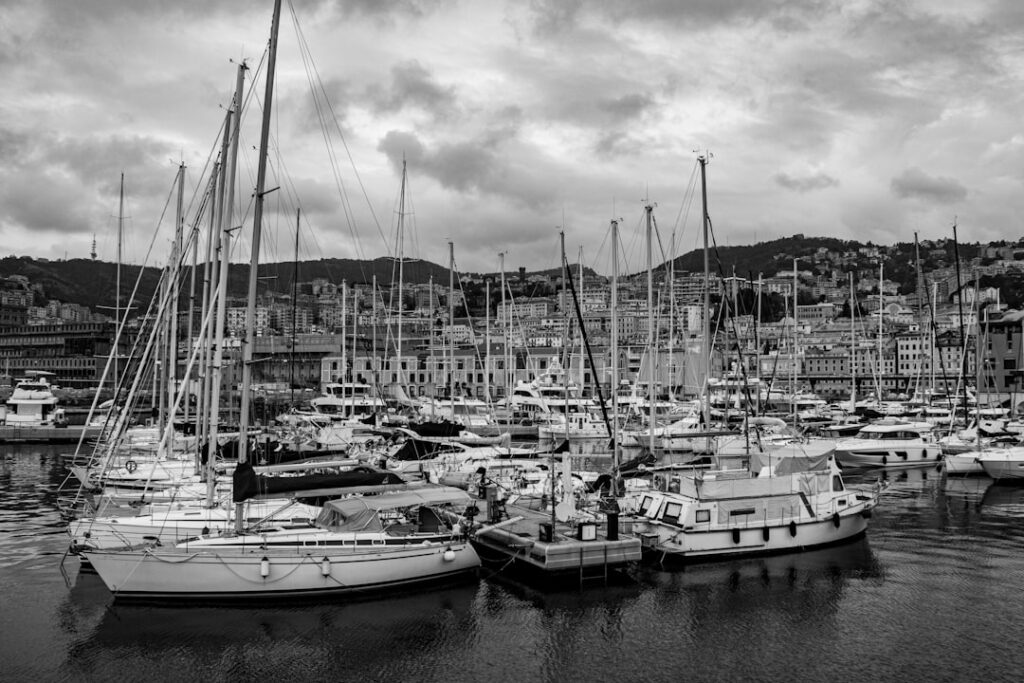
2) Stroll along the harbour (afternoon): descend to Porto Antico (Piazza Caricamento, 16128 Genova GE) to visit the Aquarium of Genoa if time allows, or just wander the quays. Finish at the Lanterna di Genova (Calata Zingari, 16128 Genova GE) for panoramic city-and-sea views at sunset.
3) Museum route (full day): combine the cathedral with the Strada Nuova Museums — Palazzo Rosso, Palazzo Bianco and Palazzo Tursi (Via Garibaldi, 12–18, 16124 Genova GE) to deepen your understanding of the art history of the Republic of Genoa.
Foodie tips and breaks:
- Try Genovese focaccia at a local bakery (rough price: €1.50 – €3.00 depending on size).
- Lunch break: trattorie around Via San Lorenzo serve fresh fish dishes and Ligurian specialties like pesto alla genovese (€8.00 – €18.00 depending on the restaurant).
- Pre-dinner drink by the harbour: many bars in Porto Antico offer spritzes and local wines (aperitif €5.00 – €10.00).
Finally, for photographers and lovers of unusual viewpoints: the best time to photograph the façade is early morning when low light sharpens the marble contrasts; for wider shots that include the cathedral within Genoa’s urban fabric, head up to Spianata Castelletto (Piazzale della Commenda) or look for viewpoints around Via Pré and Collina di Castello.
Conclusion: Why the Cattedrale di San Lorenzo Deserves Your Visit
The Cattedrale di San Lorenzo is far more than a religious building: it’s a living portrait of Genoa. Through its stones, marbles, artworks and treasury, it traces the path of a city that built its wealth on the sea, trade and intense cultural exchanges. Its architecture — at once restrained and rich in detail — charms with contrasts: the alternating black-and-white marble façade, the sober exterior and the lavish interior that together illustrate the dialogue between faith, art and urban power.
Visiting San Lorenzo also helps you understand the city: the winding lanes of the historic centre, the palaces of Strada Nuova, squares like Piazza De Ferrari and the quays of Porto Antico form a coherent whole. The cathedral becomes an anchor point for organising your exploration of Genoa, both as a spiritual stop and a cultural starting point. Guided tours, temporary exhibitions and the Cathedral Treasury add layers of meaning and emotion to the experience.
Practically speaking, the free access to the main church makes the visit approachable for everyone, while the paid exhibitions on site let you deepen your visit for a modest cost (usually just a few euros). Local advice — arrive early, respect the dress code, check opening hours and closures — will ensure a calm, rewarding visit.
Ultimately, whether you’re passionate about art and history, a photographer chasing atmospheres, or a curious traveller wanting to grasp the soul of Genoa, the Cattedrale di San Lorenzo should have a prime spot on your itinerary. It reflects the complexity and beauty of a port city with exceptional heritage. Take the time to stop, listen, observe and let the cathedral speak to you: it has centuries of stories to tell.