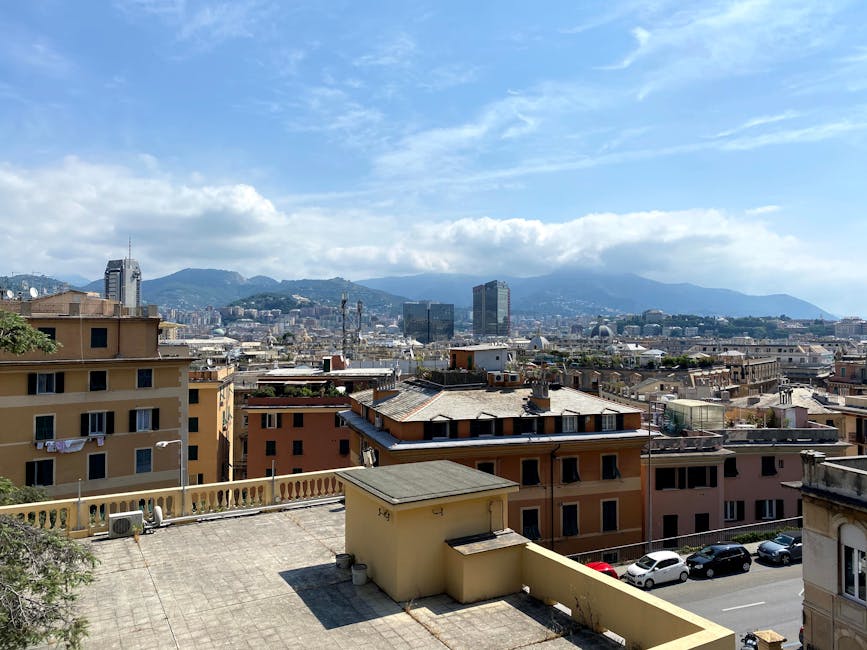






Introduction: Genoa beyond the harbors — hunting down hidden treasures
Genoa is more than a bustling port city with steep alleyways and the grand palaces along the famed Via Garibaldi. Beyond the major tourist sites and state museums lies a world of small private exhibitions, modern cabinets of curiosities, family-run galleries and themed collections that reveal an intimate, often overlooked side of the Ligurian city. These places — sometimes tucked in inner courtyards, old palazzi or converted shops — offer highly personalized experiences: appointment-only visits, pop-up shows off the beaten track, works by local artists rarely shown elsewhere, and historic objects presented with a personal narrative. For the curious traveler, they form a parallel itinerary — a sensory dive into a city that likes to keep some secrets.
Exploring these hidden treasures means slowing down, stepping off the main routes and talking to the stewards, owners and curators. Visits are often punctuated with family anecdotes, original documents pulled from private archives, or a shared coffee in a small formal salon. These encounters turn a visit into a meeting: with the story of a merchant family turned patron, with the trajectory of a Genovese artist still little known abroad, or with the material memory of forgotten trades (silk weaving, shipbuilding, historic navigation). In Genoa, the line between museum and home, gallery and studio can be porous. Attentive visitors will find exhibitions where every object — a painted stretcher, an astrolabe, a fan, a tapestry — tells a local, personal story.
This article offers a practical, immersive route through a curated selection of small private exhibitions spread across the historic center and surrounding hills. You’ll find exact addresses and useful opening times, plus tips to make the most of your visits, typical price ranges, how to book appointments and local etiquette. The aim: to step off the beaten path without wasting time, prioritizing quality encounters and meaningful discoveries. Whether you love art, maritime history, contemporary design or you’re a photographer searching for new perspectives, Genoa’s micro-museums and private shows can unexpectedly enrich your stay.
Get ready to push through hidden gates, climb spiral staircases that open onto decorated interiors, and meet curators who’ve dedicated their lives to preserving and sharing unique collections. Genoa’s small private exhibitions are waiting to be uncovered — and sometimes the discovery is as rewarding as the objects themselves. In the sections that follow you’ll find five detailed thematic routes, including full names, precise addresses, indicative prices in euros, opening hours, immersive descriptions and practical local tips. Happy exploring — and don’t forget your camera.
Palaces and private homes turned into small exhibitions
Genoa is famous for its 17th- and 18th-century palazzi, and some of these now host small private exhibitions or family collections that can be seen by appointment. These venues often retain original layouts and furnishings, offering an immersive experience where the city’s history can be read in wood paneling, tapestries and painted ceilings. Among the more accessible are the Palazzo Spinola di Pellicceria (Musei di Strada Nuova) at Via Garibaldi 18, often partly accessible through private exhibitions organized by local foundations: check opening times and special events before you go. Slightly more discreet, the Palazzo Doria Tursi at Via San Lorenzo 12 occasionally hosts small private shows in annex rooms run by conservation associations. These spaces aren’t always signposted outside; it’s recommended to call or email to book.
 Click here to book your guided visit to the Palazzi dei Rolli
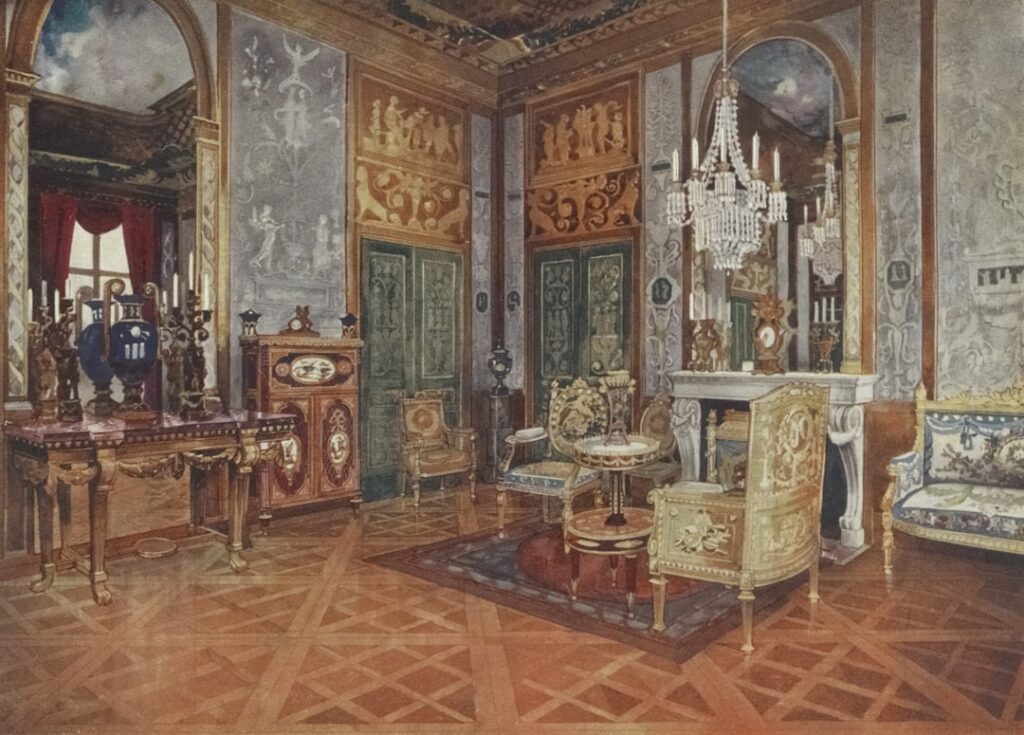
Another interesting example is the Casa Museo Amodio, a private residence turned house-museum located at Vico dei Castagna 3 (near the old port). The owners open the house for themed exhibitions (historic textiles, musical instruments) and run guided visits limited to small groups. Typical prices for these private visits range between €10 and €18 per person, depending on the length and access to historic rooms. Times are often flexible: visits may be available in the morning (10:00–12:30) or late afternoon (15:00–18:00) by appointment.
Practical tips: for these private palazzi, favor booking by phone or email (many organizers prefer direct contact). Wear comfortable shoes — the staircases are often original and narrow. Observe the photo rules: some rooms require a separate photography fee (generally €3–€5). And when inner gardens are open, take the chance to enjoy them — they offer exceptional views over Genoa’s rooftops and a peaceful break from the harbor bustle.
Private art galleries and artist studios to discover
Genoa’s independent art scene expresses itself through small galleries and studios open to the public, often tucked down side streets and in neighborhoods like Carignano, Castelletto and the historic center. These spaces typically show local contemporary artists, emerging photographers and experimental curatorial projects that don’t appear in larger institutions. Notable spots include the Galleria Il Punto at Via Giulia 23R — an intimate gallery presenting paintings, prints and installations on a quarterly cycle. The Studio d’Arte Marco Rossi, at Via San Lorenzo 45, occasionally opens for private openings and offers visits by appointment.
Click here to book a photographic tour of secret corners
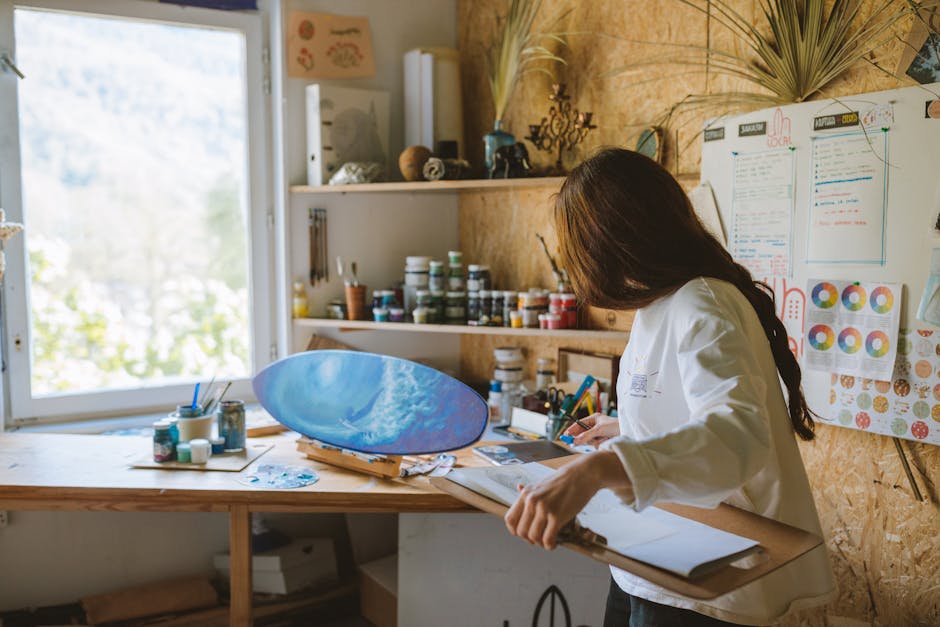
Entry fees to these galleries are often nominal: many are free during openings, or ask for a voluntary contribution between €0 and €5. Studios frequently run masterclasses and practical sessions (painting, printmaking, photography) with prices ranging from €25 to €70 depending on length and materials provided. Opening hours can be limited (for example Wednesday–Saturday 14:00–19:00), so it’s common to call ahead to confirm.
Immersive description: stepping into a private Genoese gallery often feels like entering a multifunctional space — a coffee corner, an art library and the exhibition room all combined. Local curators love to create meetings between collectors and artists; be ready for stimulating conversations and the possibility of buying original works at reasonable prices (small paintings: €150–€600, limited photography editions: €100–€400). If you’re a collector, don’t hesitate to show interest — many artists are open to discussing bespoke commissions.
Practical tips: follow local galleries on Instagram and Facebook to catch openings and pop-up shows. Book workshops at least a week in advance, especially in high season (May–September). And always ask if the gallery accepts card payments — some small operations prefer cash.
Themed collections and cabinets of curiosities — micro-museums with a focus
Genoa’s themed micro-museums are Aladdin’s caves for enthusiasts: collections of navigation instruments, naturalist cabinets of curiosities, silk and fashion archives, or small museums dedicated to private maritime heritage. A striking example is the Museo del Mare Privato – Collezione Marittima Battista (address: Via dei Cantieri 4): this private collection assembled by a family of seafarers includes ship models, antique sea charts and navigation instruments. Entry is by appointment; the fee is typically €12 for adults, €8 for students, and guided tours in English/Italian are available on request (45–60 minutes).
Click here to buy your tickets for the Galata Maritime Museum

Another notable micro-museum is the Collezione Tessile Famiglia Bianchi (address: Via dei Tessitori 7), specializing in textiles and historic weaving techniques from the Ligurian region. The visit includes a demonstration of historic looms and a selection of technical sheets conserved in the family archive. Indicative prices: €10 for a short tour (30 minutes), €18 for a longer visit including the demonstration (60–75 minutes). Usual opening hours are Tuesday–Saturday 10:00–13:00 and 15:00–18:00, but evening visits can be arranged for groups.
The experience in these cabinets is deeply immersive: expect to handle objects or replicas under the curator’s supervision and to hear family or trade stories that bring each artifact to life. For photographers, these venues offer rich subjects — textures, patinas and technical details. Respect is essential: some pieces are fragile and strict conservation rules apply (no flash, minimum distance, wearing gloves).
Practical tips: arrive with specific questions — curators love sharing their research and appreciate engaged visitors. If you’re traveling in a group, request a guided tour in English or French; some places charge a language supplement (usually €20–€40 for the guide). Also check whether publications or reproductions are for sale — these micro-museums often sell rare catalogs and limited prints, perfect as unique souvenirs.
Private guided tours, tailor-made routes and hands-on workshops
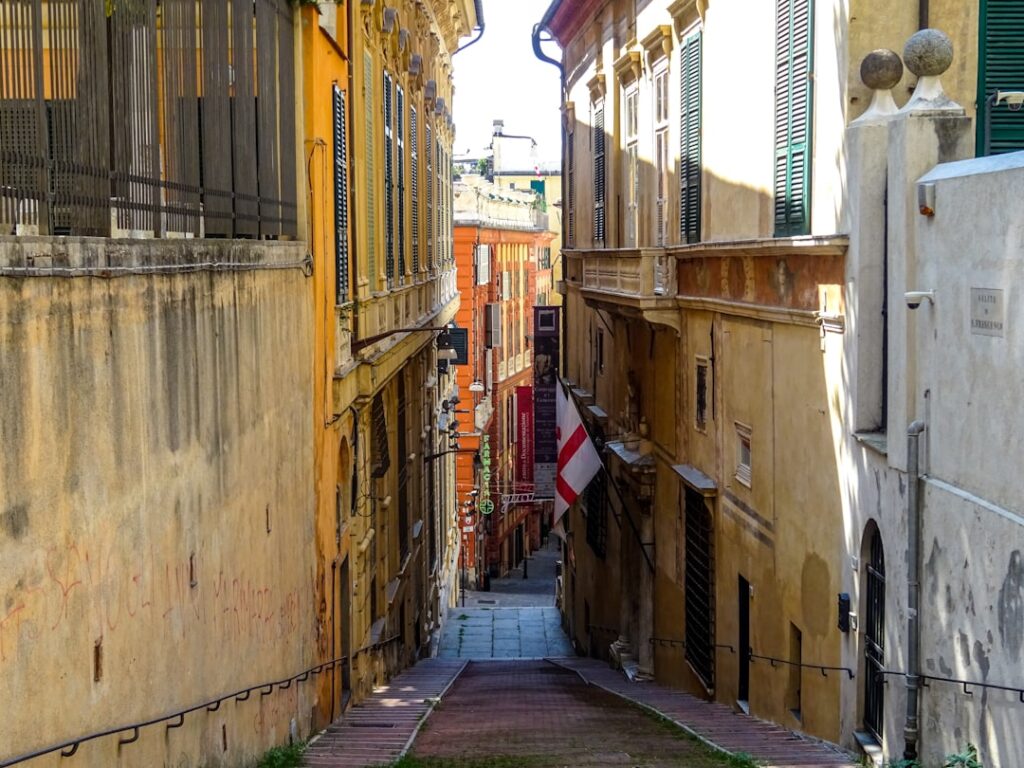
Genoa’s small private exhibitions are often accessed through private guided tours or themed circuits organized by independent guides and cultural associations. These services allow you to visit little-known or unmarked spaces, combining several micro-sites into a half-day excursion. One typical package — the “Hidden Genoa Private Tour” offered by local guides — includes a visit to an artist’s studio (Via San Luca 10), a cabinet of curiosities (Via dei Cantieri 4) and a private gallery (Via Giulia 23R). Indicative prices: €120 for an English-speaking guide for 2 hours (group up to 4 people), €180 for 3 hours.
Click here to book a private tour with a regional guide
Hands-on workshops: several micro-museums and studios offer workshops — hand bookbinding at the Laboratorio Rilegatoria Genovese (Via dei Librai 2), traditional mosaic at Atelier Mosaici Colombo (Via Salvago 11), or an etching session at Studio Calcografia Alessi (Via delle Grazie 6). Prices vary: mosaic workshop €45 (3 hours, materials included), bookbinding €35 (2 hours). These classes are perfect for taking home a handmade piece of Genoa and gaining insight into local craft techniques.
Booking and customization: for the best experience, book at least 72 hours in advance, particularly in high season. Private guides can tailor the route to your interests (art, maritime history, craft) and arrange meetings with owners or artists. For special requests (rare language tours, access to private archives, included snacks or traditional drinks), plan for an extra organization fee (additional €20–€50).
Practical advice: confirm the meeting point and exact duration. Guides may require a deposit (usually 20%). Also have a backup plan in case of unexpected closures — many small venues close for local holidays (especially in August). Tell the guide about any mobility restrictions: some spots have steps, uneven floors and limited accessibility for people with reduced mobility.
Practical tips for hunting hidden treasures and a suggested route
Preparing to track down Genoa’s small private exhibitions requires a mixed approach: digital planning plus on-the-ground flexibility. Here are practical recommendations drawn from travelers’ experiences and local curators.
- Booking: Call or email at least 48–72 hours ahead. Small organizers often manage schedules manually.
- Hours: Many venues open in the morning (10:00–13:00) and late afternoon (15:00–18:00). In summer, check for siesta closures (13:00–15:00) and annual shutdowns in August.
- Fees: Bring cash: some micro-museums and workshops only accept cash. Expect entrance fees between €5 and €20; for private guided tours budget €80–€200 depending on length and language.
- Transport: The historic center is largely pedestrian — walk when you can. For hilltop sites (Castelletto, Carignano), consider the funicular or a taxi.
- Accessibility: Many small venues aren’t wheelchair accessible. Always ask about access details before booking.
- Languages: Guides can arrange tours in English, French or Spanish on request; however, Italian tours are often the most lively if you know a few words of the language.
- Photography: Ask permission before photographing; some places charge a photography fee (€3–€10).
Click here to buy a City Pass to visit Genoa
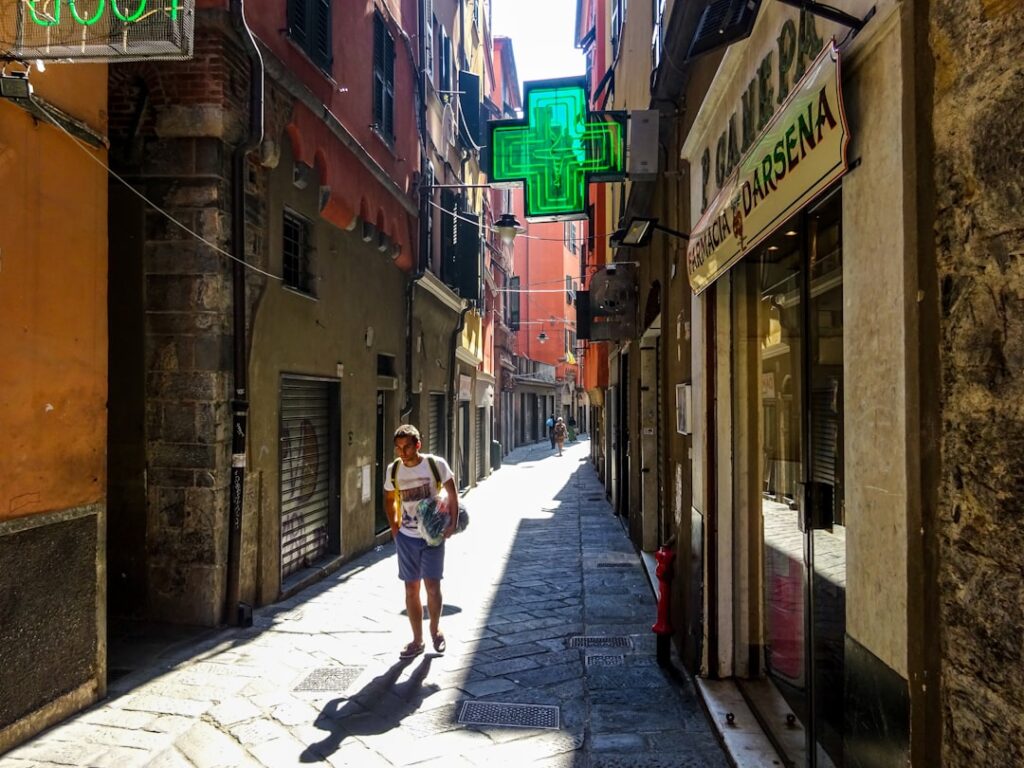
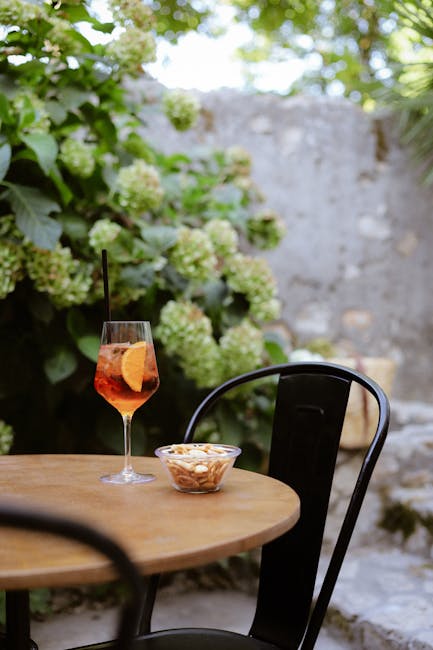
Suggested half-day route: start with a morning visit to a palace-collection along Via Garibaldi (09:30–11:00), follow with coffee and a private gallery in Carignano (11:15–12:00), then join a short workshop (12:30–14:30) or a themed micro-collection. Finish the afternoon with a cabinet of curiosities or an artisan demo, followed by an aperitivo in a courtyard. This compact circuit blends architecture, art and local craftsmanship without rushing.
Final tips: subscribe to local newsletters and follow cultural associations on social media (often the first place ephemeral exhibitions are announced). Respect conservation rules and the quiet of these venues. And leave room for the unexpected: some of the most memorable discoveries happen without a booking, when you turn a corner and spot a discreet plaque announcing a private exhibition.
Conclusion: the art of intimate discovery in Genoa
Genoa reveals itself to those who take the time to listen to its confidences. Small private exhibitions — sprinkled across palaces, studios and cabinets — form a discreet network where every visit is a meeting: with a family, an artist, a curator or a craft passed down through generations. These places offer a personal, local reading of history and creativity, away from crowds and standard routes. They let you grasp the city’s texture: the link between sea and economy, the importance of Mediterranean exchanges, and contemporary creativity rooted in age-old know-how.
Practically speaking, exploring these treasures requires some flexibility and preparation: book ahead, adapt to irregular hours, prefer cash payments and accept that visits are often in small groups. The reward matches the effort: untold stories, unique objects, craft demonstrations and, often, the chance to speak directly with the people who care for these collections. For photographers, collectors or cultural travelers, these experiences yield rare images and authentic purchases — catalogs, limited reproductions or even original works by local artists.
Finally, remember that these micro-venues are fragile and precious. By supporting small private exhibitions — through your visit, purchases or recommendations — you help preserve an often underfunded tangible and intangible heritage. In Genoa, every visit matters: it keeps stories alive, sustains traditions and enriches the city’s living memory. When you leave these spaces, take a moment to wander the nearby lanes, taste a local focaccia and mull over what you’ve seen. Genoa’s hidden gems do more than display objects: they open conversations. Be curious, be respectful, and let yourself be surprised.