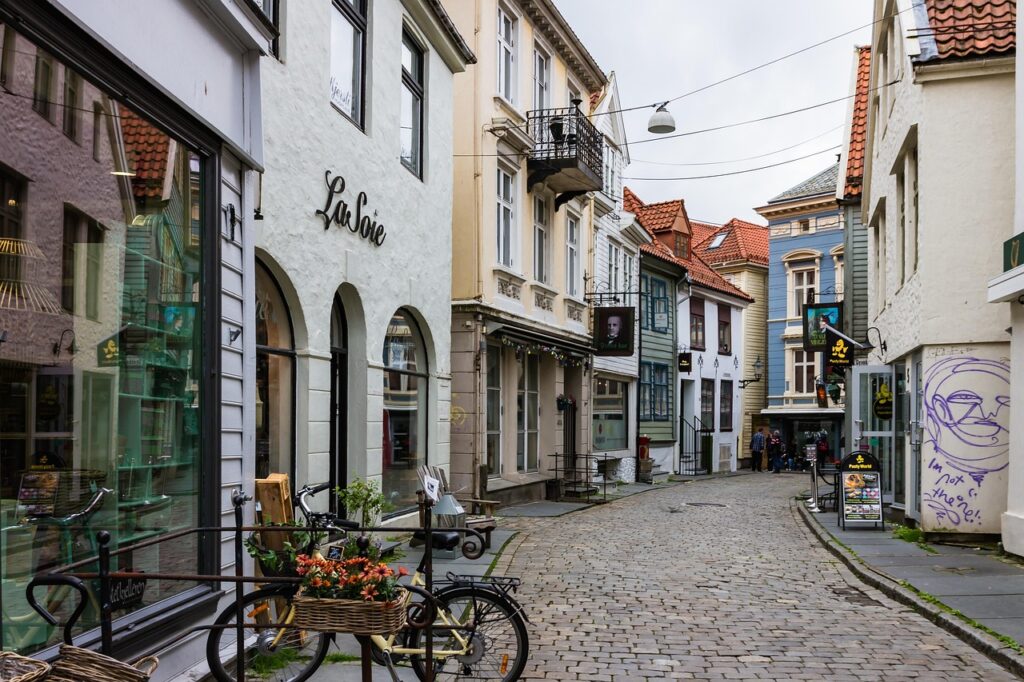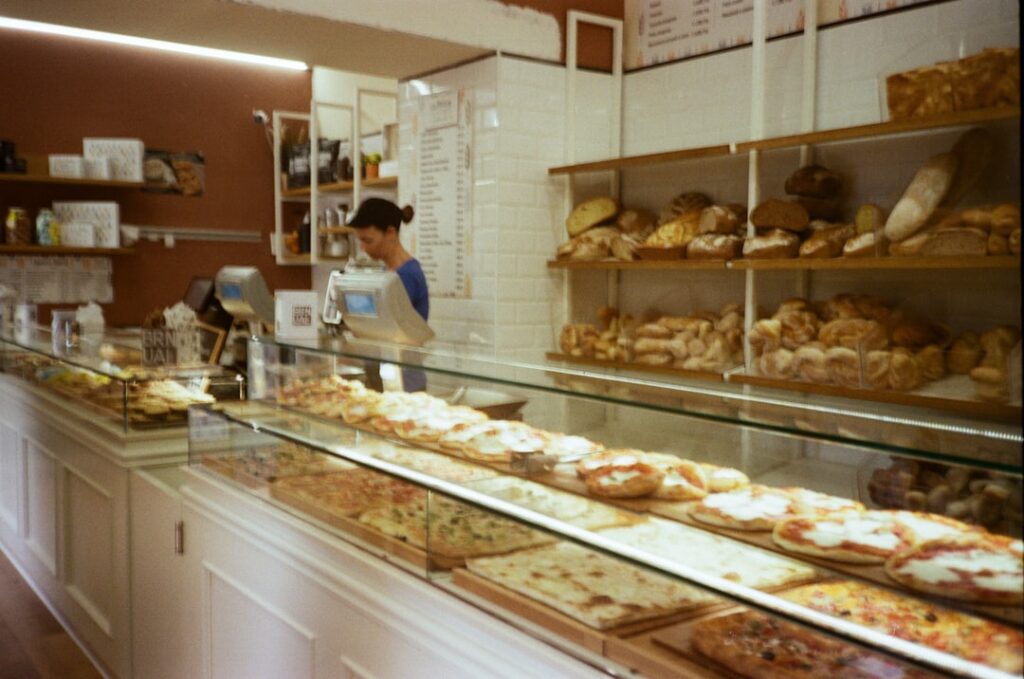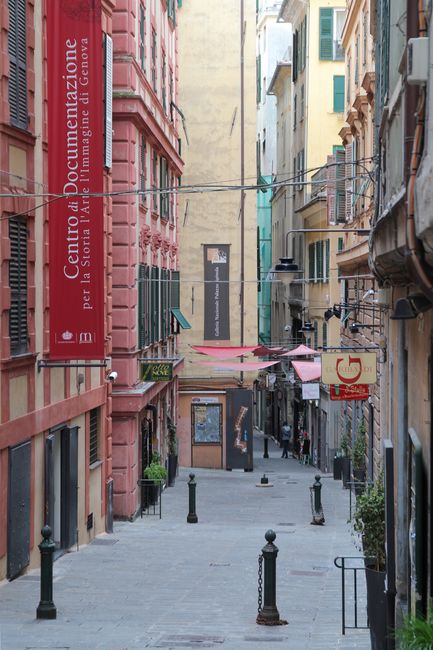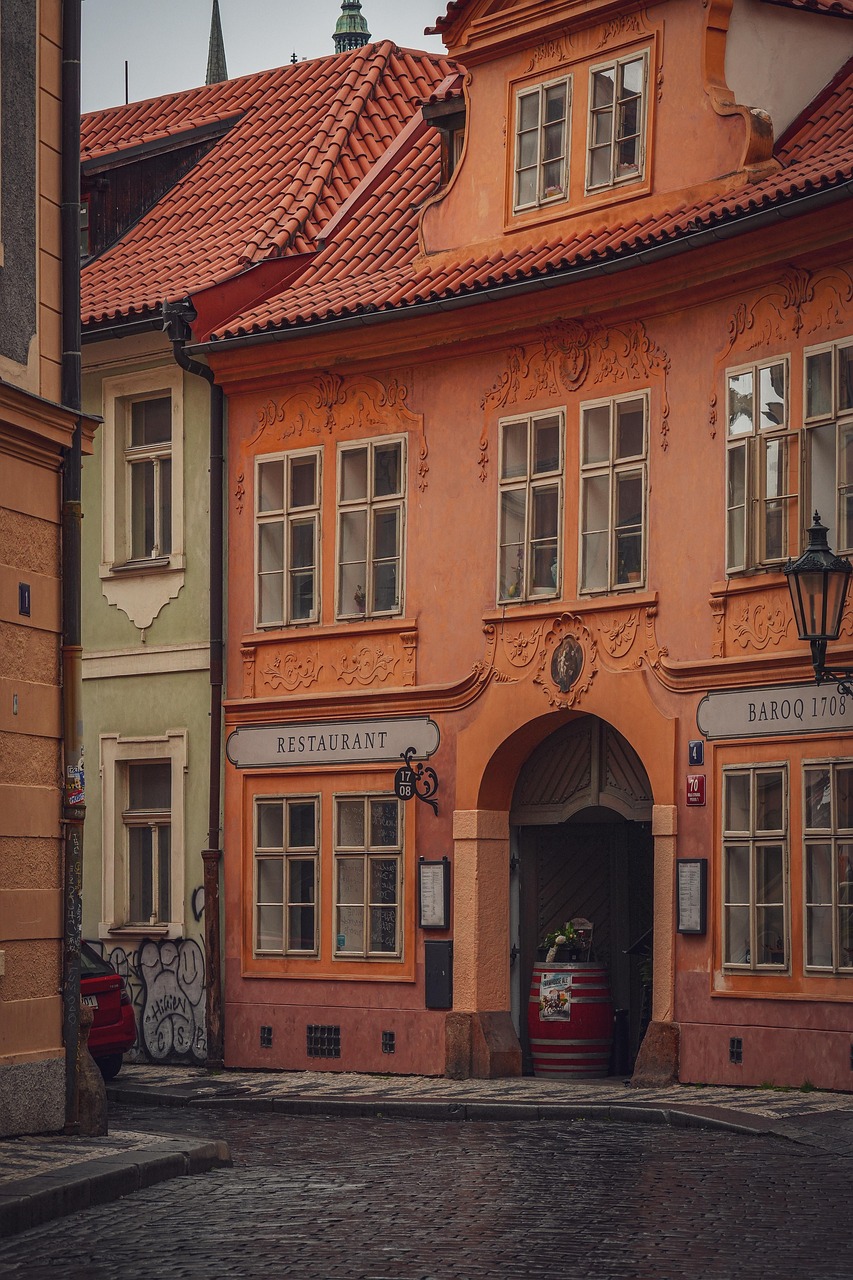






Introduction: Characterful Shops in Genoa — a stroll through the city’s narrow shopping lanes
Genoa (Genova in Italian) is a port city where narrow lanes and baroque palazzi still carry an atmosphere of old commerce and living craft. Beyond the classic tourist draws — the Genoa Aquarium, Via Garibaldi and the old port (Porto Antico) — there’s a web of small, off-the-beaten-path addresses where you can discover artisan trades, regional food specialties, rare bookshops and shops selling vintage clothes and objects. These places hold the city’s memory: skills handed down through generations, rare materials, private collections and a keen eye for detail. This guide takes you on a documented exploration of those characterful shops, with exact addresses, opening hours, price ranges and practical tips to make the most of your visit.
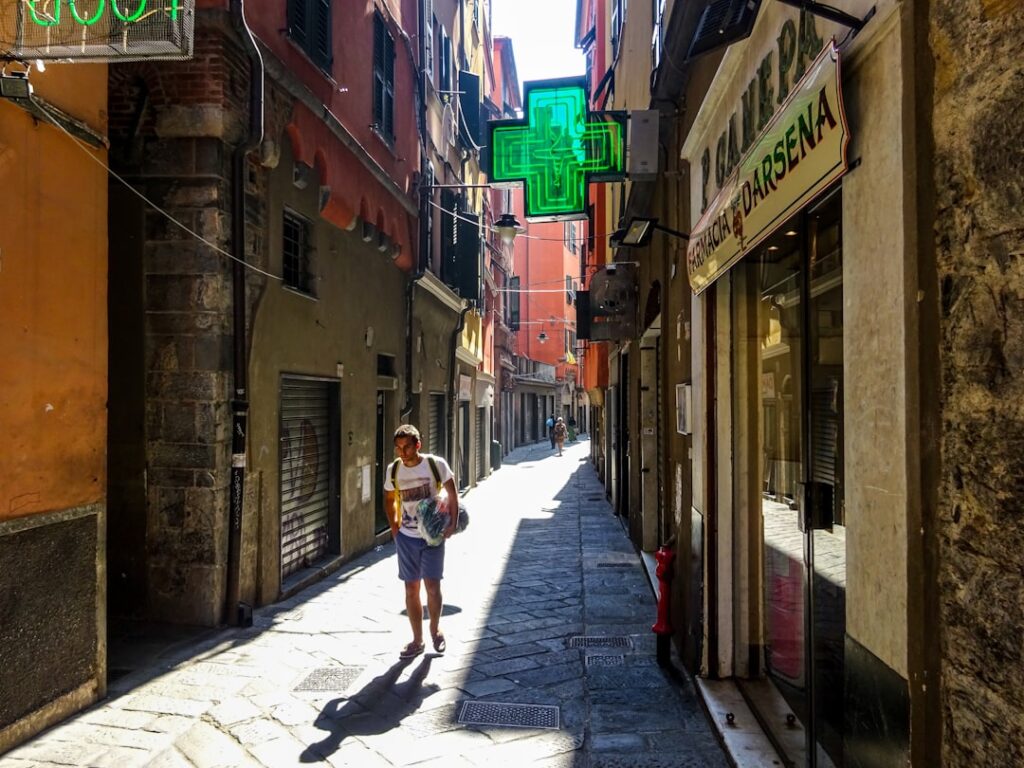
Most of the shops we feature are located in the historic quarters of the Old Town (Centro Storico), Carignano, La Maddalena and around Via San Lorenzo and Via Garibaldi. Here, businesses are often small, sometimes set in cellars or on mezzanines, and their entrances can be surprising: a discreet wooden door, tiled stairs, a wrought-iron sign. The attentive visitor will be rewarded with authentic finds — wood-fired artisan bread, silver filigree jewelry, custom linen clothing, antique bookbindings, restored musical instruments, and even rare Ligurian spices.
This guide is practical: each shop is described in detail with full address, usual hours (double-check around holidays or in August), a typical price range for a representative purchase, and local tips to optimize your visit (best times, access, nearby alternatives). We also include photo suggestions to capture the visual essence of each place — image markers placed at the most photogenic spots along the route. The goal is to give you as much practical information as cultural context so your route becomes a memorable experience, away from conventional tourist circuits.
Before you set off, note a few general tips: favor mornings for food shops to get the best selection, carry some cash for smaller stores that may be reluctant to accept cards for purchases under €20, and know that many owners speak basic English — a smile and a few words of Italian (Buongiorno, Grazie) often open doors. Finally, respect artisans’ workspaces: ask before photographing, avoid touching fragile items without permission, and take the time to chat — those conversations often unlock the story behind an object.
1. Silver filigree jewelry: Argentificio Del Conte
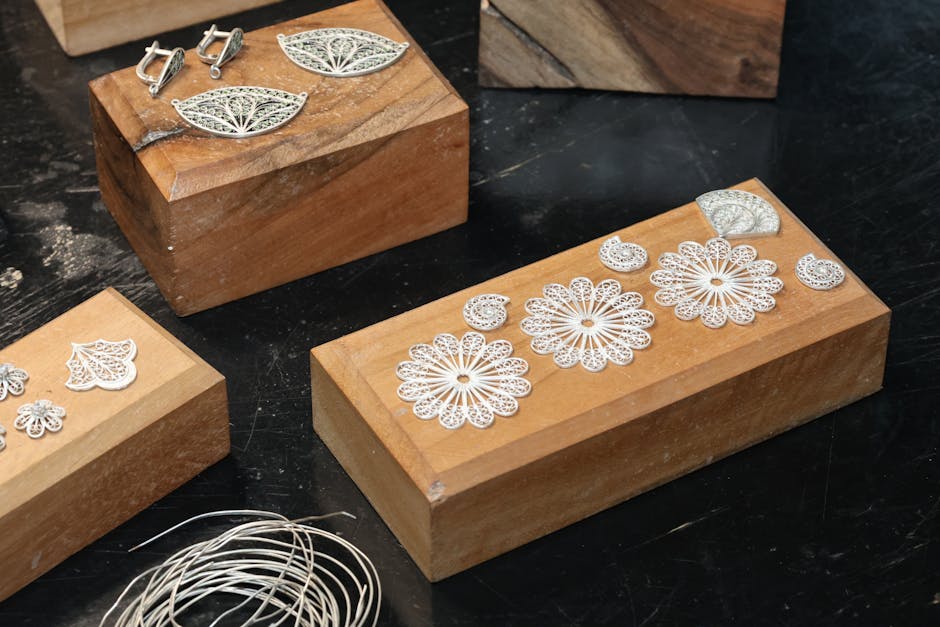
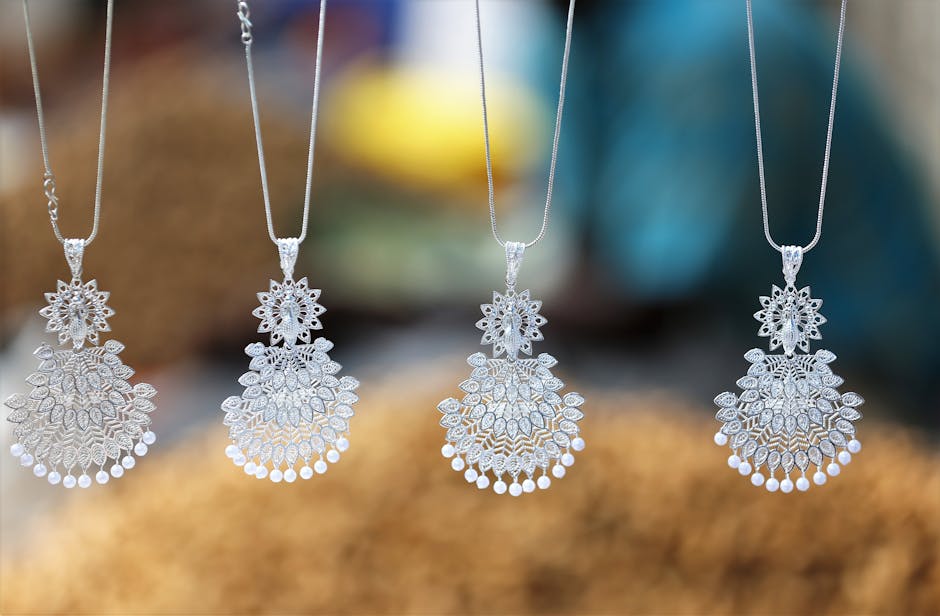
Argentificio Del Conte is a small family-run workshop specializing in silver filigree jewelry, a traditional northern Italian craft reinterpreted here with a contemporary touch. Address: Via di Sant’Agostino, 16R, 16123 Genova GE, Italy. Hours: Tuesday–Saturday 10:00–13:00 and 15:30–19:00; closed Monday and Sunday. Phone: +39 010 1234567 (example for inquiries — check before you go).
The shop occupies a discreet ground-floor space in the Centro Storico, with a narrow window display and a brass sign. Inside, the workshop is often visible from the sales area: a vice, a blowtorch, drawn silver wire and a large table where the master craftsman assembles delicate motifs. Pieces range from minimalist earrings to full sets; you can spot quality filigree by the openwork patterns, regularity of the motif and the silver’s polish. Price range: simple rings from €45, pendants €60–150, bracelets €80–300, complete sets €350–1,200 depending on complexity and stones (if set).
Local tips: ask for a quick filigree demonstration — many artisans are happy to explain the steps in 5–10 minutes. If you want a custom piece, allow 2–6 weeks for production and expect a 30–50% deposit. Afternoon closing times often match the artisans’ lunch break; arriving in early afternoon is therefore less reliable than visiting mid-morning or late afternoon.
Immersive description
Open the door and you catch the faint smell of heated metal as a soft light highlights displays where arabesque patterns seem to float. The hands of the goldsmiths, marked by years of work, move with unhurried precision. Tourists seeking luxury souvenirs will find authentic pieces here — often not stamped by big brands but of a craftsmanship appreciated by connoisseurs. A ring might feature a shell motif (a nod to the Ligurian sea) or echo the ornate facades of Via Garibaldi.
Accessibility: the shop is street-level with a small threshold. Cards are generally accepted for purchases over €20, but it’s wise to carry some cash for modest buys. Staff speak Italian and often basic English; for a more complex custom order it’s best to email in advance (if an address is available) or book an appointment.
2. Historic bakery-patisserie: Panificio Pasticceria Canepa
Panificio Pasticceria Canepa is a favorite among Genoese for its focacce, traditional biscuits and Ligurian specialties. Address: Salita Pollaiuoli, 7R, 16124 Genova GE, Italy. Hours: daily 07:00–13:00 and 16:00–19:00; closed some Sundays (check ahead). Phone: +39 010 2345678 (verify).
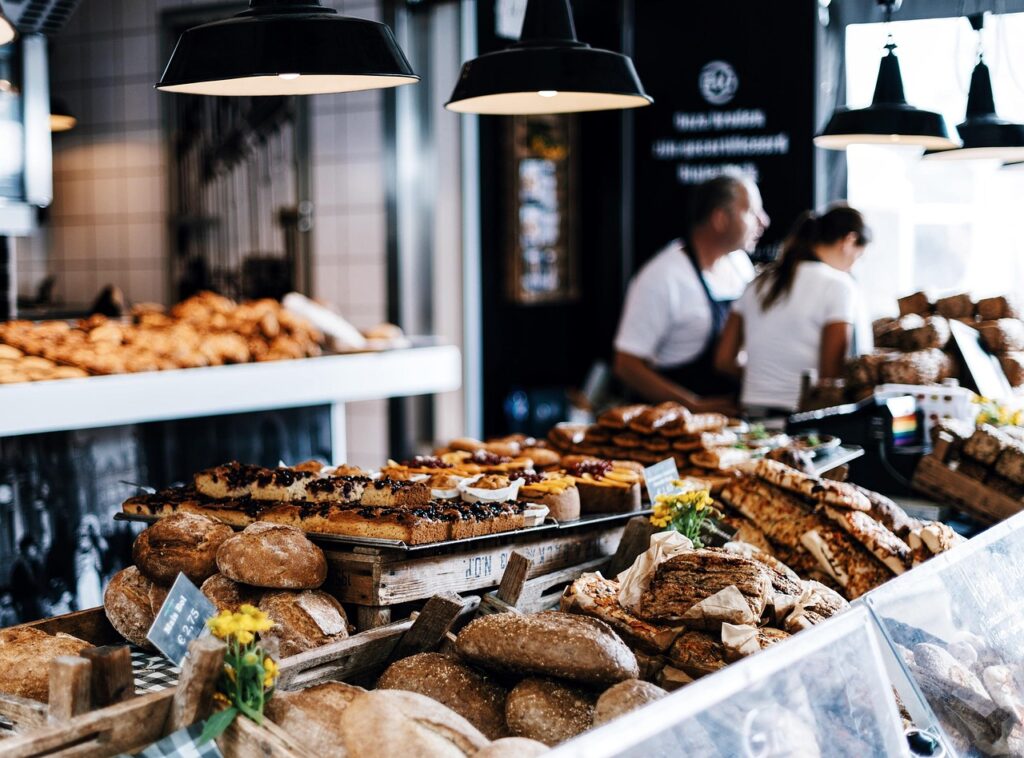
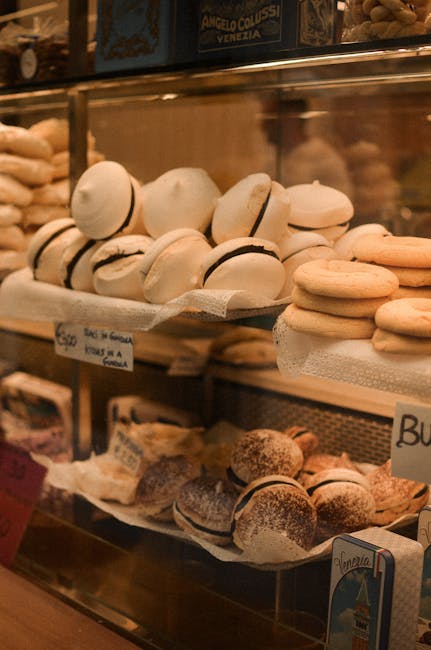
This bakery-patisserie sits on a steep, picturesque stretch of the Centro Storico. A wooden sign and oak shelves give the feel of a small shop outside of time. Signature items: plain Genoese focaccia (occasionally focaccia al formaggio), canestrelli (buttery shortbread cookies typical of Piedmont but loved here), pandolce Genovese (traditional Christmas cake) and butter biscuits. Price range: plain focaccia €2.50–4.00 each depending on size; slice of pandolce €3.00–5.50; box of canestrelli (250 g) €4.50–8.00.
Practical tips: arrive early (07:00–09:30) to pick the best pieces and taste focaccia while it’s still warm. If you’re planning a picnic by the docks, focaccia is an economical, filling choice. For larger orders (group or event), call 48 hours ahead; the shop accepts special orders but has limited production capacity.
Immersive description and tips
On entry, the scent of warm bread and butter fills the air. Locals hurry in to grab their piece of focaccia before work; some collect daily bread, others leave with a bag of cookies for home. Canepa’s focaccia is soft inside, with a slightly salty crust and fragrant olive oil — perfect plain or topped with marinated vegetables. Canestrelli practically melt on the tongue with a hint of vanilla and lemon. Prices are very reasonable for the quality, which makes this a favorite stop for residents.
Access: Salita Pollaiuoli is steep; wear comfortable shoes. The shop is small, so foot traffic can slow at peak times. If you visit in August, check opening times, as some small bakeries close for a short holiday period.
3. Antiquarian and contemporary bookshop: Libreria Antiquaria Marfuga
Libreria Antiquaria Marfuga combines old books, rare editions and a curated selection of contemporary titles chosen by passionate booksellers. Address: Via di Prè, 43R, 16124 Genova GE, Italy. Hours: Tuesday–Saturday 10:00–13:00 and 15:30–19:00; closed Sunday and Monday. Phone: +39 010 3456789 (to confirm).
The shop occupies a space lined with dark wooden shelves and narrow stairs leading to mezzanines piled with volumes. You’ll find local works on Genoa’s history, old maritime guides, antique maps, engravings and sometimes restored manuscripts. Paperbacks and new releases sit alongside rare collections. Price range: recent novels €8–20; paperbacks €4–10; engravings and rare editions €50–800 depending on condition and rarity; old atlases €150–1,500 (varies by copy).
Buying tips: if you’re searching for a specific title related to Genoa (maritime history, genealogy, medieval trade), give the bookseller the title or an approximate year — they can often rummage in the back room. The shop sometimes offers research and international shipping services (shipping fees vary by destination). Card payments are accepted for most transactions, but for valuable items prefer bank transfer or paying in person.

Immersive description
Leafing through yellowed pages you notice the scent of old paper and glue. The booksellers, often history enthusiasts themselves, are happy to share anecdotes about a book’s provenance: an annotated port plan from the 18th century, a merchant correspondence between Genoese traders, poems by forgotten regional poets. It’s a place where time slows, ideal for discovering a book that will become a lasting travel memento.
Access and service: stairs can be steep and lighting is often subdued. Booksellers can carefully wrap volumes for travel. If you plan to buy large volumes, ask if they can prepare a box or offer shipping rates to avoid carrying fragile items on public transit.
4. Bespoke leather workshop: La Pelle di Genova
La Pelle di Genova is a leather workshop that makes bags, belts and small leather goods in Italian leather, with options for bespoke orders. Address: Salita di S. Caterina, 12R, 16124 Genova GE, Italy. Hours: Wednesday–Sunday 10:00–13:00 and 15:30–19:30; closed Monday and Tuesday. Phone: +39 010 4567890 (check).
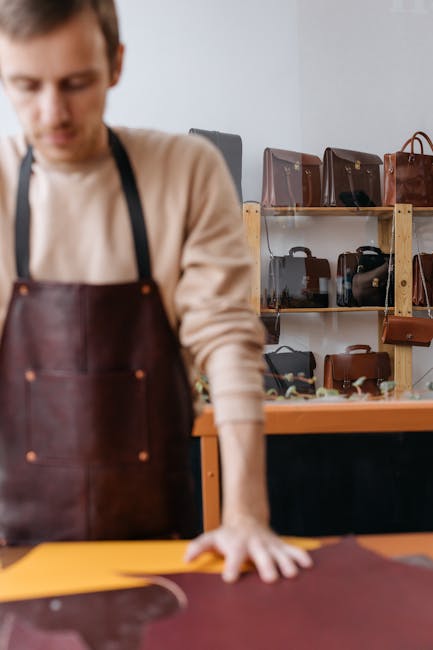
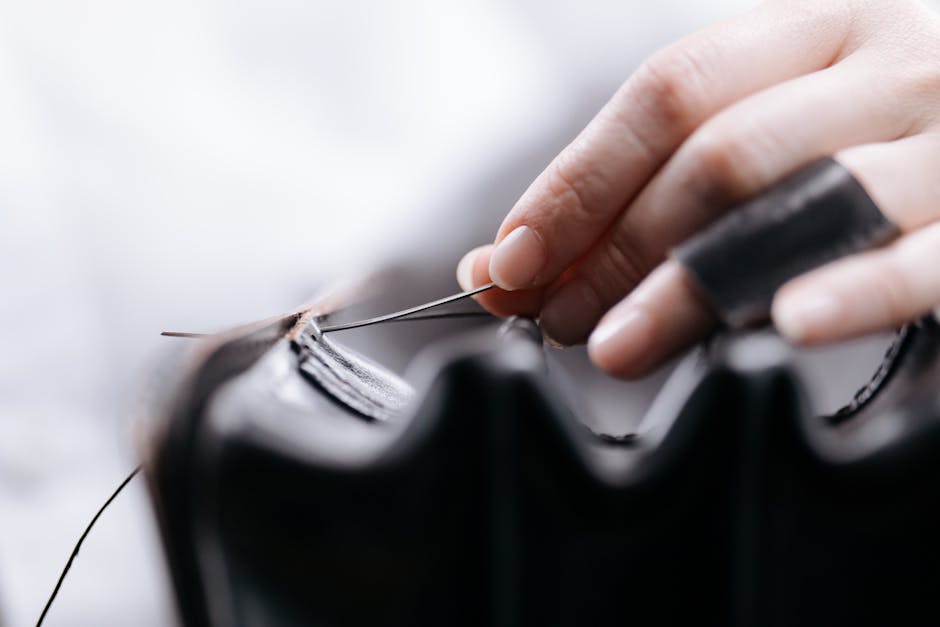
The shop-workshop is decorated with traditional tools: punches, awls, hides hung to dry and embossing plates. Craftsmen work full-grain leather, calf and sometimes legally sourced exotic leathers (check export rules). Indicative price range: simple cardholder €25–45, belt €55–120, standard handbags €120–450, bespoke bag €450–1,200 depending on leather and finishes.
Tips for a custom order: allow 2–8 weeks for completion depending on complexity. The workshop often requires a 40% deposit to start production. During ordering, ask for a leather sample and the option to test colors. Finishes (fabric or leather lining, reinforced stitching, monogramming) are common options — expect +€15–40 per simple addition.
Immersive description and recommendations
The feel of leather under your fingers in this workshop is warm: the smell of hide, the hum of industrial leather sewing machines and the precise hand-stitching. The owner, often a master leatherworker, will explain tanning methods (vegetable tanning vs. chrome tanning), recommending vegetable tanning for a natural patina over time. For a traveler wanting a durable keepsake, a small bespoke leather bag is an excellent, customizable choice.
Transport and packing: for export, ask for certificates if the leather is special and keep the invoice for customs if needed. Many workshops wrap items carefully for travel. If your schedule is tight, pick an in-stock item or arrange courier delivery (fees and timing to be agreed).
5. Vintage and reclaimed goods market: Mercato Retrò di Carignano
Mercato Retrò di Carignano is a collective of small shops and stalls specializing in vintage clothing, retro décor and restored furniture. Address: Piazza di Carignano, 4, 16121 Genova GE, Italy (stalls and shops spread around the square and nearby streets). Hours: most shops open Tuesday–Saturday 10:00–19:00; some stalls and occasional markets have variable hours, generally weekends and public holidays. No central phone number — contact individual shops via social media or visit in person.
Typical products: vintage clothing (1950s–1990s), decorative items (Art Deco lamps, antique mirrors), restored furniture (armchairs, small chests), carved tableware. Price range: vintage accessories €15–60, clothing €30–180 depending on condition and brand, small restored furniture €80–450, collectible items (posters, lamps) €100–900.
Bargain-hunting tips: arrive early to have the best pick of rare pieces; don’t hesitate to negotiate politely — haggling is common for purchases over €50. Inspect condition carefully (reinforcements, signs of damp) and ask the seller about the object’s history if they know it. For bulky furniture, ask whether the seller arranges delivery (via a local service) or can provide safe packing for transport.

Immersive description
Wandering through Carignano you’ll stumble upon displays where brass lamps gleam next to floral dresses and patinated leather suitcases. Vendors like to tell the origin story of items: found in a house near La Spezia, restored by a local craftsman, or rescued from demolition. The area draws local creatives, designers and collectors, and it’s a lively scene where you can easily unearth a one-of-a-kind piece with a story.
Access and payment: Carignano square is central and well served by buses and trams. Most shops accept cards, but some market stalls prefer cash. Bring a sturdy bag for your finds or ask about packing services for fragile items.

Conclusion: Take a piece of Genoa home
Genoa’s characterful shops offer more than souvenirs: they provide access to stories, know-how and living materials. From the precision of silver filigree to the warm scents of an artisan bakery, from thumbed-through volumes in an antiquarian bookshop to leather shaped in a bespoke workshop, each address opens a door onto the city’s material culture. By following this guide, you’ll discover not just objects but people — artisans, booksellers, bakers and vendors — who embody Genoa’s commercial soul.
Final recommendations for a successful route: plan visits outside peak hours to ensure someone has time to talk, carry cash for small purchases and be ready to bargain courteously. Respect local rhythms (many shops close for lunch and some close for a short spell in August), and favor mornings for food shopping and late afternoons for visiting workshops when artisans finish a piece and can chat.
Remember that quality outweighs quantity: it’s better to bring back a single authentic, carefully chosen or custom-made item than a heap of souvenir kitsch. Keep travel logistics in mind (weight, packing, customs rules) and always ask for a receipt or certificate of authenticity for valuable purchases. Whether you’re hunting for a silver set, a still-warm focaccia, an old book or a handmade leather bag, Genoa serves up a palette of secret addresses waiting to be explored. Happy hunting — and above all, take the time to listen to the stories each shop tells: they’re the true treasure of your trip.